One more rainy day before sunshine. It brought glory.

The final tally for running on empty: Days in a row of rain to mostly cloudy: 12 days (January 22 to February 2) Extended streak of days at least mostly cloudy: 23 days / 25 days (January 9 - February 2) Nearly every day it didn't outright rain, I climbed to the roof twice to catch what power I could. Many days I got zero. Some days I got enough to power the phone a day or the computer a few hours. My computer shut off multiple times running out of power in sleep mode. I'm not saying I suffered. I'm saying how I couldn't take for granted what I grew up thinking I always could: power when I wanted it, however much I wanted.…

0 Comments

February started with more clouds. Will rain again tomorrow.

What do you know, more clouds today. There was enough sun to get one battery to 12%, which let me use the computer enough to catch up on some emails and post. My computer shut down while in sleep mode, it hadn't been charged in so long. I hope my posts haven't come out too repetitive lately, but in over a year and a half I haven't hit this little sun and it's a major problem. Solar already isn't clean, green, or renewable, despite what everyone calls it, and everyone knows you can't get sunshine whenever you want it, but I'd come to find it more predictable. Well, it isn't. Yet, despite its problems, it's like Methadone: still powerful and addicting, but not as much…

0 Comments

Tough January: About three weeks with almost no sun. Learning in uncharted territory.

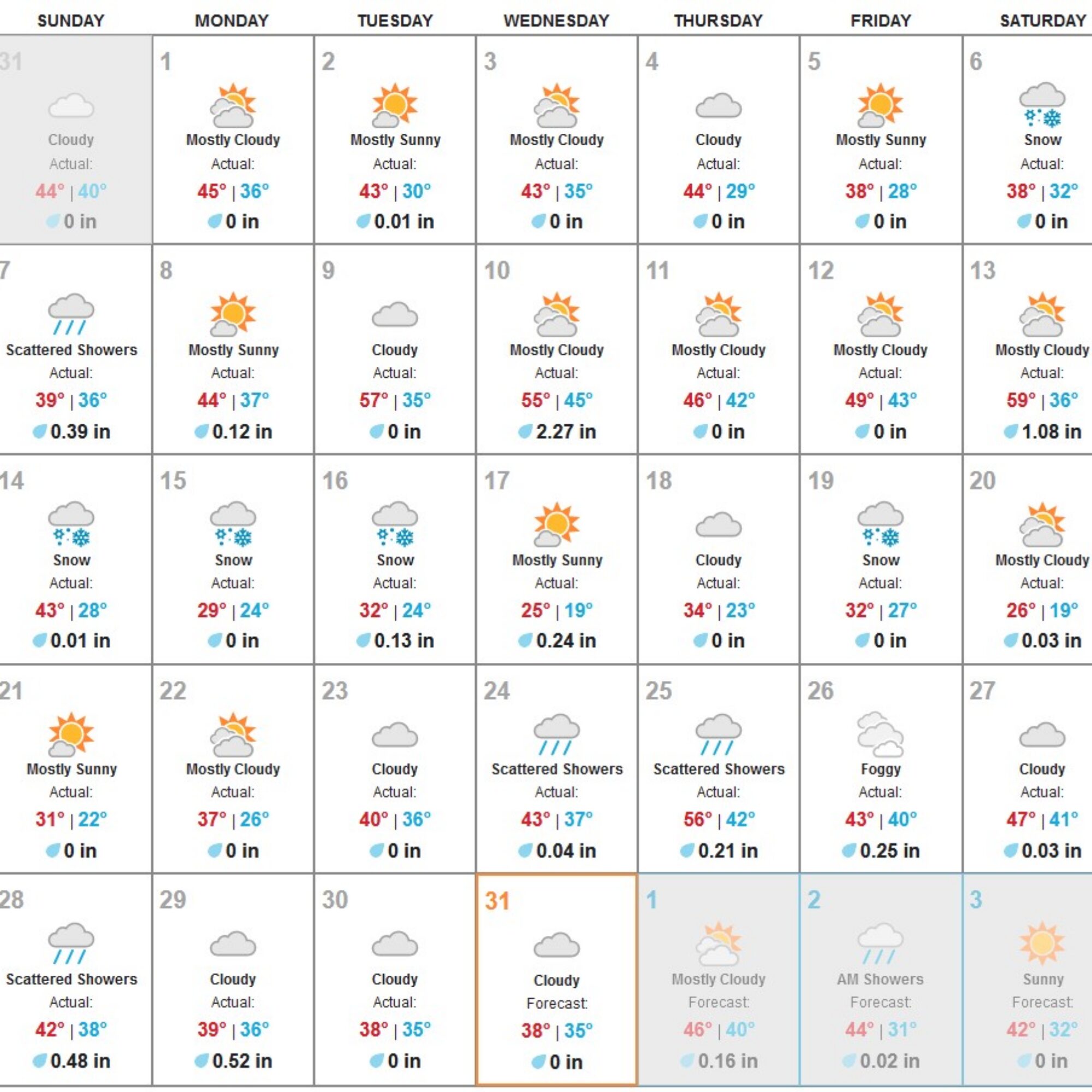
Check the calendar below. I count three days mostly sunny in the past 23 days. Everything else has been mostly cloudy to full on rain or snow. I'm still going up every day that isn't raining. Many days not getting any power. I missed my first meeting today for not being able to plug in, but it worked out okay, I think for my explaining my situation. It was a first meeting, so I hope I didn't make a bad first impression, but the other person values sustainability, leadership, and sustainability leadership. I keep finding how on the other side of each attempt to live more sustainably I find community. After I realized I missed our appointment, I wrote I appreciate the note [where he…

0 Comments

Still cloudy, fast post to conserve energy

The forecast was for some sun today, but more clouds. The less sun, the more stairs I have to climb since I have so little energy stored so have to climb for any sunlight I can get, while still conserving as much as I can by reading and writing. Luckily, there's no shortage of work to catch up on that way. Again, I'm not challenging myself for some abstract "environment" or to challenge myself. I'm doing it because no one else I know of has even tried, so I'm exploring the frontier of living off the grid in a major city to find out what's possible. Once we know what's possible, then we can make it easy and accessible. That's how we develop systems and…

0 Comments

A week with no sunny days. Should be only partly cloudy tomorrow.

I'm writing this post fast because New York has seen almost no sunny days in a week. I've had to conserve power as much as I can. All my batteries are nearly dead. Amazingly, I feel I live with more abundance in what matters despite having less power than when I plugged into the walls. We come together and help each other in difficult times, like snowstorms and hurricanes. I find caring about each other more valuable than material or energy abundance. Of course, in the long run we don't have to choose one or the other. Living sustainably isn't hard. It's only hard when everyone around me isn't. That's a cultural challenge, not technical. Here's the sky right now, not enough to draw a…

0 Comments

This week’s selected media: January 28, 2024: Superabundance, The Population Bomb, War Is a Racket, Finding the Mother Tree, Gandhi. Wow, a lot in a week!

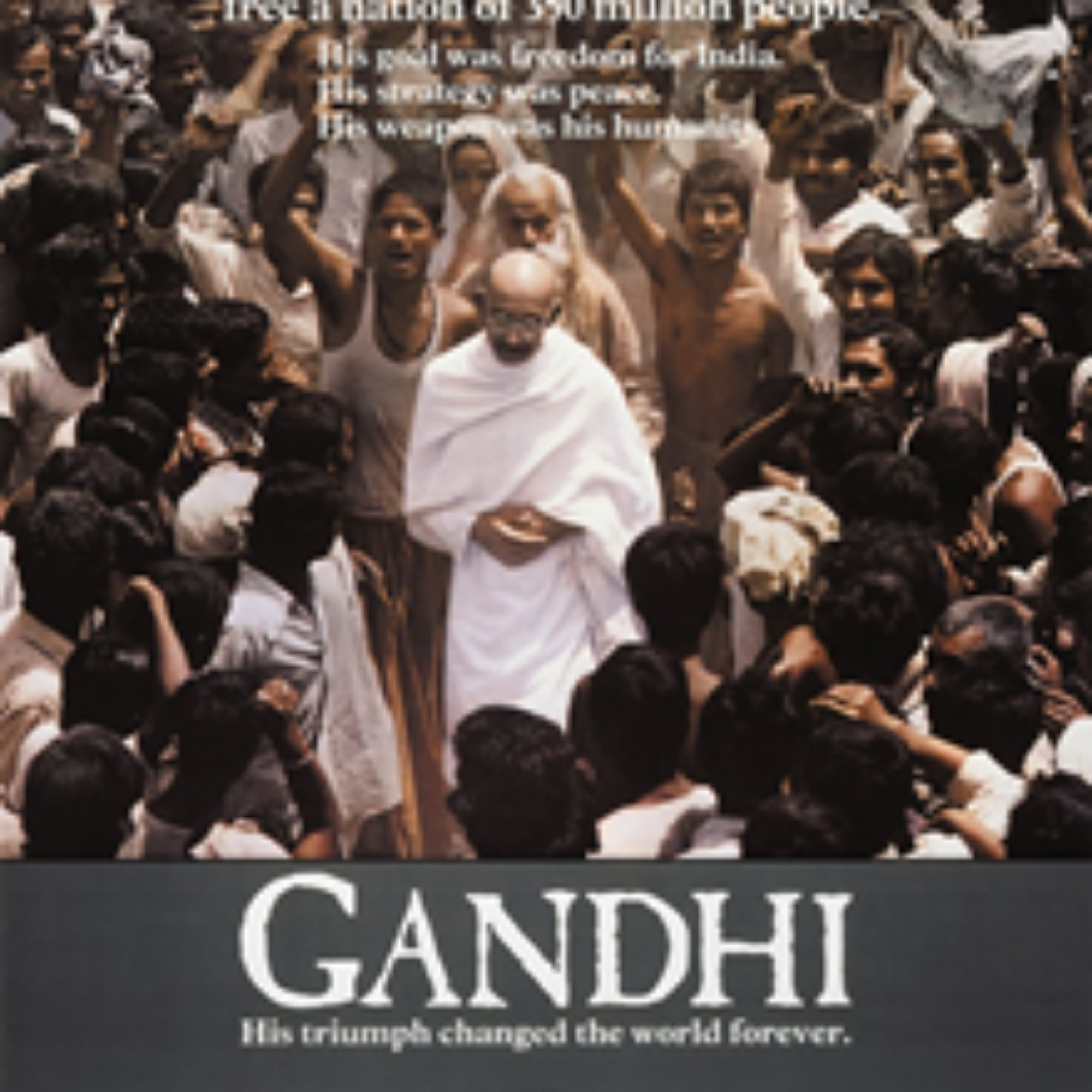
This week was overcast and rainy nearly every day. I barely caught rays so had to ration electric power, meaning a lot of reading and listening to books on my phone, which uses less power. I'm writing this post fast since it's raining again and barely have power left. I finished this week: Superabundance by Marian Tupy and Gale Pooley for the Cato Institute: I knew the premise of the book from all the interviews with the authors I watched. I enjoyed reading it, despite its shortcomings. It tried to prove a hypothesis but never considered alternative hypotheses that it didn't disprove. I hope to bring the authors to the podcast to learn more about them and their intent. I enjoyed their research in history…

0 Comments

Trying to lead an addict to admit their addiction or that they are hurting others (or themselves) is like trying to catch a fish with your bare hand.

I spoke recently with a guy who went through Alcoholics Anonymous. I tried to show him that we are addicted to behaviors that pollute and deplete. He agreed with that assessment. He agreed he was once addicted to alcohol, but he wouldn't acknowledge that he was experiencing addiction with his polluting, depleting behaviors. To clarify, he didn't disagree with anything. He just wouldn't acknowledge he was addicted today. He acknowledged that he wouldn't say he was addicted when he was addicted to alcohol, but wouldn't see that that denial could be happening now. He even acknowledged that addicted people deny, acknowledging the phrase "denial means don't even notice I am lying." You will go crazy trying to get an addict to acknowledge their addiction and…

0 Comments

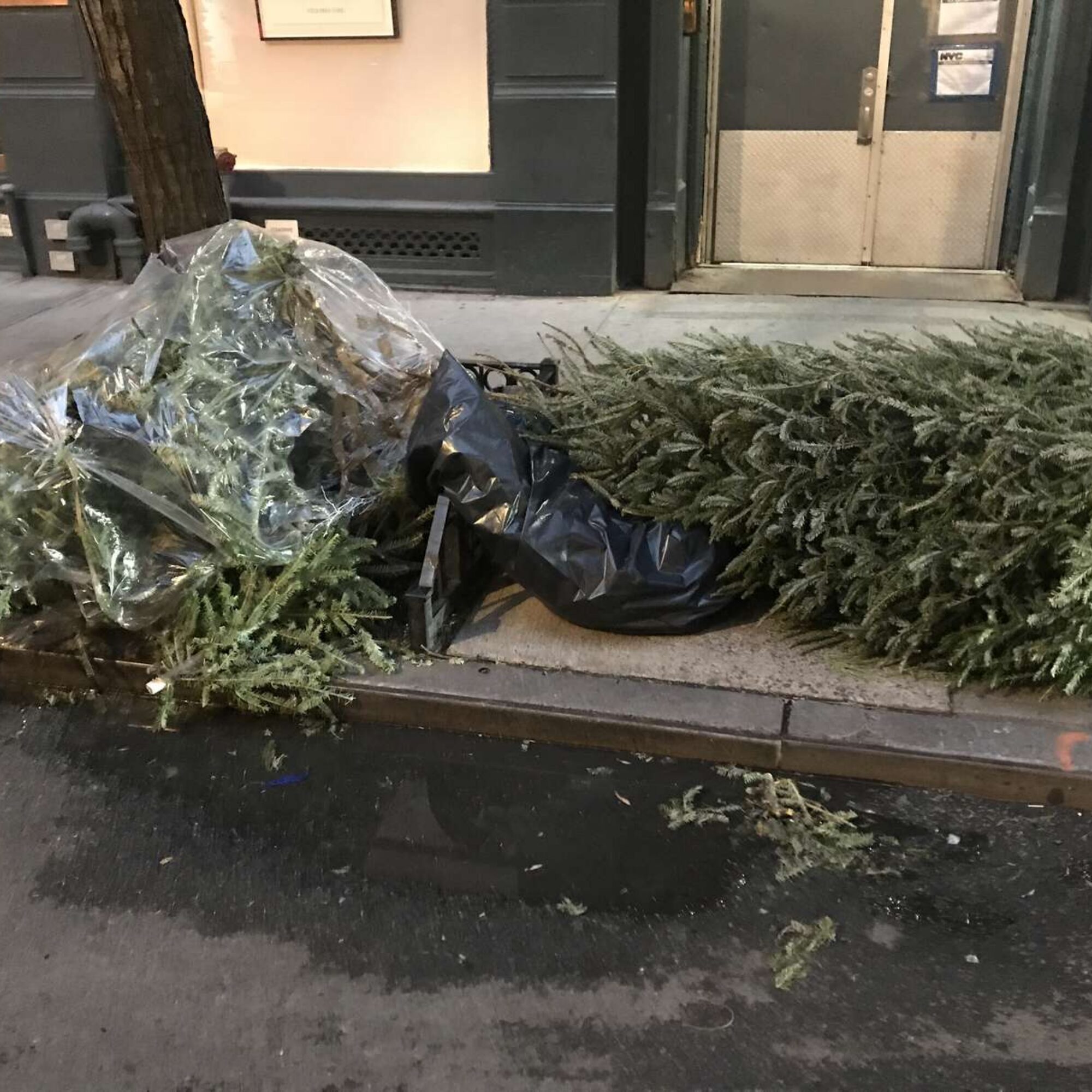
*Sigh* More Christmas Pagan Trees being thrown away. Wasn’t a month of trashing them enough?

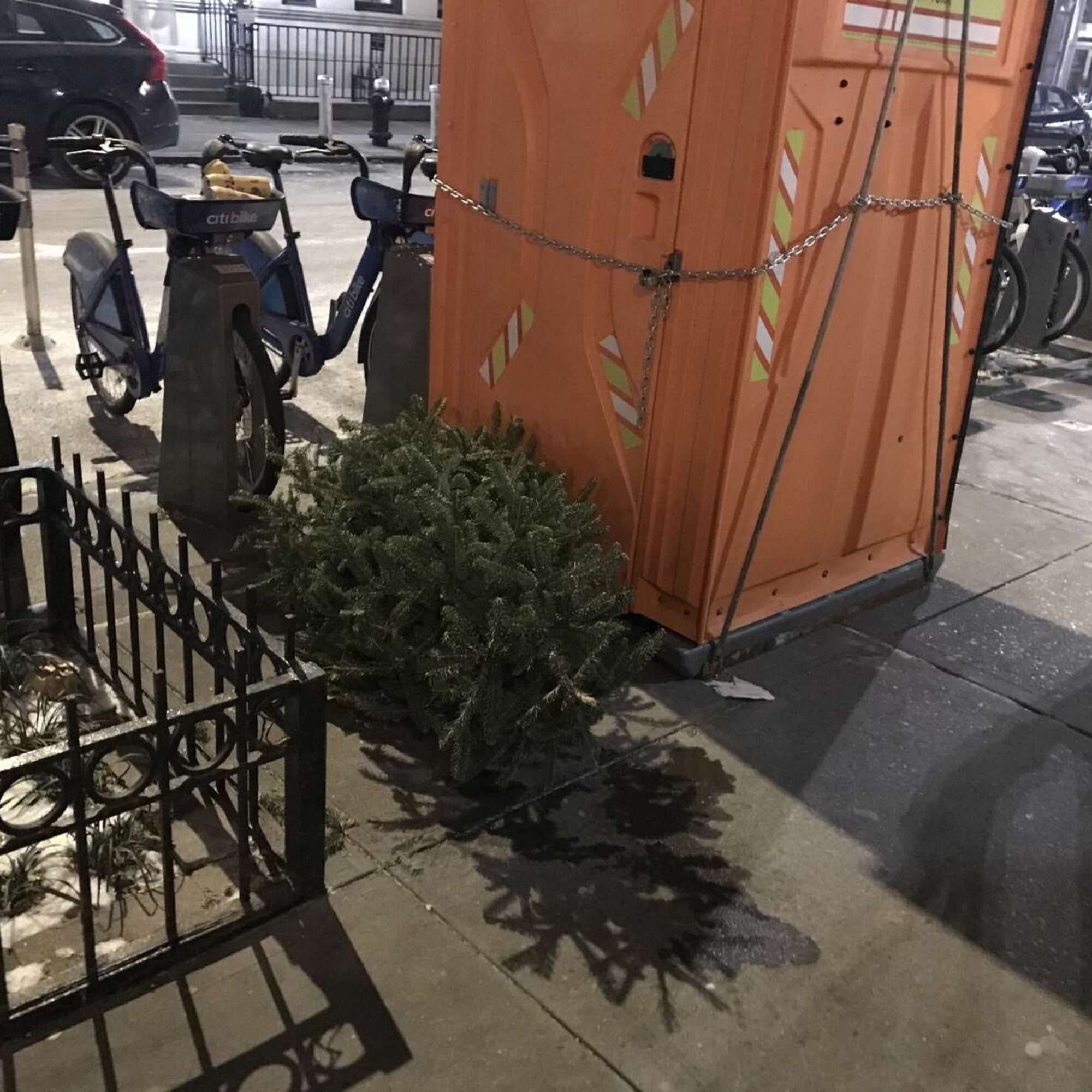
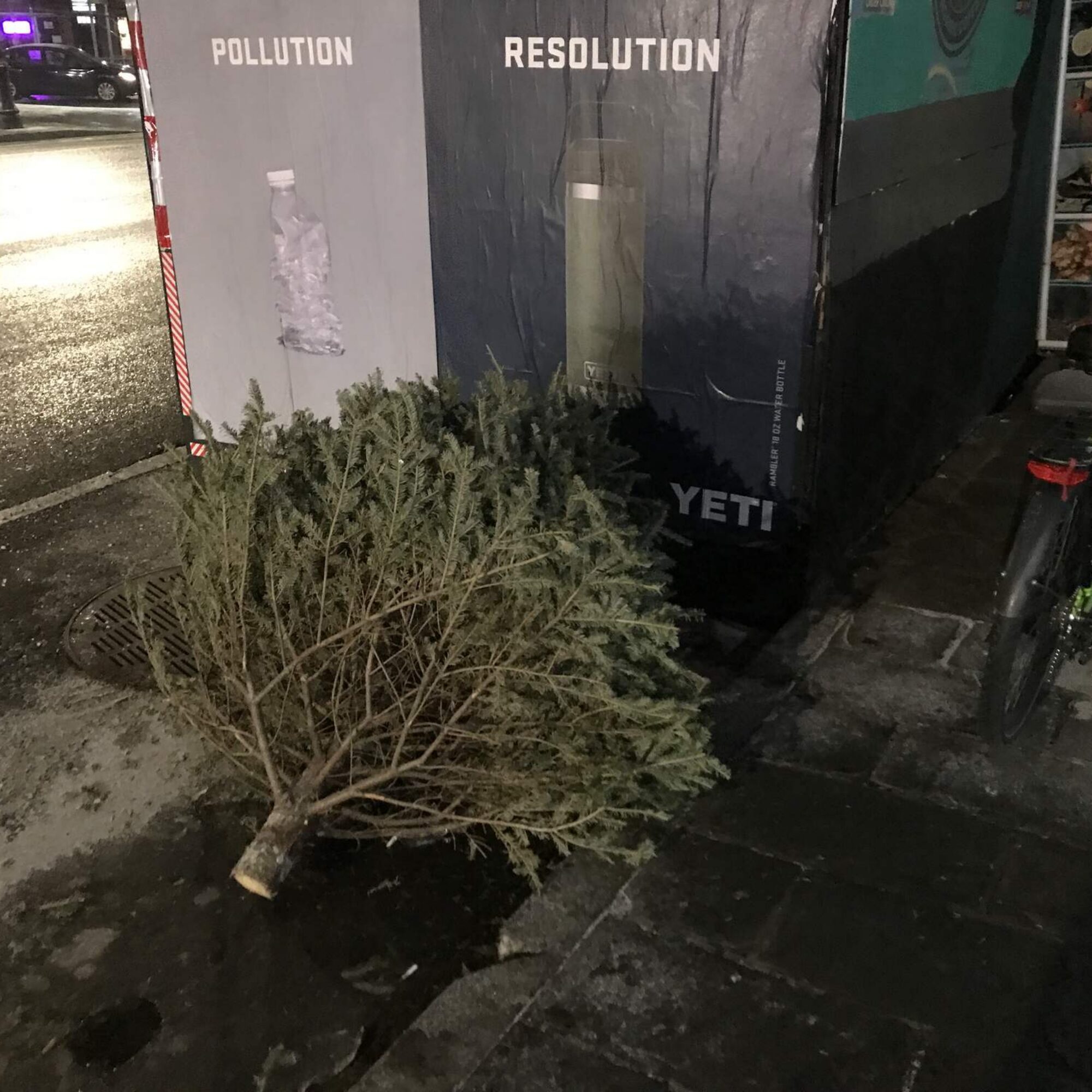
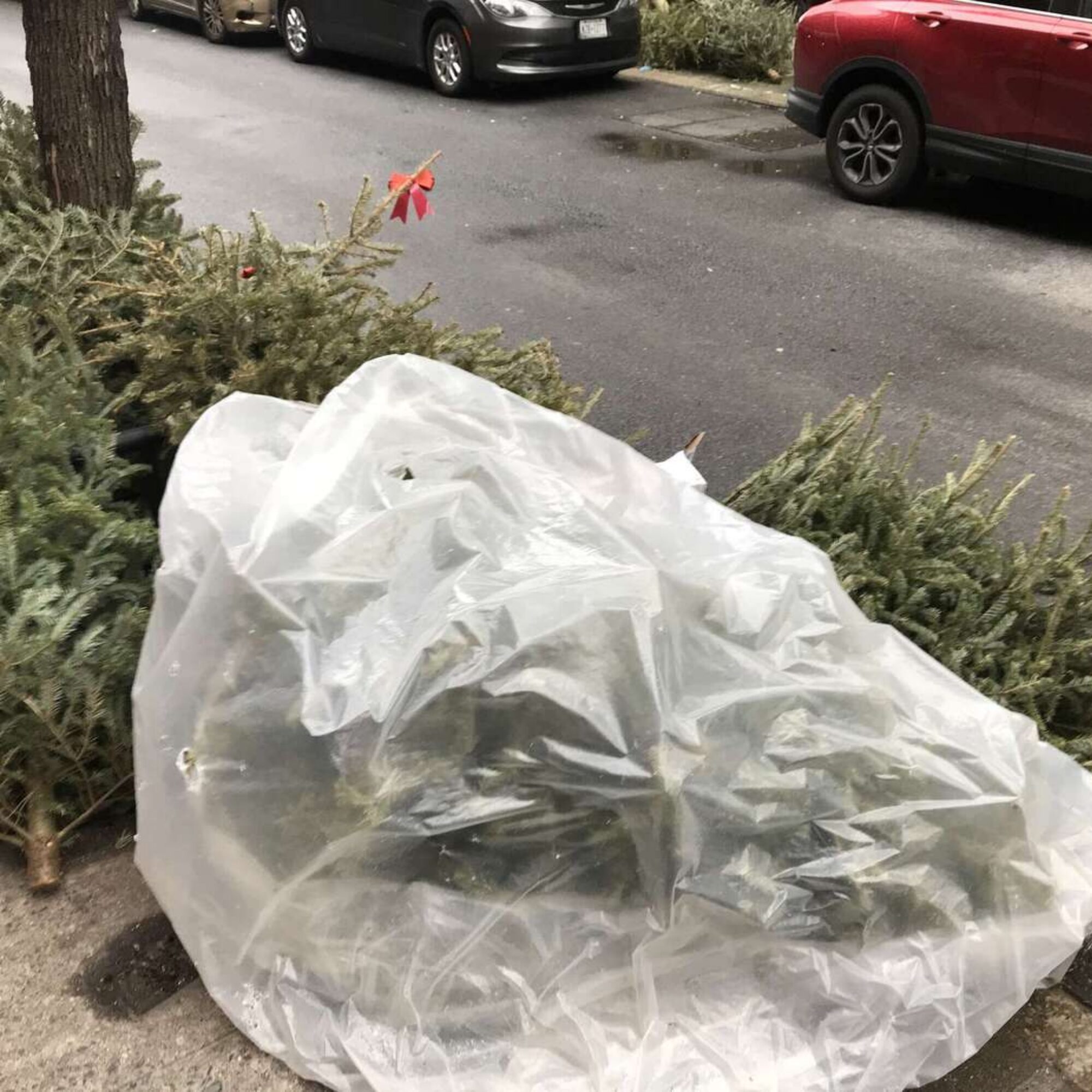
How's this Christmas Pagan Tree next to a portable toilet? What better way to show you love your messiah and savior than putting the remembrance of his birth by a box of shit? . . . or we could leave the trees in the ground and celebrate with life instead of death. More than a month since Christmas isn't enough time for all the trees to be trashed, there are so many. I thought yesterday's post would have covered them all, but after posting, I went out and saw more. I'm not looking for them, nor taking more time than a second or two to take a picture. Here are more:

0 Comments
Milestones from a culture of freedom and equality to one almost entirely subjugated by dominance hierarchy
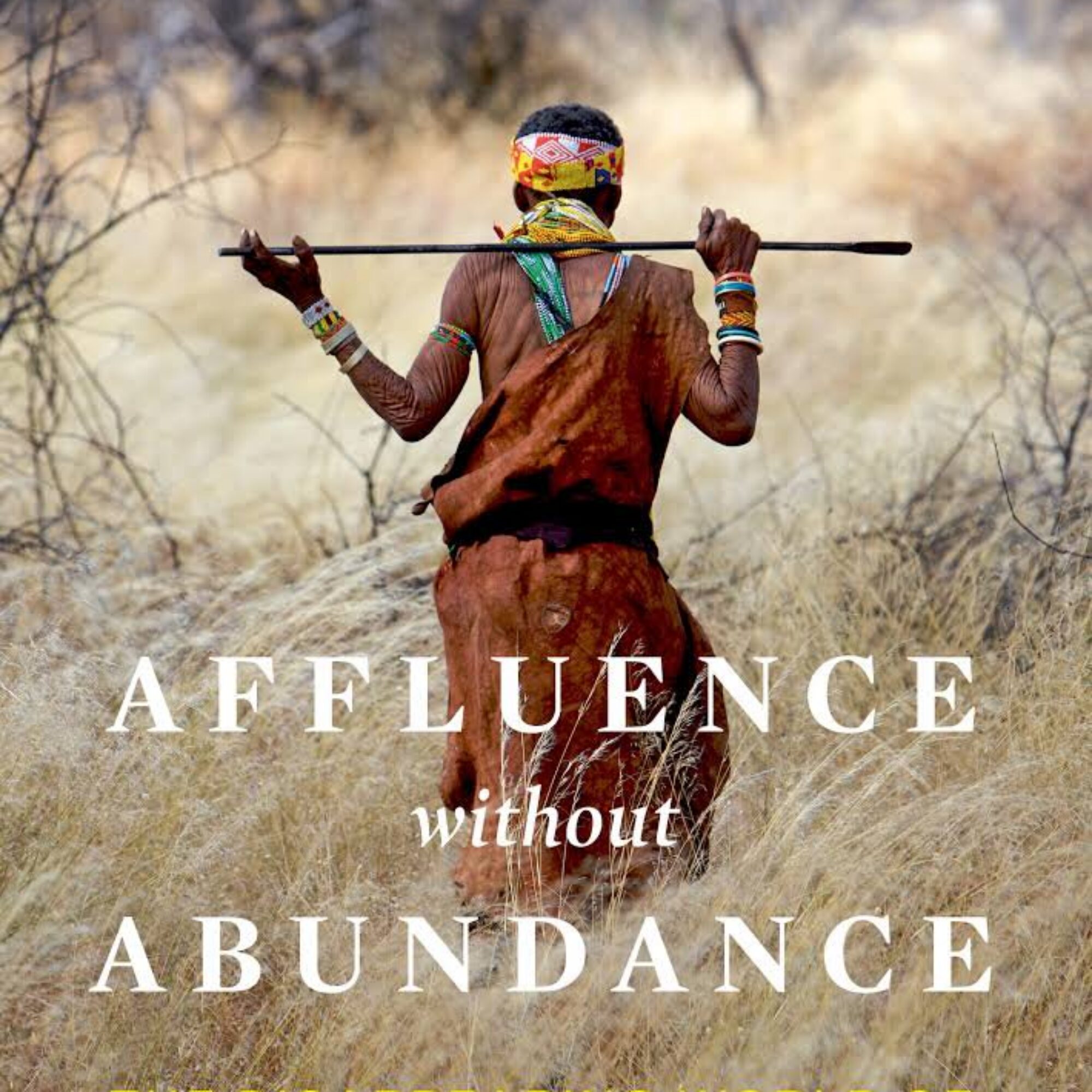
Affluence Without Abundance, by James Suzman

Milestones from a culture of freedom and equality to one almost entirely subjugated by dominance hierarchy

The more history and anthropology I learn, the more I learn the alternative to continuing our cultural path is not the Stone Age or a Mad Max apocalypse. For a good 250,000 years of human existence, our ancestors enjoyed more freedom and equality than we do. That's why indigenous cultures still exist. When they look at ours, they see our airplanes and medicine but also our lack of freedom and equality compared to theirs and don't want to give it up. My upcoming book describes why we've convinced ourselves that their cultures are disasters---briefly, it helps us rationalize and justify what our culture does to them, including taking their land, enslaving them, genocide, and so on. You might ask: if people prefer their culture, why…

0 Comments

A month after Christmas and still dumping Christmas Pagan trees. Who needs trees? Why not chop them down and send them to landfills?

I don't go out of my way to take these pictures. I just take them while walking along, doing my regular business. Each picture takes a second or two to take, so maybe a few minutes collectively for all the pictures I've taken this season. That's how much we fill our world with garbage, or rather turn lovely trees into waste. Meanwhile, about 98 percent of old-growth forests are gone.

0 Comments

744: Stephen Broyles, part 1: What Is Social Work and How Does It Relate to Leadership and Action?

Regular listeners and readers of my blog will know my sustainability leadership workshops and one of the participants of the first, Evelyn (she's in the video on that link). After being the teaching assistant for a couple cohorts, she is leading this winter's session. Often when I talked to her about leadership, she would comment, "We do that in social work too, but we call it" . . . and she'd mention a practice she was learning while getting her Masters in Social Work at Howard University. I'd heard of social work, but didn't know what people in the field did. She put me in touch with one of her professors, Stephen. We had a great conversation talking about the overlap between leadership and social…

0 Comments

Year 14, day 2 posting here daily

Since my friend's fateful words when he set up my blog here when I asked, how often do you post and he said: Every day. If you miss one day you can miss two. If you miss two it's all over. I've posted every day since January 22, 2011. It became my first sidcha and helped me establish the concept. It's easier to write every day than to worry about trying to restart after stopping. Here's the list of all my posts if you're new and want to start. Here are some of my favorites. It's led to two published books: Leadership Step by Step and Initiative, which get great reviews and are used by universities across the country (also two self-published books). More importantly…

0 Comments

Being Dick Fosbury and Debbie Brill

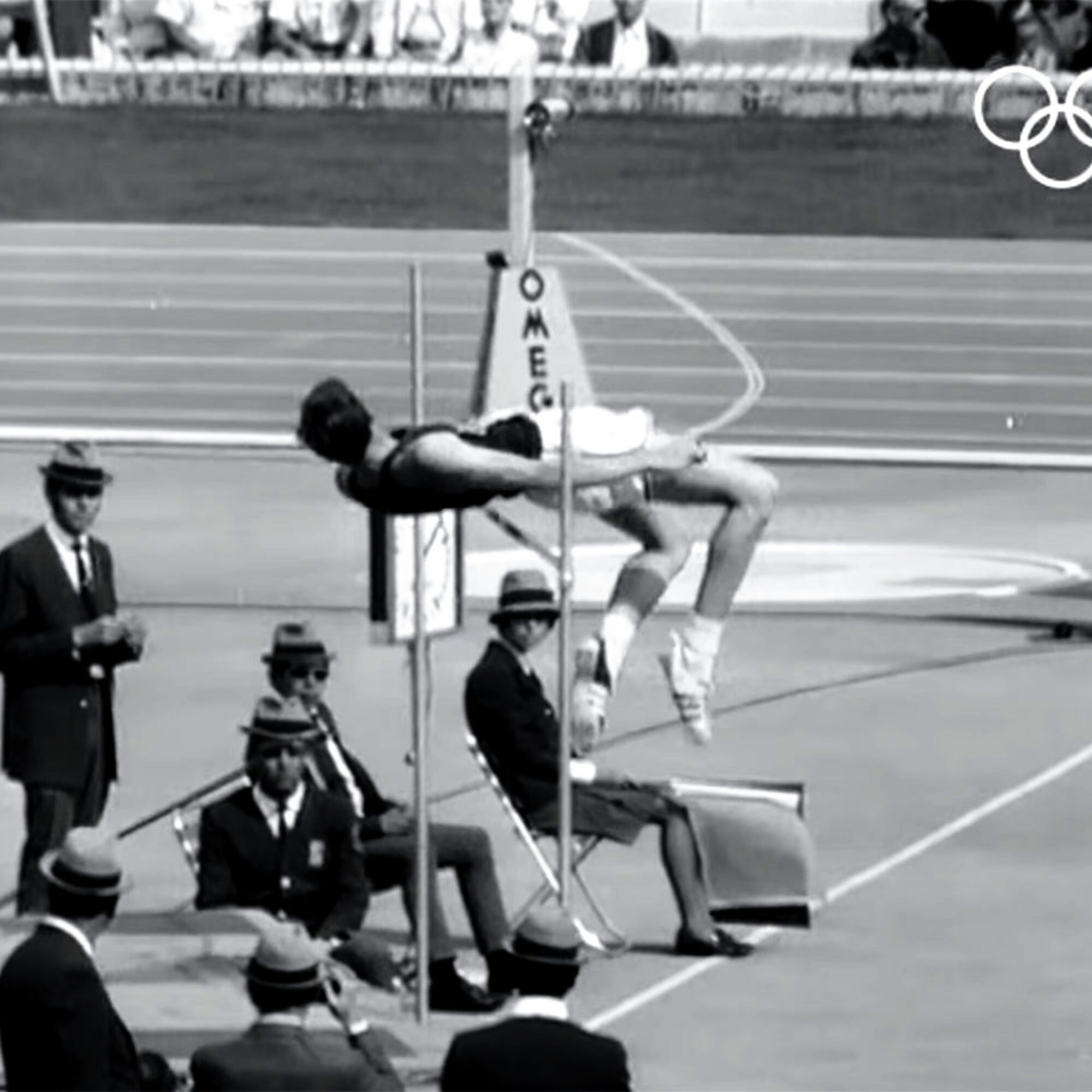
I've described what I'm doing practicing sustainability as being an explorer, the Wright brothers, and Roger Bannister. Each comparison had sense, but I think I found a better one: Being like Richard Fosbury creating the Fosbury Flop. He invented a better way to do the high jump. The videos below show how people did it before him and how he developed a new way. Compared to old ways, it looked backward. Nobody did it that way. He wasn't a great athlete, but he figured out how to do it better. He won Olympic gold. Now everyone does it how he developed. People do what he developed better. He's happy they do. Everyone seems to value sustainability, but I know almost no one who actually tries…

0 Comments

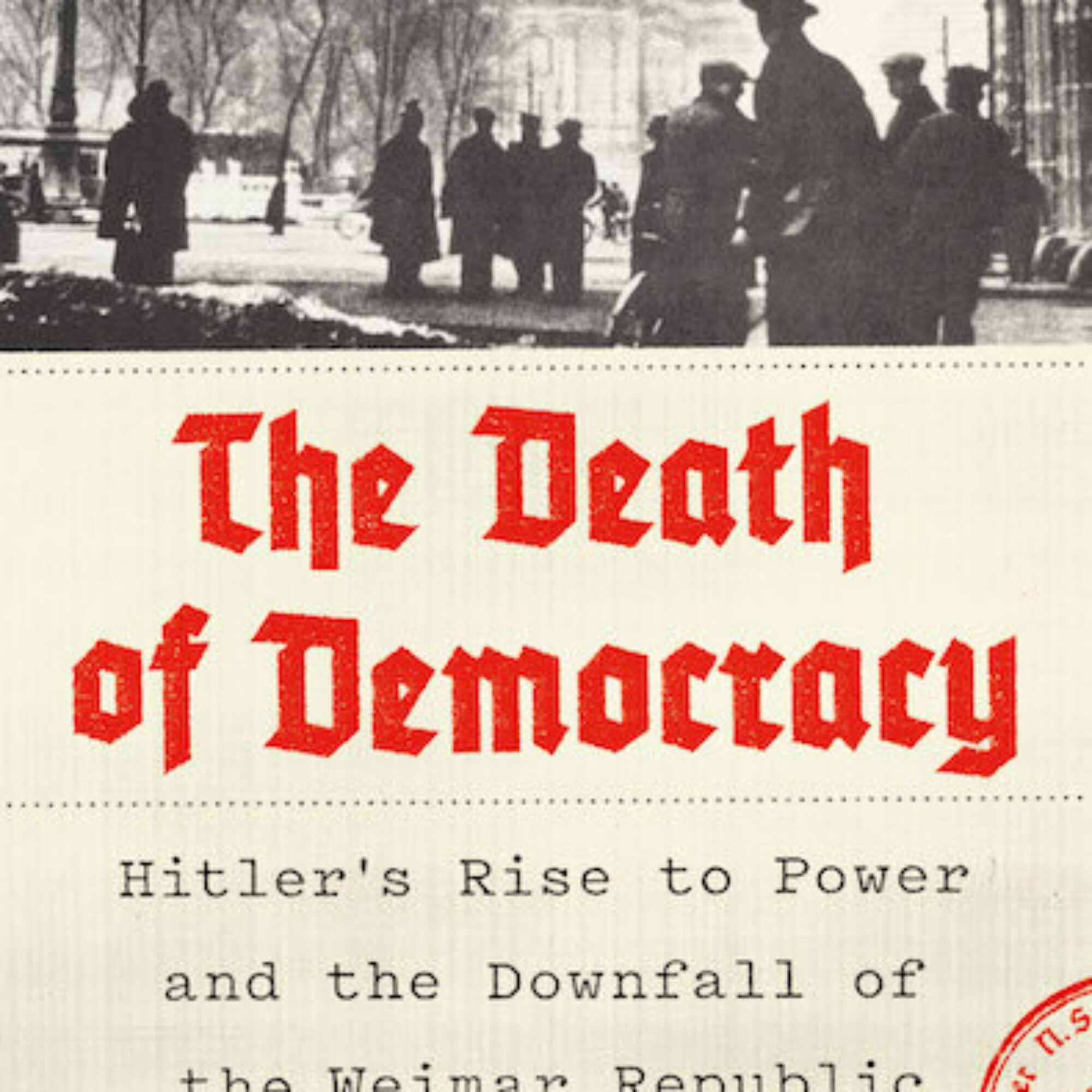
743: Benjamin Hett: The Death of Democracy: Hitler’s Rise to Power and the Downfall of the Weimar Republic

Regular listeners know how I look for role models in similar situations to ours regarding the environment. We know our polluting and depleting are bringing us toward collapse, but instead of acting, we procrastinate on acting. We rationalize and justify our inaction. We abdicate our responsibility, capitulate, and resign to complacency and complicity. Humans behaved this way in the face of slavery, especially during and after the Atlantic Slave Trade, which led me to bring several guests who were experts on that period and people who acted against it. Humans behaved this way in the face of fascism too. I'm not comparing people today to Nazis, but to Germans who may not have been Nazis, and may even have opposed them, but continued paying taxes,…

0 Comments

This week’s selected media: The Social Life of Forests, Oppenheimer

This week I finished: The Social Life of Forests, by Ferris Jabr, about Suzanne Simard: This six-thousand-word New York Times article asks: "Trees appear to communicate and cooperate through subterranean networks of fungi. What are they sharing with one another?" and profiles a scientist at the forefront of studying forests. I came to it following up reading The Overstory, since one of its characters is based on Simard. Here's an interesting, tragic finding: "Although forests now cover 80 percent of the Northeast, for example, less than 1 percent of its old-growth forest remains intact." The article is like a primer on some recent research and on the super-organisms of forests that include trees and fungus. I've watched a couple videos of her, listened to her…

0 Comments

742: John Brooke, part 2: American slavery transformed to today’s industry and anti-stewardship of our environment

If John's specialty in deep history weren't valuable enough to understand how our culture's dominance hierarchy formed from the material conditions of the dawn of agriculture, he also specializes in American history, including slavery from before the Revolutionary War through to the Thirteenth Amendment. We start with his sharing what drew him to the two fields. Then I introduce what led me to want to learn from him. I share a main thesis of my book, starting with the journey that led me to see how today's industry and technology evolved from slavery. To clarify, I understand that machines and industry didn't help end slavery, but sustained the system, including its cruelty, just changing the mechanism. As I heard, my thesis is essentially accurate. He…

0 Comments

Americans are so addicted, they can’t see our unbalanced their “balance” is

Every time someone tells me they balance their behavior regarding the environment, guaranteed the next thing they say will concern only themselves. They want to help the environment but they want to live their life too. They want not to pollute but they can't afford not to fly. They want to eat less meat but they want to stay healthy. For one thing, most of what they say doesn't make sense, like that avoiding meat would be unhealthy. The bigger thing is that the huge issue with pollution is that it affects other other people (and wildlife) without their consent. People talking about balancing their environmental balance never include other people in their considerations. They think balancing their conscience with the bank account while paying…

0 Comments

More depth on Robert Carter III

I've written about Robert Carter III a bunch here. He figures in my book a lot, as someone who could have remained corrupted by slavery, as everyone around him did in Virginia after the American Revolution, but he freed his slaves. Thomas Jefferson didn't, despite his brilliant words on freedom. [EDIT: Here's someone else's post on Robert Carter III: The Forgotten First Emancipator. An excerpt: Robert Carter, then, stands as the personification of the inconvenient truth that emancipation, even on a large scale, was entirely feasible in the United States, at least at the turn of the nineteenth century. In this way, his life serves as an indictment of the civic gods of America—Thomas Jefferson, George Washington, James Madison, Patrick Henry, Richard Henry Lee—who did…

0 Comments

Charging on the roof in the snow

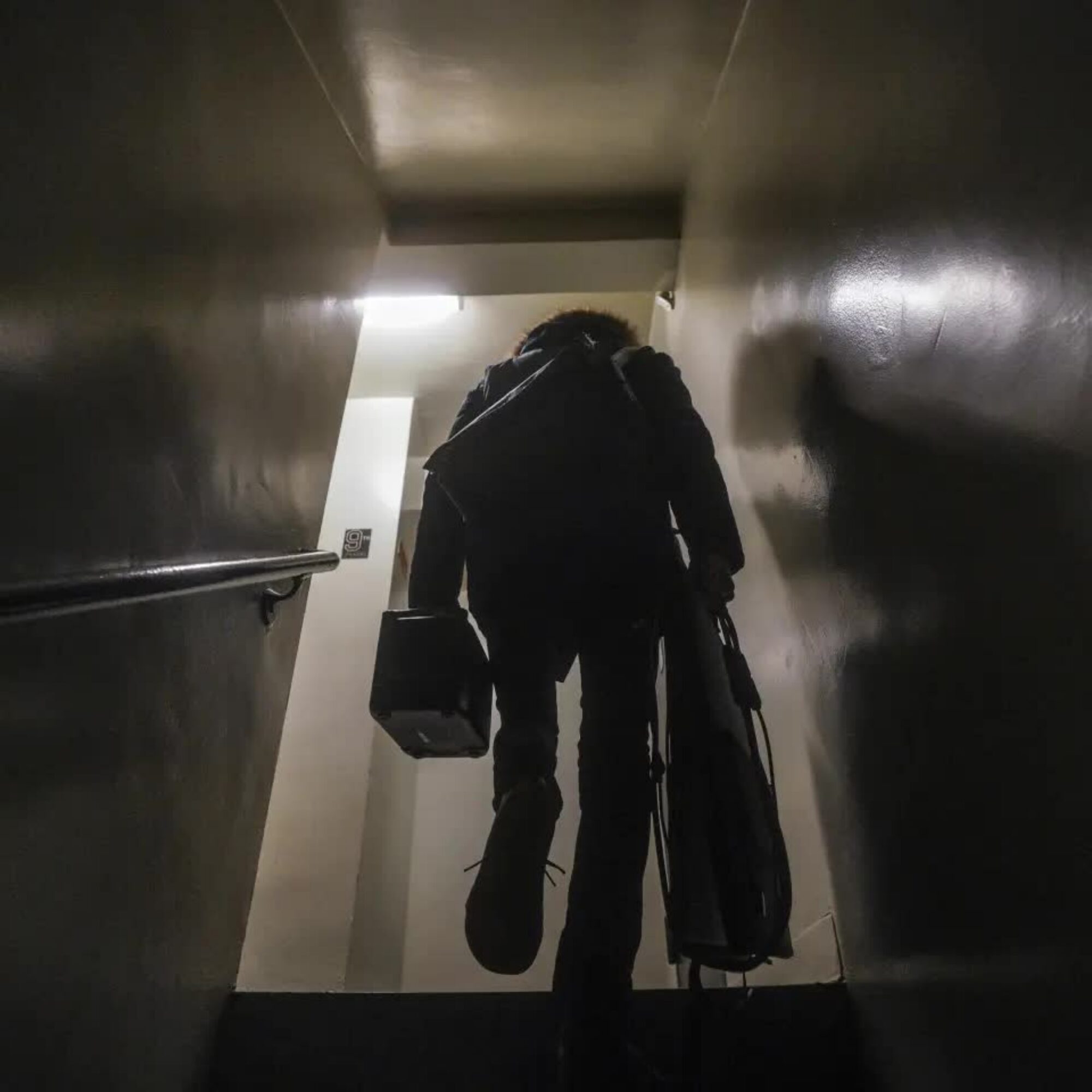
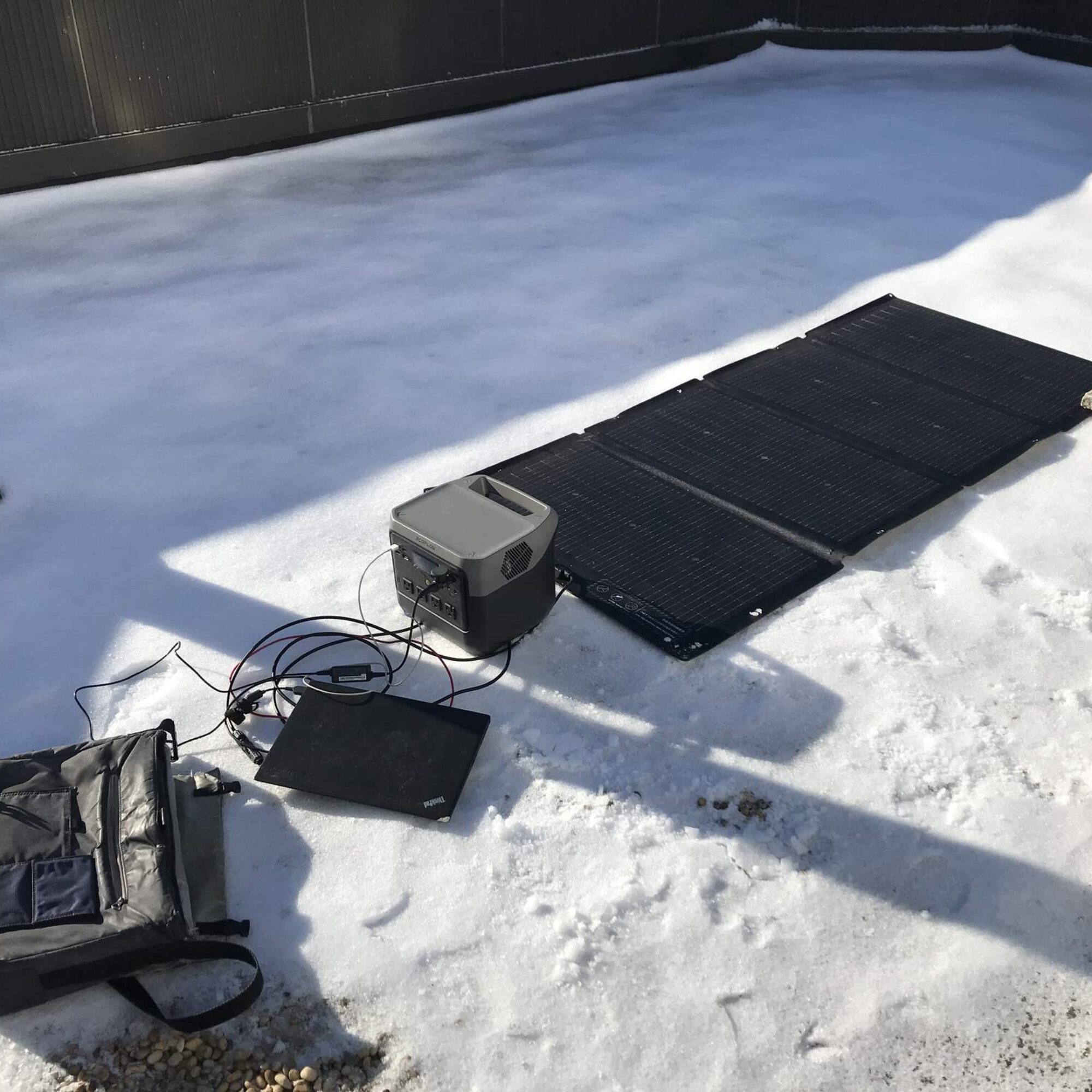
The temperature was well below freezing (in the low 20s F or -5C), but today was sunny, the next few days will be overcast, and my batteries were low. So up to the roof I went. In fact, today works out to be a rare three-climb day, meaning close to fifty flights for my over-fifty-year-old bones, and a torn meniscus. But someone has to show it's possible so we can make living without an electric grid easier. If people did it for 250,000 years, why should we let technology make us less resilient and more dependent? By the way, the stone on the right is holding the panels down because it was windy, which is also why I lay the panels flat instead of angled…

0 Comments

How sweet vegetables have become. They used to taste bland.

Vegetables have been blowing me away with their sweetness lately. For years since stopping consuming doof nearly completely, I've been finding fresh produce increasingly delicious. I usually say how I used to consider Ben and Jerry's delicious and apples relatively bland. Now apples taste sweeter than ice cream ever did. In time, more vegetables have come to taste sweeter than fruit used to. I don't think their composition changed. I think that my taste buds grow more sensitive---or rather less saturated---so I'm more sensitive to their sugars. Lately broccoli and cauliflower have come to taste sweet and juicy. A couple months ago I tasted a slice of cucumber and it knocked me speechless. I used to think of cucumbers as bland, like crunchy green water.…

0 Comments

Saturday morning syringes in the park

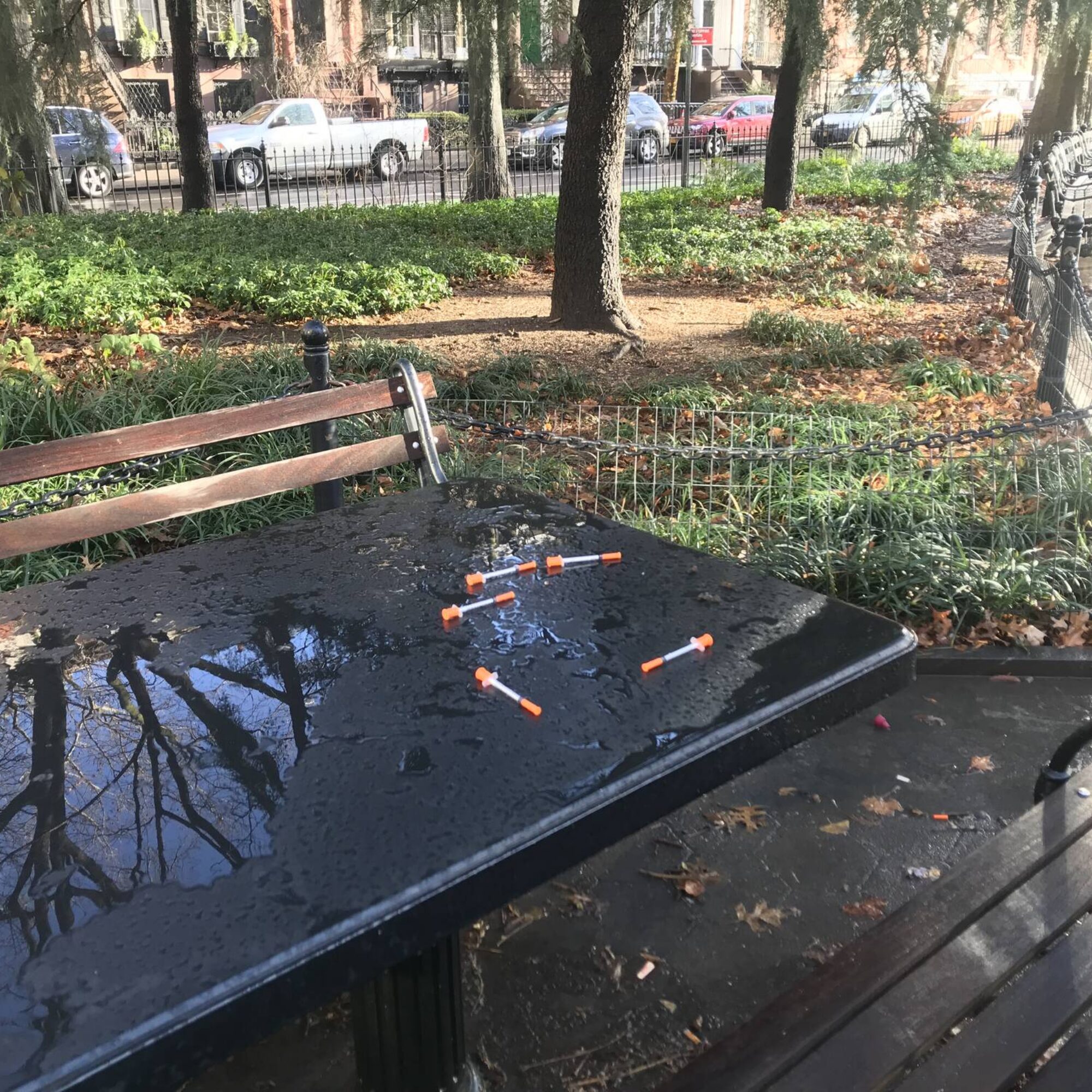
A reminder: my point in posting about syringes and addiction is less about the people addicted to hard drugs and more about our culture of huge parts of America (and many other nations) addicted. Addiction to social media, doof, fast fashion, driving, wearing shorts inside in the winter and sweaters in the summer, and everything else is addiction too. Regarding syringes, I'm writing: 15 percent the people using them 10 percent other people equally addicted to doof, fast fashion, and so on even if legal, and 75 percent our culture that promotes addiction I saw the syringes below about 9:30am Saturday on the way to the library to write. The people I saw in the encampments and on Sixth Avenue nearby were staggering around more…

0 Comments

This week’s selected media: January 14, 2024: Take the Lead

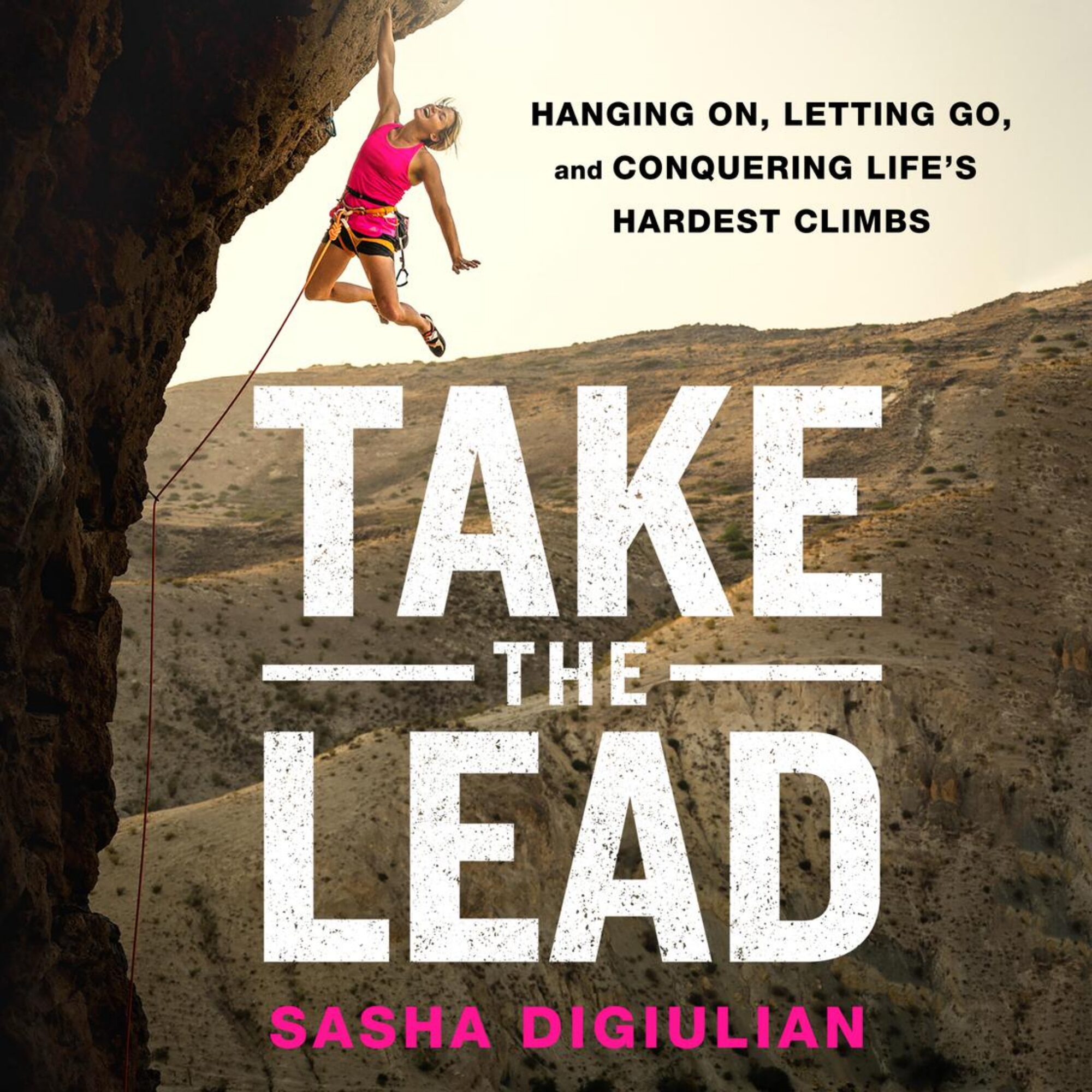
This week I finished: Take the Lead, by Sasha DiGiulian: The author is one of the premier climbers today. The book describes her journey from childhood to winning too many competitions to count and being the first to climb many faces around the world, along with the fame that comes with it. My nephew loves climbing and she went to college where I did (Columbia), so when her team sent me a copy of the book, I was interested. She shares what it takes to find what you're made of. You know me, though. During college, she flew around the world nearly every weekend and didn't slow down after. The book's dedication included, "And to Mother Nature for her inspiration. May we protect her for…

0 Comments

Some of my trash from the 1970s and 1980s

I haven't filled a load of trash in my apartment since 2019. This week I cleaned out my stuff from my father's basement. It turns out he put stuff there after I went to college. He didn't tell me and I forgot about it. I wish I'd known about it between then and now, but didn't. I'm saving some and giving some away through Craigslist (putting it back in circulation, as I think of it). The paper is going to recycling. The rest I'm disposing of into a landfill, with a sense of defeat. A lot of it is my school notes. I saved nearly everything since first grade, which makes sense since my parents save everything and I probably learned from them. I've since…

0 Comments

More undignified trashed Christmas pagan trees. January 13, almost done?

Just after my last post on the waste and disgust of Christmas Pagan trees being thrown away, I saw tons more. Look at how something to celebrate the birth of their lord, savior, and messiah they throw into the gutter. Stay classy, Christians! Want to bet if there will be enough more to come for a future post? More, each telling its own story of death, pollution, and garbage. The book I just finished, The Overstory, said that America's old-growth forests are down 95 to 98 percent. Monocultures can't replace them or how much they helped human and wild life.

0 Comments

End of content

No more pages to load