“It is an ideal which I hope to live for and to achieve. But if needs be, it is an ideal for which I am prepared to die.”

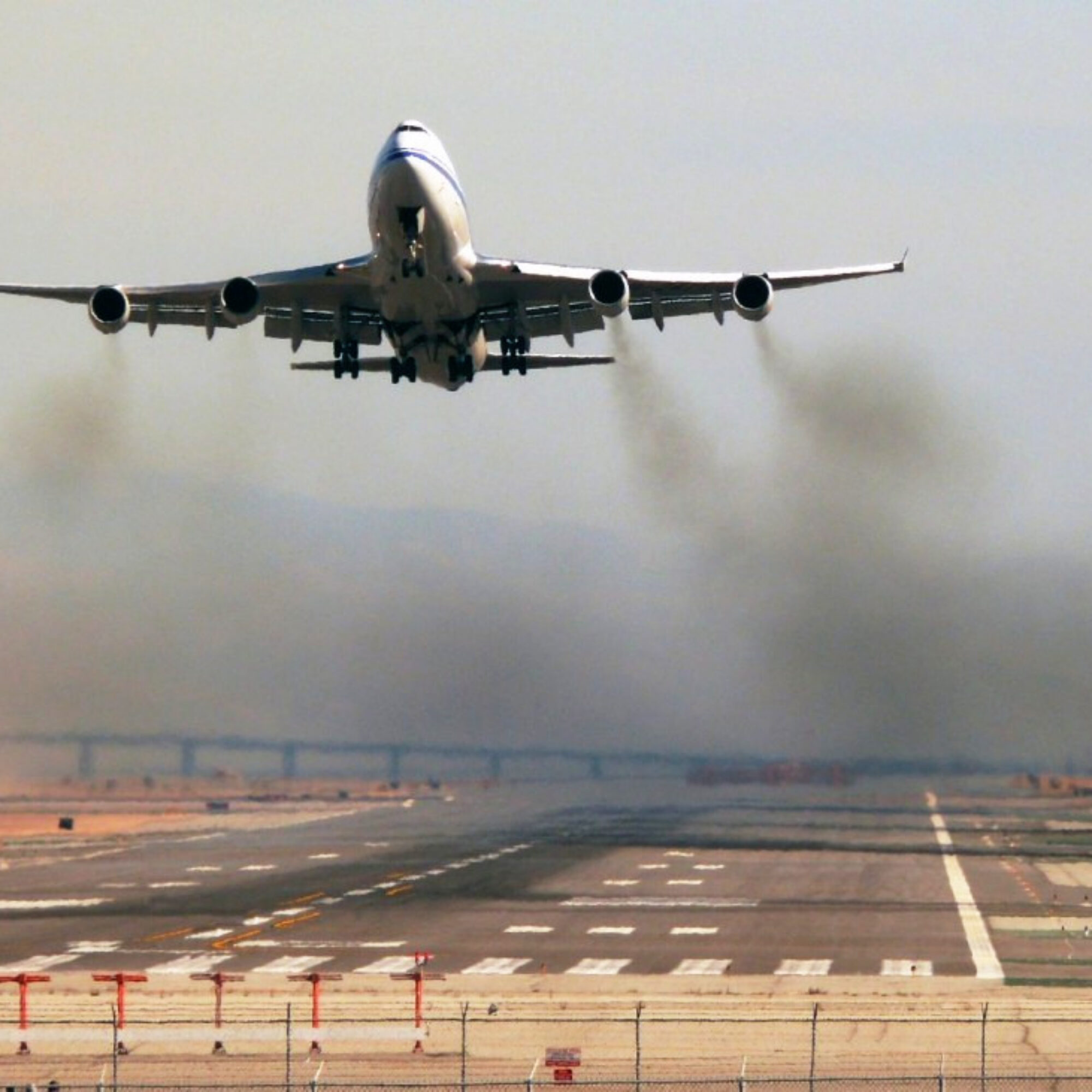
Today, April 20, in 1964, Nelson Mandela, on trial for sabotage with about a dozen other men, for which they would be found guilty, instead of a defense, spoke for almost four hours, closing with the words entitling this post. Here is the full text he read from. I recommend taking a moment today to review the story. Here is one video among many others and the Rivonia Trial Wikipedia page. I consider a leader's story in changing a nation and world as poignant today as ever. People call me extreme today for eating vegetables and not flying. I don't look to polluters for inspiration or comparison. I suggest you don't either, but consider Mandela and his peers instead, with one major difference: the consequence…

0 Comments

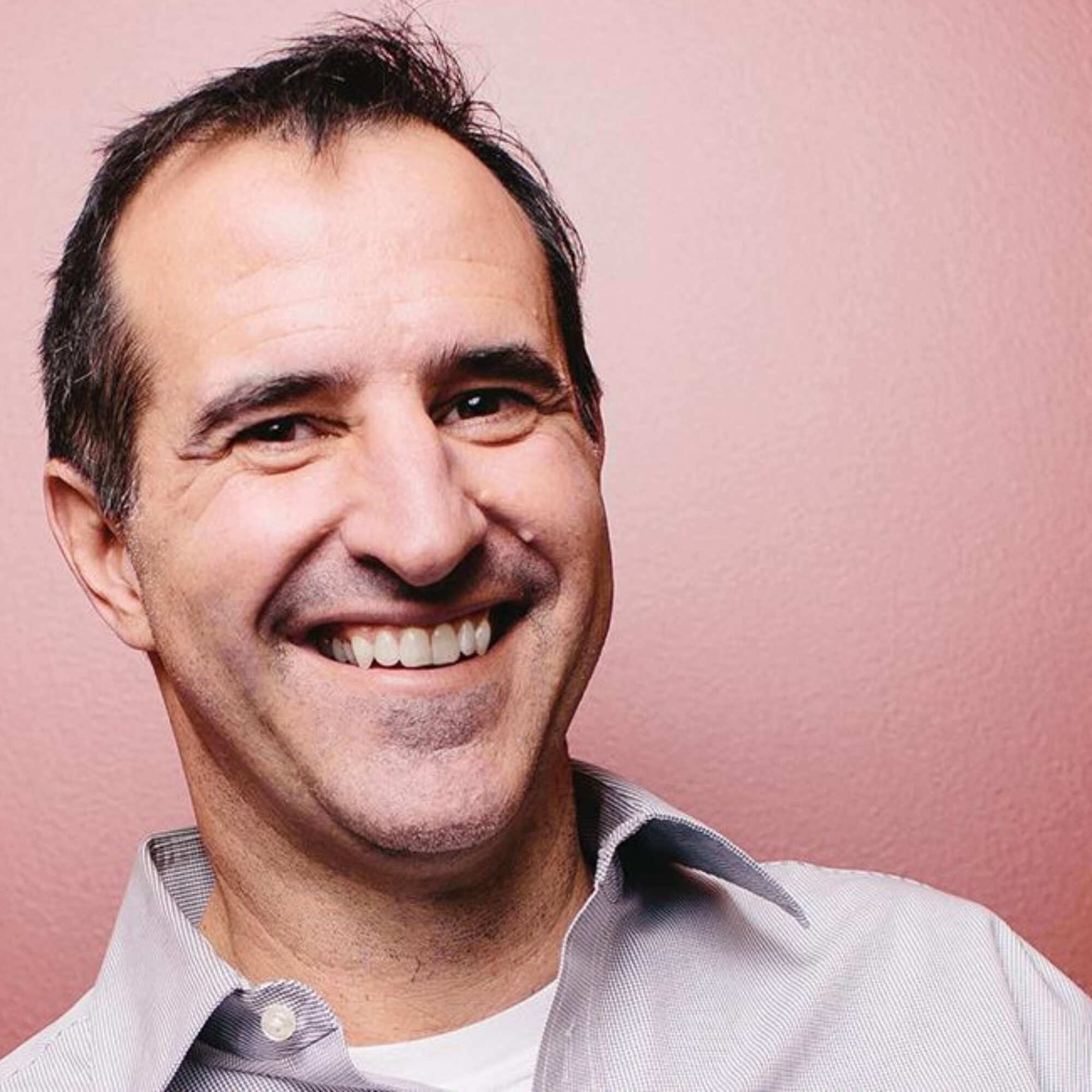
573: Scott White, part 2: An energy CEO considers leading on sustainability

Scott went above and beyond acting on his sustainability commitment to run. He battled covid during training. Did the extra effort bring him down? On the contrary, since he did it for personal, intrinsic motivation based in his connection to the environment, he valued it more. I read curiosity on his part so shared my personal actions and systemic strategy different than the typical ones to switch from fossil fuels to so-called renewables. I say "so-called" because they require fossil fuels at every stage plus we have to handle their end-of-life pollution. As I see it, polluting less than the most polluting energy sources but still polluting isn't sustainable, it only buys us more time to become sustainable. He seemed genuinely interested in my experience…

0 Comments
Can you distinguish addicted from stupid?
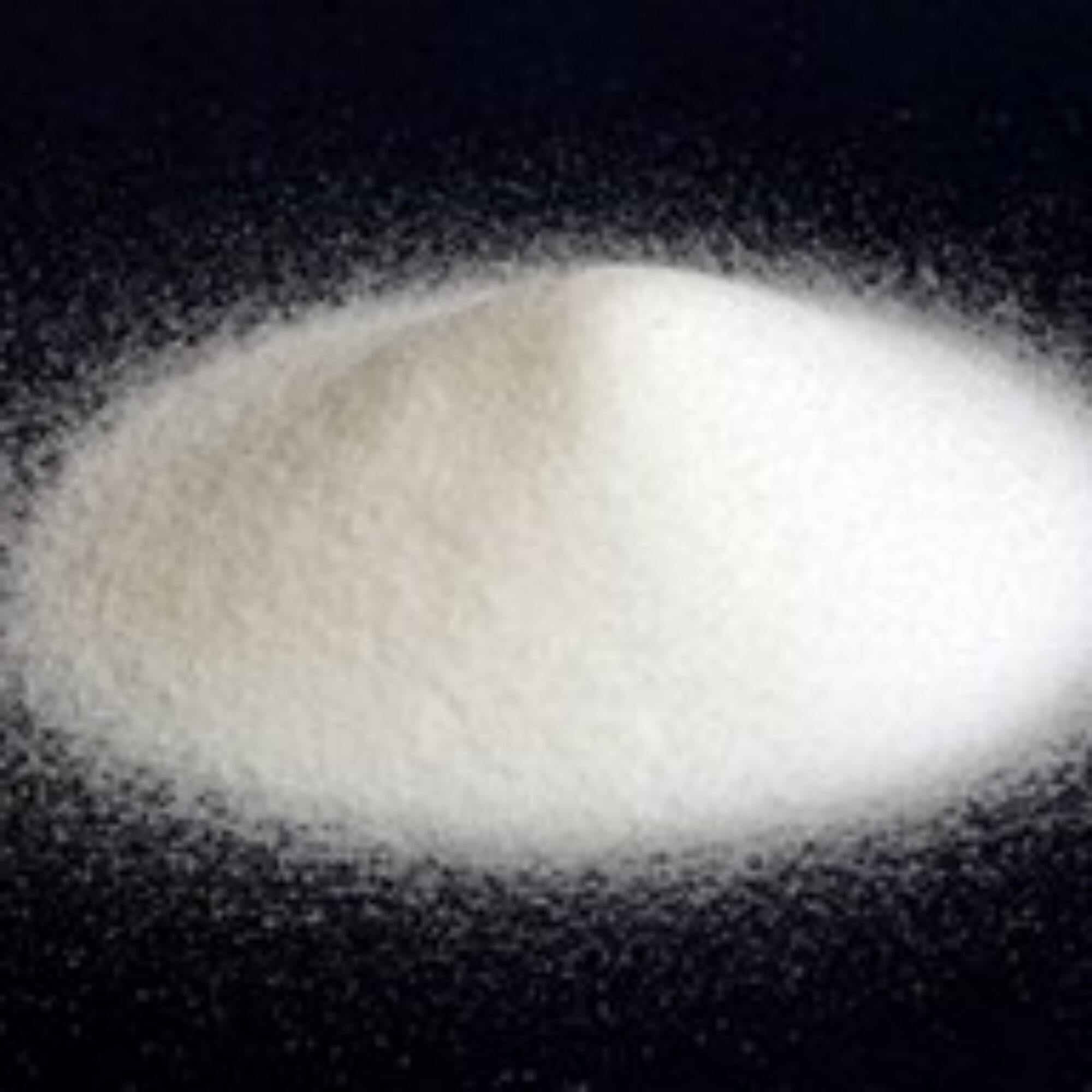
Pile of Refined Sugar

Can you distinguish addicted from stupid?

Regular readers know I'm learning about addiction because I see it as relevant to much of our polluting behavior. I'm not trained as a psychologist, so I've looked up the term for a definition and found a lot, not all consistent with each other, many conflicting. Combining many sources, my working definition is "a brain disorder where someone can't stop choosing rewarding stimuli despite hurting themselves or others." I put this definition together based on commonalities of definitions from respected institutions, not based on my personal scientific observations. Independent of institutions' definitions, I observe people around me doing what falls within that definition. Pile of Refined Sugar People meeting that definition include the hard drug users in Washington Square Park and people who use social…

0 Comments

A New Record in Clean Living: Over 6.5 Months With the Fridge Unplugged

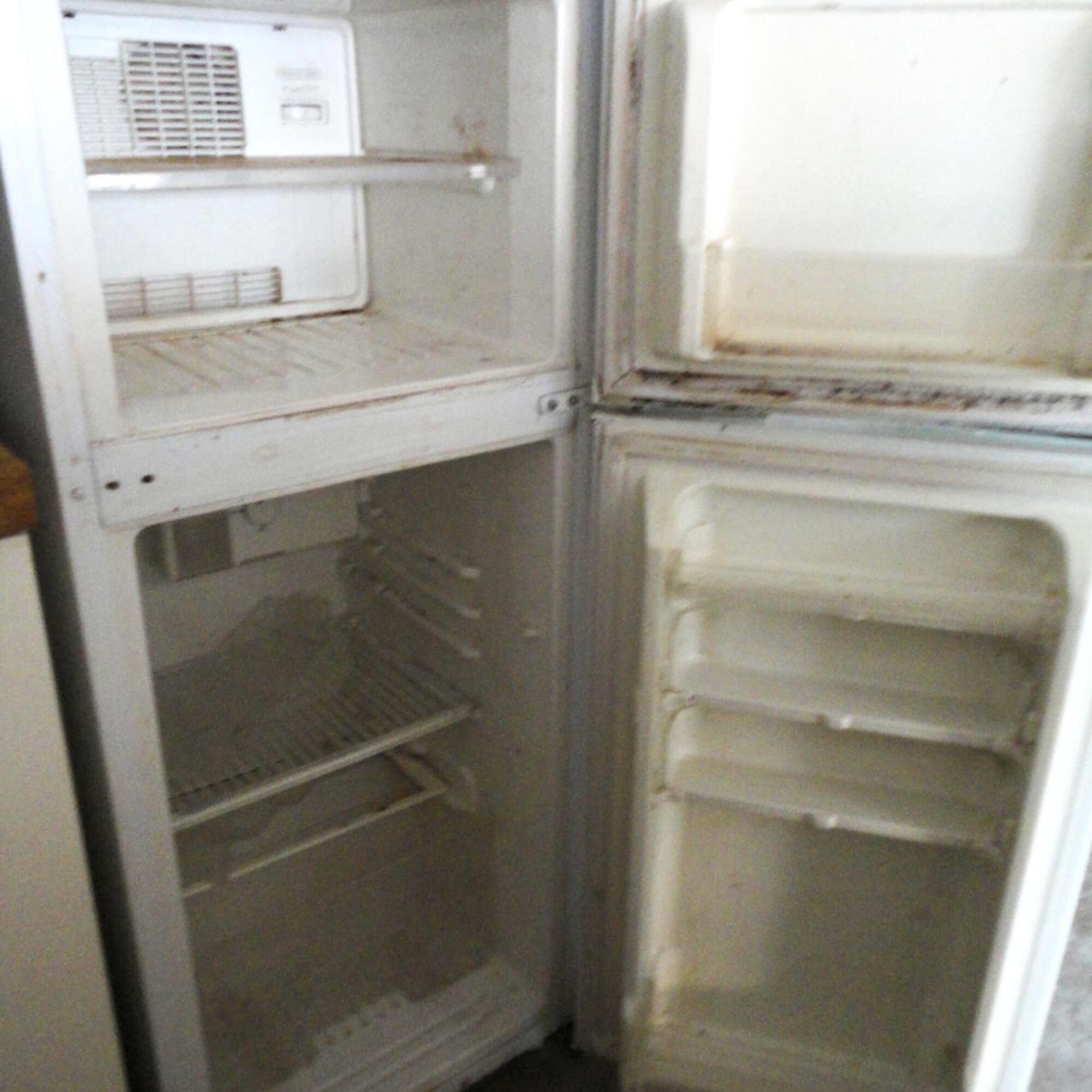
I'm continuing living clean from my addictions to polluting behaviors. Last year I kept my fridge unplugged for six and a half months. If unplugging the fridge sounds weird or stupid, check out my post on why I would and what I got out of it: 12 Sustainability Leadership Lessons Unplugging My Fridge for 6.5 Months Taught Me. Also consider that much of the world lives without a fridge, many healthier and living longer than us. All lived without fridges before we invented them. It's tempting to expect refrigeration would keep foods fresher, but as usual systems work differently than elements in systems. When we develop ways to slow foods from decomposing, we create longer supply lines, resulting in less-fresh foods and more doof. Unplugging…

2 Comments

Bill Nye the Science Guy sells out to Coca-Cola

I try to stick to posts where I create most of the content, but my disgust at the depravity of this video was too great to avoid. I hope I misunderstand something about it. If so, I'm happy to change my story. I don't know much about Bill Nye, but I thought he created a character appealing to kids. Here he trades in what value he had for I don't know what, but I hope he got paid a lot. Plastic being recyclable or anything less than pure pollution is like Oxycontin being not addictive. It may happen in rare cases, but overall, the whole world suffers for this industry fairy tale that a few craven individuals profit from. https://youtu.be/1HRadzzvQNY EDIT: Beyond Plastics made a…

0 Comments

572: Geoff Colvin, part 2: Are we losing humanity when we lose touch with nature?

Geoff's story of his commitment to act on his childhood memories of playing along the Missouri River in South Dakota starts off interesting, then turns exciting, thrilling, and ultimately life-changing. One of the things we most fear happened to him and he loved it. I think our conversation then grew more interesting. He's a storyteller and educator. He learned from the experience beyond what reading a book or reading a graph on carbon levels could reveal. We explored what nature brings to us, and what its absence deprives us of. Geoff is an experienced and brilliant thinker and speaker. He explores and shares the interplay between nature and humanity, its loss, and what that loss means to us. This episode will make you think. I…

0 Comments

Everyone says “It’s the journey, not the destination” until you suggest they consider not flying.

I hear people say "it's the journey, not the destination" all the time. Then when I say I don't fly but get more value that I did from flying, they say, "Oh, I couldn't do that." What happened to the journey being more valuable than the destination? I concluded they were just talking and hadn't thought through what the journey means. Sadly, if they did stop flying, they'd find more rewards than they expected

0 Comments

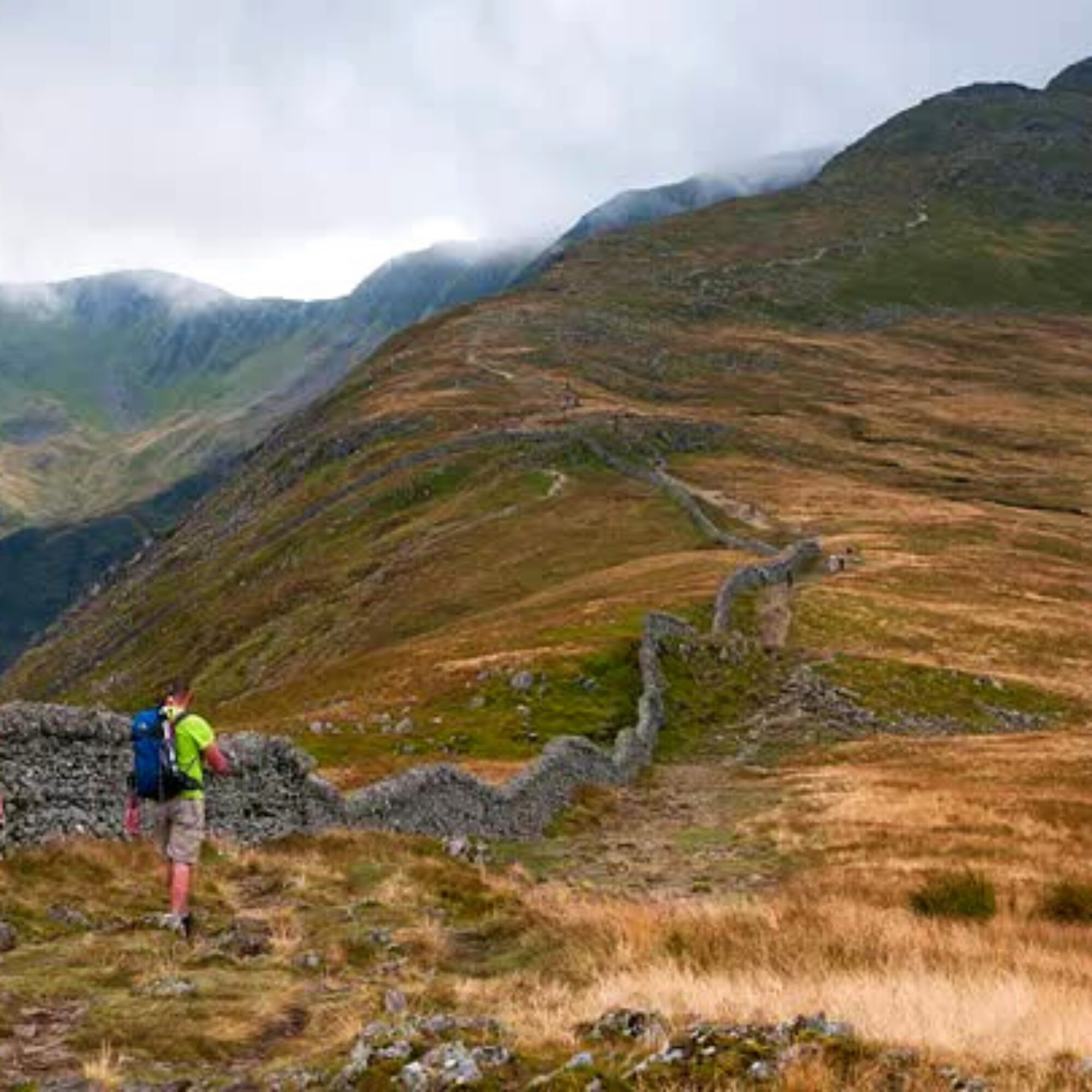
Can you imagine a vacation without burning fossil fuels to get there?

People used to walk across the country. I recently read that before cities, people used to travel more, and that cities led people to travel less, thousands of years ago (source: The Dawn of Everything, which I'm in the middle of and love so far). In fairness, because of cities' diversity, people in cities may have experienced more diversity in people without traveling far, but walking, riding horses, and sailing allowed them to explore nature and diversity beyond the city. But people before cities traversed continents. Why not? They weren't bound to one spot. They experienced more of nature's beauty than us. People today tend to reflexively respond that we're healthier or live longer today, or some advantage, but the more I learn from anthropology…

0 Comments

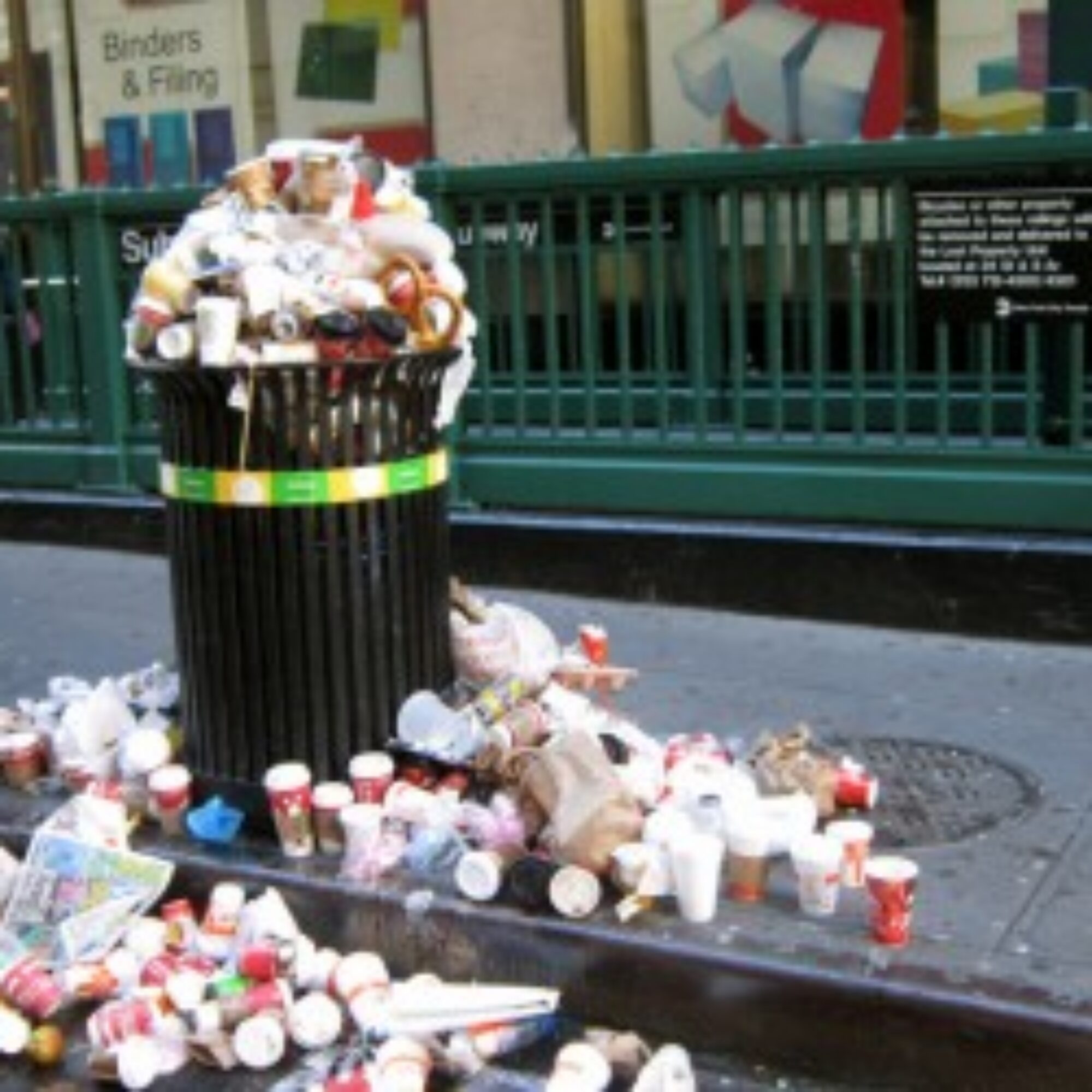
Do Americans buy unpackaged food? Have you, say, in 2022?

I'm beginning to think that every meal and snack of nearly every American involves some polluting, disposable packaging. When I see people consuming on the street, they're nearly always consuming doof. Even if they buy food, it's nearly always packaged. Not that I've been checking, but I can't remember a time I saw someone eating an apple on the street. Hundreds of times a day I see people carrying disposable coffee cups. I see them drinking coffee while riding their Citibikes. When I find myself in supermarkets, even the fresh produce generally has a sticker or twist-tie, and nearly everyone puts their produce in plastic bags, often needlessly, like one apple. Even at farmers markets, vendors give bags to nearly everyone. Come to think of…

0 Comments

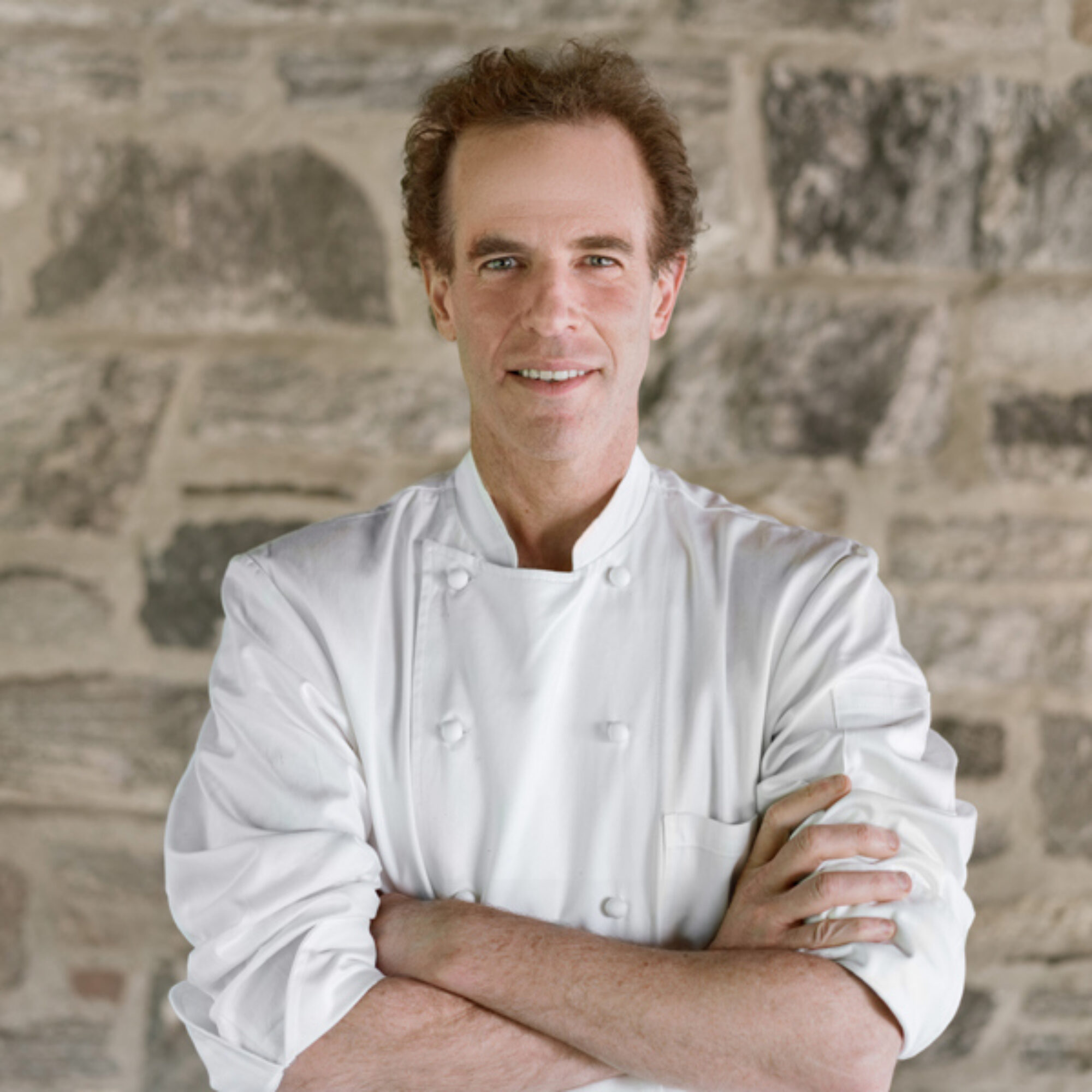
571: Chef Dan Barber, part 1: Supporting the whole ecosystem and farmers at every turn

Dan Barber is helping revitalize our food system. We start by going over his background, how fear drove him maybe most of all. Then we get into what drives food: farms and soil combined with creativity. His goal is supporting farming from the most basic level. He doesn't oppose people shopping farmers markets. He comes alive describing discovering what farmers who know the land learned to practice: diversity, rotation, and all what it takes to grow wheat, for starters. The whole ecosystem. I hear him sharing joy, passion, fun, curiosity, discovery, health, and deliciousness. It comes through community, practice, honoring nature and tradition. Prepare to be fascinated. Dan Barber's presentation, The Taste of WheatBlue Hill at Stone BarnsFamily Meal in Manhattan

0 Comments

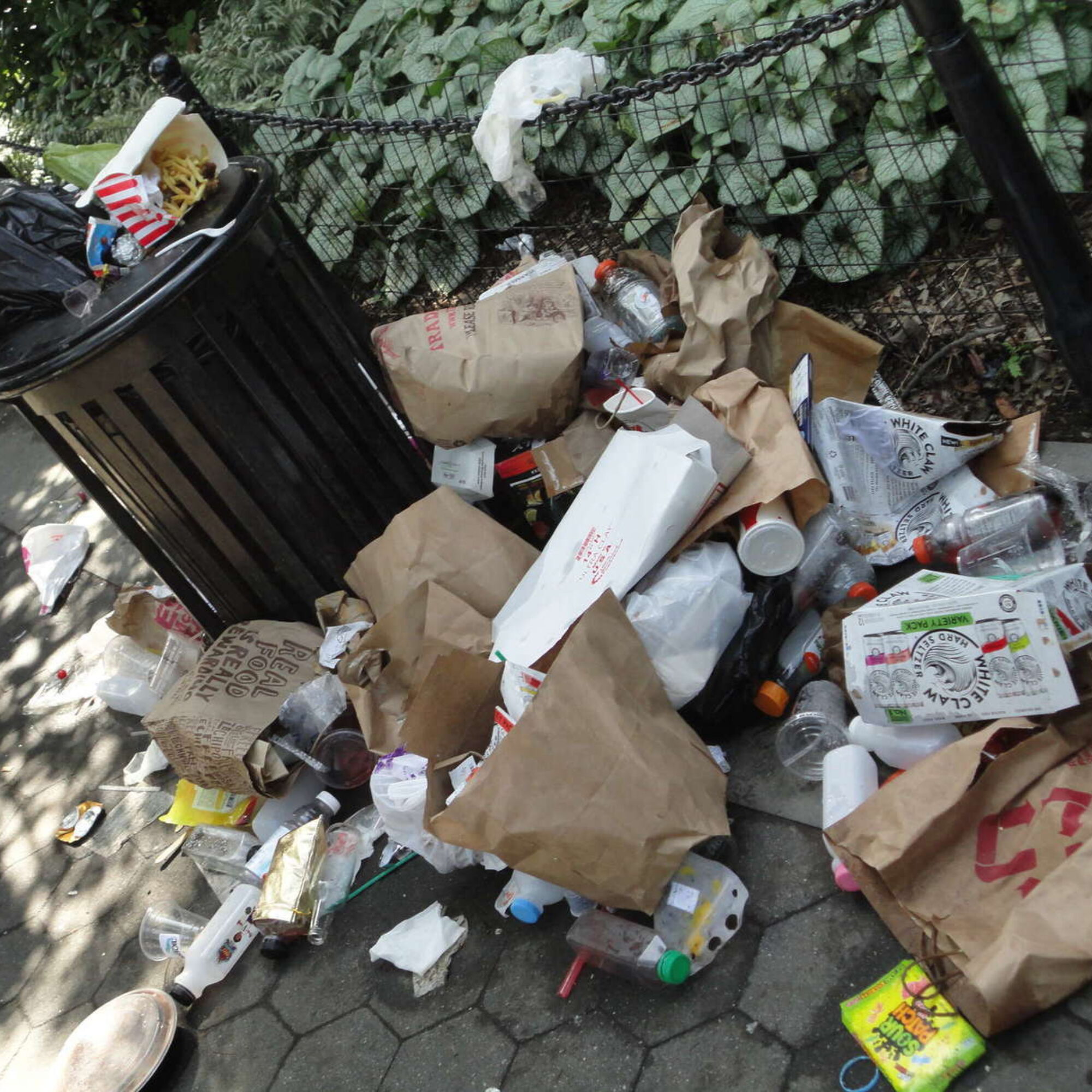
More Pride, Less Pollution in 2022

As an over twenty-year Greenwich Village resident, I love the Pride Parade. I was on a float in it as an invited participant once. I watch it every year I'm home, though it passes a block from my home, so can't miss it. In the past decade or so, I've become more sensitive to litter and garbage. Last year, I happened to visit Washington Square Park the morning after the parade and saw it covered in more trash than I'd ever seen there. A woman there said what I saw was clean compared to a few hours earlier, before city employees cleaned a lot of it up. In her words, "Pride destroyed the park." I posted about it with many pictures. Here's a video of…

0 Comments

570: Bill Benenson, part 1: Documenting and learning from the fascinating Hadza

If you agree innovation and technology has its drawbacks, you may still worry: if we don't press onward, aren't we risking reverting to the stone age with thirty becoming old age and mothers and children dying in childbirth. Don't we store fat so well because our ancestors never knew when their next meal would come? I used to think that way. Learning about cultures that haven't adopted our technology-based culture relieved me of my ignorance. You've heard episodes with authors of books on Hawaiians before Captain Cook and the San bushmen in the Kalahari Desert. These cultures didn't barely eke out survival. They thrived. The San lived for hundreds of thousands of years. They show higher signs of resilience, health, longevity, abundance, equality, and stability…

0 Comments

569: Stop funding Russia invading Ukraine

People and nations are funding Russia's invading Ukraine, where tens of thousands have died and millions have become refugees. The laws of supply and demand dictate that any use drives up price, so any use helps fund Russia, being such a big supplier. Everyone acts like the only alternative to burning fossil fuels is burning different fossil fuels, as if humans haven't thrived for hundreds of thousands of years without them, generally showing higher signs of health, longevity, abundance, equality, and stability than recent times. In this episode, I view this bullshit view from the perspective of having improved my life by dropping my pollution over ninety percent in under three years in ways you can too (even if you believe you can), also improving…

0 Comments

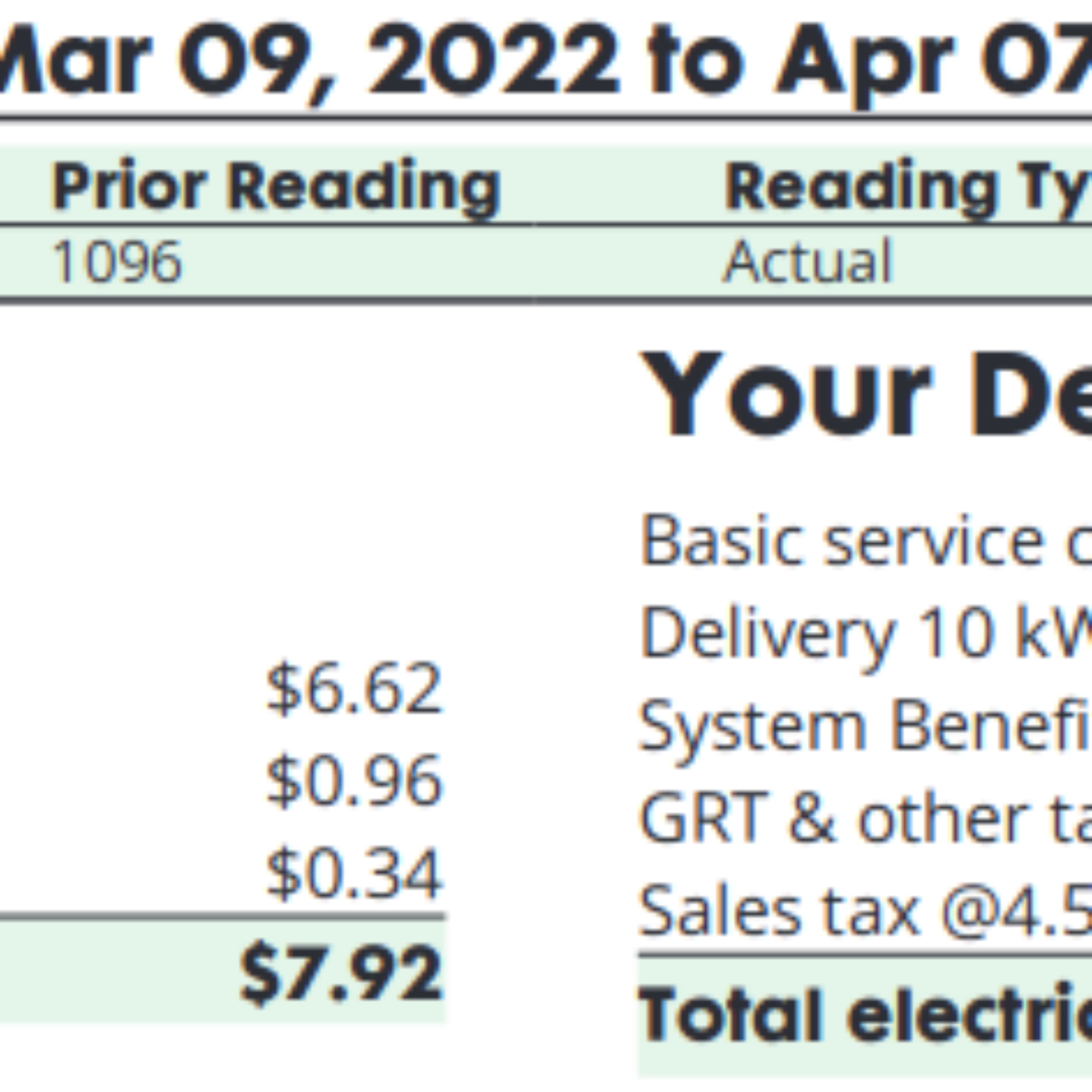
Under one dollar: My record low monthly electrical use: 10 kWh ($0.96 + fixed costs)

This month set a record low electrical use at only 10 kWh, or less than one dollar on supply charges. I don't remember what I did this month to keep it so low, or rather what I didn't do. Note I still use hot water for my showers, which my building heats with natural gas, though my showers are only a couple minutes. The two reasons I'm sharing I'm sharing my results for two main reasons. My first reason to share is the reason recovering addicts share how long they've been clean. We hope to find support from people who have been clean longer to help us on our journey. I'm polluting and intend to pollute less. The second reason is the role models who…

0 Comments

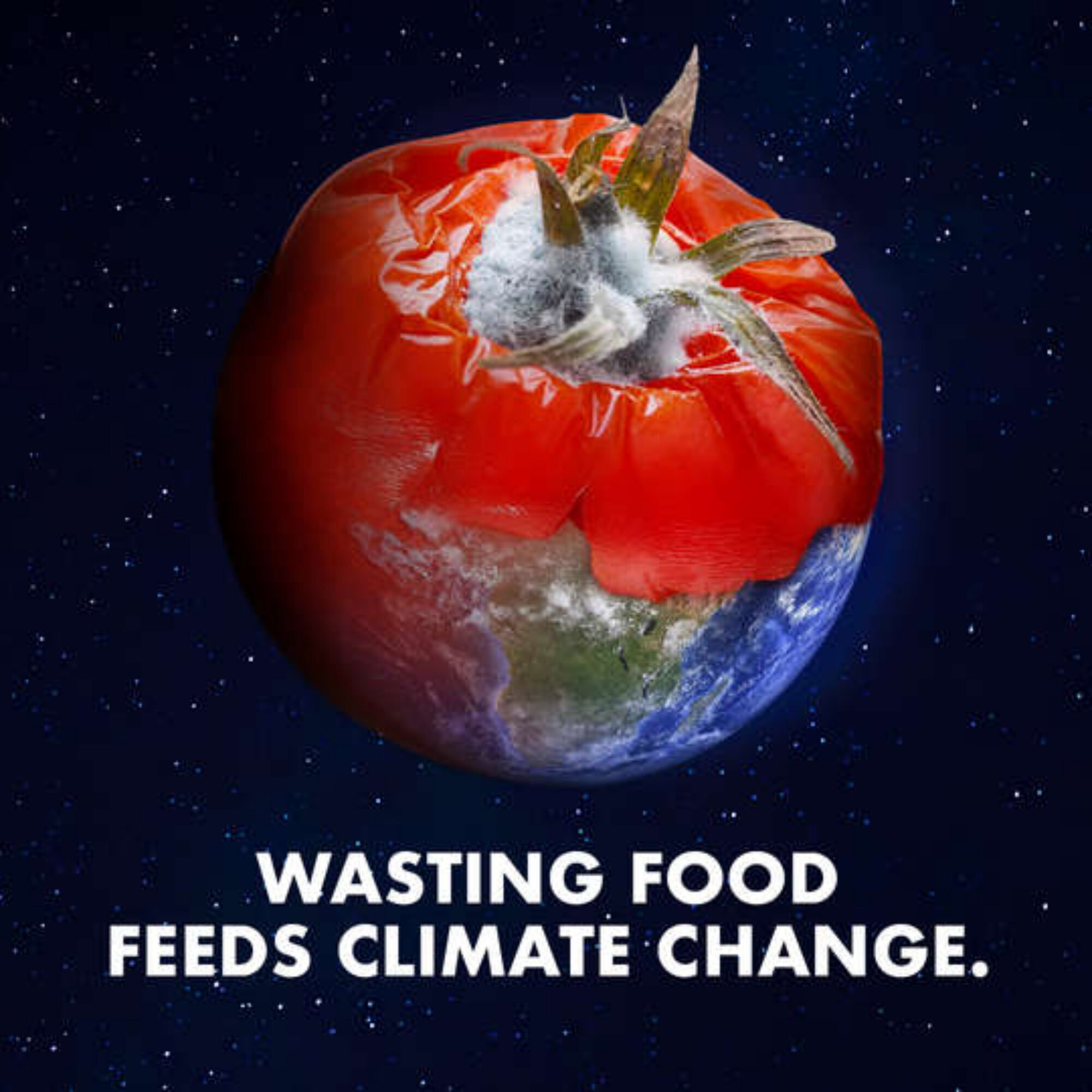
Everyone acts shocked and outraged at how much food we waste, but happily wastes.

Everyone acts shocked and outraged at how much food we waste, where "we" could mean Americans or humans in general. Then they act like I'm weird for eating fruit's peels. Citrus fruit peels contain all the fiber and nearly all the vitamin C of the fruit. They're happy to eat it when slathered with sugar and fat, so they don't have a problem eating it when turned into doof. I'm not saying fruit peels are the biggest source of waste, but how can people point fingers at others so quickly without realizing they are accusing themselves? Did past generations waste so profligately? Maybe I'm just grumpy from how much litter I see and pick up every day, and the mindsets behind the huge numbers of…

0 Comments

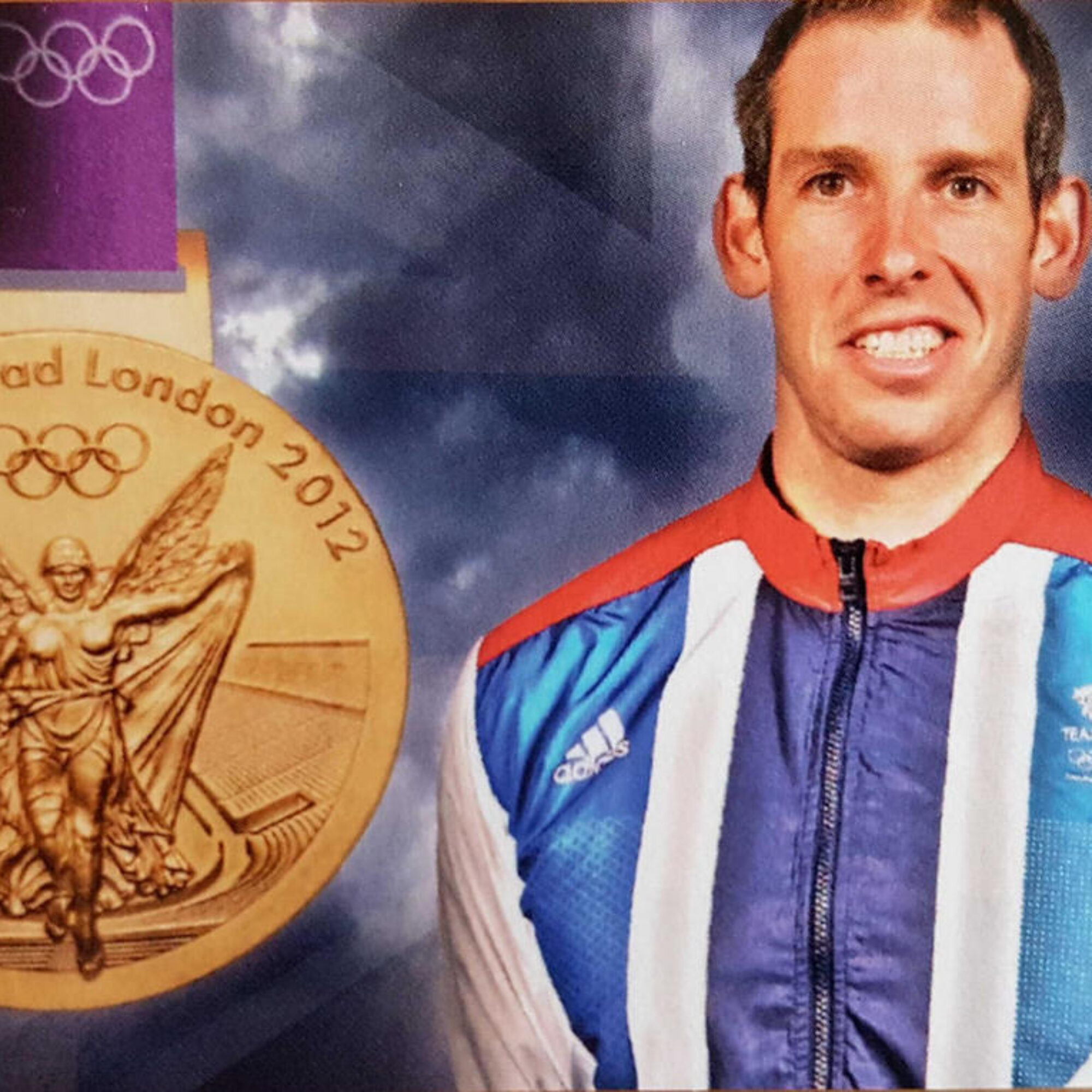
568: Etienne Stott, part 2: When you threaten the power of the establishment, it starts to kick back

Etienne starts by sharing how his government in England is beginning to increase how much it threatens punishment for people protesting, including what he does as an MBE working with Extinction Rebellion. He sees that reaction as showing they are making a difference. I hear it is similar to what is happening in my nation, the U.S. In our first conversation, Etienne was already acting and protesting. Sustainability is among his highest priorities. He isn't just talking about it. He's on of the most active people I've spoken to, by no means backing down. On the contrary, increasing his activities, as determined as ever. This episode features two people who have done what everyone can: making changing culture to increase human flourishing our top priorities,…

0 Comments

Is “progress” net helping or hurting?

Technology builds hospitals, raises the GDP, and does other things people consider progress, improving their lives. It also creates pollution, displaces people from their lands, and is lowering Earth's ability to sustain life. Between the two effects, is what we call progress net improving or deteriorating our quality of life? I'd say it's a judgment call that depends on your values. I'd guess someone in Silicon Valley would answer differently than someone in a favela. I figure from post-WWII to 2000, most people would say progress and technology improved life. The pollution, displacing people from their lands, extinctions, and so on were there to be seen, but I think most people chose not to see them, and who can blame them? Who could expect we…

0 Comments

My brief conversation with a heroin addict thanking me

As you know, I pick up litter daily, including at least three pieces from the northwest corner of Washington Square Park since the pandemic brought such hopelessness to it in the form of syringes, pipes, and the community and police abdicating responsibility to it. I don't expect to revitalize the area by myself, but I'm not going to do nothing. I'm going to do something. As I walked along yesterday, on my way to teach at NYU (another abdicating institution in the situation), I picked up litter. I often quietly say "that's one," "that's two," and "that's three" as I pick up successive pieces. Just as I said "that's two," from my right and slightly behind, I heard a hearty "thank you!" I turned to…

0 Comments

567: Nakisa “Sista Sol” Glover, part 1: Environmental Justice, Social Justice, Organizing, and Action

Nakisa describes herself as naturally loving science, born into a hip hop world, combining these starting points. She starts by describing her journey growing up not learning that much about our environmental situation, seeing it as abstract and unrelated to her world, to being discovered for her ability to communicate, organize, and influence. The more she learned, the more she saw it as more than just affecting her life and community, it was critically damaging it. She saw the environmental problems as intertwined with social issues that were already priorities. The polluting cement factory in her neighborhood that fouled the air wasn't just an eyesore that illustrated a failure of democracy for being an eyesore never considered to be built in a rich neighborhood. It…

0 Comments

566: The CEO of Ford and Boeing, Alan Mulally: Leadership environmentalism should learn from

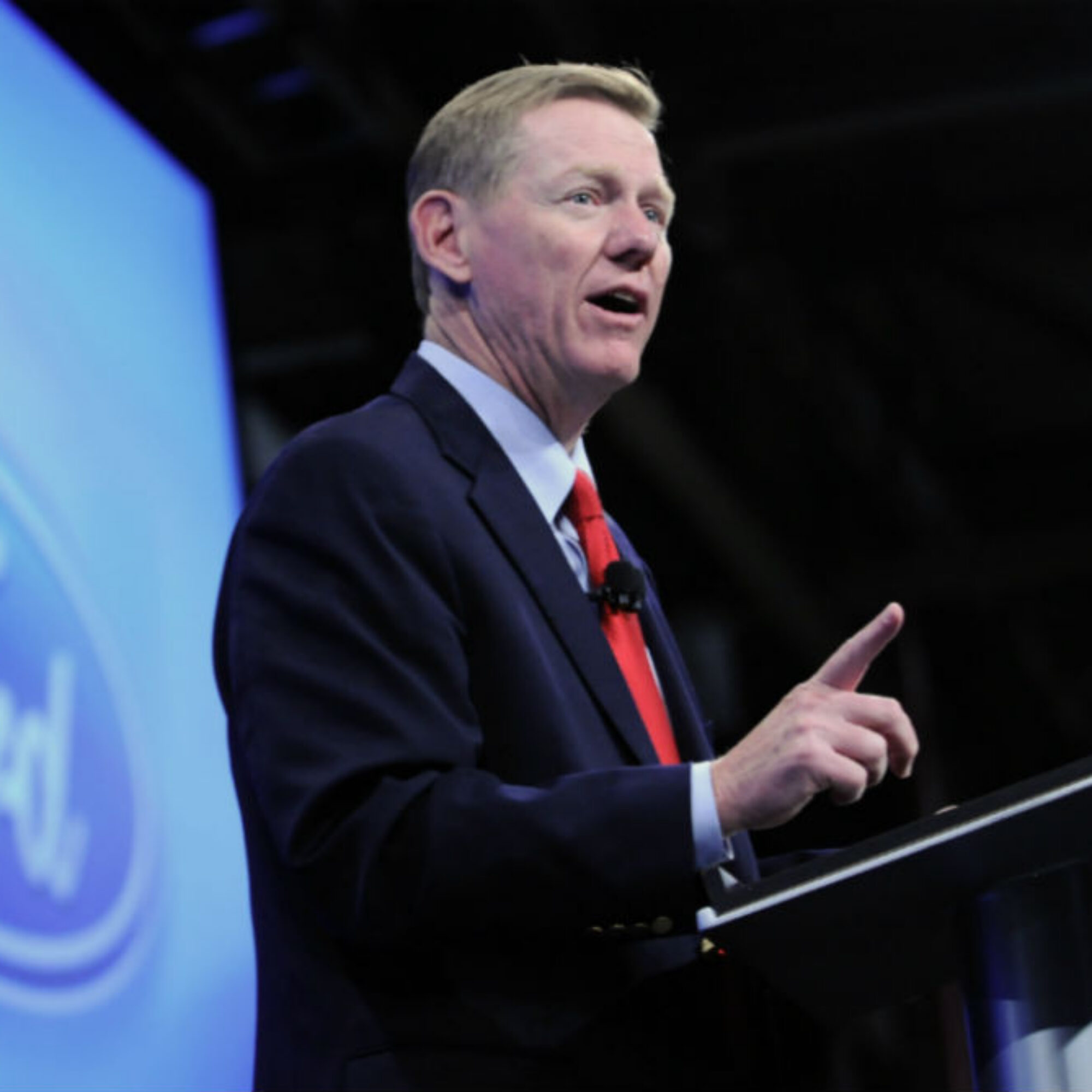
"What I do doesn't matter," say many environmentalists as they order steak or buy tickets to fly some place. That's the addiction speaking. I recently heard Alan Mulally speak on how he led turning Ford around from losing tens of billions of dollars to number one in many categories creating joy, teamwork, and fun despite challenging work. Before being CEO of Ford, he led Boeing, among the two greatest promoters of pollution in the world. Nonetheless, because he leads, which I distinguish from telling people facts and numbers, protesting, or cajoling, coercing, or convincing, I contend that he would be more effective than nearly any environmentalist I know of. I consider him one of my top role models because I see his methods among the…

0 Comments

How We Reached Our Environmental Predicament so We Can Take Responsibility

The situation: More people than ever are living healthy, happy lives yet Pollution and garbage are growing and acceleratingPredictions suggest our waste is going to cause nearly everyone on Earth to suffer including many dying and, here's the big confounding issue We can't stop ourselves. With rare exception, everyone I know and even know of knows they are polluting, hurting people by it, so potentially contributing to the greatest catastrophe ever, yet won't or can't stop. Why? How? What do we do about it? How is this conflict possible? I've been trying to figure it out. I've worked out a framework I'll develop here. One: The human mind's reward mechanisms Some reward feels like pleasure, others excitement, connection, relief, and more (people associate various forms…

0 Comments

Read about sustainability and me in a Korean-English magazine: 터치 매거진 4월호가 발행되어 보내드립니다.

This morning I got an email: 안녕하세요,봄비 촉촉히 내리는 4월 첫 아침입니다.터치 매거진 4월호가 발행되어 보내드립니다.아래 링크를 클릭하시면 터치 스토리랩 홈페이지와 4월호 매거진으로 이동합니다.지난 한 달 동안 저희가 열심히 준비한 다양한 컨텐츠를 읽어보시고 잠시나마 여유로운 시간이 되시면 좋겠습니다.이번 달도 저희 터치 매거진을 성원해주시고 많이 읽어주시길 부탁드리며,건강하고 행복한 4월 되시길 바랍니다.감사합니다. Which translates to Hello, It is the first morning of April when the spring rain is moist.The April issue of Touch Magazine is published and sent.Click the link below to go to the Touch Story Lab homepage and the April issue of the magazine. We hope that you will have a leisurely time while reading the various contents that we have worked hard for over the past month.We ask that you support and read our…

0 Comments

Things I avoid

I've meant to list the things I avoid. I can't keep track sometimes. I'll try to update it as I think of things. If you're reading this post soon after I posted it, it's probably incomplete. Animal productsOwning booksOwning things I don't needAir conditioningHeating when it's not too cold outLights when I'm not in the roomFiber-removed foodsLong showersCarsPlanesFood packagingKeeping to-do lists in my headBeing lateWeb pages refreshed faster than daily

0 Comments

565: Sam Quinones, part 2: Fentanyl feels worse but addicts more (like Facebook, McDonald’s, flying, etc)

In one of the highlights (lowlights?) of our second conversation, Sam shares that fentanyl users don't like its experience as much as heroin's. On the contrary, it's worse. It pops them out faster from the euphoria, which makes them want to take more. It's a worse experience that addicts them more. Their suppliers don't care about the experience. They care that it sells more, which makes them more money. It's cheap to make, so they make huge amounts and flood the market, not caring about the waste that they consider someone else's problem (as if a crumbling society didn't hurt them too) nor the health of their customers, as long as they keep returning. They will, doing whatever it takes to get the money, laying…

0 Comments

564: Lauren Carlisle, part 1: Dancer, psychologist, philosopher

Lauren's unusual knack for attracting a refined mix of brilliance and emotional unavailability created a storied dating life from 2010-2019 which included actors, pick-up artists, doctors without borders (or was it boundaries?), CIA agents (who shouldn't have confessed that), astrophysicists, and Daniel J. Jones, author of the 2014 CIA Torture Report, who was portrayed by Adam Driver in The Report (2019), among others. Approaching 600 episodes and a few years into a personal podcast, I'm bringing Lauren on partly as a fascinating person, partly to share more about my past, like my episodes with my mom, whom Lauren met, or the Sex, Drugs, and Rock and Roll series. Lauren and I dated during the time I was coaching (mostly) men dating and attraction skills. Lauren…

0 Comments

End of content

No more pages to load