Two ways you became addicted without realizing

Different people define addiction differently, but this one covers the bases: “a brain disorder characterized by compulsive engagement in rewarding stimuli despite adverse consequences.” Once, almost the only way to addict yourself to something was to try something you knew might addict you, expecting you'd stop before the addiction set in, and then find yourself addicted. That is, you may have underestimated the risk, but you consciously chose to risk gambling, smoking, drinking, or whatever. Maybe peer pressure felt overwhelming, you lacked accurate information, or you had other extenuating circumstances, but you anticipated the situation somewhat and assumed the risk with some awareness. I suggest that today we find ourselves addicted without choosing to risk and without awareness. I have empathy, compassion, and sympathy for…

0 Comments

Am I in an African-American / African-Diaspora dominated field?

When I list the people I think would benefit from my podcast and could use it to influence most, I think of the people with the greatest potential to lead the most number of Americans. The names roll off my tongue from mentioning them so many times and from trying to think of who would add the most value: Oprah, LeBron, Serena. Do I need to mention their last names? When I list the people who most influence me and whom I consider role models: Martin Luther King, Nelson Mandela (not American or Diaspora), Gandhi (who started his leadership work in South Africa), Muhammad Ali, and Malcolm X. On par with them would be Henry David Thorough, the first non-African-American or -diaspora. When I think…

0 Comments

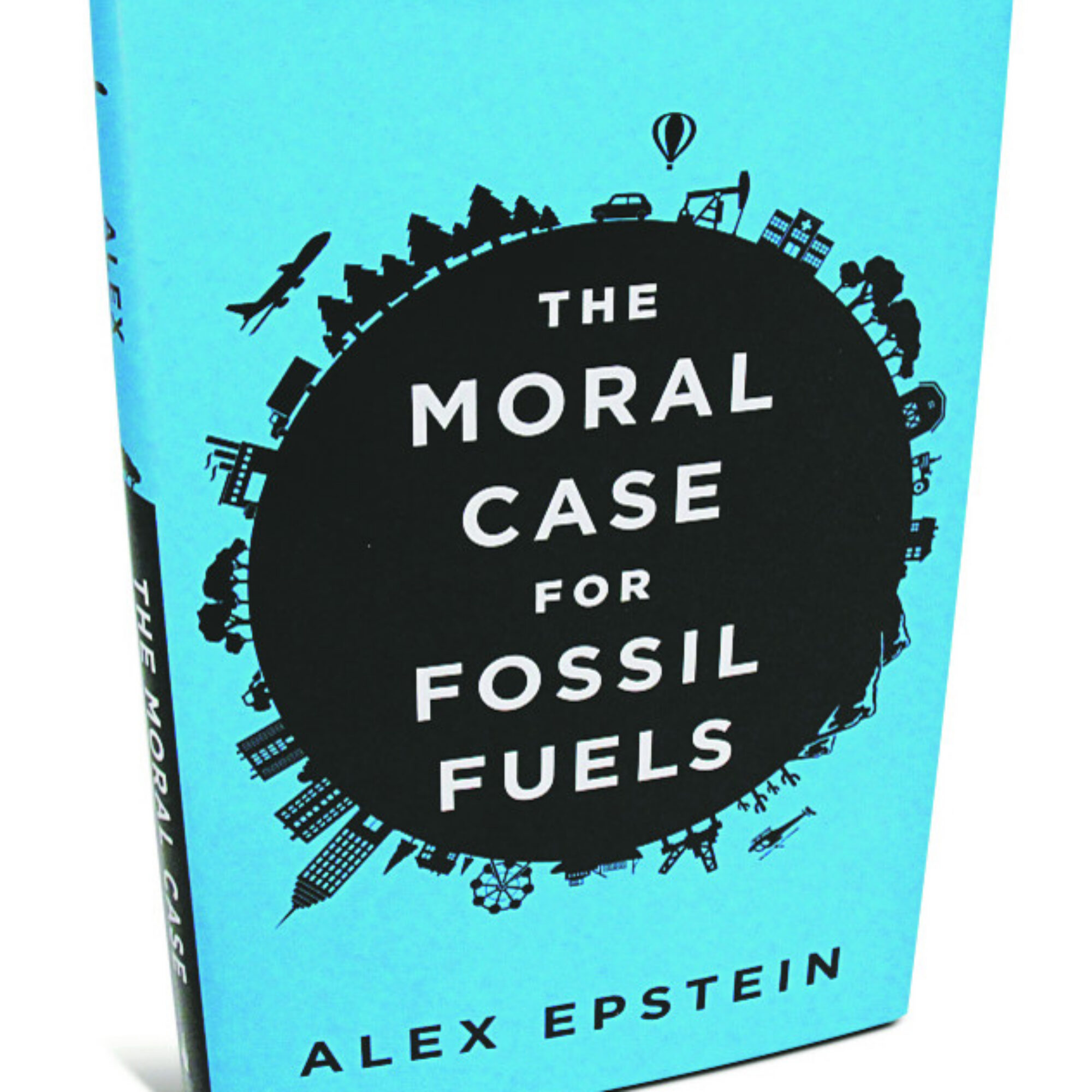
The book The Moral Case for Fossil Fuels; freedom, ingenuity, progress, and related books, videos, and resources.

I've read a lot of books and watched a lot of movies on the environment and leadership. The ones I find most valuable I put on my environmental leadership resource page. Recently, I read the New York Times bestseller The Moral Case for Fossil Fuels by Alex Epstein. I put a brief summary of his case, as I understand it, at the bottom of this post. I had seen the title before but was prompted to read by reading the Master Resource blog and a conversation with podcast guest (and now friend), Michael Carlino. From Master Resource's About page: MasterResource is a forum about energy markets and public policy. Precisely because energy is the lifeblood of the modern economy – the “master resource” that affects…

0 Comments

Everyone is avoiding what’s hard on the environment in favor of what’s easy even when effective.

You know when you have an important job, how you often clean your room or do some other busy work instead of taking on the challenges? That's what we're doing on the environment. Here are some examples. Hard problem 1: Teaching about nature Everyone talks about teaching more science in school, especially environmental. Teaching children science avoids the serious problem: adults who don't understand about nature, cause and effect, observation, experiment, and what makes up science. People avoid teaching adult decision-makers science or what would help more (since the science overwhelmingly teaches us we have to act to sustain Earth's ability to sustain life): leadership. Kids don't run companies, vote, hold office, or influence organizations or society. I don't condemn teaching kids science, but it…

0 Comments

563: Derek Marshall, part 1: Candidate for California’s 23rd Congressional District

Derek is looking to flip a district that has been moving more Democratic through demographic shifts and redistricting. Can he pull it off? He reached out to me partly to share and explore environmental and sustainability issues. After we cover more of his background, he shared the environmental situation of a potentially stunningly beautiful region, including Joshua Tree and Death Valley, but exurban growth threatens it. Many people claim the environment should not be political. Can politicians act on sustainability coming from one party and attract people from another party? I chose to act outside politics because I saw cultural change as the main issue and the people I saw in history who changed culture started without holding office: Martin Luther King, Nelson Mandela, Henry…

0 Comments

Year 7, day 1 without flying, seeing our cultural and individual addictions

On March 22, 2016 my flight from Paris landed in New York. Before embarking on that trip, I had started to second guess how I had weighed my values to conclude flying was overall good. Today marks the first day of my seventh year without flying. I've traveled and seen more of the world and its people more in this time than when I flew. I grew up flying. My American parents met in India, where we lived a year of my childhood. Many close family members lived flying distance away, a trend that increased as more family members moved farther away. As a history professor who studied mostly India, my father's livelihood and identity relied on flying. My older sister lived years in Israel…

2 Comments

Where I grew up, “a national model of racial integration”: Mount Airy, Philadelphia

I found an article in the Philadelphia Encyclopedia about Mount Airy, where I grew up, "a national model of racial integration, " created through generations of conscious, deliberate work by residents, against opposing trends the article describes below, including white realtors trying to redline and black leaders trying to protect "blackness." My mom, dad, and stepfather participated in several institutions promoting Mount Airy's values mentioned in the article, especially West Mount Airy Neighbors and Weavers Way co-op. I wonder how much it caused my views to differ from the average American's. It's outside of my experience to grow up any place else. At my junior high school and high school, my skin color was underrepresented. How much do people assume I grew up in an…

0 Comments

Join guest J.B. MacKinnon and the Sierra Club for a webinar, April 13: Climate Change and the Military/Industrial/Consumerist Complex

Climate Change and the Military/Industrial/Consumerist Complex I received this invitation from a friend who helps lead the local Sierra Club chapter who didn't know J. B. was a guest on This Sustainable Life and that I loved his work. I registered and hope to see you there. Scroll to the bottom of this post to see the video essays I did about his book The Once and Future World. I also recommend 100-Mile Diet and The Day the World Stops Shopping. Here's the invitation: Can technology really rescue us from environmental destruction? Can the goal of a forever-growing economy really benefit all? Might we (especially in the US) need to change our culture, our lifestyle, and our value system? Come explore the complexities with our…

0 Comments
How much do growth industries mean addictive industries?
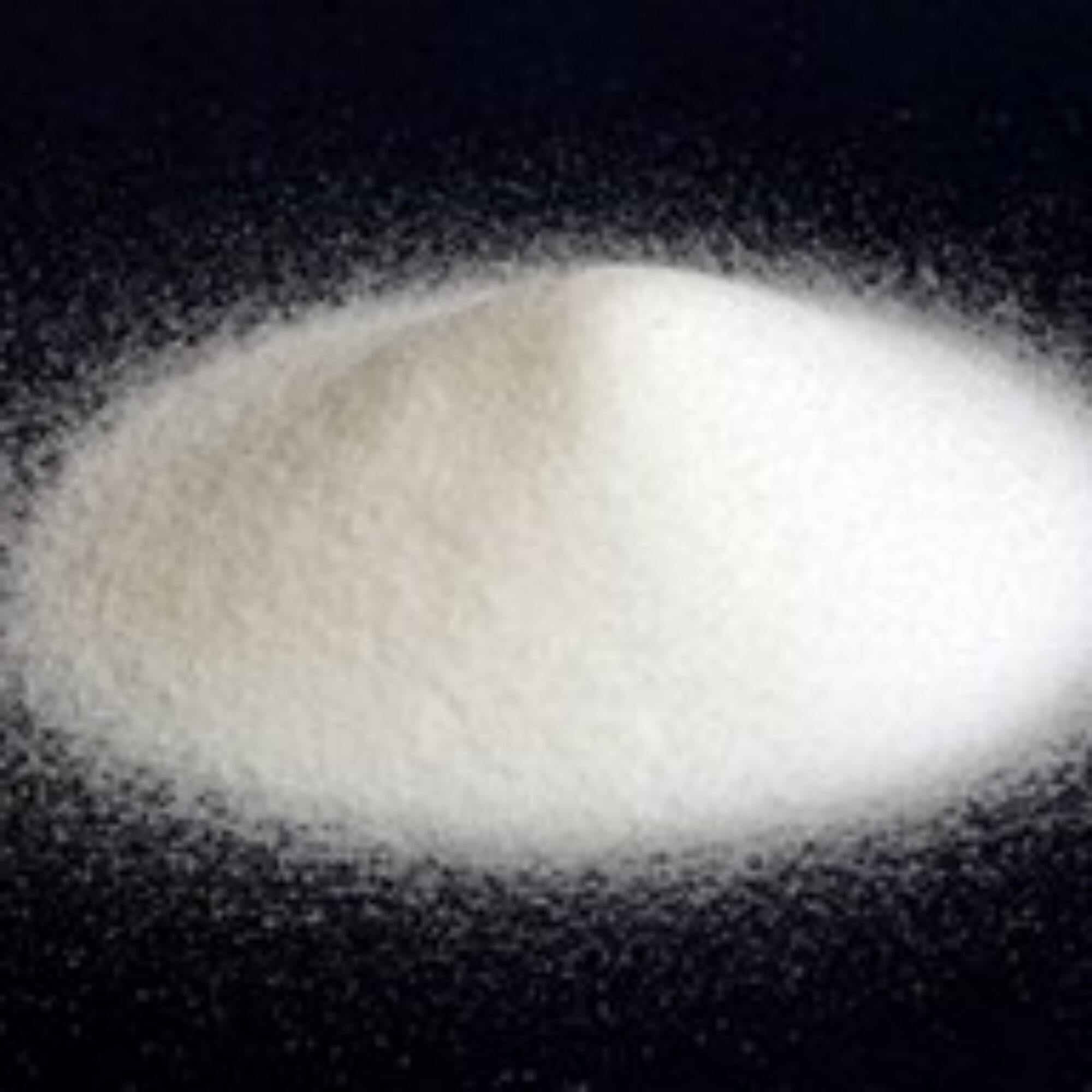
Pile of Refined Sugar

How much do growth industries mean addictive industries?

How much does this pattern I see correlate, or am I just looking for patterns? If they correlate, is there causation? I see many industries driving growth to the point of defining historical eras as based in craving, even addiction. Look at some of the biggest: Pile of Refined Sugar Refined Sugar, which drove the growth of plantations in the Caribbean.Coffee, likewiseFashion, likewise, for indigo and cottonDrugs, likewise for coca, poppy, ephedra plantsSocial mediaDoofTobacco Meanwhile, the necessities of life, like fruit, vegetables, and shelter seem to lead to large markets, but not especially profitable or growing. Energy seems to fit the pattern, historically through fossil fuels and slavery. Sex, probably too. Finance seems big and not itself addictive, but I think it supports the others.…

0 Comments
My sledding hill in March
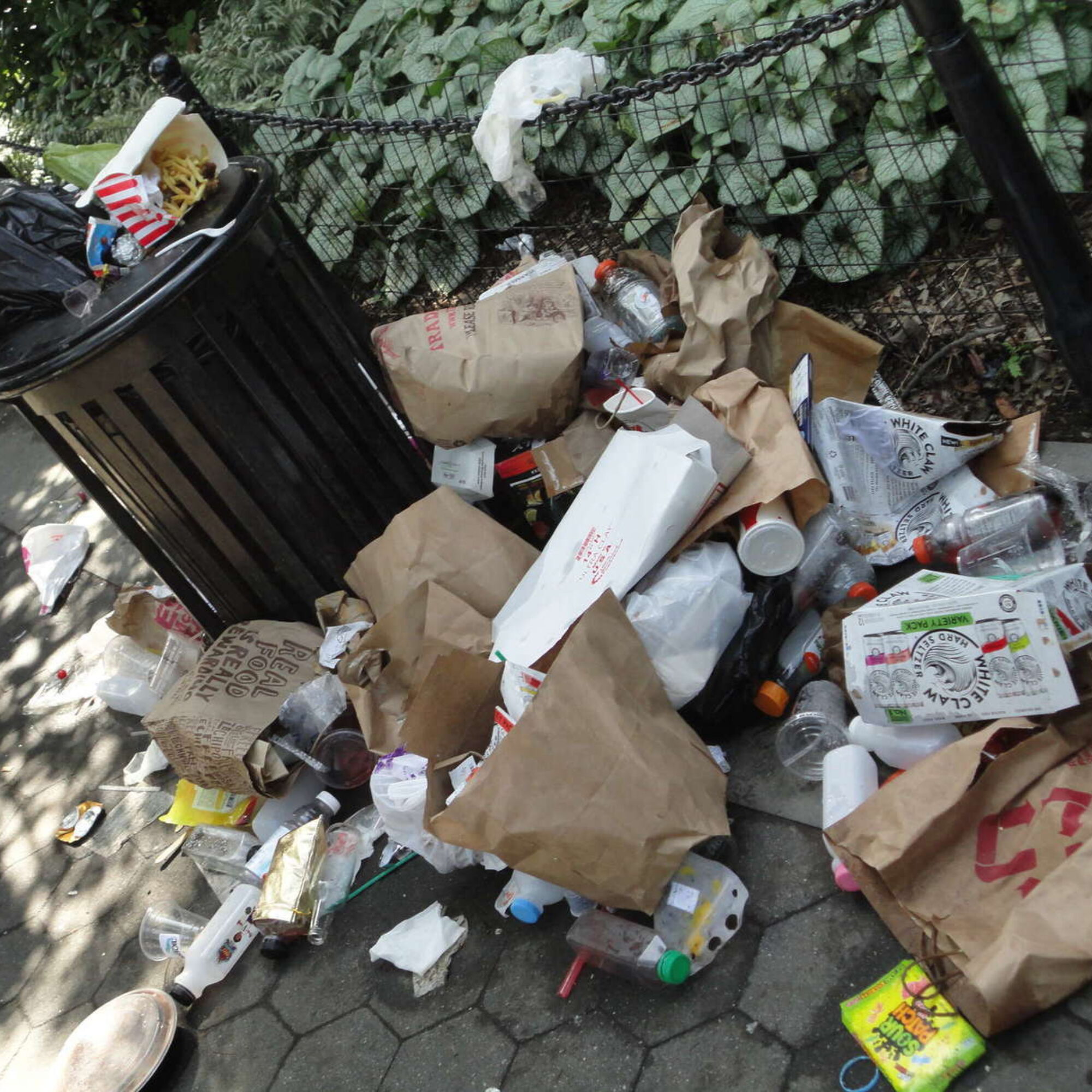
Packaging from someone who had McDonald's delivered. McDonald's delivered must be one of the most pathetic signals of loss of values.

My sledding hill in March

I visited home in Philadelphia this weekend and stopped by my sledding hill, also known as Tommy's Hill. I made a video last time. https://youtu.be/rb0_WfiFzDY This time I'll just show pictures for quick scanning with commentary in the comments. First the most jarring image as a preview, can you see the "word" McDelivery? Someone had McDonald's delivered, then littered the packaging. Packaging from someone who had McDonald's delivered. McDonald's delivered must be one of the most pathetic signals of loss of values. Consider getting McDonald's delivered. What rock bottom of self-respect has this person dropped through? . . . Or rather has our society dropped through that this concept exists? It serves only to impoverish the poor and make more sick the already sick. McDonald's…

0 Comments

Who sees the other as more racist and sexist, the left or the right?

I think both the political left and right want to end racism and sexism, but as best I can tell, each considers the other as racist and sexist to the core, while they see their own movement as maybe having had some of each in its past, but it's made them less so for the lessons. Can you tell which group seems more racist and sexist from the other's perspective? I'd guess they see the other nearly how the other sees them. If I didn't see it, I can't imagine dreaming such a situation, yet it permeates this country. I wish people could rise above misunderstanding the side they aren't so much.

0 Comments

More stuff isn’t less stuff

Hosting a successful podcast on sustainability, I get a lot of requests or suggestions to bring on as guests people who sell more things, claiming they reduce waste relative to something more wasteful: compostable straws, jewelry from ocean plastic, clothes you can trace to the cotton farm, etc. Selling more isn't selling less. If you make a polluting system more efficient, you pollute more efficiently, even if you make your part less polluting. Since Watt's steam engine and before, when we've made some part more efficient, we've increased overall waste. We're more efficient than ever and polluting more than ever. Uber was supposed to lower traffic but increased it. Transistors keep getting smaller and more efficient but computers pollute more than ever. Your compostable straws…

0 Comments

One of the tragedies of addiction

The tragedy I want to point out today isn't on the scale of people losing their futures or their lives, or funding the organizations that supply the cause of the addiction and death, like drug cartels, the Sackler family, McDonald's, or their peers. (I would bet of the drug cartels, Sackler family, and McDonald's, McDonald's and its doof caused the loss of more cumulative years of life than the other two). The tragedy is when you know someone who is addicted but in denial, lying to you, themselves, and everyone to distract from the addiction others can see, hurting people with these lies, thinking only of themselves and their next hit, doing what they have to to make it happen. It hurts to see an…

0 Comments

Finished book number three proposal

About a year ago I started writing the first draft of my next book. If you count earlier iterations that only led to refining the outline and restarting, I probably started six months earlier, not that I kept track. I had finished my first draft a few months later, spring 2021. I knew when I started writing my second non-self-published book, Initiative, that I would write my next book on sustainability. I had just started This Sustainable Life, called Leadership and the Environment at the time, and anticipated podcasting would help develop it. It did. The new book will be much stronger for it. This time I worked with an editor far more experienced than before. At first, I reeled from the amount of editing…

0 Comments

A simple proposal to reduce litter

Picking up litter daily, as I have since 2017, I notice many trends. One big one is that Saturday and Sunday mornings, my neighborhood has more litter from people going out the night before. The plastic cups from bars, bottles, takeout containers, and other detritus from visitors makes it obvious. Most of the trash cans are overflowing, so when I pick up the litter, I can't put it anywhere. I can often tell where it came from, often the specific bar or restaurant, but at least the type of venue. Some of them used to have trash cans the public could use. Now I don't think any of them do. It looks like they've realized how much trash all of them contribute and that they…

0 Comments

My first kombucha tastes off-the-charts delicious!

I've never cared much one way or the other about kombucha. I've tasted it once or twice, but it comes packaged, so I avoid it. I've been making vinegar for a while from apples and water, sometimes adding sugar, since I have some a neighbor left when he moved. The vinegar tastes delicious and has resulted in a bunch of the yeast and bacteria cultures that grow as I pass them from one batch to the next. I figured kombucha and vinegar were similar, just kombucha had tea. I don't drink much tea. In fact, I have two containers of tea leaves at least ten years old in my cupboard for guests, but I rarely make any. Finally, it hit me; if I take over…

0 Comments

Spring flowers

The weather is warming in New York City, maybe early because of global warming, but plants are starting to grow. I see some growing in cracks in the sidewalk and concrete. Life grows so fast, with so little opportunity. We just have to let it. That we are decreasing the amount of life, causing species to go extinct and just decreasing the overall mass of living creatures shows how much we are destroying it. If we just let it be, it would grow back. It's not. We're destroying it. All we have to do is pull back on the throttle, nature will do the rest, but we can't even just relax. We have to keep pushing.

0 Comments

The “Affordable Housing” challenge

If you believe, as I do, that humans have overpopulated the Earth, there's a big problem with affordable housing. Every politician promotes building more buildings, and attaching the term "affordable housing" to any project helps it get popular support. I don't remember hearing anyone oppose "affordable housing." Before cars overran cities, people didn't complain about building highways into cities. Few people, maybe no one, anticipated induced demand, where building roads created more demand for more roads, which fed a cycle people still promote today. Likewise, before the Green Revolution, nobody opposed technological advances to increase yields per acre. Few people, maybe no one, anticipated soil degradation, ocean dead zones from too much artificial fertilizers, communities torn apart, and other problems from the Green Revolution's technology.…

0 Comments

Would you have opposed atrocities in the past? Do you oppose them today?

We look up to historical figures who opposed great atrocities of the past, especially helping people who couldn't help themselves, which we consider on a different level than just helping ourselves, or at least I do. For example: Oskar SchindlerDietrich BonhoefferFrederick DouglassThomas ClarksonWilliam WilberforceWilliam Lloyd Garrison History shows that most people don't help others in difficult times. For every one Oskar Schindler, maybe millions of Germans in the 1930s and 40s figured what they did wouldn't matter and went with the flow. For every one Thomas Clarkson, maybe millions of others kept buying sugar, rum, and other slave-produced good. We are lowering Earth's ability to sustain life. What are you doing? Today we face billions of lives at risk in our lifetimes. Who are your…

0 Comments
Have we lost the imagination to improve life without fossil fuels?
Exxon Valdez oil spill

Have we lost the imagination to improve life without fossil fuels?

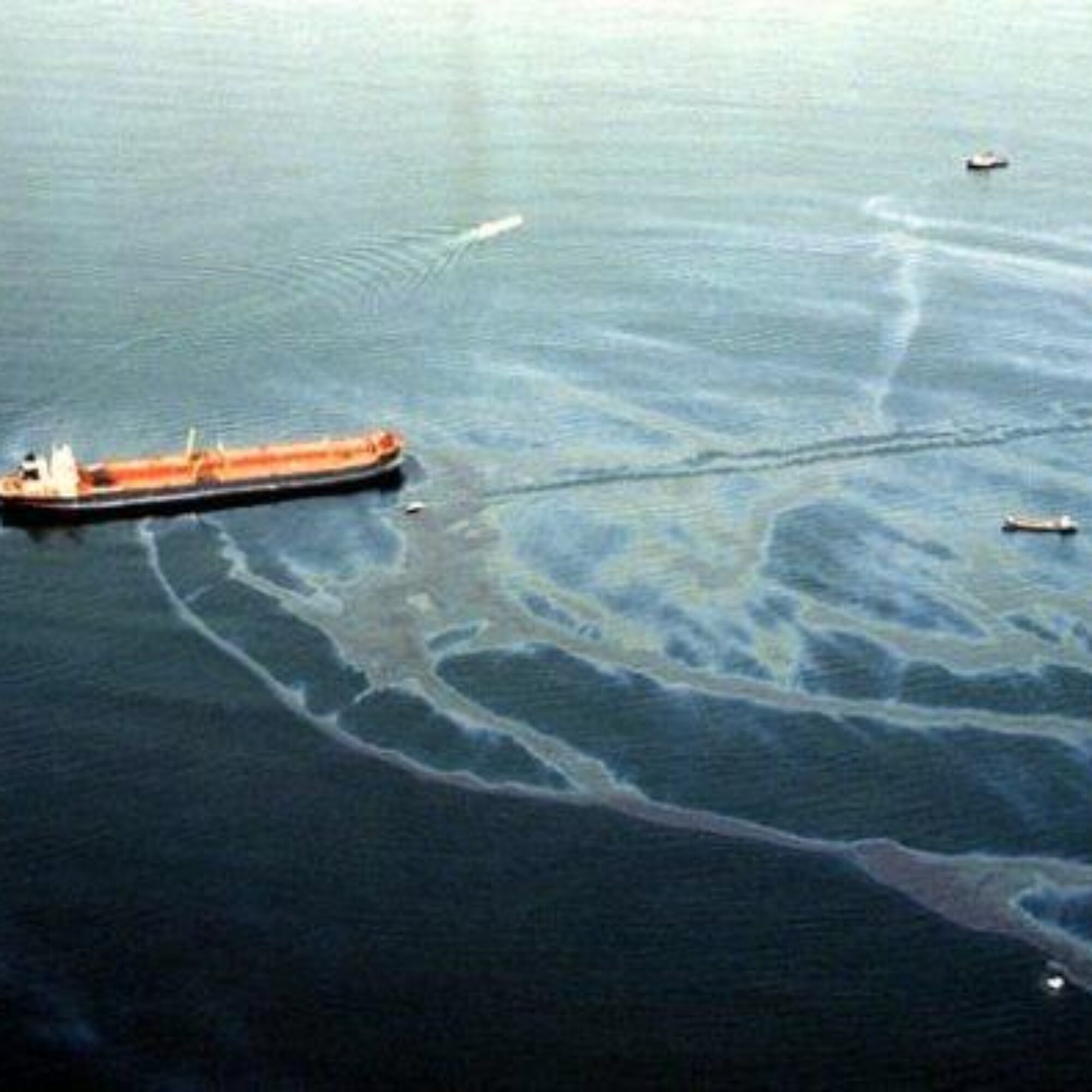
I've asked people lately to come up with examples they consider major advances in life in their lifetime not requiring extracting more fossil fuels. Or even the last century. People come up with antibiotics, but they started long before; solar energy, but it requires fossil fuels; nuclear energy, but it requires fossil fuels; and then start giving up. I can't think of much either. The Green Revolution fundamentally burns fossil fuels. Even my favorite sport, Ultimate, requires a disc made of plastic, which comes from fossil fuels. Everything about computers requires fossil fuels. Maybe I'm just describing a failure of my imagination. Can you come up with examples we missed? Exxon Valdez oil spill

0 Comments

Do addicts get less of what they think they get more of?

I've noticed a trend in addiction. I wonder if anyone out there is an expert or knows. I tried looking up the pattern, but didn't find anything. Have you heard of the pattern? The pattern Every addiction involves a pleasure. Gambling makes some people feel like a winner. Alcohol makes some people feel social. Social media makes you feel connected. Sugar tastes sweet. Heroin makes you feel euphoria. Each pleasure is unique. The giving you an intense but short peak, it seems to me that addiction overall decreases exactly the pleasure the addict wants and thinks he or she is getting more of. They get less of it. Gambling addicts feel like winners, but actually lose money. Alcoholics feel social, but the people they meet…

0 Comments

Efficiency and democratization backfiring

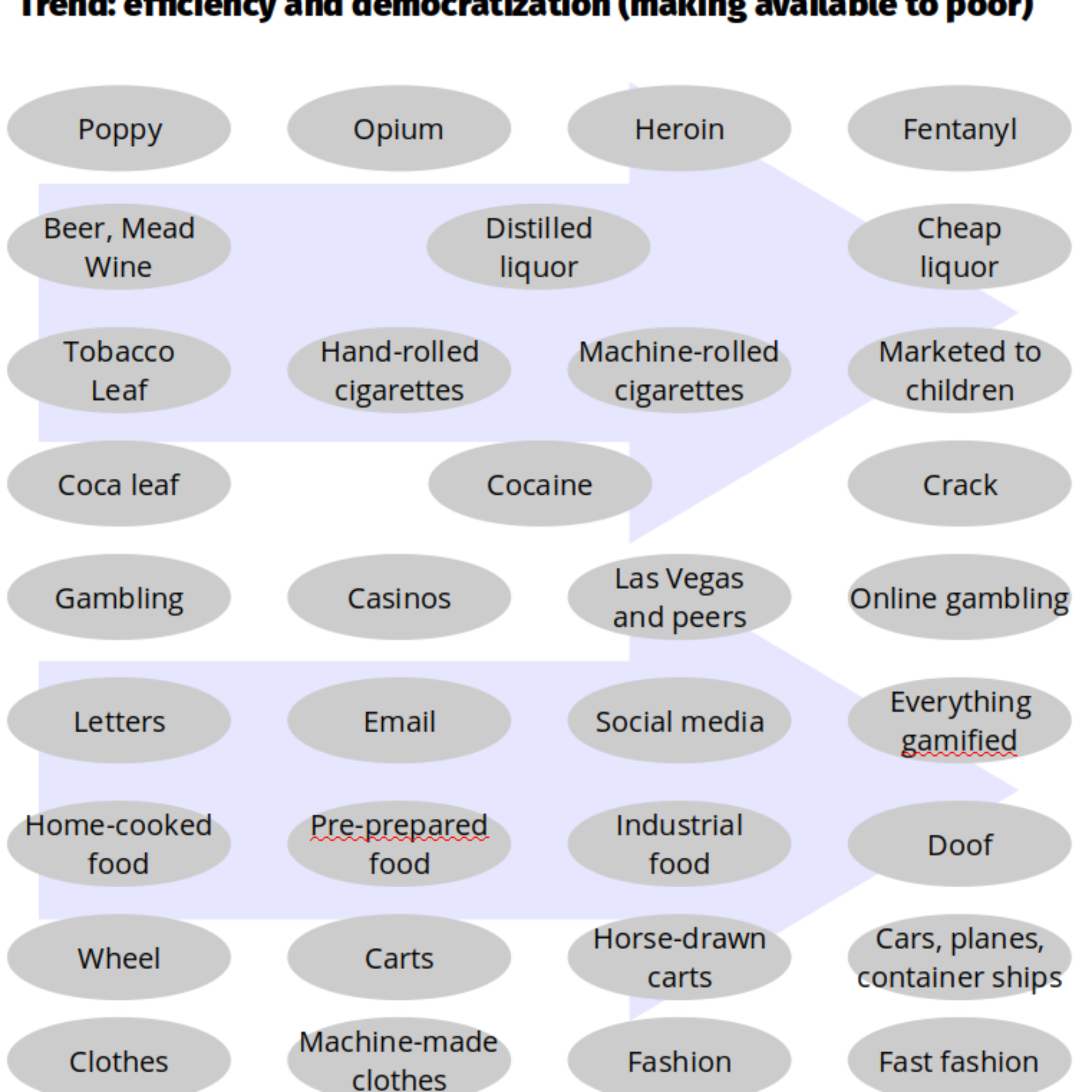
People who don't understand systems love small efficiency gains. They say how it benefits all to make technology available to everyone. When your system produces outcomes you don't want, improving and growing it get you more unwanted outcomes. You may then try that strategy again, accelerating creating unwanted outcomes. We're making things available to the poor that impoverish them. Then we do it more. The diagram below is an early version that needs work, but illustrates many examples of how our economic system making things efficient and more available got the results we should have expected but are likely the opposite of what people wanted. I offer it as a way to wake up to what we're doing, what I call "stepping on the gas,…

0 Comments

Fossil fuels and slavery from a systems perspective

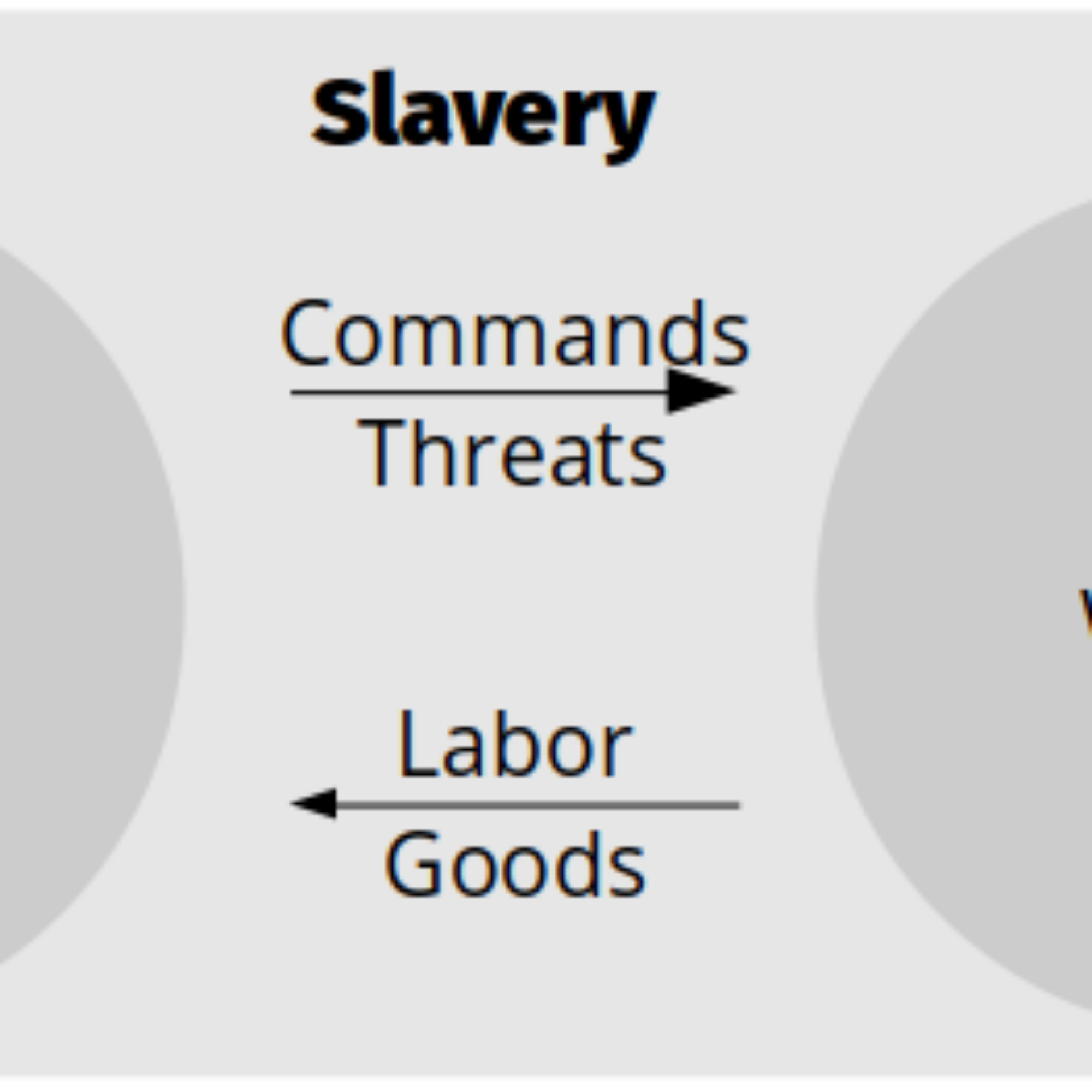
You've heard my conversations with award-winning authors, scholars, and other experts on slavery. With a couple I've talked about the connection between that system and ours. Most of the time, I've thought of the connection as an analogy. For a while, I've seen the connection as closer. Andrew Hoffman, University of Michigan professor in its business school and its School of Natural Resources and Environment, wrote of his discovering the historical connection between slavery and fossil fuels: The first time these two concepts were linked for me was seven years ago, when a senior oil industry executive in London asked me a rhetorical question: "If it wasn’t for oil, where would we get our energy?” His answer, to my astonishment, was “slavery” The book Industrial…

0 Comments

My first solar-powered famous no-packaging vegan stew

Last week I wrote about my latest step in going a month off-grid in Manhattan: buying (used, off Craigslist) the solar panels to power the battery I bought last year. First: solar panels and batteries are not sustainable. They require fossil fuels and other non-renewable resources for manufacture, with no end in sight for that dependence. I don't pretend using them is clean. Cleaner than burning oil or coal isn't clean. I see them like methadone: as part of a plan by someone intending to quit an addiction, they can help. But giving methadone to addicts with no intent or plan to quit is just giving them more opiates. They'll use the old stuff and the methadone. Likewise, humans with solar and wind power are…

2 Comments

How to stay not depressed when living not how society tells you to

Living sustainably is easy. All humans did for most of human history. Animals do it. Living differently than everyone else can be hard, even when you live how they want. People push hard against people who remind them they aren't living by their values. Alison, the host of This Sustainable Life: Untethered, wrote to ask me how I handled the challenge around the time she wrote a post, The Diary Of An Addict, sharing the dawning of her of how much her life revolved around craving out of her control. She wrote: Have you heard of the Kubler Ross change curve? It outlines the emotional journey from starting a new project or change and the different phases that you inevitably go through.  I feel like…

0 Comments

End of content

No more pages to load