Freedom


One of the most important statements of environmentalism: giving up on changing culture (and what to do instead)

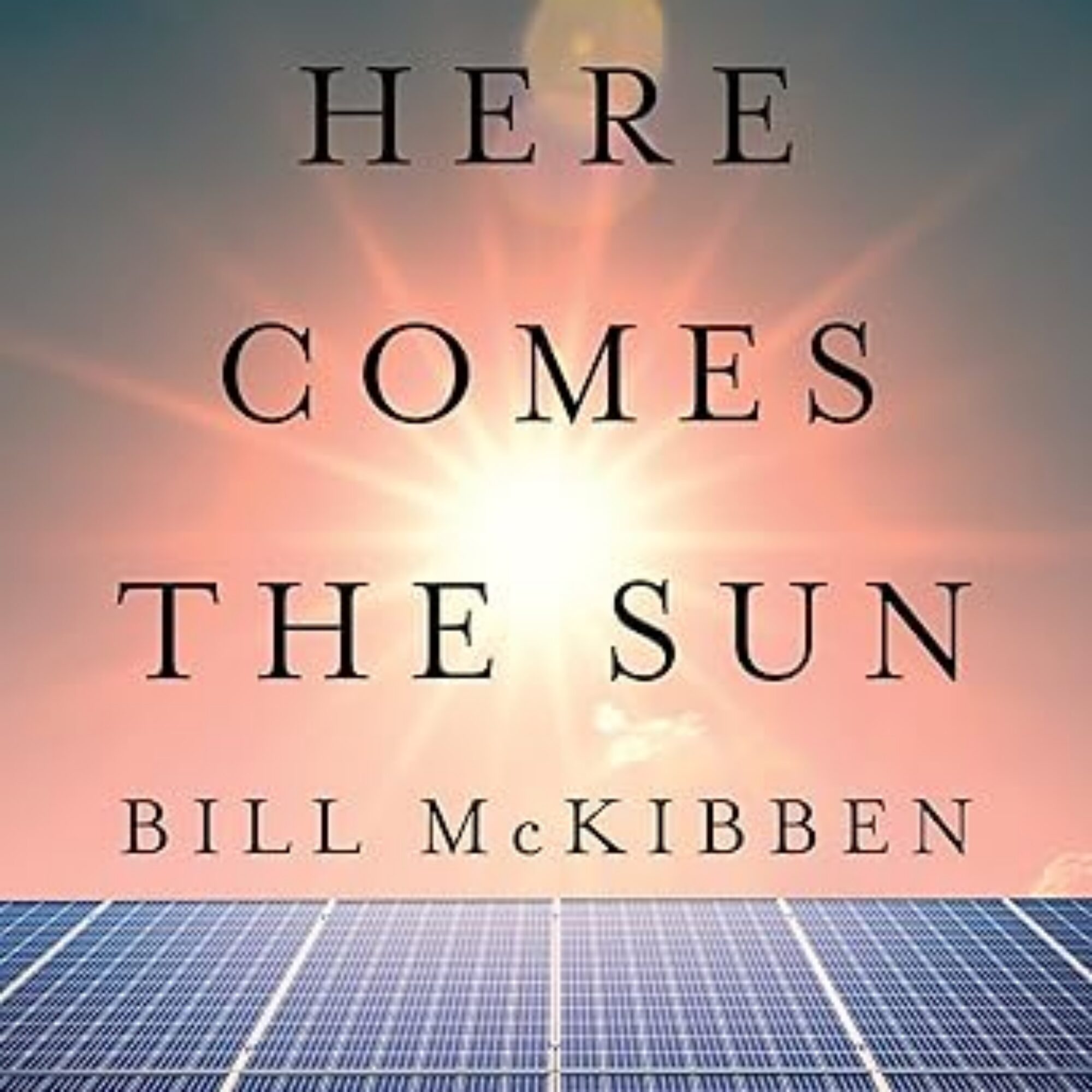
I enjoyed reading Bill McKibben's latest book Here Comes the Sun. I found much of it well researched. Still, I don't think it made clear what I consider its starting point. Before you read the critical stuff I start with about the book, I end on a high note. I've written many times how tools like technology, market incentives, and legislation aren't good or bad. They implement and augment the values of the people and culture wielding them. As long as our culture rewards behaviors that pollute and deplete, it will bend the use of any tool to accelerate itself. Whatever your intent with, say, solar panels, if you don't change culture, however much solar panels decrease emissions in one area, overall, they will enable…

0 Comments

How do we know the people living here when Europeans arrived were indigenous?

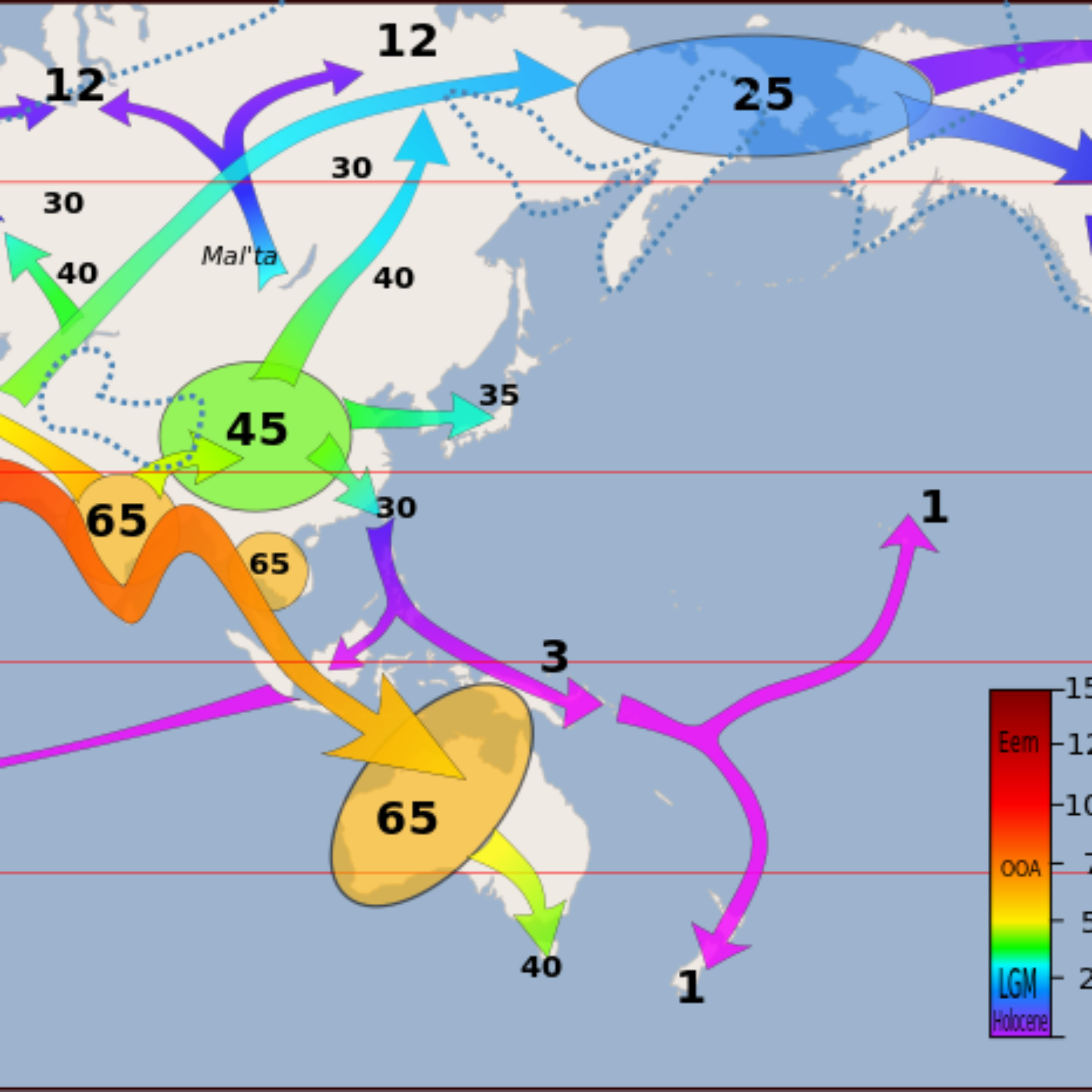
First I have to make as clear as possible: I oppose imperialism, colonialism, and outcomes they produce such as slavery, racism, genocide, and the coercive, often violent and deadly destruction of cultures, including indigenous ones. That opposition contributes significantly to my work, since living unsustainably drives all those results. In light of that connection, since I know no one even trying to live sustainably, which is necessary to lead others to oppose imperialism and all downstream, I don't know anyone who opposes them as much as I do. That said, environmentalists and people who claim to support indigenous cultures and people tend to attach to indigeneity properties it doesn't merit. For example, environmentalists will fly someone from a south sea island to the United Nations…

0 Comments

Today’s business models: Why we fight to keep what makes us miserable

People have figured out business models to lock people in: Find what people want, deliver it, then become the intermediary. That is, cut them off from it without you. The results Now people think Facebook and American Airlines connect them with family even though they cut us off from them. They we Instagram brings us friends even though it cuts us off from them. We think restaurants bring food but they cut us off from it. We think McDonald's and Starbucks save time when they deprive us of it. We think Google connects us to knowledge when it cuts us off from it. We think cars and planes transport us to new places when they actually make everywhere the same. We think the news brings…

0 Comments

Garbage people throw in my building’s garden every day

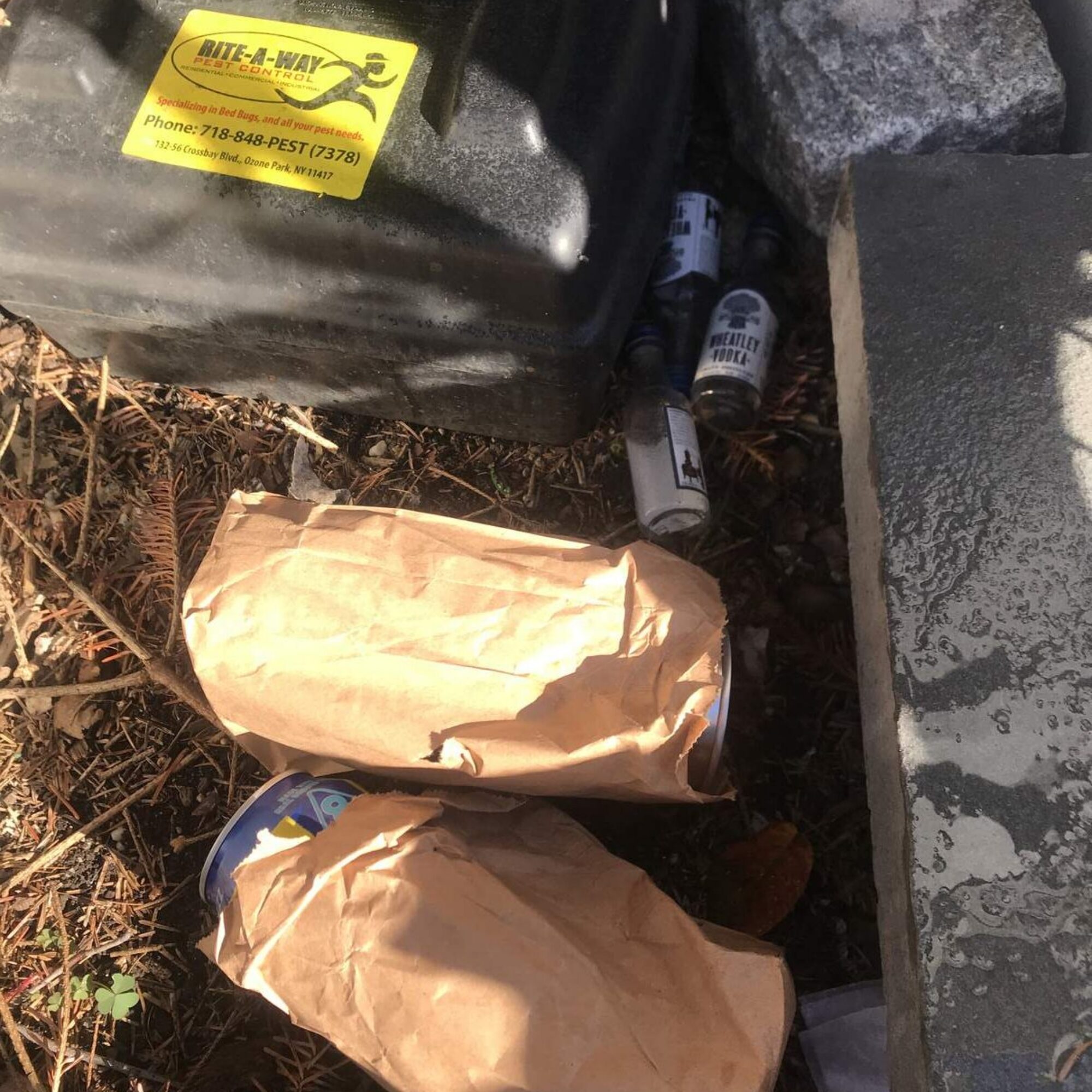
My building has a little garden in front with a low wall people can sit on. Isn't it nice to provide space for people to take a load off? I'm sure most of them don't, but plenty leave their garbage in our little garden. Here are some pictures from a typical morning. The "Rite-a-way" box is rat poison I don't like that the superintendent puts there, but with all the garbage people put there, rats arrive. The plants on this side of the garden are all dead. They were verdant and abundant at first. The most common garbage types are Beer cans Soda cans Water bottles Coffee cups and lids Napkins Bags Lottery tickets, usually ripped up Doof wrappers: chips, candy bars, etc Little alcohol…

2 Comments

More gratuitous destruction of life, liberty, and property in my neighborhood

Following up July's post on The social cost of gratuitous plunder and destruction of life, liberty, and property, here are more examples of people flouting the US Constitution's claim to protect citizens from being deprived of life, liberty, and property. Pollution and depletion aren't victimless crimes. They hurt everyone. Let's start with the venue I did the last post American Bar, again blasting the outdoors with air conditioning nobody benefits from but everyone pays for: Apollo Garbage Next, a bagel store that saves money for rent by not having places for people to sit indoors, sending them outside with too much packaging. Their bags and containers litter (literally) my whole neighborhood. They also save money by not collecting the waste they send out with people.…

0 Comments

Conservative, libertarian, and Christian posts in my blog and podcast episodes

Most people who call themselves environmentalists are on the political left. I talk to a lot of them. I also talk to people on the right and in other directions. I learn from all of them. I decided to compile them for reference. Some blog posts (I'm sure I missed a few): This week’s selected media: March 17, 2024: You Are a Badass; Into a Strange Land: Women Captives among the Indians; Conservatism 101 Followed up: watched recommended historical videos from the Leadership Institute’s course “Conservatism 101” My first Hillsdale College online certificate and why I took the course Cultural Exchange Without Flying: My dinner at the Trump International Golf Club at Bedminster More cultural exchange because of not flying: plinking and target practice This…

0 Comments

Lincoln didn’t heal slaves’ wounds. He led their “owners” to stop owning them. I’m following Lincoln, and then some.

Our environmental problems are symptoms. I won't fight people trying to protect and conserve nature, but the degradation of nature isn't the problem. Restoring an old growth forest doesn't change that billions of people are acting in ways to cut down whatever is restored. Many times I've described how the suffering and death we and our culture is causing is orders of magnitude times greater than slavery, so I won't hesitate describing what I'm doing in terms of slavery. Also, while I value nature, we have laws to protect people, not as much to protect nature. Many environmentalists point out that since we're all connected, protecting wildlife is protecting humans. It works the other way too: protecting humans means protecting wildlife, since protecting humans means…

0 Comments

Hear my second time on the Heritage Foundation podcast The Power Hour with Jack Spencer

It's been close to a year since I first appeared on the Heritage Foundation's podcast The Power Hour, hosted by Jack Spencer, who has been a guest on my podcast three times. First, I enjoy Jack's hosting both as a guest and a listener. I really was laughing as hard as I said when I came on. You'll hear me share more about how America's founders, Lincoln, Adam Smith, and other Enlightendigenous thinkers inform my views and actions. To my credit, I think I convey important thinking about sustainability based on what we need for society to work. It won't work if anyone can just do what they want. Roles for government include ensuring the consent of the governed and protecting people's life, liberty, and…

0 Comments

Abolitionists didn’t free slaves by teaching children that slavery was wrong. Yes, they taught children, but they freed slaves by freeing slaves.

I've written that, yes, we should teach children about living sustainably, but teaching children doesn't solve the problems we're teaching them about. On the contrary, if we teach them to do what we aren't doing ourselves, they learn from our behavior, not our words. We will lead them to see polluting and depleting like cursing or drinking, something kids have to wait until they grow up to do but that is okay for adults to do as long as they mostly hide it from kids. I put it in the frame of smoking in my post Don’t “teach children sustainability”. Here’s why and what to do instead. I also wrote How environmentalists are like smokers who tell others not to smoke … while smoking. Today…

0 Comments

Everyone says that raising kids means you can’t avoid polluting and depleting. That’s colonialism.

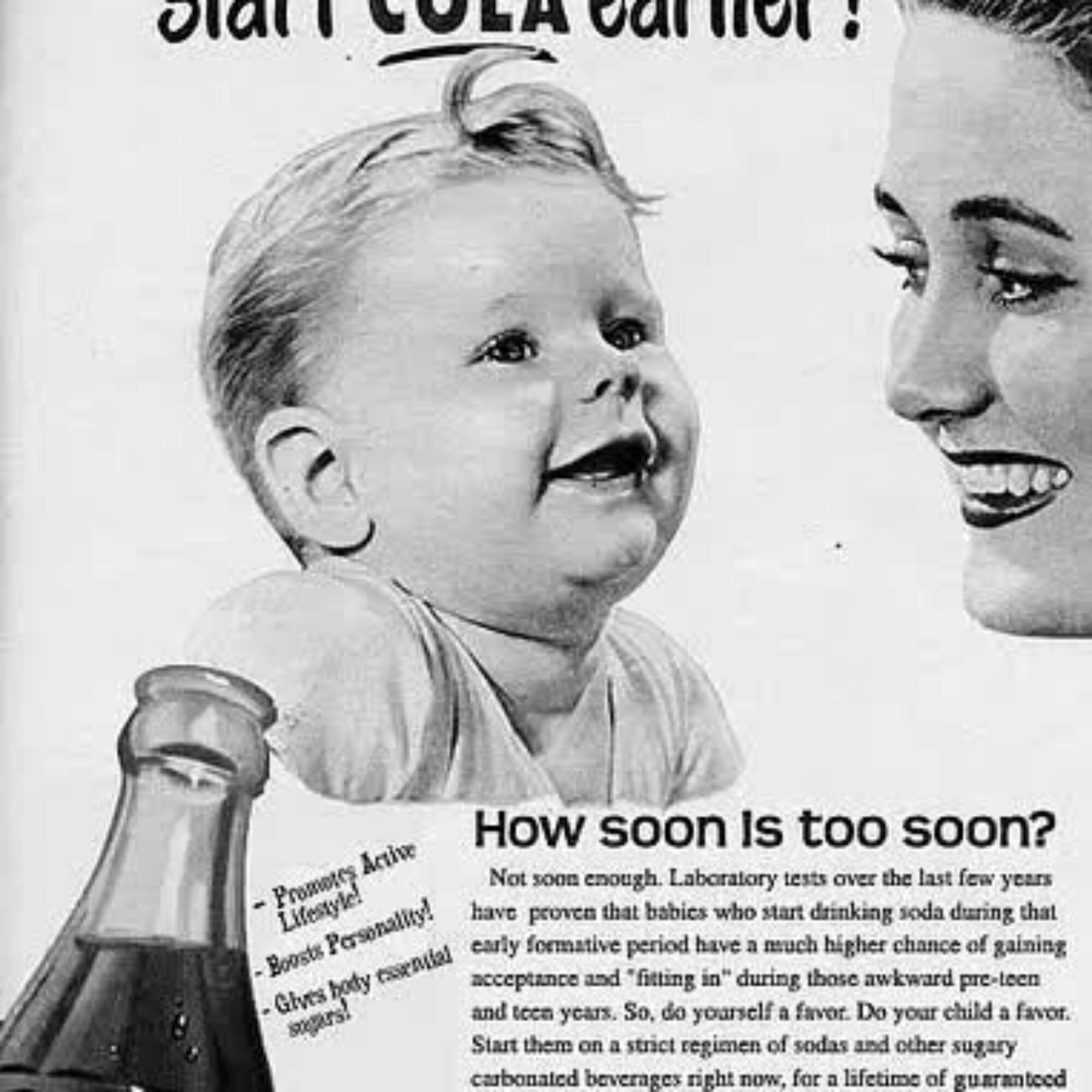
I've already written how polluting and depleting appropriate other people's lives, liberty, and property without their consent. Societies used to take other society's land---also known as colonialism---by invading or settling. Nowadays they avoid the risk of violence by addicting people. The opium wars were fought over incapacitating a population with opium. Now we do it with cell phones and hydroelectric dams. A new way of appropriating others' land is by sticking them with our poisonous waste, especially plastic. We can see piles of it from space and if we look at the details, we'll see that the shareholders profiting from it are people like you and me. We drink Coke, they live in our plastic waste. Raising kids, pollution, and depletion Everyone says that raising…

0 Comments

Their motivation to make doof: to drive your emotional system to buy more

I was thinking about the people who manufacture addictive things like doof. If you believe that someone choosing to buy something means they valued what they bought more than what they paid for it, then you think that the more they buy, the more they've improved their lives. Then the more addictive you make the product, the more you sell. You can tell yourself that your profit means their life improvement. The way it looks to me is that science has figured out how to control the human emotional system more effectively than the person with that system, at least in some cases. They've learned to use short-term motivation to override long-term reward and ability to regulate oneself. Then it's a stretch to say that…

0 Comments

What I’ve bought this year besides food

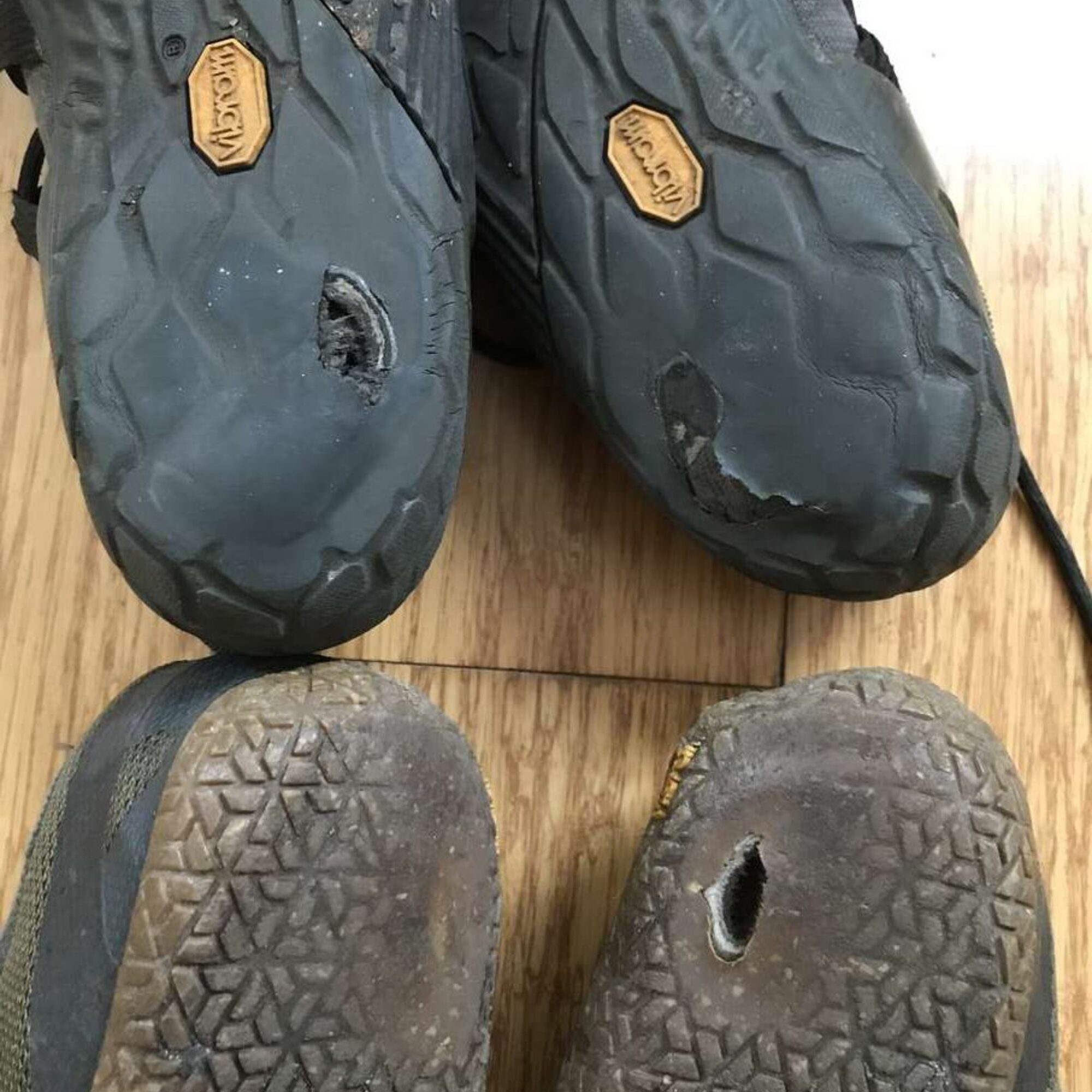
I tried to remember what I bought this year besides food. My doormen remark when a package arrives for me since I get a few per year. I ask if anyone else gets less. They say not even close. They tell me that some people receive more packages in some weeks than I do in a year, and many such weeks. As for food, I probably spend about $200/month, though I don't keep track. My biggest food cost is probably dried legumes in bulk. One example: I had been looking for a pair of shoes in my usual way: checking Craigslist and Offerup when I thought of it for a few months. My current pair has holes in the bottom. Since they're minimal, that means…

0 Comments

Year five, day 2 no refrigerator. Did you know power companies promoted them to use more energy (not for health, safety, or flavor)?

The first time I unplugged my fridge was December 2019. A few months later Covid hit and I lived outside the city a couple months. My fridge remained unplugged, but I don't count that time since I wasn't home. The next time I unplugged earlier in the year: November 2020, and made it six months or so before spring warm weather made keeping things fresh harder. The next year I started yet earlier: September 30, 2021. My goal was to make May, I think, but that May I unplugged the whole apartment so made it a year with the fridge unplugged and didn't see a reason to plug back in. Along the way, I learned from the book The Grid that fridges became widespread not…

0 Comments

The paradox of homelessness and dependence nobody seems to see

Why are some people homeless? Why does the problem persist throughout time and across cultures? Learning about dominance hierarchies as systems helps see patterns beyond just what the eye sees. Take, for example, the observation that some cities in the US have greater homeless populations than others. People are quick to assign causality to correlation. To understand helplessness and homelessness, it helps to understand freedom. If freedom is ability to walk away without coercion or fear or risk of retribution, then people who lived where food and other resources were evenly distributed and all know how to live off of them, than egalitarian hunter-gatherers had more freedom than we do. That distribution also put personal responsibility on every individual to maintain mutually agreeable relations with…

0 Comments

Stop saying the playbook for doubt and deception comes from “big tobacco.” What to say instead.

When people talk about industries sowing doubt to avoid being scrutinized or regulated, people often say that those industries are using the tactics of big tobacco. It happens a lot with businesses the pollute and deplete a lot. I think they're mostly relying on the book Merchants of Doubt, which wrote about how the tobacco industry created uncertainty and other tactics, not to defend themselves so much as to deflect accountability and interest. I agree with the sentiment, but tobacco companies didn't start the practices. It's been a while since I read the book Industrial-Strength Denial: Eight Stories of Corporations Defending the Indefensible, from the Slave Trade to Climate Change, by Barbara Freese, so I might misremember, but it traced them to the slave trade.…

0 Comments

If you claim to consent for someone else, you’re a tyrant

This nation's government says it's just only if based on the consent of the governed. Consider Cancer Alley. Nobody consents to being given cancer. Nobody consents to being born with a birth defect. Yet Cancer Alley and other sacrifice zones are growing. I don't deny that people can benefit from perks that come from activities that pollute and deplete, but as long as they pollute and deplete, they violate what makes government just. You might like the perks, but you can't consent for other people. There is a word for people who "consent" for others. They are tyrants. If you claim to consent for someone else, you're a tyrant. I'm not saying you're good or bad. You have your values. I'm only saying something as…

0 Comments

Libertarians confused on pollution, sacrificing their core values. At the root: lack of hands-on practical experience.

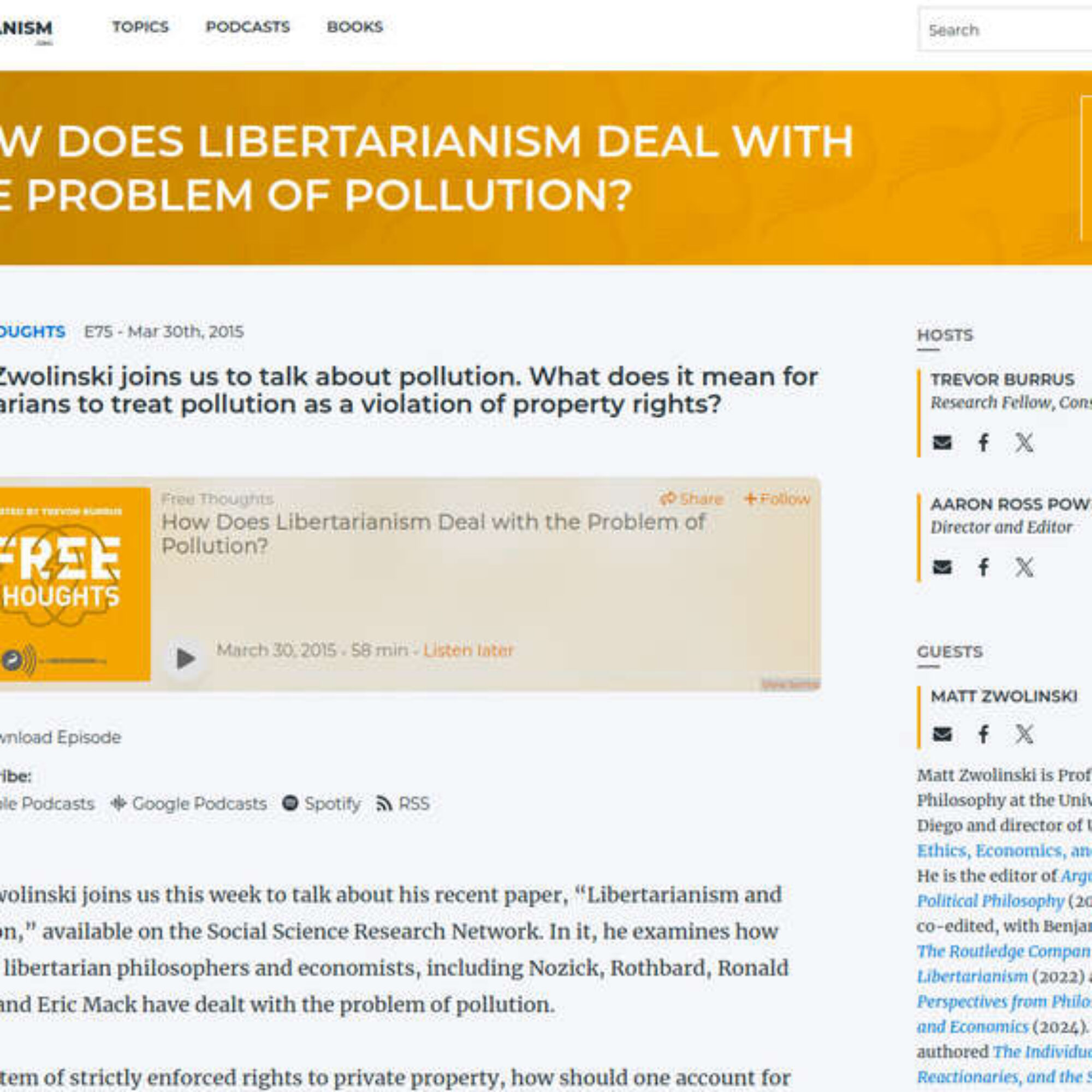
I found a podcast episode from the Cato Institute, where I spoke last year and met some wonderful people: How Does Libertarianism Deal with the Problem of Pollution?. I'm posting quotes from them mainly for future reference. Sorry if the post isn't my most readable, but my main response: Lack of hands-on practical experience leads them to opposed their own values. They think no pollution means the end of civilization, when Adam Smith didn't pollute. Were ancient Athens, Sparta, Rome, China, and India not civilization? They think banning pollution means a band on a modern economy. A ban on modern economy? What value is an economy if it undermines freedom? Do they not believe a free market can solve the problems of keeping people healthy…

0 Comments

James Madison on slavery (in contrast with Abraham Lincoln)

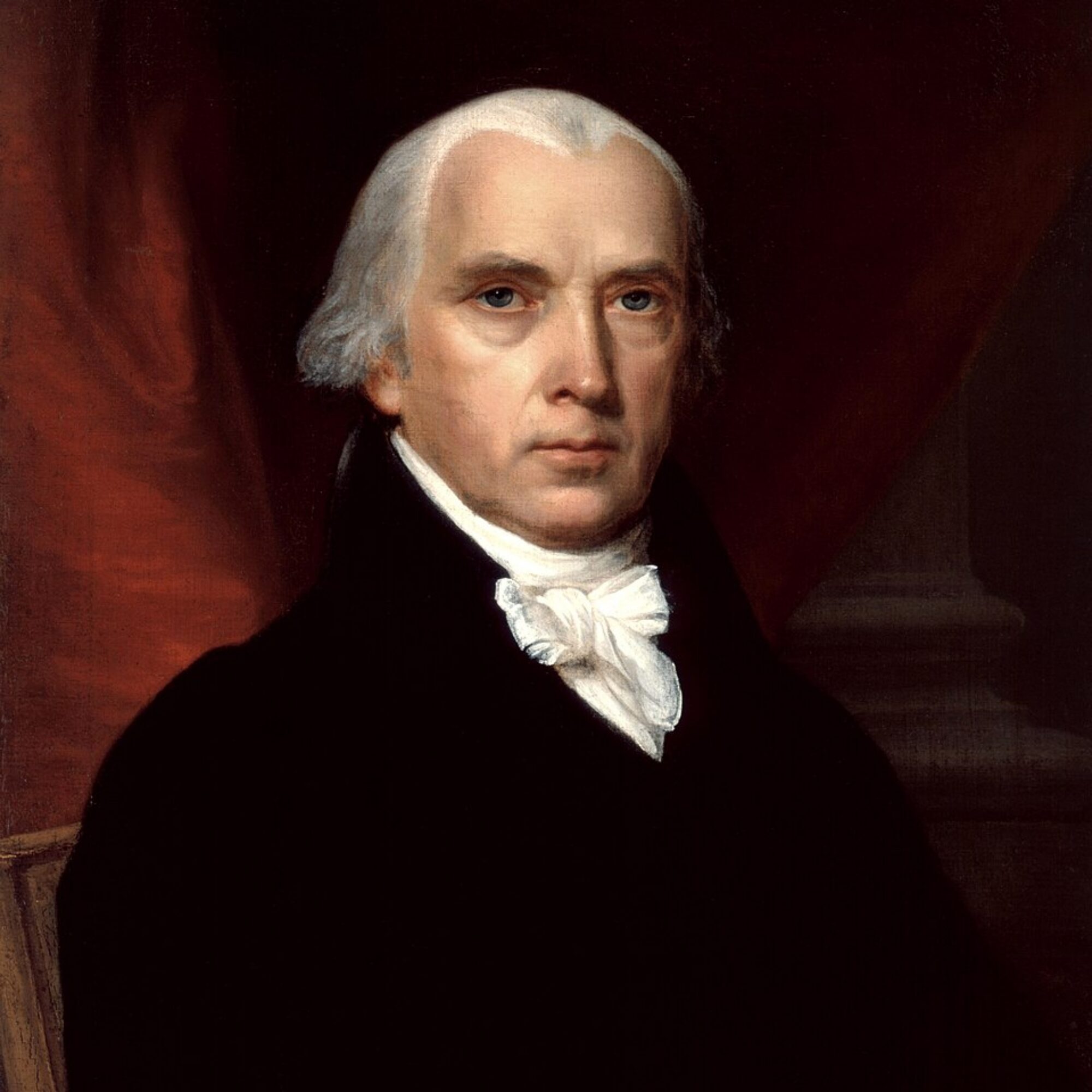
I've been learning more about America's founders who opposed slavery, their personal actions on slavery, and their resulting views. Lately I've been learning more about James Madison so saved some comments on him by a biographer, Drew McCoy. I haven't finished a full biography of him, so I'm just starting learning about him in more depth, but I'm coming to see his views on slavery versus liberty, freedom, equality, and democracy as relevant today, in particular to pollution and depletion, which undermine liberty, freedom, equality, and democracy. Like Jefferson, he considered slavery wrong but didn't act against it---that is, he valued freedom but didn't fight for it in all cases. It looks like he valued it more for himself and his peers than for slaves.…

0 Comments
Consent of the Governed and NIABY: Not In Anyone’s Back Yard
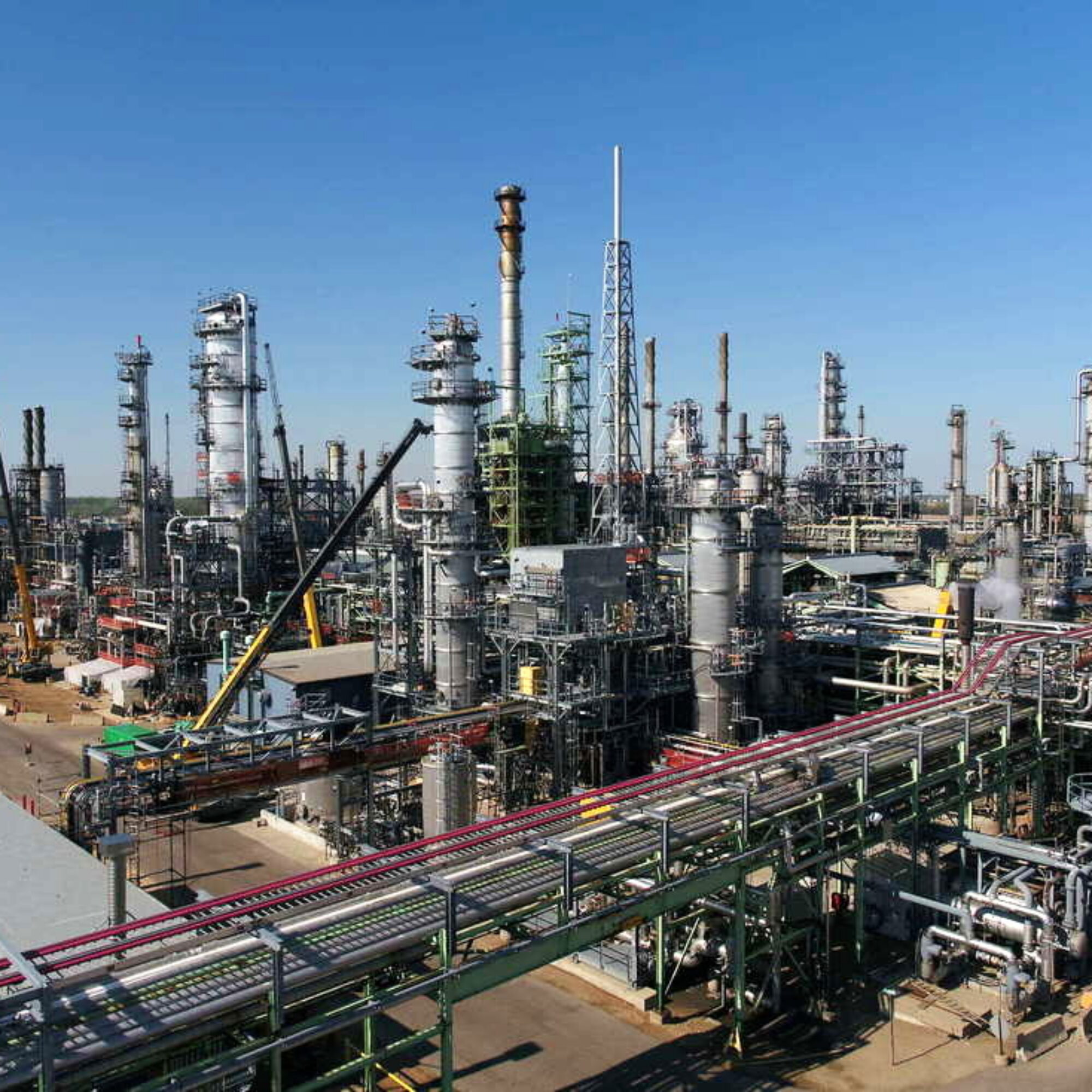
Oil refinery

Consent of the Governed and NIABY: Not In Anyone’s Back Yard

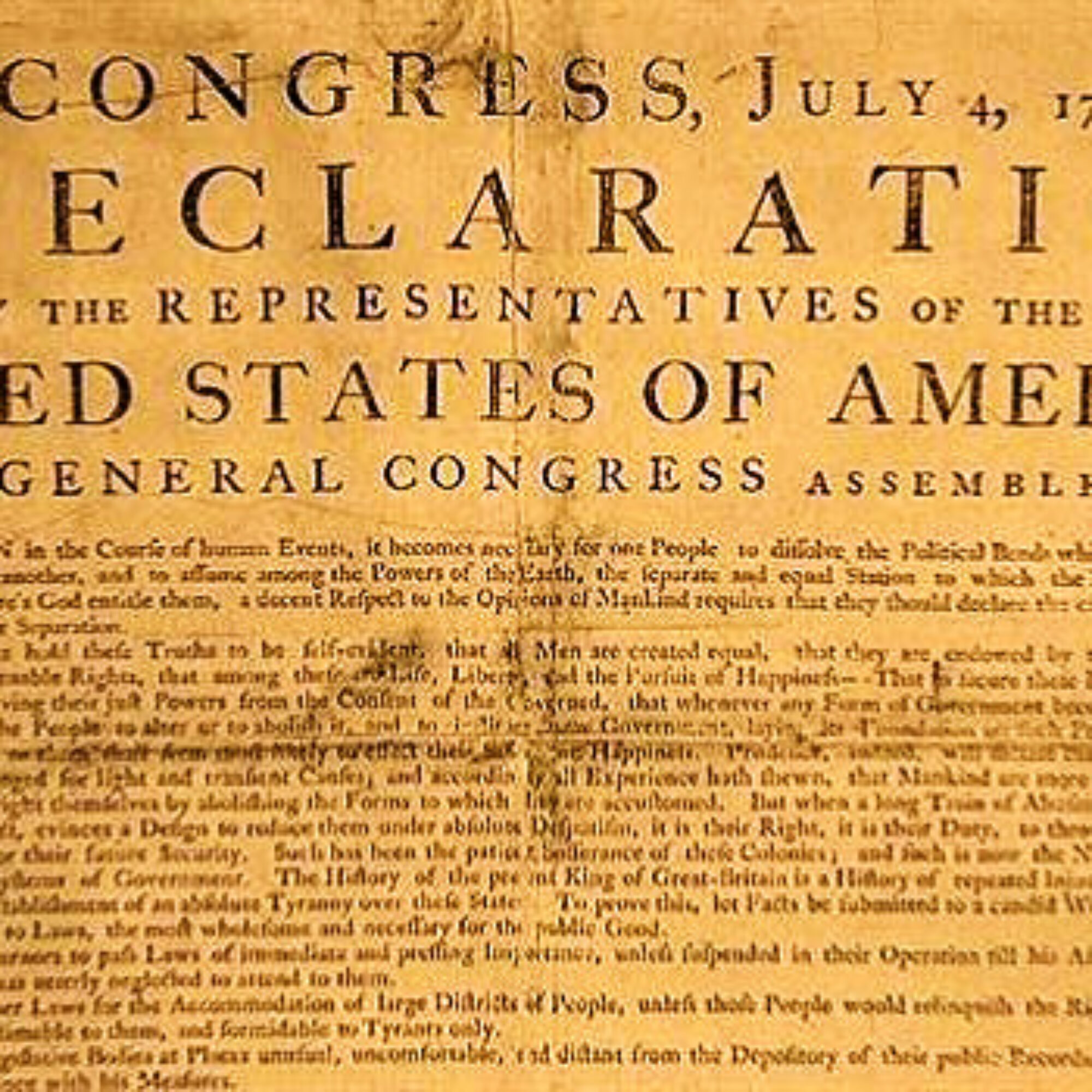
Context: The United States has a region called Cancer Alley. Flint, Michigan is known nationwide, maybe globally, as a place where water is poisoned. We're "solving" that problem with bottled water, which poisons others, so it's more like kicking the can down the road. Actually, by accelerating a cultural distrust in municipal water, it accelerates bottling, so it's more like accelerating a snowball or avalanche. Nobody consents to cancer, birth defects, or lacking access to clean water. The founding principle of our government being based on the consent of the governed couldn't be more clear: We hold these truths to be self-evident, that all men are created equal, that they are endowed by their Creator with certain unalienable Rights, that among these are Life, Liberty…

0 Comments

Two personal bests in a week: Freedom.

When I started doing Turkish Get Ups, I struggled with a 25-pound kettle bell. Over the years, I worked up to where I comfortably do them with a 28-kilogram one, which is 61.6 pounds. My next heavier kettle bell is 70 pounds, which is a big jump. I wondered if I would ever be able to do it. I dented my floor when I lost control of a kettle bell and I once injured a rib that way, so I respect the exercise's potential for injury, or rather, the need for safety and form. Personal Best #2 Today I did my first 70 pound Turkish Get Up, one on each side. For those who don't know what they are, here are many posts. In a…

0 Comments

The social cost of gratuitous plunder and destruction of life, liberty, and property.

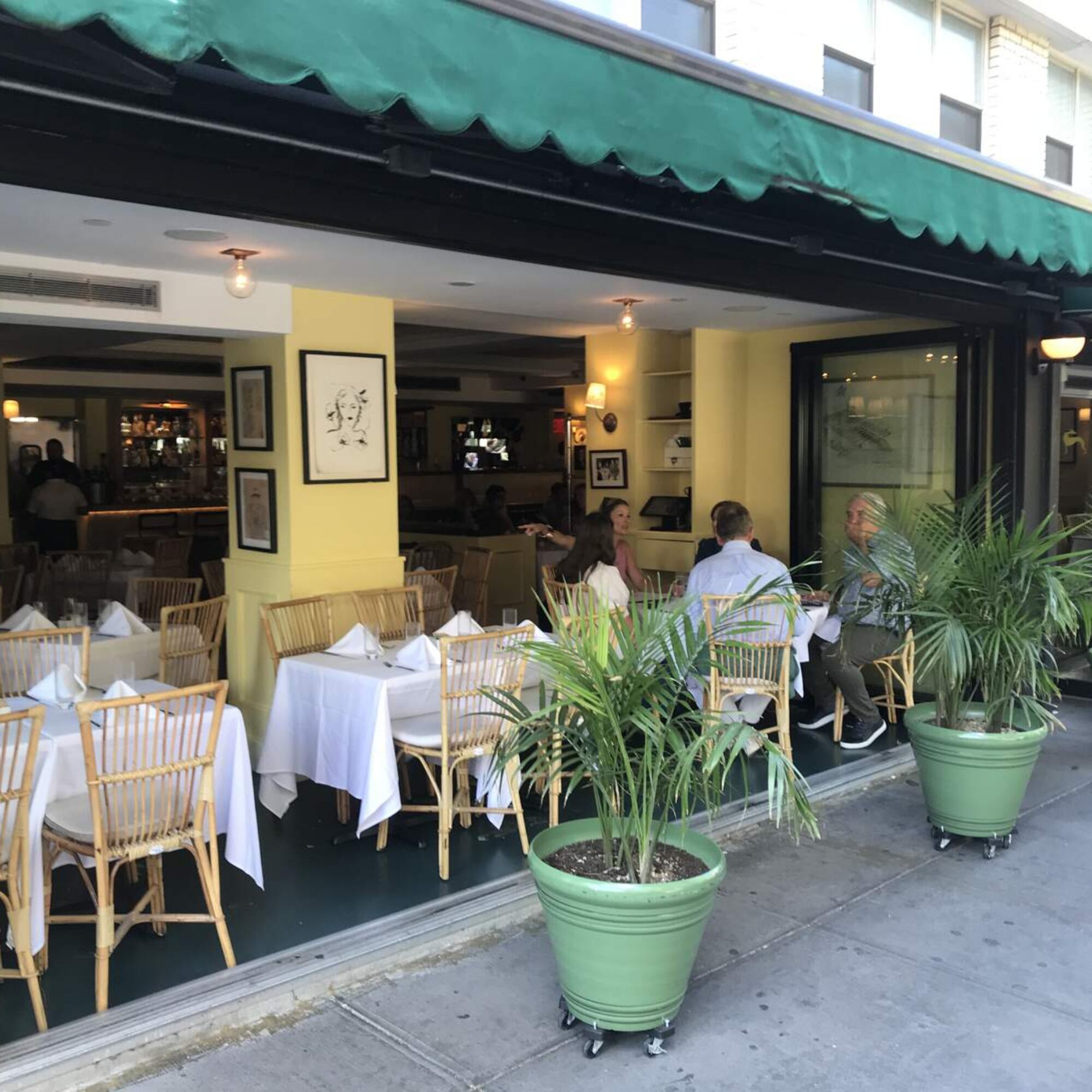
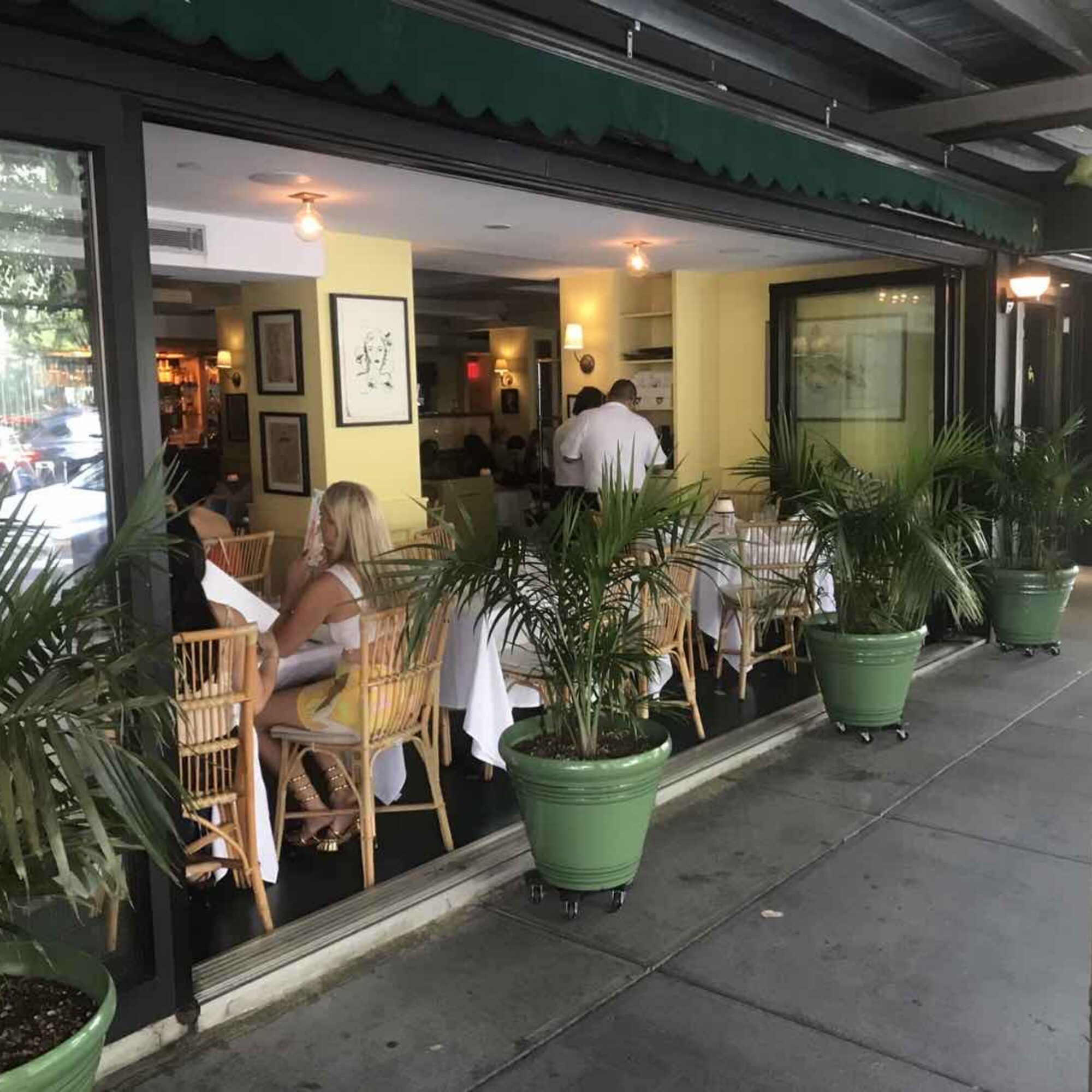
This restaurant is called American Bar although, with the government permitting this violation of its role to protect people's life, liberty, and property, it's violating the original intent of America's founders. How? See how the sliding doors are wide open? Also, see the vents on the white wall facing the wide open window? Those vents are blasting air conditioning into the outdoors. Why should anyone care if they pollute and deplete? This nation's Founders (and writers of the 14th Amendment) didn't just suggest protecting life, liberty, and property for the fun of it. They recognized that if we don't think our future will be better than today, or that if we create something someone can just take or destroy it, we lose reason to invest…

0 Comments

I love learning about the Enlightendigenous origins of liberty, freedom, equality, and democracy in America

I've written before about my functional new word Enlightendigenous. In that post I shared what I learned about the evidence for the philosophy and practice of indigenous people in North America influencing and inspiring Europeans into what became called the Enlightenment. Europe at the time had little to no democracy or social mobility. Your status at birth---that is, the status of your parents---determined your place and role for life with rare exception. People lived under a dominance hierarchy based on access to resources like arable land enforced by a system of justice and military. Meanwhile, on the east coast of North America, there were no river valleys like Mesopotamia or the Nile to precipitate dominance hierarchy on that scale so people practiced local politics. They…

0 Comments

To conservatives and libertarians annoyed at trash strikes: Sanitation systems are socialist. Most of your garbage promotes socialism.

Sanitation systems across the nation are on strike. It started in Boston: and expanded to the west coast in solidarity: Since people who are conservative and libertarian often don't like strikes, which they may see as socialist, communist, or moving in that direction, Today I want to clarify for them: Sanitation systems are socialist and motivate waste, violate Enlightenment thinking and practice, and violate the original intent of the Constitution. (For liberals and progressives, they are also imperialist, colonialist, and contribute to racism, which I'll cover in another post.) First, a personal note: you can improve your life by reducing your garbage by well over 99 percent. Also your health, safety, security, freedom, family, budget, and longevity. I grew up generating as much or more…

0 Comments

I love developing resilience and strength: AI version, part 1

A recent article on artificial intelligence in the New Yorker wrote about how people who are suffering from loneliness are finding help from artificial intelligence. Some people can't help loneliness, not out of character defect but circumstance. It gets the reader thinking about the elderly, for example, who outlive everyone they've been close to, or it describes as worse, if those who remain are senile. Sorry to give away the ending but it suggests that for however it helps people who can't escape, it will create dependence in far more. The article is A.I. Is About to Solve Loneliness. That’s a Problem: The discomfort of loneliness shapes us in ways we don’t recognize—and we may not like what we become without it. by academic psychologist…

0 Comments

I love where I live. A perk of volunteering: July 4th fireworks up close (also Thanksgiving)

Common roles for auxiliary police officers include crowd control and traffic control during big events, like parades. July 4th fireworks is another big one (scroll down for pictures from last year's Thanksgiving parade). This year my patrol during the fireworks was right next to the water. I took a video toward the beginning (after ensuring it was okay with the officer I report to). Should I say it's only a minute because the fireworks went for half an hour, or it's a full minute, because even a few minutes would seem long for fireworks in most places. In any case, I love volunteering, all the more when I'm fulfilling what feels to me like civic duty. Here are two pictures from before the fireworks started.…

0 Comments

End of content

No more pages to load