Freedom


Signs you’re not traveling even if you go far

Travel used to mean something. You had to work to go somewhere. In many places you could find a different culture. Today, you just pay money and go from one airport to another. The concept that "it's the journey, not the destination" is over. For most people the journey is passive. Going across the world takes marginally more effort than going across town. I've written before that “Traveling” with roller suitcases isn’t what traveling used to be. Today, most places are just slightly different versions of the same global culture. Again, going across the world takes you to people little different than you can find across town, and I don't just mean in a place as diverse as New York City. Signs that your travel…

0 Comments

More cultural exchange because of not flying: plinking and target practice

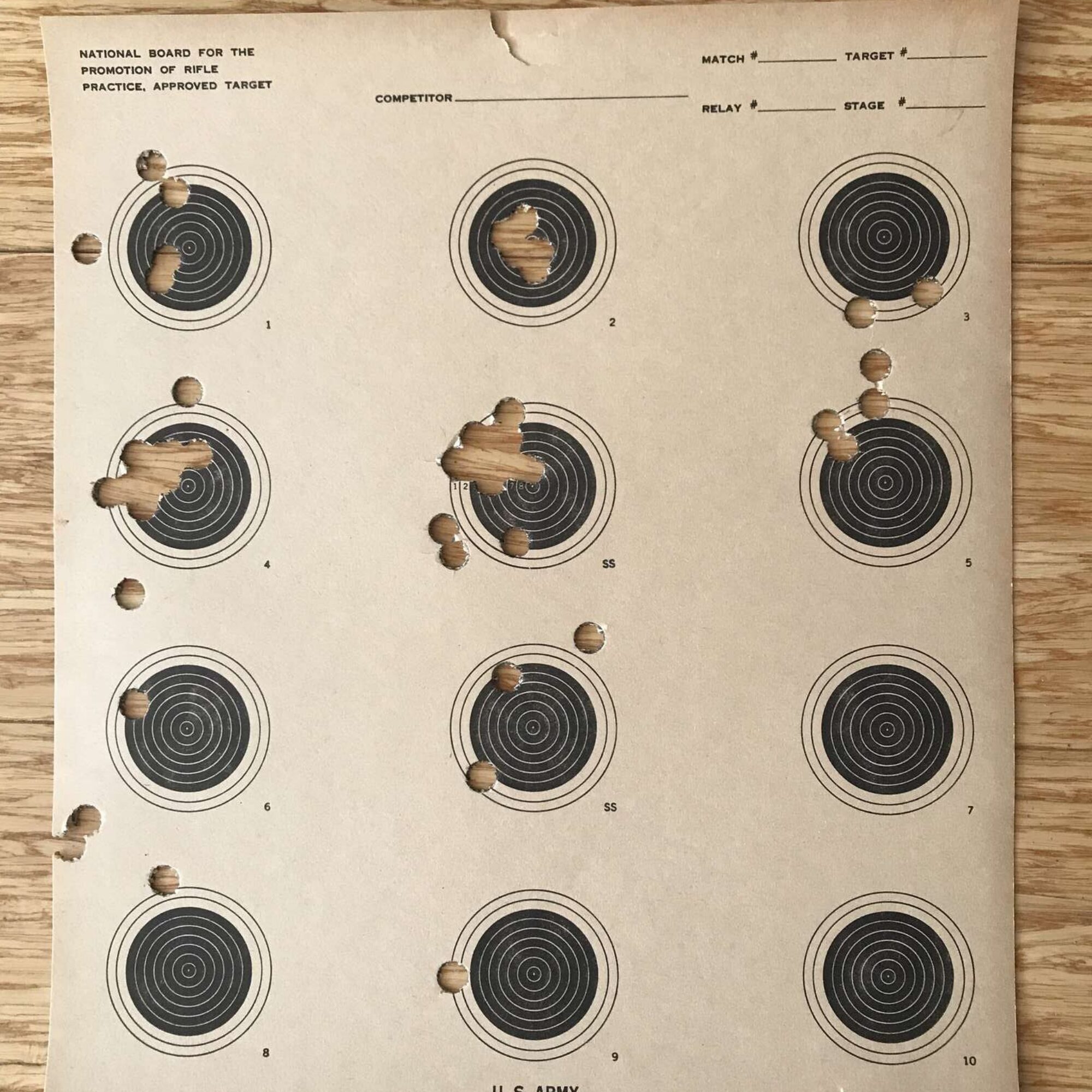
I don't know your views on guns, but I value both exploring different cultures and not polluting, which destroys life, liberty, and property. When my friend invites me to go to target practice at his shooting range outside the city, I'm happy to explore a culture as different from Greenwich Village, NYU, and Columbia as most places on earth. Unlike nearly anyone I know, I find cultures as diverse as any without flying and polluting. Many people I know look the other way at polluting, depleting, and homogenizing other cultures. Flying detracts from the values traveling is supposed to deliver. This one remains a constitutional right too, and I only took commuter rail to meet my friend. I didn't have to work months to save…

0 Comments

Addiction by chance versus Addiction by Design with Intent

That something in poppy can be extracted into something that addicts (opiates), that fruit and grains can be fermented into something that addicts (alcohol), or smoking tobacco can addict, or that gambling addicts are all chance results from nature. People may have found ways to capitalize on and profit from that addiction, but no one created the effect. Evolution did. By contrast, we now know how to addict people to things like video games. We know how to make substances that addict and to lower the costs of making them. We know how to refine addictive things to make them yet more addictive. I see a major difference between the first type and the second. I'm starting to distinguish them by name: addiction by chance…

0 Comments

Why treat doof as second hand smoke

If an adult wants to smoke in their home, that's their business. If they give themselves lung cancer, that's their choice, assuming their sickness doesn't tax others who didn't choose. Likewise, if people want to consume doof, that's their business too. But if someone smokes where others who don't or can't consent to breathing that smoke, or if someone too young to know the long-term results of their choices smokes, then I consider a role of a government to protect the life, liberty, and property of those people who don't consent. Also, if smokers litter cigarette butts and packaging, I see it the responsibility of government to protect the rest of us from their destruction of our lives, liberty, and property. Likewise for doof. Unlike…

0 Comments

You are as much an expert in sustainability leadership as anyone, or can be

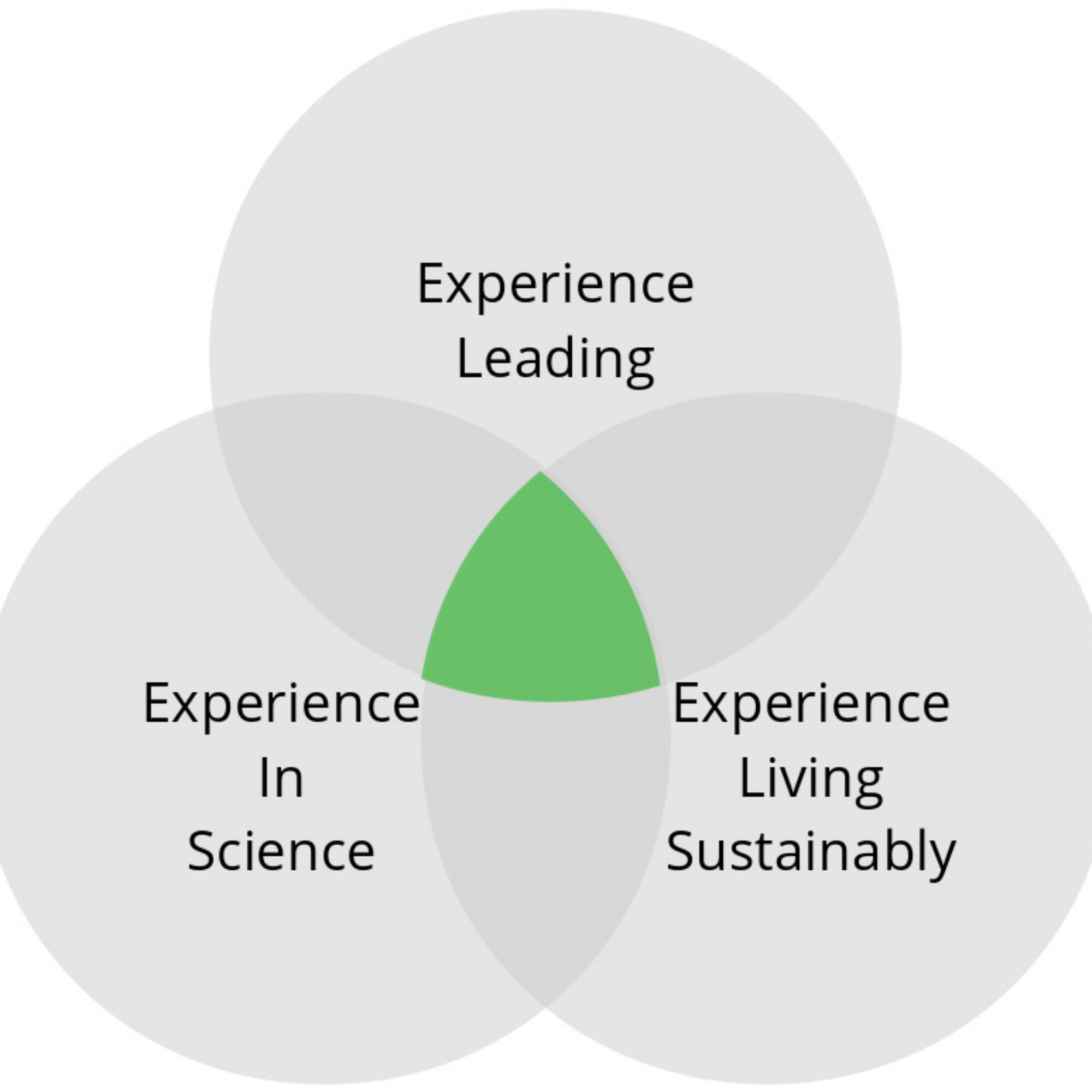
People seem to want to defer to "experts" in sustainability and sustainability leadership. Many people know about science, technology, economics, legislation, and places where we might apply sustainability, but nearly no one knows anything about leading people or cultures to enjoy living more sustainably. Telling people facts or what to do or cajoling or coercing them isn't leading them, yet it's what nearly everyone does. It doesn't work. It frustrates nearly everyone, at least as far as I can tell. I'm not complaining or judging. I'm just describing our culture. You are as much an expert in sustainability leadership as anyone, or can be. I'm not saying you're skilled at it, but whatever skills you have are as good as nearly anyone's. I'm also not…

0 Comments

Their conflict is with Adam Smith, Milton Friedman, Friedrich Hayek, and the Founding Fathers, not with me

People complain if we don't use energy sources like fossil fuels we'll collapse or return to the Stone Age. That's a failure of their imaginations, but more. Do we need to grow? Milton Friedman hardly promoted regulating markets. He said: “We have no desperate need to grow. We have a desperate desire to grow, and those are quite different. I believe that the level of growth in this country ought to be whatever people want it to be. If the people at large—if each and every person separately was satisfied with where he is and didn’t want to grow, fine. I have no objection. I don’t want to impose growth on anyone. I want people to be free to pursue their own objective.” Should we…

0 Comments

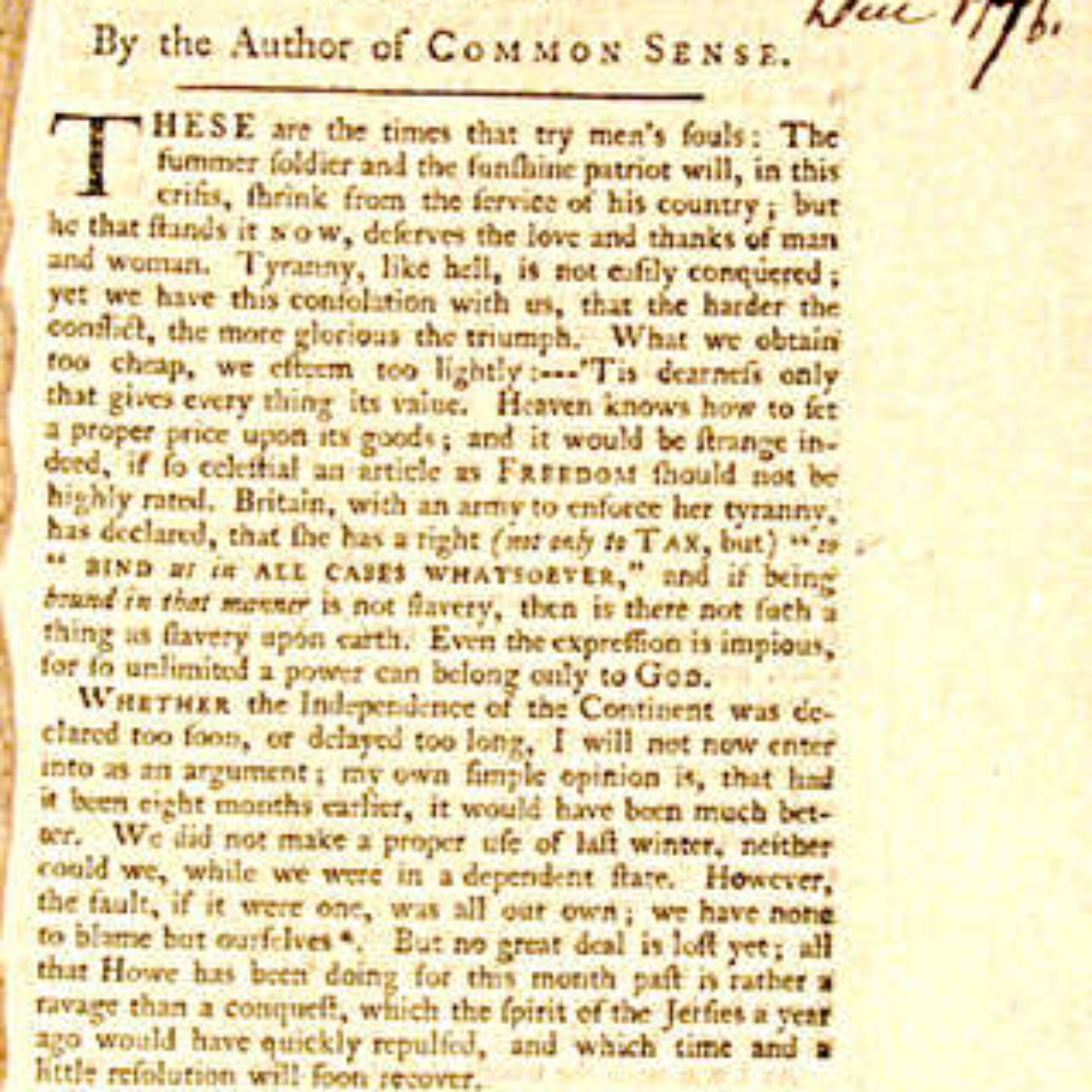
“These are the times that try men’s souls”

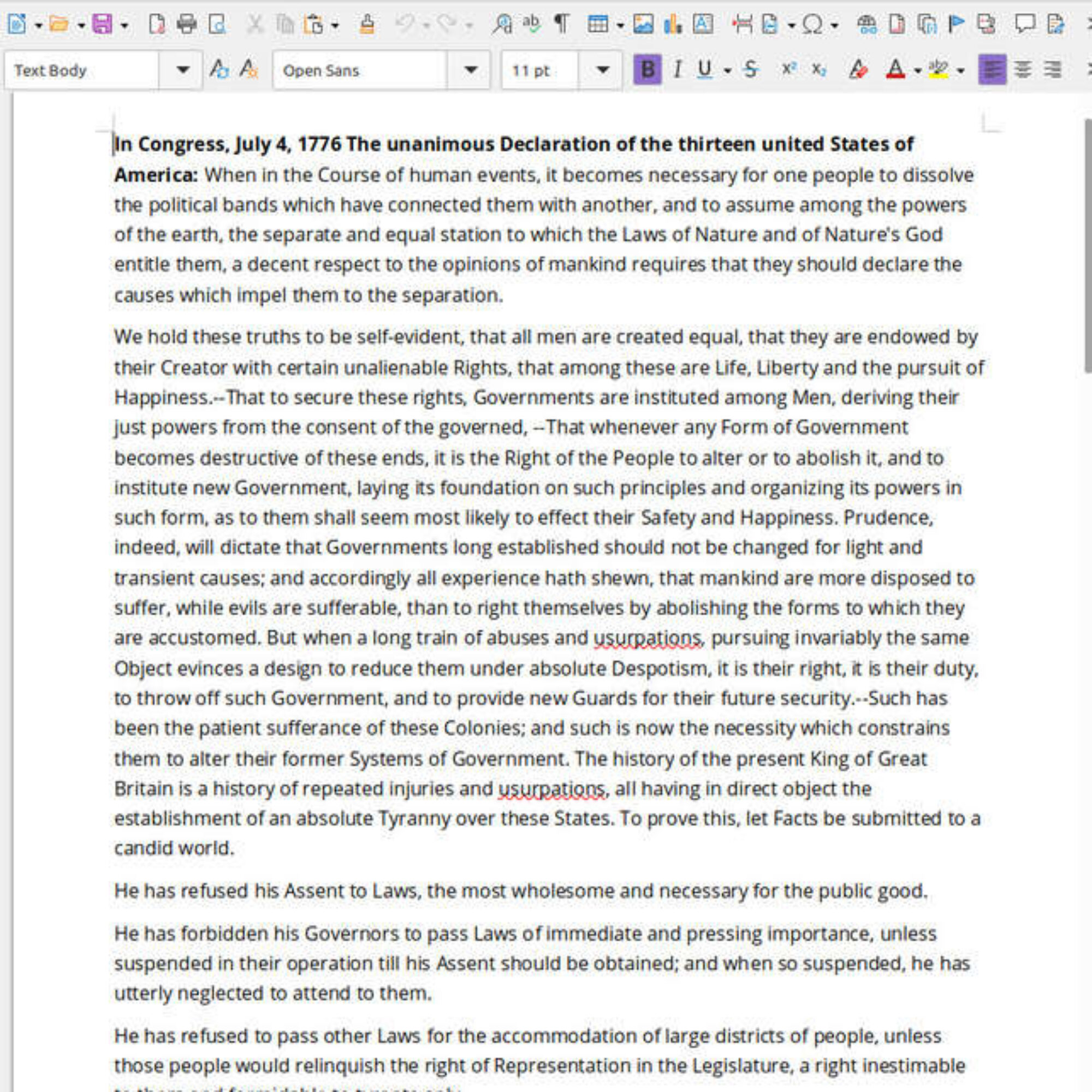
I confess I haven't read Thomas Paine's The American Crisis, but I'm working so much on opposing coercion and tyranny, I keep coming across him. I'm trying to learn more about the conditions that led to the Declaration of Independence and the Constitution. Learning history is one thing. Getting inside the hearts and minds of the people acting is another. What values were they acting on or not? If you see pollution and depletion as destroying life, liberty, and property, then you see much of our culture as depriving people of freedom. It creates tyranny, what this country was founded to oppose, yet it's everywhere. It pervades so much, few have the insight, vision, or courage to oppose it. They benefit from it. With that…

0 Comments

Replacing “comfort and convenience” with “the perks of being at the top of a dominance hierarchy” or “the perks of being a tyrant”

Word choice matters. Why speak if you don't want to be understood? It's not their responsibility for me to be understood, even if I get mad at them for not understanding me. I recently wrote how I was Replacing "sustainability" with "not hurting people" and "polluting" with "hurting people" since "sustainability" is too abstract in many cases, as is the "environment." I'm not trying to help some abstract environment. I'm trying to help people and to alleviate their suffering. (I followed up with the post Corollaries to my recent post: Replacing “sustainability” with “not hurting people” and “polluting” with “hurting people”.) I'm experimenting with another change of word choice. People talk about comfort and convenience and juxtapose these things with struggle and challenge. We treat…

2 Comments

Honoring fallen auxiliary police officers

I'm approaching one year training for and participating in the NYPD auxiliary police program. I wrote earlier about mustering for the September 11 service. Tonight I walked in the annual memorial service for two auxiliary officers who were killed on duty on this day in 2007. I took this picture as we were starting. Here's a picture another auxiliary officer took from inside the group. I'm not sure if I'm in front of or behind the picture-taker, but one of those hats may be mine. As I've served more, I'm not learning as big things as fast. I've learned that a lot of police work includes standing around or waiting. Sometimes after standing at a post not doing much, when I walk away, I say…

0 Comments
Freedom or pollution. I would be nice to have both, but you can’t.
The United States Constitution

Freedom or pollution. I would be nice to have both, but you can’t.

Abraham Lincoln talked about a house divided being unable to stand. A Constitution that protected freedom in one place and slavery in another contradicted itself. You can protect freedom only. You can protect slavery only. If you try to do both, that divided house cannot stand. Likewise, you can have a Constitution that protects your life, liberty, and property from me taking or destroying it without your consent. You can have a Constitution that permits me to pollute and deplete, which destroy life, liberty, and property. If you try to do both, that divided house cannot stand. I'm not just stating my opinion. I wish I were. It keeps becoming more clear to me that as long as we have a Constitution that contradicts itself…

0 Comments

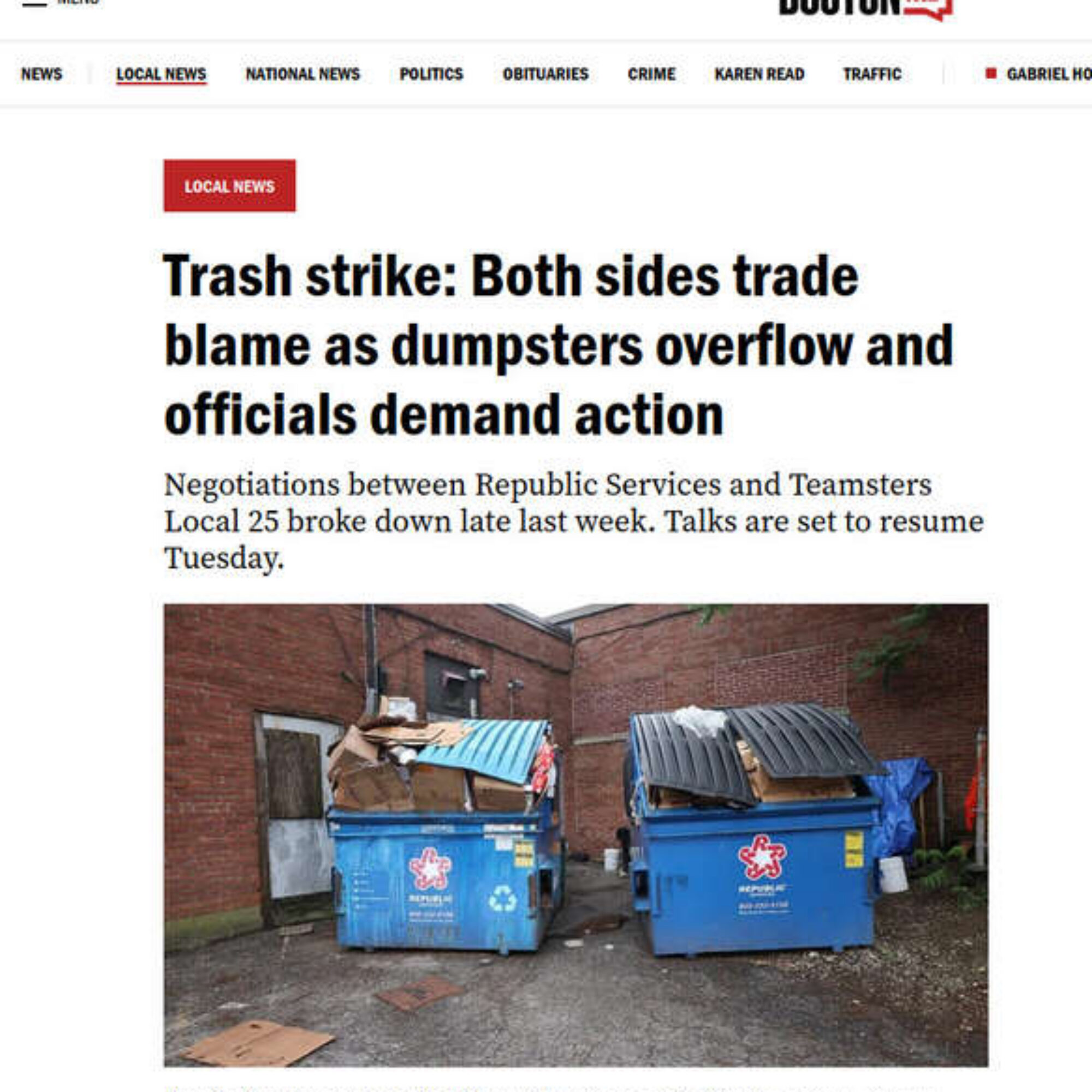
Have you noticed that sanitation departments have become socialist, imperialist, and flagrant violators of the US Constitution’s original intent?

Once, all garbage biodegraded. All garbage would turn into food for something within time scales relevant to human lives. Not today. Plastic can take centuries to degrade, during which time they kill wildlife and poison us. Plenty of residue from our culture poisons more, like pesticides and home cleaning products. Our hunter-gatherer ancestors could just drop the parts of the fruit, vegetable, or animal they didn't want to eat on the ground and between the benign content of that part and the accommodating population density, their disposal caused no problems. At some point after we formed cities, we shifted to having others haul our trash away to put in big holes in the ground. The stuff might take longer to degrade, but it was farther…

0 Comments

Josh and Evelyn Go Live! … see our first live stream of a series on living joyfully sustainably

Living more sustainably isn't hard. Our human ancestors did it for 250,000 years. Our non-human ancestors did it for billions. Most life forms do, maybe all except we modern humans. Living more sustainably in a culture that for whatever lip service it falsely pays to sustainability rewards the opposite is hard. Then the problem is people---that is, social and emotional, not technical. After all, it costs less, requires less time, is more convenient, and helps poor people. The social problem is people who, like all addicts, confuse the need to feed their addiction with actual life needs. They believe living more sustainably costs more, takes more time, is less convenient, and hurts poor people. In my book I describe why addicts get it precisely wrong.…

0 Comments

Replacing “sustainability” with “not hurting people” and “polluting” with “hurting people”

I'm starting to replace "sustainability" with "not hurting people," sometimes adding "and wildlife." I'm not doing it across the board, but increasingly. I'm seeing how people respond. Likewise, instead of describing an activity as "polluting," to describe it as "hurting innocent people." For example: Instead of "I'm trying to live more sustainably": "I'm trying to hurt innocent people less." Instead of "I value the environment": "I value not hurting people." Instead of "Flying is for most people who fly their most polluting activity": "Flying is for most people who fly how they hurt innocent people most." Terms like "environment" and "sustainability" can be abstract. I'm not trying to protect or conserve something abstract in trying to live more sustainably. I'm trying to avoid hurting people,…

0 Comments
Why complaining about “private profit and public cost” misses the boat.
The United States Constitution

Why complaining about “private profit and public cost” misses the boat.

The difference between an externality and coercion. An externality is a cost imposed on someone else. A cost is something that if you pay for it, you undo the cost or make them whole. An example might be if in doing my work, I undo some of yours and it takes you an hour to redo it. You could in principle consent to the work if I compensated you enough for it. If I cause a child to be born with a birth defect, no amount of money can make up for it. No one can consent to be born with a birth defect. To call causing birth defects is a category error. Nobody would call murder an externality. No amount of many makes up…

0 Comments

Inspiring words of resolution from great historical figures to fight coercion and tyranny

It's nice to know about problems and people seem to like complaining about them, but these reactions don't compare with solving them. Acting takes resolution. Gandhi wasn't just thrown off a train. He resolved to fight the injustice. Some historical heroes who transformed cultures wrote their experiences of such moments of resolution. We can learn from them. I find their words inspirational. Robert Carter III Robert Carter III freed his slaves when his neighbors Thomas Jefferson, George Washington, and James Madison didn't, showing that they could have. He wrote in his Deed of Gift (1791)---the document which implemented this freedom: "I have for some time past been convinced that to retain them in Slavery is contrary to the true Principles of Religion and Justice, and…

0 Comments

Hear me on the Power Hour from the Heritage Foundation

Jack Spencer has been a guest on my podcast three times. Now I've been on his, and I think you'll agree it was a fun, engaging conversation. I can't tell you how much I've learned from him. For one thing, when I started doing the Spodek Method with him on my podcast, I enjoyed his sharing about nature so much, I didn't get past the first couple steps. I had to keep listening to what he shared. Most people I know who call themselves environmentalist view Jack's employer, the Heritage Foundation, as the enemy or something like it. They would want to defeat it, not talk to them, and would view people in it with suspicion. Yet I found his appreciation for and love of…

0 Comments
We need the words of Thomas Jefferson and work of Robert Carter III. Instead we have the words of Carter and acts of Jefferson.
The United States Constitution

We need the words of Thomas Jefferson and work of Robert Carter III. Instead we have the words of Carter and acts of Jefferson.

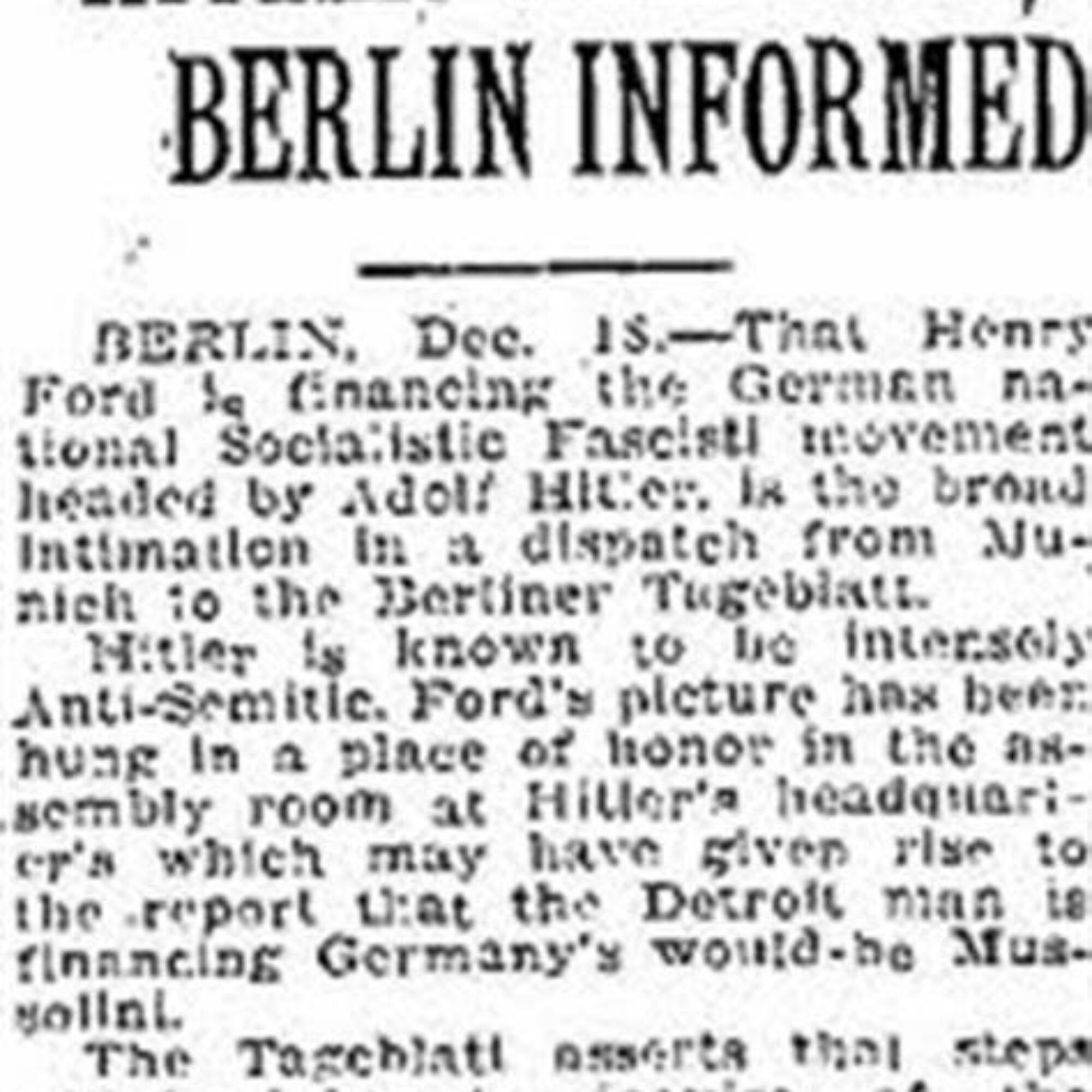
Thomas Jefferson wrote some of the most inspiring words on freedom and liberty, yet kept his slaves. To this day, people say as a result: He didn't mean all men are created equal or he wouldn't have done what he did. He did, so he must have meant all white men are created equal. The United States Constitution It's difficult to impossible to lead without credibility or integrity. Jefferson undermined both by violating the values he claimed. Meanwhile, Robert Carter III freed his slaves, but said nearly nothing publicly about it, even to his classmate, Jefferson. When Carter ran for elections, he lost. Every environmentalist with a prominent voice today is at best like Jefferson. They talk about sustainability but don't act it, so they…

0 Comments

Why we feel so busy

Do you feel busy all the time, like no matter how much you do, you still have more to do? I used to feel that way, but less so now. I still have to pay bills, buy food, and so on. It's more that I recognized how our culture rewards companies and industries making us feel that way. Here's how. Advertisers have learned to manipulate our emotional systems, often better than we can ourselves. Once they know how to prompt craving, they can sell you something to stop it. Entrepreneurs and product developers won't say the following is their strategy, but it amounts to it. They look for emotions we feel, the stronger the more effective. Then they think of how they can excite it,…

0 Comments

Resources on Robert Carter III

Compiling resources on Robert Carter III for reference: Why do I care about Carter? A CNN article quoted Andrew Levy, who wrote a book on Carter, on why Americans seem to bury Carter’s story: Levy, whose books include a biography of Carter, “The First Emancipator,” has another suspicion: America doesn’t care – because it’s inconvenient. “It blows an enormous hole in this legacy we’re trying to balance for these founders,” he said. As Levy sees it, American history feebly attempts to level the founding fathers’ fondness for freedom with their ownership of humans by uncritically parroting their assertions that there was no pragmatic way to emancipate hundreds of thousands of slaves. Slavery was a necessary evil, to hear the founders tell it. “If Carter is…

0 Comments

A video of my twice-daily burpee-based calisthenics routine at the start of 2025

Here is my twice-daily calisthenics routine at the start of 2025. For context, here is a list of all my sidchas, standard operating procedures, and preferences. I have found discipline creates freedom. This sidcha creates freedom, peace, connection, calm, and more. The calories burned and motivation required are negligible in comparison to those benefits, and are benefits themselves. I started in 2011 with ten burpees a day, then added and refined. My evening set differs slightly (planks instead of crunches, for example), but mostly like this video. This video shows my odd-numbered-day pattern. On even-numbered days I vary slightly based on what workout I do that day (cardio or lifting). I do this routine after Making my bed and turning off the alarm within a…

0 Comments

Disposable means imperialist. So does polluting.

The dictionary defines imperialism as: The policy, practice, or advocacy of extending the power and dominion of a nation especially by direct territorial acquisitions or by gaining indirect control over the political or economic life of other areas. Making something disposable means when you're done with it, you put it into someone else's space. Likewise with pollution. In principle, if the disposable thing biodegrades, it might decompose, but most disposable things don't and even many that do, we produce in such quantity that they don't in practice. Pollution into shared land, water, and air invades the spaces of other nations, people, and their bodies. In other words, using disposable stuff and polluting uses our power over others: they have to deal with our waste. If…

0 Comments
Year 14!, day 1, daily burpees
A recent morning burpee

Year 14!, day 1, daily burpees

I started doing burpees on this day in 2011. I haven't missed a day since. I've done them daily over 22 percent of my life. By my spreadsheet, I've done just over 241,000 so should reach a quarter million in 2025. The point isn't the numbers, though, nor the fitness, though I like my pulse being nearly off the charts low for men my age. The simplest way to put it is quoting Jocko Willink: Discipline equals freedom. Most Americans seem to see fitness and diet as horror shows. They're out of shape, don't know why, don't know what to do about it, and do things like pay trainers not because the trainers provide a service but because paying people motivates them to act. People…

0 Comments

Unexpected quotes in my book, plus a few I missed

The following quotes are all relevant to sustainability. I used them all in my book, except the Adam Smith quotes, which came from a recent post. Milton Friedman “I’m not in favor of no government. You do need a government . . . There’s no other institution in my opinion that can provide us with protection of our life and liberty.” He knew that “the key insight of Adam Smith’s Wealth of Nations is misleadingly simple: if an exchange between two parties is voluntary, it will not take place unless both believe they will benefit from it. Most economic fallacies derive from the neglect of this simple insight.” “Even the most ardent environmentalist doesn’t really want to stop pollution. If he thinks about it, and…

0 Comments

Extreme like Thomas Jefferson or like Robert Carter III?

Since people describe me as "extreme" so often, I experiment with how to respond since I don't use the measure they do. They compare me with people around them---that is, with culture. I consider how my behavior affects others. I don't want to hurt innocent people. My book treats the relationship between our culture and slavery, with the main difference that the cruelty of today's culture is much greater than slavery in the US. As one measure of many, the peer-reviewed journal The Lancet reports nine million people dying per year from polluted air. That number is about the total number of slaves in the US total, over centuries. Thomas Jefferson spoke of freedom, equality, and liberty, but owned slaves. He didn't free them. In…

0 Comments

Gandhi’s Salt March wasn’t about salt or marching, nor is my work about solar or living off-grid.

I can tell people consistently misunderstand what I'm doing from the questions they ask: how long does it take to charge the battery or what do I do for toothbrushes. Or they say it's harder for people with kids. In 1930, Gandhi protested the British monopoly on selling salt. Did he attack them with weapons? No, they were too powerful. He marched to the sea, got some salt from evaporated sea water, sold it, and showed that the British had made illegal something anyone should be able to do freely. Hundreds of thousands participated in the march. Millions of Indians followed him in selling salt, making a mockery of the British law, which deserved mockery, and garnering global attention and support. Gandhi's Salt March was…

0 Comments

End of content

No more pages to load