Freedom


Ozempic: A drug that achieves what sustainability does, but sustainability doesn’t trade one dependence for another

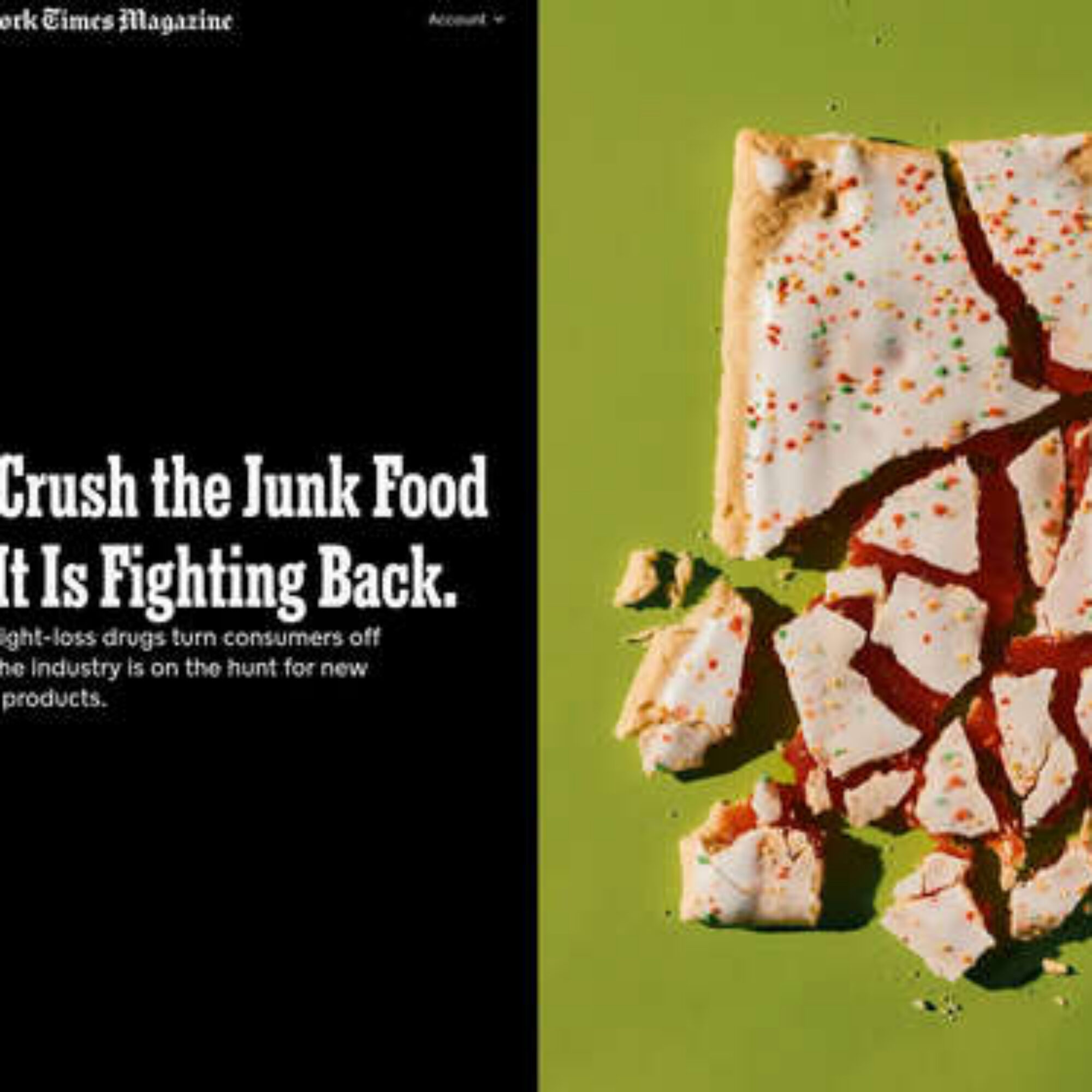
The New York Times wrote a piece "Ozempic Could Crush the Junk Food Industry. But It Is Fighting Back" that reported people happy with results that I've found from living more sustainably. Except my way didn't cost me anything, trade one dependence for another, or risk any side effects. It didn't require willpower either. People think it did, but I think they just don't know how to change habits without using willpower. The quotes in the article of people's results from taking Ozempic sound almost as desirable as mine, not counting their extra costs, side effects, and dependence. For decades I couldn't stop from consuming doof. I concocted bargains and elaborate attempts to reduce, but failed, at least as long as I just tried to…

0 Comments

How long does it take to charge my battery?

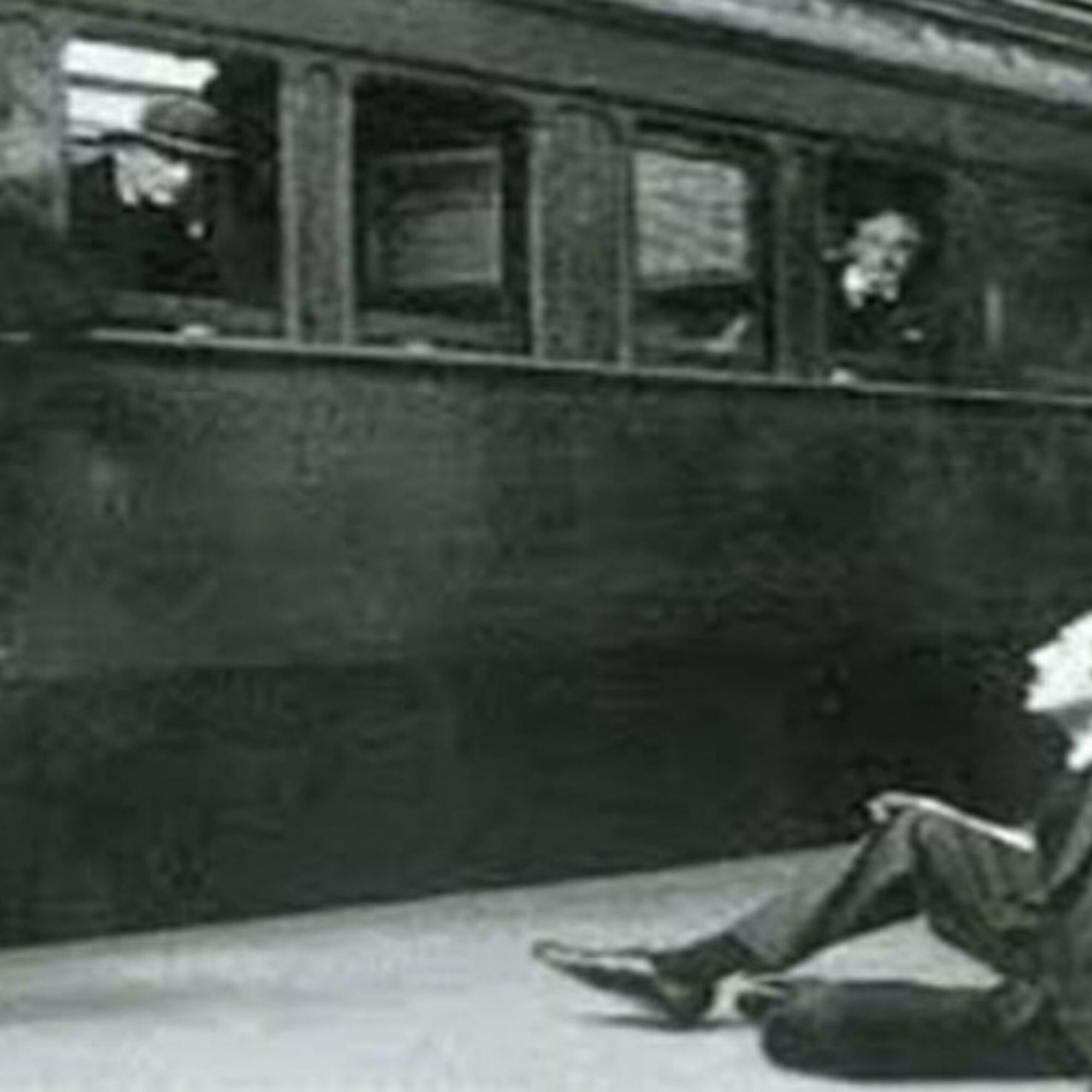
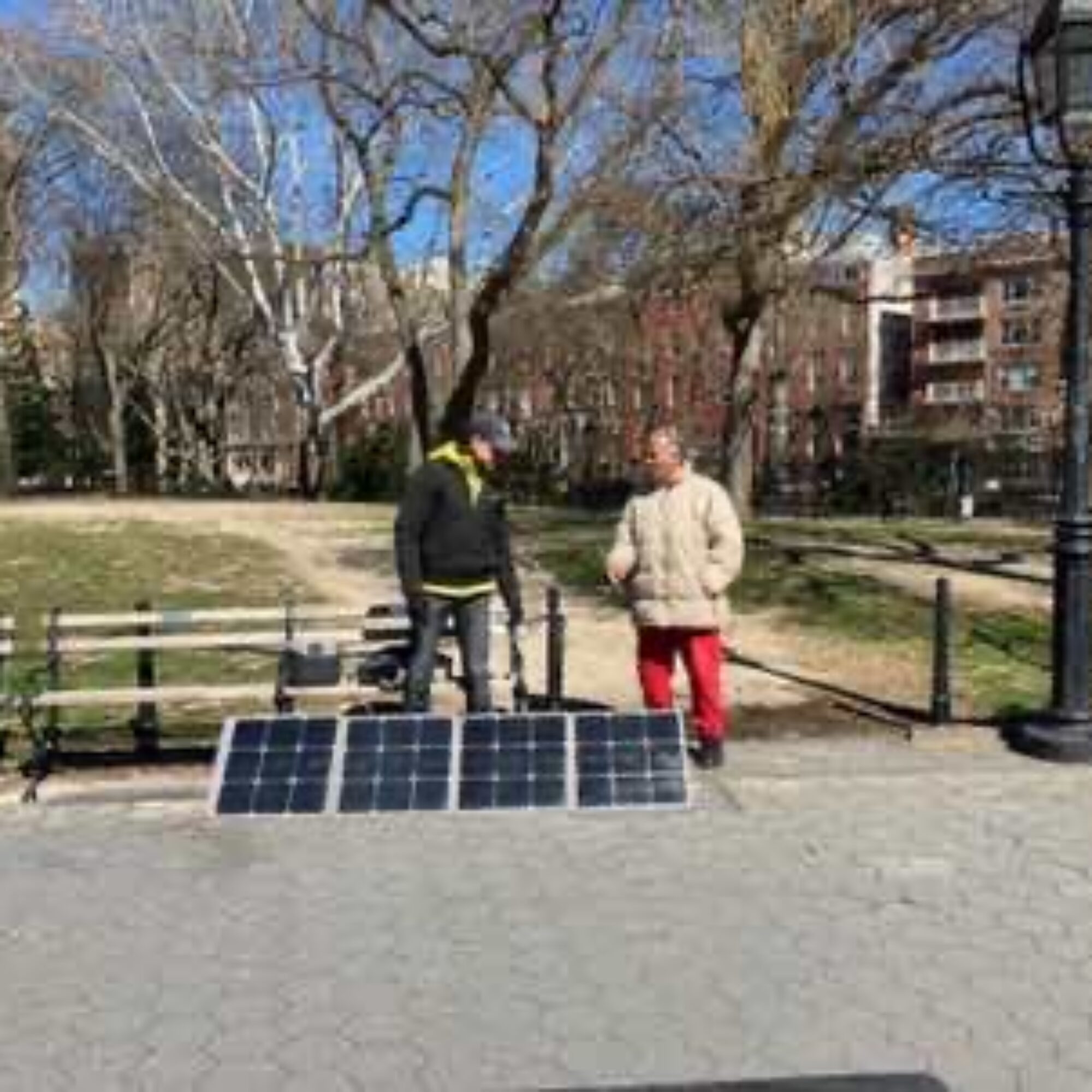
"How long does it take to charge your battery?" asks nearly everyone who sees me charging my solar panels, such as the guy in this picture: After a few times answering what they asked, I realized people have no idea what the numbers mean. If I tell them in full sunlight the battery charges in four hours, they don't know what the battery can then charge. I didn't know before I started that toasters burn through energy like crazy, I can't power the microwave at all, and phones can't charge faster even if my big battery is full. No one else knows it either. You need practical, hands-on, personal experience. A PhD in physics doesn't help, nor does desire, or being a well-known environmentalist, except…

0 Comments

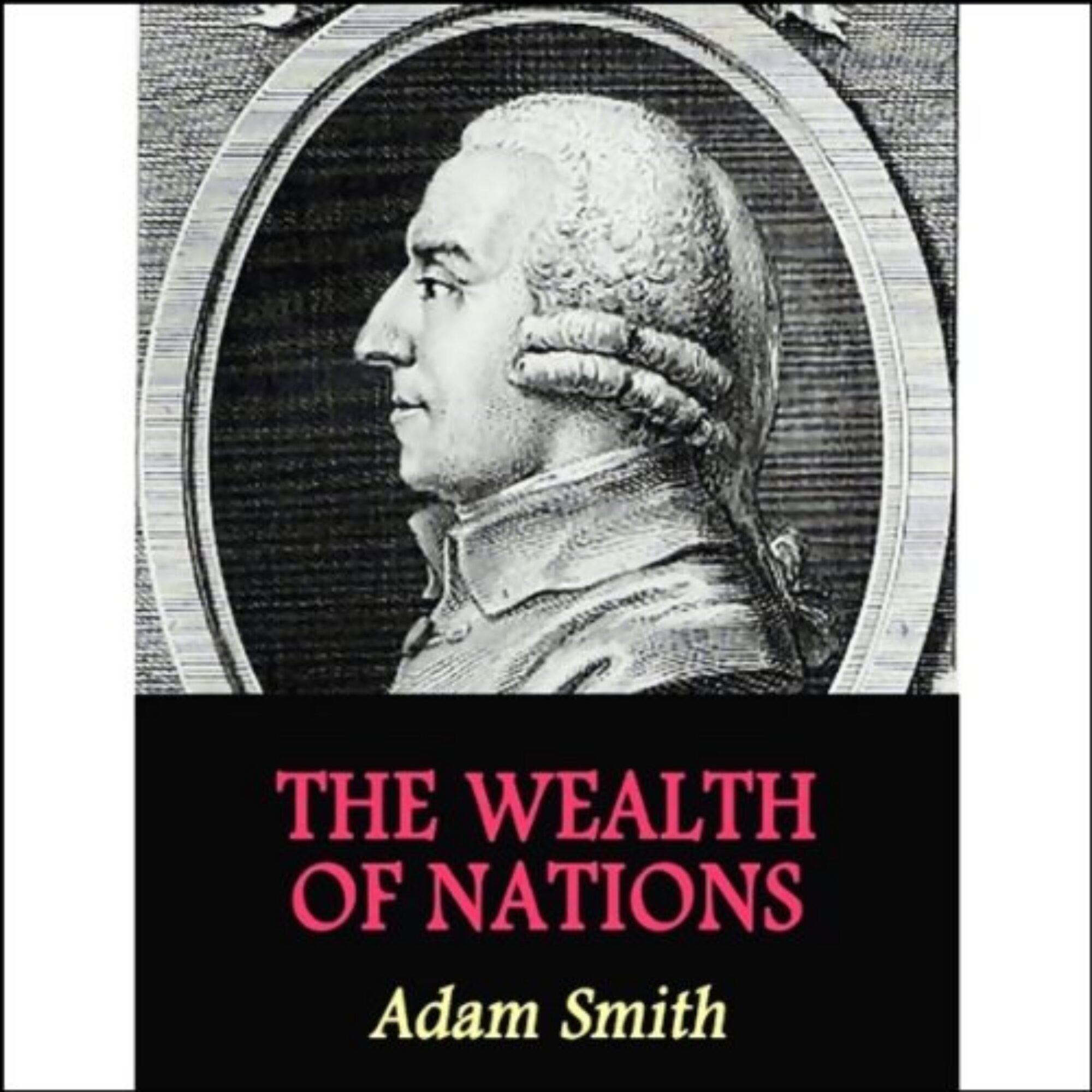
Adam Smith and pollution

My book, Sustainability Simplified, approaches our environmental problems in several ways. One is from the view that government should stick to a few specific roles, one of which is to protect your life, liberty, and property from me taking or destroying it without your consent. A government that doesn't protect life, liberty, and property leads to a nation without hope for a better future, which leads to people retreating to what they can protect themselves. Other approaches include to see that imperialism resulted from unsustainability and led to colonialism, slavery, and racism. If we want to end the downstream effects of imperialism, colonialism, slavery, and racism, any solutions will only be temporary unless we stop the upstream causes. For this post, though, I'll focus on…

0 Comments

I don’t mean to be melodramatic, but if I succeed at changing culture, what are the odds of me being shot?

[EDIT: I had no idea the New York Times would post its profile of me the day after this piece] Sorry for the in-your-face title and I don't mean any time soon, but I think it's a fair question. Other people have asked me the question when I describe my mission. Maybe you think I'm kidding myself that I could be so successful as to create enough animosity in others that they'd resort to a lethal level of animosity. I usually doubt I could reach that level, but I think I would be naive not to think of where my path leads. If I succeed at my mission, I will help many people choose to improve their lives by stopping spending money on things that…

0 Comments

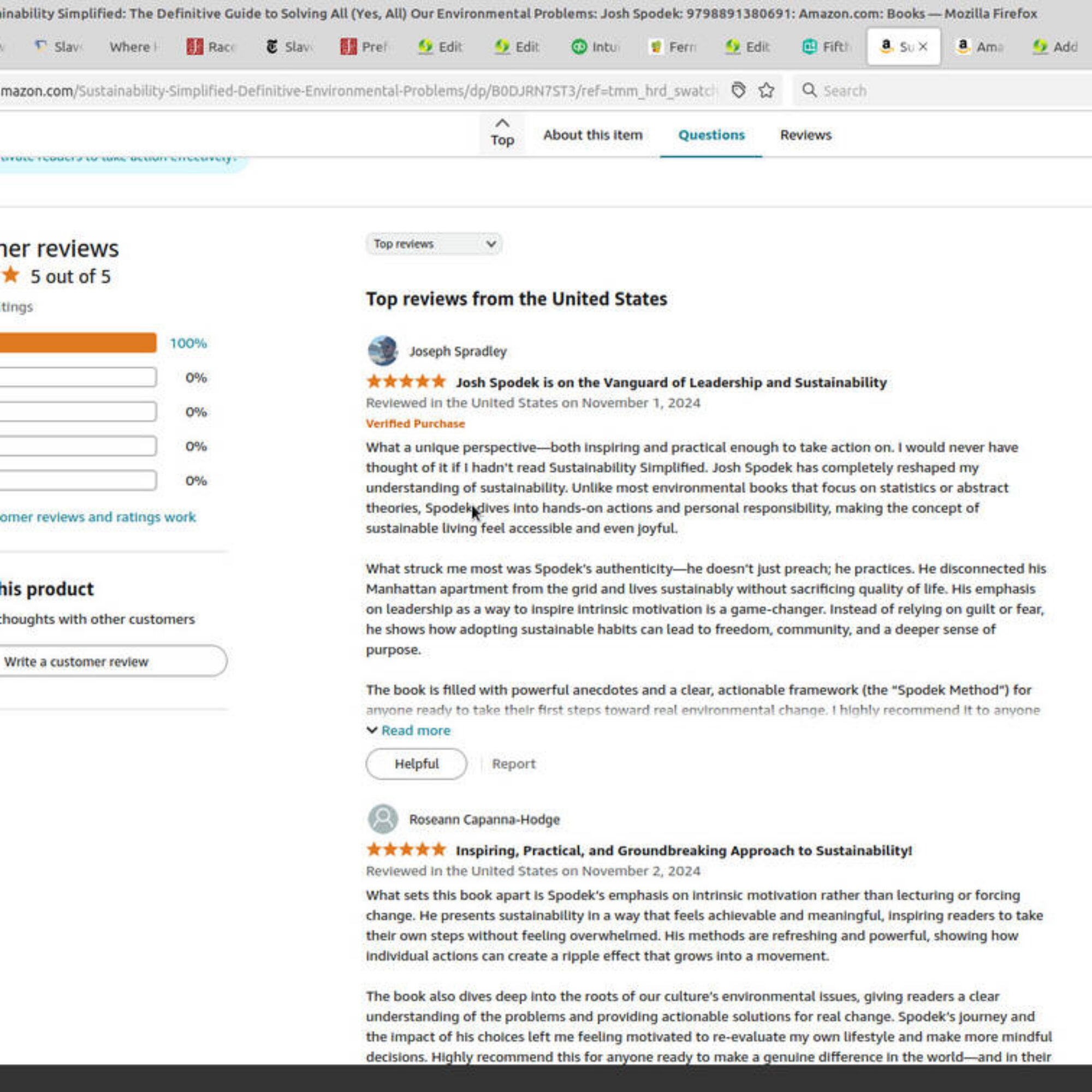
The reviews for Sustainability Simplified are coming in and look great.

The paperback has been up about a day, and the reviews are coming in. It's not Malcolm Gladwell level numbers yet, but a couple dozen reviews and all 5 stars so far. Making the book available feels great, as do the reviews so far. I wrote this book to help my mission, which is big, so putting the book up for sale is just the start. As much time and attention as the book took to write, it's the foundation. It's essential and I recommend it to anyone with working lungs, along with the workshop, but much more will follow. My mission is to help change American (and global) culture on sustainability and stewardship from expecting deprivation, sacrifice, burden, and chore to expecting rewarding emotions…

0 Comments

If you believe living more sustainably makes your life worse but you want sustainability, you’ll help your cause by shutting up (until you practice).

I've been remarking lately that every message I've heard on our environmental problems says that acting more sustainably means making my life worse for little chance of gain. I ask people if they know of counterexamples. If you do, please tell me, because no one has so far. Context Even ardent environmentalists suggest living more sustainably means giving up things I value for the possible benefit of someone else somewhere else at some other time, though it might not help. Also, some genius might fix the problem without me, superseding anything I did. In fact, someone has to supersede anything I or any individual could do in order to solve our problems fully, making my actions irrelevant. The rational response to a definite loss here…

2 Comments

I have been to the mountaintop and I have seen the promised land.

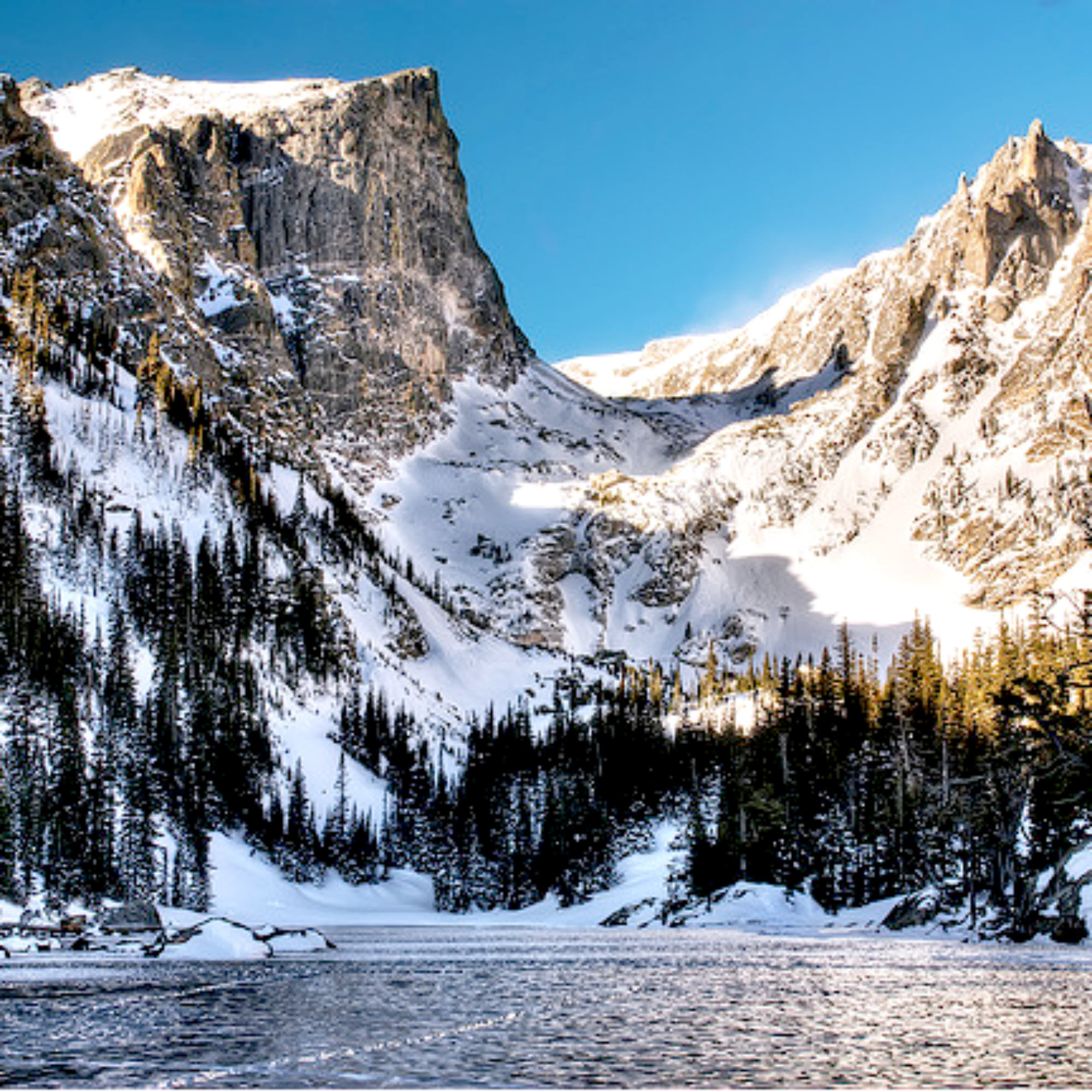
I experiment on how more effectively to describe changing culture from mainstream American to more sustainably. I'm not talking about some abstract "environment." I'm talking about restoring living by doing unto others as I would have them do unto me and of loving my neighbor as myself, the opposite of polluting. I found a better way of describing the shift than just saying I've changed culture, I've passed a cusp, or I've overcome a threshold or reaction potential, like in a chemical reaction. I'm not saying the new way is original, but it communicates the change. Classics stand the test of time. I have been to the mountaintop and I have seen the promised land, and it is a land of freedom and abundance. That…

0 Comments

Would you propose changing Nazi culture by making it more efficient?

People who agree with me that to achieve sustainability, we have to change our culture, still struggle to see why making things more efficient not only doesn't change our culture, it accelerates it. That is, it will lead us to create more of the results we get now. Imagine going back to 1942. We are fighting the Nazis and imperialist Japanese. We know every German isn't a Nazi nor does every Japanese want to conquer the Pacific. In fact, if we knew then what we know now, we'd know their culture would transform to make their nations' some of our greatest allies. If the exact people in question could become allies, we don't want to kill them all. We want to change their cultures. Then…

0 Comments

What is the opposite of pollution? Loving your neighbor as yourself.

The opposite of pollution is loving your neighbor as yourself. After all, do you keep your garbage in your house forever? No, you get rid of it. That means you have your neighbors deal with it, as you would not deal with it yourself. Does it matter that those neighbors aren't your next door neighbors but are poor and distant? How can you love your neighbor as yourself except not to create waste that you dump on them? Humans don't need to pollute or deplete for health, safety, or security. We do to maintain our culture, but we can change our culture. Do you have the exhaust of your car or plane go into the cabin with you? No, you blast it into the atmosphere…

0 Comments

Ecomodernists and Fascism

In this post I'm going to show how many accusations of environmentalists being anti-human would tar the accusers more. I'll build up to the point by describing the accusers first. Let me start by saying I love reading Steven Pinker's books and wrote about him and them in my upcoming book, especially Better Angels of Our Nature (2011), which Bill Gates described as “the most inspiring book I've ever read,” and Enlightenment Now (2018), which Gates described as “not only the best book Pinker’s ever written. It’s my new favorite book of all time.” Quoting from my book, Sustainability Simplified, In these books, he claimed that while wars and violence still happen, we live in the most peaceful time in history and that today’s peace…

0 Comments

Climate Week 2024 Was Monticello 1776

I recovered from a week of events known as Climate Week 2024. It felt like 1776 Monticello, Thomas Jefferson's plantation home. Before reading why, I should tell you that I shared the views below with several attendees of several events and they all agreed. Thomas Jefferson's Monticello Climate Week brought bold pronouncements from CEOs, government representatives of cities, states, and nations, and cultural leaders. They said we could solve our environmental problems if other people implemented changes they themselves weren't. Nearly all I spoke to flew to New York, then arrived at the events by Navigator. Jefferson wrote some of history's most powerful words on freedom. Washington backed up those words with force and Madison and peers with a Constitution. They said what others should…

0 Comments
What about ambulances, fire trucks, and hospitals? Don’t they help us and require polluting?
Affluence Without Abundance, by James Suzman

What about ambulances, fire trucks, and hospitals? Don’t they help us and require polluting?

Sustainability doesn't promise you'll live forever or that it will end all suffering. I don't want to shock you or hurt your feelings, but we will all die. People we love will die. We will conflict with neighbors forever. No matter what advances we make in medicine, at some point a doctor will be unable to prevent you from dying. Worse, for all the advances made in extending life, other advances will be made in doof, addiction, and weapons that sicken and decrease life. Indigenous people still exist not because they are ignorant of our culture but because they know about it. There is no appeal to mythology of the noble savage to say that they see that the sacrifice in freedom, equality, mutual support,…

0 Comments

Fridgeless Means Fresher Food; Day 1 Year 4 without a fridge (like all humans before about 100 years ago)

On September 30, 2021, I unplugged my fridge, aiming for 8 months. I had unplugged it based on an article on one of my favorite sites, Low Tech Magazine: Vietnam's Low-tech Food System Takes Advantage of Decay. I learned much of the world uses less refrigeration than Americans. We think of fridges as keeping food fresh, but other places have Healthier diets More delicious food Fresher food Cheaper food Less doof Less doof addiction Less pollution More local supply chains The first time I unplugged, I made it 3.5 months. The next time, 6 months. I aimed for 8 months this time, but once I made a year I kept going. I doubt I'll go back to using a fridge. It's too expensive, polluting, and…

0 Comments
One Year Without Plugging Anything In, Even Not At Home
Ars Technica Josh Spodek Disconnected In Manhattan

One Year Without Plugging Anything In, Even Not At Home

Several responders my Ars Technica article from January 2023, I disconnected from the electric grid for 8 months—in Manhattan, commented things like "You mostly shifted a fair portion of your energy needs onto the surrounding city. Not all, but your electrical bill or lack thereof doesn't reflect your true energy usage. The city could not function at all if half the people did what you did." That is, they said I was using as much power but from other places. Somehow they missed the things I wasn't using any more, like a fridge and microwave, whose power and energy use eclipse what my phone and computer use, which is all I plugged in at NYU. Ars Technica Josh Spodek Disconnected In Manhattan At first I…

0 Comments

Why changing culture to sustainable must come first, only then pursue efficiency, technology, and laws.

Germany and Japan seem wonderful cultures today. Not so much in 1944, when they were committing among the most grievous atrocities ever. Everyone else wanted to stop them. Nobody considered stopping them by making them more efficient, advancing their technologies, or promoting legislation within them passed by their people. No allied general or politician promoted changing them by offering new technologies or helping them innovate. Making them more efficient would have accelerated them, as would technology and home-grown legislation. First the culture had to change. Then---when pursuing something constructive like democracy, not destructive---then make them more efficient. Technology isn't good or bad. Like sharp knives and fire, technology augments the values of the people and culture using them. No, I'm not creating false equivalences. I'm…

0 Comments

Are Plastic and Pollution Imperialism? If not, why not?

Regular readers know I haven't filled a load of garbage since 2019. The most common reactions are surprise, asking me what's in my garbage, and calling it "extreme." Being five years into a habit, it doesn't feel the least bit extreme any more. On the contrary, since what motivates me is alleviating suffering in the people in whom I would increase it for my lifestyle, not acting to pollute much less seems extreme to me. The name for the emotion behind that motivation is love. I once read a book that suggested loving one's neighbor as oneself. I think it more than suggested it. I think it commanded it, but I guess people decided to let it slide or considered it unimportant. Or maybe they…

0 Comments
Characterizing my sustainability journey in the language of presidents
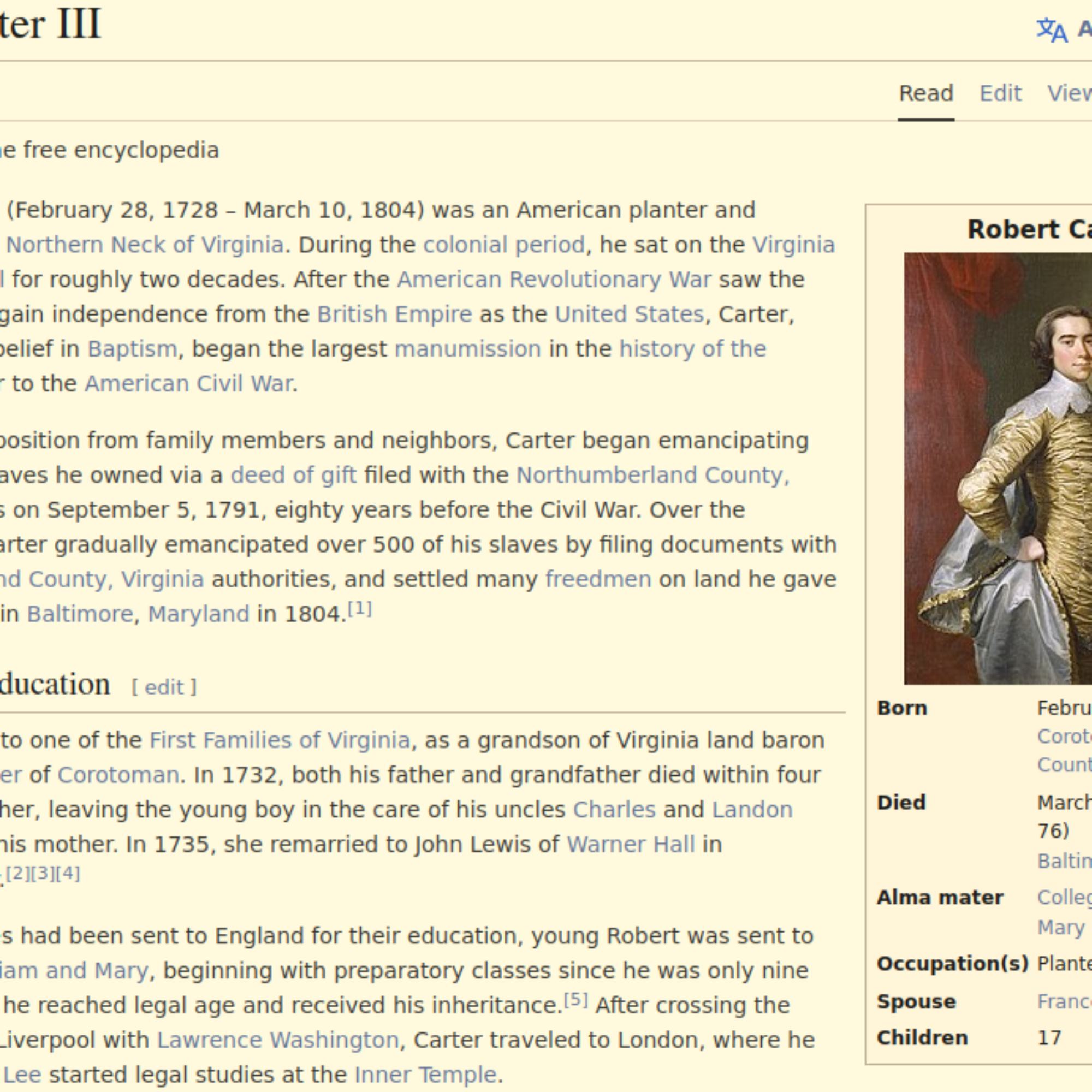
Thomas Jefferson

Characterizing my sustainability journey in the language of presidents

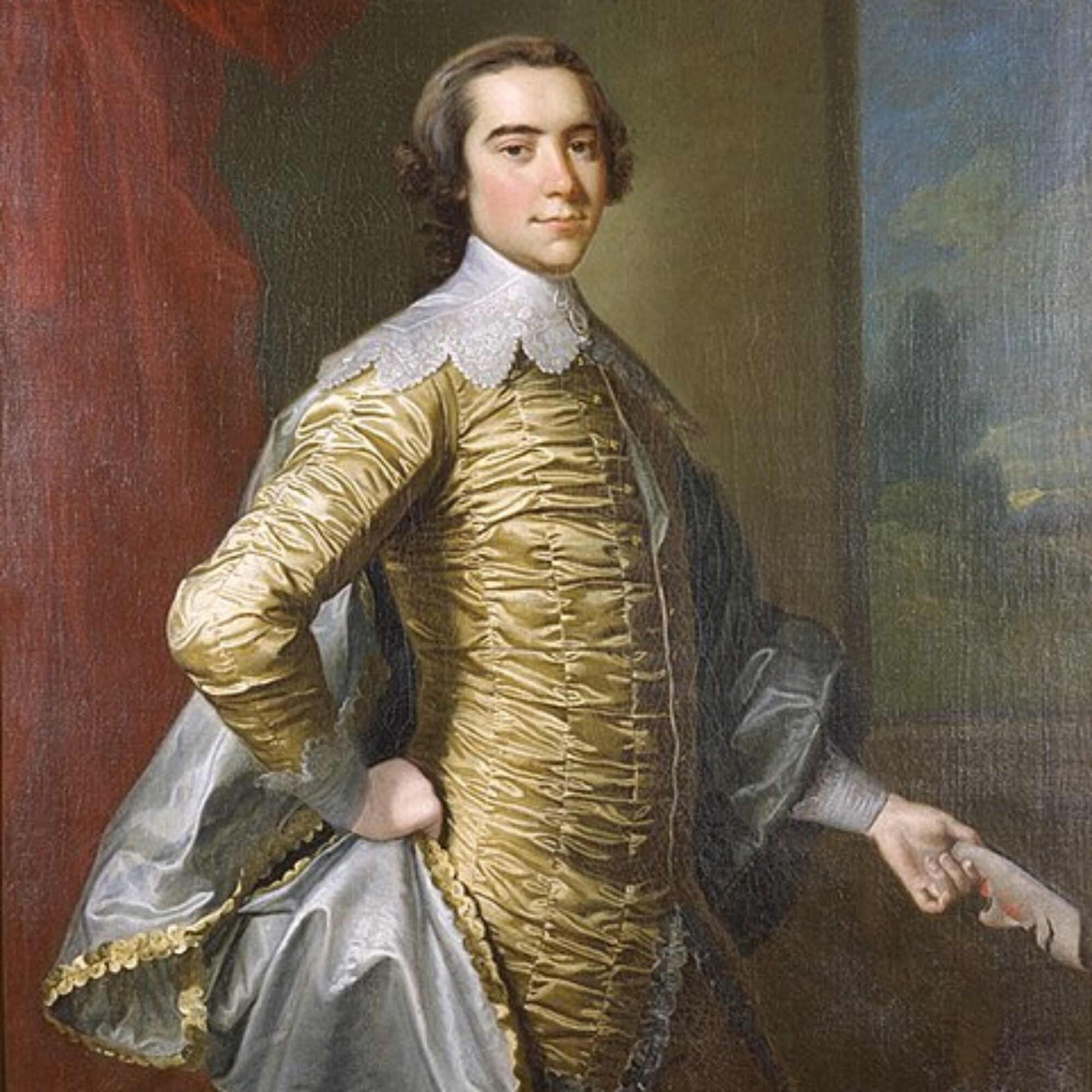
Since I've been studying so much American history and seeing American presidents as role models, I couldn't help stumbling on a characterization of my development. Before I acted, when I knew the problems with pollution and depletion but contributed to them as much as everyone around me, I was like Thomas Jefferson speaking about freedom while owning slaves. Today I still pollute and deplete, but far less than before. I'm more like Abraham Lincoln if he wore cotton clothes with cotton from the South---that is, still contributing to the problem but orders of magnitude less than Jefferson. He didn't fuel his opponent's rhetoric, as Jefferson did. They could say, "if he meant all men were created equal, he wouldn't own slaves, but he does, so…

0 Comments

Are more people always better?

People freak out when talking about population. Many seem unable to talk about deliberately choosing smaller populations from the litany of hating humanity, thinking humanity is like cancer or a virus, eugenics, Nazism, fascism, racism, or sexism. Did I forget any? Steven Pinker wrote that people who talk about population control “repudiate technology and economic growth, and to revert to a simpler and more natural way of life” and are part of a “quasi-religious ideology … laced with misanthropy, including an indifference to starvation, an indulgence in ghoulish fantasies of a depopulated planet, and Nazi-like comparisons of human beings to vermin, pathogens, and cancer," at least some of them. Yet people and cultures have chosen population sizes since before written history. That a region can…

0 Comments

Who are we in the Star Wars universe?

What role in the Star Wars universe best describes you, your nation, or your culture? I think most people would like to think of themselves as Luke, Leia, or someone in the rebellion against the empire. Or someone outside that conflict, maybe just living on their own. Let's see. Context: A culture living unsustainably means it will run out of at least one necessary resource. If it can trade for its depleting resources with another culture mutually voluntarily so neither runs out, I would call them both sustainable. An unsustainable culture running out of any necessary resource that can't trade for them mutually voluntarily can Return to sustainability and not run out Collapse Take the resource from another culture Humans lived sustainably for hundreds of…

0 Comments

We living sustainably today, helping others live more sustainably are like Americas founders in 1774 and more.

Did America's founders know they'd win in 1774, say, at the time of the Intolerable Acts? Did the other colonists? Did people think independence was possible? Nobody knew. Probably most would bet against their fighting the greatest empire in history. We who work on changing culture to sustainability are like America's founders in 1774. Obviously I'm not saying exactly. There are many differences, but in that we are taking on big challenges others don't try, yet they succeeded and we expect to also. Likewise these others: We are like Abraham Lincoln when he ran for president in 1859. Did anyone think he'd help pass an amendment ending (mostly) slavery? We are like Martin Luther King when meeting Rosa Parks before she said "no" to moving…

0 Comments

A neighbor’s thank-you letter from Donald Trump (sadly disrespecting the office of the presidency)

Regular readers know I pick up litter every day. The other day I found this garbage wedged in the scaffolding of a building under construction. (Come to think of it, a topic I should write more about is this bizarre practice of litter being wedged and stuffed into places and why people do it. I'm not sure, but I have some ideas. In any case, all this littering is socializing costs, spreading disease, ruining communities, raising taxes, and that's the tip of the iceberg.) It's a letter from Donald Trump thanking someone who lives within a block of me for donating to his campaign. I had to comment on a few observations. First, I shouldn't have to note it, but I know Donald Trump didn't…

0 Comments

Flying = Funding Lobbyists

There's no two ways about it: Flying = Funding Lobbyists Not just lobbyists, fossil fuel lobbyists. Flying lines their pockets, along with the pockets of executives and shareholders of the fossil fuel-extracting companies that own them. It's 93F (34C) in Manhattan and not yet 11am. Congratulations to those who fly, buy plastic, and buy things needlessly shipped across oceans in container ships, like cars, fast fashion, and food that isn't local. Since I'm near NYU and its community often says we have to fix racism first, anyone who does those things promotes unsustainability and therefore imperialism, colonialism, and slavery. We know from history that slavery caused racism, as historian Eric Williams wrote in his book Capitalism and Slavery: Slavery was not born of racism: rather,…

0 Comments
Happy Independence Day, America. Let’s return to protecting life, liberty, and property and stop being imperialist
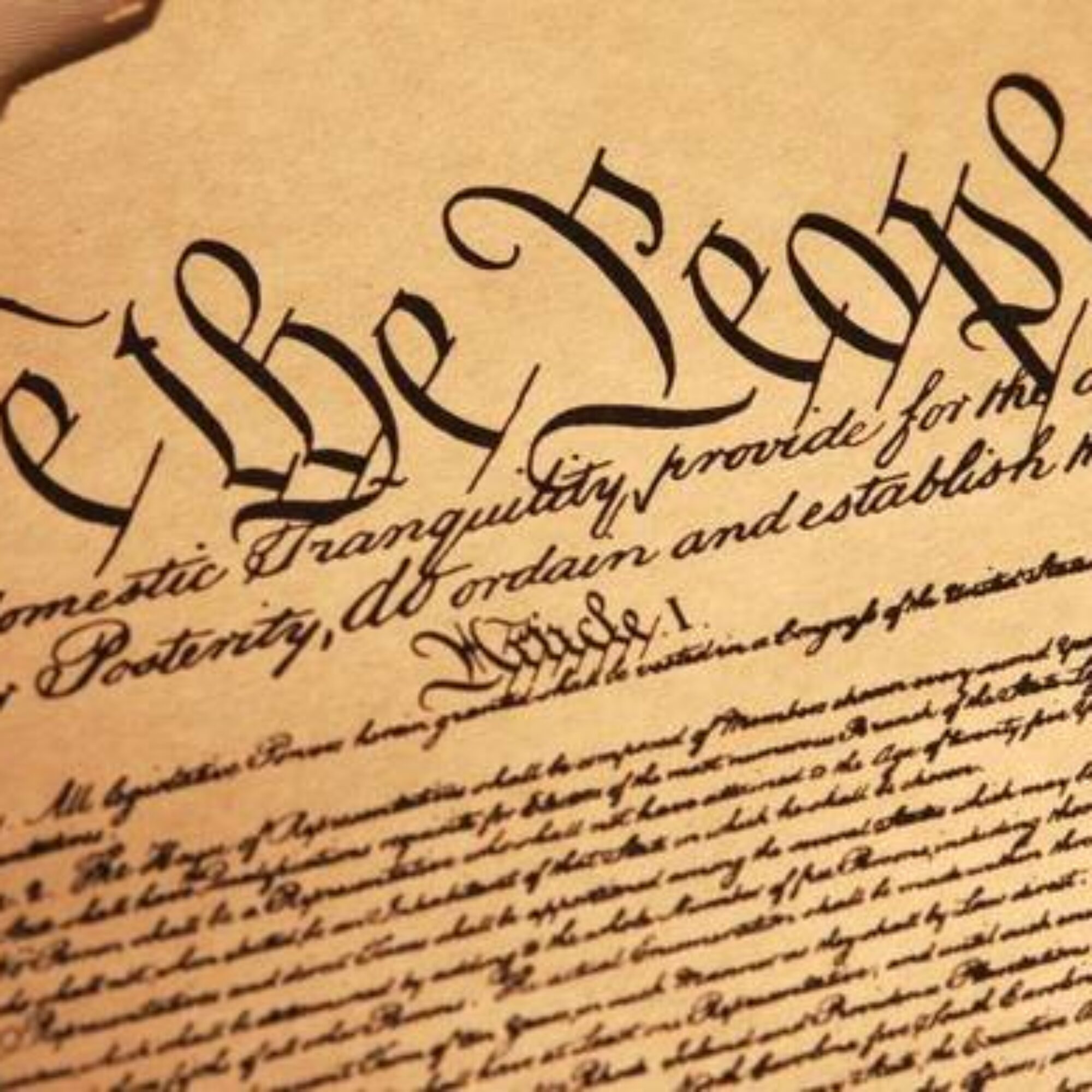
The United States Constitution

Happy Independence Day, America. Let’s return to protecting life, liberty, and property and stop being imperialist

The number one topic of my book is freedom and liberty. In my view, science, technology, market reforms, and legislation follow from freedom and liberty. Without freedom and liberty, you can't have the other things, but without them you can still have freedom and liberty. Pollution destroys life, liberty, and property. Our Constitution was built on a premise that a role of government is to protect life, liberty, and property. Usually I think of the Declaration of Independence on July 4, but I'm going to write about the Constitution today. The U.S. Constitution mixed European Enlightenment thinking with indigenous wisdom of cultures living sustainably that Europeans found as they explored the world. At the time, Europe nearly completely lacked democracy in government. Your status at…

0 Comments

Milton Friedman: Free Markets Don’t Have to Mean Growth and Governments Ought to Regulate Pollution

Researching more for my upcoming book and planning to write opinion pieces, I'm learning more limited government, free market thought and practice relevant to sustainability and the environment. It's relevant beyond anything I expected. If only people asked questions of people they disagreed with and listened to their answers in 2024 as much as they tried to convince and defeat, we'd have solved a lot of problems where we mutually benefit from the solutions. I guess it will have to fall on me to help everyone see that mutual benefit and collaborate for it. Here is Milton Friedman on the case for government regulating behavior that affects a third party without consent, including pollution: Question to Milton Friedman: You're not going to condemn regulations regarding…

0 Comments

Year 2, day 365 of my apartment disconnected from the electric grid

On May 24, 2022, I opened the main circuit to the electric grid, disconnecting my apartment from it. Two days before I had unplugged my appliances but noticed the outlets next to sinks have LEDs to show they're safe. Despite what part-time vegetarians say, I don't believe that not zero is zero, so to consume zero power, including those LEDs, I disconnected the whole apartment. My goal was not using grid power for thirty days. I had disconnected the apartment for twenty-four hours once before with no adverse consequences, but I didn't know how I'd make it past thirty hours. Now, today is day 365 of year 2. Tomorrow begins year 3. For the first year or so, I plugged my computer and phone in…

0 Comments

End of content

No more pages to load