Freedom


Ecomodernists and Fascism

In this post I'm going to show how many accusations of environmentalists being anti-human would tar the accusers more. I'll build up to the point by describing the accusers first. Let me start by saying I love reading Steven Pinker's books and wrote about him and them in my upcoming book, especially Better Angels of Our Nature (2011), which Bill Gates described as “the most inspiring book I've ever read,” and Enlightenment Now (2018), which Gates described as “not only the best book Pinker’s ever written. It’s my new favorite book of all time.” Quoting from my book, Sustainability Simplified, In these books, he claimed that while wars and violence still happen, we live in the most peaceful time in history and that today’s peace…

0 Comments

Climate Week 2024 Was Monticello 1776

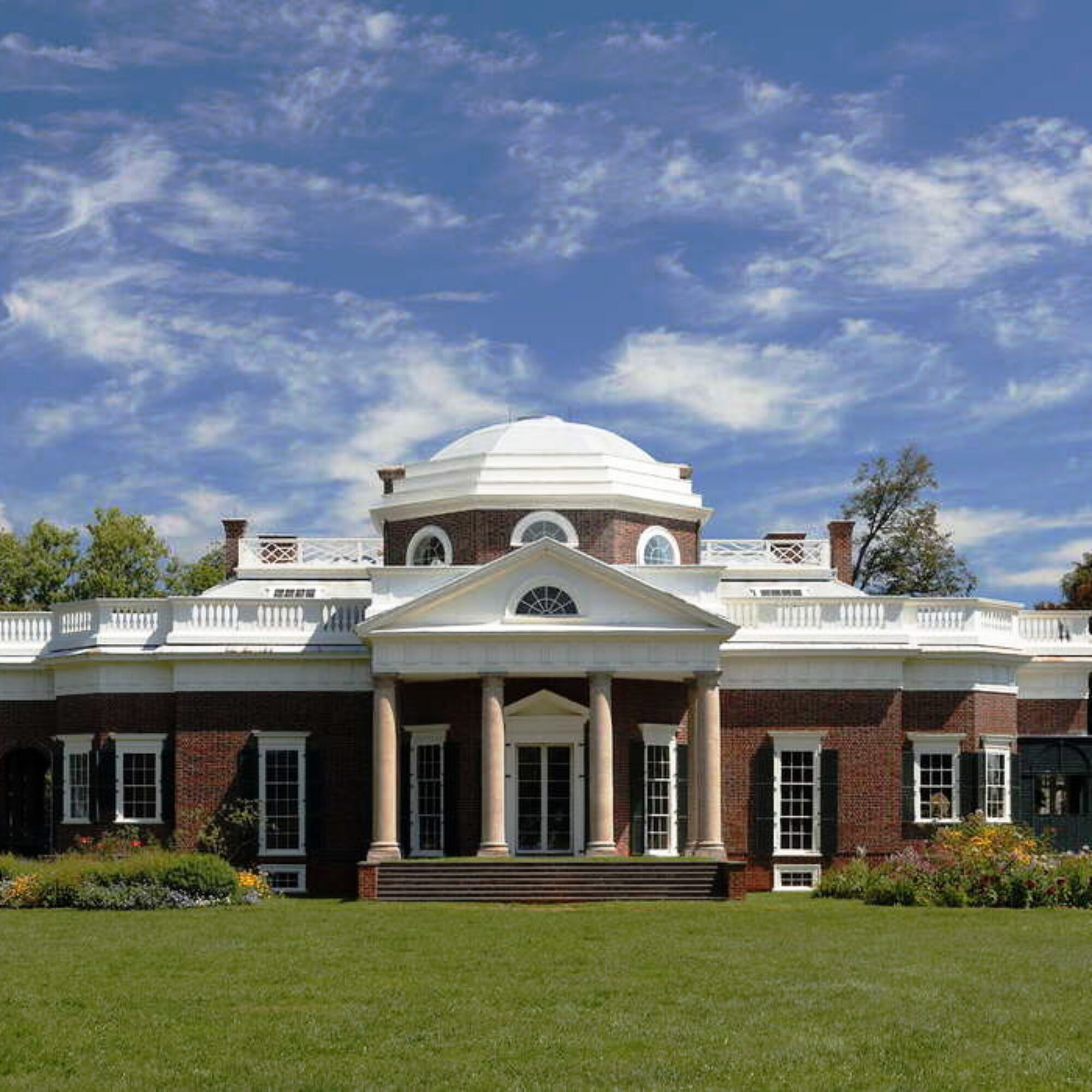
I recovered from a week of events known as Climate Week 2024. It felt like 1776 Monticello, Thomas Jefferson's plantation home. Before reading why, I should tell you that I shared the views below with several attendees of several events and they all agreed. Thomas Jefferson's Monticello Climate Week brought bold pronouncements from CEOs, government representatives of cities, states, and nations, and cultural leaders. They said we could solve our environmental problems if other people implemented changes they themselves weren't. Nearly all I spoke to flew to New York, then arrived at the events by Navigator. Jefferson wrote some of history's most powerful words on freedom. Washington backed up those words with force and Madison and peers with a Constitution. They said what others should…

0 Comments
What about ambulances, fire trucks, and hospitals? Don’t they help us and require polluting?
Affluence Without Abundance, by James Suzman

What about ambulances, fire trucks, and hospitals? Don’t they help us and require polluting?

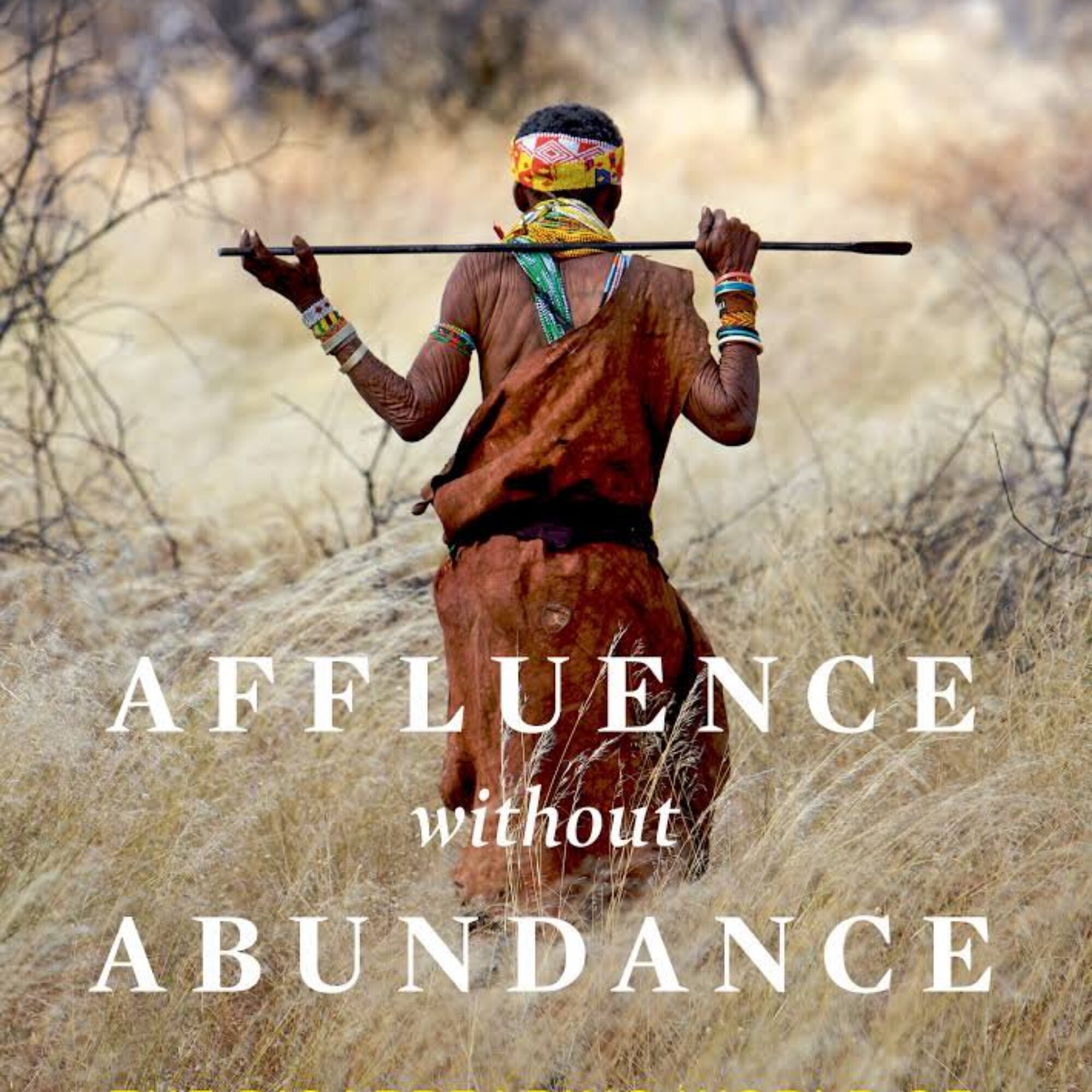
Sustainability doesn't promise you'll live forever or that it will end all suffering. I don't want to shock you or hurt your feelings, but we will all die. People we love will die. We will conflict with neighbors forever. No matter what advances we make in medicine, at some point a doctor will be unable to prevent you from dying. Worse, for all the advances made in extending life, other advances will be made in doof, addiction, and weapons that sicken and decrease life. Indigenous people still exist not because they are ignorant of our culture but because they know about it. There is no appeal to mythology of the noble savage to say that they see that the sacrifice in freedom, equality, mutual support,…

0 Comments

Fridgeless Means Fresher Food; Day 1 Year 4 without a fridge (like all humans before about 100 years ago)

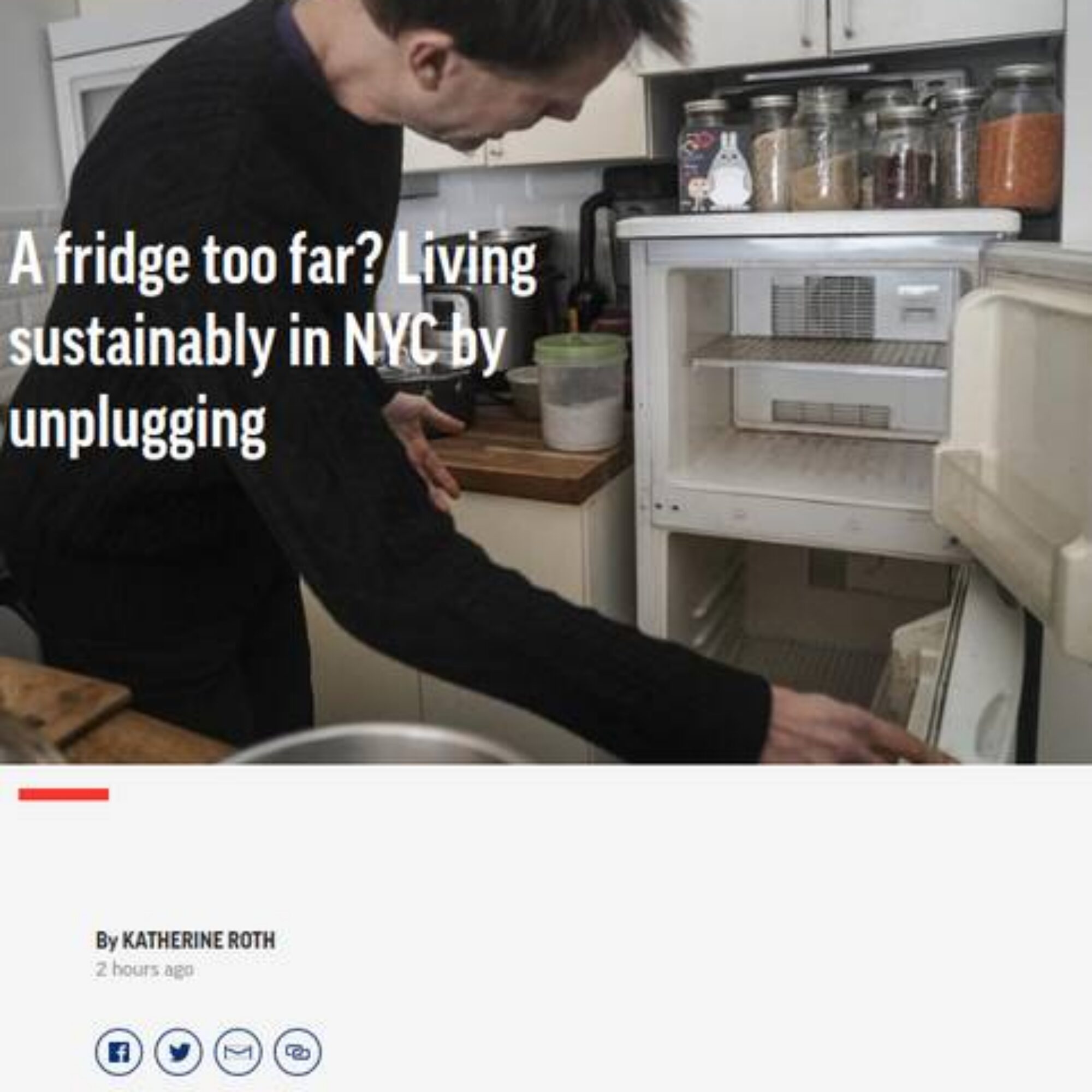
On September 30, 2021, I unplugged my fridge, aiming for 8 months. I had unplugged it based on an article on one of my favorite sites, Low Tech Magazine: Vietnam's Low-tech Food System Takes Advantage of Decay. I learned much of the world uses less refrigeration than Americans. We think of fridges as keeping food fresh, but other places have Healthier diets More delicious food Fresher food Cheaper food Less doof Less doof addiction Less pollution More local supply chains The first time I unplugged, I made it 3.5 months. The next time, 6 months. I aimed for 8 months this time, but once I made a year I kept going. I doubt I'll go back to using a fridge. It's too expensive, polluting, and…

0 Comments
One Year Without Plugging Anything In, Even Not At Home
Ars Technica Josh Spodek Disconnected In Manhattan

One Year Without Plugging Anything In, Even Not At Home

Several responders my Ars Technica article from January 2023, I disconnected from the electric grid for 8 months—in Manhattan, commented things like "You mostly shifted a fair portion of your energy needs onto the surrounding city. Not all, but your electrical bill or lack thereof doesn't reflect your true energy usage. The city could not function at all if half the people did what you did." That is, they said I was using as much power but from other places. Somehow they missed the things I wasn't using any more, like a fridge and microwave, whose power and energy use eclipse what my phone and computer use, which is all I plugged in at NYU. Ars Technica Josh Spodek Disconnected In Manhattan At first I…

0 Comments

Why changing culture to sustainable must come first, only then pursue efficiency, technology, and laws.

Germany and Japan seem wonderful cultures today. Not so much in 1944, when they were committing among the most grievous atrocities ever. Everyone else wanted to stop them. Nobody considered stopping them by making them more efficient, advancing their technologies, or promoting legislation within them passed by their people. No allied general or politician promoted changing them by offering new technologies or helping them innovate. Making them more efficient would have accelerated them, as would technology and home-grown legislation. First the culture had to change. Then---when pursuing something constructive like democracy, not destructive---then make them more efficient. Technology isn't good or bad. Like sharp knives and fire, technology augments the values of the people and culture using them. No, I'm not creating false equivalences. I'm…

0 Comments

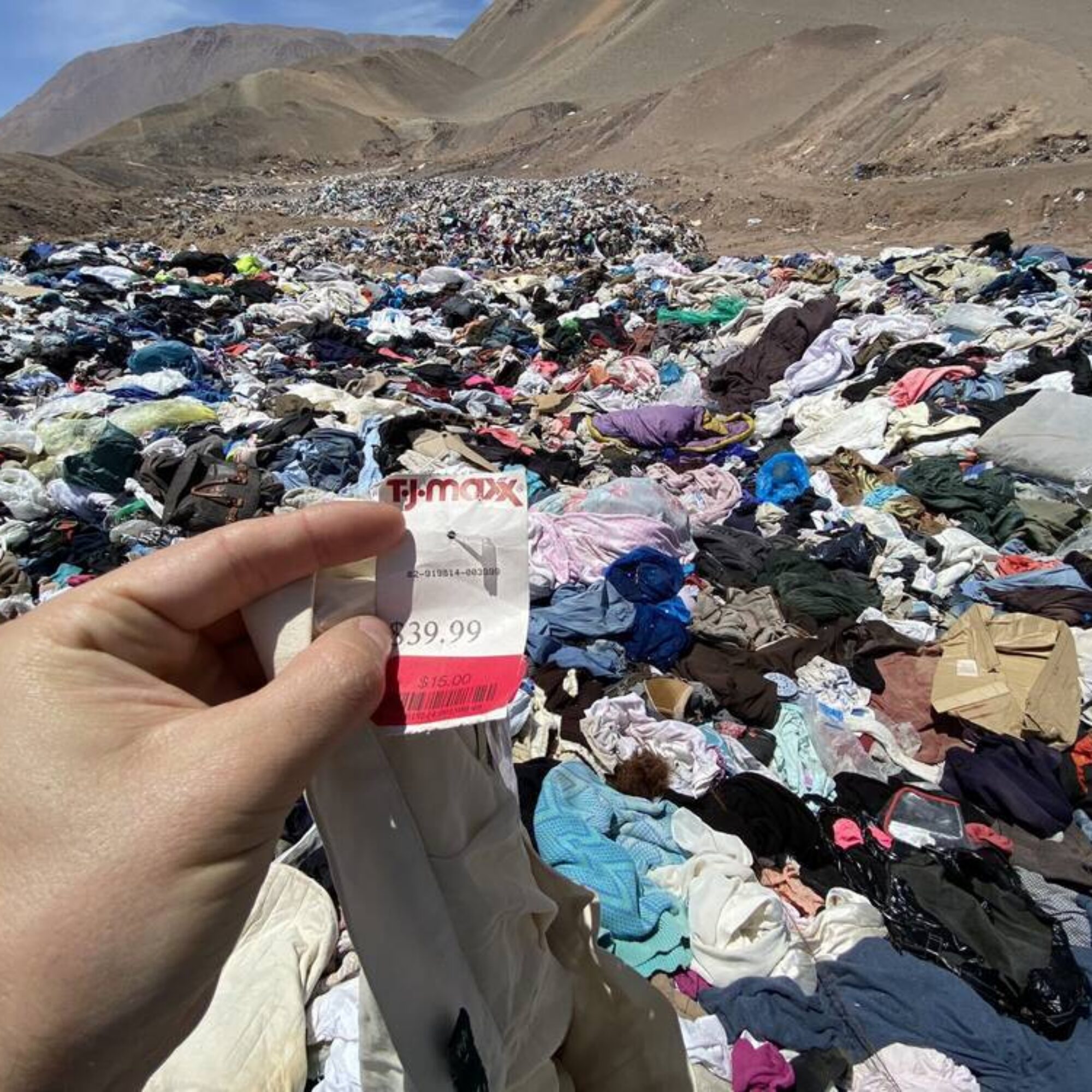
Are Plastic and Pollution Imperialism? If not, why not?

Regular readers know I haven't filled a load of garbage since 2019. The most common reactions are surprise, asking me what's in my garbage, and calling it "extreme." Being five years into a habit, it doesn't feel the least bit extreme any more. On the contrary, since what motivates me is alleviating suffering in the people in whom I would increase it for my lifestyle, not acting to pollute much less seems extreme to me. The name for the emotion behind that motivation is love. I once read a book that suggested loving one's neighbor as oneself. I think it more than suggested it. I think it commanded it, but I guess people decided to let it slide or considered it unimportant. Or maybe they…

0 Comments
Characterizing my sustainability journey in the language of presidents
Thomas Jefferson

Characterizing my sustainability journey in the language of presidents

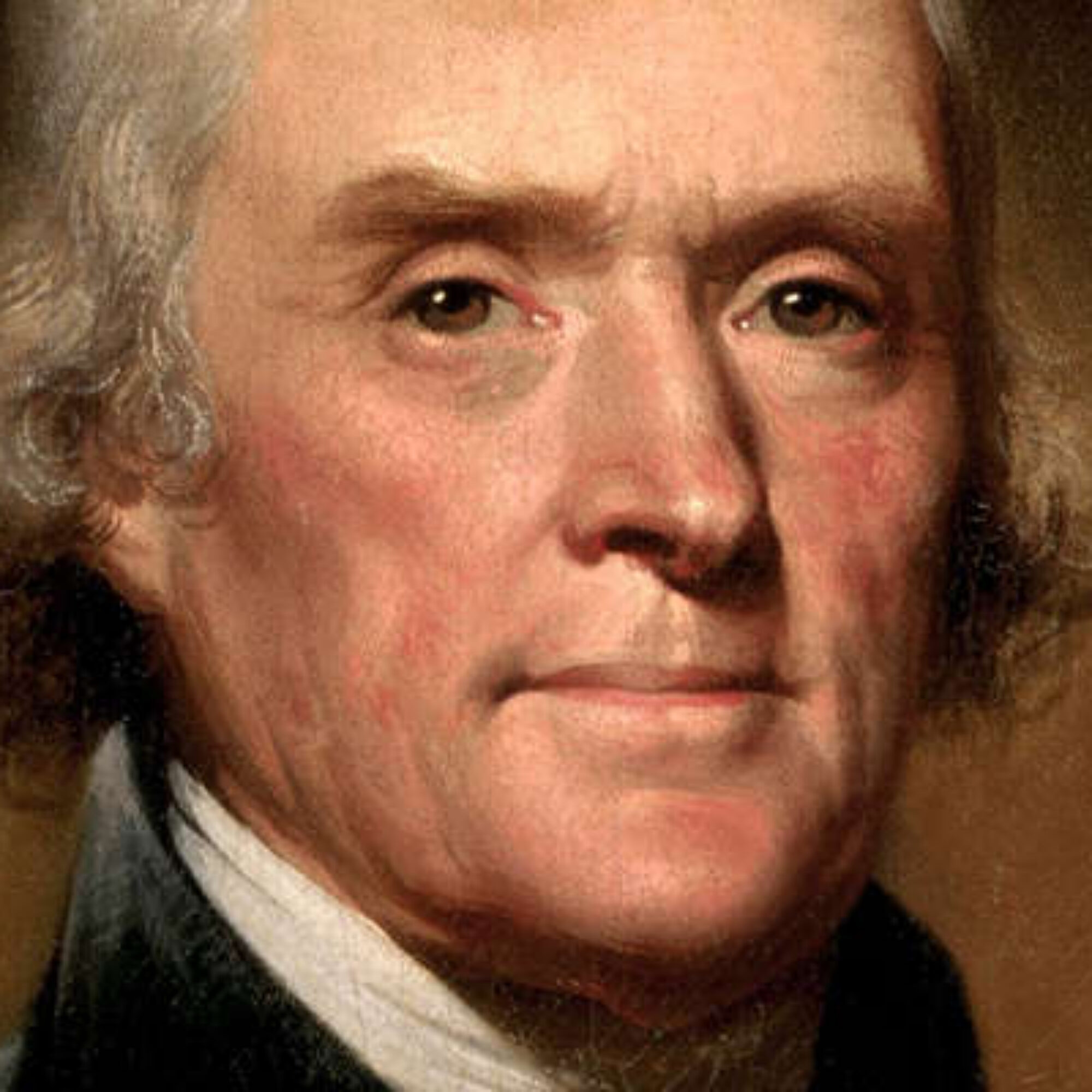
Since I've been studying so much American history and seeing American presidents as role models, I couldn't help stumbling on a characterization of my development. Before I acted, when I knew the problems with pollution and depletion but contributed to them as much as everyone around me, I was like Thomas Jefferson speaking about freedom while owning slaves. Today I still pollute and deplete, but far less than before. I'm more like Abraham Lincoln if he wore cotton clothes with cotton from the South---that is, still contributing to the problem but orders of magnitude less than Jefferson. He didn't fuel his opponent's rhetoric, as Jefferson did. They could say, "if he meant all men were created equal, he wouldn't own slaves, but he does, so…

0 Comments

Are more people always better?

People freak out when talking about population. Many seem unable to talk about deliberately choosing smaller populations from the litany of hating humanity, thinking humanity is like cancer or a virus, eugenics, Nazism, fascism, racism, or sexism. Did I forget any? Steven Pinker wrote that people who talk about population control “repudiate technology and economic growth, and to revert to a simpler and more natural way of life” and are part of a “quasi-religious ideology … laced with misanthropy, including an indifference to starvation, an indulgence in ghoulish fantasies of a depopulated planet, and Nazi-like comparisons of human beings to vermin, pathogens, and cancer," at least some of them. Yet people and cultures have chosen population sizes since before written history. That a region can…

0 Comments

Who are we in the Star Wars universe?

What role in the Star Wars universe best describes you, your nation, or your culture? I think most people would like to think of themselves as Luke, Leia, or someone in the rebellion against the empire. Or someone outside that conflict, maybe just living on their own. Let's see. Context: A culture living unsustainably means it will run out of at least one necessary resource. If it can trade for its depleting resources with another culture mutually voluntarily so neither runs out, I would call them both sustainable. An unsustainable culture running out of any necessary resource that can't trade for them mutually voluntarily can Return to sustainability and not run out Collapse Take the resource from another culture Humans lived sustainably for hundreds of…

0 Comments

We living sustainably today, helping others live more sustainably are like Americas founders in 1774 and more.

Did America's founders know they'd win in 1774, say, at the time of the Intolerable Acts? Did the other colonists? Did people think independence was possible? Nobody knew. Probably most would bet against their fighting the greatest empire in history. We who work on changing culture to sustainability are like America's founders in 1774. Obviously I'm not saying exactly. There are many differences, but in that we are taking on big challenges others don't try, yet they succeeded and we expect to also. Likewise these others: We are like Abraham Lincoln when he ran for president in 1859. Did anyone think he'd help pass an amendment ending (mostly) slavery? We are like Martin Luther King when meeting Rosa Parks before she said "no" to moving…

0 Comments

A neighbor’s thank-you letter from Donald Trump (sadly disrespecting the office of the presidency)

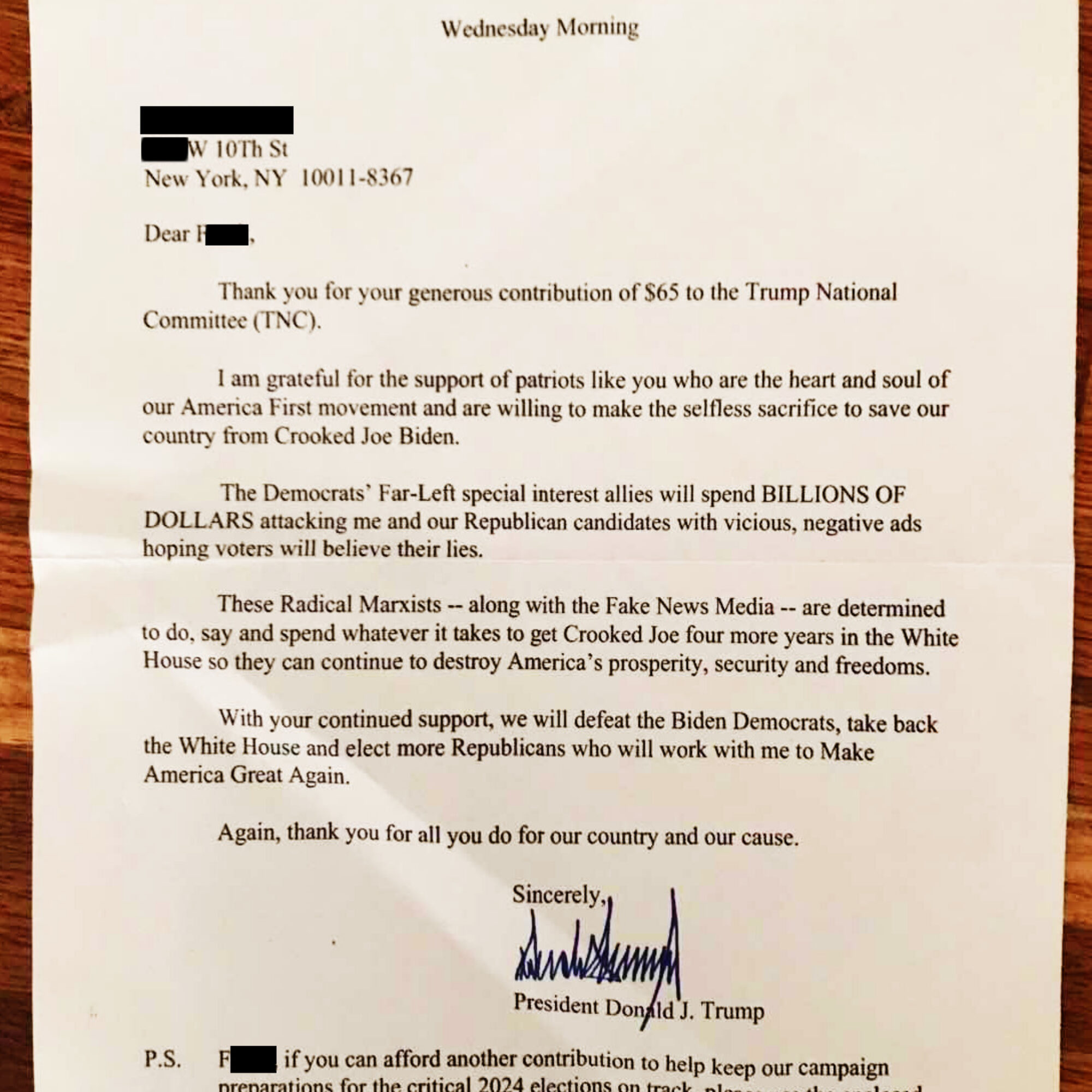
Regular readers know I pick up litter every day. The other day I found this garbage wedged in the scaffolding of a building under construction. (Come to think of it, a topic I should write more about is this bizarre practice of litter being wedged and stuffed into places and why people do it. I'm not sure, but I have some ideas. In any case, all this littering is socializing costs, spreading disease, ruining communities, raising taxes, and that's the tip of the iceberg.) It's a letter from Donald Trump thanking someone who lives within a block of me for donating to his campaign. I had to comment on a few observations. First, I shouldn't have to note it, but I know Donald Trump didn't…

0 Comments

Flying = Funding Lobbyists

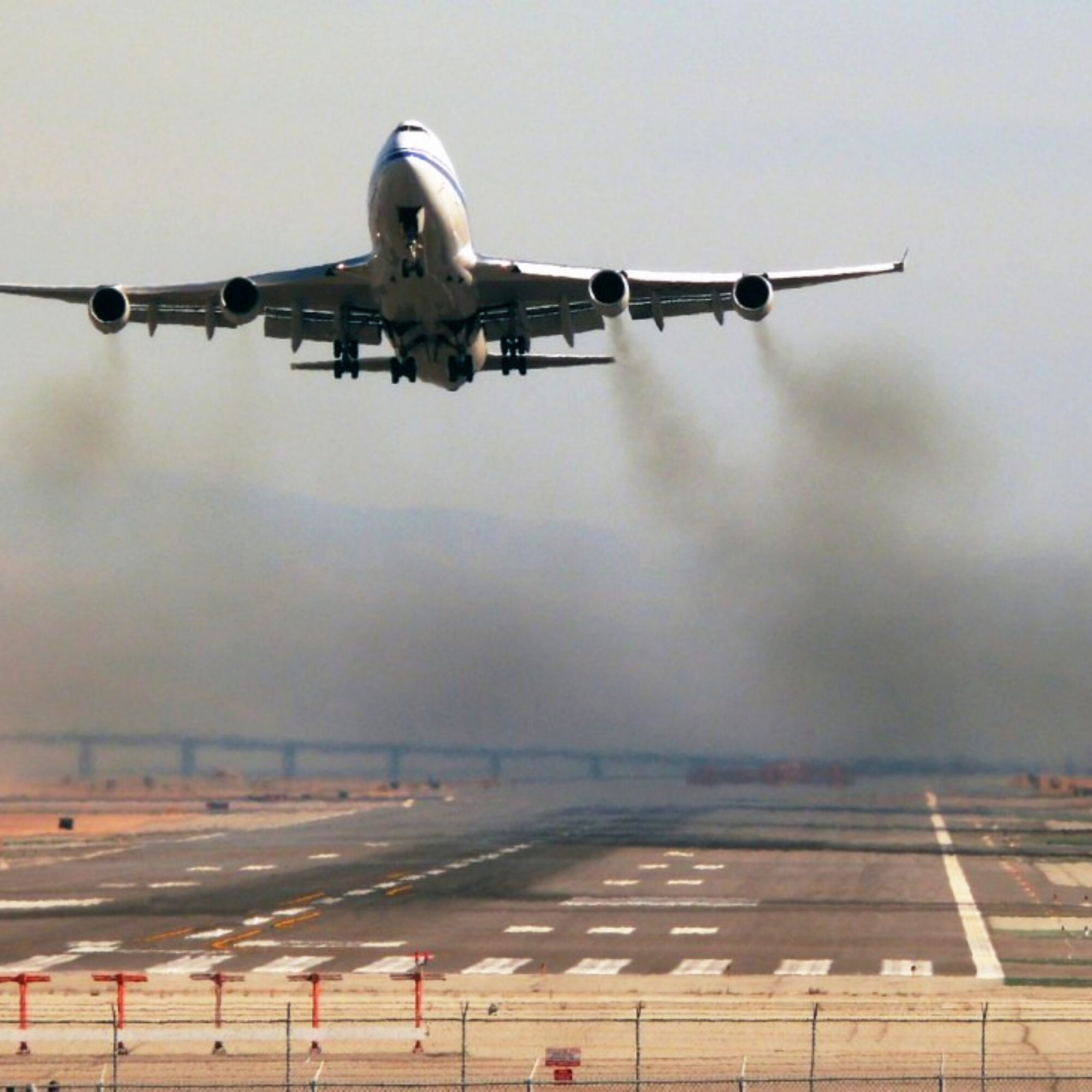
There's no two ways about it: Flying = Funding Lobbyists Not just lobbyists, fossil fuel lobbyists. Flying lines their pockets, along with the pockets of executives and shareholders of the fossil fuel-extracting companies that own them. It's 93F (34C) in Manhattan and not yet 11am. Congratulations to those who fly, buy plastic, and buy things needlessly shipped across oceans in container ships, like cars, fast fashion, and food that isn't local. Since I'm near NYU and its community often says we have to fix racism first, anyone who does those things promotes unsustainability and therefore imperialism, colonialism, and slavery. We know from history that slavery caused racism, as historian Eric Williams wrote in his book Capitalism and Slavery: Slavery was not born of racism: rather,…

0 Comments

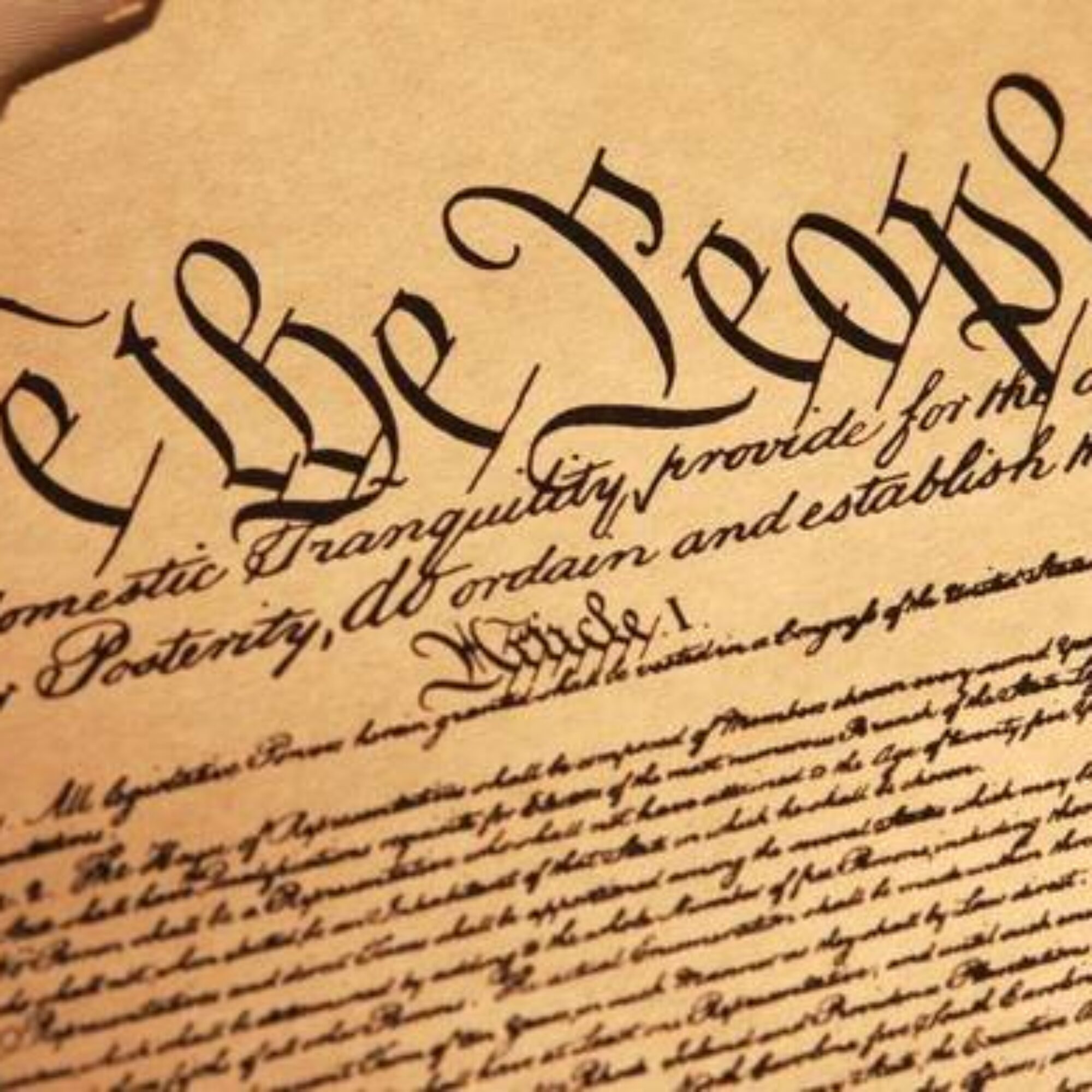
Happy Independence Day, America. Let’s return to protecting life, liberty, and property and stop being imperialist

The number one topic of my book is freedom and liberty. In my view, science, technology, market reforms, and legislation follow from freedom and liberty. Without freedom and liberty, you can't have the other things, but without them you can still have freedom and liberty. Pollution destroys life, liberty, and property. Our Constitution was built on a premise that a role of government is to protect life, liberty, and property. Usually I think of the Declaration of Independence on July 4, but I'm going to write about the Constitution today. The U.S. Constitution mixed European Enlightenment thinking with indigenous wisdom of cultures living sustainably that Europeans found as they explored the world. At the time, Europe nearly completely lacked democracy in government. Your status at…

0 Comments

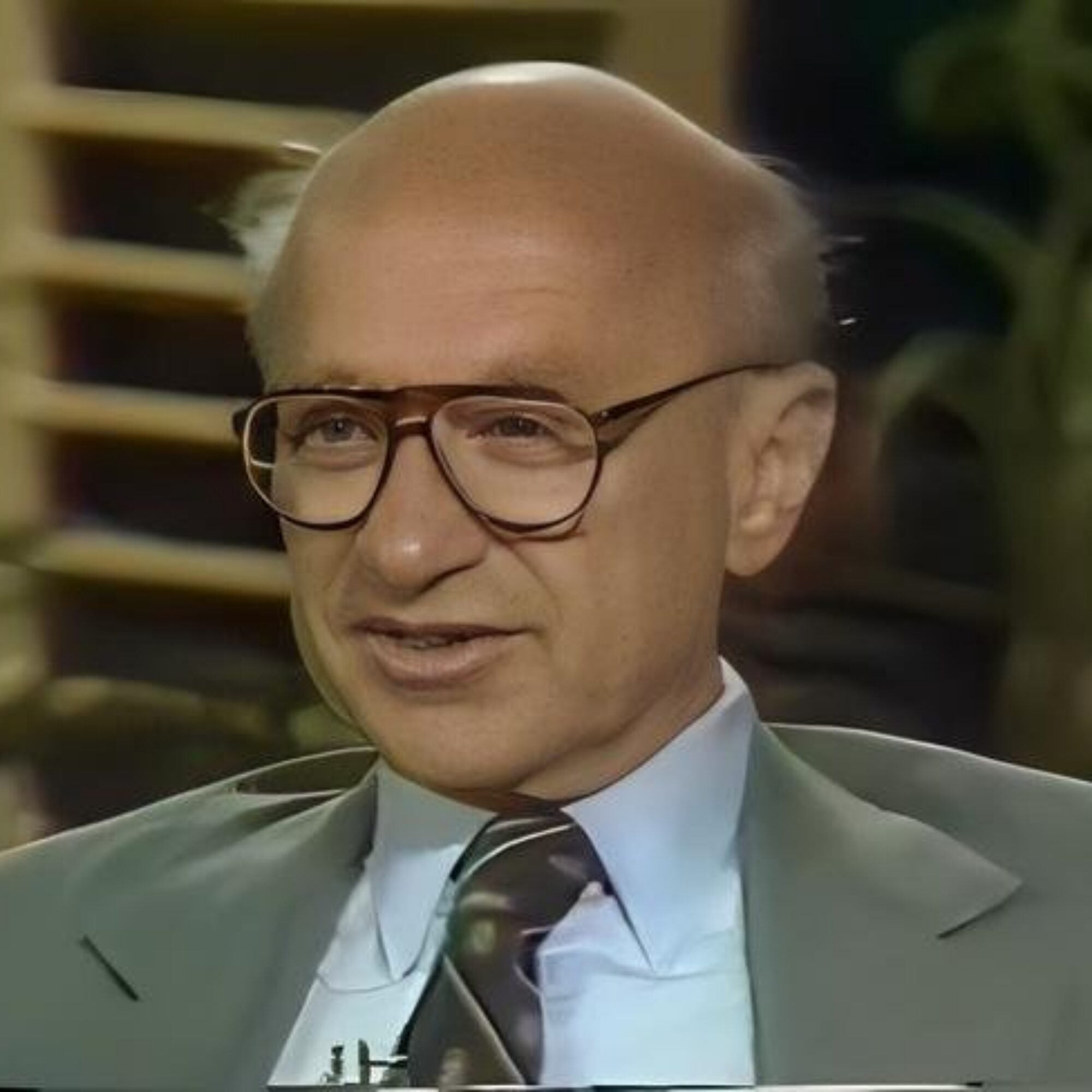
Milton Friedman: Free Markets Don’t Have to Mean Growth and Governments Ought to Regulate Pollution

Researching more for my upcoming book and planning to write opinion pieces, I'm learning more limited government, free market thought and practice relevant to sustainability and the environment. It's relevant beyond anything I expected. If only people asked questions of people they disagreed with and listened to their answers in 2024 as much as they tried to convince and defeat, we'd have solved a lot of problems where we mutually benefit from the solutions. I guess it will have to fall on me to help everyone see that mutual benefit and collaborate for it. Here is Milton Friedman on the case for government regulating behavior that affects a third party without consent, including pollution: Question to Milton Friedman: You're not going to condemn regulations regarding…

0 Comments

Year 2, day 365 of my apartment disconnected from the electric grid

On May 24, 2022, I opened the main circuit to the electric grid, disconnecting my apartment from it. Two days before I had unplugged my appliances but noticed the outlets next to sinks have LEDs to show they're safe. Despite what part-time vegetarians say, I don't believe that not zero is zero, so to consume zero power, including those LEDs, I disconnected the whole apartment. My goal was not using grid power for thirty days. I had disconnected the apartment for twenty-four hours once before with no adverse consequences, but I didn't know how I'd make it past thirty hours. Now, today is day 365 of year 2. Tomorrow begins year 3. For the first year or so, I plugged my computer and phone in…

0 Comments

He who lives by pollution dies by pollution.

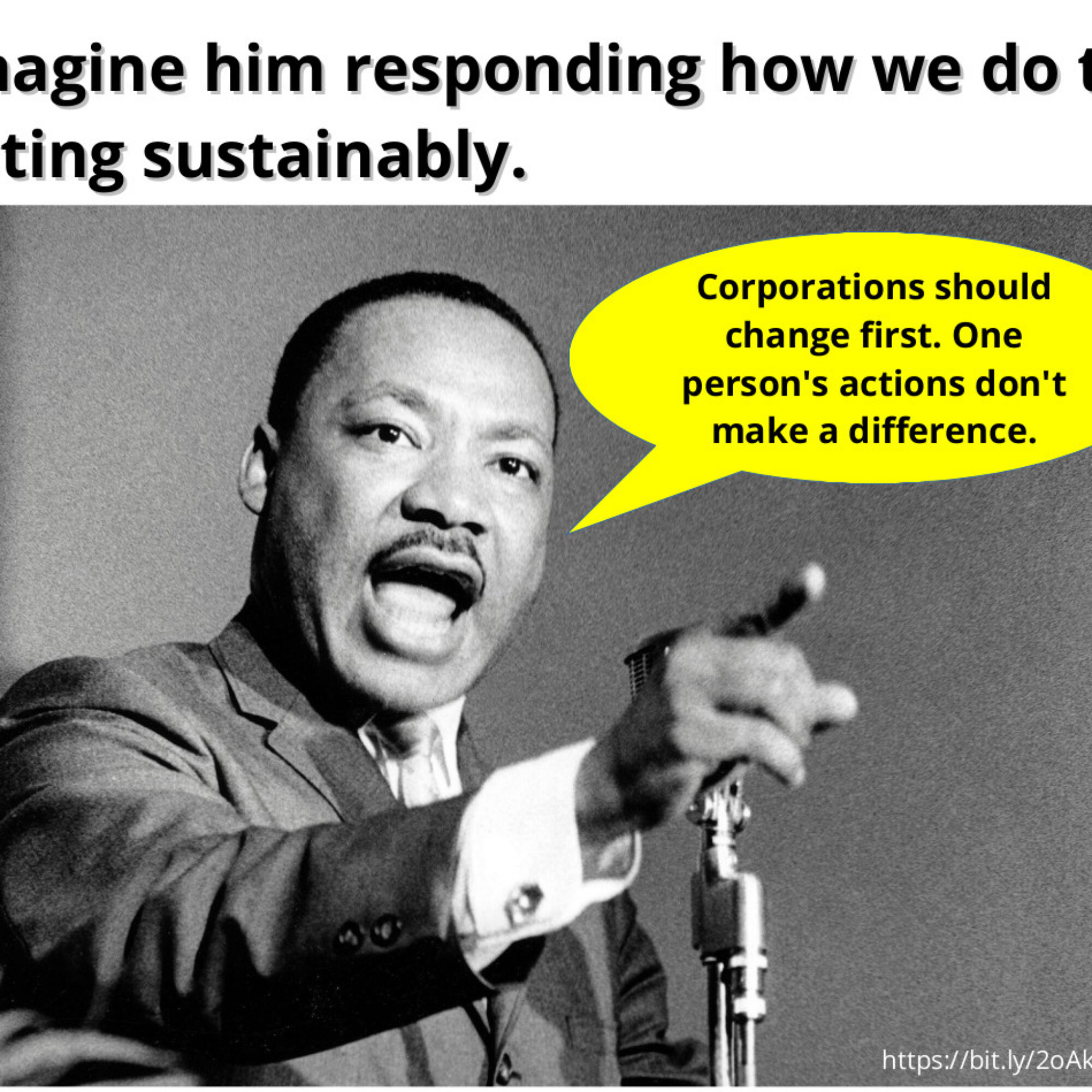
I was reading an account of Martin Luther King during the Montgomery Bus Boycott and noticed how a few things he said, often quoting or paraphrasing Jesus, applied to today. The big one was "He who lives by the sword dies by the sword," which doesn't seem a stretch to say those who live by pollution die by pollution. Despite everyone saying their flying does so much good it's worth the harms, more polluting doesn't reduce polluting. That rationalization applies to all flying by everyone, since no one flies to make the world worse. "Love thy neighbor as thyself" applies too, maybe adding, "even if the neighbor lives far away or in Cancer Alley or a Sacrifice Zone." "Love thine enemy" would serve us well…

0 Comments

The problem is closer than a future collapse or distant pollution. It’s us, here, now.

Environmentalists talk about the possibility of a future collapse. They talk about the harm happening far away. I don't want to take away from those problems and risks, but they are missing what's happening here and now with all of us. We can't look our children in the eye and tell them they'll live in a safer, healthier, more secure world. Since we can't, we tell them what we do doesn't matter, that only governments and corporations can make a difference on the scale we need, and dozens of other rationalizations and justifications. Since enough of us say it enough times, we act as if we've convinced ourselves of them. Once we believe them, or act as if we do, we keep doing what makes…

0 Comments

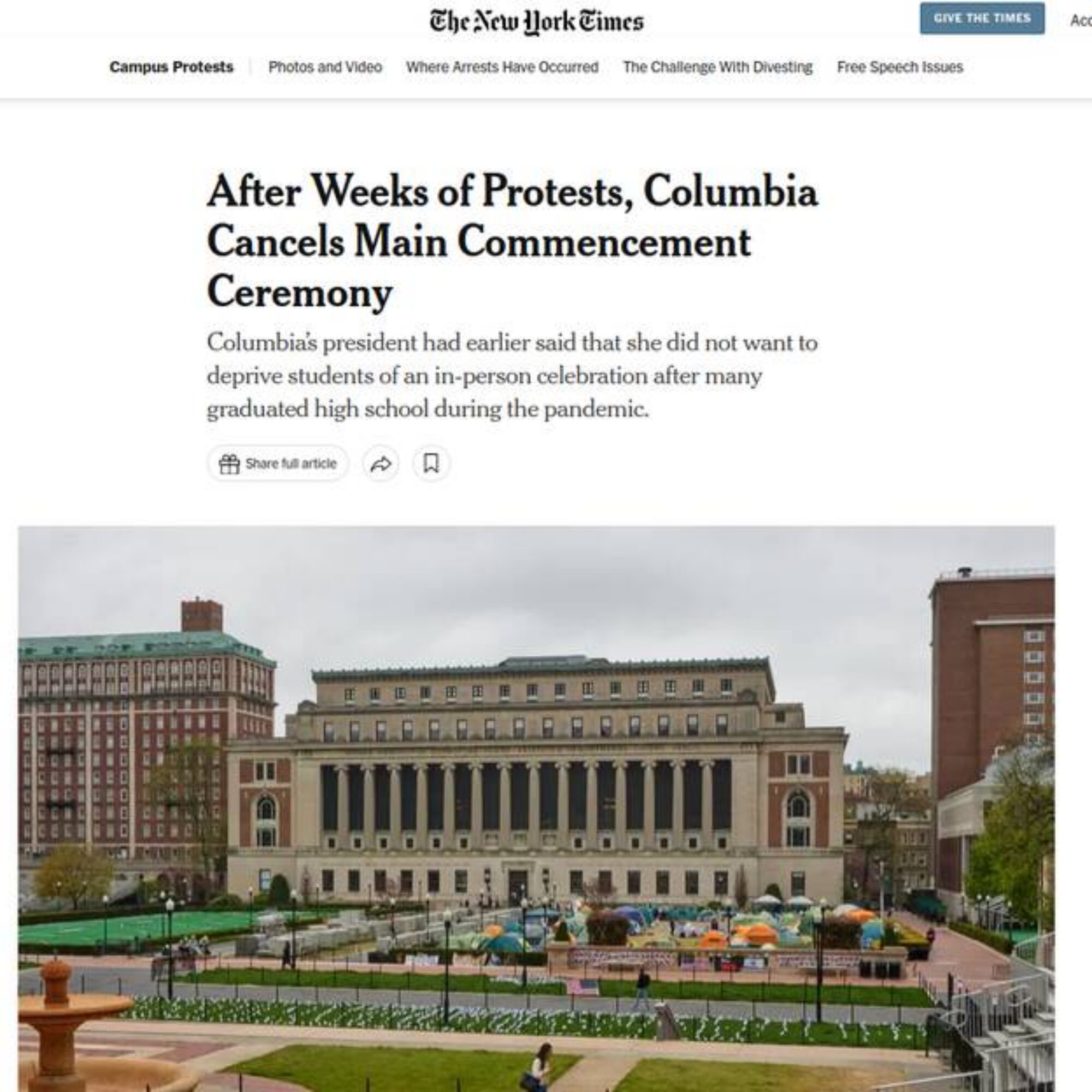
Columbia canceling its commencement reminds me of when I protested Apartheid at commencement

I don't have to tell you that front page headlines are reporting how students across the country are protesting. Universities are struggling with how to respond. The university I got my (five) diplomas from, Columbia University, seems to be making some of the biggest headlines. A few days ago it decided to cancel its commencement. I started college in 1988. Many students then opposed Apartheid. I boycotted businesses that did business with South Africa. Students protested to motivate universities to divest from companies that did business with South Africa. I participated in some of those protests, among other things (including America fomenting wars in Central and South America). At a commencement, I believe my sophomore year, a few students and I attended and protested. We…

0 Comments

What’s the opposite of a land acknowledgment?

I attended an event last week in which the organizers began with a land acknowledgment. I'd guess most of you have witnessed one, though maybe not all. According to Wikipedia: A land acknowledgement or territorial acknowledgement is a formal statement that acknowledges the original Indigenous Peoples of the land, spoken at the beginning of public events. The custom of land acknowledgement is a traditional practice that dates back centuries in many Indigenous cultures. As I understand, they are controversial. Again quoting Wikipedia: Land acknowledgements have been criticized by both conservatives, who have described them as excesses of political correctness, and by those on the political left, who have expressed concerns that land acknowledgements amount to empty gestures that avoid addressing the issues of Indigenous communities…

0 Comments

The problems of sustainability as more social than scientific

People jump to treating our environmental problems as rooted in science, therefore they look for solutions from scientists. I'm seeing the problem more as social than scientific in the following way. First, I want to clarify that understanding the mechanisms by which Earth's ecosystems are changed depend on science. I'm not challenging that we understand the mechanisms through observation, experiment, debate, and the other tools of science. When I pollute and deplete, I hurt other people. That I do it through polluting with plastic, drain aquifers faster than they replenish, or whatever doesn't change that the problem is I'm hurting people without their consent (wildlife too, though I'm partial to caring more for humans than animals). People have hurt others since before humans were human.…

0 Comments

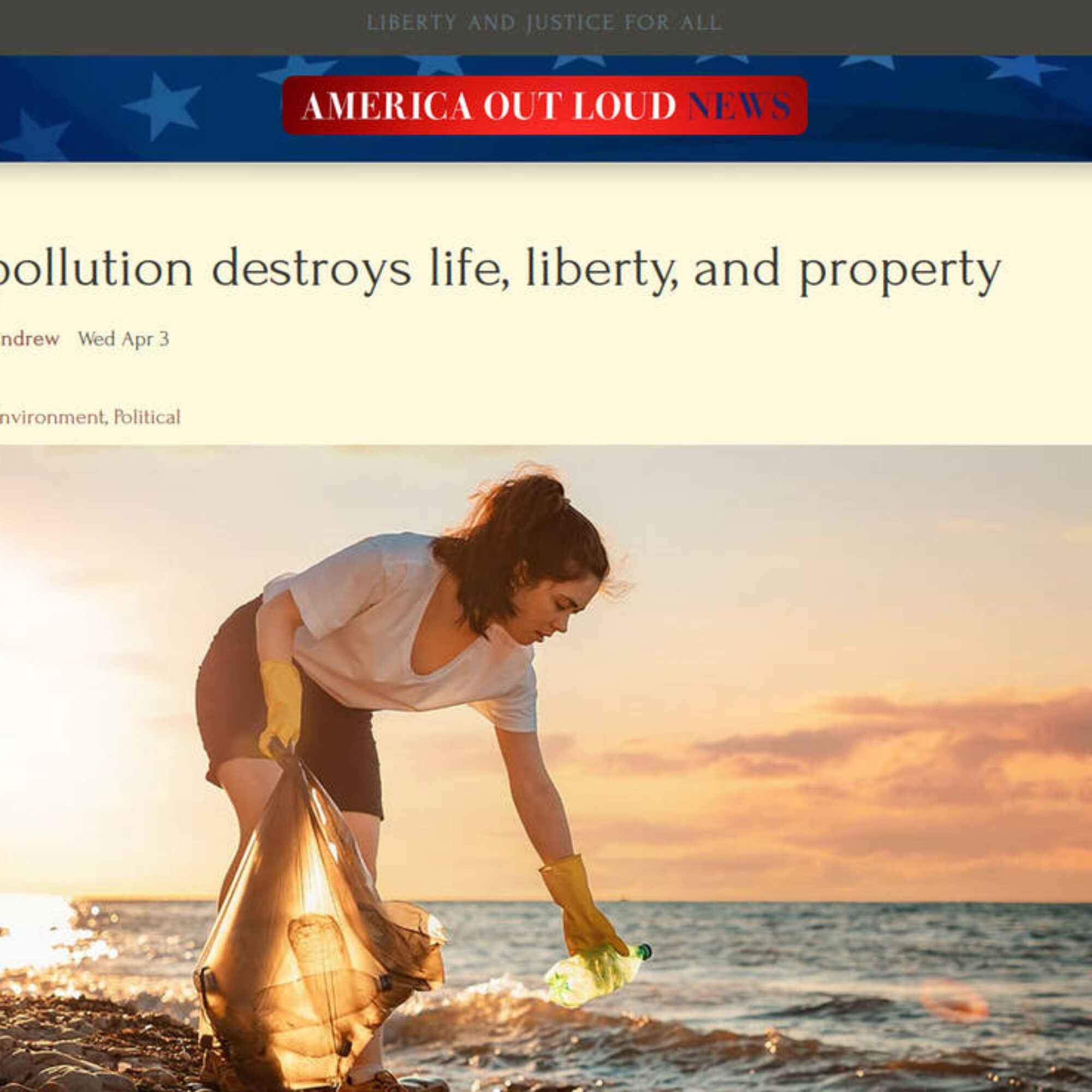
Hear me on America Out Loud’s After Dark: How Pollution Destroys Life, Liberty, and Property

On my seventh appearance on After Dark with Rob and Andrew, I share how I've been diving into conservative history, thought, philosophy, and community. Both hosts have been on my podcast and I meet Rob periodically in person in Manhattan, where he lives too. About the hosts: Rob is the founder of The Multicultural Conservative Foundation, whose mission is to promote the political diversity of conservatism through social media. He has been interviewed by many independent news organizations regarding his views on black conservatism. In addition to writing and blogging, he is the author of a self-help book, “That Job Just Isn’t Into You: Starting Over When It’s Over.” Andrew is a social media pundit, writer, and podcast host. He believes in traditional Conservative values,…

0 Comments

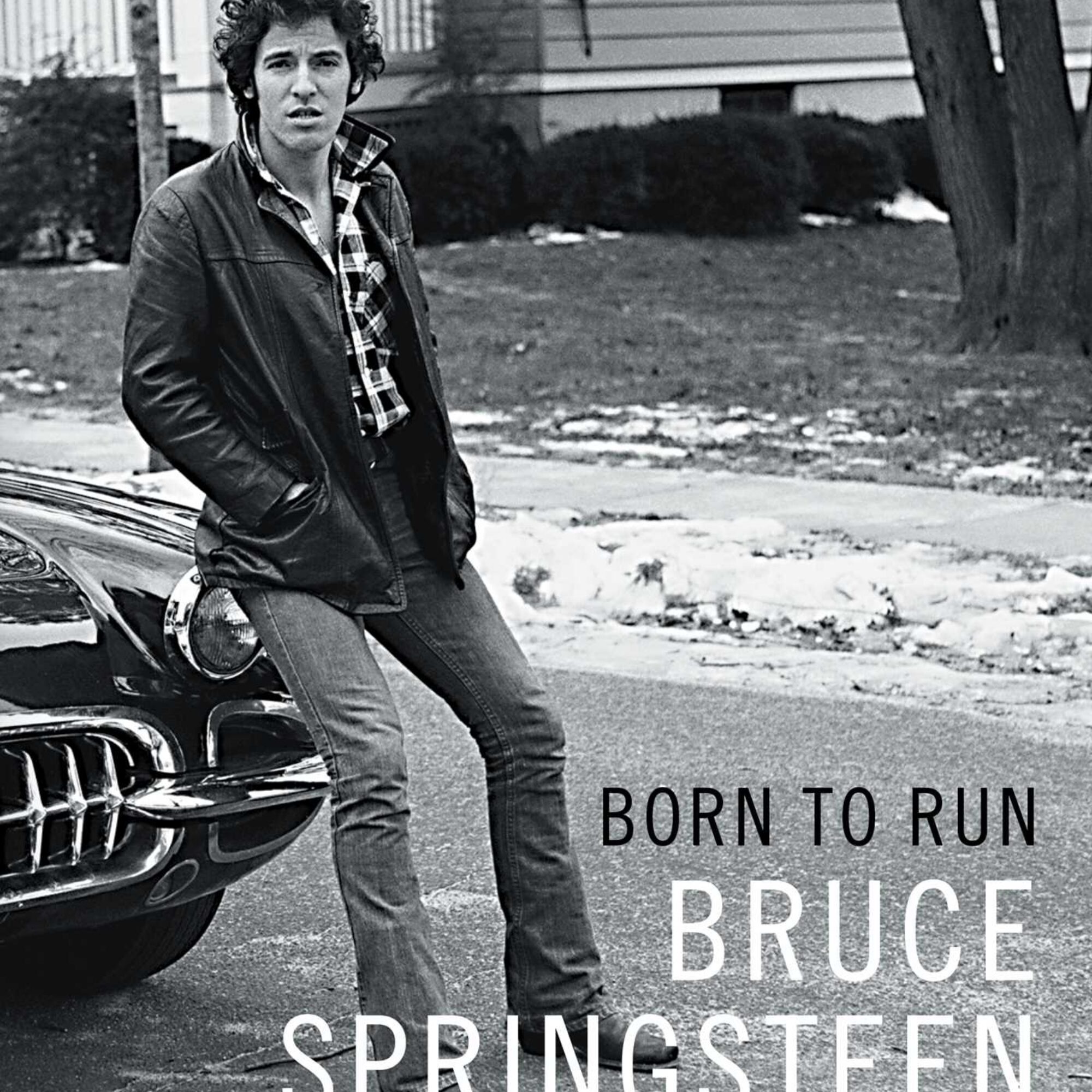
My favorite part of Bruce Springsteen’s memoir

I recently finished Bruce Springsteen's memoir Born to Run. Below is what resonated with me and motivated me most: Bruce Springsteen wrote in his memoir Born to Run about discovering the guitar growing up in a working-class New Jersey neighborhood. The day after seeing Elvis on the Ed Sullivan Show, “I convinced my mom to take me to Diehl's Music on South Street in Freehold. There, with no money to spend, we rented a guitar. I took it home. Opened its case. Smelled its wood (still one of the sweetest and most promising smells in the world), felt its magic, sensed its hidden power. I held it my arms, ran my fingers over its strings, held the real tortoiseshell guitar pick in between my teeth,…

0 Comments

A workshop graduate and leader living sustainability leadership, biking in the snow and rain

Can we top Jethro Jones? Almost five years ago, on his appearance on the podcast, he committed to riding his bike to work every day for a season. What's so remarkable about that? He teaches in Fairbanks, Alaska and riding in the winter meant minus 40 degrees (where F equals C). If you haven't listened to his episode, check it out. Evelyn biking in the snow The other day, Evelyn, who led the last workshop (and is assembling the next one, so check out the description and testimonials and contact me to join what will be one of your life's great experiences), sent me this video of her running errands on her bike in the snow. She never rode her bike in the snow before!…

2 Comments

Just finished a 4-plus days water only fast

Today about 1:30pm I ate my first food since Saturday noon: a bit over four days or 97.5 hours. Years ago I would have thought it impossible, but I've done a couple three-day fasts and a few two-day fasts, now several one-day fasts. With my six-day exercise cycle that I start on the first day of each month, for months with a number of days not divisible by six, I've had to figure out what to do. I'd been experimenting with fasting. Hunger comes and goes, though there are also feelings like wanting or expecting to eat that aren't hunger. One of the things I value most about fasting is the self-awareness it brings. Also learning about being human. Also resilience and independence. I recommend…

0 Comments

End of content

No more pages to load