Tips


This week’s selected media, December 8, 2024: The Big Short

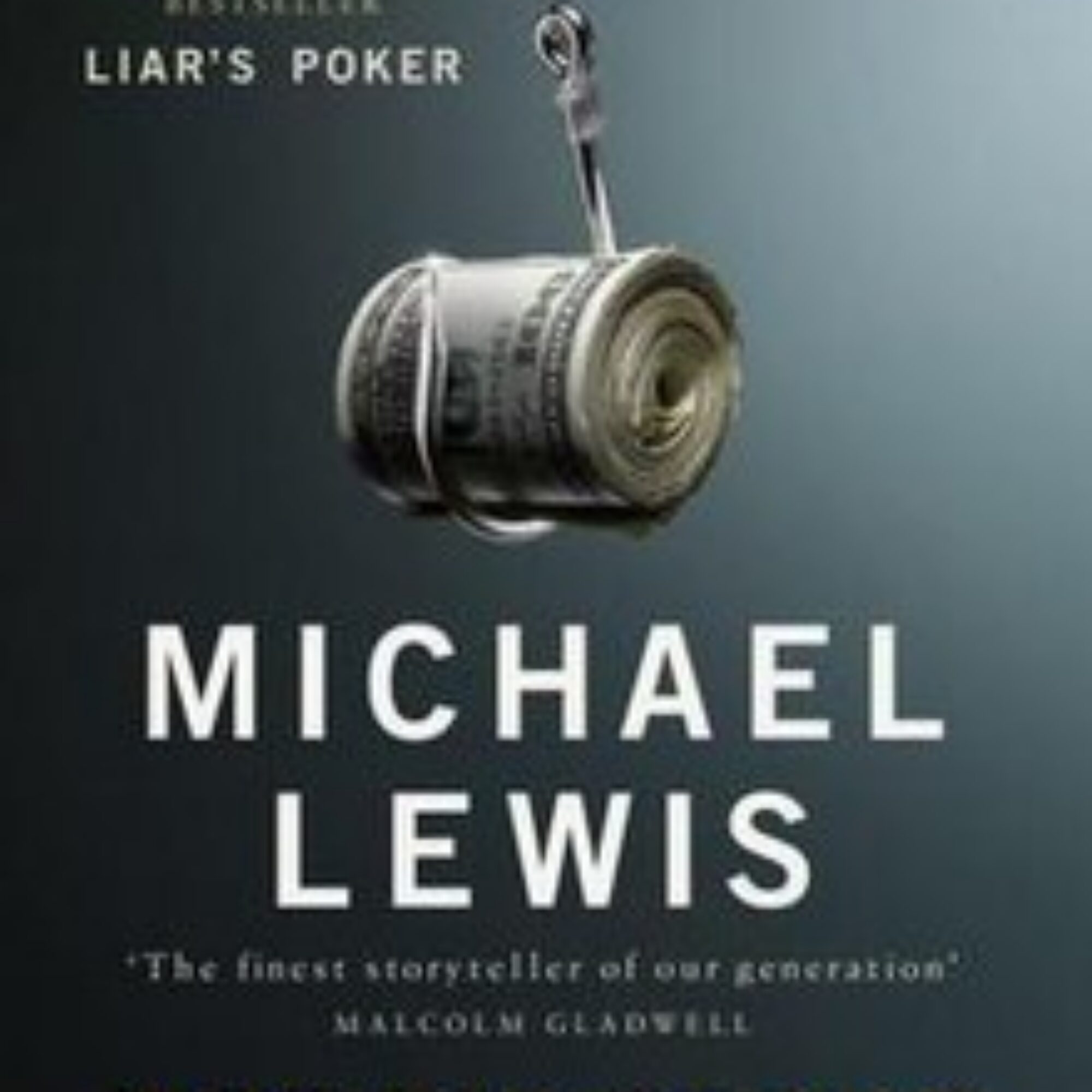
This week I finished: The Big Short: Inside the Doomsday Machine, by Michael Lewis: I read this book after watching the movie based on my expectations on recent legislation. I expect that top-down sustainability efforts like the Inflation Reduction Act and Infrastructure Investment and Jobs Act, moving trillions of dollars toward technologies that won't work, will create market bubbles that will burst. In the process, they won't help on our environmental problems. On the contrary, I expect them to accelerate them to greater sizes by distracting us from solutions that could work. I'm curious to find ways to reduce the damage. I wouldn't mind putting my money where my mouth is by shorting the industries with ineffective, counterproductive would-be solutions that misguided support will prop…

0 Comments

This week’s selected media, November 24, 2024: A People’s History of the United States

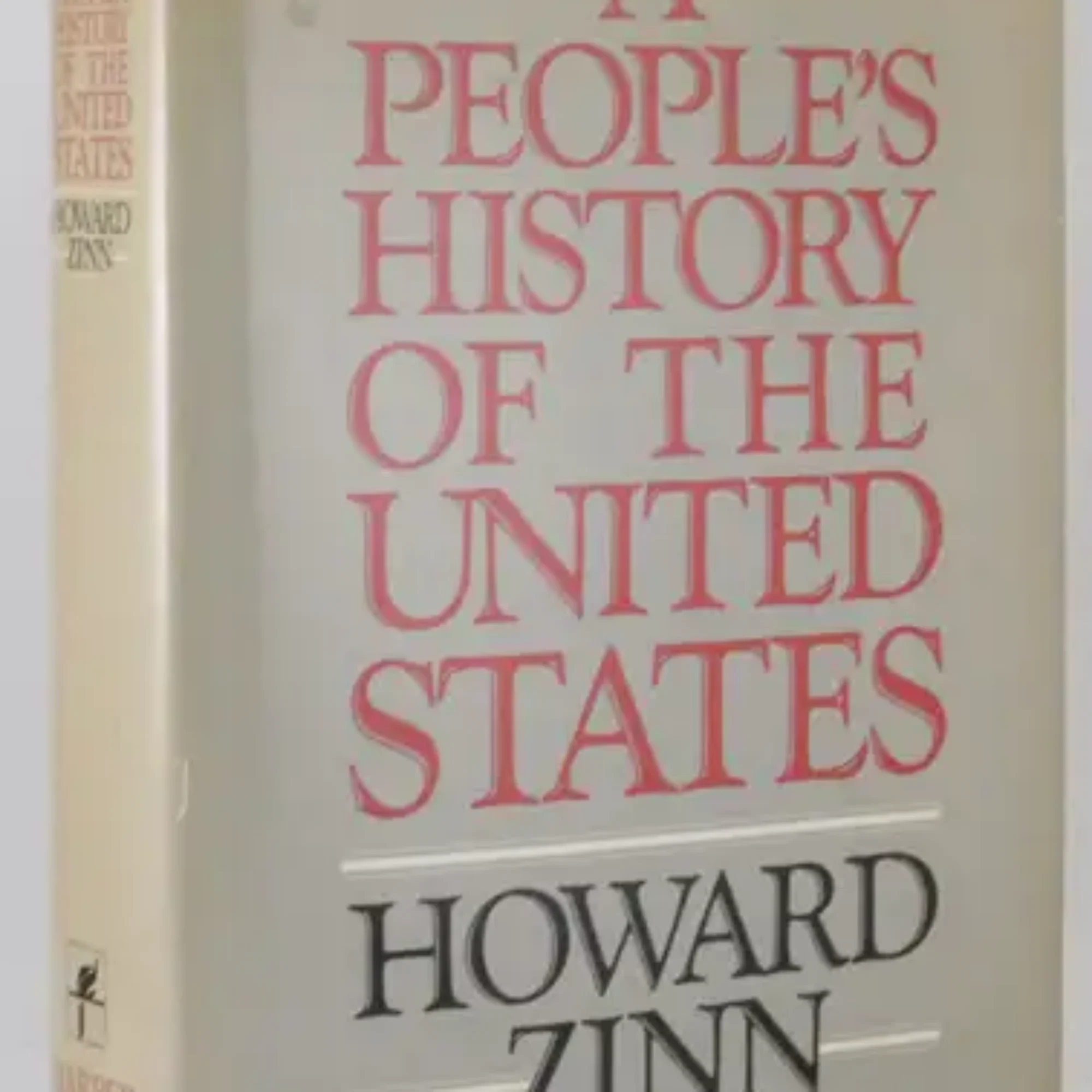
This week I finished: A People's History of the United States, by Howard Zinn: This book came out swinging, on Columbus, and kept on punching. In my opinion, every American would benefit from reading this book. If you believe government should solve social problems, this book will bring depth and history to help you understand your cause. If you believe government shouldn't get into an individual's business, you'll see how much people who claimed to espouse such beliefs did the opposite. I knew people who promoted hierarchy enforced it through violence, thereby controlling the political system through non-democratic means. This book revealed how much, and how much through machine guns, murder, and more. I also didn't realize how much my history education growing up left…

0 Comments

This week’s selected media, November 17, 2024: Commentary on Wealth of Nations

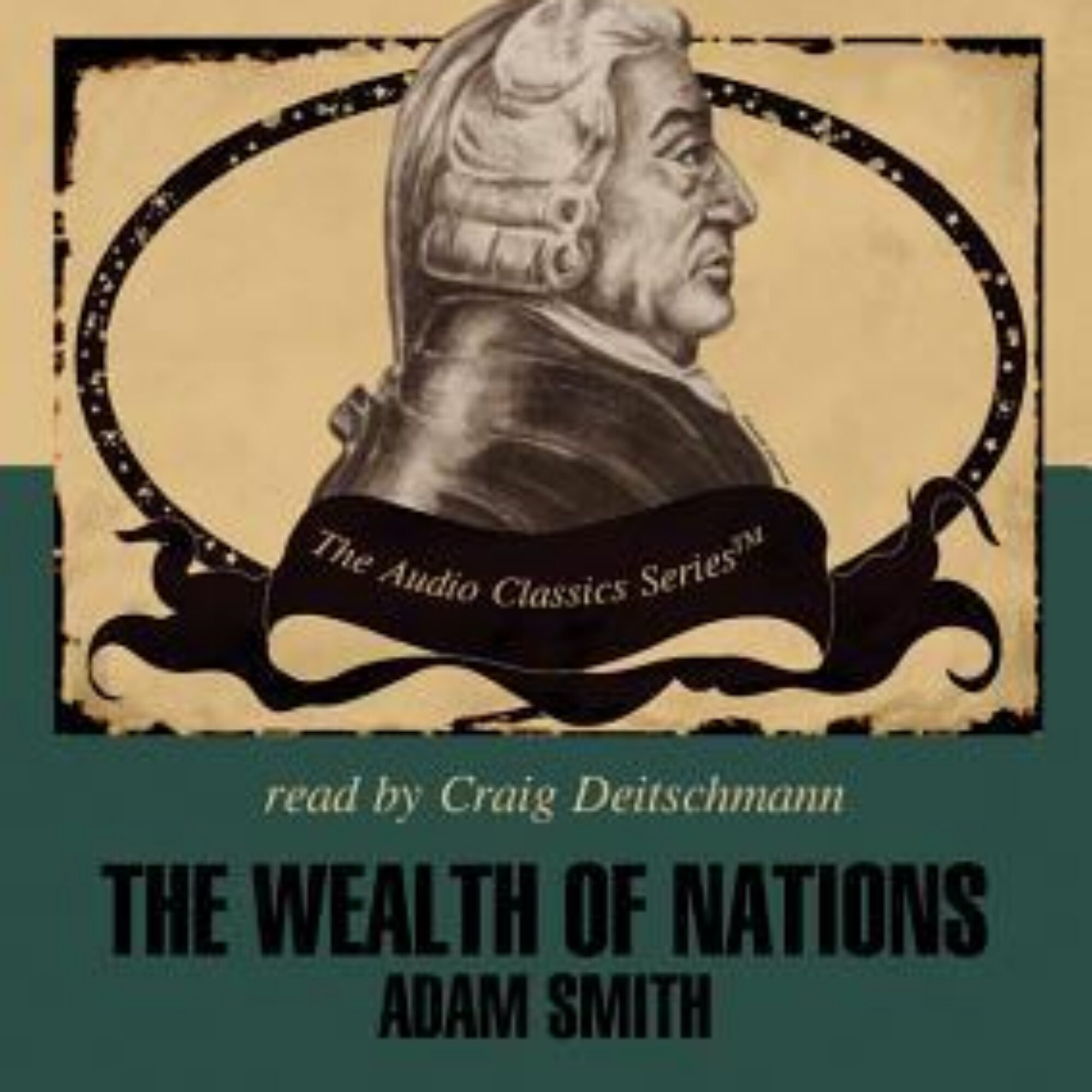
This week I finished: Giants of Political Thought: Adam Smith's Wealth of Nations, volumes 1 and 2, read by Craig Dietschmann and a Supporting Cast: This audiobook isn't the Wealth of Nations, but is a summary with many quotes from it. I got it from the library as a quick review. I don't think I've read any of Wealth of Nations since college and never read it cover to cover. Covering it after Friedman, Hayek, Bastiat, and their peers reminded me how much of their work depends on his. Watching Free to Choose, I thought Friedman claimed limited government, low regulation markets helped the poor as a rhetorical trick to disarm his political opponents. Reading Smith I conclude he wasn't making those claims to trick,…

0 Comments

“Have you learned to love not flying?”

I'm always working on more effective ways to lead on sustainability. Recall my definition of leadership: helping people do what they already wanted to but haven't figured out how. To help others, I have to learn what they want, the opposite of opposing my values on them. Most people I ask tell me they support sustainability and are doing their best. They seem to think they aren't anywhere close to the top few percent of polluters. One of the most important ways to improve our lives is to change our behaviors compromising our values. The problem is that it's painful to admit we're violating our values, especially deep values such as those embodied in: Do unto others as you would have them do unto you…

0 Comments

This week’s selected media, November 3, 2024: Be Useful, the Power of Negative Thinking, How to Be an Antiracist

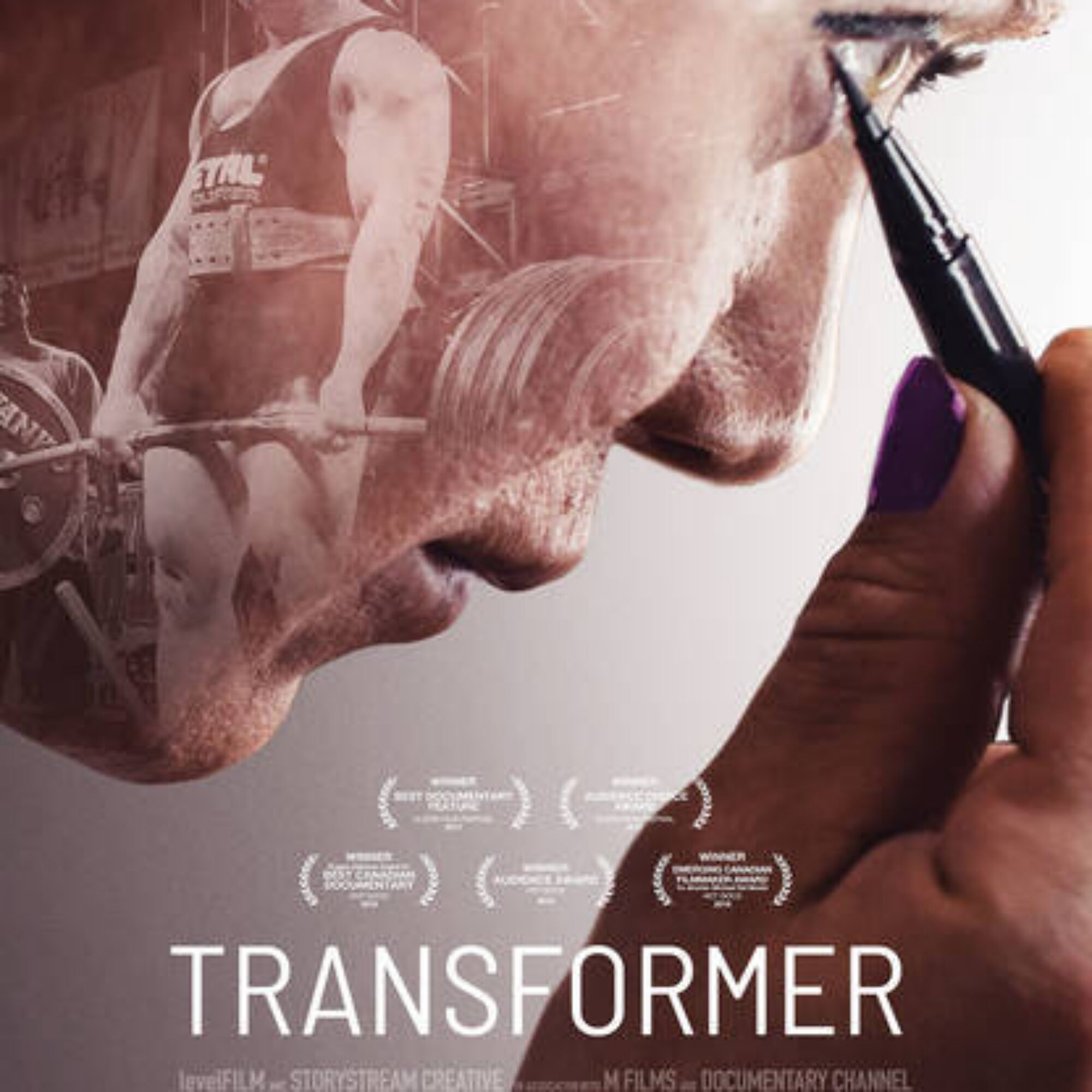
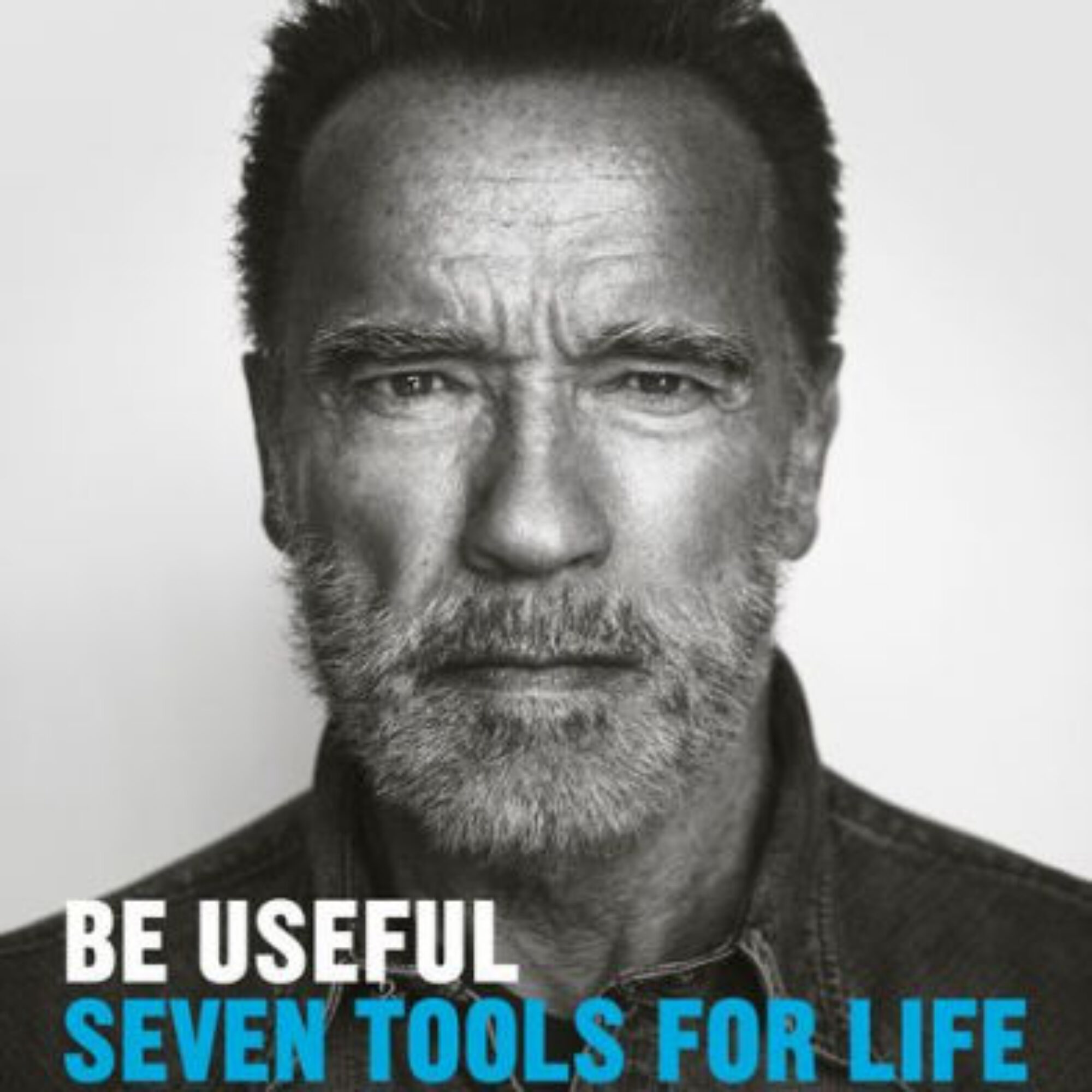
This week I finished: Be Useful: Seven Tools for Life, by Arnold Schwarzenegger: I got this book expecting something to pass the time and got much more. Maybe it's just me, but I find it easy to forget how Arnold Schwarzenegger is just a regular person like you and me who has achieved a lot. He isn't lucky. He wasn't born rich. He didn't have any special advantages. He isn't a robot from the future with superhuman powers. He's disciplined. He has vision. He persists. He learned how to work with people, manage emotions, acknowledge his weaknesses, and more. As a result of these things and more he's achieved greatness in several areas of life where many of us would consider ourselves outstanding if we…

0 Comments

Want quality? Start with the corners nobody notices.

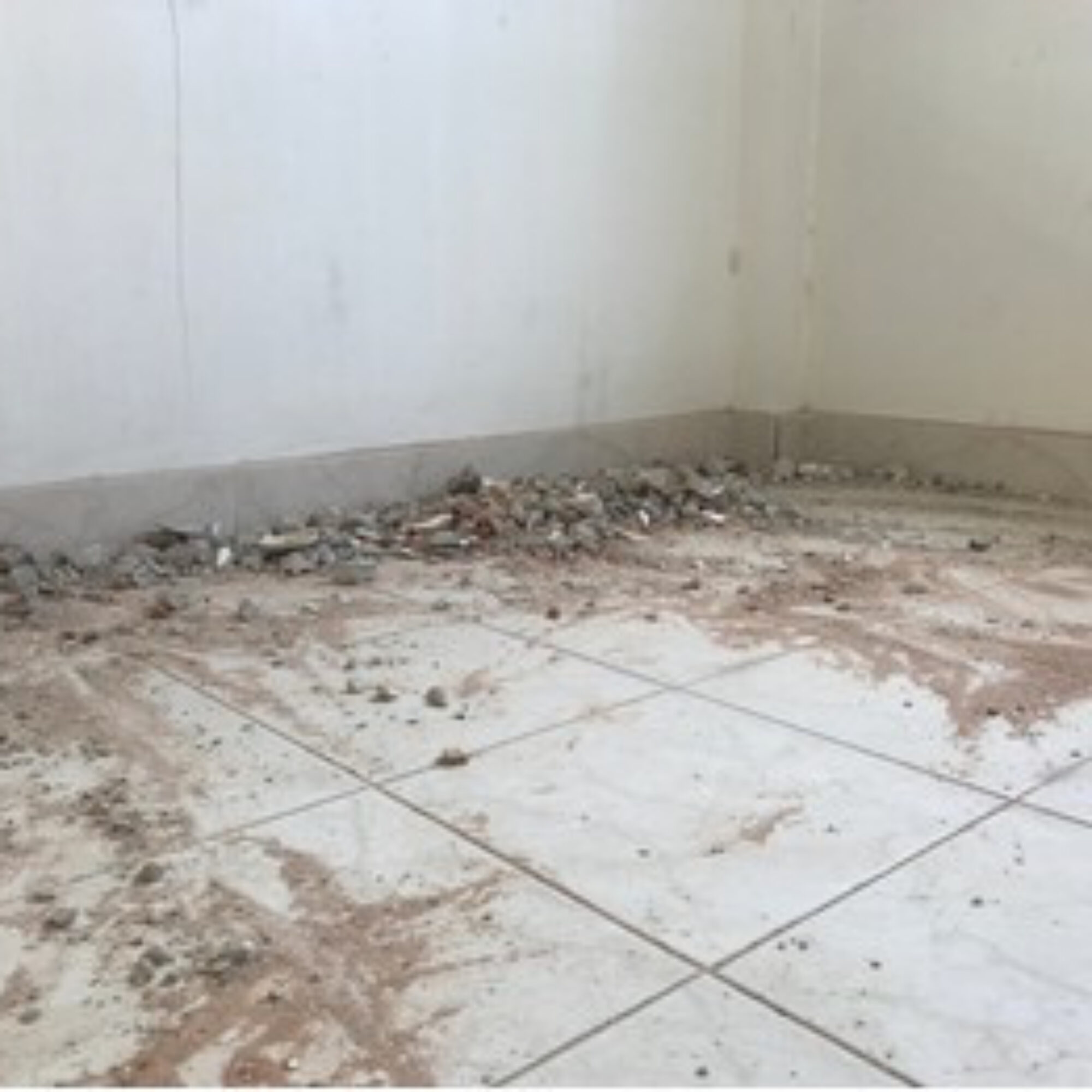
When I mopped, I used to think I should start with the middle of the floor. That's where I spend the most time and the saw the most. I've included mopping in My sidchas, standard operating procedures, and preferences on one day of my six-day exercise cycle, meaning I haven't skipped or missed mopping every sixth day for years. Performing a task with a measure of quality teaches a lot internally and externally. I've learned to start with the corners and out-of-the-way or not-visible areas. Then the middle takes care of itself. If I start with the middle, the corners accumulate dirt. I'm not just talking about mopping floors. I'm talking about any performance-based field. Actually, any art. An artist who cares and who has…

0 Comments

This week’s selected media, October 27, 2024: The Cost of Discipleship

This week I finished: The Cost of Discipleship, by Dietrich Bonhoeffer: Two podcast guests created works on Dietrich Bonhoeffer. Eric Metaxas wrote a book on him. Martin Doblmeier created a documentary. I confess (no pun intended) to have learned about him only recently, but everyone who knew about him valued his influence on their lives. Learning about him as a Lutheran helped me understand things about my mom, who was raised Lutheran. At least I think it did. People are complex. It was time to go to the source: his words. I'd never read anything like this book. He analyzed and assembled an understanding of the Bible to a degree and with thoroughness I'd never seen. I couldn't help reading it knowing he would within…

0 Comments

This week’s selected media, October 20, 2024: Serpico, The Road

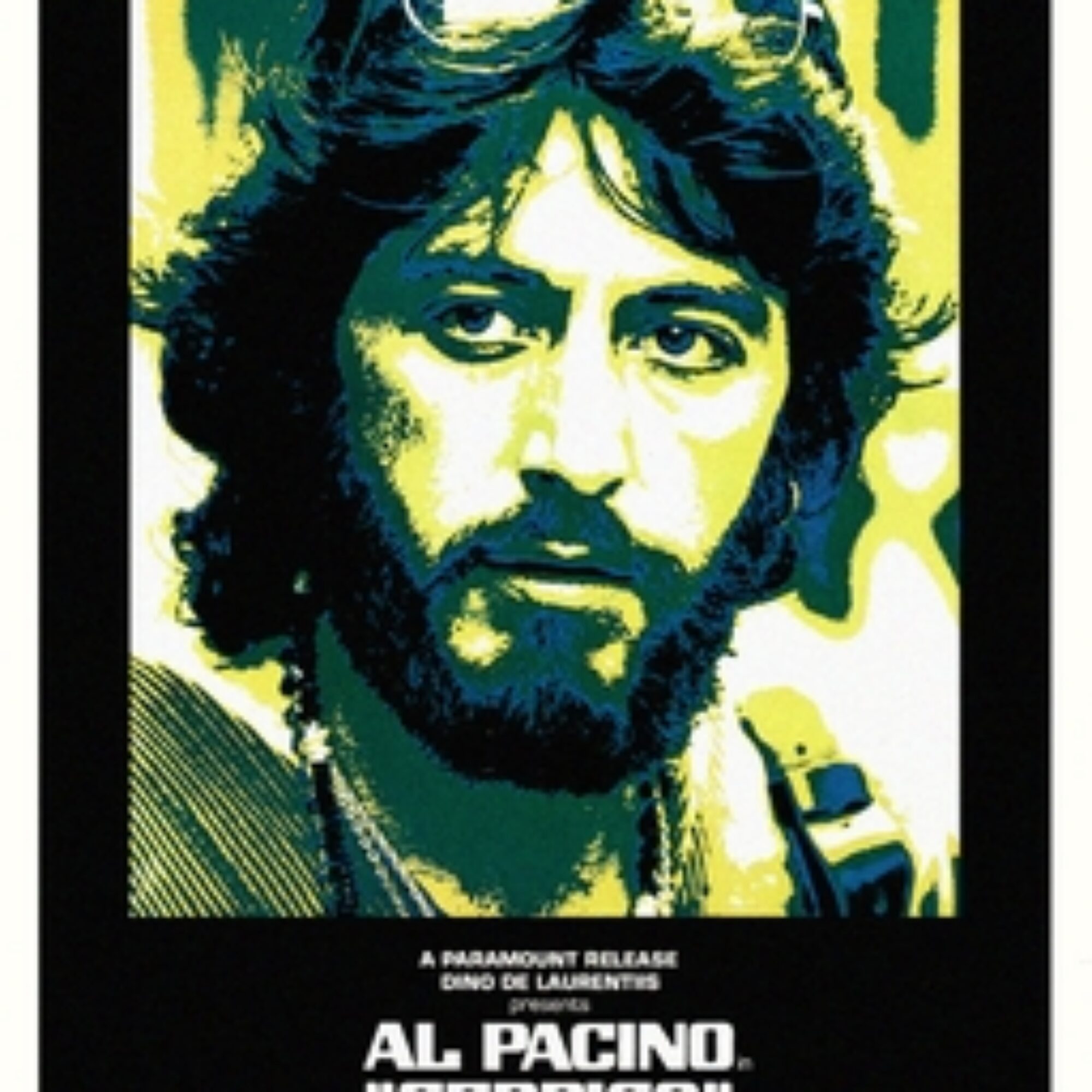
This week I finished two great works: Serpico, by Sidney Lumet starring Al Pacino about Frank Serpico: I watched this movie again since starting volunteering as an auxiliary, not that I see anything like what this movie covers. Before commenting on the content, Pacino's acting made watching the movie watching him. He didn't upstage others. He just played the role masterfully. On par with Pacino's acting is the story of Frank Serpico and its relevance to my work. Serpico found the NYPD systemically corrupt to the highest levels. When you live in a corrupt culture, it's easier to follow culture than to stick with what you believe is right. In a community where everyone is corrupt, people ask “Who can trust a cop who doesn’t…

0 Comments

Environmentalism, Coercion, and Authoritarianism

Interviewers often ask "If you were a benevolent dictator, what would you do to solve our environmental problems?" They all frame sustainability as something you have to convince people to do or use coercive, authoritarian tools like passing laws that don't yet have popular support. I identified a big fork in the path of people promoting sustainability. It comes if you've found, as I have, that the more you live sustainably, the more you improve your life, family, community, nation, etc, versus if you believe acting more sustainably means burden and worsening your life, family, community, nation, etc. If you think living more sustainably makes people's lives worse, you have to become a better dictator. If you think living more sustainably improves people's lives, you…

0 Comments

This week’s selected media, October 13, 2024: Sustainability Simplified and Lifegasm

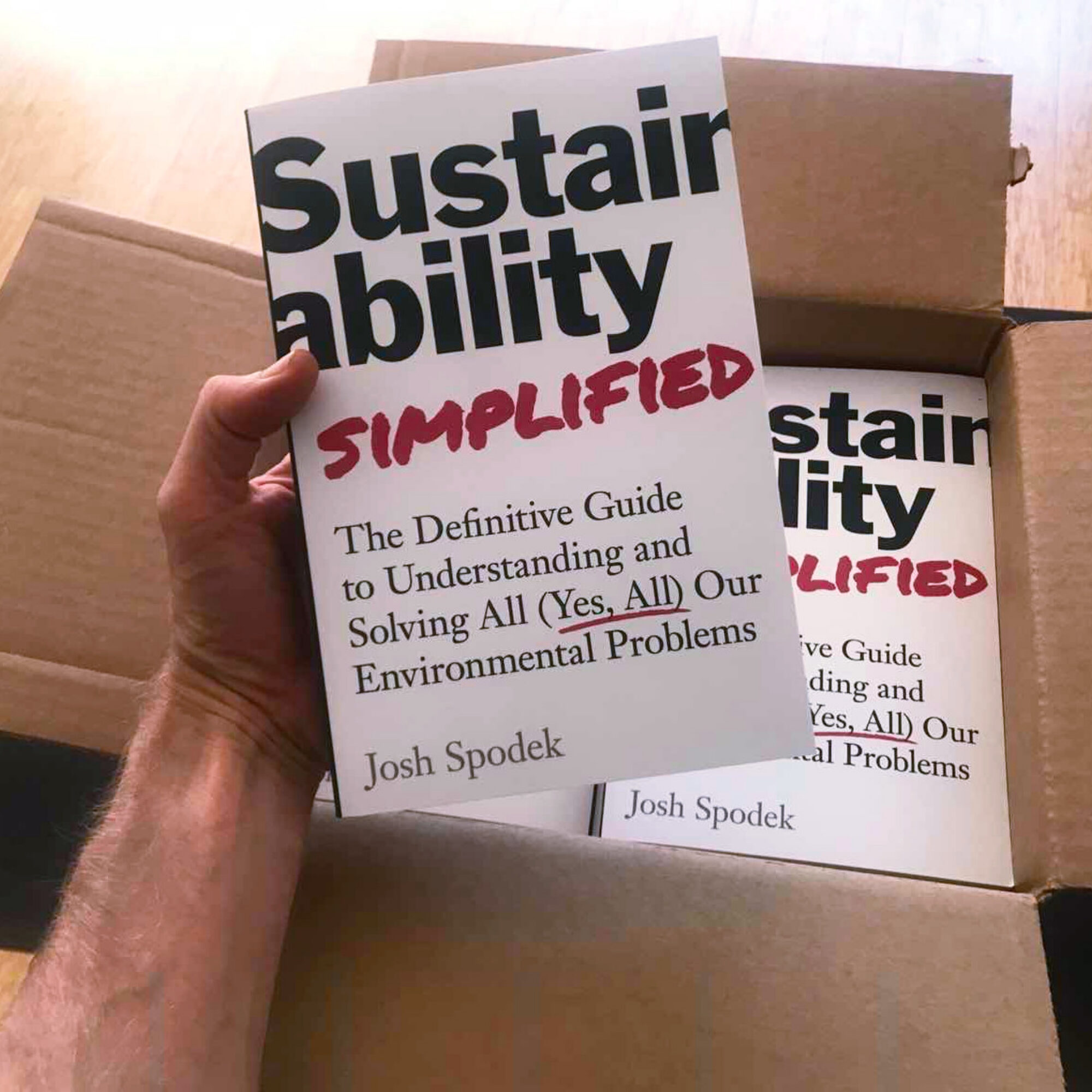
This week I finished: Sustainability Simplified: The Definitive Guide to Understanding and Solving All (Yes, All) Our Environmental Problems, by (me) Josh Spodek: The copies below are called "advanced reader copies" or ARCs in publishing. They're proofs that may still be edited, printed early for people in the industry, like journalists, bookstores, and podcasters. Still a milestone to hold a printed copy in my hand. Several rounds of proofreading has led to my reading every word several times in the past few weeks. I'm biased, but I find it excellent reading. As one endorser wrote, "This book is a masterpiece." The back cover: Lifegasm: Marshall's Promise, by Evelyn Wallace: Hosting the This Sustainable Life podcast has led me to meet and befriend many authors, including…

0 Comments

This week’s selected media, October 6, 2024: A Short History of Reconstruction, On the Waterfront, The Plow That Broke the Plains

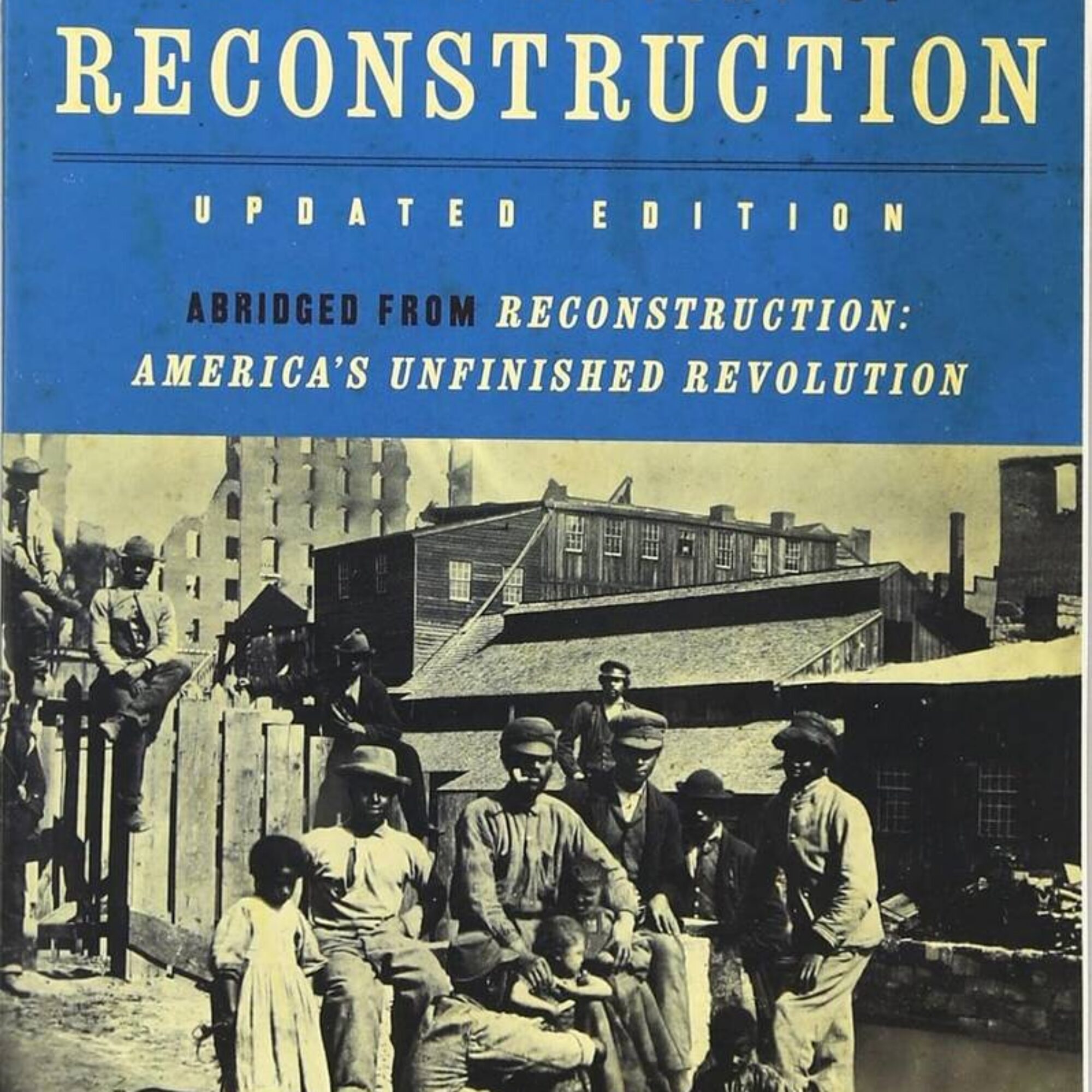
This week's first two works were masterpieces whose relevance to our world taught me about us and our times: A Short History of Reconstruction [Updated Edition], by Eric Foner: I remember classmates talking about Professor Foner's class as being one of the great classes when I was in college and he taught at Columbia. I watched and posted a bunch of his videos in Diving into Eric Foner Talks. I spoke to him in person at an event with podcast guest Jim Oakes at NYU's law school a couple years ago. This was my first book of his about Reconstruction, following up podcast guest Manisha Sinha's book on Reconstruction. She studied with Foner. This book is masterful. It's accessible. It starts by describing an old…

0 Comments

This week’s selected media, September 29, 2024: Teaching White Supremacy, Woke Inc

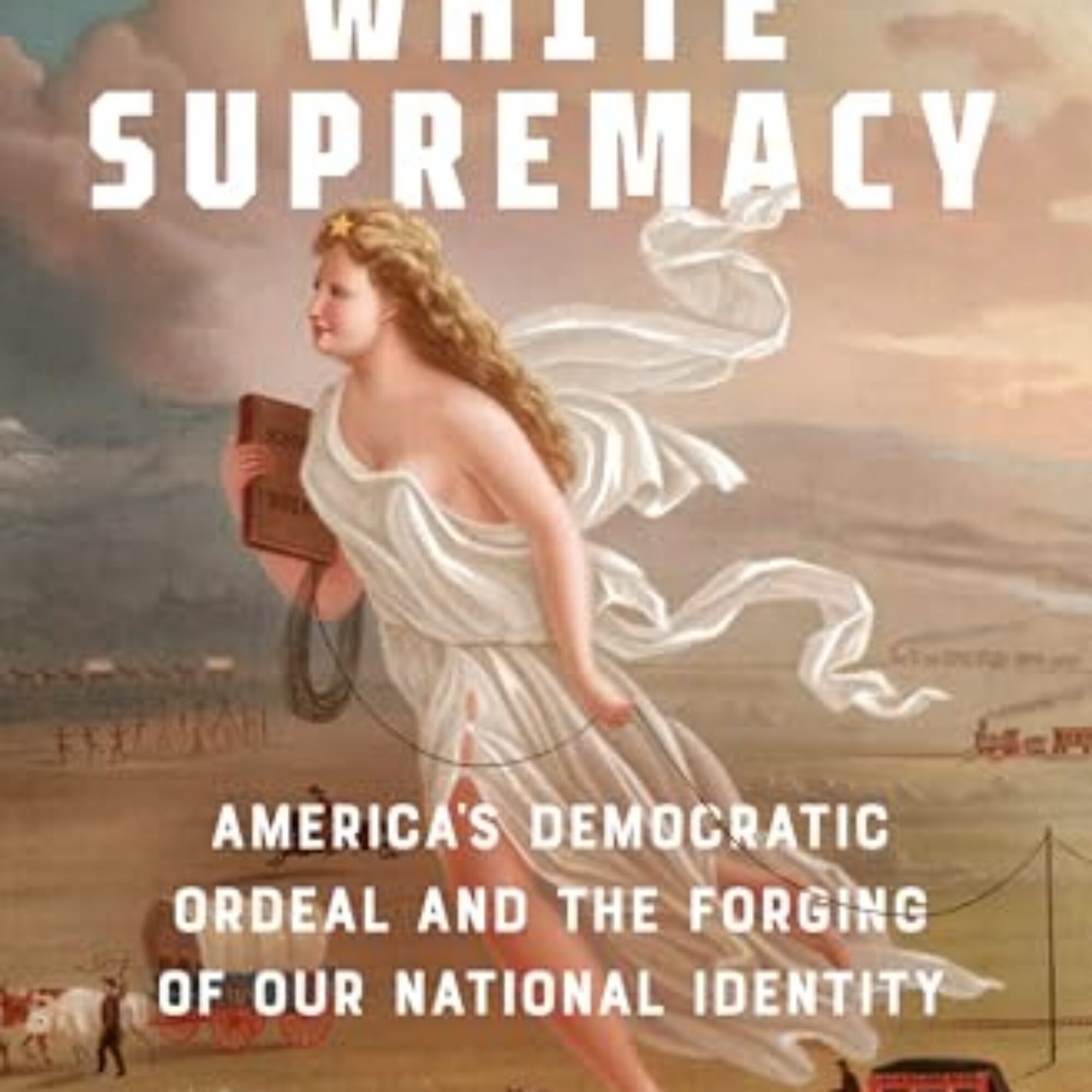
This week I finished: Teaching White Supremacy: America's Democratic Ordeal and the Forging of Our National Identity, by Donald Yacovone: I was curious about this book. I watched a few of the author's talks. He reviewed American history textbooks and found they promoted white supremacy. I'm glad I read it since I learned yet more about this country's inequality. He covered a lot of history, but like the 1619 Project and White Fragility, he doesn't understand the cause of dominance hierarchies so he keeps assigning to whiteness what skin color doesn't cause. Racism didn't cause slavery, slavery caused racism, and whiteness didn't cause slavery, material conditions did. I have to write a book on racism at some point to clarify this common misunderstanding. I have…

0 Comments

This Week’s Selected Media, September 22, 2024: The Worst Hard Time, Leading Marines, Warfighting

This week I finished: The Worst Hard Time: The Untold Story of Those Who Survived the Great American Dust Bowl, by Timothy Egan: This book follows up Cadillac Desert. Both recount Americans believing themselves independent, especially of government, settling/colonizing new territory. They believed they could dominate nature. They believed their science and technology would enable them to do new things. They believed more people solved more problems. Then nature didn't behave how they predicted. They end up asking for government support that helps them but never ends. They don't reflect on what caused their problems, in this case nearly a decade of deadly dust storms blowing topsoil away from multiple states worth of land. The book is compelling and engaging. I recommend it for a…

0 Comments

This week’s selected media, September 15, 2024: The Alternative

This week I finished: The Alternative: How to Build a Just Economy, by Nick Romeo: I had heard about Mondragon, the cooperative in Spain, a while ago. I told a friend who recently moved to Barcelona about it. She found Nick Romeo's New Yorker article on it, which led me to look at his other articles, which led me to his book. The book compiles a lot of those articles. I sometimes describe a difference between physics and economics: when a theory in physics makes a prediction and nature does something different, physicists say the theory is wrong. when a theory in economics makes a prediction and nature does something different, economists say nature is wrong. I think Romeo would agree not with the literal…

0 Comments

This Week’s Selected Media, September 8, 2024: An Iron Wind

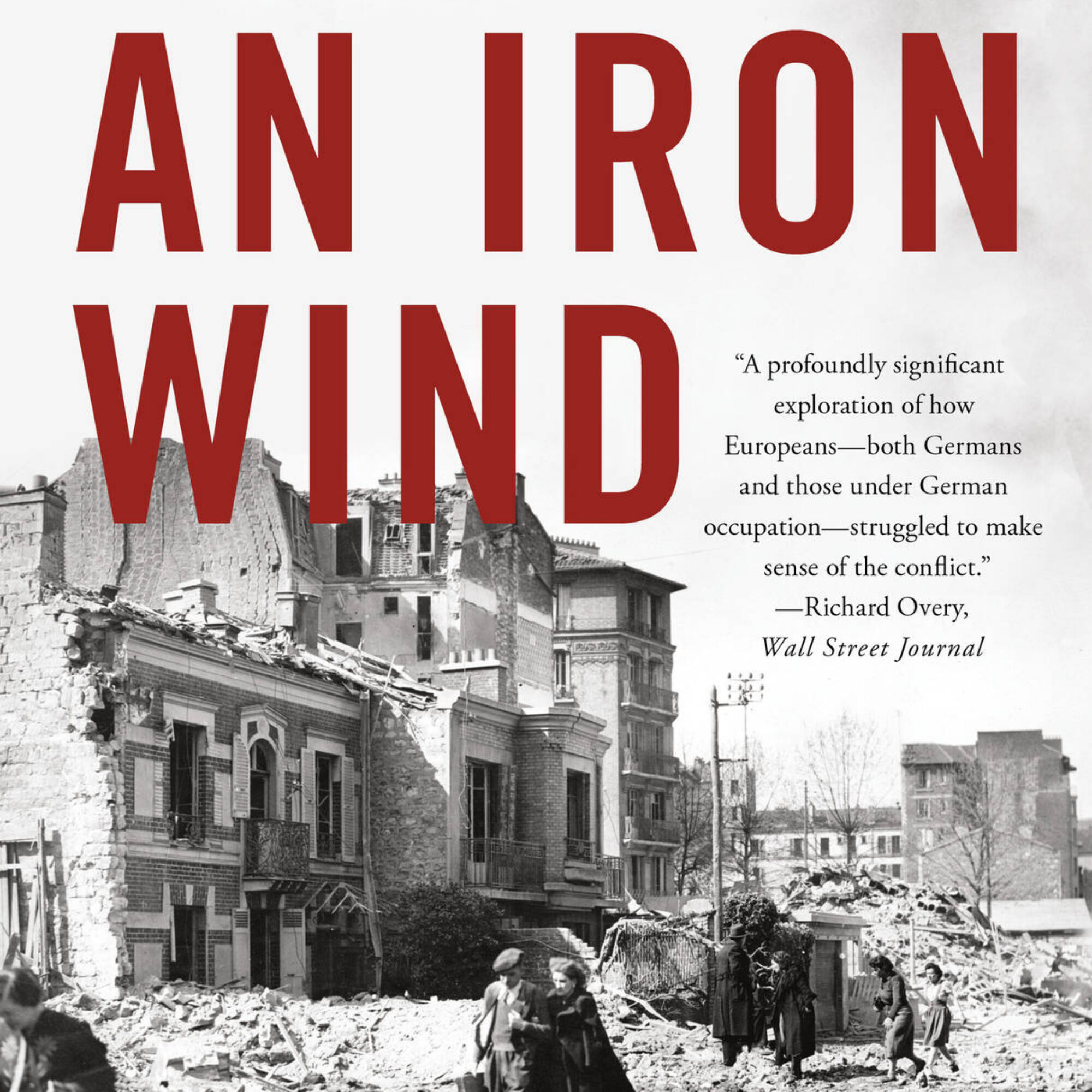
This week I finished: An Iron Wind: Europe Under Hitler, by Peter Fritzsche: This book recounted life during 1939-45, mostly in Paris, Warsaw, and Switzerland. I got it because I'm interested in learning how people and cultures rationalize and justify acting against their values. The book delivered, though people's internal psychology wasn't its main point. Still, it talked about how citizens of occupied countries knew what the Nazis were doing with Jews, but focused on their concerns. They separated themselves. On the other hand, it didn't treat to what extent the Nazis planned and successfully made resistance too risky and costly. What would anyone do when any resistance could mean death? You may be partly enraged that, say, Jean-Paul Sartre describes the French as resisting…

0 Comments

This week’s selected media, September 1, 2024: White Fragility and House Gods

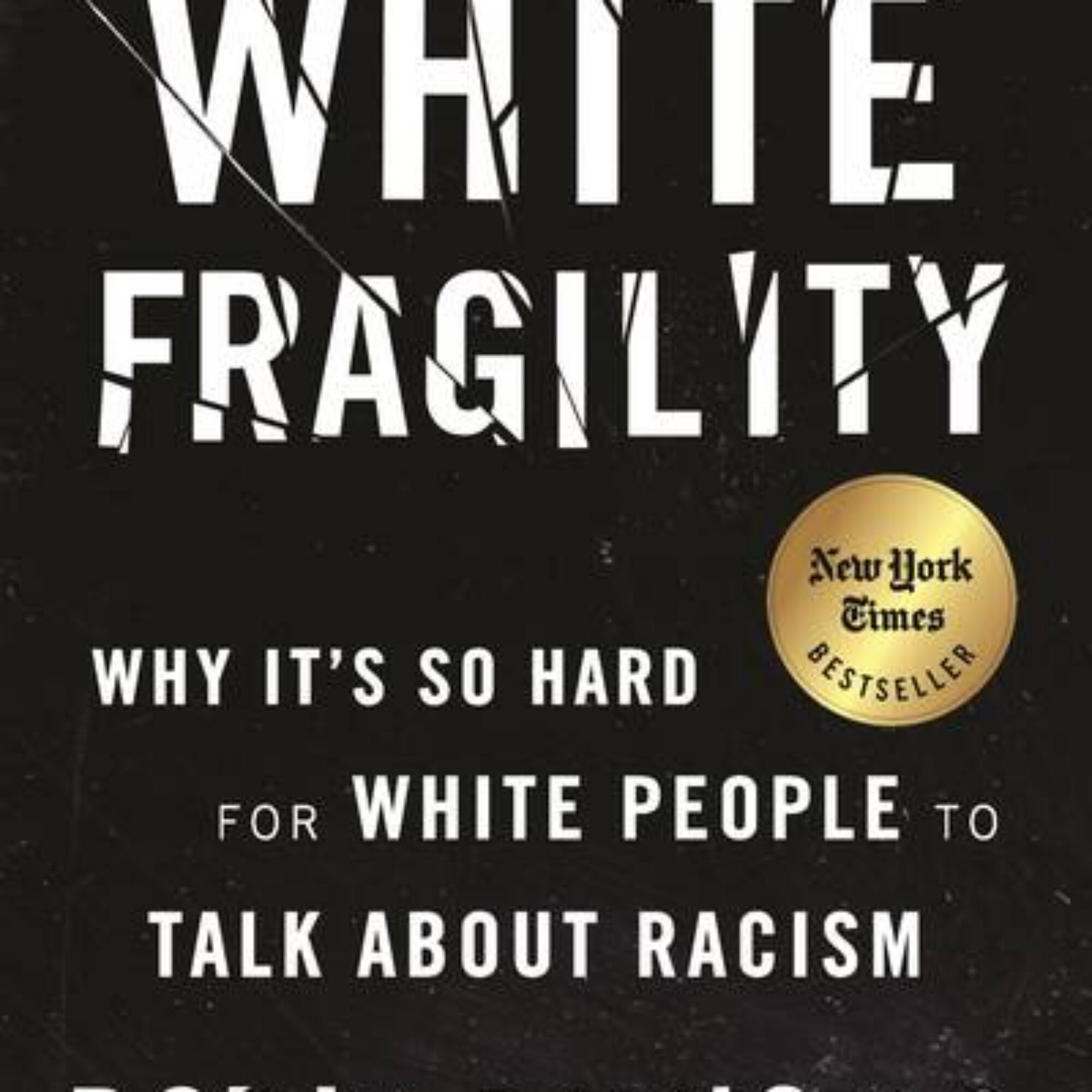
This week I finished: White Fragility: Why It's So Hard for White People to Talk About Racism, by Robin DiAngelo: After watching the video I mentioned of DiAngelo speaking, I had to finish the book, not just skim it. She doesn't understand what causes racism so she can't attribute it to its causes. Instead she grasps at what she can, no matter how inaccurate or how much she exacerbates the problems she purports to solve. White people can do no good in her view except to acknowledge they benefit from racism but can never understand it or overcome it. Black people can do know wrong in her view. Only they can truly understand racism, she implies. White people just can't. I think she just wants…

0 Comments

This week’s selected media, August 25, 2024: Behind the Beautiful Forevers: Life, Death, and Hope in a Mumbai Undercity

This week I finished: Behind the Beautiful Forevers: Life, Death, and Hope in a Mumbai Undercity, by Katherine Boo: Engaging, intimate, researched, poignant. It's hard to imagine it was written by an American, not someone who lived there. This book recounts a period in a Mumbai slum from the perspectives of a few of its residents. Their lives interact. The global economy affects them. Some things they can control, others they can't. In some ways they're savvy, in others they're ignorant and helpless. Their lives are different than those of anyone I know, yet they're human. In my case, my dad lived in India for many years, in Ahmedabad, Gujarat. He took us to working class neighborhoods he knew longtime friends in that might have…

0 Comments

This week’s selected media, August 18, 2024: Educated, 1619 Project responses

This week I finished: Educated, by Tara Westover: I didn't know about this book except seeing the cover in bookstores and the library. I looked it up and saw how many people and institutions put it on their "best of" lists. I found it riveting. I almost couldn't believe someone lived through it. I read it toward the end of my first year since my father died. That year brought me introspection, reflection, listening to others talk about their fathers, and sharing my relationship with my father, which regular readers may have picked up from my description of Sebastian Junger's In My Time of Dying. Tara Westover's experience blows away the experience of anyone I've spoken to or nearly I can think of. Her resilience…

0 Comments

This Week’s Selected Media, August 11, 2024: The Counterrevolution of Slavery, The 1619 Project

This week I finished: The Counterrevolution of Slavery: Politics and Ideology in Antebellum South Carolina, by podcast guest Manisha Sinha: A comprehensive and thoroughly researched review of how slaveholders thought from around 1820 to secession. The book prompted my recent post about how we study Lincoln and abolitionists because we want to be like them or at least have them as role models. We would help ourselves to learn about slaveowners because we are more like them than most of us would like to believe. No matter our skin color or ancestry, regarding sustainability and how we rationalize and justify our cruelty, they are our behavioral ancestors. Recall that polluting and depleting create orders of magnitude more suffering and death than slavery did and is…

0 Comments

This Week’s Selected Media: The Rise and Fall of the Second American Republic: Reconstruction, 1860-1920

This week I finished: The Rise and Fall of the Second American Republic: Reconstruction, 1860-1920, Manisha Sinha: From the author of The Slave's Cause: a History of Abolition, winner of the Frederick Douglass Book Prize and other awards, and one of my undergraduate teachers. Like The Slave's Cause, this book is encyclopedic in detail and being comprehensive. It treats the Civil War and Reconstruction as a different period, as the title suggests. I confess I knew little about this period in American history, so can't speak to how this view compares with the old one. A big point, as I understood it: Reconstruction didn't fail. A counterrevolution against the new republic of authoritarianism and racism defeated it. It covers many aspects of the revolution restoring…

0 Comments

Calling the other side “a new religion” demeans yourself

Often I hear a someone say their opponents form a new religion, implying the other side doesn't think through their beliefs or come up with them on their own. They just believe what they're told to. Anyone can lob that grenade at anyone they disagree with. From anyone's perspective, anyone with different beliefs or values seems ungrounded. To call the other side "a new religion" just shows the speaker lacks empathy and understanding. Sadly, they may garner support from their own side, lowering mutual understanding in favor of tribalism. If you ever call your opponent a new religion, I suggest you demean yourself in the process. If anyone says it of you, I suggest you point out they demean themselves.

0 Comments

This Week’s Selected Media: July 21, 2024: Planet of the Humans and American Fiction

This week I finished: Planet of the Humans, written, directed, and produced by Jeff Gibbs, executive produced by Michael Moore: I watched this movie in 2020 when they released it on YouTube. I remember thinking that solar and wind might not be perfect, but they're better than fossil fuels. Before saying my reaction this time, I should mention after watching it this week, I read, watched, and listened to about a dozen reviews, articles, and interviews about the movie. At least a third were critical, such as having "debunked" in the title. Many researched the movie's numbers. In many details the movie seemed misleading. For example, pointing out the electric vehicle got power from the grid, but the grid got its power from coal misrepresents…

0 Comments

This Week’s Selected Media, July 14, 2024: Make Your Bed, A course in packaging toxicity, The Dred Scott of Our Time, No god But God

This week I finished: Make Your Bed: Little Things That Can Change Your Life…And Maybe the World, by Admiral William H. McRaven: I saw the video of McRaven's commencement speech to the University of Texas years ago. It resonated with me because My sidchas, standard operating procedures, and preferences include waking up, making my bed, and crossing the room to turn off my alarm within sixty seconds. Also, I had just finished the long book at the bottom of this page, No god But God, so wanted a short book. I finished this one in an afternoon. I recommend it. Loosely, the structure was that he'd describe learning a lesson in Navy SEAL training, then how it applied in practice, often a life-or-death situation. It's…

2 Comments

This Week’s Selected Media, July 7, 2024: Not Just Bikes and Strong Towns course, Stolen Focus

This week I finished: The joint course in urban planning between the video series Not Just Bikes (hosted by podcast guest Jason Slaughter) and Strong Towns: I can't recommend Not Just Bikes or Strong Towns enough. If you live in an American city, know and act on these resources. The course comprised nine videos (I think I counted right) plus dozens of articles. They repeated a fair amount, but you'll never look at cars, highways, stroads, suburbs, congestion, growth, or many parts of American history and culture again. Stolen Focus: Why You Can't Pay Attention--and How to Think Deeply Again: by Johann Hari: Hari writes well and covers many reasons why we can't pay attention, or rather why corporations and greedy businesspeople steal our focus…

0 Comments

Giving up on sustainability is a permanent solution to what could be a temporary problem

I heard someone talking about suicide describe it as a permanent solution to a temporary problem. I looked it up and it seems a well-known concept. Many people seem to have given up on trying to live more sustainably or sustainability in general. We can solve it. Dropping your impact over ninety percent, if done with the right mindset, will improve your life. Combining it with having at most two kids and sharing the improvement with others, and we can reach sustainability soon. There's no reason to give up. There's tons to look forward to. Sorry to break it to you, but you already knew you and everyone you love would die. We don't have to reach nirvana or heaven for success, only to reach…

0 Comments

End of content

No more pages to load