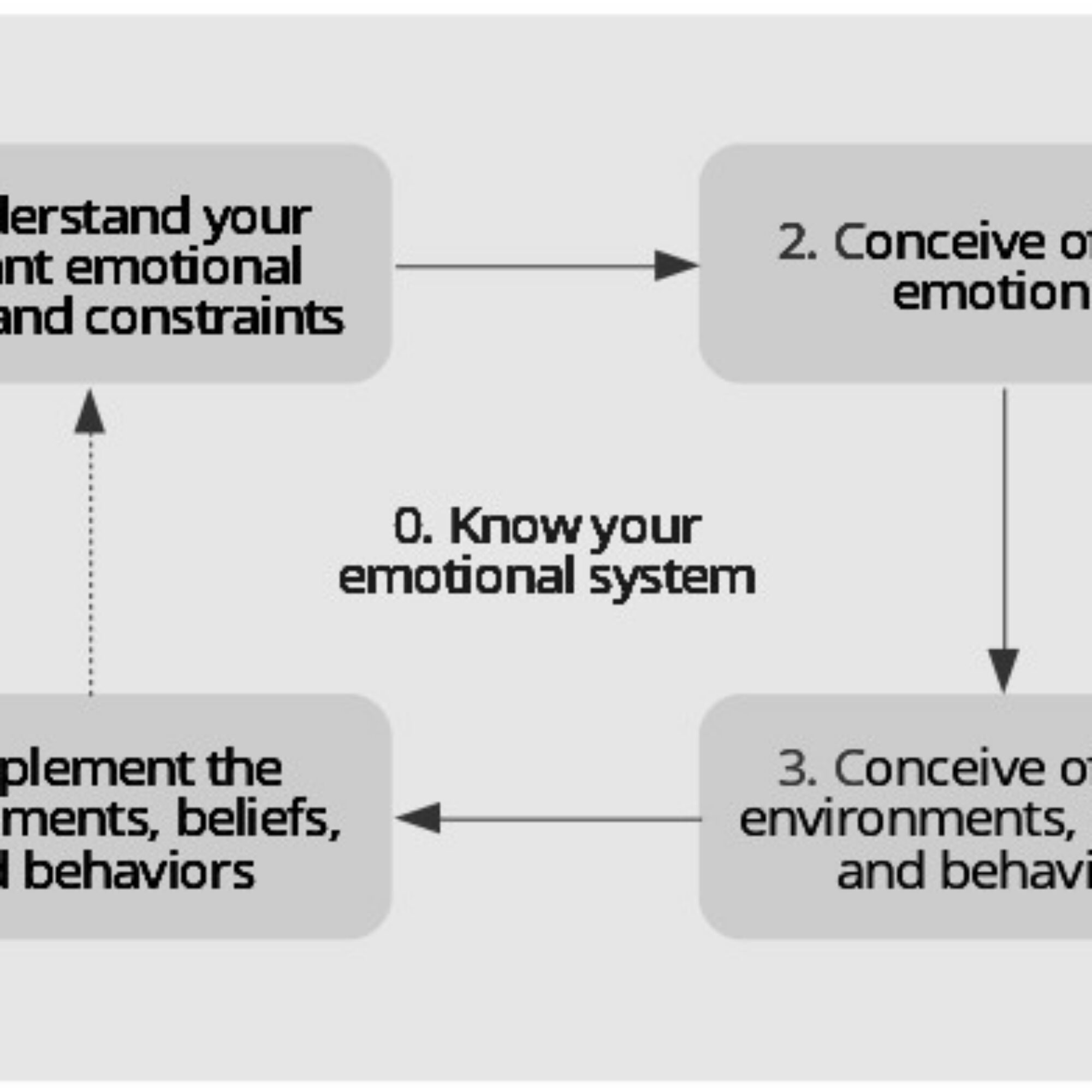
A model and strategy to lead people so they appreciate and thank you for being led

[This post is part of a series on "Mental models and beliefs: an exercise to identify yours." If you don't see a Table of Contents to the left, click here to view the series, where you'll get more value than reading just this post.] Want to know a great way to lead people so they appreciate that you led them? Today's model and strategy show how. Often they'll thank you and look forward to being led again by you later. Note that it works when you and they both care about the goal. It may not work on projects that they have no internal motivation to work on. The first few times you do it, it may seem mechanical, but if you pay attention, you'll…

0 Comments

A model of emotional intelligence and self-awareness

[This post is part of a series on "Mental models and beliefs: an exercise to identify yours." If you don't see a Table of Contents to the left, click here to view the series, where you'll get more value than reading just this post.] What is self-awareness? What is emotional intelligence? Everybody I know agrees that improving them improves your life and ability to lead yourself and others. "Know thyself," a basic instruction for improving yourself that has stood the test of thousands of years, means improving self-awareness. Yet few people can define either of these terms effectively. Today's model explains them both. A model for emotional intelligence and self-awareness First, some basics I'll take for granted. You have a head and body. You breathe.…

0 Comments

A few models that don’t improve your life that effectively

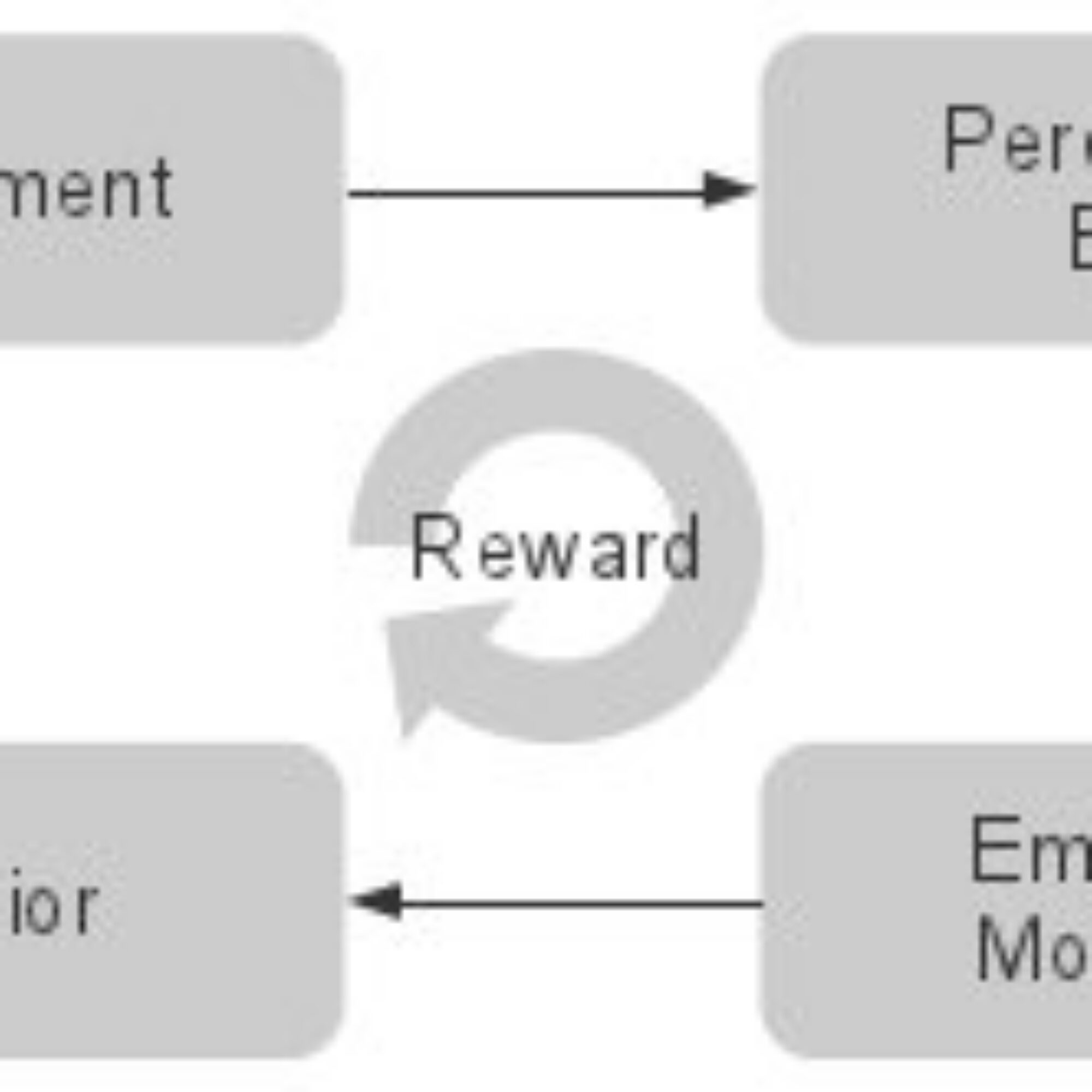
[This post is part of a series on "Mental models and beliefs: an exercise to identify yours." If you don't see a Table of Contents to the left, click here to view the series, where you'll get more value than reading just this post.] I wrote about The Method being an effective way to improve your life and, when applied to a team, to improve your leadership style. Based on the Model, The Method says that if you align your environment, beliefs, and behavior with the emotions you want, you'll feel emotional reward. Feeling reward means you'll feel motivated to continue your change through to completion. Most people don't know the Model or follow the Method. They use techniques that can work, but generally not…

0 Comments

A model that will bring you happiness

[This post is part of a series on "Mental models and beliefs: an exercise to identify yours." If you don't see a Table of Contents to the left, click here to view the series, where you'll get more value than reading just this post.] Wouldn't it be nice to have something that will make you happy, no matter what's going on? Today's belief came from observations. It almost always happens. I mean, sometimes I'm too unhappy or stressed for it to work, but almost always. A model that brings me happiness: If I'm enjoying good food at a table with good friends, I'm in a good mood. Today's post isn't deep. I just found that sitting around a table with friend enjoying a meal I…

0 Comments

A model that explains why your enthusiasm when planning disappears when doing

[This post is part of a series on "Mental models and beliefs: an exercise to identify yours." If you don't see a Table of Contents to the left, click here to view the series, where you'll get more value than reading just this post.] Scene 1: You plan something big. You're excited. You know there will be challenges, but you also know you'll overcome them. You will do what it takes no matter what. Scene 2: You started the project but it petered out. You don't know what happened to that feeling of invincibility, but it's gone. What happened? How did you lose your motivation? Why didn't your willpower work? Today's model answers. A model that explains why your enthusiasm when planning disappears when doing :…

0 Comments

A model to keep you from being manipulated by the media

[This post is part of a series on "Mental models and beliefs: an exercise to identify yours." If you don't see a Table of Contents to the left, click here to view the series, where you'll get more value than reading just this post.] Does reading or watching the news enrage you? Does it depress you? Make you feel outraged or helpless or scared? As much as the news media presents itself as something you need to participate as a citizen in society, they always have at least this goal: to sell more ads. They can separate the news from the business section all they want, but everyone knows what sells. Walk into any newsroom and they'll tell you they have to make an emotional…

0 Comments

A model to handle pain

[This post is part of a series on "Mental models and beliefs: an exercise to identify yours." If you don't see a Table of Contents to the left, click here to view the series, where you'll get more value than reading just this post.] Does pain make you miserable? I like the phrase "Pain is inevitable, suffering is optional." It says that pain doesn't have to make you feel bad emotionally. How you respond to pain is what makes you feel emotionally bad, and you can control that response. I prefer to say it more broadly. A model to handle pain: Pain isn't bad. Most people understand the value to their lives of physical pain. Our bodies can be damaged and pain motivates us to…

0 Comments

A belief to help you let go when you want to

[This post is part of a series on "Mental models and beliefs: an exercise to identify yours." If you don't see a Table of Contents to the left, click here to view the series, where you'll get more value than reading just this post.] People say "You should just let it go" all the time. Are you able just to let go of important things? Personally, I never could. I don't think many people can. Yet I've been able to achieve the same effect. Today's model covers how I've achieved it for myself, at least. I don't claim to have made up this model -- only that it works. A model to help you let go: I can't let ideas go, but I can crowd…

0 Comments

A model to help create the life and relationships you want

[This post is part of a series on "Mental models and beliefs: an exercise to identify yours." If you don't see a Table of Contents to the left, click here to view the series, where you'll get more value than reading just this post.] Do you want an awesome life filled with things you love or do you want a crappy life filled with things you dislike and hate? I'd consider today's belief too simple and obvious to post except that so few people seem to get it. At least they don't live consistently with the strategy it suggests. A model to help create the life and relationships you want: You get good at feeling and expressing the emotions you practice and express. Today's belief, that…

0 Comments

A model to remove limits from your life

[This post is part of a series on "Mental models and beliefs: an exercise to identify yours." If you don't see a Table of Contents to the left, click here to view the series, where you'll get more value than reading just this post.] Do you want an okay life? Do you want limits on how much you can get out of life? Or do you prefer to have no limits on how much you can get out of life? Remember from two days ago that the value, meaning, importance, and purpose (MVIP) of a thing comes from the emotions it evokes. Remember from yesterday that you can create reward any time any place. It follows that you can create more reward all the time,…

0 Comments

A model to find reward anywhere, anytime

[This post is part of a series on "Mental models and beliefs: an exercise to identify yours." If you don't see a Table of Contents to the left, click here to view the series, where you'll get more value than reading just this post.] Do you ever find yourself frustrated, impatient, disappointed, anxious, or feeling some similar emotion and wish you could not feel it? Do you wonder how some people can keep calm or at least not lose control in situations more difficult than you can and wish you could too? Do you want to know how to handle yourself in situations you don't like and can't control? Today's model derives from the Model. If you get the Model, it will be obvious. I'll…

0 Comments

A model of where value, meaning, importance, and purpose come from

[This post is part of a series on "Mental models and beliefs: an exercise to identify yours." If you don't see a Table of Contents to the left, click here to view the series, where you'll get more value than reading just this post.] You hear about values-based leadership, living based in their values, giving meaning to their teams, having meaning in their lives, having purpose in their endeavors. If I asked you your values, you could probably mention your family, projects, friends, making the world a better place, security, and a few things like that. If I asked what gave you meaning or purpose or what was important, you'd probably give a similar list. You might not list money or television, but many people…

0 Comments

A model to implement the answers to all of life’s most important questions

[This post is part of a series on "Mental models and beliefs: an exercise to identify yours." If you don't see a Table of Contents to the left, click here to view the series, where you'll get more value than reading just this post.] Putting into practice the answers to all of life's most important questions -- that is, the Model -- may seem like a tall order, but I've written up how to do it. I call the process the Method. If you worked with the Model long enough, you'd probably develop the Method yourself, but why not learn from my mistakes and get farther with less effort? A model to implement the answers to all of life's most important questions: The Method I've written…

0 Comments

A model that answers all of life’s most important questions

[This post is part of a series on "Mental models and beliefs: an exercise to identify yours." If you don't see a Table of Contents to the left, click here to view the series, where you'll get more value than reading just this post.] Answering all of life's most important questions is a tall order, but if you've read this web page long, you know the value I put on the Model, my model for human motivations and emotions. The Model forms the foundation of what I consider the best way to view and live life. A model that answers all of life's most important questions: The Model If you haven't read my series on the Model, I wrote about it at length. I put a…

0 Comments

A model to enjoy things more and promote future success

[This post is part of a series on "Mental models and beliefs: an exercise to identify yours." If you don't see a Table of Contents to the left, click here to view the series, where you'll get more value than reading just this post.] Today's model is simple. It helps you enjoy things more. I'm going to state it very simply about something I like a lot, but it generalizes to everything in life that you like. And the more you use it to enjoy things more, the more you bring things into your life you enjoy. And you can use it with emotions other than joy. Anything you like. I find the model works especially well in improving relationships. I'll explain why in a…

0 Comments

A model to rid your life of guilt and blame in favor of getting things done

[This post is part of a series on "Mental models and beliefs: an exercise to identify yours." If you don't see a Table of Contents to the left, click here to view the series, where you'll get more value than reading just this post.] Do you get that guilt and blame don't help your life but you can't stop yourself from blaming others sometimes and feeling guilty other times? Do you wish you could get over feeling guilty for things you can't change? Do you want to stop getting into arguments and losing friendships over blaming them? Today's model almost completely removed my habit of blaming others and of blaming myself, which led to guilt. I wrote about this topic at length about two years…

0 Comments

How to win an NBA championship if you’re a 66-year-old grandmother

[This post is part of a series on "Mental models and beliefs: an exercise to identify yours." If you don't see a Table of Contents to the left, click here to view the series, where you'll get more value than reading just this post.] Today's post illustrates yesterday's model instead of introducing a new one. It's one of my favorite illustrations from my leadership seminar. It shows that with flexibility in your beliefs and understanding your emotions you can bring anything to your life that anyone else can bring to theirs. Winning an NBA championship Say you want to win an NBA championship. What exactly do you want? It's not possession of the trophy, which is just a physical object. It's not even necessarily to…

0 Comments

My experience doing yesterday’s exercise and what it means to you

[This post is part of a series on "Mental models and beliefs: an exercise to identify yours." If you don't see a Table of Contents to the left, click here to view the series, where you'll get more value than reading just this post.] Since my results surprised me, I bet your results will surprise you when you do yesterday's exercise to record your beliefs (aka mental models or just models). First, the quantity. I felt like I had five or ten main models that I used a lot. I had about sixty or seventy. So the mental world I live in, from my mind's eye, is more complex than I thought. Next, how new they are -- that is, most of them aren't more…

0 Comments

We proved each other wrong… and right.

Sometimes being proved wrong improves your life. This story is one of them. Actually, my friend and I both proved each other wrong and it worked out well. If you've been reading this page, you know how much I value self-awareness and emotional intelligence. I've worked hard to develop resilience to feeling bad when things don't go my way. I like being able to stay calm under pressure. I have a great friend -- a borderline celebrity whose identity is important enough I can't mention it in this context -- but we've been friends for years. Why can't I mention her name? Because, and I don't think she'd disagree with me for saying this, she's crazy. When I met her she had been diagnosed with…

0 Comments

I felt miserable this morning. Then I got out of it.

[This post is part of a series on my daily exercise and starting and keeping challenging habits. If you don't see a Table of Contents to the left, click here to view the series, where you'll get more value than reading just this post.] How do you handle miserable days? I think today started like many people's does. I don't know how most people handle down days, but I'll share a typical case that I think could apply universally. People sometimes tell me I always seem in a good mood. I have to point to Marshall Goldsmith, his trademark phrase "Be happy now," and his practices that back it up as having inspired me to realize how much you can take control of your emotions.…

0 Comments

Choosing your beliefs; a life and death example

How would you like for your body to weaken for no reason and become unable to do simple things you once could; where you stumble and fall just jogging; to have your weakness on display to the world so everyone sees you deteriorate; then to find out your body will continue weakening until you can't use your arms and legs or any other muscles, and that you'll die in a few years? Would you feel lucky? Do you think you could if you wanted to? Lou Gehrig did. If you've never read or heard the speech he gave on retiring from baseball on July 4, 1939, you'll see his ability to create his beliefs at work. Some might say of course he feels lucky as…

0 Comments

The limits of what you can achieve

The changes you can make that will affect your life most are in your personal leadership skills -- how you perceive yourself, others, and your environment; how you manage conflict; how you influence yourself and others; and the other components of leadership. These changes will affect how you experience life more than external things like winning the lottery, where you live, etc, no matter how big they seem. In fact, if you don't change these things, you can win the lottery or any other big change and the important parts of your life won't change much. You might have a fancier car or bigger house, but they won't mean much more to you. You won't have more, fewer, or closer friends. You won't be more…

0 Comments

One way to help prevent unhappiness

When people feel unhappy or depressed they often stop doing things. They don't feel motivated to work or go out so they don't. You know how when you're happy, you tend to smile? Most people also know smiling makes you feel happier, at least for a moment. Forcing a smile won't solve all your problems, but we can build on what it demonstrates. Not only does emotion motivate behavior, but behavior influences mood. While brief behavior influences emotion briefly, longer term behavior influences emotion long term. To keep your mood stable, keep up your habits consistently. It may not make your life perfect, but it helps a lot. It gives you a solid platform to build the rest of your life on. I've written about…

0 Comments

Don’t be Walter: an example

Yesterday I wrote about the quintessential I'm-right-you're-wrong-and-I'm-going-to-convince-you-of-it-no-matter-what-it-takes situation with extreme escalation by Walter in the Big Lebowski. The last edit I made was to add the parenthetical comment in "What makes this clip so funny and brilliant (besides the movie's running jokes, like the Vietnam references) is...". I couldn't help but notice, if you don't look too carefully, that you could understand the Vietnam conflict from this perspective, with the United States political decision-makers as Walter. Read the archetype as I listed it yesterday with that conflict in mind. (Before you start to write to tell me how much I missed and how wrong I am, my point isn't to be right, just to give another perspective. See what you can learn from it.) You…

0 Comments

If you think you’re right and they’re wrong, you’re probably annoying someone, illustrated

Two years ago I wrote about a movie clip that illustrates how we feel when we feel we're right, the other person is wrong, and we have to convince them of it. https://joshuaspodek.com/wp-content/uploads/2013/02/The_Big_Lebowski_on_Right_and_Wrong_Versus_Not_Being_an_A-ho.mp4 I wrote recently how if you think you're right and someone else is wrong, you're probably pissing someone off. We've all been on all sides of such situations -- aggressor, defender, third-party observer. You see something you feel self-righteous about. You declare you're right and the other person is wrong. They defend themselves. You feel powerless to achieve your goal so your emotions become intense and you escalate (represented by the gun in this clip). The other person digs their heels in too. You feel everybody else doesn't get it and talks…

0 Comments

End of content

No more pages to load