George Clooney on being yourself in the face of adversity

For my third post on George Clooney's Inside the Actors Studio interview, here he speaks on being yourself in challenging situations. I've written on the overlap I see between the art and craft of leadership and acting, how both deeply involve being aware of knowing and managing your emotions so you can know and evoke emotions in others. I think the training of leaders can benefit from the more mature field of training actors, and I'll write more on that later. What Clooney says about actors I believe applies to leaders as well, since leaders necessarily work where others can judge them. Leaders can't hide. Leaders have to be present and themselves, so criticism and judgment of their work and their team's work always has…

0 Comments

If you want to retire early, why? Is financial independence your goal or a means to an end?

Longtime readers might know I enjoy and recommend a blog on retirement and financial independence called Mr. Money Mustache. The author there wrote a post on people who evaluate him by their standards and claim he isn't really retired. He created a definition, quoted below, and said he was. As I said, I recommend his blog, but I think his choice of how to define "retirement" missed the point of what we want in life. Personally, I consider financial independence a means to an end, not an end itself. Its point is the emotional reward it creates. If you think financial independence is your goal, you'll miss you'll try to achieve something slightly different than what you want. You may rest when you only got…

0 Comments

Creating false memories is easy

Check out the abstract to a paper posted last month where the researchers created false memories in people. They gave participants made-up stories and pictures and asked people if they remembered them. About half the people "remembered" events that never happened. About a quarter "remembered" seeing the story on the news. People remembered stories that fit their political orientation better than ones that challenged them. The stories in this study were all political. The paper (downloadable from the link above) describes other research in this area and some history and their motivation. How much emotion a story evokes seems to contribute to how memorable it is, even if made up. Here's the abstract: In the largest false memory study to date, 5,269 participants were asked…

0 Comments

When models don’t work

I write a lot about models on this page. By model I mean a simplified representation of something for a purpose. I promote recognizing what models work and using those, and not dwelling on if the model is right or wrong or accurate or not. Sometimes I like using models that work despite being very wrong. For example, sometimes thinking men are from Mars and women are from Venus helps understand differences between sexes. I know we're all from Earth. But if a model doesn't work, I promote rejecting it. I'm writing today because I recently heard the model A rising tide raises all boats. as an explanation for the value of promoting raising the GDP. It implies that strategy improves the lives of everyone,…

2 Comments

Overview of Understanding leadership, values, meaning, purpose, importance, passion — six key concepts of this web page

Today I'll give an overview of the series I just finished on understanding the six key concepts of this web page:  leadership, values, meaning, purpose, importance, passion. What is value? What are values? What is value? What are values? (short version) Understanding others' value and their values What is meaning? How do I create more meaning in my life? What is purpose? How do I create more purpose in my life? Understanding leadership, values, meaning, purpose, importance, passion — Interlude on writing on emotions and emotional awareness so much What is importance? What makes something important? How do I have more important things in my life and less junk? What is passion? How do you find your passions? What is leadership? There, now that you've…

0 Comments

What is leadership?

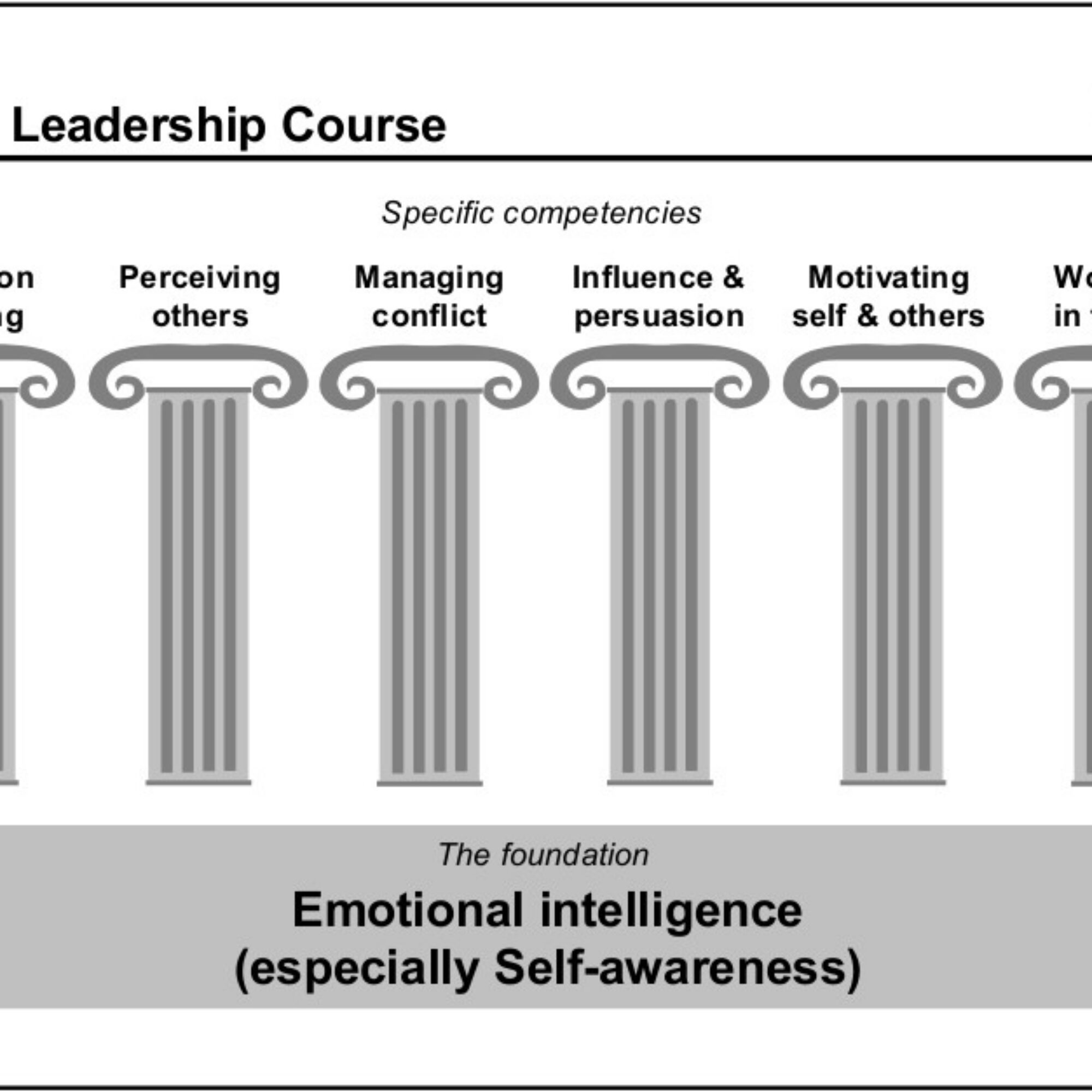
Next on the list of concepts under my name at the top of this page is leadership. See earlier posts for values, meaning, purpose, importance, and passion. Unlike the other concepts, leadership intrinsically involves other people. At first that complexity makes it seem harder to understand, but I think it gets simpler in the end. I start my "Leadership through emotional intelligence and self-awareness" seminars by asking what leadership is, following how my core Leadership course began at Columbia Business School. Since understanding an apparently broad concept like leadership on its own can be hard Columbia's course talks about "six pillars" of leadership, each of which you can understand and learn more easily than leadership in general. You can break down leadership in different ways.…

0 Comments

What is passion? How do you find your passions?

Next on the list of words under my name at the top of this page is passion. See earlier posts for values, meaning, purpose, and importance. I think people understand passion more precisely than the previous concepts. Also, I think people also connect passion to emotion, so I don't have to explain why I'm connecting the concept to emotions like I did for the earlier posts. The dictionary's three relevant definitions are emotion intense, driving, or overmastering feeling or conviction a strong liking or desire for or devotion to some activity, object, or concept Wikipedia starts its page on passion with Passion (from the Ancient Greek verb πάσχω (paskho) meaning to suffer) is a term applied to a very strong feeling about a person or…

0 Comments

What is importance? What makes something important? How do I have more important things in my life and less junk?

Next on the list of concepts under my name at the top of this page is importance. See earlier posts for values, meaning, and purpose. For something to be important, it has to change your life. If something doesn't affect your life, it's hard to call it important. And something changing your life means you do something different than you would have done otherwise. In other words, something important changes your motivations -- it motivates you. In other words, it affects your emotions. As with values, meaning, and purpose, if you want to understand something's importance to you, understand how it affects your emotions. How important it is stems from the characteristics of the emotions it evokes. Something evoking long-term emotions has long-term importance. Something…

4 Comments

Understanding leadership, values, meaning, purpose, importance, passion — Interlude on writing on emotions and emotional awareness so much

You've probably noticed I'm writing a series of posts on the main themes of this blog -- the words under my name at the top: leadership, values, meaning, purpose, importance, and passion. If you've gotten the idea now that I'm relating these concepts back to knowing your emotions and emotional system, I'm glad. I thought I'd take a post to explain why. The vagueness people throw terms around with makes it hard to work with them. When the terms in question are values, meaning, purpose, importance, leadership, and passion -- well, those aren't things you just vaguely want to hope for in life. If vague is all you can do, vague is all you'll get. If you understand these things precisely you can act on…

0 Comments

What is purpose? How do I create more purpose in my life?

The past few posts have covered two concepts under my name at the top of this blog -- values and meaning. On to purpose. As with values and meaning I want to ground an important but nearly always vaguely used and defined concept in simple, understandable terms. As with values and meaning, purpose describes not things or actions, but something more about the feelings related to such things. For example, learning is an action. Learning with a purpose means learning in a different way. Describing doing anything as with a purpose or purposefully describes your mental state. You can observe the difference between how someone behaves when with a purpose versus when not. That's the effect of the cause -- your emotional state. Purpose means…

0 Comments

What is meaning? How do I create more meaning in my life?

Three days ago I started my post with There it is at the top of every page, right under my name: "Values." What does value mean? What are values? Right after "Values" up there under my name is "Meaning." Do I have to justify the importance of having meaning in your life and therefore of understanding the concept of meaning? The quintessential philosophical question is "what is the meaning of life?".  We all want meaning in our lives. Nobody wants their life to be meaningless. So what does meaning mean? What makes something meaningful? I won't even mention the dictionary and Wikipedia content on "meaning." Click the links if you want, or just take my word for it, if you want to understand what meaning…

0 Comments

Understanding others’ value and their values

Following up on the past two days' posts on values, let's look at understanding other people's values. I don't think I need to explain the value of understanding others' values in developing a relationship with them, especially if you want them to like you to for you to influence them. I need only point out at that since you almost certainly wish more people understood you better, they feel the same way -- be they coworkers, colleagues, friends, family, etc. When you identify values as based in emotion, you realize understanding other people's values means more or less empathizing with them. Most people wish others understood them better. I think a lot of people wish they understood others better. If you want to lead others,…

0 Comments

What is value? What are values? (short version)

I wanted to simplify yesterday's post. The following is just my perspective. I find it helpful, simplifying and clarifying an otherwise vague and complex topic, basing it in something everyone can understand -- how they feel. Understanding the concept of value helps you create value in your life, which everyone benefits from. In more basic terms, it helps you create more emotions you like. I consider talking about emotions more basic than talking about values because you know what you feel. What is value? The term value describes what emotions something evokes in you. You value things that evoke emotions you like. You devalue things that evoke emotions you don't like. If you like your family, you'll value them. If you don't you won't. Same…

0 Comments

What is value? What are values?

There it is at the top of every page, right under my name [Edit: I changed the page design since writing this post]: "Values." What does value mean? What are values? Everybody knows the value of values. You can find plenty of books on values-based leadership. Everybody knows you should stick to your values. Nobody suggests knowing you should know your values less. Few people can define the meaning of values precisely. Yet I suggest, in Socrates' spirit that the unexamined life is not worth living, that you'll never appreciate values any more than you understand what they are. In other words, the better you understand the concept of value, the more value your life will have. Or at least the more value you can…

0 Comments

Thoughts on mourning

News from home comes slowly and filtered here in China. I know only the basic facts about the shooting in Connecticut. I saw Obama's first speech on it, but little more. I don't know much of what happened or how the nation is reacting to it, but I know people are dealing with death and grief. In all my communications on the subject, I've found the most helpful this passage from the ancient book called the Zuangzi (spelled Chuang Tzu in the translation below) on the death of a loved one. Chuang Tzu's wife died. When Hui Tzu went to convey his condolences, he found Chuang Tzu sitting with his legs sprawled out, pounding on a pot and singing. "You lived with her, she brought…

0 Comments

One of the most insidious barriers to getting hard things done, part 5: examples

[This post is part of a series on empathy gaps. If you don't see a Table of Contents to the left, click here to view the series, where you'll get more value than reading just this post.] As a final note on empathy gaps, I wanted to note a few examples of empathy gaps -- using them, observing them in others, and observing them in yourself. Researchers normally present empathy gaps as problems. I like to think of them as a part of life like any other. We can use the effect to help us. Teenager egg-carrying exercise I remember a high school assignment for students to carry an egg with them everywhere for a week or a month. Eggs, of course, are fragile, so…

0 Comments

One of the most insidious barriers to getting hard things done, part 4: overcoming them

[This post is part of a series on empathy gaps. If you don't see a Table of Contents to the left, click here to view the series, where you'll get more value than reading just this post.] Now we are familiar with empathy gaps -- that when you feel one emotion you generally can't conceive of your motivations when feeling a different emotion. We get how insidious they can be in keeping us from improving our lives. What do we do about them? How do we shield ourselves from them undermining our efforts? I haven't found research on effective techniques (please contact me if you know of any) in avoiding, overcoming, or developing resilience to empathy gaps. I only have my understanding of them and…

0 Comments

One of the most insidious barriers to getting hard things done, part 3: why empathy gaps make sense

[This post is part of a series on empathy gaps. If you don't see a Table of Contents to the left, click here to view the series, where you'll get more value than reading just this post.] As usual, understanding ourselves better helps us overcome the problems of empathy gaps -- that when you feel one emotion you generally can't conceive of your motivations when feeling a different emotion. Yet as they fundamentally concern being unable to understand things about ourselves, you'd think they were difficult to understand. On the contrary, you can understand them if you understand your emotional system. Luckily we have an easy way to understand our emotional systems. Empathy gaps depend on your emotional system Also as usual, the Model explains…

0 Comments

One of the most insidious barriers to getting hard things done, part 2: research and experiments

[This post is part of a series on empathy gaps. If you don't see a Table of Contents to the left, click here to view the series, where you'll get more value than reading just this post.] Yesterday I talked about the effect that when you feel one emotion you generally can't conceive of your motivations when feeling a different emotion, nor do you realize you can't, also known as empathy gaps. Today let's look at some research and experiments. Sexual arousal A comedian once remarked on the question people suggest you asking before considering unprotected sex, "would you die for it." He said sometimes when you're in the moment, you think you might. Dan Ariely, in his book Predictably Irrational (which I recommend), wrote…

0 Comments

One of the most insidious barriers to getting hard things done, part 1

[This post is part of a series on empathy gaps. If you don't see a Table of Contents to the left, click here to view the series, where you'll get more value than reading just this post.] Did you know you undermine some of your best efforts to do challenging things, especially involving personal change? You do. We all do, through an effect that makes sense when you get it, but most people don't realize undermines them. The effect is this When you feel one emotion you generally can't conceive of your motivations when feeling a different emotion. Or more to the point When you plan to do something you feel one set of emotions, often enthusiasm. When you act on them you feel different…

0 Comments

Schopenhauer on the consistency and reliability of our emotional systems

I haven't read anything by Arthur Schopenhauer and hardly know anything about him, but I agree with this quote from him: Mensch kann tun was er will; er kann aber nicht wollen was er will. One can choose what to do, but not what to want. People contrast emotions with reason, see they differ, and conclude emotions are irrational, unpredictable, and follow no system. I agree they are hard to predict in others whose environments, belief, and behaviors we don't know, but that doesn't mean our emotions aren't systematic. I, like Shopenhauer, it seems, see the human emotional system as systematic. It depends on its inputs -- the person's environment, beliefs, and behaviors -- but given them, it creates consistent outputs. Effective leaders understand the…

0 Comments

You’re always emotional, not only when you’re angry or excited

People often look at someone acting with intense emotions -- like when they're excited, angry, enraged, passionate, etc -- and say that they are "emotional" at times like that. They misunderstand emotions. Understanding emotions is one of the most important parts of self-awareness and therefore leadership of yourself and others. Emotions motivate you. As long as you're awake you feel motivation. Everyone is always emotional all the time. Calmness is an emotion. Just because you aren't running around yelling or losing control doesn't mean you aren't feeling emotions. You could just as well call someone serenely under control and relaxing emotional. They're feeling contentedness or calmness or something like that. Why is this distinction important? Some people think of emotions as bad or something that…

0 Comments

Sensationalist reporting

A reader responded to my post a couple days ago that the media always has a motivation to sensationalize stories. Really irresponsible. Lots of rescues of people who should have stayed inside. Two people DEAD because they walked their damn dog & tree fell on them The past few days I've commented on how a storm, while physically devastating, doesn't have to emotionally devastate you. In fact, like any external situation, you can use it to improve your life. From lower Manhattan I've seen people come together, meet neighbors, bond, and so on. I haven't seen any fights or altercations. (As a side note unrelated to the reader quoted above, but to some people: If you believe life is supposed to make you happy no…

0 Comments

Always remember the media wants to sell ads

I watched the news about the hurricane approaching. They had me scared. During the storm I went for a walk. People were out in shorts, T-shirts, and flip-flops. They were walking their dogs, no problem. I'm sure the storm was worse in some places. I just logged on and haven't had the chance to read much news and I hear there was a lot of damage. But I know the news I saw and read before the storm and I know what I saw in the storm and they oversensationalized what hit Manhattan. I'm not naive. I know they have to err on the side of safety. I know their coverage had to cover other areas than just where I live. I know tons of…

0 Comments

End of content

No more pages to load