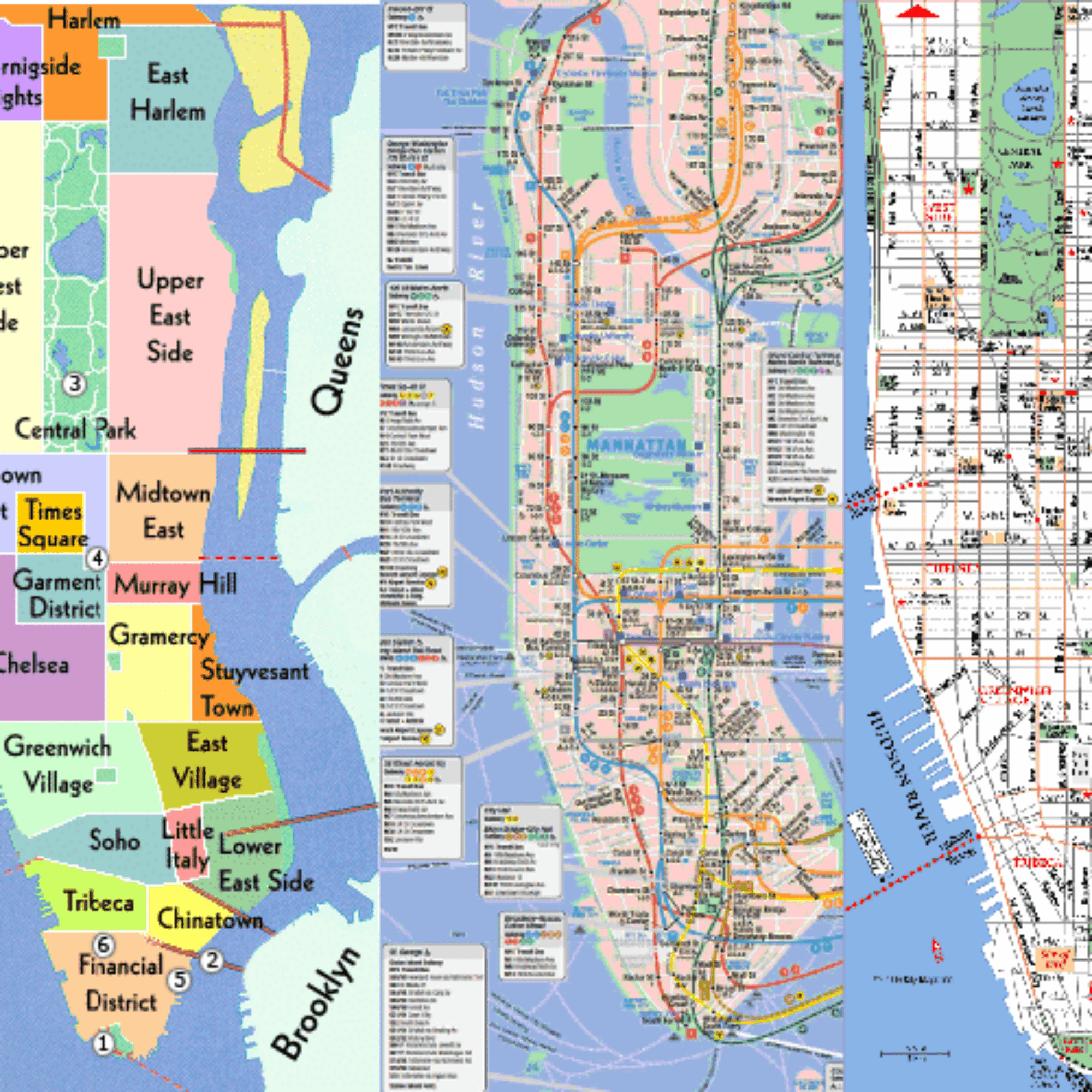
Models: the passive view

[This post is part of a series on The Model -- my model for the human emotional system designed for use in leadership, self-awareness, and general purpose professional and personal development -- which I find the most effective and valuable foundation for understanding yourself and others and improving your life. If you don't see a Table of Contents to the left, click here to view the series, where you'll get more value than reading just this post.] Today I'll review the main points arising from simply knowing about that we create models that mediate our interactions with our worlds -- what I call the passive view. Merely knowing about models passively, not what to do with them but just the following points, will help you…

0 Comments

Examples of models: Mexico city, lack of awareness, and leadership

[This post is part of a series on The Model -- my model for the human emotional system designed for use in leadership, self-awareness, and general purpose professional and personal development -- which I find the most effective and valuable foundation for understanding yourself and others and improving your life. If you don't see a Table of Contents to the left, click here to view the series, where you'll get more value than reading just this post.] Leadership depends on understanding that other people have different models. A leader who doesn't recognize people can have different models will create discord and confusion, as today's example will illustrate. I draw this example from my life. After business school a friend told me her consulting job was…

0 Comments

Examples of models: “Everybody does their best according to their abilities and perception of their environment”

[This post is part of a series on The Model -- my model for the human emotional system designed for use in leadership, self-awareness, and general purpose professional and personal development -- which I find the most effective and valuable foundation for understanding yourself and others and improving your life. If you don't see a Table of Contents to the left, click here to view the series, where you'll get more value than reading just this post.] I tend to believe that everybody does their best according to their abilities and perception of their environment. Sure, I know counterexamples, but in general I believe that at every moment, everyone observes their surroundings and, based on their perception and abilities (more precisely, their beliefs about their…

0 Comments

Examples of models: “beliefs and expectations filter your perception”

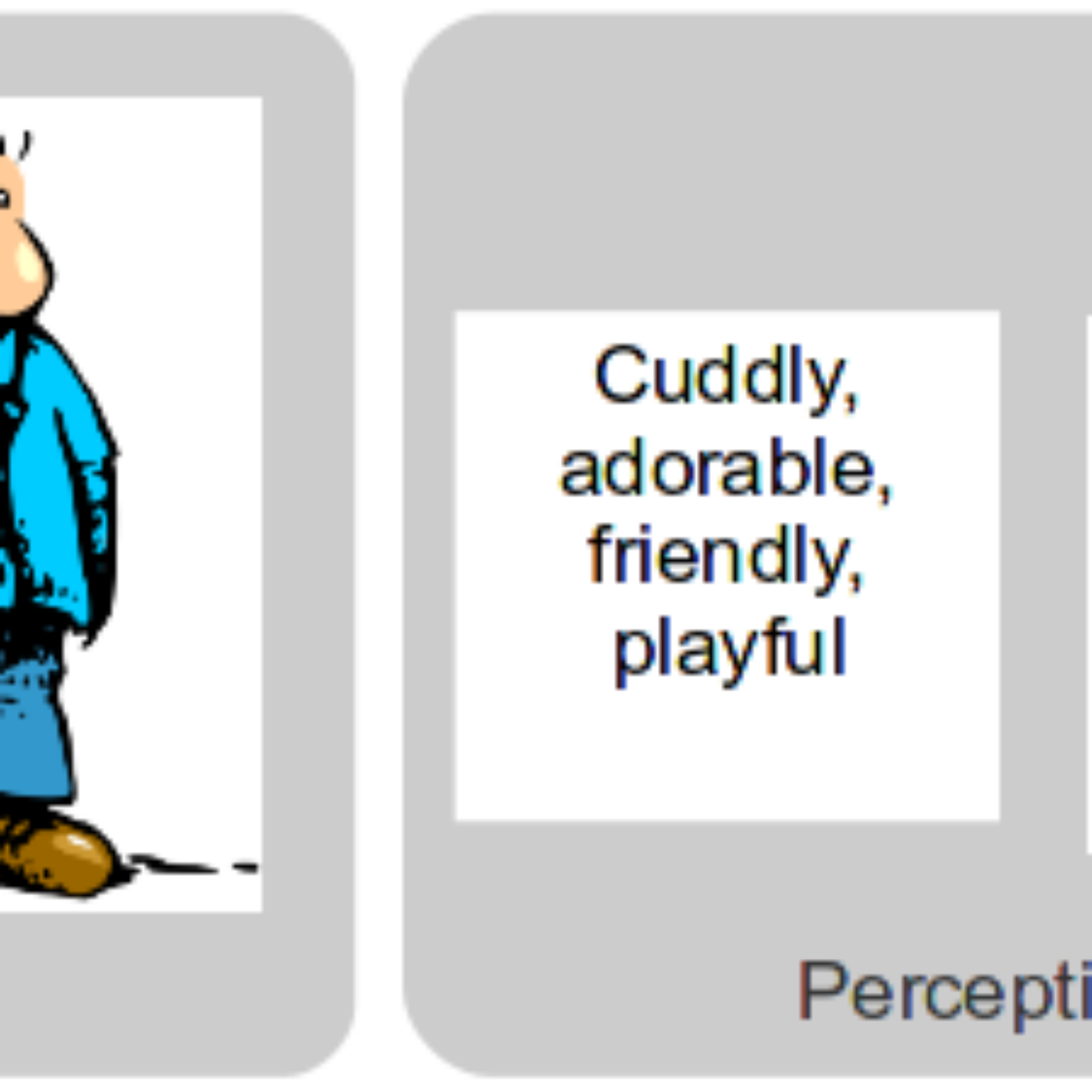
[This post is part of a series on The Model -- my model for the human emotional system designed for use in leadership, self-awareness, and general purpose professional and personal development -- which I find the most effective and valuable foundation for understanding yourself and others and improving your life. If you don't see a Table of Contents to the left, click here to view the series, where you'll get more value than reading just this post.] Let's look at another example of how we use models in more depth. As with yesterday, after treating the example I'll describe the lessons it teaches. Imagine you grew up with a pet pit bull. You might see it as an adorable pet. Someone else who never grew…

0 Comments

Examples of models: why he or she didn’t call

[This post is part of a series on The Model -- my model for the human emotional system designed for use in leadership, self-awareness, and general purpose professional and personal development -- which I find the most effective and valuable foundation for understanding yourself and others and improving your life. If you don't see a Table of Contents to the left, click here to view the series, where you'll get more value than reading just this post.] For the next three or four posts, let's look at examples of how we use models in more depth. After each example I'll describe the lessons it teaches. We'll start with an example we're all familiar with: someone told you they'd call Monday. By Friday, no call. It's…

0 Comments

Examples of models: how a slight change in your model can create big changes in behavior

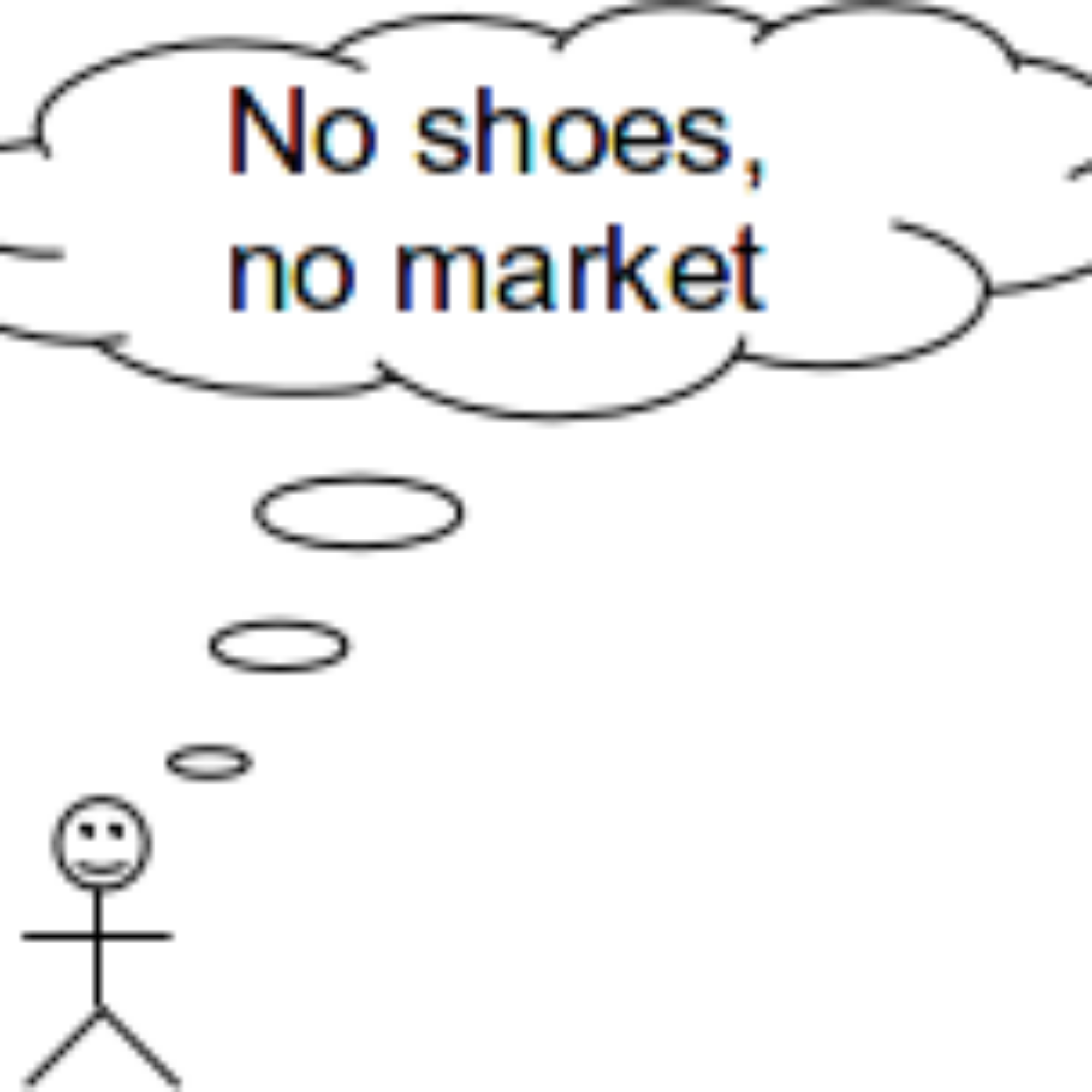
[This post is part of a series on The Model -- my model for the human emotional system designed for use in leadership, self-awareness, and general purpose professional and personal development -- which I find the most effective and valuable foundation for understanding yourself and others and improving your life. If you don't see a Table of Contents to the left, click here to view the series, where you'll get more value than reading just this post.] A famous parable in business literature describes how two competing shoe companies considering expanding into a new market each sent a salesperson to research the market to figure out if they should enter it and how. The first, upon arriving, found that in this market, nobody wore shoes.…

0 Comments

Examples of models: beliefs and mental models

[This post is part of a series on The Model -- my model for the human emotional system designed for use in leadership, self-awareness, and general purpose professional and personal development -- which I find the most effective and valuable foundation for understanding yourself and others and improving your life. If you don't see a Table of Contents to the left, click here to view the series, where you'll get more value than reading just this post.] My past two posts on examples of models showed visual models -- maps and representations of the Earth. Such examples illustrate how models work because they are easy to see, but don't capture the subtlety of distinguishing models from what they represent. Mental models tend to be more…

0 Comments

Examples of models: the Earth from several perspectives

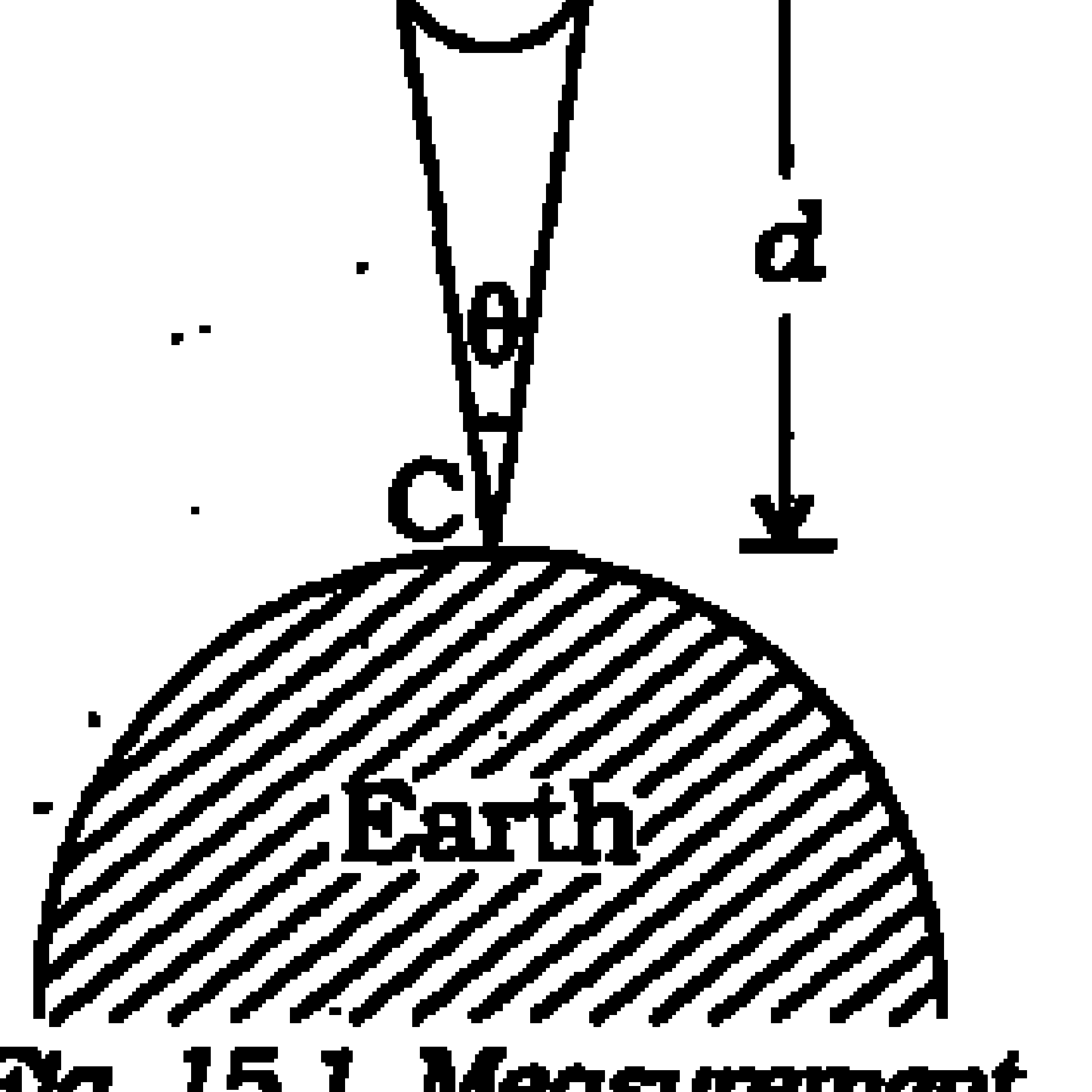
[This post is part of a series on The Model -- my model for the human emotional system designed for use in leadership, self-awareness, and general purpose professional and personal development -- which I find the most effective and valuable foundation for understanding yourself and others and improving your life. If you don't see a Table of Contents to the left, click here to view the series, where you'll get more value than reading just this post.] Yesterday I started with one of the simplest examples of models -- maps. Today we'll look at other models. The image below includes a model of the Earth. You might remember seeing models like this from school. It throws out a lot of information -- it's two-dimensional, showing…

0 Comments

Examples of models: maps

[This post is part of a series on The Model -- my model for the human emotional system designed for use in leadership, self-awareness, and general purpose professional and personal development -- which I find the most effective and valuable foundation for understanding yourself and others and improving your life. If you don't see a Table of Contents to the left, click here to view the series, where you'll get more value than reading just this post.] My series on the Model covered models in general but didn't give examples. My seminars cover examples, so the next few posts will cover some examples to illustrate some common models we all use. I have two goals: first to help expose how fundamental they are to our…

0 Comments

Wrapping up reasonable talk on eating

To wrap up this extended series on food, I'll summarize most of it in the form of advice: Eat what you feel is right for you. The more you learn and think about food the more you'll enjoy it. Anyone who tells you what you should or shouldn't eat is moralizing and meddling. Eating has no right or wrong. In the time I've written this series I've eaten more vegetables than ever. Now that I started using the Vitamixer my mom left me, when a friend who is a personal trainer came over and I told him I bought kale for the first time, we decided to buy and blend $50 worth of fruits and vegetables. We bought red kale, green kale, broccoli, apples, cilantro,…

0 Comments

Why I don’t eat meat: non-issue7: anatomy

Following up my series on liberating ourselves from moralists, meddlers, and others who want to impose their subjective values on us in the name of objective truth in the realm of food, let's continue with anatomy, the next on my list of a few days ago. This reason makes little sense to me, but I hear it regularly. People who eat meat point out things like that most predators have eyes that face forward and so do we, so we should eat meat. Or that we have a long digestive tract or can't produce vitamin B12 so we should eat meat. People who don't eat meat point out some comparable physical characteristic that they use to say others should or shouldn't eat meat. I like…

0 Comments

Why I don’t eat meat: non-issue6: religion

Following up my series on liberating ourselves from moralists, meddlers, and others who want to impose their subjective values on us in the name of objective truth in the realm of food, let's continue with religion, the next on my list of a few days ago. I expect this would-be reason to be a non-issue for obvious reasons. Well, first, I don't belong to any religion that has any rules requiring or forbidding eating meat, so religion doesn't apply to me as a reason to eat meat or not. I think most people get that their belonging to a religion doesn't impose rules on other people. They mostly understand some semblance of tolerance for others following their religions, even if they feel compelled to impose…

0 Comments

Why I don’t eat meat: non-issue5: feeling closer to nature

Following up my series on liberating ourselves from moralists, meddlers, and others who want to impose their subjective values on us in the name of objective truth in the realm of food, let's continue with feeling closer to nature, the next on my list of a few days ago. I can keep this post as brief as yesterday. Both meat eaters and non-meat eaters claim their eating habits bring them closer to nature. Hunters claim hunting feels primal and puts them in tune with nature and the animals they hunt. Fishers claim similar feelings. Likewise, people who don't eat meat claim avoiding meat makes them feel bonded with all of nature and to feel more compassion for living creatures. If you've read my series on…

1 Comment

Why I don’t eat meat: non-issue4: animal cruelty

Following up my series on liberating ourselves from moralists, meddlers, and others who want to impose their subjective values on us in the name of objective truth in the realm of food, let's continue with animal cruelty, the next on my list of a few days ago. I'll keep this brief. Once an animal is born, it has to die. Killing it for meat doesn't mean it feels more pain. In fact, killing it intentionally can create the opportunity for it to feel less pain than it would have felt if it died not by human hands. If not for humans, some predator or parasite would likely kill it, and likely more painfully. I don't eat meat, but I don't accept that a human killing…

0 Comments

Why I don’t eat meat: non-issue3: animal rights

Following up my series on liberating ourselves from moralists, meddlers, and others who want to impose their subjective values on us in the name of objective truth in the realm of food, let's continue with animal rights, the next on my list of a few days ago. I confess I don't know much about animal rights, so I won't say much today. I distinguish between reasons not to eat meat based in animal rights from reasons based in animal cruelty. The former seems to propose a set of rules for people to follow. The latter seems based on an individual's personal feelings. As I understand animal rights, people don't suggest giving animals legal rights, like to sue or vote. I understand the concept of animals…

0 Comments

Why I don’t eat meat: non-issue2: environment

Following up my series on liberating ourselves from moralists, meddlers, and others who want to impose their subjective values on us in the name of objective truth in the realm of food, let's continue with environmental reasons since I listed it next on my list a few days ago. People who don't eat meat often point out that eating meat pollutes the environment significantly more than not eating meat. As far as I know the data overwhelmingly supports this conclusion. I've heard people who eat meat argue that eating meat pollutes less, but I've never heard one of their arguments hold water in the least. They generally forget or neglect something obvious like that animals eat food too. I'm open to hearing something I missed,…

0 Comments

Why I don’t eat meat: non-issue1: health

Following up yesterday's post on liberating ourselves from moralists, meddlers, and others who want to impose their subjective values on us in the name of objective truth, let's start with health since I listed it as the first non-issue two days ago. First, nobody chooses what they eat solely for health, so claiming to eat meat or not as a wholesale policy based on health is a red herring. Next, let's look at what I claim is a typical example of someone claiming health as a foundation for eating meat or not. This example goes one way, but it ones in the other direction go the same. In graduate school I knew a guy who claimed eating meat was necessary for life. We had a…

0 Comments

Why I don’t eat meat: non-issues

People spout tremendous nonsense on why people should or shouldn't eat meat. My next several posts will point out flaws in their reasoning. I think in the echo chambers of their minds, people come to believe their reasons for eating or not eating meat are grounded in absolute truth. Or they only talk with people who agree with them, while arguing positionally with people who don't, a recipe for confirming and firming one's beliefs more firmly, no matter how wrong they are. I speak, of course, from now-humble experience, having spewed nonsense myself, trying to convince others of the unhealthiness of eating meat. No more. I don't claim to know what's right, but I can tell you some things that are wrong. My goal is…

0 Comments

Why I don’t eat meat, part 2

Yesterday I mentioned I didn't eat meat for two categories of reasons: taste and intellectual reasons. Today I'll cover my intellectual reasons. Intellectual You know what? None. Now that I think of it, no intellectual reasons motivate my eating habits. Everything I think of that seems not based in taste, when I peel away at it, turns out based in taste. I expect your reasons ultimately are based in taste too. You can tell your reasons aren't objective because other people disagree with you. I mean, maybe you're right and they're wrong, but they say the same about you, so I'll stick with my conclusion. See my next few posts on non-issues to see why I don't find your reason objectively true. Non-issues Here are…

0 Comments

Why I don’t eat meat, part 1

Why I don't eat meat differs from why I stopped eating meat, though the reasons overlap in matters of taste. As I mentioned, I lived over half my life since I stopped eating meat and, as you might expect, my reasons changed. The main reasons for the changes were realizing that I found no objective reason for eating meat or not. I've looked and they all turn out subjective. People have suggested lots of reasons for eating meat or not and none of them have been objective either. All reasons boil down to matters of taste and belief. If people disagree on their reasons, the reasons probably aren't based in objective truth. People claim their reasons are objective, but I don't find someone saying they…

0 Comments

Why I stopped eating meat, part 3

Three days ago I mentioned I stopped eating meat for two categories of reasons: taste and intellectual reasons. Two days ago I covered taste. Today, intellectual reasons. First I'll mention that none of the following reasons motivate me anymore. Though I once did, I no longer find them compelling. I find their counter-arguments equally valid, or just as well, I find them equally invalid. I find talking about these reasons tends to promote arguments. As part of this series on food I'll write why I find the arguments uncompelling reasons not to eat meat (though I do find them compelling reasons to avoid factory-farmed and some other kinds of meat). From 1989 and until the past few years, my motivations for not eating meat included…

0 Comments

Why I stopped eating meat, part 2

Yesterday I mentioned I stopped eating meat for two categories of reasons: taste and intellectual reasons. Today I'll cover taste. By taste I mean not just flavor, but what one likes or not, as in musical taste. I never liked eating meat. At least I don't remember liking it, but it was a long time ago. I remember disliking eating meat. My mom would say "It's all meat!" about the fat around a steak that, no matter how much you chew, doesn't break down in your mouth. So I had to chew that stuff while it made me gag. I think my siblings all remember the phrase. So if I ever liked steak I didn't like it after that. The tendons on a drumstick eventually…

1 Comment

Why I stopped eating meat, part 1

People often ask me why I stopped eating meat. I wrote a few days ago about how often people ask in order to argue and how I find the question boring after having been asked roughly daily or so for decades. Still, I've learned to appreciate and even celebrate things I can't change so it doesn't get me down. I used to argue with people about food too so I empathize with them, though I learned to stop arguing, so I feel justified in expecting more of them. Anyway, before writing why I stopped eating meat, I'll point out most of my reasons for not eating meat now, which I'll write about later, are different than my reasons for stopping eating meat in 1989. I've…

2 Comments

More reasonable talk on eating, part 3

Yesterday covered more the physical side of the change in the trucker's life with food. Today let's look more at the emotional side. The movie showed that, however ingrained the punishment of "food" and its related confusion-based helplessness, just a few days of new experience can overcome it. The trucker's physical health didn't change overnight, but his emotional health did. And a major point of this blog is the fundamental importance of emotions in changing your life. Once he found that food -- something so simple as food -- could create power (ability to influence his life), joy, reward, and so on, he found he could create something to live for, which I believe was a better life for himself, spending time with his family…

0 Comments

More reasonable talk on eating, part 2

Yesterday I wrote about healthy food, unhealthy "food," and how we've created industries that confuse the two, leading to people eating things they don't like and avoiding things they do. The day before I wrote about the movie Fat, Sick, and Nearly Dead (view for free here, view trailers here). Since food can be such a rewarding part of life when you find ways to actively enjoy it, many books, movies, restaurants, and so on inspire people by removing the deception and confusion "food" vendors create to sell their products. Once you realize how much joy and reward food can create, you love it. Many have inspired me. A character in Fat, Sick, and Nearly Dead inspired me most recently. The movie's main thread is…

0 Comments

End of content

No more pages to load