You have to say no to a lot of good things to have a great life

I say these words to myself daily or nearly so. I've posted them before and I expect I will again. They bear repeating and deserve a post to themselves. You have to say no to a lot of good things to have a great life. I don't see declining an opportunity as giving it up so much as giving myself more time and resources for something I value more. I didn't start this way. I used to say yes to too many things, not realizing that time doing one thing meant time not doing another. I still do, but less than before. The same with relationships -- just other parts of your life that you use your resources for. What does "too many things" mean?…

0 Comments

I’d rather be rejected for who I am than accepted for who I’m not

I've written before about on opening up, allowing yourself to be vulnerable in business and personal relationships, and the risks involved, mainly to your emotions. Probably the most important one was on my experience that choosing to care about something and to act on that caring means you'll hurt. And the more you care the more you risk getting hurt. I wrote that post, "Leadership, personal development, choosing to care, and emotional pain," on leadership and professional relationships, but you can probably tell the pain of a personal relationship prompted me writing it. I wrote about how horrible I consider small-talk in a potentially productive relationship, especially when you first meet someone in "How to stop boring everyone you meet." Sure, small talk helps in…

0 Comments

Everyone has insecurities. Why don’t some people seem insecure?

I think my response to a client's email would be valuable for anyone. I don't think many people make the progress he's making and I think his doing it could inspire others. I know he inspires me. He didn't come to me for personal insecurities or shame. He came to improve his life in other ways. Only once he started making progress there he realized things that he was holding himself back with internal conflict he had avoided facing for years. External success and internal success often build on each other. They often require each other. He wrote: Thank you for all your help!! I cannot express how much I appreciate your feedback and it's motivating to have people much more experienced than I provide…

0 Comments

Do you decide rationally or emotionally?

One of this blog's central focuses is self-awareness because I think to improve your life and relationships the best starting point is to know where you are. Know thyself, in other words. Today I want to give you a way to learn deeply about how your mind works. I didn't come up with the idea, but it intrigues me and I'd love to learn other people's thoughts. I think people generally believe they have a voluntary, rational part of their brain that, among its roles, makes decisions. If you're choosing what to order off a restaurant menu, for example, you probably do something like this: You read your options, eliminate those you don't want, consider the ones you do, work through some core decision-making process,…

0 Comments

Morality and the development of language

I write a lot here about how counterproductive judging others or imposing your values on them is for leadership or influencing them. (Here are five posts on it, for example: Instead of calling something right, wrong, good, or bad, consider the consequences of your actions, What is morality?, On the counterproductivity of motivating people with guilt and blame — aka moralizing, Talking about "truth" or "reality" always confuses things, How willing are you not to judge?) Thinking about the development of language gave me a new perspective that, I think, helps undermine people's attachment to calling things right, wrong, good, bad, or evil. This post may sound philosophical or esoteric, but I didn't write it that way. My goal, as with the posts I linked…

0 Comments

A model for one of the most valuable skills related to beliefs

[This post is part of a series on "Mental models and beliefs: an exercise to identify yours." If you don't see a Table of Contents to the left, click here to view the series, where you'll get more value than reading just this post.] This series covered a lot about flexibility with your beliefs -- the ability to try out believing something new and letting the new belief crowd out the old one. Doing so is hard because believing means believing something is right. If you don't get it, changing beliefs is hard because you'll think it means believing what you thought was wrong is right and vice versa. I made a point of undermining beliefs being absolutely right or wrong -- it's impossible for…

0 Comments

A model to help accept things without judgment or feeling sorry for yourself

[This post is part of a series on "Mental models and beliefs: an exercise to identify yours." If you don't see a Table of Contents to the left, click here to view the series, where you'll get more value than reading just this post.] Do you find yourself feeling sorry for yourself and not like feeling that way? Do you get depressed or feel helpless when things don't go your way? Do you wish you could take things in stride better so you could move on from or solve problems and get on to better times? A model to help accept things without judgment or feeling sorry for yourself: "Good thing bad thing, who knows?" Here's an old story that comes in many versions (here…

0 Comments

What happens when you change beliefs

[This post is part of a series on "Mental models and beliefs: an exercise to identify yours." If you don't see a Table of Contents to the left, click here to view the series, where you'll get more value than reading just this post.] The movie Moneyball and the book it's based on illustrate how new beliefs take root and can challenge and crowd out your old beliefs. Today's post is long, but the movie very well illustrates some stages and the emotional challenge of adopting a new belief, facing and overcoming resistance, and how it can lead to effective leadership and creating community. I'll quote enough of it here if you haven't seen the movie, but it was nominated for seven Oscars and stars…

0 Comments

A model to improve your environment

[This post is part of a series on "Mental models and beliefs: an exercise to identify yours." If you don't see a Table of Contents to the left, click here to view the series, where you'll get more value than reading just this post.] How would you like for everything in your life to look better and for everyone to treat you better? For everything in your life to improve? Today's belief is one of the most powerful you can have, as is the strategy it leads to. People also happen to oppose it the most. When I state it simply and abstractly, they agree with it. When I apply it to them, they push back against it. You will too. If I can take…

0 Comments

A model for living every moment to its fullest

[This post is part of a series on "Mental models and beliefs: an exercise to identify yours." If you don't see a Table of Contents to the left, click here to view the series, where you'll get more value than reading just this post.] Do you enjoy every moment of your life? Do you wish you could? Have you ever felt like you wasted a lot of your life? Do you wish you hadn't? Do you wonder how you could live more in the moment? Today's model shows you how. It comes from an unlikely source. You might know about the researchers who asked people who won huge lotteries and people who just had accidents leading to becoming quadriplegic how happy they were (you should…

0 Comments

A model to free yourself from being categorized

[This post is part of a series on "Mental models and beliefs: an exercise to identify yours." If you don't see a Table of Contents to the left, click here to view the series, where you'll get more value than reading just this post.] Do you like being judged and put into a box? Do you like being told you can't change things about yourself that limit you from living the best life you can? Do you like it when these categories have no scientific basis? Personality traits, types, and dispositions are models that I don't find helpful. A model to free yourself from being categorized: personality types and traits have little to no validity I'm sure people will attack me on this belief. When…

0 Comments

A simple, effective strategy for improving yourself — probably the best I know, and it’s totally free: Feedforward

[This post is part of a series on Mental models and beliefs: an exercise to identify yours. If you don't see a Table of Contents to the left, click here to view the series, where you'll get more value than reading just this post.] What if I told you the best way for you to improve yourself takes two minutes, costs nothing, and people will feel honored and flattered to help you with it? And you can do it anytime. Sound too good to be true? It's not. Read on. Oh, and make sure you get to the section on when I use it for how using it can help in your most important relationships at the most important times. Have you noticed the one…

0 Comments

A belief to motivate trying new things

[This post is part of a series on "Mental models and beliefs: an exercise to identify yours." If you don't see a Table of Contents to the left, click here to view the series, where you'll get more value than reading just this post.] Are you nervous to try new things? Do you wish you tried more things? Do you see others enjoying things you're too scared to try? I found a way to motivate trying new things. My model to try new things: I have low standards the first time. That is, the first time I do something, I consider it successful if I just do it at all, not by how well I do it. I wrote about this model almost two years…

0 Comments

Paper shredders and making changing beliefs and values easier

People tell me it's hard to change beliefs and values. Some people think it's impossible. I agree if they believe it's hard, but you can and it gets easier with practice. Most people change their beliefs and values all the time without realizing it. One goal for this page is to help people learn to change their beliefs more easily so I try to give examples of how you already change beliefs and values without thinking about it. If you see you do in simple or little cases, you can expand what you already do to more complex or bigger cases. Next thing you know you'll change your life. People often restrict themselves by thinking of changing beliefs as thinking positively or thinking the opposite…

2 Comments

George Clooney on being yourself in the face of adversity

For my third post on George Clooney's Inside the Actors Studio interview, here he speaks on being yourself in challenging situations. I've written on the overlap I see between the art and craft of leadership and acting, how both deeply involve being aware of knowing and managing your emotions so you can know and evoke emotions in others. I think the training of leaders can benefit from the more mature field of training actors, and I'll write more on that later. What Clooney says about actors I believe applies to leaders as well, since leaders necessarily work where others can judge them. Leaders can't hide. Leaders have to be present and themselves, so criticism and judgment of their work and their team's work always has…

0 Comments

There are few shoulds in life

Some advice sticks with you more than others. I still remember words a great friend of mine told me in college. I remember he said it while consoling me over a breakup with a girlfriend, which would have put it in 1989 or maybe 1990. Something that stands the test of time like that, I think speaks for itself. He said There are few shoulds in life. I've written at length on this page on the value of avoiding judgmental language and how telling people they should do something implicitly judges them -- you're imposing your values on them. How my friend put it states it simply and effectively, so I'm passing it on. I'll say it again: There are few shoulds in life. (By…

2 Comments

Criticism I deserve myself?

I just read a post by a young entrepreneur called "About not owning sh*t" with a similar theme to some posts I wrote. On another forum I posted what I intend as constructive criticism. I applaud his lifestyle, but the post reminded me of an insightful joke. Q: How do you know when someone doesn't have a TV? A: They tell you. Again, I like his decisions. I hope I don't sound like other posters putting him down or defensive things like he must be rich to live poor, which miss the point. He just seems to be bragging about it. Why not just not have a lot of stuff and leave it at that. If you want to inspire others, a post of a…

0 Comments

Why labels and symbols don’t change things; and what they are effective at

Following up yesterday's post, when I talk to people about something they judge, like torture, the topic that motivated yesterday's post, some of them point out that once you decide something is torture or right or wrong, you can do something about it. People like labeling things because labels mean so much. If you don't call a behavior torture, they think, people don't know what it means. Once you call it torture, they continue, you attach meaning to it and you can do something about it. I agree it attaches meaning, but when you use a word or a phrase or a symbol as shorthand for something, you don't know what meaning anyone else attaches to it. One person hears torture and thinks "illegal violation of…

0 Comments

Instead of calling something right, wrong, good, or bad, consider the consequences of your actions

I just watched Zero Dark Thirty and read a bunch of stuff about torture. People often ask about morality and ethics -- is such an action right or wrong, good or bad. Asking the morality of actions and behavior doesn't change them. I don't see categorizing, judging, and  labeling things helping. Calling something good, bad, right, wrong, etc does no more than label them (tomorrow I'll write more on why labels don't change things). I think people think they are making sense of things for themselves and helping others understand, but I don't think it works out that way. Or they think if they label something enough or with enough argument or emotion others will agree. But if one person says something is wrong, someone…

0 Comments

Overview of Understanding leadership, values, meaning, purpose, importance, passion — six key concepts of this web page

Today I'll give an overview of the series I just finished on understanding the six key concepts of this web page:  leadership, values, meaning, purpose, importance, passion. What is value? What are values? What is value? What are values? (short version) Understanding others' value and their values What is meaning? How do I create more meaning in my life? What is purpose? How do I create more purpose in my life? Understanding leadership, values, meaning, purpose, importance, passion — Interlude on writing on emotions and emotional awareness so much What is importance? What makes something important? How do I have more important things in my life and less junk? What is passion? How do you find your passions? What is leadership? There, now that you've…

0 Comments

What is leadership?

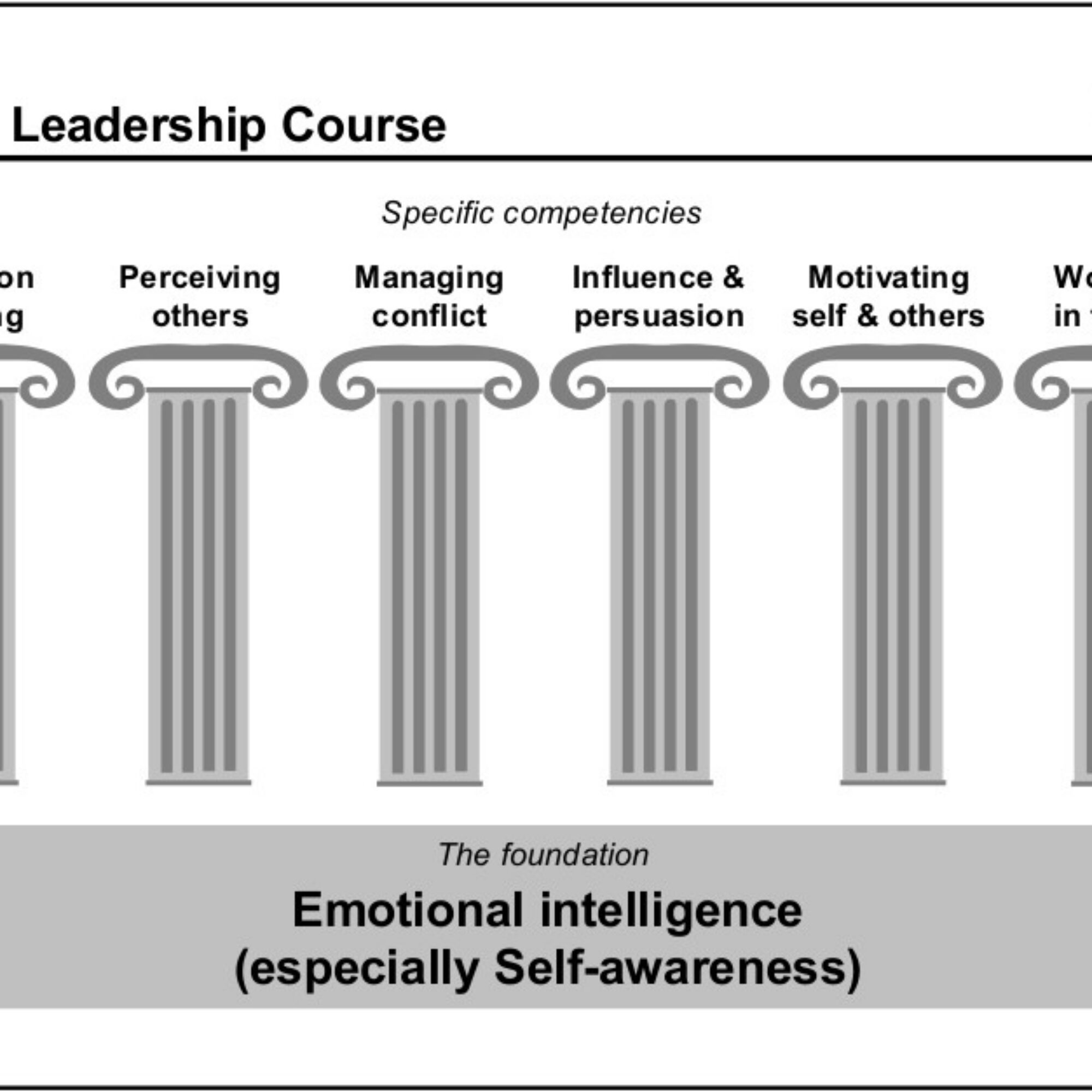
Next on the list of concepts under my name at the top of this page is leadership. See earlier posts for values, meaning, purpose, importance, and passion. Unlike the other concepts, leadership intrinsically involves other people. At first that complexity makes it seem harder to understand, but I think it gets simpler in the end. I start my "Leadership through emotional intelligence and self-awareness" seminars by asking what leadership is, following how my core Leadership course began at Columbia Business School. Since understanding an apparently broad concept like leadership on its own can be hard Columbia's course talks about "six pillars" of leadership, each of which you can understand and learn more easily than leadership in general. You can break down leadership in different ways.…

0 Comments

What is passion? How do you find your passions?

Next on the list of words under my name at the top of this page is passion. See earlier posts for values, meaning, purpose, and importance. I think people understand passion more precisely than the previous concepts. Also, I think people also connect passion to emotion, so I don't have to explain why I'm connecting the concept to emotions like I did for the earlier posts. The dictionary's three relevant definitions are emotion intense, driving, or overmastering feeling or conviction a strong liking or desire for or devotion to some activity, object, or concept Wikipedia starts its page on passion with Passion (from the Ancient Greek verb πάσχω (paskho) meaning to suffer) is a term applied to a very strong feeling about a person or…

0 Comments

What is importance? What makes something important? How do I have more important things in my life and less junk?

Next on the list of concepts under my name at the top of this page is importance. See earlier posts for values, meaning, and purpose. For something to be important, it has to change your life. If something doesn't affect your life, it's hard to call it important. And something changing your life means you do something different than you would have done otherwise. In other words, something important changes your motivations -- it motivates you. In other words, it affects your emotions. As with values, meaning, and purpose, if you want to understand something's importance to you, understand how it affects your emotions. How important it is stems from the characteristics of the emotions it evokes. Something evoking long-term emotions has long-term importance. Something…

4 Comments

Understanding leadership, values, meaning, purpose, importance, passion — Interlude on writing on emotions and emotional awareness so much

You've probably noticed I'm writing a series of posts on the main themes of this blog -- the words under my name at the top: leadership, values, meaning, purpose, importance, and passion. If you've gotten the idea now that I'm relating these concepts back to knowing your emotions and emotional system, I'm glad. I thought I'd take a post to explain why. The vagueness people throw terms around with makes it hard to work with them. When the terms in question are values, meaning, purpose, importance, leadership, and passion -- well, those aren't things you just vaguely want to hope for in life. If vague is all you can do, vague is all you'll get. If you understand these things precisely you can act on…

0 Comments

What is purpose? How do I create more purpose in my life?

The past few posts have covered two concepts under my name at the top of this blog -- values and meaning. On to purpose. As with values and meaning I want to ground an important but nearly always vaguely used and defined concept in simple, understandable terms. As with values and meaning, purpose describes not things or actions, but something more about the feelings related to such things. For example, learning is an action. Learning with a purpose means learning in a different way. Describing doing anything as with a purpose or purposefully describes your mental state. You can observe the difference between how someone behaves when with a purpose versus when not. That's the effect of the cause -- your emotional state. Purpose means…

0 Comments

End of content

No more pages to load