The false dichotomy of the nice girl and the bitch and what to do instead

After yesterday's pattern I see in men, here's a comparable one I see in women. A woman gets approached by men. Some she likes, some she doesn't. If the ones she doesn't like get too numerous, she may try to limit the number of men approaching her by making herself appear less available or pushing them away. While she intended to change only the number of guys approaching her, she likely changed the type of guy who approaches. The more oblivious to her emotions a guy is, the less likely her efforts will affect him. Non-oblivious guys see her repellent appearance and behavior, take the hint, and leave her alone. She makes herself look and act repellent and ends up skewing the distribution of guys…

0 Comments

The false dichotomy of the nice guy and the jerk and what to do instead

I'll describe a view I've seen many times as a coach and in my regular life. I see it in many variations, but I'll present just one -- the one I can relate to most. Tomorrow I'll write about a comparable trend I see with women. The view is a false dichotomy. It goes like this. A guy grows up learning to treat people nicely and to reciprocate when people who are nice to him. He figures if he treats people nicely they'll reciprocate. As he grows up he starts to like women. He decides to treat them nicely figuring it will prompt them to reciprocate, like everything in life suggested would happen. Unbeknown to him, most women have met many men before him who…

0 Comments

See me on Leadership through Emotional Intelligence and Self-Awareness

Brought to you by the Distinguished Leaders committee of the Columbia Business School Alumni Club of New York (copying the following announcement from that site): Leadership Through Self-Awareness and Emotional Intelligence In a weekend, learn how to develop your personal leadership skills, self-awareness, and emotional intelligence through the latest advances in cognitive behavioral science, evolutionary psychology, and positive psychology. While business schools and corporations are increasingly focusing on personal leadership, self-awareness, and emotional intelligence as foundations for leading others, many MBAs never had the opportunity to take a formal course in personal leadership. Joshua Spodek, MBA, PhD, has developed a two-day weekend workshop in just this area. His experiential course combines advances in cognitive behavioral science, evolutionary psychology, and positive psychology with successful business leadership…

0 Comments

Soreness and exhaustion feel great!

People complain about pain and exhaustion like they're bad, but I find them sometimes the best feelings I know. As you know, I'm registered for this year's marathon. A couple months ago I hurt my ankle and couldn't run for a while. Yesterday I decided to run four or five miles for the first time. I felt great. So great I decided to run along the Hudson River all the way to Central Park, a mile there, and back. Something around seven to nine miles with some good hills. I got home after dark. Today my body is sore. When I'm in shape a half-marathon doesn't leave me this sore, but I'm not in great running shape. While the soreness makes moving hard and slightly…

0 Comments

A visual model to understand passion and attraction: The Passion-Attraction Model

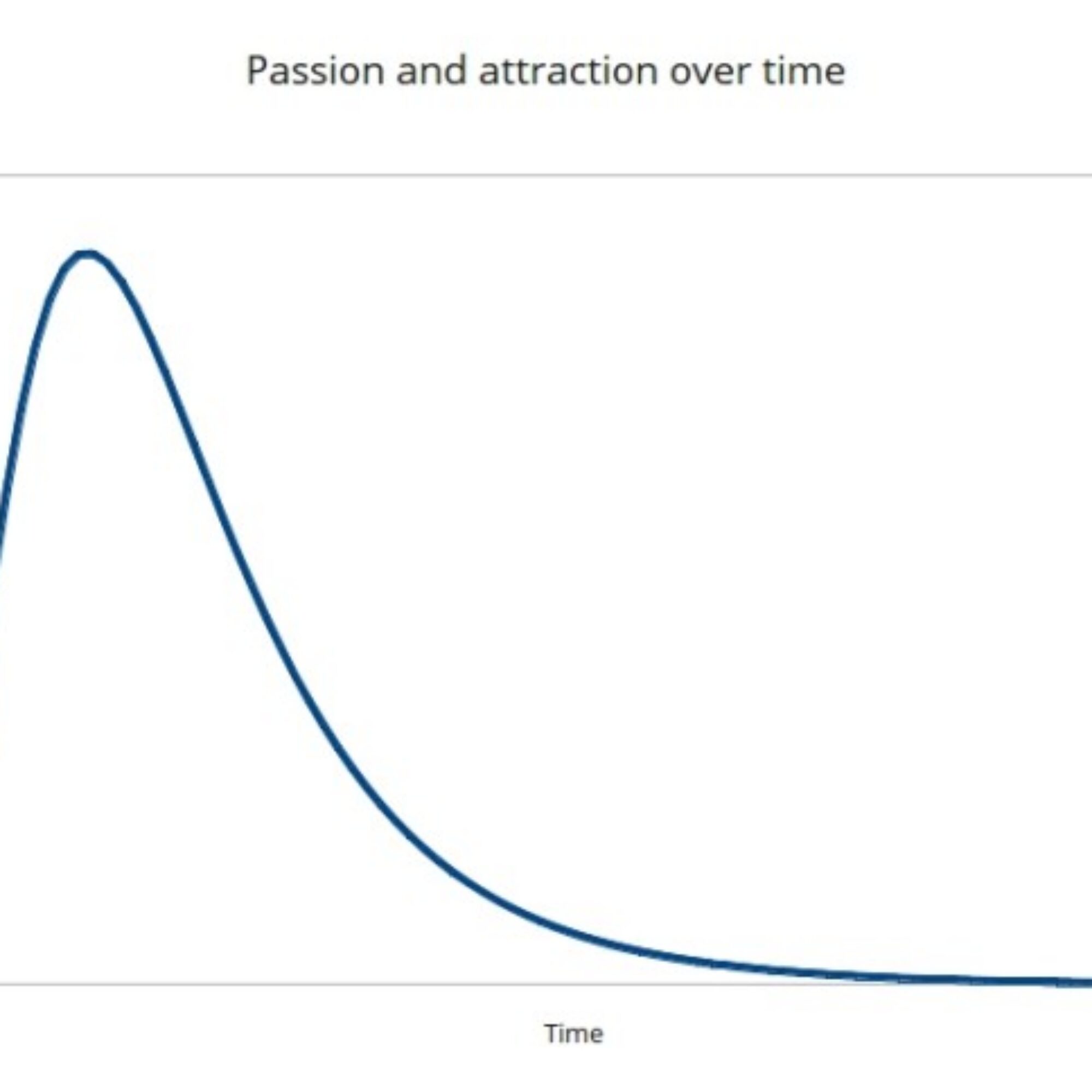
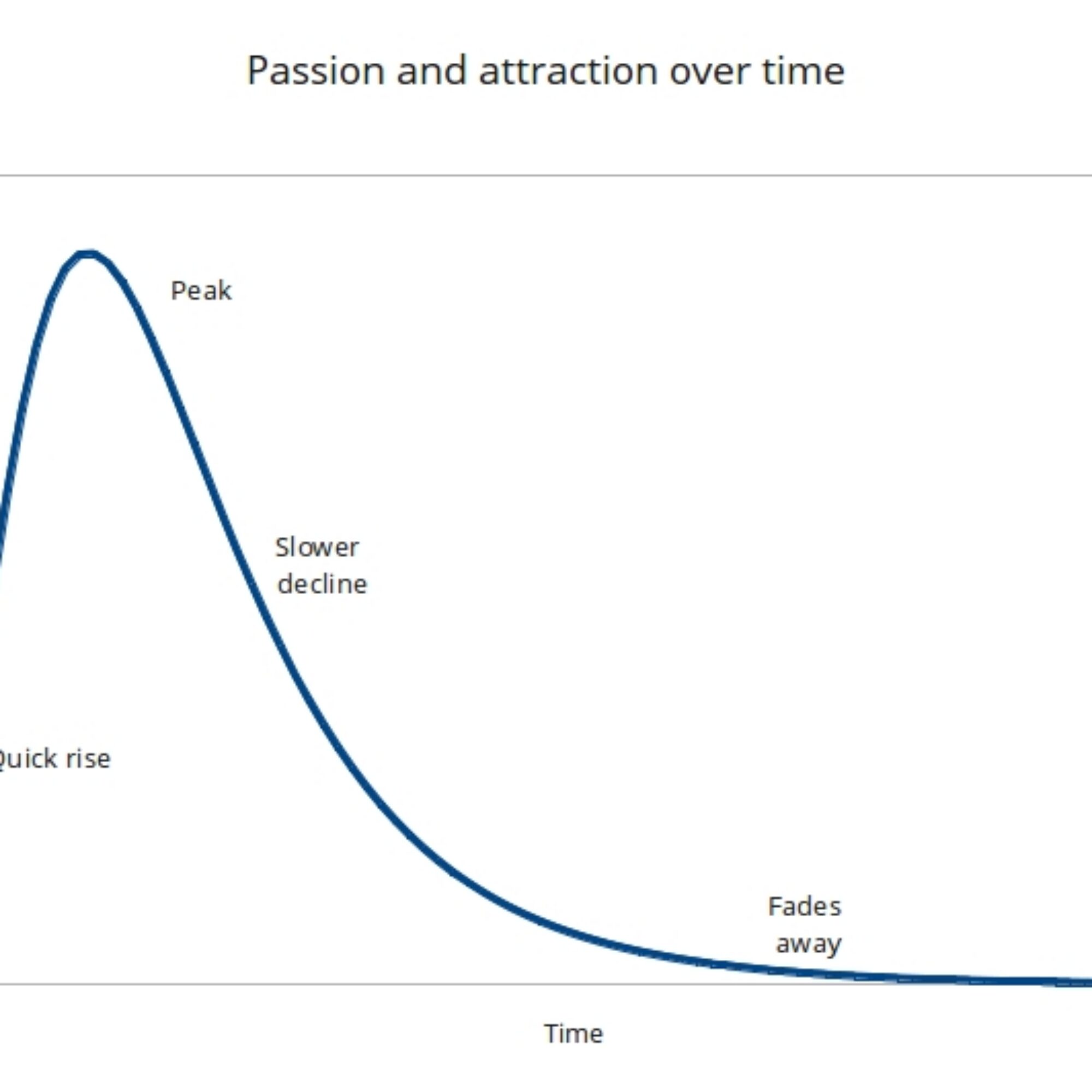
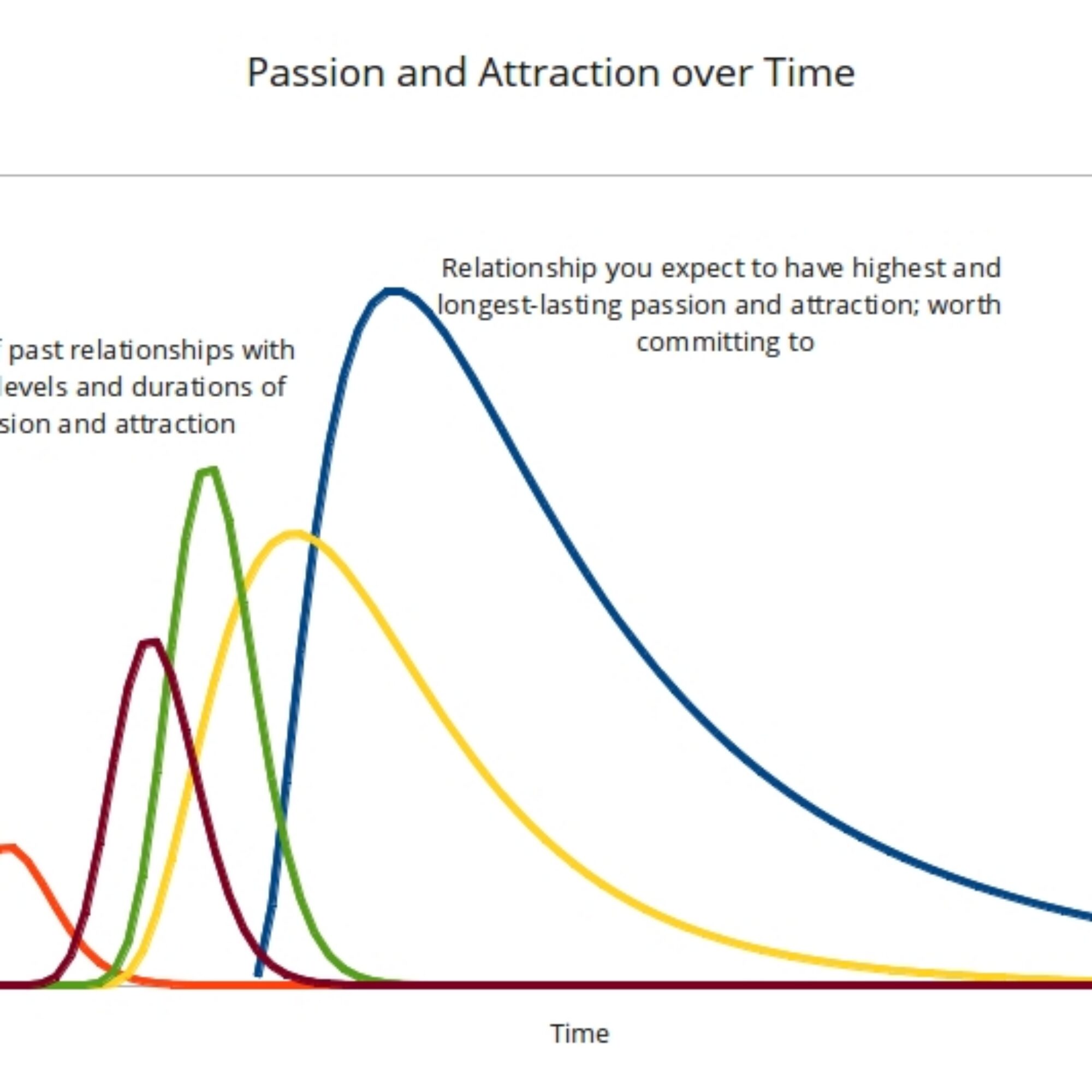
[Last week I posted a five-part series on a mental model I have for how our passion and attraction grows and wanes over time and the consequences of that pattern, according to the model. Today I'm posting them all in one post.] Day 1: Introducing a new model: Passion and Attraction I’m starting a new series today on a new model, this time on passion and attraction. Everyone I showed it to told me it gave them useful insights, so I expect you’ll find value in it too. I’ll apply the model mainly to intimate relationships, but you can also apply it to anything that evokes passion, attraction, or both, like hobbies, jobs, sports, and so on. So what does a science-trained, leadership-minded, self-awareness and…

0 Comments

How and why I made the Passion-Attraction Model graphs

Time I put a lot more time into making the graphs and writing the posts of the past week than usual -- at least a couple full days just graphing before writing a word. Why Why did I put so much time in? Not because I didn't have lots to do. Because people who saw early versions of the graphs told me it helped them better understand Their intimate relationships Their partners, and Themselves. They also enjoyed reading the graphs -- like their eyes opened wide and they looked like kids with new toys, like who would have expected something so science-and-math-like could help them understand their intimate relationships ... and work!?! My main reason for writing here is to increase self-awareness in ways that…

0 Comments

Review and conclusions from the Passion-Attraction Model

What can we learn from the Passion-Attraction Model? While the model can apply to everyone, we each have different values and circumstances, so we each have to choose for ourselves how to live our lives and act in relationships. Understanding the Passion-Attraction Model and its consequences can help you understand yourself and your partners, on your own and in relationships if you feel it describes you well. (If you don't, it may not help you, though it may help you understand your partners if they feel it describes them.) It can help you navigate your emotions and relationships and choose your behavior and partners. You don't have to adopt it verbatim. Like all models, it has flaws and oversimplifications, but so does any other model…

0 Comments

Relationship risks in the Passion-Attraction Model, part 2

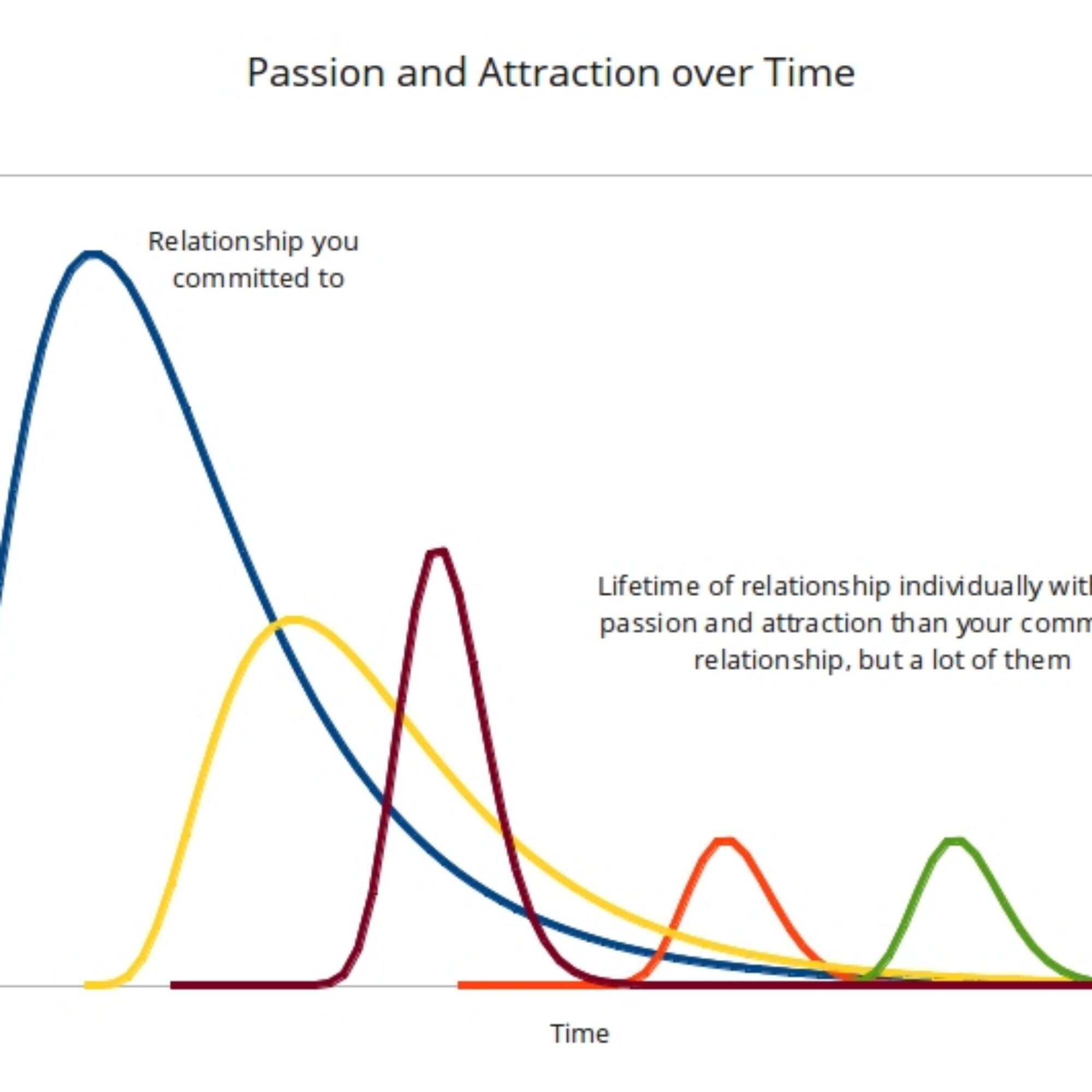
Yesterday's post considered a single alternative to a committed partner. If you plan to commit to someone for ten, twenty, thirty, or more years, you can expect you and your partner will meet people who, in the moment, attract you and excite passion more than each other. Review and discussion about One Alternative Recall, the Passion-Attraction Model doesn't tell you how to behave, though if you feel it represents your experience it may help you respond. Nor am I evaluating possible responses. I'm only using the model to understand how people will feel in relationships. The last section, "One Alternative," for example, predicted that people late in long-term relationships are susceptible to a third person exciting more passion and attraction than the long-term committed partner.…

0 Comments

Relationship risks in the Passion-Attraction Model, part 1

Yesterday's post ended by describing a typical goal -- what you hope to get if you want to commit to a relationship, at least concerning passion and attraction: an enduring relationship with lots of passion and attraction, smooth edges, and never fading away. When you and a partner both reach that goal, many people choose to commit to each other. In my experience, choosing to commit doesn't mean living happily ever after with no more relationship work. It means the beginning of a new type of work -- potentially deeply rewarding work, but work nonetheless. After all, you don’t find passion, you create it with your behavior and beliefs. Committing to someone like the blue curve above means you get the high levels of emotional rewards…

0 Comments

The Passion-Attraction Model as you gain experience

Yesterday covered how the Passion-Attraction Model described passion and attraction in a relationship. Today we'll look at how you might grow as a person and parter. We'll end today with a typical goal you might work toward (before moving on to challenges and risks tomorrow). Despite the nice clean curves in the graphs, you don't know what curve you're on. If you feel like you're at the peak of a relationship, you don't know how long your feelings will last -- that is, you don't know if you're on the red or blue curve below, or a different curve entirely. Is your relationship about to end or will it endure? Or maybe what feels like a long-term peak is just noise that will soon fade.…

0 Comments

The basic Passion-Attraction Model in one relationship

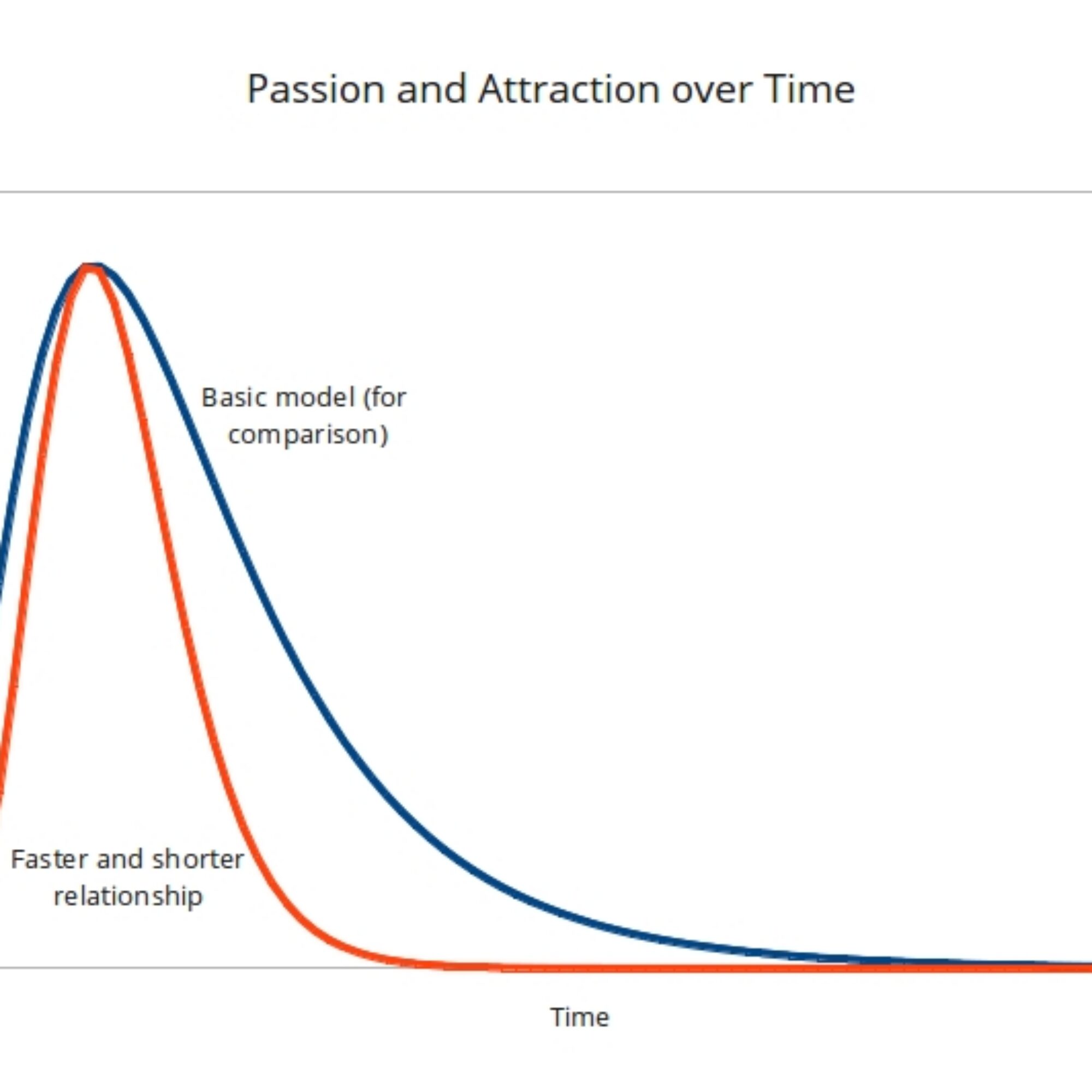
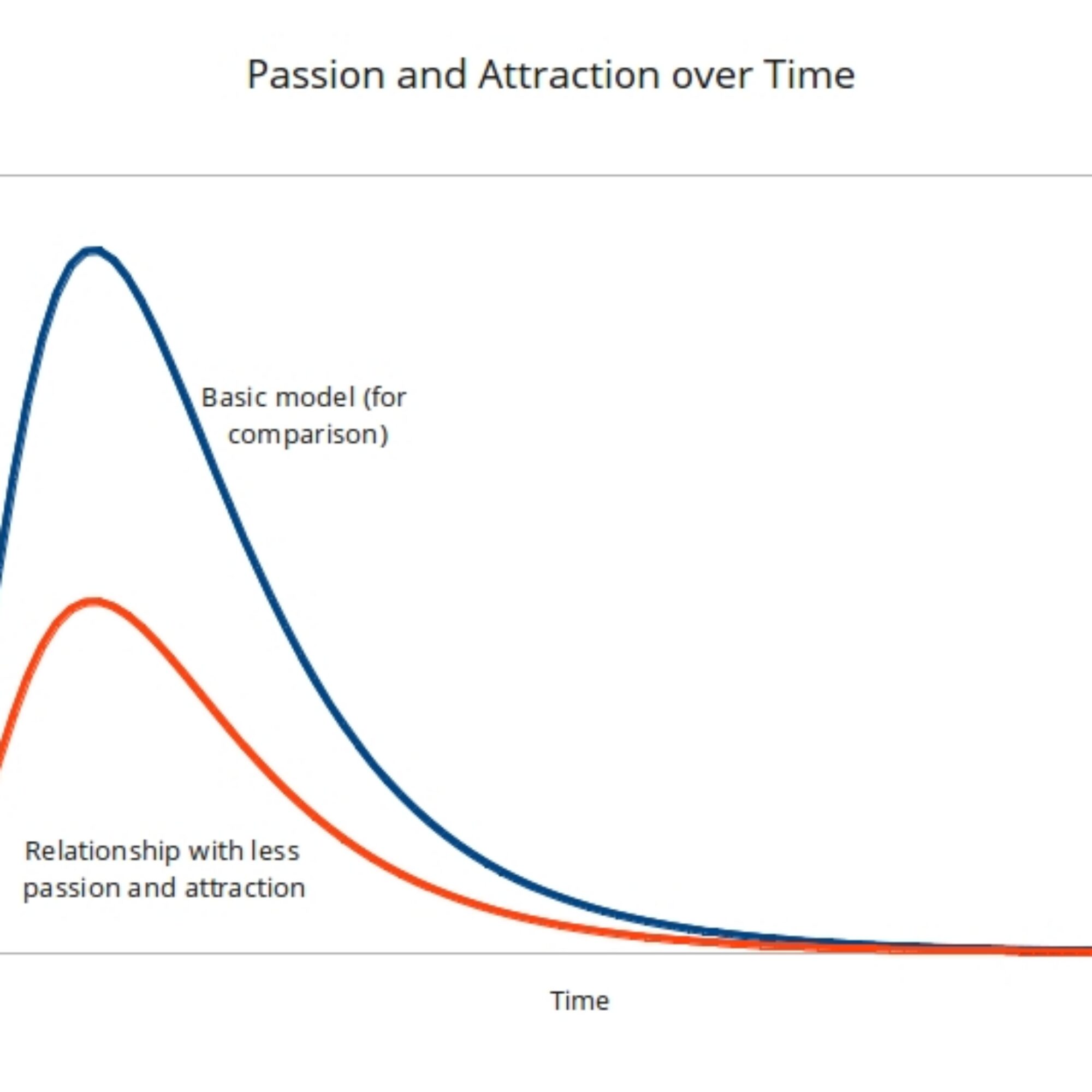
Yesterday covered the basic Passion-Attraction Model and some caveats. Today let's look at how the P-AM models passion and attraction in a single relationship. (Tomorrow we'll look at it multiple relationships). I find that the better I can visualize many ideas, the more clearly I can think about them, so this model's illustrations help me understand my feelings in a relationship. Then I can plan and act to improve myself and understand others in relationships. The Passion-Attraction Model in one relationship As we'll see, the P-AM can explain a lot of about one's feelings of passion and attraction in relationships. Less passion and attraction Some people evoke less passion and attraction in us. The P-AM represents less emotion with a lower peak, as illustrated by…

0 Comments

Introducing a new model: Passion and Attraction

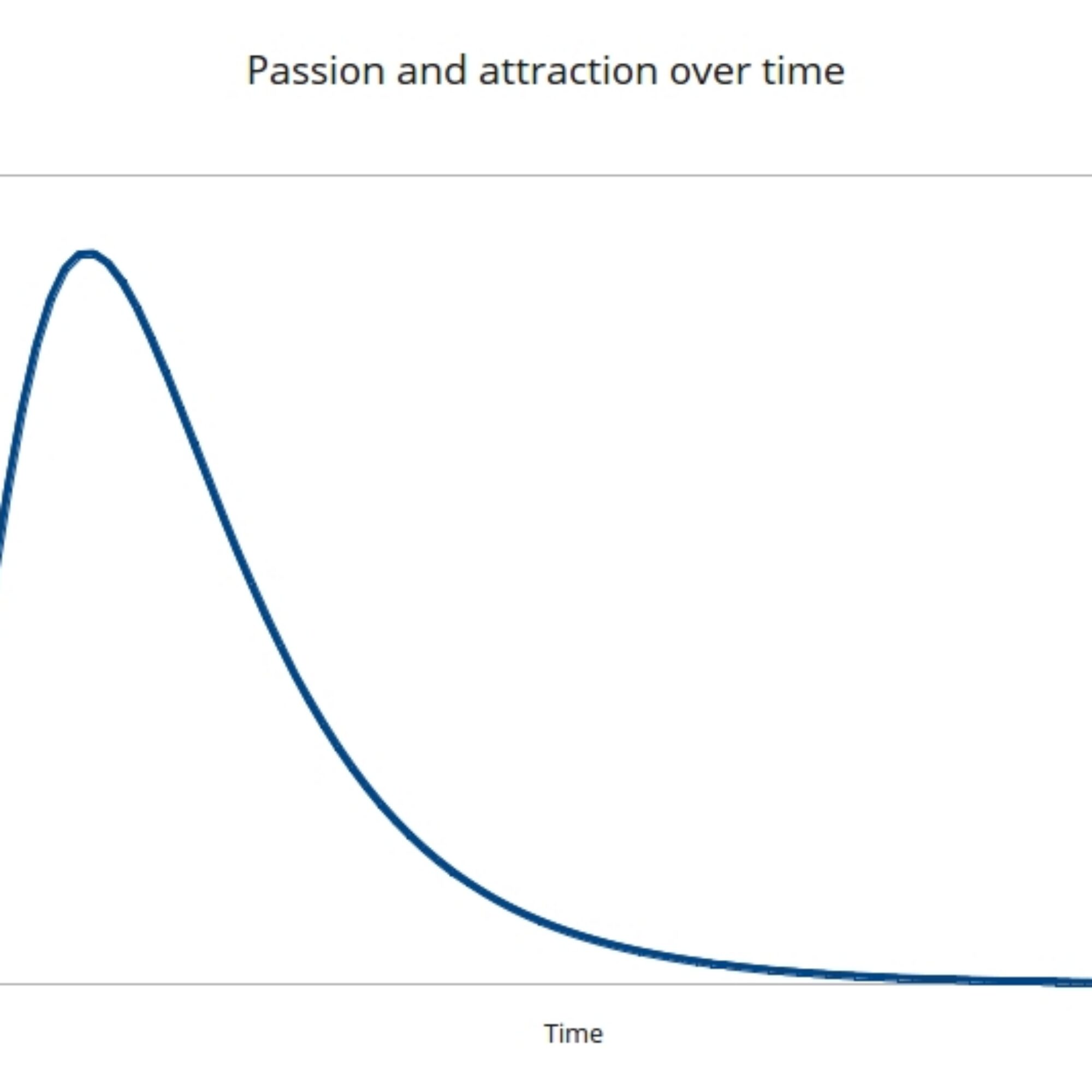
I'm starting a new series today on a new model, this time on passion and attraction. Everyone I showed it to told me it gave them useful insights, so I expect you'll find value in it too. I'll apply the model mainly to intimate relationships, but you can also apply it to anything that evokes passion, attraction, or both, like hobbies, jobs, sports, and so on. So what does a science-trained, leadership-minded, self-awareness and emotional-intelligence focused guy have to say about passion and attraction? I'll start by showing this picture of my Passion-Attraction Model as a taste of things to come, for now without explanation, except that I expect you'll find life-improving insight from a fresh and simple perspective. I find visualizing things makes understanding…

0 Comments

Do you want new beliefs and models?

I've gotten encouraging feedback on my series on my daily beliefs and how to create your own. A friend wrote with an idea to involve readers to help make the series more useful and active: to offer readers suggestions for alternatives to beliefs and models that are holding them back. New ideas could come from me or other readers. I liked his idea. Today I'm opening up to people looking to change their beliefs to send old ones in for this community to help change. Even if you don't act, I expect just thinking about your beliefs, writing them out, or seeing others' beliefs will help. If you share a belief and get a better alternative, you'll improve your life and see how the process works…

0 Comments

A curious way to measure intimacy and an effective way to increase it

I'll share today an unexpected and curious way to tell how much intimacy you have with someone and an effective way to increase it. By intimacy, I mean any kind of intimacy, which could be in a professional, friendly, romantic, or any other type of relationship. Intimacy increases trust and decreases friction between people so it's valuable to have. Knowing how much you have tells you how closely you can interact. Being able to create it can deepen and strengthen relationships and make them more productive. Intimacy has its risks too, as does today's tool. Used effectively, it will create intimacy and its benefits. Used ineffectively, it can ruin relationships. Getting close to someone always risks inviting pain or other problems. If you're easily offended…

0 Comments

How to hate less and grow in the process, simply

Today's post is a new exercise I made up that I found improved my thought patterns. It's simple and takes no time, money, or other resources. Just your attention. It combines three things that work for me: changing words to change you thoughts, celebrating what you accept, and a property about truth. Ingredient 1: changing words changes your thoughts I've written about simple exercises to change a few words here and there that can change how you think. For example Avoiding starting responses with "No," "But,"or "However" (from Marshall Goldsmith) Judging people less I'm amazed at the effectiveness of such small changes in changing your thoughts. But when it works it works. Ingredient 2: what you can accept you can celebrate I also wrote a…

0 Comments

When to get rid of things

I've written before about getting rid of stuff and the challenges of getting rid of things you once wanted to keep. You feel like if you once valued something and now don't you'll lose something important. Maybe you should examine your values and how they changed. Slow-going apartment renovations have led me to live with a lot of my stuff in storage following living in Shanghai without much stuff for most of a year. I've enjoyed the freedom of living with less. While I got rid of a lot of junk when I put things into storage, I kept a lot I wasn't sure about. Choosing is hard. Now I look forward to getting things out of storage so I can get rid of a…

0 Comments

120 burpees yesterday! 10,000 burpees at 2×20 per day!

[This post is part of a series on my daily exercise and starting and keeping challenging habits. If you don't see a Table of Contents to the left, click here to view the series, where you'll get more value than reading just this post.] While writing yesterday's post on accepting my friend Dave's challenge to do one hundred burpees in thirty-seven minutes I ate a banana for energy and mentally prepared. Then I turned on my stopwatch, started it, and did ten burpees. At three-and-a-half minutes I did ten more. At seven minutes ten more. By the end I felt good enough to do them faster. After my hundredth burpee I stopped the clock at just under twenty-nine minutes. Coincidentally, Dave happened to text me…

0 Comments

Another reason to share your passions

[This post is part of a series on my daily exercise and starting and keeping challenging habits. If you don't see a Table of Contents to the left, click here to view the series, where you'll get more value than reading just this post.] Today's post combines a few key things that result from and help create a great life. Having good friends who challenge you Sharing your passions Exercising regularly Accountability gets things done My friend Dave -- the guy I swam across the Hudson River with -- was back briefly from Tanzania, where he's doing development work. I don't have to tell you, the guy lives an amazing life. I told him I had been doing forty burpees a day since November 4…

0 Comments

Things aren’t as bad as they seem when they seem worst

How do you feel right now? I suspect you read this page when you're calm, maybe even relaxed. Now think about a few times you've been stressed. Think of how much you worried about the consequences of some worst-case scenario -- how it could ruin your life, destroy some relationship, undermine something important to you. Did you yell at anyone? Lose your temper? Lose control in some other way? Everybody has been there. We all know the feeling. However bad you've felt, somebody else has felt worse yet still survived and later flourished. No matter how bad you thought things would work out, you eventually end up back to a calm state where you have time and resources to catch up, plan, and improve things.

0 Comments

Communications skills exercise 12: Avoiding starting responses with “No,” “But,” or “However”

[This post is part of a series on Communication Skills Exercises for Business and Life. If you don't see a Table of Contents to the left, click here to view the series, where you'll get more value than reading just this post.] I've written a bunch of times on the exercise I made up to avoid using judgmental words, particularly good, bad, right, wrong, and evil, but also balanced, better, worse, improve, acceptable, and a bunch of others. I'm not sure if I wrote where I got the idea from. I got the idea from another exercise as simple and surprisingly effective that I learned from Marshall Goldsmith. Reading it will seem trivial. Doing it is nothing like you expect. The exercise The exercise is…

0 Comments

What are your beliefs and models?

My series on beliefs got me more page views and emails from readers than average. Did it get you to examine your beliefs? Did you do the exercise that started it for me? It costs nothing and takes only a few minutes. I ask not just because I'm curious, I ask for a reason we could all benefit from. As much as I like how my beliefs work for me, many people have beliefs that could work yet better for me and everyone else. I invite you to share your beliefs here. You might help me. You might help others. More importantly, you'll help yourself. Writing them out will force you to examine them more deeply, which will likely help them help you. Giving others…

0 Comments

Daily models and beliefs that work

[Today's post is an alternative introduction to my series on beliefs and how to change them. It gives a different, more team-oriented approach.] A major tool of leadership is setting the common beliefs and models of your team. Some examples: The head of a corporation may decide that the company's highest priority is product quality when it used to be customer service. Or may decide it is a consumer electronics company instead of a business-to-business company. The coach of a sports team may decide the team is a defensive team where it used to be offensive and before that it fed the ball to its star player. A person in a relationship may decide love means understanding and supporting their significant other where they used…

0 Comments

Who or what is a Cathedral-builder and why should I care?

[This post is part of a series on "Mental models and beliefs: an exercise to identify yours." If you don’t see a Table of Contents to the left, click here to view the series, where you’ll get more value than reading just this post.] The great business guru Peter Drucker illustrated how different people find different value and meaning from their work (and lives) through the parable of the three stonecutters. An old story tells of three stonecutters asked what they were doing. The first looked unhappy. He said, “I'm making a living cutting stones.” The second looked happier and proud. He kept on hammering while he said, “I'm doing the best job of stone-cutting in the entire country.” The third one looked up with…

0 Comments

People who succeeded despite adversity

[This post is part of a series on people who succeed despite adversity. If you don't see a Table of Contents to the left, click here to view the series, where you'll get more value than reading just this post.] Do you ever feel like things are stacked against you? Consider how many people succeeded despite the odds. Ask yourself which helps more -- having advantages or learning to overcome adversity? I've noticed how many extremely successful people had problems that mediocre people claim hold them back. I started noticing it with actors on Inside the Actor's Studio, but then started noticing it elsewhere. Sure, many successful people emerged from privileged backgrounds and sure, some social problems keep many people from any chance at success,…

0 Comments

How failure creates success

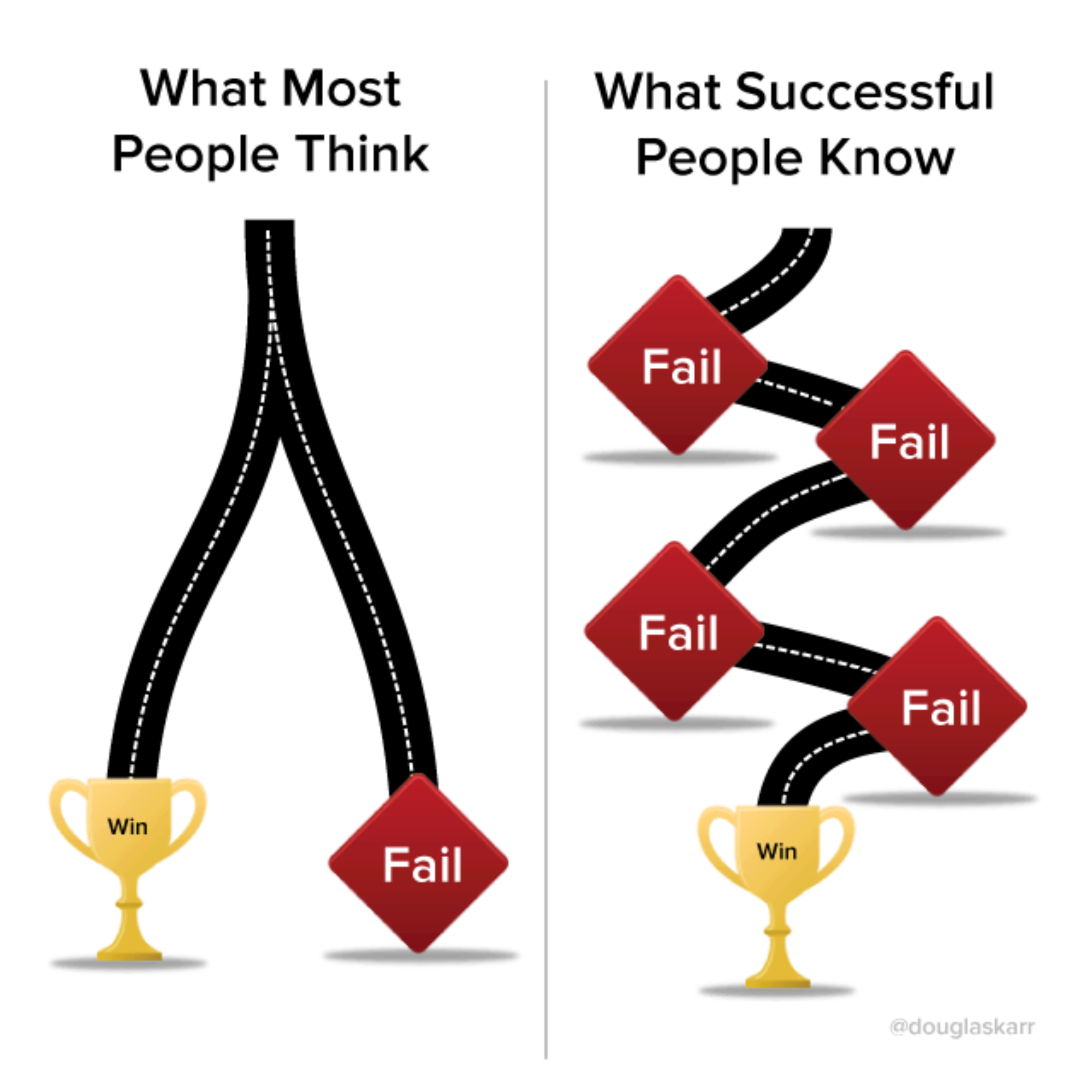
Normally I don't like just posting someone else's work, but I saw this image the other day and found the model it suggests so simple and useful I couldn't help posting it. I've found and often say the people who succeed use the word "failure" like other people do, but it doesn't mean the same thing to them. It means something positive. Not even a necessary evil, but part of a learning process... a desirable outcome.

0 Comments

End of content

No more pages to load