This week’s selected media, March 9, 2025: Platoon, the Lord of the Rings film trilogy, Human Nature Odyssey podcast

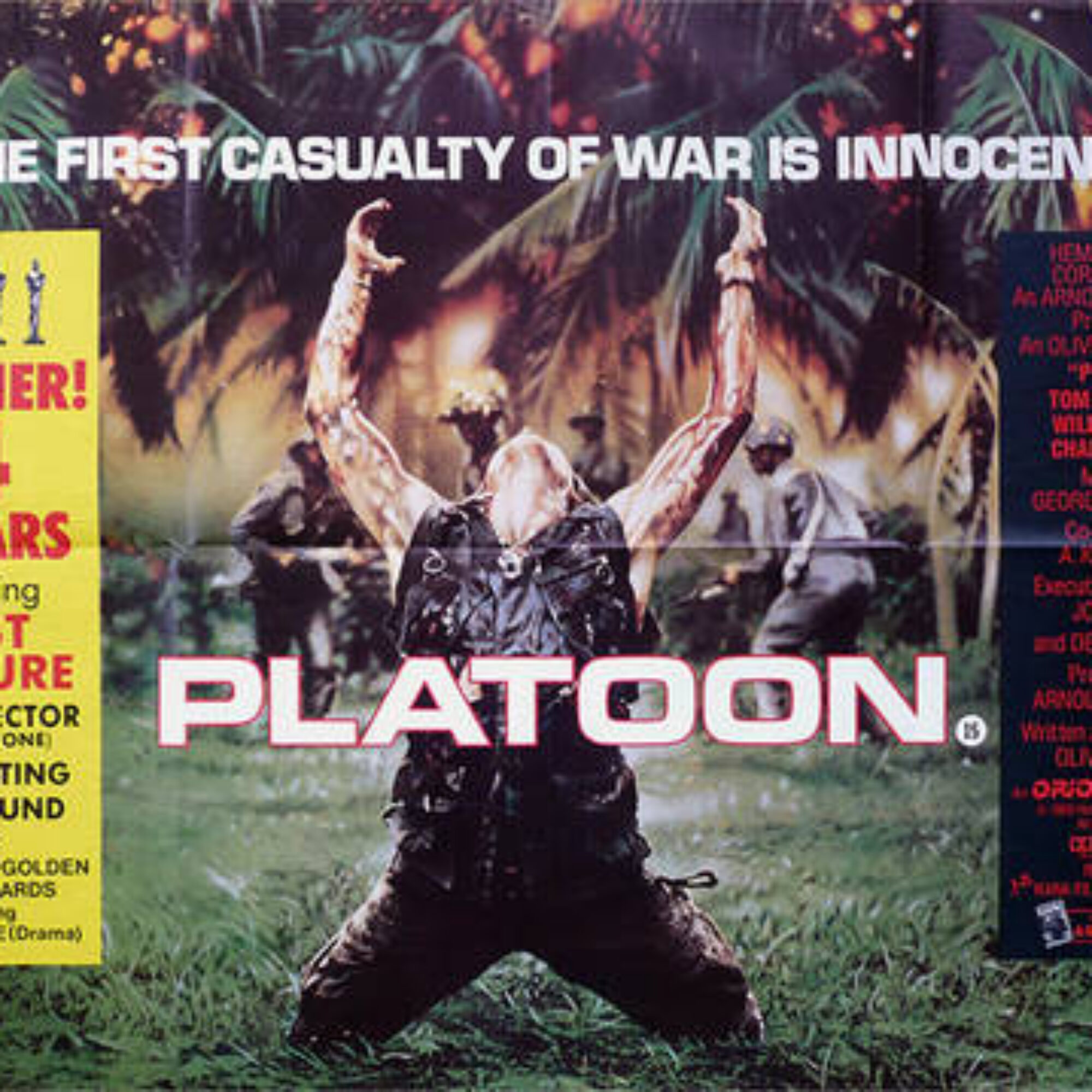
This week I finished: Platoon, directed by Oliver Stone: Let me give you context to what prompted me to watch this movie after so long. I don't remember when I first watched it. Before learning about sustainability, I thought technology would solve our problems. Mainly I thought fusion would, but along the way nuclear, solar, and wind seemed promising. As I learned more about each, I learned that they didn't work. Moreover, they accelerated the problems we hoped they would solve, like pollution, extraction, and depletion, as well as political problems like coercion and inequality. I prefer health, safety, security, liberty, freedom, community, and things like that, so I learned one by one that they wouldn't work. While creating slides for a presentation, thinking of…
0 Comments

A real-world example of what I meant in “Racist jokes, polluting, depleting, and integrity”

I wrote in my post a couple days ago, Racist jokes, polluting, depleting, and integrity, I lamented how environmentalists missed the greatest point of acting by your values: credibility and integrity. Sadly, sustainability lacks both. I wrote: Does anyone believe that not polluting or depleting once or twice will end our environmental problems? Of course not. The point of not living sustainably is not to solve all our environmental problems. One person’s actions alone won’t restore sustainability. The point of not polluting or depleting is to avoid hurting people even if you can’t fix the whole global problem yourself. Integrity means that what holds for living by your values in one part of life applies in other parts too. A post, Why Eating Local Isn’t…

0 Comments

“In the next 30 years, we’ll make four times more plastic waste than we ever have”

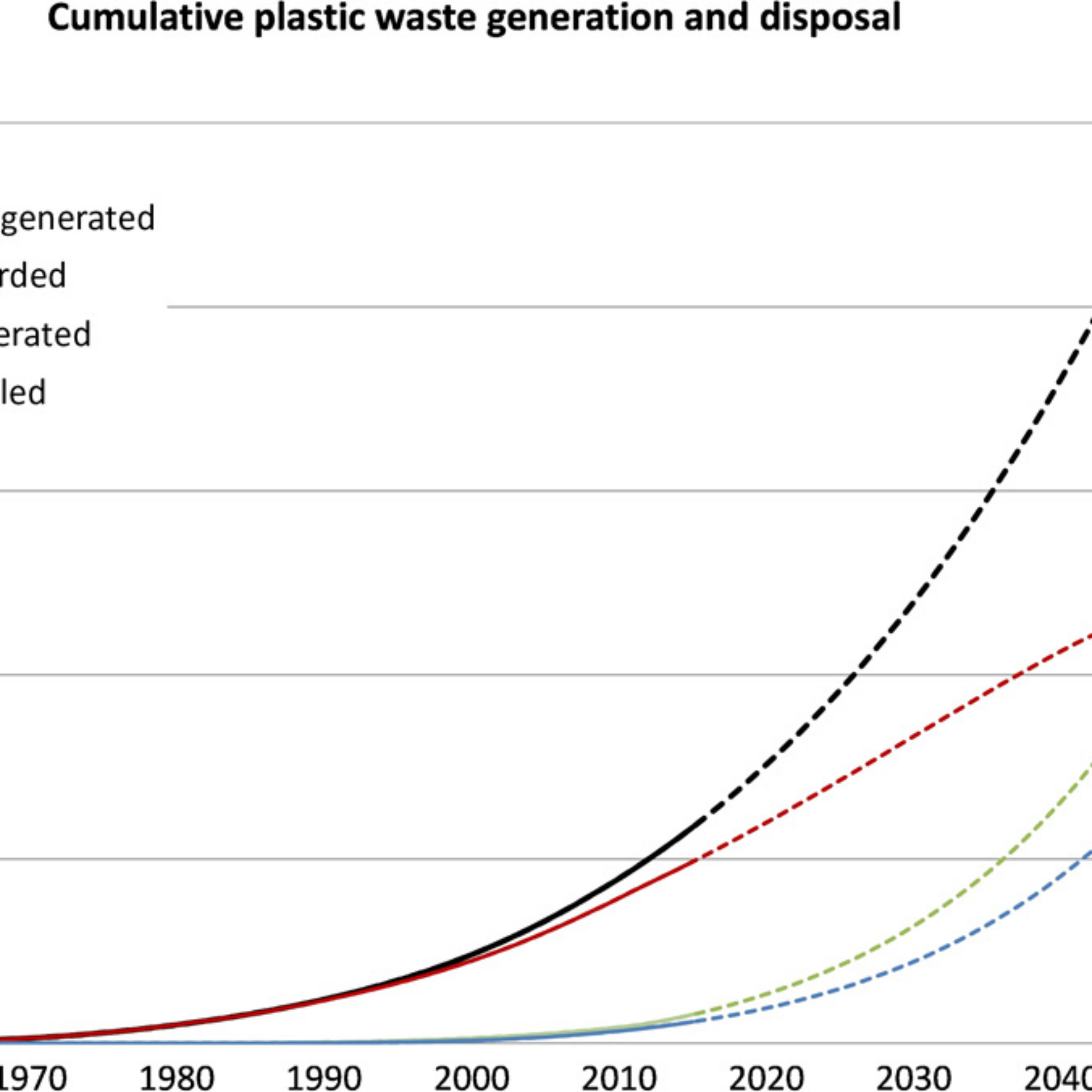
I hope I don't start a habit of posting references to articles, but it's hard not to share ones that say "In the next 30 years, we'll make four times more plastic waste than we ever have." That headline came from science.org, which referred to a journal article, Production, use, and fate of all plastics ever made, from Science Advances. We're drowning in plastic. It doesn't break down on human time scales. According to this research, we've barely started. Plastic destroys life, liberty, and property, as do pollution and depletion in general. It seems to me government should treat it as it treats other activities that destroy life, liberty, and property, like murder, theft, and arson. Actually more like slavery, which the Thirteenth Amendment abolished…

0 Comments

Racist jokes, polluting, depleting, and integrity

What is integrity? Does it matter to you? Wikipedia describes it as Integrity is the quality of being honest and showing a consistent and uncompromising adherence to strong moral and ethical principles and values. In ethics, integrity is regarded as the honesty and truthfulness or earnestness of one's actions. Integrity can stand in opposition to hypocrisy. It regards internal consistency as a virtue, and suggests that people who hold apparently conflicting values should account for the discrepancy or alter those values. That description works for me. I find integrity valuable. Growing up, I heard people tell more racist jokes than I hear today. Come to think of it, I can't remember the last time I heard someone tell a racist joke (except about white people).…

0 Comments

“Ecotourism”: What a scam. Why not “solve” other problems by calling them “ecolittering,” “ecopolluting,” and “ecoextinction”?

I was listening to a podcast ostensibly about sustainability and nature. The particular podcast isn't important because this pattern happens in many places. One of the guests was talking about tourism that seemed no different from any other tourism, but she called it eco-tourism. The only difference I could tell from any other tourism was the name. People were destroying cultures and ecosystems as much as any other tourism. The people she described seemed to think of themselves as good guys, but as far as I could tell, based not on their behavior or impact on others, but only on how they thought of themselves. Putting the prefix eco- before tourism seemed to justify their categorization in their own minds, as far as I could…

0 Comments

807: Giora Netzer MD MSCE, part 1: A leader I coached to the C-suite

Are you reaching your potential, professionally or personally? Have you wondered what would happen if you got coaching? Giora did. A friend of his who was a client of mine recommended he get coaching from me. We worked together for several years. People who think my podcast is primarily about sustainability may think it's off-topic, but those who know I focus primarily on leadership will see this conversation is exactly what I focus on and I think is most necessary and lacking from sustainability. Recently he told me one of the most heartwarming things I'd ever heard. Despite that our coaching focused on his professional life, he told me that coaching improved his relationship with his daughter in ways he couldn't have imagined. That improvement…

0 Comments

People blame me for leeching my neighbors’ heat. They have it backward.

I live in a big apartment building. The building has central air and heating. I stopped using either. Five of the six sides of my apartment face the rest of the building, so my apartment mostly doesn't face the elements. Some people say that configuration means I'm "stealing" heat from my neighbors in the winter and coolness in the summer. They have it backward. Since I keep my windows closed, most heat loss or coolness loss is through conduction, which depends on the temperature difference between my windows and the outside. Since my windows are closer in temperature to the ambient temperature outside, my apartment loses less heat or coolness, therefore requiring less of the heating/cooling system. Since all residents pay for heat and cool…

0 Comments

This week’s selected media, March 2, 2025: Waste Wars and Ishmael

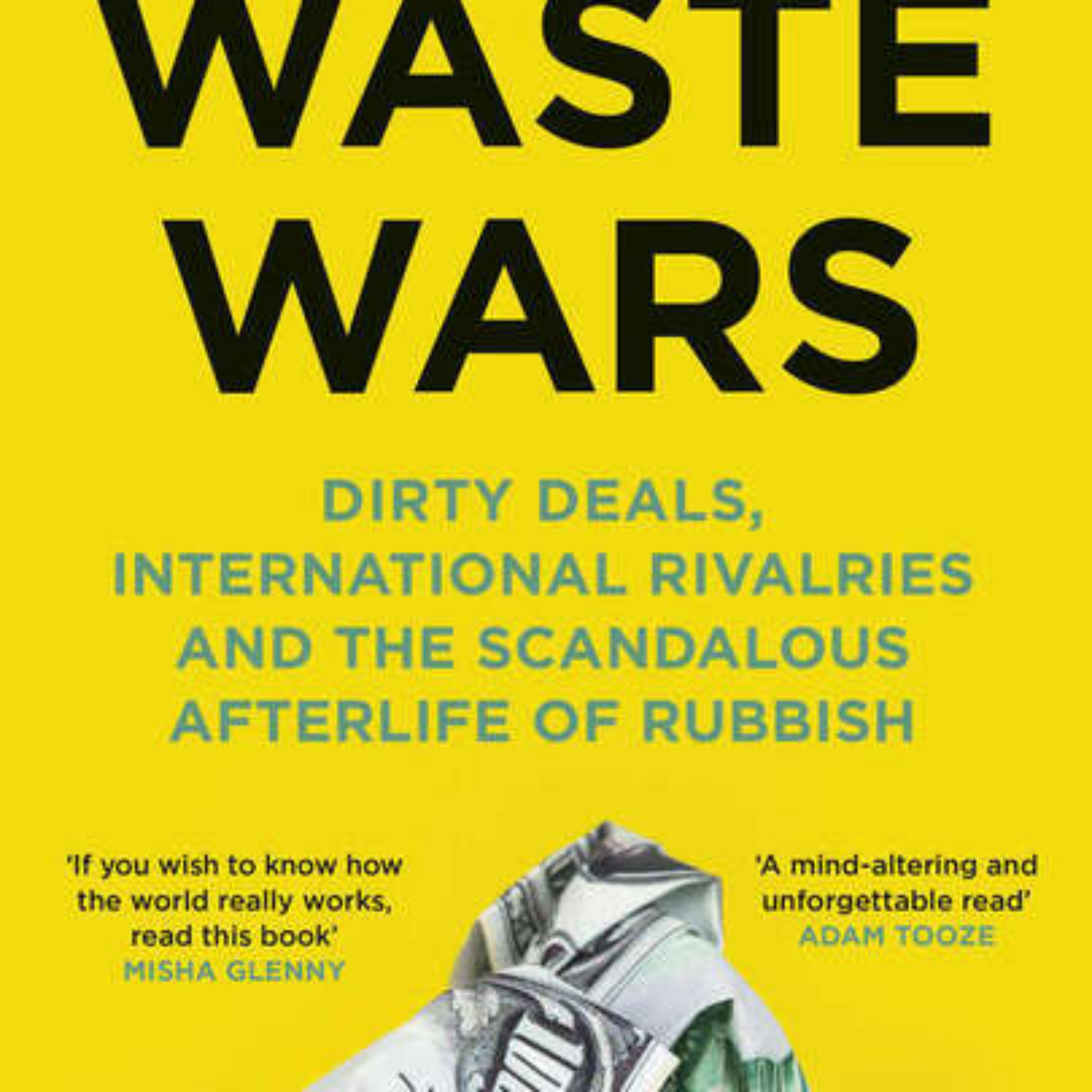
This week I finished: Waste Wars, by Alexander Clapp: I can't recommend this book enough. I came across it by reading an Op-Ed piece by the author in the New York Times: The Story You’ve Been Told About Recycling Is a Lie. That piece begins: In the closing years of the Cold War, something strange started to happen. Much of the West’s trash stopped heading to the nearest landfill and instead started crossing national borders and traversing oceans. The stuff people tossed away and probably never thought about again — dirty yogurt cups, old Coke bottles — became some of the most redistributed objects on the planet, typically winding up thousands of miles away. It was a bewildering process, one that began with the export…

0 Comments

Corollaries to my recent post: Replacing “sustainability” with “not hurting people” and “polluting” with “hurting people”

I want to clarify some consequences of realizing that polluting means hurting people, as I wrote in my post Replacing “sustainability” with “not hurting people” and “polluting” with “hurting people”. People often say that some people can't worry about sustainability because they're working three jobs to take care of three kids and having to worry about the next meal means they don't have the luxury of worrying about the environment. They don't know what they're talking about. I suspect they lack hands-on practical experience. I recognize they aren't speaking out of logic or effective leadership, but the emotions that their own internal conflict creates. We live in a culture where it's difficult to avoid doing things that hurt innocent people. It's uncomfortable to face the…

0 Comments

Josh and Evelyn Go Live! … see our first live stream of a series on living joyfully sustainably

Living more sustainably isn't hard. Our human ancestors did it for 250,000 years. Our non-human ancestors did it for billions. Most life forms do, maybe all except we modern humans. Living more sustainably in a culture that for whatever lip service it falsely pays to sustainability rewards the opposite is hard. Then the problem is people---that is, social and emotional, not technical. After all, it costs less, requires less time, is more convenient, and helps poor people. The social problem is people who, like all addicts, confuse the need to feed their addiction with actual life needs. They believe living more sustainably costs more, takes more time, is less convenient, and hurts poor people. In my book I describe why addicts get it precisely wrong.…

0 Comments

“I can’t do sustainability because my [spouse or kids] won’t go for it.”

One of the most common rationalizations/justifications/excuses I hear for not trying to live more sustainably is saying someone's spouse or kids make it impossible. Never mind that humans lived sustainably as healthy, safe, and secure as today for 250,000 years. One person told me "sustainability is nice until it runs into a six year old." Another: "my wife shops for food. She gets what she gets. If it's packaged, it's packaged. I can't do anything about it." The purported "reasons" aren't reasons. They're excuses not to try. If they saw themselves as we see people who participated in cruel systems before, like slavery, they would never say, "I can't stop buying slave-produced sugar or cotton because my spouse needs them." Future generations will see us…

0 Comments

What do you think: will the world be more healthy, safe, and secure next year? Next decade? Next century?

I'm curious if anyone wants to share their intuition, how they are living their lives, not necessarily people who research the state of the earth, but what you think for yourself and your children, if any: Do you think tomorrow---that is, the future in general---will be more or less healthy, safe, and secure than today? I haven't researched the question, but I'd bet for all of human existence, nearly all our ancestors lived lives always confident that the earth of their children would be the same or more healthy, safe, and secure. I think many people today believe that no matter what they or anyone does, the future will be less healthy, safe, and secure. Even among people who say they expect the future to…

0 Comments

The one thing in the universe that turns chaos into value and what it means for humanity

Yesterday in My favorite solar panel I wrote about the problems with the solar panels we produce. Since they require nonrenewable resources to make and don't biodegrade, we lower earth's ability to sustain life in making them and disposing of them when they stop working. As far as I know, that problem happens for all ways we create energy besides eating plants and fungi and using wood. We think we need them for life. People often tell me they think we can't live without polluting, that even breathing and pooping pollute. Yet humans lived without lowering earth's ability to sustain life for 250,000 years. Other life forms have exhaled and pooped for billions of years without lowering earth's ability to sustain life. We don't need…

0 Comments

My favorite solar panel

Recall that all the electric power I use directly comes from my portable solar panels powering a battery. Indirectly I cause plenty more to be used, from lights in other buildings to the server farms bringing you this writing, to the manufacturing processes that build things I use. The more I learn about solar power, the more I learn of the environmental devastation in creating solar panels and batteries and in disposing of them. Every piece of solar equipment I've used has broken in some way. In time, they'll become more sturdy and enduring, but for my lifetime, they'll require extraction and cause pollution. They'll lower earth's ability to sustain life. Meanwhile, nearly all life we know of depends on sunlight (I think some depends…

0 Comments

What the Spodek Method workshop delivers

I've thought of a simple way to illustrate what the Spodek Method workshop delivers. The mission is to change American and global culture to embrace sustainability by evoking our powerful, basic human emotions relevant to nature. The Spodek Method unearths joy, wonder, oneness, connection, spirituality, divinity, and related passions in people you do it with. They return gratitude. Evoking joy and returning gratitude leads to growing community acting together, achieving wondrous results of everyone loving their part. Here's what I can feel it starting to feel like from the workshop participants and alumni. Candidly, we aren't there yet, but we're on our way. https://youtu.be/uooe16ILaPo?t=93 How do you get a big community rousing and inspiring everyone? Not by lecturing theory at people, hoping they'll form community.…

0 Comments

Replacing “sustainability” with “not hurting people” and “polluting” with “hurting people”

I'm starting to replace "sustainability" with "not hurting people," sometimes adding "and wildlife." I'm not doing it across the board, but increasingly. I'm seeing how people respond. Likewise, instead of describing an activity as "polluting," to describe it as "hurting innocent people." For example: Instead of "I'm trying to live more sustainably": "I'm trying to hurt innocent people less." Instead of "I value the environment": "I value not hurting people." Instead of "Flying is for most people who fly their most polluting activity": "Flying is for most people who fly how they hurt innocent people most." Terms like "environment" and "sustainability" can be abstract. I'm not trying to protect or conserve something abstract in trying to live more sustainably. I'm trying to avoid hurting people,…

0 Comments

Hundreds of trashed dead Christmas pagan trees, 2025

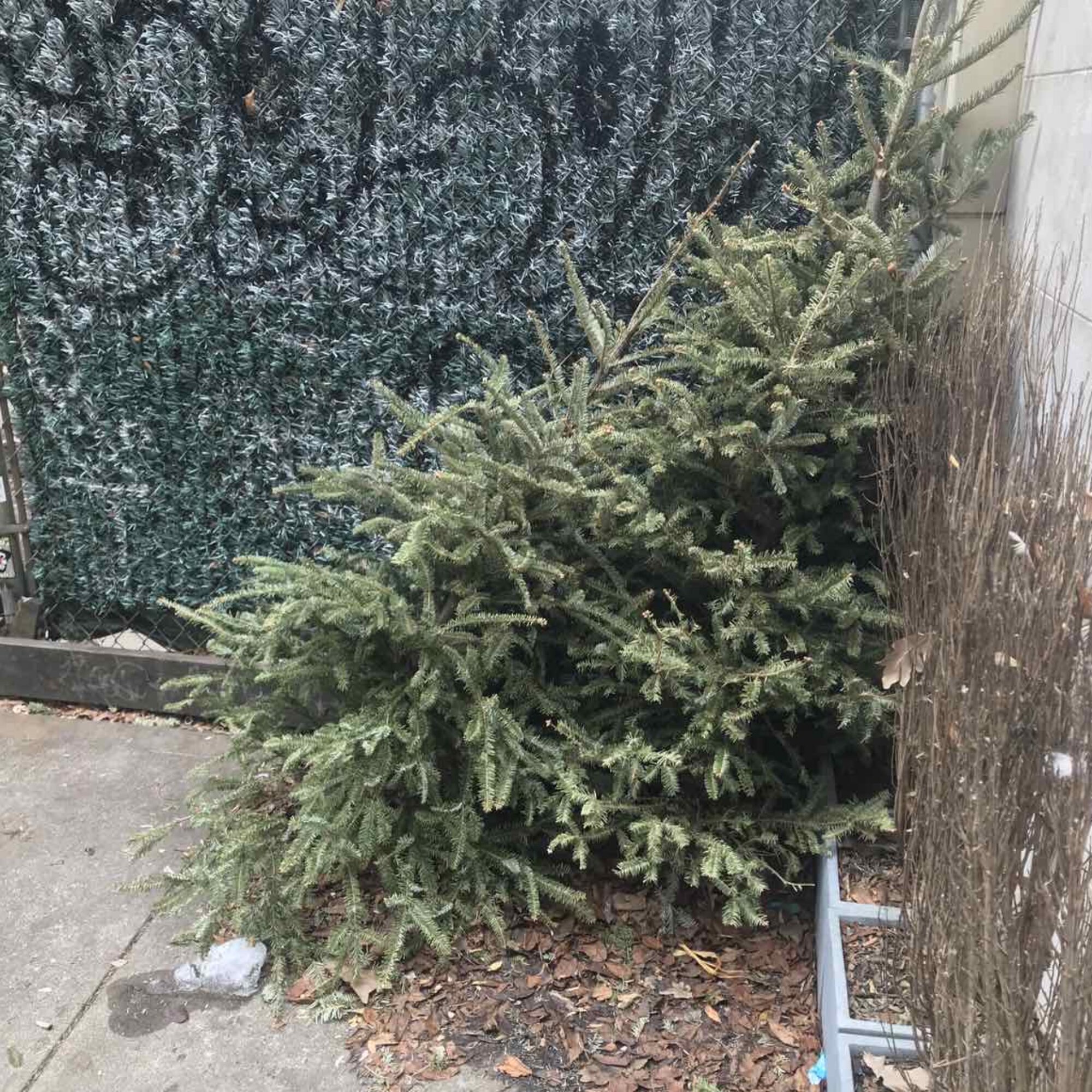
Every year, I take pictures of how people trash their trees. I find the waste and death tragic and the images of something that was supposed to celebrate life become garbage. This season, I started seeing trees trashed before Christmas: Ten days before Christmas people are already throwing away their Christmas pagan trees. I call them "Christmas pagan trees" because, as I've written before, people in the U.S. celebrate Jesus's birth with ritual of pagan origin. They celebrate something that happened in Bethlehem with chopping down fir trees. This tradition seems to have begun in northern Europe, not the middle east. I propose instead of celebrating birth with death and mixing paganism in with Christianity, recognizing that cutting down trees was not likely ever appropriate,…

0 Comments

806: Robert Fullilove, part 2: the spirit of the Civil Rights movement

Dr. Bob shares more about his experience acting during the 1960s, as well as today on helping prisoners and more. I hope you can hear the electricity I felt listening. Two kinds of electricity: one for the stories, another for how they resonated with the community, teamwork, and passion I see in the team I'm working with creating sustainability leadership workshops to change culture. He describes how they saw abolitionism as a role model movement. I see how they and abolitionism are role model movements for us. We did the Spodek Method. Since he works on engaging people to create mass change, you'll hear him both responding and evaluating the technique.

0 Comments

Plastic: “between 400,000 and 1 million people die each year in low- and middle-income countries because of diseases related to mismanaged waste”

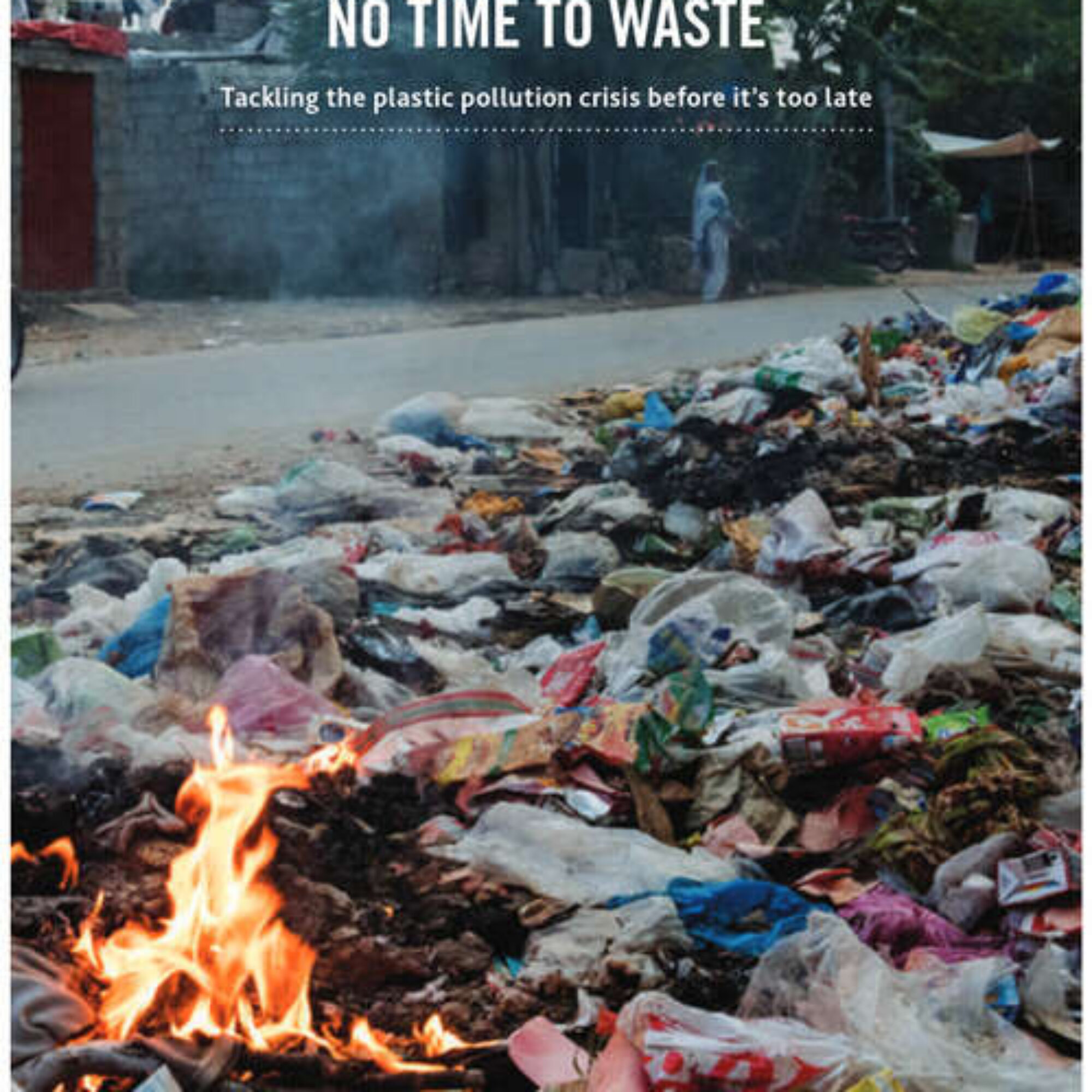
A group called the Tearfund published a report in 2019 on plastic waste called No Time to Waste. It states "between 400,000 and 1 million people die each year in low- and middle-income countries because of diseases related to mismanaged waste." I expect that number has risen since. I expect I'll quote this finding as a measure of our culture. Consider this point: there was once no litter on earth. Not one piece of litter. Now it's everywhere, including our arteries and brains. I've quoted the Lancet's peer-reviewed paper on 9 million deaths per year from breathing polluted air. This report seems comparable and independent. Though not peer-reviewed, it documents its methods. Here is the beginning of the appendix that documents their methods, though read…

0 Comments

805: Osprey Orielle Lake: Founder and Executive Director of the Women’s Earth and Climate Action Network (WECAN)

I was pleasantly surprised in reading Osprey's book The Story is in Our Bones that she also sees the need to change culture, including elements like our stories, role models, images, and beliefs. Focusing on cultural elements doesn't mean ignoring or leaving out measurable things like greenhouse gas emissions or plastic waste. On the contrary, focusing on those things without addressing our stories tends to result in people complying at best, more often feeling despair at the lack of vision. Regarding role models, she also looks to sustainable indigenous cultures, and not to give solar panels or western-style schools to, as if we know better, but to learn from with humility. She uses different language, which I tried to learn from. Osprey's book: The Story…

0 Comments

More humble pie for Josh, and the value of Hands-On Practical Experience (HOPE)

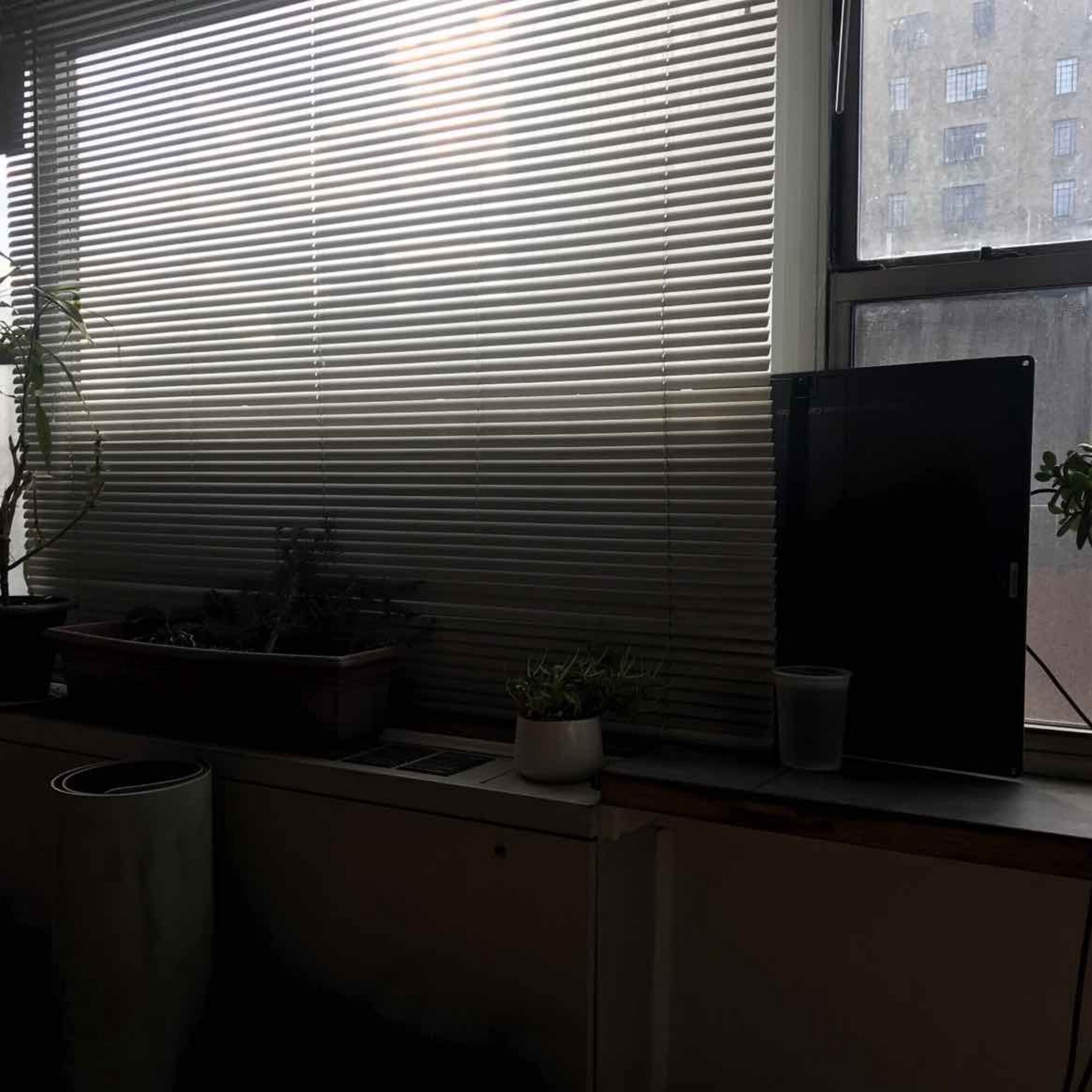
People ask me if I can put my solar panels in the window. Generally I've said doing so doesn't get nearly the power I'd need since for most of my time off grid the pressure cooker was my main use for electric power. I'd also think something like, "no shit, Sherlock. In what world would I not have thought of using the panels in my own apartment." In fairness to myself, most of the year, the angle of the sun doesn't provide direct sunlight at an angle the panels can charge from. It happens that for a month or two before and after the winter solstice, the sun is low enough on the horizon to provide some sunlight, albeit for only a couple hours, through…

0 Comments

Bigger distractions than BP’s

People constantly cite BP's promoting personal footprints as a distraction. Nearly everyone who cites it acts like a know-it-all so I find them annoying. The main reason I find them annoying is they use it to justify themselves buying more of what BP sells. I wish more people understood how their minds rationalize and justify, but I'll write about that topic in another post. Today I want to point out two giant distractions more relevant than whether we attribute emissions to companies or the people who buy from the companies. Distraction 1: emissions distracts from extraction We shouldn't use emissions as the most important measure of greenhouse gases, but extraction. Burning wood doesn't introduce new greenhouse gases into the biosphere. Extracting fossil fuels does. I…

0 Comments

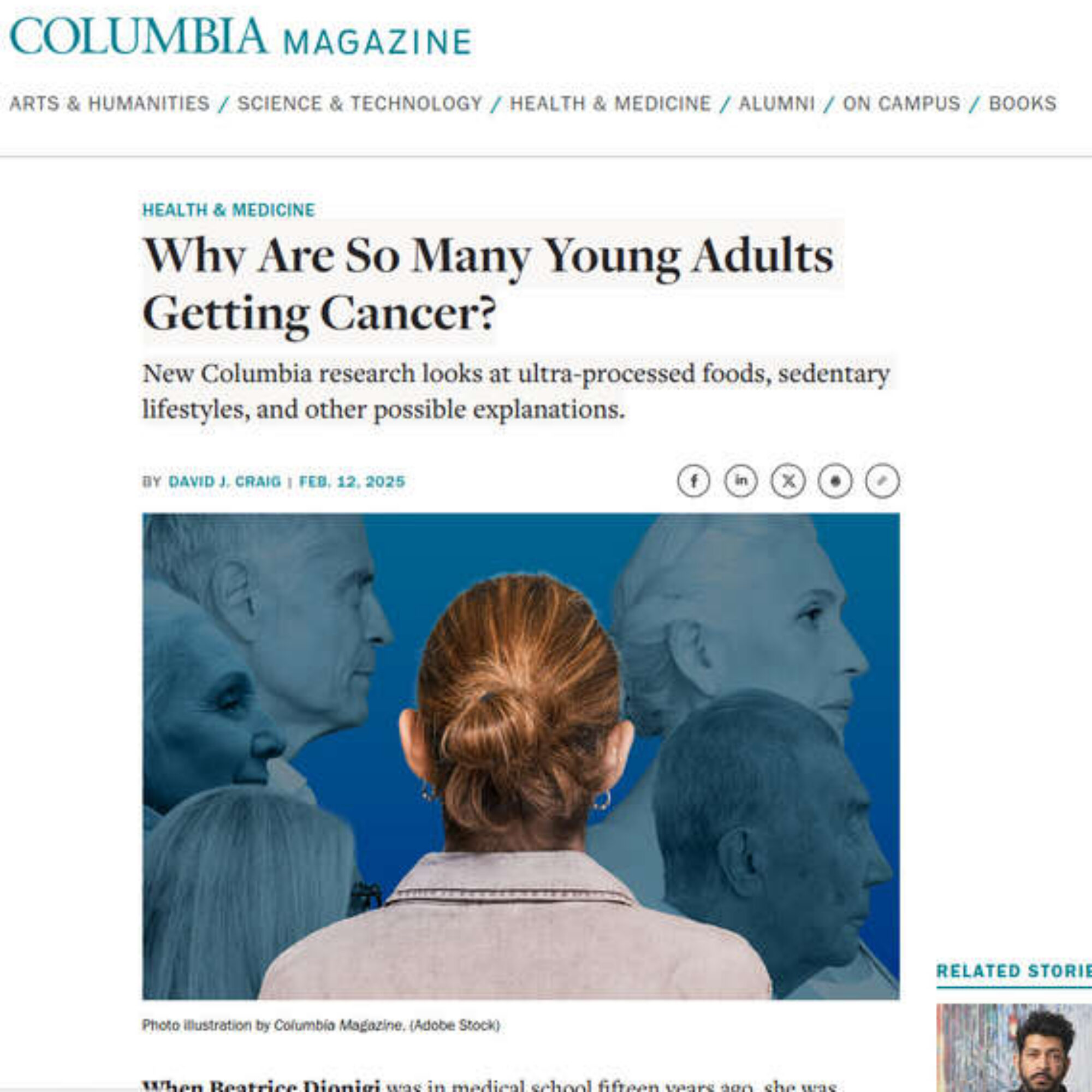
Why Are So Many Young Adults Getting Cancer? Doof, not food.

I knew the article would cover food and not distinguish doof from food from its title: "Why Are So Many Young Adults Getting Cancer? New Columbia research looks at ultra-processed foods, sedentary lifestyles, and other possible explanations." Sure enough, it didn't. Imagine people didn't distinguish heroin from poppy, if they thought shooting heroin was like eating a poppy-seed bagel. They'd miss that heroin affects the body and behavior a lot different than poppy seeds. In this post, I'll quote a few paragraphs, then translate them to distinguish doof from food. For context, here are the first two paragraphs, which don't mention food or doof: When Beatrice Dionigi was in medical school fifteen years ago, she was taught that colon cancer — long known as a…

0 Comments

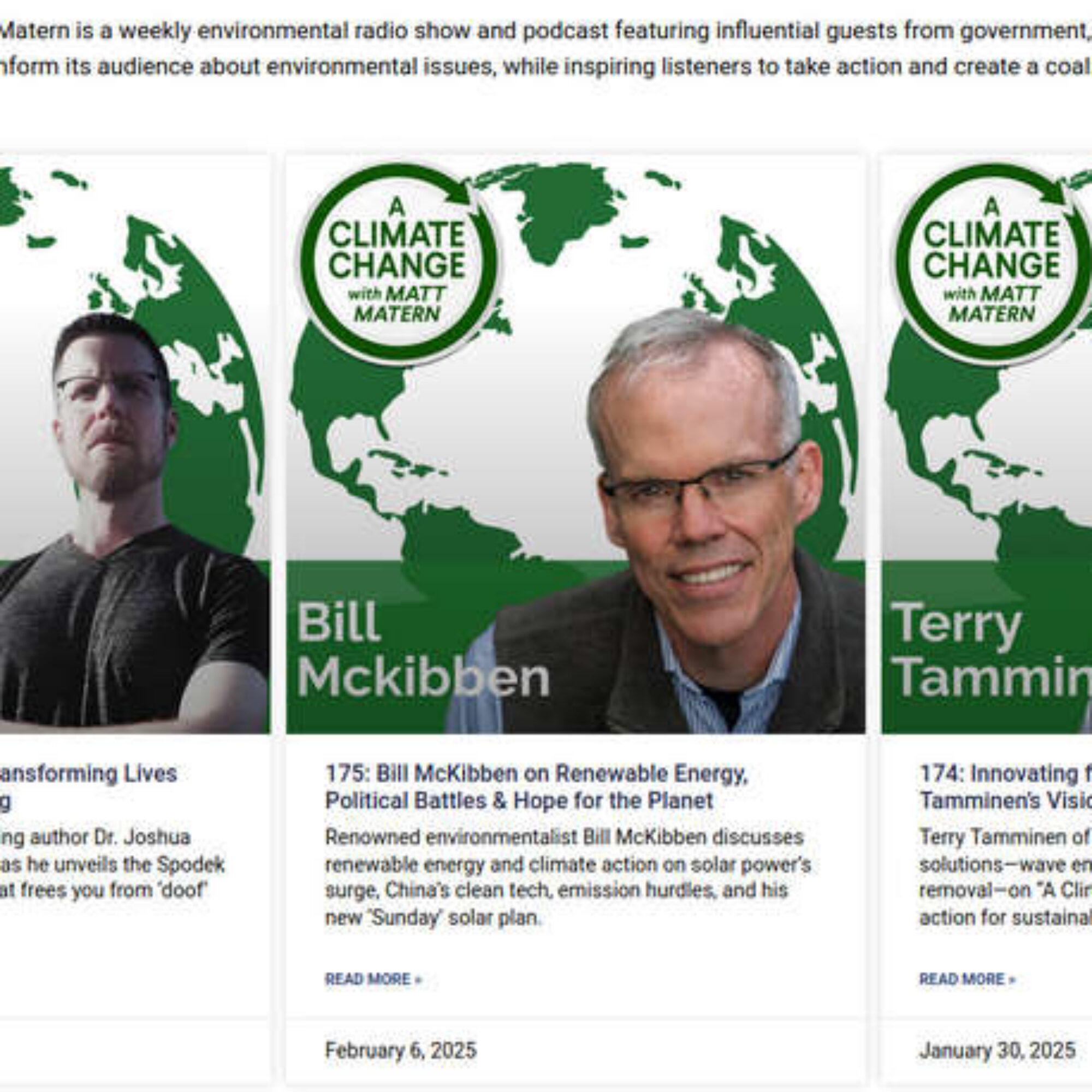
Hear me on A Climate Change with Matt Matern

Matt and I have appeared on each other's podcast before. He invited me back to talk about Sustainability Simplified. I recommend reading it. This episode will whet your appetite. Looking at Matt's podcast page, the guest before me was Bill McKibben so I consider myself in esteemed company. Here at the liner notes: Astrophysicist, sustainability advocate, and author Dr. Joshua Spodek joins us to discusses breaking free from processed food addiction, building community-driven environmental solutions, and embracing the Spodek Method - a unique approach focusing on intrinsic motivation for sustainable action.  Josh shares insights from his latest book, Sustainability Simplified, which captures Josh’s life journey and reveals how our culture became so polluting, and shows practical and liberating solutions for individuals, nations, and the world.…

0 Comments

Helping the poor whom unsustainability hurts is nice and essential but by definition isn’t solving the problem

You've heard "the people most affected by our environmental problems are causing it the least, and those causing it the most are the least affected by it." It sounds unfair. People who say that sentiment seem then to suggest we should help those hurt the most---the disadvantaged. They sure do try to explain to me that if I don't focus on them, I'm out of touch. No one wants to help them more than I do, but look at the statement. If the people affected most aren't causing the problems, focusing on them means not solving the problem. You might feel good for helping helpless people, but you aren't solving the problem. To solve the problem, you have to change the people causing it. I…

0 Comments

End of content

No more pages to load