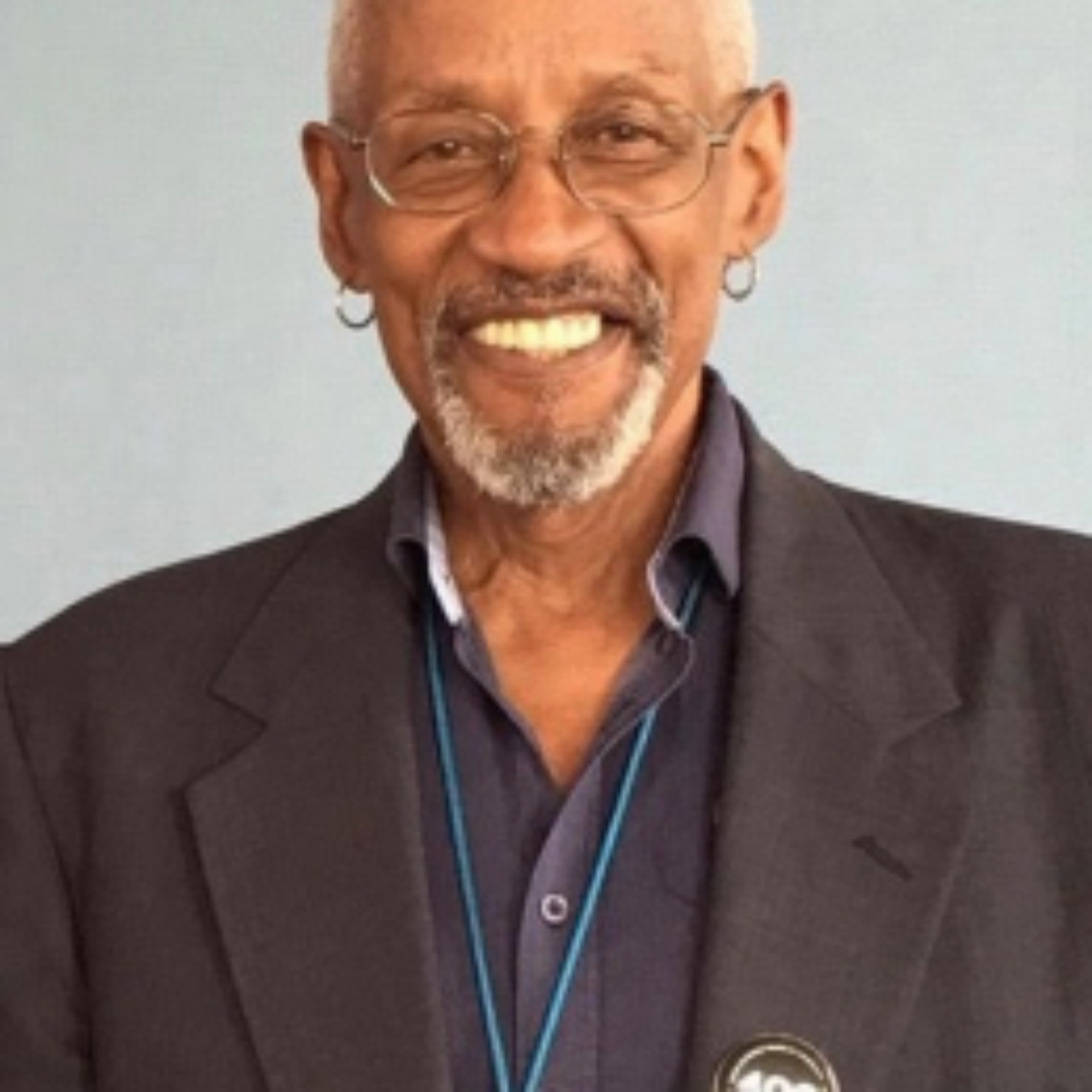
804: Robert Fullilove EdD, part 1: Lessons from America’s Civil Rights era and effective action today

People call my behavior extreme, though I'm just acting in service of others. To be more precise, I'm acting in love for others. When people suggest what I'm doing is too hard, I sometimes remark how during America's Civil Rights era, some people went to jail for different people's freedom. Nobody looks forward to going to jail, yet people did. Their actions make mine look easy and fun. Still, I suggest, I bet they consider those actions of going to jail or even being attacked by dogs or beaten some of the best events of their lives. I doubt they regret it. I wanted to confirm my beliefs. I didn't go out of my way, but I looked out for people who had marched, protested,…

0 Comments
Yet more cases where efficiency doesn’t help sustainability
Oil refinery

Yet more cases where efficiency doesn’t help sustainability

If something destroys life, liberty, and property, making it more efficient leads it to destroy less life, liberty, and property, not zero. Stopping doing it would stop destroying life, liberty, and property. We know life doesn't require pollution, despite our cultural beliefs. The quality of life of people who live sustainably doesn't appear lower than ours and in many cases appears higher, also despite our cultural beliefs. Let's look at a specific case. Say you have a machine that burns oil. Ways burning oil hurts people include the extracting the oil, which often destroys wildlife and thereby hurts people, displacing people from their lands to reach it, and polluted air from burning it. If you make it more efficient, you might think you pollute less.…

0 Comments

See me on Japanese TV!

NHK is a public broadcaster in Japan. For a weekly segment NHK@nyc, they interviewed me, recorded me charging from solar in the park, at my home, volunteering, and more. Click here for the page. There's a video, pictures, and text. Most is in Japanese, but plenty of the video is in English and the web has plenty of translator tools. You get to see pictures and video of me picking up litter, chopping vegetables to ferment, charging in freezing weather, talking to the interviewer and more.

0 Comments

Why complaining about “private profit and public cost” misses the boat.

The difference between an externality and coercion. An externality is a cost imposed on someone else. A cost is something that if you pay for it, you undo the cost or make them whole. An example might be if in doing my work, I undo some of yours and it takes you an hour to redo it. You could in principle consent to the work if I compensated you enough for it. If I cause a child to be born with a birth defect, no amount of money can make up for it. No one can consent to be born with a birth defect. To call causing birth defects is a category error. Nobody would call murder an externality. No amount of many makes up…

0 Comments

Inspiring words of resolution from great historical figures to fight coercion and tyranny

It's nice to know about problems and people seem to like complaining about them, but these reactions don't compare with solving them. Acting takes resolution. Gandhi wasn't just thrown off a train. He resolved to fight the injustice. Some historical heroes who transformed cultures wrote their experiences of such moments of resolution. We can learn from them. I find their words inspirational. Robert Carter III Robert Carter III freed his slaves when his neighbors Thomas Jefferson, George Washington, and James Madison didn't, showing that they could have. He wrote in his Deed of Gift (1791)---the document which implemented this freedom: "I have for some time past been convinced that to retain them in Slavery is contrary to the true Principles of Religion and Justice, and…

0 Comments

Why do people like hearing me share my vulnerabilities?

People like hearing me share my vulnerabilities. I'm not special. People like hearing anyone share their vulnerabilities too, but I noticed it this week about myself. At the beginning of this week, I thought about blind spots. We all have things we do or don't do, or know or don't know, and we aren't aware of the consequences differing from what we expect. Learning about them can help us improve our lives and relationship. This topic came up in conversation with a group of friends who help each other to grow personally and professionally. Could I find any of mine? Almost by definition, we can't see them, so maybe trying to find one's own blind spots wouldn't work. Others see them, though, so I thought…

0 Comments

Playing on a tilted field isn’t fair. How to fix it and how not to fix it.

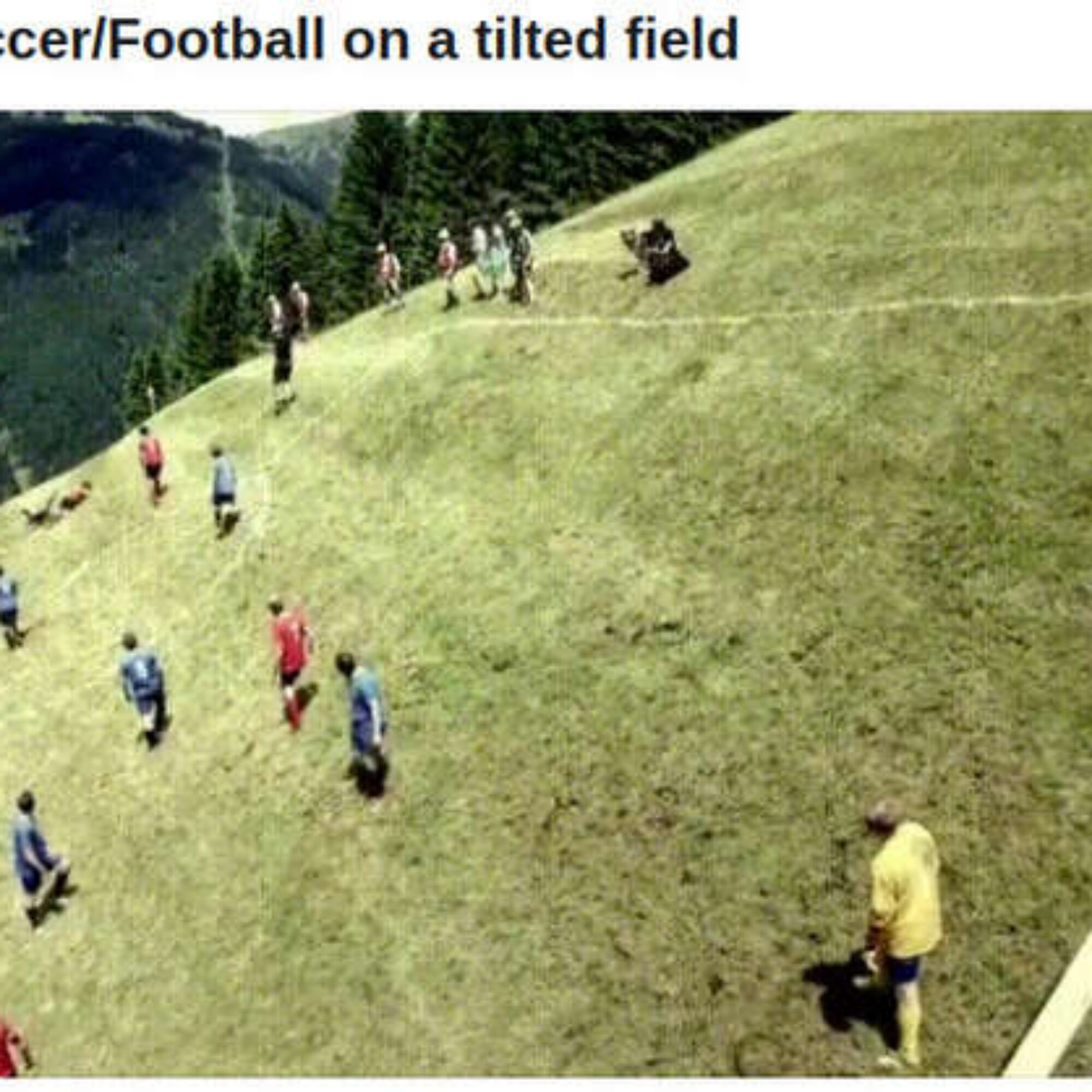
This post is about how to think about fixing historical wrongs, like reparations for past injustices. Imagine playing soccer on a tilted field. Amazingly, I found an image of such a thing online, but it shows a field tilted sideways. I mean tilted so one team has to run uphill on offense. Almost surely one team will have an advantage, though my soccer-playing friends can't tell which. [Edit: I since thought of a simpler, clearer way to advantage a team: make the goal one team have to defend six inches wider or taller. I already wrote this post and found the picture below, so I won't edit it completely, but just imagine instead of a tilted field, a field with one goal larger than the…

0 Comments

The Spodek Method is like quitting smoking.

Some people in my workshops describe early times practicing the Spodek Method as causing them anxiety. From my experience with performance arts like acting or sports in front of a crowd or, in attraction, learning to approach women, I know performing where others can see you can cause people without experience anxiety. I also know that mastering that art can transform that anxiety into joy and glory. Everyone who became great at any performance art started as inexperienced and unskilled as anyone. Do the reps and you learn to succeed. You find the art in it and learn to express yourself through the art. You learn things about yourself you never knew. What I just wrote applies to all performance arts. What about the art…

0 Comments

Plastic appears more poisonous than you think, especially to your brain. You’d rather know these findings than not.

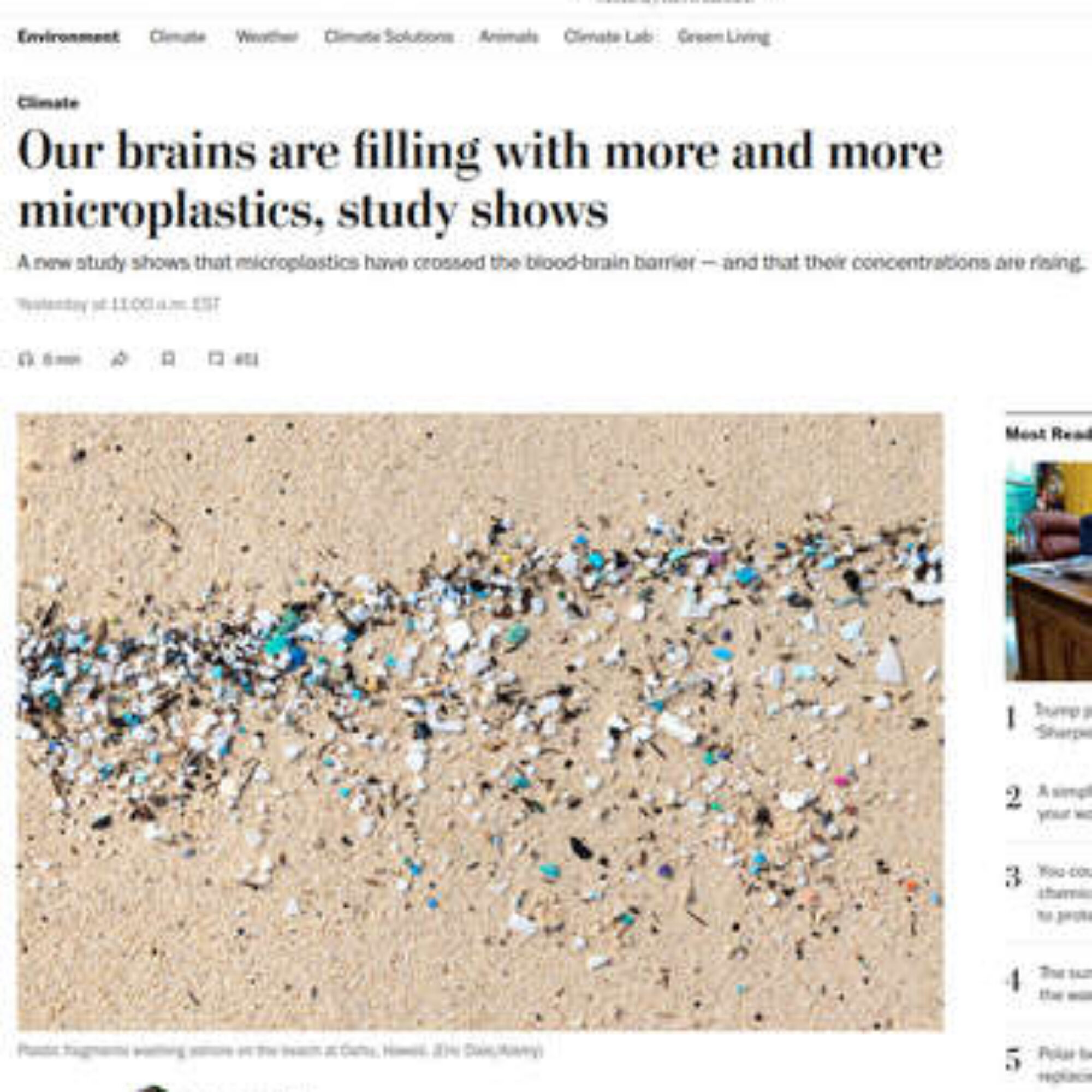
I try to avoid just quoting news. That's for social media, which I avoid. But sometimes the news merits it. Quoting the Washington Post: Our brains are filling with more and more microplastics, study shows A new study shows that microplastics have crossed the blood-brain barrier — and that their concentrations are rising. A new study shows that microplastics are making their way into human brains — with potentially dangerous effects onpeople’s health andmental acuity. A paper published Monday in Nature Medicine found that the tiny fragments of plastic are passing the blood-brain barrier and into human brains, and the amount of microplastics in the brain appears to be increasing over time. The concentration of microplastics in analyzed brains rose by about 50 percent from…

0 Comments

A polluting cafe illustrates our how our culture values and promotes polluting and depleting

The picture below shows a new cafe down the block from me that shows how polluting our culture has become. Let me count the ways. First, it has no seating. You buy your coffee and walk away. They save rent for not providing space for customers. They give you disposable everything. They save the salary of someone washing, the rent for space for a dishwasher and cups. It's glowing red because it's using heat lamps despite there being nobody there. Like many local places, they're heating the outdoors. On the other side of all these savings for them: everyone pays the costs in health from plastic in our bloodstreams, pollution in the air, sickened wildlife, people displaced from their land to access minerals and fuel…

2 Comments

This week’s selected media, February 2, 2025: The First Emancipator, Plutarch’s Parallel Lives, Will & Harper

This week I finished: The First Emancipator: Slavery, Religion, and the Quiet Revolution of Robert, by Andrew Levy: I wrote earlier on the article Levy expanded into this book. Carter plays a big role in my book. Levy describes him as the anti-Thomas Jefferson and the document he freed his slaves with as the anti-Declaration of Independence. Beyond the biographical parts, Levy asks why Carter appears so little in our history despite his superlative achievement of the American who freed the most slaves he owned that his absence requires explanation. This book's conclusion explores the reasons. These reasons tell us about our culture today and our values. Most of us won't be comfortable with the reasons since they speak of our excusing our living inconsistently…

0 Comments

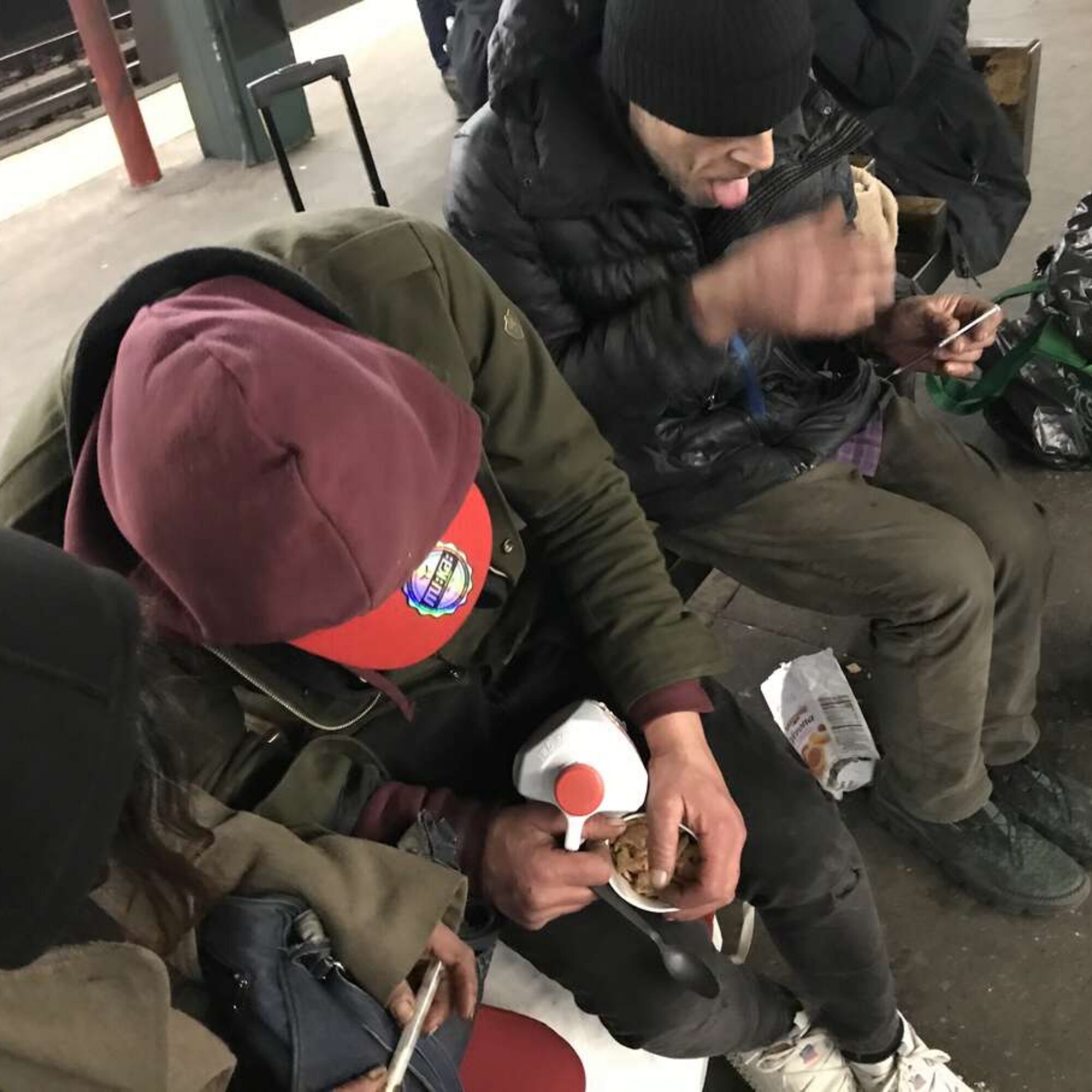
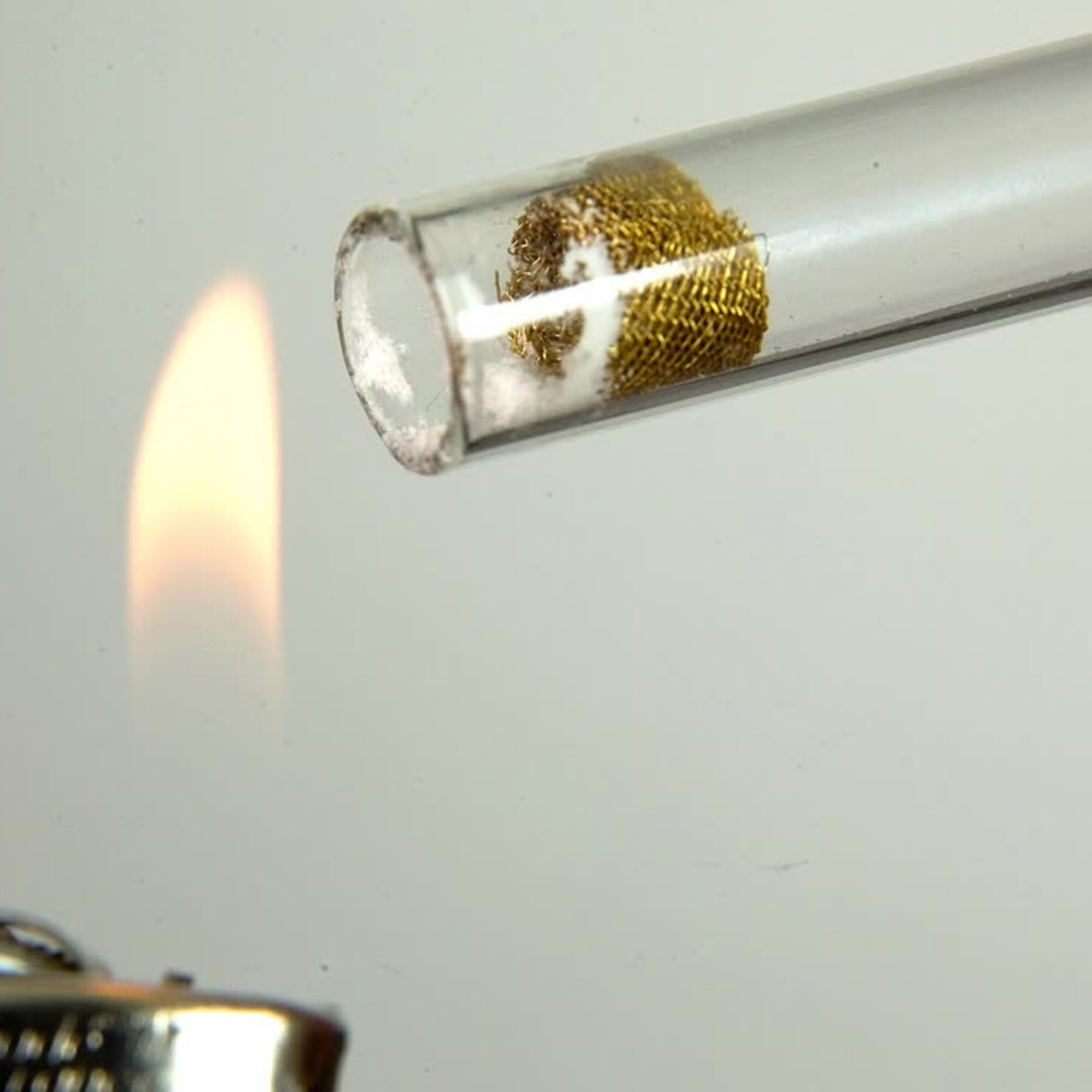
Finding a used syringe at my building for the first time. Also, people injecting on the subway platform.

Context: I post about addiction not to comment on the individuals in the pictures but to reveal our culture. The images are only the most poignant representations of it, but they differ only quantitatively from, say, TikTok, Amazon, flying, McDonald's, Facebook, doof, or other addiction. My goal in connecting it to ourselves is not to make anyone feel bad, but to empower people to act. If you don't know the connection, you don't realize your potential power and influence. If you think these pictures don't illustrate part of your life, you're dreaming as much as someone buying sugar in 1800 thought they weren't funding plantations because they weren't holding the whip. I pick up litter everyday. We have created a culture where I often don't…

0 Comments

What people mean when they say “We have to have a conversation about…” (hint: it’s not about having a conversation)

I hear people say "we have to have a conversation about..." some controversial topic like racism, abortion, and the usual topics. Yet the controversy shows we're talking about them. So what do they mean if the conversation is already happening? What they don't mean While I can't read anyone's mind, I know they aren't saying they want to learn new views. They can learn by reading and watching. If they want to learn from people they disagree with, they can just ask, but they don't. Judge for yourself, but when people say it, I hear them coming from a place of self-righteousness, not humility or desire to learn. People who feel self-righteous don't feel they're lecturing or self-righteous. They feel they're helping people out of…

0 Comments

Nearly everyone misses the danger of artificial intelligence we’re sleepwalking into

When people predict what artificial intelligence will do, they tend to go in a few directions: how it will change their jobs, if it will become intelligent or conscious, if it will take over the world, or if it will solve some problem they face. Technology is a tool that augments people's and culture's abilities. It will tend to accelerate what its users already do. Whom will artificial intelligence help? It will help those with greatest access, which is Silicon Valley firms. What do Silicon Valley types do? The Silicon Valley firms that dominate got there by creating products and services that create emotions that keep you coming back: craving, outrage, etc. Think Facebook, Amazon, YouTube, Instagram, TikTok, etc. They create barriers to entry for…

0 Comments

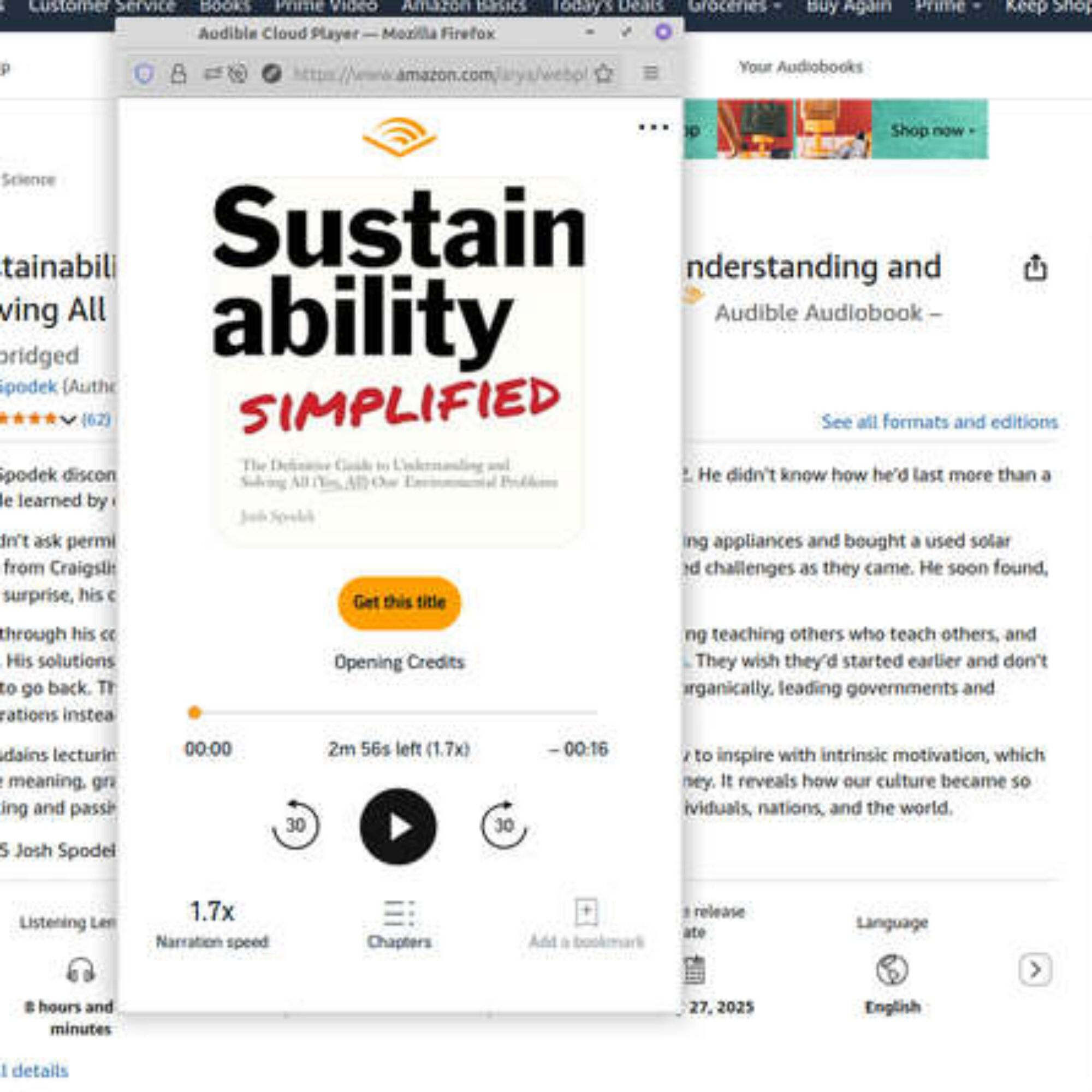
The audio book for Sustainability Simplified is on sale!

The audio book for Sustainability Simplified is on sale at last! If you've been waiting to hear me read it, now's your chance. It's only available on Amazon (I'll work with my publisher to make it available elsewhere). The free preview of the first five minutes is captures the opening story. I predict you'll find it engaging. I confess I'm nervous how people will find my reading, which I consider a performance art. I'll always feel I could do better, but maybe that's just me. What do you think?

0 Comments

Fifteen minutes of a Spodek Method workshop

Journalists keep asking about the workshop: what it's like, as do people interested in taking the workshops, and a few HR people curious about offering the workshop at their firms. The author of the New York Times piece on me sat in on one session, but only the first session, when people get to know each other. In later sessions, participants can open up and privacy becomes important, so we can't just let people in to watch. So we recorded fifteen minutes of a group that everyone agreed could be shared. Groups tend to be ten people or so, but a smaller group was easier to get everyone's consent on. Here it is. It's as representative as much as fifteen minutes can, but, as you…

0 Comments

803: Nick Loris, part 3: Liberty, freedom, sustainability, and Rock Creek Park

You probably came to hear Nick's experience exploring Rock Creek Park in Washington DC based on his childhood experiences in nature with his father. Since we recorded shortly after my visit to DC, where I missed Nick but visited his friends and colleagues, and podcast guests, Jack Spencer and Travis Fisher, we talked about them. I mentioned visiting Heritage and Cato. Then we spoke about differences between conservatism and classical liberalism, as well as their different approaches to energy and the environment. Then we spoke about his experiences recreating the awe and wonder he recalled from his childhood. I predict you'll find the experience heartwarming. We inadvertently ended on a cliffhanger: if his experience improved his life while leading to consuming less and requiring less…

0 Comments

Why environmentalists fail and what environmentalism lacks: integrity, credibility, and experience

I like Nate Hagens's videos. We've hosted many of the same guests. A mutual friend put us in touch. I followed up, though he hasn't responded. I'm only using him as an example of someone going beyond caring about the environment to acting. Beyond caring, he understands the issues beyond what most people do. If you scroll down, you can see the full video that I pulled this clip from. A friend sent a link to the full video to me, saying it resonated with her. The part in this clip struck me because it exemplified one of the main problems I see in environmentalism. Can you tell what? The Two Problems I See First comes the lesser problem. He says sustainability has to fight…

0 Comments

The value of family support when living by your values when society opposes them: Janae Marie Kroczaleski, part 2

Living true to our deepest values is its own reward. Fewer rewards are greater, all the more so when it requires struggle. All the more so when it deepens our closest relationships. Living by the values of sustainability---community, health, reciprocity, liberty, freedom, and stewardship, for example---is challenging today. No matter what I do in trying to live more sustainably and leading systemic change toward sustainability, people say others can't do it. If it's easy, they say, "it's easy for you, but others can't do it. You're privileged" or something like that. If it's hard, they say, "it's too hard for people to do. It's not practical." Whatever helps them sleep at night knowing they're violating their values, especially their deepest ones. They wield their excuses…

0 Comments

The emotional struggles of living by your values when society opposes them: Janae Marie Kroczaleski, part 1

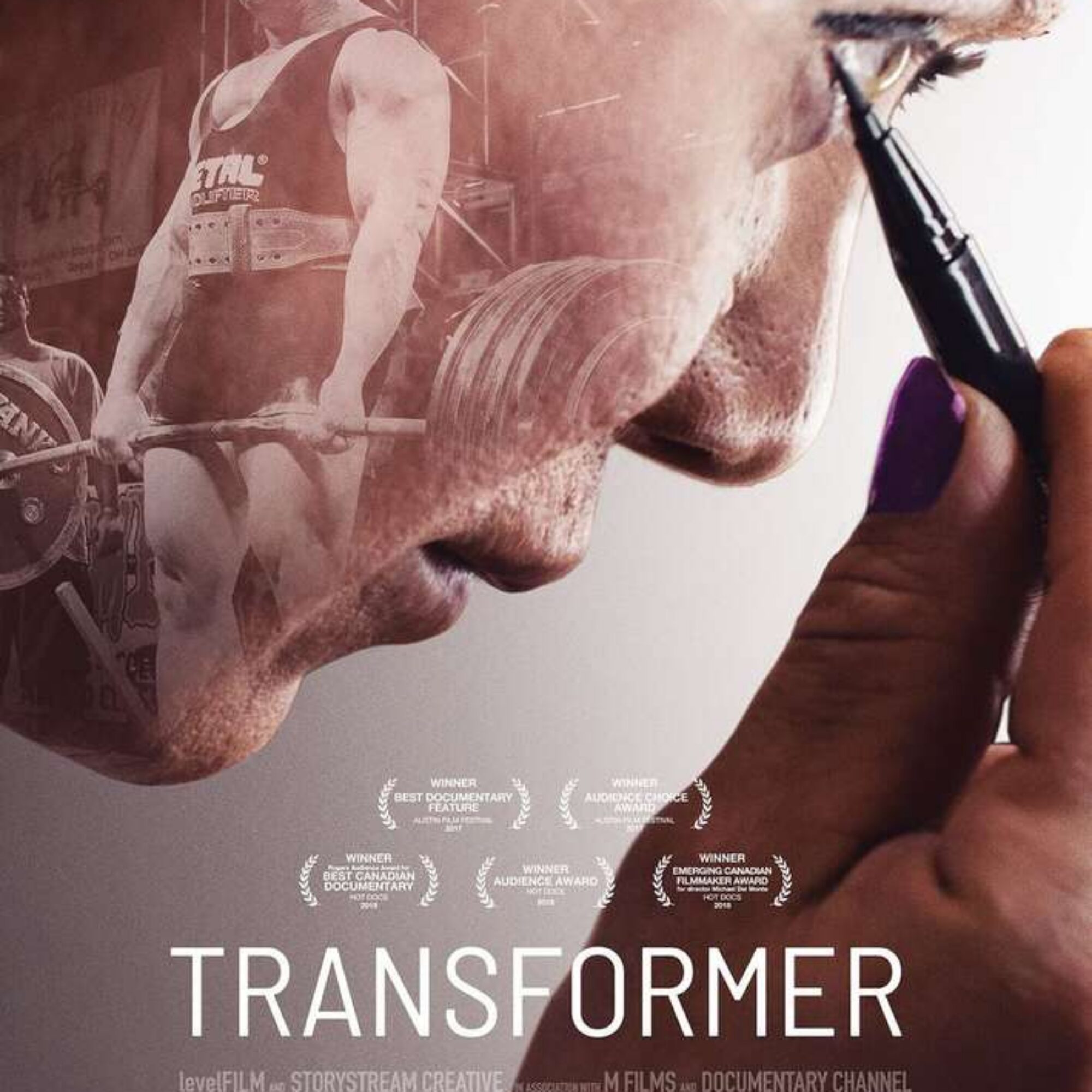
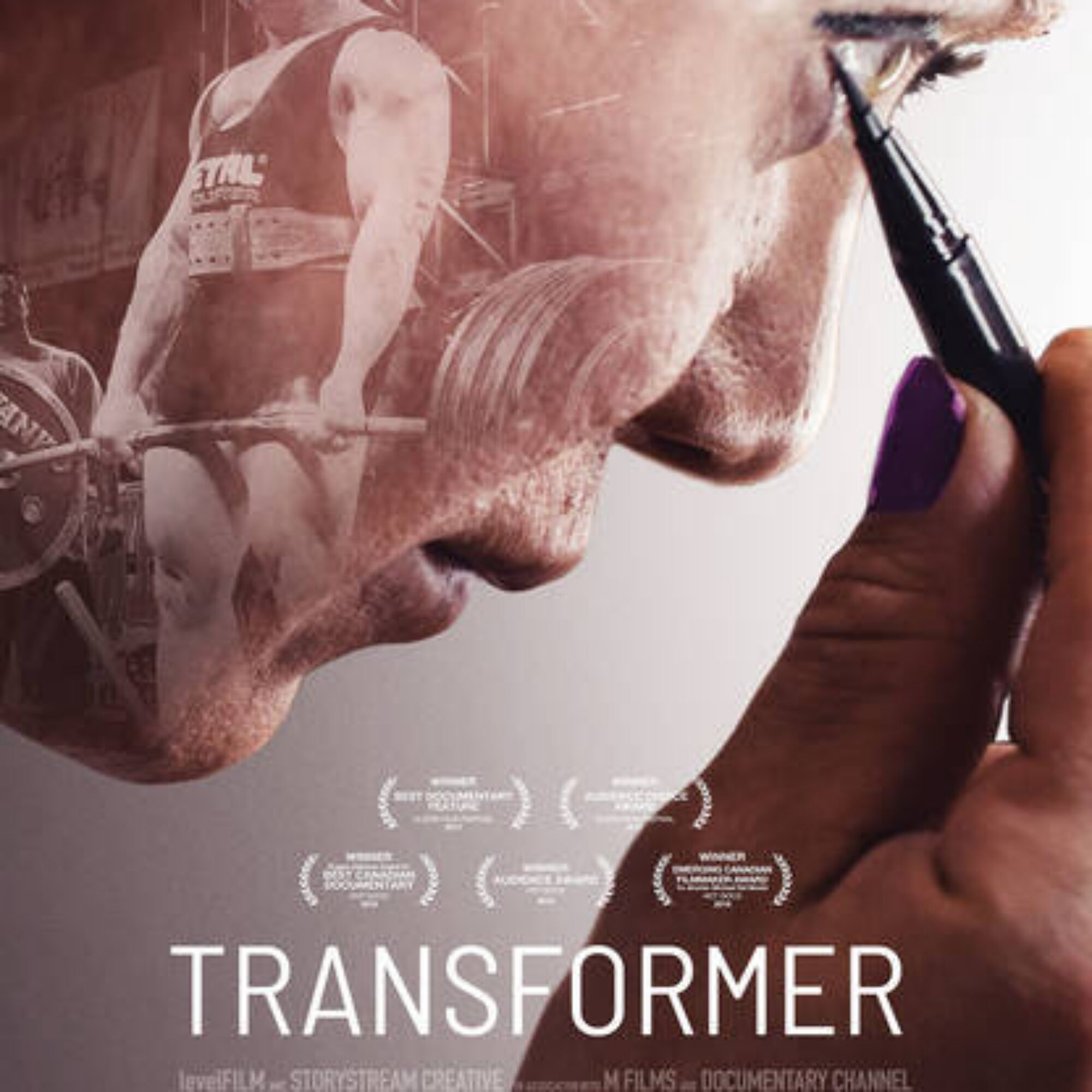
Almost ten years ago in this blog I wrote about an experience of art expressing something I didn't know could be expressed. Ingmar Bergman's Fanny and Alexander captured an emotion I felt with my father and no one else. That emotion hit me hard. It was powerful. It influenced big decisions in my life, especially to learn and teach the social and emotional skills of leadership. I just experienced a similar effect, this time with my relationship with my mom in the movie Transformer, which I wrote about last week. Whereas Fanny and Alexander evoked my childhood relationship with my dad, Transformer evoked my present relationship with my mother. I show the clip below of the scene with the main character and the mother. First…

0 Comments

Year 15, day 1, posting daily to this blog, my first sidcha (what led me to the concept)

On this day in 2011, I wrote the first post of a streak that continues to today of posting to this blog daily. I didn't know that it would lead to discovering the freedom and calm of discovering deep values and living by them daily. Discovering the sidcha concept helped bring about self-awareness, health, stewardship, self-expression, patience, humility, independence, and more. Now I have several sidchas and standard operating procedures. As far as I can tell, I'm as healthy as ever, spending approximately zero dollars per month on fitness. I recommend learning the sidcha concept, developing one, learning the values it exposes, and then a few others for your other deepest values.

0 Comments

On the Jasper Blueprint podcast: “The Spodek Method: How Radical Personal Change Can Change the World”

Author and coach Bessi Graham hosted me on her podcast: "The Spodek Method: How Radical Personal Change Can Change the World." Bessi in her words on her page: Doing Well By Doing Good Inside Your Business This is a space for established business leaders who strive to align their companies with their values, ensuring financial stability while making a positive impact. We will explore actionable steps you can take to integrate social responsibility into your business strategy and achieve a triple bottom line: doing good, doing well, and making money. That’s right, you really can do well by doing good inside your business. With over 20 years of experience working with business owners, governments, and large funding bodies to bring “doing good” and “making money”…

0 Comments

We all descend from indigenous people and we’ve all been assimilated

In Sustainability Simplified, I clarify that a culture being indigenous doesn't mean it's sustainable. An indigenous Indian group that puts up a casino is pushing addiction. An African politician who finds oil and gets cozy with the global oil industry is too. Any culture that doesn't live sustainably will find itself running out of something, leading it to conflict with others or collapse. But indigenous cultures that endure tend to be sustainable. People praise indigenous cultures with land acknowledgments and such. Well, we all descend from indigenous cultures. Yes, even former colonists and slaveholders can trace their roots to someone indigenous. For that matter, we can probably all trace our roots to someone enslaved. Likewise, everyone who isn't living sustainably has been assimilated, so even…

0 Comments
Is space travel possible for Abrahamic religions?
NASA/ESA Hubble Space Telescope has trained its razor-sharp eye on one of the universe's most stately and photogenic galaxies, the Sombrero galaxy, Messier 104 (M104). The galaxy's hallmark is a brilliant white, bulbous core encircled by the thick dust lanes comprising the spiral structure of the galaxy. As seen from Earth, the galaxy is tilted nearly edge-on. We view it from just six degrees north of its equatorial plane. This brilliant galaxy was named the Sombrero because of its resemblance to the broad rim and high-topped Mexican hat. At a relatively bright magnitude of +8, M104 is just beyond the limit of naked-eye visibility and is easily seen through small telescopes. The Sombrero lies at the southern edge of the rich Virgo cluster of galaxies and is one of the most massive objects in that group, equivalent to 800 billion suns. The galaxy is 50,000 light-years across and is located 28 million light-years from Earth.

Is space travel possible for Abrahamic religions?

I was thinking about how some religions suggest people to pray facing east, Jerusalem, or Mecca. Quoting Wikipedia, "Prayer in a certain direction is characteristic of many world religions, such as Judaism, Christianity, Islam and the Bahá'í Faith." I couldn't help pursue the question. What happens if you're on Mars? How would you figure out the direction to one of these places from Mars? What if we achieved interstellar travel? How could someone figure out how to pray? If you have to pray and can't figure out what direction to face from a place, should you not go to that place? I thought I was exploring a frontier, but it turns out people have considered this question. According to a different Wikipedia article: The International…

0 Comments

This week’s selected media, January 19, 2025: Transformer: Transitioning as a World-Record Powerlifter and The Heat Will Kill You First

This week I finished: Transformer: Transitioning as a World-Record Powerlifter, directed by Michael Del Monte, starring Janae Marie Kroczaleski: Wow! A fascinating and illuminating documentary in two ways. First, it showed the struggle of someone with two competing inner drives. One is to develop huge muscles and compete in bodybuilding. The other is to be a woman, though born a man. This movie revealed the struggles of navigating society and some family while including the joys and support of other family. It showed the inner conflict that these desires create in our world. I've known plenty of people who don't consider themselves male or female, yet this movie revealed a story and situation beyond what I'd seen, with more clarity. The interactions with mother and…

0 Comments

End of content

No more pages to load