Some early thoughts of a new way to quantify population and overpopulation

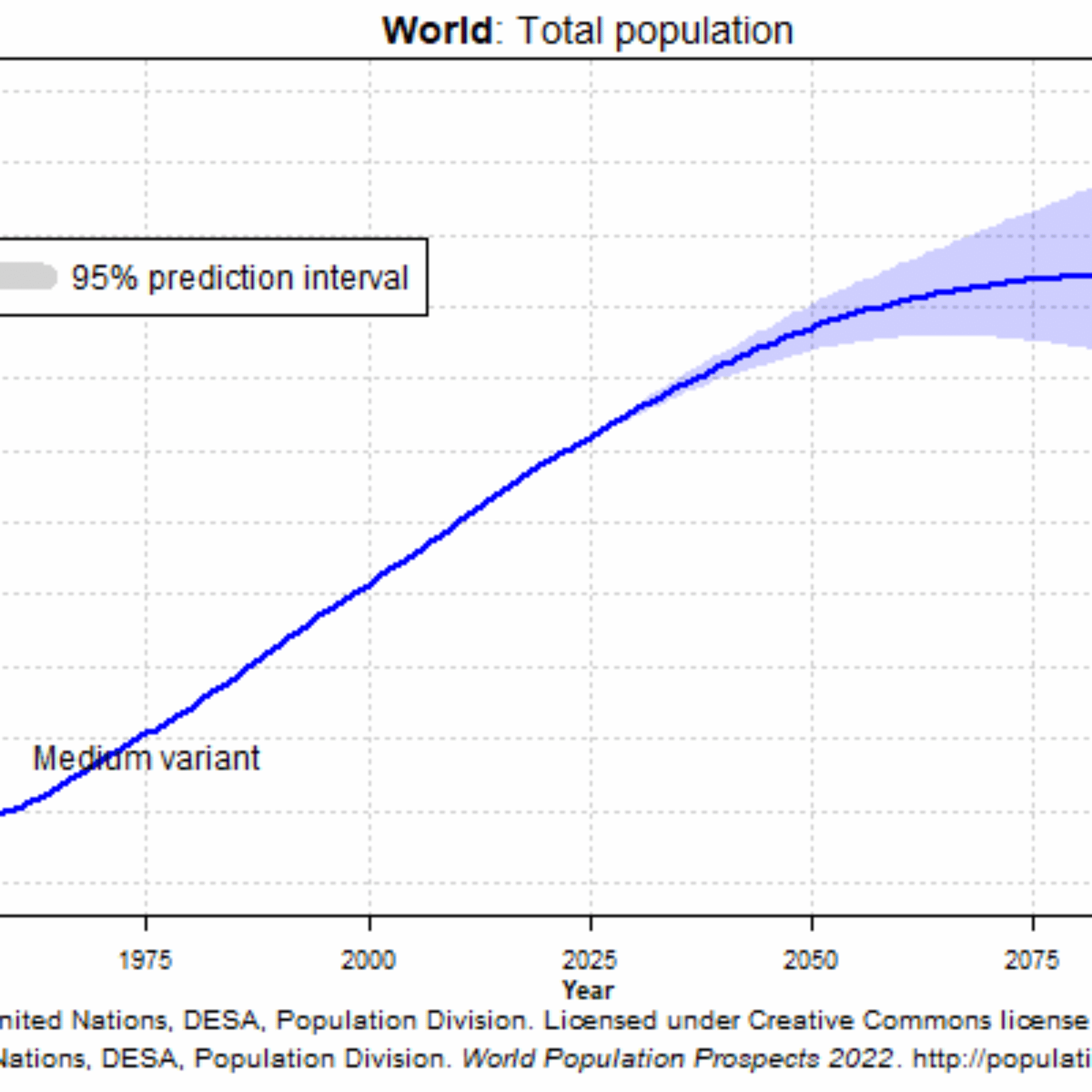
People freak out when the topic of population or overpopulation come out. Some people think humans have overpopulated the earth and risk pushing us into a population collapse. Others think humans may cause problems but we solve them too, so more humans means to them more solutions. They see the first group as anti-human. The first group sees the second as not understanding science. They don't want fewer humans. They want more humans, just not right now. I've been thinking about how to measure population in a way everyone would agree on. In physics, we learn to use proper units for everything. When people say iron is heavy, we get annoyed. Weight isn't what people mean when they say it's heavy. A pound of iron…

0 Comments

See me on the Radical World podcast: “The Power of Personal Transformation for Systemic Impact”

You'll hear a healthy dose of agreement on principle and disagreement on implementation between me and Matt Perez on sustainability leadership. He hosted me on the Radical World podcast. About the podcast: In a world shaped by force, we've dared to envision a different path. Together with like-minded guests startup founders, corporate leaders, and professionals from diverse backgrounds we're challenging the established norms. Our conversations on RADICAL WORLD delve into questioning the system and exploring radical transformation. Join us as we engage with guests who share our vision, charting a course towards our own RADICAL WORLD where new perspectives flourish and old paradigms are reimagined. Radical Pioneers: We will explore the origins of the Radical Movement through conversations with Matt and José. We dive into…

0 Comments

An astronaut I agree with in principle, but who is hurting sustainability, I fear

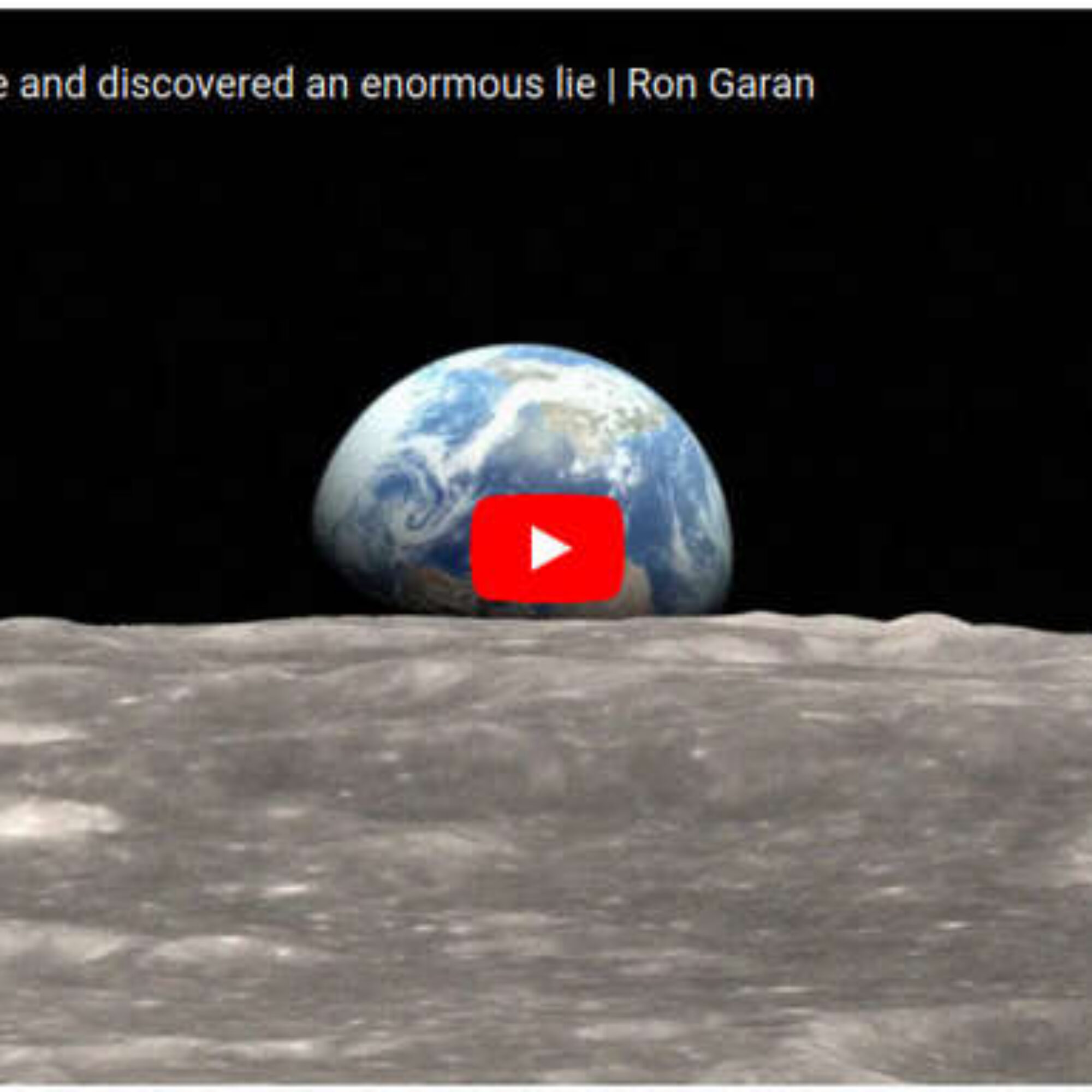
A reader sent me a link to this video by an astronaut, Ron Garan. He shares how seeing the earth from space changes astronaut's views on life and humanity's relationship with nature. I don't think it achieves the goal he wants. https://youtu.be/pJGCAWTgbn0 People can interpret it differently, but I conclude that he is saying seeing the earth from space offers a special and unique view of life that enables someone who has it to say and do more than others. I see this message hurting sustainability in several ways. (The Spodek Method avoids all the following problems. It connects us with intrinsic emotions and motivations we all have. Instead of suggesting people need to go to space to see humanity's fragility and connect us to…

0 Comments

The Thanksgiving Day Parade from inside the barricades

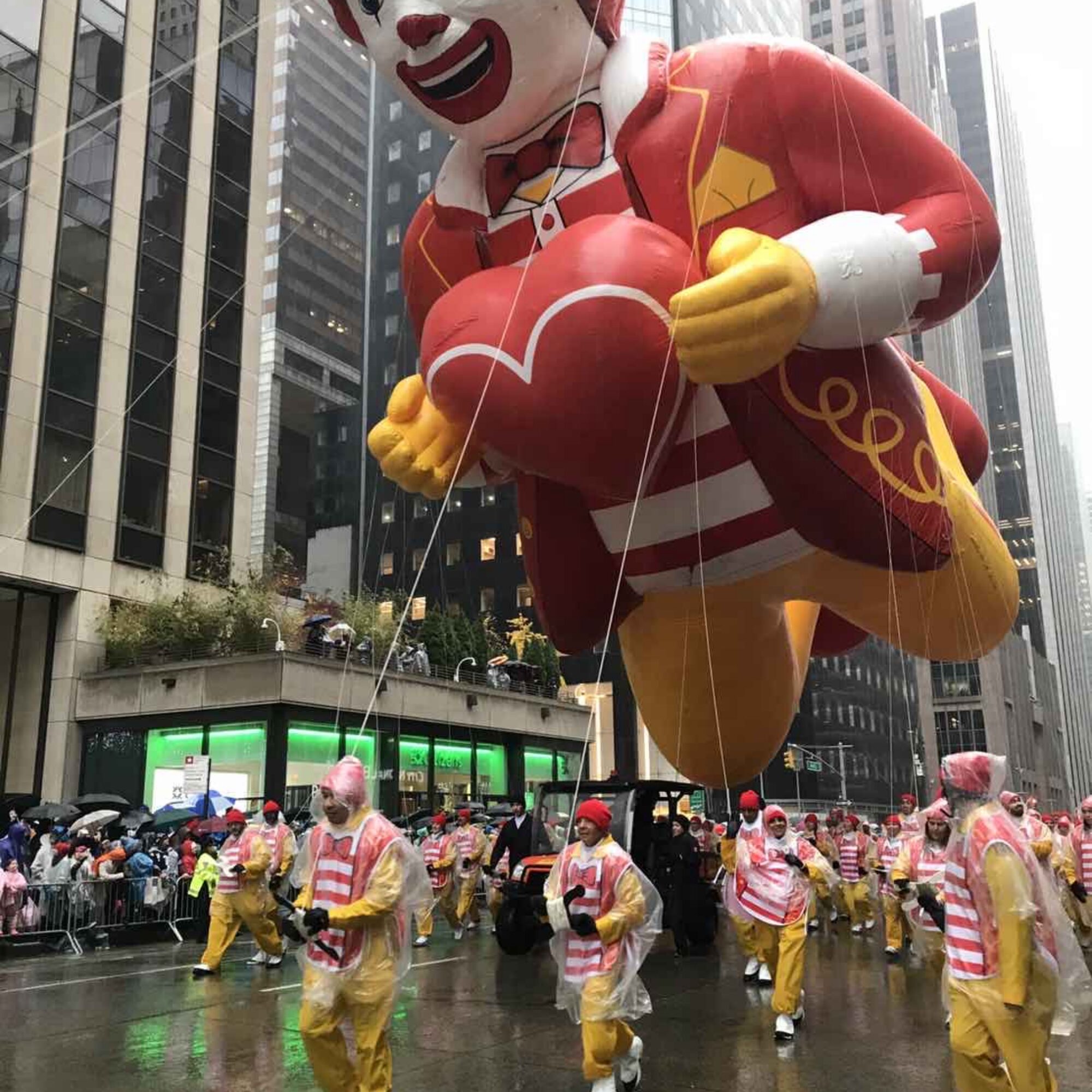
I served in my first Thanksgiving Day parade this morning. The role of an auxiliary police officer at a parade for families and kids isn't to keep the peace. I saw it as more for structure. A little to keep order, but more fulfilling a civic role for kids to see government in a peaceful role. I enjoy fulfilling civic duty, so despite the cold rain, I enjoyed playing that role. People in the crowd thanked me, asked me to pose for pictures, and offered me coffee. I found the content of the parade, however, gross because nearly all the floats were commercial, aimed to attract and hook kids. The parade was mostly commercial. There were a few marching bands and one small track that…

0 Comments

Hear my presentations to grade school kids on Albert Einstein, Stephen Hawking, Nelson Mandela, and spacetime.

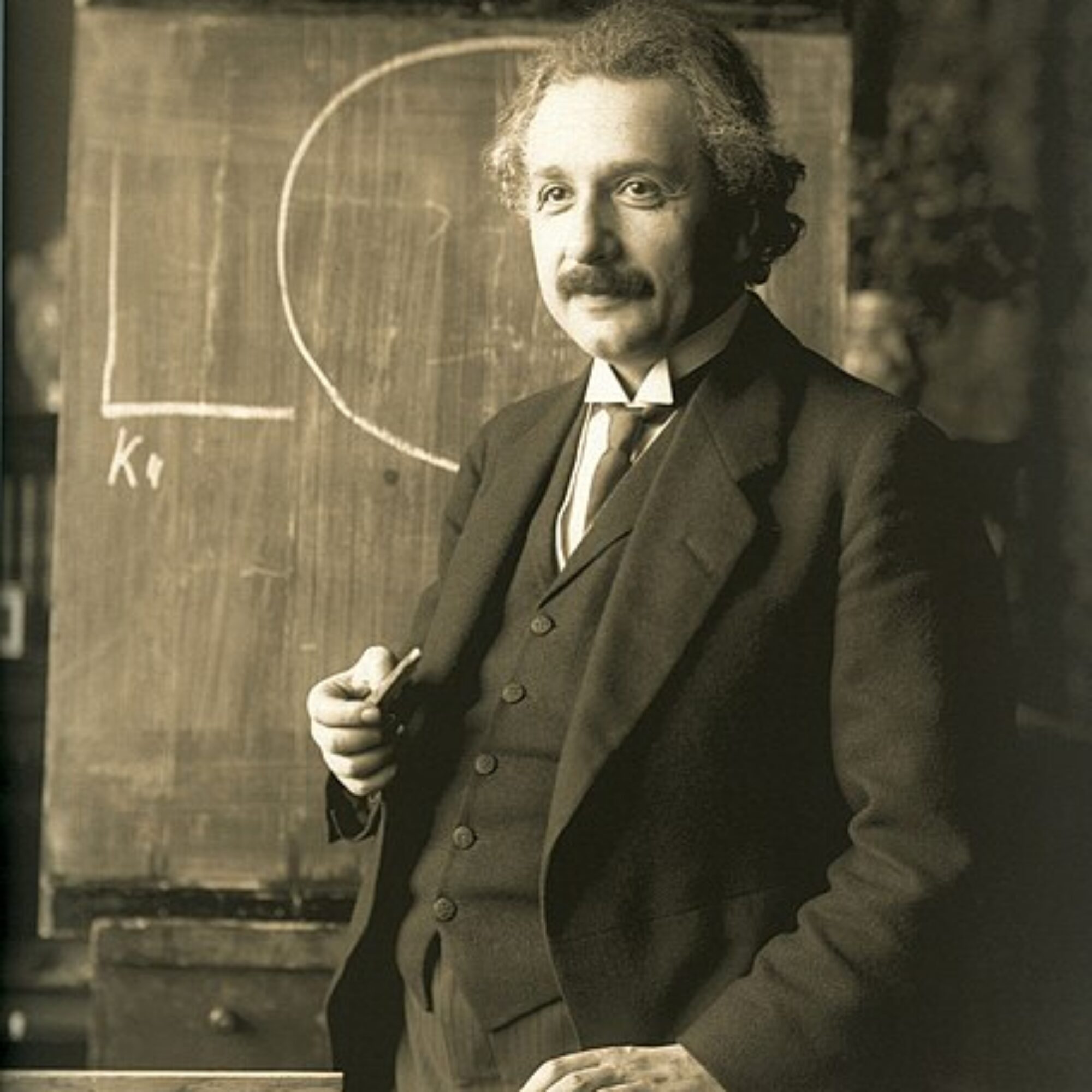
I recently was invited to speak to grade school children about great physicists. The teacher asked me to speak about Newton, Einstein, and Hawking. Since I didn't have any personal connections to Isaac Newton, I focused on Einstein and Hawking, since I knew people who knew them. I love knowing that I know someone who knew some of the most influential, famous people who lived, whose work was mind-blowing. Though he wasn't a physicist, since I also knew someone who knew Nelson Mandela, I included in the talk my one-degree-of-separation connection to Nelson Mandela. I took questions from the audience (they weren't mic'ed so you couldn't hear them; I marked the silences I edited out with a whoosh noise), which led to me talking about…

0 Comments

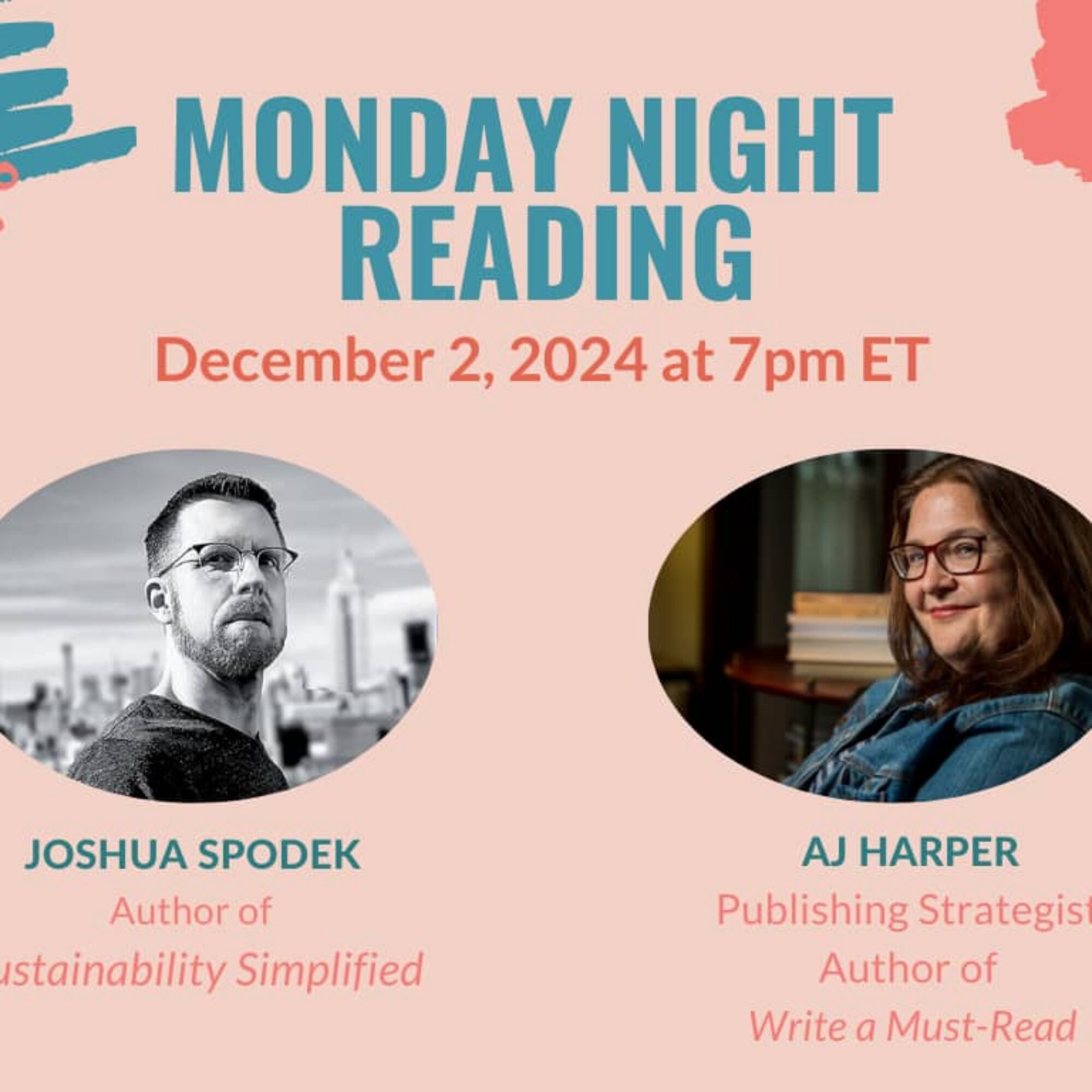
Come to my online book reading, THIS MONDAY 7pm eastern

I'm doing a reading NEXT MONDAY, December 2, on Zoom. it's free. Registration is in the email announcement copied below. Or just click here: Register! If you didn't know, I took a writing workshop that helped me  write my book. The workshop leader, AJ, cowrites with podcast guest Mike Michalowicz, bestsellers like Profit First. AJ's community is wonderful, especially if you've ever though of writing a book. I'll read some from the book, answer her questions, and field questions from the audience. We'll talk partly about sustainability, also the writing process, which was in many ways a deeply personal journey. I'd love for you to attend. See you there? Register! Mark your calendars for another Monday Night Reading–one unlike any we’ve had before. On December…

0 Comments

Ozempic: A drug that achieves what sustainability does, but sustainability doesn’t trade one dependence for another

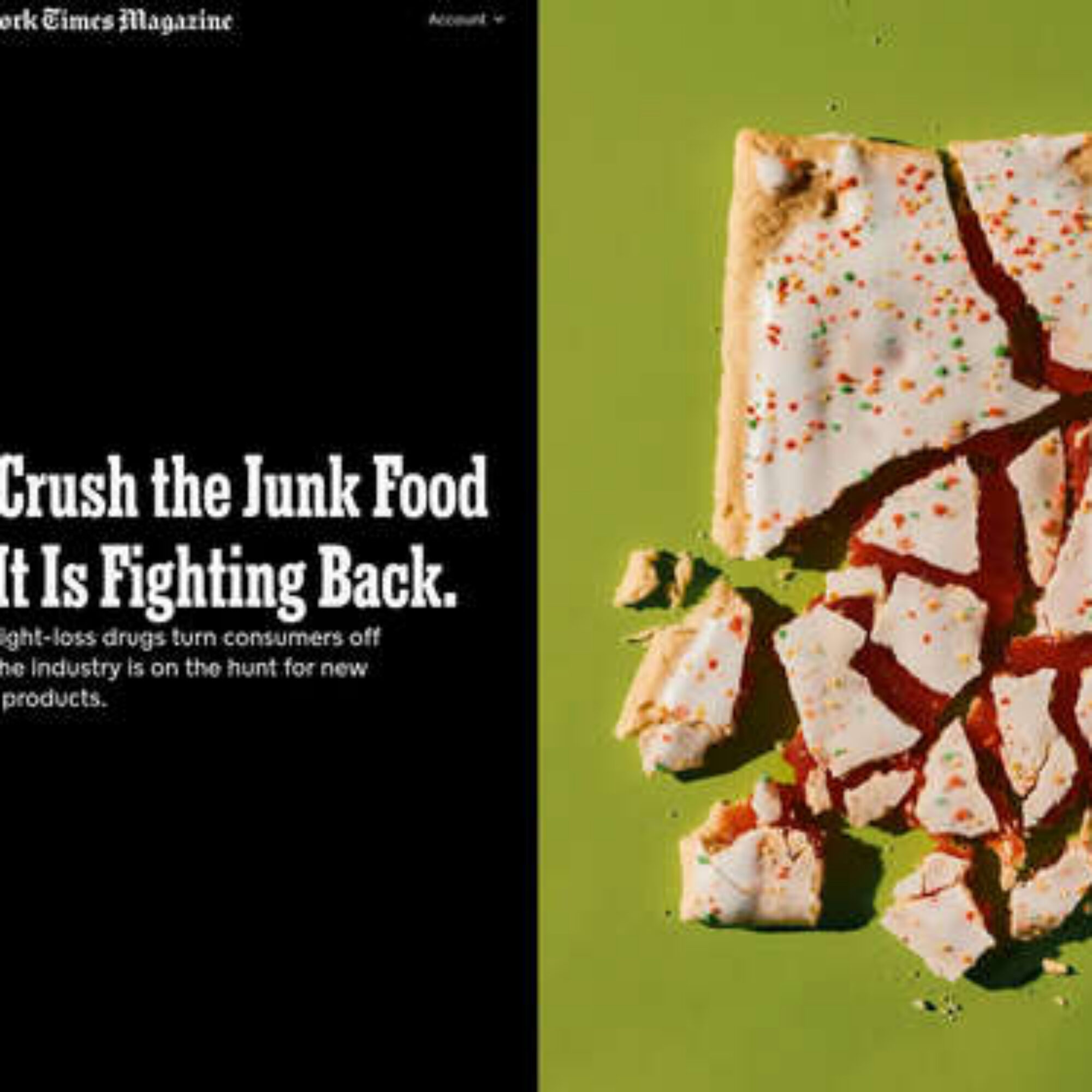
The New York Times wrote a piece "Ozempic Could Crush the Junk Food Industry. But It Is Fighting Back" that reported people happy with results that I've found from living more sustainably. Except my way didn't cost me anything, trade one dependence for another, or risk any side effects. It didn't require willpower either. People think it did, but I think they just don't know how to change habits without using willpower. The quotes in the article of people's results from taking Ozempic sound almost as desirable as mine, not counting their extra costs, side effects, and dependence. For decades I couldn't stop from consuming doof. I concocted bargains and elaborate attempts to reduce, but failed, at least as long as I just tried to…

0 Comments

This week’s selected media, November 24, 2024: A People’s History of the United States

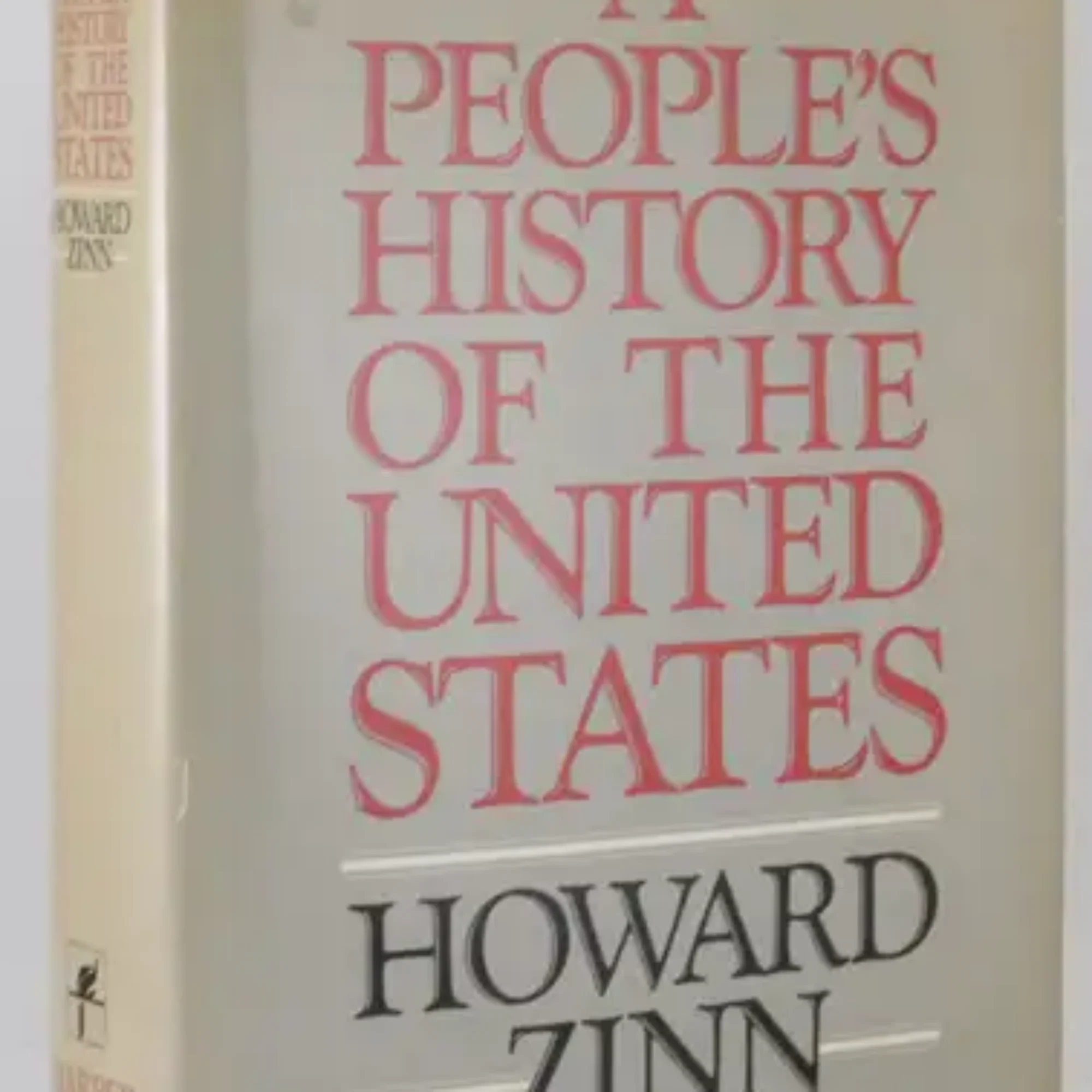
This week I finished: A People's History of the United States, by Howard Zinn: This book came out swinging, on Columbus, and kept on punching. In my opinion, every American would benefit from reading this book. If you believe government should solve social problems, this book will bring depth and history to help you understand your cause. If you believe government shouldn't get into an individual's business, you'll see how much people who claimed to espouse such beliefs did the opposite. I knew people who promoted hierarchy enforced it through violence, thereby controlling the political system through non-democratic means. This book revealed how much, and how much through machine guns, murder, and more. I also didn't realize how much my history education growing up left…

0 Comments

Sustainability connecting me to nature: wonderful overall but challenging in the winter

Want to know the reason I I wrote yesterday about how relying on solar power connects me to nature and makes me humble to it? Because we're approaching the winter solstice. Despite a PhD in astrophysics that included helping build a satellite still taking data in orbit, I'm learning more about astronomy and many other parts of nature today. I'm not yet at the level of ancient Babylonians or Mayans, but over the years I'm seeing more directly the angle of the sun changing, along with the length of the day, and the patterns of where shadows fall and move. These days I'm thinking about it not out of wonder, though. I'm thinking of it because it's getting colder and windier. Shorter days also mean…

2 Comments

The first Christmas pagan dead trees of the season

So-called Christmas trees have nothing to do with Jesus being born in Bethlehem and everything to do with pagan holidays, as I write about every year, for example in You Don’t Need a “Christmas” Tree—a pagan tradition. A reminder of the waste you can avoid, and other posts. We changed traditions to this needless one of cutting down trees and dumping them into landfills. We can change from it. Here is my first sighting of trees cut down for nothing to do with Jesus's birth. Usually I take pictures of them being put out for the sanitation department to haul to landfills, an example of a socialized cost for private benefit. This one is of them being prepared for sale, wrapped in poisonous plastic. As…

0 Comments

How long does it take to charge my battery?

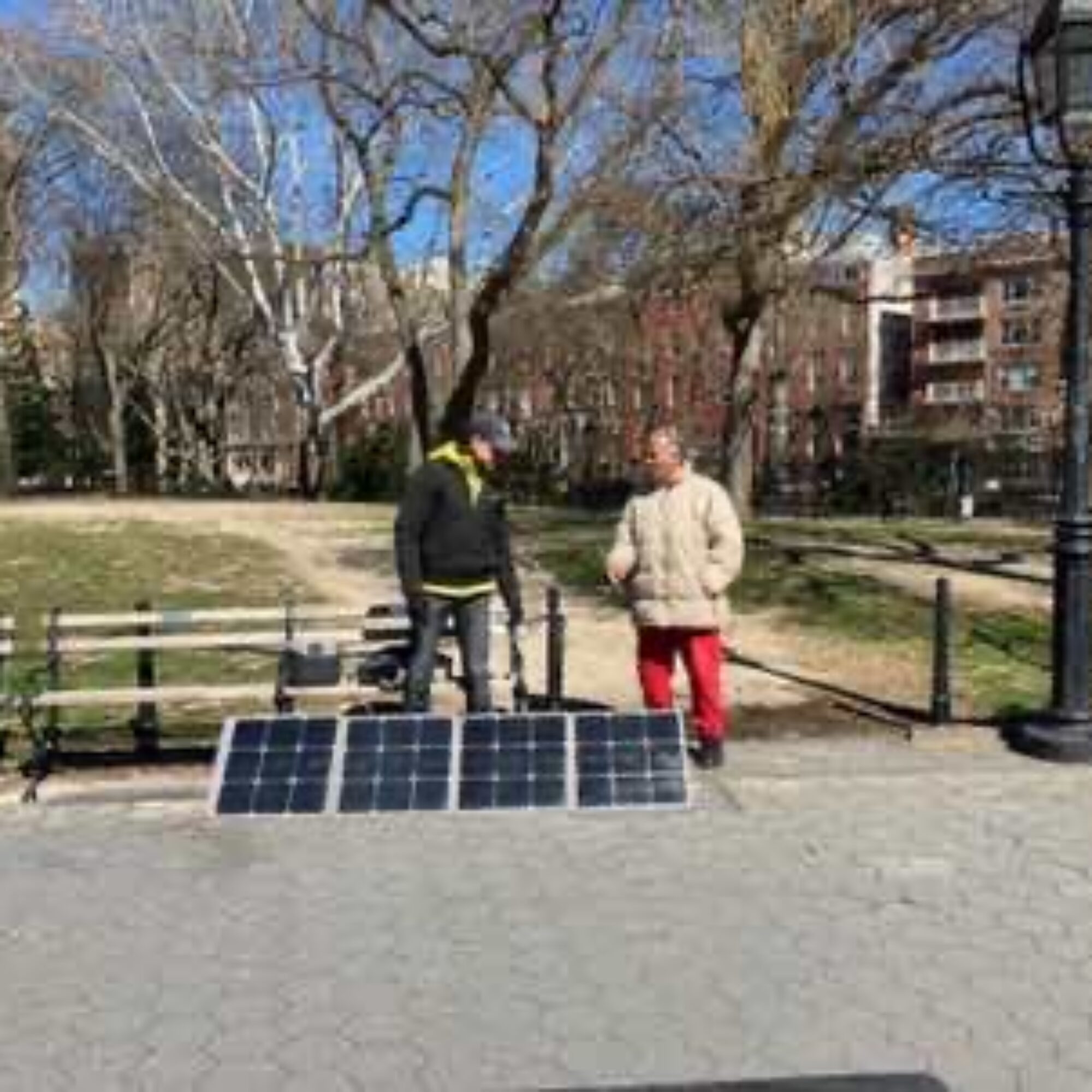
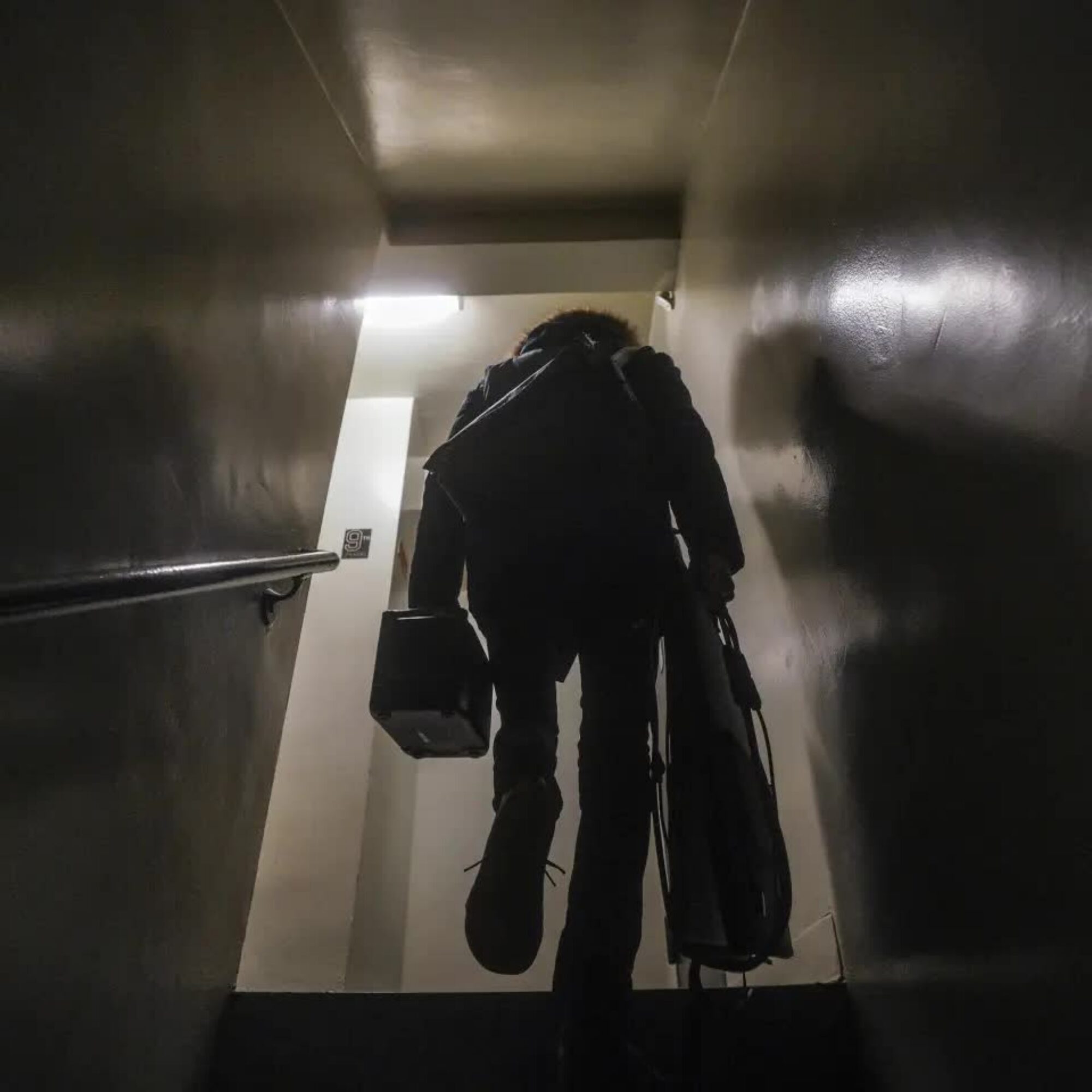
"How long does it take to charge your battery?" asks nearly everyone who sees me charging my solar panels, such as the guy in this picture: After a few times answering what they asked, I realized people have no idea what the numbers mean. If I tell them in full sunlight the battery charges in four hours, they don't know what the battery can then charge. I didn't know before I started that toasters burn through energy like crazy, I can't power the microwave at all, and phones can't charge faster even if my big battery is full. No one else knows it either. You need practical, hands-on, personal experience. A PhD in physics doesn't help, nor does desire, or being a well-known environmentalist, except…

0 Comments

Another annoying knee-jerk response to acting more sustainably

When people learn I pick up litter daily, many respond with a knee-jerk suggestion I be careful because the litter could be laced with fentanyl or could give me AIDS. I would ask where this nonsense comes from except that I know it's their fears based on preconceptions. They can't possibly imagine I don't know about fentanyl and AIDS. They can't imagine they're helping me. I mean, they'd be fools to imagine either, but I wouldn't put it behind any environmentalist. How amazed they must be to learn that I have the remarkable ability to pick up litter without giving myself AIDS or addicting myself to fentanyl. Anyway, I just wanted to post something they must find amazing. I can lift things off the ground…

2 Comments

How to pull out all your hair: Try to get an addict in denial to seriously acknowledge their addiction

Do you have too much hair on your head and want to pull it all out? Here's how to do it: try to get an addict in denial to seriously acknowledge their addiction. I'm overstating it, of course, but talking to people who fly, buy SUVs, consume more doof than they like, buy fast fashion, and are stuck in other addictions will say anything, contort any meaning, deny, obfuscate, and confuse, but you will go crazy trying to lead them to acknowledge their addiction. You'll pull out your hair in frustration. They'll say the plane was going to fly anyway, other people pollute more, and so on, but not take responsibility. I'm talking about most Americans and their addictions to polluting, depleting behavior. I speak…

0 Comments

See me interviewed by Don Lemon in Washington Square Park on the election

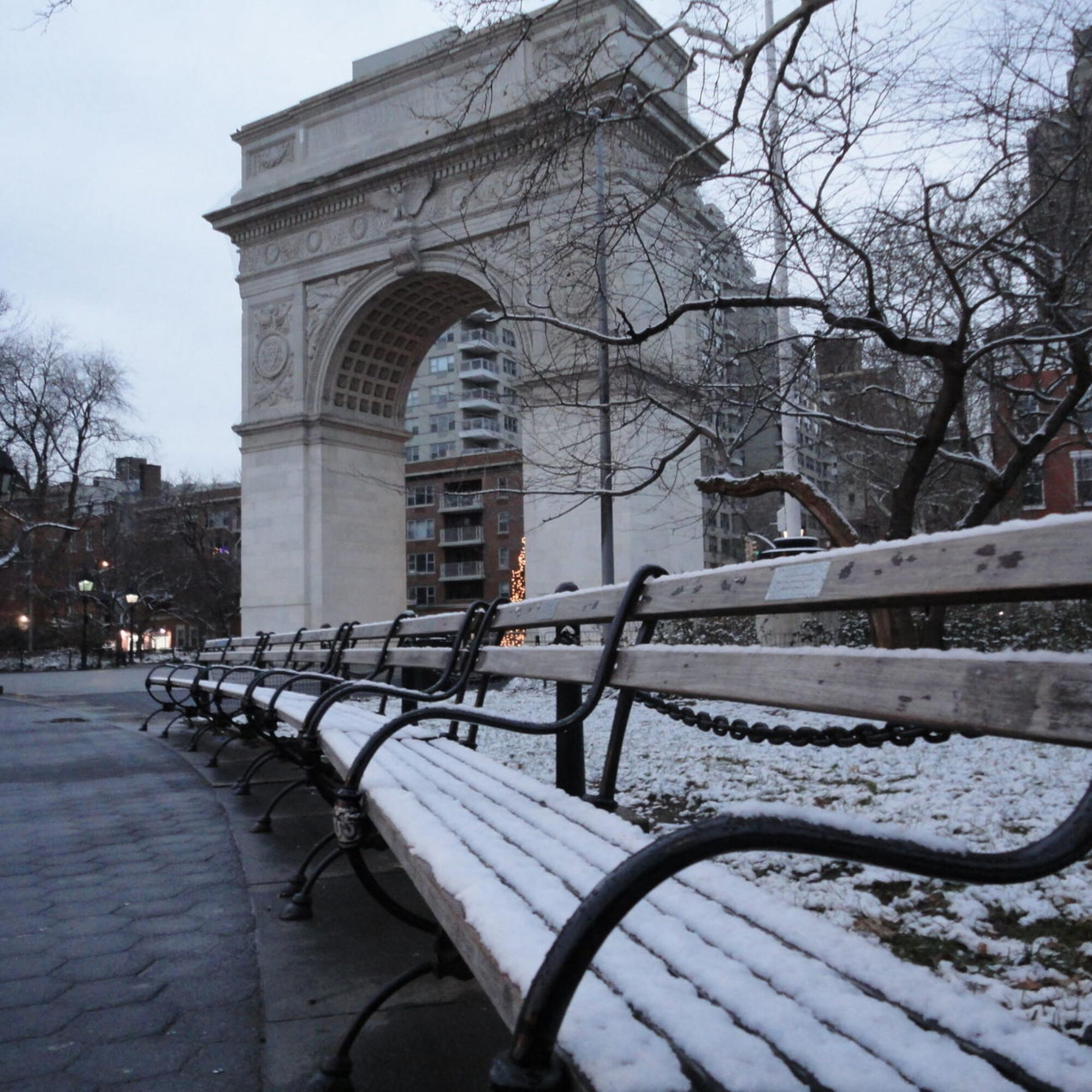
I was walking through Washington Square Park the other day and an influencer/reporter stopped me to interview me about the election. It turns out he was Don Lemon, who has won awards. According to Wikipedia, he is "an American television journalist best known for being a host on CNN from 2014 until 2023. He anchored weekend news programs on local television stations in Alabama and Pennsylvania during his early days as a journalist. Lemon worked as a news correspondent for NBC on its programming, such as Today and NBC Nightly News. Lemon is also a recipient of an Edward R. Murrow Award in 2002 for his coverage of the capture of the Washington, D.C. snipers. He also received three regional Emmy Awards for his special…

2 Comments

791: Sustainability Leadership Is a Performance Art

I'm following up my recent solo post, 790: Talking to a guy injecting on the sidewalk, with another extemporaneous one. This one is also with a former podcast guest and fellow teacher of our sustainability leadership workshop, Evelyn Wallace. This episode gives an inside view of how I develop ideas in our entrepreneurial team. In particular, I share a few insights into what I offer in the workshops. I've long known to avoid facts, numbers, and lecture. I avoid convincing, cajoling, and coercing, which I call bludgeoning. Most sustainability work I know of go in those directions. I've long seen leadership as a performance art. We learn to practice arts through practicing the basics, which is why my books Leadership Step by Step and Initiative…

0 Comments

This week’s selected media, November 17, 2024: Commentary on Wealth of Nations

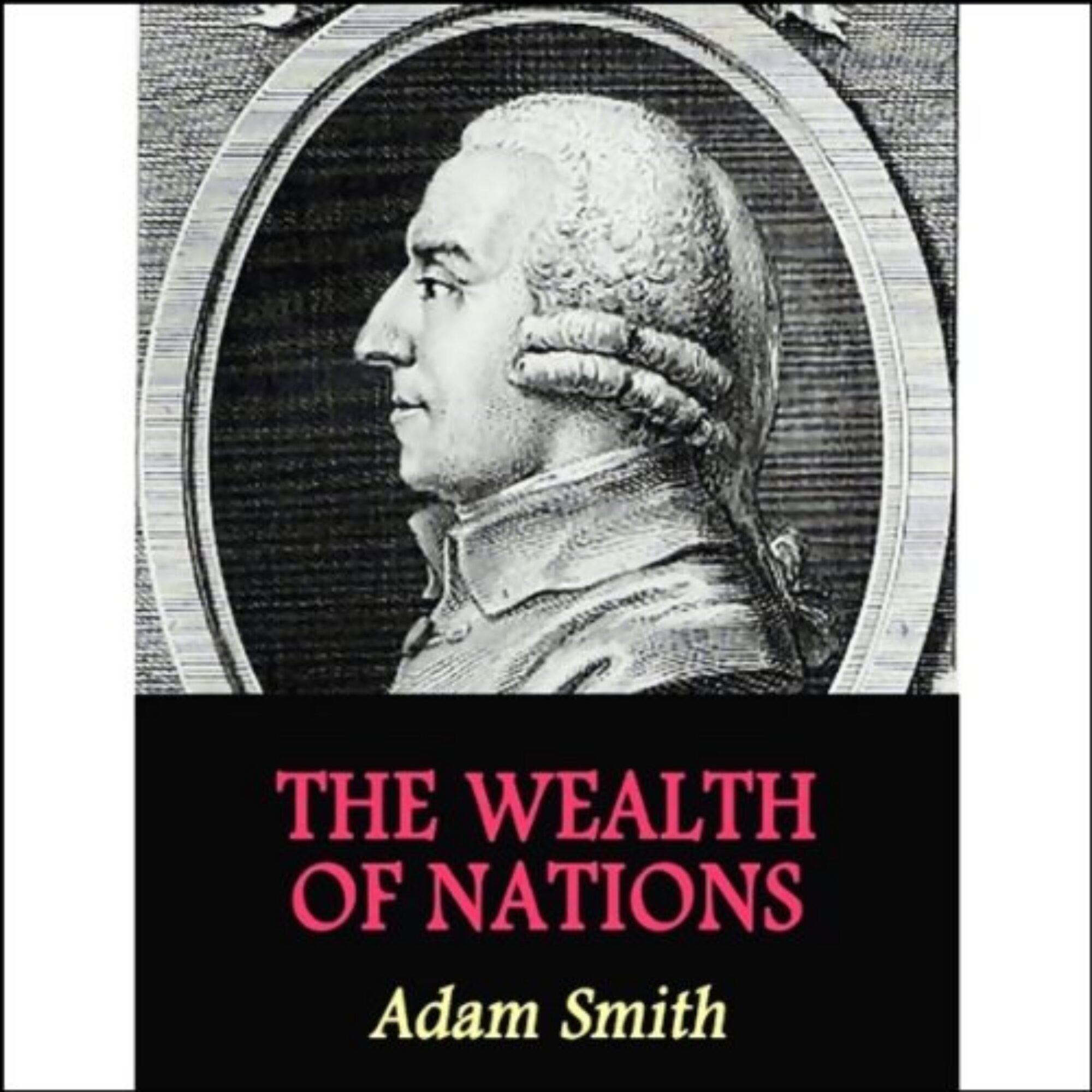
This week I finished: Giants of Political Thought: Adam Smith's Wealth of Nations, volumes 1 and 2, read by Craig Dietschmann and a Supporting Cast: This audiobook isn't the Wealth of Nations, but is a summary with many quotes from it. I got it from the library as a quick review. I don't think I've read any of Wealth of Nations since college and never read it cover to cover. Covering it after Friedman, Hayek, Bastiat, and their peers reminded me how much of their work depends on his. Watching Free to Choose, I thought Friedman claimed limited government, low regulation markets helped the poor as a rhetorical trick to disarm his political opponents. Reading Smith I conclude he wasn't making those claims to trick,…

0 Comments

790: Talking to a guy injecting on the sidewalk

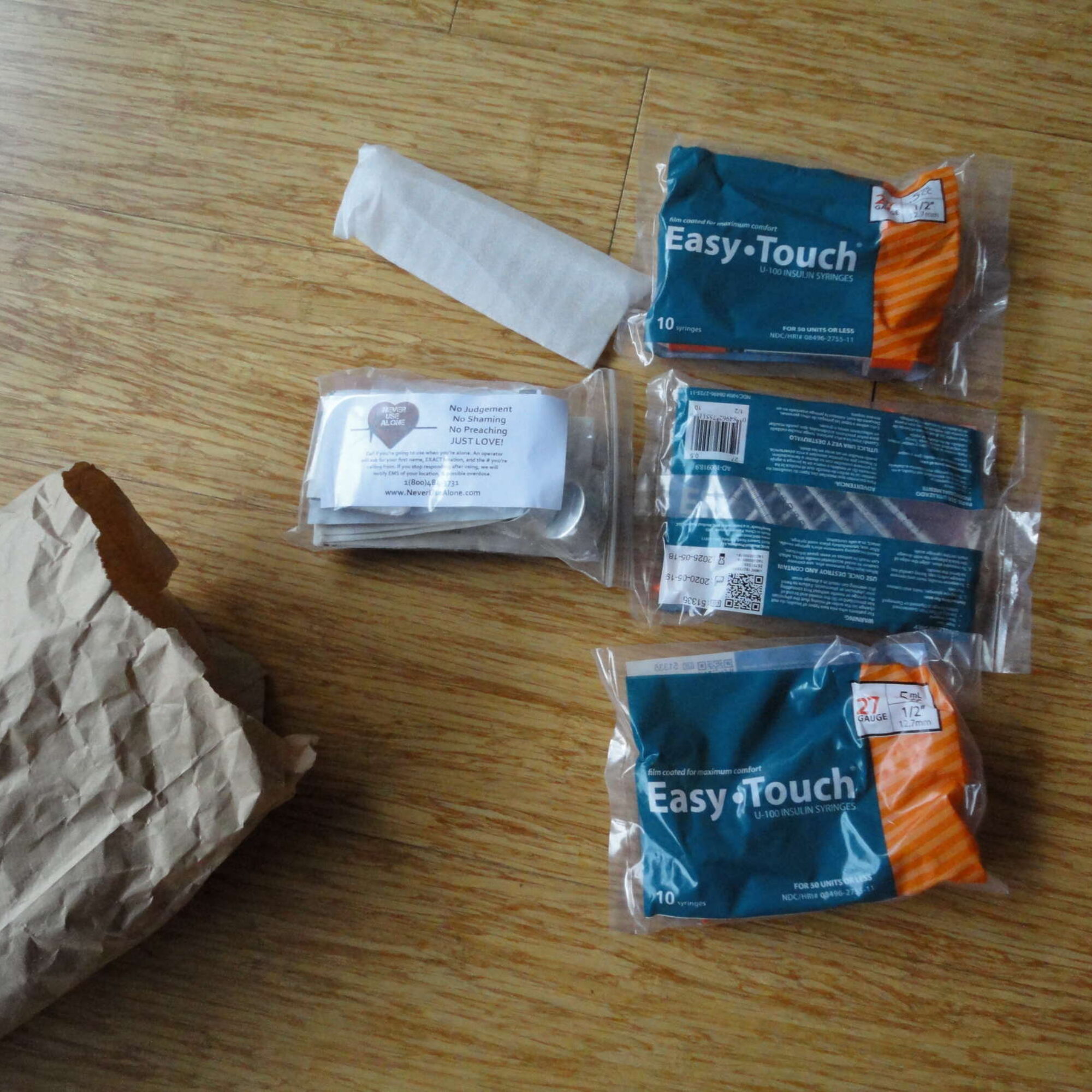
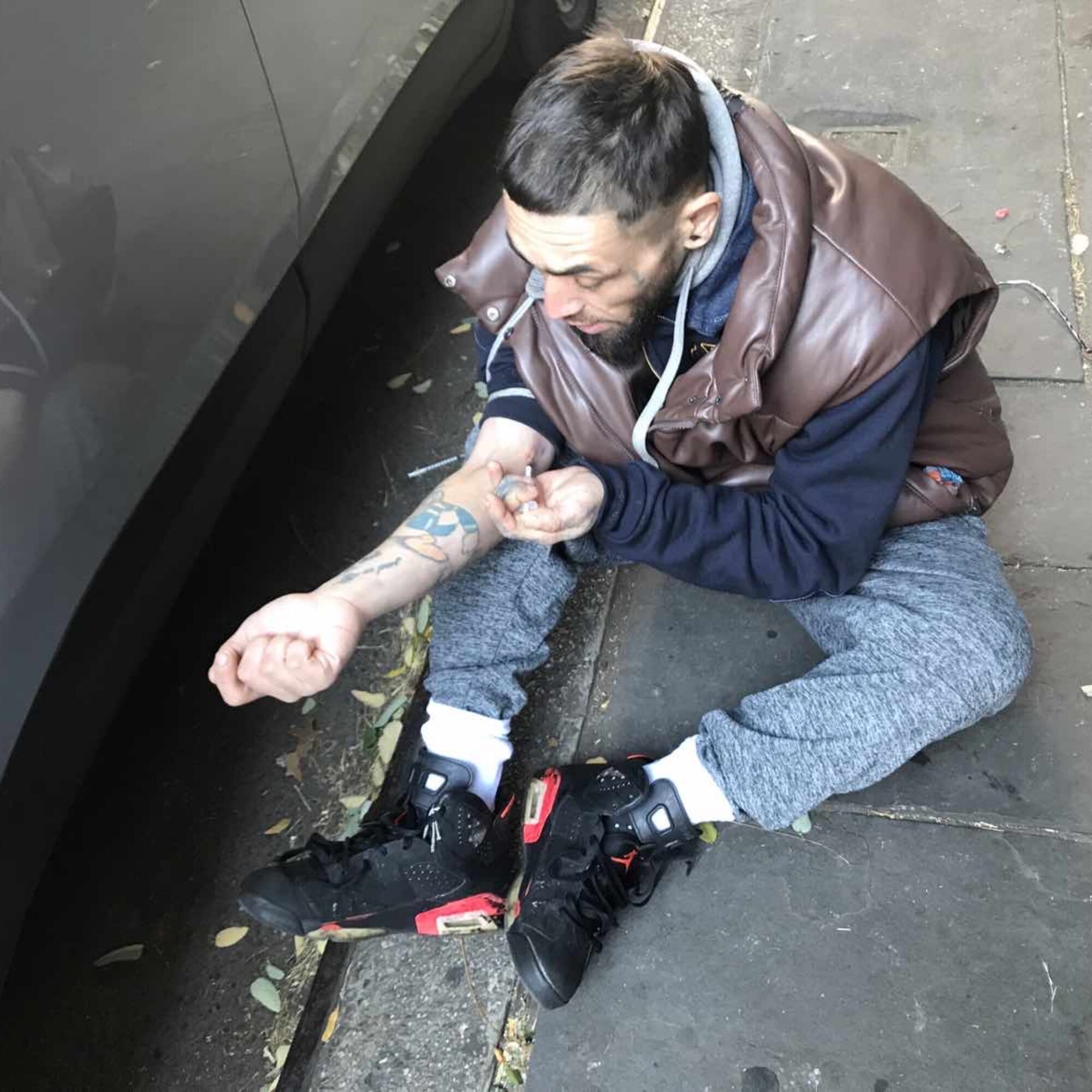
On a beautiful sunny Saturday, 9:50am, I was walking to Washington Square Park to charge my battery and talk at 10am to my friend Dan McPherson (he's been on the podcast, where he shared about his heart attack at age 46 the week before we recorded). I saw the guy in the picture injecting. I asked if I could take his picture and a brief conversation ensued. Instead of my planned conversation with Dan, we recorded my experience and thoughts about the conversation with the guy injecting on the sidewalk. I haven't edited anything. I recorded with just my headphone microphone so sorry about the audio quality, but I think you'll be able to understand us fine. I also didn't prepare. I'm not speaking from…

0 Comments

One of the most challenging parts of living more sustainably: other people bragging and showing off nonsense they think is “green”

If you think living in an apartment disconnected from the electric grid in Manhattan is hard, you haven't had to deal with talking to people about sustainability when you're doing it. People seem compelled to tell me their half-assed "sustainability" practices, nearly always self-righteously, as it they want my approval. I don't look forward to people bragging, even less when their bragging doesn't follow from whatever half-assed thing they did. Sometimes they avoid straws, others they eat less meat, and so on. They always talk about meaningless actions, but they always seem self-satisfied. Then if I comment anything less than praise they insist I'm judging them. They're judging! Saying or implying they're doing good is judgment. They're annoying, acting as if they aren't looking for…

0 Comments

789: Solomon Schmidt: Author of Legal Gladiator, on Alan Dershowitz

As a podcast host, I get pitched a lot of authors, books, and more. Most aren't relevant or are counterproductive to sustainability. I received an email promoting the author of Legal Gladiator, a biography of Alan Dershowitz. I knew the name from the news, but didn't know more than the name, maybe a whiff of his being controversial. I looked up the book and author and found both fascinating. I scheduled talking to Solomon unrecorded to meet him and see if the connection would fit. I like bringing leaders from any field to sustainability since the field nearly completely lacks it. Solomon and Alan both seem like leaders, so I invited him. Quoting from the book's page: Praise for Solomon Schmidt:“You are a very talented…

0 Comments

Land acknowledgments and sustainability

A major point of my book Sustainability Simplified is that a culture being unsustainable means it is running out of something so must Revert to sustainability, Trade something it has in surplus with another culture that has a surplus of what it is running out of (in which case I consider them jointly a larger sustainable culture), or Take what it's running out of from another culture. There is a name for taking from another culture. It's imperialism. Taking their land is colonialism. You can oppose imperialism and colonialism all you want, if you live unsustainably, you're driving them both. You can blame governments or rulers for driving them, but they do it because the home market makes it profitable. If you live unsustainably, beyond…

0 Comments

788: Susan Liebell: John Locke, Stewardship, and the US Constitution

I quote Susan in my book, Sustainability Simplified. In it you'll see how much John Locke influenced my long-term vision for the US to understand and solve our environmental problems. Learning about the Thirteenth Amendment, which (mostly) banned slavery, and its improbable path to passage and ratification led me to think about solving our environmental problems similarly. I learned that many people working to abolish slavery worked hard when drafting the US Constitution to make it able to support abolitionism and to disallow property in man. Slaveholders opposed them, so they accepted compromises. Still, they put enough into the Constitution to enable weakening the institution enough to eventually end it. I wondered if sustainability might have similar precedent, like some law or phrasing of the…

0 Comments

Adam Smith and pollution

My book, Sustainability Simplified, approaches our environmental problems in several ways. One is from the view that government should stick to a few specific roles, one of which is to protect your life, liberty, and property from me taking or destroying it without your consent. A government that doesn't protect life, liberty, and property leads to a nation without hope for a better future, which leads to people retreating to what they can protect themselves. Other approaches include to see that imperialism resulted from unsustainability and led to colonialism, slavery, and racism. If we want to end the downstream effects of imperialism, colonialism, slavery, and racism, any solutions will only be temporary unless we stop the upstream causes. For this post, though, I'll focus on…

0 Comments

787: Travis Fisher, part 1: A nonpartisan, libertarian view on the environment from the Cato Institute

I've been curious in what ways libertarian views on the environment and sustainability differ from conservative views. Travis worked at the Heritage Foundation, which is more conservative, and now works at the Cato Institute, which is more libertarian. Since I haven't spoken to many libertarians directly, I'm interested in this conversation to learn, so it's a conversation, not a debate. Early in our conversation, he describes some of their differences and similarities, and why he chose Cato. He shares some of his training and background that led him to his views. Then we talked about a few issues: the Inflation Reduction Act, regulation, how government funding of many programs results in industries growing without being profitable from its customers. We look at several moral hazards,…

0 Comments

“Have you learned to love not flying?”

I'm always working on more effective ways to lead on sustainability. Recall my definition of leadership: helping people do what they already wanted to but haven't figured out how. To help others, I have to learn what they want, the opposite of opposing my values on them. Most people I ask tell me they support sustainability and are doing their best. They seem to think they aren't anywhere close to the top few percent of polluters. One of the most important ways to improve our lives is to change our behaviors compromising our values. The problem is that it's painful to admit we're violating our values, especially deep values such as those embodied in: Do unto others as you would have them do unto you…

0 Comments

The Times featured my story on the front page of its Metro section

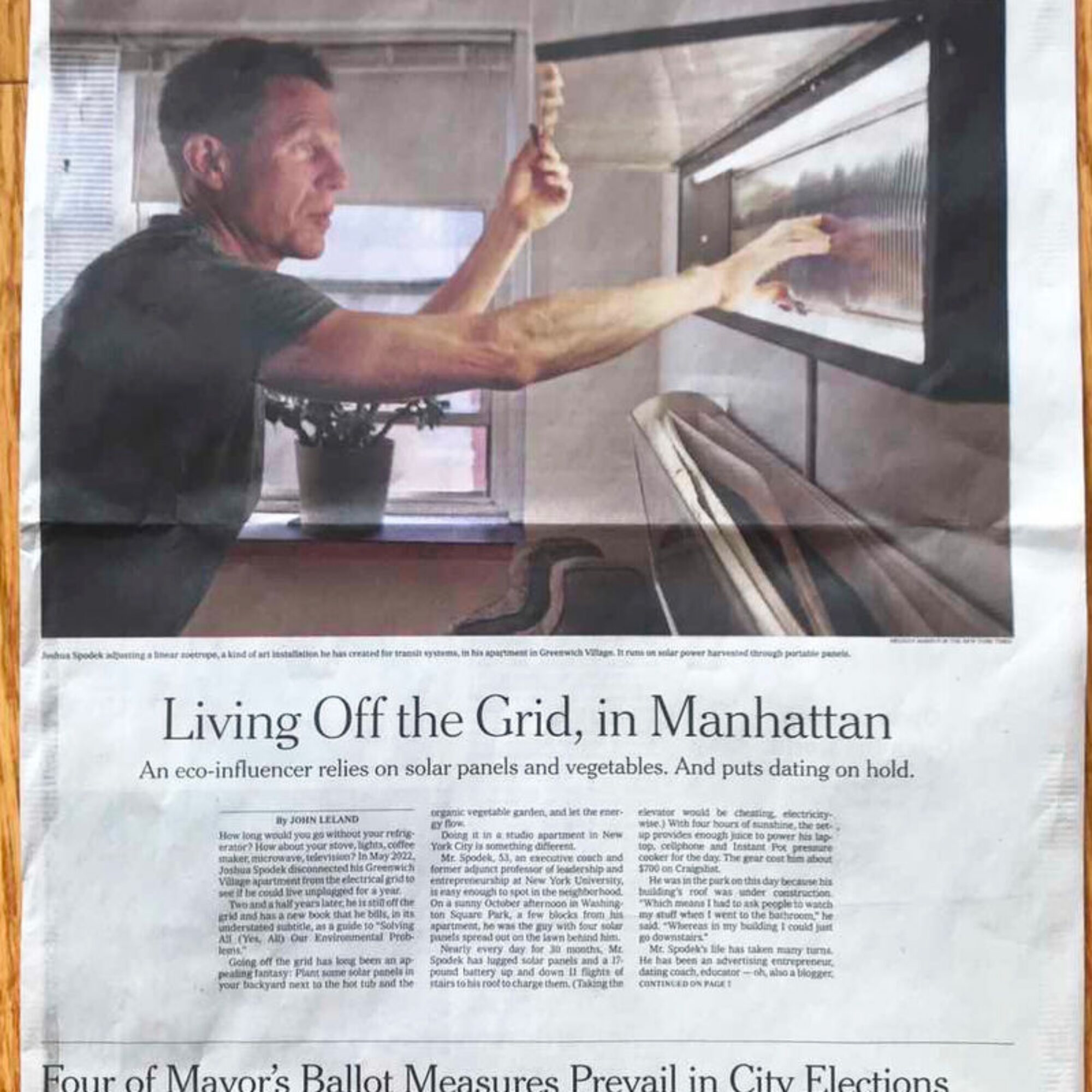
My phone is going crazy again this morning. The Times put the story on me on the front of the Metro section today. I wonder if the Times felt its readers could use some news they felt would brighten their days. showing a brighter future. The story behind the story Here's what I've shared with people about the piece, if you don't mind my copying an email I sent to some people who read my book, Sustainability Simplified, and posted reviews on it: Hi, Great news! The Times posted the story today! It portrayed my daily life, though missed my mission and purpose. Like a pianist playing scales, the point isn't just to practice the basics but to play Carnegie Hall. In my daily life…

2 Comments

End of content

No more pages to load