798: Nick Romeo: The Alternative: How to Build a Just Economy

Regular listeners and readers of my podcast and blog know I grew up with parents who helped form a grocery buying group which folded into a food co-op. Different co-ops work differently, but the general idea is that shoppers co-own the business. There's less motivation to stock doof and more to source local, fresh produce and keep money in the community. While we still shopped at supermarkets, we favored the co-op for having greater selection of produce that was fresher and tasted better. It was such a part of my childhood that I make sure to belong to a co-op today. Many people today see co-ops as luxuries or privileged, which seems bizarre to me since they did it because they didn't have much time…

0 Comments

Hear me on the New Books Network podcast on Sustainability Simplified

From its About page: The New Books Network is a consortium of author-interview podcast channels dedicated to public education. Covering 100+ subjects, disciplines, and genres, we publish 70 to 100 episodes every week. The NBN reaches about half a million people every month; NBN listeners download close to 1 million episodes a month. The NBN does not authorize books or endorse anything said in them. We are strictly viewpoint-neutral, allowing the hosts to select books. Rather, like a bookstore, we make the viewpoints of authors available to the public. When we publish an interview, we are not saying “This is a good book” (though it usually is). Instead, we are saying “Here is a book by a serious author whose viewpoint you may or may…

0 Comments

This week’s selected media, December 22, 2024: Land Power

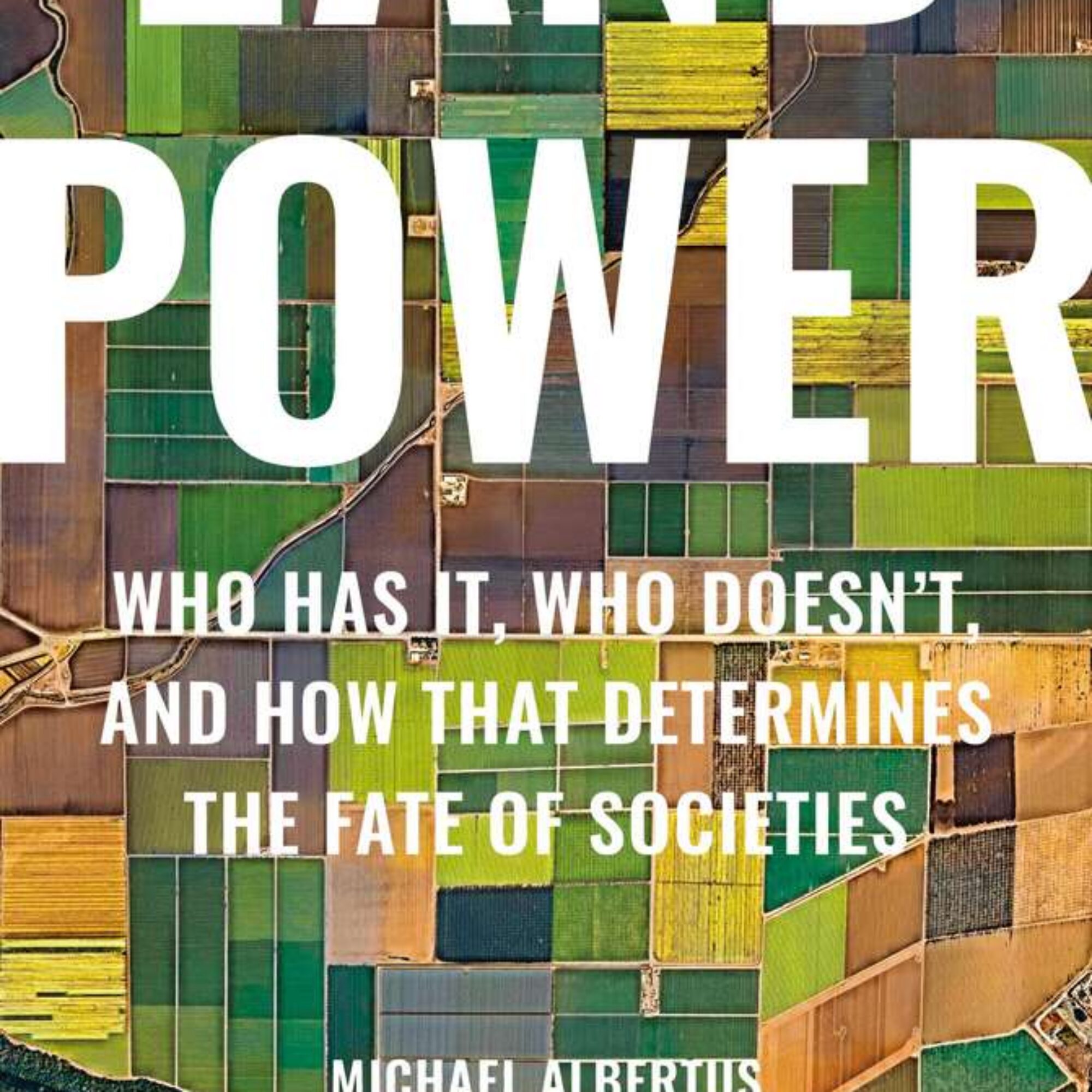
This week I finished: Land Power: Who Has It, Who Doesn’t, and How That Determines the Fate of Societies, by Michael Albertus: As a podcast host, I receive many promotions of books, companies, etc from publishers and others. This book came to me in one of them. It comes out next month. In my book I explore how our culture came to be how it is, in particular, how we feel so helpless to stop polluting and depleting. I found the answer in the conditions that led to unsustainability, which led to imperialism, which led to colonialism, slavery, racism, and other manifestations of dominance hierarchy resulting from those conditions. I hoped this book would reveal new insights into that process. It was interesting, but didn't…

0 Comments
Year 14!, day 1, daily burpees
A recent morning burpee

Year 14!, day 1, daily burpees

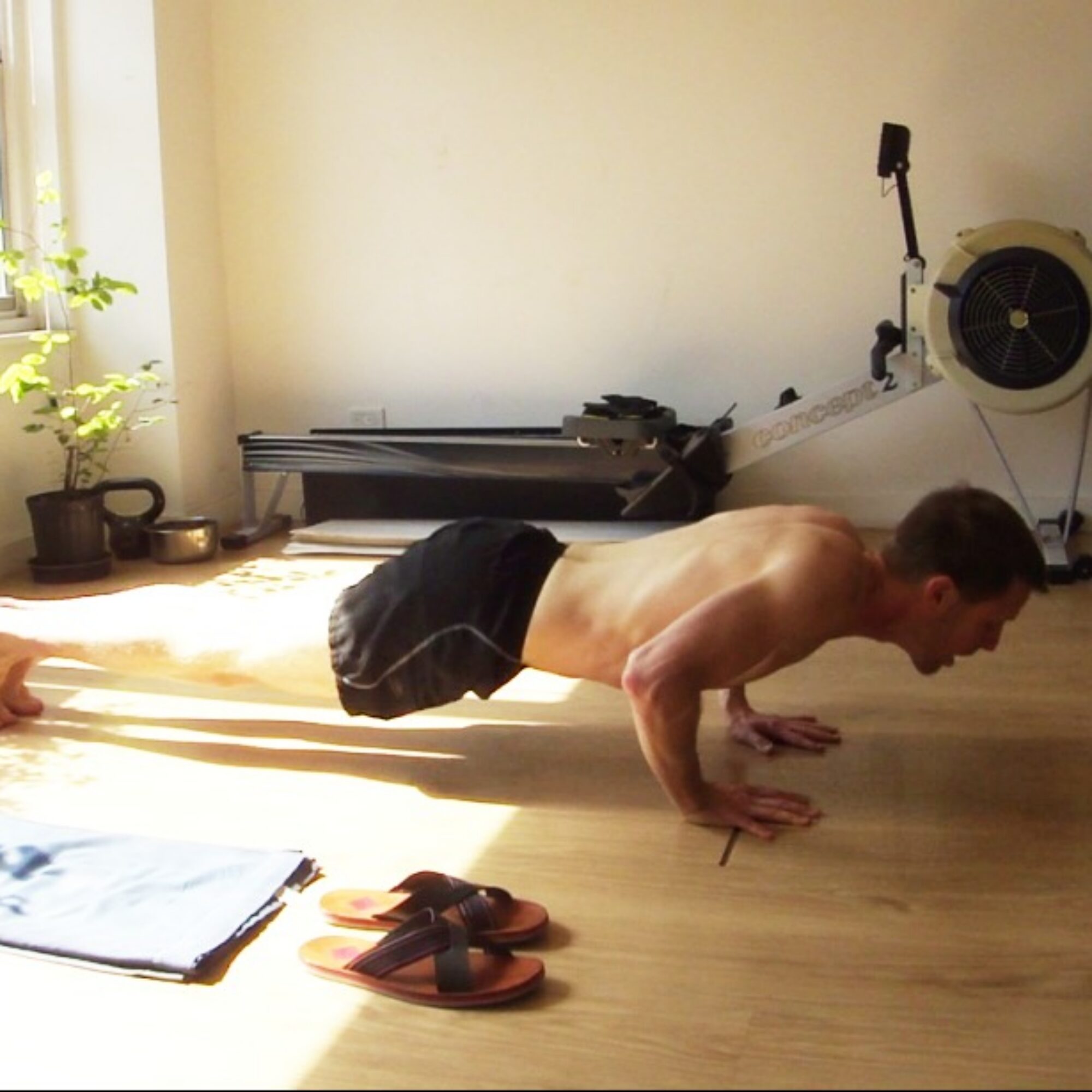
I started doing burpees on this day in 2011. I haven't missed a day since. I've done them daily over 22 percent of my life. By my spreadsheet, I've done just over 241,000 so should reach a quarter million in 2025. The point isn't the numbers, though, nor the fitness, though I like my pulse being nearly off the charts low for men my age. The simplest way to put it is quoting Jocko Willink: Discipline equals freedom. Most Americans seem to see fitness and diet as horror shows. They're out of shape, don't know why, don't know what to do about it, and do things like pay trainers not because the trainers provide a service but because paying people motivates them to act. People…

0 Comments

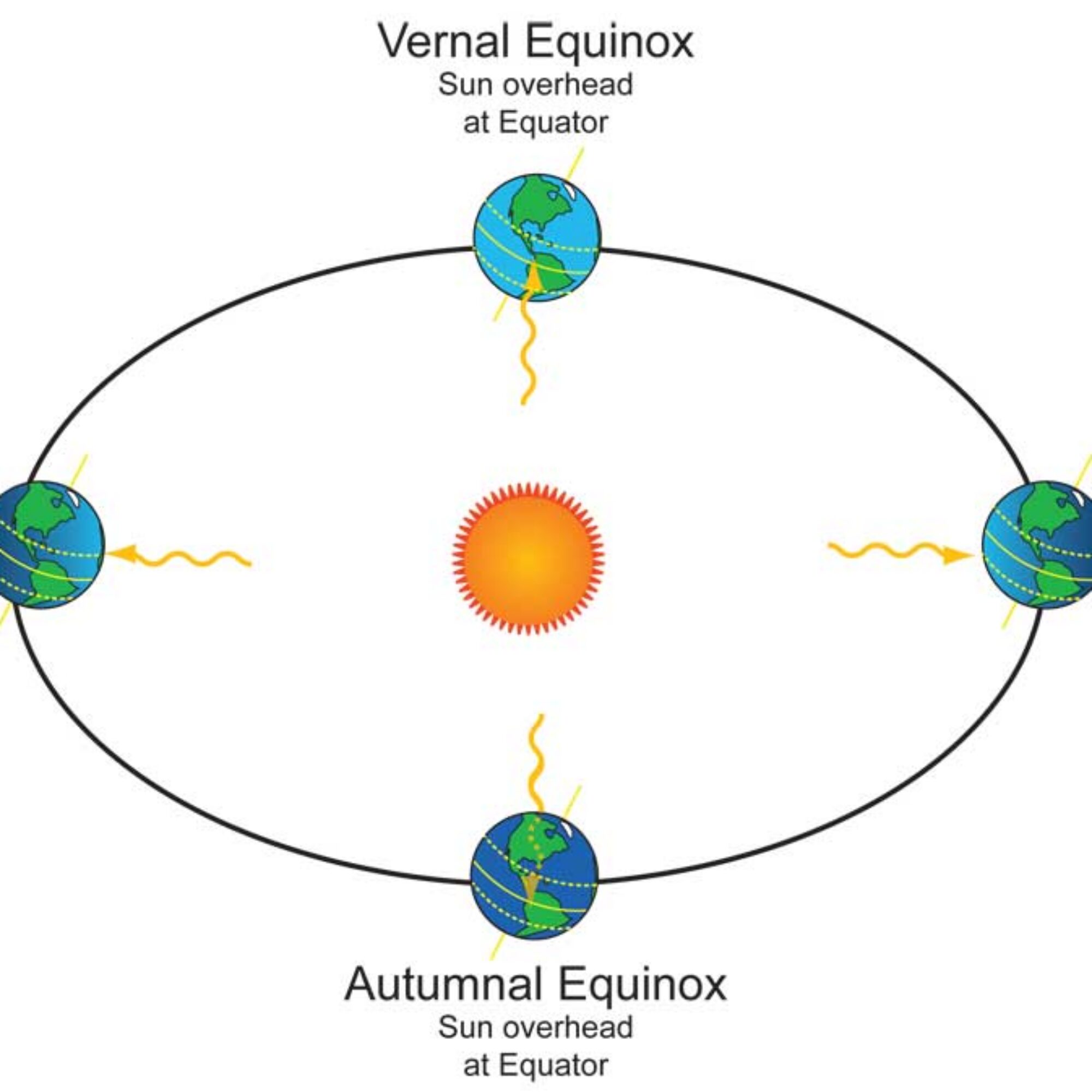
Happy winter solstice. I’m learning more practical astronomy through sustainability than through my PhD in astrophysics

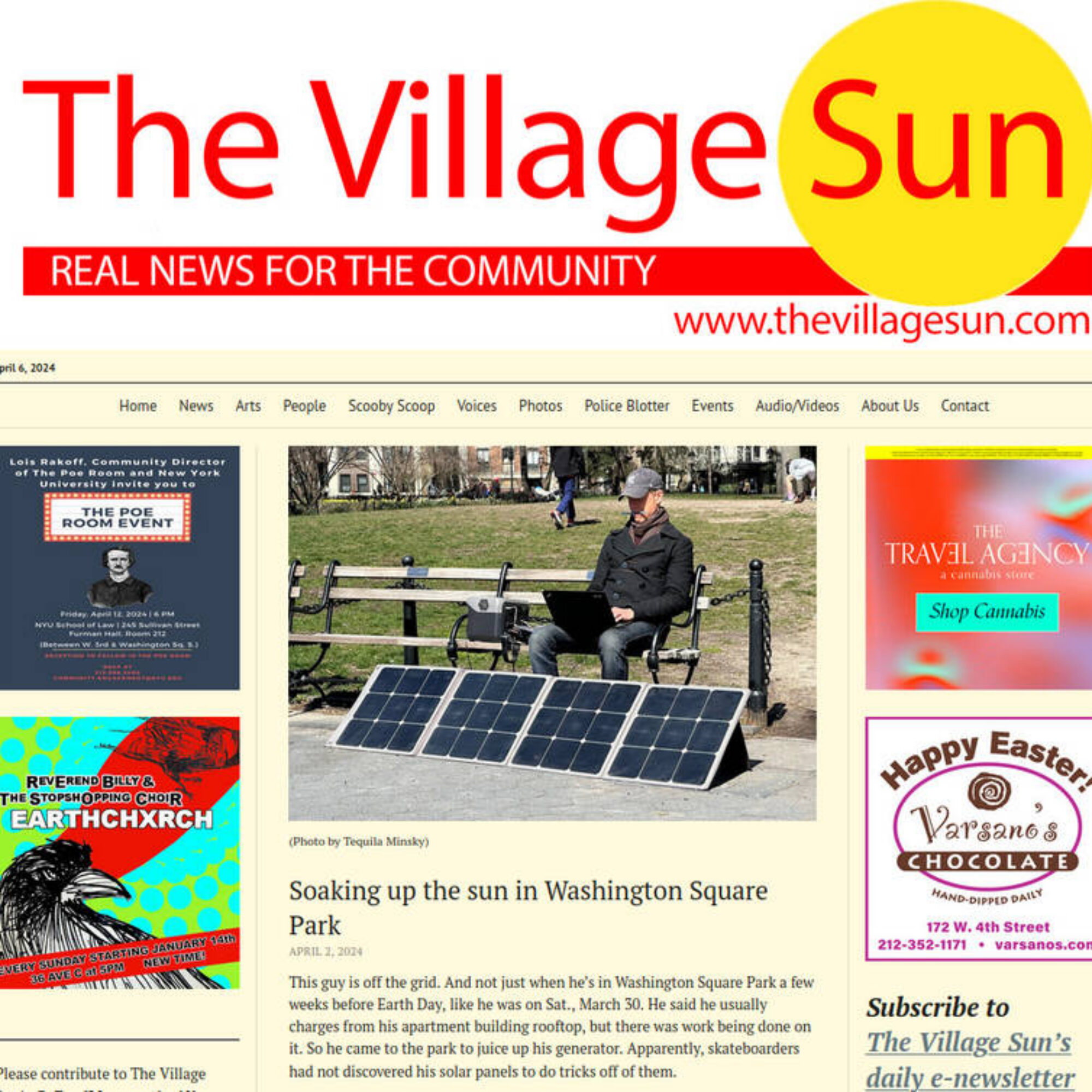
Today is the shortest day of the year in the northern hemisphere. If you're powering your electronics through solar power, as I am, you've made it through the least sunshine parts of the year, at least by angle. There may be less sun for the next few months from weather if winter means more clouds or more wind that makes panels harder to keep aligned, if you can only use portable ones as I do. It will also be colder, which makes it harder to sit with them, which I have to while I can't put them on my roof because of building construction and maintenance. The sun going lower on the horizon creates longer shadows, which forces me to find new places with sun…

0 Comments

797: Alden Wicker, part 2: Try and Try Again: E-biking in Vermont

Many people think sustainability requires fixing everything or else we'll collapse. The Spodek Method creates a mindset shift followed by continual improvement, not, as they might hope, a mindset shift followed by perfection. Alden has had her electronic bike in Vermont for some time but hasn't ridden it. She's used doing the Spodek Method as her excuse to ride it, but it's taken time. This time she used it and you'll hear both how she got it working as well as the challenges. As tends to happen with acting on sustainability, even the challenges end up rewarding.

0 Comments

How I wish I could retitle my book. Oh well.

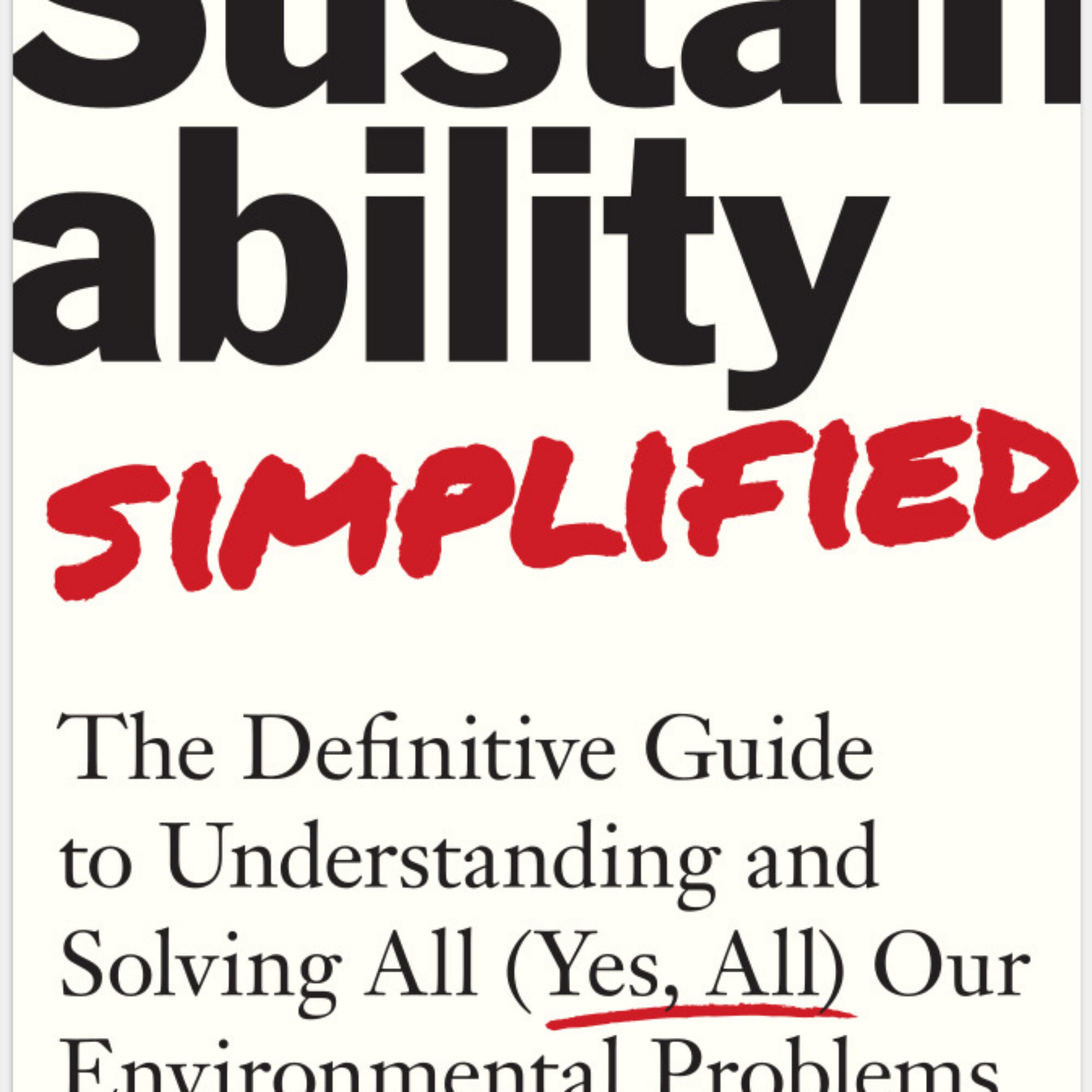
I thought of how to improve the subtitle, from The definitive guide to understanding and solving all (yes, all) our environmental problems to The definitive guide to understanding and solving all (yes, all) our environmental symptoms The problem is our behavior, which results from our culture. What we see in the environment is just the physical manifestation of our culture. I've shared the idea with a few friends and they like the new way too. But we can't change it now. It's one of the challenges of authorship. For the rest of your life you can think of ways you could improve it. C'est la vie.

0 Comments

796: Jack Spencer, part 3: Authenticity on Acting on Sustainability (also Project 2025)

We start by talking about the internal challenges Jack felt about acting to do something he wouldn't have otherwise. He cares about the environment and lives accordingly. Still, he wouldn't have done what he committed to when we spoke. Does that mean what we would do is inauthentic? Then we talk about nuclear and other policy issues. Heritage's Project 2025 came up so he shared some back story the news doesn't cover about it. Then we return to acting. On my suggestion, he invites me to visit and fish. I see this call as the beginning of meaningful collaboration and friendship based on a different approach to sustainability than I've seen in mainstream environmentalism.

0 Comments

Unexpected quotes in my book, plus a few I missed

The following quotes are all relevant to sustainability. I used them all in my book, except the Adam Smith quotes, which came from a recent post. Milton Friedman “I’m not in favor of no government. You do need a government . . . There’s no other institution in my opinion that can provide us with protection of our life and liberty.” He knew that “the key insight of Adam Smith’s Wealth of Nations is misleadingly simple: if an exchange between two parties is voluntary, it will not take place unless both believe they will benefit from it. Most economic fallacies derive from the neglect of this simple insight.” “Even the most ardent environmentalist doesn’t really want to stop pollution. If he thinks about it, and…

0 Comments

Ten days before Christmas people are already throwing away their Christmas pagan trees.

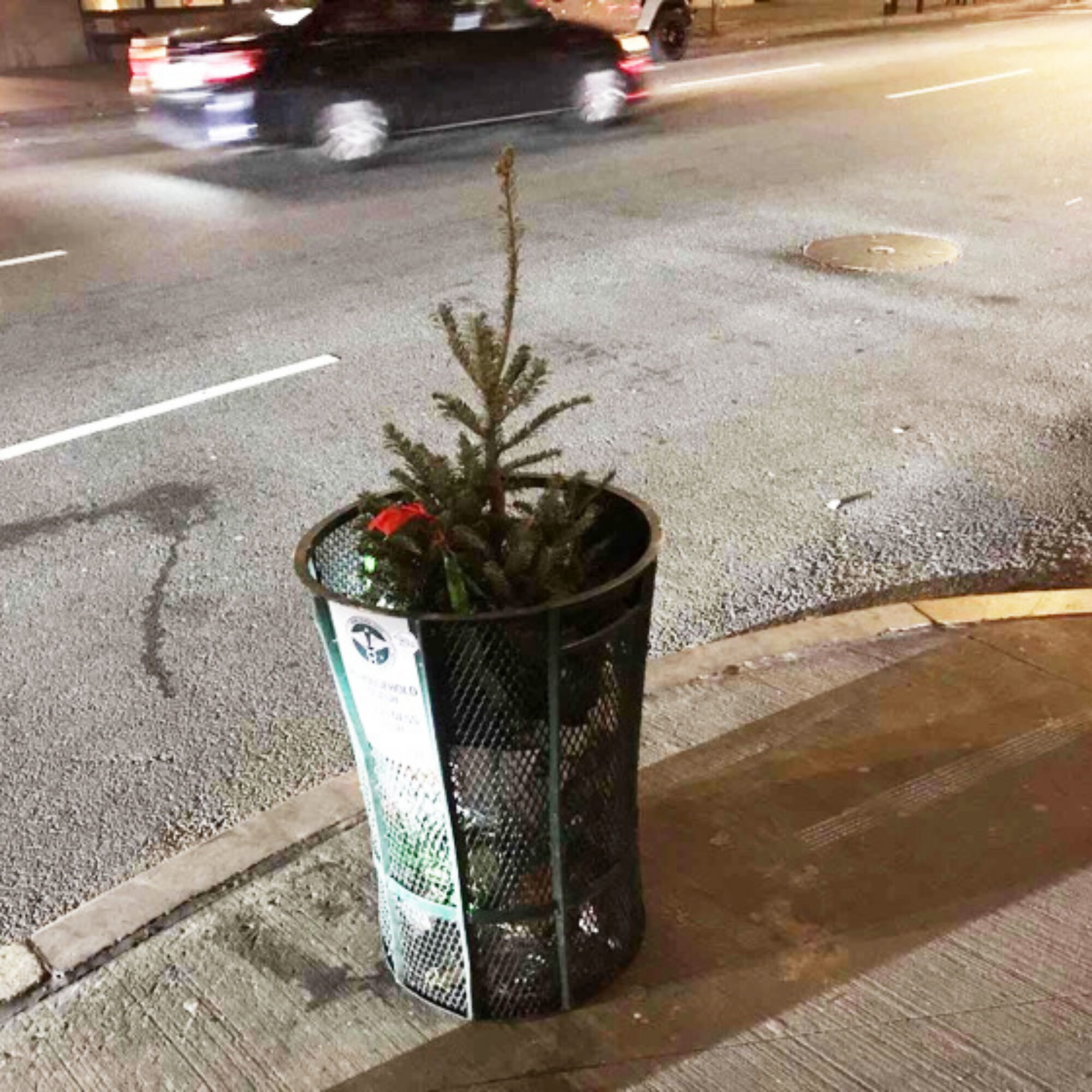
Ten days before Christmas people are already throwing away their Christmas pagan trees. Regular readers know I post pictures of how much people throw away trees they paid for being cut down. They're following a pagan tradition grafted onto one branch of Christianity. They probably try to believe some self-serving lies that the trees are grown or harvested sustainably, but we know they know. This year I told myself I would post fewer posts of the pictures, but then Sunday I saw the first tree of the season in a garbage can! How could I not comment and post on the depravity of this tradition? We created the tradition. We can change it to something more sustainable, or sustainable at all. If you haven't bought…

0 Comments

Go Alan Go rocking Washington Square Park, teaching kids music

Alan is a friend and podcast guest. Regular readers know I comment on how people degrade our environment, including public spaces like our parks. Alan is a counterexample, a breath of fresh air. Alan brings fun, life, community, and joy to the park. Between his music and my New York Times article, we're in a friendly competition to see who can improve the park more. I often describe him thusly: I've seen lead singers and guitarists get audiences to put their hands up in the air and wave them around like they just don't care, but never a drummer alone until Alan. He draws crowds in. He gets them dancing, enjoying themselves, meeting each other. Here he is in Washington Square Park getting kids into…

0 Comments

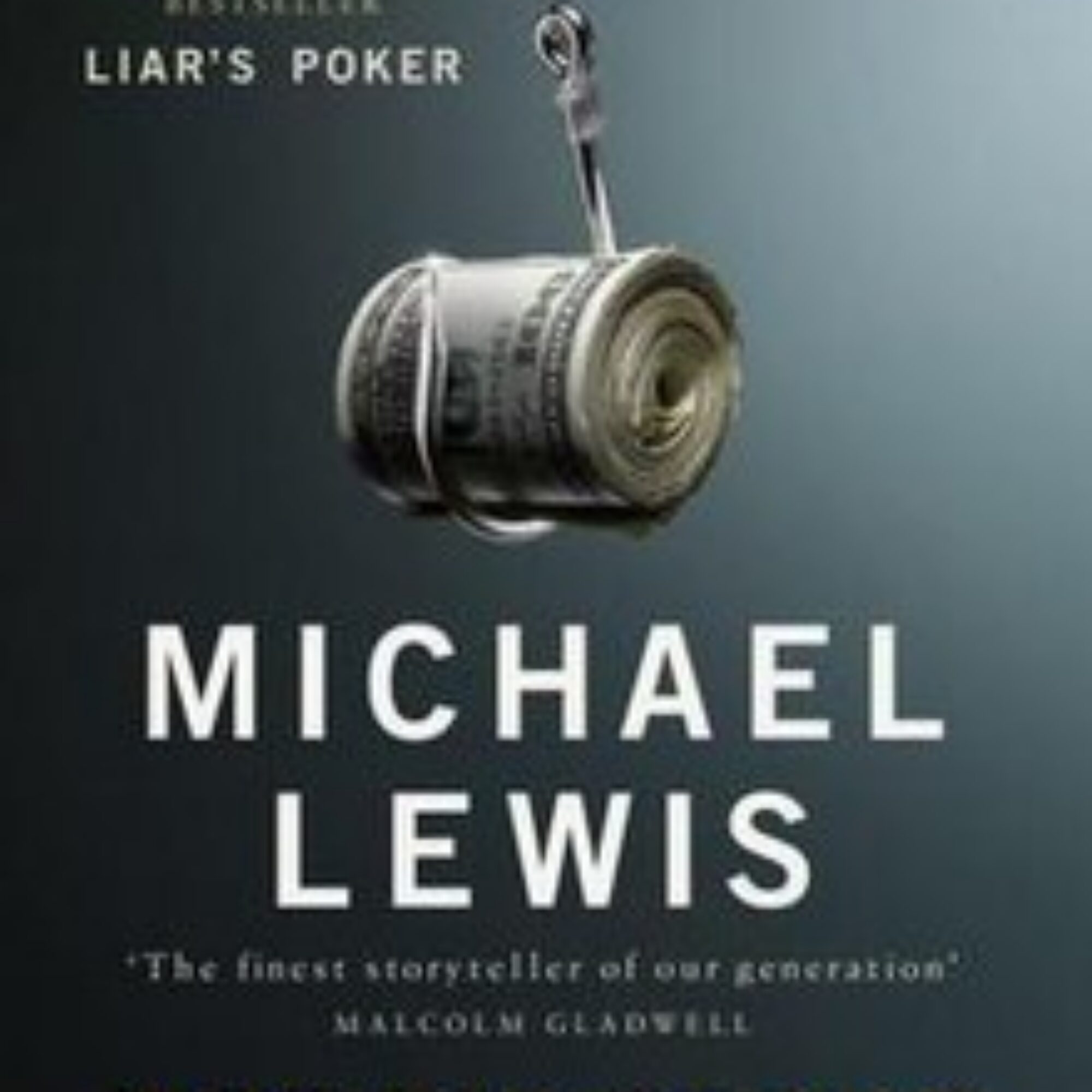
This week’s selected media, December 15, 2024: Meditation for Mortals and Liar’s Poker

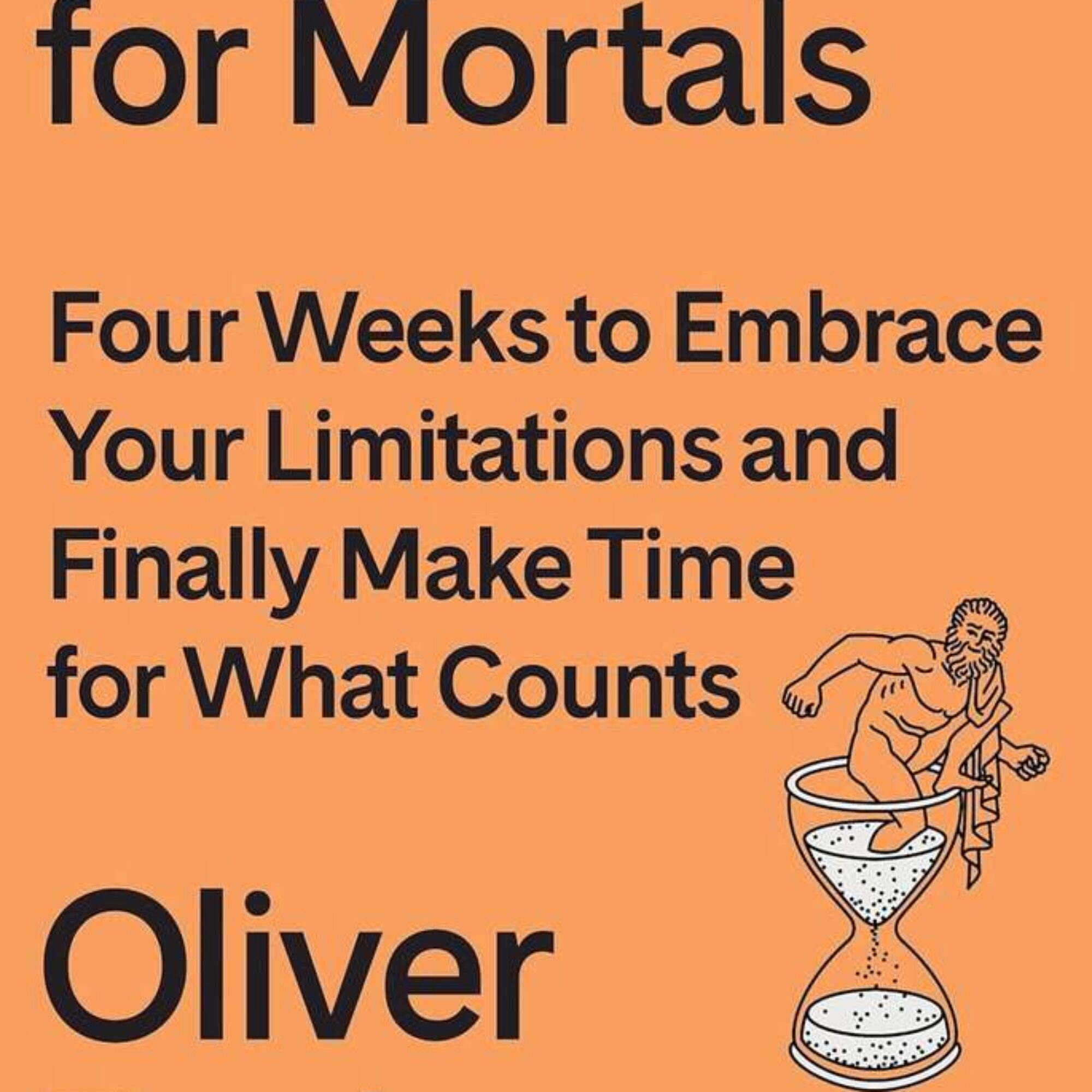
This week I finished: Meditation for Mortals: Four Weeks to Embrace Your Limitations and Make Time for What Counts, by podcast guest Oliver Burkeman: I loved his book Four Thousand Weeks and I loved this book. I see it describing how to look at and respond to our culture and my life without getting caught up in its pressure to make me feel like I'm not enough, that I don't have enough time, that a better life, or real life, is in the future. We're living now. We can't do everything, see everyone, visit every place, solve every problem, and so on. We never could. On the contrary, those limitations are part of reality. Acknowledging them isn't admitting defeat. It increases self-awareness. Deciding to choose…

0 Comments

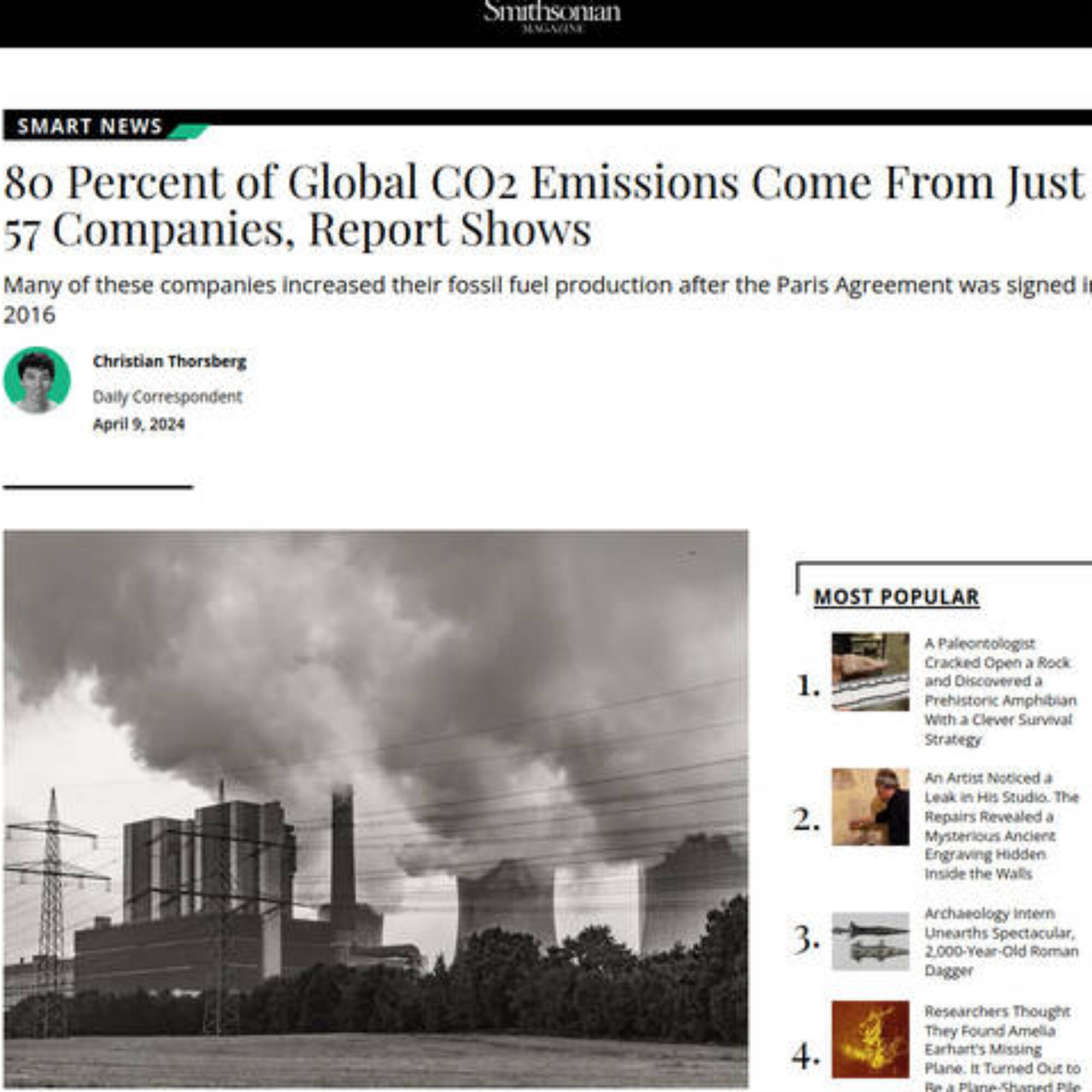
Why should Exxon become more sustainable but not you?

To all of you out there who say that polluting companies should pollute less, if you pollute an unsustainable amount---that is, 20 percent of what the average American does---why should they change an not you? It's tempting to say that since they pollute so much, they should stop more, but first: they aren't polluting for the sake of polluting. They are serving customers who pay them, including you. Second, if you believe they should pollute less, it's hard for me to imagine how your reasons that they should pollute less don't also apply to you. If you say they should pollute less but you don't yourself, and you fund their business by buying things that require their products, why should they follow what you say…

0 Comments

795: Lorraine Smith, part 1: Leaving mainstream “sustainability” to pursue actual sustainability

Lorraine is one of the few people I know who saw mainstream sustainability efforts for what they are: ineffective and often counterproductive but self-congratulatory. I call most of them "stepping on the gas, thinking it's the brake, wanting congratulations." Unlike most others, once she saw their counterproductivity, if not outright lies, she left. She works to promote an "economy in service of life." I think it's easy to see that our current global economy is not serving life. The amount of life on earth is decreasing. Lorraine shares her history of ramping up on mainstream sustainability, her disillusionment, her acting by her values to exit, and her finding what to do. We also commiserate on the challenges we face in living by different cultures than…

0 Comments

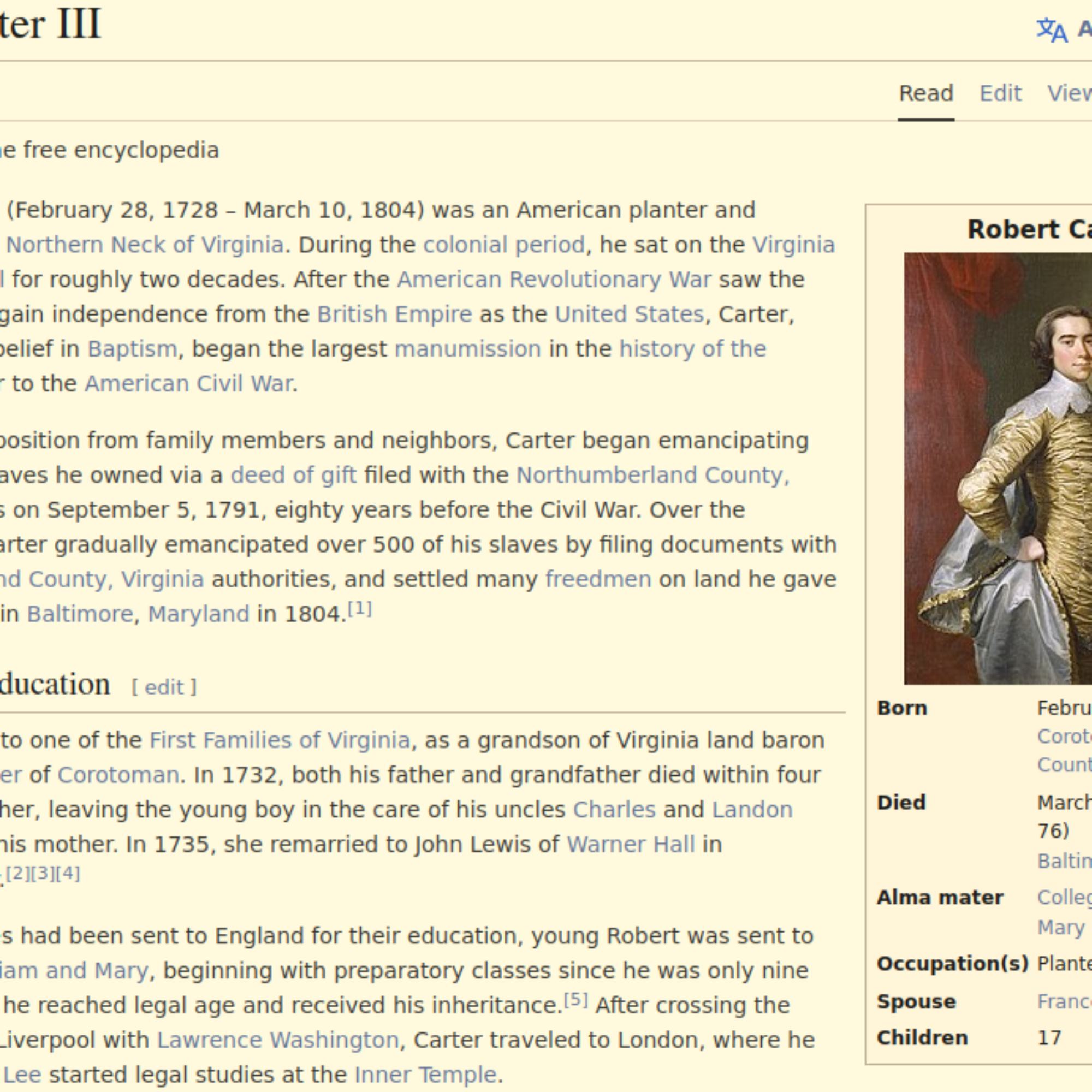
Extreme like Thomas Jefferson or like Robert Carter III?

Since people describe me as "extreme" so often, I experiment with how to respond since I don't use the measure they do. They compare me with people around them---that is, with culture. I consider how my behavior affects others. I don't want to hurt innocent people. My book treats the relationship between our culture and slavery, with the main difference that the cruelty of today's culture is much greater than slavery in the US. As one measure of many, the peer-reviewed journal The Lancet reports nine million people dying per year from polluted air. That number is about the total number of slaves in the US total, over centuries. Thomas Jefferson spoke of freedom, equality, and liberty, but owned slaves. He didn't free them. In…

0 Comments

794: Lorna Davis, part 3: Before taking the sustainability leadership workshop

Lorna first appeared on this podcast in 2021. We became friends and remained so, though we challenge each other, as you'll hear in this conversation. We don't try to. Just things about the other annoy us. But how much we respect and learn from each other outshines that annoyance. Lorna knew about the Spodek Method and workshops for years. I don't know why she didn't join one until now, but something clicked and she decided to. I think meeting Evelyn led her to see the technique appealed to people like her and unlike me; that acting as much as I do on sustainability didn't result from a quirk of mine. In this episode, she shares her views, concerns, and thoughts about the workshop and how…

0 Comments

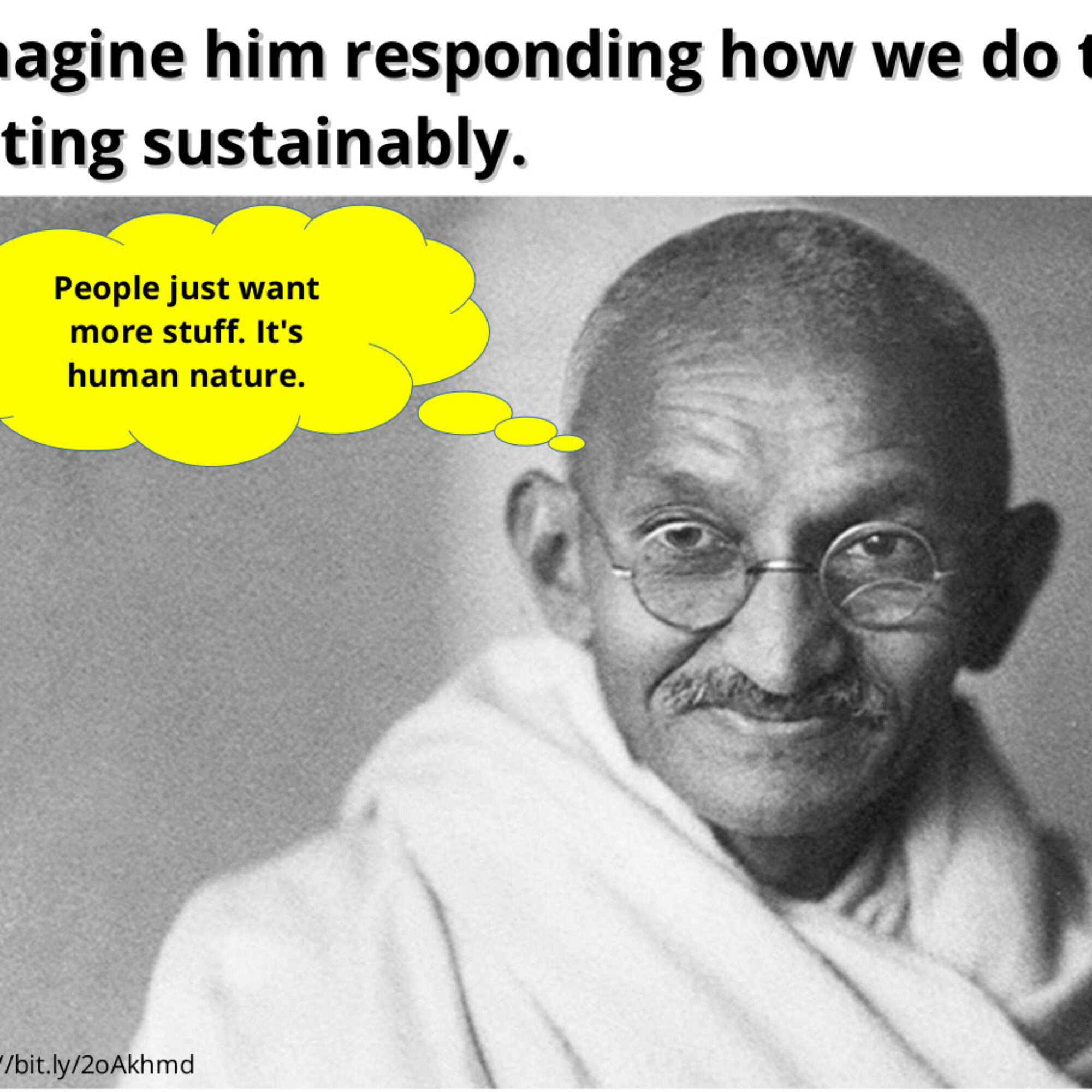
Gandhi’s Salt March wasn’t about salt or marching, nor is my work about solar or living off-grid.

I can tell people consistently misunderstand what I'm doing from the questions they ask: how long does it take to charge the battery or what do I do for toothbrushes. Or they say it's harder for people with kids. In 1930, Gandhi protested the British monopoly on selling salt. Did he attack them with weapons? No, they were too powerful. He marched to the sea, got some salt from evaporated sea water, sold it, and showed that the British had made illegal something anyone should be able to do freely. Hundreds of thousands participated in the march. Millions of Indians followed him in selling salt, making a mockery of the British law, which deserved mockery, and garnering global attention and support. Gandhi's Salt March was…

0 Comments

793: Nick Loris, part 1.5: Heartwarming nature, family, and fatherhood

People I talk to on the political left who care about the environment see people on the political right as opponents to defeat. When I share that I talk to people from Heritage Foundation, where Nick worked, they sound skeptical at best, more commonly incredulous and fearful. In this episode, you'll hear heartwarming stories of Nick's childhood with his father, then Nick today finding a way to manifest what he experienced then. You'll also hear he just got married, so I predict the commitment he made in this episode helps contribute to his growing family life. I'm starting to find it hard to believe people see others as opponents regarding the environment and sustainability. Treating them that way makes things adversarial. I wish they'd stop.…

0 Comments

This week’s selected media, December 8, 2024: The Big Short

This week I finished: The Big Short: Inside the Doomsday Machine, by Michael Lewis: I read this book after watching the movie based on my expectations on recent legislation. I expect that top-down sustainability efforts like the Inflation Reduction Act and Infrastructure Investment and Jobs Act, moving trillions of dollars toward technologies that won't work, will create market bubbles that will burst. In the process, they won't help on our environmental problems. On the contrary, I expect them to accelerate them to greater sizes by distracting us from solutions that could work. I'm curious to find ways to reduce the damage. I wouldn't mind putting my money where my mouth is by shorting the industries with ineffective, counterproductive would-be solutions that misguided support will prop…

0 Comments

Help a Historic Cause

I don't talk much about history here, but my father was a history professor and I grew up with history being a big part of family life and how we viewed the world. My dad knew a lot of history. It was one of his major lenses through which to view the world. Growing up I didn't like that view. Everything seemed to warrant lectures, from art museums to tourist places we visited. He didn't understand science, sports, competition, or entrepreneurship, so we didn't understand each other on many things. But my recent book, Sustainability Simplified, in tracing the development of dominance hierarchies from the dawn of the Holocene until today into a global culture that we feel unable to escape or see alternatives to,…

0 Comments

792: Travis Fisher, part 2: The spirit that America was founded on, Cato, and sustainability

We recorded this conversation just after the election. We talked about it, especially Travis's and the Cato Institute's views. One of his main views is that the US puts too much executive authority in the president. I'm also We shared our concerns about the Inflation Reduction Act coming from different standpoints, but agreeing with each other. Our main conversation was about approaching sustainability from a view of freedom, not coercion or imposing values. I share my view that If you think living more sustainably makes people’s lives worse, you have to become a better dictator. If you think living more sustainably improves people’s lives, you learn to become a better marketer, entrepreneur, or leader. Travis agrees on the problems with top-down coercion and we took…

0 Comments

See the video from Monday’s book reading

Monday's book reading featured questions from AJ and participants about the writing process, my experience, what to do oneself, and other personal things. AJ is both supportive and leads people to give their all. We reminisced about my taking her workshop, in which I wrote the book's first draft. Only later did I see that that draft was just the start of writing the book. She asked me to read three sections. She described them all as powerful. I started with the introduction. Next I chose a part illustrating a major advance in how to understand my own self, why I am acting so much more than nearly anyone. Don't take for granted you know why you're doing what you do until you put yourself…

0 Comments

Pollution, depletion, and overcoming addiction

My book Sustainability Simplified treats addiction in depth because it's so connected to our environmental problems. All of those problems result from our behavior. We aren't stopping behavior putting civilization at risk, harming people globally. Read the book for more detail, but I think you can see our dependence on polluting and depleting qualifies as addiction. If you want to overcome an addiction, whom do you ask for help: people who have overcome similar addictions or people who do it the most and don't stop? If you want to overcome a heroin or cocaine addiction, would you ask help from someone who has overcome a heroin or cocaine addiction or people who use the most heroin or cocaine and aren't even trying to stop? If…

0 Comments

More reasonable thoughts on population

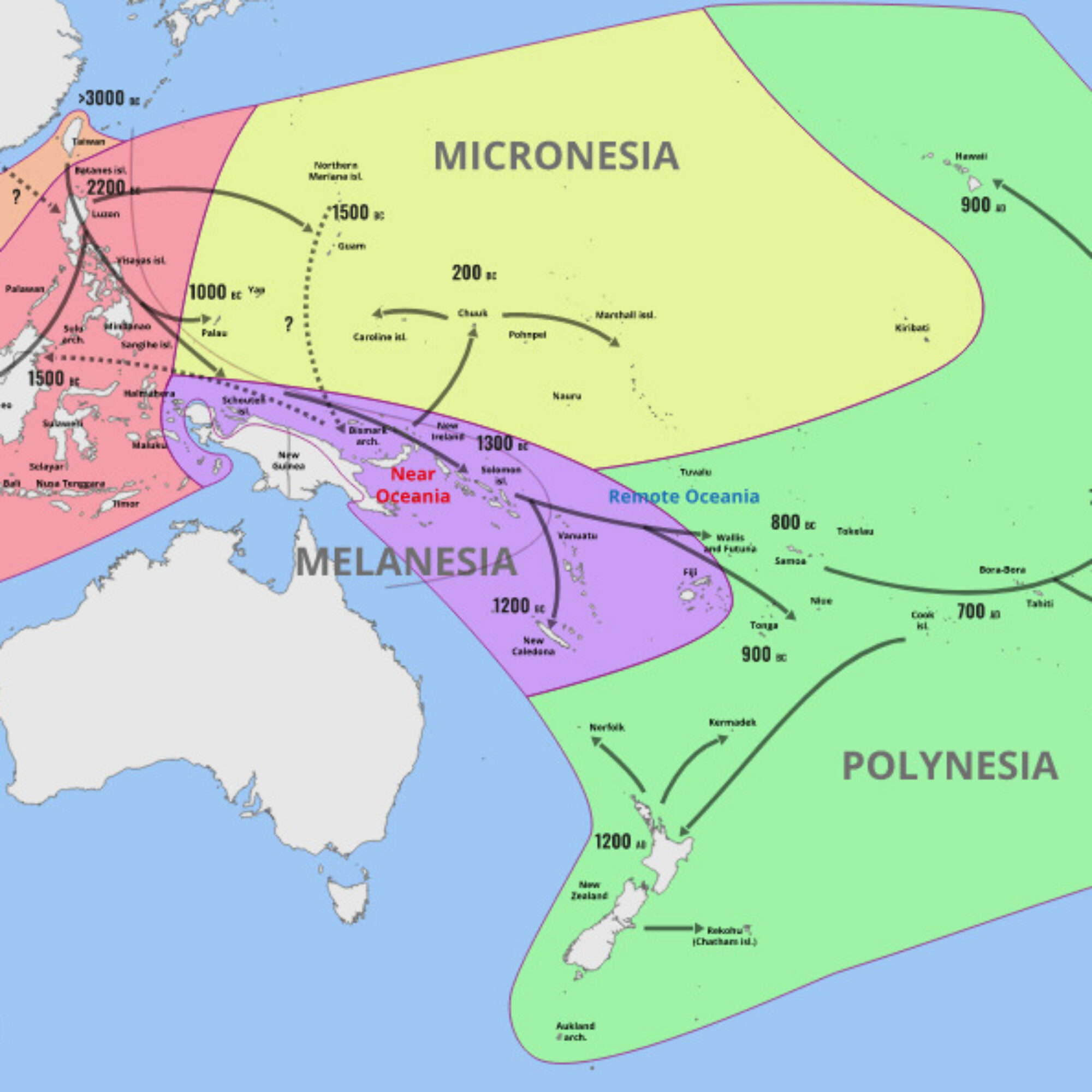
Following up my post a couple days ago Some early thoughts of a new way to quantify population and overpopulation, we would all benefit from developing ways to speak about population calmly. Currently, people think others with differing views risk destroying humanity and act as if their lives were at stake, willing to say and do what it takes to win. I've come up with a view I think may help. I'll say it about Hawaii, but it likely applied to many places humans lived over the last 250,000 years. As I understand, after Polynesians discovered the Hawaiian islands, they created settlements there that traded with the rest of Polynesia, but that trade eventually stopped. Hawaiians lived on Hawaii for something like five hundred years…

0 Comments

The challenge of the winter solstice and misunderstanding leadership

This morning on the way to charge the sign said 34 degrees (1C). The sun was so low on the horizon the usually sunny places I normally charge were in shadow most of the day. The solstice is three weeks away. It will be darker and colder for another three weeks. Then it will be another three weeks to come back to this long a day, though it will be colder. A friend told me she figured not many people would want to live this way, going outside for hours in the cold, not using appliances like a fridge. I was surprised. Who wants to live like this? The point of changing culture is to make living sustainable normal, as it was for 250,000 years…

0 Comments

End of content

No more pages to load