Bought two new non-food material things this year (cumulative: three things this year, I think)

I bought a couple new non-food material items this week. I think so far this year I bought a thermal shirt used from a thrift shop. Other than that I think the only material things I've bought this year have been food. I've paid to pollute through my electric bill, phone bill, and so on, so I've got a long way to go. I try to keep track of what I pay for. I prefer not buying things. Last week I bought a direct current adapter so I can charge my computer from the battery without converting to alternating current and back. It should reduce power loss to heat. Here's the charger, it plugs into the cigarette lighter jack, which the battery/power station has. I…

0 Comments

Analects of Sustainability Leadership (words to live by)

Analects are selected miscellaneous written passages, often words to live by. Here are ones on sustainability leadership, many I created. I'll keep update the following as I develop new ones. You can't lead others to live by values you live the opposite of Systemic change begins with personal change To cross the finish line of the marathon of changing a system, you first have to cross the starting line of changing yourself. Otherwise you aren't in the race. If you make a polluting system more efficient, you pollute more efficiently, even if you lower it in one area. If you do something that kills people and you don't want to kill people, you have to stop doing that thing. Imagine you coached a sports team…

0 Comments

Year Two With the Circuit Open Between My Apartment and the Electric Grid

Everyone talks about how hard transitioning to living sustainably is. They haven't tried it---that is, seriously changing culture, not just trying to avoid straws. Yes, by practicing with easier things like avoiding packaged food, I prepared myself somewhat, but no way could I have predicted I could live for over a year with my apartment disconnected from the grid. Why couldn't I have predicted it? Because I believed the lies and false stories founding the culture I lived in. The ones that persist are the ones that sustain and further that culture, not the ones that improve people's lives if they conflict. I believed that nature was scary, that technology was good, and so on. I discounted obvious observations, like that everyone had lived their…

0 Comments

Eight billion people behaving unsustainably will never become sustainable.

Do you know anyone living sustainably? I don't. A few hundred thousand, maybe a few million, in indigenous cultures may still be living sustainably, as nearly everyone did before a couple centuries ago or so. They're a rounding error, sadly. You can say individual action doesn't matter, but 1) it does and 2) all of us have to start living sustainably. Why do people think everyone can live unsustainably and magically collectively they'll be sustainable? If we can't live sustainably, how do people not realize it will lead to population collapsing to below Earth's carrying capacity, which is 2 or 3 billion? You can't combine 8 billion people living unsustainably into collective sustainability. All of us have to live sustainably, not you fly around and…

0 Comments

Love and marriage don’t cause pollution. Stop using them as excuses.

How many times have I heard about polluting and depleting less, "You can do those things because you're single."? I know when people rationalize and justify their inaction, say by saying it's easier for me or particularly harder for them, they aren't speaking rationally. They're protecting their vulnerabilities, suppressing and denying that they are hurting others, acting against their deepest values. Still, it seems worth it to list a few challenges of acting alone. Acting alone means No economies of scale No division of labor No person to support you I have to do everything: all the shopping, cleaning, and cooking I can't leave food out when it's hot and things go bad quickly, so am limited in what I can cook Have to work…

0 Comments

This week’s selected media: May 21, 2023

I read and watched this week: Joseph Conrad's Heart of Darkness: Regular readers know my interest in understanding imperialism, colonialism, and slavery to understand our situation with the environment. Somehow I made it over five decades before reading Heart of Darkness, or listening to it since it's in the public domain, so I downloaded a free version from Librivox. My first time through, I felt it overly descriptive and wondered why people cared so much about it. I kept thinking of Marlon Brando in Apocalypse Now. The second time, I picked up the detail and layering. Wow! I expect I'll read it many times, picking up more each time. It illustrates imperialism, colonialism, and slavery alright. It's brutal. I recommend it. The Land magazine's A…

0 Comments

Day 365* unplugged

The electric grid here pollutes and depletes with every form of power it uses: nuclear, wind, solar, coal, gas, hydro, and everything else. Polluting and depleting kills people and causes unnecessary suffering. I don't want to pay for and otherwise cause killing and unnecessary suffering. Last year, on May 22, I unplugged everything in my apartment that drew power from the grid. My goal was to remain disconnected for one month, though I didn't know how I'd make it past a few days. Thus, I didn't try to do it perfectly. I chose experimental physics for a reason: we learn from experimenting. Later people can create theory based on experiment. Theory not based on experiment still requires experiment. Mostly I work on sustainability leadership. This…

0 Comments

Spring 2023 pictures of my sledding hill

I visited Philadelphia this weekend and took spring pictures of my sledding hill in a light drizzle. I recommend scrolling through the slide show, clicking on the arrow, since it's like an animation. I took a picture, walked a few yards, took the next picture, and so on. Scroll down for the images laid out and the video of my TEDx talk that refers to it. I hope you don't mind the pictures of the dead mice. I could have taken pictures of some of the litter I picked up since I want to remind us of our culture and world, but the dead mice were more poignant. I ran into a guy walking his dogs who moved to this neighborhood, Mount Airy, in the…

0 Comments

How can you oppose imperialism and live unsustainably?

I wrote about how polluting and depleting come from imperialism. Polluting means dumping your stuff on other places. You don't want your car exhaust, jet exhaust, and disposable diapers in your home, right? It ends up in someone's. Depleting means taking from others' homes too. You don't get your gasoline from your back yard. Yet every person I know or know of who imposes imperialism and its usual results of colonialism, slavery, and racism pollutes and depletes as much as anyone. No matter what anyone else does, if you pollute and deplete, you personally yourself fund today's version of imperialism, which is imperialism. How can you oppose imperialism and live unsustainably without trying to reduce your impact?

0 Comments

686: Gautam Mukunda, part 1.5: Can Humans Thrive Without Modern Technology?

In the first part of our conversation, we start by reviewing Gautam's commitment to sailing, which seemed and still seems a good idea to him. but maybe too much for now. We revisit what motivated him and come up with a new commitment. The second part gets more exciting. Gautam expresses that we need to develop technology to help people who aren't living as well as us so we can help them. (I may not have summarized accurately; listen to his recorded words for his precise meaning.) This view is like waving a red flag to me since I used to think things like that but now see otherwise. We engage in different views on technology, progress, how humans used to live versus how we…

0 Comments

How sustainability couldn’t be simpler

The longer and more I reduce my polluting, depleting activities, the simpler sustainability becomes. I guess that clarity comes with overcoming most addictions: If you do something that kills people and you don't want to kill people, you have to stop doing it, even if you like it, even if everyone around you is doing it. How much simpler can it get? When you stop, you gain the credibility, character, know-how, and integrity to lead others to stop, so you can help others stop, but even if nobody else stopped, living by your values is its own reward. Of course you can live much much much more sustainably. You aren't close to your potential. It bears repeating: If you do something that kills people and…

0 Comments

Why doesn’t anyone, even environmentalists, propose actually living sustainably?

Have you heard anyone propose as a solution to our environmental problems actually living sustainably? I haven't. It would work---that is, if everyone lived sustainably, humanity collectively would live sustainably. By contrast, if no one lived sustainably, such as we are now, how can we collectively live sustainably? We can't. We can't all live unsustainably, yet somehow magically collectively live sustainably. Why not try it? Why doesn't anyone try it? Is the prospect of living sustainably so horrible? Why does no one suggest or consider it, even environmentalists? Have you heard anyone suggest it? I hadn't thought about how simple the concept yet utterly absent from anyone even talking about it.

0 Comments

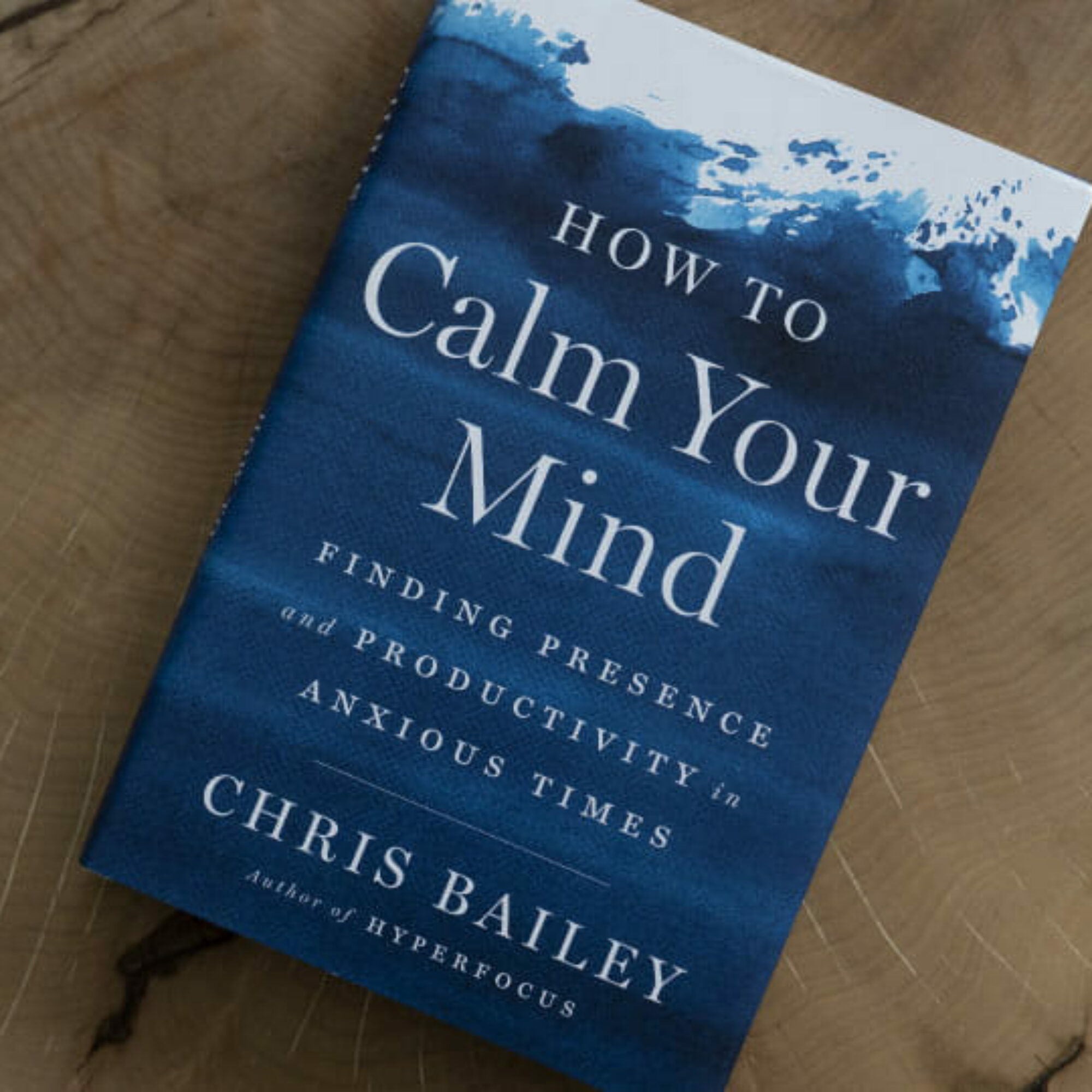
685: Chris Bailey, part 3: Dropping the latest iPhone for a flip phone

Chris returns to share his experience with the Spodek Method. He did something different than he committed to: he stopped using his smart phone---the latest Apple iPhone---in favor of a simple flip phone hearkening almost back to the nineties. What happens? Does his life fall apart? Does he find more calmness? Should you simplify your life by avoiding the call for the latest and greatest? He shares his experience and you can find out (I'm not sure he did it for this podcast, in that I think he was planning to do it anyway. Still, he shares his experience).

0 Comments

This week’s selected media: May 14, 2023

This week I read: Chinua Achebe's Things Fall Apart: Having awakened to the persistent imperialism at the root of our culture, I've been referring to this book a lot lately. I remember it as one of my favorites from reading it at least a decade ago. I found it as powerful and intriguing as I remember, and relevant to our times. We invade these days with addiction more than weapons and religion today, which, sadly, are more effective. I highly recommend it. Marie Kondo's Life Changing Magic of Tidying Up: I'd been meaning to read this book for years. She promotes a lifestyle different than sustainable and minimalist. I respect her dedication and focus. I see her promoting at root values, self-awareness, and liberation. I…

0 Comments

Finished the first draft of my next book, on sustainability leadership, this afternoon

I finished the first draft of my next book, on sustainability leadership, this afternoon. I'm relieved, exhilarated, scared, worried, and many other emotions. For the first time, I skimmed through it. It's rough. I feel like it's too long, too short, too comprehensive, not comprehensive enough, and many other problems. Still, I know how much editing improves. I think it covers the main experiences, lessons, views, and ways forward I see, I believe uniquely among people working on leading on sustainability. I like the composition, but it's hard to see it from another's perspective, at least this soon after working on details. I'm chomping at the bit to bring to the world my message of how to live and lead others to living joyfully sustainably,…

0 Comments

More Than a Moonshot or World War II-Level Mobilization: A “Nixon Goes to China” Moment

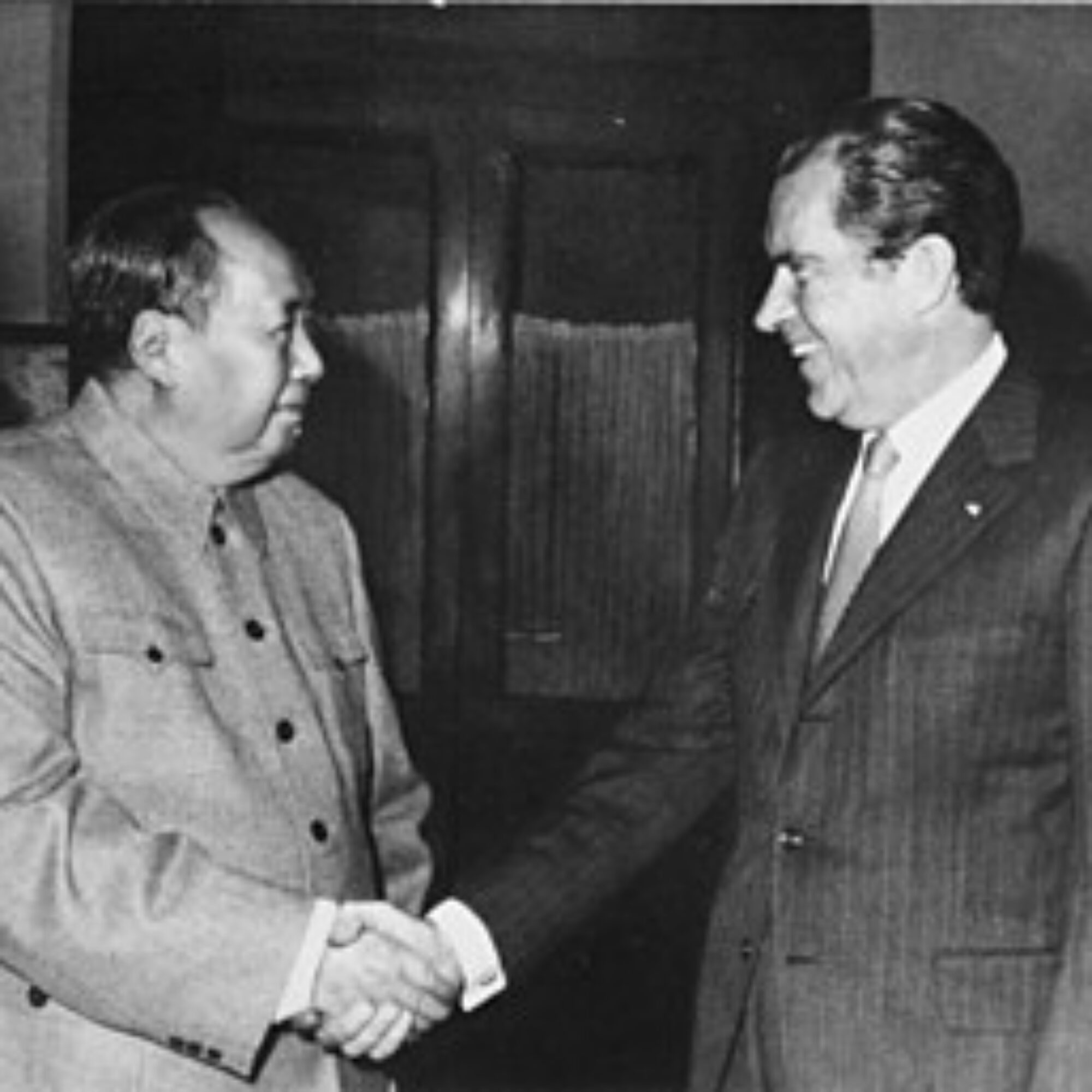
Many people see how Americans galvanized and worked together to put a man on the moon and mobilize to fight World War II and call for a moonshot or mobilization on that level. I’d love to see it, but America’s internal division seems the problem. I propose Richard Nixon’s 1972 visit to China as a more relevant target to replicate. At the peak of the Cold War, it was “one of the most important turning points in 20th century history—perhaps the most important in the post-World War II era,” said Scott Kennedy, senior adviser in Chinese business and economics at the Center for Strategic and International Studies. “The US and China were able to overcome their antipathy to reach this détente only because of their…

0 Comments

684, Simon Michaux: Do Governments Understand Energy? How Unprepared Are We?

Simon is a mining engineer who both researches the minerals and mining necessary if we were to try powering our culture with various sources. His work has brought him to work with government teams, especially economists and politicians around the world. He shares in our conversation that we will transition to a low-energy future, what it will take, and how little we have tried to figure out if we can do it. It's worrying to hear how poorly we understand the problem, how unprepared we are now, and how poorly we are preparing ourselves. What he shares is challenging to process considering the risk for catastrophe coming up. Situations like he describes is why I act so much. If you think scientists, engineers, politicians, or…

0 Comments

Hear me on Success Through Failure with Jim Harshaw

Jim Harshaw invited me back to his podcast Success Through Failure. We've been friends since I first appeared on his podcast in May 2019, Initiative: A Blueprint For How To Make Your Idea Work With Josh Spodek. He posted our latest conversation, From Mindset to Action: Josh Spodek on Living a Sustainable Life, in which we talked about sustainability, including failures. I keep realizing I should talk more about them, so people know I didn't start by just deciding one day to unplug my fridge. I just wrote a chapter in my book on the experiments that didn't work out. Show Notes Stop waiting for the perfect moment to start. Joshua Spodek is back on the show to share how to achieve sustainable success through…

0 Comments

683: Alan Ereira, part 3: More about Kogi life and culture, contrasting with ours

The more I move toward living sustainably, the more I learn about cultures that haven't become as polluting, depleting, addicted, and imperialist as ours. I grew up thinking they were stuck in the Stone Age, but they aren't. Conversations with Alan help me learn about the Kogi, with whom he's lived in the mountains of Colombia and made two documentaries with the BBC. The relevant differences is that compared to us, they live sustainably, free, and in abundance. Alan shares more in our third conversation about what he's learned from them, including how they see us, which is sobering.

0 Comments

This week’s selected media: May 7, 2023

Read this week: William Rees: The Fundamental Issue: Overshoot on the Great Simplification podcast and Warning to People of Earth (broken into 7 parts: 1 2 3 4 5 6 7): Rees created the ecological footprint concept. His work is helpful, but what I'm trying to get past: he understands our environmental problems and human problems inhibiting from acting. All facts and view but zero to negative leadership. Krakatoa: the day the world exploded, August 27, 1883 by Simon Winchester. A friend recommended this book when it came out almost twenty years ago and I finally got to it. Old me would have liked the science most, especially that plate tectonics only became known in the 1960s. Today I most noticed the colonial life of…

0 Comments

My sidchas, standard procedures, and preferences

I meant just to list all my sidchas in my post Freedom exists in structure; it’s not chaos, randomness, or luck. Here’s my structure and freedom, but I made a mistake. I included standard procedures with sidchas. I didn't think of the distinction. One is habits. The other is the best way to do something. I've written about sidchas. What about procedures? If there's a better way and worse way, why do the worse way? Choosing a best way saves mental effort on top of the benefits of doing something better. Doing it consistently allows for continual improvement and increasing self-awareness. For example, living on the fifth floor, I could take the elevator or stairs. I decided once and for all to take the stairs.…

0 Comments

A response to “more people means more problem-solvers so we should grow the population.”

I've heard a lot of people promote population growth by saying that more people means more people to solve problems so we should keep growing the population. There's no end to that logic. That is, no matter how many people are alive, that logic suggests more people is better. They respond to problems of running out of space, energy, and other things that seem constrained in various ways, but I find that people get lost in their thoughts by the Earth being so large relative to their personal experience. If more people improved the situation on Earth, then shouldn't they improve the situation in parts of Earth? That is, if you believe more people will solve all problems, why not make infinite amounts of money…

0 Comments

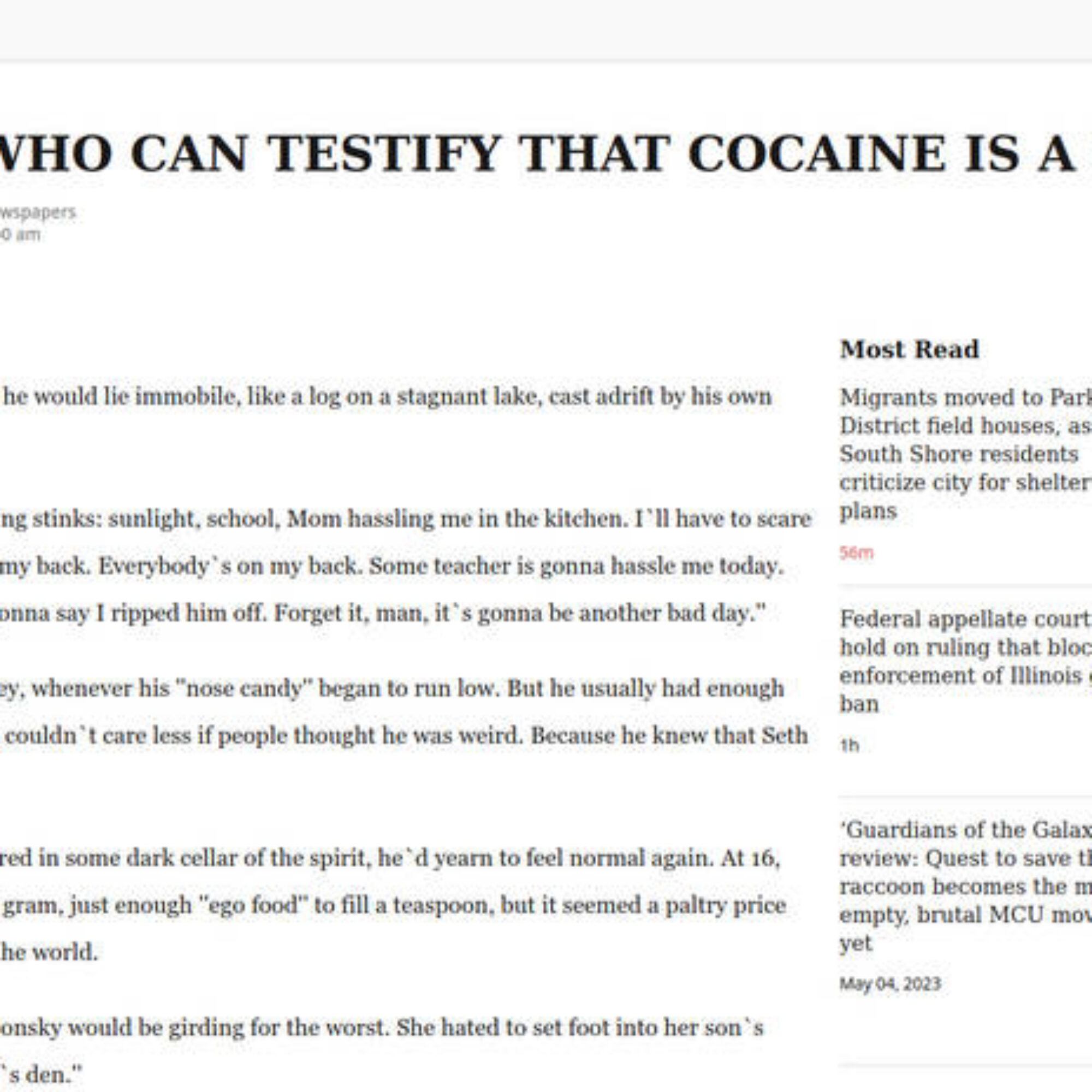
Our World: The first I learned of addiction affecting friends of the family, Cocaine, 1985

I've long remembered from my childhood in Philadelphia a story appearing in the paper about a family where the son was doing cocaine and the parents in denial. I remember it because my mom knew the family. Also because it was a big story about cocaine, which was less common in the news, let alone about a well-to-do family. I've thought about it recently because of the parallels with people's denials and suppression of widespread addiction to what pollution brings---things like social media, fast fashion, flying, and such. I remembered in the story that the car and silver went missing, but the parents kept feeling like he was a good kid. We keep telling ourselves we're good people even while the rain forests and aquifers…

2 Comments

End of content

No more pages to load