The “Inflation Reduction Act”: Hear me speak on it with Eugene Bible of This Sustainable Life

The Inflation Reduction Act has been in the news a lot lately. Since it introduces initiatives designed to help climate change (not so much other environmental issues, many at least as important), people have asked me about it. Eugene Bible, who hosts another branch of This Sustainable Life, recorded a conversation on the IRA, differences between management and leadership, coercing versus leading, intrinsic versus extrinsic motivation, and how I view the act. He posted it to his podcast: Special Episode - The Inflation Reduction Act w/ Joshua Spodek Even if you don't want to hear my views, if you want to hear what this country just passed, Eugene begins the conversation by summarizing many of the act's measures intended to help on sustainability. You'll learn…
0 Comments

“How can carbon dioxide pollute if it’s necessary for life?”

Listening to a free-market podcast lately I heard the common pro-fossil fuel line: "how can carbon dioxide be a pollutant if it's necessary for life?" Some people can't imagine life without fossil fuels, which seems to me dependence to the point of addiction. I wish I could have replied in person, "I saw a man drowning and instead of helping him, I told him water was necessary for life. What could be the problem?"

0 Comments

Hawaii is a microcosm of the world: A conversation with co-host Eugene Bible

I hope you listen to Eugene Bible's This Sustainable Life branch called Solve for Nature. Trained as an engineer and working in construction, he focuses more on engineers and problem-solvers, though expanding. He moved to Hawaii last year from Japan and shared with me his concerns about buying a house where building meant chopping down once pristine forest. How much was he contributing to a trend he disliked? How would he balance that contribution with providing for his wife and daughter. His sharing reminded me of my sharing with Dov Baron, who suggested he host me as a guest on my podcast, which led to my Sex, Drugs, and Rock and Roll series, so I proposed to Eugene recording with me as host on his…

0 Comments

Can you imagine a world without pollution?

Can you imagine a world without pollution? Seriously try. Most people I've asked recently have been unable to. I don't think before my recent experiments and reading of history and anthropology that I could have, yet all humans lived without polluting more than a few hundred years ago. We've lost the ability to imagine what happened. I can't imagine a world without pollution if we continue seeking it with more technology. Exercise to the reader: try to imagine a world in which nobody pollutes. Not net zero carbon emissions, no pollution at all. Things that existed before humans don't count as pollution, like fire, lead pipes, and poop. Note that thousands of years ago, cities existed with over a million people that got all they…

0 Comments

The three top ways liberals and environmentalists stop themselves from thinking and acting

Conservatives have their ways of stopping themselves from thinking too. I'll cover them in another post. Actually, everyone stops themselves from thinking and acting. For example, people of all backgrounds parrot some version of I care about the environment and act as much as I can, but I can't do everything. I have to balance it with other real-life concerns, like safety for my children and how much time I have. Since I do as much as I can, I'm really one of the good guys. Liberal and environmental ways to stop thinking 1. They say: You probably didn't know it, but BP publicized the concept of the personal carbon footprint to shift the blame to individuals and distract from themselves. You're playing into their…

0 Comments

616: Michael Lombardi, part 1: Culture, Leadership, and Football

Leaders who know how to lead and change culture know culture eats strategy for breakfast. This concept figures strongly in Michael's book, Gridiron Genius. When most people watch football, they see the game, maybe the game plan and strategy. We see it on the scale of a play, maybe a game involving twenty-two men on a field, maybe also the coaches and trainers. Michael sees each play in the context of the game, season, and overall culture of football as it evolves over decades. He knows the key players, coaches, owners, past players, their careers, their relationships, and their families if relevant. To understand and change culture doesn't come from just telling people what to do. It means listening, understanding, testing, trying, failing, coming back,…

0 Comments

Poor people throwing away food

Regular readers know I volunteer to bring food from stores that throw away stock at the end of the day to a community center. Nearly all that food is fresh. It hasn't gone bad, they just have new shipments coming in and have to make space. The system is broken. I'm just trying to keep some waste from entering landfills and into peoples' stomachs. Sometimes people donate food from other sources. This evening when I dropped off my delivery, a guy from a non-profit was dropping off a bunch of produce from an event or their office, mostly bruised and overripe, but still edible and tasty. When the guy delivering it left, the people at the community center, a mix of volunteers and guests, started…

0 Comments

My second month with zero kilowatt-hours

I got my second bill with zero kilowatt-hours: Everyone's response includes speculating how it's easier for me because I'm (take your pick): single, male, in New York, or privileged in some other way. Nobody speculates why it would be harder for me, like I don't get economies of scale that I would if someone else were involved. But let's grant every possible advantage. If you didn't hear of me doing it and someone asked if you thought someone could draw zero electrical power in his apartment for a month, let alone two, admit it, you'd likely guess it was impossible, or if possible, not by someone still living his regular life. If you thought it was impossible, some belief led you there. That belief or…

0 Comments
Fourteen years ago today I swam across the Hudson River for the first time
Manhattan ahead, New Jersey behind

Fourteen years ago today I swam across the Hudson River for the first time

The bigger an achievement, the more it's just the start of another stage in your life. Maybe swimming across the Hudson was my start of learning that you don't have to fly to create life experiences, that we don't have to accept what others consider impossible, and that we aren't risking our lives to do things people have done for thousands of years. I've used the picture of my swimming across at the top of my home page to represent me crossing from one part of my life to another, less passive, less accepting what others tell me. Now I do hundreds of thousands of burpees, write bestsellers, lead world-renowned guests on the podcast, and go months with my apartment disconnected from the grid. The…

0 Comments

615: Living off the grid without solar either (as all humans once did)

Regular listeners know I started an experiment disconnecting from the electric grid. I began May 22. Then on July 22, I posted an episode that the solar panel or battery broke, or both. I didn't see how I could continue so said that after I finished recording, I'd declare victory, reconnect to the grid, cook lunch, and move on. Regular listeners and readers of my blog know that I posted about keeping going. What gives? Did I stop or not? I'd meant to record an episode explaining that I kept going without even solar power, though still using my "cheat" of allowing plugging my computer and phone at NYU. Recording my second episode with Michelle Nijhuis, I got to share that story, so I'm posting…

0 Comments

614: Michelle Nijhuis, part 1: Living off the grid for 15 years

Where was Michelle Nijhuis all my life? She lived off the electric grid for fifteen years and I was about two months in, so we shared stories of the experiences. She did it much longer and her fiance had to assemble everything from scratch. I'm only two months in and can use off-the-shelf parts, but I'm in Manhattan, so can't set up a permanent system. Some similarities: connecting with nature, learning to respect power, living with less resulting in living more. Michelle shares her challenges of connecting with the human world when disconnected to a power grid, but I don't think you'll hear regret. I have to correct myself: I said kilowatt-hour when I meant watt-hour. My battery isn't 1,000 times bigger than I said.…

0 Comments

American culture today: “Here’s why I can’t” (especially among conservatives, liberals, and libertarians)

I grew up learning that American culture meant can-do. That we took on challenges as a nation and as individuals. When the going got tough, the tough got going. The bigger they come the harder they fall. Now we face a challenge: our lifestyles are lowering Earth's ability to sustain life, already killing tens of millions a year, projected more. Anyone can tell that we as a nation and every one of us as an individual have to pollute less, that is if we want to live by the Golden Rule. If we want not to cause human population to collapse. So in an effort to show what we can do, I show we can pollute less. As a side effect, the lifestyle change improves…

0 Comments

The causes inside you of our environmental problems

Think of something you do that pollutes, but you do it anyway. You've justified why it's okay. You're balancing you desire to do good or whatever on one side with something on the other. Actually, think of all the things you do that pollute, if you can. You've justified all of them. At least you do in the moment you do them. Maybe you fly to visit relatives, buy takeout, fly for work, buy more clothes than you need, use straws, use a clothes dryer, leave the air conditioner on when, . . . whatever. Think of your thoughts when you know you're polluting but do it anyway. Do you think something like, "I know this pollutes, but"? What you think next, after "I know…

0 Comments

Limits to economic growth: A peer-reviewed paper by podcast guest Tom Murphy

I've described Tom Murphy's textbook, Energy and Human Ambitions on a Finite Planet, the science book of the decade. He just published in the peer-reviewed journal Nature Physics, one of the most important parts: how basic physical constraints limit how much our economy can grow. The paper is called Limits to economic growth. Quoting Tom's blog post linking to the piece inline and in pdf, the “real” article [is] in Nature Physics. Unfortunately, Nature Physics does not allow open access for Comments, but this Share link should allow you to read the content without a subscription. If the link does not work, here is a link to the PDF. Here are my conversations with Tom on the podcast. Look folks, I know reading graphs and…

0 Comments

On starlight and smog

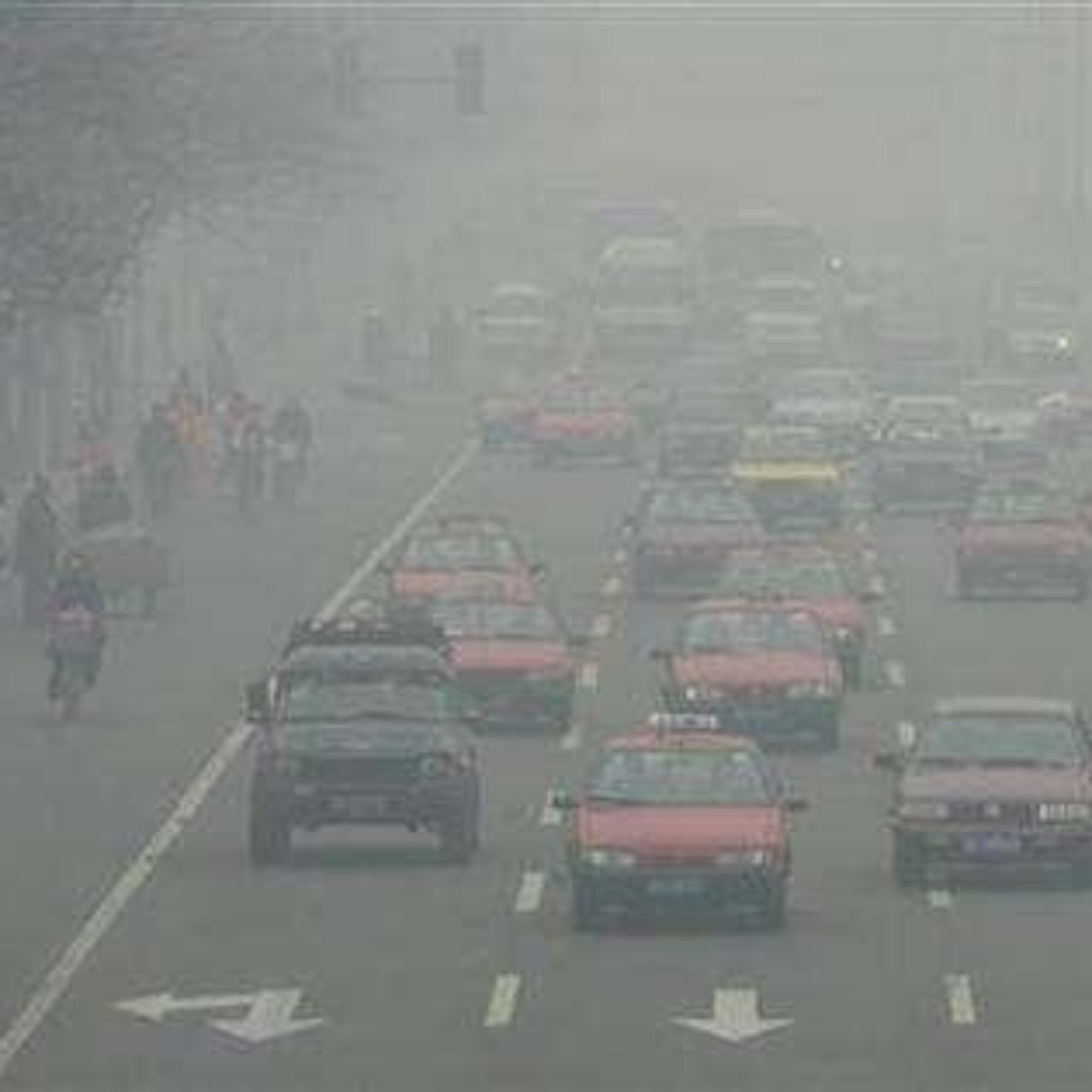
Looking out my window at the night sky, I saw what I thought was a bright star but was a plane. Living in Manhattan, I haven't seen a star-filled sky in years. Think about what that means. For millions of years, our ancestors could look up at the sky and see stars filling it. It might rain one night or be overcast, but you know what I mean. We evolved to find the stars sparkling, appearing to rotate around us each night in one sense, each year in another, beautiful. Nothing in nature surpasses it in instilling feelings of awe and beauty in use. The light from stars in the galaxy may have traveled a hundred thousand light-years. The light from other galaxies may have…

0 Comments

How we kill innovation around sustainability

An anecdote reveals how we stifle innovation and entrepreneurship. Regular readers know I lowered my ecological footprint over 90 percent in under three years, improving my life. Governments and corporations can do what I did—once they choose longer to profit from hurting other people by polluting, even if legal. A reporter profiling me said she wanted to pollute less too but couldn’t figure out what to do about disposable Keurig coffee capsules. She asked: could I help? (Though I'm not sure it applies in her case, her concern follows a pattern that happens a lot: someone flies around the world on a whim and air conditions unnecessarily, but focuses their attention on something orders of magnitude less impactful and throws up their hands: "what can…

0 Comments

What’s the right amount of pollution? How much should you pollute?

Ask yourself: what’s the right amount of pollution per person? Cheap plastic has led to nearly every item sold in supermarkets being packaged. How long can we live when every single thing we eat, a necessity for life, pollutes and hurts people? When you think about it, I think you’ll realize with eight billion people, if everyone pollutes forever we eventually drown in pollution. I can only conclude the right amount is zero. I don't see any other positive amount working. We must eventually reach that goal. Here's an American park showing surplus garbage. Not one piece is necessary for fun, health, longevity, or anything else, let alone life. People identify it as tragic and outrageous, though it's nothing compared to the fuel from one…

0 Comments

Hear me live 9pm eastern on America Out Loud After Dark (conservative radio) on living off the electric grid

Longtime readers know my inclination to speak to people with different views, not disconnect. Rob and Andrew host After Dark on the conservative America Out Loud network and we connect on communicating more, not less. They've been guests on my podcast and I've been a guest on their show. We agree on various issues and disagree on others and have become friends. Rob lives in New York City. He and I went biking over the weekend. I shared some of my experience living disconnected from the electric grid since May 22. He invited me to share the experience on their show. We'll see what comes up. Both supported Donald Trump, not known for sustainability. I've always felt them interested in my genuine, authentic action in…

0 Comments

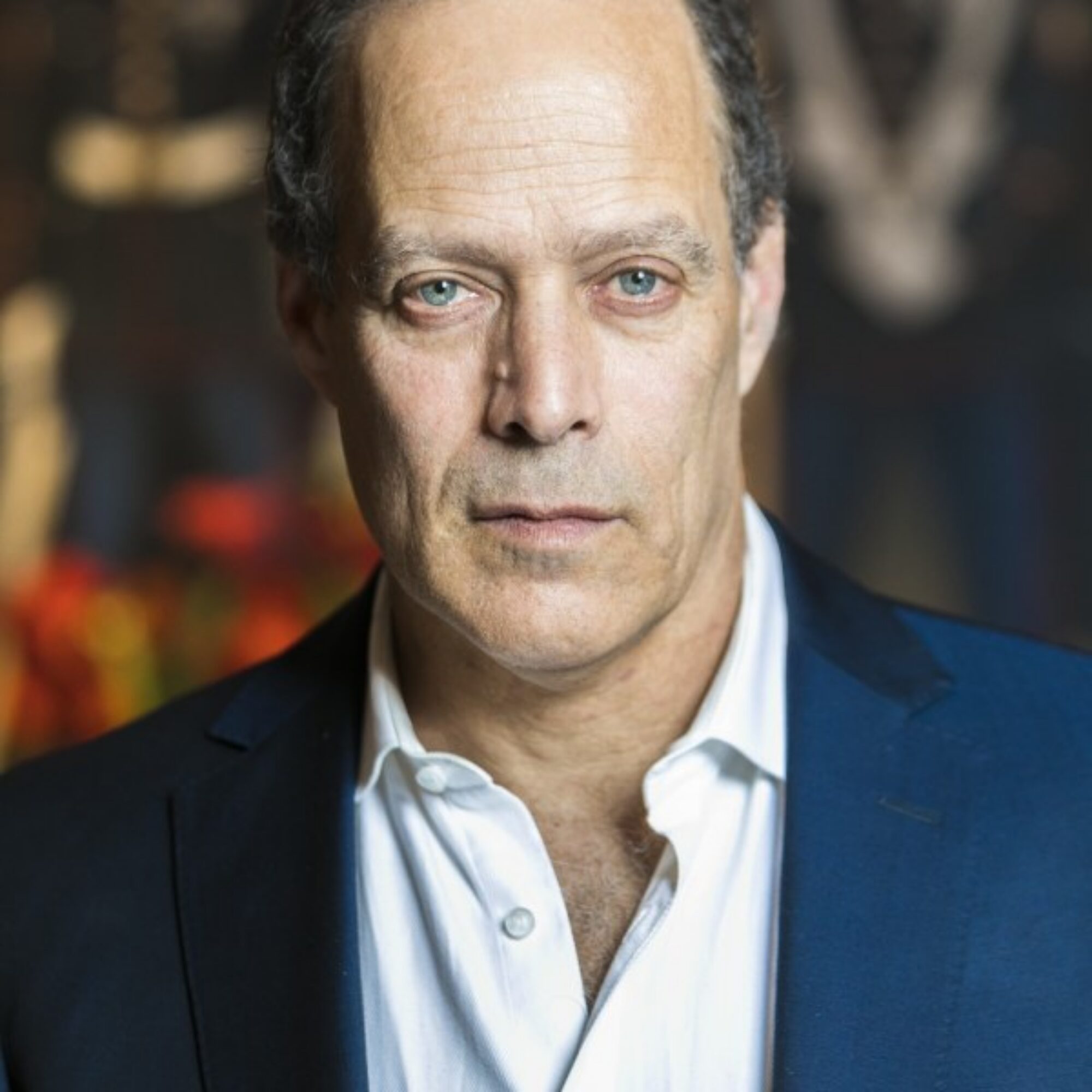
613: Our Next Constitutional Amendment

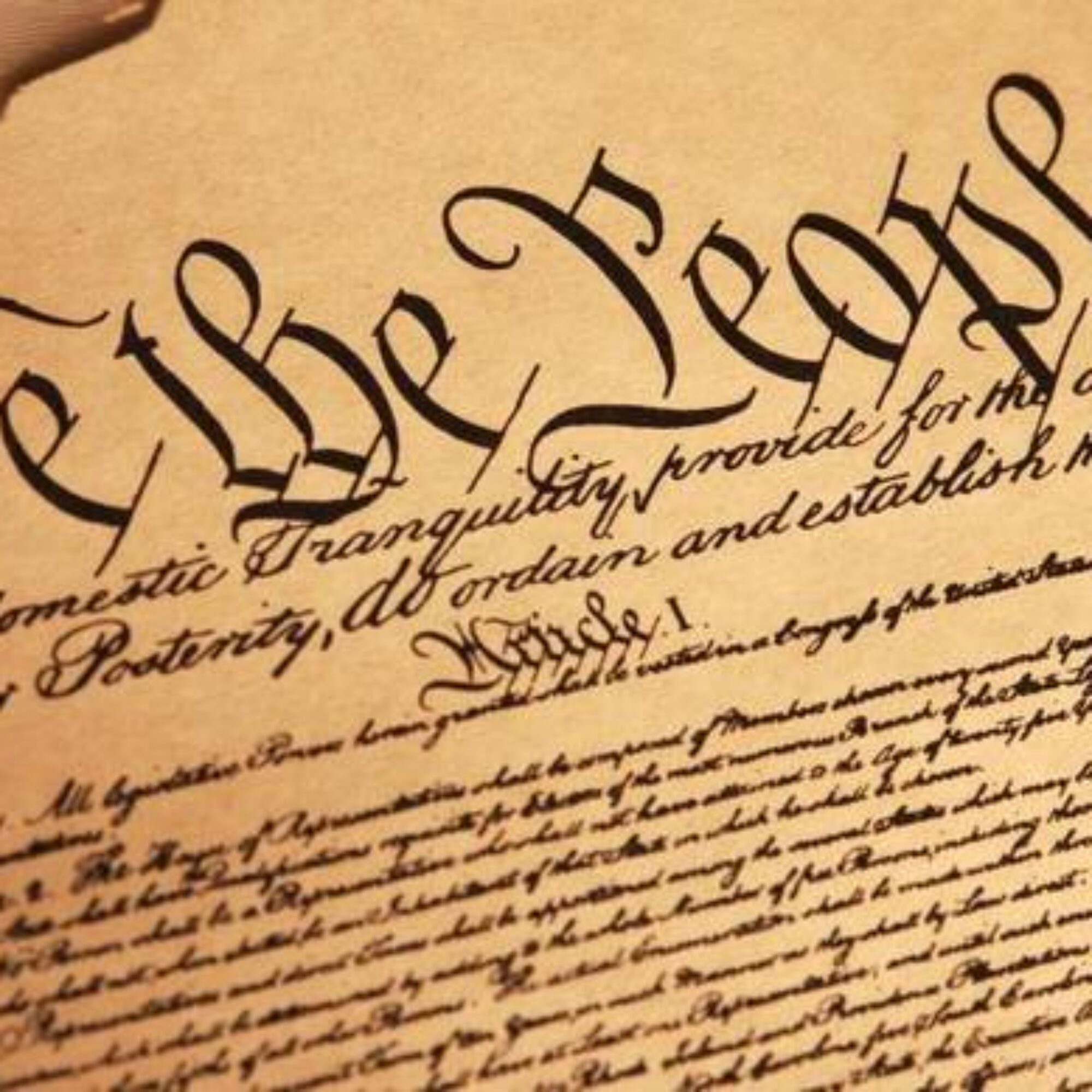
My proposal and rationale for the next amendment for the United States Constitution. It will sound crazy, impossible, and too hard at first, as it did with me. But the more you consider it, the more the objections will fade. It is the right tool for the right job. Nothing else is. I'll write more about it later. For now, just the audio. The United States Constitution

0 Comments

Prove me wrong: America has abandoned “Do Unto Others” and “Leave It Better Than You Found It” on the environment

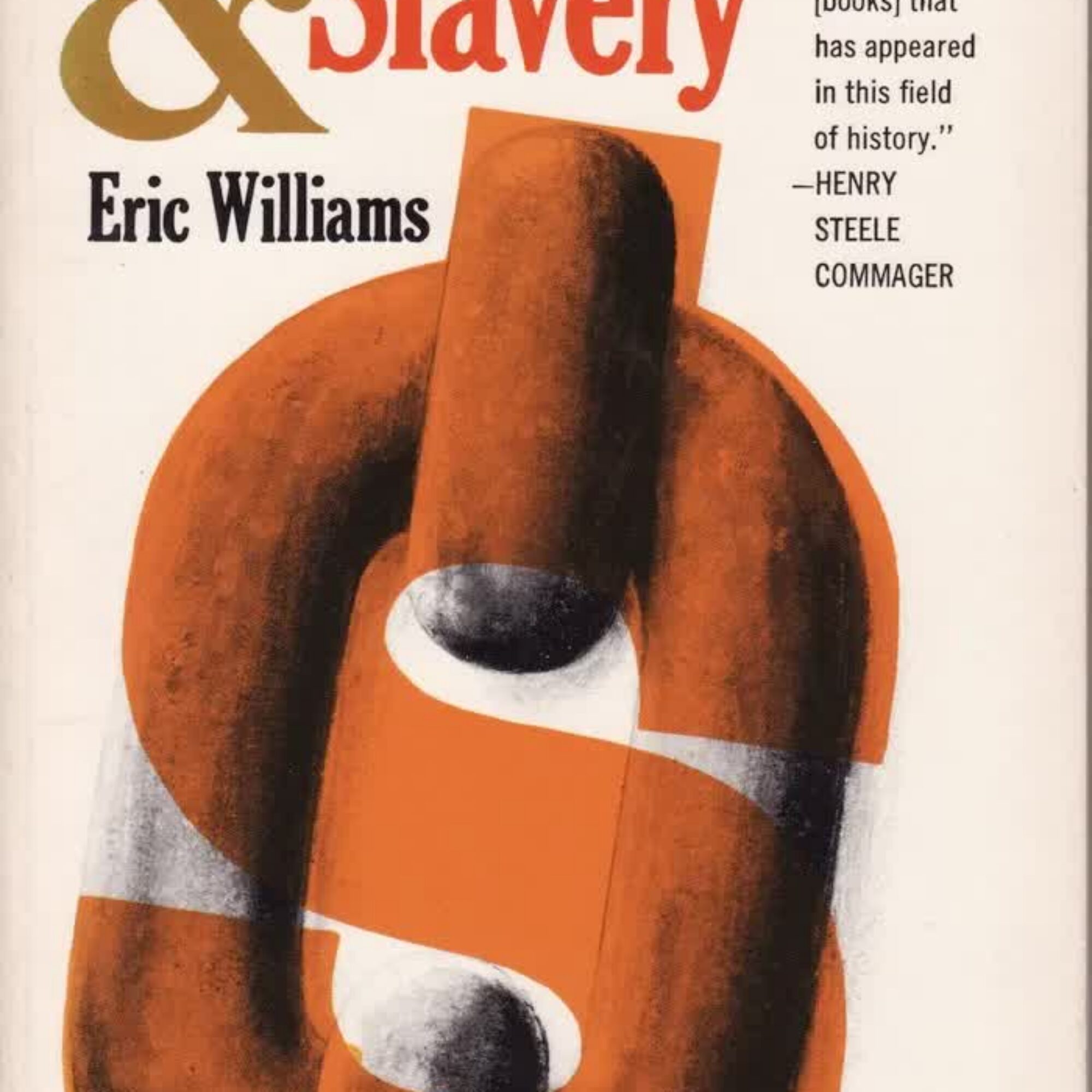
What happens to a culture that doesn’t live by its values? It twists itself up, trying to rationalize what it considers wrong yet still does. In the case of slavery or denying women the right to vote, it creates stories that people who are equal really aren’t. Quoting the historian and former Prime Minister of Trinidad and Tobago Eric Williams, Slavery was not born of racism: rather, racism was the consequence of slavery. That is, people being unwilling or unable to let go of slavery created stories that the people they were hurting and killing weren’t equal or whatever nonsense would help them sleep at night while patently violating the Golden Rule. We are following that path. Nobody loves their country more than I love…

0 Comments

My pride and shame in giving blood for the first time since college

I'm proud to have given blood Tuesday. If you haven't listened to yesterday's podcast episode with Sebastian Junger, listen to hear his story of receiving ten emergency transmissions leading to his giving blood regularly. Why ashamed too? Because when the nurse checked me in, filling in my address from my driver's license, she asked if I'd changed my address. The address in the system showed my freshman year dorm address. The last time I'd given blood was 1988 or 1989. Why so long? Because after giving blood that time, sitting in the recovery area, my ears started ringing and I started feeling faint. I started to put my head down on the table just in case. Immediately a bunch of nurses jumped to me and…

0 Comments

612: Sebastian Junger, part 1: Humans Thrive on Mutual Dependence, Feeling Needed, But Our Culture Isolates.

When I wrote up my experiment to live with my apartment off the grid in Manhattan for a month, I looked up what I did the morning I started. My library records show I borrowed and listened to Sebastian's book Tribe, then my browser history shows I watched a ton of videos featuring him. Soon after I read Freedom, watched Restrepo and The Last Patrol. His work makes you question your values, the values of our culture, and what you do about it. In my case, his exploration to why in a culture of material plenty, that according to, say, Steven Pinker's Enlightenment Now or The Better Angels of Our Nature, which say life is the best its ever been, in head-to-head competition, people who…

0 Comments

We won’t run out of fossil fuels, why that’s a problem, and long history

People once wondered if we would run out of fossil fuels. People who liked fossil fuels delight in showing how we keep finding more. "Ha!", they imply, "we'll never run out. It's not a problem. Anyone who thinks we'll run out is a fool." We could talk about the finite number of molecules of oil, coal, and gas under the Earth's surface, but when an economist like Julian Simon says we'll never run out, he means something more subtle. His subtle point is still wrong, but there's a more important consideration. Imagine Earth had only formed enough fossil fuels to last fifty years. The Industrial Revolution would have started and ended over a century ago. We'd have no fossil fuels left to know what could…

0 Comments

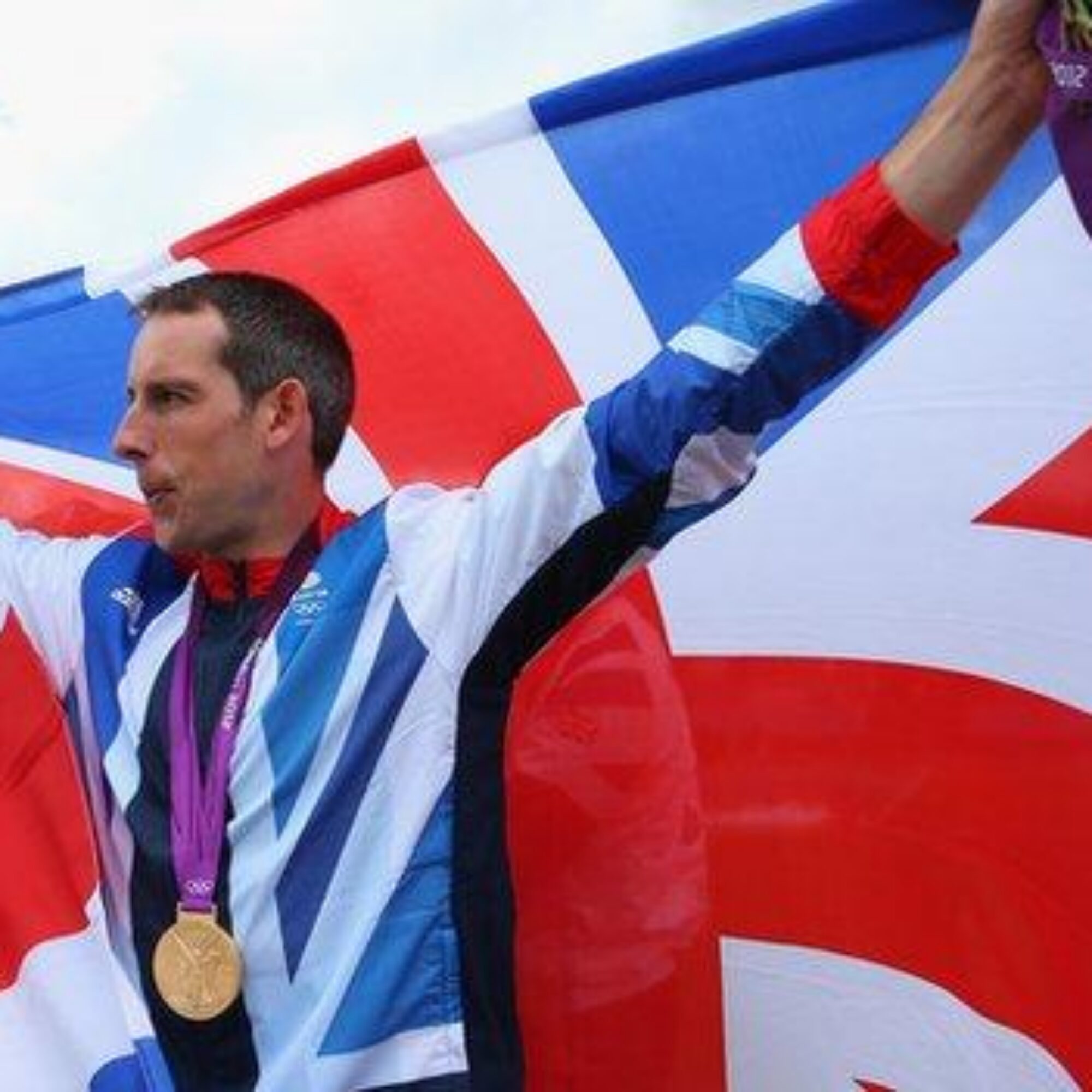
611: Etienne Stott, part 6: Activism and Leadership

In this sixth conversation between an Extinction Rebellion Rebel and a home-grown sustainability leadership (I hope) leader, we explore more of the life of someone who has devoted himself to solving our environmental problems. We continue comparing and contrasting the approaches, learning from each other, developing friendship, sharing the challenges, and sharing why we do it. If you, listener, haven't yet decided to make sustainability your priority, I think you'll find everyone needs your help. I hope this conversation helps influence you. Whatever else you're working on, clean air, land, food, and water will help. I hope Etienne and my conversations help reveal it's a deeply rewarding life. And hearing from an Olympic gold medalist who sees this work as the most valuable he can…

0 Comments

Discarded Electric Vehicles

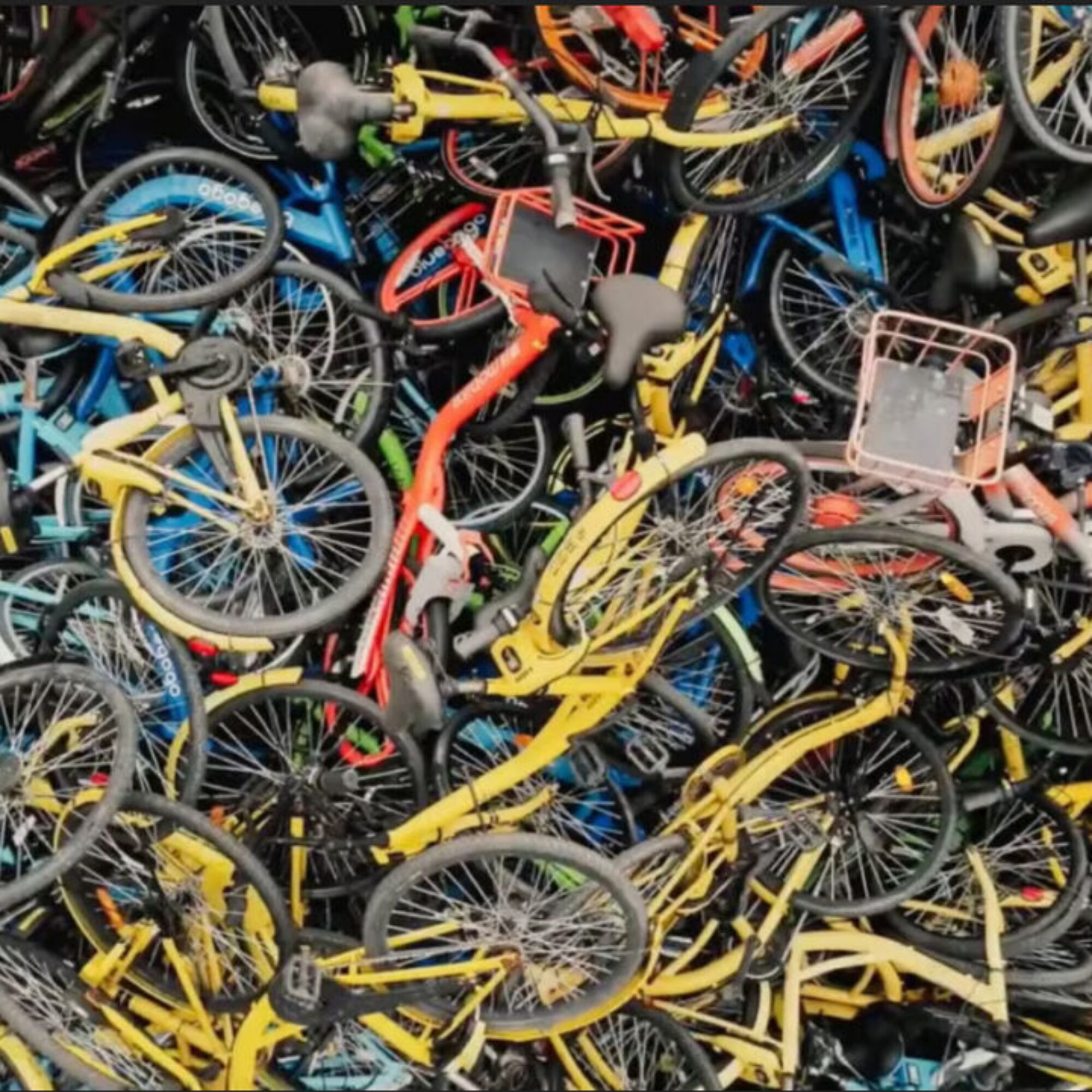
If you make a polluting system more efficient, you pollute more efficiently. People don't get that making one element of a system more efficient may lower pollution locally while increasing it overall. We like to think of prices dropping making technology more available, democratizing it, but by its fruit do you know a tree and the fruit of our culture is poisonous garbage. Technology augments our culture. I've written before how I expect that as electric vehicle technology becomes cheaper, unless we change our values, it will create more pollution, not less. First I wrote Prediction: cars will become disposable; then the news conspired to bring an article corroborating my prediction in More disposable cars: Ignoring unintended side-effects. EDIT (April 2024): Why I made this…

0 Comments

End of content

No more pages to load