The Emperor’s New Cigarettes: A Parable for a Polluted World

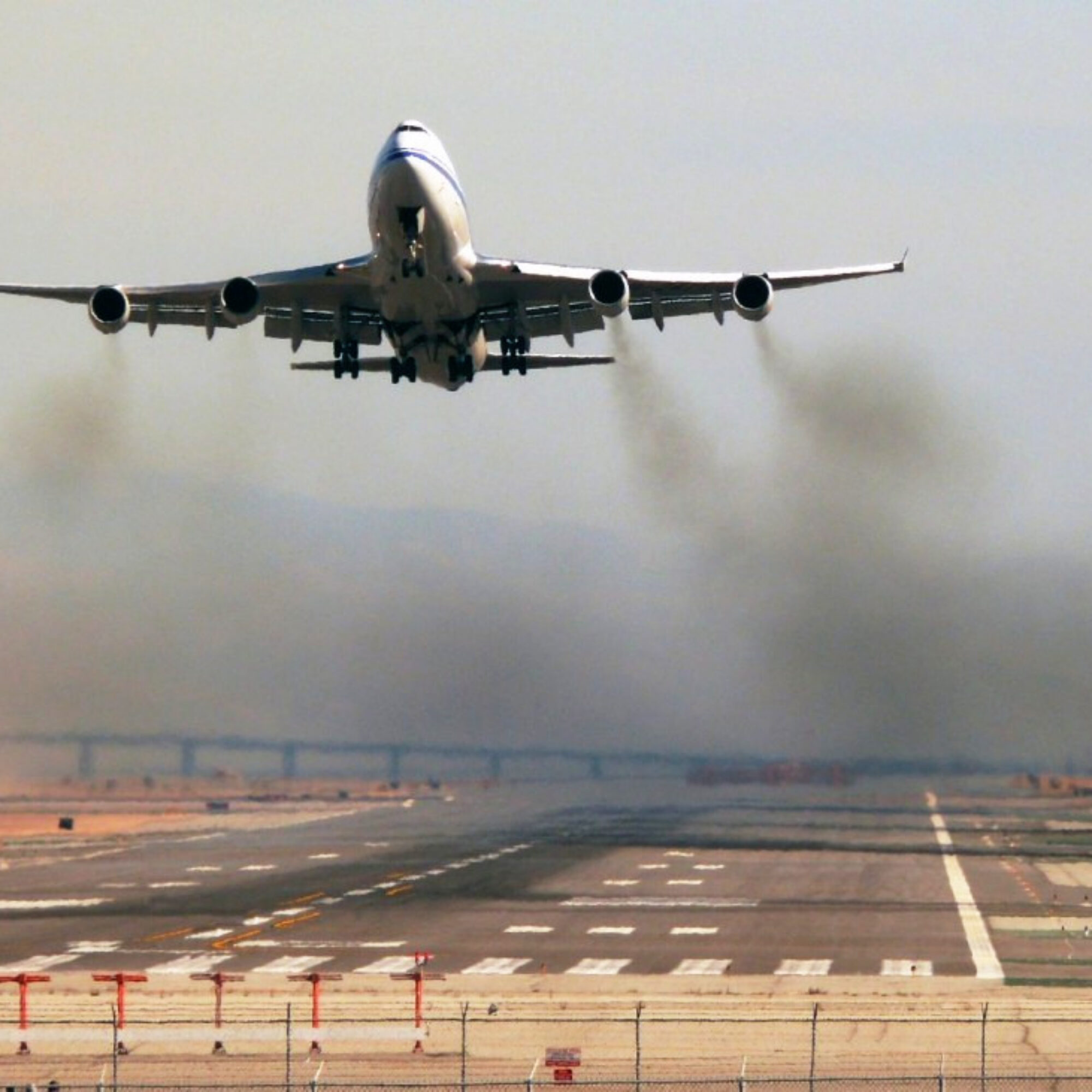
In the spirit of The Emperor's New Clothes, although this parable doesn't contain an emperor or clothes, I feel like it exposes self-important foolishness we see around us. It emerged from an email exchange I had with someone who flies a lot and sent a group message about a disaster in the news from glaciers melting, attributed to global warming. I wrote him, "If only there was something we could do to stop destroying the environment. Most people's greatest contribution is flying, if they are among the few percent who fly internationally or more than once a year. Do you think it's possible for people to fly less, or should we just accept that people who pollute the most ruin cause such problems?" He responded,…

0 Comments

See and Hear Me On the Manopause Podcast

I met Larry and Mike, who run Manopause and its podcast, through guest Mark Victor Hansen, and we hit it off. Maybe because Manopause targets people like me: men in their 50s and older, though around a third of their readers are women. I had just started my experiment disconnecting from the electric grid. They saw the leadership part, not just my personal experiment, and had to bring me on the podcast. The conversational style brought out parts I didn't get to share in posts and solo podcast episodes. Plus they're funnier than I am alone. Here's the audio: Here's the video: https://youtu.be/Oz9XJHkktqs Here are the show notes: Joshua Spodek PhD, MBA – Podcast Host, Speaker & Leadership Coach Changing the world can start with…

0 Comments

Zero kilowatt-hours for the third month in a row

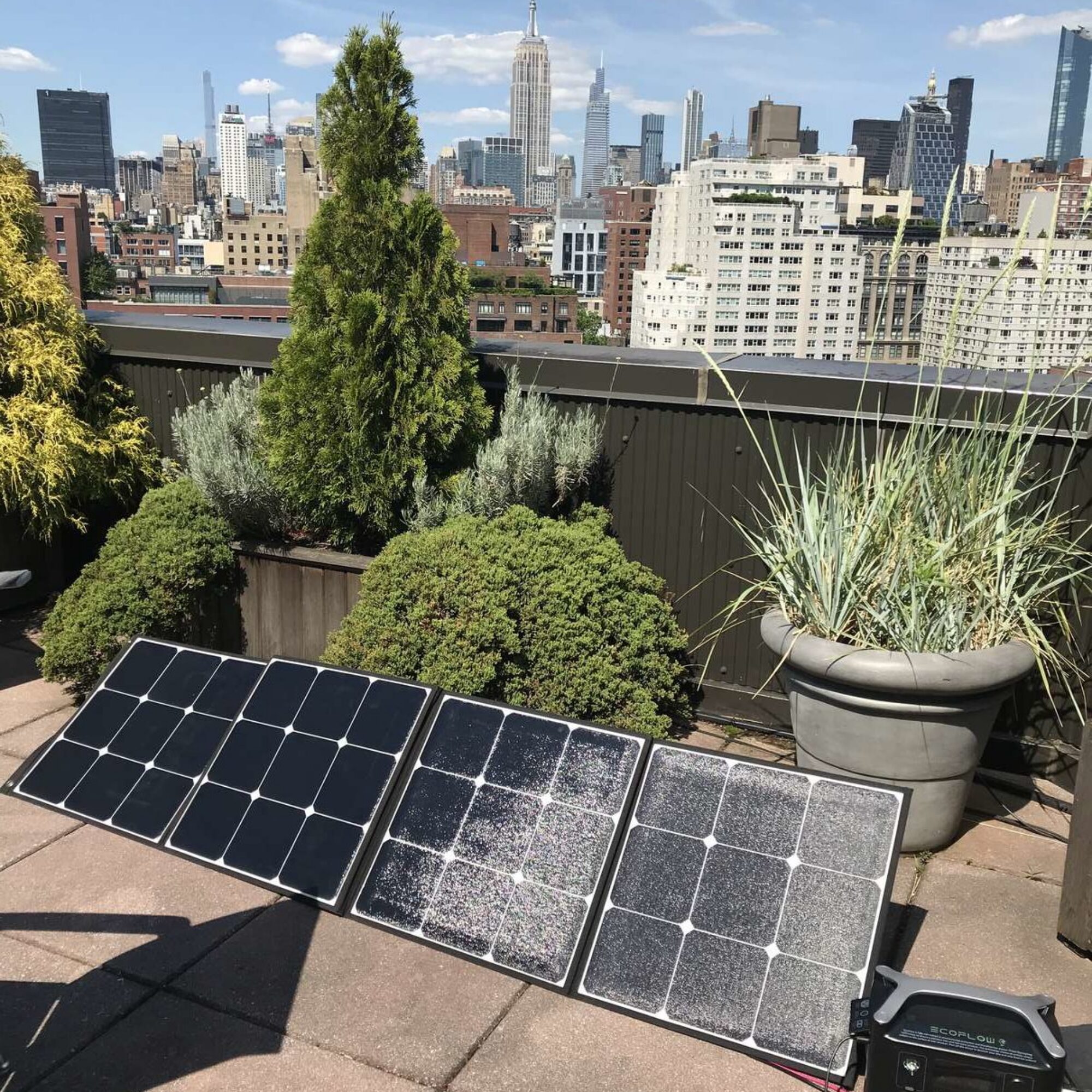
I got my latest Con Ed bill, for August. For many people August is their highest bill, from air conditioning. Well, mine is zero kilowatt-hours for the third month in a row. Today is day 110, about 108 days longer than I thought possible before starting. You probably think you couldn't do it. I thought I couldn't either, until I did. Instead, this is Freedom: not hurting people. What else is pollution? My supply charge is $0.00. I hear talk about rates increasing. I'm concerned that if they double, my supply charge may double to $0.00! You may be glad to know I subsidized your costs with my basic service charge since I haven't asked Con Ed to turn off my power. I may reconnect…

0 Comments

625: Listener Questions, volume 01

I answer my first listener questions. If you have questions on topics I write about, like leadership, sustainability, sustainability leadership, sidchas, habits, academia, physics, podcasting, and so on, contact me. This episode's questions: Hi, Joshua, in the winter months of this year, in New York, in your flat, will you use heating or blankets?Can you describe a time when you struggled with a decision about a polluting act? To give an example of what I mean from my own life, as you know I'm trying to reduce my car use. To go to my modern jive night requires car use (no suitable public transport and too far to walk in dark). So I've wrestled with giving it up but decided I didn't want to because…

0 Comments

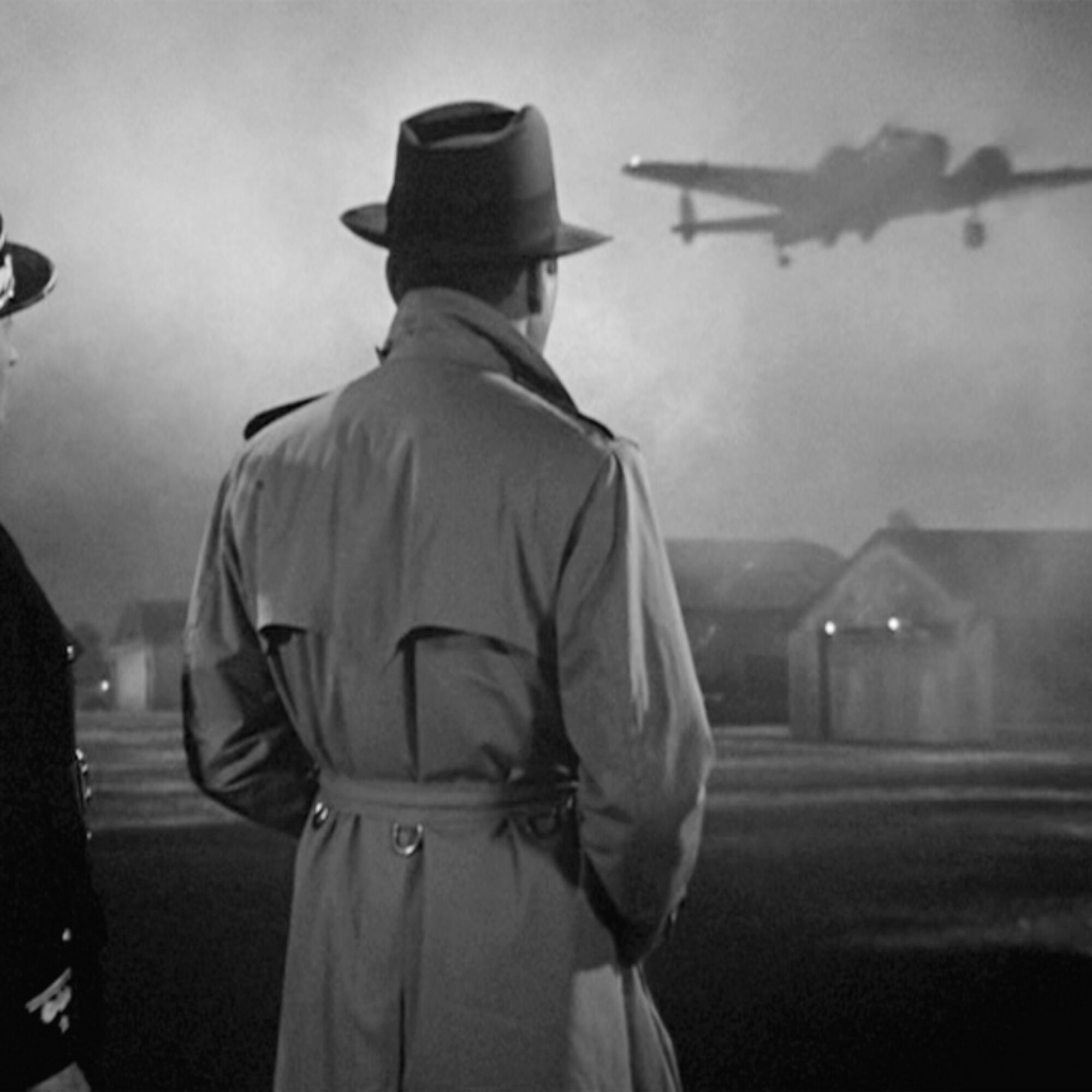
You know who else didn’t fly? Humphrey Bogart at the end of Casablanca

Once we valued higher goals than ourselves. I don't know if younger generations have seen Casablanca, but those of us who have remember Rick's lines at the climax: Rick: Last night we said a great many things. You said I was to do the thinking for both of us. Well, I've done a lot of it since then and it all adds up to one thing. You're getting on that plane with Victor where you belong.You've got to listen to me. Do you have any idea what you'd have to look forward to if you stayed here? Nine chances out of ten we'd both wind up in a concentration camp.I'm saying it because it's true. Inside of us we both know you belong with Victor.…

0 Comments

624: John Biewen, part 1: Seeing Whiteness and Other Systems

I came across John from listening to one of his podcast's season, Seeing White, about the development of whiteness as a race. I listened to the whole series, which I found fascinating and provocative. Then I discovered another season, Men, covering another topic important to me. I invited him to be on the podcast, then I learned from him the most recent season, The Repair, is on the environment. We start this conversation talking about systems and approaching the topics above through a systems perspective. With such topics, with which everyone connects intimately, meaningful communication about them becomes personal. John shared his evolution beyond his expectations, challenging his identity even to himself. I comment how openly he shared about himself, which must have taken a lot…

0 Comments

My first bike-camping trip since 1988

Longtime readers know one of the highlights of my summer is visiting the farm providing my summer and fall CSA vegetables, Stoneledge Farm. Since the pandemic, they haven't chartered a bus for us in the city without cars. I've been biking more, including two overnight rides to Philadelphia, each 125 miles over two days. They were fundraisers and, since my group raised the most funds, I ended up getting free hotel rooms. Actually, the second trip I meant to camp, but the rain was so cold and lasted so long, I took them up on the hotel. The map says Stoneledge Farm is 130 miles. It's a holiday weekend so I had time, a tent I hadn't used yet, and plenty of desire. Working in…

0 Comments

623: AJ Jacobs, part 1: Be Curious and Act

AJ is in some ways a kindred soul, actually doing things many people hear about or even talk about, but rarely do. Regular listeners might remember our mutual friend Mike Michalowicz suggesting we talk. We start by talking about things AJ has done and written about. He read the encyclopedia cover to cover. He lived a year following biblical instructions as literally as possible. He practiced radical honesty. He shares behind the stories too, the fun and learning that came from it. I believe I heard some resonance and more meaningful respect for my trying to live more sustainably. Underneath it all from AJ, you'll hear a curiosity, thirst for life, and enthusiasm to experience life to its fullest, the opposite of watching it happen…

0 Comments

Stop complaining that it’s hard and change it

People keep complaining when I say I do something to pollute less that not everyone can do it. They lecture at me things like that not everyone has access to a farmers market and that there are single mothers in the world, as if anyone didn't know these things. Keep in mind that polluting, by definition, means hurting people. Stop complaining that trying to pollute less---that is, to hurt people less---is hard and change it. If you complain people don't have access to farmers markets, food coops, or CSAs, start one! People can make decent livings starting and operating them. The work will be incredibly rewarding, as will the community you form. Stop complaining about finance and start a credit union! Stop complaining people don't…

0 Comments

622: Stephen M. R. Covey, part 1: Trust & Inspire

Stephen's book, Trust & Inspire, recounts today's effective way to lead, by creating trust and inspiring. He laments people still relying on the old techniques of commanding and controlling, which may have worked in more industrial times, but not today. They provoke resistance, the opposite of trust and inspire. Those familiar with my work have heard me lament what people do in sustainability: CCCSC, my shorthand for convince, cajole, coerce, and seek compliance. They rely on extrinsic rather than intrinsic motivation, which provoke resistance. From the start of our conversation, I tell him how valuable his book's message is for sustainability. We explore each other's approach and share how much we like them. His descriptions of what the environment mean to him and his commitment…

0 Comments

White Men and Publishing in 2022

I heard the following on the podcast for the literary journal Liberties. The host was referring to an article she read in the New York Times: She basically said what I think everyone knows to be true, which is that there are so much etiquette and rules inside the publishing industry around who is allowed to publish what and what writer is allowed to write what kind of thing. You have to be this gender and this color and have this color eyes and have to be brunette in order to write this kind of book and everybody knows it. I think there was an anecdote in the essay, something to the effect that she knows agents who will not pitch books by white men…

0 Comments

621: Whitney Tilson, part 3: Talking sustainability with a Harvard-Trained Investment Advisor Who Flies Monthly

In our third conversation, Whitney and I get more friendly and conversational, fun conversation. He's been picking up more garbage, which I hope is part of a journey of continual improvement. Since long before we met, he rides his bike to get around the city. Otherwise, he's focused on other things in life than sustainability. He's examined a lot of parts of his life, but not his impact on other people mediated through the environment. I'm not trying to change people who don't show they want to change, so we just talk. You'll hear a very thoughtful, active leader speak with me about his views and environmental values. Not Just Bikes YouTube channel

0 Comments

Day 100 off the electric grid in Manhattan (about 98 days longer than I thought possible). Still going.

Today is day 100 off the grid, a nice milestone, about 98 days longer than I thought I could before starting. I'm not sure when I'll reconnect or why. I'm thinking about when my next bill comes, around September 9, which would give me three consecutive bills with 0 kilowatt-hours. My "cheat" I allowed before starting was to plug in at NYU, where I worked before the experiment. I wasn't trying to solve everything. I didn't even think I'd make a few days. Since I'm nearly two months into without even solar power, I've learned how to live with zero power. Dried beans I can eat by sprouting. Leafy vegetables I can preserve by keeping in water, which grows them, or fermenting them. Instead of…

0 Comments

Fossil fuels and slavery from a systems perspective (new diagrams)

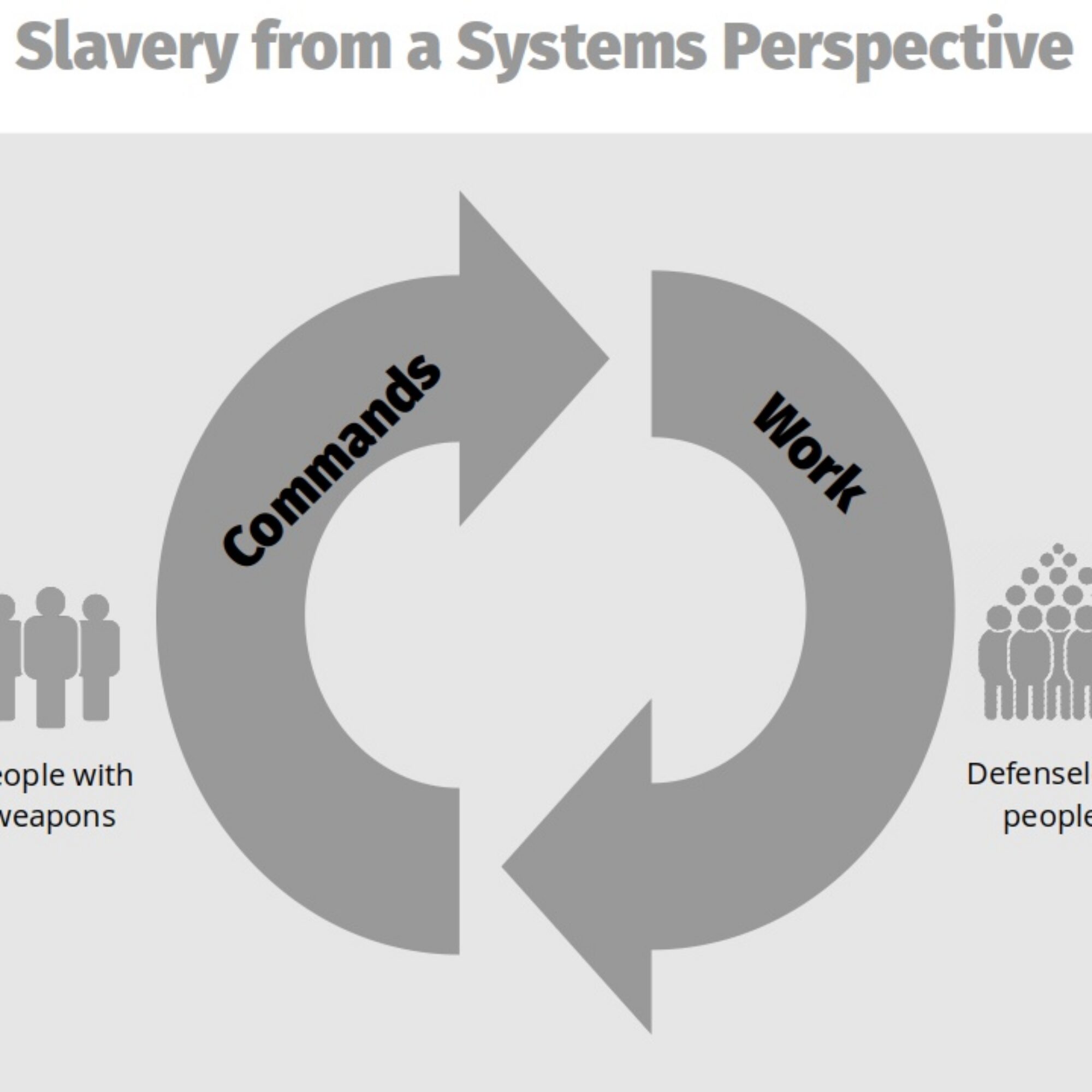
You've heard my conversations with award-winning authors, scholars, and other experts on slavery. With a couple I've talked about the connection between that system and ours. Most of the time, I've thought of the connection as an analogy. For a while, I've seen the connection as closer. Andrew Hoffman, University of Michigan professor in its business school and its School of Natural Resources and Environment, wrote of his discovering the historical connection between slavery and fossil fuels: The first time these two concepts were linked for me was seven years ago, when a senior oil industry executive in London asked me a rhetorical question: "If it wasn’t for oil, where would we get our energy?” His answer, to my astonishment, was “slavery” The book Industrial…

0 Comments

620: Nature delivers what psychedelics do, but we don’t know what we’re missing (feat. Sam Harris and Roland Griffiths)

Listening to an episode of Sam Harris's podcast featuring Roland Griffiths, Johns Hopkins neuroscientist researcher, on psychedelics revealed that much of their benefit sounds a lot like my guests talking about their experiences of nature. I think we don't know how much we're missing by paving over and cutting off as much as we do from nature. I'd guess people before we cut ourselves off from raw, wild nature so much would never have guessed we could deprive ourselves from forests, beaches, and birdsong so effectively. As I'm typing these words, cars are driving by with noise engines blasting music you could hear from blocks away. How can we experience the sublime or transcendent under these conditions? I suggest we can't. By contrast, our ancestors…

0 Comments

Another Million-Dollar Idea: A browser add-on to channel impulse buys to donations

I can tell by how much people throw out and how many Amazon.com boxes litter the streets that people buy a lot that they don't want. I presume Amazon's people have found how to control people to buy junk. People like the act of buying things. Maybe also receiving packages and opening them. They probably regret many of the things they buy, but they liked that feeling and the site designers figured out how to manipulate you to buy. My idea is a browser add-on in which you tell it what sites you buy too much from and it hijacks the buy button so when you click it, it asks if you want to donate the cost of what you were going to buy to…

0 Comments

Goal isn’t to pollute “a little bit” less or even “a lot” less. It’s zero if you want to sustain human life and civilization.

Yesterday's post, What is right amount to pollute? Zero is the only answer that sustains human life, puts most sustainability efforts in a new light. Articles suggesting "ten little things you can do to help the environment" seem woefully out of touch. Think of great atrocities and wars of the past. Would "ten little things you can do" have helped stop them? Our failure at sustainability is a failure of imagination and leadership. People can't envision all humans stopping polluting and nobody is putting them on track. Every environmentalist I can think of, save one or two, is addicted to behavior that keeps them from suggesting everyone stop polluting. I hear no message that we will prefer living without polluting. We'll wish we had transitioned…

0 Comments

What is right amount to pollute? Zero is the only answer that sustains human life.

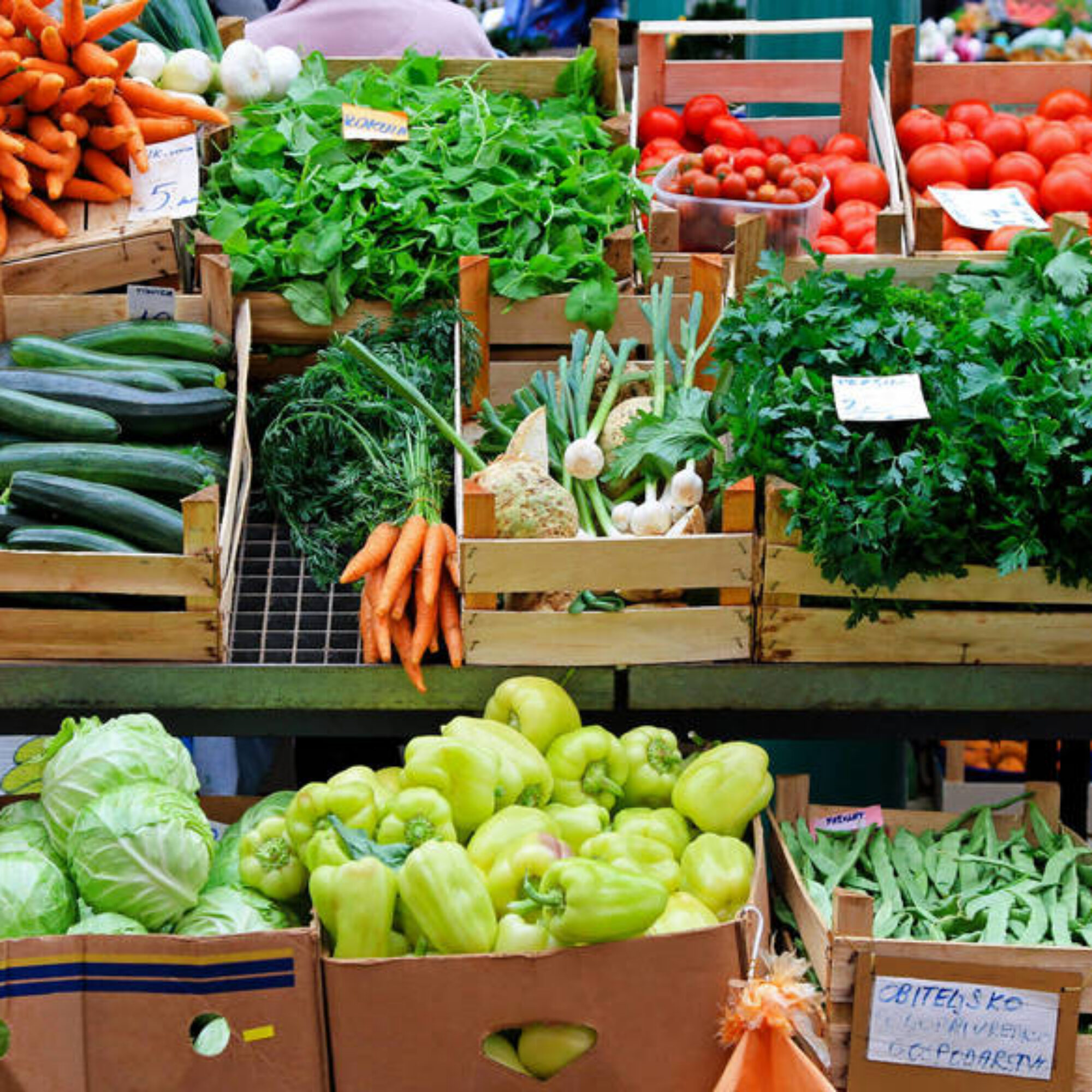
For an informal survey, I went to a supermarket to observe the items in at least 100 shoppers' carts. I didn't make it all in one trip and lost count, but have passed 100 carts. Every item in every cart was packaged. Even fresh produce was put in plastic bags (plus all the ones I saw in the produce aisle had stickers). I'm sure some shoppers buy produce without packaging, but all the ones I saw put theirs in plastic bags. Polluting culture = Hurting others culture We have created a culture where the absolute basics of life require hurting other people. It bears repeating: We have created a culture where the absolute basics of life require hurting other people. Think about it: if simply…

0 Comments

619: Dr. Michael Gurven, part 2: The Forager Population Paradox and what do we do

Most second conversations on this podcast come weeks or months later, after the guest does his or her Spodek Method commitment. In Michael's case, our first conversation was so engaging, we kept talking almost two hours, so I split the conversation into two parts. The first mostly covered Michael and his research. This part covered applying his research and my leadership to sustainability. What can we learn from cultures that lived thousands of years or longer? What can we learn from cultures that thrive without polluting? What benefits do we enjoy that they lack and vice versa? How can we apply answers to those questions? Can we change our culture? We also discussed Michael's research on the forager population paradox. Quoting from a UCSB article…

0 Comments

618: Dr. Michael Gurven, part 1: Our ancestors evolved to live to 72 years*, and did (not 30).

* "The average modal age of adult death for hunter-gatherers is 72 with a range of 68–78 years. This range appears to be the closest functional equivalent of an 'adaptive' human life span." Would you be surprised that humans evolved to live to 72 years old? Wait, isn't one of the greatest results of our technology and progress to advance human lifespan from 30 years old? How long do humans live naturally? Of course, the question and its answers is complicated, but I found Michael through a paper he co-wrote with Hillard Kaplan: Longevity Among Hunter-Gatherers: A Cross-Cultural Examination, that researched the question through populations all over the world. Read the paper for their full research, but the quote at the top suggesting 72 years…

0 Comments

Polluting less isn’t extreme. It’s traditional.

People call me extreme for not flying, taking years to fill a load of trash, and unplugging my fridge, but compared to most how people lived for almost all of human existence, I'm approaching normal. Refrigerators, for example, barely existed one hundred years ago and cost nearly double a Model T. For most of human existence, people didn't have refrigerators. We ate more fresh food. Today people consume doof, increasingly own two refrigerators, and don't know how to cook from scratch. Our food is less fresh, less healthy, and increasingly replaced with doof. People are addicted. That sounds extreme. What I've done these past few months off the grid, like eating more fresh, taking advantage of summer vegetables for salads every day, waking with the…

0 Comments

Ask Me Anything

Hi, Listeners have requested I solicit questions from readers and listeners to answer them on podcast episodes. I'm sure you've seen Ask Me Anything or AMA episodes and threads on other media. Do you have any questions on what I write about: leadership, sustainability leadership, sustainability, initiative, etc? If so, contact me and ask. I don't know how many questions I'll get, if any, but look forward to answering. Josh

1 Comment

More litter I find in Washington Square Park, and why I focus on it.

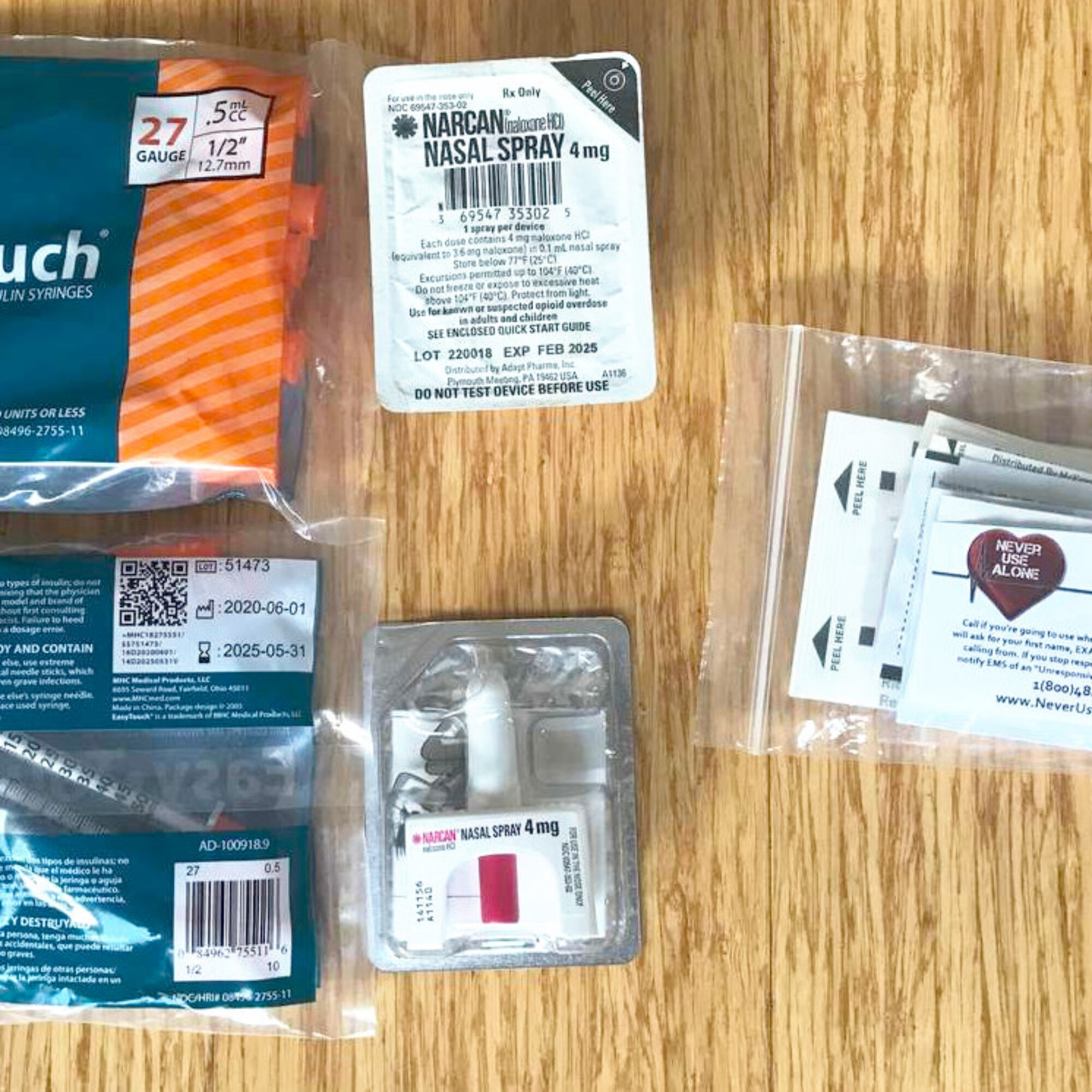
Do you pick up litter when you visit your parks? What do you find? Do you find syringes and Narcan (an emergency drug to resuscitate someone who overdosed on opiates)? I do. Here's some of what I found in Washington Square Park. Before you look, be sure to read after the pictures so I can explain why I keep posting about all the drug paraphernalia I find there. Why I harp on drug paraphernalia Syringes and Narcan imply heavy addiction. The people using them seem to have lost hope for a better tomorrow, making enjoying today their best option, even when it would mean ruining tomorrow since tomorrow is already ruined. Here are a couple other pictures of Washington Square Park litter. However legal all…

0 Comments

Which of these progressive Democrats filling my world with garbage claims to be for the environment?

Election years mean candidates fill my mail box with garbage. Here's a couple days' worth. Next week there will be more. Now multiply by hundreds of thousands of mailboxes in my district and hundreds of millions across the country. I guess the environment matters except when your interest are more important--what everyone says before they pollute. I call places that send me unsolicited mail to stop it, but it doesn't work with these Democratic polluters. The campaign ends so a different Democratic polluter will do it next time. As politicians, they get discounts to pollute through bulk mail. They're taking advantage of privilege. Why should we think they'll do differently on other environmental issues when they personally benefit from violating their principles? I'm not saying…

0 Comments

617: Janet Allaker: A long-time listener shares what This Sustainable Life means to her

Janet shared how she found This Sustainable Life, what kept her coming back, the guests she liked, and how it's affected her. I wish I had recorded episodes with listeners before to learn what you all like, don't like, and want more or less of. Listening to it after recording, I consider our conversation one of the most accessible for new listeners. Janet described various aspects of it that I suspect will resonate with many listeners. One thing that hit me was how the podcast restored her enthusiasm to act. Years ago she acted as much as she could on sustainability, to the point of picking up fruit rinds people had littered to put in compost. She didn't act for internal reasons but external, so…

0 Comments

End of content

No more pages to load