A value in spending time with junkies

A couple weeks ago, in a hurry to meet someone, I passed by one of the few addicts I've seen regularly in the northwest corner of Washington Square Park, in fact, enough to have had a few conversations with him. He was passed out on Sixth Avenue, looking close to death. I had seen him the evening before a couple blocks north, on the steps of the library, appearing to ask for help. I was across the street and started to go toward him to say hi, but he was rambling incoherently and didn't recognize me, as best I could tell. The first time I met him, last spring, I had been picking up litter and he thanked me. I may have posted about it…

2 Comments

How much single-use packaging, times 2.19 quadrillion, works?

I've written about how every single item in every cart I saw in a trip to a supermarket was packaged, mostly in plastic. I suspect the cardboard was plastic coated. People drink a lot of bottled water too. Most of that stuff takes five hundred, maybe a thousand years to break down. Consider when the absolute basics of life require polluting. Either we change our culture and stop accepting it or consider this calculation. Let's figure out what number, say in grams, would work for packaging for each meal. We have to multiply that number by eight billion, since everyone has to eat. It would be nice to say the poorest don't get packaged food, but corporations dump it on them as one of their…

0 Comments

633: Alan Ereira, part 1: Meeting the Kogi of Colombia’s Sierra Nevada mountains

I learned of Alan soon after learning of the Kogi (see below). He lived with and made films of them, among many other documentaries and films. He also works to help preserve their culture and spread their message to help us stop wrecking our environment and selves through the Tairona Heritage Trust, which you can support. His films about them---From the Heart of the World - The Elder Brother's Warning (1990) and Aluna - An Ecological Warning by the Kogi People (2012)---tell stories and show a culture I consider tremendously valuable. As I live more sustainably, I learn more about cultures that live without polluting and are happy and healthy, contrary to what our culture predicts. They look at us and see we could use…

0 Comments

Year 2, Day 2 with the Fridge Unplugged

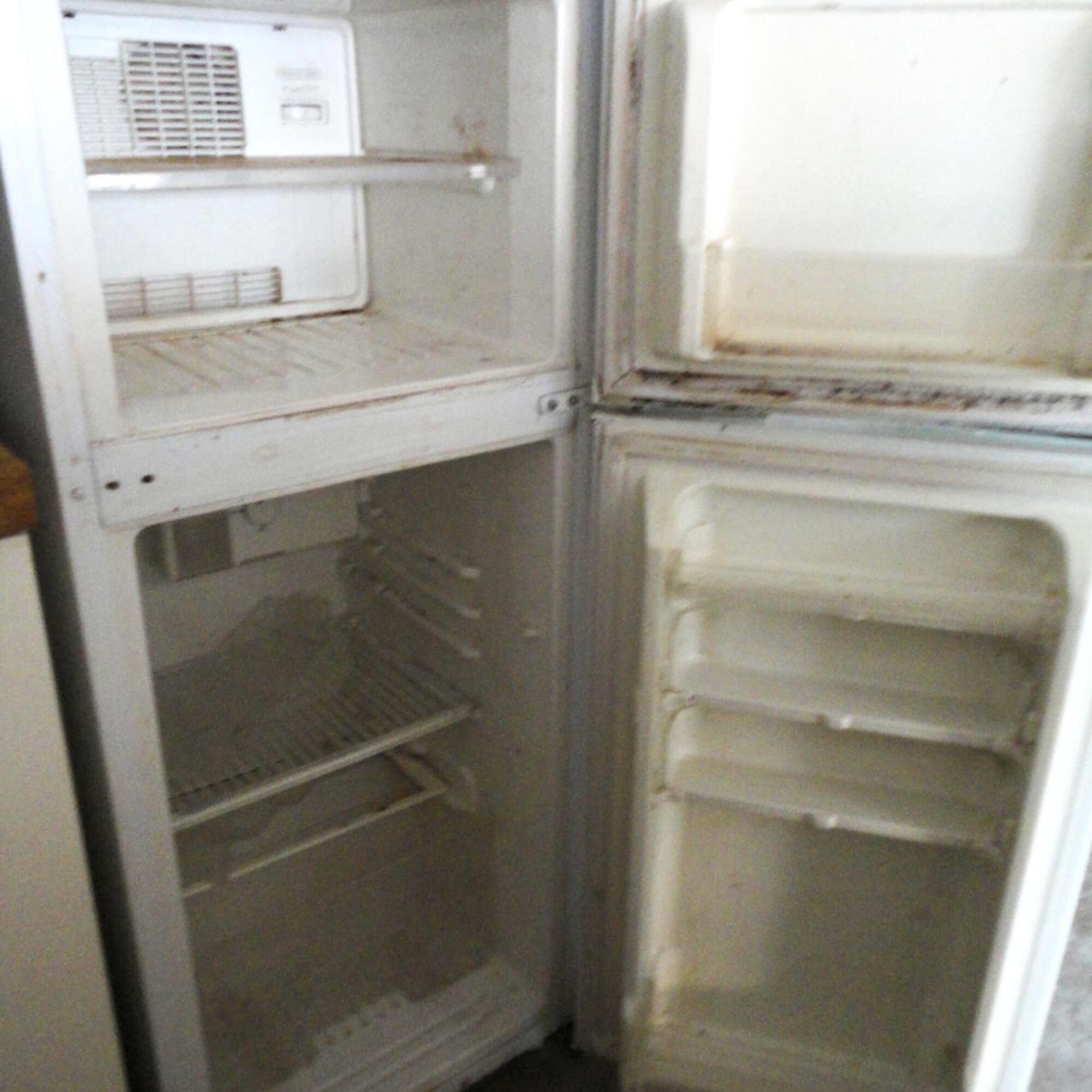
I meant to post yesterday that it began my second year with the fridge unplugged, but I forgot because as unbelievable as it felt to make it more than a few days the first time, it just takes practice. All humans lived without refrigerators for 300,000 years until about a hundred years ago. Then we became entitled, dependent, and obese. It turns out what made it work most was relying more on fresh fruits and vegetables, learning to cook, and learning to ferment. Nothing special. Nothing people haven't been doing for millennia. Living without the fridge wasn't the hard part. Dealing with other people is. They keep saying how I'm special so it's easier for me or they're special so it's harder for them, but…

0 Comments

“Sanitation Department” is a misnomer.

"Sanitize" means to make something healthy or clean. When waste and dirt like our poop used to contain germs like cholera but when processed became compost or food for plants, to "sanitize" it made sense. We made what was unclean clean, what was unhealthy healthy. Not a Sanitation Issue. A Too-Much-Production Issue Situations like the picture below are increasingly normal. People call them sanitation issues, but no sanitation department can keep up with our production. Watch The Story of Plastic for how the countries where we send our waste look. We are creating too much long-lasting poisonous waste. We think we can't live without it, but of course we can. That's the addiction speaking. We can't live with it. With plastic, PFAS, and today's pollution,…

0 Comments

California is permanently on fire, island nations are being submerged, and New York restaurants are heating the outdoors

The title says it all: California is permanently on fire, island nations are being submerged, and New York restaurants are heating the outdoors. Here is a restaurant around the corner from me. If you can't tell, the red glow comes from the glowing heaters above the tables. Restaurants got to use public property for the pandemic, but you'll notice no one wearing masks because it's over. This space outside is about the size of the restaurant's indoor space, meaning they got to double their space for free while the public lost its space. But the big slap in the face is that they are heating the outdoors, burning fossil fuels like there's no tomorrow, a situation they are helping hasten. In all fairness, all the…

0 Comments

Trying to lead on sustainability with trying to live sustainably is like trying to play piano without practicing

For context, I'm talking about myself before my sustainability experiments as much as anyone. I've concluded that someone trying to lead people to live sustainably when they haven't seriously tried themselves doesn't know the joys, physical challenges, (more importantly) emotional challenges, social challenges (people create more challenges than you'd expect), hopes, discoveries, and so on. I see them like someone reading a book on music theory trying to teach piano, or even hasn't heard music played. I've said before and will say again, only by practicing could I find that acting more sustainability brought joy, fun, freedom, and more rewarding results more than I ever would have expected. In this regard, sustainability is like most other practices. You have to practice to develop skills, experience,…

0 Comments

632: Mitzi Perdue, part 1: Sex Trafficking in Ukraine

Mitzi just returned from the Ukraine War, invited by General Andriy Nebytov from the Kyiv Regional Police. He invited her after reading her piece Human Trafficking on Ukraine’s Border to see this trafficking in person. She saw abductions happening, powerless to act, as traffickers controlled the region. She describes what she saw. This episode isn't graphic, but sober. We'd prefer to live in a world without what she described, but I believe if it exists, better to know about it than not. She also shares what we can do to help and how, in particular helping the charity she created. Mitzi's home pageMitzi's Ukraine charity, ULET Group

0 Comments

The New Yorker published my letter

In its August 22 issue, the New Yorker published a piece, Africa’s Cold Rush and the Promise of Refrigeration: For the developing world, refrigeration is growth. In Rwanda, it could spark an economic transformation. August 22 happened to start my fourth month of my experiment disconnecting my apartment from the electric grid, which is to say 3.93 months longer than I expected to make it. The article was about bringing more refrigeration to Africa. My experiment disconnecting my apartment traces one root to an article in Low Tech Magazine, Vietnam's Low-tech Food System Takes Advantage of Decay, which described how other cultures use less refrigeration, focusing on Vietnam. It seemed to me to suggest healthier, more affordable, more local, less polluting food and a food…

0 Comments

My 32-Year Relationship With The New Yorker Magazine

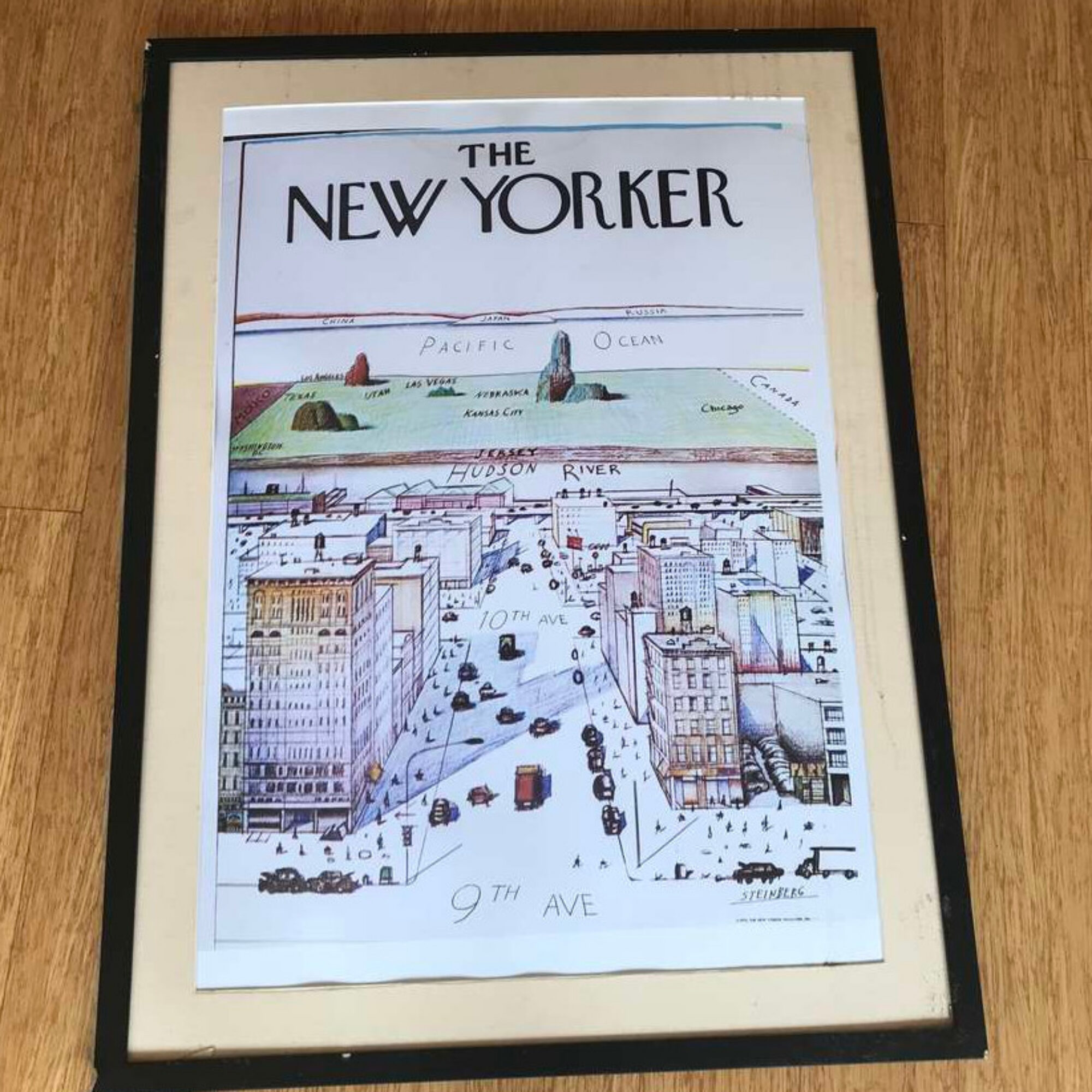
As a kid growing up, I avoided reading the New Yorker. My dad subscribed to it, so I figured I wouldn't like it. Now I consider its writing some of the best around. Over the summer, I picked up this framed poster of an iconic New Yorker cover from a neighbor getting rid of it. My opinion started changing in 1990, my year in Paris, when two things happened. First, when my dad visited, he knew I was craving things in English to read, so he brought six months of New Yorkers for me to read. I read each nearly cover to cover---announcements for events that had passed, the long articles, everything. I remember John Cheever's diaries being the long article in three consecutive issues.…

0 Comments

631: Stephen M. R. Covey, part 1.5: To Arrive Where We Started and to Know the Place for the First Time

Continuing a long trend of guests sharing partially doing their commitments but not stopping, Stephen comes back for an episode 1.5, not yet his episode 2. Stephen committed to sharing his childhood family experiences hiking on a path near a family cabin (my description doesn't do justice to his description, so listen to his first episode, 622, to hear his description drawing on his life experiences). As happens sometimes when a commitment depends on other people, their being unavailable meant he couldn't complete the whole things. Genuine, authentic leaders know one's measure of personal success depends not on things outside of your control. You succeed if you perform to your potential. He did his part, as he describes in this episode, and he could have…

0 Comments

Join my workshop in the Bronx, October 8th, on living off the grid in NYC and enjoy some solar-power-cooked stew!

At noon Saturday, October 8th, I'll lead my next workshop on sustainable living at one of my favorite spots in New York City: Drew Community Garden, on the Bronx River, in the middle of an underserved neighborhood. I compare Drew Garden with Central Park with how much I like the space, in some ways favorable because it's maintained by a few people in the community and every part of it exudes their personal passion and care. Plus the Bronx River runs clean there. They reclaimed the space from being a dump. I consider it an honor to contribute to the space. I'll make a batch of my famous no-packaging vegan stew, this time powered by solar panels and battery--closer to sustainable, though still a ways…

0 Comments
Month 5 Disconnected From the Electric Grid.
Greenwich Village Sun

Month 5 Disconnected From the Electric Grid.

Today began month 5 disconnected from the grid, one of my life's most educational and rewarding experiences. I didn't know how I'd make more than two days. My goal was one month. I had no idea I'd make it this far, nor how much it would connect me with traditional cultures and reveal our culture's entitlement, addiction, resignation, abdication, capitulation, and ignorance of how much of life we've numbed ourselves to. Greenwich Village Sun We learn through experience. Nearly half the time I wasn't even using solar at home, though I was using my "cheat," that I could plug in my computer and phone at NYU. Over half the human population lives in cities. If they consider what I'm doing impossible, as I did before…

0 Comments

Published in the Leader to Leader Journal: “We Who Choose to Lead Are Humanity’s Best Hope to Save Civilization”

My second article in the prestigious Leader to Leader Journal just appeared. It's peer-reviewed and edited, so if you're used to reading me hear, it should be a step up in quality. The article is We Who Choose to Lead Are Humanity's Best Hope to Save Civilization. Sustainability lacks leadership. It has plenty of people sharing information, numbers, and instructions, or what I call CCCSC, short for coercing, cajoling, convincing, and seeking compliance. Those techniques are nearly the opposite of leadership, in my opinion. My goal is to engage people who call ourselves leaders, to start leading. In person I tend to speak more bluntly about it, because I know how much potential we have to bring joy and overcome all the resignation, capitulation, and…

0 Comments

Why nuclear and fusion accelerate our problems, and point to the solution

It's tempting to look at fossil fuels and global warming and conclude: a fuel that didn't release greenhouse gases would solve our problems. Then we look at nuclear plants whose fuels are uranium and other elements. Splitting them doesn't release greenhouse gases. They look like improvements. Why not switch to nuclear? The switch looks yet better when you consider other problems with fossil fuels. They release more than greenhouse gases: mercury and other poisons. We turn them into plastics, which make their way into our foods and bloodstreams. Mining and extracting them displaces people (and wildlife) from their land, leads to spills like the Exxon Valdez and BP Deepwater Horizon. Internal combustion engines produce most noise pollution. Politically, the concentration of power leads globally to…

0 Comments

The text from episode 630: Simplifying Meditation Words and Meaning

The notes I read episode 630: Simplifying Meditation Words and Meaning from were long, so instead of including them in the podcast notes, I'm posting them separately here. Longtime listeners know I meditate regularly, now 25 minutes every other day. I started in 2007 with a ten-day vipassana retreat and have done a few ten-days, plus some 5-days and 3-days. Mostly I pay attention to my breath or do body scans. I don’t usually do guided meditations, but listen to the Sam Harris podcast so joined his Waking Up app. By now, I’ve listened to nearly all the recordings in it, including the guided meditations, his conversations with guests on theory and practice, and most guests’ recordings. I love many parts and find them useful,…

0 Comments

630: Simplifying Meditation Words and Meaning

The notes I read for this episode were long, so instead of including them in the podcast notes, I posted them as a separate blog post. My book: Leadership Step by StepThe Science article I mentioned: Limits to economic growthThe article showing humans lived to a modal age of 72: Longevity Among Hunter- Gatherers: A Cross-Cultural ExaminationViktor Frankl's Man's Search for Meaning Wikipedia pageThe Calvin and Hobbes page showing defenestrationThe Not Just Bikes video channelLow Tech Magazine

0 Comments

People who tell me I’m wasting my time versus those who encourage me

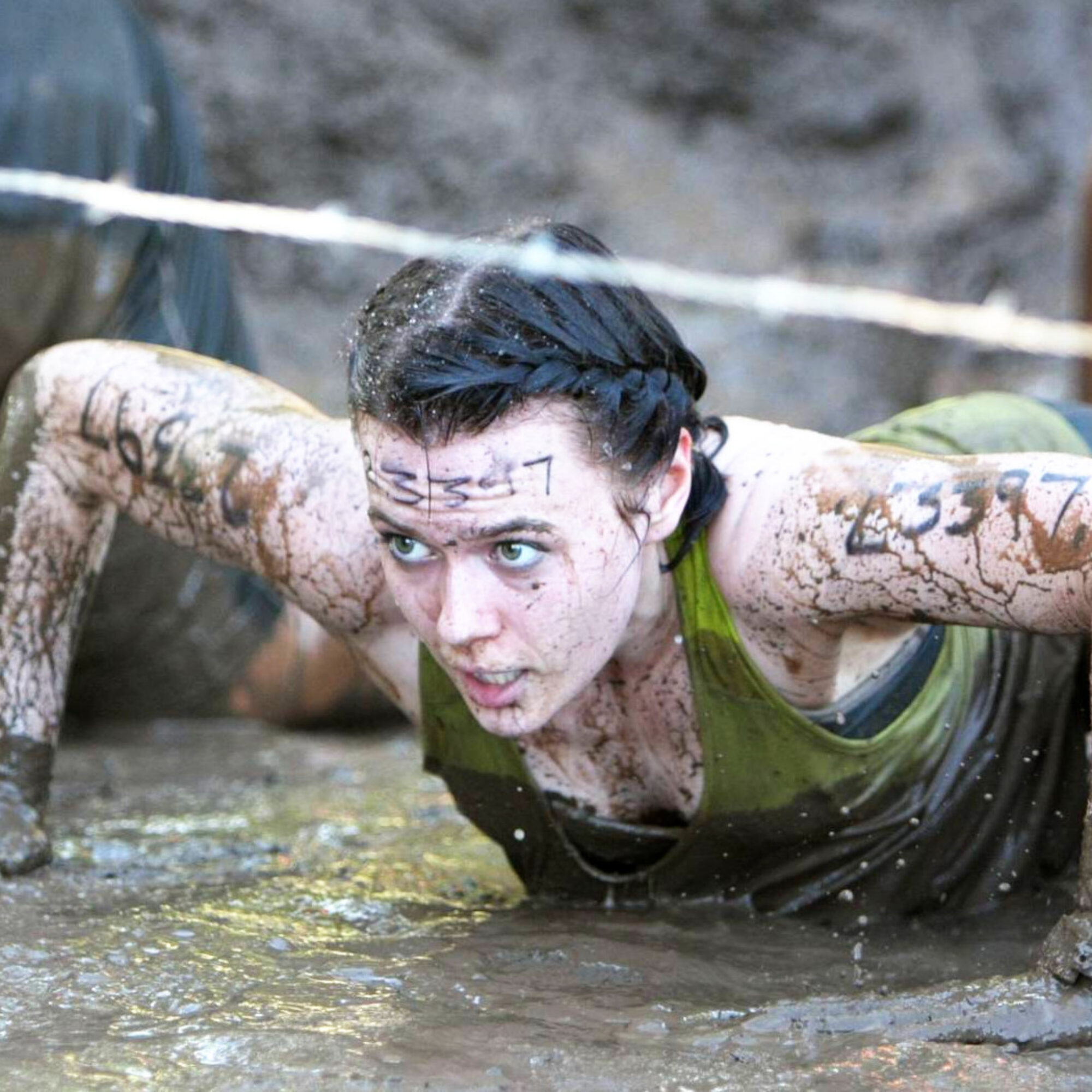
People who tell me I'm wasting my time trying to lead culture toward sustainability: My mom, my dad, the lady at the coop checkout today, nearly everyone. People who tell me to stick with it: Nelson Mandela ("It always seems impossible until it's done."), Gandhi, Martin Luther King, Muhammad Ali, Jesus, Winston Churchill ("Never, never, never give up."). Also Harriet Tubman's quote I posted a couple days ago: If you hear the dogs, keep going. If you see the torches in the woods, keep going. If there’s shouting after you, keep going. Don’t ever stop. Keep going. If you want a taste of freedom, keep going. To help me decide whose advice I should follow, here's an athlete crawling through mud with determination. To think…

0 Comments

629: Michelle Nijhuis, part 2: Stopping doom scrolling

We started talking about Michelle's commitment to avoid scrolling on vacation. She did. It sounds like it was both no big deal and something worth building on. We had intended to keep the recording to under thirty minutes for scheduling reasons, but the conversation kept staying too interesting to stop. We talked about addiction, how big a difference small differences can make, the difference between Portland and Vancouver in culture, how to change culture, living off the grid, and what stays with you when transitioning back. Coincidentally, a story of hers appeared in this week's New Yorker: When Summer Becomes the Season of Danger and DreadMichelle's book: Beloved Beasts

0 Comments
Older Americans tell me they would rather die before taking responsibility for the environmental wreckage they helped create
Harriet Tubman

Older Americans tell me they would rather die before taking responsibility for the environmental wreckage they helped create

I talked to a woman a generation older than me. She told me how she and her husband agreed that they were glad to have lived full lives before humanity faced the environmental tragedies she considers inevitable. Many people have done that calculation where they hear when our situation will get catastrophic. I did it at least a decade ago, when I first read the prediction that there would be more plastic in the ocean than fish by 2050. I calculated I'd be 79. People around my age and older concluded, "that situation sounds bad, but I'll be pretty old, so not for me, but it will be bad for someone. I hope they solve it." Already, that conclusion is sad, or would be when…

0 Comments

628: Jay Walker, part 2: Kayaking together on the Hudson

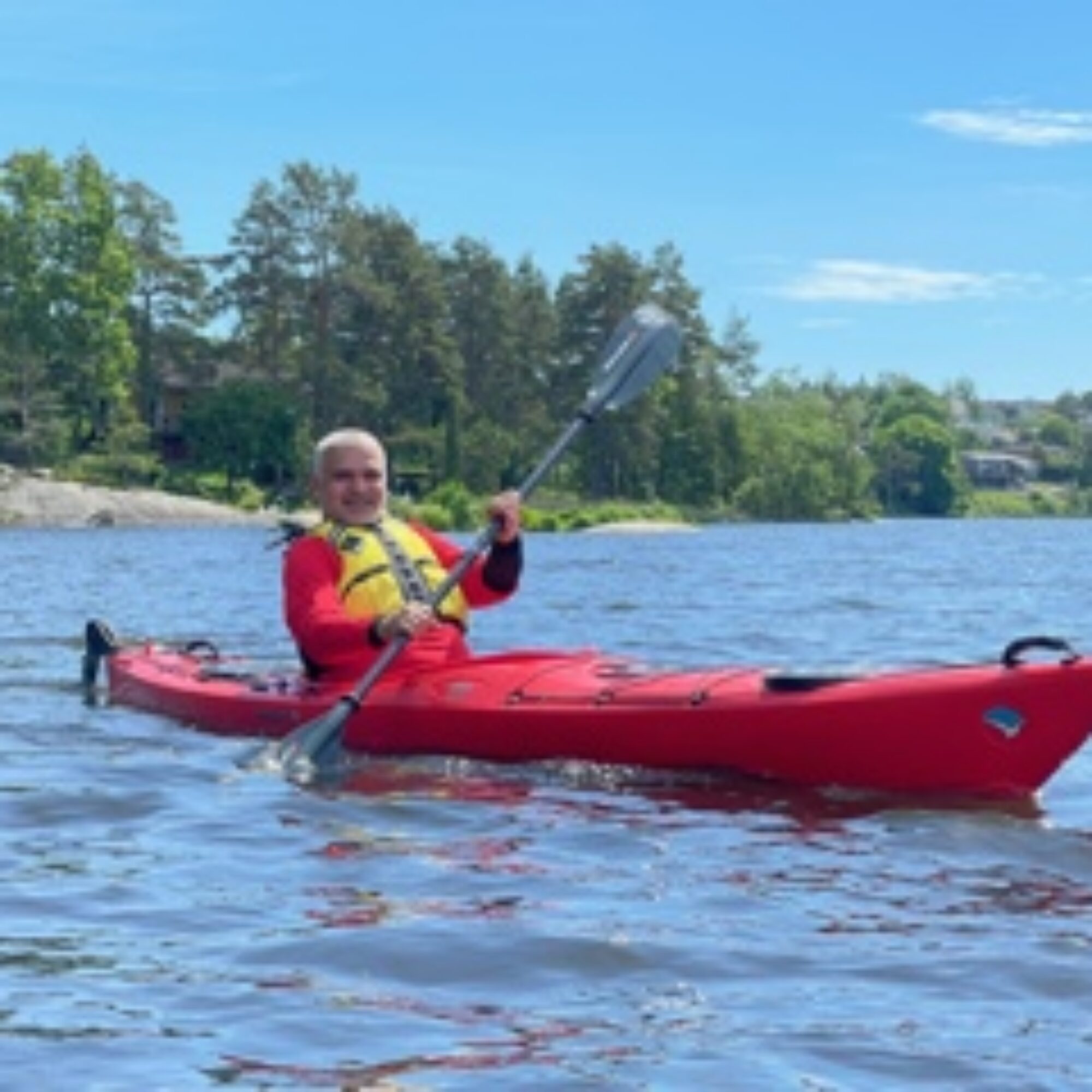
I think Jay's commitment may be the first where I participated and we had a blast! You may remember he committed to kayaking on the Hudson. He invited me to join. As you can see from the picture, I did, and we kayaked together. We shared about the experience. Note the change in our conversation and relationship from last conversation to this one. By last conversation we had spoken several times to set up the call, then you could hear our recorded conversation. Then hear how things changed just spending time in nature, in a way suggested by his values. That the Hudson by Manhattan isn't wild like, say, the mouth of the Amazon doesn't change that acting on our environmental values opens us up…

0 Comments

American electric bill insanity

I'm prompted to write today's email from a story Heating Your Expensive Apartment Is About to Get More Expensive, that says: "the average New York City residential electric bill of 300 kilowatt hours per month is projected to go up 22 percent, from $95 to $116." 300 kilowatt-hours per month?!? WTF? You don't have to get it to zero (yet), but nobody needs 300 kwh per month. If that's the average, many use more. A friend told me he told a friend about my off-grid experiment, who responded that "too bad it doesn't scale." Too bad she she is shortsighted. Polluting hurts people. Not might or sometimes hurts people. Always and for centuries for much of our waste today. Rich or poor, whatever one's skin…

0 Comments

627: Nadeem Akhtar, part 1: A Long-Time Listener from Norway

Nadeem contacted me as a listener to suggest Abdal Hakim Murad as a guest, as I hadn't hosted any Muslims on the podcast by then. I learned a lot and enjoyed meeting Abdal, plus Nadeem and I stayed in touch. When Janet Allaker's first episode with a listener went well, I invited Nadeem to be a guest. He loved the opportunity. I think we both enjoyed the conversation. If you're a regular listener, you'll get to hear another voice from your position. You'll get to hear another listener's views on sustainability and this podcast. Nadeem cares enough to act, though not as much as me. He listens to This Sustainable to ground him and inspire more sustainability work. We talk about what motivates him, religion, family,…

0 Comments

Cuisine: What It Is and How We Ruin It

Cooking from scratch with mainly local ingredients and no electrical power has taught me about cuisine. To clarify, I haven't gotten any training on cooking. I've only had to figure things out based on what's available. It dawned on me (and I could be wrong, I'm not a historian or anthropologist) that cuisines developed based on what edible things were around in regions---plants, animals, fungi---in what quantities and times. People needed to live and wanted things to taste good. They must have put together what they could as best they could. I've developed a bunch of dishes that I don't know if others would like, but I love them. I'm just mixing what's around, but I've never tasted things like them. I'm experimenting fermenting, sprouting,…

0 Comments

626: Jay Walker, part 1: Organizing New York City’s Queer Liberation March

Regular readers and listeners know my passion for cleaning my local park, Washington Square Park, and how my heart breaks at how we abuse this sliver of a vestige of nature, especially the mornings after the Queer Liberation Marches of the past two years. As an organizer, Jay didn't have to respond to my request, but he did. By the end of this recording, you'll hear us talk about reducing waste next year. We begin by talking about the evolution of the pride marches from when he started attending in the 1980s. He describes them becoming more corporate, less participatory, but most of all, controlled by the cops, not necessarily helping the march. The cops often seem like they're just dominating parades; all New York…

0 Comments

End of content

No more pages to load