[This post is part of a series on “Mental models and beliefs: an exercise to identify yours.†If you don’t see a Table of Contents to the left, click here to view the series, where you’ll get more value than reading just this post.] Since my results surprised me, I bet your results will surprise you when you do yesterday’s exercise to record your beliefs (aka mental models or just[…] Keep reading →
Category Archives: Models
An exercise in knowing your beliefs; so you can change them
on March 30, 2013 in Awareness, Exercises, Models, Tips[This post is part of a series on “Mental models and beliefs: an exercise to identify yours.†If you don’t see a Table of Contents to the left, click here to view the series, where you’ll get more value than reading just this post.] We all know the story about the three guys doing the same physical work at quarry yet feeling different — one felt miserable because he felt[…] Keep reading →

Cognitive behavioral therapy and its problems
on December 25, 2012 in Education, Models, VisualizationI’ve written before about Cognitive Behavioral Therapy and how I work. I consider CBT important and effective, as far as I know. I wrote about how similar the model at its foundation is to my Model. Specifically, compare this representation of the CBT model with this representation of mine Pretty similar: Situation -> thought -> feeling -> action Environment -> belief -> emotion -> behavior I’ve also written about shortcomings[…] Keep reading →
A model to make hard decisions easier
on September 6, 2012 in Blog, Education, Exercises, Fitness, Freedom, Models, Tips[This post is part of a series on “Mental models and beliefs: an exercise to identify yours.†If you don’t see a Table of Contents to the left, click here to view the series, where you’ll get more value than reading just this post.] When I worry about a difficult choice I have to make I think of a parable. Some martial arts students ask their teacher how he always[…] Keep reading →
The Method: long term
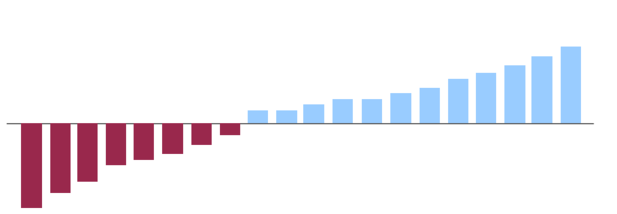
on January 27, 2012 in Awareness, Freedom, Leadership, Models, VisualizationIf you lined up all the cycles in your life by the amount of reward they brought you, you might represent them like this. The low bar on the left might represent something you can never get right — like feeling helpless about your weight if you’re overweight or about a big debt you have to repay. The high bar on the right might represent the joy you feel for[…] Keep reading →

The Method: long-term growth from many transformations
on January 25, 2012 in Awareness, Freedom, Leadership, Models, Visualization[This post is part of a series on The Method to use The Model — my model for the human emotional system designed for use in leadership, self-awareness, and general purpose professional and personal development — which I find the most effective and valuable foundation for understanding yourself and others and improving your life. If you don’t see a Table of Contents to the left, click here to view the[…] Keep reading →
Models: the active view, part 2
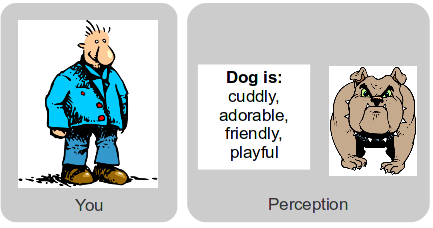
on January 11, 2012 in Awareness, Evolutionary Psychology, Models, Nature, Visualization[This post is part of a series on The Model — my model for the human emotional system designed for use in leadership, self-awareness, and general purpose professional and personal development — which I find the most effective and valuable foundation for understanding yourself and others and improving your life. If you don’t see a Table of Contents to the left, click here to view the series, where you’ll get[…] Keep reading →
Examples of models: “beliefs and expectations filter your perception”
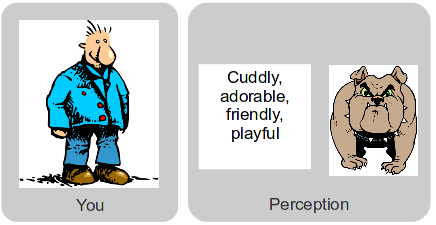
on January 4, 2012 in Awareness, Evolutionary Psychology, Models, Nature, Visualization[This post is part of a series on The Model — my model for the human emotional system designed for use in leadership, self-awareness, and general purpose professional and personal development — which I find the most effective and valuable foundation for understanding yourself and others and improving your life. If you don’t see a Table of Contents to the left, click here to view the series, where you’ll get[…] Keep reading →
Examples of models: beliefs and mental models
on January 1, 2012 in Awareness, Evolutionary Psychology, Models, Nature, Visualization[This post is part of a series on The Model — my model for the human emotional system designed for use in leadership, self-awareness, and general purpose professional and personal development — which I find the most effective and valuable foundation for understanding yourself and others and improving your life. If you don’t see a Table of Contents to the left, click here to view the series, where you’ll get[…] Keep reading →