Perception


Did you ever notice when someone interrupts. . .

Sometimes mid-sentence something distracts me and I lose my train of thought. Often when I do, I can't remember what I was saying before. It annoys me but I move on to something else. By contrast, if a person interrupted me to the same effect, I'd get angry, even if what I were saying were no more important. That is, if while saying the same thing, I were interrupted or distracted, despite the outcome being the same, in one case I'd get angry, the other no problem. Funny how we do that, isn't it?

0 Comments

Examples of “tastes good” versus “want more”

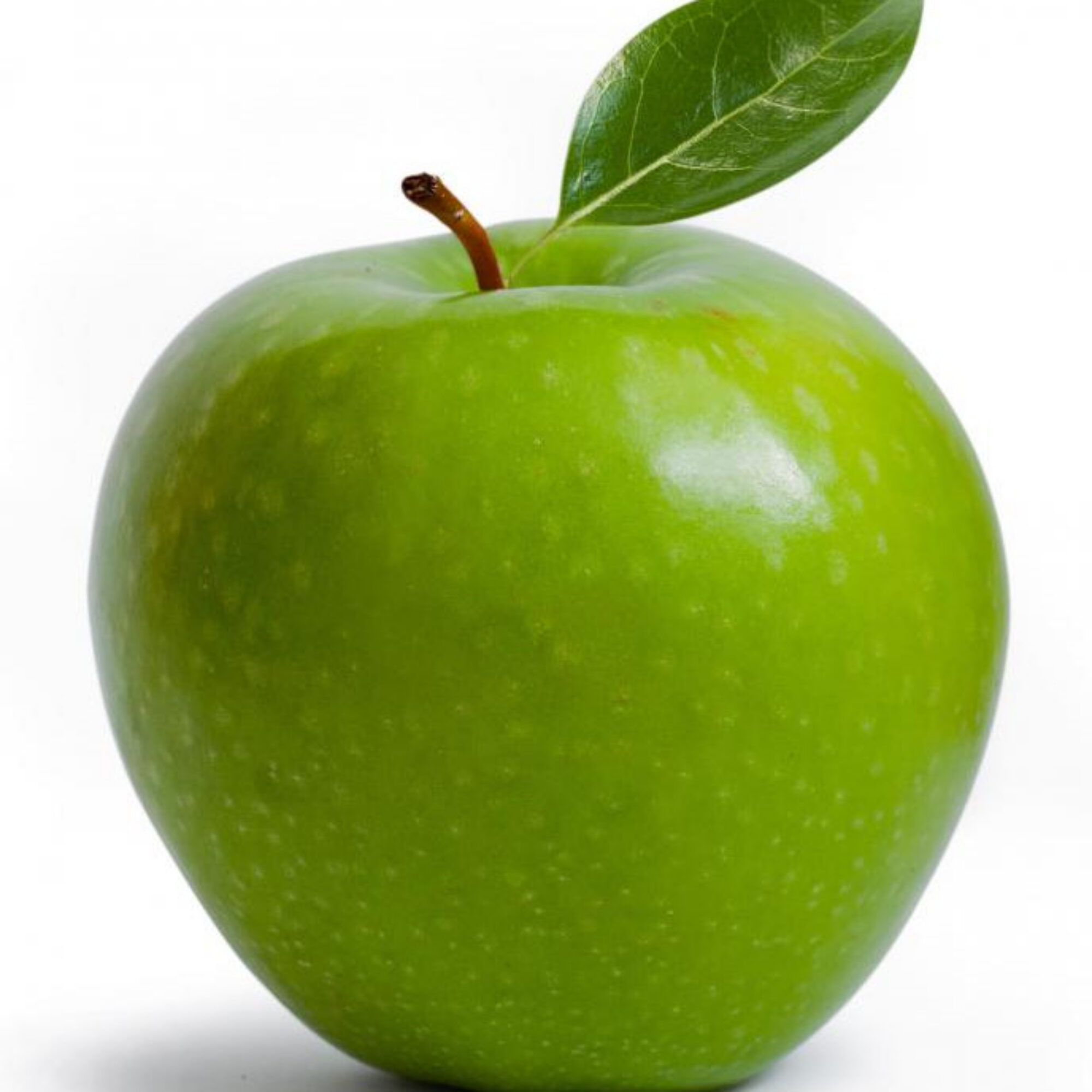
I've written on the difference in sensation between something tasting good versus making you feel like you want more of it (see “Want to eat more” and “tastes good” aren’t the same feeling). I also spoke about them as a podcast guest in Tastes Good versus Want More, explored in depth. The difference, briefly: when you bite into a fruit you love, say an apple, it tastes good and you want more. Yet rarely do I eat two apples in a row. The second apple tastes as good as the first, but the sensation of wanting more decreases. By contrast, when I bite into a potato chip, it tastes good and I want more. But a few chips in, the feeling of their tasting good…

0 Comments
Do you think like an addict?
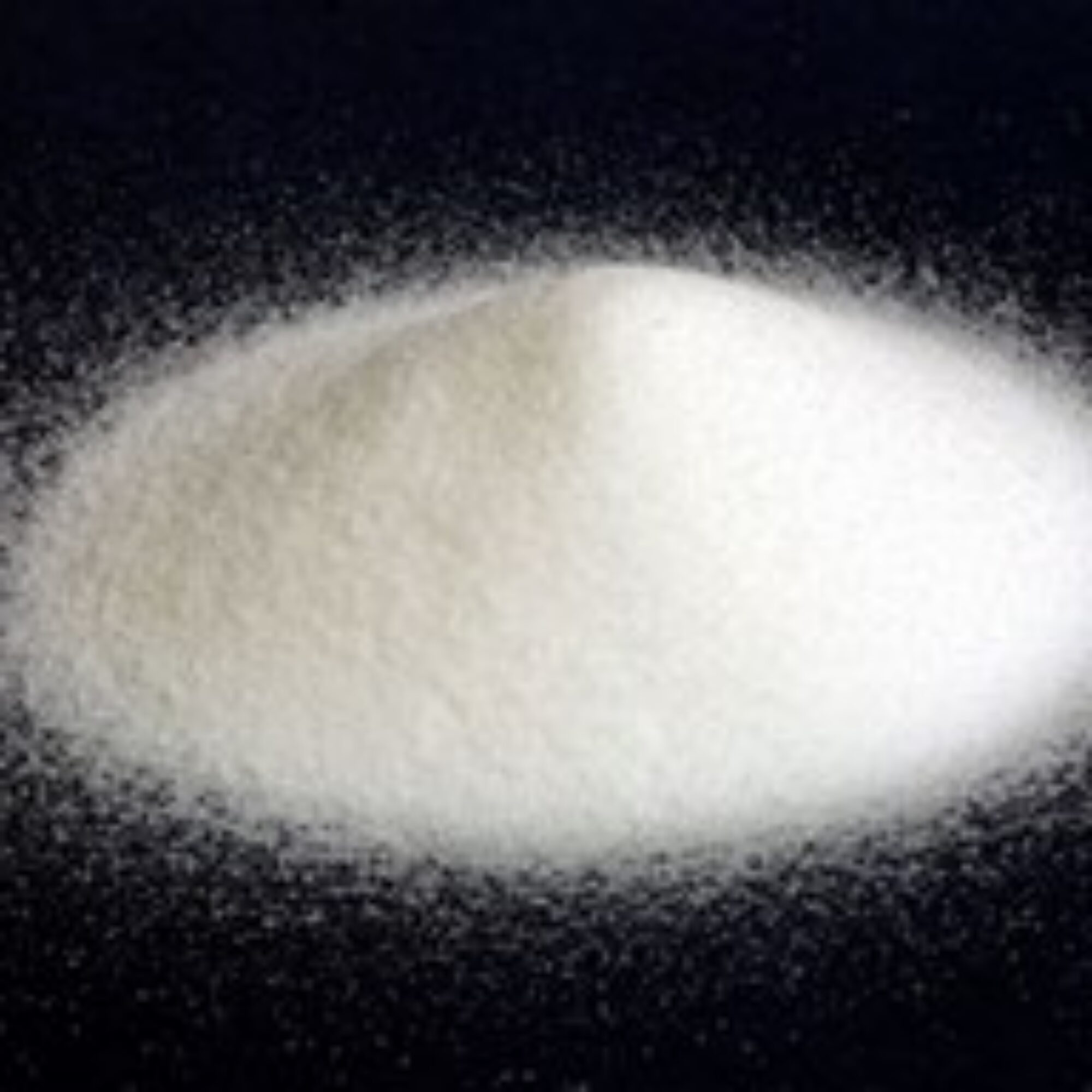
Pile of Refined Sugar

Do you think like an addict?

For at least 20 years, I always had ice cream in my freezer and pretzels or potato chips in my cupboard. Somewhere inside, I knew I didn't want them. I told myself I couldn't help buying and eating them, but I could. I didn't stop. When I bought them, I would tell myself why buying them was okay, even though I thought I shouldn't. Pile of Refined Sugar How addicts think Addicts tell themselves why something they consciously oppose is okay. When I tell people I avoid packaging or flying, they tell me why some type of packaging is actually okay or that the plane would fly anyway. I know the thinking because we all have it in us. It's not you or me that…

0 Comments

60 hours only water

Last year I went 72 hours with only water. I'd read and heard chatter about "intermittent fasting," not knowing what people meant. The more I looked into it, the more I found most people chattering didn't know what they were talking about so I ignored it. Then a friend told me about two benefits he experienced -- not read about or imagined, but experienced. He said The first meal after a 3-day fast tasted indescribably goodAfter about the second day, he felt more energetic than usual, though it required persevering a grumpy and challenging second day I love delicious and I love feeling energetic. If I only needed to go without food for a few days -- saving money and time -- why wouldn't I?…

0 Comments

An empty boat parable from life

You may have read the empty boat parable. I don't much like it. I get its point, it sounds too contrived and fortune-cookie-like. The people who say it tend to sound new-agey, which is not a community I associate with. Yesterday morning, I experienced the point of the story without the contrivance. First I'll share the original for those who haven't read it. A young farmer laboriously paddled his boat up the river to deliver his produce to the village. It was a hot day, and he wanted to make his delivery and get home before dark. As he looked behind, he spied another vessel, heading rapidly downstream toward his boat. He shouted,"Change direction! You are going to hit me!" to no avail - the…

0 Comments

Avoid that addictive tug

That addictive tug showed itself to me clearly for the first time the last time I ate ice cream. It was Thanksgiving, two or three Novembers ago. I rarely eat dairy and for years have avoided fiber-removed foods so I don't remember why I tried a taste then. Everyone was eating pie and ice cream, passing them around the table. I was probably sipping scotch for dessert, or maybe eating fruit. In any case, I tried a spoon of ice cream for my first time in years, probably Ben and Jerry's, maybe Haagen Dazs. Whatever brand or flavor it was, however it tasted, I immediately felt like I wanted more, like I could keep eating more. Not having eaten sweetened foods for a while, I…

2 Comments
Why are there more books to get fit than to get obese?
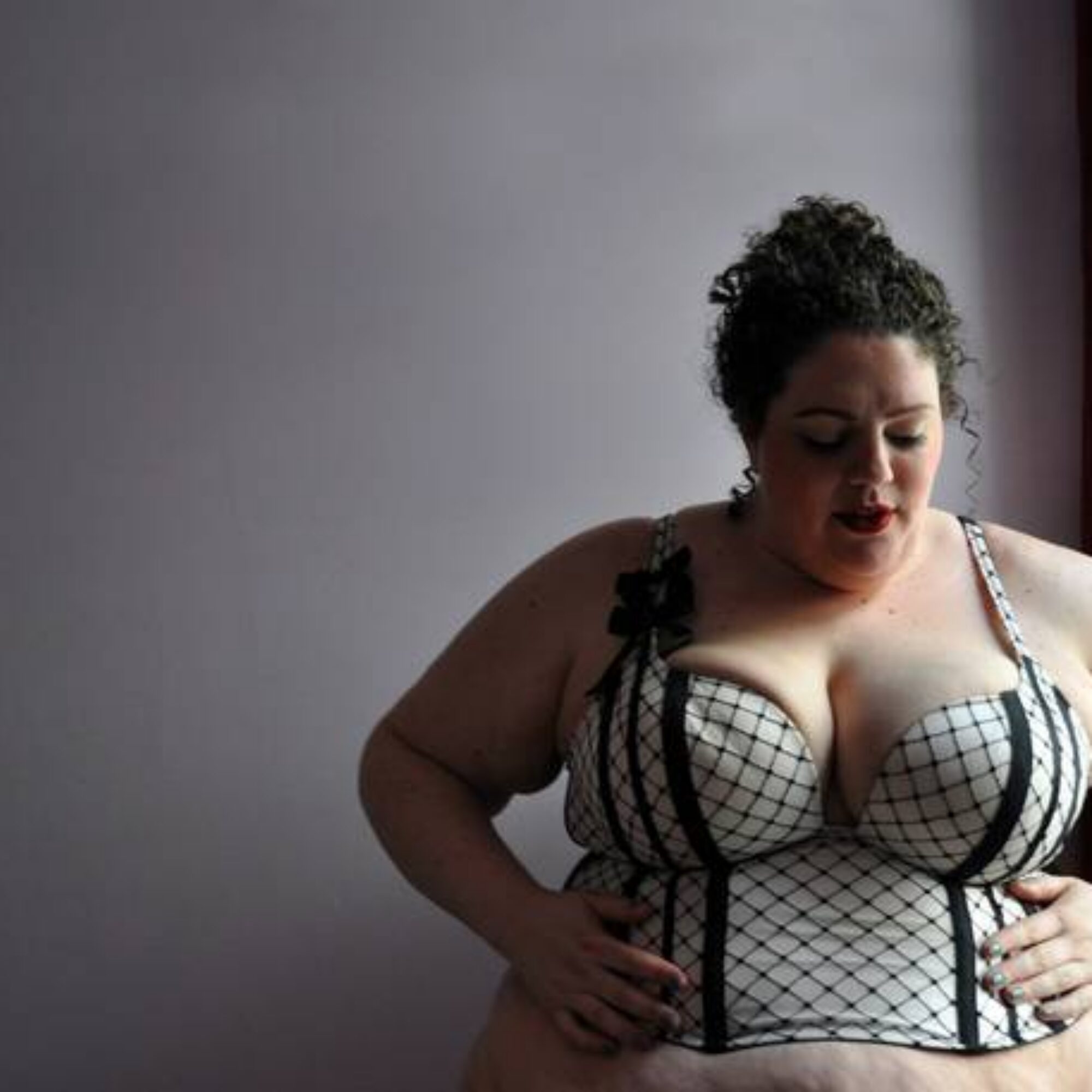
First image from "This Powerful Photo Series Proves That 'Fat' Is Beautiful"

Why are there more books to get fit than to get obese?

Sometimes I stumble on sites saying things like This Powerful Photo Series Proves That "Fat" Is Beautiful This photo series shows that "fat" can be as beautiful as any other body type Beauty comes in all sizes and shapes There are a lot of sites like it, promoting, or proving as the first one listed said, that fat is beautiful. A lot of them. I don't want to sound snarky, but if people are trying to prove or show to me that something is beautiful, they're moving it from subjective---in the eye of the beholder---to objective. The golden rule implies that they are open to others proving to them that fit is beautiful or that fat is not beautiful. Is that what they want? The…

0 Comments

When Innovation and Technology Fail Us

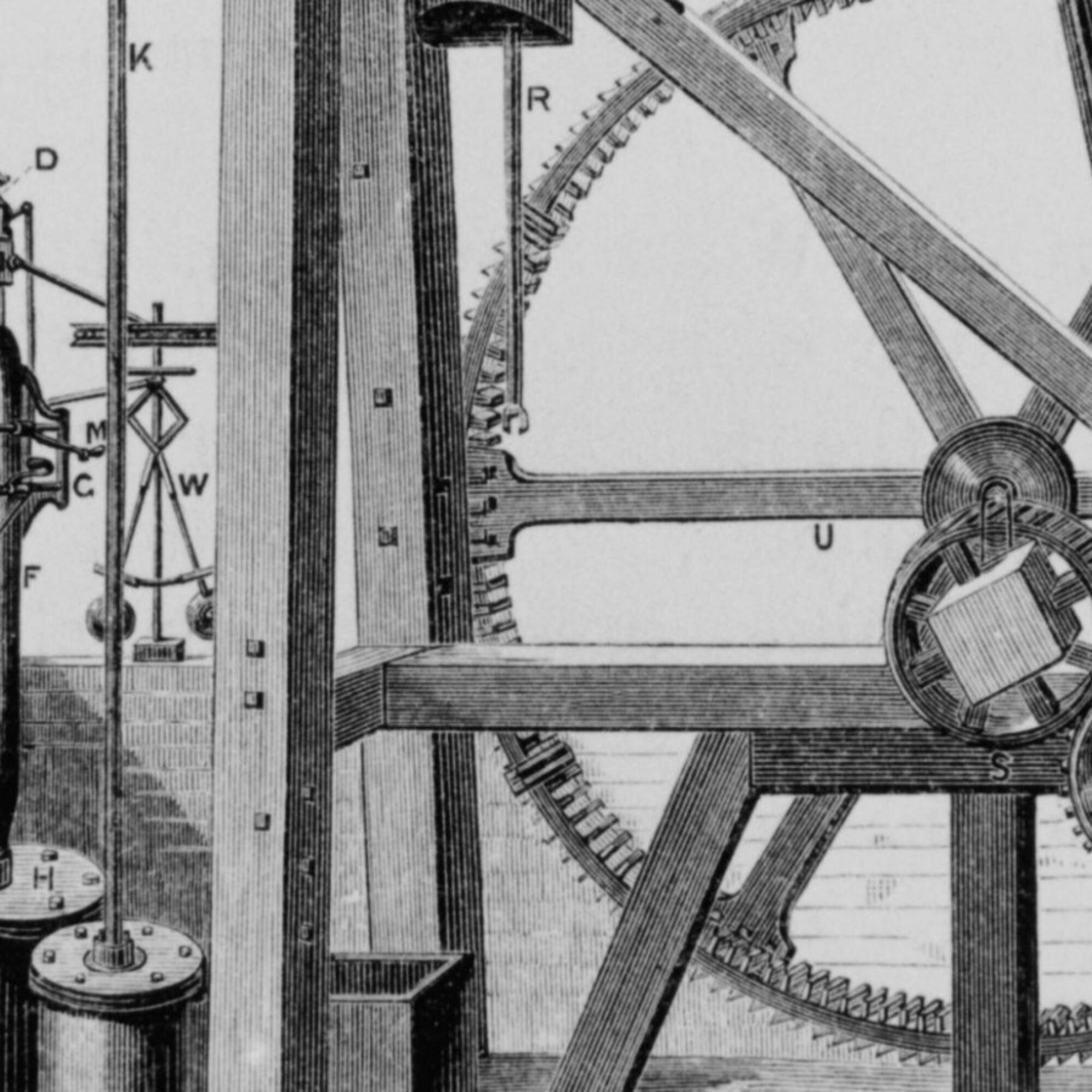
When Innovation and Technology Fail Us Joshua Spodek October 10, 2018 We see technology, innovation, and the efficiency they bring as relief to our burdens, potential solutions to some of our greatest problems, such as the climate and pollution. Could they, while solving immediate problems, create bigger, long-term ones? I write the following as the holder of six patents, as well as a PhD in astrophysics, having helped build an x-ray observational satellite, still in service nearly double its slated 10-year mission. That is, I know technology and innovation. I've lived it. I value them. We could start with any technology, but why not a big one--the steam engine. By 1776 James Watt created his steam engine that, along with other advances, ushered in the…

0 Comments

Men aren’t as confused as the media say

My response to a popular social media post is below. I don't pretend it's the final word, but it expresses something missing. The post I responded to Guys ask why women are so pissed off. Even guys with wives and daughters. Jackson Katz, a prominent social researcher, illustrates why. He's done it with hundreds of audiences: "I draw a line down the middle of a chalkboard, sketching a male symbol on one side and a female symbol on the other. Then I ask just the men: What steps do you guys take, on a daily basis, to prevent yourselves from being sexually assaulted? At first there is a kind of awkward silence as the men try to figure out if they've been asked a trick…

2 Comments

American Cuisine Has 2 Rules and I Found Them

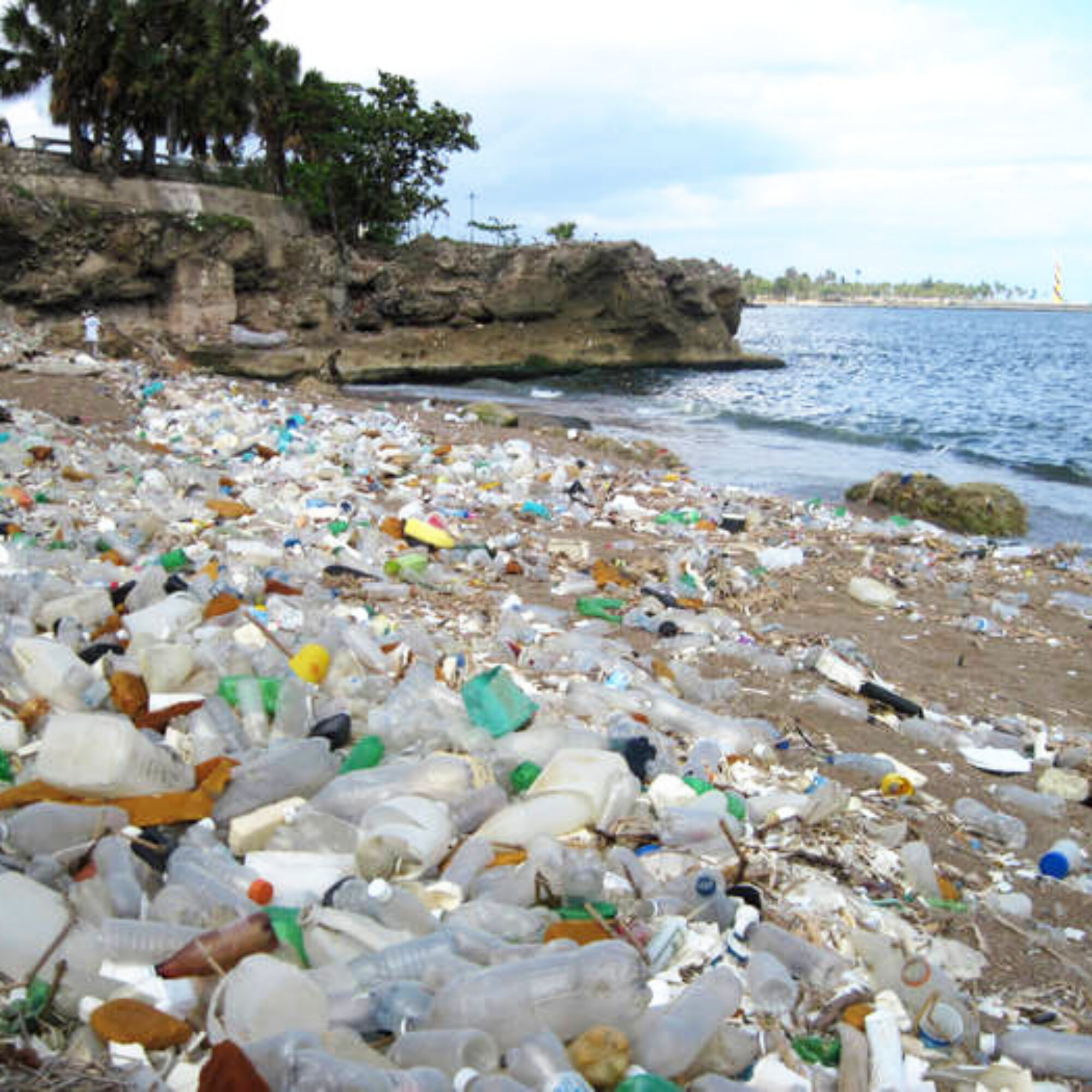
American cuisine has two simple rules governing it, I found. You often have to step outside a system to see it with fresh eyes. First, I’ll describe that process. Stepping outside the system We’ve seen pictures of plastic choking once-pristine beaches and wilderness. One day three years ago I looked down at my kitchen’s garbage and saw that most of my garbage came from food packaging. I decided to try to go a week without buying any packaged food. Despite not knowing how I would do it, I went two-and-a-half weeks without any. In the three years since, I use maybe 5% of the packaging I used to and I’ve emptied my garbage maybe five or six times. Recycling maybe ten times. If I hadn’t…

0 Comments

Are we smarter today than in the past?

We look at technology, culture, cities, and so on and consider ourselves advanced relative to past people and cultures. They thought the Earth was flat. The couldn't draw with perspective. They didn't know that germs caused many diseases. If we're so smart, imagine this: if you could magically go back in time knowing everything about today's world, could you make the world a better place? If so, how? Sure, if you went back 20 years you could buy a stock you'd know would rise or bet on a sports match and get rich, but that's not helping others. Actually, it's redistributing money to yourself at their expense. If you appeared in medieval times, how would you improve their lives? Do you know engineering enough to…

0 Comments
The difference between delicious and yummy
Yummy food

The difference between delicious and yummy

Here's what I mean by yummy: Here's what I mean by delicious (a delivery from my CSA): What's the difference? "Yummy" food tends to have qualities such as: Little fiber Fried Sugar, fat, and salt provide the dominant flavors and textures Little raw ingredients Mostly yellow, orange, or brown Other colors often come from food coloring and don't represent the raw foods Sauces Packaged Corporate processing Many ingredients "Delicious" food tends to have Many colors Fiber Complex flavors and textures Mostly resembling the plants it's made of Few ingredients Nuance Delicious to me means that the food exhibits combinations of flavors and textures that complement each other to make me feel like saying, "that tastes good." I like nuance, subtlety, and complexity, all the more…

0 Comments
Do American Restaurants Only Serve Comfort Food?

Do American Restaurants Only Serve Comfort Food?

Do American Restaurants Only Serve Comfort Food? Can you eat delicious and healthy away from home? You probably want to eat healthy. It's hard in American restaurants and markets, which may devote over 90% of their space to packaged and fiberless industrial food products. Maybe you put the effort in to avoid industrial food products in favor of fresh, whole vegetables, fruits, legumes, nuts, and seeds. If you're like me, you learned to love the subtle, complex, nuanced flavors that come with fresh. Maybe you even learned to dislike that restaurants cover fresh ingredients with sauces or coverings that are sweet, rich, salty, or all of the above. They hide the vegetables in piles of rice, bread, pasta, and other filler. I call sweet, rich, gooey, cheesy, twice-fried, and such "yummy" (after this nsfw "yummy phase" comedian's explanation). Most…

0 Comments
The Green Revolution and subway rats
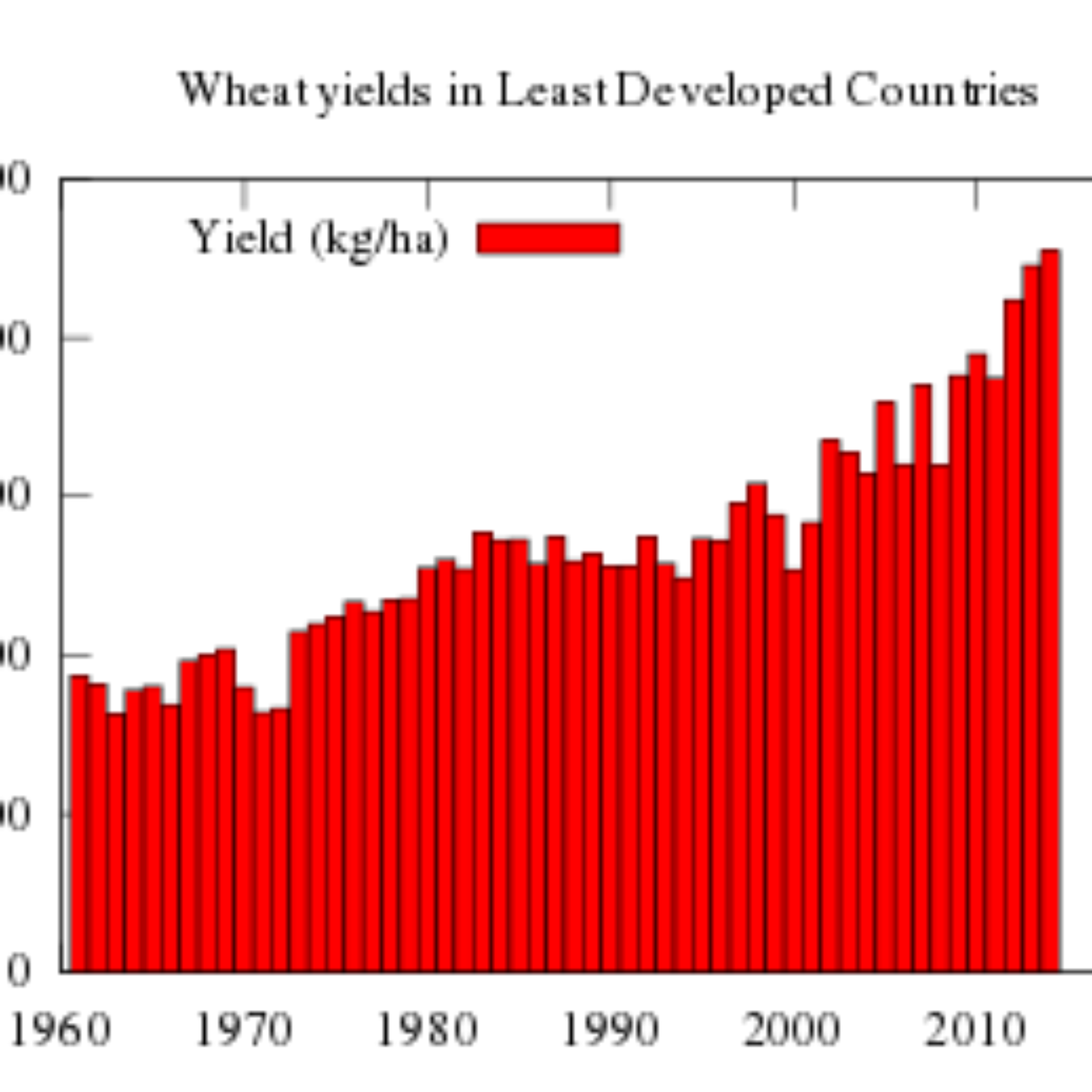
Wheat yields in Least Developed Countries

The Green Revolution and subway rats

The Green Revolution saved over a billion people from starvation, according to many. I don't think that's the only way to see it. Before describing other ways, first, what is the Green Revolution? According to Wikipedia, The Green Revolution, or Third Agricultural Revolution, refers to a set of research and the development of technology transfer initiatives occurring between the 1930s and the late 1960s (with prequels in the work of the agrarian geneticist Nazareno Strampelli in the 1920s and 1930s), that increased agricultural production worldwide, particularly in the developing world, beginning most markedly in the late 1960s. The initiatives resulted in the adoption of new technologies, including: ...new, high-yielding varieties (HYVs) of cereals, especially dwarf wheats and rices, in association with chemical fertilizers and agro-chemicals,…

0 Comments

Philadelphia and Starbucks: How blind are we to sexism hurting men?

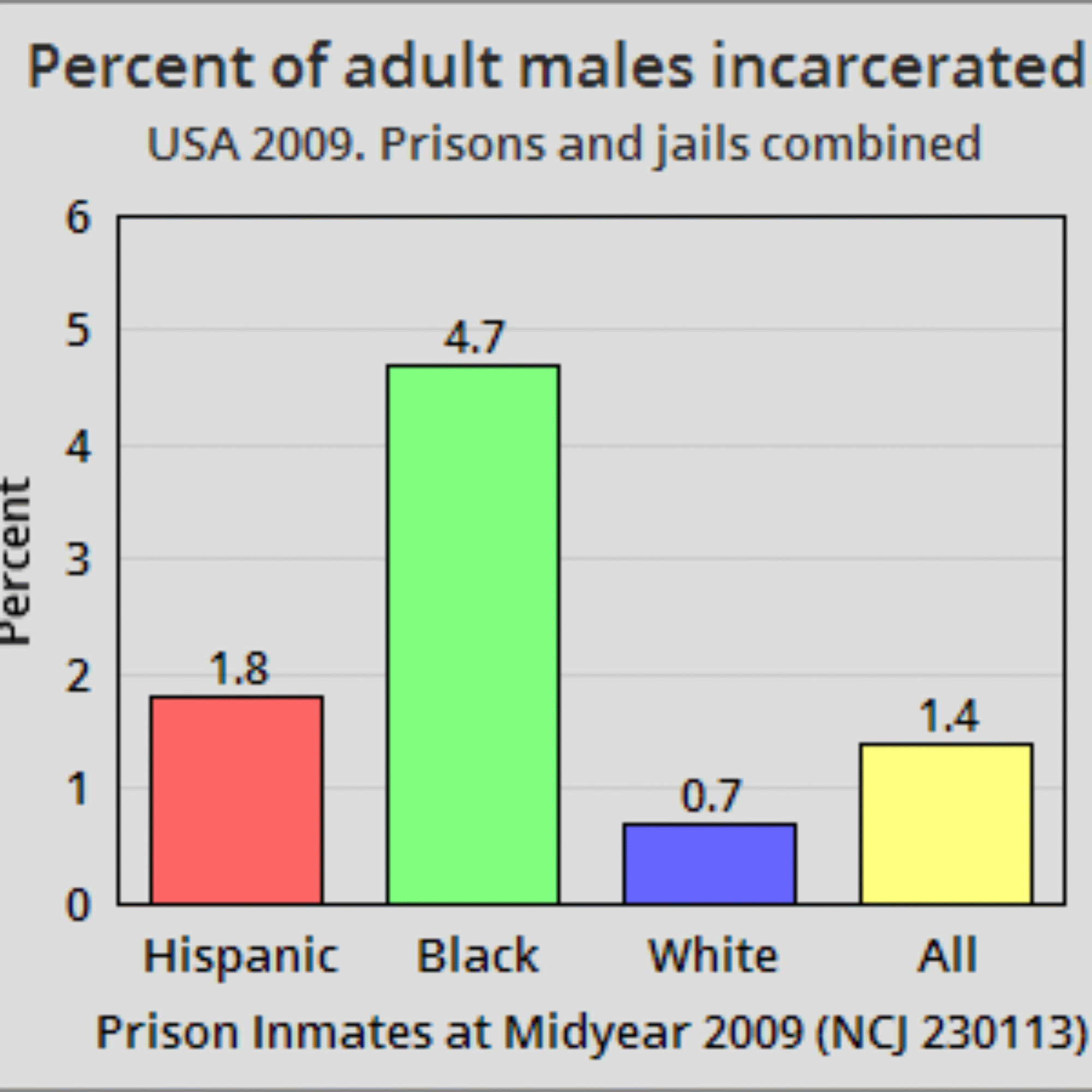
The past few days have seen many articles on the Philadelphia police arresting two black men in Starbucks. Let’s look at the New York Times article, Starbucks Arrests, Outrageous to Some, Are Everyday Life for Others, for example. It begins PHILADELPHIA — The video of the police arresting two black men in a Starbucks, viewed more than 10 million times online, quickly prompted a full-blown crisis: accusations of racism, protests both in and around the cafe, and a corporate apology on “Good Morning America.” In the context of cops arresting people, I certainly understand focusing in the words “black men” on “black.” According to Wikipedia’s article Incarceration in the United States, According to the U.S. Bureau of Justice Statistics (BJS) in 2013 black males accounted for 37%…

0 Comments

My salt experiment

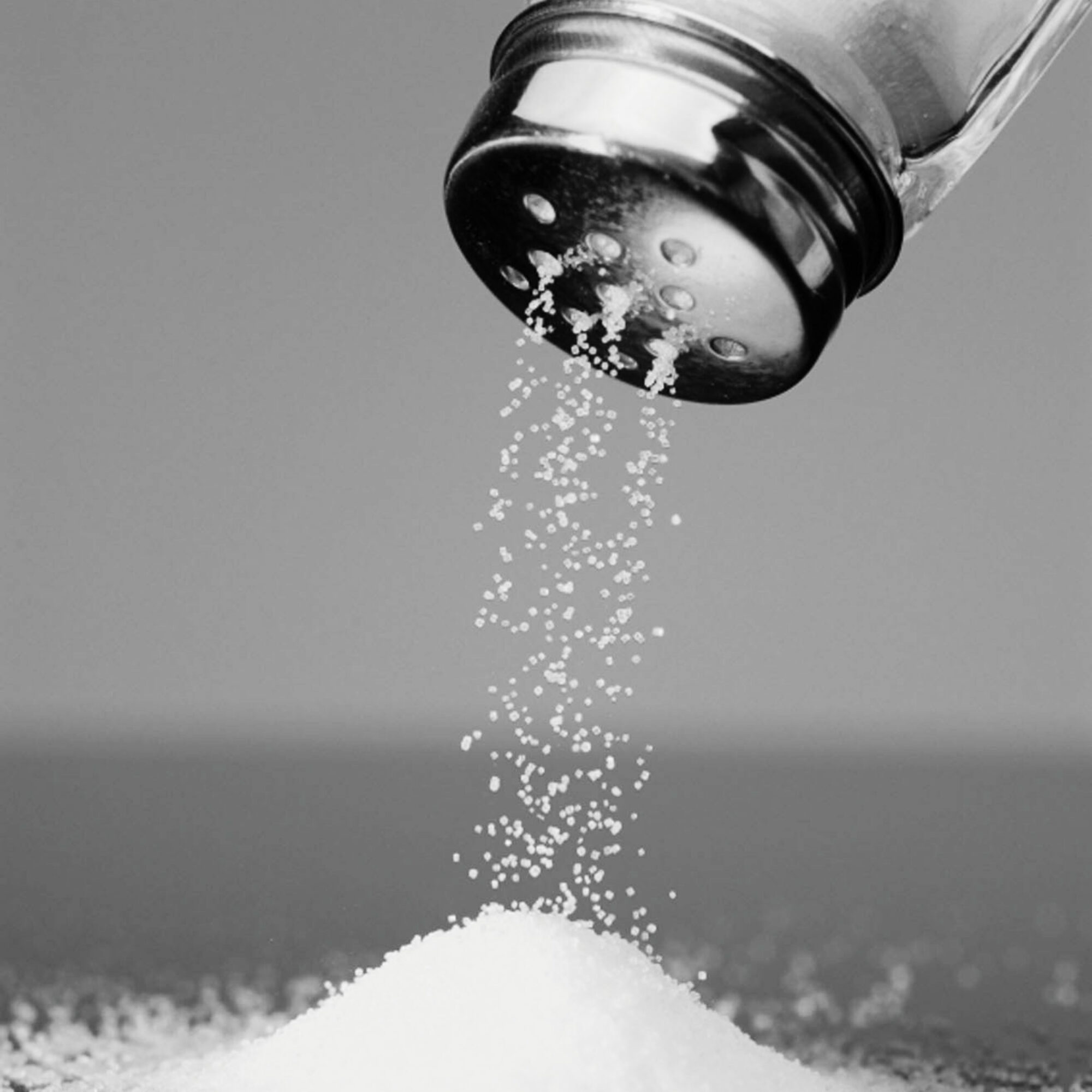
When I was a kid, my mom and stepfather switched from salted butter to unsalted. I remember the unsalted tasted bland, like nothing. I couldn't stand it. Some time later---maybe weeks or months, I don't remember---I tasted salted butter again for the first time. It tasted terrible! It was way too salty. Of course, the amount of salt in the butter didn't change. I did. My taste buds had adjusted to the overly salted butter and stayed that way until I stopped overly salting them. When I stopped amping up the salt, they returned to normal and found the overly salted butter overly salted. I also remember that after tasting both, I preferred the unsalted. The salted butter only tasted like salt. The unsalted had…

0 Comments
Love, Cholera, Bitter Almonds, Unrequited Love, and You
The cover of Love in the Time of Cholera I read

Love, Cholera, Bitter Almonds, Unrequited Love, and You

“It was inevitable. The scent of bitter almonds always reminded Dr. Juvenal Urbino of the fate of unrequited love.” Have you paid attention to the opening lines of Love in the Time of Cholera, the novel by Nobel laureate Gabriel Garcia Marquez? I hadn't for decades and missed richness, complexity, and depth, paralleling a richness, complexity, and depth I missed in nature, my relationships with others, and my relationship with myself. This episode unravels the lines and shares their meaning, to me at least.

0 Comments

Lies We Tell Ourselves When We Pollute (Inc.)

Lies We Tell Ourselves When We Pollute We all want clean air, water, and land, yet pollute more than necessary. Leaders act with responsibility, accountability, and self-awareness. Our leadership vacuum on the environment I hook my audiences easily in my workshops on my podcast, Leadership and the Environment, by saying, Raise your hand if you like pollution, rising sea levels, and more plastic in the ocean than fish. No hands ever go up. I continue, Now raise your hand if you lowered your pollution to below American levels. Again, no hands ever go up. People look around sheepishly, so I ask, If you don't want pollution, why do you pollute unnecessarily? Nobody knows. Some suggest that they can't stop living, eating, and breathing, but I ask about unnecessary pollution. Americans pollute more per capita than almost anyone in…

0 Comments
Immature, spoiled eating habits and the Yummy Phase
Yummy phase food

Immature, spoiled eating habits and the Yummy Phase

The more I cook for myself, the more I appreciate nuance, subtlety, complexity, variety, and so forth in food, as well as the expression of the person who prepared the food. Also, the more I see others as stuck in the yummy phase, which describes the United States population increasingly in number and increasingly in areas beyond food. What's the yummy phase? The urban dictionary defines it effectively: The period of life, commonly experienced during childhood, when a person's taste is limited to those foods/treats considered "yummy." Having not yet developed an appreciation for such acquired tastes as coffee, beer or wine, certain vegetables, cigars, etc, a person in the yummy phase tends to favor the flavor of such savory treats as sugary sweets that…

0 Comments

It takes effort to learn to eat more vegetables and legumes

I grew up learning to avoid eating as much as I could or wanted. That is, I learned to try to stop eating before I was full. Eating became an exercise in self-restraint. It was hard. I don't think I picked up this practice from my parents. I think it came from society. I think I learned to view food as unhealthy, all the more so the better it tasted. In the past few years, avoiding packaged food and fiber-removed food, I find myself eating more than ever per meal, in terms of volume and mass of food. In terms of calories, I don't think I've eaten more than ever. On the contrary, I think I've eaten fewer calories, since I've lost fat. Before my…

0 Comments

I’m switching to eating the whole apple

As much as I learned at West Point, the food wasn't great. I don't like food that doesn't taste good, especially when it costs a lot, like at a hotel, so I don't. The hotel happened to have a big bowl of apples in the lobby, so I ended up eating a couple in the morning for breakfast, then a couple more throughout the day to make up for avoiding food I didn't like. For some reason I didn't feel like having an apple core in front of me. Once or twice I've met people who told me they ate the whole apple. Since starting to eat citrus fruit skin, banana peels, mango peels, and so on, having learned other cultures do so, that they…

0 Comments

Women, men, and Harvey Weinstein

Why, when talking about education and promotions, the mainstream media voice is that gender differences are minimal: American Psychological Association: Men and Women: No Big Difference: Studies show that one's sex has little or no bearing on personality, cognition and leadership. The Telegraph: Men and women do not have different brains, claims neuroscientist Euroscientist: Two myths shattered: the gender differences in leadership and the glass ceiling for women American Psychological Association: Think Again: Men and Women Share Cognitive Skills But when Harvey Weinstein assaults, everybody sees him behaving as a man, not a person in power: L.A. Times: Q&A: Judd Apatow on Harvey Weinstein, sexual harassment and how to stop abusive men in power L.A. Times: Here's a look at 26 newsmakers accused of sexual…

0 Comments
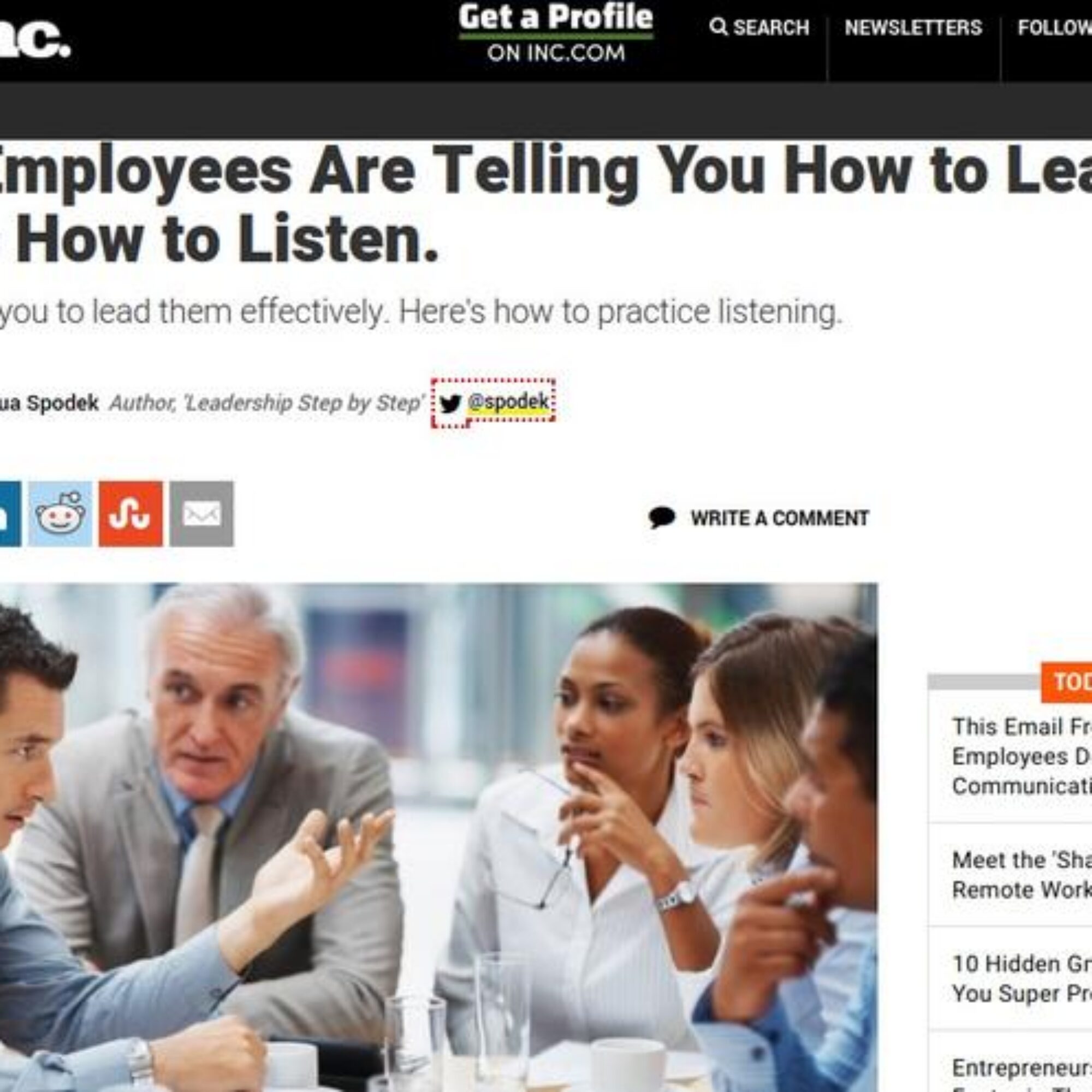
Your Employees Are Telling You How to Lead Them. Here’s How to Listen.
Your Employees Are Telling You How to Lead Them. Here's How to Listen.

Your Employees Are Telling You How to Lead Them. Here’s How to Listen.

My post on Inc. Thursday "Your Employees Are Telling You How to Lead Them. Here's How to Listen.," began Your Employees Are Telling You How to Lead Them. Here's How to Listen. People want you to lead them effectively. Here's how to practice listening. Would you like your teammates and employees to tell you how to lead them? They're already doing it. You were probably too busy focusing on yourself, believing leadership was about you, to see. I teach and coach leadership. This point is so subtle that most clients and students take a few times to "get" it. Then they realize how obvious it is despite never noticing it before. Then they start using it. People want meaning and purpose in their work Leadership literature talks about challenges of leading, it…

0 Comments

How little do you need?

Freedom comes from needing less more than having more, in my experience. How little do you need? Can you decrease your needs? I wrote a friend, in response to something he said about needs: I'm sensitive to the word need, since I consider neediness one of the least attractive qualities people can have, so as much as I value sidchas, instead of saying you need to do the thing daily, I'd say doing so works. Other ways may or may not, but a sidcha works. It doesn't if you half-ass it, though. He posted on his blog, in a post "Who or what do you ACTUALLY need?": The only things you need are the things that keep your mind ticking over. Food, water, shelter, warmth…

0 Comments

The Problem With a Carbon Tax

Shakespeare may have said that a rose by any other name would smell as sweet, but you can't smell taxes and the principle doesn't apply to them. The evidence? Call the estate tax a death tax and suddenly support for it drops, even among people who agree with it in principle, whose communities would benefit from it, and who would benefit from it personally, as Frank Luntz showed. I support shifting taxes from some areas to taxing greenhouse gas emissions, but as far as language goes, as a carbon-based life-form, I don't like the sound of taxing the basis of my life. The problem that the tax will, I hope, contribute to solving isn't even carbon, an innocent element that cycles throughout the biosphere. Nor…

0 Comments

End of content

No more pages to load