Visualization


“Pride Destroyed the Park”, Washington Square Park after a parade (Video)

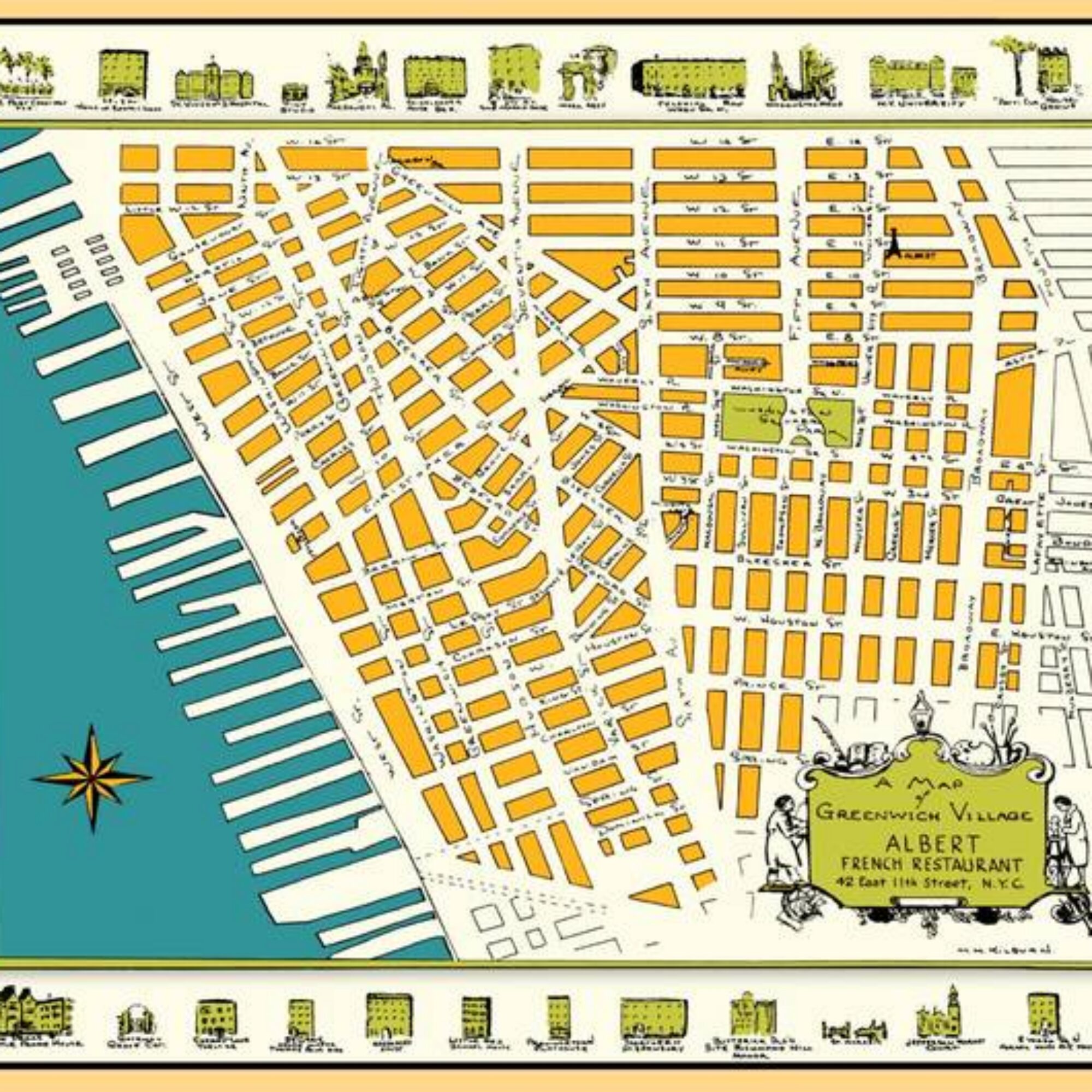
Following up my last video on what American culture is doing to what could be one of its jewels, here is a shorter, punchier view of Washington Square Park today. The quote, "Pride Destroyed the Park," comes from a woman who stopped me while I was taking pictures to tell me the park had 10 times more garbage a few hours earlier. Several people told me so. You can see teams of people cleaning it, around 9:30am. It is not a sanitation issue. It is not just a parade issue. It doesn't matter who was in the parade. You can make a difference. You need never buy bottled water, soda, takeout, or nearly any packaged food again in your life, starting this moment. https://youtu.be/-P0VcMekbO4 EDIT:…

2 Comments

Video: What’s wrong with New York City?

New York City's Washington Square Park has been in the news for its rampant drug use, partying, and cops alternating between doing nothing and clamping down like riot police. I live around the corner and have gone there daily without fail for over a year to pick up litter, forming relationships with some of the dealers and users. Mostly to perform what I consider a civic duty and what any member of a community would do. As best I can tell, I'm the only person who picks up litter, in contrast to the 75 percent at least who bring packaging that will become litter or contribute to overflowing trash cans whose contents spill out and become litter. I took pictures of my neighborhood and the…

2 Comments
Pollution:Earth :: Obesity:Body
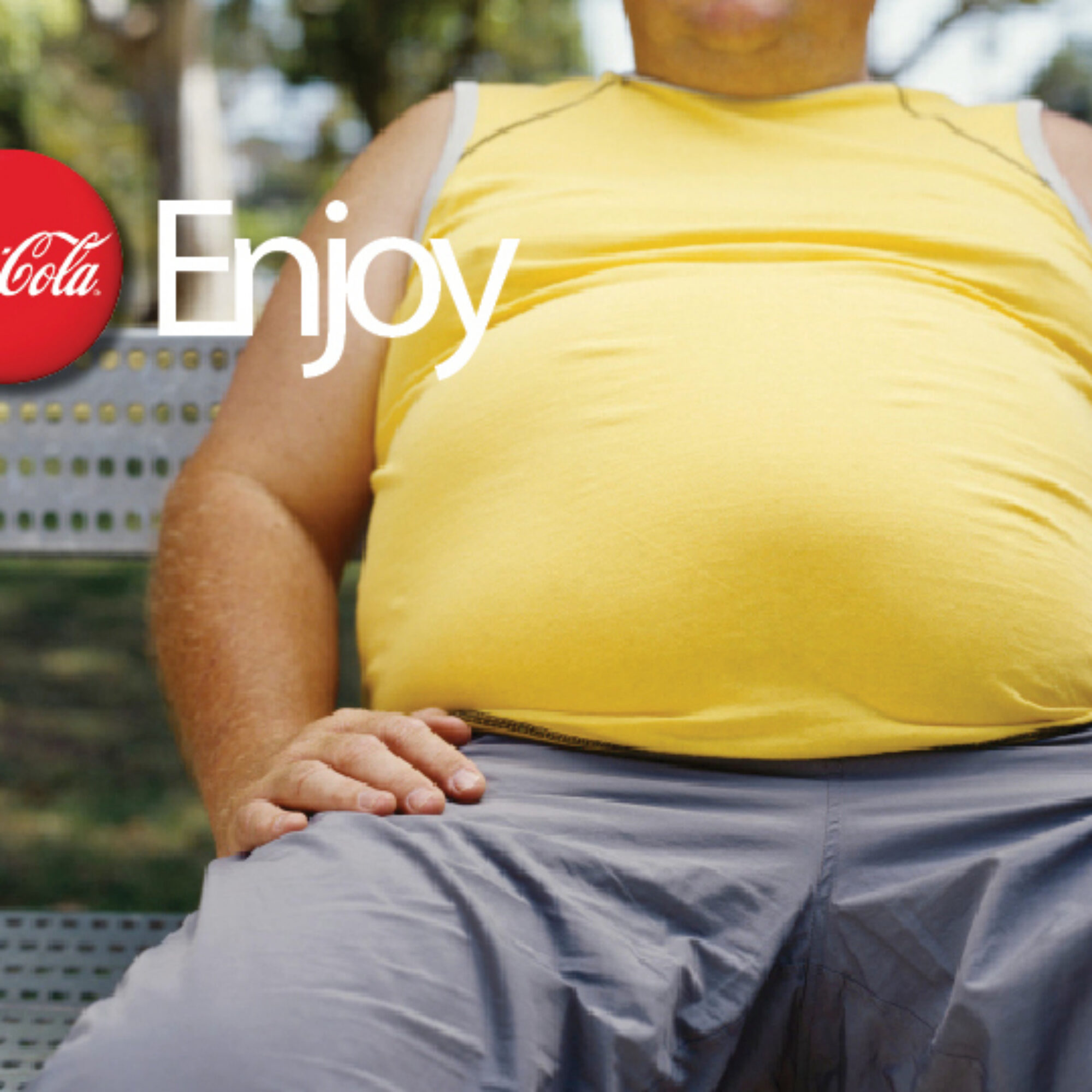
Enjoy Coca-cola!

Pollution:Earth :: Obesity:Body

This headline, Goodwill Doesn't Want Your Broken Toaster, reminding me of my recent post that lines to dump worthless junk on Goodwill are often longer than the lines to buy it prompted me to post an idea I've had for a long time but for some reason haven't posted. Pollution on the Earth is obesity on our bodies, manifesting our values and behaviors in different places. This: is this: The pileup at Goodwill is fatty liver disease. Addictions to opioids are like diabetes, where we've lost our sense of value in material things so we seek reward elsewhere. What Value in the Analogy? We aren't facing many problems in the world today. It may look like many, between climate, plastic, mercury, deforestation, political polarization, and…

0 Comments

At a loss for words at people playing with their fat

I'm no Shakespeare, but I think I express myself well with words. Despite everyone telling me to use it more, I don't use social media that much. Someone shared the video below. I tried to describe it to someone. I said, "These two women were showing off their fat and it looked like. . ." And I found myself unable to find anything else in nature or my experience that their fat falling on the table resembled. As far as I can tell, they seem happy. If they're happy and posting videos of their happiness, I support them sharing what they choose to share. I fear I'm losing touch with American culture, though. @chubbyrosehips ##stitch with @jess.subject22 lmfao XD I’m down 70 lbs and 1…

0 Comments

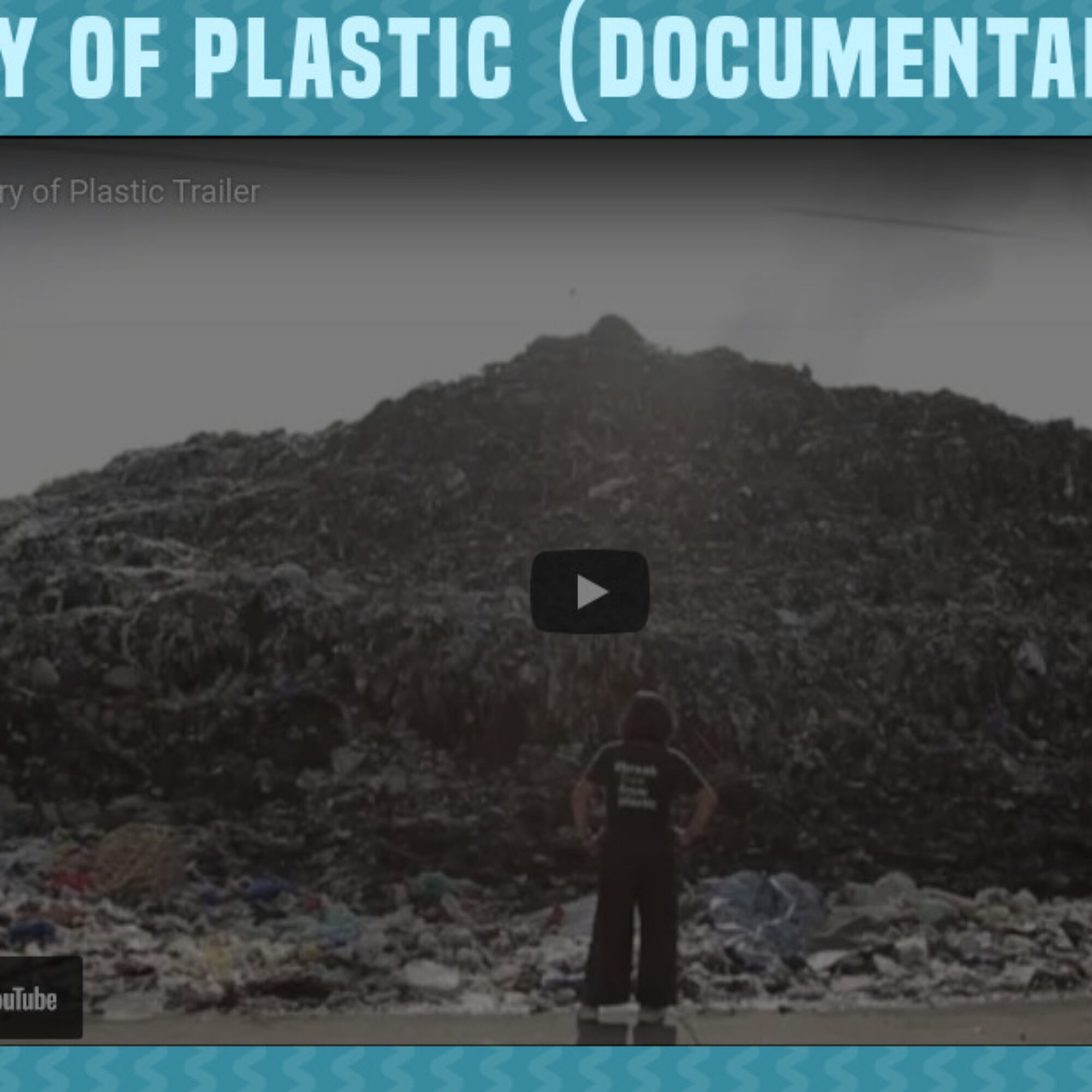
The Story of Plastic Animated Short Video

Anyone who knows me knows I read and watch a lot on sustainability and the environment. Most of their information I already knew or I find they disengage people. The Story of Stuff team's work stands apart, especially The Story of Plastic. I recommend watching all their videos, starting with the short below, since you're here. Following last year's panel on the awesome, tragic movie, The Story of Plastic, they've released a short for its anniversary. In their words The Story of Plastic (animated short) pulls back the curtain on the plastic pollution headlines, revealing the true causes and consequences of the global plastics crisis. This animated short is a companion piece to The Story of Plastic (documentary), which premiered in April of 2020. https://youtu.be/iO3SA4YyEYU…

0 Comments

Finally, I illustrated what’s missing from sustainability

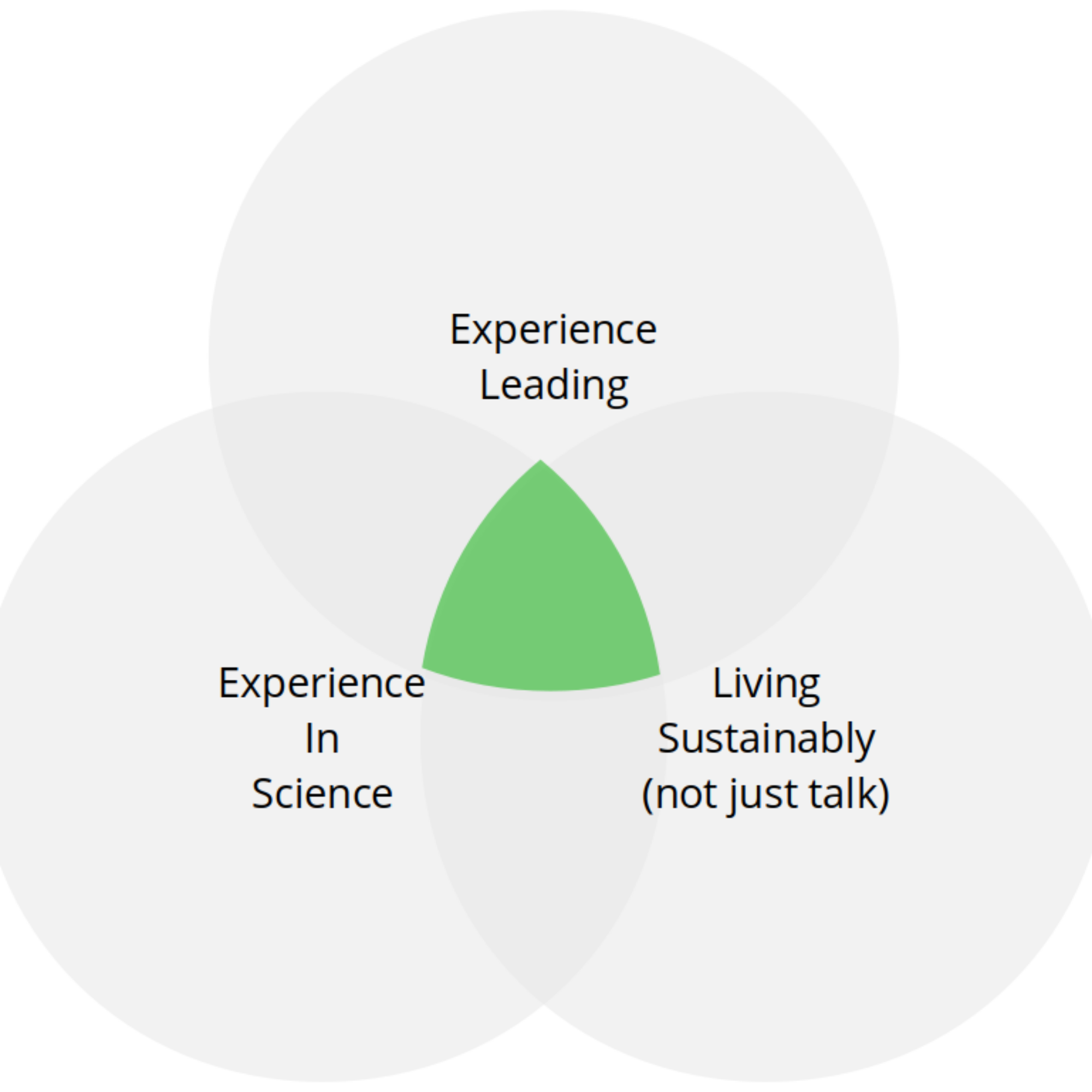
Working on the book proposal, I finally saw how to illustrate what's missing from sustainability. It's simplicity almost embarrasses me that I didn't think of creating it before, except that I remember that simplicity comes from more work, not less. The Venn diagram below illustrates what we're missing. We don't lack facts or bold ideas. We lack leaders experienced in LeadershipScience and complex systemsLiving sustainably, not just talk. It won't come from scientists, professors, journalists, or politicians---the "experts." I put the term in quotes because, however brilliant and effective in their fields, they don't know how to lead effectively. Facts, figures, and telling people what to do rarely motivate, especially longstanding habits and culture. Leaders in other fields who don't know science promote plans that…

0 Comments

Vegan Seitan Stew, 4 minutes prep time (video)

I saw a post on Reddit's community on vegan fitness that talked about making seitan with a prep time of 90 minutes. I responded 90 minutes sounds insane. I make mine with a prep time of about two minutes. Add water and soy sauce to wheat gluten, mix with spoon then with hands, cut into pieces. Then put in pressure cooker with stew for a few minutes cooking time. Maybe I should make a video. They asked me to make the video, so I did. If you want to see just the seitan-making part, jump to the 2-minute mark. Otherwise you can watch me make the whole stew. Including talking to the camera, the prep time is about five minutes for about five meals. Learning…

0 Comments

Is the best book on pollution and depletion a picture book you can finish in a sitting?

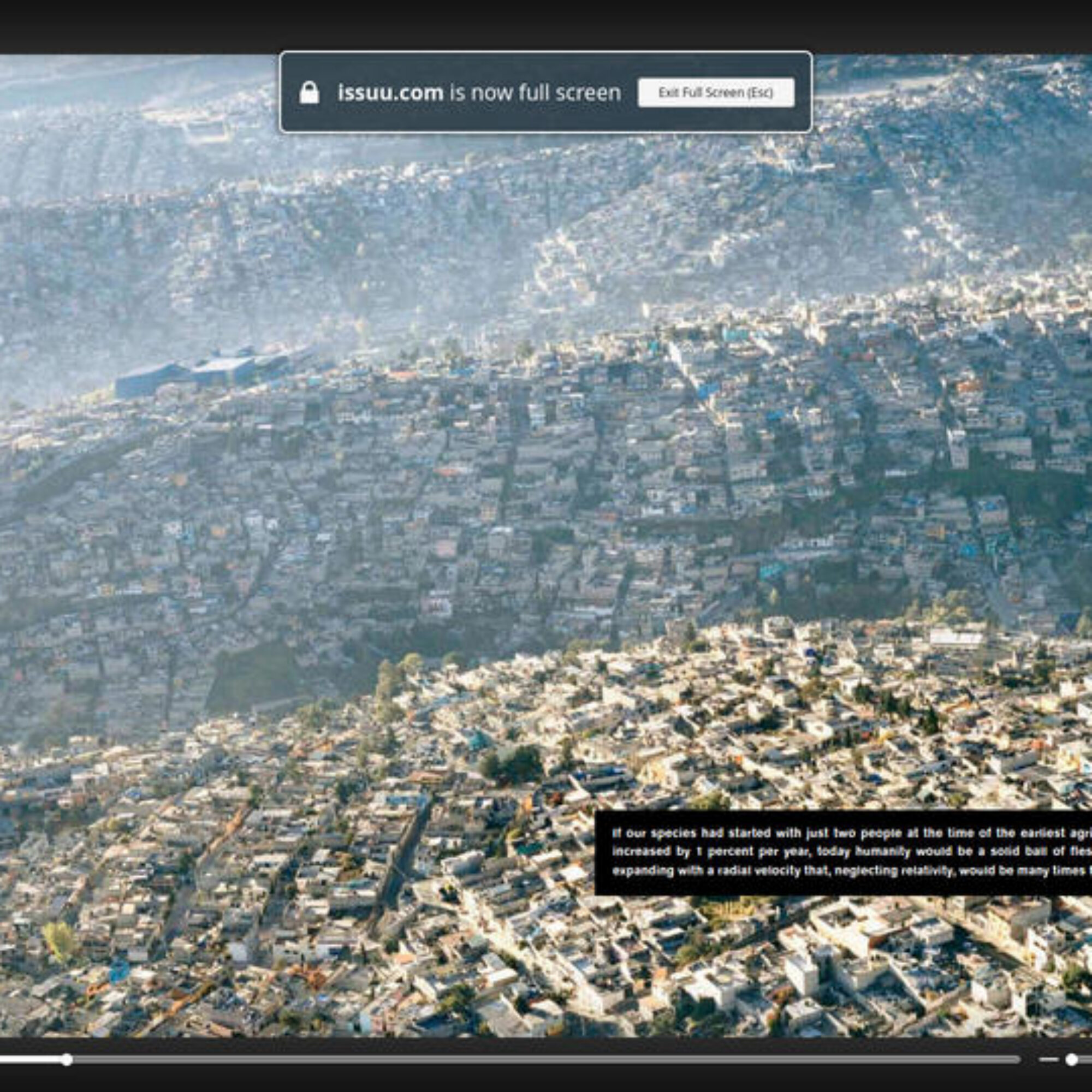
I've read a lot of books on nature. Most focus on facts, figures, and information that don't help. To the extent they provoke emotion, they do so heavyhandedly, lacking genuineness or authenticity. If you're explaining, you're losing, as a former U. S. President said, and most books on nature explain. I just finished a book, Over, which you can review online in its entirety for free. It's mostly a book of photographs. By aesthetic standards like composition, color, line, and form, the photographs are beautiful. Like many great works of art, it says something I knew but in a way I didn't know it could be said. It illuminates my understanding of myself, what human means, nature, beauty, and purpose-level parts of life. By measures…

0 Comments

20 years ago, my first media coverage: The Wall Street Journal

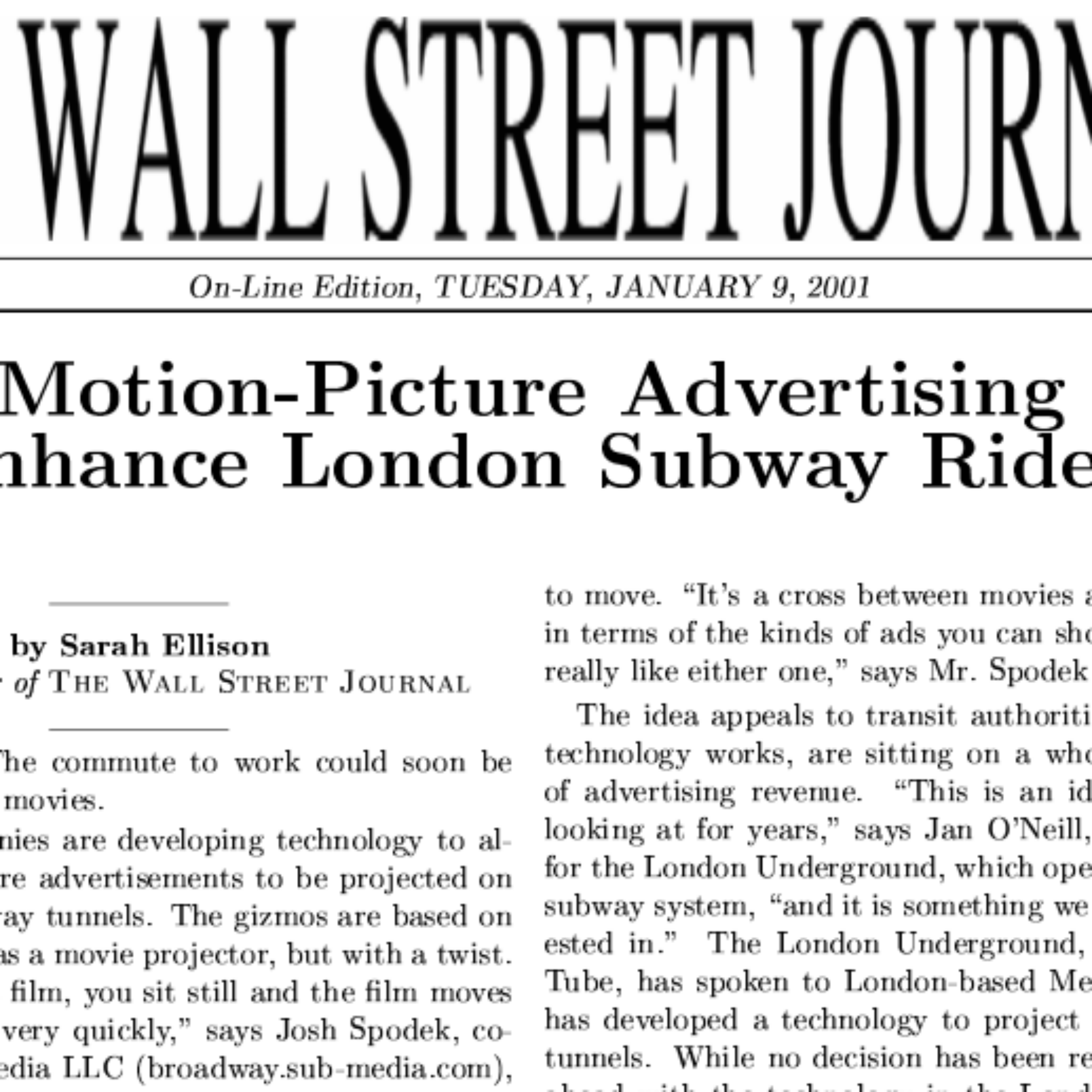
On January 9, 2001 the Wall Street Journal published New Motion-Picture Advertising May Enhance London Subway Rides by Sarah Ellison, on the technology I conceived of. We launched later that year in Atlanta, then soon after New York City, Philadelphia, Hong Kong, Tokyo, Budapest, Athens, Mexico City, Chicago, and more, eventually reaching the Heathrow Express. News coverage of our launches Our launches got a lot of press. The technology was very cool, and still is. Here are videos from launching in Manhattan in early 2002. I was a few years more than half my age. So many years have passed that many people who know me today don't know about the company I co-founded once with displays operating on four continents. https://www.youtube.com/watch?v=CjIpsx29GQc https://www.youtube.com/watch?v=16nIXVizq5Q https://www.youtube.com/watch?v=wopbf-W77G4 https://www.youtube.com/watch?v=rfFY2WwNo9U…

0 Comments

Mastery illustrated

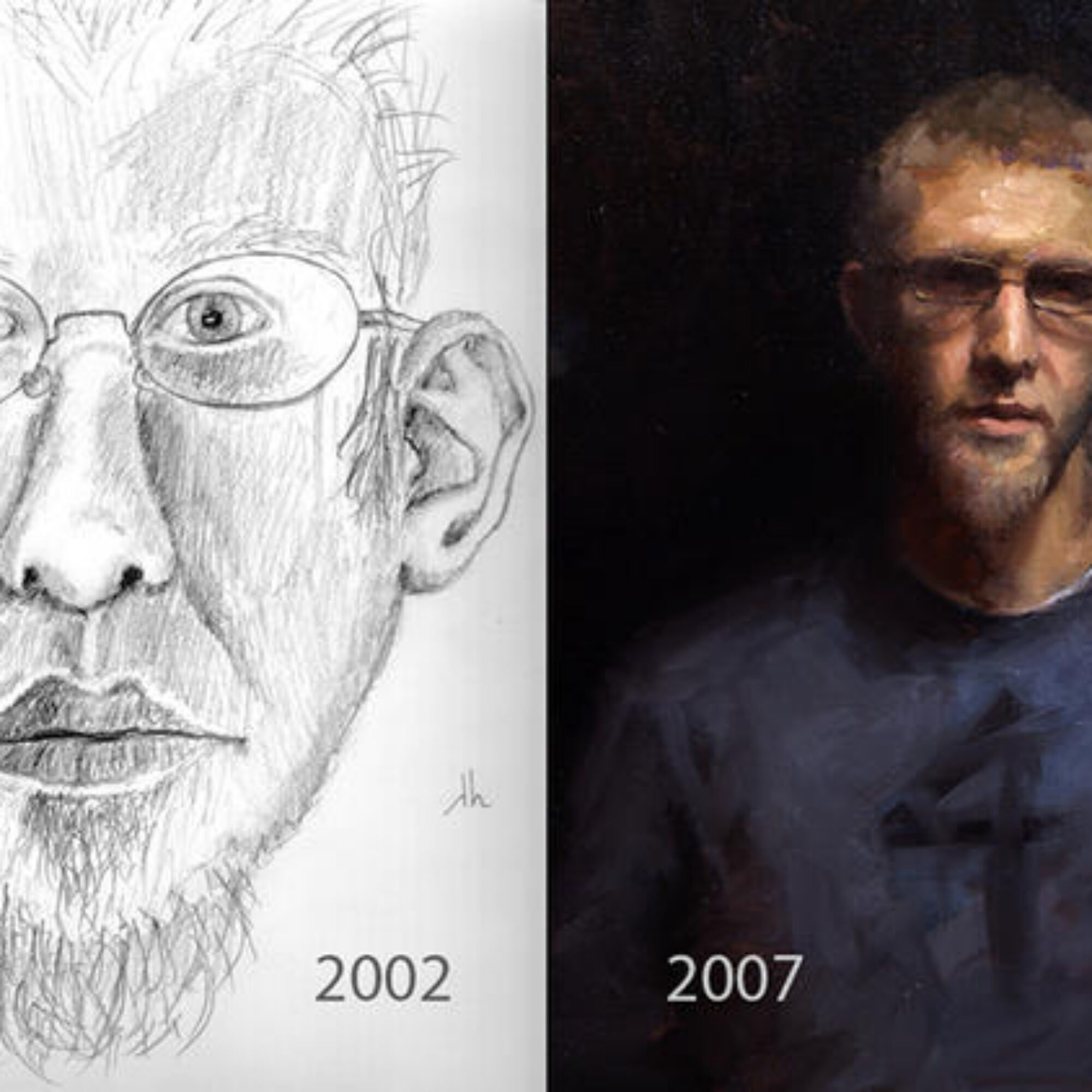
What does it mean to master a field? It comes from practicing, performing, reflecting, and practicing more. The result is liberation and freedom. Self-expression. Seeing mastery happen before your eyes Everyone who masters anything goes through a similar process that includes inexperience, looking less than amateurish, practicing, reflection, self-doubt, despair, progress, regress, anxiety, improvement, moving backward, mentoring, and so on. Years ago I found a site that showed the sketches a man did every day for a year. You could see him mastering the craft from sketch to sketch. The site disappeared and I've had to resort to describing the effect of seeing that process. My friend told me about an artist, Jonathan Hardesty, who documented his deliberate effort to master art. Someone made a…

0 Comments

What makes America great and our greatest vulnerability

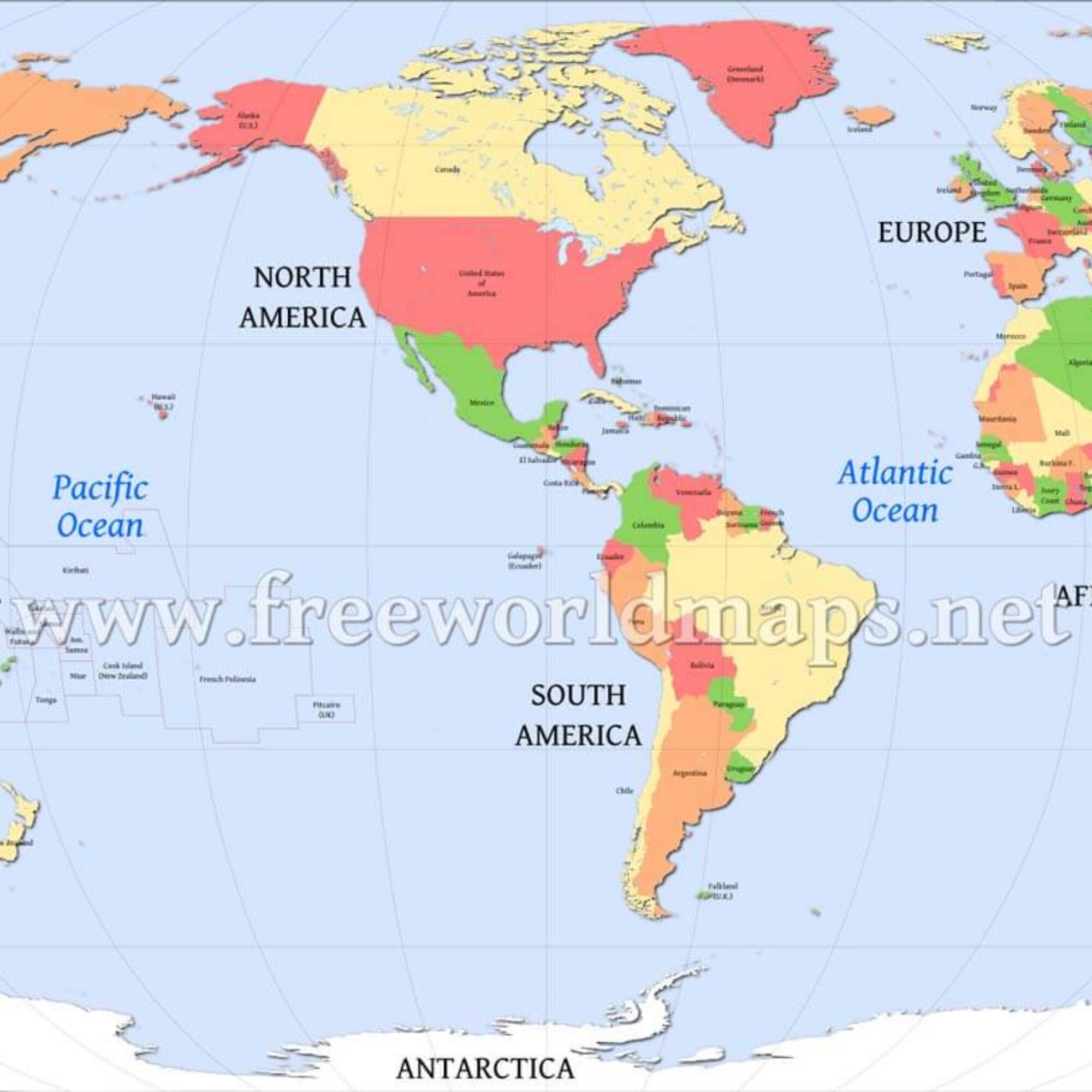
People disagree on how great or not great America is. Some say we've lost our edge in this area or that. Others say we excel in everything. By some measures like GDP we've outperformed others for generations. Our military dominates others in total size and firepower. We've almost never been invaded. What makes us excel when we do? I'll answer this question from my perspective not to say good, bad, right, or wrong---only to share my view and what it suggests. Many Americans would like to say it's the people, but people here are like people everywhere. We share DNA. Some might say our Constitution does it, but other nations have copied it more or less. What sets us apart? The map below I think…

0 Comments

The Book: Food and Climate Change–Without the Hot Air

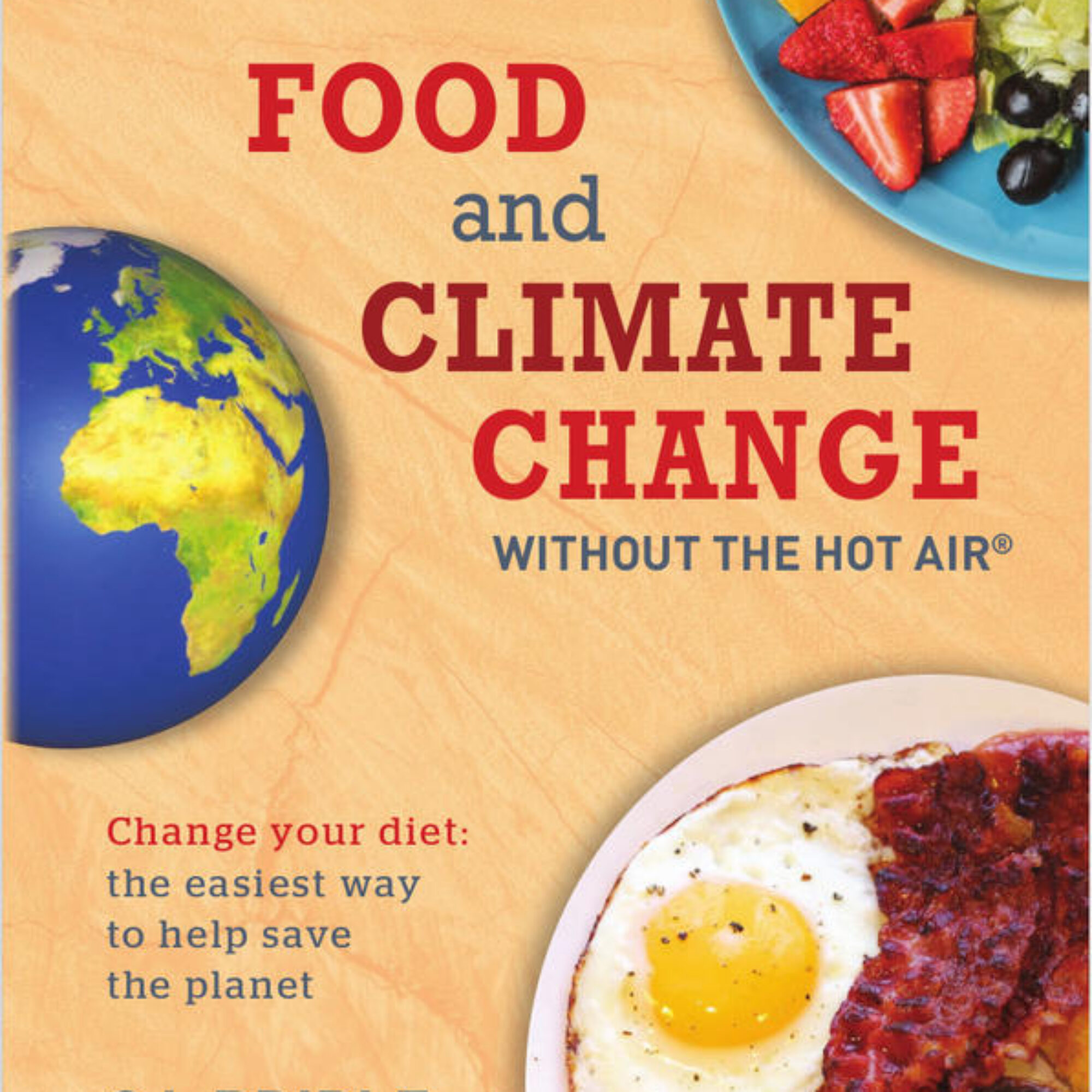
Food started my path to finding that acting on my environmental values improves my life. Before trying, I expected stewardship to feel like a burden or chore. Eating from scratch relieved me of that misperception. Food is delicious so great place to start your journey. A new book came out in the Without the Hot Air Series that began with David J.C. MacKay's Sustainable Energy Without the Hot Air, available by free download. I consider it one of the most valuable resources on learning and practicing sustainability. The new book is called Food and Climate Change Without the Hot Air. The author, Sarah Bridle, also comes from an astronomy background. It continues the series' presenting the information usefully without sensationalizing it. UK readers can download…

0 Comments

Learning to walk barefoot again

For years I had to wear orthotics when running in regular running shoes and still felt back pain to where I gave up running. Switching to minimal running shoes returned me to pain-free running. Interviewing podcast guest Nir Eyal, he talked about barefoot running. Most people mean 'minimal shoe' when they say 'barefoot,' but Nir meant barefoot. I decided to experiment running barefoot. Switching to minimal shoe running, where I land on the balls of my feet, took months of building up my calf muscles and getting used to the new gait. Now I'm used to it. Running barefoot means building up my soles to handle the pavement. In Manhattan, running along the Hudson running and bike path, the surface is smooth, but here in…

0 Comments

Beautiful, modern life before plastic, corn syrup, and Walmart

If you haven't seen the pictures recently published by Charles Custer, who drove America's route 66 with his wife in 1950-51, you're in for a treat---and, for some of you, a challenge to preconceived notions about progress. They show in wonderful detail, composition, and style, an America now gone, replaced by uniformity, efficiency, and overpopulation. I'll take the liberty of posting one, but there are 148 of them here, and I recommend viewing them all. Some of the backstory: Charles Custer recently died at 91 years old, leading the photographs to resurface. The Chicago Sun-Times wrote more in an obituary: Charles Custer, dead at 91, with wife Irene Custer took photos capturing a time capsule of Route 66, Americana. What to look for You'll find…

1 Comment

This bookmark illustrates what’s wrong with our world

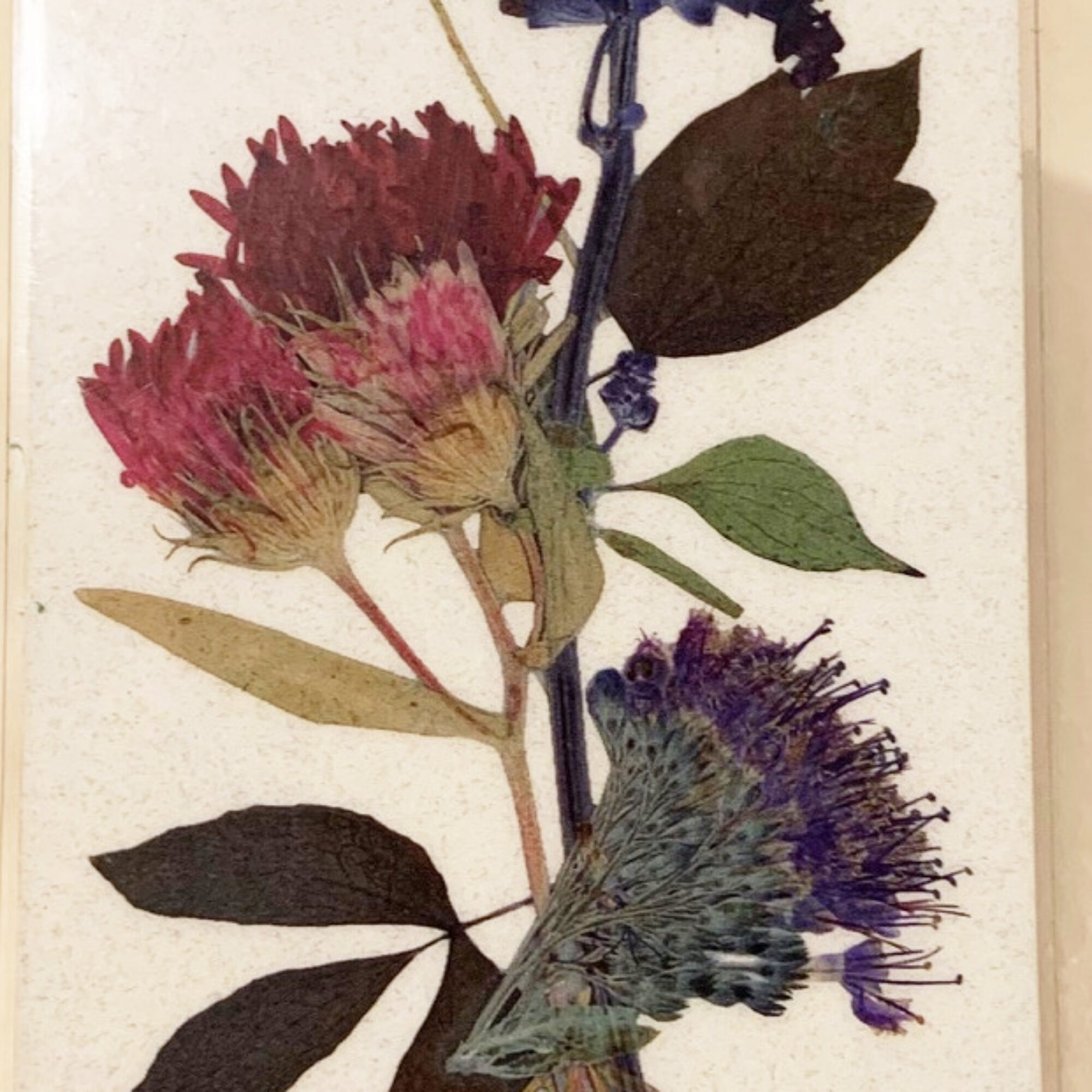
I found this bookmark at my mom's house. She and my stepfather don't remember buying it so my mom figures someone gave it to them. Here's the front. Don't the flowers look pretty? When I was a kid we'd sometimes pick flowers or leaves and press them between pages of books, so making a bookmark of them makes sense. They aren't flowers, though. They're pictures of flowers, printed onto paper, laminated. Here's the back: Whoever printed this bookmark didn't have to print "50% recycled / 20% post consumer paper." I imagine they anticipated doing so would help sell bookmarks. They created something to look like nature that anyone could make themselves, promoting apparent non-waste, covered in plastic. It's total waste. Anyone could use a scrap…

0 Comments

My electric bill after a month with the fridge off

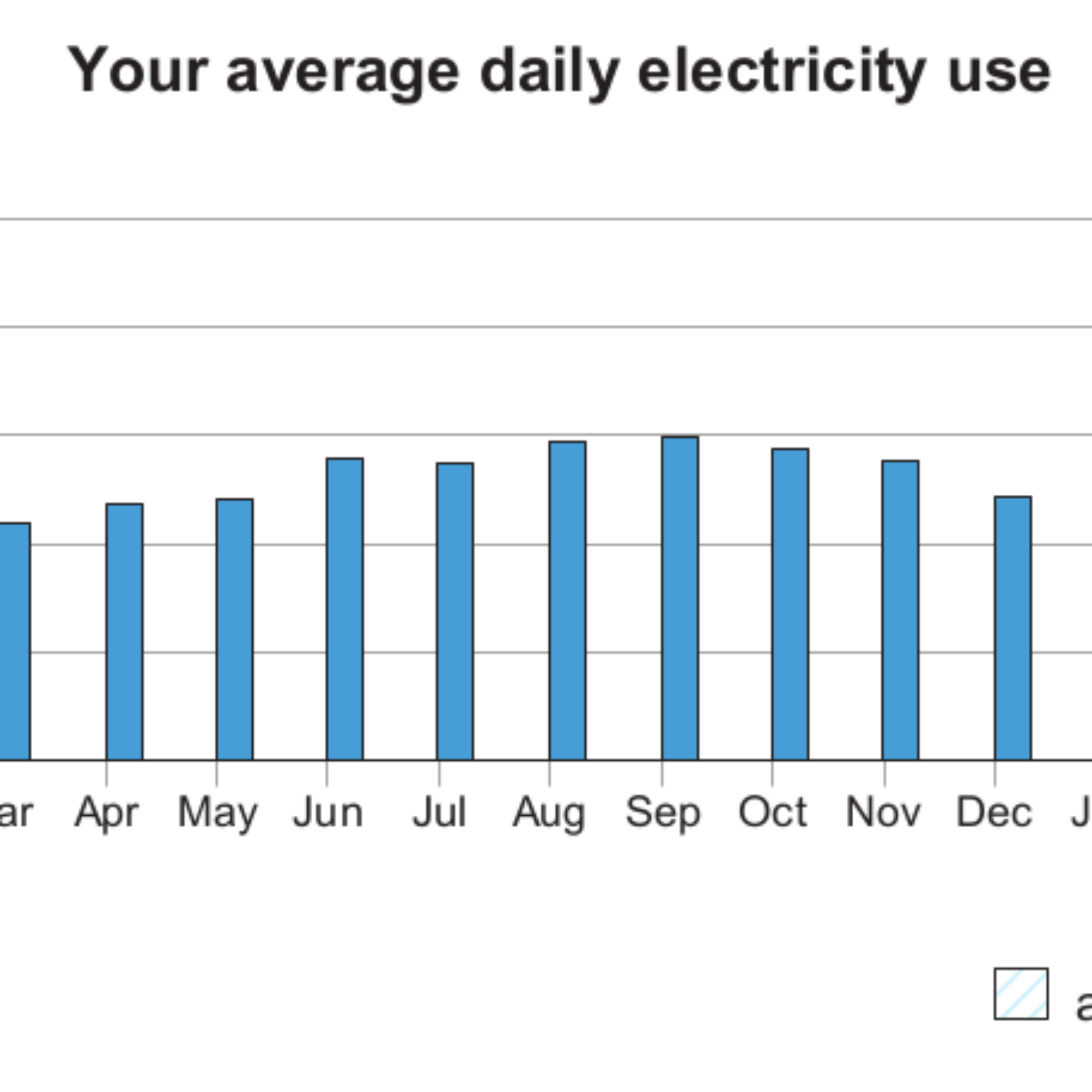
A little over a month ago, I wrote in How long can I keep my fridge unplugged? how learning about fermentation and uses of electric power led me to see how long I could last in the winter with my refrigerator unplugged. Deciding to start First, I want to reiterate my process to decide to start the challenge. First the idea to try it came. Then I wondered if it was possible. Then I realized, of course living with the fridge off is possible, the question is how long. Then I wondered what I would do. Here's the key part that I've learned from my challenges and the opposite from what I learned from school: planning and analyzing delay starting and learning. I learned to…

1 Comment

Sexism in magazine covers?

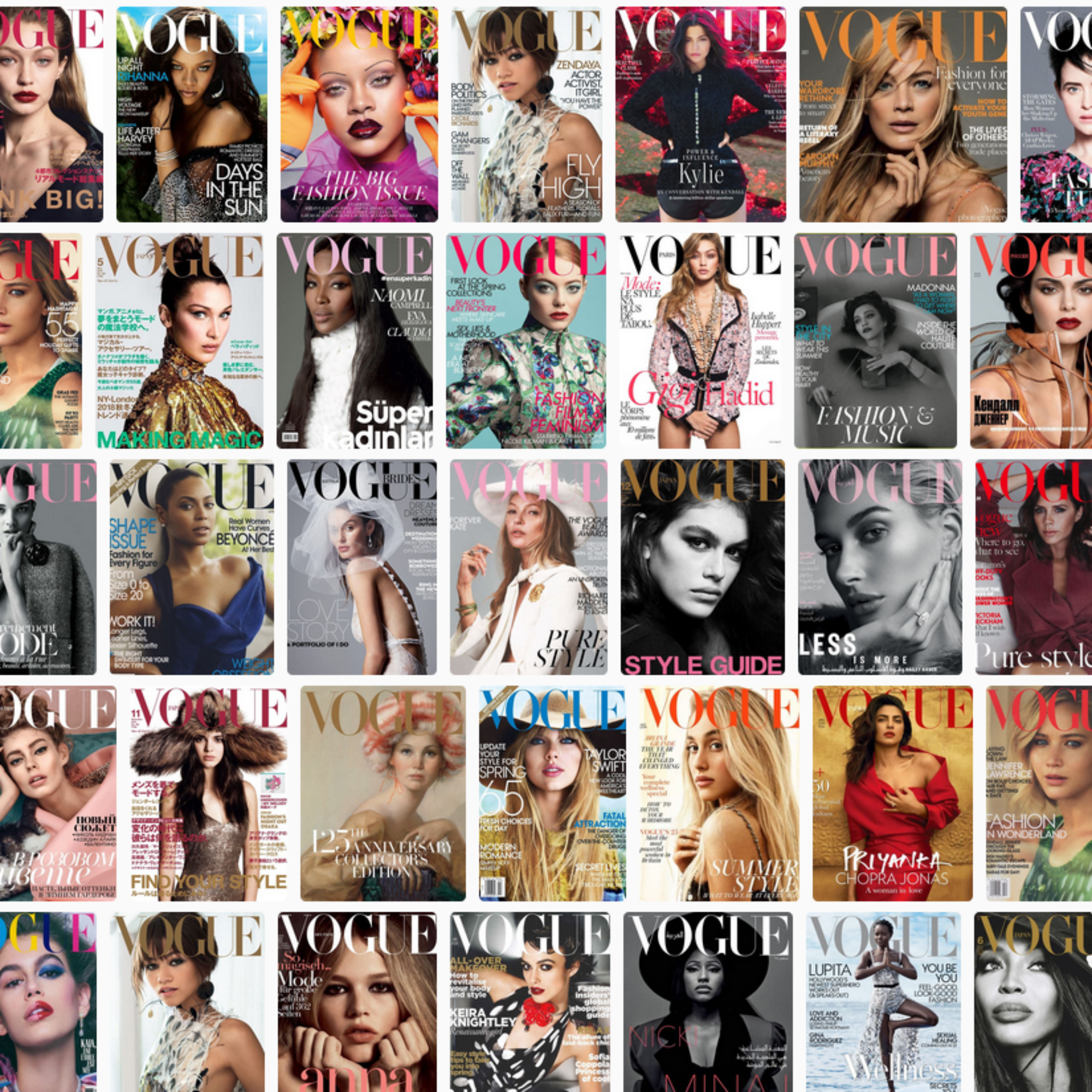
People call for diversity and equality but where is the call for more men on the covers of Vogue or Elle? I don't see one. Vogue covers. See any men? Elle covers. See any men? Am I missing the call for equality? I hear it for representation on corporate boards, university departments, and STEM fields, but with these covers the ratio is 100:0. Vanity Fair looks egalitarian with a few token men. Are we not worth picturing? Vanity Fair covers. A few token men. You could say women buy these magazines. But people call for sexual equality in places like the boy scouts, which apparently has at least one all-female troop. More animals and smiley faces than men at Psychology Today Even magazines that don't…

0 Comments
How Whole Foods and Trader Joe’s look when you avoid packaging
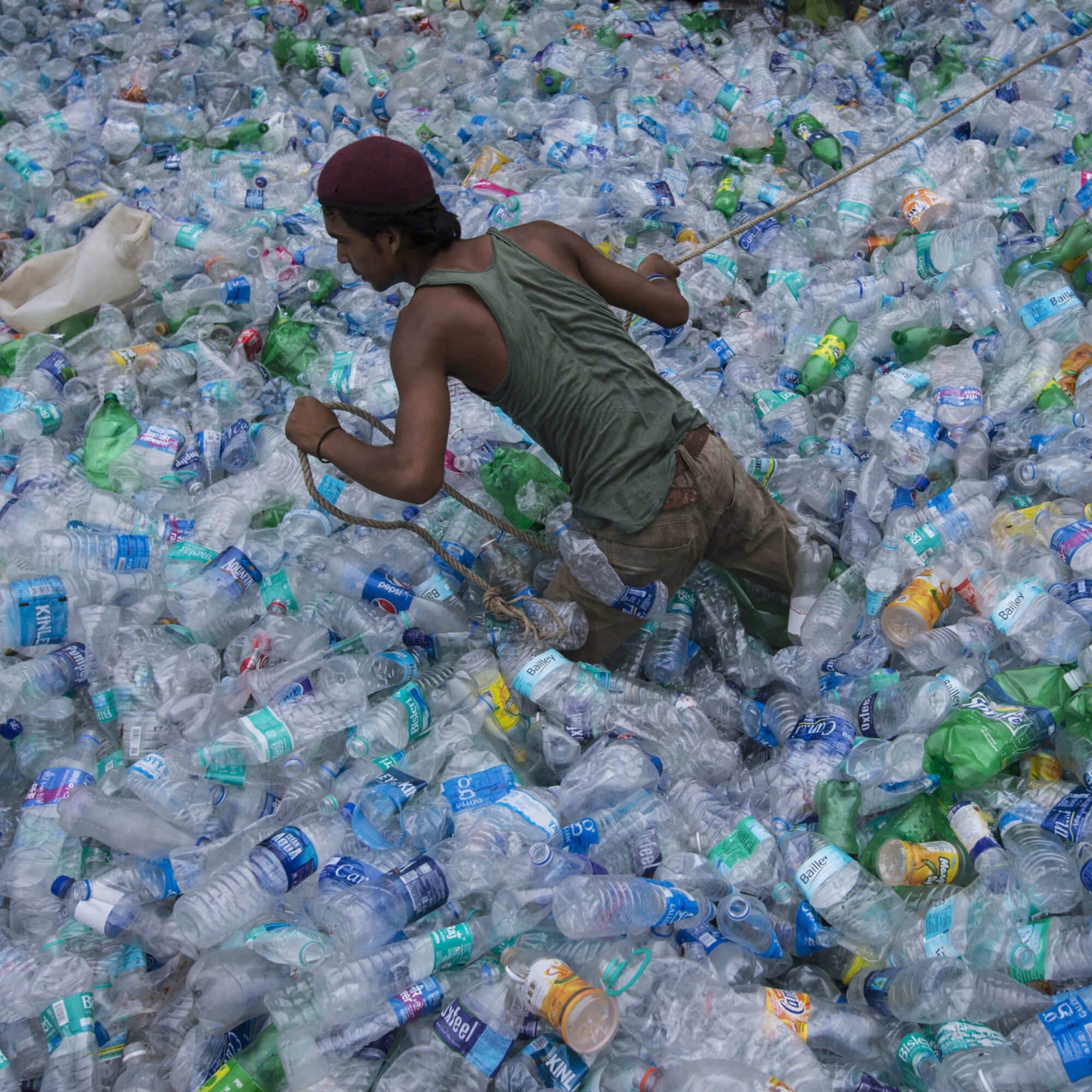
A worker uses a rope to move through a pile of empty plastic bottles at a recycling workshop in Mumbai June 5, 2014. According to the United Nations Environment Programme website, World Environment Day is celebrated annually on June 5 to raise global awareness and motivate action for environmental protection. REUTERS/Danish Siddiqui (INDIA - Tags: ENVIRONMENT SOCIETY) - RTR3SBL2

How Whole Foods and Trader Joe’s look when you avoid packaging

When you avoid packaged food long enough, all the garbage and missing flavor becomes the food and doof's main identity. There's more packaging, advertising, and other non-food stuff that will fester in landfills for centuries or at best cost money and resources to decompose. These pictures are what Whole Foods and Trader Joe's look like when you avoid packaged food. In fact, these stores contribute to places like in these pictures. Some of the trash in the pictures may have passed through the stores. If you buy packaged food, you may have contributed a bottle or bag pictured. I point this out not to evoke emotions but to suggest alternatives---for example CSAs and farmers markets, which can save money and time and increase accessibility, especially…

0 Comments

The Original Bar Chart, or why I prefer chalkboards to whiteboards

I prefer blackboards to whiteboards, which are plastic and chintzy, their markers plastic and chemically. Blackboards, on the other hand, are made of rock. Chalk is made of chalk. They're from the Earth. But my big issue is that markers are nearly always out of ink, which I find out too late, by using them. With chalk, you can tell by looking, as this bar chart I made shows: Try that with markers! My PhD in physics may factor in. Physicists and mathematicians tend to agree. I loved this New York Times photo essay of mathematicians' chalkboards, Where Theory Meets Chalk, Dust Flies A photo survey of the blackboards of mathematicians. My home blackboard I don't have a good camera to take a picture of…

0 Comments

Imagine well-known people responding how we do to the environment

Heroes and role models Acting on one's environmental values is a leadership issue we are shirking. However challenging, stewardship, responsibility, and action improve our lives, families, and communities. We are missing out on richer, more fulfilling lives. Want evidence? I made images of heroes and role models of mine responding as most people today do to acting on their environmental values. Not heroes I also made images of people who chose to do what hurt others.

0 Comments

Victory from the jaws of defeat: I froze two-thirds through my TEDx talk

Today I gave my talk at TEDxWaltham, "What Everyone Gets Wrong About The Environment." Before I got home, an attendee emailed one of the most encouraging and heartwarming reviews I've received: "I just wanted to tell you, I was extremely inspired by you and your talk today. I can’t remember a time when I was more impressed by someone’s philosophy and dedication to action. I hope we can chat soon by phone or video. I’d love to learn more about what your doing and how I can make positive changes in my life. I am available at your convenience if you can chat for a few when you can. Thanks for sharing your message - it was really a gift." It didn't go as planned,…

0 Comments

Terrible User Interface

Here's one of the worst user interfaces I've seen. I hope you enjoy it. It doesn't get me every time, but it still does after years of using it. https://youtu.be/gTzMPq781XQ

0 Comments

Your Daily Environment, day 001: The New York Times

I've thought about recording news talk, like AM radio hosts, from an environmental leadership standpoint for a month or so. I've learned the way to learn is to start. I don't know if the best way is audio only, video, showing me talking to the camera, showing the news, etc. Should I start a channel? What host should I use? How long should I make each episode? Should I prepare? I know that trying will lead to iterating and the best measure I know for the a thing's quality is how many iterations it's gone through (see my post My number one criterion for quality of a complex solution or something creative you’re developing.) I expect my voice and focus to evolve. Maybe I'll run…

0 Comments

Beware arch problems

"Arch problems" is my name for problems where their would-be solutions exacerbate the problem. Their cure is the disease. Why "arch"? Arches in architecture are strong under pressure, supporting something. If you think an arch is weak and try to help it by supporting it, you weaken it, which may lead you to support it more. This cycle of weakening it by supporting it more can lead to either the arch collapsing or you doing all the support for the arch. They can be insidious because the more you try to help, the more they require your help. You strengthen an arch by putting it under stress. Not too much. There are lots of problems that show this pattern. I'll list a few. Helicopter parenting:…

0 Comments

End of content

No more pages to load