Most of my challenges reveal market failures, not a difficult lifestyle

My past few posts cover how I work with less electrical power and less consistent supply. I know that nearly everyone interprets my situation as deprivation, sacrifice, extreme, and other legitimizing myths, as people viewed those who freed slaves. If it was legal, why work hard when you can force someone else to work for you? Or today: why work hard when you can plug something in that can do it for you (unstated: despite contributing to far more death and suffering than slavery caused)? I know most people act as if the legitimizing myths that without polluting and depleting we'll revert to the Stone Age, die at 30, be invaded, etc, but life does not require pollution or depletion. It doesn't require fossil fuels or…

2 Comments

A few post ideas that don’t make the cut for full posts

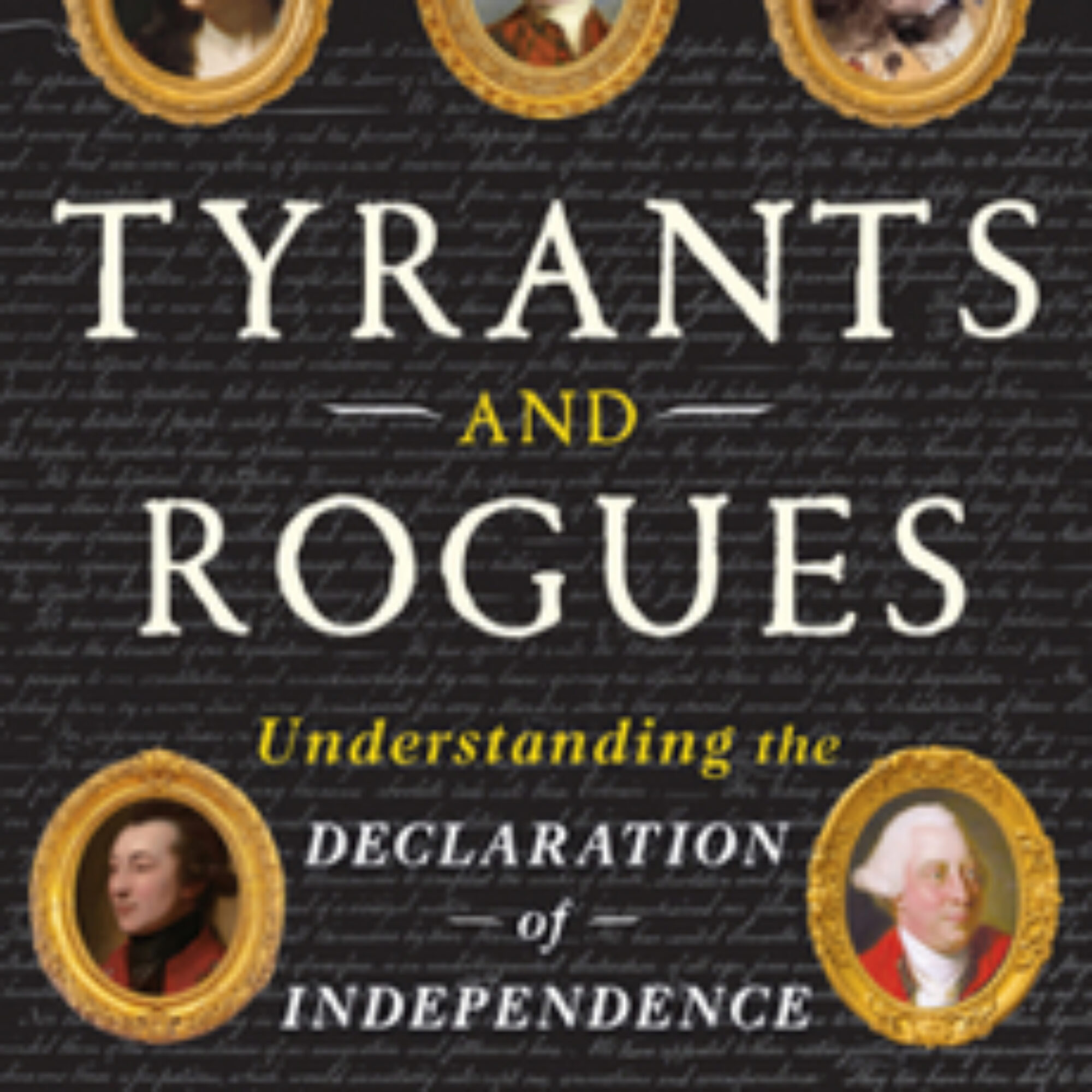
I often write posts for ideas on my blackboard in preparation for a later post. Usually I post them. Sometimes I later decide they don't make the cut for a full post. Then I don't erase them and they linger. Sometimes I erase them. Today I'm going to write a few ideas that I decided against making full posts of. Also, following up yesterday's post that nearly two weeks with little clear skies and the battery's miscalibration, I'm trying to make this post quick to avoid running out of energy in my batteries. Impressment: Reading about the Revolution, especially the book Tyrants and Rogues, which I just finished and recorded a podcast episode with the author Robert Parkinson, put impressment on my mind. Impressment was…

0 Comments

The benefits of nearly two weeks of overcast skies: destressing

I hope you don't mind a quick post. We've had only two days of sun in the past twelve days. Plus, batteries lose their calibration when they can't be filled to 100 percent then emptied to 0 percent so one day when it said it was at 80 percent, I cooked. Normally cooking would have brought it to 60 or 50 percent, but the readout must have been off. It drained it nearly to zero. The upshot: I've had only enough energy stored to log in for about an hour per day for several days. I'm catching up on books mostly, since it doesn't use up the battery. The big benefit I should have given myself a while ago relates to writing my book, or…

0 Comments

This week’s selected media, September 27, 2026: Tyrants and Rogues

This week I finished: Tyrants and Rogues: Understanding the Declaration of Independence, by soon-to-be podcast guest Robert G. Parkinson: Wow, I've been learning a lot about the revolution, but didn't realize how much challenge the colonists faced, nor did I learn about the people on the British side. I knew about the big events and interactions that make the history books like the Stamp Tax, Coercive Acts, Boston Massacre, Lexington and Concord, and the ones you know about. I didn't know about events like the Gaspée affair, the burning of Falmouth, Gwynn's Island, and all the British aristocracy and military acting. I had only learned about people like Hutchinson, Gage, Dartmouth, and so on as caricatures, not real people. I didn't know what motivated them.…

0 Comments

What your browser could look like with no ads or suggested videos, especially on YouTube

Context: A few months ago I posted How I watch videos I find online: not online, which describes how I save time, distraction, and battery power by downloading videos, usually at 144 resolution or audio only, and watching them later offline. I recommend the practice, not just to hurt people less by polluting and depleting less, but to avoid the distraction of being tempted to watch other videos and get stuck. It creates mental freedom, a common result from hurting people less. Today I want to point out another way to restore mental freedom, focusing on YouTube. I was reminded by seeing someone showing a screen capture of their browser on the page. It was full of ads and recommended videos. I haven't seen either…

0 Comments
860: Christopher Ryan, part 1: Civilized to Death
Version 1.0.0

860: Christopher Ryan, part 1: Civilized to Death

The predominant responses to the idea of polluting and depleting less include fears of reverting to the Stone Age, losing civilization, being invaded by aggressive opponents, dying at 30, dying from small cuts, and reverting to a past viewed as worse than today. My upcoming book describes why we feel those fears and why what we fear losing is exactly what we can expect to get more of. A key part of that pattern is that all those fears are false, based on misunderstanding humanity's past. Christopher Ryan's latest book, Civilized to Death, is the clearest, most comprehensive single work describing the past accurately. I spent years researching, learning from countless sources. The results were conclusive, but difficult to communicate. What could I say, "Read these dozens of academic papers and books and watch all these documentaries"? Chris researched more and compiled it more clearly, concisely, and readably than I could have dreamed to. Now I can say, "Read Civilized to Death." I mean it: Read Civilized to Death. Our conversation covers the highlights. It will help you see why you hold legitimizing myths that lead you to fear changes that when you do them you will only wish you had done them earlier. Things about yourself, humanity, culture, and life will make sense that never did before. Chris's home page His books, including Civilized to Death

0 Comments

Maps illustrating properties of dominance hierarchy

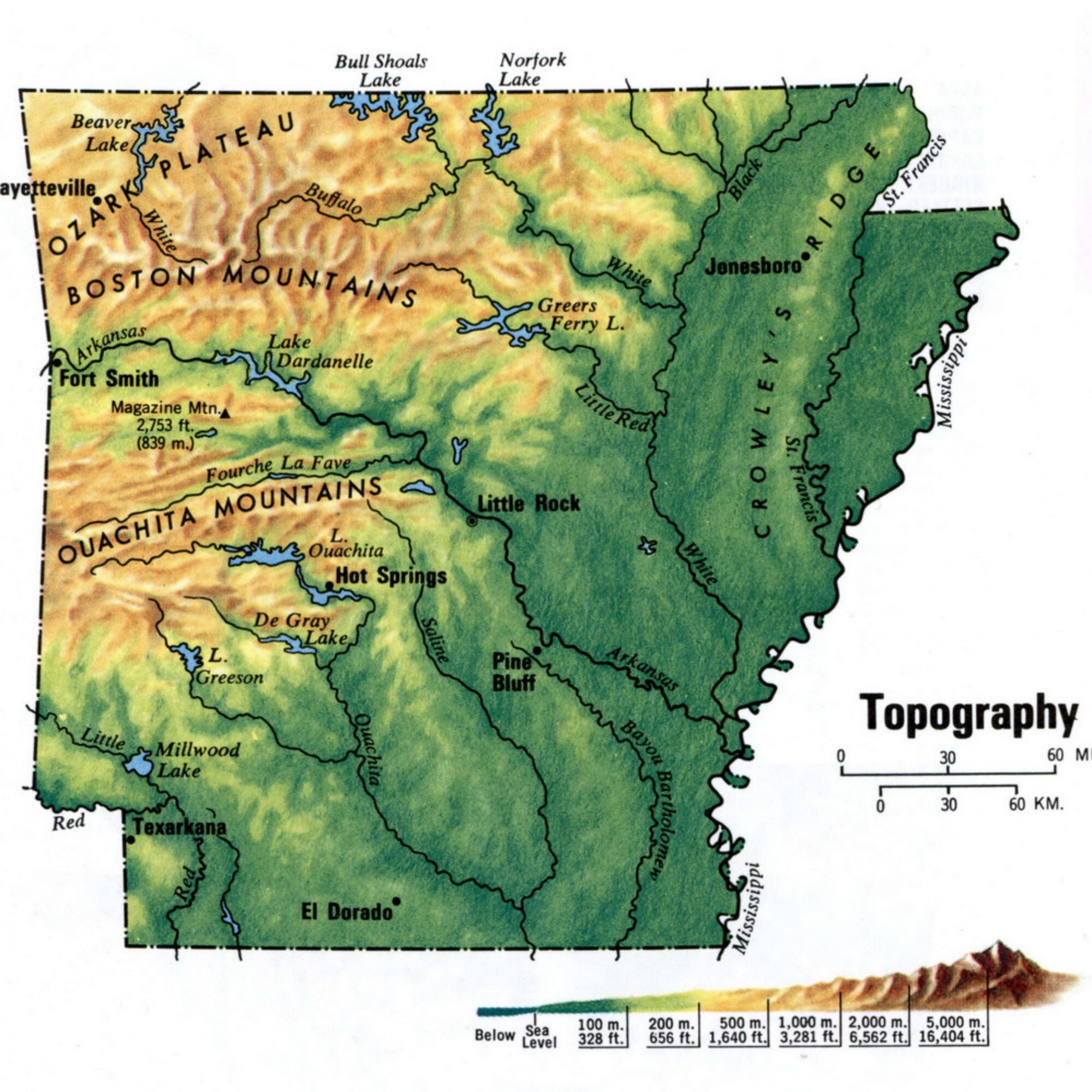
My upcoming book treats dominance hierarchy as a core part of how our culture became the way it is. Dominance hierarchies form when there is a necessary resource that can be controlled with no alternative. The first most important such resources have been surplus grains, legumes, and animals that could be domesticated, which largely depend on arable land. Later, as states grew, other such resources were developed, such as education, justice, security, technology, and weapons. This model predicts that the appearance and durability of tyranny and slavery will depend on arable land. Thus, when I was listening to a podcast on slavery in the state of Arkansas and heard the host ask the guest, an author and professor on slavery, about differences of intensity of…

0 Comments

A new commitment: sharing highlights of my upcoming book here

After three days of New York's Climate Week 2026, it's hit me like a ton of bricks two things: 1. From sharing the ideas of my upcoming book, I've done enough reps that people's reactions suggest I'm communicating effectively. 2. From hearing people on stage, nobody has any vision or plan that is desirable, effective, or doable. I have to work out some details and finish the book's outline, but I am going to change my daily blog sidcha to some way of sharing the highlights of the book here. I'm saying so to give myself accountability. Stay tuned. If I haven't followed through soon, you'll be doing me a favor to nag me.

0 Comments

If you carry your cell phone 24/7 “just in case” or “for emergencies”, why not fentanyl?

I hope you'll allow me to be bold and direct about a delusion people keep spouting. People have lost the ability to spend time without their phones. Actually, I'm writing this post about apps on the phone that have addicted people to them. Apps include the big addictive ones like Instagram, LinkedIn, Tictok, Tinder, and such, as well as ones to monitor children, to access artificial intelligence, and I don't know what else since all my apps don't even fill one screen. People insist they can't do without these apps. If you carry your cell phone and use apps to monitor your children 24/7 "just in case" or "for emergencies", why not carry some fentanyl everywhere you go too? It could also be useful in…

0 Comments

Some notes from Climate Week NYC day 1

My main result came from talking to people. Some were in groups, looking insular, probably preparing to present. Nearly all who were on their own were focused on their phones or computers. The introduction I worked out was, "Everyone is on their phones and computers, but I think we're supposed to network." Everyone I walked up to and said it to smiled and started talking. I started maybe a dozen conversations that way. I listened to each share why they were there and whatever they wanted to share. If they asked, I practiced delivering versions of the message of the book I'm working on and the movement it will start. That is, I did my reps. I practiced the basics. I see leadership as a…

0 Comments

This week’s selected media, September 20, 2026: Shadowlands, Remains of the Day, Silkwood, “It’s Only a Penis”

This week I finished: Silkwood, directed by Mick Nichols starring Meryl Streep: I saw the dvd at the library so borrowed it. I had seen the title in my recent posts about nuclear disasters. It even mentioned Hanford as a place that the plutonium processed by the characters in this movie was sent. I understood this movie to have come out very close to when Three Mile Island partially melted down, therefore culturally important, but I confused it with The China Syndrome. In any case, Silkwood featured three big stars and a big director. I expected an exposé but it mostly showed a set of roommates nearly close enough to be a family where they all worked in a facility that processed plutonium with shoddy, horrific labor…

0 Comments

Why saying “I’m going to meditate” is like saying “I’m going to play ball.”

Since I meditate daily and organize a group that meets regularly in person in Manhattan, I end up talking about meditation a fair amount. It turns out that people can mean many different things when they say meditation. To meditate can mean to sit and pay attention to your breath, to focus on a mantra, to ponder a koan, to reflect on life, to plan your day, or any number of mental activities. It may involve sitting still, walking, eating, focusing on a task or ritual. Your eyes may be open or closed, you might listen to a recording or try to create silence, you might write notes or eschew recording anything. You may follow a tradition from any number of people, places, and times.…

0 Comments

If slaves didn’t have a choice in being enslaved, did owners? Then do we to do what we do that harms others?

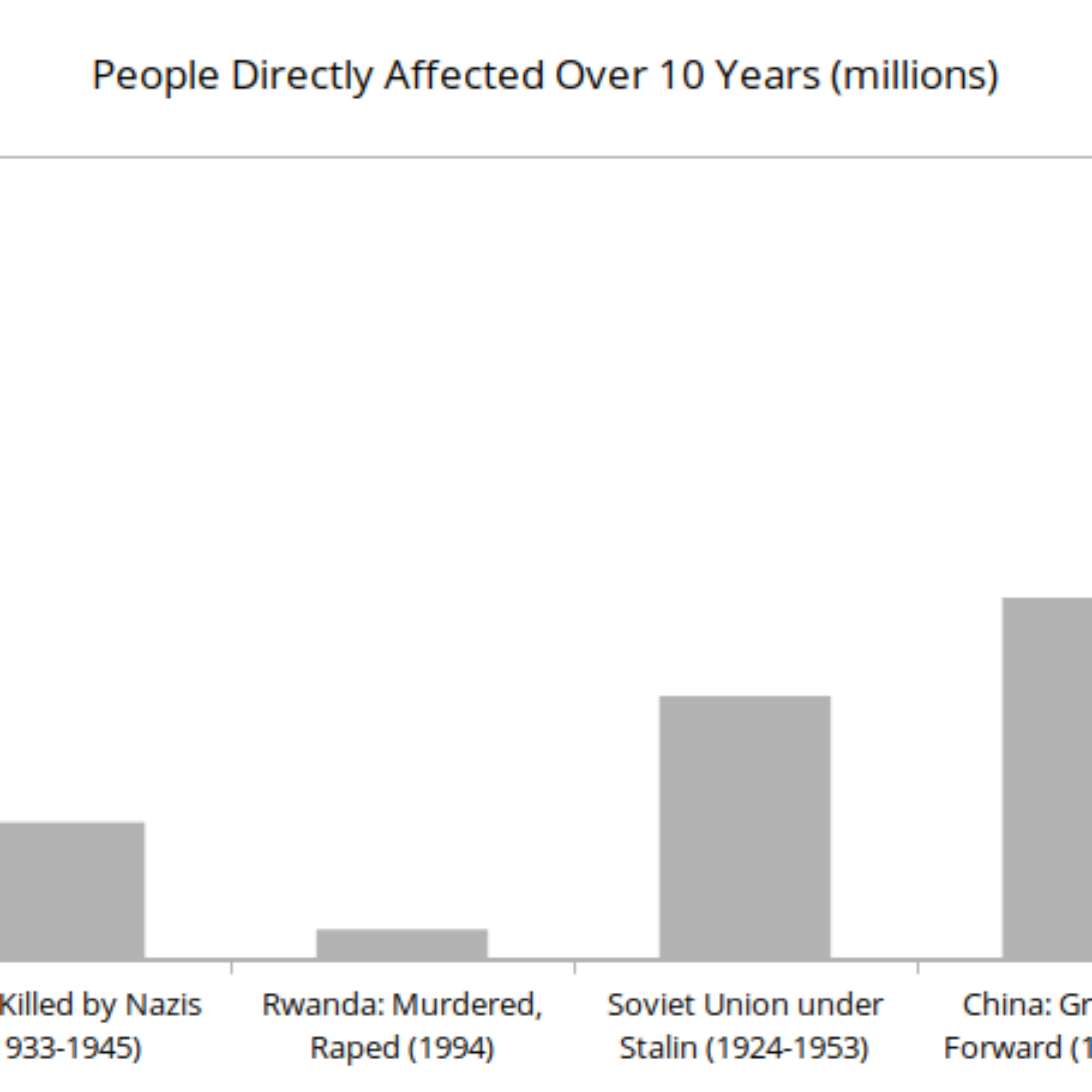
Recalling the plot from my post The Scale and Pollution and Depletion’s Effects on People: Here, now, not future projections (read the post for context) that shows how many more deaths our system today is causing than past atrocities, in particular, the Atlantic Slave Trade: I pose the questions in this post's title: First, if slaves didn't have a choice in being enslaved, did owners? It seems clear to me that slaves didn't have any choice in being enslaved. People used weapons and other means to deprive them of agency and coerce them into being enslaved. What about the owners? They lived within a system that to some degree coerced them too. It told them that slavery wasn't bad. In fact, it delivered many messages…

0 Comments

A reader’s thoughtful comment on artificial intelligence

A reader wrote a long response to my recent posts on AI. They said they couldn't get the comments section to work, so emailed it to me. After removing identifying parts, I'm sharing the whole thing since it shows some difference in this community, as well as being connected to decision-makers at an AI firm. The part in bold was by me, calling out a governing principle I find people otherwise miss about technology. It's less that it changes culture so much as accelerates it, though does change it somewhat to benefit those with status. Despite using AI, this reader mostly avoids it. I'll add a couple more comments after. Commenting on the AI question [relating to] someone who works somewhat high up at [major…

0 Comments

Rich people eating in garbage

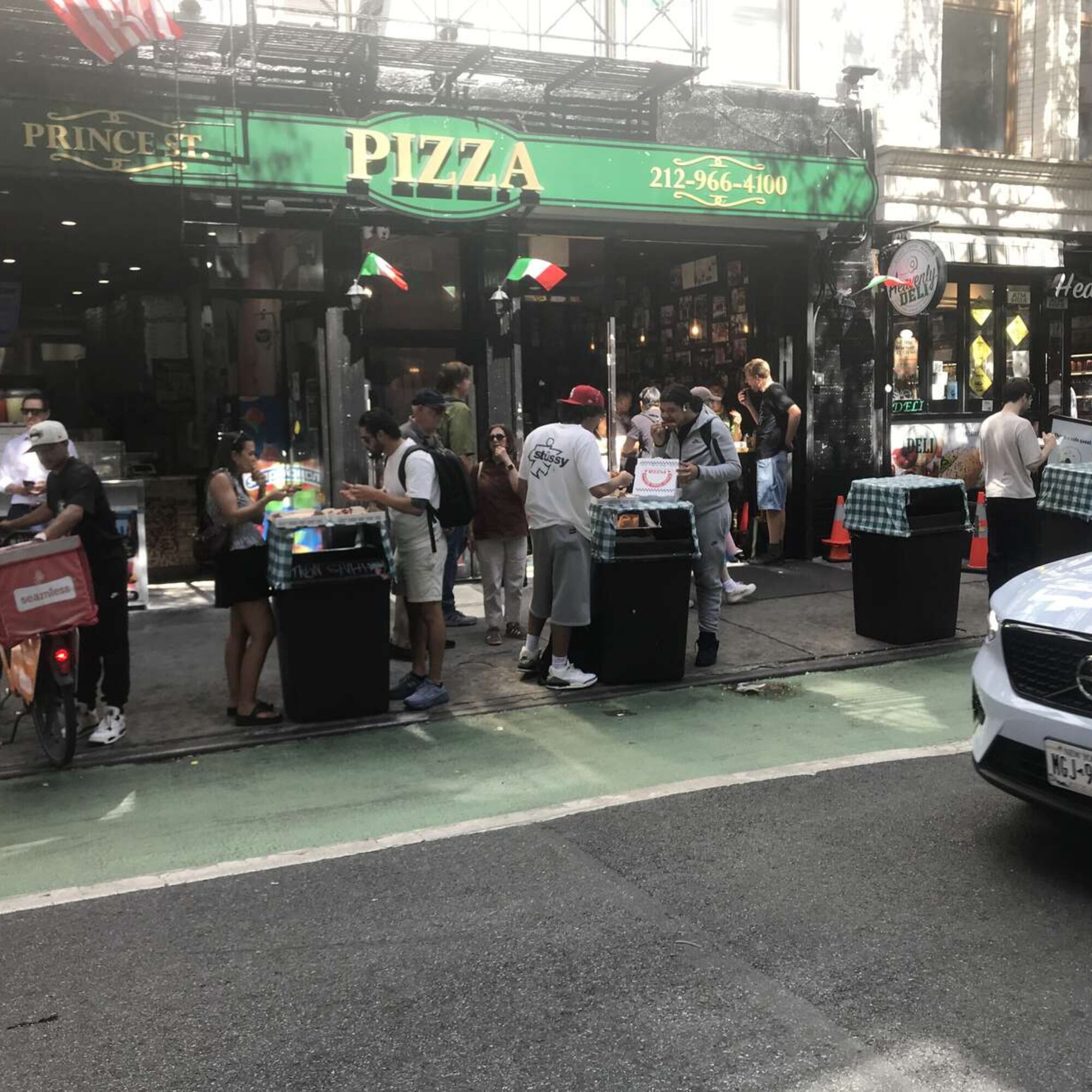
Prince Street Pizza is one of New York City's highest rated pizzas. They literally have customers eat off their garbage cans. And yes, literally, not figuratively. Here are its customers eating their pizza off their garbage cans. (More pictures below) My point is not to denigrate one pizza place, though it is responsible for its garbage actions, as are its garbage customers. No one is forcing anyone to serve or eat their pizza amid stinking garbage. My point is to point out how much our global culture has become inured itself to living in garbage. Prince Street is in Soho, one of Manhattan's richest neighborhoods. Manhattan is one of the world's richest places. (I looked up inure to make sure. It looks right: "To habituate…

0 Comments

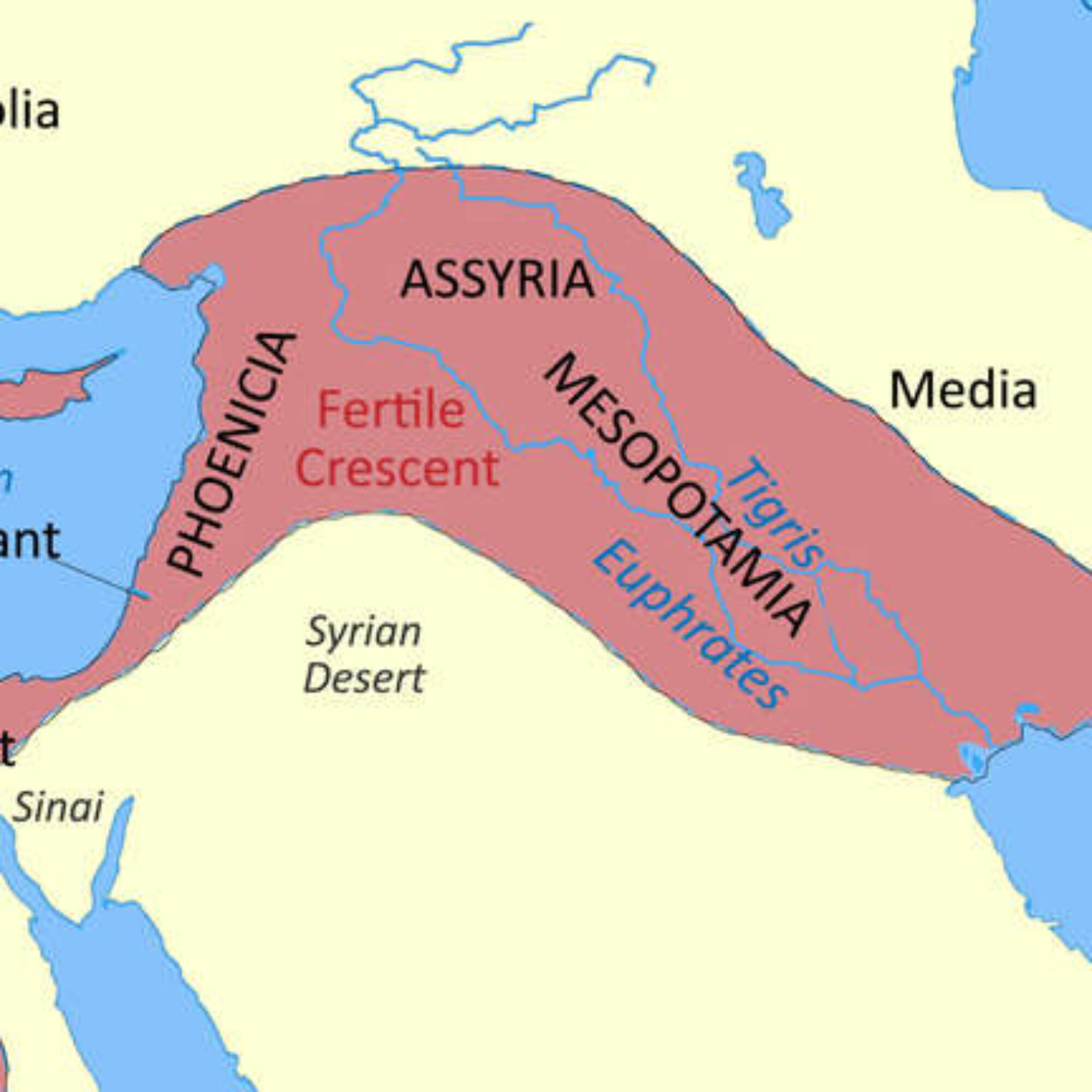
Why do people consider Judeo-Christian religion and culture European?

I keep hearing people refer to Christianity and Judaism as European religions, or religions that Europe spread to the world. People also refer to diseases like smallpox and mumps as European. If we're talking about continents, Abraham, Isaac, and Jacob were born and lived in Asia. So did Jesus and Muhammad. Moses was born in Africa. The first known cases of smallpox were in Egypt. Mumps seems to have come from China. When Americans talk about Native Americans displaced westward, they describe them as victims of European imperialism. But people in Europe were once indigenous. People as far north as England were enslaved by Romans. Roman culture came from Greek, which came from Anatolia (Turkey), the Levant, Mesopotamia, and Egypt which are in Asia and…

0 Comments

Visiting the 9/11 Museum

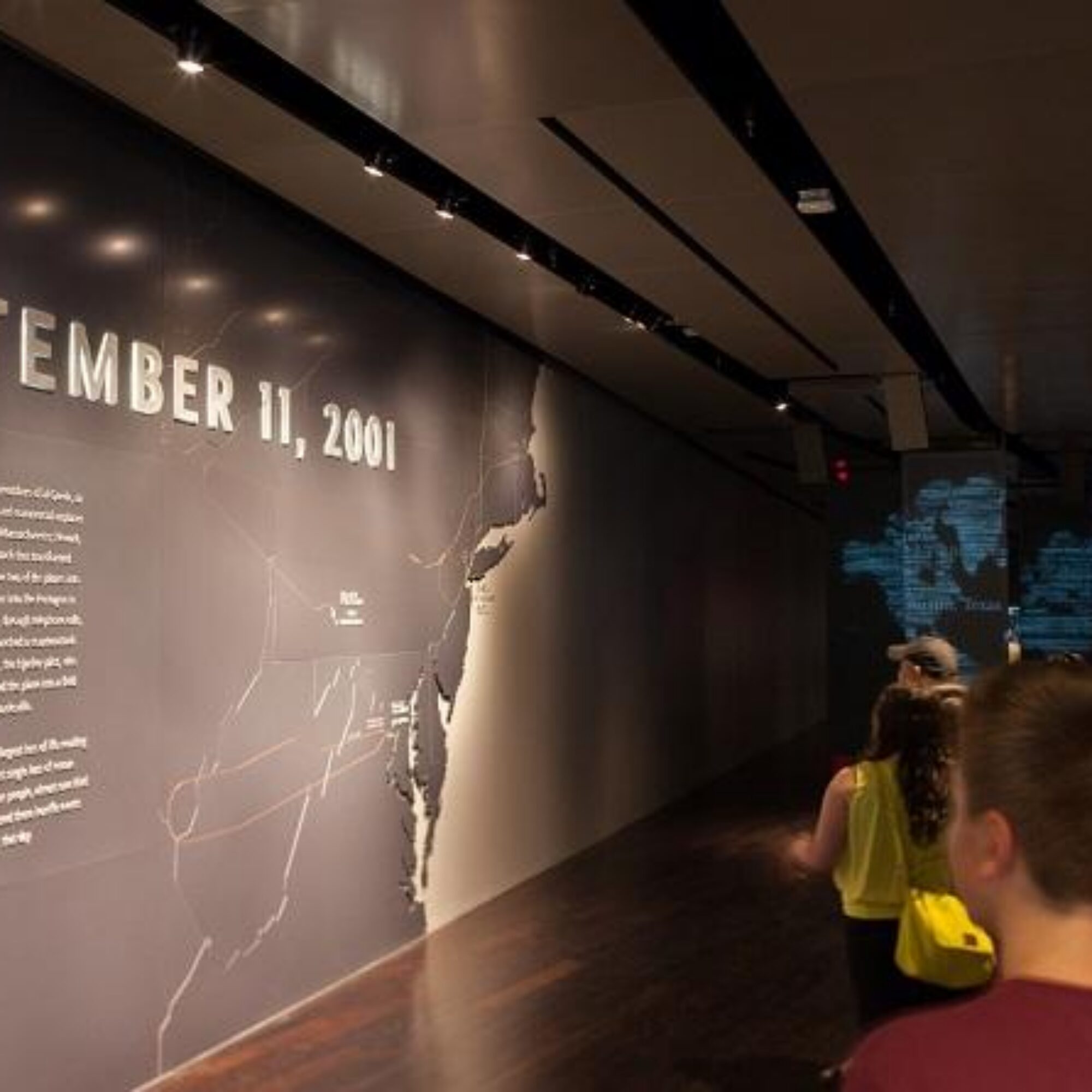
Writing my post on September 11 the other day, How I have responded to September 11: Service, prompted me to look up the 9/11 Museum. I've walked past the two pools/fountains and looked into them since they're not far from my home and sometimes life brings me past them, but I haven't visited the museum. The site said it was free for NYPD and figured my auxiliary badge would qualify. I understood that the whole area was closed to everyone but families and politicians on 9/11 itself, but I also figured it would be crowded the next day. That day was a Saturday so I had time and went. I hadn't planned ahead or thought of what to expect. Indeed, showing my badge got me…

2 Comments

This week’s selected media, September 13, 2026: The Revolutionary: Samuel Adams, Gates of Fire, Together Together, 12 Angry Men

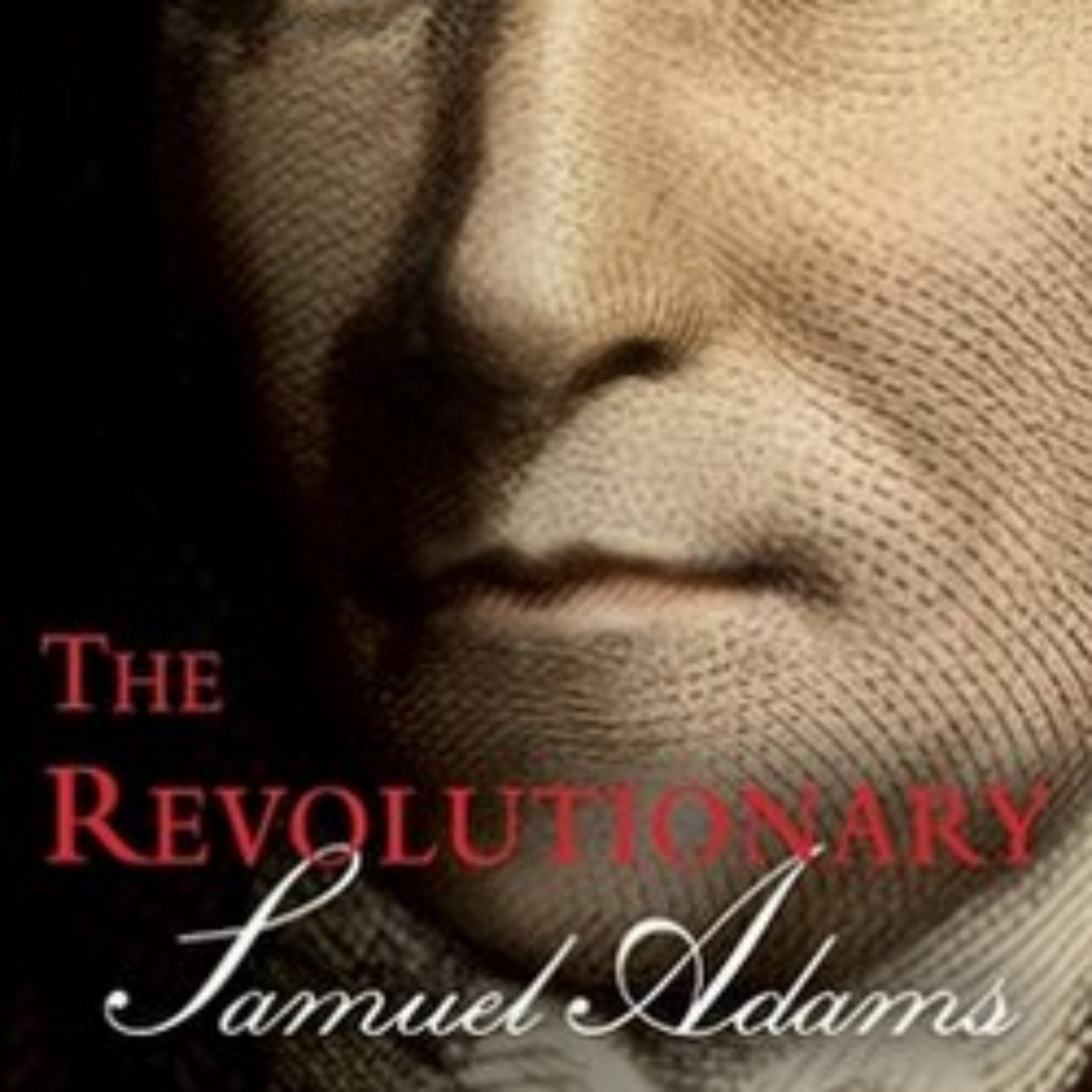
This week I finished: The Revolutionary: Samuel Adams, by Stacy Schiff: After biographies and documentaries of Washington, Franklin, Douglass, Lincoln, Calhoun, Jefferson, and I'm sure I'm forgetting others a biography of Samuel Adams by a Pulitzer Prize winner made sense. I didn't know how important he was before Washington and even before Franklin. I learned back stories to the colonists' responses to the Stamp Tax, the Townsend Acts, and more. Of course the Tea Party. The purpose of Paul Revere's midnight ride. How much the Tories controlled commerce and gave government positions to their families. How much Samuel Adams led Americans to rebel. How quotable he is. A well-written book that tells the story before the revolution in Boston, then Lexington and Concord, as well…

0 Comments

Should we amend the Constitution?

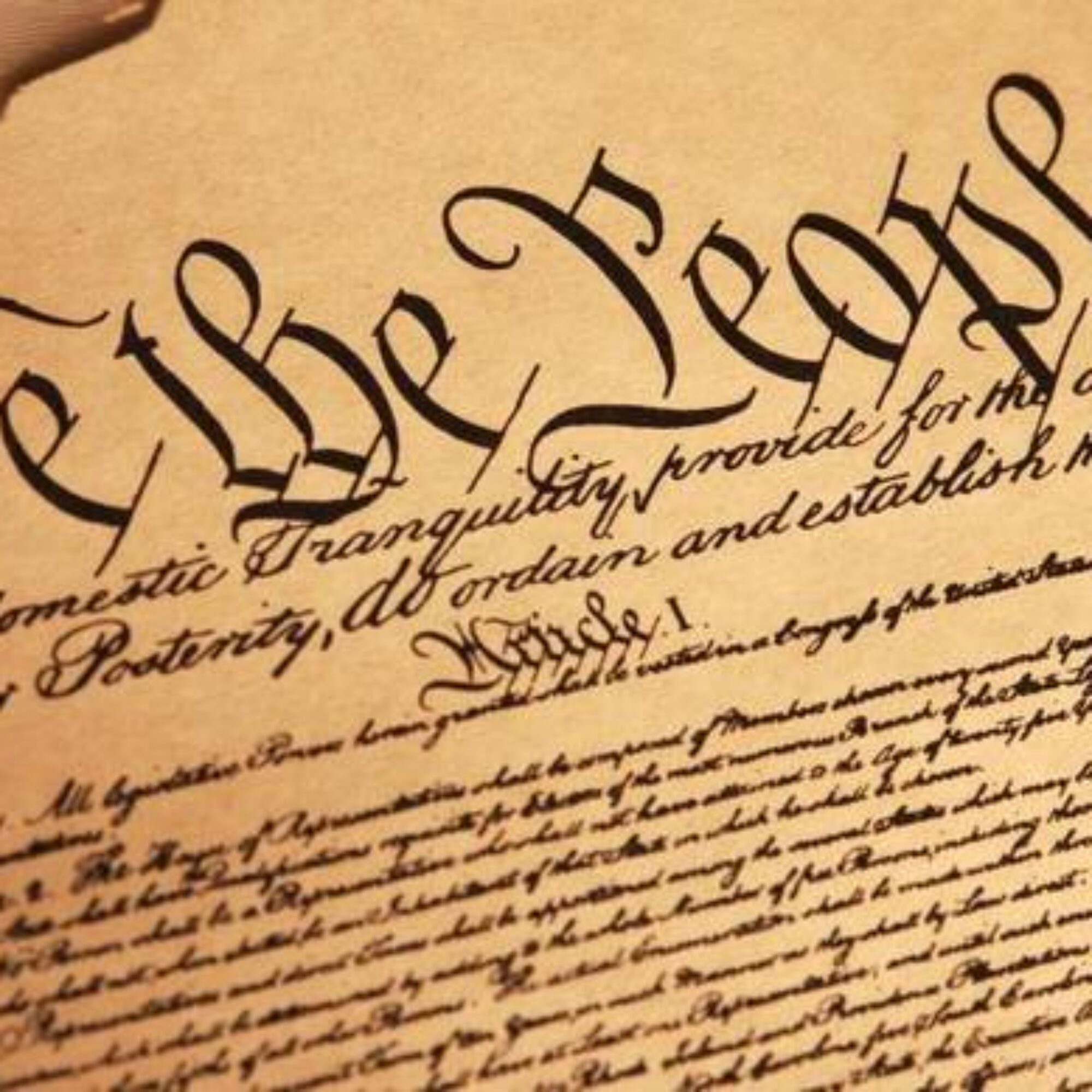
Pollution and depletion deprive people of life, liberty, and property without due process of law. The Constitution doesn't define property, but all the founders, including those who wrote and ratified the Constitution, understood it as John Locke wrote, including that you can not allow people to make property---that is, to appropriate---from nature without leaving enough as good in common for others. In other words, bringing fossil fuels and uranium into the biosphere violate constitutional property rights. Those rights are defined not for the fun of it or arbitrarily. They are there to protect liberty, freedom, equality, democracy, and national security from tyranny, civil war, and invasion from disunity, preceded by civic breakdown. You may like the perks you get from activities that violate these protections.…

0 Comments

How I have responded to September 11: Service

Five years ago, I watched the firefighters across the street from my apartment building muster. As I recorded my podcast a few minutes later, I couldn't stop the tears from coming. This year I'm looking forward more, considering my actions that affect others. Response 1/3: Serving as an auxiliary This morning, I went to the Sixth Precinct, a few blocks down Tenth Street, and mustered with police officers as an auxiliary. From formation, when it was my turn, I read the name of one of the officers from the precinct who died 25 years ago today. Relatives of those officers attended, as they do every year. At the refreshments afterward, donated by a local market, the relatives were in good spirits. As solemn as the…

0 Comments

The top results of knowing your priorities: More free time, saving resources, especially money

I have to follow up the last two days' posts with the most important results from knowing and living by your values: more free time and saving resources, especially money. I'll repeat it because nearly everyone responds to the idea of learning their values with how they respond to nearly everything that takes work. They say they don't have the time or money to, or lack some other resource. The most important results from knowing and living by your values are more free time and saving resources, especially money. Once you get the pattern, it becomes obvious. Before you get it, it might seem too good to be true. Then you realize that distraction from your values leads to chasing shiny objects and being hooked…

0 Comments

Better to do nothing than to work on your third highest priority

I have to clarify and add to yesterday's post, If you don’t know your priorities, you’re mostly moving away from what you care about most. In it I wrote "If you can’t distinguish which of your top ten priorities is the top, you’re spending 90 percent of your life moving away from what you value most. I’d bet most Americans spend most of their time and other resources on things that detract from a better life." Time spent working on low priority projects is time detracted from high priority ones. The college students I mentioned yesterday who flit from project to project are mostly not working on what they value most. They likely don't know what they value most if they work that way. You…

0 Comments

If you don’t know your priorities, you’re mostly moving away from what you care about most

My book Initiative helps people learn their deepest values and greatest passions by acting on them. I'm consistently surprised at how poorly people know their greatest passions, even shocked. It makes sense, since the things we care about most are also our greatest vulnerabilities, so we often protect and hide them, even from ourselves. The benefit of protecting ourselves is we don't get made fun of, manipulated, or otherwise hurt. The cost is that we don't live our greatest values. We do more small talk, less intimacy. Combine that lack of awareness with a culture that markets everything as desirable and many people chase things they don't care about, unable to distinguish mere shiny objects from life passions. The quintessential illustration is the college student…

0 Comments

859: Jack El-Hai: The Nazi, the Psychiatrist, Nuremberg, and Why to Find Humanity in Those We Call Monsters

How do you make sense of an entire society or nation violating its values? Consider Germany in the 1930s, in which a whole nation seemed to embrace Nazism. It's tempting to say they're all monsters, but how could over 50 million people change in a few years? Not genetics. They must have been no more or less human in 1940 as 1920. It's tempting to say that monsters took over and changed them. Many people thought so. At the end of World War II, a psychiatrist, Douglas Kelley, was sent to evaluate the highest level Nazis who had been captured and were to be tried in the Nuremberg trials. He believed that these leaders must have differed from most people. He wanted to find that…

0 Comments

This week’s selected media, September 6, 2026: Play as a Foundation for Hunter-Gatherer Social Existence, Decline in Independent Activity, RIP Gloria Steinem, and some smaller articles

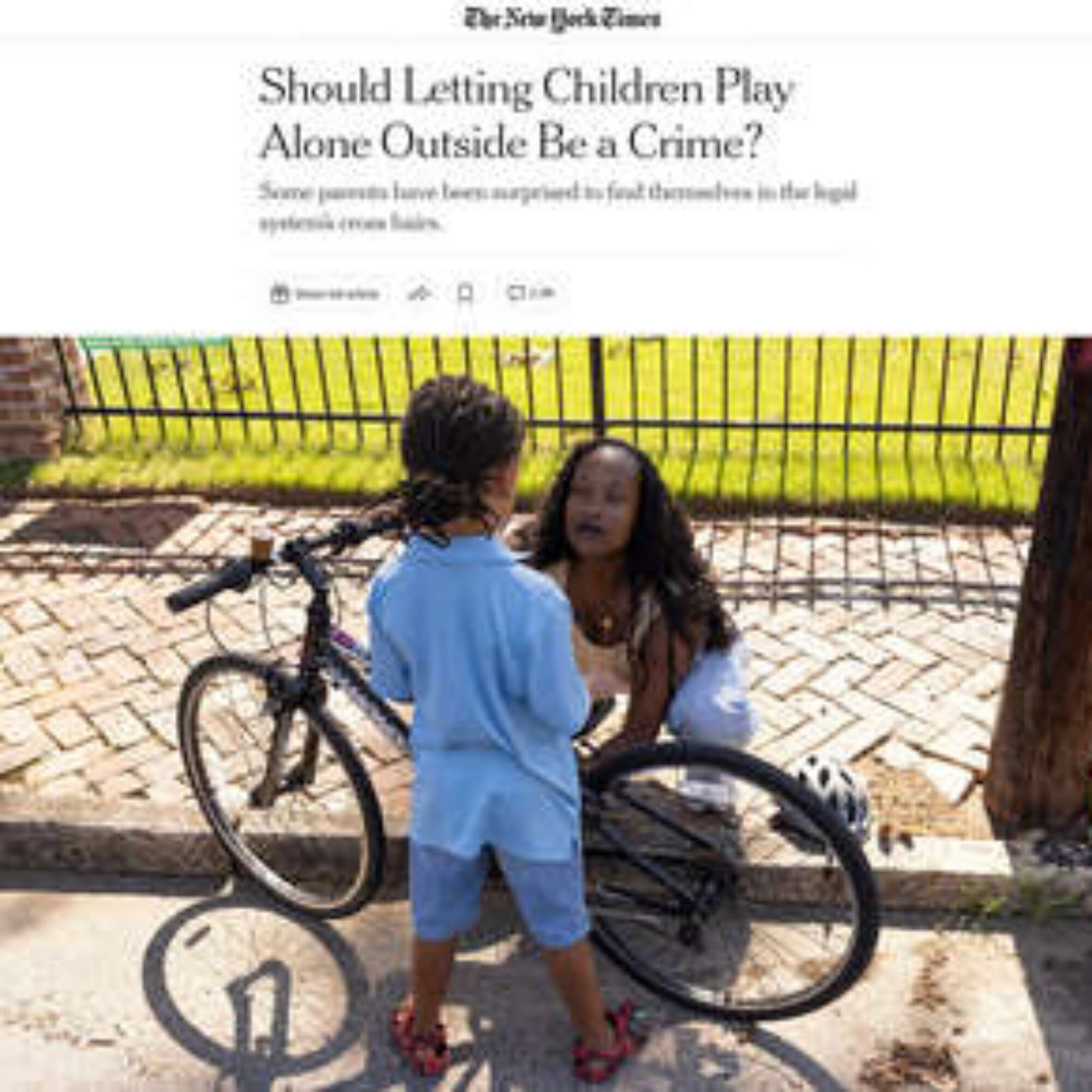
This week I finished: Should Letting Children Play Alone Outside Be a Crime?, by Ian Frisch in the New York Times: Reading this article prompted me to comment in an online community and to follow up with a string of other articles. The article recounted stories of people reporting to police seeing children without parents watching them, followed by police and the government pursuing the parents. It described an ongoing trend of children being rendered unable to develop independence and social emotional skills. I found the article on the StrongTowns community site. Its founder and podcast guest Chuck Marohn was going to record a podcast episode on it and was soliciting comments from the community. I wrote: From the NY Times article: “Some experts point out…

0 Comments

End of content

No more pages to load