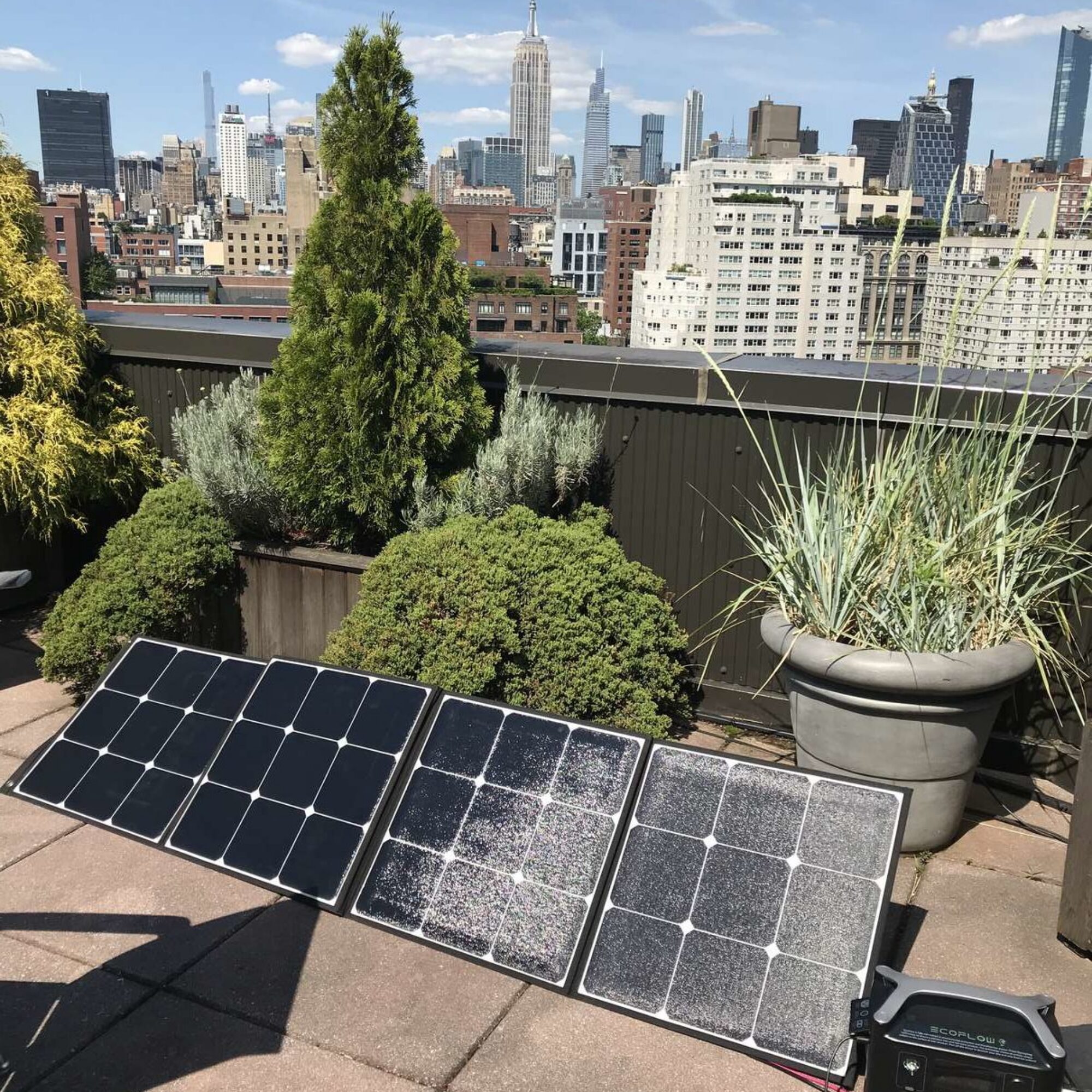
One month without even my “cheat” of plugging in at work. Then both batteries died.

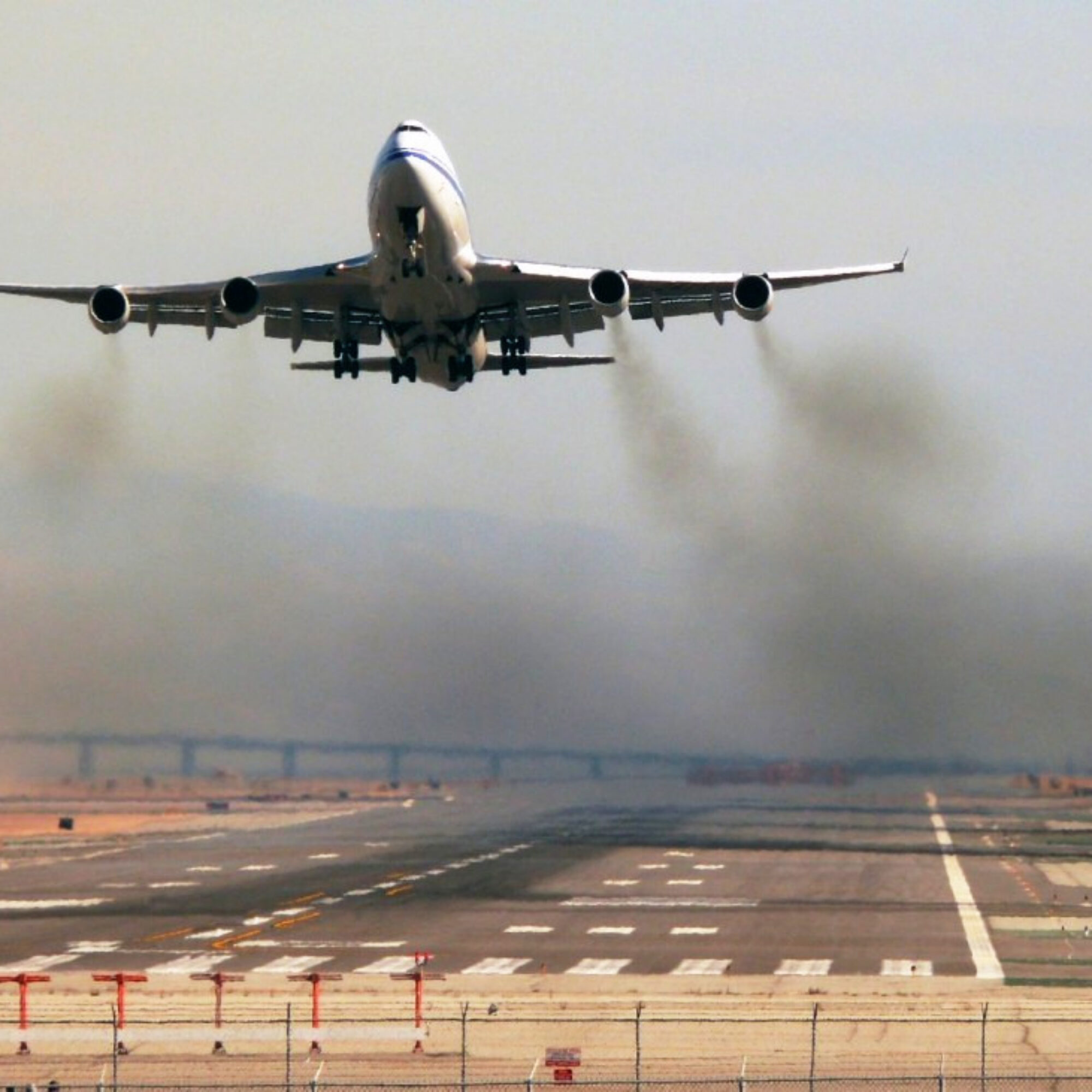
Today marked one month since I last plugged in at NYU. I made it a whole month without plugging my computer, phone, or anything else to the grid. I still used power, and plenty, taking subway trips, train trips to New Jersey and Philadelphia, and more. How? The days got longer. My skills to avoid polluting developed. The company whose power station (battery with many charging ports) I used sent me a battery of the next generation to test, so I had a second battery and more than double the energy I did before. When I disconnected my apartment last May, I didn't see how I'd make more than a few days so I didn't try to figure out how to do it best. Remember,…

0 Comments

Impossible Burger Insanity Packaging

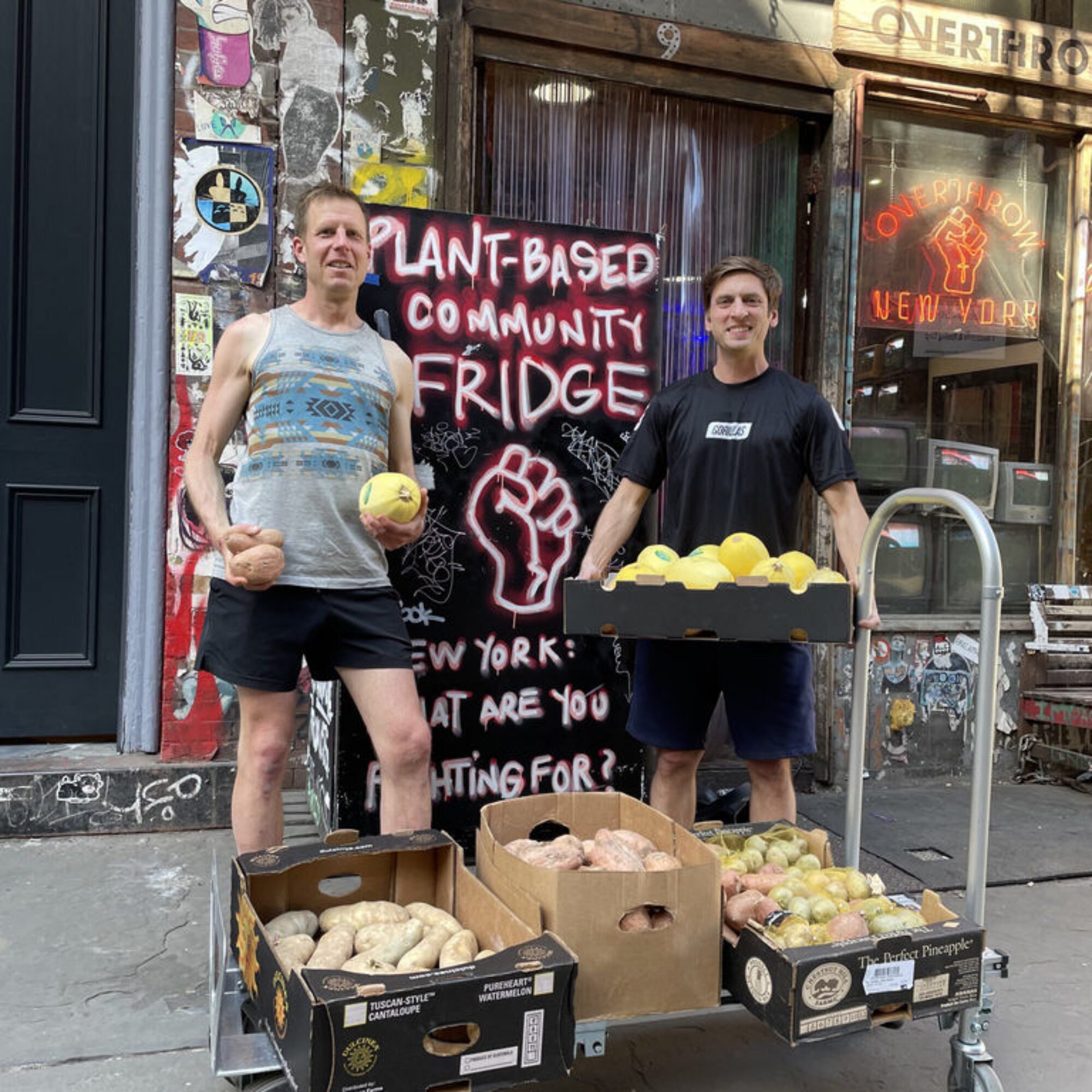
I avoid doof even when presented as helping the environment, but volunteering, a store was throwing away this product not because it had gone bad but because stores get rid of old inventory for new; I instead delivered to the community center for people to eat for free. The small question: why do they use more packaging than product if they claim part of their value is helping the environment? The Big Question: Why the whole product? Why do we feel compelled to use cutting edge science to create vegetarian food? What's wrong with a plate of beans and vegetables? How spoiled are we that beans aren't good enough for us? If you're allergic, there are plenty of alternatives simply growing out of the ground.…

0 Comments

Radio: Hear Me On A Climate Change with Matt Matern

I was invited to speak on sustainability leadership on Matt Matern's radio show A Climate Change. I think he was surprised at some of my approaches or found them not like other guests, in that I focus less on technology and legislation in favor of culture and people. Click to listen to the episode Each week we talk about the environment and what we can do to make a difference today. Let’s work together to save our planet. It’s in our power to make a change for our children and grandchildren. Join us as we commit to making “a climate change.” — Matt Matern Click to listen to the episode About the show, from its About page: A Climate Change with Matt Matern serves to…

0 Comments

What Addiction to Polluting and Depleting Behavior Means

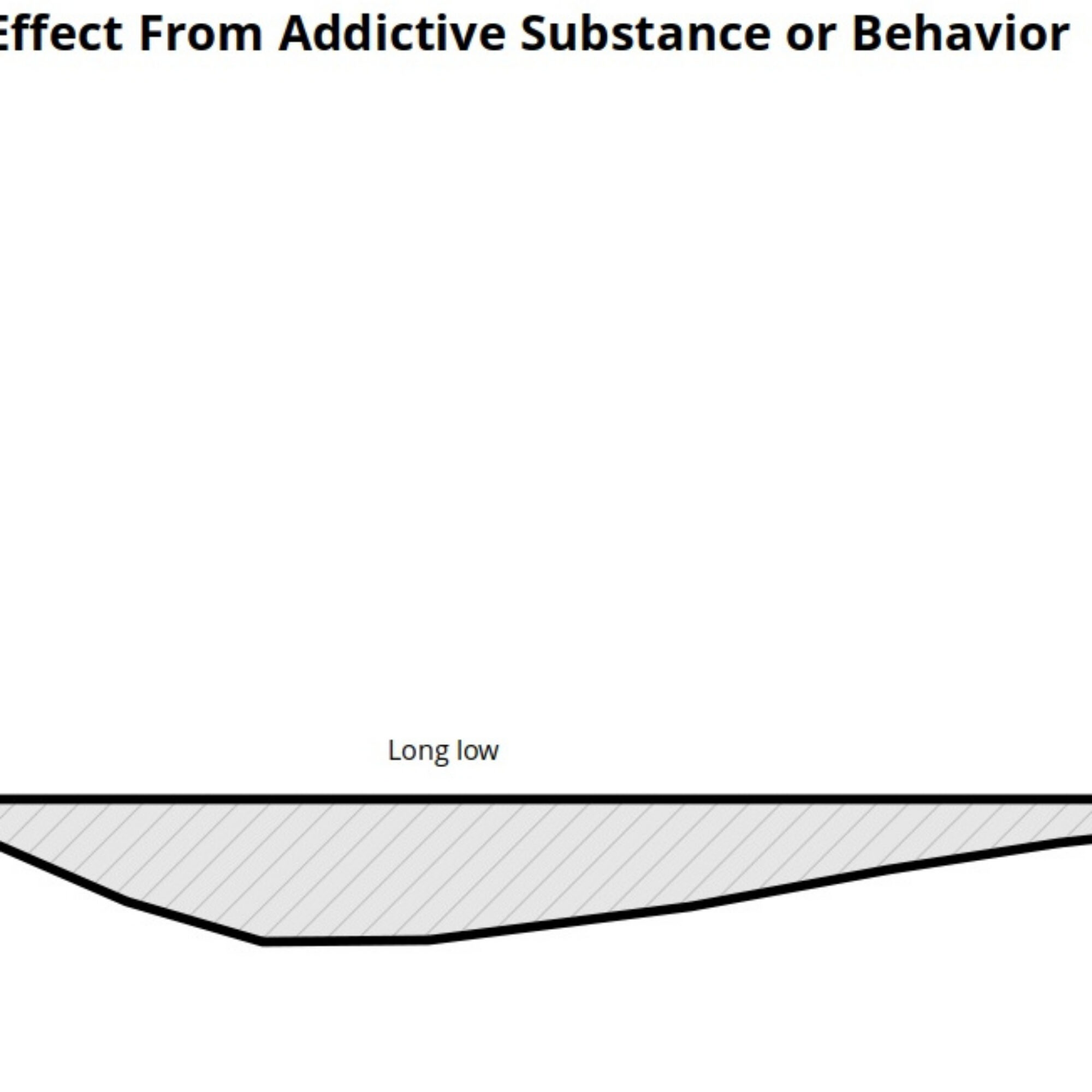
If I claim that we’re addicted to comfort, convenience, flying, and disposable diapers, what’s the problem if we don’t realize it? If addiction isn’t that bad and ending it seems to make life worse, why not keep flying? Addiction leads to short-term thinking. We don’t think past the next hit when we expect one or past withdrawal if we don’t. We have trouble imagining a better life without those hits. We need it to feel normal again. We prioritize ourselves over others. We don’t notice the pain we cause people around us, or don’t care. All addictions involve an intense reward that feels good. Gamblers feel like winners. Meth users feel energy. Nicotine users feel calm. Social media users feel connected. Outside that brief jolt,…

0 Comments

Is this your view of sustainability versus progress?

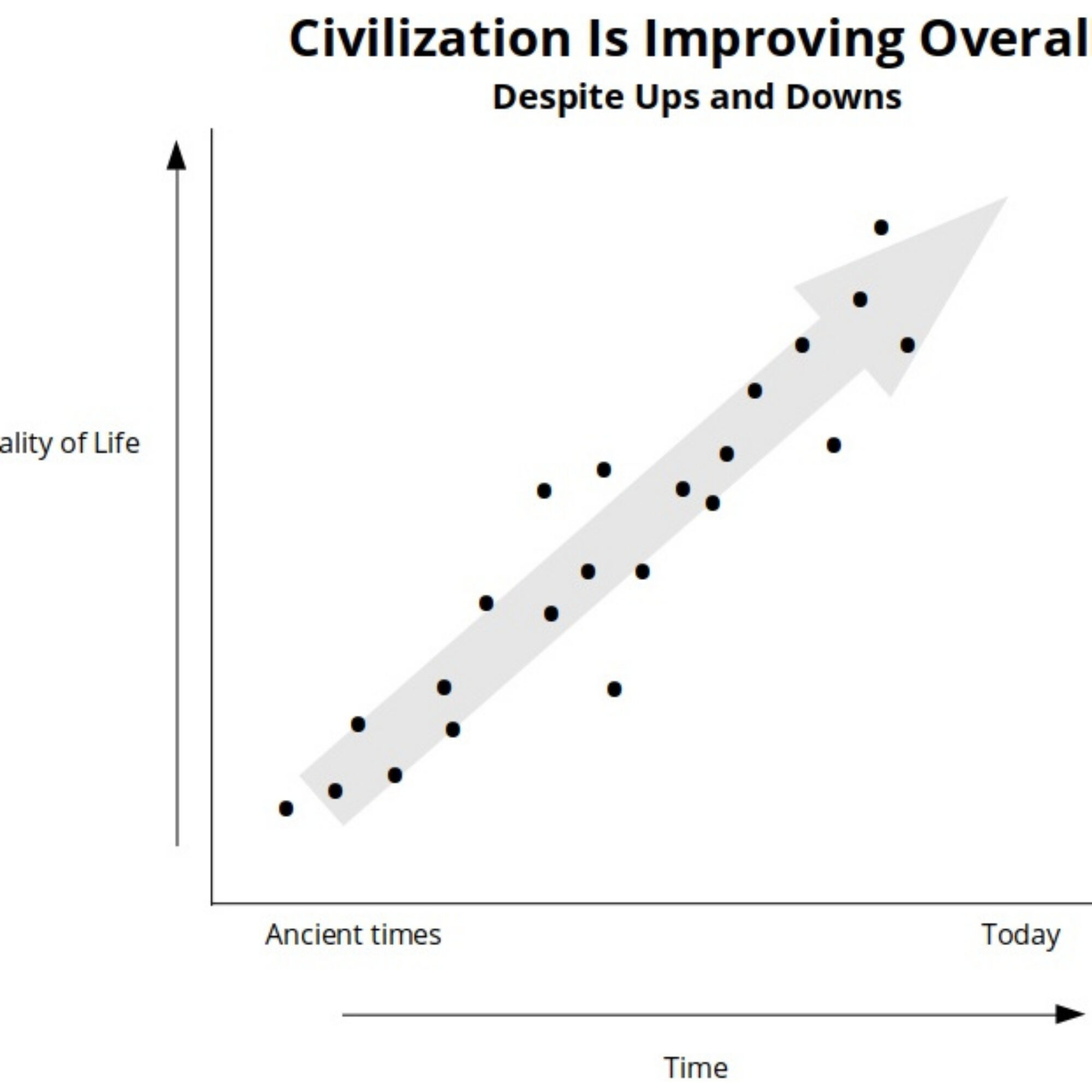
“But why did everyone work so hard except to improve our lives,” asked a woman I spoke to about my having reduced my pollution. In her view, civilization may have had its ups and downs, but overall it’s led to progress. We’re living in the best times ever. The only better times will be the future, as long as we keep progressing. I believe she and most people view civilization like this graph: Some of the low points include the World Wars, the Atlantic Slave Trade, and the Great Depression. High points include discovering penicillin, painting the Mona Lisa, writing the Declaration of Independence, and landing on the Moon. Since we’re progressing as fast as we can, any deviation, including sustainability, means losing that progress.…

0 Comments

Embracing and celebrating our limits makes life constructive. Otherwise you crave what you can’t get.

We can't create more time or energy. We get what we get. It doesn't matter how much you want twenty-five hours in a day. You don't get them. Not if you're rich or connected either. Likewise with energy. There is only so much energy available. People can dream of unlimited energy, but they still have to eat and fill their car with gas because their energy runs out. Our culture has grown to value going beyond limits of time and energy. My podcast guest Oliver Burkeman's book Four Thousand Weeks suggests that we stop trying to overcome limitations on time and instead embrace those limits. I promote that approach with energy. Instead of trying to fly to every place and visit every person you wish…

0 Comments

Us from their perspective

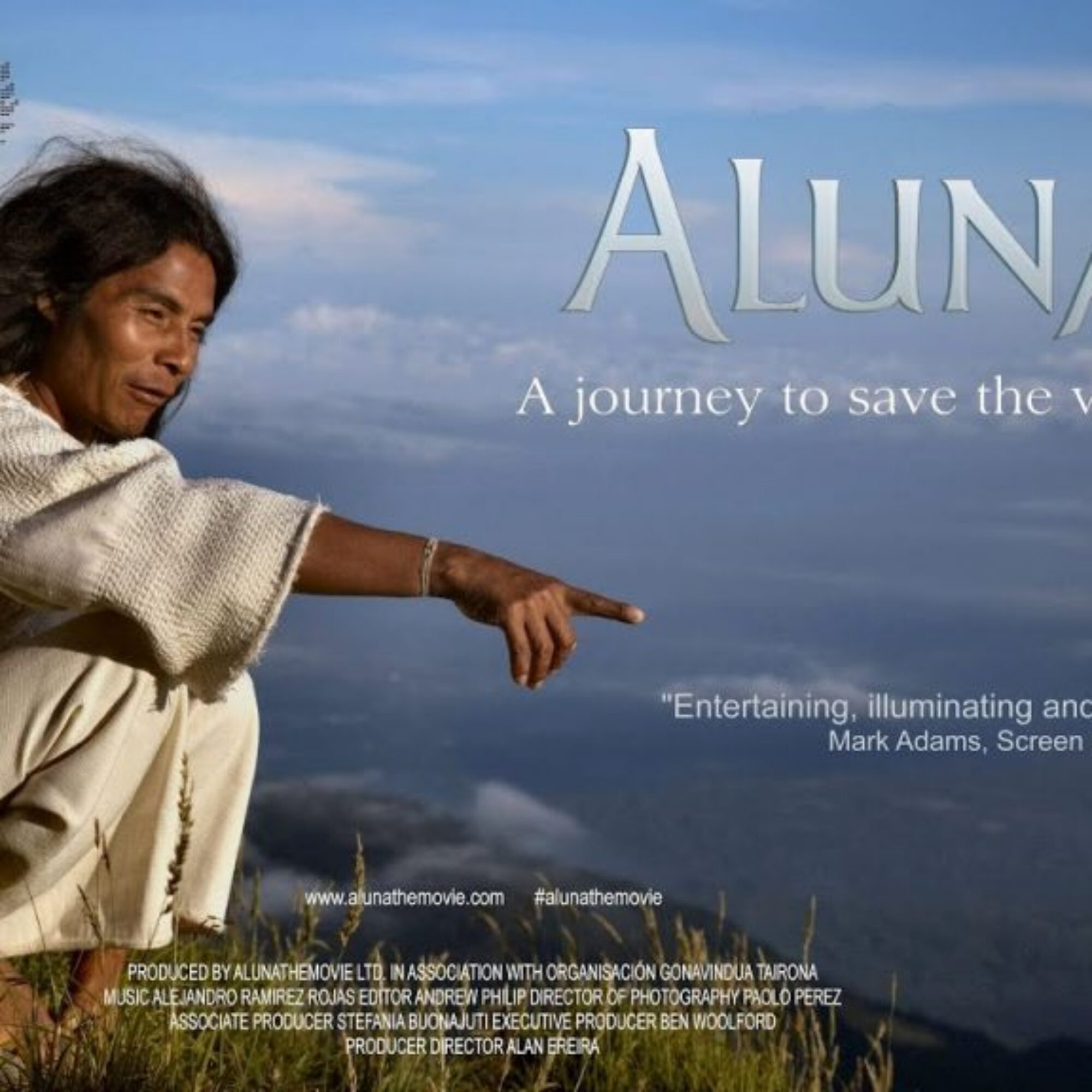
We invented washing machines and things like it to remove the need for backbreaking labor every day just to survive. We created vaccines to cure and anesthesia to remove pain. Why would anyone consider reverting to the Stone Age, risk it, or even move in that direction? Moving backward is the last thing we should do. Why give up on what we worked so hard for? Yet cultures remain that resist joining the modern world that we call indigenous. Why don't they get with the program? Some do, but some see our culture with its airplanes, longevity, and cell phones and choose their own, out of knowledge and experience, not ignorance or stupidity. Recording my third podcast episode with Alan Ereira, who has lived among…

0 Comments

Corruption: when maintaining integrity and character is too hard for someone

I tend to think of people becoming corrupt under the influence of someone intentionally corrupting them. I tend to think of the corrupter as a mustache-twirling, self-interested person offering bribes or using other tools. I also often talk about how sustainability advocates undermine themselves by depending so much on polluting, depleting activities like flying, ordering takeout, and so on. I point out that it's hard to impossible to lead people without integrity, character, trust, and living by your values. If you depend on polluting, depleting activities, you'll feel internal conflict in trying to end pollution and depletion. In short: You can't end the global heroin trade if you're worried about your own supply. I see a lot of people who say they want to increase…

0 Comments

If many of your trips are “of a lifetime” you’ve reached where you need your fix just to feel normal

How many times have you heard people describe a trip they took "the trip of a lifetime"? . . . or one they were considering? I hear it not daily but fairly often, including from the same people repeatedly, but a trip of a lifetime can't happen more than once. It sounds to me like the concept common in addiction of tolerance, where the effect of what you are addicted to decreases and you need more to get the effect you used to get. Many people who fly a lot sound like they need trips just to return to normal. They sound addicted.

0 Comments

Hear Me Again on America Out Loud: Living the Simple Life Off the Grid With Josh Spodek

Rob and Andrew, hosts of America Out Loud's radio show and podcast After Dark, hosted me. I've been on their podcast and they've been on mine. I think I can safely say we've become friends across political divides, exactly the sort that everyone annoyed by today's polarization. The episode is titled Living the Simple Life Off the Grid With Josh Spodek. Here's the audio: We spoke about My disconnecting my apartment from the electrical grid in Manhattan for nearly a year so far The sustainability leadership workshop (also called a mastermind group) my team has started Leadership in general, how to learn to lead, and the characteristics of a leader Several issue in astrophysics and astronomy, including billionaires launch rockets to other planets Here are…

0 Comments

The Montgomery Bus Boycott versus flying

The Montgomery Bus Boycott addressed people being treated as second-class citizens; they weren't allowed to use bus seats equally. The people harmed acted to improve their situation. They held back from using the bus for over a year, instead walking, carpooling, avoiding trips, and so on. Airplanes and the pollution and depletion they cause harm everyone in the world, though the people where the fuels and minerals are extracted, near airports, and in tourist spots that become wrecked most. Why don't we boycott planes? What's worse between treating people as second-class citizens and killing them? I see the biggest difference between the situations that unlike the bus, with the plane, the person benefiting from using the vehicle isn't the one suffering from the pollution and…

0 Comments

Why sustainability is so hard for you and polluting so easy, from the movie Requiem For a Dream

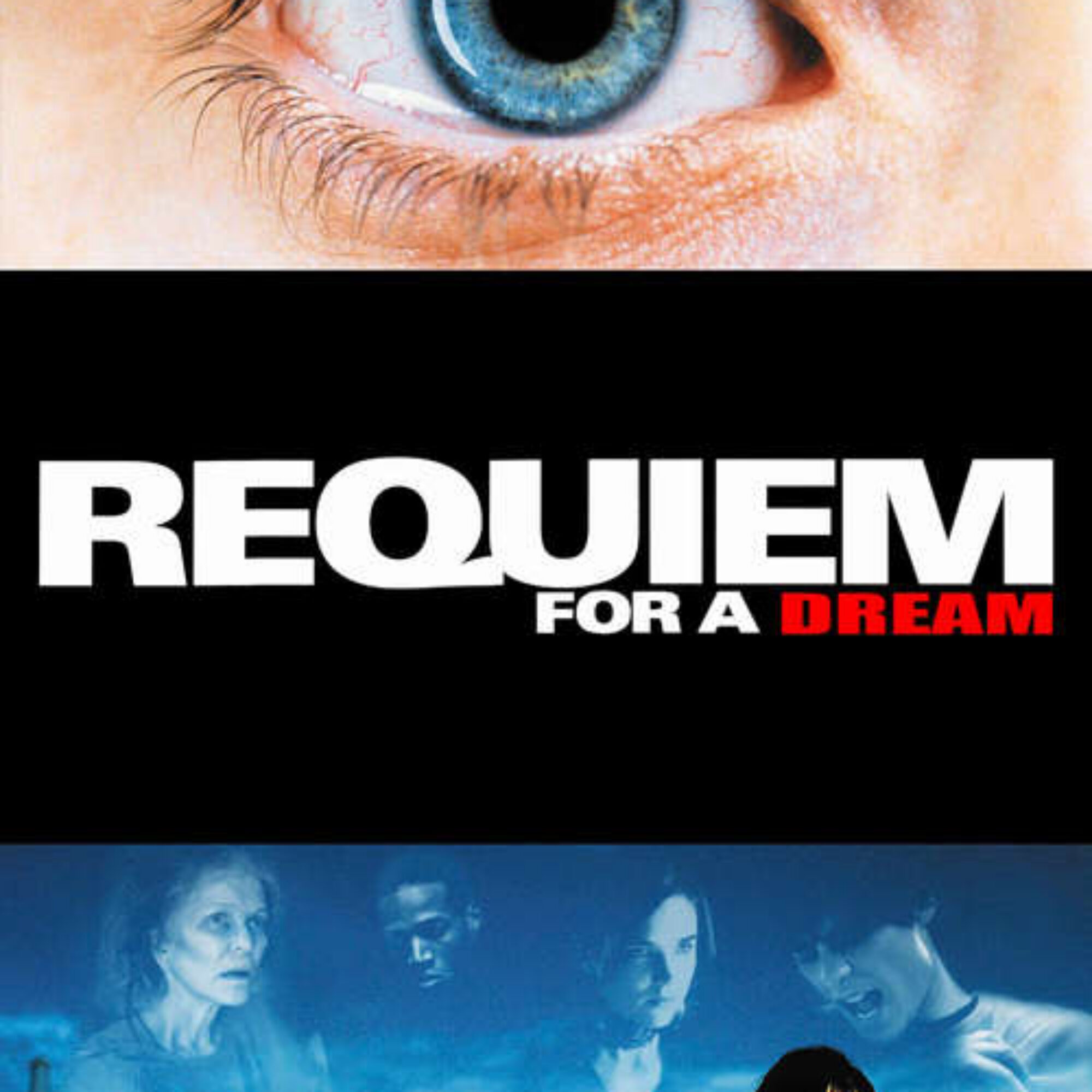
This post is part 4 in a series including Part 1: What you’ll get more of when you stop polluting: what you love most Part 2: Martin Scorcese on our relationship with pollution Part 3: Why sustainability is so hard and polluting so easy, from the moving Trainspotting I'm continuing today the artistic representations of "What you fear losing when you stop an addiction is exactly what you'll gain" or "You tell me what you fear losing when you stop polluting and I'll tell you what you'll gain" have simplified how I understand and express the emotional terrain people live in and have to navigate to act more sustainably. I posted about how Martin Scorcese in Goodfellas effectively represented how we feel about our lives…

0 Comments

Why sustainability is so hard and polluting so easy, from the moving Trainspotting

This post is part 3 in a series including Part 1: What you’ll get more of when you stop polluting: what you love most Part 2: Martin Scorcese on our relationship with pollution Part 4: Why sustainability is so hard for you and polluting so easy, from the movie Requiem For a Dream "What you fear losing when you stop an addiction is exactly what you'll gain" or "You tell me what you fear losing when you stop polluting and I'll tell you what you'll gain" have simplified how I understand and express the emotional terrain people live in and have to navigate to act more sustainably. I posted about how Martin Scorcese in Goodfellas effectively represented how we feel about our lives while polluting:…

0 Comments

680: Wolfgang Lutz: A Primer in Demographics and Global Population Projections

Wolfgang Lutz is one of the world's experts in projecting global population levels and demography. I contacted him to help understand the differences between projections based on demography like his and the United Nations' versus systemic ones like in Limits to Growth. He gave a comprehensive overview of who projects and how, at least as much as can be covered in under an hour. Some highlights: Who projects based on demography: the UN, International Institute for Applied Systems Analysis (IIASA), and the Wittgenstein Center, among others. He described what and how demographers project: Assumptions, methods, variables of age, sex, education, migration, fertility rate, mortality rate. He consistently repeated the importance of education. On Limits to Growth, he pointed out that systems analyses include feedback mechanisms,…

0 Comments

Top Sustainability Leadership Principles

I've meant to collect the top principles in sustainability leadership, the things I say nearly daily and govern embracing living sustainably. "Nothing is more damaging to you than to do something you believe is wrong." -- Abraham Lincoln Systemic change begins with personal change. You tell me what you fear losing most and I'll tell you exactly what you'll get more of. You can't lead someone else to live by values you live the opposite of. Without personal action, you don't know what you're talking about and lack credibility. Not a principle, but a behavior I see a lot of: stepping on the gas, thinking it's the brake, wanting congratulations. Your greatest potential effect is in leading others. CCCSC (convincing, cajoling, coercing, seeking compliance) may…

0 Comments

What I’m doing when I act to help others

The scene: We're walking along and see a bunch of helpless children drowning. Instead of helping them, scientists study the situation, educators teach about what the scientists learn, journalists write stories about tragedy, politicians seek funding to solve, CEOs see all the activity and find ways to sell products about the situation, and activists protest that something like this shouldn't happen. But none help. As they study, teach, write, raise funds, market products, and chant, more children appear drowning. The tragedy worsens. It appears they've build a highway that leads cars off a cliff into the water. Everyone says, "governments and corporations caused this problem! They should fix it, not us!", even while the children are drowning and more cars are driving off the cliff.…

0 Comments

My silly names for fruits and vegetable when I chop them

I'm taking a break from sustainability leadership and my other usual topics to share something I've started sharing more lately. For some reason, while chopping fruits and vegetables, I've starting coming up with my own fun names for them. I've generally held back from sharing silly things that might make me feel embarrassed or ashamed. Some things, though seem to prompt people sharing back silly things of theirs or finding things endearing. Maybe you'll read the following and think less of me, but I'm enjoying finding the opposite. The names: Apples: apple-dee-grapple-dee Zucchini: zuch-a-nini Onions: onion-a-bunyon Mango: mango-tango Eggplant: dreggplant Orange: borange Banana: bananya Oats: oats-and-groats Ginger: gen-gen-gennembre (said with a French accent) Carrots: scarrots Cabbage: scabbage Blueberries: bluebellies Most produce names I don't change.…

0 Comments

The environment: everyone always says it’s important, but never enough to act themselves

Here's a typical email with a message I see all the time. This one was to me, but I see it in all contexts: "I’m sorry but I have to cancel our meeting of tomorrow. There’s just too much going on at the moment and I need the time." The message is always something like: I care about the environment. It's incredibly important. I plan to act on it. There's just this one thing that's more important. and they never get to it. There's always one more thing. Billions of people have been expressing this sentiment for close to a century. What a lot of empty lip service and self-delusion! Do people realize how much they're either lying to themselves or to everyone else? What…

0 Comments

The Source of Our Polluting Culture

Consider two cultures, one living sustainably, one unsustainably. Does the following sound familiar? The sustainable one must be living within its means. In fact, it must have some abundance to withstand an occasional flood or drought. Many cultures have survived and thrived for tens to hundreds of thousands of years. The unsustainable one is living beyond its means, decreasing what resources it needs to survive. In most cases, it can either change its culture sustainable or see its population collapse when key resources run out. If it has the technology and organization, as it sees its resources run out, it may look at the sustainable culture’s abundance and decide to take some of it. If the unsustainable culture stays unsustainable, it will use up its…

0 Comments

Applying lessons from sports to sustainability

On July 21st last year, both the solar panel and power station broke. I don’t know why or how, but cutting-edge technology is prone to fail. As the next day would complete two months, double my goal and twenty times my expectation, I decided I could declare victory, reconnect the circuit, and plug back in the next day. You can hear me say so in my July 22 podcast episode, 609: Finishing My Off-the-Grid-in-Manhattan Experiment in Month 3. I said after recording, I could say I started my third month, plug back in, cook some lunch, and move on. Instead, after recording, I noticed I still had some sauerkraut fermenting and enough other summer vegetables to make salads to last me another day. Instead of…

0 Comments

679: Alan Ereira, part 2: The world through Kogis’ eyes

I was very curious to learn more about the Kogi and Alan's interactions with them. Alan is deeply involved with their joint project to learn to restore nature as they have shown they can. "Restoring nature" doesn't do justice for what they are doing. They are also sharing different ways of seeing and interacting with the world, which, as I understand from Alan, is not how they see the world. Alan starts with a couple descriptions of how the Kogis view things differently than Europeans, including in ways we wouldn't have suspected were different. How does a medieval castle look to someone who has never seen a stone building? If they see something a typical European sees daily, how much else are we misunderstanding? What…

0 Comments

I last flew today in 2016. Starting year 7 free from most people’s greatest way of hurting innocent people.

I love traveling, exchanging culture, visiting family, and exploring nature, which is why I will never fly again. It destroys all those things. In flying as with any addiction, people addicted experience the addiction as warm, supportive, loving, like family. You tell me what you fear losing when ending an addiction and I'll tell you exactly what you'll gain more of. When you stop flying, you'll experience more traveling, exchanging culture, visiting family, and exploring nature. If you still fly, what I said will sound like telling a heroin addict that stopping taking heroin with bring my euphoria, love, and meaning. They won't believe you just like you likely won't believe me, but you know they'll prefer life without the addiction.

0 Comments

I couldn’t make most people feel shame or guilt about sustainability. They’re already feeling so much, I couldn’t add more.

People don't like feeling guilt, shame, insecurity, helplessness, hopelessness, and other emotions that they often feel when sustainability and the environment come up. The emotions arise from what I found Abraham Lincoln said best: "Nothing is more damaging to you than to do something you believe is wrong." Doing something you believe is wrong will make you feel guilt, shame, and so on. People spend so much of their time denying and suppressing these emotions, they come to believe they aren't feeling them all the time. When someone brings up the topic, they become consciously aware of the emotions they already felt but tried to deny and suppress. They feel something like, "I didn't feel shame before this person brought up the environment. I feel…

0 Comments

Unsustainable things that we can either face must end or keep lying to ourselves and causing suffering.

Remember that when you depend on something to the point of addiction You tell me what you fear losing and I'll tell you what you'll gain. Suggest stopping gambling to gambling addict and they'll fear losing winning. But outside rare jolts of winning, they mostly lose. Stopping gambling will bring them more winning and less losing. Social media addict fear losing connection, but social media isolates. Stopping social media will gain connection and decrease isolation. Meth users fear losing energy, but outside brief, predictable jolts, they have less energy. Stopping taking meth will lead to more energy in life. For the following things we depend on to point of addiction for comfort, convenience, and other things notably unnecessary for life, what you fear losing without…

2 Comments

End of content

No more pages to load