Awareness


My dominant question. What’s yours?

I saw friend-of-a-friend, podcast host, and memory expert Jim Kwik speak this morning. He mentioned a concept related to inner monologue: one's dominant question. He talks about it more on his podcast, but briefly, the concept relates to our inner monologue -- the voice running nonstop in our heads. I've written on inner monologue, including an exercise to help make you aware of yours: The Most Effective Self-Awareness Exercise I KnowA catalog of inner monologue thoughtsSome "The most helpful self-awareness exercise" commentsSome self-talk you’ll recognize, to improve your self-awareness If you haven't done the exercise, I recommend it. I call it the most effective self-awareness exercise I know for a reason, and I know a lot of them. You'll find that your inner monologue repeats…

0 Comments

Did you ever notice when someone cancels . . .

Following my post the other day Did you ever notice when someone interrupts. . . I always have more work that I can do than time. . . but when someone cancels on me I get annoyed. And when I cancel on someone they reassure me by telling me they can use the time to work. I can to when the situation is reversed, but I still get annoyed. Until I get work done, I guess.

0 Comments

Did you ever notice when someone interrupts. . .

Sometimes mid-sentence something distracts me and I lose my train of thought. Often when I do, I can't remember what I was saying before. It annoys me but I move on to something else. By contrast, if a person interrupted me to the same effect, I'd get angry, even if what I were saying were no more important. That is, if while saying the same thing, I were interrupted or distracted, despite the outcome being the same, in one case I'd get angry, the other no problem. Funny how we do that, isn't it?

0 Comments

Examples of “tastes good” versus “want more”

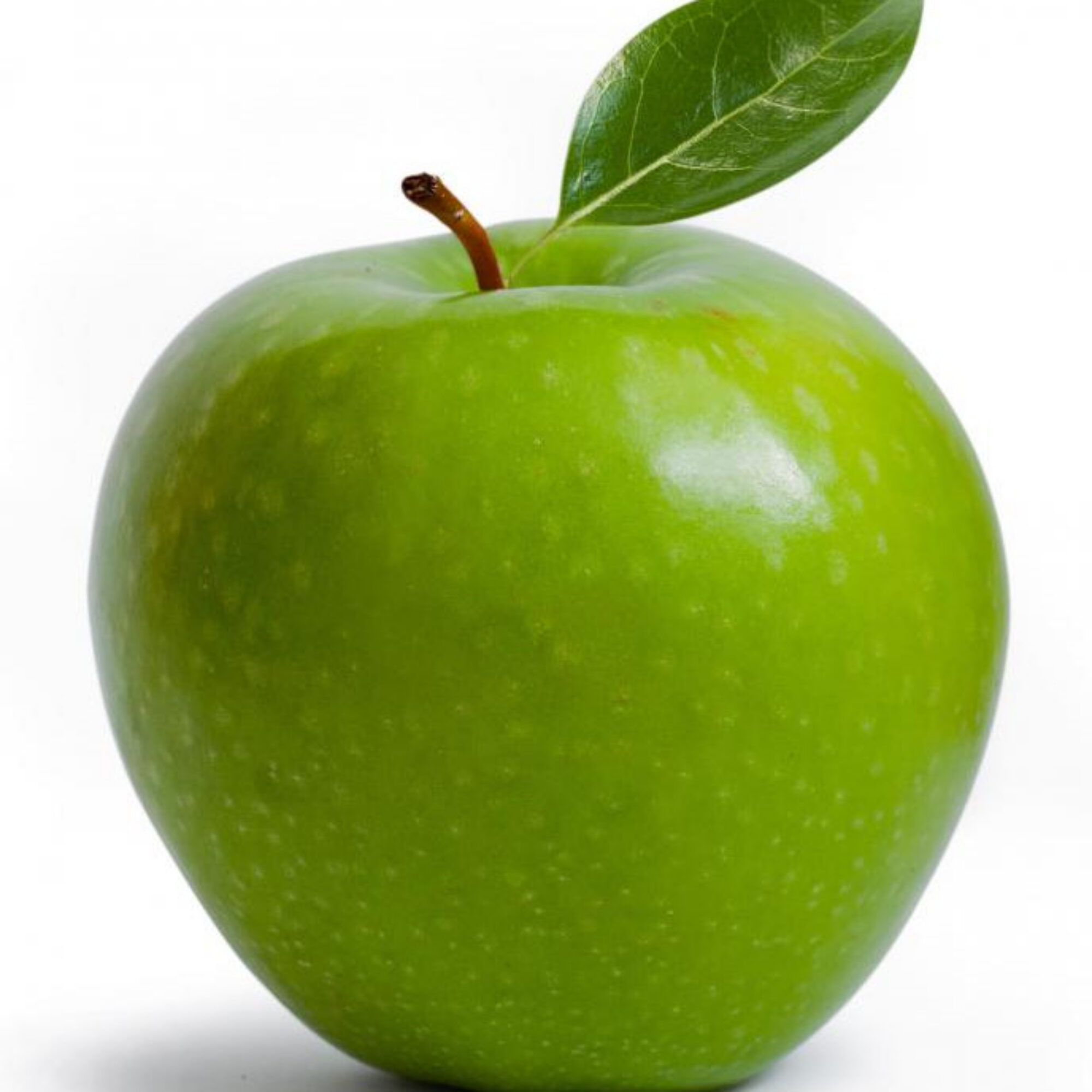
I've written on the difference in sensation between something tasting good versus making you feel like you want more of it (see “Want to eat more” and “tastes good” aren’t the same feeling). I also spoke about them as a podcast guest in Tastes Good versus Want More, explored in depth. The difference, briefly: when you bite into a fruit you love, say an apple, it tastes good and you want more. Yet rarely do I eat two apples in a row. The second apple tastes as good as the first, but the sensation of wanting more decreases. By contrast, when I bite into a potato chip, it tastes good and I want more. But a few chips in, the feeling of their tasting good…

0 Comments

Artificial Intelligence, us, and becoming superfluous

Going off my usual topics, but when I see people talking about computers reaching and surpassing our intelligence, I only see them talk about it from our perspective. What will the machines or robots do with us? It hit me that if they out-think and out-perform us, first of all, the day they equal us, I expect the next day they'll out-perform us. Then the following day, or soon after, they'll surpass us by so much we won't know what's happening. Maybe "day" should be "month" or "year," but the point remains. If it takes intelligence to create intelligence, once they have more, they'll evolve faster and fast. Second of all, wouldn't they become the important character then? Wouldn't concerning ourselves with us after they've…

0 Comments

Does Personal Action Matter?

If you don't think personal action makes a difference on big things like elections or the environment, try looking at it this way. I'll put it in terms of the environment, but it applies to diet, voting, self-expression, and more. Many people do many things against their environmental values. Not just in general, but many times daily. They buy packaged food, they eat packaged food several times daily. They drive places they could walk, ride, or take public transit. They buy more stuff than they need. They let food spoil and throw it away. They contort their values and self-image to believe (while not really believing) that they're powerless or that what they do couldn't matter. Etc. Here's the other perspective: How many times do…

0 Comments

How many times is it normal to be mugged?

I didn't share about The five times I got mugged growing up most of my life because I thought everyone had similar experiences. I knew we spent a few years in a particularly economically depressed neighborhood. I sensed it was one of the highest-crime areas of Philadelphia. Still, most of the times happened after we moved from that neighborhood. The time I got sucker-punched by random kids waiting for a bus was coming home from Philadelphia's premier public high school -- Philadelphia's Stuyvesant, to compare it to a better-known school. It was broad daylight. What fraction of people get mugged? I thought it was a part of growing up. I thought everyone got mugged at least once, maybe not at knife point, but at all.…

3 Comments

Cold Showers Rock

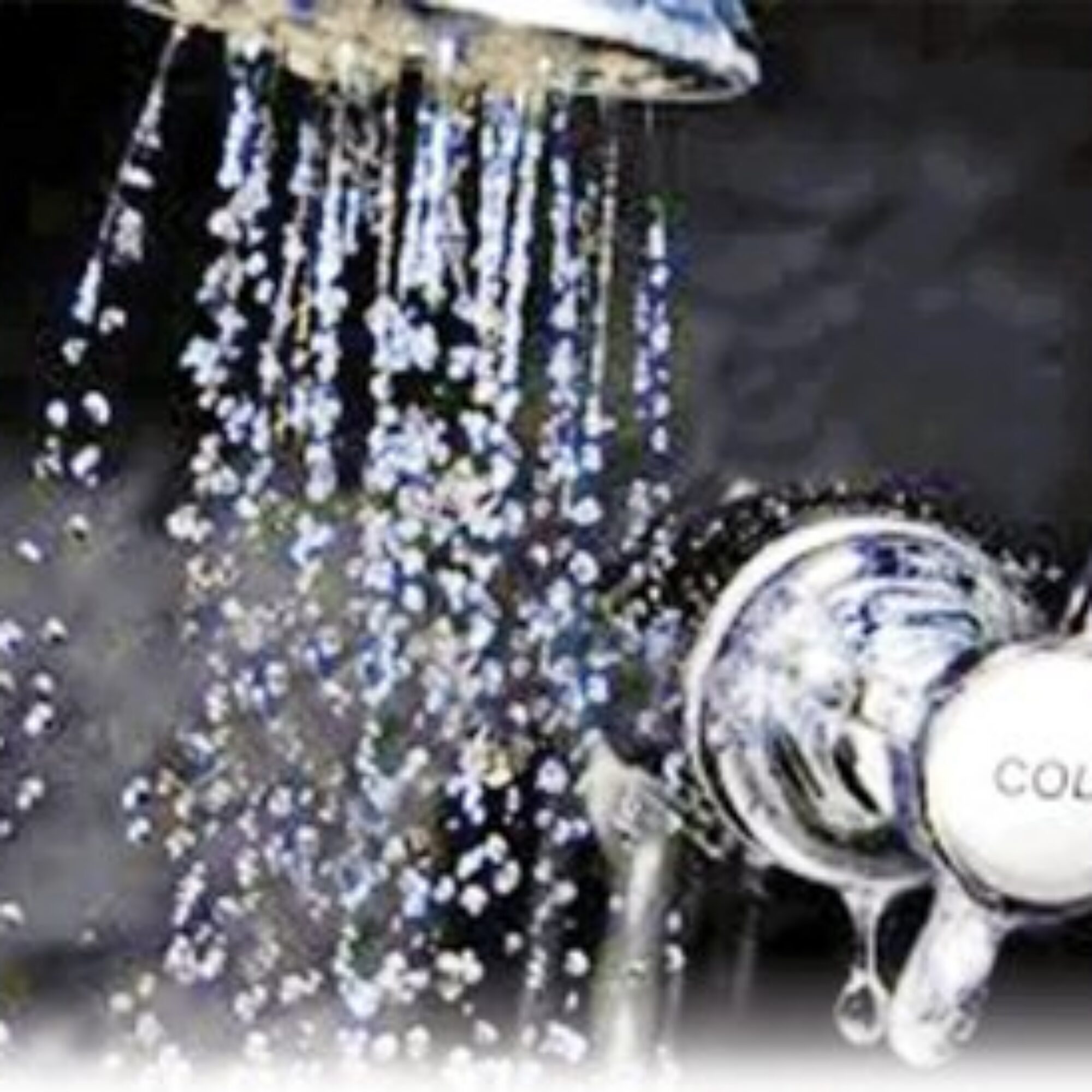
I write a lot about cold showers. They may sound crazy, but bear with me and you may find them more helpful than you could have imagined. After taking a few in Shanghai because the water took five minutes to warm up that I couldn't stand wasting, in December of 2013, I took thirty days of cold showers. I can't tell you how much the discipline, dedication, and so on have helped. Taking them enables you to do things you wouldn't have thought you could but always wanted to, or that others dream of. If you're interested, read the posts in this series. Click on the links below to read my posts about it. 30 days of cold showers review: Lessons in discipline and pleasure…

0 Comments

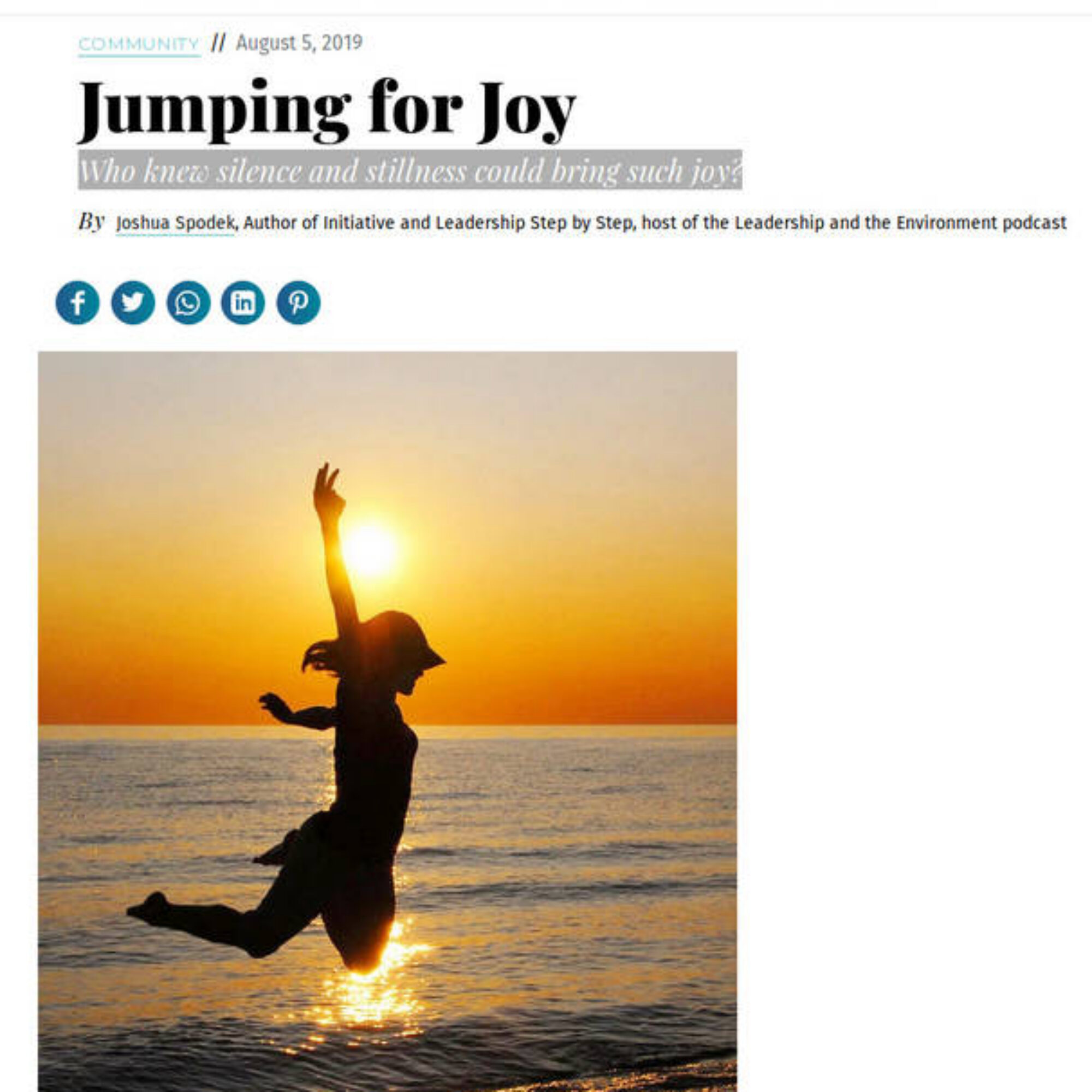
Who knew silence and stillness could bring such joy?

Thrive Global is launching a meditation podcast and asked its contributors, including me, to write stories on meditation. I updated my 2009 post Jumping for Joy. The new story is also called Jumping for Joy. My Thrive Global piece begins . . . By the second day at a recent five-day silent meditation retreat, the mental static of everyday thoughts had mostly passed. Silent meant the whole shebang: no reading, writing, talking, internet, or anything but instruction and focus. Intense and challenging but rewarding, in my experience. The 9am session switched techniques from focusing on breathing to body scans, observing sensations. After one or two scans I found I could hardly sense anything subtler than, say, my shirt on my shoulders. Frustrating. I sensed how…

0 Comments
Do you think like an addict?
Pile of Refined Sugar

Do you think like an addict?

For at least 20 years, I always had ice cream in my freezer and pretzels or potato chips in my cupboard. Somewhere inside, I knew I didn't want them. I told myself I couldn't help buying and eating them, but I could. I didn't stop. When I bought them, I would tell myself why buying them was okay, even though I thought I shouldn't. Pile of Refined Sugar How addicts think Addicts tell themselves why something they consciously oppose is okay. When I tell people I avoid packaging or flying, they tell me why some type of packaging is actually okay or that the plane would fly anyway. I know the thinking because we all have it in us. It's not you or me that…

0 Comments

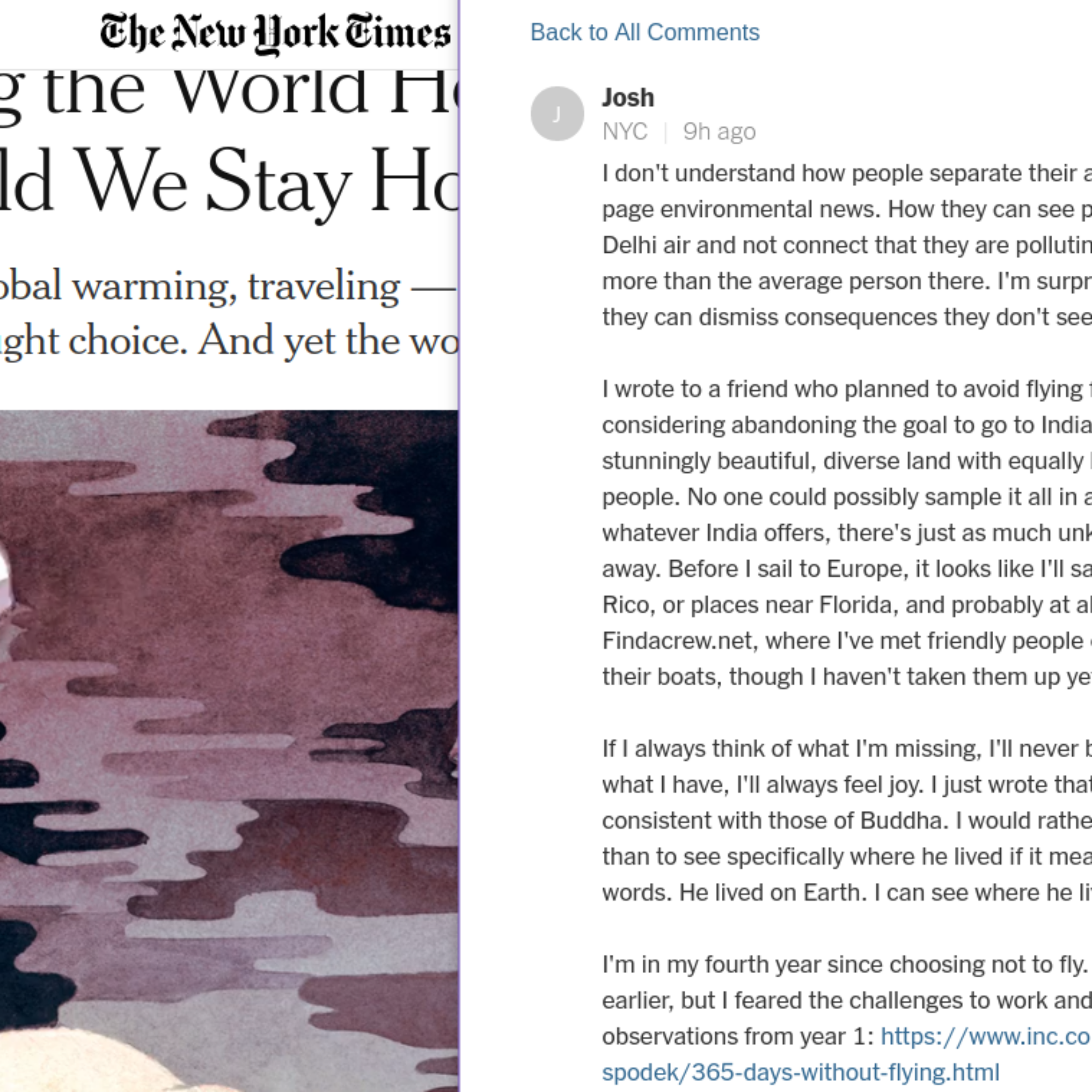
“Published” in the New York Times

Sorry for the click-bait title. I commented on an article in the Times and it got included in Readers Picks. Hence the quotes in my title. The article was "If Seeing the World Helps Ruin It, Should We Stay Home?", subtitled: "In the age of global warming, traveling — by plane, boat or car — is a fraught choice. And yet the world beckons." You can read the article. From my view, it's an alcoholic struggling to justify stopping drinking, trying to square all the reasons he agrees with but he just wants another drink. With one big difference: the alcoholic drinking only hurts himself. Flying heats and pollutes the planet we all share. Some of the other responses looked beyond the personal thrill of…

0 Comments

60 hours only water

Last year I went 72 hours with only water. I'd read and heard chatter about "intermittent fasting," not knowing what people meant. The more I looked into it, the more I found most people chattering didn't know what they were talking about so I ignored it. Then a friend told me about two benefits he experienced -- not read about or imagined, but experienced. He said The first meal after a 3-day fast tasted indescribably goodAfter about the second day, he felt more energetic than usual, though it required persevering a grumpy and challenging second day I love delicious and I love feeling energetic. If I only needed to go without food for a few days -- saving money and time -- why wouldn't I?…

0 Comments

An empty boat parable from life

You may have read the empty boat parable. I don't much like it. I get its point, it sounds too contrived and fortune-cookie-like. The people who say it tend to sound new-agey, which is not a community I associate with. Yesterday morning, I experienced the point of the story without the contrivance. First I'll share the original for those who haven't read it. A young farmer laboriously paddled his boat up the river to deliver his produce to the village. It was a hot day, and he wanted to make his delivery and get home before dark. As he looked behind, he spied another vessel, heading rapidly downstream toward his boat. He shouted,"Change direction! You are going to hit me!" to no avail - the…

0 Comments

Diversity: where are my invitations?

I believe that diversity in teams helps improve outcomes by the team's values. Some places have more diversity than others. A big part of culture I see is to increase diversity, particularly in places with authority like government, corporate boardrooms, and STEM fields. People point out that those places are overrepresented by people who are combinations of male, white, rich, straight, fit, and a few other characteristics. Making them more diverse means bringing in people with other characteristics. There are many programs, initiatives, and resources to help them reach those places. If those places are overrepresented by people of those characteristics, other places must be overrepresented by people of other characteristics. There must be places with more females than males, more non-whites than whites, more…

1 Comment

Double standards

When more men are in congress, STEM fields, and corporate board rooms, it's "Women can do what men can. Something must be holding them back." When more men commit crimes, it's "Men are more violent, they're just that way." When more men occupy leadership roles in acting on the environment, it's "The environmental movement has a problem recruiting women." When more men are in jail, it's "There are still too many women in jail." When more men are entrepreneurs, it's "We need to create programs to give women skills and opportunities." When it's about taking risks being vulnerable initiating relationships, it's "Men are hunters. You [women] shouldn't take that away from from. Let them initiate." When it's about abortion, it's "Can you name a law…

0 Comments

Avoid that addictive tug

That addictive tug showed itself to me clearly for the first time the last time I ate ice cream. It was Thanksgiving, two or three Novembers ago. I rarely eat dairy and for years have avoided fiber-removed foods so I don't remember why I tried a taste then. Everyone was eating pie and ice cream, passing them around the table. I was probably sipping scotch for dessert, or maybe eating fruit. In any case, I tried a spoon of ice cream for my first time in years, probably Ben and Jerry's, maybe Haagen Dazs. Whatever brand or flavor it was, however it tasted, I immediately felt like I wanted more, like I could keep eating more. Not having eaten sweetened foods for a while, I…

2 Comments

International Men’s Day

Two weeks ago was International Men's Day, November 19. Here's an infographic from Cassie Jaye the director of The Red Pill documentary, and her team. I profiled her in Inc, I think it speaks for itself.

0 Comments

Seth Godin caught my scarcity mindset

Chatting with Seth Godin before recording the last week's podcast episode, I shared with him how I keep secret the incredible ingredient I love cooking with---peanut flour. It's nearly the last packaged food I still buy, though I've found a mill that I think I can crank it out with my hands from peanuts. I haven't shared why I like it so much, but I make some of the most delicious, nutritious food with it. Anyway, when I joked with Seth that I kept it secret because it was so delicious, he asked, automatically, "Why would you keep it secret?" Though I said it as a joke, the innocence he asked with belay my hoarding tendency, based on a scarcity mindset. Caught. I felt momentarily…

0 Comments
Drugs are everywhere. Everywhere.
Drug molecules

Drugs are everywhere. Everywhere.

Maybe from reading Michael Pollan's recent book, How to Change Your Mind, or the nationwide spread of repealing the prohibition on cannabis, or the increasing research finding therapeutic effects of illegal drugs claimed to have no value, or people talking about doing illegal drugs on in the media with no consequence, or overhearing middle-aged women talk about enjoying Percocet left over after the pain it was prescribed for passed, or seeing the similarities in business models of sellers of illegal drugs and many legal drugs, or for any number of reasons, I've started noticing the prevalence of drugs, illegal and legal. I'm not even counting ones with modest effects, like aspirin or cough syrup. Until recently, I thought of drugs as existing on the fringes…

0 Comments

Men aren’t as confused as the media say

My response to a popular social media post is below. I don't pretend it's the final word, but it expresses something missing. The post I responded to Guys ask why women are so pissed off. Even guys with wives and daughters. Jackson Katz, a prominent social researcher, illustrates why. He's done it with hundreds of audiences: "I draw a line down the middle of a chalkboard, sketching a male symbol on one side and a female symbol on the other. Then I ask just the men: What steps do you guys take, on a daily basis, to prevent yourselves from being sexually assaulted? At first there is a kind of awkward silence as the men try to figure out if they've been asked a trick…

2 Comments

Do you fly to experience the beauty of nature and untouched places and cultures?

Do you consider it a moral or ethical issue that water flows downhill? Probably not. Do I sound like I'm trying to make you feel guilty if I say that it rains sometimes? Again, probably not. In the same spirit of speaking non-morally and non-ethically, but simply stating the obvious, when you fly to experience nature, solitude, or remote, untouched cultures what you see, you're helping destroy. I'm not saying anything about good, bad, right, or wrong, nor guilt or blame. I'm saying nothing more controversial or disputable than water goes downhill. You may not like how much flying pollutes or that your choice to fly is voluntary, but just as gravity and rain exist even if you'd prefer to fly or enjoy more sun,…

0 Comments

Three simple proposals to reduce pollution

I understand that many people reduce their pollution just from knowing how much they pollute. Planes How about having every airplane ticket show how much pollution and greenhouse gas emissions each flight causes---designed, prominent, and easy to read, like an Energy Star label or cigarette warning? I'd add a relevant comparison number, like IPCC recommendations. Like this, from MyClimate.org, Cars How about gas pumps show that information as you fill up your car. Now the pump shows volume of gas and price. To add pounds of CO2 shouldn't be hard. Credit Cards How about showing that information on your credit card bill too?

0 Comments

Privilege?

I hear and read the term white privilege. Plenty of people explain it. How do the following fit into the concept? For context, for about a decade of my childhood, my mom's house, where I spent half my time, was in poor neighborhoods, especially Rockland Street in Philadelphia in the mid-70s, or bordered them where whites were minorities. For a while our house was one of three white families on a block with maybe fifty houses. Other kids (non-white, if it matters) called me "honkey"---kids I didn't know. That is, kids would shout it at me across the street. Once, waiting for a bus home from high school with friends amid a lot of other people, a band of maybe half a dozen other kids…

0 Comments

Handling Trigger Warnings, Microaggressions, Safe Spaces, and Other Outrages

Handling Trigger Warnings, Microaggressions, Safe Spaces, and Other Outrages Jonathan Haidt and Greg Lukianoff's new book, The Coddling of the American Mind, takes on offense and outrage with calm resolve and effective insight Jonathan Haidt's latest book, released today, The Coddling of the American Mind: How Good Intentions and Bad Ideas Are Setting Up a Generation for Failure, coauthored by Greg Lukianoff, takes on one of the issues of our time—public discourse, especially in higher education—expanding on their widely discussed Atlantic article of the same name. Whether leading a small team, a company, a nation, a family, or oneself, research shows that input from diverse views improves decisions and outcomes—if you have the skills to solicit and use it. On a personal level, Haidt's advice…

0 Comments

The privilege of scientific ignorance

NYU, where I teach, is a stronghold of social justice activity, as is Columbia, where I went to school. Since before college I've worked on causes to promote equality along genders, skin colors, geography, sexual preferences, and more. I protested Apartheid, my government's actions in Central America, and more. I work on the environment. The list goes on. The term privilege gets thrown around. Being white, male, and fit, the function I see the term used most is to silence people with these properties. Whether someone is privileged or not, calling someone privileged seems to imply that the person leveling the charge and people who agree with that person believe that the charged person's viewpoint is so unconsidered as to be worthless. Since not all…

2 Comments

End of content

No more pages to load