Awareness


Fooling yourself doesn’t help you

I can't help reposting a comment I put on another site. Readers here know that while I don't eat meat I don't consider avoiding it virtuous or better. I don't consider not eating meat any more healthy, virtuous, humane, delicious, or whatever than eating meat. I don't understand why so many people who eat meat call themselves vegetarian. What do they gain? As best I can tell they consider not eating meat better or virtuous. Or maybe they feel special. But then don't they feel bad when they eat meat, having told people they don't? Or when they start eating meat honestly again? Doesn't that make them seem flighty and lower their credibility, which, in turn, hurts people's impressions of them? To me, social skills…

0 Comments

What color is a mirror?

I don't know if this will sound deep or what, but this question hit me the other day and I found it making me think enough about perception to share it here. Perception being one of the main components of my Model, I like thinking about and understanding more about perception, whether literal, physical perception, or conceptual. Maybe it will read like a koan. Everything has a color. My computer is black. My shirt is gray. That lamp over there is red. Even glass is clear, which I'll call a color. What color is a mirror? For the purposes of discussion, I imagine a perfectly reflecting mirror. If it always reflects whatever you see it reflecting, does that mean its color keeps changing? Does that…

0 Comments

What I think about when I exercise

[This post is part of a series on my daily exercise and starting and keeping challenging habits. If you don't see a Table of Contents to the left, click here to view the series, where you'll get more value than reading just this post.] Nearly everyone wishes they exercised more, or at least realizes doing so would make them healthier in mind and body. So why don't people exercise more? I can't speak for everyone, but I think their motivation plays a role. American culture, for example, values convenience and saving you work, which results in a lot of sloth. Few activities after high school require most Americans to burn calories. I've been trying to pay attention to my thoughts while exercising for a while.…

2 Comments

Overview of Understanding leadership, values, meaning, purpose, importance, passion — six key concepts of this web page

Today I'll give an overview of the series I just finished on understanding the six key concepts of this web page:  leadership, values, meaning, purpose, importance, passion. What is value? What are values? What is value? What are values? (short version) Understanding others' value and their values What is meaning? How do I create more meaning in my life? What is purpose? How do I create more purpose in my life? Understanding leadership, values, meaning, purpose, importance, passion — Interlude on writing on emotions and emotional awareness so much What is importance? What makes something important? How do I have more important things in my life and less junk? What is passion? How do you find your passions? What is leadership? There, now that you've…

0 Comments

What is leadership?

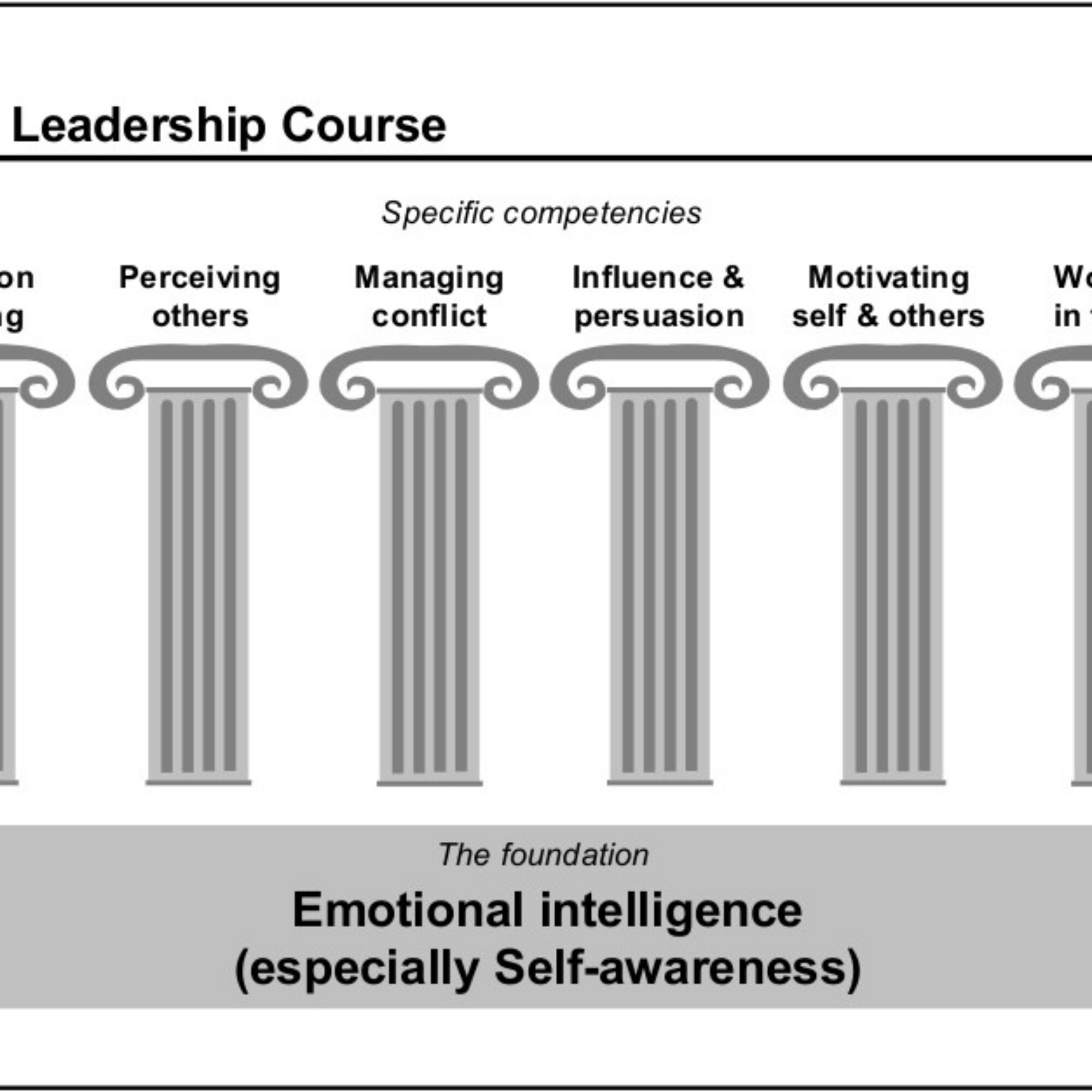
Next on the list of concepts under my name at the top of this page is leadership. See earlier posts for values, meaning, purpose, importance, and passion. Unlike the other concepts, leadership intrinsically involves other people. At first that complexity makes it seem harder to understand, but I think it gets simpler in the end. I start my "Leadership through emotional intelligence and self-awareness" seminars by asking what leadership is, following how my core Leadership course began at Columbia Business School. Since understanding an apparently broad concept like leadership on its own can be hard Columbia's course talks about "six pillars" of leadership, each of which you can understand and learn more easily than leadership in general. You can break down leadership in different ways.…

0 Comments

What is passion? How do you find your passions?

Next on the list of words under my name at the top of this page is passion. See earlier posts for values, meaning, purpose, and importance. I think people understand passion more precisely than the previous concepts. Also, I think people also connect passion to emotion, so I don't have to explain why I'm connecting the concept to emotions like I did for the earlier posts. The dictionary's three relevant definitions are emotion intense, driving, or overmastering feeling or conviction a strong liking or desire for or devotion to some activity, object, or concept Wikipedia starts its page on passion with Passion (from the Ancient Greek verb πάσχω (paskho) meaning to suffer) is a term applied to a very strong feeling about a person or…

0 Comments

What is importance? What makes something important? How do I have more important things in my life and less junk?

Next on the list of concepts under my name at the top of this page is importance. See earlier posts for values, meaning, and purpose. For something to be important, it has to change your life. If something doesn't affect your life, it's hard to call it important. And something changing your life means you do something different than you would have done otherwise. In other words, something important changes your motivations -- it motivates you. In other words, it affects your emotions. As with values, meaning, and purpose, if you want to understand something's importance to you, understand how it affects your emotions. How important it is stems from the characteristics of the emotions it evokes. Something evoking long-term emotions has long-term importance. Something…

4 Comments

Understanding leadership, values, meaning, purpose, importance, passion — Interlude on writing on emotions and emotional awareness so much

You've probably noticed I'm writing a series of posts on the main themes of this blog -- the words under my name at the top: leadership, values, meaning, purpose, importance, and passion. If you've gotten the idea now that I'm relating these concepts back to knowing your emotions and emotional system, I'm glad. I thought I'd take a post to explain why. The vagueness people throw terms around with makes it hard to work with them. When the terms in question are values, meaning, purpose, importance, leadership, and passion -- well, those aren't things you just vaguely want to hope for in life. If vague is all you can do, vague is all you'll get. If you understand these things precisely you can act on…

0 Comments

What is purpose? How do I create more purpose in my life?

The past few posts have covered two concepts under my name at the top of this blog -- values and meaning. On to purpose. As with values and meaning I want to ground an important but nearly always vaguely used and defined concept in simple, understandable terms. As with values and meaning, purpose describes not things or actions, but something more about the feelings related to such things. For example, learning is an action. Learning with a purpose means learning in a different way. Describing doing anything as with a purpose or purposefully describes your mental state. You can observe the difference between how someone behaves when with a purpose versus when not. That's the effect of the cause -- your emotional state. Purpose means…

0 Comments

Understanding others’ value and their values

Following up on the past two days' posts on values, let's look at understanding other people's values. I don't think I need to explain the value of understanding others' values in developing a relationship with them, especially if you want them to like you to for you to influence them. I need only point out at that since you almost certainly wish more people understood you better, they feel the same way -- be they coworkers, colleagues, friends, family, etc. When you identify values as based in emotion, you realize understanding other people's values means more or less empathizing with them. Most people wish others understood them better. I think a lot of people wish they understood others better. If you want to lead others,…

0 Comments

One of the most insidious barriers to getting hard things done, part 5: examples

[This post is part of a series on empathy gaps. If you don't see a Table of Contents to the left, click here to view the series, where you'll get more value than reading just this post.] As a final note on empathy gaps, I wanted to note a few examples of empathy gaps -- using them, observing them in others, and observing them in yourself. Researchers normally present empathy gaps as problems. I like to think of them as a part of life like any other. We can use the effect to help us. Teenager egg-carrying exercise I remember a high school assignment for students to carry an egg with them everywhere for a week or a month. Eggs, of course, are fragile, so…

0 Comments

One of the most insidious barriers to getting hard things done, part 4: overcoming them

[This post is part of a series on empathy gaps. If you don't see a Table of Contents to the left, click here to view the series, where you'll get more value than reading just this post.] Now we are familiar with empathy gaps -- that when you feel one emotion you generally can't conceive of your motivations when feeling a different emotion. We get how insidious they can be in keeping us from improving our lives. What do we do about them? How do we shield ourselves from them undermining our efforts? I haven't found research on effective techniques (please contact me if you know of any) in avoiding, overcoming, or developing resilience to empathy gaps. I only have my understanding of them and…

0 Comments

One of the most insidious barriers to getting hard things done, part 3: why empathy gaps make sense

[This post is part of a series on empathy gaps. If you don't see a Table of Contents to the left, click here to view the series, where you'll get more value than reading just this post.] As usual, understanding ourselves better helps us overcome the problems of empathy gaps -- that when you feel one emotion you generally can't conceive of your motivations when feeling a different emotion. Yet as they fundamentally concern being unable to understand things about ourselves, you'd think they were difficult to understand. On the contrary, you can understand them if you understand your emotional system. Luckily we have an easy way to understand our emotional systems. Empathy gaps depend on your emotional system Also as usual, the Model explains…

0 Comments

One of the most insidious barriers to getting hard things done, part 2: research and experiments

[This post is part of a series on empathy gaps. If you don't see a Table of Contents to the left, click here to view the series, where you'll get more value than reading just this post.] Yesterday I talked about the effect that when you feel one emotion you generally can't conceive of your motivations when feeling a different emotion, nor do you realize you can't, also known as empathy gaps. Today let's look at some research and experiments. Sexual arousal A comedian once remarked on the question people suggest you asking before considering unprotected sex, "would you die for it." He said sometimes when you're in the moment, you think you might. Dan Ariely, in his book Predictably Irrational (which I recommend), wrote…

0 Comments

One of the most insidious barriers to getting hard things done, part 1

[This post is part of a series on empathy gaps. If you don't see a Table of Contents to the left, click here to view the series, where you'll get more value than reading just this post.] Did you know you undermine some of your best efforts to do challenging things, especially involving personal change? You do. We all do, through an effect that makes sense when you get it, but most people don't realize undermines them. The effect is this When you feel one emotion you generally can't conceive of your motivations when feeling a different emotion. Or more to the point When you plan to do something you feel one set of emotions, often enthusiasm. When you act on them you feel different…

0 Comments
Moving doesn’t have to suck. It can be great.
Most of the material things I own are in the seven boxes inside that pile

Moving doesn’t have to suck. It can be great.

If you know me in person you probably know I've lived in the same apartment for thirteen years, longer than anyone I can think of has lived in one place except my father. I haven't moved partly because I love the West Village, partly because I couldn't stand the process of moving. Moving disrupts your life, takes a ton of work, and fills your place with dust. Meanwhile, over the past few years, a big goal of mine has been to get rid of things I don't like or need and to learn to love things in my life I can't get rid of. As a result, my life is filled with things I like or love and devoid of things I don't. I considered…

0 Comments

Responsibility and consuming resources

I remember as a kid in the 70s being taught a policy to turn off lights when I was the last to leave a room. People put stickers on light switches with that message. I don't see that message that much any more. People seem to generally project that saving energy is better than not saving energy, but I see the idea more used to market selling products than changing personal behavior. I'll leave for another time the counterproductivity of selling more things to reduce consuming resources. Responsibility I'd rather talk about personal responsibility and consuming resources. I have found responsibility one of the most fundamental concepts in leadership, principally in my words to live by Don't look for blame but take responsibility for making…

0 Comments

Variety, choice, the manufactured illusion of it, and creating more yourself

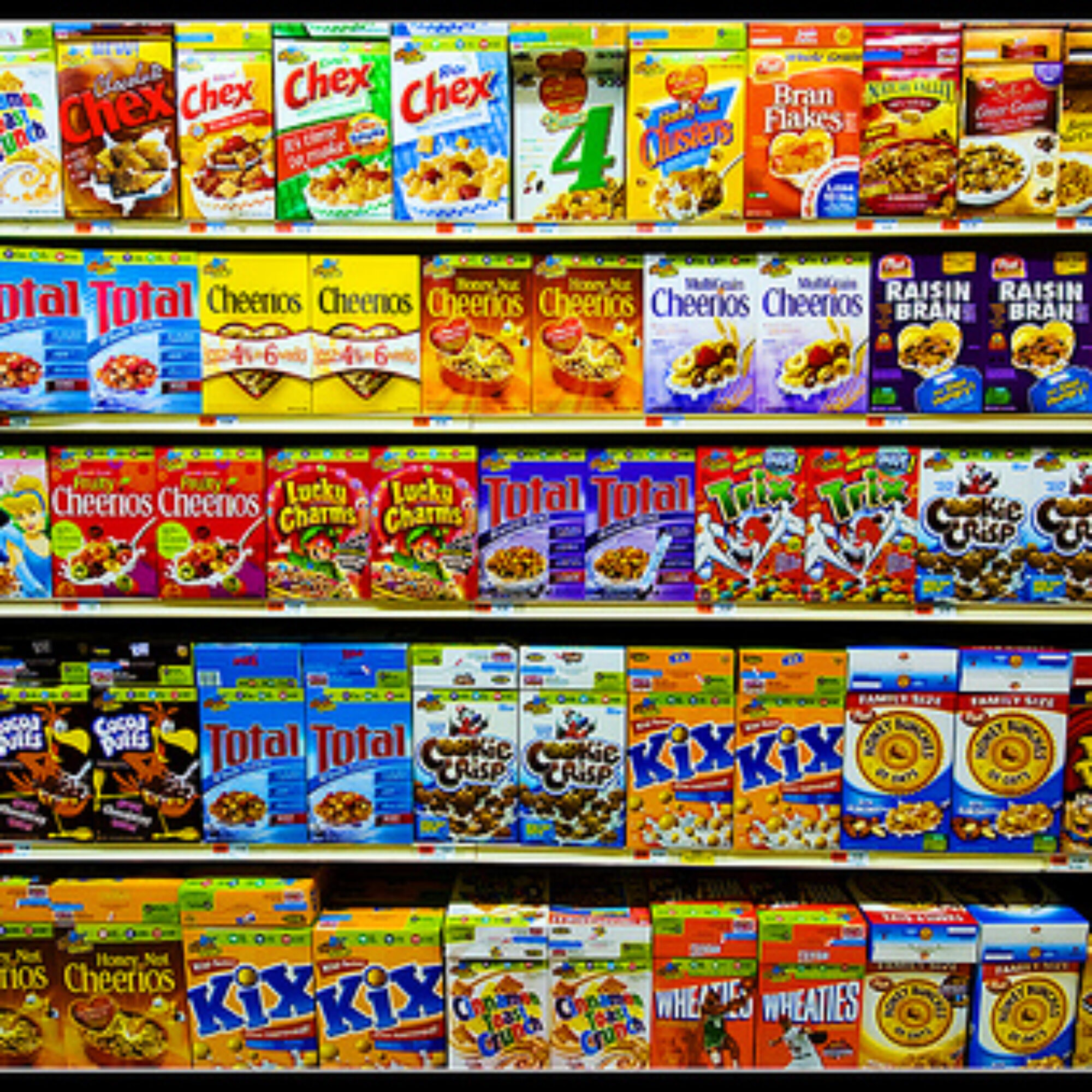
Can we all agree processed food is unhealthy garbage? Yet people eat tons of it. I want to talk about one reason. And that reason is not just about cereal. It applies to many places in life. When I was a kid I loved boxed cereal. Didn't everyone grow up eating it? And as a kid you loved sugar cereals. Why not? Before some age you hardly knew or cared about nutrition. Over the years I learned about nutrition, especially how removing everything from a grain but the sugar ruins it. Then adding more sugar ruins it more. Adding some vitamins negligibly changes it nutritionally; it just helps market it to people who don't know better. This knowledge changed my experience walking down the supermarket…

2 Comments

A good video on body language, non-verbal communication, and improving yourself

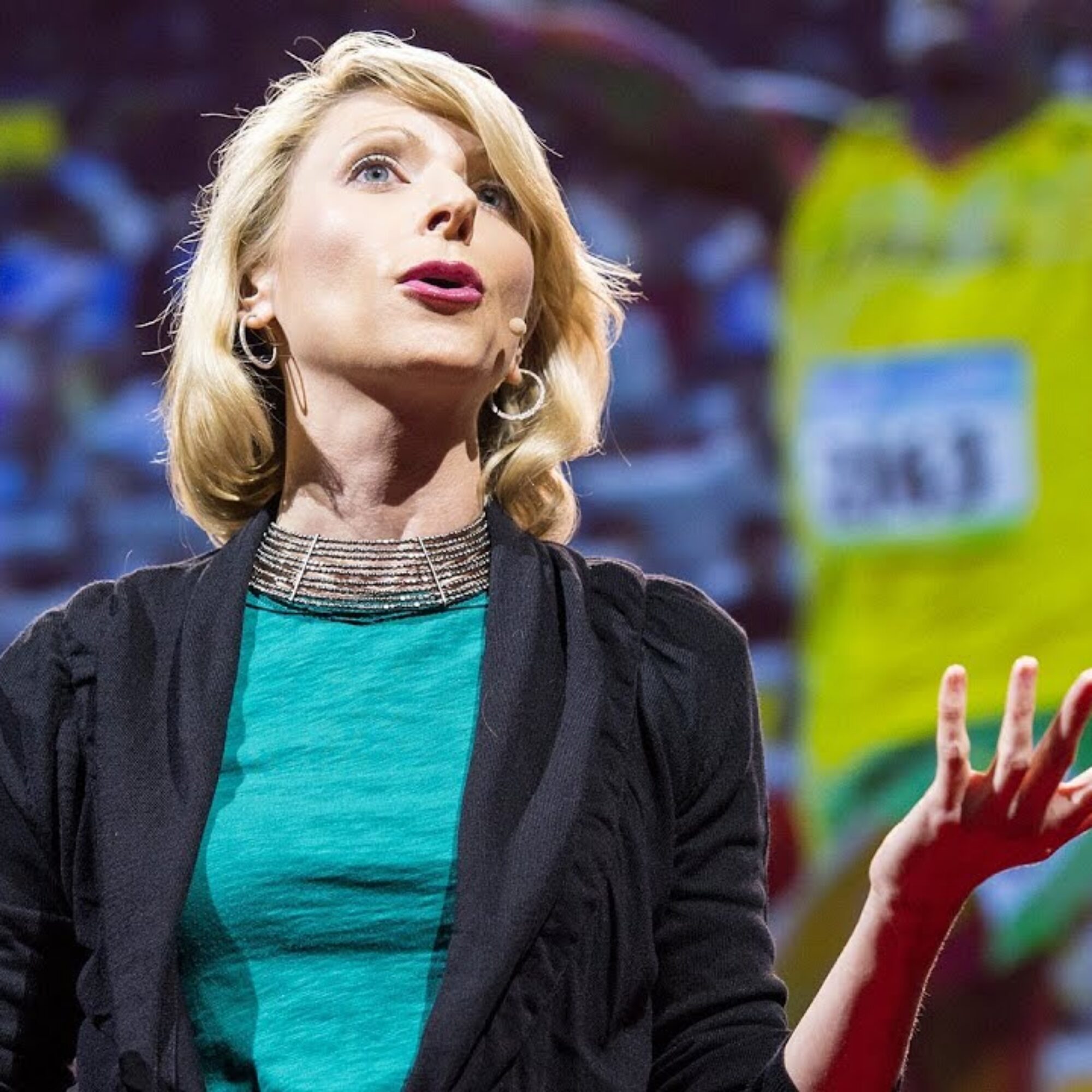
This TED talk on body language covers several things I cover in my seminar. I recommend watching it. The speaker is Amy Cuddy. From Wikipedia Amy J. C. Cuddy is an American social psychologist known for her studies of the relations between stereotyping and behavior. She is Associate Professor in the Negotiation, Organizations & Markets Unit at Harvard Business School. Cuddy studies the origins and outcomes of how people judge and influence each other. She has conducted experimental and correlational research on stereotyping and discrimination against various groups (e.g., Asian Americans, elderly people, Latinos, working mothers), the causes and consequences of feeling ambivalent emotions (e.g., envy and pity), nonverbal behavior and communication, and hormonal responses to social stimuli. Amy Cuddy was listed #1 in Time Magazine's…

0 Comments

Misconceptions about values

People have a lot of misconceptions about values that make it hard for people to know and live by theirs. In particular, people imagine sticking to their values in challenging situations hard. Misconception 1: It's hard to stick to your values during crises, conflict, and ethical dilemmas A lot of people think that crises, conflicts, and ethical dilemmas entice you to drop your values and just do what's easy. I suggest those situations make it easy to learn your values -- they're what you do. Everyone always does something in any situation. What you do, that's your values. Some rise to the occasion, some avoid problems, some run from them, some sit and analyze them forever, some ask others for help. And so on. So…

0 Comments

You’re always emotional, not only when you’re angry or excited

People often look at someone acting with intense emotions -- like when they're excited, angry, enraged, passionate, etc -- and say that they are "emotional" at times like that. They misunderstand emotions. Understanding emotions is one of the most important parts of self-awareness and therefore leadership of yourself and others. Emotions motivate you. As long as you're awake you feel motivation. Everyone is always emotional all the time. Calmness is an emotion. Just because you aren't running around yelling or losing control doesn't mean you aren't feeling emotions. You could just as well call someone serenely under control and relaxing emotional. They're feeling contentedness or calmness or something like that. Why is this distinction important? Some people think of emotions as bad or something that…

0 Comments

Non-attachment, caring, and motivation, part 2

A couple months ago I posted a question on awareness, non-attachment, caring, and motivation I'd been thinking about for a decade or so, unable to answer it in all that time. I came up with an answer I like, that satisfies my curiosity, and helps me understand more. First let me remind you of the question. It came when I was learning in college about Buddhism. I learned the story that Siddharta Gautama, the guy who we know as the Buddha, became enlightened while meditating under a tree. I don't like fuzzy terms like "enlightened," but I understand it means, among other things, he no longer had attachment to anything. Contemplating the concept of non-attachment satisfied me in some ways but confused me in others.…

0 Comments

Know your self-talk, lead others

The past few posts talked about using self-talk to lead yourself. Today I'll mention a few things about leading others by influencing their self-talk. To me, influencing someone's self-talk feels easier than changing their beliefs, but the effect is roughly the same. Trying to change other people's beliefs sounds hard, especially if you can't change your own beliefs. It's easier when you realize some simple things about how others have influenced your beliefs. I'll keep it brief because I haven't studied it much, though I remember hearing from friends about it in a class I didn't take in business school called Power and Influence in Organizations. Here are some tools that help influence others' self-talk, in no particular order. Empathy - I find the more…

0 Comments

Know your self-talk, know yourself, part 2

Knowing your self-talk lets you change how you perceive and influence your world more than almost anything. That knowledge helps you understand and influence how your team members, peers, bosses, and so on perceive their worlds. It's a powerful lever. Your beliefs affect how you perceive your world. Everything you observe gets filtered through your beliefs. If you think Bob is a jerk, you will filter everything you see about him through your beliefs. If you believe you can't do something, like you have a dead-end job and can't do anything about it, or you're no good at meeting people, or you can't be more effective or more happy, and so on, you well see everything through that filter. Alternatively, if you believe something like…

0 Comments

Know your self talk, know yourself

Yesterday I posted a short passage of self-talk you might have come up with yourself doing the self-talk exercises I recommend as two of the best exercises I know to raise your self-awareness (exercise 1: write your self-talk; exercise 2: voice your self-talk). Let's do another, this time in the context of walking into a crowded room in a social situation. First, have you noticed what people do when they enter a room full of people, whether a business, social, or other situation? See if you can tell from the internal monologue below. Something similar happens for the people in the room looking at the person. Do the following thoughts sound familiar for a person entering the room? I've finally gotten here. I hope I'm…

0 Comments

End of content

No more pages to load