Awareness


Hard work, money, and American values

A friend once put American values in perspective for me. He grew up in Romania. I met him in graduate school. He came to get a PhD in physics, became one of Columbia's top students during our time, and ended up working on Wall Street. I asked him if he originally came to the U.S. to study physics or if he always knew he would go to Wall Street. He said something interesting in his response about American values: America values hard work and money. He was saying that once here, he was doing what fit in with the local values. He was going to work hard and make money. He also implied what America doesn't value by leaving out the complements to those values.…

0 Comments

Working hard versus getting things done

Working hard does not mean you get things done. Getting things done doesn't necessarily require working hard. I waste time and I find myself often inefficient, but people say I've achieved a lot. Whether I've achieved a lot or not is opinion, but if they're right, it's because I know my priorities. I allow myself inefficiency on relatively unimportant things. The important things I don't slack on. The important things tend to be important, non-urgent things, so they don't require working hard or last-minute. I am confident I will never look back at any period of my life and ask what was it all for or feel the dread of wasting any part of my life. In strategy terms, if you know your strategy and…

0 Comments

Make your faults and weaknesses strengths

Everybody agrees nobody is perfect. We all have our faults. Yet some emerge as leaders and outstanding successes. I've come to believe leaders lead and successes succeed not in spite of their faults or weaknesses, but because of them. The things themselves don't matter as much as the emotions we attach to them. Attach shame to something inherent about you and people will see a part of you as shameful. Attach honor to the same thing and people will see something honorable, all the more so if you overcame shame to reach the honor. Great leaders incorporate their faults and weaknesses so much into their identities we don't see them as faults and weaknesses anymore. Pick any great leader or success. You probably first think…

0 Comments

Fun words for annoying people

Today's post was supposed to be silly. I've been meaning to write it for a while. Once I started writing it it got more interesting, at least to me. Some people make a big deal about grammar. They don't like when sentences end in prepositions or you use words like irregardless. I call people like that annoying. I don't think they realize the main point of communication is to convey ideas, not get stuck on the medium of communication. I stopped thinking of this post as silly when I thought about what makes a word or rule of grammar. You might want to stop and think about it. People think of them as objective things, as if written in some book we all agreed to…

0 Comments

Activating mental chatter

I've written about raising your awareness of your mental chatter (aka self-talk, internal monologue, voice of judgment, etc) and learning to voice it. I call both of those activities passive. You can also work actively with your mental chatter. Passive awareness and voicing of your mental chatter helps. In my experience going from unawareness to passive awareness improved my understanding of how my mind worked as much as anything. The next step is to change your mental chatter actively. Like breathing, if you don't pay attention to it, your mental chatter will continue automatically but if you pay attention you can control it. You always lose focus, so you can only do it for a while, but you can do it. Since your mental chatter…

0 Comments

How gyms having big mirrors helps so much

Gyms having big mirrors helps a lot and you should use them if you want to get in better shape. I used to think they had them to help you with your form while exercising. They do help for that, but I realized a better reason. Some background: I've been in shape most of my life, mostly since I started running cross country in high school. My family got me to play soccer and little league baseball before that, but I didn't play much. When I played ultimate I got in very good shape -- playing, practicing, or working out about five days a week in season. My marathon training got me in decent shape too. In all that time I never achieved two important…

0 Comments

A question on my North Korea talk at Columbia

A Columbia student responded to the announcement of my talk: I would be interested in why a human rights club is putting on what appears to be a sympathetic presentation on one of the world's most notorious human rights abusers. Shouldn't you be focusing on the plight of north Koreans rather than the "misunderstood" nature of an autocratic regime? Questions like his come up a lot. North Korea is an evocative subject for many and people approach it from different perspectives. I believe a few clarifications will help. First, I think the shortened title might imply a slightly different meaning than I intended when I suggested "North Korea: How Business Strategy Demystifies the World's Most Misunderstood Country". I'm not looking at anyone's strategy in the…

0 Comments

How to attract anyone, part 3

"What if the other person is boring?" People ask me this question all the time when I tell them they can attract people better, especially through genuineness and authenticity. The question reveals a belief about people I disagree with. My belief creates more friendships that are deeper and more meaningful. I'll talk about it here. Two beliefs that create friendships I believe everyone has facets of their personality that are interesting, intriguing, and fascinating. I also believe that you could know someone for decades and still find out new things about them. Think of the person you are closest to. You never run out of things to say, right? Imagine talking to them for fifty years. You'd still have things to talk about with them,…

0 Comments

How to attract anyone, part 1

I know a trick to attract any woman. If you want to attract a man it works too. I use it regularly when I flirt and it always works. I know it works because when I tell the woman I'm flirting with what I'm doing she always says it's working. Just to be sure I predispose her to be skeptical by telling her what I just wrote -- that I know and am using a trick that attracts any woman. She'll look at me incredulously and say, "oh yeah, what?" "You want to know my trick?" "Yes! What is it?!?" Usually I take longer to answer because I know she's curious, but since I'm not writing to flirt with you I'll answer here faster. I…

0 Comments

An exercise to help keep you from getting angry

Here's an exercise that helps you recognize why and when you get angry sometimes. You can use it to help prevent yourself from getting angry or not blaming others. It applies for any other emotion than anger, so you can use it to prevent any emotion you don't want and to create any emotion you do want. Step 1: Think of a time you got angry. Step 2: What did you do just before? Were you also angry just then, or rushed, under pressure, or something similar? Many times one type of pressure or stress affects your mood afterward, even if the later situation has nothing to do with the earlier except that they were close in time. Moods linger. You can feel angry toward…

0 Comments

A self-awareness exercise to help keep you calm and effective

Here's a quick exercise to make yourself aware of how your body handles stress, which can help you decrease stress. You'll recognize the answers to the questions easily. The point is how to use the answers. I'll explain how at the end. Step 1: Think of a painful experience in your life. Remember how you felt when it happened. Think of what you saw, heard, felt, tasted, etc, but especially try to remember your thoughts. Step 2: Notice three things: the level of judgment in your thoughts, how much you focused on yourself as compared to others, and your bodily response. Regarding your bodily response, do you recall your breathing -- shallow and quick or deep and slow -- what level of tension you had…

0 Comments

Psychologists on self-awareness

This quote on self-awareness, from the book Willpower, describes some psychologists' perspectives on self-awareness. I like its perspective. It asks how self-awareness could have evolved and notes the importance of the behavior the mental ability motivates By the way, I recommend the book for its content and engaging writing style, although I prefer the advice and perspective in my willpower series. Read both. (Edit: and my Empathy Gap series. Read all three.) In the 1970s, social psychologists studying subjects in self-conscious situations began to understand why self-awareness developed in humans... When people were placed in front of a mirror, or told that their actions were being filmed, they consistently changed their behavior. These self-conscious people worked harder at laboratory tasks. They gave more valid answers…

0 Comments

Hard projects will be harder than you expect. How to prepare.

[This post is part of a series on empathy gaps. If you don't see a Table of Contents to the left, click here to view the series, where you'll get more value than reading just this post.] A second post from the book Willpower... Leading yourself and others requires foreseeing that doing something hard feels harder, longer, more frustrating, and so on than you expect. At the beginning you say, "I'm strong, diligent, and capable. I'll power through no matter what comes my way." Intellectually anticipating it will be hard doesn't and can't prepare you for the emotional motivation to stop you'll feel in the moment. One of my main reasons for running marathons (as if being cheered on by millions of fans isn't enough)…

0 Comments

Does greatness require letting go of your safety net?

I've struggled with some questions for a while. What enables greatness? Do you need to let go of your safety net to become great? We all know stories of people who sacrificed everything sensible to reach greatness. They sold all their possessions and went to Hollywood. They practiced day and night for years, sacrificing fun times. They gave up on promising careers to reach their dreams. If you jump a motorcycle over the Grand Canyon, you don't want to wind up short of the landing ramp. But if you love jumping far and you don't try to jump as far as you can, what have you achieved? For some people these questions don't matter. They don't know what they love or they don't mind abandoning…

0 Comments

Nobody is normal

Sometimes hearing something bluntly makes you realize new things in areas you thought you knew. That happened to me recently. A friend said something that dramatically improved how I thought of people and how I get to know them. The perspective becomes more liberating and improves your relationships more the more you understand it. She said, "Josh, nobody is normal." Nobody is normal! At first I the bluntness caught me off guard. I wanted to disagree. Aren't there lots of normal people? I mean, aren't they the ones who buy the stuff in ads. Isn't that who shops at the Gap? I kept thinking, though. I have plenty of friends, many quirky. I like them for their quirks. The quirks make them interesting. As I…

0 Comments

How to respond to insults

Nobody likes being insulted. We often feel compelled to respond in kind, all too often exacerbating problems. I haven't found advice to have a thick skin or not to let it affect you helpful, especially when angry or feeling attacked. It feels like letting the other person win. Understanding the situation from a different perspective makes responding easier. The main principle: When people insult, they say more about themselves than the person they insult. To clarify, everybody has values and standards. When they evaluate others they come up with their judgments. Insults express how their perception of someone measures up to their standards. In other words, when someone insults someone, they are telling you about their standards. Often they say nothing about the other person.…

0 Comments

Josh’s growing list of differences with mainstream American culture

I've noticed many of my values differ from what I see in mainstream American culture. See how yours differ too. What I call mainstream may differ from what you call mainstream and at times I deliberately overstate the mainstream American view to parody it. Category "Mainstream" American view (oversimplified) Josh's view (oversimplified) Jobs Horrible way to waste your time. A necessary evil we have to endure. A source of challenges to overcome and people to collaborate with. Exercise Torture. You inflict it on yourself for a few weeks after New Years, then forget about it. Fun way to pass times with friends. Rewarding source of discipline that gives to everything else in life. Maintains appetite, focus, sleep, mood. Science No idea what it is, but…

0 Comments

Don’t let a sour grapes attitude ruin your life

A friend asked why guys who have trouble meeting women insult them. With the worst insults you can think of, no less. As we'll see, not only men in that context do it. In other contexts women do it. And not just about other people. I do it. You do it. Everybody does it. What's going on? Let's look at the pattern. It keeps you from improving your life, so it's important. When people can't attain something they want, they put it down -- a more general effect than in dating. They're resolving a conflict in their mind (aka a cognitive dissonance): "If I can't have it it must be worthless. Or worse!" Like Aesop's fox who can't reach the grapes, they say they must…

0 Comments

Willpower, part 9: an image of how to use willpower

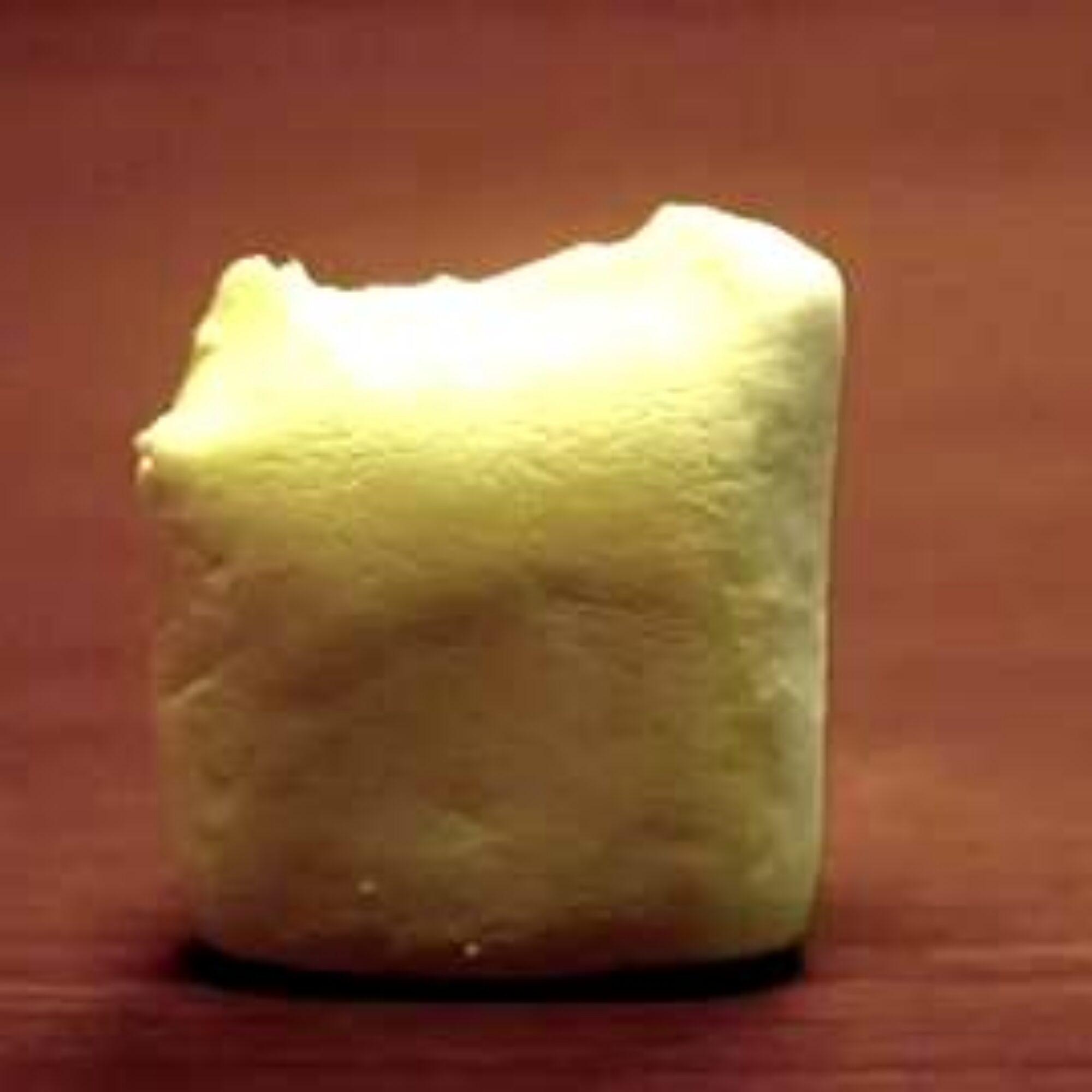
[This post is part of a series on willpower and how to understand and use it. If you don't see a Table of Contents to the left, click here to view the series, where you'll get more value than reading just this post.] Yesterday's post showed some delightful images of children and marshmallows from a video of the marshmallow experiment. If you want to see cute images and hear cute music, the video is great. If you want to improve your willpower, the video doesn't help much. It shows people struggling to use willpower, so you can empathize with them, all the more since children haven't learned to hide their struggles as well, and they're on hidden camera. If that helps you, great. A major…

0 Comments

Willpower, part VIII: images of temptation

[This post is part of a series on willpower and how to understand and use it. If you don't see a Table of Contents to the left, click here to view the series, where you'll get more value than reading just this post.] Here is some footage of a remake of the marshmallow experiment I found online. I prefer the stills below to the video they came from. I find the video missed the point and unhelpful. It shows very cute images of very cute kids. Something didn't sit well with me. I think the music tipped me off that the point of the video wasn't to help people develop willpower. It's cutesy. Finally I realized what was missing. Look at the pictures and watch…

0 Comments

Willpower, part 0: The value of willpower

[This post is part of a series on willpower and how to understand and use it. If you don't see a Table of Contents to the left, click here to view the series, where you'll get more value than reading just this post.] The ability to use willpower helps you more than you think. Much more. Most of us think about willpower helping us to avoid eating too much chocolate cake, to go to the gym, to quit smoking, and the like. New Year's resolution type stuff. It helps with such things, but it helps a lot more than that. The problem is what we also associate willpower with -- giving in to the chocolate cake, sitting on the couch instead of going to the…

0 Comments

Communications skills exercises, part 10a: examples of voicing your self-talk

[This post is part of a series on Communication Skills Exercises for Business and Life. If you don't see a Table of Contents to the left, click here to view the series, where you'll get more value than reading just this post.] Here are examples of two masters of voicing their self-talk, Robin Williams and (I believe) his mentor Jonathan Winters. They make great role models for what level of freedom in communication people are capable of. Before watching, keep in mind you don't have to reach that level to achieve more freedom in communicating to others and yourself. According to Wikipedia, Robin Williams was shy until he began drama in high school and developed his skills through practice. You don't need the impressions, the…

0 Comments

Willpower, part VII: what to do with your old motivations

[This post is part of a series on willpower and how to understand and use it. If you don't see a Table of Contents to the left, click here to view the series, where you'll get more value than reading just this post.] Say you're using willpower effectively -- you know what you want to achieve and you know once you will yourself get started, emotions will kick in and help you finish. What about the old emotions motivating you to sit on the couch instead of exercise, to eat the pie instead of the carrots, or to yell in anger instead of thoughtfully consider your next actions? If they linger, you may find yourself at the starting point again. Again there are effective and…

0 Comments

The Method: exercise to transform yourself

This exercise transforms your life. It has you do the first three steps of the Method, prepares you for the fourth, and sets up accountability with others for step 4. Accountability is how things get done, so it can help a lot. I do this exercise halfway through my seminar. People get deeply into it, even after sitting in a room for five or six hours. When we review the exercise people sometimes tell me it gave them their first experience ever sharing some problems, then finding themselves surprised to find simple solutions to them. Requirements (or good-to-haves) You can do the exercise alone, but I prefer to group people into three to five. Everyone should know the Model and the Method. Preferably you've prepared…

0 Comments

The Method: exercise in new beliefs

The Method's steps 2 and 3 have you conceive of new emotions, environments, beliefs, and behaviors for emotional cycles you want to change. The challenge How do you pick the new beliefs to crowd out the old ones? Choosing the opposite to existing beliefs rarely helps. You end up debating yourself in your head. Discussion I find complements to beliefs crowd out existing ones more effectively. For example, I found an effective alternative to rising anger is not to try to be calm, but to be curious about the situation causing the anger. The curiosity crowds out the anger and I get calm anyway. I've found effective complements to many emotions, though curiosity works well for many situations for me. When I feel frustrated, impatient,…

0 Comments

End of content

No more pages to load