Nature


Nature versus Corporate

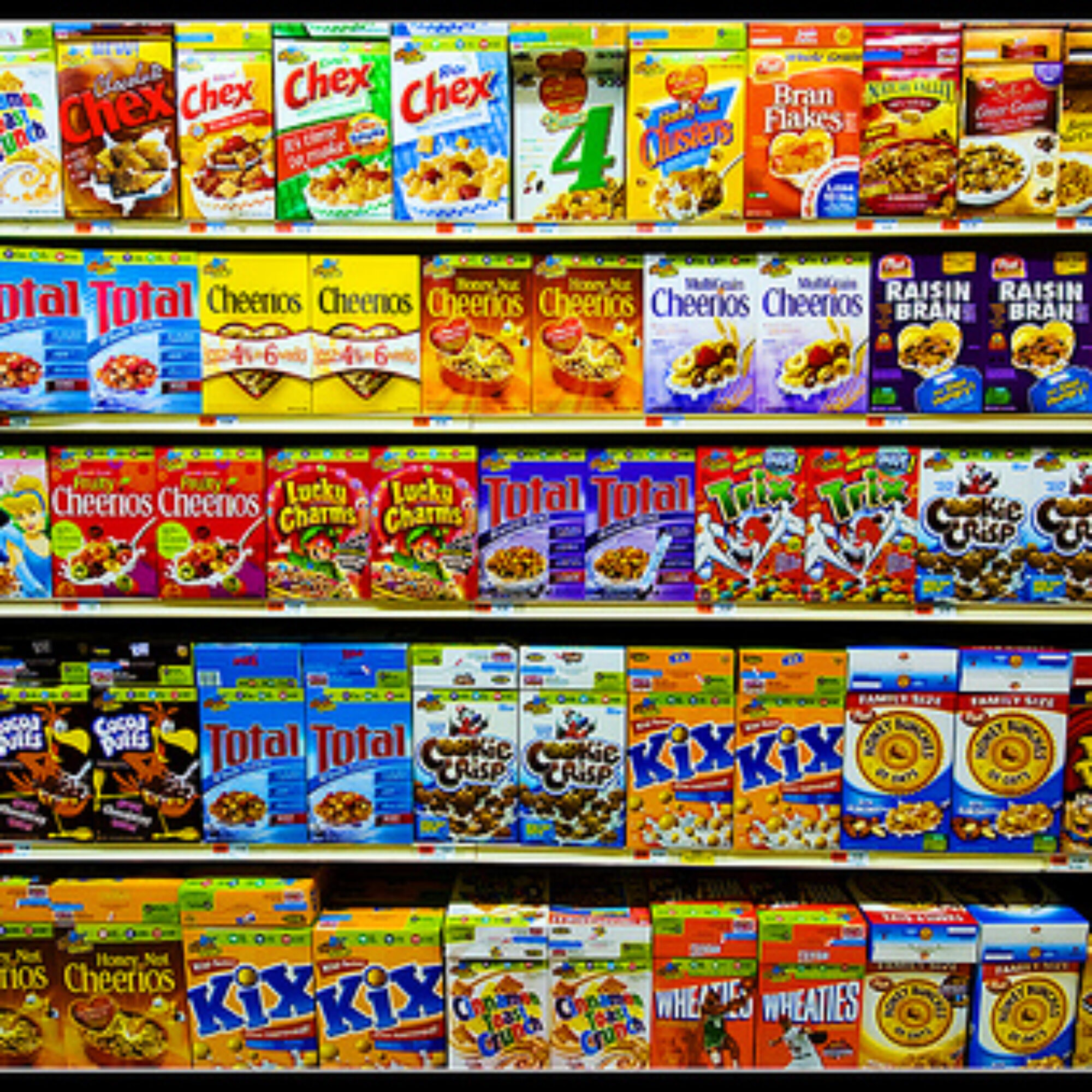
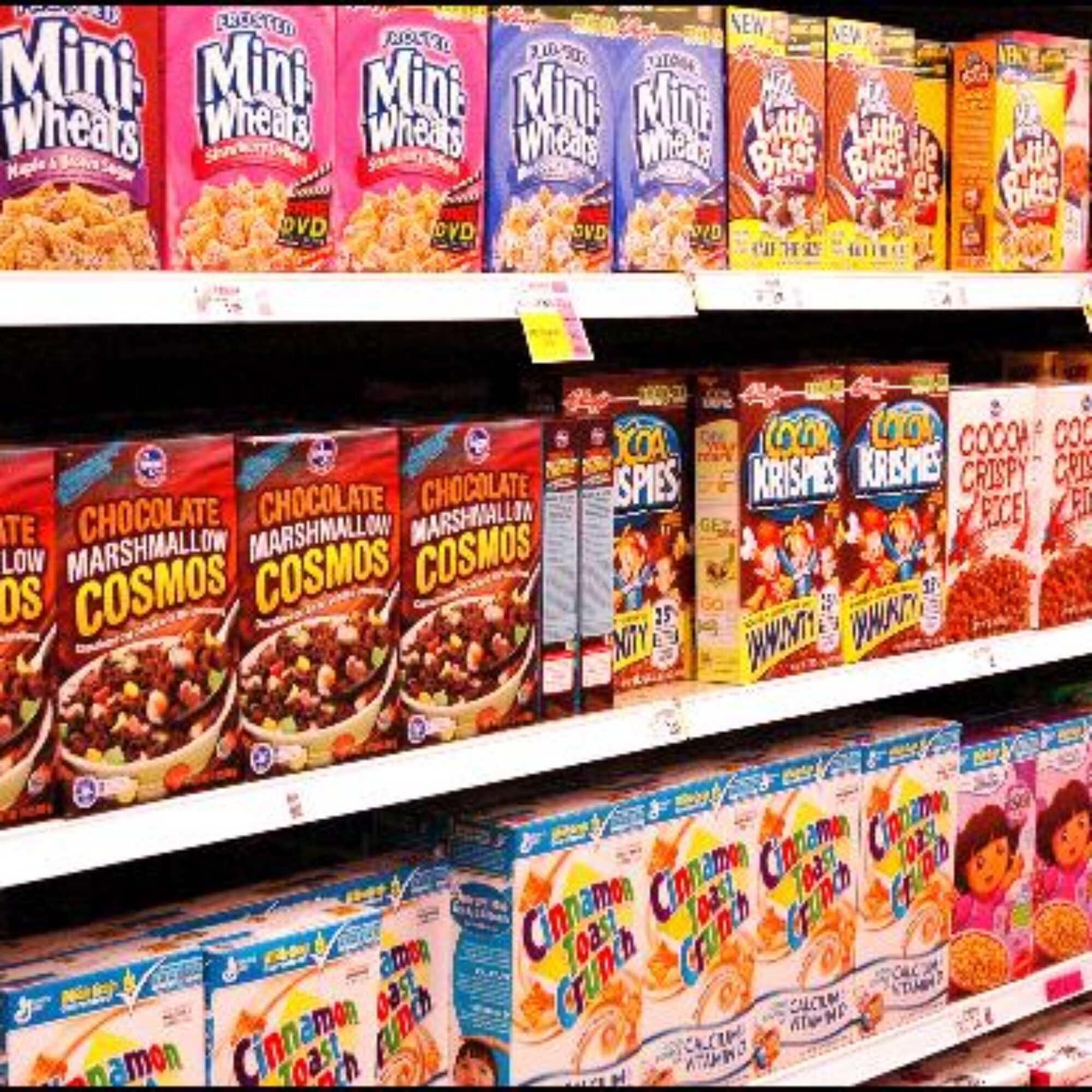
My post on Variety, choice, the manufactured illusion of it, and creating more yourself prompted more people emailing me about the images than most others. The way all the corporate stuff trying to catch your eye glosses over. I decided to contrast the corporate image with images from nature. I just did three images searches, on "fruit," "vegetable," and "forest," and posted a couple of the images from the first page that resulted. All the images show comparable ranges of colors, levels of detail, and so on. People design the box cereals to attract your eye. The plants evolved their colors, shapes, and such based on evolution. I'll leave it to you to conclude what you will from the different images, but I'll give you…

0 Comments

Thoughts on mourning

News from home comes slowly and filtered here in China. I know only the basic facts about the shooting in Connecticut. I saw Obama's first speech on it, but little more. I don't know much of what happened or how the nation is reacting to it, but I know people are dealing with death and grief. In all my communications on the subject, I've found the most helpful this passage from the ancient book called the Zuangzi (spelled Chuang Tzu in the translation below) on the death of a loved one. Chuang Tzu's wife died. When Hui Tzu went to convey his condolences, he found Chuang Tzu sitting with his legs sprawled out, pounding on a pot and singing. "You lived with her, she brought…

0 Comments

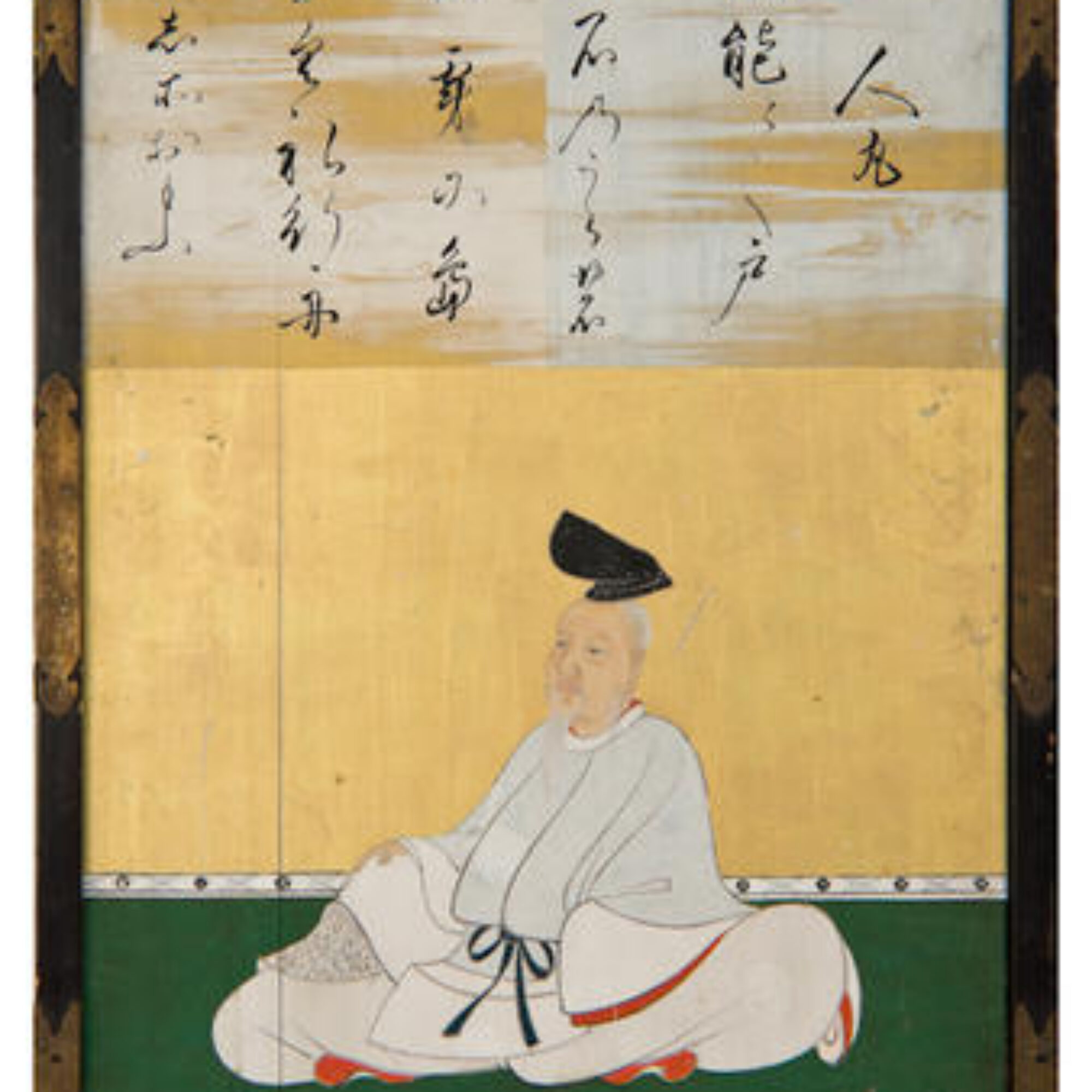
A poem: In the sea of Iwami by Kakinomoto Hitomaro

I recently came across a poem I remember reading in college and liking enough to copy into my computer. I've tried to find a way to connect it to this page's usual themes of leadership and personal development. I can't, but I like the poem enough to post it anyway. I hope you like it enough to indulge my digression / indulgence. It's by Kakinomoto Hitomaro (c. 662 — 710). According to Wikipedia he "was a Japanese poet and aristocrat of the late Asuka period. He was the most prominent of the poets included in the Man'yōshÅ«, and was particularly represented in volumes 1 and 2. In Japan, he is considered one of the Thirty-six Poetry Immortals." In the sea of Iwami By the cape…

0 Comments

One of the most insidious barriers to getting hard things done, part 5: examples

[This post is part of a series on empathy gaps. If you don't see a Table of Contents to the left, click here to view the series, where you'll get more value than reading just this post.] As a final note on empathy gaps, I wanted to note a few examples of empathy gaps -- using them, observing them in others, and observing them in yourself. Researchers normally present empathy gaps as problems. I like to think of them as a part of life like any other. We can use the effect to help us. Teenager egg-carrying exercise I remember a high school assignment for students to carry an egg with them everywhere for a week or a month. Eggs, of course, are fragile, so…

0 Comments

One of the most insidious barriers to getting hard things done, part 4: overcoming them

[This post is part of a series on empathy gaps. If you don't see a Table of Contents to the left, click here to view the series, where you'll get more value than reading just this post.] Now we are familiar with empathy gaps -- that when you feel one emotion you generally can't conceive of your motivations when feeling a different emotion. We get how insidious they can be in keeping us from improving our lives. What do we do about them? How do we shield ourselves from them undermining our efforts? I haven't found research on effective techniques (please contact me if you know of any) in avoiding, overcoming, or developing resilience to empathy gaps. I only have my understanding of them and…

0 Comments

One of the most insidious barriers to getting hard things done, part 3: why empathy gaps make sense

[This post is part of a series on empathy gaps. If you don't see a Table of Contents to the left, click here to view the series, where you'll get more value than reading just this post.] As usual, understanding ourselves better helps us overcome the problems of empathy gaps -- that when you feel one emotion you generally can't conceive of your motivations when feeling a different emotion. Yet as they fundamentally concern being unable to understand things about ourselves, you'd think they were difficult to understand. On the contrary, you can understand them if you understand your emotional system. Luckily we have an easy way to understand our emotional systems. Empathy gaps depend on your emotional system Also as usual, the Model explains…

0 Comments

One of the most insidious barriers to getting hard things done, part 2: research and experiments

[This post is part of a series on empathy gaps. If you don't see a Table of Contents to the left, click here to view the series, where you'll get more value than reading just this post.] Yesterday I talked about the effect that when you feel one emotion you generally can't conceive of your motivations when feeling a different emotion, nor do you realize you can't, also known as empathy gaps. Today let's look at some research and experiments. Sexual arousal A comedian once remarked on the question people suggest you asking before considering unprotected sex, "would you die for it." He said sometimes when you're in the moment, you think you might. Dan Ariely, in his book Predictably Irrational (which I recommend), wrote…

0 Comments

Responsibility and consuming resources

I remember as a kid in the 70s being taught a policy to turn off lights when I was the last to leave a room. People put stickers on light switches with that message. I don't see that message that much any more. People seem to generally project that saving energy is better than not saving energy, but I see the idea more used to market selling products than changing personal behavior. I'll leave for another time the counterproductivity of selling more things to reduce consuming resources. Responsibility I'd rather talk about personal responsibility and consuming resources. I have found responsibility one of the most fundamental concepts in leadership, principally in my words to live by Don't look for blame but take responsibility for making…

0 Comments

You’re an animal

Sometimes when I talk about how I don't eat meat or avoid leather people will comment Josh, you know animals aren't people. If you think they're at the same level as us, you're missing something. They're implying we're more advanced than animals. I respond I'm not elevating them to a higher level. I'm not that impressed with us. I find thinking about us as animals gives me more insight to people and our behavior than considering us above other animals. Yes, I switch topics from eating habits to psychology. Sure, we have frontal lobes, thumbs, a few other unique traits, and what they bring, but every other animal has its unique things too. If I look at our special features not as better but just…

0 Comments

Variety, choice, the manufactured illusion of it, and creating more yourself

Can we all agree processed food is unhealthy garbage? Yet people eat tons of it. I want to talk about one reason. And that reason is not just about cereal. It applies to many places in life. When I was a kid I loved boxed cereal. Didn't everyone grow up eating it? And as a kid you loved sugar cereals. Why not? Before some age you hardly knew or cared about nutrition. Over the years I learned about nutrition, especially how removing everything from a grain but the sugar ruins it. Then adding more sugar ruins it more. Adding some vitamins negligibly changes it nutritionally; it just helps market it to people who don't know better. This knowledge changed my experience walking down the supermarket…

2 Comments

The most important parts of any exercise or diet

[This post is part of a series on my daily exercise and starting and keeping challenging habits. If you don't see a Table of Contents to the left, click here to view the series, where you'll get more value than reading just this post.] Somehow in all my ultimate frisbee, rowing, burpee, running, and healthy food talk, I forgot to mention the most important parts of any exercise or diet regiment -- freedom! You can eat anything you want any time you want. I know I do. I can always do more burpees or run another lap of Central Park to make up for it if I have too many empty calories. You lose craving for things you don't want. In my case, processed foods…

0 Comments

Sensationalist reporting

A reader responded to my post a couple days ago that the media always has a motivation to sensationalize stories. Really irresponsible. Lots of rescues of people who should have stayed inside. Two people DEAD because they walked their damn dog & tree fell on them The past few days I've commented on how a storm, while physically devastating, doesn't have to emotionally devastate you. In fact, like any external situation, you can use it to improve your life. From lower Manhattan I've seen people come together, meet neighbors, bond, and so on. I haven't seen any fights or altercations. (As a side note unrelated to the reader quoted above, but to some people: If you believe life is supposed to make you happy no…

0 Comments

It’s what you make of it

Following the storm, one of my social circles circulated a series of emails starting with one person saying they hoped everyone was safe, evolving to one talking about their hardships. I responded with No power, no internet, no phone, no water... no problem. They're supposed to restore those things in a week or two. In the meantime I can walk to midtown, like now. I hope you've come to expect such sentiments from me. others responded with things like Josh - Amazing spirit :) While I like the compliment and I appreciate the hardship of the storm's aftermath, I feel people complaining about their hardships and viewing resilience as special miss a major point of life. We had a big storm. Many people have no…

0 Comments

Always remember the media wants to sell ads

I watched the news about the hurricane approaching. They had me scared. During the storm I went for a walk. People were out in shorts, T-shirts, and flip-flops. They were walking their dogs, no problem. I'm sure the storm was worse in some places. I just logged on and haven't had the chance to read much news and I hear there was a lot of damage. But I know the news I saw and read before the storm and I know what I saw in the storm and they oversensationalized what hit Manhattan. I'm not naive. I know they have to err on the side of safety. I know their coverage had to cover other areas than just where I live. I know tons of…

0 Comments

No power? No complaints.

My rule for posting has been not to miss a day. In the words of my friend who started me writing If you miss one day, you can miss two. If you miss two, it's all over. Words to live by. Our habits define a big part of who we are. I hope people don't mind my back-posting today. Downtown Manhattan is without power, water, internet, etc. The hallways and staircases of apartment buildings like mine are pitch black. Without connections we don't really know what's going on beyond our immediate environment. I'm writing from a connection in mid-town. No one is complaining. In fact, the mood is neighborly, as I see it. Electrical power, plumbing, and internet connection don't make us who we are.…

0 Comments

Measuring costs of disasters, modeling your world, and accounting

A hurricane or tropical storm is hovering in the Atlantic soon to hit the east coast, including my home in New York City. I keep seeing predictions of the size of the damages from however the storm affects us. You see similar predictions of the size of how many things affect us -- people estimate, say, how much money in productivity traffic delays cause us and things like that. I always wonder, relative to what? And when I answer, I feel I find untested, unchallenged, and often unjustified assumptions in people's models for their worlds. Or misattribution of cause and effect. It seems to me the storm, as a part of nature, isn't causing damage so much as we built things in ways that were…

0 Comments

The metric system isn’t that much better

I think it helps to look at the world from a different point of view sometimes. You see things differently. When I did yoga, sometimes my teacher would have us cross our arms left over right instead of right over left (or vice versa, depending on how you did it normally). If you've never done it, try it. I doubt it will make you suddenly enlightened, but it feels weird in a way that might make you wonder how many other things you assumed were just one way don't have to be. So today's post is about values, understanding why you have yours, and how you probably have some for reasons you don't understand or care about. You may think you're reading about measurement systems,…

10 Comments

Science is a long way from helping diet

I wrote the following in response to this New York Times article, "Eating for Health, Not Weight" in a discussion on Hacker News. With an Ivy League PhD in physics, I'm a big fan of science. I have not observed a scientific approach to diet effective in promoting health. In my albeit limited observation, I observe no correlation between knowing a lot about food, digestion, etc and fitness or healthiness. In particular, American culture appears to approach diet most scientifically, yet has probably the least healthy population. Meanwhile, many illiterate cultures appear to have healthy diets (implying thousands of years of trial and error, admittedly a form of science, works). My observations are anecdotal, not data, so feel free to dismiss them as such. I…

0 Comments

Our polluted world

Today's post isn't on one of my major themes. Trained in physics, I like looking at nature and understanding patterns. I noticed something remarkable yesterday when a couple friends talking about visiting Hong Kong and Beijing talked about how polluted those cities' air is. As we all know,  many (all major? most major?) cities are polluted to where living in them is like smoking packs of cigarettes a day. People outside cities create just as much pollution -- often more -- than people inside them so even if their air is cleaner, they're contributing just as much. I'm no anthropologist, but I think our world once had zero pollution, that the waste humans produced could be used to fertilize crops. We've passed the point where…

0 Comments

Where do you buy fruits and vegetables?

I was inspired to write the past couple days of food-related posts by an article about the food store I grew up with in Philadelphia called Weaver's Way, which my family called just "the co-op." The store is a cooperative, meaning you have to be a co-owner to shop and you have to work a certain number of hours per year. When I was younger and lived in Philadelphia I had to work some of the hours for my family. Whether you consider buying and preparing food relevant to leadership or life-improvement, I'll leave for you to decide. As for me, the connection seems clear, particularly if you or the people you lead eat and if what they eat affects their behavior. Anyway, back to…

0 Comments

One of the best exercises I know to raise your self-awareness

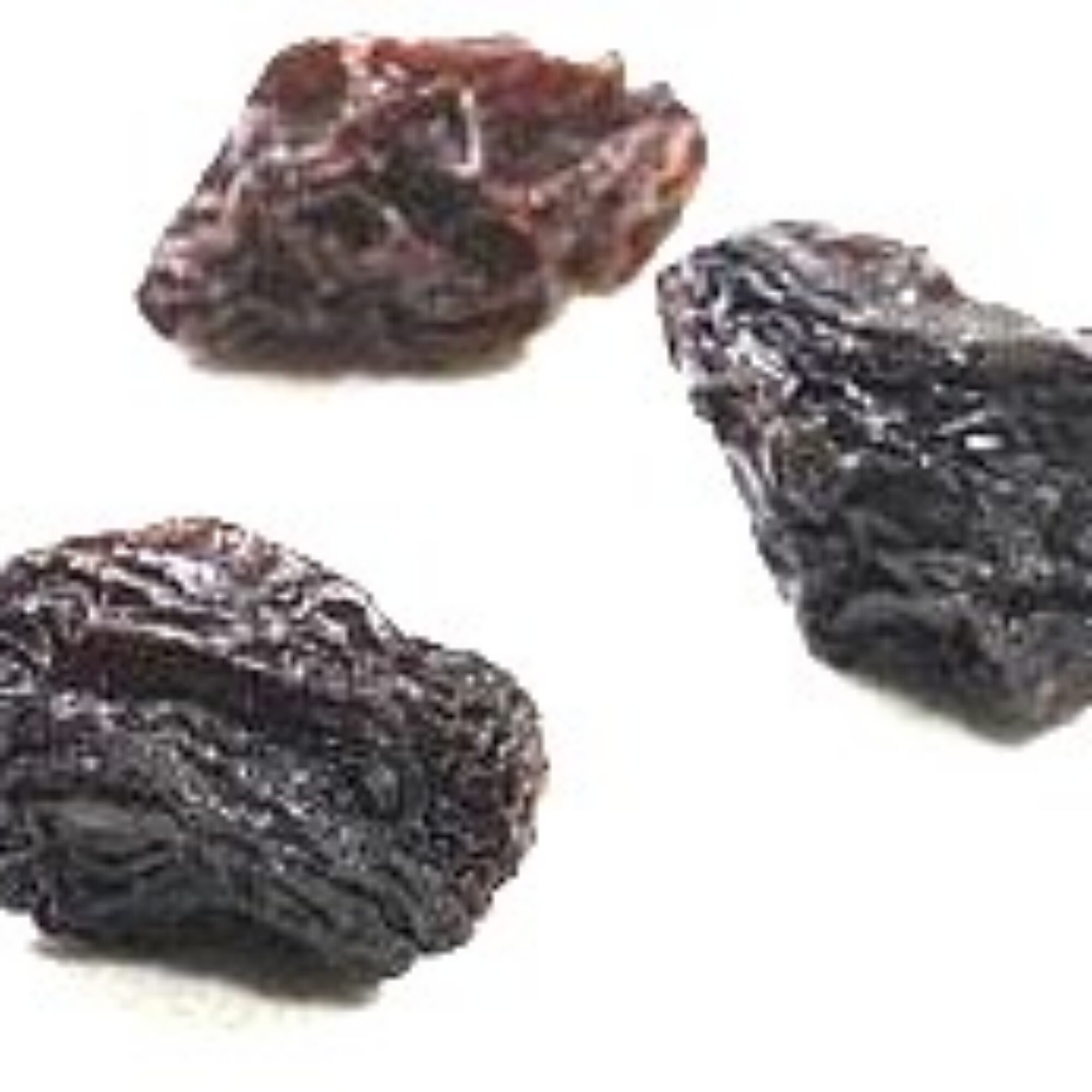
I got this exercise from a book by Jon Kabat-Zinn, who writes on self-awareness, mindfulness, and meditation. I find it helped me understand a lot about how I perceive my world and how I can influence how I perceive it. I don't know if he made it up or got it from somewhere. Anyway, all you need is three raisins and some free time. The Three Raisins exercise Preparation: get three raisins. Put them in front of you. Turn off your phone and computer. Put away any books or anything distracting. Don't schedule anything after.   The exercise: eat the three raisins as if you had never observed one before, like you came from another planet. Use all your senses. Take your time. Feel their…

0 Comments

You can still learn new things

After posting about how Churchill and others overcame impediments on their ways to greatness, I saw an article in the New York Times about great historical figures humbly learning things late in life -- Marie Curie learned to swim after winning two Nobel Prizes, Leo Tolstoy learning to ride a bike after writing War and Peace, Dwight Eisenhower learning to paint after World War II ended, and a couple other examples. Inspiration isn't that hard to find. A favorite example for me is Ernest Rutherford, one of the great experimental physicists. To understand the results of what we call the Gold Foil Experiment. I won't go into the details since the link is right there, but it basically discovered the nucleus and established the process…

0 Comments

Broccoli rabe versus sweets

I'll describe an effect across many spheres of human life, including, probably, yours. I'll describe it in the realm of food, but it applies all over. Most people, when they don't think much about it, like sweets and comfort food -- not always that healthy. If you gave them, say, some broccoli rabe, even cooked to perfection -- say just lightly fried in olive oil with a touch of lemon juice and salt -- they wouldn't like it. They'd say it didn't have flavor or tasted bad or boring. They might complain they couldn't eat it fast, like a candy bar. Or it didn't crunch, like chips. If you wean them off the intense, simple, short-term, pleasure of sugar, fat, salt, and the chemical concoctions…

0 Comments

Being overweight looks depressing

Some people choose to be overweight -- Mario Batali, for example, seems to love fattening food, knows how eating it will affect him, and eats it, accepting, even celebrating, the consequences with pleasure. I take my hat off to him. This post isn't about him. I should also point out I don't consider being overweight bad. Regular readers know I don't consider such things good, bad, right, or wrong. I'm mostly interested in consequences. If someone achieves whatever weight they want, I support them, independent of what a doctor says. I should also note that I think tracing causes of obesity leads to our huge agri-business subsidies that make unhealthy food cheaper than healthy and to what I consider counterproductive laws that allow poor labeling,…

0 Comments

Soursops — my new favorite fruit!

Fruit vendors in Boracay had some crazy tropical fruits I'd never seen before, along with the delicious and numerous mangoes of various varieties. We passed on durians this time, though they were there. On a whim we got one of this odd looking fruit they called "Gayabanos," which Wikipedia redirects to Soursop. Weird name in English, but it has many names in Central and South America, Africa, and Asia. It tastes like a mangosteen, but is bigger and easier to eat, with fewer seeds. Holy cow, it tastes amazing! If I could describe it I would. It's tangy, sweet, tart, creamy, juicy, and more. Wikipedia says Its flavor has been described as a combination of strawberry and pineapple with sour citrus flavor notes contrasting with…

0 Comments

End of content

No more pages to load