A belief to motivate trying new things

[This post is part of a series on "Mental models and beliefs: an exercise to identify yours." If you don't see a Table of Contents to the left, click here to view the series, where you'll get more value than reading just this post.] Are you nervous to try new things? Do you wish you tried more things? Do you see others enjoying things you're too scared to try? I found a way to motivate trying new things. My model to try new things: I have low standards the first time. That is, the first time I do something, I consider it successful if I just do it at all, not by how well I do it. I wrote about this model almost two years…

0 Comments

Should you change your beliefs? Or at least consider alternatives?

[This post is part of a series on "Mental models and beliefs: an exercise to identify yours." If you don't see a Table of Contents to the left, click here to view the series, where you'll get more value than reading just this post.] Say you have an identical twin and you walk into a party together. Now say your twin finds the party fun while you find the it boring and yourself in a miserable mood. Same party. Similar backgrounds and abilities. You'd rather have fun than be miserable. Why are in different moods and what can you do about it? You could say it's just your mood and moods are random, but can we say more? Since you and your twin have roughly equal…

0 Comments

My experience doing yesterday’s exercise and what it means to you

[This post is part of a series on "Mental models and beliefs: an exercise to identify yours." If you don't see a Table of Contents to the left, click here to view the series, where you'll get more value than reading just this post.] Since my results surprised me, I bet your results will surprise you when you do yesterday's exercise to record your beliefs (aka mental models or just models). First, the quantity. I felt like I had five or ten main models that I used a lot. I had about sixty or seventy. So the mental world I live in, from my mind's eye, is more complex than I thought. Next, how new they are -- that is, most of them aren't more…

0 Comments

An exercise in knowing your beliefs; so you can change them

[This post is part of a series on "Mental models and beliefs: an exercise to identify yours." If you don't see a Table of Contents to the left, click here to view the series, where you'll get more value than reading just this post.] We all know the story about the three guys doing the same physical work at quarry yet feeling different -- one felt miserable because he felt like he was just chopping stone, the next kind of enjoyed his work because he felt he was practicing a worthy profession, and the third who loved what he did because he was helping build the most beautiful cathedral the world had ever seen. How do you become the cathedral guy? As long as you're…

2 Comments

Unexpected skill for improving yourself

I noticed something that helps people improve more than almost anything else, at least in myself, people I know, and clients. Most people trying to change something about themselves, the bigger or more complex, the more they try. The harder they try, they figure, the more they'll do. They focus on the new thing they want to do. The unexpected skill for improving is not to try harder with the new thing you're trying to do, but to let go of the old thing you're trying to replace. Here's a model that might help: If you're trying to change your clothing style, getting rid of your old clothes will change you faster than getting new clothes, because you'll still end up wearing whatever old clothes…

0 Comments

Don’t take things personally when they aren’t

I heard that advice and thought it sounded useful: Don't take things personally when they aren't. Even more useful, it was followed up with the question and answer. So when are they personal? Maybe never. Whether the answer is right or wrong, I don't know, but it sounds like a useful belief or model. How many times when people attack, insult, or make you feel something is personal do you realize later they were talking about their own insecurity or problem? Or not even paying attention to you at all? How often after something makes you feel personally attacked does the person later apologize for their bad mood or that they learned something later that would have changed their approach?

0 Comments

Paper shredders and making changing beliefs and values easier

People tell me it's hard to change beliefs and values. Some people think it's impossible. I agree if they believe it's hard, but you can and it gets easier with practice. Most people change their beliefs and values all the time without realizing it. One goal for this page is to help people learn to change their beliefs more easily so I try to give examples of how you already change beliefs and values without thinking about it. If you see you do in simple or little cases, you can expand what you already do to more complex or bigger cases. Next thing you know you'll change your life. People often restrict themselves by thinking of changing beliefs as thinking positively or thinking the opposite…

2 Comments

Redefining possibility again

Are you younger than 89? Can I ask you to think critically. Forget for a moment about logistics and if you have the time or interest to do it. Just ask yourself if you think it's possible. Do you think you could finish a marathon? Do you think it's possible? Many people I ask consider their finishing a marathon impossible. Not difficult but impossible. They explain why and their reasons never hold water for me, but they seem conclusive to them. Sometimes it's as simple as knee problems (note I asked about finishing a marathon, not running one, which would allow for using a wheelchair or crutches, both of which I've seen racers use. For that matter, seeing a blind runner in a marathon. Whatever…

0 Comments

Personal development, achievement, and freedom

Following up on freedom from yesterday's post, I wanted to share a perspective so useful, I almost can't believe it wasn't originally written for the context of personal development. Michelangelo, when asked about how he created David, said I saw the angel in the marble and carved until I set him free. As I mentioned yesterday, the greatest improvements we can make are to free ourselves from constraints that inhibit us from being ourselves. We know when we see other people constrained and unaware of it that we know they are living below their potentials. I find our greatest developments are to remove these constraints to reveal what's underneath, so we can be ourselves. The constraints tend to be rules and beliefs others imposed on…

0 Comments

A great model to allow yourself to fail

This model is one of my most important ones I think about almost daily. It fits with my practice of having low standards the first time. It also enables you to act on the perspective most successful people I know of realizing the importance of failing. The scene is a martial arts class. A few students learning from a great master. The students ask the master how he never loses his balance. He asks, surprised, "what do you mean?" They say "You're always on your feet. You never fall. How do you never lose your balance?" He says, "On the contrary, I'm always losing my balance, but I'm always recovering." I love this line. It tells me I can fail. I just recover. As long as…

0 Comments

How to take risks

I've written about my models for how to motivate doing things you aren't good at. Such skills are important in many fields, but especially so in leadership. More than having to motivate yourself to do things for the first time, you often have to motivate many others to do things they haven't done. One is my practice of having low standards the first time I do something, which motivates doing things the first time at all. I can always improve later. But I have to try once to get to later tries. Another is Martha Graham's statement: Nobody cares if you can't dance well. Just get up and dance. Great dancers are not great because of their technique, they are great because of their passion.…

0 Comments

When models don’t work

I write a lot about models on this page. By model I mean a simplified representation of something for a purpose. I promote recognizing what models work and using those, and not dwelling on if the model is right or wrong or accurate or not. Sometimes I like using models that work despite being very wrong. For example, sometimes thinking men are from Mars and women are from Venus helps understand differences between sexes. I know we're all from Earth. But if a model doesn't work, I promote rejecting it. I'm writing today because I recently heard the model A rising tide raises all boats. as an explanation for the value of promoting raising the GDP. It implies that strategy improves the lives of everyone,…

2 Comments

What is your model for leadership?, part 2

Following yesterday's post asking you about your model for leadership, you might wonder mine. I looked at my paper from the business school leadership class, but my model has evolved so much from then -- the beginning of my even asking the questions -- I don't see value in posting it. Elements of my leadership model Since then I've developed my Model of the human emotional system, which I've found tremendously useful in motivation, understanding, and leading others and myself, so I consider it an essential and prominent part of my model for leadership. Even that Model I've built on, for example how it interacts with the rest of you and how to use it (the Method). I also like Columbia's modeling leadership as six…

0 Comments

What is your model for leadership?, part 1

To ask what your model for leadership is is not just an idle question. It was the sole question for the final essay in one of my leadership classes at Columbia Business School -- one of the best classes I'd ever taken, including all undergrad and graduate school classes. Models influence your behavior strongly. Since people tend to do what they think is best (though not always what you think is best), at least I believe they do, their models for things determine how they act. If you have a model that leads to effective behavior, you might lead easily and well without having to try or think hard. If you have a model that leads to ineffective behavior, no matter how hard you think…

0 Comments

How you look at things solves problems, NASA-style

A scene from the inspirational docudrama Apollo 13 based on the true rescue of a disaster in space illustrates a great example of how different models and beliefs can motivate different motivations and behavior. The scene is the control room after a lunar mission suffered an explosion and three astronauts' lives were in peril as their ship hurdled through space with little chance at recovery. The characters are a fictional character representing NASA's public relations named Henry Hurt, an unnamed NASA Director Hurt interviews, and Gene Krantz, the Flight Director. This clip, though perhaps overly dramatized, shows different aspects of adopting different perspectives. Taking responsibility and looking forward versus accepting fate and looking to make excuses. Not basing your model on being right or just…

0 Comments

How to decide among close options

I've written before about why deciding is hard. One of my most helpful (to me) insights was that the difficulty in deciding is not figuring out which option I like, but working up the nerve to get rid of the options I don't choose. Our language illustrates this challenge -- the -cide in decide is the same -cide as in pesticide, insecticide, etc. It means to kill, reiterating that the challenge of choosing is "killing" the options you don't choose. I see people caught in patterns of not choosing, sometimes looking for more evidence, sometimes analyzing away, sometimes just scared to "kill off" options. Their reasons are endless. The result is the same. How to decide among close options The situation If you strongly preferred…

0 Comments

More on Martin Luther King and leadership

Hearing Dr. King talk about injustice anywhere being a threat to justice anywhere, I couldn't help but notice how he polarized people too. The content is different, but the structure sounds like the "You're either with us or against us" I heard from a U.S. President ten years ago. It tells people they aren't safe, no matter where they are. If you read this page regularly, you know I don't like labeling things right, wrong, good, bad, or evil. I don't like polarizing people either. King did both regularly. He considered himself right, just, and good. He described people he disagreed with as wrong, unjust, and evil. I wonder how much he considered that they probably didn't consider themselves wrong, unjust, and evil. Could he…

0 Comments

Cognitive behavioral therapy and its problems, part 2

I wrote yesterday's post on Cognitive Behavioral Therapy after reading one of its main creators -- Aaron Beck's -- brief history from the Journal of Psychotherapy Practice and Research, "The Past and Future of Cognitive Therapy." The article begins with simple anecdotes observing patterns in people's beliefs, thoughts, and behaviors that anybody could notice that led him to create what we now call Cognitive Behavioral Therapy. But when he describes the theory and practice, as opposed to writing about it, he gets vague and jargon-y, and talking about problems instead of solutions. In particular, after general talk about patients he worked with, mainly things a layperson could have written, he starts a section "Defining the Cognitive Model." He starts with a colorful anecdote with a…

0 Comments

Cognitive behavioral therapy and its problems

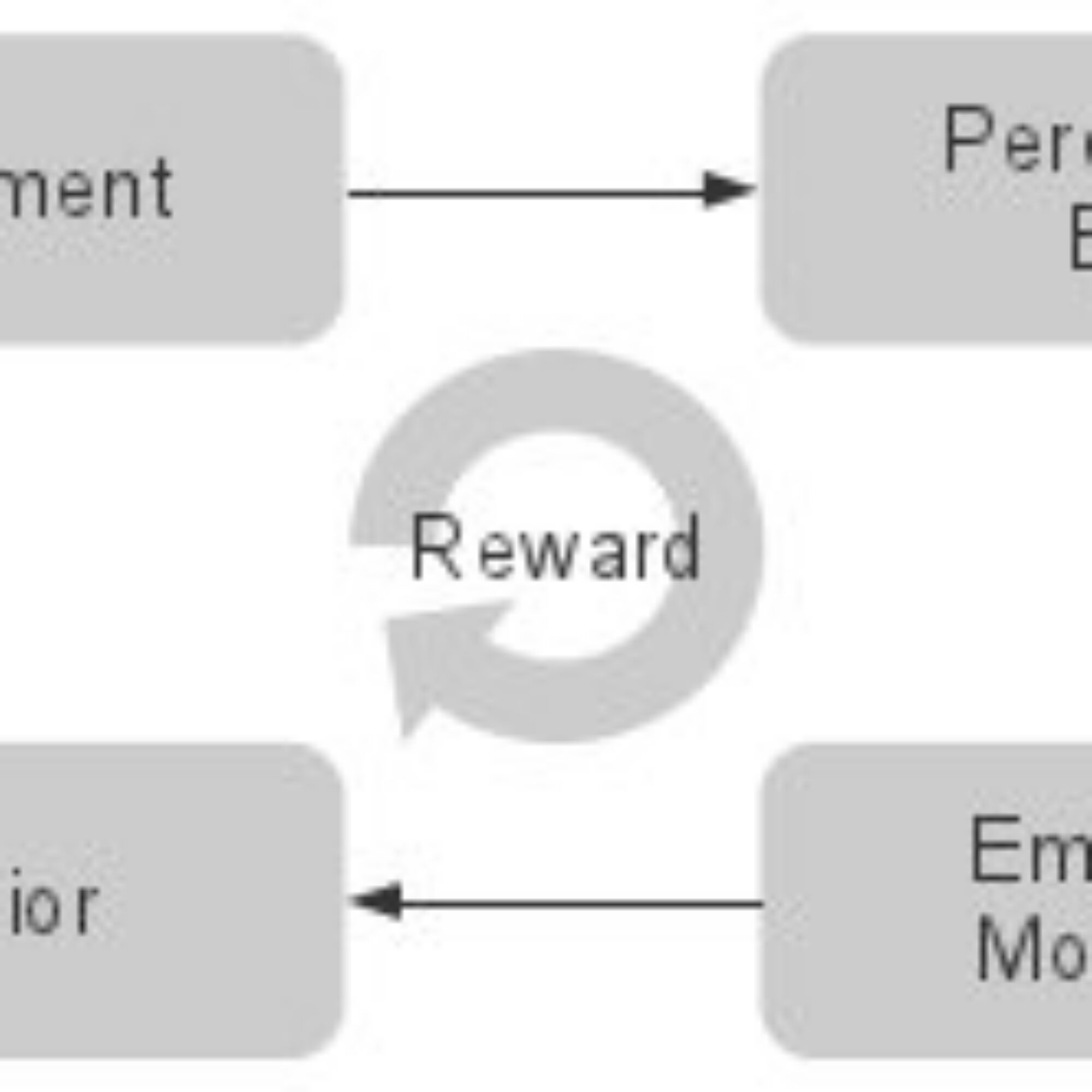
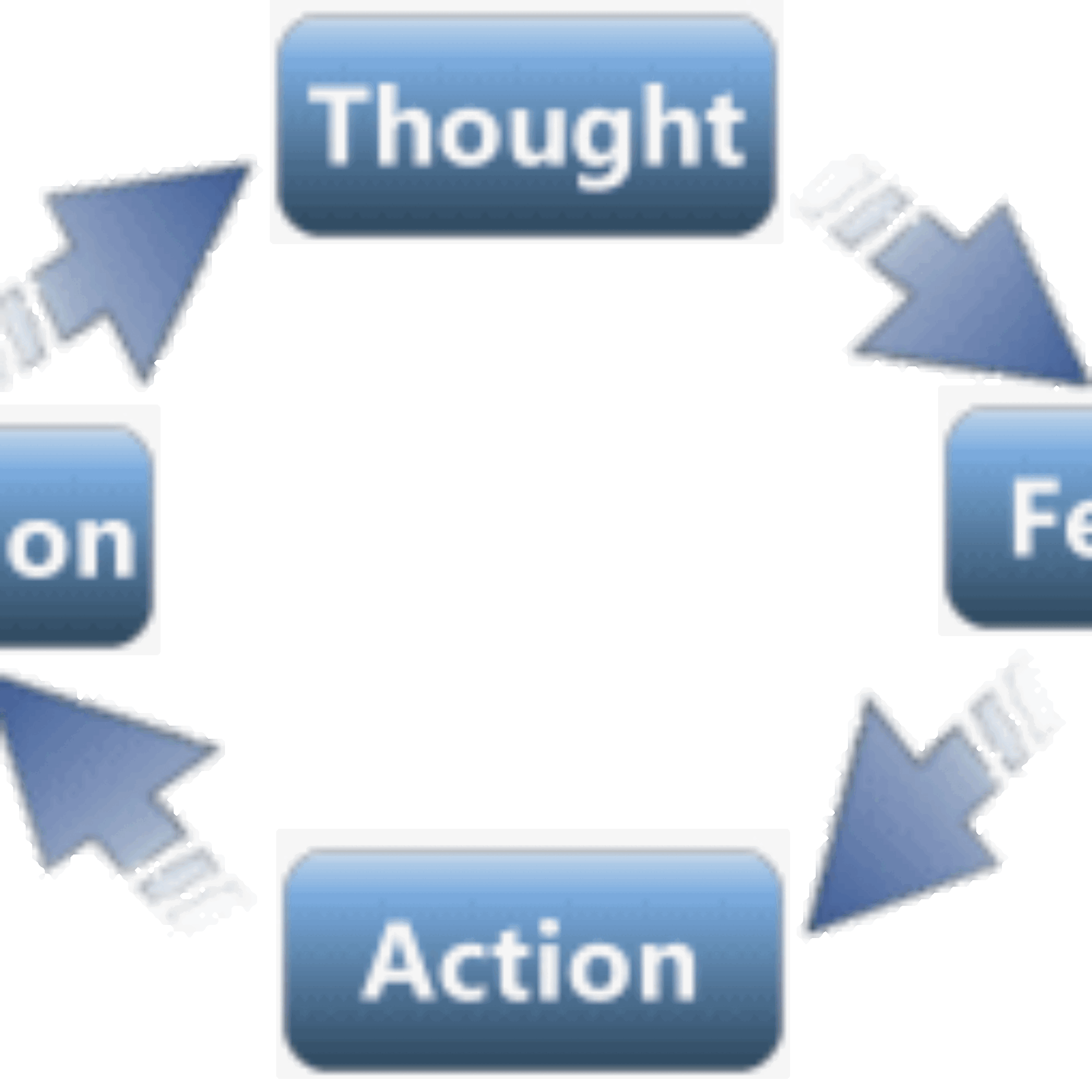
I've written before about Cognitive Behavioral Therapy and how I work. I consider CBT important and effective, as far as I know. I wrote about how similar the model at its foundation is to my Model. Specifically, compare this representation of the CBT model with this representation of mine Pretty similar: Situation -> thought -> feeling -> action Environment -> belief -> emotion -> behavior I've also written about shortcomings of CBT -- mainly that it doesn't say where its model comes from, at least not that I've found, and that it doesn't apply it to healthy people. A problem with not saying where the model comes from is that it makes it inaccessible to average people. When I thought about writing this post, I…

0 Comments

Perceiving tragedy

At the risk of posting too much on the recent storm and handling challenges, one more angle. Imagine a storm destroys two neighbors' houses equally. Imagine they also have equal material resources to handle the situation. One neighbor looks at the wreckage and says My home is destroyed. I have to start from scratch. But I built my life up in the first place. I can do it again. I can survive this challenge and make my life as good as it was before. Maybe I can learn from the experience and make it better. The other looks at their wreckage and says My home is destroyed. My life is ruined. What can I do? Who will help me? Where is FEMA? Who is to…

0 Comments

Measuring costs of disasters, modeling your world, and accounting

A hurricane or tropical storm is hovering in the Atlantic soon to hit the east coast, including my home in New York City. I keep seeing predictions of the size of the damages from however the storm affects us. You see similar predictions of the size of how many things affect us -- people estimate, say, how much money in productivity traffic delays cause us and things like that. I always wonder, relative to what? And when I answer, I feel I find untested, unchallenged, and often unjustified assumptions in people's models for their worlds. Or misattribution of cause and effect. It seems to me the storm, as a part of nature, isn't causing damage so much as we built things in ways that were…

0 Comments

Social challenges can be harder than technical

When I was younger and studied physics when I thought of the Egyptian pyramids I would wonder at how they overcame the engineering challenges -- how did they get the big rocks to the top, how did they measure the angles accurately enough, and so on. As I got older, worked in larger teams with more intricate teamwork, and led teams my sense of marvel shifted from overcoming engineering challenges to overcoming social challenges. Learning leadership and management while getting the MBA illuminated the challenges on the social side too. The engineering challenges, while big, I imagine I could solve through trial and error. The social challenges, with a bit of thought, seem harder. Have you ever thought of the management and leadership challenges of…

0 Comments

The metric system isn’t that much better

I think it helps to look at the world from a different point of view sometimes. You see things differently. When I did yoga, sometimes my teacher would have us cross our arms left over right instead of right over left (or vice versa, depending on how you did it normally). If you've never done it, try it. I doubt it will make you suddenly enlightened, but it feels weird in a way that might make you wonder how many other things you assumed were just one way don't have to be. So today's post is about values, understanding why you have yours, and how you probably have some for reasons you don't understand or care about. You may think you're reading about measurement systems,…

10 Comments

INSEAD leadership seminar

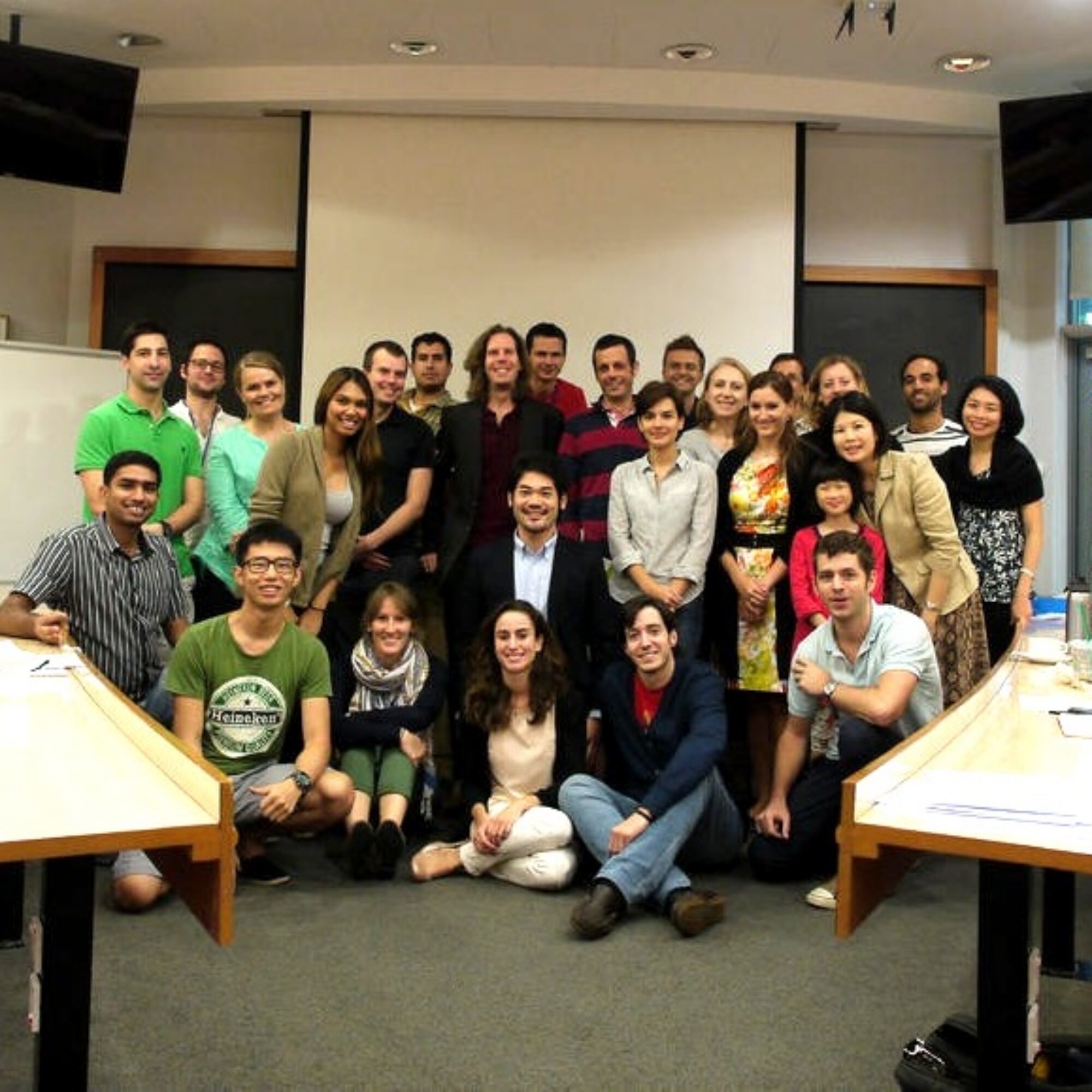
When I met Jose Gaztelu, my business school classmate and friend who did the bulk of the organizing for this weekend's INSEAD leadership seminar in Singapore, at the hotel Friday, he asked how many people I thought were signed up. When my flight had taken off that morning from Shanghai it was ten or twelve so I guessed about a dozen. "Thirty-two" So the attendees filled the room -- a great group. They were attentive, asked great questions, and started applying the material before the seminar ended. When I mentioned burpees, they wanted to get me to do a few and all started clapping to force me to do it. I said I would if they would. So about half the room did five burpees…

0 Comments

See Joshua Spodek at INSEAD Singapore next week

I'll be delivering my seminar on  next weekend in Singapore, October 6 and 7, at INSEAD. Here's the announcement. I hope to see you there. Leadership Through Self-Awareness and Emotional Intelligence Workshop led by Joshua Spodek, MBA, PhD; supported by the INSEAD Toastmasters Club INSEAD Toastmasters Club is pleased to announce a two-day (half-day) experiential workshop focused on how to develop personal leadership skills, self-awareness, and emotional intelligence by using the latest advances in cognitive behavioral science, evolutionary psychology, and positive psychology. We are lucky to have Joshua Spodek in Asia (he lives in New York City), who has delivered the workshop in New York and London with much success, to many different audiences, e.g., the New York Academy of Sciences, Columbia Business School Alumni…

0 Comments

End of content

No more pages to load