How to take risks

I've written about my models for how to motivate doing things you aren't good at. Such skills are important in many fields, but especially so in leadership. More than having to motivate yourself to do things for the first time, you often have to motivate many others to do things they haven't done. One is my practice of having low standards the first time I do something, which motivates doing things the first time at all. I can always improve later. But I have to try once to get to later tries. Another is Martha Graham's statement: Nobody cares if you can’t dance well. Just get up and dance. Great dancers are not great because of their technique, they are great because of their passion.…

0 Comments

You don’t find passion, you create it

I wrote the following to a client and thought it was worth sharing here. I've written similar things before, but it bears repeating. I think it speaks for itself, but let me know if it needs more explanation or context. ----------------------------- I find with passions you get out what you put in, so I think the advice to find your passion only gets half of it. You need to find an area interesting enough to you to devote yourself to it, but no passion begins as a passion. It begins as in interest. It grows to a passion from what you put into it. Resources like time, energy, money, attention, etc that you put into one area you can't put into another, so we have…

0 Comments

Leadership in garbage we can learn from

I just read that Sweden is separating their trash so effectively, they're buying garbage from other countries. That is, their reducing-reusing-and-recycling programs work so well, their waste-incineration program is running low. Needless to say, reducing waste reduces pollution more than incinerating garbage, so one program starving the other helps the environment. According to Phys.org, Europe's average amount of trash ending up as waste if 38 percent. Sweden's is 1 percent. I shudder at what the United States' is. My home country doesn't lead in this area. It follows. Probably embarrassingly, at least for people who don't like to pollute the air and water their children breathe and drink. Since I started composting, my garbage amount decreased a lot. Cutting back on processed food reduces my…

0 Comments

An entrepreneurial example of leading by example

In September, 2001, the company I co-founded, Submedia, was installing its first display in Atlanta for our first big launch. We anticipated a lot of press. Giving away part of how the story ends, we did get a lot of media attention. The night before launch was crazy -- we had a few hours to finish installing the display, we had to prepare for the Fire Marshall's inspection the morning before the launch, and we had national, Atlanta-based, and possibly some New York-based press scheduled to attend the launch. At the pace we had worked before, we'd need more than a few hours to finish. Needless to say, we, nor anyone else, had ever installed or launched a commercial display like ours. We had no…

0 Comments

How you look at things solves problems, NASA-style

A scene from the inspirational docudrama Apollo 13 based on the true rescue of a disaster in space illustrates a great example of how different models and beliefs can motivate different motivations and behavior. The scene is the control room after a lunar mission suffered an explosion and three astronauts' lives were in peril as their ship hurdled through space with little chance at recovery. The characters are a fictional character representing NASA's public relations named Henry Hurt, an unnamed NASA Director Hurt interviews, and Gene Krantz, the Flight Director. This clip, though perhaps overly dramatized, shows different aspects of adopting different perspectives. Taking responsibility and looking forward versus accepting fate and looking to make excuses. Not basing your model on being right or just…

0 Comments

Motivating with compassion but without empathy: telling someone to let go doesn’t help them let go

Do you ever find yourself trying to get someone to let go of something, to relax, or something similar, but they don't? You know if they just didn't worry so much or stopped caring about something so much, they'd have an easier time with the project, relationship, life, or whatever, but they just don't let go? You may be motivated by compassion, but I suspect a lack of empathy may be hampering you. I'll illustrate the perspective of the person you're trying to motivate with a story from my life. Fear of being judged performing in public This example is about performing in public. I use the context of singing karaoke, but you'll see it could related to any number of other situations, professional or…

0 Comments

Common objection 12: I’ve worked so long and hard but feel like I’m getting nowhere or going backward

[This post is part of a series on internal objections and blocks and how to overcome them. If you don't see a Table of Contents to the left, click here to view the series, where you'll get more value than reading just this post.] Objection I don't think you can significantly change your life, at least not at the beginning, without thinking something like I've been working on this for six months and I'm farther back than I was when I started. or I try so hard and I never get anywhere. For small or simple changes we may progress monotonically, but major changes don't seem to work that way. Example I'm sure you've had this feeling yourself. Underlying belief You get frustrated that progress…

0 Comments

Sports in the rain and values changing

The other day it rained and I skipped playing ultimate frisbee in Shanghai. It reminded me of playing in college and after. In the Northeast of the U.S., especially in late fall, leading to Regionals, it rained and snowed a lot. Weather didn't change that you simply went to practice. We practiced and played in snow, wind, rain, etc. I played disc the year I lived in Paris, taking a year off from school. We played on Sunday afternoons there. The fields, incidentally, were at a beautiful spot at the park in front of Les Invalides, pictured here: I remember one Sunday it rained like a monsoon. Huge droplets of rain, densely packed, falling straight down all day long. I showed up to the fields…

0 Comments

More on Martin Luther King and leadership

Hearing Dr. King talk about injustice anywhere being a threat to justice anywhere, I couldn't help but notice how he polarized people too. The content is different, but the structure sounds like the "You're either with us or against us" I heard from a U.S. President ten years ago. It tells people they aren't safe, no matter where they are. If you read this page regularly, you know I don't like labeling things right, wrong, good, bad, or evil. I don't like polarizing people either. King did both regularly. He considered himself right, just, and good. He described people he disagreed with as wrong, unjust, and evil. I wonder how much he considered that they probably didn't consider themselves wrong, unjust, and evil. Could he…

0 Comments

Responsibility and accountability: expect stagnation without them

The other day I saw a post for a headline that caught my eye "On Scale of 0 to 500, Beijing’s Air Quality Tops ‘Crazy Bad’ at 755" because I was just in Beijing. I remember early one evening looking up in the sky and seeing a low flying airplane. Actually, I only saw its lights in the smog. I got confused looking at it because it looked close, so I expected it to appear to move fast. But it was moving so slowly I figured it had to be very far away. Then I realized why it didn't look like it was moving. It wasn't. It was the light at the top of a building a couple blocks away. The smog was so dense…

0 Comments

What I think about when I exercise

[This post is part of a series on my daily exercise and starting and keeping challenging habits. If you don't see a Table of Contents to the left, click here to view the series, where you'll get more value than reading just this post.] Nearly everyone wishes they exercised more, or at least realizes doing so would make them healthier in mind and body. So why don't people exercise more? I can't speak for everyone, but I think their motivation plays a role. American culture, for example, values convenience and saving you work, which results in a lot of sloth. Few activities after high school require most Americans to burn calories. I've been trying to pay attention to my thoughts while exercising for a while.…

2 Comments

What is leadership?

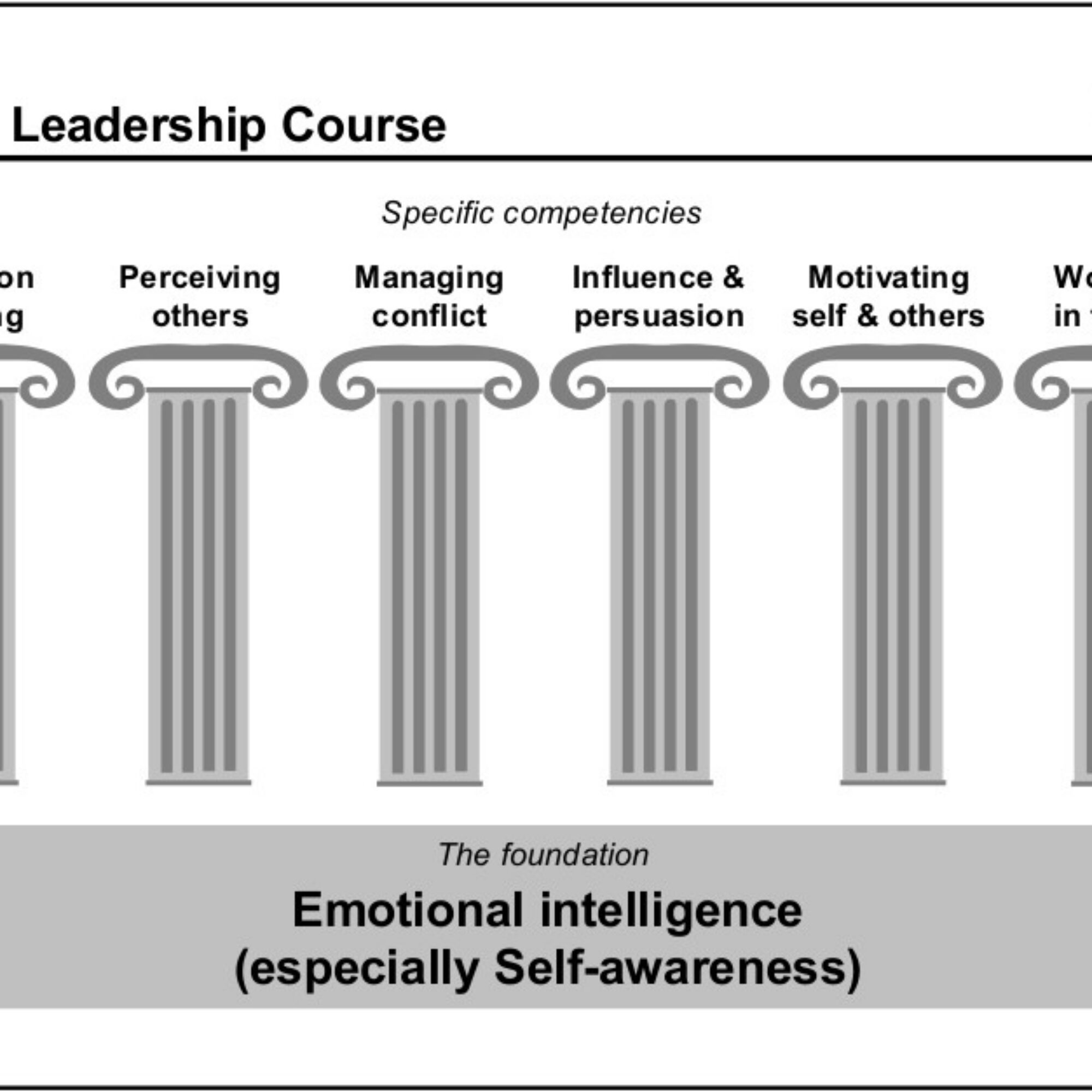
Next on the list of concepts under my name at the top of this page is leadership. See earlier posts for values, meaning, purpose, importance, and passion. Unlike the other concepts, leadership intrinsically involves other people. At first that complexity makes it seem harder to understand, but I think it gets simpler in the end. I start my "Leadership through emotional intelligence and self-awareness" seminars by asking what leadership is, following how my core Leadership course began at Columbia Business School. Since understanding an apparently broad concept like leadership on its own can be hard Columbia's course talks about "six pillars" of leadership, each of which you can understand and learn more easily than leadership in general. You can break down leadership in different ways.…

0 Comments

Understanding leadership, values, meaning, purpose, importance, passion — Interlude on writing on emotions and emotional awareness so much

You've probably noticed I'm writing a series of posts on the main themes of this blog -- the words under my name at the top: leadership, values, meaning, purpose, importance, and passion. If you’ve gotten the idea now that I’m relating these concepts back to knowing your emotions and emotional system, I’m glad. I thought I'd take a post to explain why. The vagueness people throw terms around with makes it hard to work with them. When the terms in question are values, meaning, purpose, importance, leadership, and passion -- well, those aren't things you just vaguely want to hope for in life. If vague is all you can do, vague is all you'll get. If you understand these things precisely you can act on…

0 Comments

The irony of my last two posts

I didn't notice it until a few people wrote and called me about the awesome Vince Lombardi quote and I looked at the post on my front page followed by the previous day's post on karaoke. So I wanted people to know that the irony, if that's the right word, is not lost on me that I had back to back posts on one of the greatest coaches of all time talking about winning at the highest level versus me taking pride in singing karaoke. It sure looks like someone set his sites low, and I don't mean Vince. Still, I stand by my posts and feel no shame in taking pride in just singing karaoke when others feel horrible when coming in second in…

0 Comments

Vince Lombardi: What It Takes to be Number One

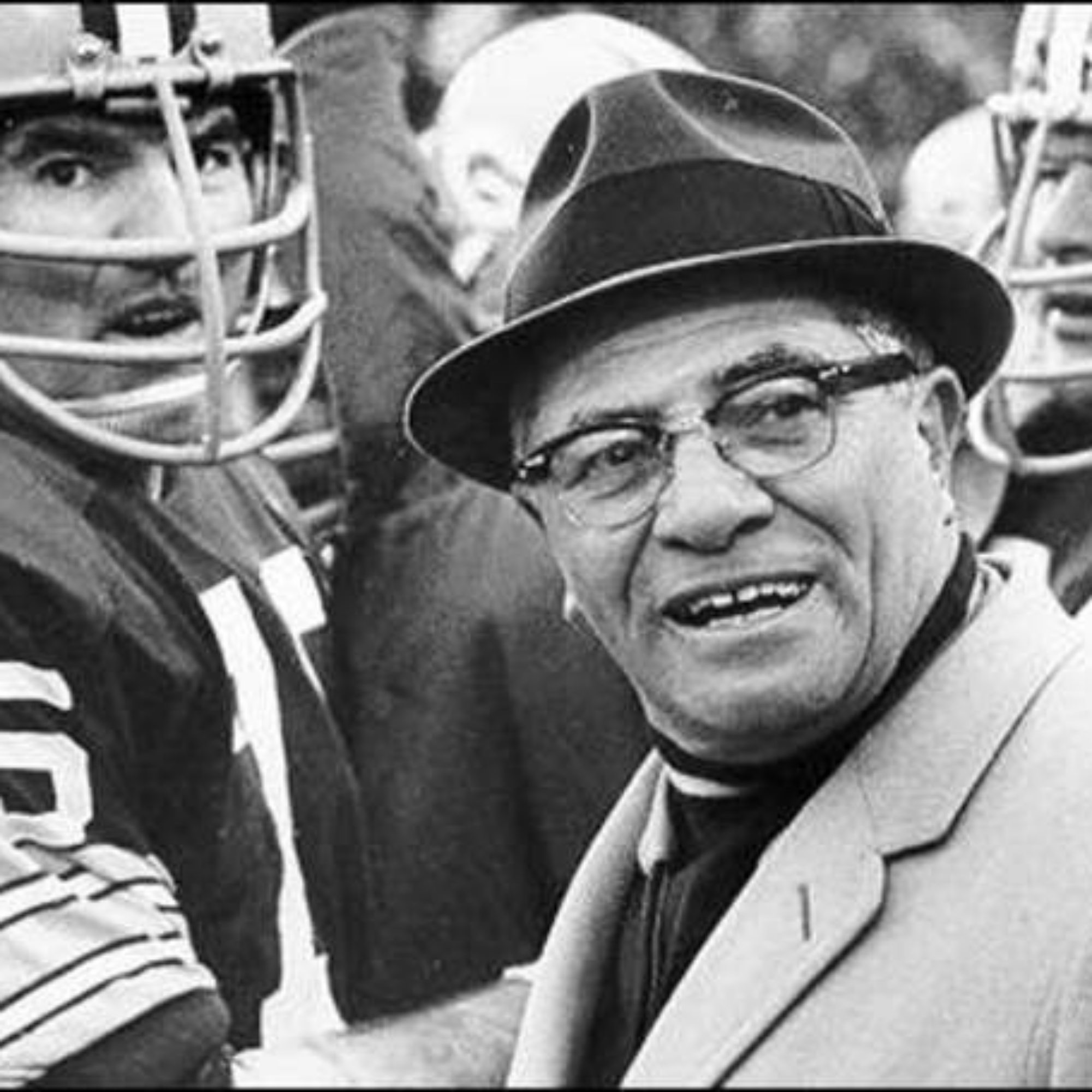
After a couple posts on sports, I'm putting up one of the great sports coaching quotes, by Vince Lombardi. According to Wikipedia Vincent Thomas "Vince" Lombardi (June 11, 1913 – September 3, 1970) was an American football coach. He is best known as the head coach of the Green Bay Packers during the 1960s, where he led the team to three straight league championships and five in seven years, including winning the first two Super Bowls following the 1966 and 1967 NFL seasons. The National Football League's Super Bowl trophy is named in his honor. He was enshrined in the NFL's Pro Football Hall of Fame in 1971. He never had a losing season as a head coach in the NFL, compiling an impressive regular season…

0 Comments

One of the most insidious barriers to getting hard things done, part 5: examples

[This post is part of a series on empathy gaps. If you don't see a Table of Contents to the left, click here to view the series, where you'll get more value than reading just this post.] As a final note on empathy gaps, I wanted to note a few examples of empathy gaps -- using them, observing them in others, and observing them in yourself. Researchers normally present empathy gaps as problems. I like to think of them as a part of life like any other. We can use the effect to help us. Teenager egg-carrying exercise I remember a high school assignment for students to carry an egg with them everywhere for a week or a month. Eggs, of course, are fragile, so…

0 Comments

One of the most insidious barriers to getting hard things done, part 4: overcoming them

[This post is part of a series on empathy gaps. If you don't see a Table of Contents to the left, click here to view the series, where you'll get more value than reading just this post.] Now we are familiar with empathy gaps -- that when you feel one emotion you generally can’t conceive of your motivations when feeling a different emotion. We get how insidious they can be in keeping us from improving our lives. What do we do about them? How do we shield ourselves from them undermining our efforts? I haven't found research on effective techniques (please contact me if you know of any) in avoiding, overcoming, or developing resilience to empathy gaps. I only have my understanding of them and…

0 Comments

One of the most insidious barriers to getting hard things done, part 3: why empathy gaps make sense

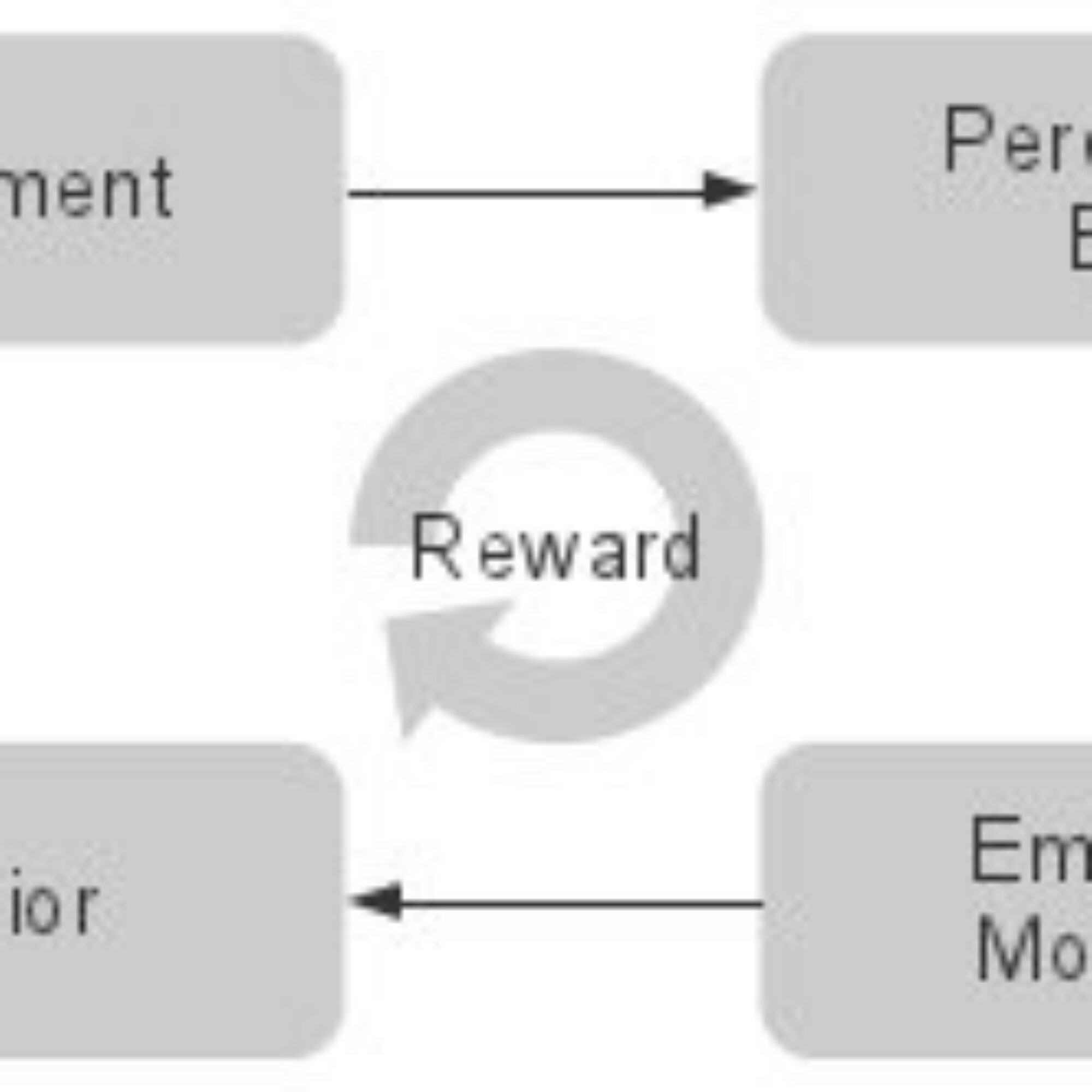
[This post is part of a series on empathy gaps. If you don't see a Table of Contents to the left, click here to view the series, where you'll get more value than reading just this post.] As usual, understanding ourselves better helps us overcome the problems of empathy gaps -- that when you feel one emotion you generally can’t conceive of your motivations when feeling a different emotion. Yet as they fundamentally concern being unable to understand things about ourselves, you'd think they were difficult to understand. On the contrary, you can understand them if you understand your emotional system. Luckily we have an easy way to understand our emotional systems. Empathy gaps depend on your emotional system Also as usual, the Model explains…

0 Comments

One of the most insidious barriers to getting hard things done, part 2: research and experiments

[This post is part of a series on empathy gaps. If you don't see a Table of Contents to the left, click here to view the series, where you'll get more value than reading just this post.] Yesterday I talked about the effect that when you feel one emotion you generally can’t conceive of your motivations when feeling a different emotion, nor do you realize you can't, also known as empathy gaps. Today let's look at some research and experiments. Sexual arousal A comedian once remarked on the question people suggest you asking before considering unprotected sex, "would you die for it." He said sometimes when you're in the moment, you think you might. Dan Ariely, in his book Predictably Irrational (which I recommend), wrote…

0 Comments

One of the most insidious barriers to getting hard things done, part 1

[This post is part of a series on empathy gaps. If you don't see a Table of Contents to the left, click here to view the series, where you'll get more value than reading just this post.] Did you know you undermine some of your best efforts to do challenging things, especially involving personal change? You do. We all do, through an effect that makes sense when you get it, but most people don't realize undermines them. The effect is this When you feel one emotion you generally can't conceive of your motivations when feeling a different emotion. Or more to the point When you plan to do something you feel one set of emotions, often enthusiasm. When you act on them you feel different…

0 Comments

Overcoming Objections and Blocks overview and table of contents

Here is an overview of my recent section on Objections and Blocks with links to all the articles. If you haven't already, I hope they help you learn to look forward to objections and blocks as signs of progress, that your project is significant, and as guidance for how to proceed. As I began the series Whether you want to lead or motivate others or yourself, deciding to lead means you will face objections and blocks. Whether from members of your team or from your anxieties and fears, objections and blocks are similar, as are their solutions. For the next week or so, I’ll cover a range of objections, blocks, and various other ways we discourage ourselves or face others being discouraged when we try…

0 Comments

Overcoming objections exercise

[This post is part of a series on internal objections and blocks and how to overcome them. If you don't see a Table of Contents to the left, click here to view the series, where you'll get more value than reading just this post.] I love covering objections and blocks in my seminar. More than any other, that section results in people applying the seminar's contents to their lives and solving their problems. They change their mode from digesting and evaluating the information to using and applying it. I love to see how quickly what seemed like abstract information suddenly becomes useful tools to solve problems, lead people, improve careers, and improve lives. More than that, people come together. The break after this exercise is…

0 Comments

Common objection 11: Other people tell me not to

[This post is part of a series on internal objections and blocks and how to overcome them. If you don't see a Table of Contents to the left, click here to view the series, where you'll get more value than reading just this post.] Objection Other people tell me not to. We all defer judgment to someone. Sometimes others know better. Not always. Sometimes we feel pressure from peers, family, society, bosses, etc. Example Parents are the big ones who advise their children to what the parents' think best, which may or may not coincide with what their children think best. Bosses advise too. As do friends and, for that matter, random acquaintances. Institutions like governments, schools, churches, and so on also promote their agendas.…

0 Comments

Common objection 10: I’m good at something else

[This post is part of a series on internal objections and blocks and how to overcome them. If you don't see a Table of Contents to the left, click here to view the series, where you'll get more value than reading just this post.] Objection This objection sounds so weird when you say it abstractly you can't imagine people succumbing to it. When they say it less abstractly you can understand why it holds people back, but also that they should be able to get past it. In the abstract: I excel in another area so I can't in this one. Does that sound crazy to you? Why should strength in one area hold you back from another? I hear versions of it all the…

0 Comments

Common objection 9: I’m too busy. I have other priorities.

[This post is part of a series on internal objections and blocks and how to overcome them. If you don't see a Table of Contents to the left, click here to view the series, where you'll get more value than reading just this post.] Objection Some people want to take on new projects or change something in their lives but they have too many other things. I'm too busy. I have too many other priorities. For this obstacle, I'll mention that your other priorities may be more important. Only you know. Example Examples are too numerous to mention. We all have things in our lives -- work, friends, family, hobbies, etc -- that take time, energy, attention, connections, and other resources. If you aren't completely…

0 Comments

End of content

No more pages to load