Common objection 10: I’m good at something else

[This post is part of a series on internal objections and blocks and how to overcome them. If you don't see a Table of Contents to the left, click here to view the series, where you'll get more value than reading just this post.] Objection This objection sounds so weird when you say it abstractly you can't imagine people succumbing to it. When they say it less abstractly you can understand why it holds people back, but also that they should be able to get past it. In the abstract: I excel in another area so I can't in this one. Does that sound crazy to you? Why should strength in one area hold you back from another? I hear versions of it all the…

0 Comments

Common objection 9: I’m too busy. I have other priorities.

[This post is part of a series on internal objections and blocks and how to overcome them. If you don't see a Table of Contents to the left, click here to view the series, where you'll get more value than reading just this post.] Objection Some people want to take on new projects or change something in their lives but they have too many other things. I'm too busy. I have too many other priorities. For this obstacle, I'll mention that your other priorities may be more important. Only you know. Example Examples are too numerous to mention. We all have things in our lives -- work, friends, family, hobbies, etc -- that take time, energy, attention, connections, and other resources. If you aren't completely…

0 Comments

Common objection 8: But it’s embarrassing or it makes me anxious

[This post is part of a series on internal objections and blocks and how to overcome them. If you don't see a Table of Contents to the left, click here to view the series, where you'll get more value than reading just this post.] Objection Yesterday I posted how fear of feeling fake after changing holds people back. Today I'll note how some people don't start because they feel embarrassed or anxious now. But I'm embarrassed! I'm too nervous to even think about it! Many people prefer not to think about problem areas of their lives. Example The big one here is out-of-shape people not going to the gym because they're embarrassed about being the fat person at the gym. I speak from experience. I…

0 Comments

Common objection 7: I’ll feel fake

[This post is part of a series on internal objections and blocks and how to overcome them. If you don't see a Table of Contents to the left, click here to view the series, where you'll get more value than reading just this post.] Objection People worry that changing themselves will make themselves fake. It won't be the "real" them. My new beliefs will be fake. It won't be the real me. I'll be acting. Example As a coach I hear this all the time when someone changes even small things about themselves. People may feel fake from wearing different styles of clothes than they used to, speaking more slowly, calling someone outside their network, taking on leadership positions or even just any new position…

0 Comments

Common objection 6: That’s just the way it is

[This post is part of a series on internal objections and blocks and how to overcome them. If you don't see a Table of Contents to the left, click here to view the series, where you'll get more value than reading just this post.] Objection People think some things can't change. They say It's a fact. That's just the way it is. You have to accept that some things are just that way. Examples Bureaucrats consistently tell me how their process works, saying I can't do it any other way. They probably tell you the same thing. (I hope you, like me, consistently achieve things they call impossible.) My leadership seminar includes a couple slides with quotes from experts then stating how things had to…

0 Comments

Common objection 5: I have to take care of “real world” issues first

[This post is part of a series on internal objections and blocks and how to overcome them. If you don't see a Table of Contents to the left, click here to view the series, where you'll get more value than reading just this post.] Objection People often say things like I have to take care of “real-world” issues like earning money first. or their bosses, parents, or teachers say things like You have to take care of "real-world" issues first, like getting a job or paying your bills. or they believe things other than “real-world” issues are indulgent. Or they have to be “practical” or “pragmatic.” Alternatively: My job doesn't allow it or give me time to do it. That's fine and well for others…

0 Comments

Common objection 4: I don’t know how to do it, I’m too introverted, I’m not smart enough, etc

[This post is part of a series on internal objections and blocks and how to overcome them. If you don't see a Table of Contents to the left, click here to view the series, where you'll get more value than reading just this post.] Objection People often complain that the project they want to do requires skills or abilities they don't have: I don't know how to do it. I'm too introverted. I'm not smart enough. Example I hear people claim they can't perform plenty of business and social interactions because they just don't get along with people; they want to do things alone. Or people claim they've never been that smart. Underlying belief Their usual underlying belief is that only extraordinary people can achieve…

0 Comments

Common objection 3: I don’t have enough money/time/connections/etc

[This post is part of a series on internal objections and blocks and how to overcome them. If you don't see a Table of Contents to the left, click here to view the series, where you'll get more value than reading just this post.] Objection People usually state this objection as I would do it but I don't have enough money. You need connections to do that and I don't have them. I would if only I had time. or some appeal to needing more of something external to them. Tomorrow I'll write about internal obstacles or blocks. Example Would-be entrepreneurs often say they can't start businesses because they don't have the money. People don't go on vacations, decrease their working hours, or do plenty…

0 Comments

Common objection 2: I’m not good at X. I can’t do Y. I’m not a Z person

[This post is part of a series on internal objections and blocks and how to overcome them. If you don't see a Table of Contents to the left, click here to view the series, where you'll get more value than reading just this post.] Objection People usually state this objection as a statement like these. I'm just not a leader. Leaders are born, not made and I wasn't born a leader. I've tried losing weight a million times. I'm just not a gym person. I'm no good at math. Example Too many to list. The above statements suggest a few. Underlying belief The underlying belief to these statements is that Existing or past patterns can't change. or Describing how things are says how they have…

0 Comments

Protected: Publishing

[freemind height='700px' width='700px']/wp-content/uploads/2013/11/PublishingArticles.mm[/freemind]

Enter your password to view comments.

Common objection 1: I want to understand the root of the problem before solving it

[This post is part of a series on internal objections and blocks and how to overcome them. If you don't see a Table of Contents to the left, click here to view the series, where you'll get more value than reading just this post.] Objection People usually state this objection with something like I want to understand the problem before acting. I want to get at the root first. If I don't, it will just happen again. You can also call this objection Analysis Paralysis since it leads people to analyze over acting. Again, some problems require analysis, but I bet you'll find that the more you learn alternatives, like the ones below, the more you'll learn to solve problems faster. Example My classic example…

0 Comments

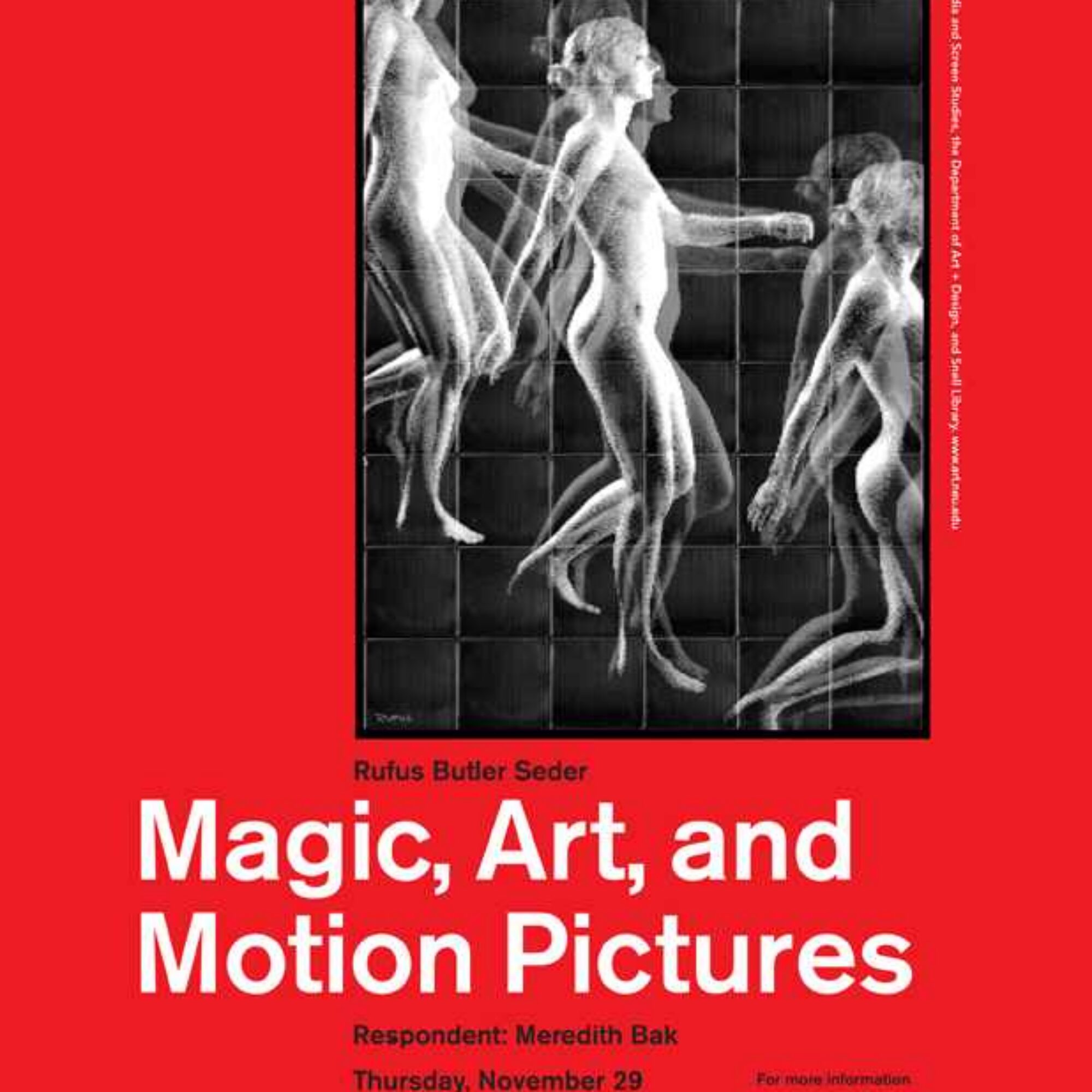
See Rufus Seder’s talk on “Magic, Art, and Motion Pictures” featuring my work in Boston November 29

If you like art like mine -- motion pictures created by your motion, without computers or motion picture projectors -- you know Rufus Seder. He has created, among other things, series of books, cards, and other hands-on physical animation devices. Friends and family constantly bring me his fascinating work, books, toys, and such. On Thursday, November 29, Rufus will speak at Northeastern University in Boston on our type of art; more specifically how and why he does what he does, touching on the history of motion picture devices and toys, his own award-winning independent films, the optically animated art of others, and his ongoing exploration into new ways of making pictures move. He told me he'll feature a piece or two of my work in…

1 Comment

How to view objections and blocks as advantages

[This post is part of a series on internal objections and blocks and how to overcome them. If you don't see a Table of Contents to the left, click here to view the series, where you'll get more value than reading just this post.] Yesterday introduced obstacles and blocks as inevitable parts of leadership and personal development. It also suggested you can see them as advantages, or at least solving them as advantages. How do you train yourself to see problems as advantages? That's like the solution to all your problems, right? Once problems become fun, or at least rewarding growth opportunities, nothing holds you back from taking on whatever challenges come your way. Most people wouldn't believe some of my current projects. But Submedia's…

0 Comments

Overcoming objections and blocks in leadership and personal development: The overarching principles

[This post is part of a series on internal objections and blocks and how to overcome them. If you don't see a Table of Contents to the left, click here to view the series, where you'll get more value than reading just this post.] Whether you want to lead or motivate others or yourself, deciding to lead means you will face objections and blocks. Whether from members of your team or from your anxieties and fears, objections and blocks are similar, as are their solutions. For the next week or so, I'll cover a range of objections, blocks, and various other ways we discourage ourselves or face others being discouraged when we try to motivate them. Someone who can consistently overcome challenges in themselves or…

0 Comments

How to make yourself more confident

Is there anything you do that wouldn't benefit from having more confidence? Even if showing confidence doesn't make a difference, at least having the option to show it helps. Have you noticed that people with more confidence can't do that much more than people without it? They can't lift heavier weights or solve more difficult problems. The guy at the gym who lifts the heaviest weights probably isn't the most confident person there. Alternatively, you can lift weights all you want -- that alone won't make you more confident. So what does? A friend just wrote me that she didn't feel comfortable opening up with most people because she usually felt vulnerable and insecure, but with me she did. It got me thinking. Opening up…

0 Comments

A refreshing voice on copyright from a hard-core conservative

EDIT: Maybe I should have expected this. The Executive Director of the Committee pulled the document from their site, stating We at the RSC take pride in providing informative analysis of major policy issues and pending legislation that accounts for the range of perspectives held by RSC Members and within the conservative community. Yesterday you received a policy brief on copyright law that was published without adequate review within the RSC and failed to meet that standard. Copyright reform would have far-reaching impacts, so it is incredibly important that it be approached with all facts and viewpoint in hand. As the RSC's Executive Director, I apologize and take full responsibility for this oversight. Enjoy the rest of your weekend and a meaningful Thanksgiving holiday ...…

0 Comments

Experimenting with ads

Based on recommendations from readers and other bloggers, I'm going to experiment with here. You may have noticed already. This page is for the readers, so I hope you'll share if they affect your experience here and, if so, how. I don't know if ads will help or hurt more, so the scientist in me says to experiment and find out. I'm sure it will appear clunky at first as I figure out how it works. Sorry if stupid ads show up in weird places while I figure things out. If it works ads should be starting to show up. Please let me know your thoughts, though please be patient for a bit, either emailing me directly -- josh@spodek.net -- or in comments below. People have…

0 Comments

Variety, choice, the manufactured illusion of it, and creating more yourself

Can we all agree processed food is unhealthy garbage? Yet people eat tons of it. I want to talk about one reason. And that reason is not just about cereal. It applies to many places in life. When I was a kid I loved boxed cereal. Didn't everyone grow up eating it? And as a kid you loved sugar cereals. Why not? Before some age you hardly knew or cared about nutrition. Over the years I learned about nutrition, especially how removing everything from a grain but the sugar ruins it. Then adding more sugar ruins it more. Adding some vitamins negligibly changes it nutritionally; it just helps market it to people who don't know better. This knowledge changed my experience walking down the supermarket…

2 Comments

Appreciation for good customer service

Last month on my way home from Shanghai I got some great customer service. On a fifteen-hour flight, a human touch can make a big difference. Also, since I don't eat meat and tend to eat more than what the airline provides, she brought me some undistributed extra food from business class. I think it helped that I always use Doctor Joshua Spodek for reservations -- I didn't go through six years of graduate school for nothing. In any case, the attendant helped above and beyond. I couldn't tip her like at a restaurant, so I got her information and followed up on the web page. Message: Hi, I flew UA87 from Shanghai to Newark Friday October 26. One of the flight attendants gave me…

0 Comments

Obesity, insults, and living by your values

In a recent online discussion a guy talking about a tv show on morbidly obese people talked about people on the show disparagingly. He also said he used to be fat. Other people took him to task and criticized him as insulting and rude. I'm not sure I agree he was necessarily insulting and rude. For one thing, he later clarified he said what he did in part "to galvanise people into action and not blame their condition on nebulous causes." To me, that intent meets the Golden Rule. Maybe I'm revealing my ignorance and not that I say "you're fat" to anyone, but I don't see calling someone fat as insulting. If someone takes being called fat as an insult, I see it as…

0 Comments

A good video on body language, non-verbal communication, and improving yourself

This TED talk on body language covers several things I cover in my seminar. I recommend watching it. The speaker is Amy Cuddy. From Wikipedia Amy J. C. Cuddy is an American social psychologist known for her studies of the relations between stereotyping and behavior. She is Associate Professor in the Negotiation, Organizations & Markets Unit at Harvard Business School. Cuddy studies the origins and outcomes of how people judge and influence each other. She has conducted experimental and correlational research on stereotyping and discrimination against various groups (e.g., Asian Americans, elderly people, Latinos, working mothers), the causes and consequences of feeling ambivalent emotions (e.g., envy and pity), nonverbal behavior and communication, and hormonal responses to social stimuli. Amy Cuddy was listed #1 in Time Magazine's…

0 Comments

Perceiving tragedy

At the risk of posting too much on the recent storm and handling challenges, one more angle. Imagine a storm destroys two neighbors' houses equally. Imagine they also have equal material resources to handle the situation. One neighbor looks at the wreckage and says My home is destroyed. I have to start from scratch. But I built my life up in the first place. I can do it again. I can survive this challenge and make my life as good as it was before. Maybe I can learn from the experience and make it better. The other looks at their wreckage and says My home is destroyed. My life is ruined. What can I do? Who will help me? Where is FEMA? Who is to…

0 Comments

Thriving in challenging situations

I asked my friend in Bayonne that I wrote about yesterday, whose neighborhood the storm destroyed, to review yesterday's post before putting it up. I found his comments inspiring. I know when reading them I hear his voice. As a personal trainer, he's almost always upbeat and I can hear his motivating tone in these words. I hope that upbeat, non-judgmental tone comes across in the words. Other people have lost their homes and I've been helping them with it. In my household though, everyone has a different negative attitude about it. One panic, the other inconvenience, and next door someone is in complete despair, crying every day trying to recharge their phone. One of my clients' daughter has croupe and she's worried about her…

0 Comments

How do you respond to others’ suffering?

A reader raised the question for me of how to respond to others' suffering. She wrote about my recent posts about the aftermath of the storm: You may want to show some empathy at your blog for those hardest hit who have been displaced from their homes with children, not knowing whether to stay or go, not having many options at their disposal, worried for the safety of their children, getting by on no heat, no clean water or any water at all, and felt out of the loop while the local government seemed most focused on Manhattan where most of the young people were walking around like nomads happy they had off from work or little work and looked to it as a huge…

0 Comments

Amazing software to help you think and organize

It's hard to think when your mind is swimming with information. I used to have a lot of trouble starting writing documents any longer than a couple pages. Come to think of it, I'd have similar issues with starting to create many things -- ideas, research and development for my company, resolving problems with friends and colleagues, and so on. Then I found probably the best software I've found to organize my thoughts. Not having to keep track of all my thoughts means freedom -- my favorite kind of freedom: freedom to think without inhibition. I first wrote how useful I find this software -- Freemind -- in over a year and a half. Please read that post for some more description of it. I'll…

0 Comments

End of content

No more pages to load