Tips


This week’s selected media: January 7, 2024: Overstory, Melancholia, Superabundance videos

This week I read and watched: The Overstory, by Richard Powers: People recommended this long novel for a while, saying I'd like it for being about nature. I didn't find it boring, but didn't get it either for the most part. I found the language distracting. I prefer the grammar and syntax not to call attention to itself, away from the meaning. I don't find ecoterrorism appealing. The author did his research on nature. I appreciated the book calling attention to trees' importance and our taking them for granted. I started seeing how forests can have intelligence, even if different than ours. Could they have consciousness? I also appreciated the different feeling the book gave for time. Melancholia, directed by Lars von Trier, starring Kirsten…

0 Comments

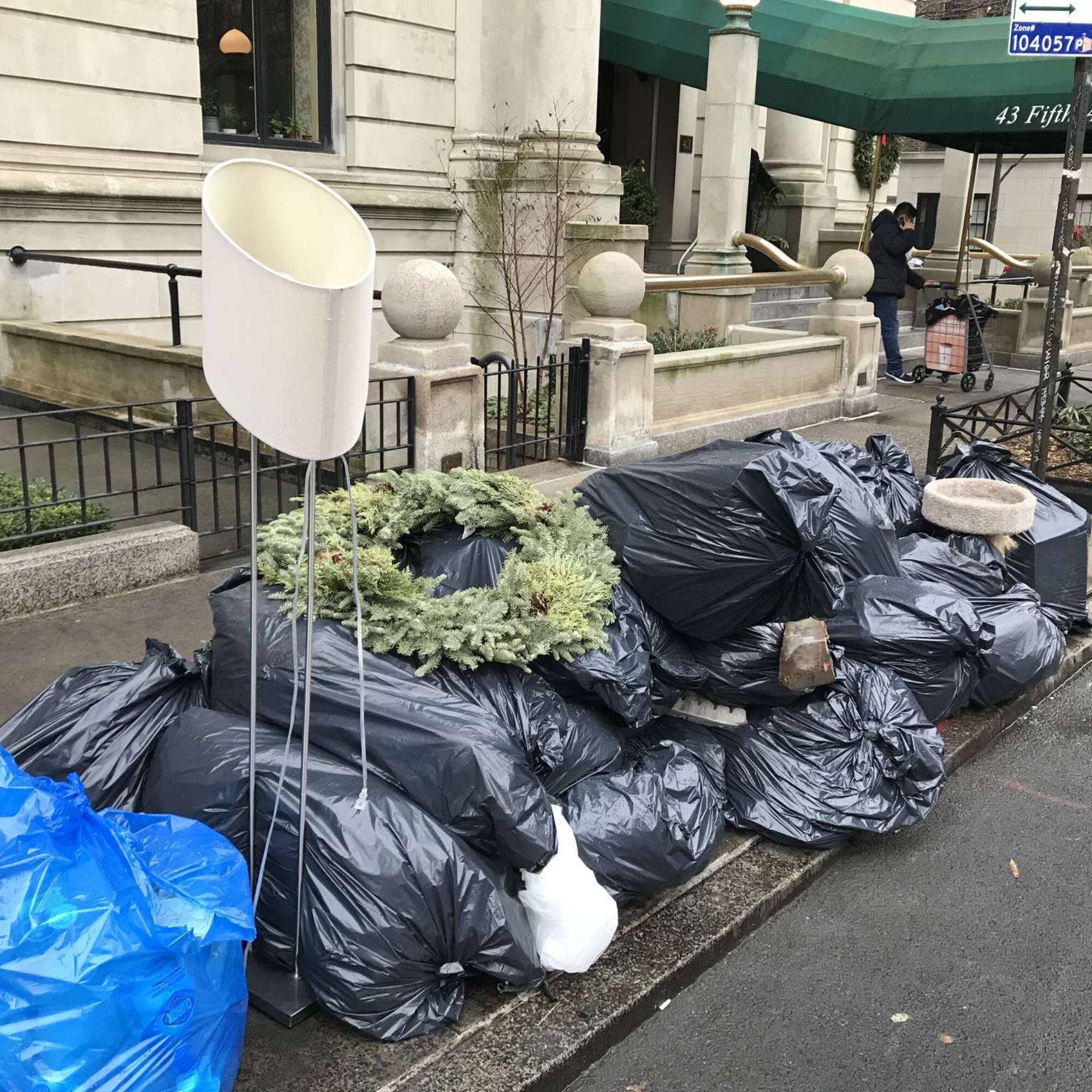
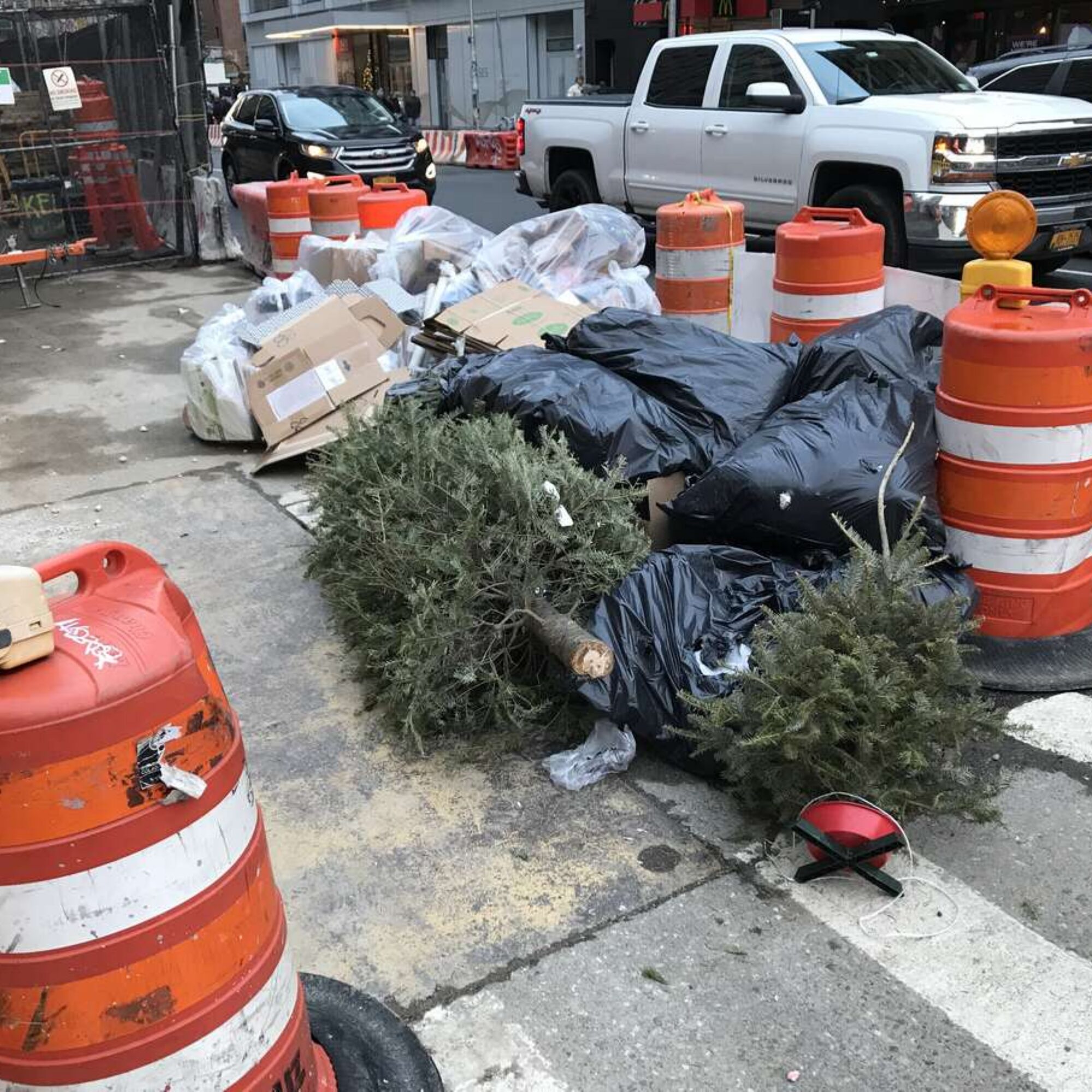
Christmas trees being thrown away after a few days’ use, part 1. Lovely pagan tradition, people.

What would Jesus do? Would he kill trees in a Pagan tradition for a few days and then put them in the garbage, like this? It's January 2 and my neighborhood is swimming in dead trees people used for a couple weeks. I know people are just starting to throw away their Christmas Pagan trees, so I'll post these few now and update with more. Why? So you can remember next winter not to buy a Christmas Pagan tree! Let the trees live. Show your faith and love without a Pagan tradition of killing healthy trees that could help make a healthy environment. Here are more. I recommend looking at them in detail. Each tells a story. No story seems particularly what Jesus would do,…

0 Comments

This week’s selected media: December 31, 2023: Drug Dealer, MD; Supernova in the East; Flags of our Fathers; Letters From Iwo Jima; Video Sales Letter Training; Urban Cycling

This week I finished: Drug Dealer, MD, by Anna Lembke: She wrote this book before Dopamine Nation, which I finished last week. You know someone likes a book when after finishing it he reads the author's previous book the next week. Drug Dealer, MD wasn't as personal as Dopamine Nation, but described the growth of addiction well. She described the systemic forces driving doctors, insurance companies, government, medical associations, patients, and more. She traces the underlying forces to capitalism without being partisan. She didn't trace the forces that drove capitalism, so think she could have gone deeper to understand why people think they're helping when they're hurting. She talks about living in a world of abundance and technology, but only a few times addressed that…

0 Comments

My Second Winter Solstice: Over 1.5 Years Unplugged From the Electric Grid (and counting). More freedom than ever.

Today is my second winter solstice relying on solar for my electrical power. Tomorrow I'll have more daylight than today, not counting clouds. Last year I couldn't believe I was making it as long as I was and was going to NYU several times a week to power my phone and computer. I didn't notice, but last week began my sixth month since my last electric bill. This year, courtesy of the manufacturer EcoFlow, I have a battery that holds more energy and delivers more power as well as a bigger solar panel that collects more solar power. I also have the experience of last year, so I only plugged in at NYU one day in September since April 13. I don't think I recorded…

0 Comments

This week’s selected media: December 17, 2023: Ministry for the Future by Kim Stanley Robinson

This week I listened to: The Ministry for the Future, by Kim Stanley Robinson: People have been suggesting I read this book for a while. It's not exactly a novel. Robinson uses the book to teach about monetary theory and possible climate outcomes. I can see why people suggest it to me. He has thought through where humanity could go in more detail and more comprehensively than most people. I agree with a lot of possibilities, though he supports geoengineering more than I do. Several scientific and engineering feats he presents, my research has shown impossible, like beaming energy down from space. I like how he handled talking about population, how people can't stop themselves from viewing any talk about population as hating life or…

0 Comments

This week’s selected media: December 10, 2023: Bonhoeffer documentary and Men Who Hate Women

I finished this week: Bonhoeffer (2003), Directed by Martin Doblmeier: Wow, I knew of him before, and 90 minutes can only cover so much, but this documentary showed the challenge of living by your values in a corrupt system. While safe in the U.S. during the war, he chose to return to Germany to continue acting. He struggled with his conscience. He led others. The documentary also shows some of society slipping into complicity and acceptance, how appealing those things are when everyone around you is doing it. Seeing the crowds loving Nazism, you see how easily millions of people can lie to themselves. This video is free online. I recommend it highly if you would like a role model for achieving inner peace in…

0 Comments

This week’s selected media: December 3, 2023: Elinor Ostrom and The People of New York State versus Pepsico, Frito-Lay, and Frito-Lay North America

This week I watched and read: Elinor Ostrom videos: Nobel Prize in Economics Lecture 2012 Hayek Lecture on Market Failure and Government Big Think Interview Ostrom won the Economics Prize that isn't really a Nobel Prize, but has the Nobel name attached to it. It's still prestigious. Her research showed how the situation described as "The Tragedy of the Commons" doesn't result in the problems people think. It does create some incentives to overgraze and pollute, but it doesn't stop there. Communities have found ways to manage commons for hundreds of thousands of years. I confess that after learning the concept of the Tragedy of the Commons in college, maybe graduate school, I'm embarrassed now not to have noticed some obvious things that would make…

0 Comments

This week’s selected media: November 27, 2023: The Fiery Trial, by Eric Foner, My Life on the Road, by Gloria Steinem, and more

This week I finished: The Fiery Trial: Abraham Lincoln and American Slavery, by Eric Foner: Another great book by another great writer about Lincoln. This one focuses on his views and actions on slavery, which evolved over his life, especially during the Civil War. Wikipedia wrote "The Fiery Trial won the 2011 Pulitzer Prize for History, the Bancroft Prize, and the Lincoln Prize. The New York Times Book Review listed The Fiery Trial as one of its 100 Notable Books of 2010, writing, 'Foner tackles what would seem an obvious topic, Lincoln and slavery, and sheds new light on it.'" My Life on the Road, by Gloria Steinem: I saw her speak twice this year, once at Cooper Union the other at an event for…

0 Comments

Thanksgiving, Wine, Moderation, and More Appreciation

The BMJ (formerly British Medical Journal) found that wine glasses hold seven times more volume today than 300 years ago. Do we enjoy wine more or just more wine? I see people plow through volumes of food and doof without appreciating it. I contend we can attain as much enjoyment with the smaller amount. Not just wine, the whole Thanksgiving dinner. How? Expect to drink less but to appreciate the flavor more. Imagine we didn't have as much as we wanted whenever we wanted. I recently got some almonds in their shells so I had to crack open each shell for each almond. It took more work, but I found I appreciated the experience of eating almonds more despite eating fewer almonds. Is your goal…

0 Comments

You Don’t Need a “Christmas” Tree—a pagan tradition. A reminder of the waste you can avoid.

We're entering Christmas season, when Christians in the U.S. celebrate with a clearly pagan ritual of celebrating a birth in Bethlehem with chopping down fir trees. Presumably this tradition began in northern Europe, unrelated to the middle east. I propose instead of celebrating birth with death and mixing paganism in with Christianity, recognizing that cutting down trees was not likely ever appropriate, but not now. Are Christmas Trees Pagan? Inside The Origins Of The Evergreen Tradition Ancient History Of The Christmas Tree And Its Pagan Roots – How The ‘Forbidden’ Tree Survived Against All Odds History of the Christmas Tree: Pagan Origins Look at this mess from last year. We don't have to keep trashing the environment just because we used to. Can you show…

0 Comments

This week’s selected media: November 19, 2023: Poverty, By America, by Matthew Desmond; My Octopus Teacher; First Reform

I finished this week: Poverty, By America, by Matthew Desmond: I'd been recommended to read this book. It's recent and the library had a long waiting list so I ended up reading his earlier book Evicted. His view of poverty overlaps a lot with my views of the environment. If you want to help the Amazon, don't fly there. People there aren't causing the problem. The problem is in boardrooms in rich countries, where decisions are made to plunder and allow polluting. Still, people keep flying to the Amazon to protect it. My Octopus Teacher, starring Craig Foster: The reviews missed what I considered the most important part of this movie. They talked about the beautiful cinematography and his relationship with the octopus. They were…

0 Comments

This week’s selected media: November 12, 2023: Pimpernel Smith, (1941)

I watched this week: Pimpernel Smith, directed by, produced by, and starring Leslie Howard: Since learning more about Raoul Wallenberg, I wanted to see this movie that inspired him. I watched it twice. The first time it just seemed dated and I didn't think much of it. The second time I caught more nuance. The closing speech resonated with my view of dominance hierarchies like our polluting, depleting culture and where they lead. I recommend it after learning about Wallenberg. According to Wikipedia: The film helped to inspire the Swedish diplomat Raoul Wallenberg to lead a real-life rescue operation in Budapest that saved tens of thousands of Hungarian Jews from Nazi concentration camps during the last months of the Second World War. When "Pimpernel" Smith…

0 Comments

This week’s selected media: November 5, 2023: “Frederick Douglass: Prophet of Freedom” and “Climate Change and the Course of Global History”

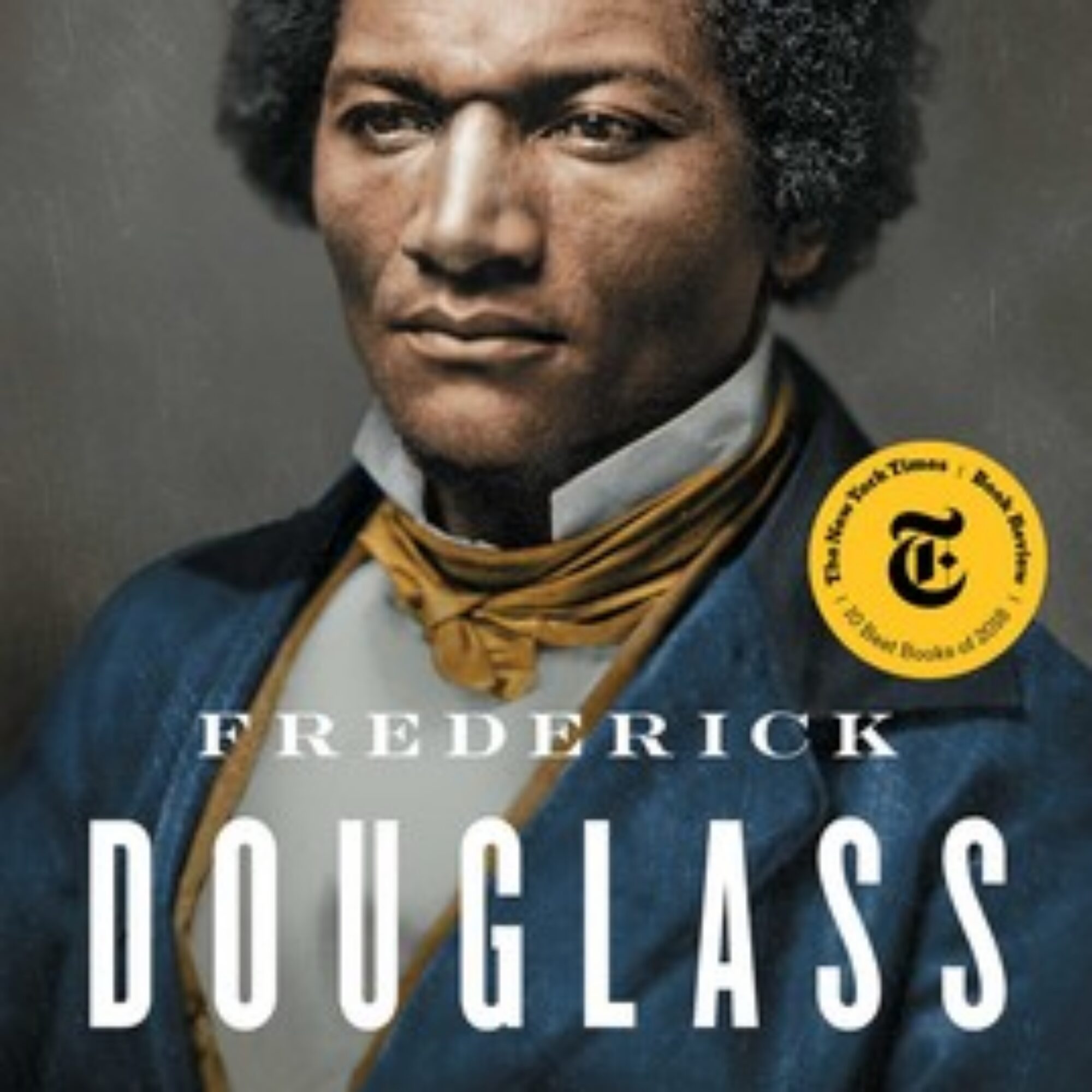
Why have I not posted about finishing any readings for three weeks? Because the book on Frederick Douglass is 800 pages, or 36 hours by audio. It's worth it. It's a masterpiece about a person who would inspire at any time in history, and now more than ever. This week I finished: Frederick Douglass: Prophet of Freedom, by David W. Blight: Podcast guest David Blight won the Pulitzer prize for this book. From the Pulitzer Prize page: "The definitive, dramatic biography of the most important African American of the nineteenth century: Frederick Douglass, the escaped slave who became the greatest orator of his day and one of the leading abolitionists and writers of the era." The book covers his life comprehensively from his being enslaved,…

0 Comments

This week’s selected media: October 15, 2023: The Scorpion’s Sting by James Oakes

I read and wrote this week: The Scorpion's Sting by James Oakes: I visited Jim in his office to share my developing thoughts on a constitutional amendment on sustainability and he gave me a copy of this book, as I've loved the four or so I've already read. I suspect after my book comes out, I'll share how much southern slaveholders and their culture foreshadow people who pollute and deplete today, along with that part of our culture. We benefit from reading his works and learning the challenges of making slavery illegal. I didn't realize what a challenge the Emancipation Proclamation was. Despite being an executive order, the U.S. had precedent of three wars in which one side freed slaves of the other, then had…

0 Comments

This week’s selected media: October 8, 2023: The Story of B, Vaclav Smil on Energy, Neocolonialism by Ketcham

I read and watched this week: The Story of B by Daniel Quinn: I read Quinn's preceding book, Ishmael, but I think before all my sustainability leadership work. I was thrown by the talking gorilla and the book didn't register with me. Two people recommended Story of B to me, so I listened to it. One recommended it because sharing ideas from my upcoming book reminded her of it. Quinn's views and mine overlap a lot. I don't see the point of making this book a novel, since the story isn't compelling. Quinn's monologues are, though. I'd recommend just reading those parts. Still, he doesn't explain what motivated the cultural shift he calls totalitarian agriculture. I couldn't have either, until listening to What Is Politics?,…

0 Comments

This Week’s Selected Media: Evicted: Poverty and Profit in the American City, More Raoul Wallenberg videos, plus my book

This week I read to and watched: Evicted: Poverty and Profit in the American City, by Matthew Desmond: An incredible book that won the Pulitzer Prize for general nonfiction among other awards. Desmond lived among poor people getting evicted left and right in Milwaukee as well as landlords evicting them. He lived with them enough for them to open up. Eviction has grown as a practice in the past few decades. It disrupts more than you think in the lives and communities of everyone remotely connected. It destroys families, health, safety, community, and more. The lives of the characters overlap with poverty, theft, drugs, murder, joblessness, rape, lack of schooling, lack of healthcare, racism, sexism, and more. The book reads beautifully, though I found it…

0 Comments

This Week’s Selected Media: Scenes in the Life of Harriet Tubman and Wallenberg: A Hero´s Story

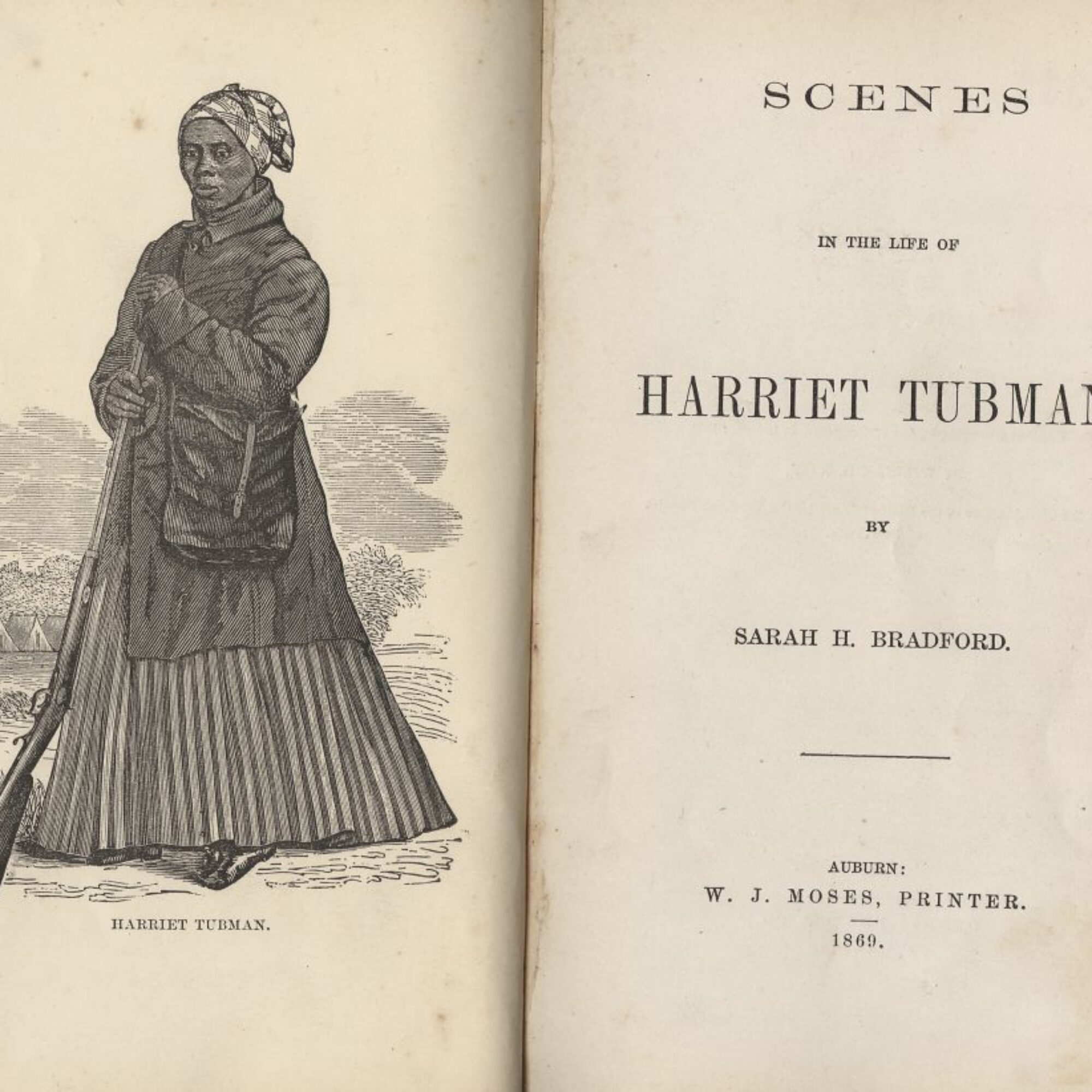
This week I listened to and watched: Scenes in the Life of Harriet Tubman, by Sarah H. Bradford: This 1869 book is in the public domain, so I listened to the Librivox recording. The more I learn of Harriet Tubman, the more I find her inspirational and relevant to sustainability. We need role models of people who had incentive to lay low but acted. As a former slave, she would have been safer laying low. Instead she went back into slave territory over a dozen times, saving seventy people. She worked with the Underground Railroad, which collectively saved about a hundred thousand. During the Civil War, she used the skills and experience from saving slaves as a spy and scout for the Union Army. She…

0 Comments

This Week’s Selected Media: Tiny Habits

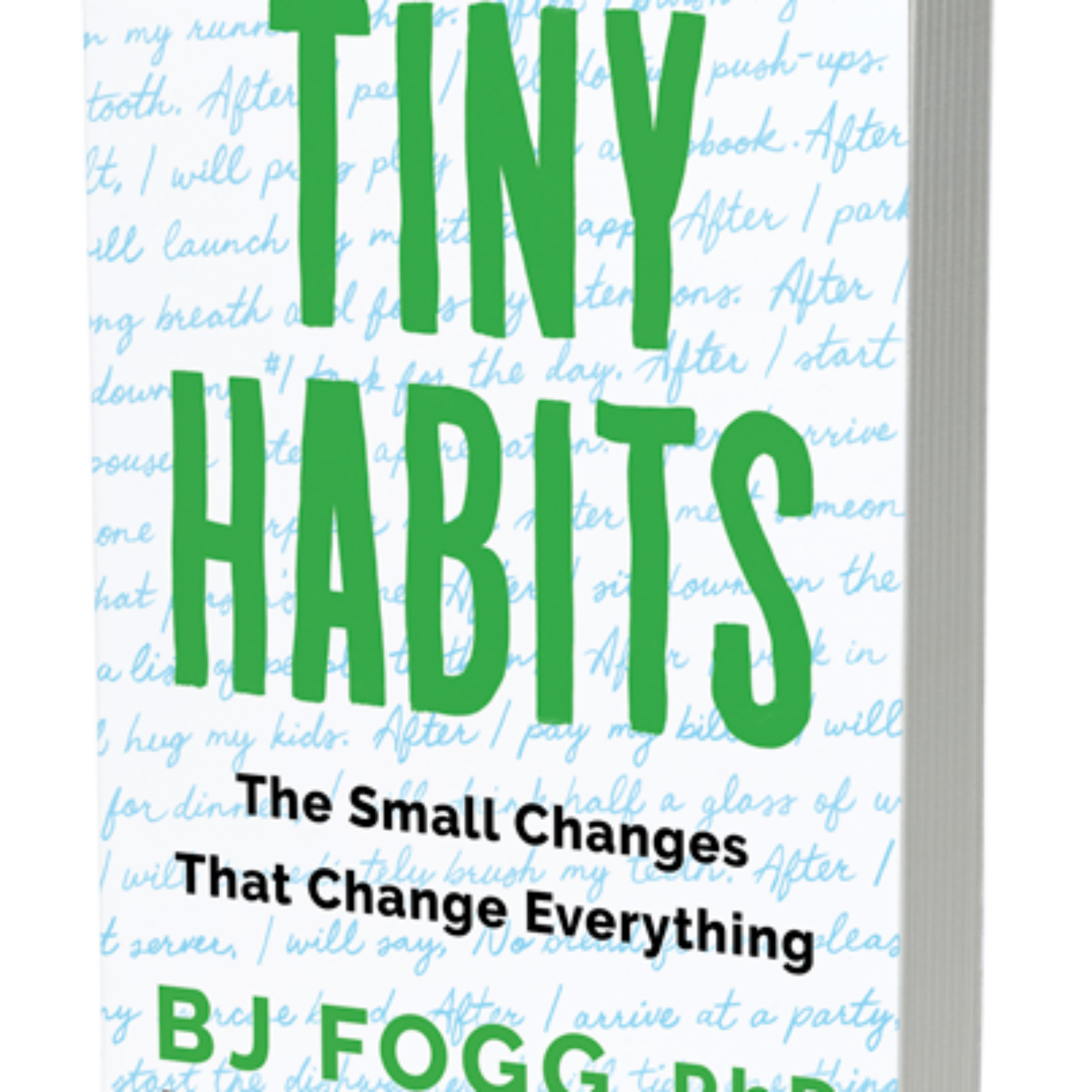
This week I read: Tiny Habits: The Small Changes That Change Everything, by BJ Fogg: Regular readers know I'm more than a decade into a few big habits that started small, including posting here daily and now twice-daily calisthenics including nearly a quarter million burpees. I also haven't flown or filled a load of garbage since before the pandemic. Fogg's book systematized what I learned through experience. He starts with a model that makes sense, then describes how to use it with many examples and insights I've found that few others who haven't created sidchas realized. He clarifies that developing habits is a set of skills and that habits improve your life so the more you create them, the more you can create and the…

0 Comments

This Week’s Selected Media: 13th, directed by Ava Duvernay; The Leader to Leader Journal’s special issue commemorating Frances Hesselbein

This week I watched: 13th, directed by Ava Duvernay: The Thirteenth Amendment and abolitionism are fundamental to my work on sustainability leadership. A future guest on the podcast recommended this movie by the director of Selma to learn more about what the amendment missed. The movie clarifies that prison is more connected to slavery than I think most people would have expected, though less about work and free labor than maintaining social division and economic imperialism. It addresses racism but less about class and barely the larger sexism. The film addresses that black men are imprisoned most but not that rates of imprisonment between blacks and whites are smaller than between males and females. It doesn't have to cover everything, so not to take away…

0 Comments
This Week’s Selected Media: Common Sense, by Thomas Paine; Atlas Hugged, by David Sloane Wilson; and the latest What Is Politics? video
File name :DSCN2808.TIF File size :9.1MB(9550153Bytes) Shoot date :0000/00/00 00:00:00 Picture size :2048 x 1536 Resolution :300 x 300 dpi Number of bits :8bit/channel Protection attribute :Off Hide Attribute :Off Camera ID :N/A Model name :E995 Quality mode :HI (RGB Uncompress) Metering mode :Multi-pattern Exposure mode :Aperture priority Flash :No Focal length :17.9 mm Shutter speed :1/262.3second Aperture :F3.7 Exposure compensation :+0.3 EV Fixed white balance :Preset Lens :Built-in Flash sync mode :N/A Exposure difference :N/A Flexible program :N/A Sensitivity :Auto Sharpening :None Curve mode :N/A Color mode :COLOR Tone compensation :NORMAL Latitude(GPS) :N/A Longitude(GPS) :N/A Altitude(GPS) :N/A

This Week’s Selected Media: Common Sense, by Thomas Paine; Atlas Hugged, by David Sloane Wilson; and the latest What Is Politics? video

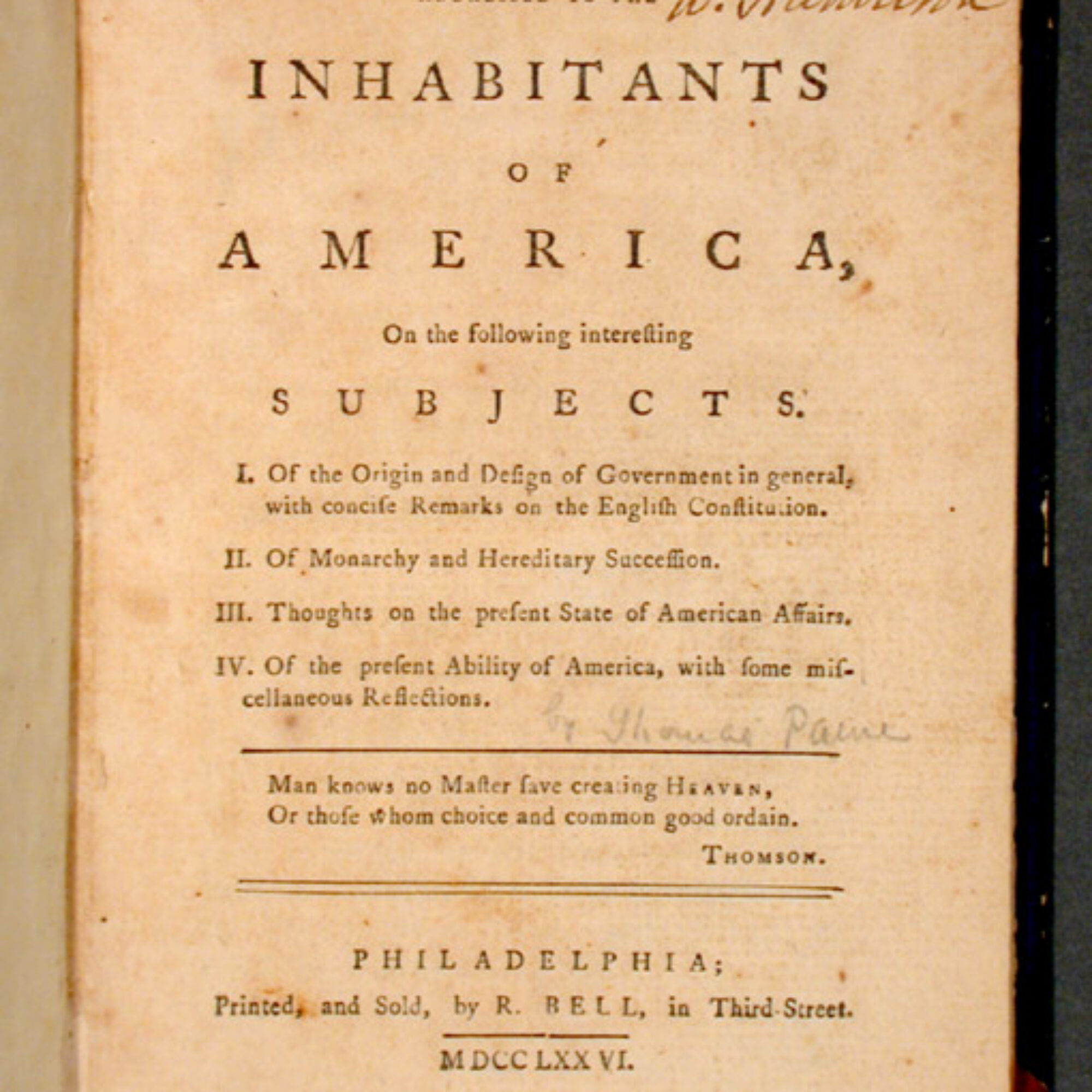
This week I read, listened to, and watched: Common Sense, by Thomas Paine: As long as I've been reading Locke, Common Sense made sense too. I enjoyed the digs at George III and its at times casual style. I had to remind myself he was rebelling against the most powerful nation in the world, taking personal risk. It's easy for me to take for granted the U.S. government and democracy and forget how radical and new it was when it formed. As far as I know, nothing like it existed before at that scale. Europeans had been exploring what structure a government could have, but mostly in theory. Then people put it into practice. Who would have guessed it would work this long and become…

0 Comments

This week’s selected media: The Conservative as Environmentalist: From Goldwater and the Early Reagan to the 21st Century; The Text and Context of “Enough and as Good”: John Locke as the Foundation of an Environmental Liberalism; Ayn Rand videos

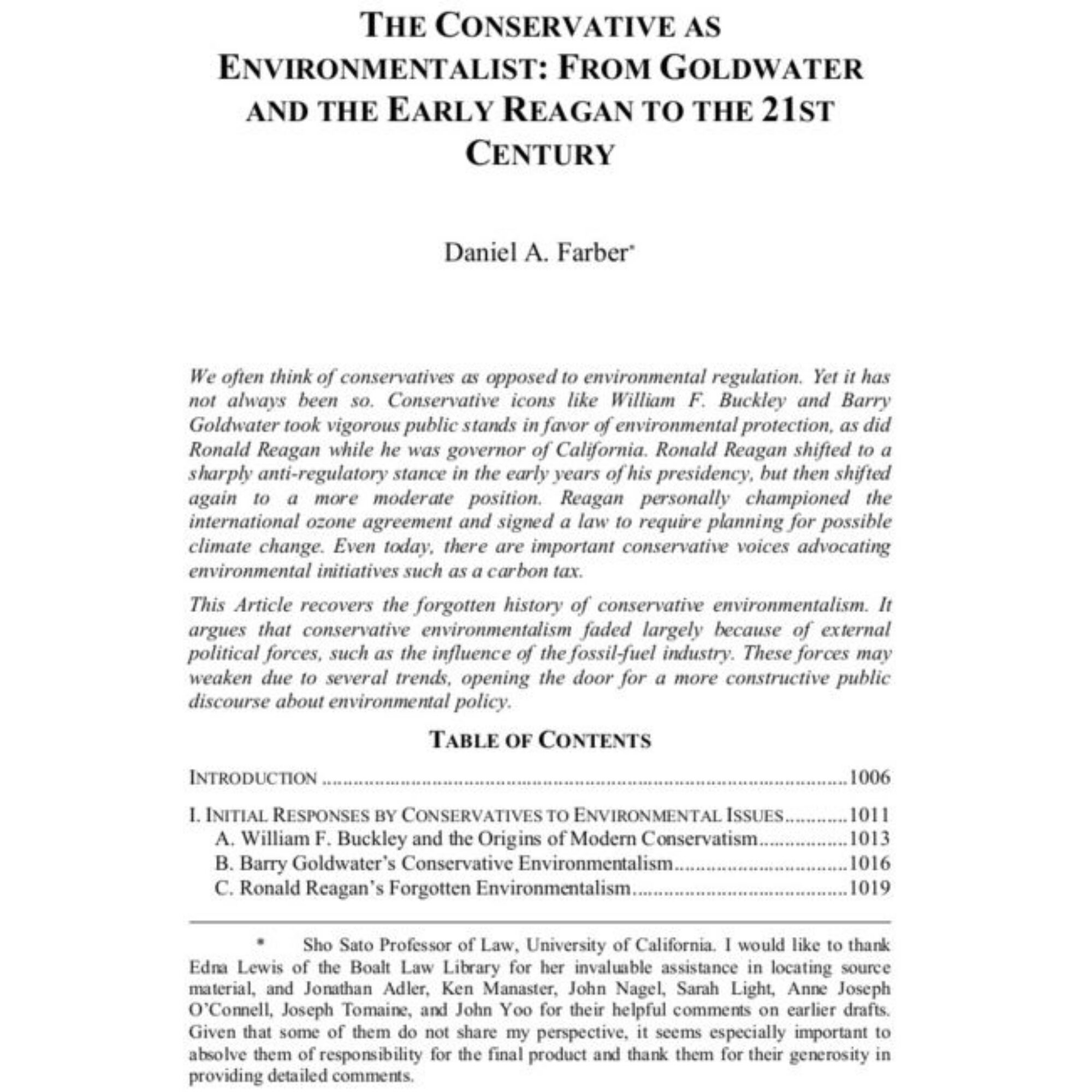
This week I read and watched: The Conservative as Environmentalist: From Goldwater and the Early Reagan to the 21st Century, by Daniel A. Farber: Farber is a professor of law and Director of the Environmental Law Program the UC Berkeley Law School. He published the document in 2017. It's fascinating, covering support for environmental protections, ideology, and cases of bold activism from Barry Goldwater Ronald Reagan Richard Nixon William F. Buckley Milton Friedman George H. W. Bush Newt Gingrich I was glad to see one podcast guest mentioned, Bob Inglis, and another person mentioned on at least one episode, I've emailed and spoken with, Jerry Taylor. It begins: Today, it may seem more natural to associate conservatism with opposition to environmental regulation. Just how far…

0 Comments

Only specify fixing climate and carbon if you want to wreck everything else (forests, biodiversity, rivers, etc) because that happens when you do.

People talking about the environment focus on climate and carbon. Only talk about climate, carbon, and greenhouse emissions if you want to disregard all other environmental problems because doing so will augment them. The problems result from our behavior, which results from our culture. Don't change our culture and we'll keep lowering Earth's ability to sustain life. Focus only on one symptom and like whack-a-mole, or a stream flowing around a boulder, our culture's demand for energy and growth will degrade everything else if we fix climate change. Talking about climate only will increase the other problems more, and increase our total problems, with rare exception. I recommend only talking about fixing climate and carbon if you deliberately want to degrade everything else.

0 Comments

This week’s selected media: The Great Dance, Atlas Shrugged, and Natural Population Decline

This week I read and watched: The Great Dance, directed by Craig and Damon Foster: I re-watched this documentary helped open my eyes and mind to the sophistication and complexity of people and cultures we call indigenous. I grew up to see them as stuck in the Stone Age and to fear the possibility of regressing to be like them if we don't keep progressing. Learning some anthropology from The Dawn of Everything and Tribe starting lifting my ignorance, as did learning to use less power from the grid, which, however small, was experiential. This movie showed things reading books can't convey. It was made by the team behind My Octopus Teacher from 20 years earlier, described as "A story of three San (Bushman) hunters…

2 Comments

This week’s selected media: July 23, 2023: Pro-slavery thought in the old South; When McKinsey Comes to Town; The Year of Less; John Locke

This week I read Pro-slavery thought in the old South, by William Sumner Jenkins: You and I live in an economic system that hurts and kills people near and far, now and in the future, for our wants and needs. We feel we are good people, yet we do things we believe are wrong; we buy fast fashion, fly, drive SUVs, and so on. To maintain our positive self-perceptions and sleep comfortably at night, we rationalize and justify. Anyone not benefiting from the system would identify our rationalizations and justifications as self-serving bunk, but we do benefit. How do we sound to impartial observers not benefiting from our behavior? We sound like slaveholders did. This book from 1935 quotes many slaveholders' rationalizations and justifications. The…

0 Comments

This week’s selected media: July 16, 2023: The Sorrow and the Pity, by Marcel Ophuls, The Comfort Crisis, by Michael Easter, and The Perfect Storm (the movie), based on the book by Sebastian Junger

I read and watched this week: The Sorrow and the Pity, by Marcel Ophuls: I started watching this four-and-a-half hour documentary months ago. I'd been meaning to watch it for years, as I think it's regarded as one of the great movies of all time. It interviews French, British, and Germans who lived in a French city under Nazi occupation, about 1940 to 1944, or worked with them. It doesn't fall into easy cliches. The people are human, including the German and the French fascist. The French were more divided than I expected. Some admired Petain. Some fought for the resistance. Others resisted in different ways. Some supported communism; others detested it and hoped Hitler would defeat that element in Europe. The German still wore…

0 Comments

End of content

No more pages to load