Fun words for annoying people

Today's post was supposed to be silly. I've been meaning to write it for a while. Once I started writing it it got more interesting, at least to me. Some people make a big deal about grammar. They don't like when sentences end in prepositions or you use words like irregardless. I call people like that annoying. I don't think they realize the main point of communication is to convey ideas, not get stuck on the medium of communication. I stopped thinking of this post as silly when I thought about what makes a word or rule of grammar. You might want to stop and think about it. People think of them as objective things, as if written in some book we all agreed to…

0 Comments

Another review of Understanding North Korea: Demystifying the World’s Most Misunderstood Country

Joseph Ferris, who took the most breathtaking and evocative pictures of North Korea I've seen -- see them on Flickr (I recommend watching the whole slide show) -- reviewed my book, Understanding North Korea: Demystifying the World's Most Misunderstood Country, in his blog, An American in North Korea. He wrote I admit that I was quite skeptical to learn that on his return he wrote a book on North Korea, it's a country that requires a career of study and dedication to research to understand — at least from a historian's viewpoint.  Instead, Joshua took his considerable business and entrepreneur experiences, along with his ability as a physicist to break down complex systems into easily understandable parts, and applied these talents to write a book…

0 Comments

My habits

People generally think of habits as bad things they want to break. On the contrary, creating habits that you want is what creating a life you want means. It's a big part anyway. Creating habits you want frees you from trying to do things all the time. It frees you from using your limited willpower. I wrote yesterday about making behaviors you like habitual using your relationships. Today I'll write some examples of some behaviors I've made habitual in my life that way. Like everyone, I have a million more, but these are a fun start. Some seem trivial. Some may seem restrictive. To me, they represent freedom. Since they are generally healthy and crowd out unhealthy alternatives, I don't have to think about them.…

0 Comments

An essay on money

People don't talk about how much money they have in this country. I wrote the following essay on money for a class I'm taking. I hope it's not too much or too little information. I don't remember money concerning my family growing up. Sometimes we had more or less, but I don't think anyone called us spoiled when we did well. I don't think we felt hopeless when our block got free welfare food from the government for any child (bologna on white bread with bright yellow mustard). I don't remember us feeling particularly rich or poor or wondering where our next meal would come from. Nor did I feel we had anything we didn't earn. We had some feeling of sour grapes toward the…

0 Comments

Nobody is normal

Sometimes hearing something bluntly makes you realize new things in areas you thought you knew. That happened to me recently. A friend said something that dramatically improved how I thought of people and how I get to know them. The perspective becomes more liberating and improves your relationships more the more you understand it. She said, "Josh, nobody is normal." Nobody is normal! At first I the bluntness caught me off guard. I wanted to disagree. Aren't there lots of normal people? I mean, aren't they the ones who buy the stuff in ads. Isn't that who shops at the Gap? I kept thinking, though. I have plenty of friends, many quirky. I like them for their quirks. The quirks make them interesting. As I…

0 Comments

Josh’s growing list of differences with mainstream American culture

I've noticed many of my values differ from what I see in mainstream American culture. See how yours differ too. What I call mainstream may differ from what you call mainstream and at times I deliberately overstate the mainstream American view to parody it. Category "Mainstream" American view (oversimplified) Josh's view (oversimplified) Jobs Horrible way to waste your time. A necessary evil we have to endure. A source of challenges to overcome and people to collaborate with. Exercise Torture. You inflict it on yourself for a few weeks after New Years, then forget about it. Fun way to pass times with friends. Rewarding source of discipline that gives to everything else in life. Maintains appetite, focus, sleep, mood. Science No idea what it is, but…

0 Comments

Communications skills exercises, part 10a: examples of voicing your self-talk

[This post is part of a series on Communication Skills Exercises for Business and Life. If you don't see a Table of Contents to the left, click here to view the series, where you'll get more value than reading just this post.] Here are examples of two masters of voicing their self-talk, Robin Williams and (I believe) his mentor Jonathan Winters. They make great role models for what level of freedom in communication people are capable of. Before watching, keep in mind you don't have to reach that level to achieve more freedom in communicating to others and yourself. According to Wikipedia, Robin Williams was shy until he began drama in high school and developed his skills through practice. You don't need the impressions, the…

0 Comments

Grand Illusions and North Korea, part 1

People, left to themselves, don't seem to care about people on the other side of the planet. They seem to want to pursue happiness and enjoy themselves if they can. My observations in North Korea reinforced this sentiment. It raises the question why North Korea and the United States harbor so much animosity. History answers the question at a low level. My visit revealed to me deeper reasons. In all cases I got to speak to North Koreans, they  distinguished between Americans and our government. In my limited experience there, I saw no individual animosity toward individuals, despite the anti-American propaganda. My greatest discovery in North Korea, so obvious in hindsight, was how similar people were there as any place else, and how unlike their…

0 Comments

The Method: exercise to transform yourself

This exercise transforms your life. It has you do the first three steps of the Method, prepares you for the fourth, and sets up accountability with others for step 4. Accountability is how things get done, so it can help a lot. I do this exercise halfway through my seminar. People get deeply into it, even after sitting in a room for five or six hours. When we review the exercise people sometimes tell me it gave them their first experience ever sharing some problems, then finding themselves surprised to find simple solutions to them. Requirements (or good-to-haves) You can do the exercise alone, but I prefer to group people into three to five. Everyone should know the Model and the Method. Preferably you've prepared…

0 Comments

The Method: exercise in new beliefs

The Method's steps 2 and 3 have you conceive of new emotions, environments, beliefs, and behaviors for emotional cycles you want to change. The challenge How do you pick the new beliefs to crowd out the old ones? Choosing the opposite to existing beliefs rarely helps. You end up debating yourself in your head. Discussion I find complements to beliefs crowd out existing ones more effectively. For example, I found an effective alternative to rising anger is not to try to be calm, but to be curious about the situation causing the anger. The curiosity crowds out the anger and I get calm anyway. I've found effective complements to many emotions, though curiosity works well for many situations for me. When I feel frustrated, impatient,…

0 Comments

The Method: exercise in knowing yourself

Many people feel they can't change themselves or that doing so is fake. Here is a quick exercise to show you how easily you can change yourself because you do it already. Step 1 First answer the question "Who are you?" by describing yourself with three or four adjectives. I know you're just reading a web page, but if you have pen and paper or can open a window on your computer to write in, write a few adjectives that describe you before going to the next step. No one will hold you to them, so you don't have to pick the best ones. Just a few. Step 2 Now imagine yourself in a job interview and answer the same question. Write a few adjectives…

0 Comments

The Method: long term

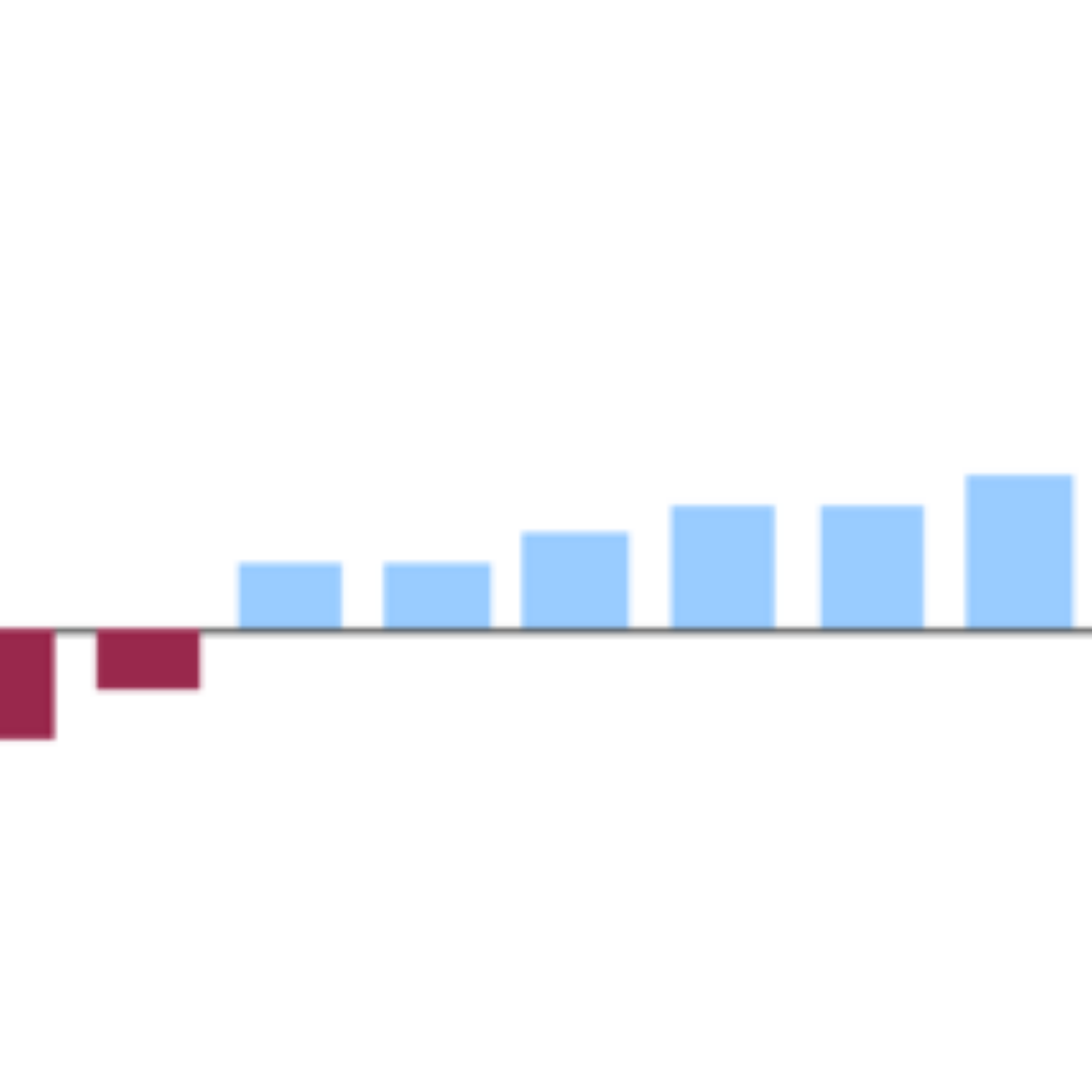
If you lined up all the cycles in your life by the amount of reward they brought you, you might represent them like this. The low bar on the left might represent something you can never get right -- like feeling helpless about your weight if you're overweight or about a big debt you have to repay. The high bar on the right might represent the joy you feel for your favorite hobby or spending time with your best friend. I'm only casually representing things. I don't know how objectively you can measure the amount of reward, but in general we know some parts of our lives bring us great joy, others misery, and others in between. I think the graph above illustrates that. According…

0 Comments

The Method: improving your life as much as you want is all based on one cycle

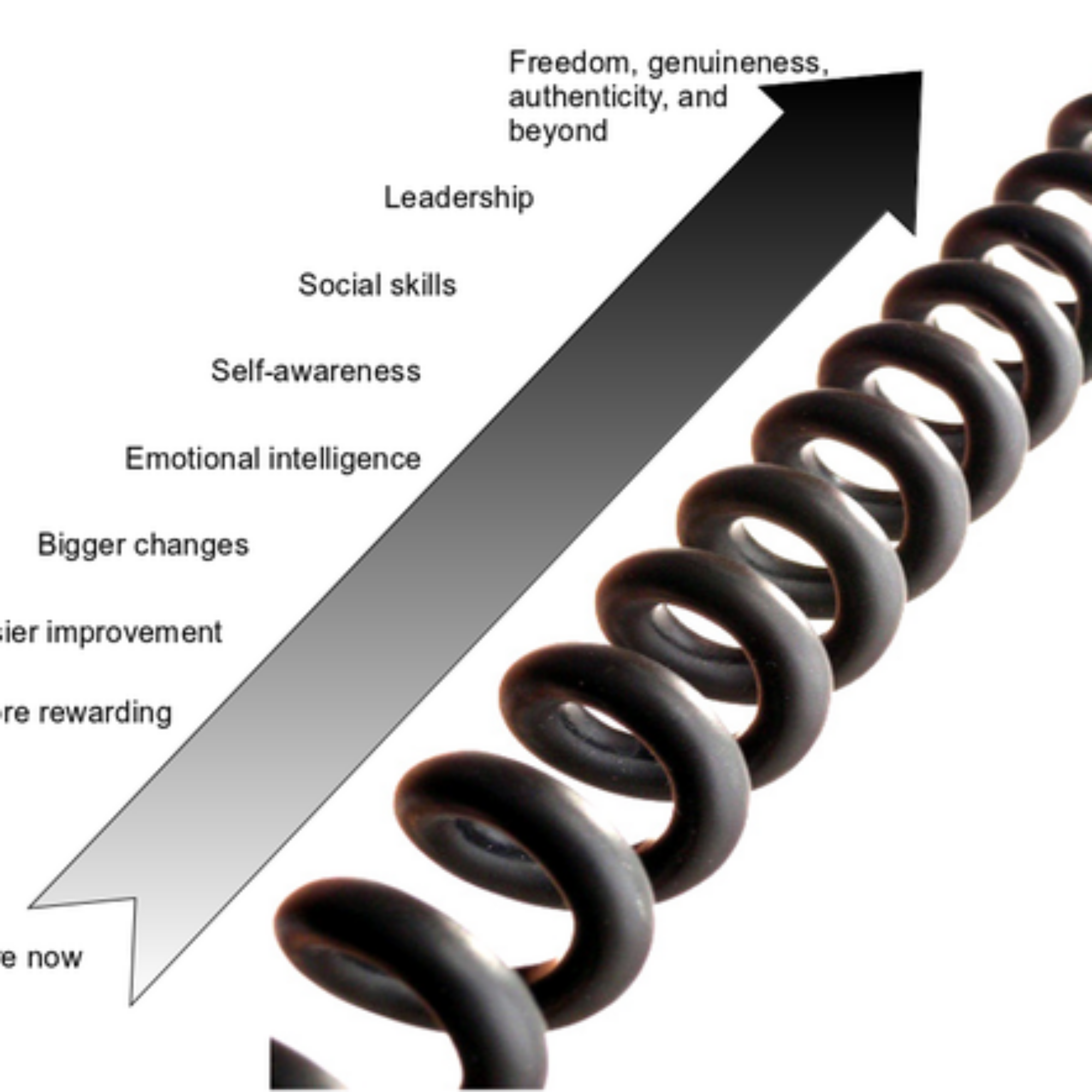
[This post is part of a series on The Method to use The Model -- my model for the human emotional system designed for use in leadership, self-awareness, and general purpose professional and personal development -- which I find the most effective and valuable foundation for understanding yourself and others and improving your life. If you don't see a Table of Contents to the left, click here to view the series, where you'll get more value than reading just this post.] As the Tao Te Ching says, A journey of a thousand miles begins with one step. Yesterday's post described and illustrated the long-term potential of improving your life through self-awareness -- freedom, genuineness, authenticity, and more. Remember, all this life improvement rests on one…

0 Comments

Google’s “Don’t Be Evil” reveals more than you’d think

I just read a post, "Google is FUBAR," (for non-geeks, fubar means "f'ed up beyond all recognition) suggesting the company is on a slippery slope leading not to its demise but to move its practices from what people like to what will lock them in and to risk more forays into anti-trust and privacy territories. Why is Google FUBAR, then? ... It must irreparably alter its fleet of successful web properties to become more Facebooky. It must alienate users with weird, ungooglesque features. It must force Chrome and Google+ down the throats of users who are simply looking for a brilliant search engine. The path towards Facebookness is fraught with strife. Facebook, as the incumbent with almost a billion active users, has a huge head…

1 Comment

The Method: long-term growth from many transformations

[This post is part of a series on The Method to use The Model -- my model for the human emotional system designed for use in leadership, self-awareness, and general purpose professional and personal development -- which I find the most effective and valuable foundation for understanding yourself and others and improving your life. If you don't see a Table of Contents to the left, click here to view the series, where you'll get more value than reading just this post.] Yesterday's post showed how one transformation -- that is, one application of the Method -- not only cycles you back to start a new transformation, it also changes you, which you can see from another perspective. You can think of one transformation as one…

0 Comments

The Method: illustration of implementation stages

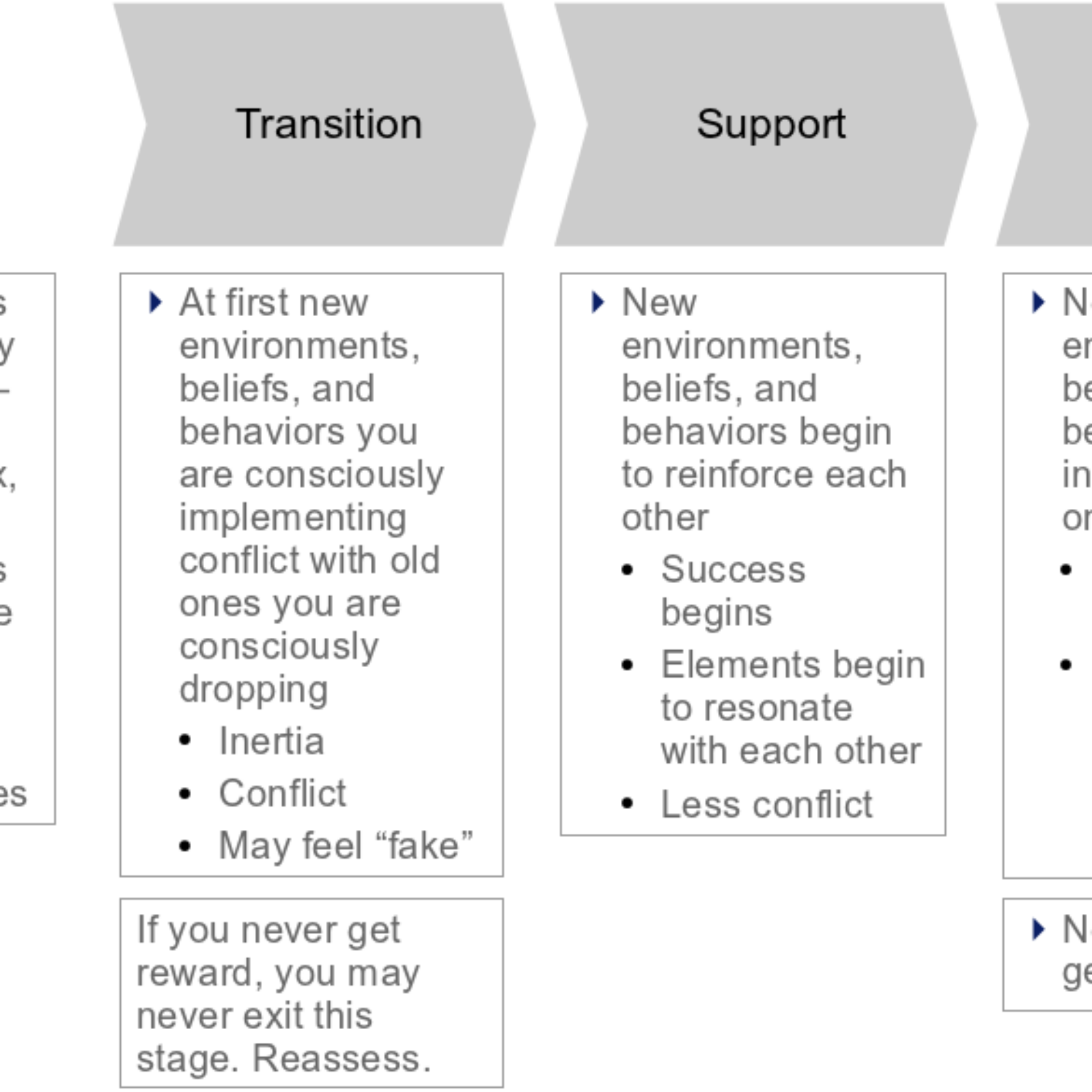
[This post is part of a series on The Method to use The Model -- my model for the human emotional system designed for use in leadership, self-awareness, and general purpose professional and personal development -- which I find the most effective and valuable foundation for understanding yourself and others and improving your life. If you don't see a Table of Contents to the left, click here to view the series, where you'll get more value than reading just this post.] Here is an illustration of the implementation stages of step 4 of the Method. Overview Transition (also a caveat) Support Regular life

0 Comments

The Method from another perspective

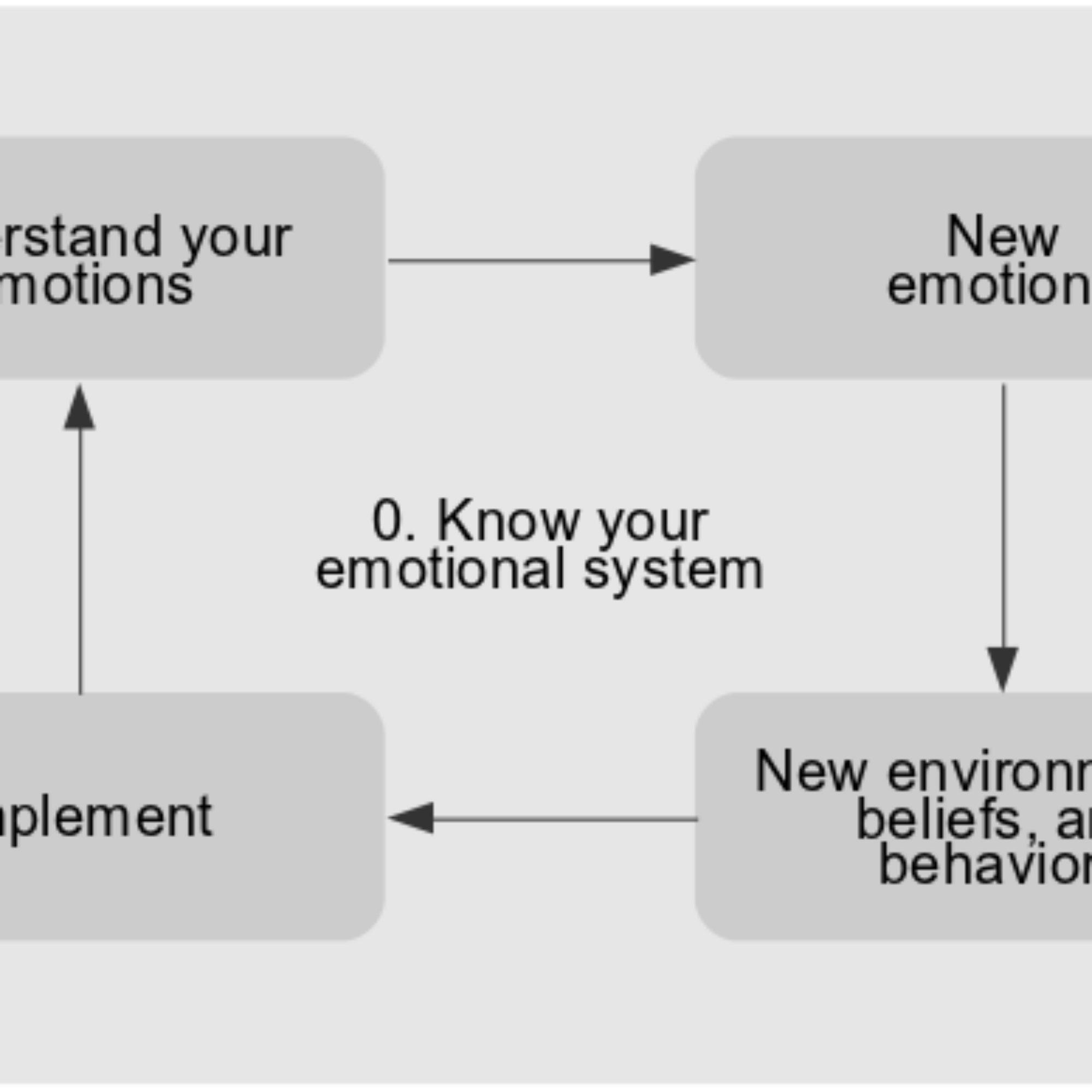
[This post is part of a series on The Method to use The Model -- my model for the human emotional system designed for use in leadership, self-awareness, and general purpose professional and personal development -- which I find the most effective and valuable foundation for understanding yourself and others and improving your life. If you don't see a Table of Contents to the left, click here to view the series, where you'll get more value than reading just this post.] Recalling the illustration of the Method from a couple posts ago, I present the Method as a four-step cycle (steps 1-4), grounded in knowing your emotional system (step 0). Know your emotional system Understand your relevant emotional cycles and constraints (plus an extra note…

0 Comments

The Method: implementation stage 1: a caveat

[This post is part of a series on The Method to use The Model -- my model for the human emotional system designed for use in leadership, self-awareness, and general purpose professional and personal development -- which I find the most effective and valuable foundation for understanding yourself and others and improving your life. If you don't see a Table of Contents to the left, click here to view the series, where you'll get more value than reading just this post.] I should note a caveat for the transition stage. Since this stage involves conflict, feeling fake, and overcoming inertia, you may use a lot of willpower. How do you know you're moving in a direction that improves your life? How do you know you…

0 Comments

The Method: implementation stage 3: regular life

Eventually a transformation's new environments, beliefs, and behaviors synchronize completely with each other. The cycle you changed brings the emotions you want and reward. At this stage this cycle becomes a part of your regular life, a life now more rewarding for the change. You haven't replaced the old you. In circumstances where the new you fits you crowd out the old part of you. In situations where the old you belongs, the old you comes out. In my life, for example, by the time I was a full-time CEO of the company I co-founded, I no longer identified primarily as a physicist. Still, when I met with my old classmates or professors, I could return to identifying myself as a physicist (though less able…

0 Comments

The Method: implementation stage 2: support

[This post is part of a series on The Method to use The Model -- my model for the human emotional system designed for use in leadership, self-awareness, and general purpose professional and personal development -- which I find the most effective and valuable foundation for understanding yourself and others and improving your life. If you don't see a Table of Contents to the left, click here to view the series, where you'll get more value than reading just this post.] Once the elements of a transformation start supporting each other the transformation starts to feel like it will take root. You may still feel some inertia, fakeness, and conflict between the old and new you, but decreasingly. Examples of elements supporting each other include…

0 Comments

The Method: implementation stage 1: transition

[This post is part of a series on The Method to use The Model -- my model for the human emotional system designed for use in leadership, self-awareness, and general purpose professional and personal development -- which I find the most effective and valuable foundation for understanding yourself and others and improving your life. If you don't see a Table of Contents to the left, click here to view the series, where you'll get more value than reading just this post.] You can usually do the preparation stages of transforming a part of your life easily since you can do them yourself, without someone else. Working with other people usually makes things more complex. Still, you generally do benefit from involving others. Because they have…

0 Comments

The Method: implementation overview

[This post is part of a series on The Method to use The Model -- my model for the human emotional system designed for use in leadership, self-awareness, and general purpose professional and personal development -- which I find the most effective and valuable foundation for understanding yourself and others and improving your life. If you don't see a Table of Contents to the left, click here to view the series, where you'll get more value than reading just this post.] We've covered the preparation stages of transforming a part of your life to bring more reward by choosing environments, beliefs, and behaviors based on your interests. Of course your life changes all the time whether you intentionally cause those changes or not. Using the…

0 Comments

The Method: summary of one cycle (with diagram)

We've now covered the examples and preparation stages of how to implement the Method. Here is a diagram summarizing these steps Know your emotional system Understand your relevant emotional cycles and constraints Conceive of new emotions Conceive of new environments, beliefs, and behaviors Implement the environments, beliefs, and behaviors

0 Comments

The Method, step 4: Implement the environments, beliefs, and behaviors

[This post is part of a series on The Method to use The Model -- my model for the human emotional system designed for use in leadership, self-awareness, and general purpose professional and personal development -- which I find the most effective and valuable foundation for understanding yourself and others and improving your life. If you don't see a Table of Contents to the left, click here to view the series, where you'll get more value than reading just this post.] Now, with direction, boundaries, and goals set from steps 0, 1, 2, and 3 it's time to act. You can do the earlier steps quickly -- with practice maybe a few minutes. You may even come to do them automatically without conscious effort. Step…

0 Comments

The Method, step 3: conceive of new environments, beliefs, and behaviors

[This post is part of a series on The Method to use The Model -- my model for the human emotional system designed for use in leadership, self-awareness, and general purpose professional and personal development -- which I find the most effective and valuable foundation for understanding yourself and others and improving your life. If you don't see a Table of Contents to the left, click here to view the series, where you'll get more value than reading just this post.] Now, with direction and boundaries set from steps 0, 1, and 2, we plan what we will do. Step 3 is to think of new environments, beliefs, and behaviors that will create the emotions you thought of in the last step consistent with your…

0 Comments

End of content

No more pages to load