Dropping friends who bring you down can hurt, but improves your life

Today I'll take a short break from my thread on the Model to share advice to a client with a common problem: he has grown and changed and a former friend hasn't. The former friend now holds him back. He wants to move on, but doesn't know how. His description of the situation described incident after incident of counterproductive behavior from the friend (and him accepting it), only briefly mentioning what held them together -- their music (also going out to meet girls together). I felt the musical success had more long-term value, so I started there. First, congratulations on the success with the music, sax, and rapping. Practicing your passions will improve your life more than anything. Music will be with you forever. Guys…

0 Comments

The Model: adding reward

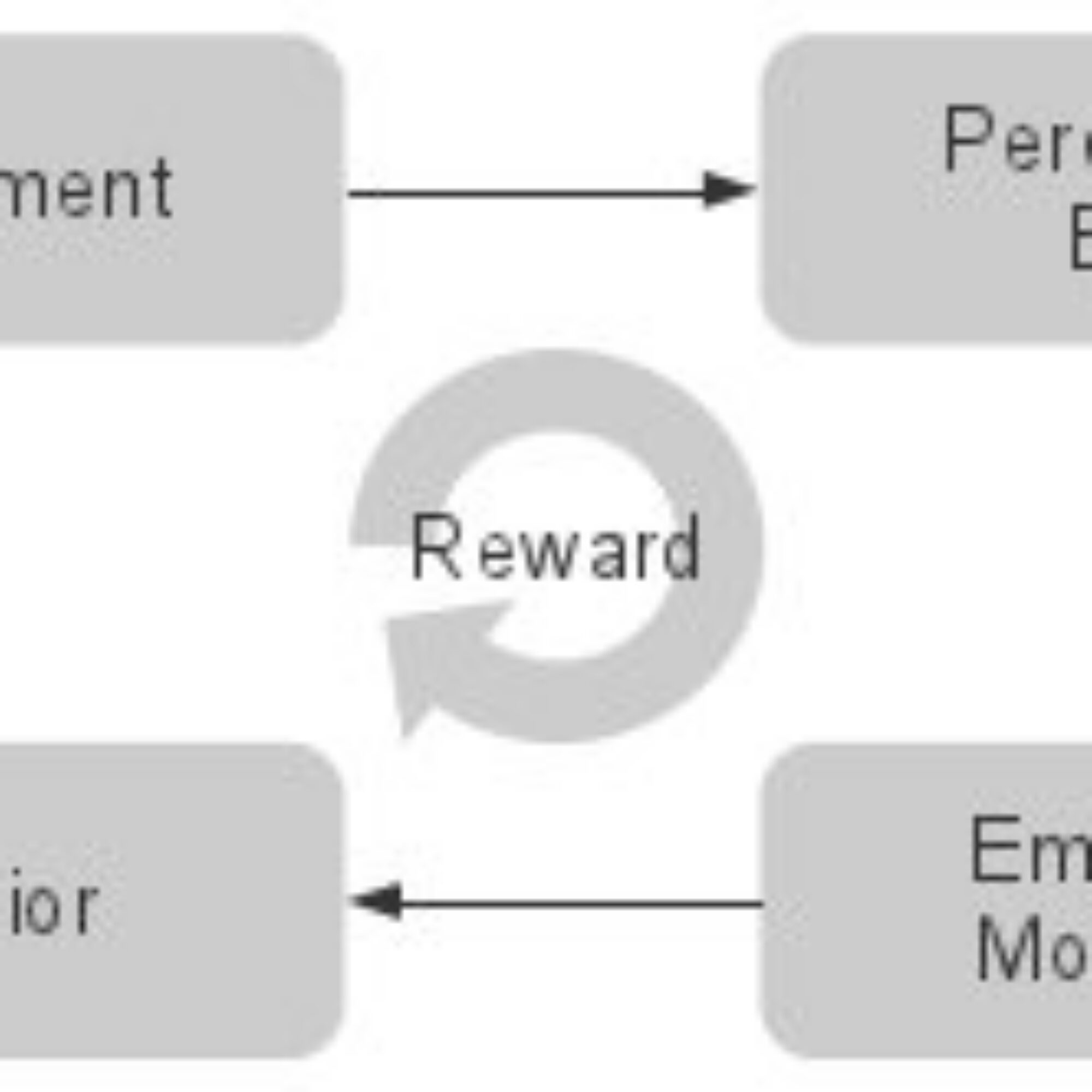
[This post is part of a series on The Model -- my model for the human emotional system designed for use in leadership, self-awareness, and general purpose professional and personal development -- which I find the most effective and valuable foundation for understanding yourself and others and improving your life. If you don't see a Table of Contents to the left, click here to view the series, where you'll get more value than reading just this post.] So far the Model comprises cycle of environment, perception (subject to belief), emotions, and behavior. Its last element represents how it regulates itself: reward. When this Model refers to reward, it means emotional reward, not something like financial reward, treats for dogs, or food pellets for lab animals.…

0 Comments

The Model: adding belief and perception

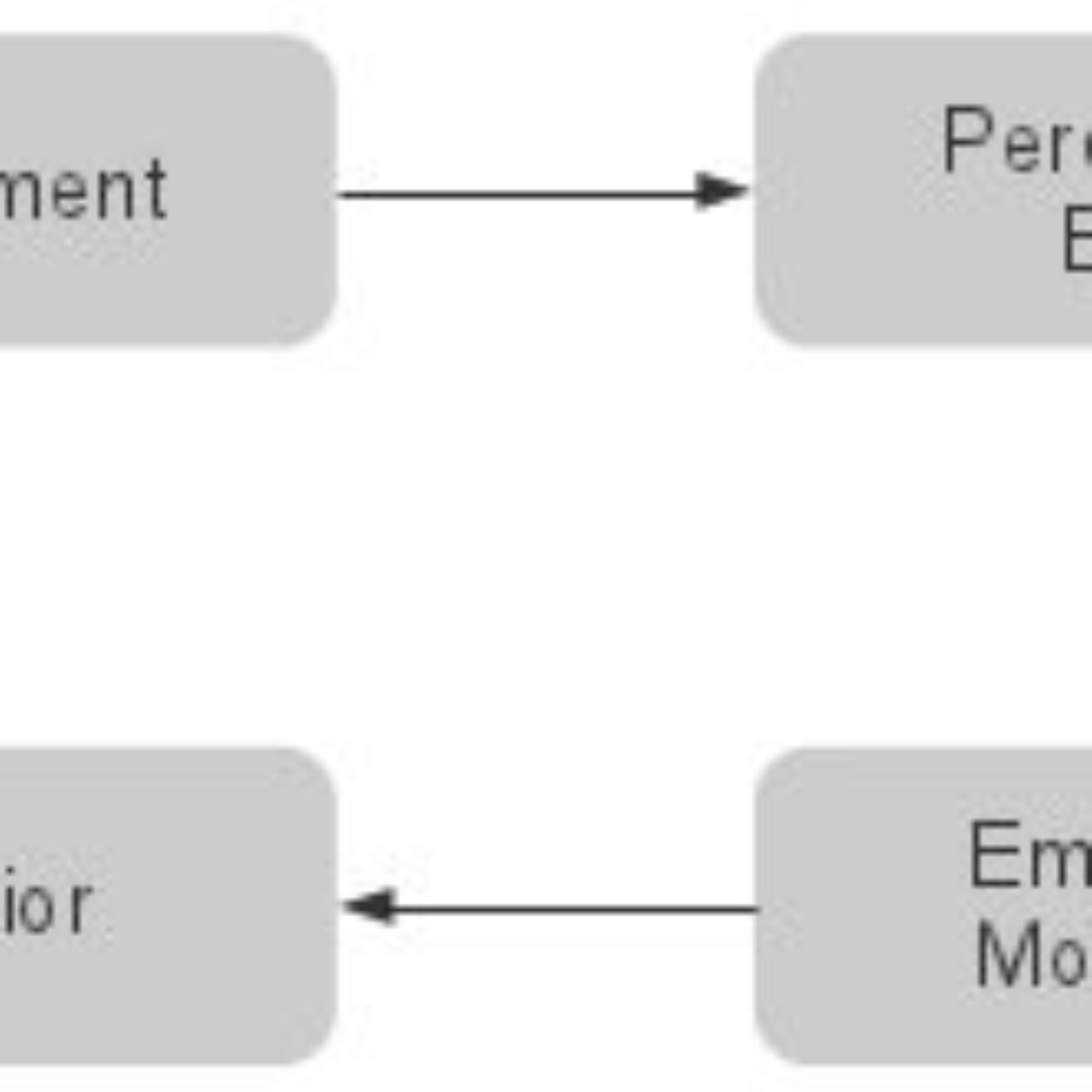
[This post is part of a series on The Model -- my model for the human emotional system designed for use in leadership, self-awareness, and general purpose professional and personal development -- which I find the most effective and valuable foundation for understanding yourself and others and improving your life. If you don't see a Table of Contents to the left, click here to view the series, where you'll get more value than reading just this post.] Our Model so far comprised a cycle of your environment, emotions, and behavior. We're still building. We don't develop motivations based on our environments directly. The limitations of our senses mean we never know the full story of anything. The limitations of our memory and mental processing power…

0 Comments

The Model: adding emotions

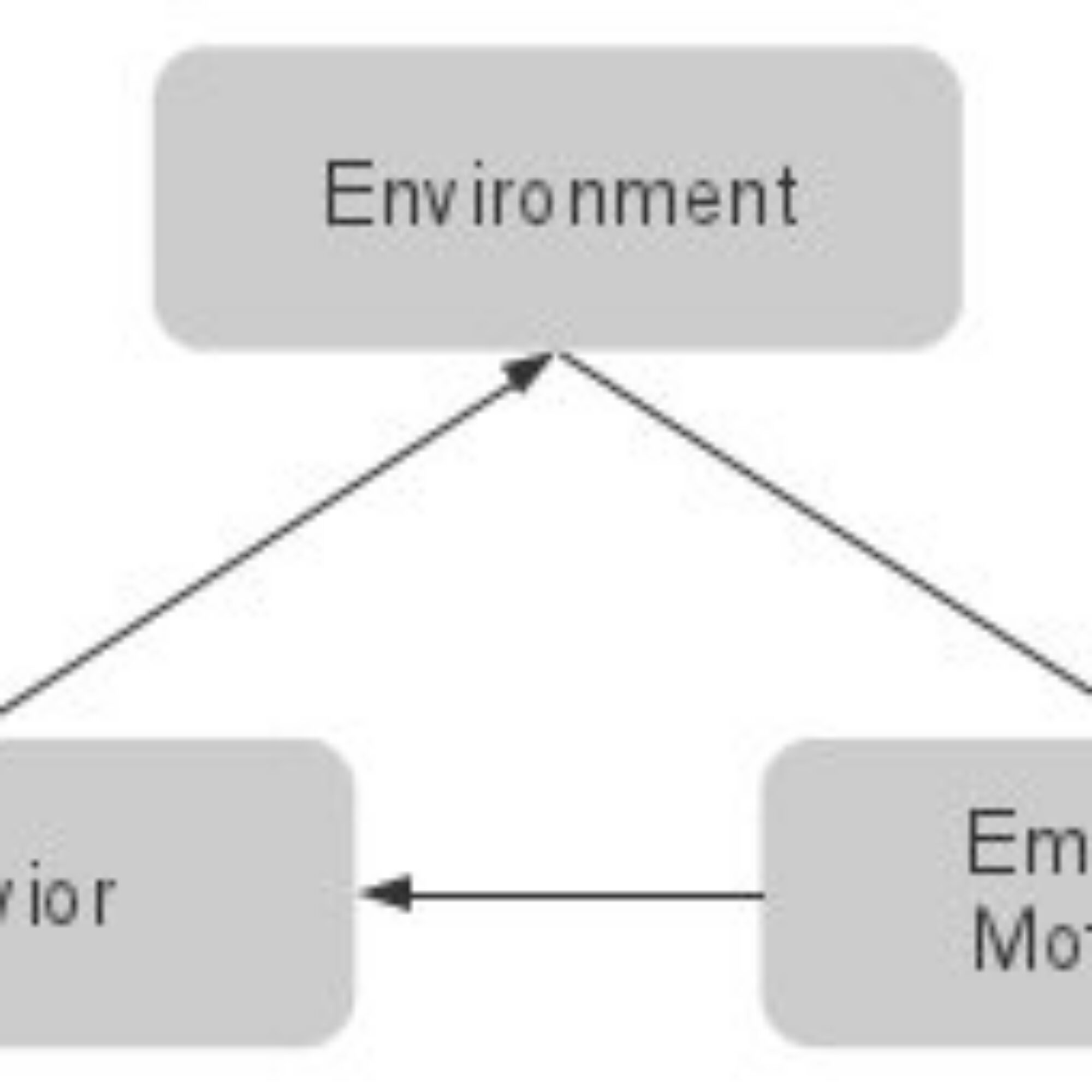
[This post is part of a series on The Model -- my model for the human emotional system designed for use in leadership, self-awareness, and general purpose professional and personal development -- which I find the most effective and valuable foundation for understanding yourself and others and improving your life. If you don't see a Table of Contents to the left, click here to view the series, where you'll get more value than reading just this post.] Yesterday began the Model with the foundation of understanding yourself as someone who exists in an environment and behaves within it. Unlike many simpler life forms, people don't merely react reflexively. I don't know how bugs and lizards live, but they don't seem to reflect much on their…

0 Comments

The Model: environment and behavior

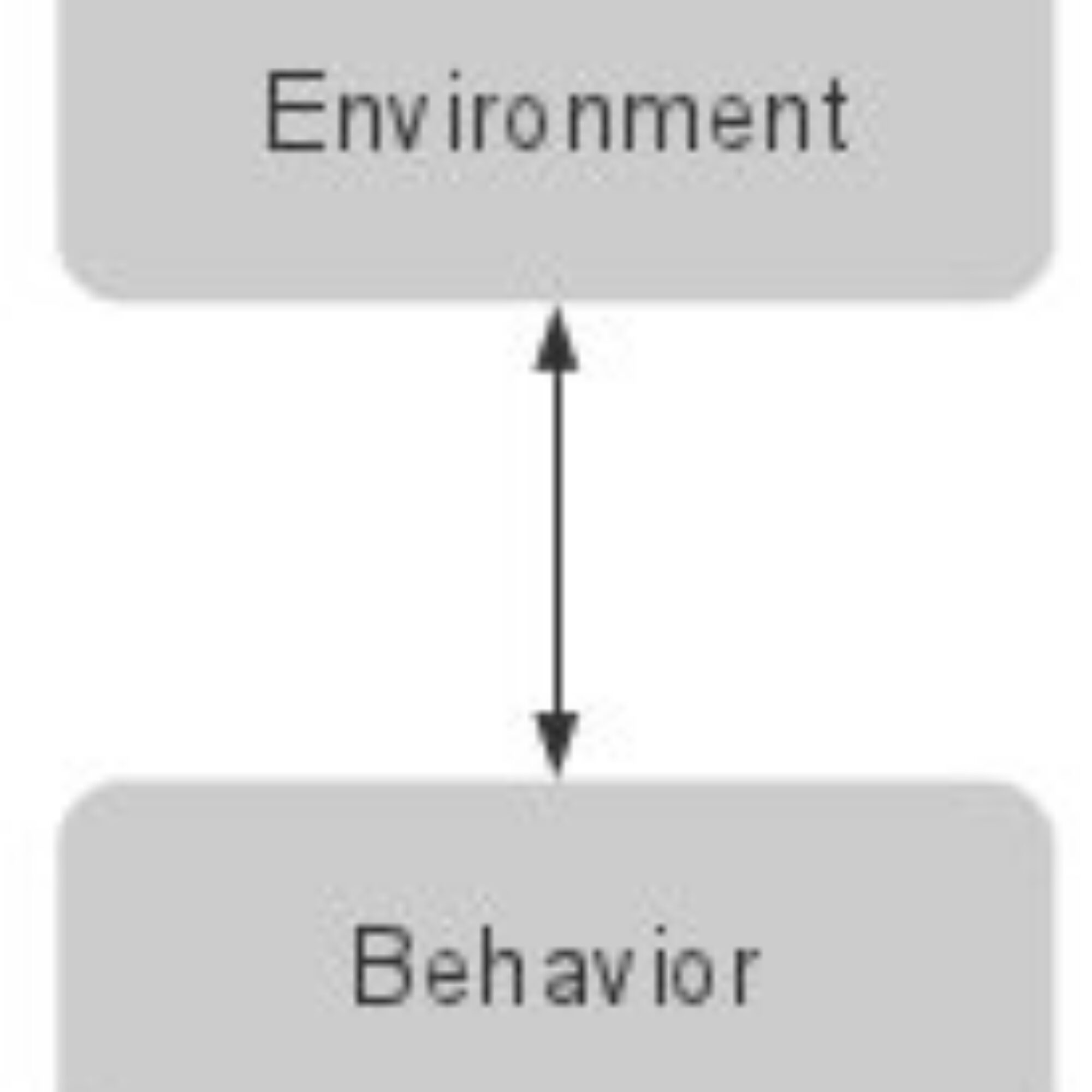
[This post is part of a series on The Model -- my model for the human emotional system designed for use in leadership, self-awareness, and general purpose professional and personal development -- which I find the most effective and valuable foundation for understanding yourself and others and improving your life. If you don't see a Table of Contents to the left, click here to view the series, where you'll get more value than reading just this post.] Today we'll see the first part of the Model. It comes from evolution in general and the burgeoning forefront scientific field of evolutionary psychology. Let's start with your behavior and environment. Like all life, you exist in an environment and you behave in certain ways within it. You…

0 Comments

The Model: why

[This post is part of a series on The Model -- my model for the human emotional system designed for use in leadership, self-awareness, and general purpose professional and personal development -- which I find the most effective and valuable foundation for understanding yourself and others and improving your life. If you don't see a Table of Contents to the left, click here to view the series, where you'll get more value than reading just this post.] Why create a model? To know yourself better despite your complexity. Every system of self-improvement, at least that I know of, has some concept of increasing your self-awareness, your knowledge of yourself. "Know thyself." Modeling the part of you that creates value, importance, and meaning helps you understand…

0 Comments

The Model: models in general

[This post is part of a series on The Model -- my model for the human emotional system designed for use in leadership, self-awareness, and general purpose professional and personal development -- which I find the most effective and valuable foundation for understanding yourself and others and improving your life. If you don't see a Table of Contents to the left, click here to view the series, where you'll get more value than reading just this post.] Before talking about the Model in particular, let's talk about models in general, a fundamental and incredibly useful concept in its own right. I've covered them before in this blog from several perspectives. Models are simplified representations of something for a purpose Models are simplified representations of something…

0 Comments

The Model

[This post is part of a series on The Model -- my model for the human emotional system designed for use in leadership, self-awareness, and general purpose professional and personal development -- which I find the most effective and valuable foundation for understanding yourself and others and improving your life. If you don't see a Table of Contents to the left, click here to view the series, where you'll get more value than reading just this post.] What goals do we have in life if not to understand what makes life good and how to make our own better? By good I mean by the values of the person living that life -- not by some abstract standard. I want to distinguish the following from…

0 Comments

The Model — introducing my model for the human emotional system

[This post is part of a series on The Model -- my model for the human emotional system designed for use in leadership, self-awareness, and general purpose professional and personal development -- which I find the most effective and valuable foundation for understanding yourself and others and improving your life. If you don't see a Table of Contents to the left, click here to view the series, where you'll get more value than reading just this post.] I will be posting an extended series on the Model -- my model of the human emotional system, which is at the foundation of most of my posts here on self-awareness, emotional intelligence, and improving your life. It will cover the most useful and valuable ideas you will…

0 Comments

More excitement than most people can handle

Speaking of mental chatter, most people get one of its properties backward. Doing nothing isn't boring; it's overwhelming. People think of doing nothing as boring, as in devoid of anything to think about or do. On the contrary, doing nothing generally overwhelms your awareness. Most people's minds give them more to think about than they can handle. You turn on the television or read a book when you have nothing to do to calm it or distract your mind. Otherwise most people can't handle their mental chatter. Like you can control your breathing when you consciously focus on it, you can consciously choose your thoughts if you focus on them. If you don't, your thoughts will flow one to the next to who knows where.…

2 Comments

Three little birds

Another beautiful day in Jefferson Market Gardens across the street from my apartment, as pictured here. I videoed three birds taking baths in the fish pond there. Sorry about the camera-phone low quality video. Why not take a minute and a half to watch them relax in the summer weather, then listen to Bob Marley's Three Little Birds? https://joshuaspodek.com/wp-content/uploads/2011/08/jefferson_market_birds1.avi "Don't worry about a thing, 'Cause every little thing gonna be all right. Singin': "Don't worry about a thing, 'Cause every little thing gonna be all right!" Rise up this mornin', Smiled with the risin' sun, Three little birds Pitch by my doorstep Singin' sweet songs Of melodies pure and true, Sayin', ("This is my message to you-ou-ou:") Singin': "Don't worry 'bout a thing, 'Cause every…

0 Comments

How to make people around you miserable

People sabotage their relationships and lives without realizing it. You might too. Today's post will tell you an effective way to make your relationships miserable and shallow, in contrast to yesterday's post on how to get others to improve your life. People do the opposite of that post's ideas and, lo and behold, achieve opposite results. They have apparently valid, but ultimately shortsighted and counterproductive, reasons for their behavior. Their reasons seem valid only when their awareness is low enough. Yesterday's point was that by sharing with people what you love, they'll know what you love and tend to share it with you; likewise that when you know what others love, you'll prefer to share those things with them. Everybody enjoys being on both sides…

2 Comments

How to get others to improve your life

It's great to improve your life. It's that much better to get others to improve it for you. How do you do it? Here's one way. Share things you love. It's enough to tell people about those things. Here's an example. At my mom's house over the weekend, I asked my mom about the Vitamixer she has. She bought this super-powered blender from a late-night infomercial maybe twenty years ago. We all thought she was crazy. It turns out this thing is amazing! It's a blender like a Sherman Tank is a car. It destroys anything you put in it. You can put a whole egg in a smoothie, including the shell. It destroys the shell. You can drink it, probably getting some calcium. On…

1 Comment

The most effective self-awareness exercise I know

Know thyself. Every system of improving your life has some concept of increasing your self-awareness. But what is self-awareness? People with low self-awareness, who could benefit from it most, tend to understand it least. The self self-awareness is aware of refers to something different than, say, knowing you have ten fingers and breathe air. Experience increases self-awareness best. I wrote below the most effective exercise I know of to increase your self-awareness. I often assign this exercise to my clients, usually as the first. This exercise increases your awareness of how your mind works, in particular a part of it that influences your perception of your environment and how you react to it every moment of every day. Mental chatter (or self-talk, internal monologue, or…

7 Comments

How to make persistence pay off more effectively

A couple people emailed me today's long New York Times article Do You Suffer From Decision Fatigue?. One pointed out that it echoed my post that English and romantic languages reflect the difficulty in deciding in the root -cide. On choosing The article reports research in choosing. This blog emphasizes not mere research but applying it to improve your life. I love reading research, but enjoying learning pales in comparison to applying it to improve your life. The article points out people choose less effectively after a while. Great. So what? It didn't mention my first thought. This finding reinforces that persistence pays off -- but the article implies persistence pays off better if you persist for a while in the moment. It gives examples…

0 Comments

How to stop boring everyone you meet

Some people ask the same boring questions of everyone they meet. They are so stuck in their ruts they don't see what they're doing. They guide conversations to small talk they've heard before and don't care about, then wonder why people aren't more interesting. By far the most boring, in my opinion, is So what do you do? You've asked it. You've been asked it. You've answered it too many times to count. Maybe at a trade show or networking event this question could be interesting. Any other time you are treating them as an employee before than as a person. Worse, you are telling them your prime identity is as an employee, before as anything else. Why would you expect them to connect with…

3 Comments

When to judge

After three posts on avoiding expressing judgment, I should clarify I don't suggest never expressing judgment. Here are a few cases where I express judgment. Judging myself: using my criteria to evaluate myself doesn't deprecate others' values, for example, writing "I should clarify" above. I do take care to notice my values change, particularly when evaluating myself in the past (see my series Goodbye guilt and blame for more on judging yourself). With clear criteria or goals: when everyone knows the criteria for evaluation, I find no problem in using them. For example, in "Judging people is a good way to antagonize them," the term good evaluates based on ability to antagonize. The criteria are clear. Someone may disagree on my evaluation, but won't take…

0 Comments

More thoughts on being less judgmental

A reader wrote, in response to Friday's post "How to stop being so judgmental," Thanks Joshua for the insight on judgement. I have used less negative words and have already replaced them with a more positive intake on certain topics to avoid negativity. By doing so, I have noticed a more positive reaction from peers and friends, which leads to more productive outakes on actions in a general sense. Thanks! :) First, thank you for the rewarding feedback and you're welcome if I've helped you make your life more like you want it. I can think of little more rewarding than to contribute to someone improve their life. You touched on a fine point I hadn't clarified in the post. Frankly, I haven't completely clarified…

0 Comments

Another way to avoid acting judgmentally

Another reason for yesterday's post on avoiding acting judgmentally came from a project some people told me about called E-prime. From Wikipedia E-Prime is a version of the English language that excludes all forms of the verb to be. Hence, E-Prime allows neither conjugations of to be (am, are, is, was, were, be, been, being), nor archaic forms (e.g. art, wast, wert), nor contractions ('s, 'm, 're). Some scholars advocate using E-Prime as a device to clarify thinking and strengthen writing. For example, the sentence "the movie was good" could translate into E-Prime as "I liked the movie" or as "the movie made me laugh". The E-Prime versions communicate the speaker's experience rather than judgment, making it harder for the writer or reader to confuse…

0 Comments

How to stop being so judgmental

Nobody likes feeling judged. We don't like other people feeling so high and mighty as to judge us. I bet you're more judgmental than you realize. Here's how to raise your awareness of it, reduce it, annoy people less, and share more about yourself. I bet you don't realize how judgmental you seem to others, even if you don't intend it. Nor, I bet, do people making you feel judged realize how much they seem judgmental. Why not? Because judgment is in our language. It doesn't have to, but it often is. My exercise on avoiding judgmental words from a few months ago continues to surprise me as it makes me more aware of my own and others' speech. I'm re-posting about the exercise because…

0 Comments

Women are not “more emotional” than men

"Women are more emotional than men." "Men are more rational than women." I hear such statements all the time. I think they are nonsense that only reveal that the person saying them doesn't understand emotions. A reader emailed me about Tuesday's post that mild emotions are still emotions and requested I "continue the insightful thread on emotional-based behavior on the blog." I'm not sure if this post qualifies, but I meant to follow up on that post with this one. Since all emotions are still emotions then everyone not dead feels emotions their whole waking life. Someone's emotions may be more or less intense or immediate, but they still feel them, even if subtle or not pressing. Someone exercising logic or reason isn't being unemotional,…

0 Comments

Gender neutral language

Have you squirmed every time I used they and them as singular non-gender-specific pronouns? I squirmed every time I wrote them. For centuries English has had the problems that come with having no gender-neutral singular pronouns. No matter how you view the issue, people debate problems like "Mary saw everyone before John noticed them" (think about it). I've meant to discuss the issue now that I'm posting publicly consistently, mainly for future reference, but also so readers know where I'm coming from. As far as I know there are no solutions to resolve all the problems. I'd love to see a gender neutral pronoun gain widespread acceptance, like Ms. seems to have. Until then, using they and them seems the alternative with the least problems.…

0 Comments

Mild emotions are still emotions

People misunderstand emotions. They describe someone as "emotional" when they seem excited. They tend to associate being "emotional" with emotions like anger or rage. Thinking that acting on only a few emotions exhausts the range of all emotions shows low self-awareness and room for improvement for those who want more self-awarenes. The better you understand emotions, the more accurately you describe them. Humans have many emotions. Not only do they motivate us, they motivate us all the time. Emotions include calmness, satisfaction, comfort, and laziness. When someone is sitting still, apparently inactive, they are acting just as much acting on their emotions as someone angrily yelling. Someone feeling calm is not feeling angry and someone feeling angry is not feeling calm -- either way they…

0 Comments

People who say “Why do you care what other people think” are hypocritical, insensitive, self-important, and antagonistic

Many people imply not caring what others think to be a virtue. They ask "Why do you care what other people think?" or say "You care too much what other people think." People have said it to you. They've said it to everyone. You've said something like it. Well, just like suggesting to calm down or take it easy is usually a jerk move by an annoying person, pretending not to care what other people think and implying others care too much is hypocritical, insensitive, self-important, and antagonistic. Let's see why. They are hypocritical because humans are social. We all care what other people think. That person has friends and family they respect and listen to, they dress according to norms of their community, etc.…

5 Comments

Business school’s first major lesson: how to resolve ethical dilemmas

One of my most important lessons from business school came before the first class began. It's been useful for me since. Columbia emphasizes ethics. Orientation included a class on ethics. The case was an employee who witnesses someone breaking a rule. Reporting it would potentially harm him and certainly someone else for something that may have been minor. Not reporting it would benefit himself, but at the cost of becoming complicit. The first thing I learned in this case (not the main lesson) was to understand the case as an instance of a general class of ethical dilemmas where a protagonist has two choices To act according to his or her values but lose materially To violate his or her values and gain materially Other…

0 Comments

End of content

No more pages to load