This Week’s Selected Media: Tiny Habits

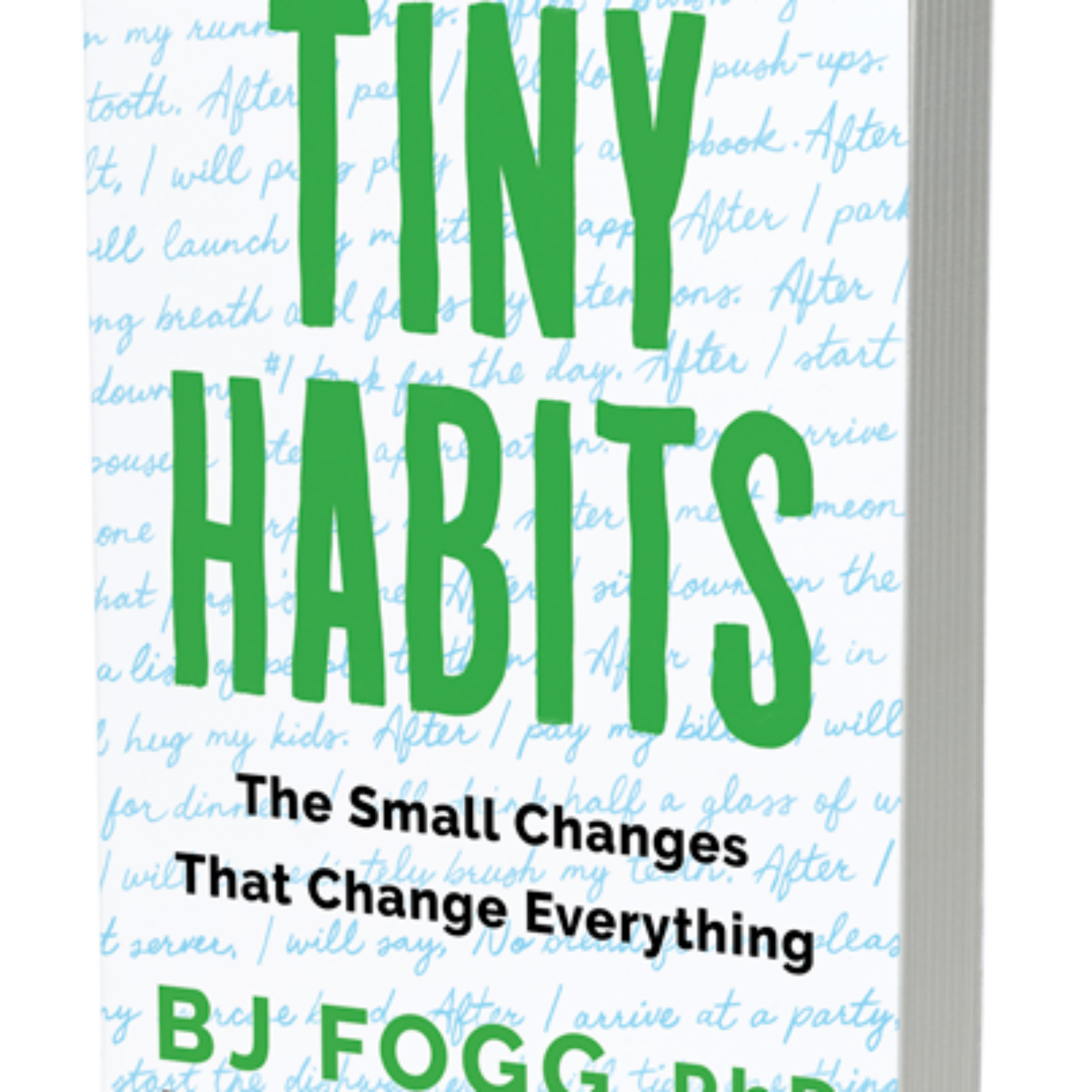
This week I read: Tiny Habits: The Small Changes That Change Everything, by BJ Fogg: Regular readers know I'm more than a decade into a few big habits that started small, including posting here daily and now twice-daily calisthenics including nearly a quarter million burpees. I also haven't flown or filled a load of garbage since before the pandemic. Fogg's book systematized what I learned through experience. He starts with a model that makes sense, then describes how to use it with many examples and insights I've found that few others who haven't created sidchas realized. He clarifies that developing habits is a set of skills and that habits improve your life so the more you create them, the more you can create and the…

0 Comments

Petty Authority

Regular readers know I volunteer to deliver overstocked perfectly good food from stores that would throw it away to a community fridge and pantry for anyone to take for free (there's a fair amount of doof in it). I do it mainly to reduce waste to landfills, with feeding people as a bonus. It replaces watching TV, browsing the web, or feeding a social media addiction. I don't understand how people devote so much time to such things. I wish I had the spare time they do. The group coordinates through a chat, which has moderators. Two people moderated for a year or so. Someone new started the role. When a volunteer delivers, we post a picture to the chat. Recently someone posted this picture,…

2 Comments

What I ate in the last 24 hours, August 2023

In preparation for recording a second podcast episode with Dr. Michael Greger of Nutritionfacts.org, I tracked what I ate for 24 hours. I didn't plan or do anything differently. I still have no fridge or power from the electric grid, nor do I cook with gas. I do use the pressure cooker powered by my solar panels. The last time I tracked twenty-four hours of ingredients was February, for comparison. Romaine lettuce Cauliflower Pickled cucumber Hazel nuts Sunflower seeds Red onion White mushrooms Chard Red lentils Cherry tomatoes Nutritional yeast (with B12 added) Whole rolled oats Peach Blackberries Raspberries Defatted peanut flour cocao powder tomatilloes Green split peas Yellow split peas Chick pea flour Mung beans Chia seeds (ground) Flax seeds (ground) Tamari Cacao nibs…

0 Comments

715: My mom, Marie Spodek, part 3: Starting a food coop and making ends meet as a single mom in a food desert with three kids

I've written about how people act like food coops don't work for people without resources like time and money or who have kids. It took me a long time to realize they didn't see food coops being started because the people starting them didn't have time or money and had kids. When my parents couldn't make ends meet, then after they divorced and struggled more to make ends meet, forming cooperative groups was their way out of poverty. Luckily nobody told them they couldn't do it! Likewise with the people behind Drew Gardens in the Bronx, Harlem Grown, my credit union, or countless other results of community organizing. I wrote about it in If you think food coops cost more or complain that some people…

0 Comments

Why I’m stronger and more tired than ever

Does being stronger than ever conflict with being more tired than ever? I'll show they don't conflict. My six-day exercise cycle means that every other day I either do full-body weight-bearing exercises (Turkish get-ups, kettlebell swings, and farmers walks), three sets of six lifts (two leg, two push, two pull), or a cardiovascular exercise. Other days I recover, though on all days I still do my burpee-based calisthenics. On recovery days, I'm tired and sometimes sore. On those days I think to myself, "I'm so sore, I should take it easy tomorrow," especially when the next day is a lifting day. I think I should use lighter weights or do fewer repetitions. I also think of how I'm older than when I started. Then, nearly…

0 Comments

714: Adam Hochschild, part 3: King Leopold’s Ghost

Adam's book Bury the Chains inspired me to see British abolitionism as a role model movement for sustainability. The writing was simple and clear. The subject inspirational and relevant. We talked about it in our first episodes, which I recommend. At last I read his most renowned book, King Leopold's Ghost, which we talk about in this episode. I came to it after reading Heart of Darkness, which it complements. Regular readers know how much I've found imperialism, colonialism, and slavery. King Leopold's Ghost covers the case of Belgium's king pulling it off while cultivating a philanthropic reputation. It's shocking and more relevant than ever, given the continuing imperialism, colonialism, and slavery in Africa today, now for our cell phones and electric vehicles. They aren't clean,…

0 Comments

Which is worse, blowing smoke in a someone’s face (say, a baby) or burning tons of jet fuel?

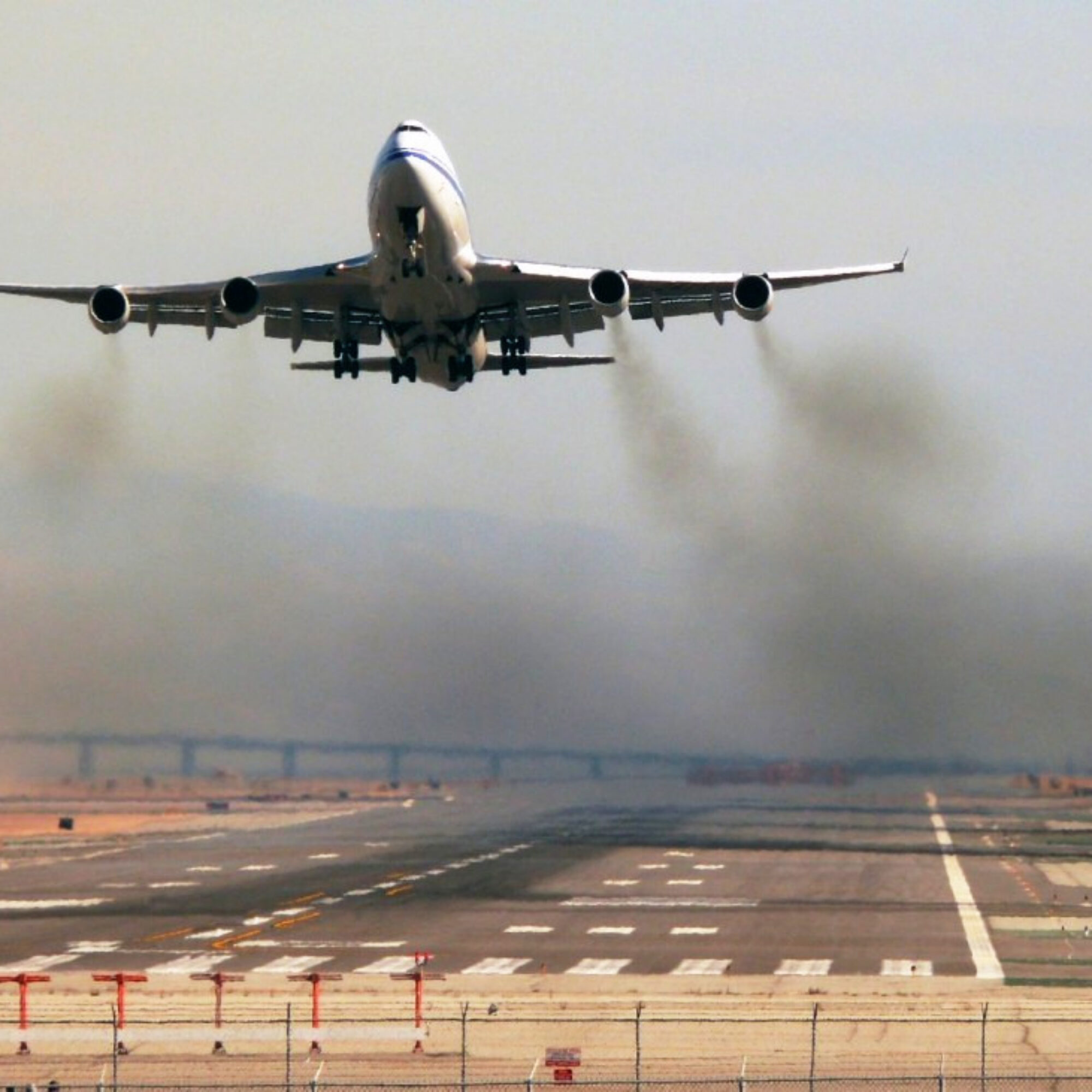
The title asks it all, but I'll make it more poignant. Say I blow cigarette smoke in a baby's face. Shocking, isn't it? Horrible. Unconscionable. Probably criminal, like assault. But if I burn tons of jet fuel to visit the Amazon under the guise of ecotourism, people seem to view it as healthy. How is this difference possible? You could say because blowing smoke in someone's face is directed. Still, the jet exhaust still affects people and it's millions times more. What do you think? Have we gotten our priorities wrong?

0 Comments

This Week’s Selected Media: 13th, directed by Ava Duvernay; The Leader to Leader Journal’s special issue commemorating Frances Hesselbein

This week I watched: 13th, directed by Ava Duvernay: The Thirteenth Amendment and abolitionism are fundamental to my work on sustainability leadership. A future guest on the podcast recommended this movie by the director of Selma to learn more about what the amendment missed. The movie clarifies that prison is more connected to slavery than I think most people would have expected, though less about work and free labor than maintaining social division and economic imperialism. It addresses racism but less about class and barely the larger sexism. The film addresses that black men are imprisoned most but not that rates of imprisonment between blacks and whites are smaller than between males and females. It doesn't have to cover everything, so not to take away…

0 Comments

713: Matthew Matern, part 3: A trial lawyer’s view

Matt and I talk about his commitment and how it affected him. I talk about the Spodek Method in general and other leadership tools like creating role models. Matt talked about his hopes and expectations about technology. When I asked him if he could imagine a world where no one polluted, he shared that he hadn't thought about it, but find the idea almost beyond conception. Think about it: if someone can't imagine an outcome, how likely do you think that person can achieve it? How likely do you think they'll subconsciously sabotage attempts? Won't it seem scary? Can you imagine a world without pollution? Matt points out if we pollute, we violate Do Unto Others As You Would Have Them Do Unto You. That…

0 Comments

Blood pressure normal, pulse: 51 bpm. Old man still got it.

In May a nurse measured my pulse at 47 beats per minute and my blood pressure 122 over 73. Today one measured my pulse at 51 beats per minute and my blood pressure 107 over 68. I'd like my pulse lower, but the web says it's still in athlete level. I'm glad to see my blood pressure normal. I'm not sure which is more important for health between pulse and blood pressure, but both look good. My BMI is 20.2, which is in the normal range too. The time is wrong. The measurement was in the afternoon, not 1:17am. I found this distribution of heart rates. I don't know how accurate it is or for what population: I found this distribution of American BMIs over…

0 Comments

Should there be more birds or planes and helicopters, even in cities?

Today is a regular day working on the my building's roof, charging my battery. At this moment in the sky I count 5 helicopters, 4 planes, and zero birds. There are almost always more planes and helicopters in view than birds here. Should there be more birds or planes and helicopters? As for sound, I hear, as I always do, my building's heater/chiller for its heating and air conditioning making its loud motor noise. No matter how beautiful the weather, it's on 24/7/365. My fees help pay for it though I barely use. I also hear what I think is the elevator motor, which I also don't use. I hear from blocks away in multiple directions several sirens of police, ambulance, and fire trucks. I…

0 Comments

Sustainability and Making My Bed Every Morning

Everyone talks about how individual action doesn't matter when they have to do something. What could seem less relevant to protecting national security then an individual making his or her bed? There are nuclear weapons in the world. Terrorists fly planes into buildings. What do the top military officers suggest about meeting these threats? Admiral and SEAL William H. McRaven says to make your bed in his If You Want To Change The World, Make Your Bed! commencement address The University of Texas at Austin in 2014. https://youtu.be/3sK3wJAxGfs By the standards most people apply to sustainability actions, like does it lower emissions or scale to solve global problems, making one's bed should matter less than picking up litter or watching videos at low resolution. Yet…

0 Comments

712: Guy Spier, part 1: The Education of a Value Investor

Guy is a successful, well-known hedge fund founder. He's famous for paying a lot of money for one meal with Warren Buffet (hundreds of thousands of dollars), which he found worth it. He and I know each other partly through a guest also in finance I did several episodes with, Whitney Tilson, though we emailed before we found Whitney in common. Regular listeners know a strategy of this podcast is to bring leaders from all areas to sustainability, which lacks leadership. I also look for people in fields that people who call themselves environmentalists often call the enemy. They talk about finance people as just looking for profit, not caring whom they hurt. I think they're presuming someone's intent based on what they see. I…

0 Comments

The selfishness and self-centeredness of flying

When I talk about not flying, people talk about themselves and what they want, never about the people and wildlife displaced from their land for the minerals, fuel, and airports, nor the people and wildlife who suffer from the pollution. When I talk about drunk driving, they don't talk about what the driver wants, they talk about people they might hurt. When I talk about smoking indoors, they don't talk about what the smokers want, they talk about people they might hurt. When I talk about racism, they don't talk about what the racists want, they talk about people they hurt. When I talk about sexism, they don't talk about what the sexists want, they talk about people they hurt. When I talk about slavery,…

0 Comments

What will plugging my apartment back in feel like?

First some context: When I challenged myself to avoid flying for a year, I expected the worst year of my life---my family disowning me, running out of money, etc. Instead, after a couple months I unexpectedly found the experience rewarding enough to go for another year. Then each year led to another. At some point I figured I'd never fly again. It's easy enough not to get on a plane. Never flying again got appealing enough I have no problem imagining it. When I stopped eating meat in 1990, I didn't know if I'd eat it again since at one time I liked some of it. After a while, I had lost the taste for it and now the thought of eating meat is unpleasant…

0 Comments
This Week’s Selected Media: Common Sense, by Thomas Paine; Atlas Hugged, by David Sloane Wilson; and the latest What Is Politics? video
File name :DSCN2808.TIF File size :9.1MB(9550153Bytes) Shoot date :0000/00/00 00:00:00 Picture size :2048 x 1536 Resolution :300 x 300 dpi Number of bits :8bit/channel Protection attribute :Off Hide Attribute :Off Camera ID :N/A Model name :E995 Quality mode :HI (RGB Uncompress) Metering mode :Multi-pattern Exposure mode :Aperture priority Flash :No Focal length :17.9 mm Shutter speed :1/262.3second Aperture :F3.7 Exposure compensation :+0.3 EV Fixed white balance :Preset Lens :Built-in Flash sync mode :N/A Exposure difference :N/A Flexible program :N/A Sensitivity :Auto Sharpening :None Curve mode :N/A Color mode :COLOR Tone compensation :NORMAL Latitude(GPS) :N/A Longitude(GPS) :N/A Altitude(GPS) :N/A

This Week’s Selected Media: Common Sense, by Thomas Paine; Atlas Hugged, by David Sloane Wilson; and the latest What Is Politics? video

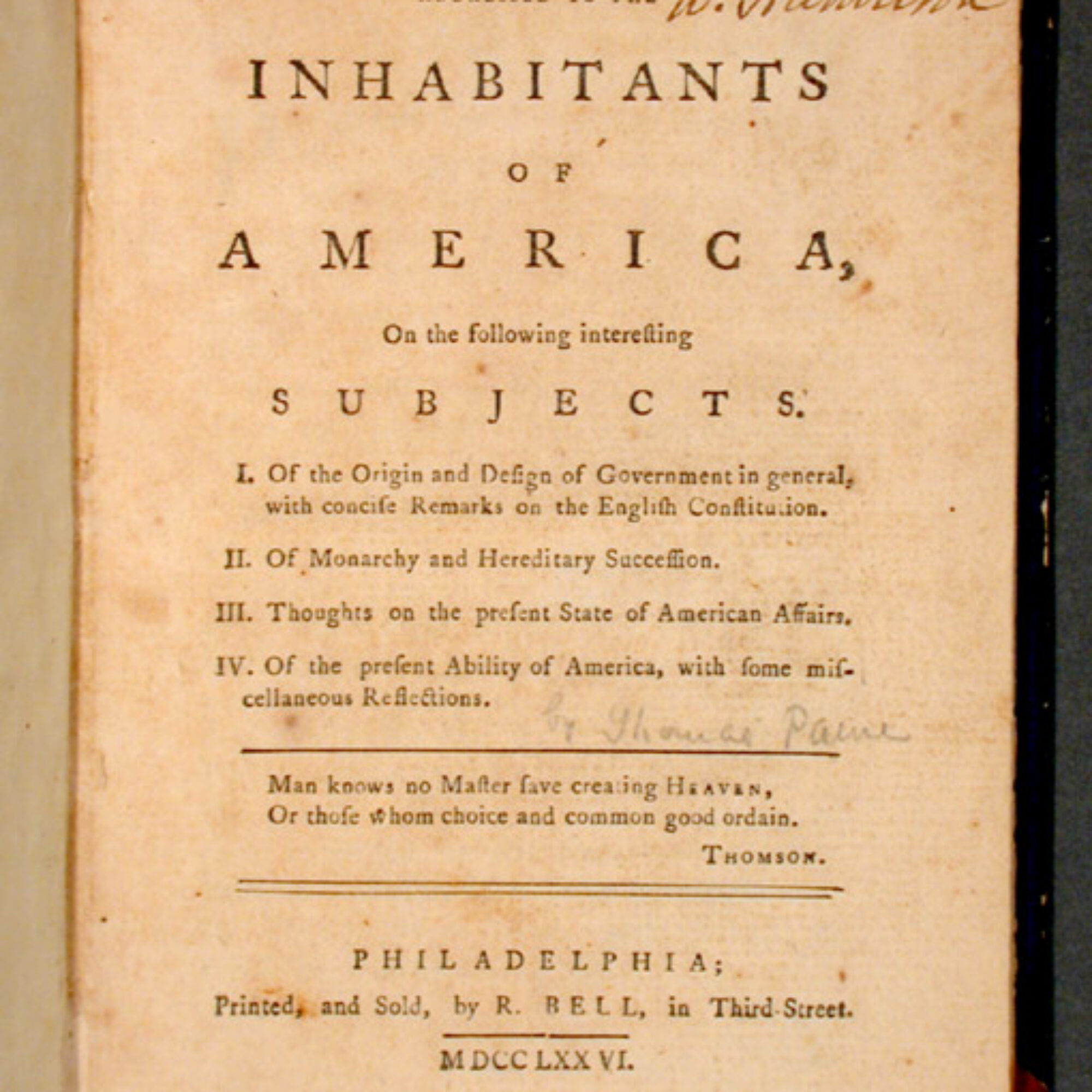
This week I read, listened to, and watched: Common Sense, by Thomas Paine: As long as I've been reading Locke, Common Sense made sense too. I enjoyed the digs at George III and its at times casual style. I had to remind myself he was rebelling against the most powerful nation in the world, taking personal risk. It's easy for me to take for granted the U.S. government and democracy and forget how radical and new it was when it formed. As far as I know, nothing like it existed before at that scale. Europeans had been exploring what structure a government could have, but mostly in theory. Then people put it into practice. Who would have guessed it would work this long and become…

0 Comments

If you think food coops cost more or complain that some people don’t have access to them, you don’t know what you’re talking about and are exacerbating the problem.

When I mention shopping at a food coop---a grocery store where the shoppers are the owners and workers---people kept saying not everyone had access to coops. I wondered why they suggested they were a privilege. I know there aren't as many food coops as supermarkets and bodegas, but I didn't understand why they acted like people without access were helpless. At last I realized people saying such things didn't know what it was like to grow up in a household with many kids and parents who couldn't make ends meet, where cooperating with neighbors on food was a solution to not having time or money. When my parents were married they helped organize ten families to buy food together. Each family took a turn driving…

0 Comments

711: Kate Siber: “Should I Stop Flying? It’s a Difficult Decision to Make.”

I was led to Kate's article Should I Stop Flying? It’s a Difficult Decision to Make. from a newsletter from Flight Free USA. I've read, heard, written, and said a lot about not flying. I found her article the most sensitive, comprehensive, and thoughtful on the internal, personal challenge and gut check of deciding to stop flying. I'll let you read the article to find where she lands on not flying. I expect you'll find she covers your angle and others. It's challenging. We know it pollutes. We know it's not necessary. We want to do it, so we convince ourselves that what we believe is wrong is right, that the plane was going to fly anyway, that we're powerless to choose otherwise, and various…

0 Comments

Hawaii: Microcosm of Earth

Longtime readers who Eugene Bible, who hosts This Sustainable Life: Solve for Nature, a sibling podcast to mine. He lives in Hawaii. A while ago he shared a view that helps me simplify and clarify how we affect nature. He suggested viewing Hawaii as a microcosm of Earth. Do you have a proposal you think would help Earth? Ask if it would work with Hawaii. [EDIT: I had planned to write this post for months. I didn't know that historic wildfires were beginning to ravage Hawaii as I was writing. The day after I posted, President Biden issued a federal major disaster declaration as 53 people have died from the Maui wildfires, governor says, and historic Lahaina has burned down. We can reverse this trend,…

0 Comments

710: Madeline Ostrander, part 2: Finding Refuge on a Changed Earth

Since our last conversation, check out the reviews that have come in about Home on an Unruly Planet from past guests of this podcast: “With deep, compassionate reporting and elegant prose …  Ostrander finds creativity, vital hope, and a sense of home that outlasts any address.”—Michelle Nijhuis, author of Beloved Beasts: Fighting for Life in an Age of Extinction “As each new climate calamity obliterates, incinerates, or engulfs entire communities, we shudder to think our own could be next. Gently but purposefully, Ostrander guides us into places that have known this nightmare, not to shock but to show that the meaning of home is so powerful that people will make surprising, imaginative, even transcendent leaps to hold on to theirs. By her book’s end, you…

0 Comments

709: Madeline Ostrander, part 1: At Home on an Unruly Planet

What's actually happening with our environmental problems? Scientists predict. Journalists in periodicals tend to write what gets attention and clicks, so we don't know how accurately they represent versus sensationalize. There's plenty to sensationalize after all. Madeline spent time with several communities to find out what problems they faced, how seriously, and what they were doing about it. The result is she sensitively portrayed them in her book At Home on an Unruly Planet: Finding Refuge on a Changed Earth. The book reads at time like she's projecting doom, but she isn't. She's describing things as she sees them and the people there describe them. The second half of the book talks about what people are doing. It's sobering, but if we want to do…

0 Comments

This week’s selected media: The Conservative as Environmentalist: From Goldwater and the Early Reagan to the 21st Century; The Text and Context of “Enough and as Good”: John Locke as the Foundation of an Environmental Liberalism; Ayn Rand videos

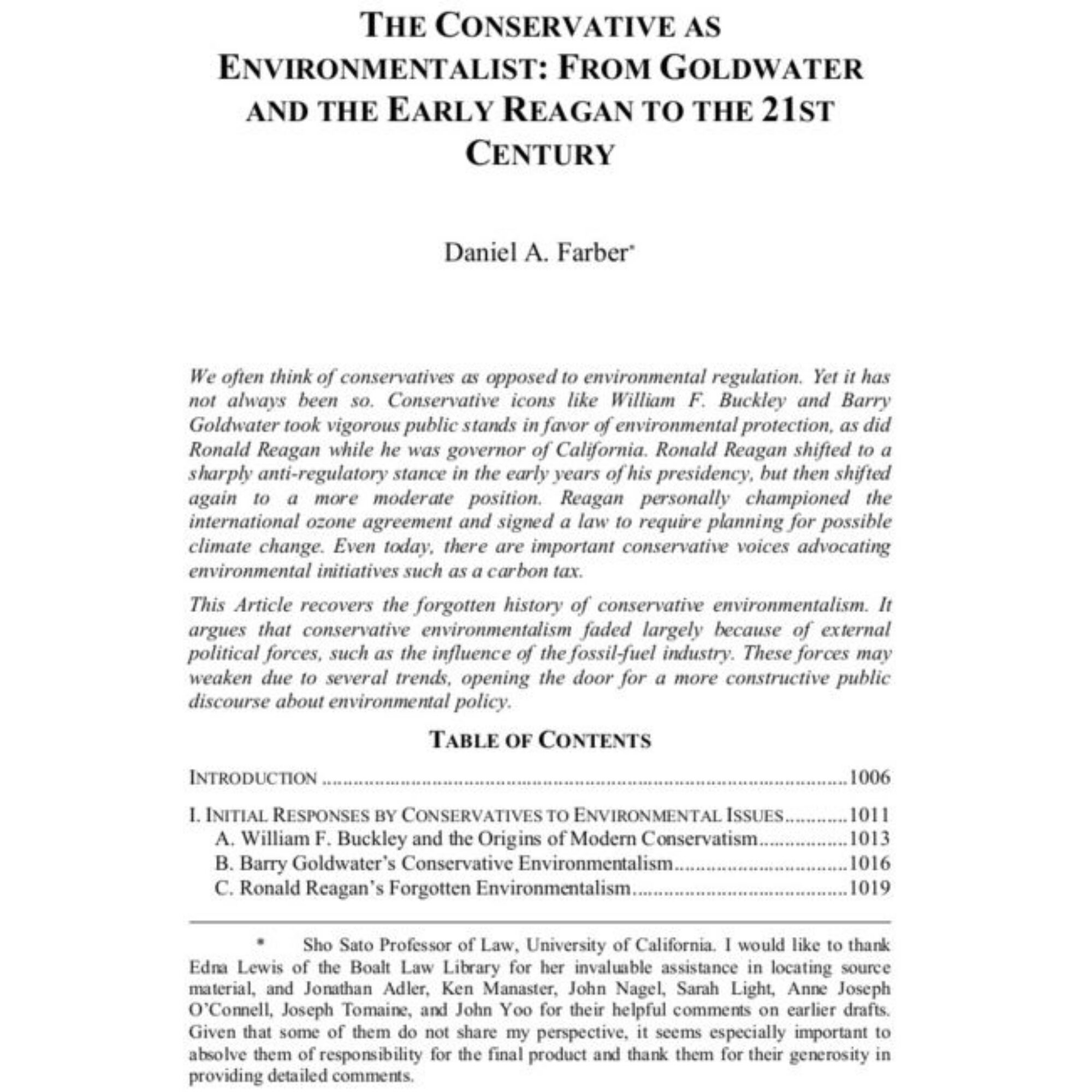
This week I read and watched: The Conservative as Environmentalist: From Goldwater and the Early Reagan to the 21st Century, by Daniel A. Farber: Farber is a professor of law and Director of the Environmental Law Program the UC Berkeley Law School. He published the document in 2017. It's fascinating, covering support for environmental protections, ideology, and cases of bold activism from Barry Goldwater Ronald Reagan Richard Nixon William F. Buckley Milton Friedman George H. W. Bush Newt Gingrich I was glad to see one podcast guest mentioned, Bob Inglis, and another person mentioned on at least one episode, I've emailed and spoken with, Jerry Taylor. It begins: Today, it may seem more natural to associate conservatism with opposition to environmental regulation. Just how far…

0 Comments

Why we’ll prefer sustainability

Why people mistakenly think sustainability means deprivation and sacrifice and think not polluting is extreme: I used to party with world famous DJs. Manhattan dance clubs gave me tables and an unlimited guest list back when I made art that a few clubs put in their VIP lounges. Sometimes amid an amazing party, someone would leave early to walk their dog or relieve their baby sitter. From my partying perspective, they looked crazy. Here was a world famous DJ, we're behind the booth, the party would continue all weekend, sometimes free booze, drugs, the works. Instead they're choosing to pick up an animal's poop, maybe get a baby's poop on their hands. Crazy! From their perspective, though, there was no comparison. A party isn't in…

0 Comments

Is this image our culture in a nutshell?

Is this image our culture in a nutshell: Sitting on a beach scrolling through social media of images of beaches, wishing we were there instead? IOW, not appreciating what we have, being led to consider it inadequate, being led to crave what we don't have, fear of missing out, missing nature around us, distracted by technology.

0 Comments

End of content

No more pages to load