Why do we fund our enemies by air conditioning the outdoors?

Find me a war where at least one side isn't partly funded by oil money. Find me a war that isn't threatening to expand at least regionally, maybe globally. Where is that oil money coming from? Who is helping raise fossil fuel prices, thereby increasing the resources and power of Putin and his peers? Look no further than this restaurant, running the air conditioning with the doors wide open, and all the people patronizing it. Also all its peer restaurants, stores with their doors open, etc, and all of us spending money with them. It's only April. The air outside is comfortable. Pictured below is total waste. Another view:

0 Comments

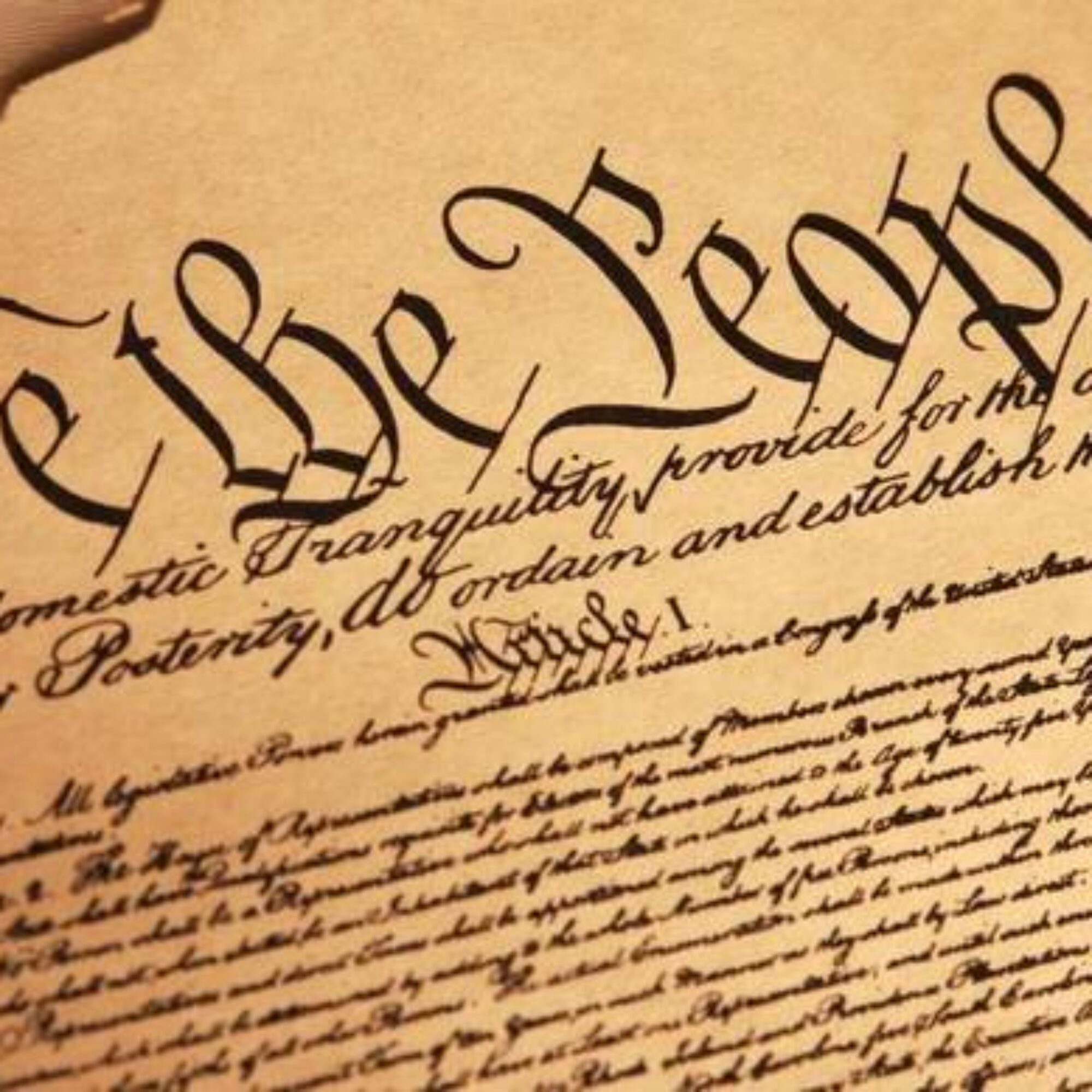
The Constitution has no extraneous protections.

I wouldn't want to live in a nation or world without freedom of speech, freedom of the press, protection of being tried twice for a crime, or any of the protections in the Constitution. I don't know anyone who would. All must enjoy the protections you do for it to work, even if you really want to deprive others of them It might be tempting to think it would be nice to enjoy freedom of speech or of the press for yourself but to be able to limit the speech or press of others, like your political enemies, but if you think about it enough, you conclude that you're better off with everyone enjoying all those freedoms. That is, you might be tempted to be…

0 Comments

This week’s selected media, April 19, 2026: Heirs of the Founders, Led Zeppelin’s catalog

This week I finished: Heirs of the Founders: The Epic Rivalry of Henry Clay, John Calhoun and Daniel Webster, the Second Generation of American Giants, by H. W. Brands: The following words go through my mind a lot these days: We learn about Washington, Jefferson, Madison, Douglass, Lincoln, Gandhi, Mandela, and MLK because we want to be like them. Learning about role models helps us learn to live like them. But if we want to learn about who we are, we should learn about people like John C. Calhoun and Benedict Arnold. It's uncomfortable to accept, but the people in the first list are so important because they had to overcome so much resistance, which came from everyone else, which most of us resemble. We…

0 Comments

The ability to empathize with or speak for the oppressed isn’t what we think

Understanding the plots in my post Why I work on sustainability leadership here and now despite other things I could do instead clarifies how to see our culture. We live in a culture that causes more death and suffering than any other, including the greatest historical atrocities. People today often suggest that people today who don't descend from or look like people who suffered and died can't understand or empathize with them, implying that their voices shouldn't count as much. They also imply that people who descended from or look like people who caused suffering and death bear some responsibility by dint of that relation or similarity, or benefited from it. These views miss our complicity by polluting and depleting in causing suffering and death…

0 Comments

What we can learn from jarring images from the Civil War Museum in Harrisburg, PA

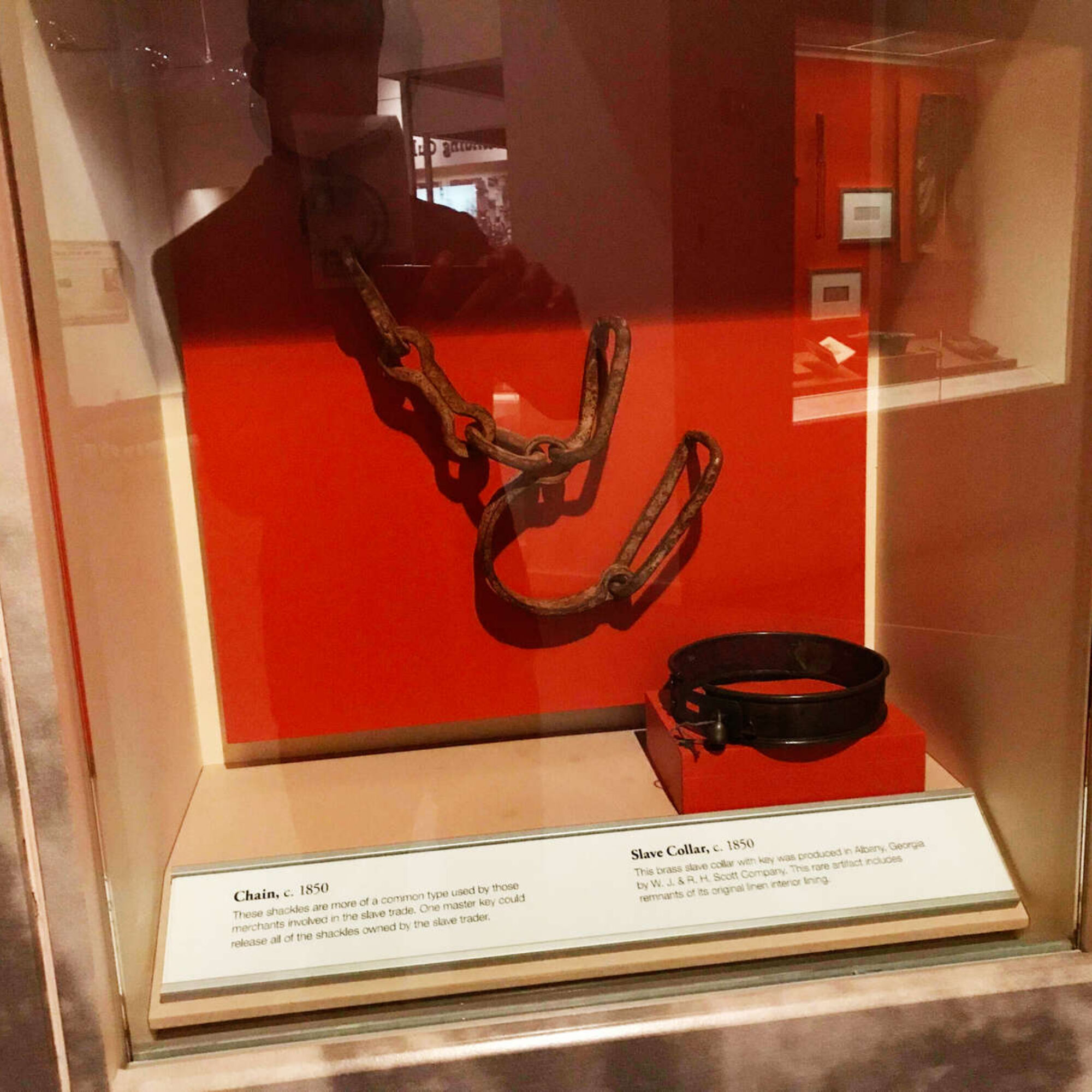
I gave a keynote and led a leadership workshop near Harrisburg, PA---a place halfway between where I grew up in Philadelphia and where my dad grew up, in Pittsburgh, so we passed through there many times growing up. I learned that the city hosts a Civil War Museum, so arranged to spend half a day there. I recommend it. A few items affected me beyond what I would have expected. Scroll down and you'll see the leg irons, collar with spikes, and whip with spiky metal spurs (the card implied that it wasn't known if this particular whip was actually used, but even if not, just that someone made it says a lot). First a few words. I'm not sure the pictures will hit you…

0 Comments

Nonfood things I’ve bought this year

I don't like buying things that pollute and deplete. Other than food and building maintenance, I try to keep track of things I buy that are material or cause polluting and depleting. I haven't kept track of subway and bus fares, but I ride them a couple times a month. April 16: Yesterday I bought an envelope to send a tax form. It cost fifty cents plus four cents tax. I gave them sixty cents and let them keep the change. I probably could have bought a box of fifty for a not much more, but I rarely use envelopes. I bought a round-trip ticket on Amtrak to Harrisburg, where I'm leading a leadership talk today. To get from Harrisburg to the conference center, I'm…

0 Comments

Discipline Equals Freedom: Two years no hot showers

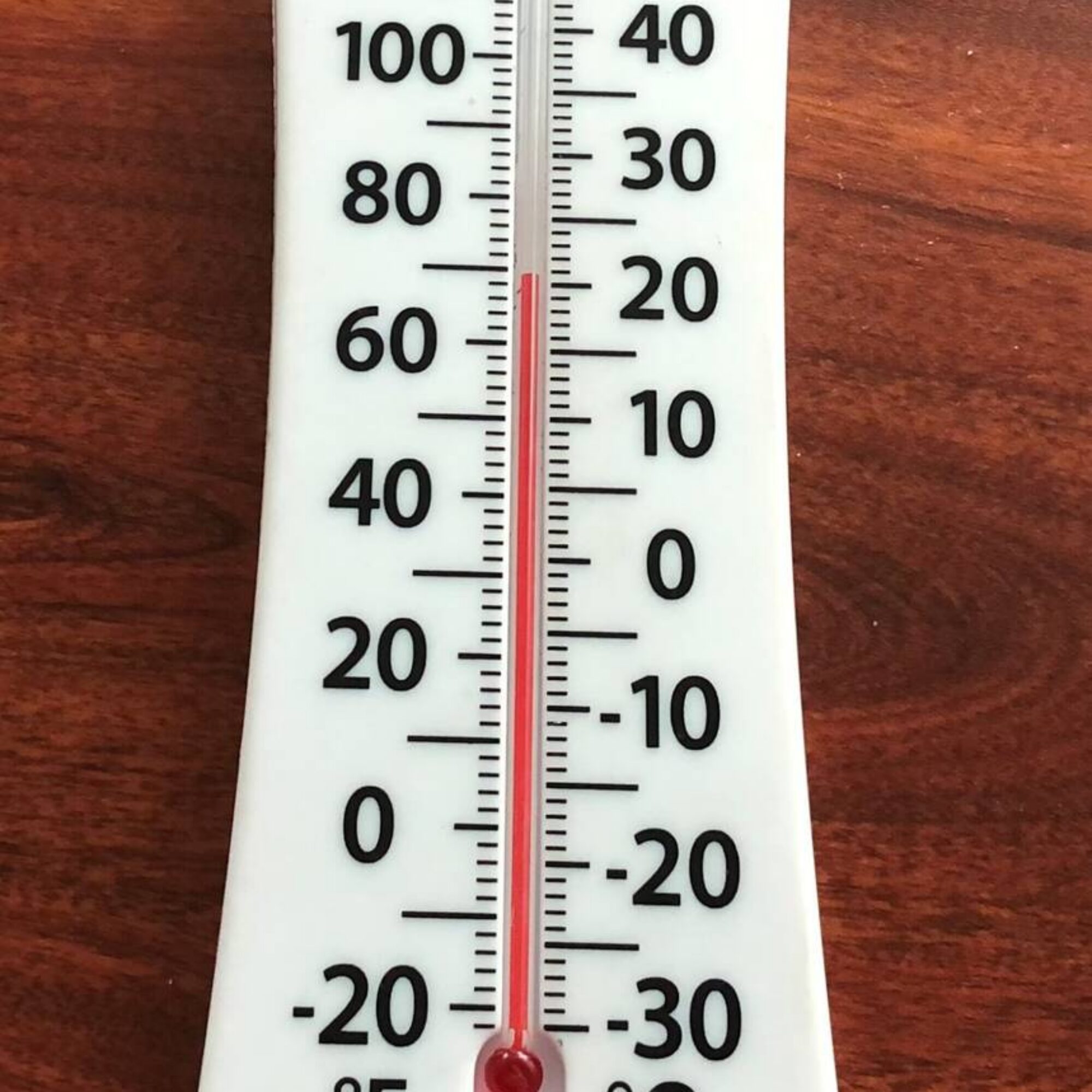
If you don't get that discipline creates freedom, this post will make no sense to you. If so, probably best not to read it. Regular readers know I found value in taking cold showers. Maybe five years ago, after watching podcast guest Joel Runyon's TEDx talk on cold showers then reading his conversation with his readers on his Cold Shower Therapy Guide, which I recommend, I experimented taking a cold shower. I learned a lot from the experience. It was December in New York City, and very cold, but very invigorating and any discomfort ended the moment I ended the shower. There was no risk of injury. I got most of the value I get from a workout or practicing anything challenging with no cost…

0 Comments

The futures that futurists imagine are what I envision: Yet more evidence living without polluting or depleting isn’t regression

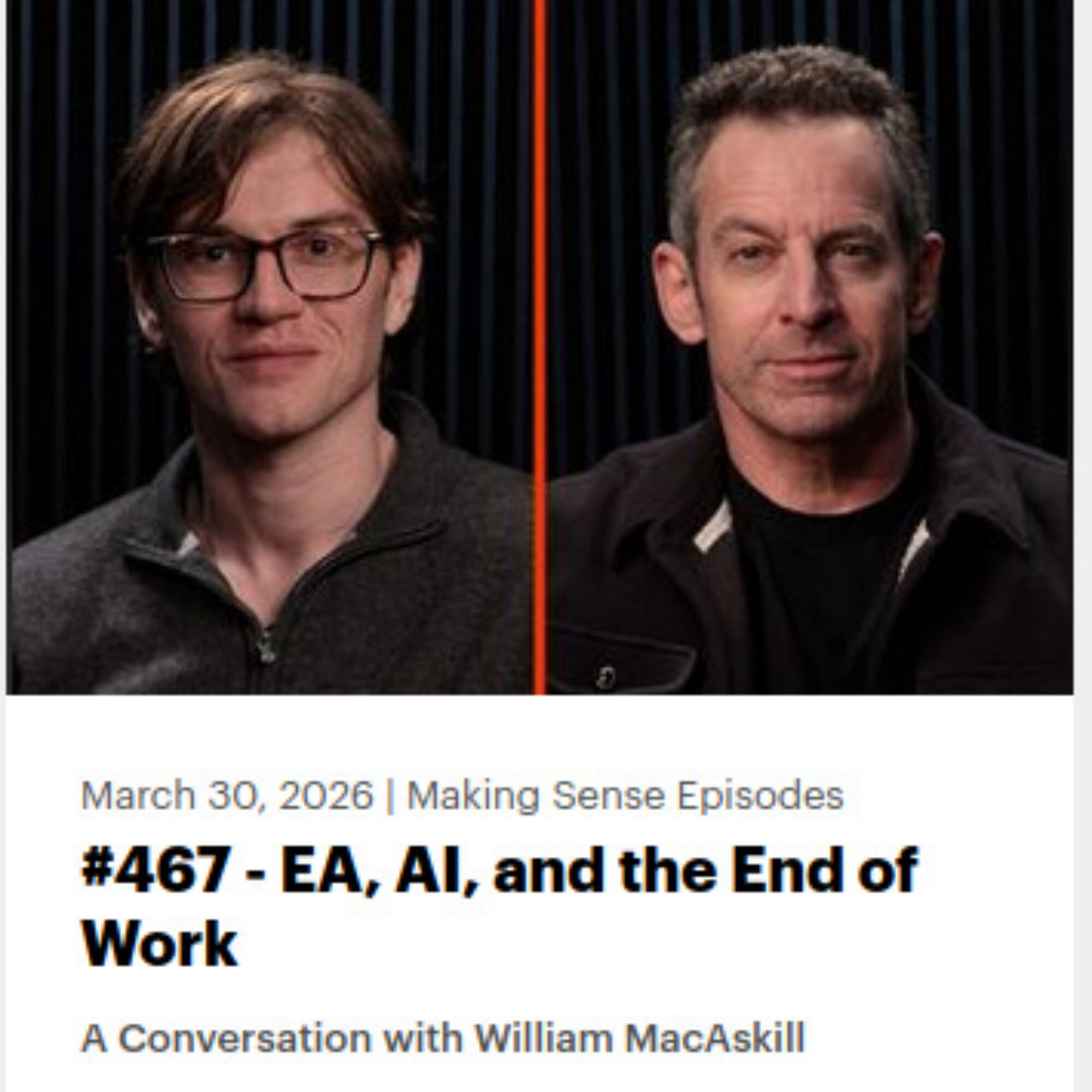
People consistently refer to life without polluting and depleting as returning to the Stone Age. The lack of historical awareness and imagination staggers the mind, or it would mine if I didn't realize that humans fill our minds with lies, or legitimizing myths, when we are induced to act against our values, to mollify our feelings. I was listening to William MacAskill (bio below) on Sam Harris's podcast. I'm not sure they would describe themselves as futurists, but they aren't far from it and in the part of the conversation I quote below, they were exploring what if artificial intelligence worked out. I quote several minutes of the conversation and share the audio, but I'll call attention to a few comments of what they imagine…

0 Comments

848: Peter Simek, part 1: EarthX’s CEO

I met Peter in person at a local (Manhattan) event that EarthX hosted for media people. I was invited for hosting this podcast. We spoke about leadership and sustainability. We focused on crossing political boundaries. We shared about our successes in these efforts, how important we consider such tactics and strategies, and how much that success is missing in the US. He invited me to participate in this year's conference, as you'll hear in our conversation. I wrote back that I don't fly, so I'd like to but transportation would be a challenge. I didn't say that I consider conferences that dozens to thousands of people fly to counterproductive because I didn't yet know enough about the conference or him, but I offered a few…

0 Comments

This week’s selected media, April 12, 2026: How to Get What You Want, Climate Capital, This Is Spinal Tap, Circle Game Online Course

This week I finished: How to Get What You Want: Mastering the Art and Science of Persuasion, by podcast guest Josh Bandoch: This book compiles many essential building blocks of persuasion and influence into one place. Josh B. and I talk about it at length in podcast episode 849. I wish I'd had this book decades ago. It handles myths many people hold about persuasion that hold people back, then builds up the skills and theory to influence and persuade people effectively. I recommend it, and would if I didn't know Josh B. In fact, our shared passion for learning, teaching, and coaching how to lead is a major piece of what connects us. This Is Spinal Tap, directed by Rob Reiner: After watching The…

0 Comments

First plogging and barefoot run of 2026

Longtime readers know I switched from running to plogging, which led to a bunch of media doing stories on me. I can't help sharing the stories. The earliest I found was 2018: “17 Creative Weekend Routines For a Happier, More Successful Week,” including plogging about a story on me in Thrive Global in 2018 120: Rules for plogging in New York City a podcast episode I did in 2019 I’m famous for plogging! See me pick up litter while I run on local news. Fox did a story on my in January 2019 I plogged on TV with the Doctor and the Diva A talk show recorded me plogging and invited me in to talk about it in September 2019 Inspired to my first run…

0 Comments

How are government incentives for larger families not socialist, New Deal-type programs?

I keep thinking more about what I covered last month in my post Heritage Foundation promoting socialism, as usual. Charlie Kirk did too. Many factors go into how many children people have. One of them is finance: can someone afford to raise kids. I think a lot of people think it's not fair that it should be harder for people with less money to have kids. Oddly, people also react to me when I say that polluting and depleting save money and time that not having kids, somehow I can't know what it's like. But I grew up expecting to have kids. Financial considerations factor heavily in my choice not to have kids so far. These people never offer me consolation or empathy for what…

2 Comments

Democrat Garbage: When Democrats Say They Value Sustainability, They Mean When It’s Convenient For Themselves (Republicans Probably No Different)

Living in Greenwich Village means receiving tons of mailings from democratic politicians. For years I've contacted people and companies that spam me with paper mail. I've gotten it to near zero, except political mail. Any time there's an election, they send me tons of their polluting, depleting mailings, unsolicited, unwanted. I don't know how to stop it because it's different people each time. Here are a few pieces of pollution from my mailbox yesterday. Similar amounts have been showing up for years, none solicited. It's tempting to say it's just a piece of paper here and there. They chose to pollute and deplete. They are in their behavior opposing sustainability. They are exposing the actual problem: they feel what they are doing is worth the…

0 Comments

Colonized doesn’t mean Indigenous. Being there when colonizers arrived doesn’t mean there first.

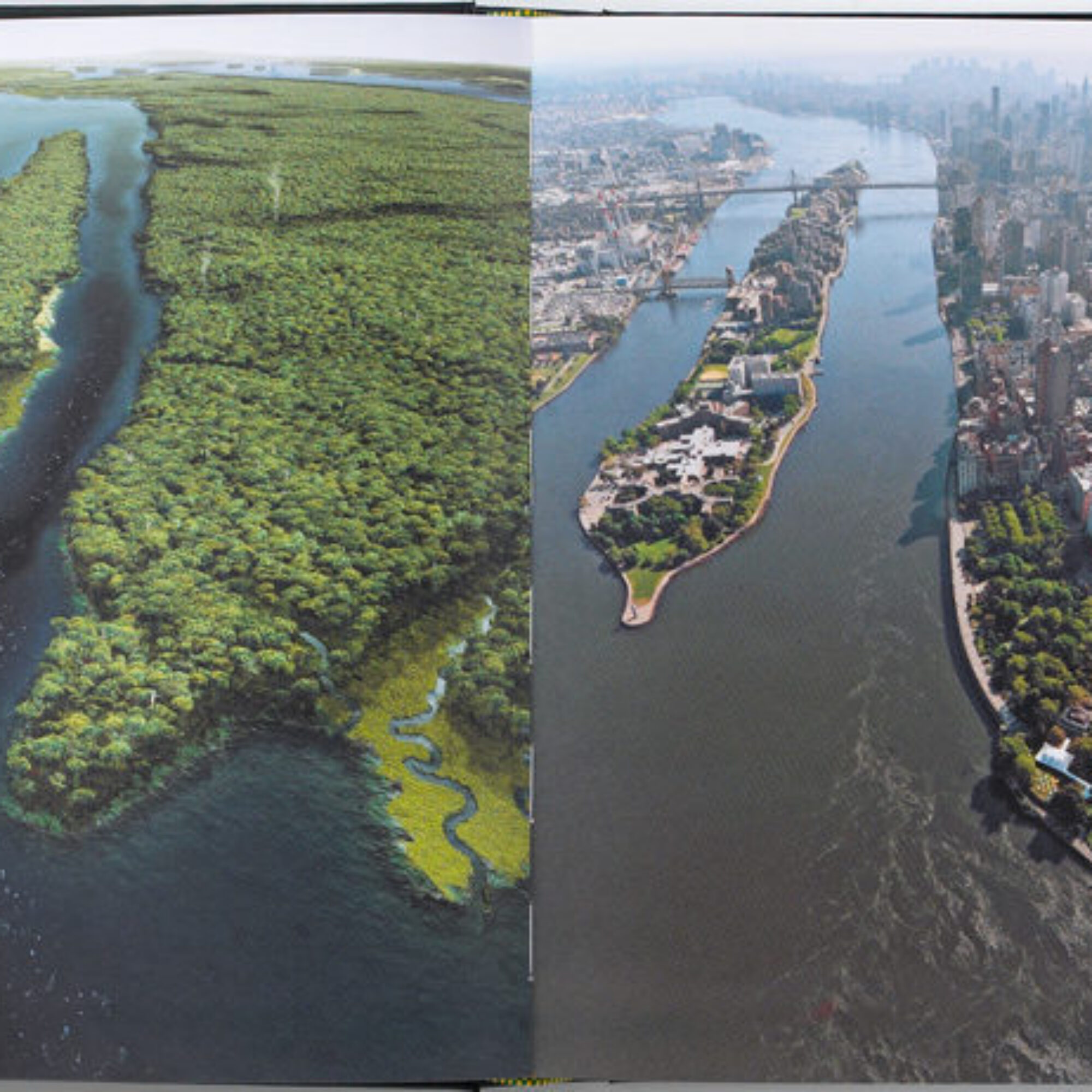
Over and over, people refer to societies that were colonized as indigenous. For example, I see nearly all Native American groups referred to as indigenous. Here's a dictionary definition of indigenous, which covers the meaning here. indigenous adjective in·​dig·​e·​nous 1 a : produced, growing, living, or occurring natively or naturally in a particular region or environment b usually Indigenous : of, relating to, or descended from the earliest known inhabitants of a place and especially of a place that was colonized Here's another: "Being a member of the original inhabitants of a particular place." Consider Manhattan, where I live. Humans have lived here for five or ten thousand years. Europeans arrived ten percent of that time ago. If someone calls the people who lived on…

0 Comments

How I watch videos I find online: not online

The other day I happened to watch a video on YouTube not in my usual way and saw an ad there in the video for the first time in five years or so. Besides using a browser plug-in that block ads, I use another that blocks suggested videos. When I go to watch a video, I usually just see that one, not others. Sure, others might be interesting, but there are billions of videos and other "shiny objects," as I call them, that are interesting and I only have a few life priorities. As I wrote over a decade ago, You have to say no to a lot of good things to have a great life. Besides, the algorithms don't try to attract you to…

0 Comments

I Challenge You to Find an Environmentalist Who Doesn’t Argue Against Sustainability

I just returned from another event by environmentalists. As usual, they promote climate most, mainly through emissions, but also through ESG and DEI. As usual, they promote anything but sustainability. When they talked about circular economy stuff, they talk about mining waste streams, but not ending nonrenewable inputs. When they talk about plastic, they talk about increasing recycling rates, but not that its mere production creates pollution that we have no way of rending benign, not now nor in any plan on any meaningful level. You get the picture. They usually talk in bubbles that don't challenge that they lack a vision to reach sustainability. Many of their proposals don't help and often accelerate problems or at least distract from actually reaching sustainability by leading…

0 Comments

This week’s selected media, April 5, 2026: Caste, Margaret

This week I finished: Caste: The Origins of Our Discontent, by Isabel Wilkerson: I don't know if or when I'll meet Isabel Wilkerson, but I can't wait. Her book begins and ends with significant talk about sustainability. I think she sees her work on caste, race, and racism as relevant, but I suspect it's far more relevant than she expects. I think we'd enjoy learning from each other. I think she'd see new ways to apply her work and inspiration to make that application. That said, this book approaches caste from a historical approach I consider too limited. That is, the caste system it describes starting in historical times existed long before. I took notes while finishing the book. I'm going to take the prerogative…

0 Comments

Every group claims Washington, Jefferson, Lincoln, and Douglass. Every group says the other produced Calhoun and eugenics.

The more I learn from different traditions, the more I find each group claims that their intellectual and cultural forebears are the people everyone likes and says the others descend from the ones everyone dislikes. I grew up in liberal, progressive households and schools. I learned that people who worked for liberty and freedom, and who fought against slavery and tyranny were the ones our traditions descended from. I learned that conservatives and libertarians just wanted profit. They would sacrifice the things we valued, like liberty and freedom, in favor of helping themselves. Hence, they were responsible for slavery and laissez-faire practices that caused hunger and poverty. I didn't learn to see the world from their perspectives. When I started to, in recent decades, I…

0 Comments

What’s with toothpaste globs in sinks and pointless hot water use?

Living in New York City means eventually many people will pass through my neighborhood so I host people for visits in my home a fair amount. Though I spend most of my time here and visitors average maybe a few hours a week, I think they cause more pollution and depletion in my apartment than I do. One big reason is that they use hot water for everything and heating water uses more energy than many things. How do I know? My faucet knobs are always to the right because I use only unheated water to cook, drink, brush my teeth with, and so on, but whenever someone visits, I find the knobs in the middle or hot end. Why does everyone---everyone---use warm or hot…

2 Comments

Rediscovering “The bigger your achievement, the more it’s a beginning” through Turkish Get-Ups

Almost a decade ago I wrote a post The bigger your achievement, the more it’s a beginning. The effect applies all over in life, but my usual way of describing it is with marathons. Today, I'm posting about completing Turkish Get-Ups, but I'll give context with marathons. Context with marathons Before you finish a marathon, it seems like a superhuman feat, even knowing that millions of people have run them. You don't know if you can do it. At least in my case, I expected that once I finished it I could say "I've done it, I'm exhausted, I've achieved something big, and I don't have to do anything like it any more." Instead, I felt something like, "Now that I know I can do…

0 Comments

Unearned Power

After chopping down half a continent's forests, coal must have seemed like manna from heaven, and later oil, gas, and uranium. Bounty of nature. But you could see why they'd love it. It rewarded people for being smart, for being clever, and most of all for helping others. It enabled people to cross distances faster than ever, to build taller and stronger, to warm the cold, to cool the hot, and so on. I suspect that even as early as the beginning, say soon after Watt's steam engine around 1776, some may have already started suspecting that it might have been too good to be true. At first I doubt anyone couldn't see any meaningful problems. Sure, there was smoke in the air that was…

0 Comments

Two recent videos I recommend: “Every Reasons to Hate Cars” and “What I DON’T Buy Anymore (Because of the 1940s)”

I generally don't just repost other people's material and try to put media I finished each week on my Sunday posts, but I saw two short videos I thought you might like that were too short to mention there. I recommend them. The first is from Not Just Bikes by podcast guest Jason Slaughter. I recommend all his videos and I have watched them all. This one summarizes them. It also mentions the work of three other podcast guests: Climate Town Life After Cars / The War on Cars Strong Towns It's fun to be an active part of this community promoting living together without hurting each other. I recommend listening to their episodes with me and watching all their work. But start with the…

3 Comments

Reader responses from “Help restore my shaken confidence in people from Christmas Eve day”

On December 25, 2025, I wrote a post Help restore my shaken confidence in people from Christmas Eve day that recounted a troubling experience I had delivering food to a community fridge. I wrote about how after spending a lot of time and energy on a holiday, a group of people showed tons of aggression and zero gratitude pushing everyone out of the way to get all the food they could for themselves. In the US in 2025, it felt risky to specify that they were elderly Chinese women, but they were. People there who weren't elderly Chinese women didn't get a chance. They were pushed out. One had a tug of war with me over food I didn't intend to distribute. She grabbed it…

0 Comments

This week’s selected media, March 29, 2026: Born Equal and The Princess Bride

This week I finished: Born Equal: Remaking America’s Constitution, 1840-1920, by Akhil Reed Amar: I came across Amar almost a year ago, learning about US Founders and Lincoln. By then I had finished biographies on Lincoln, Jefferson, and others, and was moving on to Madison. Here are the first videos I watched of him. My most important message on Amar and this book: The Constitution, Declaration, people who wrote them and ratified them, and their histories are relevant today to your and my life. In particular, they are relevant to how we as a nation handle pollution and depletion, though the book doesn't cover them. The book and Amar's work show how to apply it to daily life where people interact with each other. Since…

0 Comments

Did America wrongfully denigrate “I’m from the government and I’m here to help”

President Ronald Reagan said in 1986: “The nine most terrifying words in the English language are: I'm from the Government, and I'm here to help.” The quote has an appeal. Many Americans loved him. He was in his second term. I've been reading about slavery, abolitionism, the Civil War, and Reconstruction. One part seemed relevant: when the Union army liberated slaves from captivity. Were they not from the government, there to help? I don't think the slaves considered those representatives of the government terrifying. How about when schools were desegregated in the Civil Rights era. People from the government came to protect students in the minority, enabling them to practice their rights. How about during Reconstruction, in the early part, when it was working, when…

0 Comments

End of content

No more pages to load