Leadership


Kim Jung Il died today

North Korean television reported Kim Jung Il died. As the BBC reports The announcer, wearing black, made the emotional announcement on state-run television North Korean leader Kim Jong-il has died at the age of 69, state-run television has announced. Mr Kim, who has led the communist nation since the death of his father in 1994, died on a train while visiting an area outside the capital, the announcement said. He suffered a stroke in 2008 and was absent from public view for months. His designated successor is believed to be his third son, Kim Jong-un, who is thought to be in his late 20s. North Korea's state-run news agency, KCNA, urged people to unite behind the younger Kim. "All party members, military men and the…

0 Comments

North Korea strategy: a toy proposal to promote thought

North Korea's uniquely extreme isolation and disparity of power and wealth means you have to think of it differently than most other countries. Today I'll present a toy idea not for serious consideration as is, but to provoke thought and promote new, potentially effective ideas or improve other plans. I call it a toy idea so no one accidentally takes it seriously on its own, but plays with it to help generate other ideas. Here are the main ideas leading to it North Korean power is concentrated to probably a few dozen people. However much others may dislike their decisions, from their perspective, decision-makers choose rationally. The toy idea My toy idea, again not for serious consideration as is, but for promoting thought and other…

0 Comments

Pictures of North Korea, part 9: the Grand People’s Study House

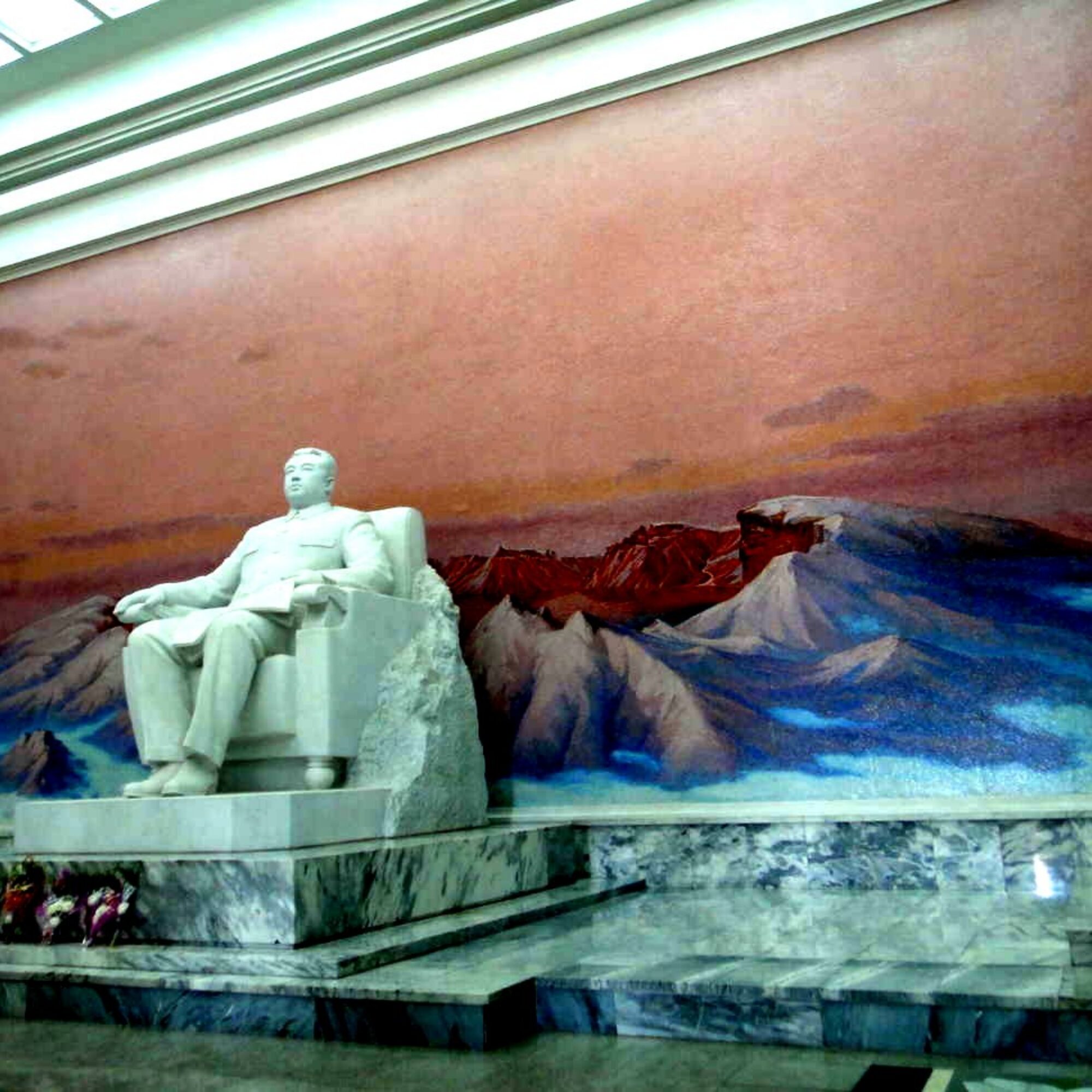
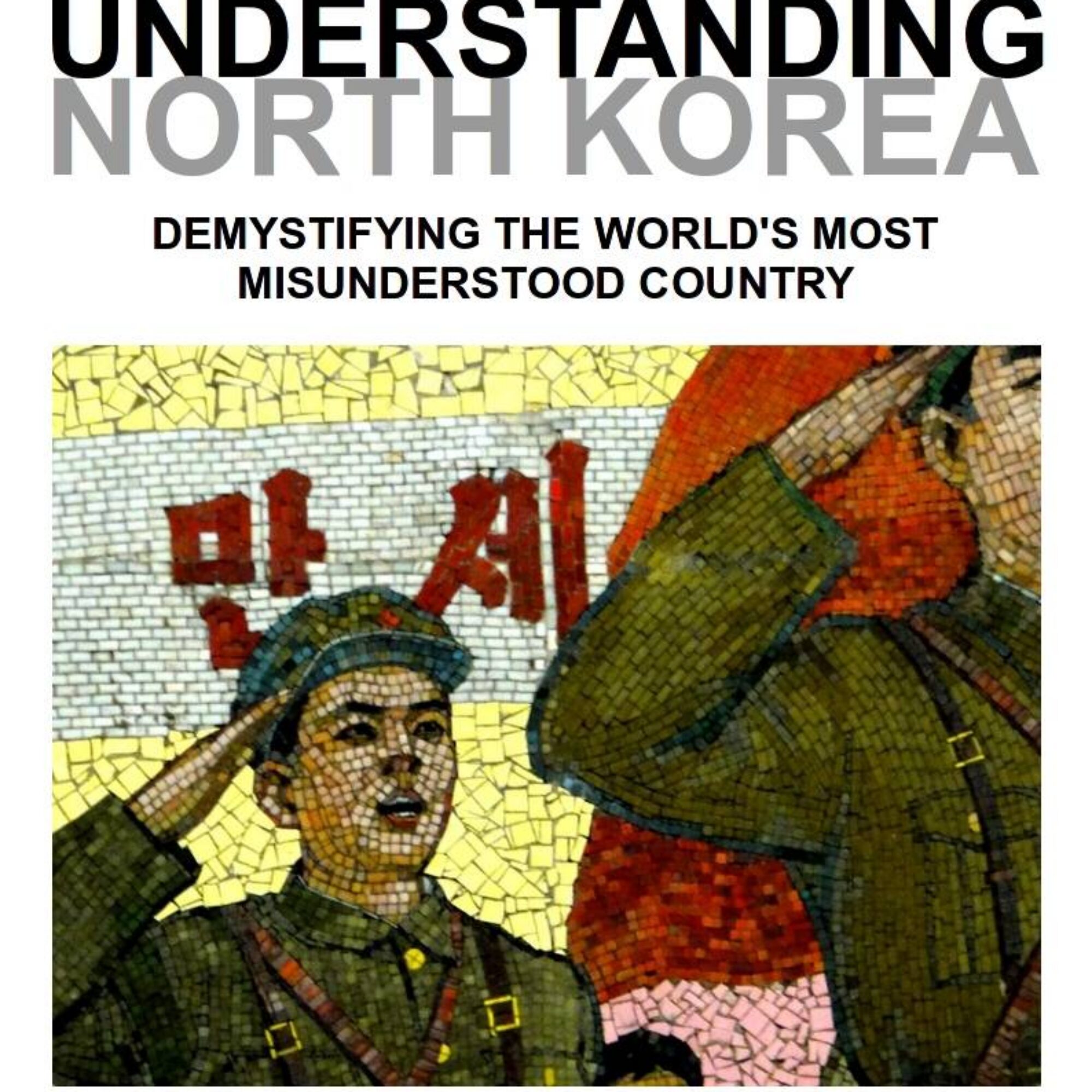
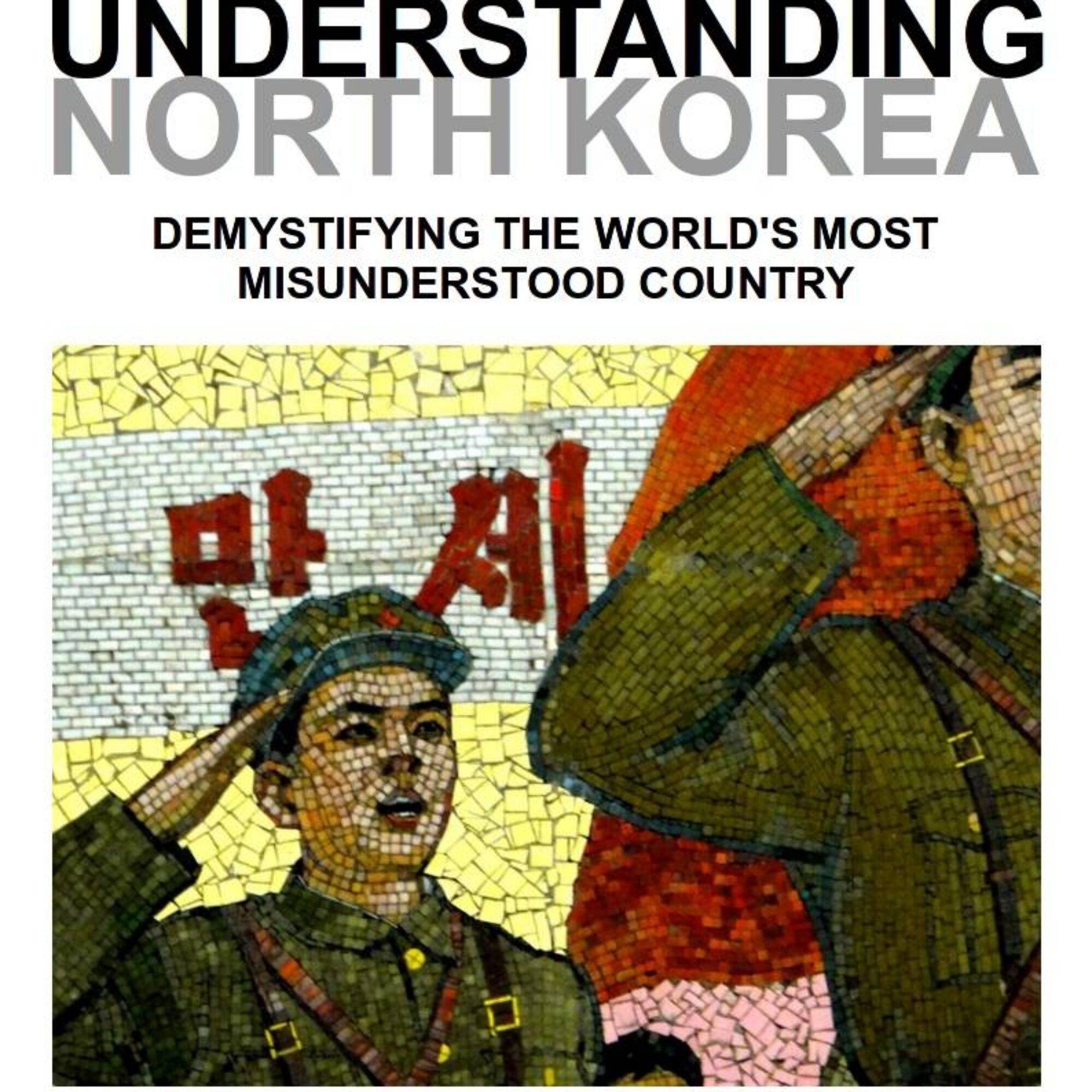
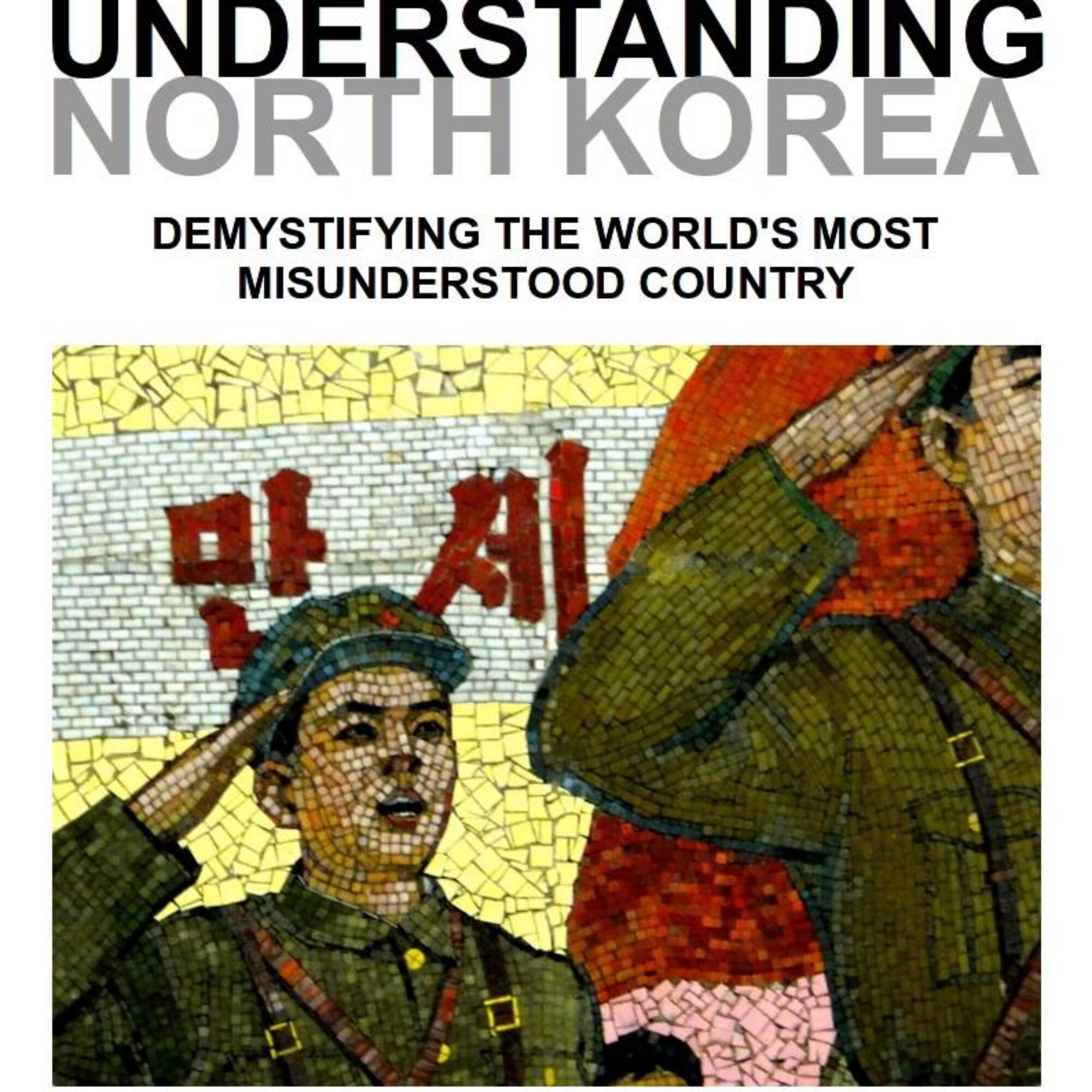
Today's pictures were from the Grand People's Study House, a giant library overlooking the Taedong River, with the Juche Tower on the other side. Sorry for how long some captions are. I formatted them to be more readable but Wordpress seems to ignore the formatting. I hope you can read them okay anyway. Nearly all big public buildings we visited had big statues of Kim Il Sung, Kim Jung Il, or both. The statues nearly always represent them as paternal, optimistic, smiling, or displaying some emotion conducive to leadership. Some looked magnificent. After a few you got bored with them but wondered what the deal was with so many of them. Who decided to put so many up? How many would they consider too many?…

2 Comments

The Method: three exercises to transform your life, part 3

The third exercise comes in two parts also. First you think of emotions you'd prefer to the ones listed in the previous exercise. Second you think of environments, beliefs, and behaviors to create those emotions. You think of the emotions first because they are the roots of your values and what creates meaning and purpose. By listing what you can't or won't do in the previous exercise, you assure yourself you won't do anything you consider wrong or don't want to. By starting with your emotions, you know you'll be doing things consistent with your values, meaning, and purpose. The exercise part 1 -- conceive of new emotions Write new emotions that you would prefer to get from this part of life you want to…

0 Comments

North Korea strategy: what you can do

To close out this fifteen-part series on strategy, what can one person as an individual do? First, I recommend considering you may be offering people unsolicited advice based on judgments they don't agree with if you, say, waltz into the country and tell people there you are going to help them make their lives better. Now matter how sure you are that you will help them, if they didn't invite you to help, the people you want to help will likely view you otherwise -- perhaps condescending, patronizing, or meddling. They may well have justification. Actions I would recommend. Learn about North Korea. I hope this page helps. Books, articles, and videos can help. My too-brief bibliography may start you off with some valuable but…

0 Comments

The Method: three exercises to transform your life, part 2

Yesterday's exercise was to list a couple areas in your life you want to improve. Today's exercise is to view the areas from the perspective of the Model. Exercise 2 Part 1 Write on a piece of paper in four different lines, the words "Old environment:," "Old beliefs:," "Old emotions:," and "Old behaviors:," like so: Old environments: Old beliefs: Old emotions: Old behaviors: Then for each area on your life you want to improve, fill out each of the four elements of the relevant emotional cycles. The idea is to break up something complex into simpler parts that are easier to understand and show the structure of how those parts interrelate. Running a marathon Old environment: Playing other sports, bars, in front of tv Old…

0 Comments

North Korea strategy: reducing domestic support

If sunshine is the best disinfectant, then giving the North Korean people the same access that the rest of the world has to information about their country, its history, and the world would probably be the best strategy for change. Their compliance with their government effectively supports it more than anything else. That compliance makes sense, despite it appearing from our perspective against their long-term interests. Not complying can cost dearly. From what I hear The country's network of informants surpasses that of the East German Stasi. The government punishes your family members for your actions. Punishments can be unilateral and draconian, including lifelong imprisonment, torture, and death. No system of free speech or communication network exists to organize protest. North Korea's military is the…

0 Comments

My North Korea talk slides

Here are the slides for my North Korea talk at Fred. I expect to show a lot of images, mainly from Joseph's amazing pictures on Flickr. I like my pictures, but his are phenomenal. Here is a pdf of the slides. Sorry the transitions don't make it in, but the slides are pretty light. I'll put up the video when they post it.

0 Comments

The Method: three exercises to transform your life, part 1

You want to improve your life. I'm about to present three great exercises that help -- you could say one exercise in three parts. My seminars cover them over the course of the first day, with a fourth follow-up if time permits (which I link to at the end of the third exercise here). People report finding them deceptively simple for how much they help. They create a structure that makes it easy to understand otherwise complex and emotionally laden parts of your life. They also build cumulatively. They also start great conversations and form bonds between the people who do the third part together. They take little effort, though sometimes people will spend a long time on them because they can get you thinking…

0 Comments

North Korean strategy: increasing interaction

I've written at length on this page on how I think direct interactions between North Korean people and people from the rest of the world increase communication and understanding between the two groups. I mentioned in my post on the ethics on visiting North Korea that I expect increasing tourism will open the country. I think such interactions could change North Korea, mainly by bringing new information to the population. The North Korean people comply with their government's systems, effectively supporting it. The government creates that support with propaganda. The histories of North Korea, its leaders, South Korea, and the United States that the North Korean government tells its population differ from those the rest of the world understands. I don't know which stories are…

0 Comments

Upcoming events!

Three awesome events coming up. Sunday 7pm I'm speaking on North Korea at the wonderful FRED talks 5 Crosby Street, #5H in Soho. Saturday, December 10, 8-10pm, see my art at District 36. Stay if you like to hear Sharam, of the Grammy-winning Duo Deep Dish. The pieces will be ones that I showed at my show at Crossing Art Gallery in June and July, so if you missed that show, now's your chance to see these amazing pieces. Tuesday, December 13, 6:30-9pm, see Srikumar Rao on leadership and happiness at work, "Achieve a Quantum Improvement in Managerial and Leadership Ability". He is my former Professor at Columbia Business School. The event description begins "Dr. Rao became famous for his ground breaking course in personal…

0 Comments

The heart of freedom, part 2

Yesterday I wrote about what I called the heart of freedom, stating that being able to choose your beliefs was more important than being able to change your environment. I quoted Viktor Frankl stating that being able to choose your beliefs was a freedom that could never be taken away. What does that freedom get you? "Just" feelings? Or does it get you more than that? He followed up yesterday's quote with When we are no longer able to change a situation — just think of an incurable disease such as inoperable cancer — we are challenged to change ourselves. By no means would I suggest his environment had anything desirable, but observe where this ability took him. In the midst of one of the…

0 Comments

The heart of freedom

Viktor Frankl, whom the Nazis captured and imprisoned as a slave laborer in concentration camps including Auschwitz and Dachau, perhaps best clarifies and shows that you can feel free independently of physical constraints and that feeling free gives you all the value of being free. We who lived in concentration camps can remember the men who walked through the huts comforting others, giving away their last piece of bread. They may have been few in number, but they offer sufficient proof that everything can be taken from a man but one thing: the last of the human freedoms—to choose one's attitude in any given set of circumstances, to choose one's own way. "Everything can be taken from a man but one thing: the last of…

0 Comments

North Korean strategy: reducing the risk to North Korean decision makers

I have to be careful in this post. Parts of it will sound distasteful so some. But the basic idea is the same as witness protection programs for criminals. As a society we have decided that at times we will protect criminals for their cooperation to achieve more important outcomes. North Korea's decision-makers are not criminals (everything they do is probably legal). I'm just using the analogy to explain. I noted something I believe motivates North Korea's leaders more than anything else -- from their perspective consequences of failure include their deaths as well as those of their families and probably everyone they know. We know what happens to most authoritarian leaders who lose power. North Korea's decision makers probably know very well the outcomes…

0 Comments

North Korean strategy: China

One place I could see changing things in North Korea is its relationship with China. I'm sure the lack of knowledge I show in this post will make me look ignorant, but I'll share anyway. Most of what I know about relations between China and North Korea come from three sites The Council on Foreign Relations' report The China-North Korea Relationship The Council on Foreign Relations' report The Six-Party Talks on North Korea's Nuclear Program Wikipedia's article People's Republic of China—North Korea relations The first CFR report seems to cover the main topics well. I'll distill what seem the most salient points for strategy. The main point is that China has the largest border with North Korea and it is relatively unguarded. North Korean leadership…

0 Comments

North Korean strategy: starting points for successful change

I've described a system where when all actors act in their interests, everybody loses, except perhaps a few dozen decision-makers in North Korea. I've described what I think won't substantively change the situation in North Korea. Yesterday I wrote about what wouldn't change things. One of the greatest lessons I learned in business school applies here, as well as to all so-called moral problems: If the system leads to only undesired outcomes, change the system. Changing a system rarely happens by changing one part of it unless the system depends on that part. To understand systems, I know of no better resource than Thinking in Systems by Donella Meadows, which I recommend reading. For thoughts on how to change systems, I recommend her essay Twelve…

0 Comments

Audio interview: why leadership? what’s so great about leading?

In today's interview, my business partner, Christina Black, asked me about differences in leadership between in a business environment and outside of business, in particular how my seminar relates to them. Note that the ability to lead differs from leading. I list a few reasons having the awareness and skills to lead others and yourself benefit anyone. You don't have to lead or take a leadership position to get those benefits. Small interface: [audio:https://joshuaspodek.com/wp-content/uploads/2011/11/why_leadership.mp3] Large interface:[videofile]https://joshuaspodek.com/wp-content/uploads/2011/11/why_leadership.mp3[/videofile]

0 Comments

North Korean Strategy: what won’t change things

Before suggesting ideas that I believe can change things, I'll post some things I think won't change much in the long term. I pointed out what appears the dominant strategy for North Korean decision-makers Stabiility: to maintain its geographical dominance Loyalty: to maintain its support from its citizens All other decisions are subordinate to this strategy or irrelevant. I expect the North Korean government will resist any action that threatens those two principles. And I expect only actions that affect those points will make much difference (though many small actions in other areas may collectively make a big difference). I also pointed out the stakes to individual North Korean decision-makers. They care about the situation more than you do. Any strategy that leads North Korean decision-makers…

0 Comments

North Korean strategy: how does the world look to North Korean leaders?

I have found people outside North Korea quick to express feelings of moral outrage, indignation, and injustice by judging North Korean leaders. They call them monsters, bad, evil, and so on. I have found such judgment counterproductive to influencing others (as well as my own well-being). If you don't like what's happening there and want to change it, expressing judgment may make you feel better, but you sacrifice ability to change things. I guarantee decision-makers there don't consider themselves monsters, bad, or evil. If you say they are, you polarize the situation, contribute to them digging in their heels, and stabilizing the situation you wanted to change. You may be right.They may be monsters, bad, evil, or worse. My goal isn't to label or categorize.…

0 Comments

Occupy Wall Street and Leadership, part 4: Bloomberg taking sides polarizes situation

After finishing the first three posts in this series I found the first link returned on searching "bloomberg occupy wall street" quoted him Tuesday in the Daily News. Reporters are motivated to play up controversy, so I figure the reporter may have taken the quotes out of context. Based on what I read, I see Bloomberg increasing the polarization, taking sides, and missing his opportunity to lead. As a leader, I think the opportunity is not to delve into what people are saying, except to make sure it's legal and non-violent, but to support their right to speak, as long as they stay non-violent and legal. If you support that, you can come down hard if they become violent or illegal. Once you selectively enforce…

0 Comments

North Korean strategy: what do North Korean leaders want?

Last post I pointed out the stakes to individual North Korean decision-makers. That perspective implies North Korean decision-makers are part of a larger system they have little control over and have little choice not to follow their roles within it without grave risk to themselves and everything they care about. With so little choice, what do they want? What do they pursue? Of course they want material prosperity and security, like anybody else. Kim Jung Il famously buys hundreds of thousands of dollars worth of cognac annually. As individuals, they probably want to rise through the ranks, but probably in a limited way. Those desires we all anticipate. North Korea reminded me a lot of Nineteen Eighty-four, but I think the underlying systems differed. In…

0 Comments

Occupy Wall Street and Leadership, part 3: recommendations

Okay, now we understand the situation. What can be done? As I wrote yesterday, people don't want to protest. They want their voices heard and to understand and agree with the process they're talking about. The opportunity for the Mayor of New York City is to follow a three-fold path Support the right to speak freely in his city Recognize the need for order and non-violence Support the city's great tradition of active participation in politics First, acknowledge protesters' right to free speech... Stating clearly there are multiple issues at play, only one of which is law and order in the street will lose him no support. Another issue is law and order in finance. Most importantly, as Mayor, simply acknowledging citizens want to speak…

0 Comments

North Korean Strategy: from the leaders’ perspective

To understand how leaders in North Korea decide how to implement the strategy I've described in the past few posts, you have to look at the situation from their perspective. When a business decides its strategy, it formally deliberates and decides it. For the management team to mess up on implementing it may result in the company losing money, market share, and so on. Messing up badly can result in being fired and possibly losing their jobs and even personal savings. But you don't risk bodily harm or risk your life. When an authoritarian ruler messes up strategy, they risk losing their lives as well as the lives of their families and everyone they know. Just the past few years included the undignified executions of…

0 Comments

Occupy Wall Street and Leadership, part 2: the New York City Mayor’s opportunity

Following yesterday's context... Bloomberg has done a lot for the city. I like the increased bike lanes and pedestrian zones in Times Square, Herald Square, and Madison Square that have appeared under his leadership, for example. But personally I remember him most for what I saw as his lack of leadership during the 2004 Republican convention in New York City. People wanted to protest non-violently. The police refused permission to meet in Central Park, where larger groups had met before. The mayor's voice was largely silent. 500,000 people intended to speak their minds non-violently. The police both prevented it and illegally arrested many protesters. Wikipedia, citing the New York Civil Liberties Union, says 90% of those arrests were overturned. 500,000 people is a substantial fraction…

0 Comments

End of content

No more pages to load