Nature


Recycling is like putting a filter on a cigarette

At a dinner party recently, people were putting out snacks for people to eat. We were already eating carrots from a bag when one suggested putting them in a bowl. She reached for a single-use disposable plastic bowl. Since we had almost finished the carrots, I suggested not using it. She looked at the bowl, pointed out that it said "recyclable" on it, and concluded that using it would cause no problems. Everyone else agreed, reasoning that if it's recyclable, it doesn't affect the environment. It's a freebie. First, according to National Geographic, 91% of plastic isn't recycled in the United States. They report that 8 million metric tons of plastic ends up in the oceans every year---five grocery bags of plastic trash for every…

0 Comments

Awareness and education are not enough for the environment

Raising awareness and education are pathetic, impotent excuses for acting on the environment people hide behind. I've seen people talking about their awareness of litter problems while obliviously holding coffee in single-use disposable cups. There are a lot of Enron environmentalists. You may be one. A main problem with awareness is that people feel aware while they aren't. They're aware of what they know but ignorant of what the don't. When they start feeling aware, they stop changing their behavior and become complacent. Peer-reviewed results Two peer-reviewed journal articles document that environmental self-identity played an ambiguous role in predicting actual environmental impacts. Instead, environmental impacts were best predicted by people's income level. . . individuals with high pro-environmental self-identity . . . typically emphasize actions…

0 Comments
Chasing Coral and Personal Responsibility
Chasing Coral and Leadership

Chasing Coral and Personal Responsibility

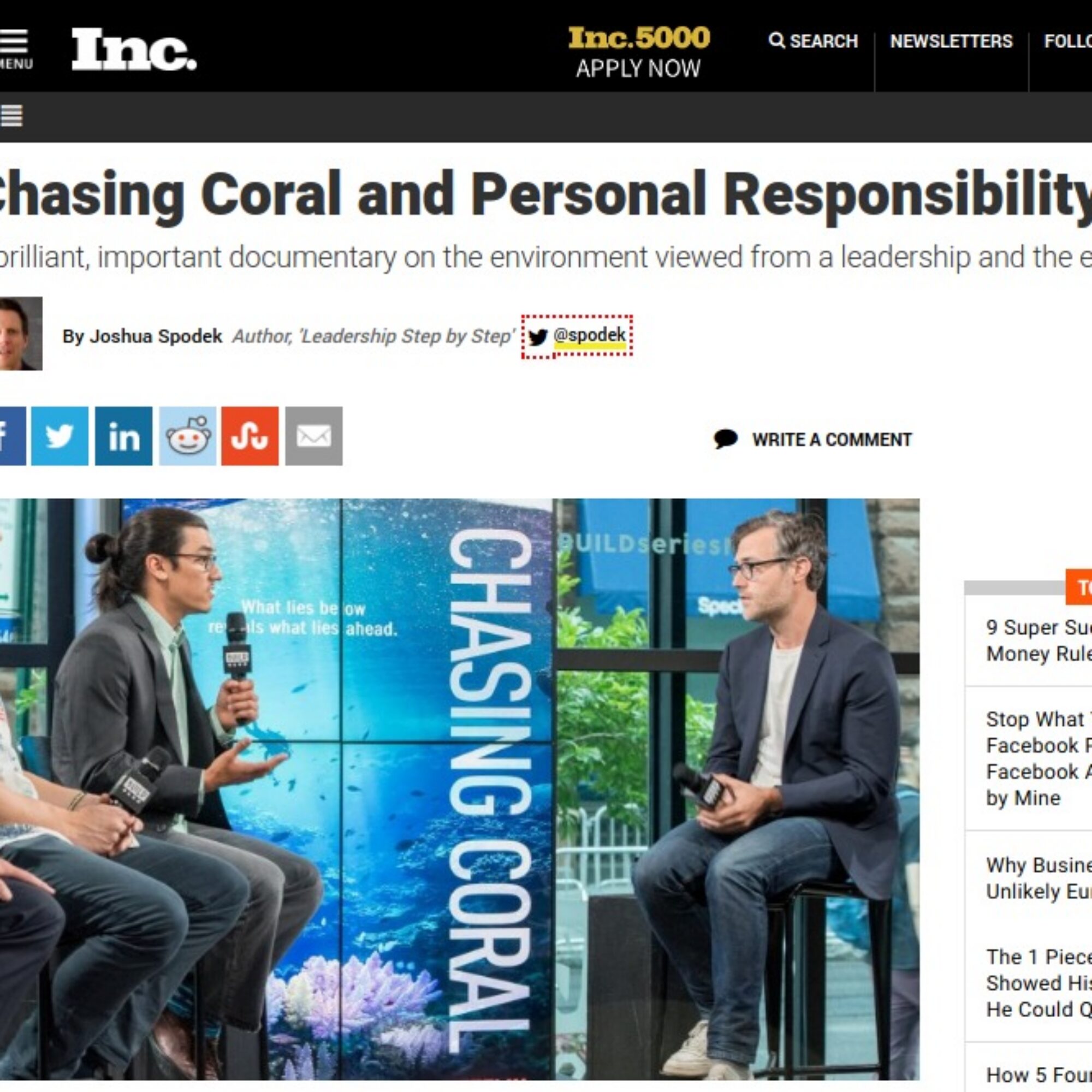
Chasing Coral and Personal Responsibility A brilliant, important documentary on the environment viewed from a leadership and the environment perspective. The documentary Chasing Coral is emotionally evocative and hauntingly, tragically beautiful. I can see why it got its stellar reviews. I recommend it. While I support their goals, I hope it's the last "Do as I say, not as I do" documentary. They undermine efforts to change people's behavior to pollute less. Here's the trailer: Leadership and the Environment From a leadership perspective, it didn't motivate action. It raised awareness, but the environment, coral included, doesn't react to awareness. It reacts to behavior. A touching scene occurs when the movie makers show the extent of the tragic global coral bleaching they documented. The images of scientists crying broke my heart less for their sadness…

0 Comments
This Man’s Daily Habit May Be the Most Productive Ever
Jadav Payeng

This Man’s Daily Habit May Be the Most Productive Ever

This Man's Daily Habit May Be the Most Productive Ever Imagine building Central Park yourself. Jadav Payeng did more. With his bare hands. We've long known the benefits of habits--even before Aristotle once said, "We are what we repeatedly do. Excellence, then, is not an act, but a habit." Regular readers of my column know the value of sidchas--Self-Imposed Daily Challenging Healthy Activities--which are more than just habits. They help define you. Successful people have sidchas. Not all, but many, and many credit them for their success. Jadav "Molai" Payeng, an Indian man born in 1963, may have outdone them all--to all of our benefit. He created a forest For the past 30 years, Payeng has planted trees, nearly daily, on an island in the Brahmaputra River in the state of Assam, India. No government or…

0 Comments
The Future of Environmental Leadership

The Future of Environmental Leadership

The Future of Environmental Leadership Want to lead? The opportunities to lead in the environment may be the best around. Hosting the Leadership and the Environment podcast has led to a lot of conversations on leadership and the environment. As an entrepreneur and adjunct professor of leadership, I talk to many who want to become leaders. Many shun working on the environment because they think it will distract from their career and leadership ambitions. They excuse themselves from acting on the environment with the complaint But acting on the environment will distract me from getting ahead. Are they crazy? There is national and global demand for environmental leadership. How do they miss the opportunity to advance at any level if they act? I don't know. Fear? Anxiety? I only hear a lack of imagination. Most…

0 Comments
Joy and the Environment

Joy and the Environment

Joy and the Environment What we as leaders can do for the environment and why it creates joy Leaders can help the environment more than anyone, I've come to conclude from countless conversations hosting the Leadership and the Environment podcast. By environment, I don't only mean global warming. No matter how skeptical anyone is about climate, nobody wants litter on pristine beaches, mercury in their fish, or asthma in their children. The environmental issues you're used to hearing about--pollution, extinctions, resource depletion, global warming, and so on--are not root problems, but are results. At least that's how my environmental work leads me to see them. They result from human behavior, which results from our beliefs, motivations, and emotions. Emotions, beliefs, motivations, and behavior are the realm of leadership. Changing the environment means changing…

0 Comments
Learn to lead without relying on authority: Two workshops this week. You’re invited.
Leadership and the Environment workshop

Learn to lead without relying on authority: Two workshops this week. You’re invited.

The Leadership and the Environment podcast team is growing, which means expanding to new ways to Develop people's leadership and Act on the environment I've interviewed Ryan and Ben, the podcast's newest teammates so you'll get to meet them when their interviews get processed. In the meantime, we've organized two leadership development workshops THIS WEEK: Wednesday and Thursday, 6pm--8pm at NYU. Click these links to register and for the details, maps, etc. Wednesday, 6pm--8pm Thursday, 6pm--8pm The event descriptions Want to improve as a leader? Do you care about the environment enough to act on it? Do both! (while having fun and meeting people) Learn to lead without authority. It turns out that leading your boss works like leading people on the environment. Learning one…

0 Comments
Why do nerds and geeks think we can do in space what we haven’t on Earth?
Why do nerds and geeks think we can do in space what we haven't on Earth?

Why do nerds and geeks think we can do in space what we haven’t on Earth?

Why do nerds and geeks think we can do in space what we haven't on Earth? The distant problems they'd escape are nothing like the here-and-now problems we've created and can solve First, as one of the nerdiest and geekiest people I know, or even know of, I mean nothing negative from the terms. With a PhD in astrophysics, having helped build and launch a satellite, and with several patents, I can nerd out and geek out with the best of them. What we do on Earth Second, for context of what we do on Earth, witness this scuba diver's video near Bali, one of the most beautiful places on Earth: The diver didn't look for that garbage. It's just there. People say we can't stop growth on Earth. Human nature means…

0 Comments

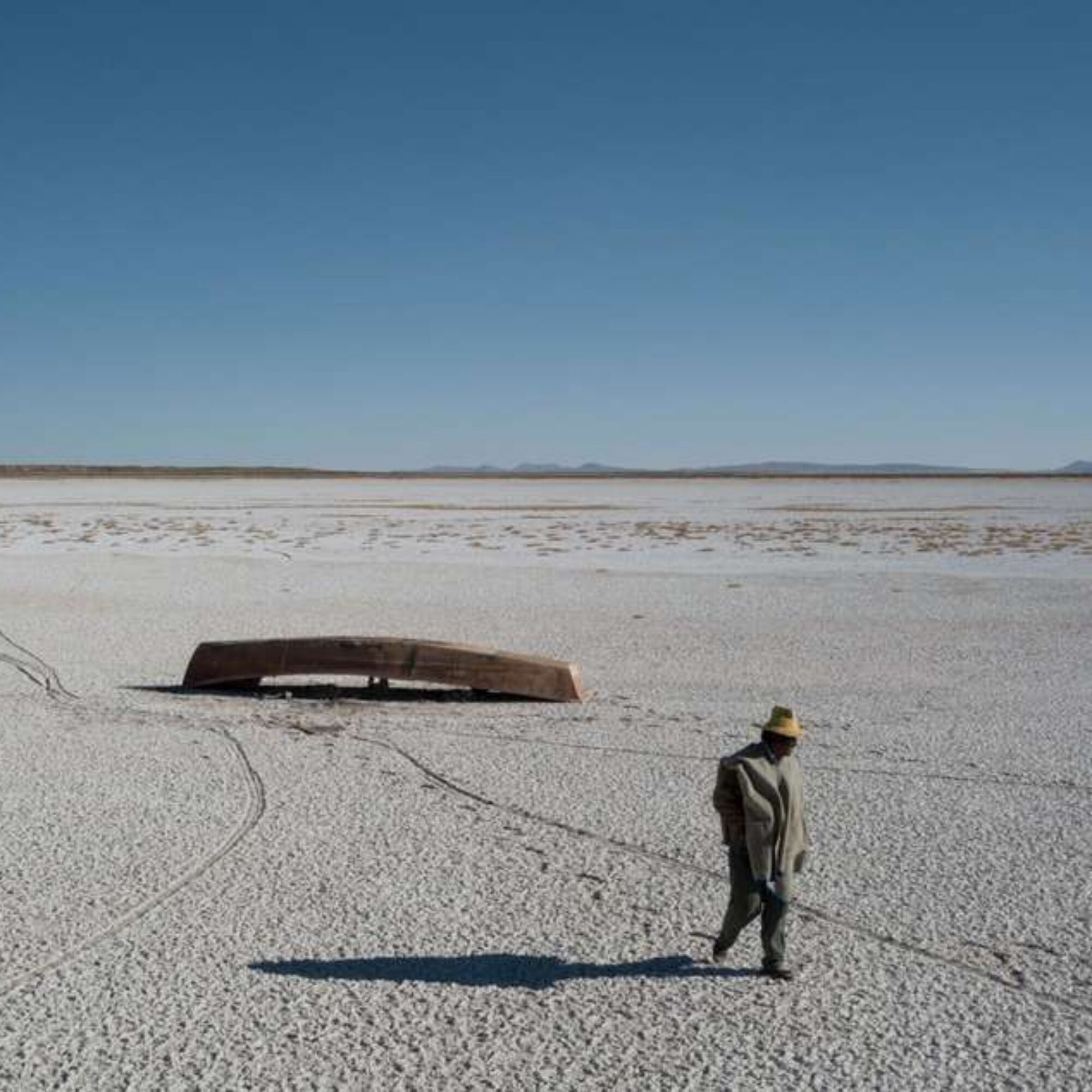
Thoughts on recent environmental news: melting sea ice, Jevons paradox, and Earth’s disappearing lakes

On "Bering Sea loses half its sea ice over two weeks" The meaningful question is what you, the person reading these words, will do about it. Most will think something like "I want to help, but if I act and no one else does it won't make a difference" or "they should pass laws to stop people from doing what causes this and after they do I'll act." To act against your values to follow others is the opposite of leadership. Some will realize that their actions can make a difference, that they are responsible for the results of their actions -- flying, overheating or overcooling their homes, dietary choices, etc -- and they will choose to hurt others less. One of my biggest discoveries…

0 Comments
Thoreau on not traveling
Andrea Wulf's the Invention of Nature

Thoreau on not traveling

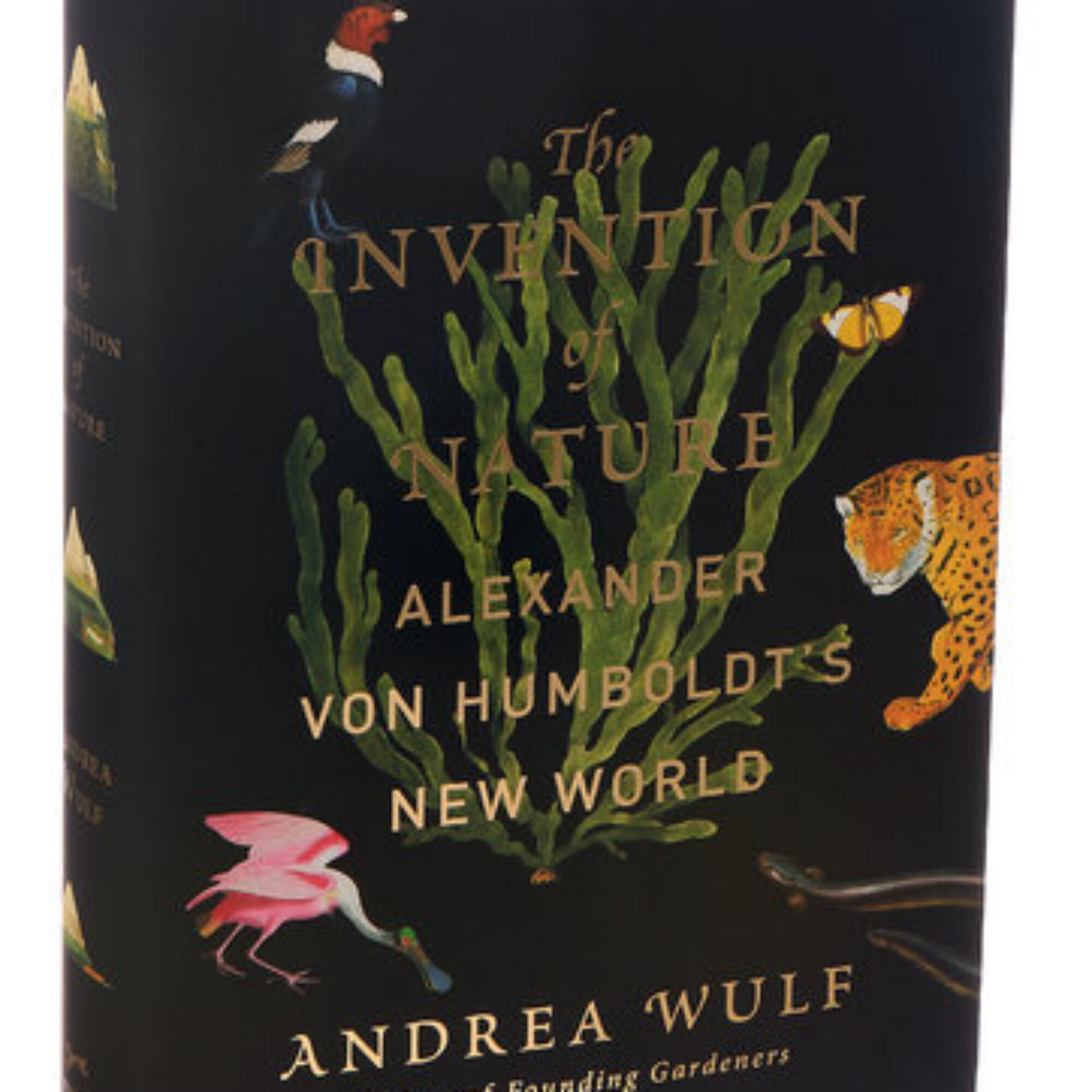
I'm sharing thoughts on reading The Invention of Nature: Alexander von Humboldt's New World by Andrea Wulf, one of the New York Times' 10 best books of 2017. Andrea Wulf's the Invention of Nature Who is Alexander von Humboldt? The New York Times review of the book explains: Alexander von Humboldt was the pre-eminent scientist of his time. Contemporaries spoke of him as second in fame only to Napoleon. All over the Americas and the English-speaking world, towns and rivers are still named after him, along with mountain ranges, bays, waterfalls, 300 plants and more than 100 animals. There is a Humboldt glacier, a Humboldt asteroid, a Humboldt hog-nosed skunk. Off the coast of Peru and Chile, the giant Humboldt squid swims in the Humboldt…

0 Comments
Thomas Jefferson farmed, even as President of the United States
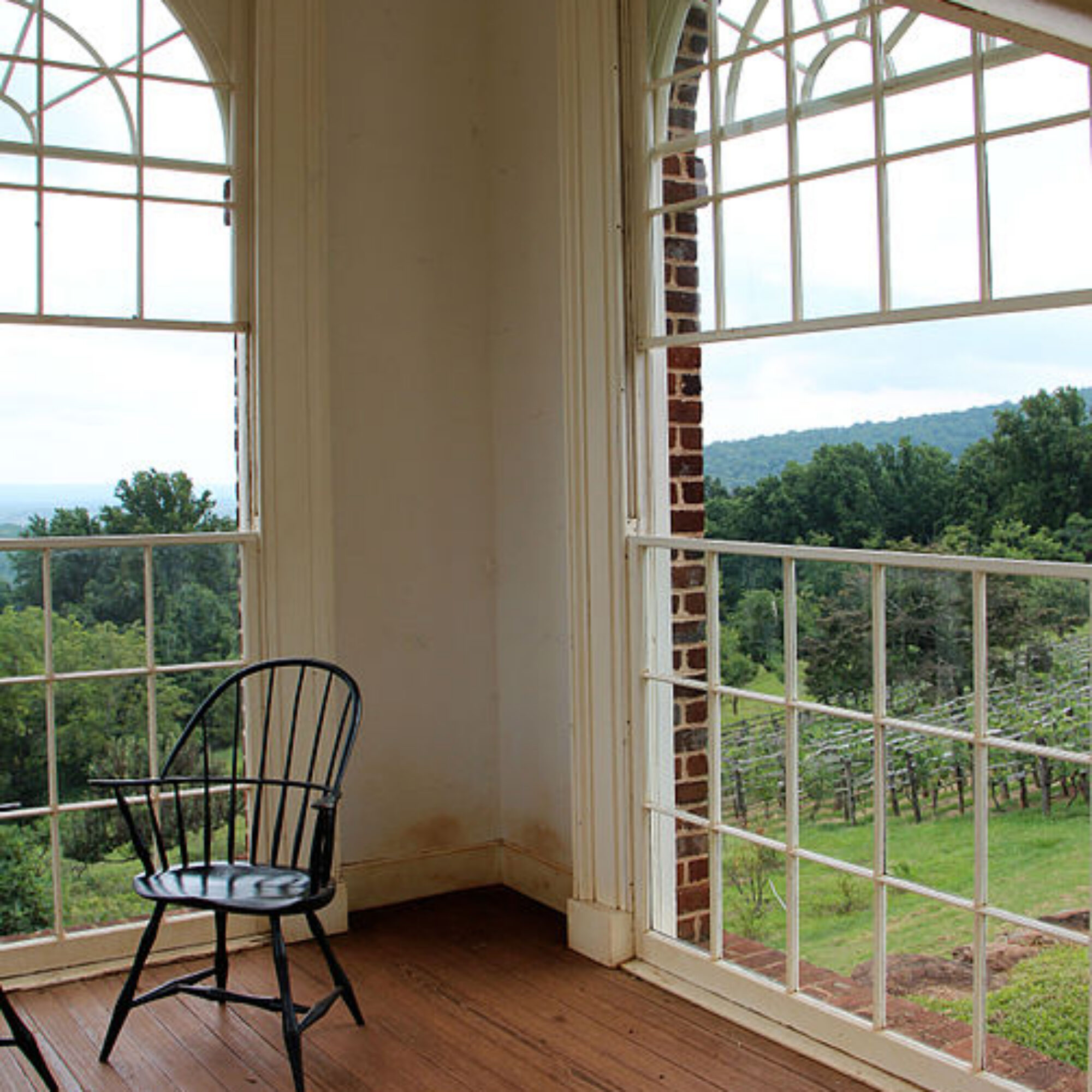
Monticello's vegetable garden from the pavillion

Thomas Jefferson farmed, even as President of the United States

People tell me how their lives are too busy to act on their environmental values. "I wish I could pollute less," they say, "but I don't have time." I happened on a passage in a book on Thomas Jefferson, who actively farmed while President of the United States. You may say, "But the nation was smaller then." First, you don't have to farm to live by your values. You have plenty of other options. Second, he also Wrote most of the Declaration of Independence Was Minister to France Secretary of State Helped create the Democratic-Republican party Invented and designed many things, such as Monticello Wrote a book considered the most important American book before 1800 Founded the University of Virginia He did more, but those…

0 Comments
Why the Environment Needs Leadership
Inc.: Why the Environment Needs Leadership

Why the Environment Needs Leadership

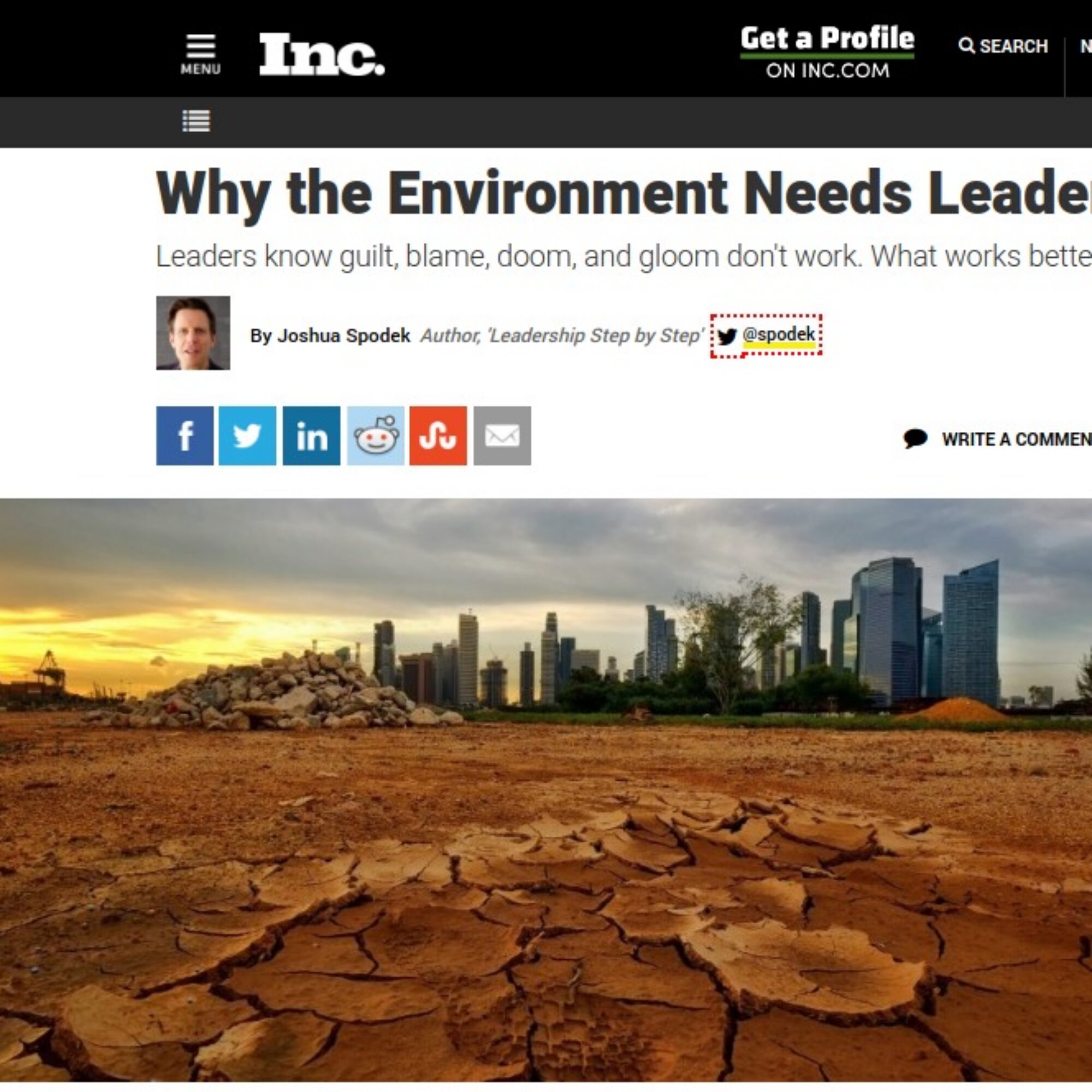
Why the Environment Needs Leadership Leaders know guilt, blame, doom, and gloom don't work. What works better? Here's one effective way to lead: Go where the people you want to lead are--emotionally, not necessarily physically. That is, learn what they care about and connect those motivations to the task. Then the task will feel meaningful and purposeful to them. They'll do it for themselves. They'll thank you for leading them to work. What doesn't work: telling people that their future is full of doom and gloom. Make them feel helpless and hopeless. What also doesn't work: debating about irrelevant issues, or even relevant ones. Logical debate rarely changes behavior. Environmental action lacks leadership. I started my Leadership and the Environmentpodcast to fill the void. How people approach it gives us leadership lessons we…

0 Comments
The Hidden Why and the Environment
The Hidden Why podcast with Leigh Martinuzzi and Joshua Spodek on the Environment

The Hidden Why and the Environment

I was a guest again on Leigh Martinuzzi's The Hidden Why podcast. Leigh and his show continue to grow---appearing in more places and attracting more prominent guests. Listen to the conversation. We spoke this time about leadership and the environment---the concepts, not my podcast, as we recorded the conversation a while ago. You can hear the development of the podcast, though, so people who are interested in its growth or starting a leadership project of their own can learn from it. Listen to the conversation. About Leigh From Leigh's about page: Leigh Martinuzzi is The Hidden Why Guy. He is an expert in lifestyle design although he would say that he's just another guy trying to figure out life. He is passionate about creating and…

0 Comments

More Limits to Growth resources and understanding

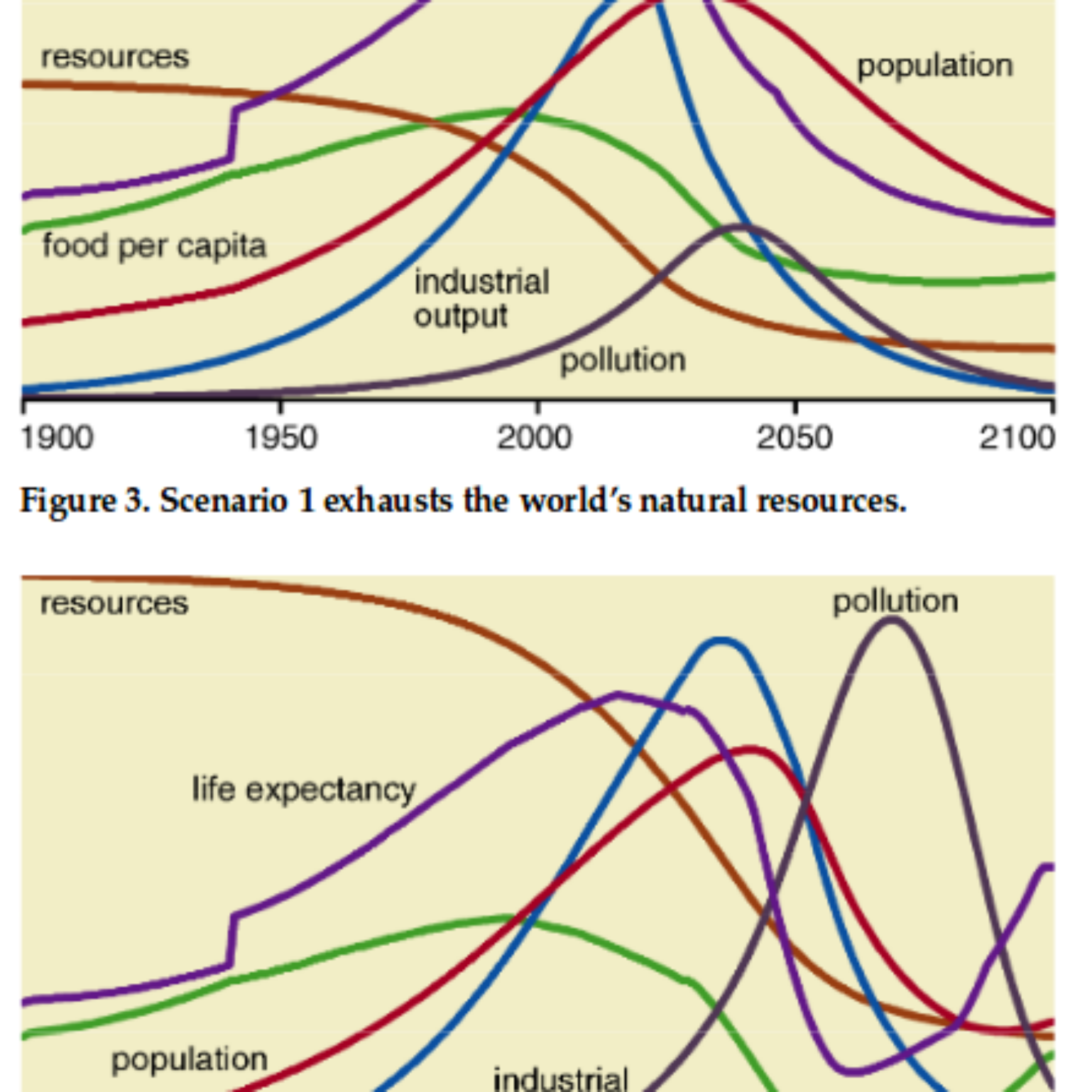
I've mentioned many times how I considered the approach to the environment, economy, population, etc by the book Limits to Growth the most comprehensive and valuable, though I hadn't read much critical of it that didn't seem politically motivated or starting from disagreement. I've wanted to find alternative perspectives. I found more resources and perspective, especially in two papers in American Scientist written by Brian Hayes. Both articles followed publishing later editions of Limits to Growth, one in 1993, the other in 2012. The articles speak for themselves, and better than I could speak for them. They're somewhat scientific, but I think most people could understand them. The 1993 one is "Balanced on a Pencil Point." Hayes begins writing about his history with the book,…

0 Comments
7 months of paper and cardboard

7 months of paper and cardboard

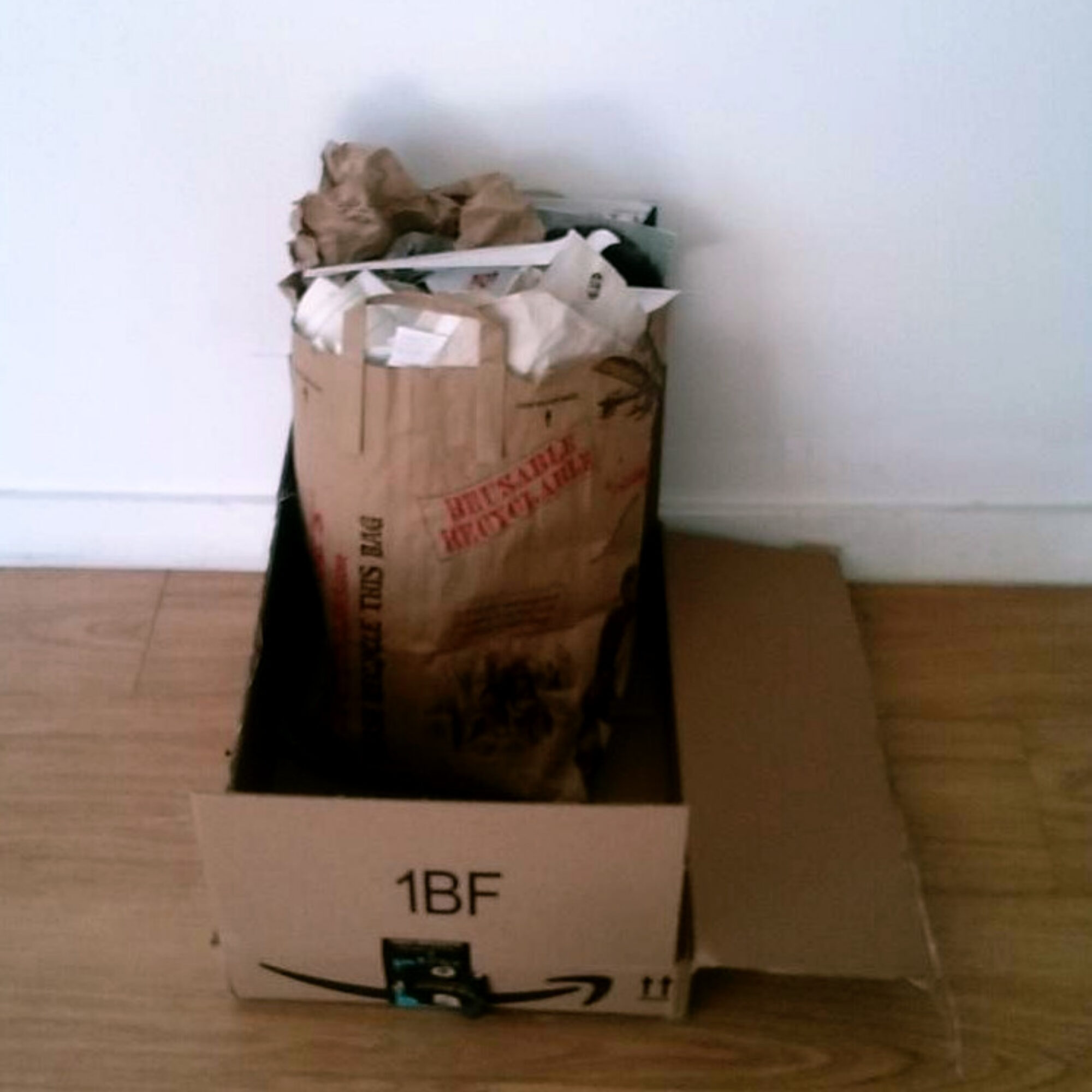
The last time I took my paper and cardboard to my building's recycling room in the basement was June 18, 2017. Here's my paper and cardboard recycling since then: There's room for more, so I could keep going to last maybe a year between drop-offs, but since I got a delivery with that box that doesn't fit in the bag I've been collecting my paper recycling in, I figured I might as well bring a load downstairs. Fewer loads doesn't mean less waste. I'll try to waste less.

0 Comments
Affluence Without Abundance, Part 2: Hunting
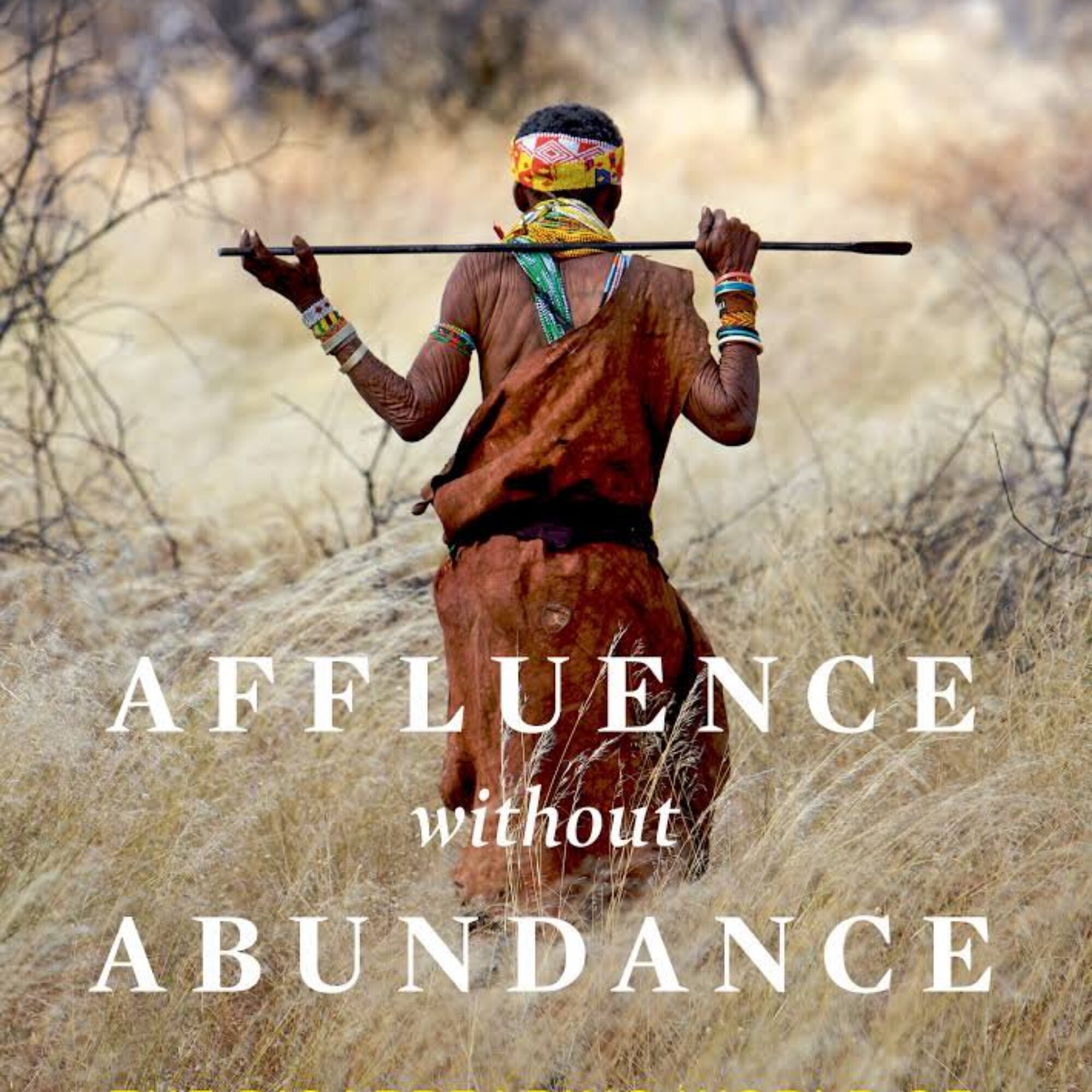
Affluence Without Abundance, by James Suzman

Affluence Without Abundance, Part 2: Hunting

When I last ate meat in 1990, maybe 1989, I tried to persuade others to stop too. I just ended up in arguments. Since then, I've come to appreciate more views on the practice. I don't see it as right, wrong, good, or bad. In fact, I get annoyed by people who try to impose their values on eating meat on others even if I share those values. (I see reason to intervene on factory farming, animal cruelty, and a few related issues that affect others, though I haven't made them my battle.) Eating meat is an environmental issue for the pollution it causes and resources it depletes, though I see the issue rooted in human population. If the planet had 1 billion people, the…

0 Comments
Should New York City Sue Mayor de Blasio? (Inc.)
Should New York City Sue Mayor de Blasio?

Should New York City Sue Mayor de Blasio? (Inc.)

Should New York City Sue Mayor de Blasio? Will New York City's mayor stop personally doing what the city is suing tobacco companies for? Last week, New York City Mayor Bill de Blasio explained why the city was suing five fossil fuel companies: For decades, Big Oil ravaged our environment. They knew what they were peddling was lethal, but they didn't care. They used the classical Big Tobacco playbook of denial, denial, denial, and all the while they did everything to hook society on their lethal product. Have they been punished for it? No. In fact, they've made trillions. Think how cynical that is. Then take a look around you at the results. Swaths of California have gone up in flames. We are seeing snow in Florida. The Arctic ice…

0 Comments
Affluence Without Abundance, Part 1: Economics, health, and happiness
Affluence Without Abundance, by James Suzman

Affluence Without Abundance, Part 1: Economics, health, and happiness

In this country, mentioning any deviation from capitalism flips people's thoughts to communism and socialism. This black-and-white thinking explains why Reagan and Thatcher opposed Nelson Mandela fighting Apartheid, instead supporting a blatantly racist regime. In fact, they supported a party infused by supporters of Nazis. We throw the term Nazi around today to mean figuratively, but I mean literally. The creators of Apartheid included people who actively and violently supported Hitler in the 30s and 40s. Capitalism is young and untested in today's world 1776, the year of the birth of the United States, may seem long ago, but recent in some contexts. 1776 is also when Adam Smith published The Wealth of Nations. Since then capitalism has spread and come to dominate most of…

0 Comments
014: My friend’s anger and why I’m doing the podcast
The Leadership and the Environment podcast

014: My friend’s anger and why I’m doing the podcast

My friend told me this show angered him -- hearing people act as if little changes were significant... not knowing not to get new plastic bags. Listen to the episode. I shared some of my thoughts on people making trivial changes and what motivates me. I expect I'll share more personal thoughts on leadership and the environment as I develop my voice. Listen to the episode. Listen to the episode.

0 Comments

Wet socks and the environment

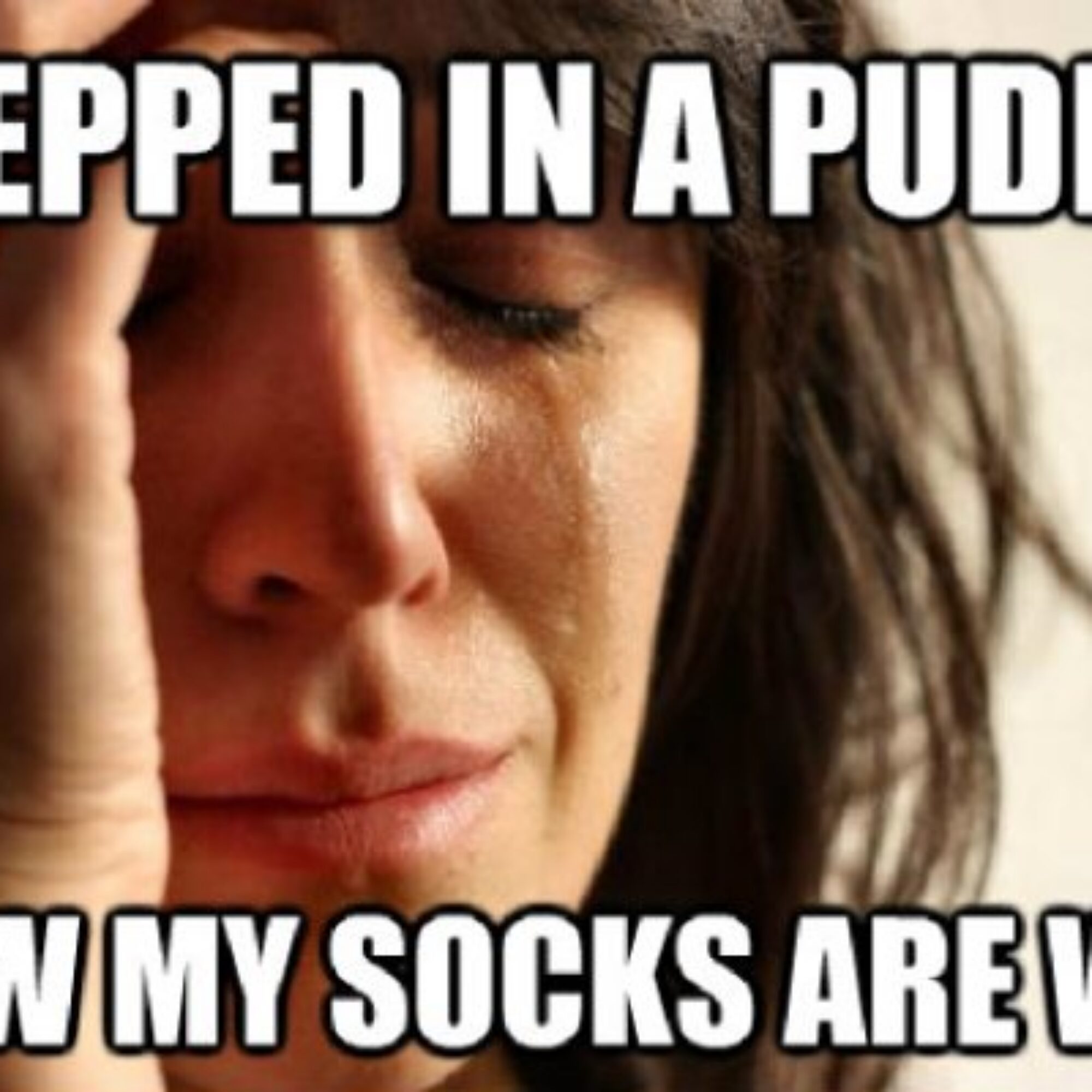
Most people—actually, nearly everyone I've met or heard of—want to pollute less than they do, but don't stop themselves. They can, but they convince themselves they can't. But they don't. Most compartmentalize their pollution, becoming Enron Environmentalists—that is, they act as if the parts of their lives where they pollute don't exist or don't count. Sorry to break it to you, but you almost certainly qualify. They say things like, "I have to fly because I have family all over the world" or "... because my job requires it." Or similar things about eating, air conditioning, driving, and so on. Living with this internal conflict is like wearing wet socks all day and trying to deny or suppress that they're bothering you. Take off your wet…

0 Comments

010: Jim Harshaw, Conversation 2

The hero's journey In conversation 1, Jim shared his values and committed to live by one. In conversation 1.5, he shared problems with the challenge and how he overcame them. In this conversation he shares how it worked. Listen to hear how persevering through challenges to live by your values leads to a better life. Listen to the conversation Judge for yourself what you find from his experience. I heard: More time with his family Quality time with his family Fun Finding more challenges (why not, if they're fun?) Things became easier than before What are you waiting for? Commit to a personal challenge. Start your journey of fun, ease, and peace of mind that Jim did. Listen to the conversation Take off your wet…

0 Comments
The Missing Element in Protecting the Environment (Inc.)
The Missing Element in Protecting the Environment

The Missing Element in Protecting the Environment (Inc.)

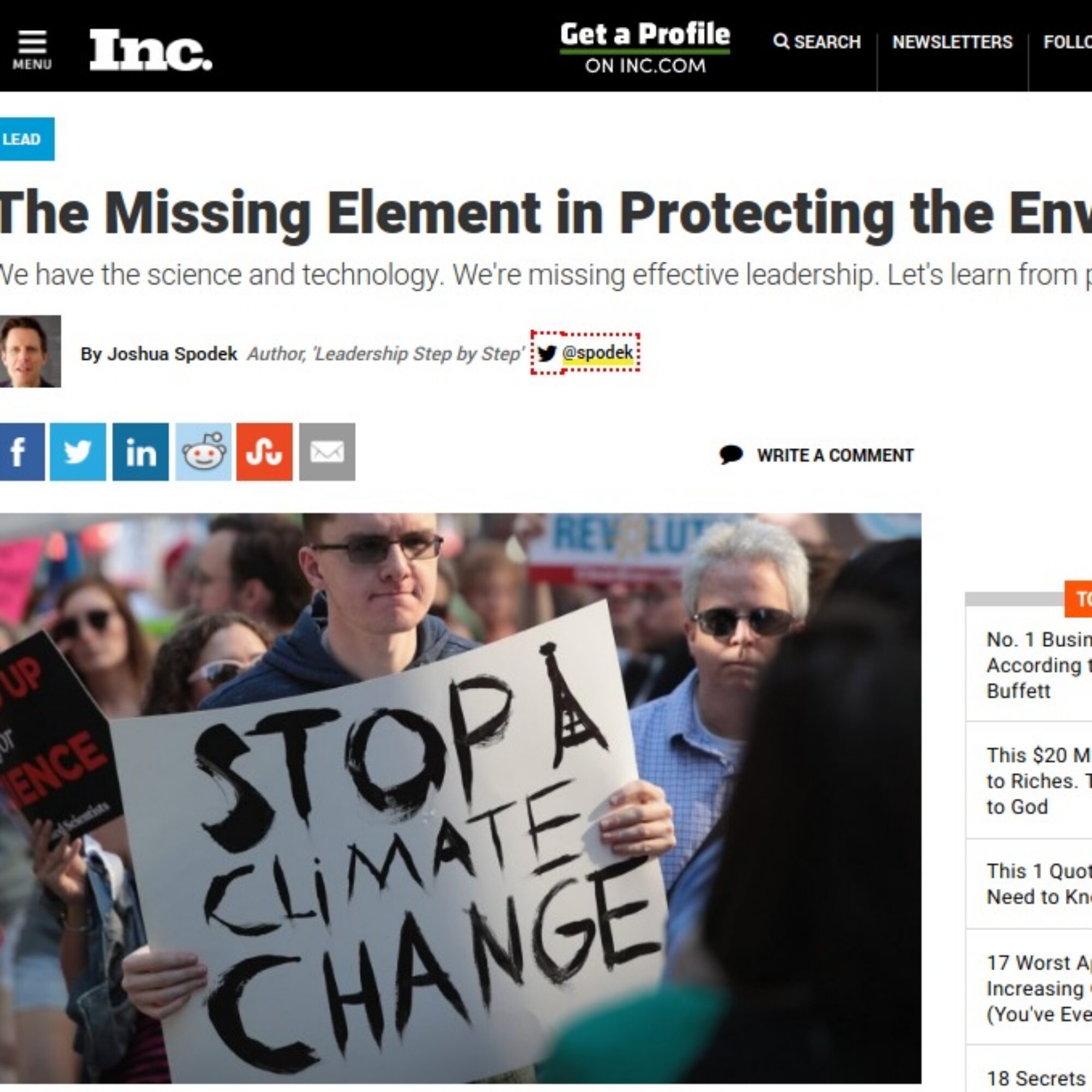
The Missing Element in Protecting the Environment We have the science and technology. We're missing effective leadership. Let's learn from past success. Who would expect an insight on how to protect the environment to come from hookworms? I recently saw Zia Khan, the Rockefeller Foundation's Vice President of Initiatives and Strategy, speak at the New York Academy of Science's Summit on United Nations Strategic Goals. That's a high-level group of organizations and people. He didn't speak on the environment, but the project he worked on showed something missing from climate change work, at least that I don't see. He talked about hookworms, hookworm disease, and how a 1909 program nearly eradicated it in the American south. For the details of the disease, it's enough to know hookworms are a parasite that sap your blood…

0 Comments
Who is leading in climate research?
The Leadership and the Environment podcast

Who is leading in climate research?

Have you thought about who is leading in the area of climate research? I don't mean who is doing the most research or the best research or publishing the most. I mean from a leadership perspective: who is leading people, setting direction, creating a vision, and motivating others to act toward a goal? What is the goal of climate research if not to figure out how to set policy for how people act in ways that affect the greenhouse effect? In the United States, we are not lowering our emissions overall. We're increasing them. What research scientists are doing, it's not resulting in leading people. On the contrary, if you believe that the science behind global warming is conclusive enough to act and we aren't…

0 Comments

Enron Environmentalism (Inc.)

Enron Environmentalism Enron looked profitable when it compartmentalized and hid its losses. Do you compartmentalize and hide your pollution? I just had lunch with a man who described himself as fanatical about the environment--in particular, about water bottles. He illustrated by describing how fastidiously he handled them. As he started his story, I expected him to describe how he never used water bottles. Americans have such clean and drinkable water that water made unclean makes front page news for weeks. Specifically, he lives near Manhattan, and our water wins blind taste tests with consumers. The EPA finds it meets or exceeds all safety requirements. I figured he knew that 91% of plastic isn't recycled, and that for the garbage you create, 70 times more was produced upstream. So I presumed he would describe how he never used these harmful,…

0 Comments

Remember the “Crying Indian” Anti-Litter Ads From the 70s? You’ll Cry More at Our Pollution Levels Today (Inc.)

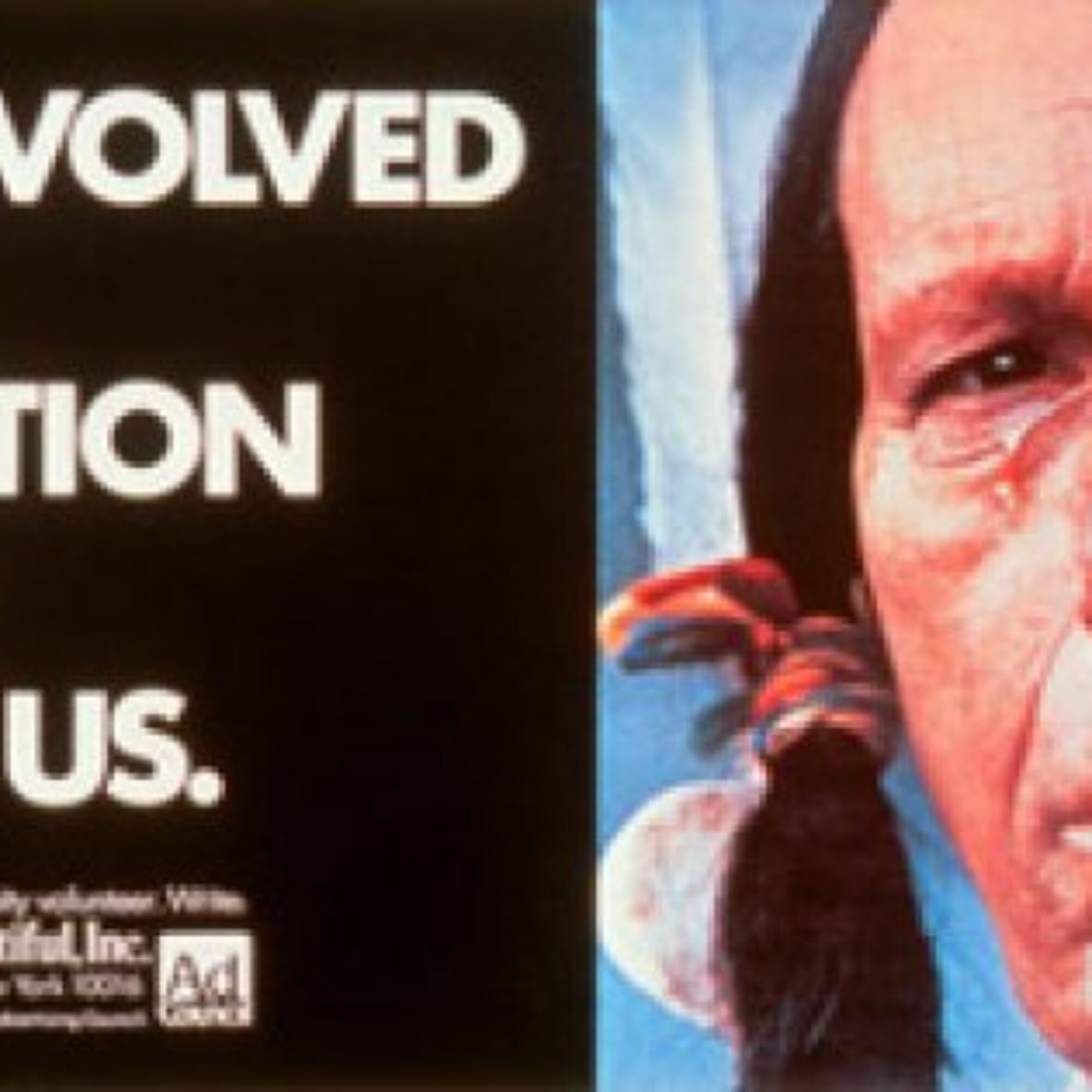
Remember the Single-Tear Anti-Litter Ads From the 70s? You'll Cry Too at Our Pollution Levels Today The chart below puts Keep America Beautiful's "Crying Indian" public service announcement in today's deplorable context A headline in The Guardian two days ago, "$180bn investment in plastic factories feeds global packaging binge" led me to some statistics about plastic production. Plastic Production Then The chart I saw, reproduced below, showed dramatic increase around 1970. Normally I wouldn't think much of that date, but it reminded me of the so-called "crying Indian ads,"--the Keep America Beautiful public service announcements from my childhood. I hadn't thought of them in decades. From Wikipedia, In 1971, a new campaign was launched on Earth Day with the theme, "People Start Pollution. People can stop it." In what became known…

0 Comments

End of content

No more pages to load