Nature


Taxing pollution, not income, makes more sense

If there's one thing we want government to do, it's to handle things like stealing, assault, and trespassing---where one person's behavior hurts another. If I damage your person or property, government handles resolving the conflict without vigilante justice. What is pollution except people's behavior affecting others? I don't care if you give yourself cancer, flood your home, or throw trash on your property, but when you affect everyone else's health, property, and budgets, few argue against government handling that conflict. Why don't we switch from taxing income to taxing pollution? The government isn't going away and it needs money, so I don't see us getting around paying taxes. Besides, earning money seems like something we want people to do. Polluting seems like something we want…
0 Comments

The privilege of scientific ignorance

NYU, where I teach, is a stronghold of social justice activity, as is Columbia, where I went to school. Since before college I've worked on causes to promote equality along genders, skin colors, geography, sexual preferences, and more. I protested Apartheid, my government's actions in Central America, and more. I work on the environment. The list goes on. The term privilege gets thrown around. Being white, male, and fit, the function I see the term used most is to silence people with these properties. Whether someone is privileged or not, calling someone privileged seems to imply that the person leveling the charge and people who agree with that person believe that the charged person's viewpoint is so unconsidered as to be worthless. Since not all…

2 Comments
The award nobody wants
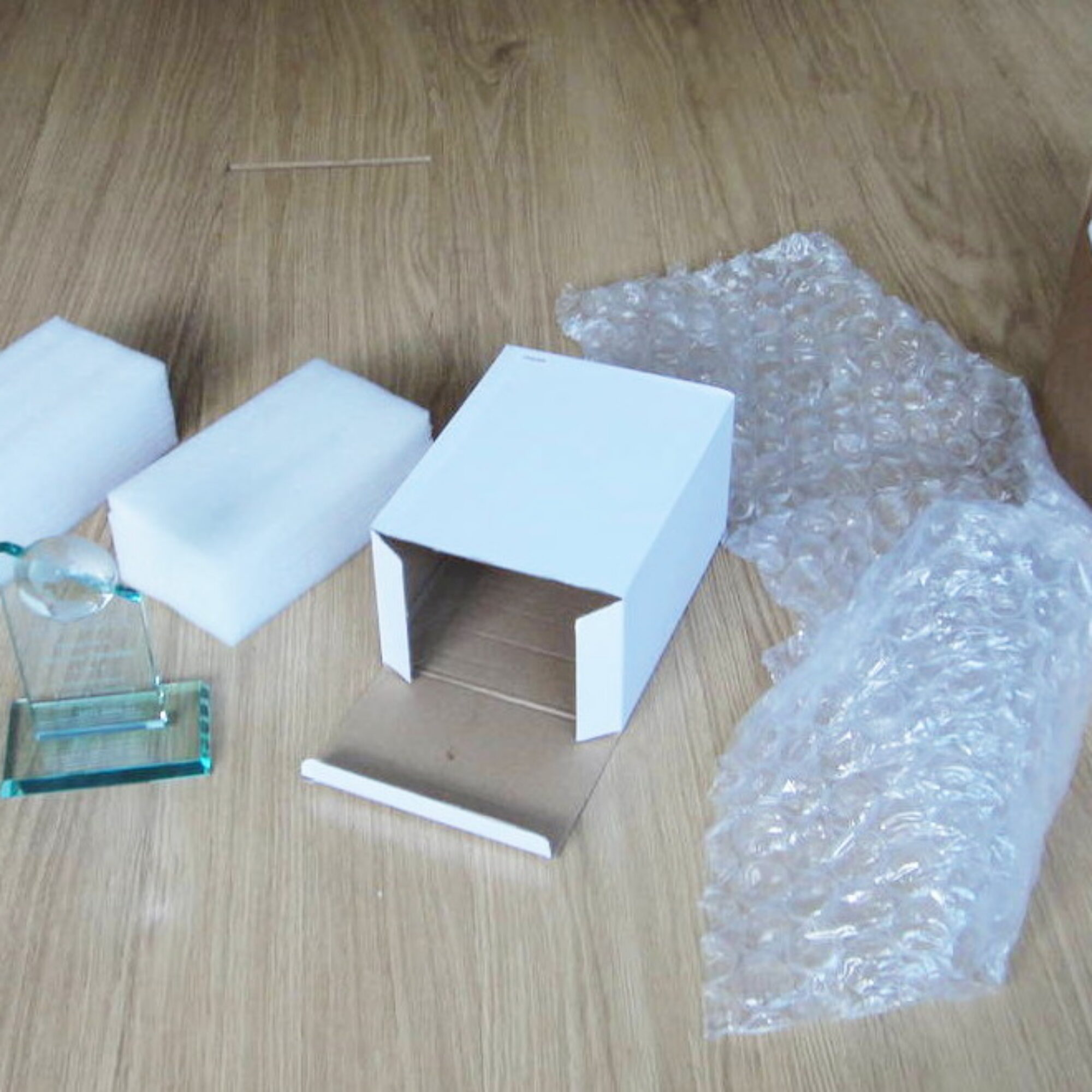
The award and all its packaging

The award nobody wants

An organization I spoke for sent me an award. While I'm honored at the sentiment and appreciate their doing something for me, the problem of the award and its packaging clogging landfills outweighs the value of the physical award. I would have preferred a donation to a cause we both agree with. Watch my video of my year's worth of garbage (with shirt or without, to illustrate the similarity of putting garbage in the environment to putting it on our bodies) and you'll see the packaging for this thing is about a month of my garbage. Mindlessly sending stuff like that is how scenes like the picture below happen: How else do you think garbage happens? Other people but not you? Anyway, here's a picture…

0 Comments

Environmental leadership resources

Here are resources I learn from and return to about joy, discovery, meaning, purpose, community (not doom, gloom, new-age fluff, etc), in no particular order. I'll keep adding to it. I recommend bingeing on all of it. Leadership and Teamwork The This Sustainable Life podcast When people hear my podcast name, they focus on the environment part. I consider leadership incomparably more important. We know what to do. The question is changing our behavior, which is leadership. I consider my book, Leadership Step by Step, the top resource on learning to lead. The Spodek Method: Making Meaningful, Sustainable Changes The Story of Stuff Main site Their short movies (my favorite part of the main site and one of my top starting points) The Story of…

0 Comments

Too much sugar? Here’s a bigger problem.

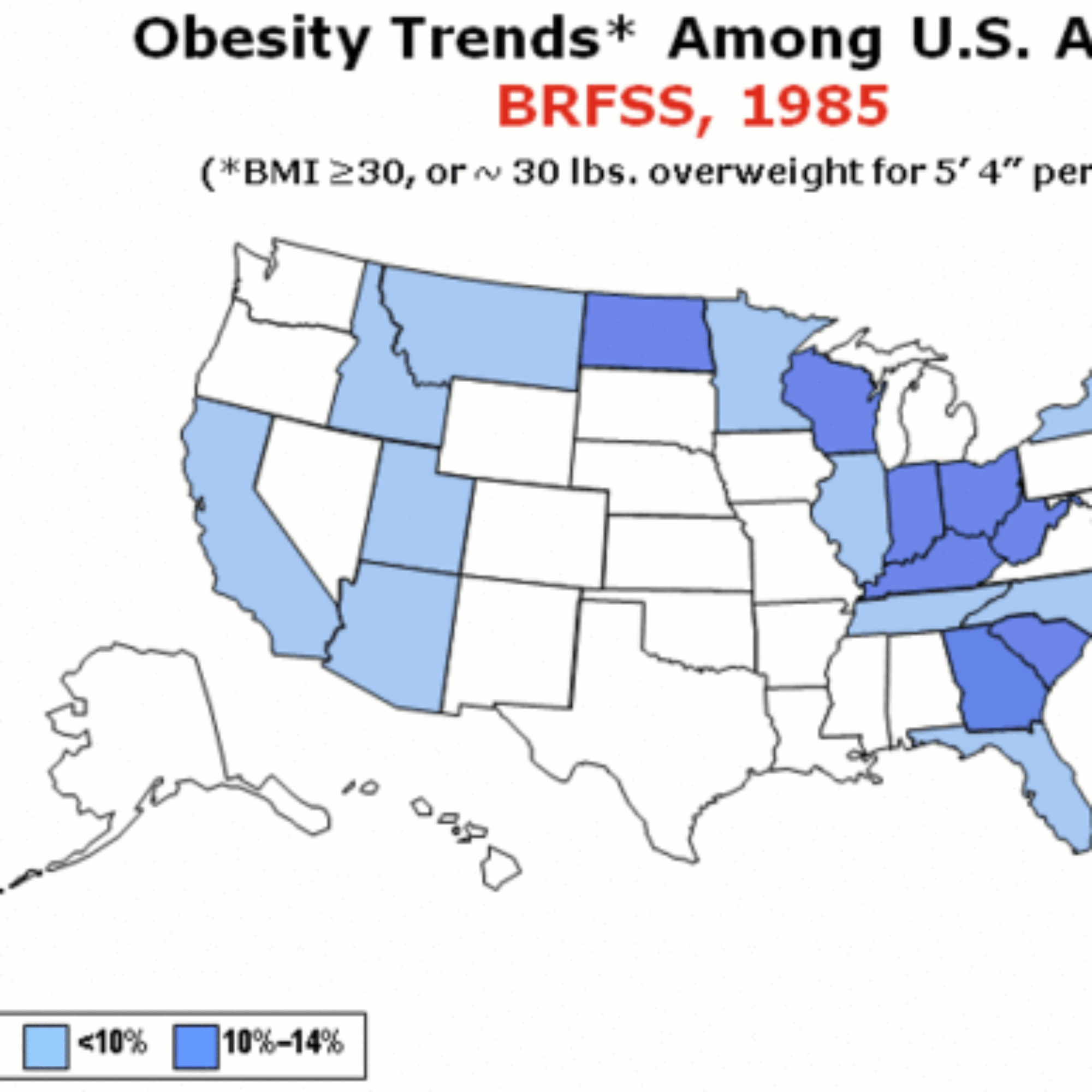
You've already heard an evolutionary reason for obesity, but there's another. The one you've heard is that since our ancestors evolved in environments without much spare energy in their diets, we evolved to love eating high-energy things like sugar and fat and bodies that hold on to that energy, mainly in fat. Then in the past few generations, we filled our worlds with foods high in sugar and fat. People eating the food around them end up eating more calories than they need to live and become obese. I'll tell you a bigger, more relevant change, because people can still choose not to eat the high-energy foods. The problem is they don't. They don't because of a different way we changed our environment. There are…

0 Comments
Trying to solve everything before doing anything leads to nothing done
Lauren Singer fits years of garbage into one jar.

Trying to solve everything before doing anything leads to nothing done

The principle that trying to solve everything before doing anything leads to getting nothing done, applies broadly. It came up recently in reducing pollution, so I'll illustrate it there. A friend said he wants to go to a zero waste lifestyle and asked me what I do about toothpaste. Now there are households out there that throw out less than a pound of garbage per year. Most Americans produce more per day. I imagine he throws out less than the average American, but I hope my readers don't consider Americans useful comparisons for waste---nearly the lowest bar of all populations. It's easier to talk, analyze, plan, debate, and philosophize than act so most people find ways to avoid acting. Latching onto some side issue and…

3 Comments

Marriage and the environment

You don't get married and it's done. You adopt a new mindset that it's not just you and you live that way for the rest of your life. It's always a part of your life, and you love the change. Having a child takes it to the next level. You take on more responsibility, and you love the change. The challenges never stop coming, never get easier, and never repeat, and you love the personal growth that facing and resolving them creates. Unlike 50% of marriages, we're locked into a world where our behavior affects everyone for our entire lives. Unlike the past, humanity has sadly used up the buffers between your waste and its effect on others. Parents can't party or travel as they…

2 Comments
Technology won’t solve environmental issues and you know it
A Watt Steam Engine

Technology won’t solve environmental issues and you know it

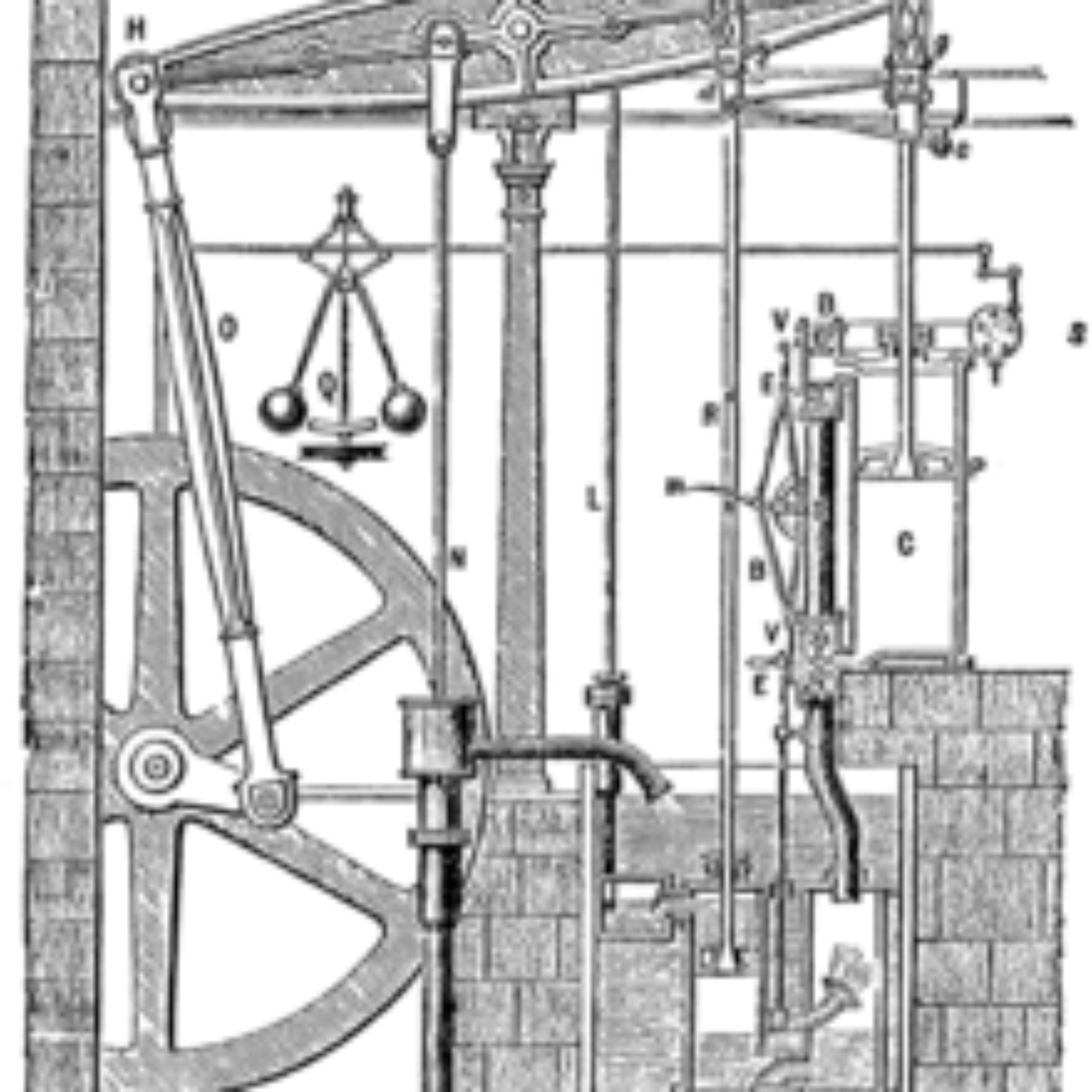
EDIT: I recorded a podcast version of this post (episode 63) that covered same views beyond this post: If anything marked the beginning of the industrial revolution, it was James Watt's steam engine. It wasn't the first steam engine, but was more efficient than any before. More efficient means using less energy and less pollution, right? Wrong. Each engine, yes, but more people used engines, so Watt engines used more energy and polluted more than anything. They drained mines, which helped collect more coal, which fed more engines. The direct result is today's polluted world. If you fantasize that technological improvements will, after centuries since the industrial revolution increasing pollution and demand for natural resources somehow, magically, in your lifetime change their effects, you're dreaming.…

0 Comments

How do you make a room full of Americans pollute?

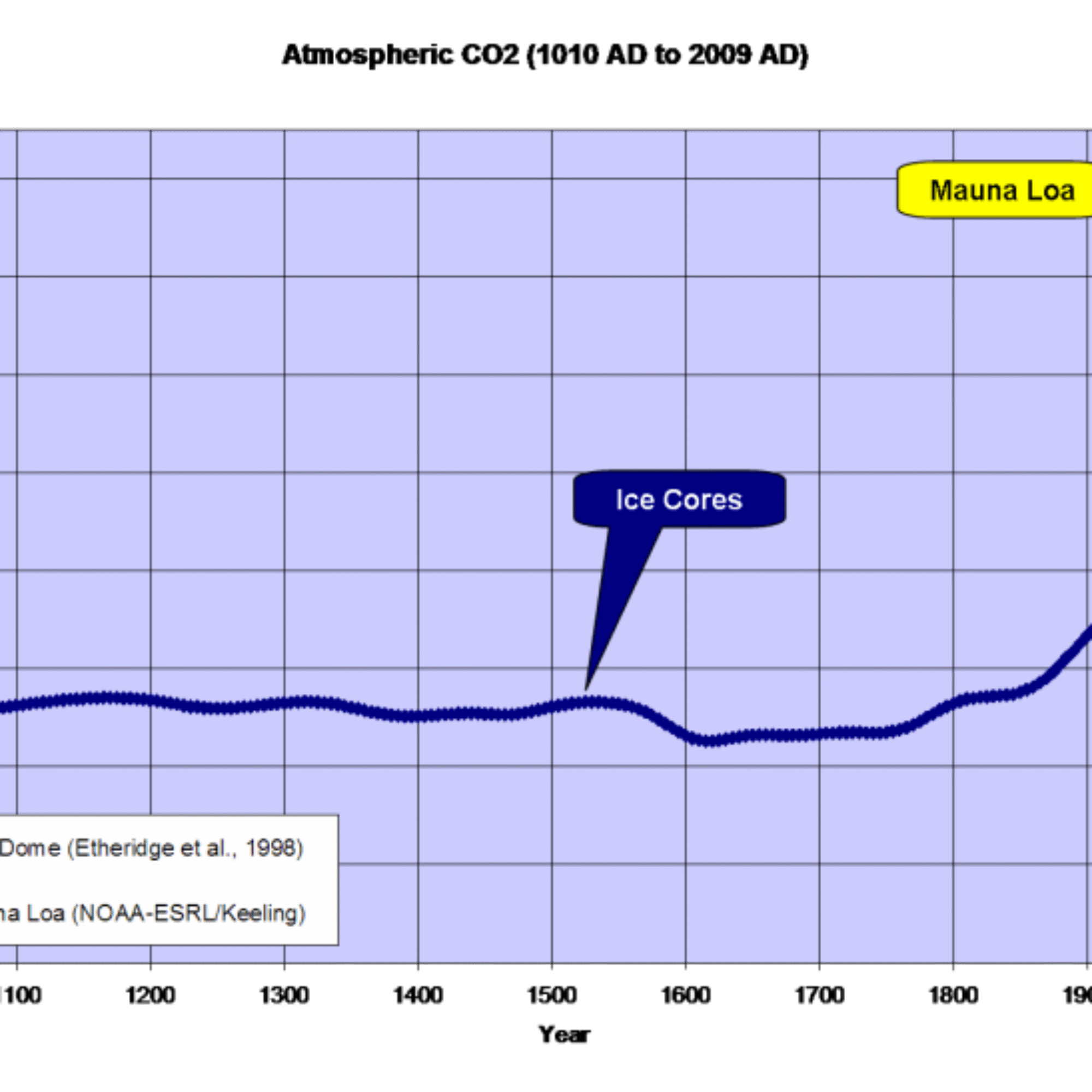
Q: How do you make a room full of Americans pollute? A: Tell them that stopping polluting will require them to meaningfully change their lives. Even if the changes will improve their lives by their values, based on my experience, nearly no one will meaningfully change their lives, no matter how much they pollute. I find they change if they experience that changing is easier and more effective than they thought, as happens on my podcast, but talking about change doesn't work much. Now, here are some CO2 and plastic production levels that not changing helps augment: Plastic production:

0 Comments
More than a year since I emptied my garbage
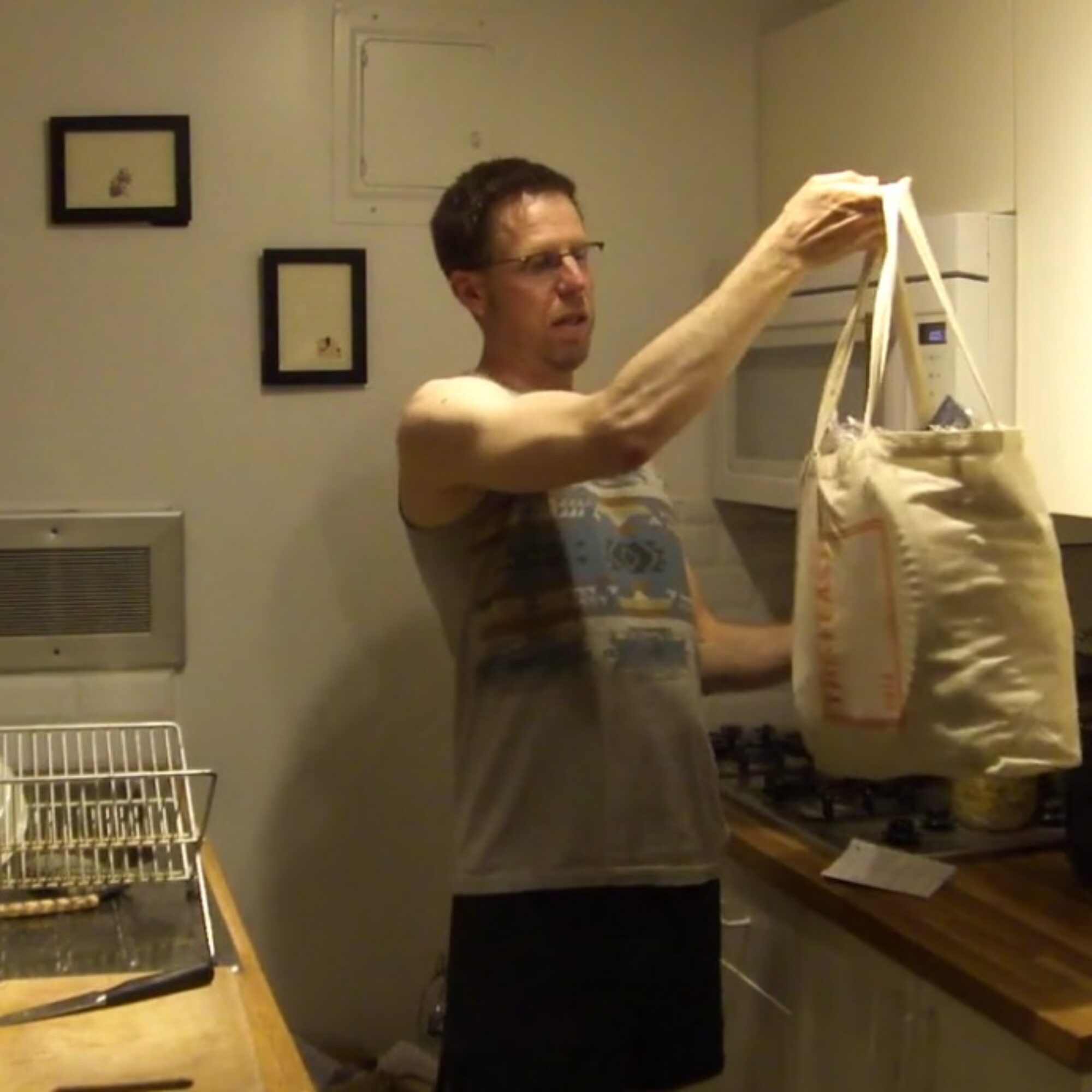
Me holding a year of garbage

More than a year since I emptied my garbage

More delicious, more convenient, more social, more food, more satisfaction, less money, less preparation time, more joy. How? Avoiding packaging. Avoiding packing by at least 90% has reduced my garbage to where I empty it less than once per year. Think you can't do it? I'm not special. Anyone can do the same. It took a while to transition---going from emptying garbage weekly to biweekly, to monthly, and so on to annually. It was hard, not impossible, and it improved my life at every step, same as it will with you. I'm aiming for biannually next time. I empty recycling 2 or 3 times per year, since it pollutes too, nearly as much as landfill garbage. Reducing consumption reduces pollution a lot more. And it…

8 Comments
Affluence Without Abundance thoughts
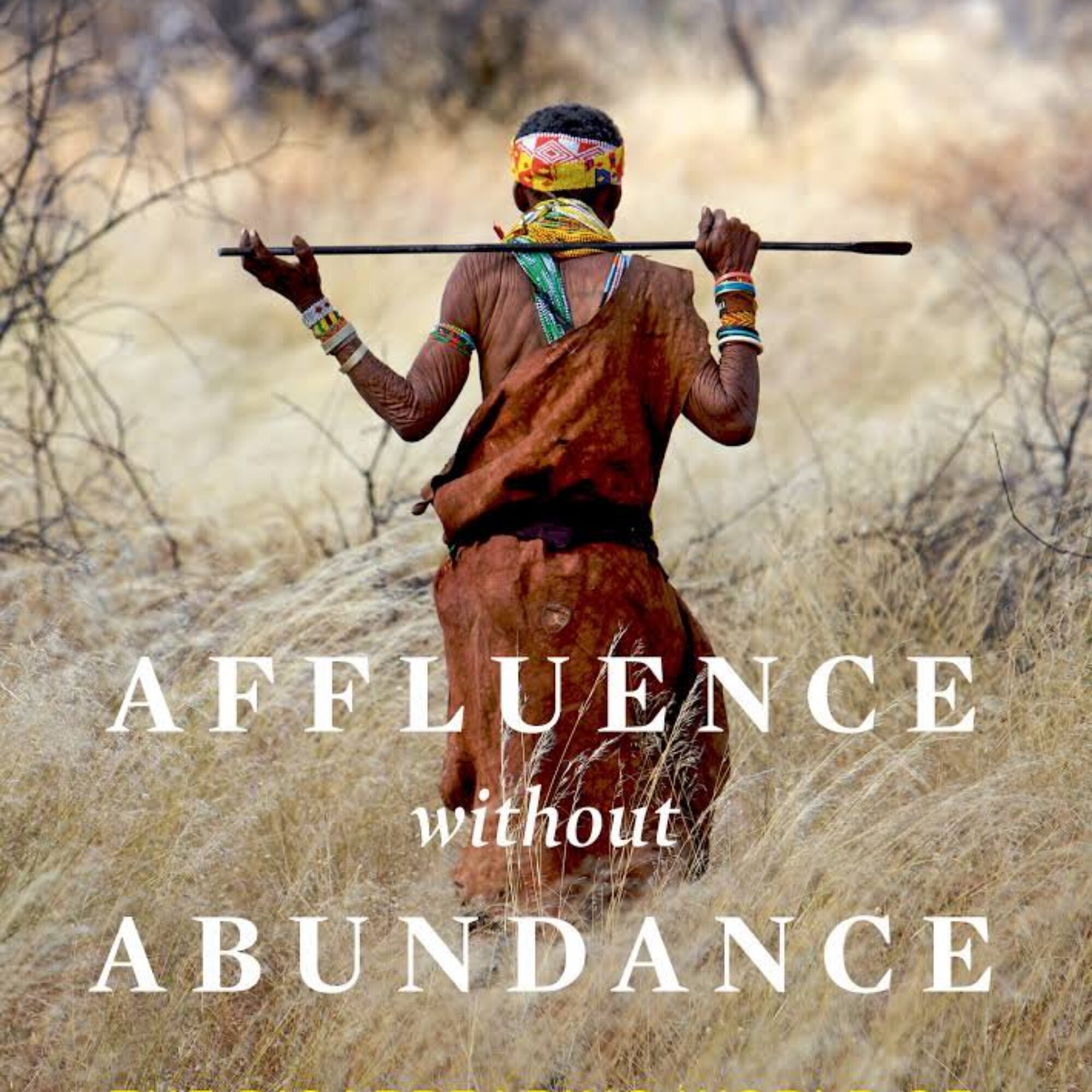
Affluence Without Abundance, by James Suzman

Affluence Without Abundance thoughts

In this country, mentioning any deviation from capitalism flips people into communism and socialism. This black-and-white thinking explains why Reagan and Thatcher opposed Nelson Mandela fighting Apartheid---supporting a party promoting blatant, destructive racism. They supported the party started by supporters of Nazis---a term we throw around today to mean figuratively, but the creators of Apartheid supported Hitler in the 30s and 40s. Maybe because Thatcher was prime minister of empire that established 13 colonies that enshrined slavery into its constitution and Reagan was president for country that maintained it for nearly a century. 1776 may seem long ago, but is short in some contexts. 1776 is also when Adam Smith published The Wealth of Nations. Since then capitalism has spread and come to dominate most of…

0 Comments
What does it take for people to see their effect on the environment?
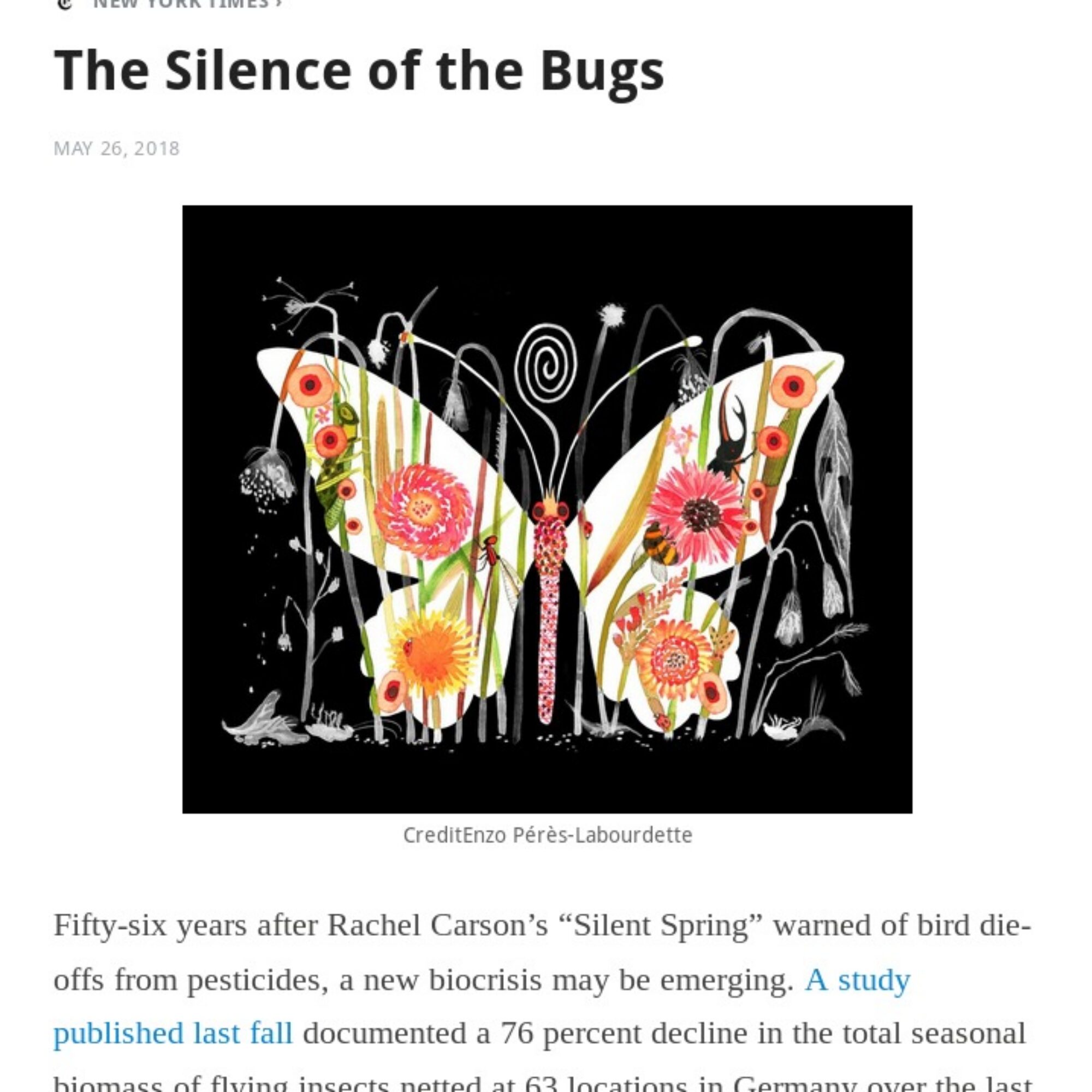
The Silence of the Bugs by Curt Stager in the New York Times

What does it take for people to see their effect on the environment?

The Silence of the Bugs, an opinion piece in the New York Times by science professor and author of many books, Curt Stager, started by saying: Fifty-six years after Rachel Carson's "Silent Spring" warned of bird die-offs from pesticides, a new biocrisis may be emerging. A study published last fall documented a 76 percent decline in the total seasonal biomass of flying insects netted at 63 locations in Germany over the last three decades. Losses in midsummer, when these insects are most numerous, exceeded 80 percent. It covered the apparent collapse of bug populations---an Armageddon, in his terms---we're sleepwalking through, to complement bats, coral, and many other species. Given how much we depend on bugs, his term may be more prescient than we like. I…

0 Comments

Technology is tactical. Behavior is strategic.

People widely expect technology to solve our environmental problems. What technology? They don't know. Something someone will invent in the future. What about the pattern that technology has driven consumption of fossil fuels and plastic, accelerated using up resources, and created pollution such as plastic, carcinogens, and so on? But but but they make things more efficient. They do for a while, but the trend is toward accelerating the system creating the problems. You know the problems—sea levels, resource depletion, extinctions. Technology, especially speculative, unknown, future technology can be part of a solution. But technology itself at most suggests tactical approaches. The problems result from our behavior. Behavioral change is a strategic approach: how do we change our behavior on a global level? How do…

0 Comments
The difference between delicious and yummy
Yummy food

The difference between delicious and yummy

Here's what I mean by yummy: Here's what I mean by delicious (a delivery from my CSA): What's the difference? "Yummy" food tends to have qualities such as: Little fiber Fried Sugar, fat, and salt provide the dominant flavors and textures Little raw ingredients Mostly yellow, orange, or brown Other colors often come from food coloring and don't represent the raw foods Sauces Packaged Corporate processing Many ingredients "Delicious" food tends to have Many colors Fiber Complex flavors and textures Mostly resembling the plants it's made of Few ingredients Nuance Delicious to me means that the food exhibits combinations of flavors and textures that complement each other to make me feel like saying, "that tastes good." I like nuance, subtlety, and complexity, all the more…

0 Comments
042: More valuable than hope
The Leadership and the Environment podcast

042: More valuable than hope

This morning I volunteered to pick up trash along the Hudson River. The experience included baby geese, a crab, lots of plastic and waste, and people not connecting their behavior with all this garbage.

0 Comments
How Much Should a Plastic Bag Cost?

How Much Should a Plastic Bag Cost?

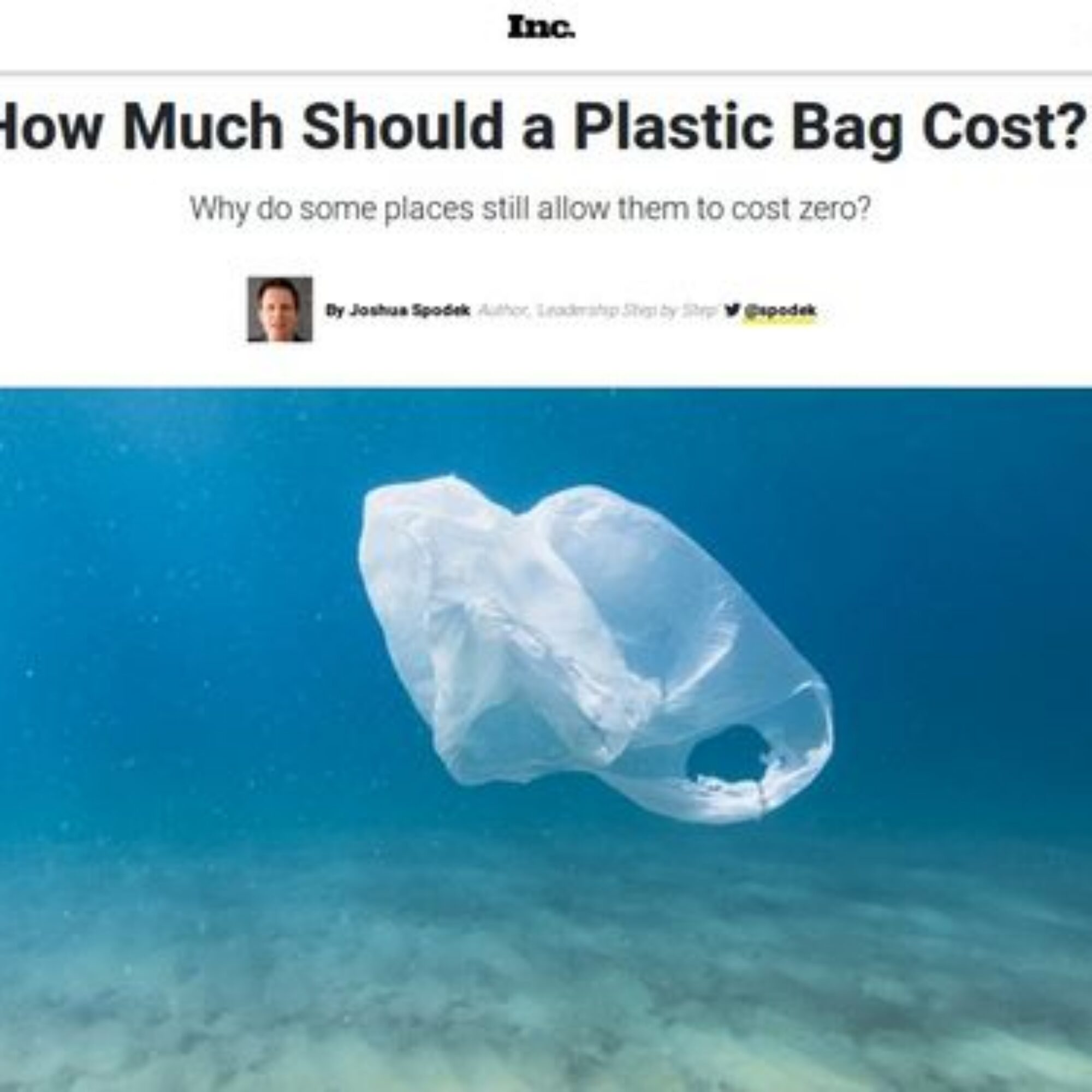
How Much Should a Plastic Bag Cost? Why do some places still allow them to cost zero? It's hard to avoid plastic bags. Partly it's hard because they are everywhere. It's harder because in most places they're free, with no external incentive to avoid using them. Many of us bring bags to stores with us. Those of us with unconscious competence at it can't believe people use as much plastic as they do, but we still once used them. Even the least environmentally aware people know that plastic bags pollute, kill wildlife, and take resources to create. We want to use less of them. We know financial incentive would help. Should plastic bags be free? How much should plastic bags cost? The reflexive answer to how much…

0 Comments

The longer I go without flying, the more people talking about flying sounds like they’re talking about heroin.

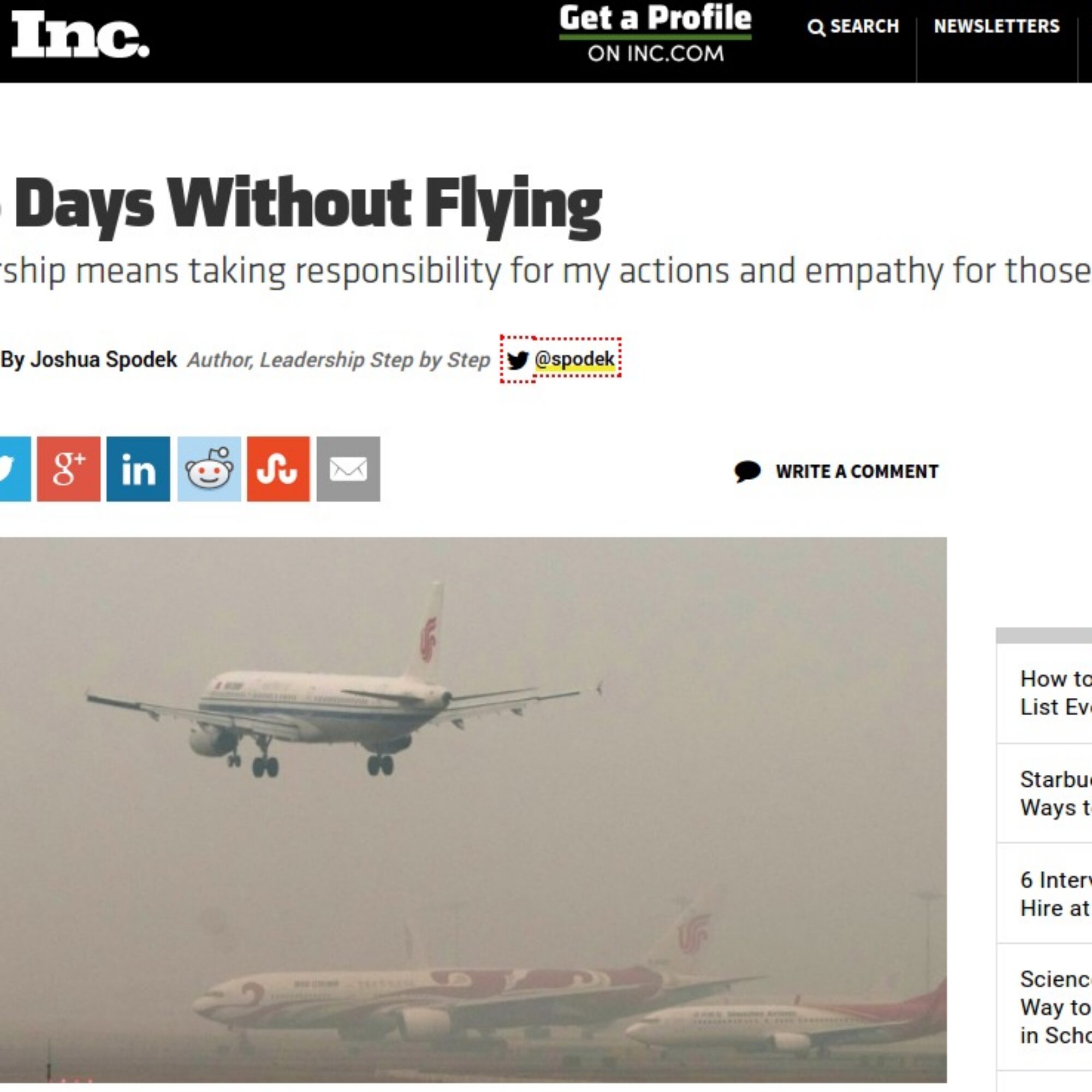
In my third year of avoiding flying, not one person I've shared the idea with has communicated to me that they'd consider even delaying one flight. I've met a few other people not flying too. Everyone knows that flying pollutes. People also want to sleep at night, which polluting makes difficult. I've heard everyone explain to me why their flying doesn't pollute, most often that the plane was going to fly anyway, as if airlines fly empty planes all the time but will put people in them if they buy tickets. People talk about flying as bringing something better than regular life. They'll even allow their regular life to degrade to fly sooner or more often. They live for the rush of flying and see…

0 Comments
Looking to scientists and engineers for leadership distracts from getting things done
'We're doomed': Mayer Hillman on the climate reality no one else will dare mention

Looking to scientists and engineers for leadership distracts from getting things done

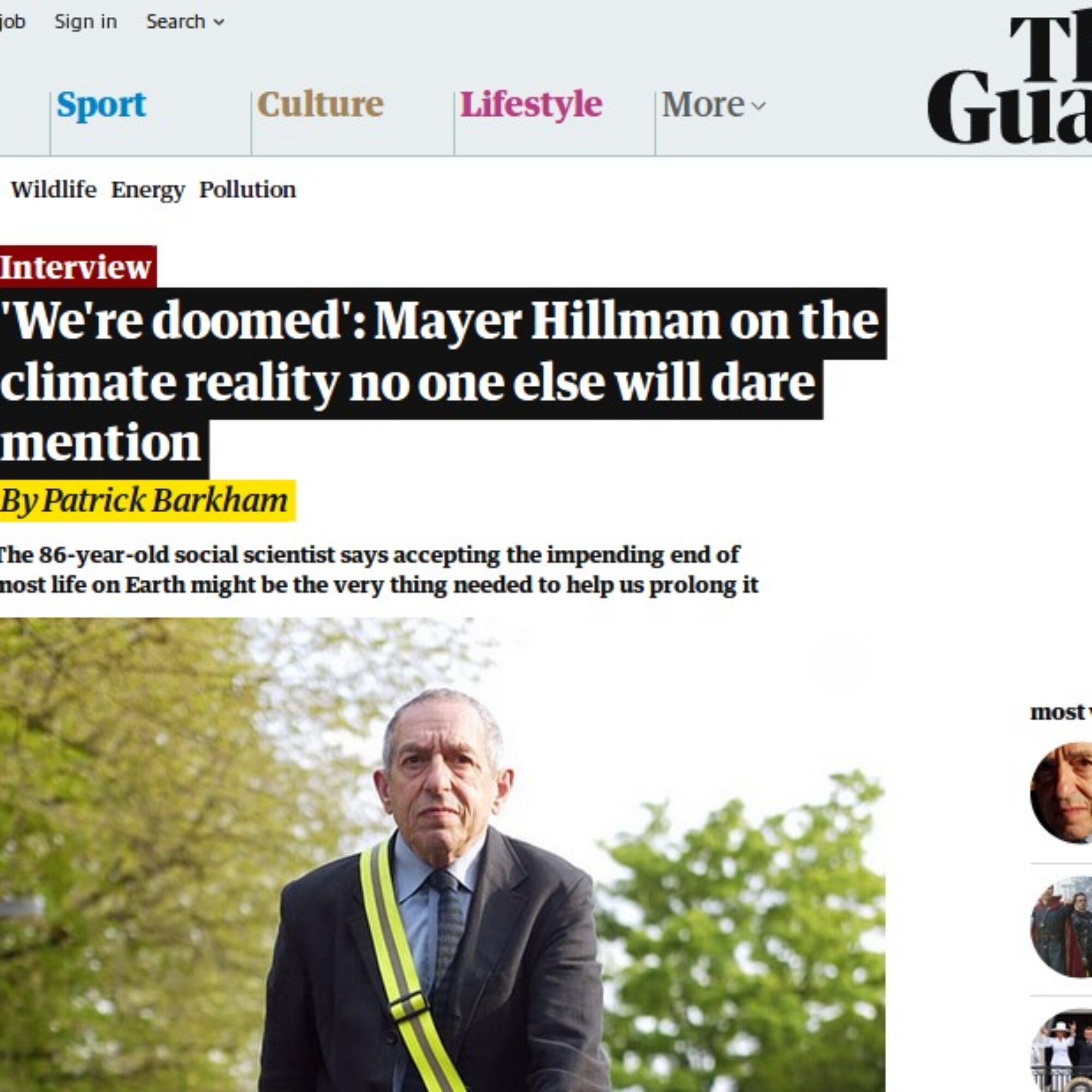
"We're doomed': Mayer Hillman on the climate reality no one else will dare mention" threatens the headline of an article about a social scientist. There are plenty of similar articles about plenty of similar people. The article recounts Hillman predicting many problems and suggesting solutions, but not getting them implemented. If we want to solve environmental problems we have to separate science and engineering from leadership. Scientists' and engineers' training and skills make them effective at collecting data, analyzing it, and making predictions. You'll find no greater supporter of science and engineering than me. They rarely have training to influence people, especially billions of people. JFK's speech advanced us more to the moon than the work of any single scientist or engineer. Hillman recognizes that…

0 Comments

Who is moving slower than the U.S. government on the environment? The U.S. people.

I had to share a few points I made on a thread commenting on China moving faster than the U.S. on the environment. Someone wrote: "It's a strange shift in affairs that China appears to have the greatest incentives (urban pollution, petroleum imports) today to advance clean transportation and energy while the US has stalled or moved backward, at least the Federal level." I responded: "> the US has stalled or moved backward, at least the Federal level. It has at the individual level too for most individuals. Try to get someone to consider flying less. Look at the size of vehicles on the road. How much meat we eat. Air conditioning to point of needing sweaters in the summer and heating to wearing shorts…

0 Comments
The Green Revolution and subway rats
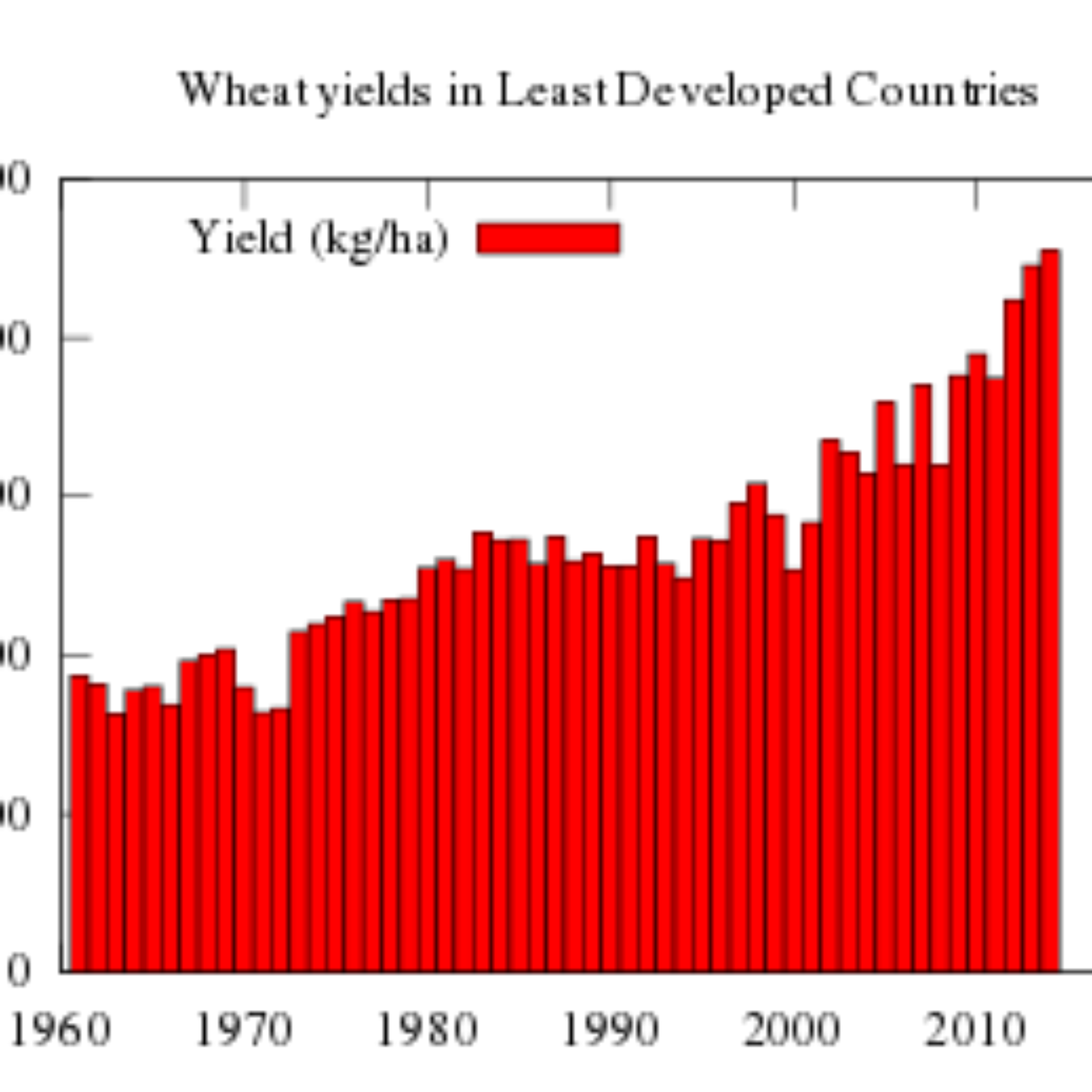
Wheat yields in Least Developed Countries

The Green Revolution and subway rats

The Green Revolution saved over a billion people from starvation, according to many. I don't think that's the only way to see it. Before describing other ways, first, what is the Green Revolution? According to Wikipedia, The Green Revolution, or Third Agricultural Revolution, refers to a set of research and the development of technology transfer initiatives occurring between the 1930s and the late 1960s (with prequels in the work of the agrarian geneticist Nazareno Strampelli in the 1920s and 1930s), that increased agricultural production worldwide, particularly in the developing world, beginning most markedly in the late 1960s. The initiatives resulted in the adoption of new technologies, including: ...new, high-yielding varieties (HYVs) of cereals, especially dwarf wheats and rices, in association with chemical fertilizers and agro-chemicals,…

0 Comments

My salt experiment

When I was a kid, my mom and stepfather switched from salted butter to unsalted. I remember the unsalted tasted bland, like nothing. I couldn't stand it. Some time later---maybe weeks or months, I don't remember---I tasted salted butter again for the first time. It tasted terrible! It was way too salty. Of course, the amount of salt in the butter didn't change. I did. My taste buds had adjusted to the overly salted butter and stayed that way until I stopped overly salting them. When I stopped amping up the salt, they returned to normal and found the overly salted butter overly salted. I also remember that after tasting both, I preferred the unsalted. The salted butter only tasted like salt. The unsalted had…

0 Comments

Success! A first Expert Panel from the Leadership and the Environment podcast

Yesterday was the Leadership and the Environment podcast's first Expert Panel, on a path to turn the podcast into a movement of people enjoying acting on their environmental values. Expert panelists Vincent Stanley, Robin Nagle, and RJ Khalaf topped the reasons making yesterday so successful. They openly shared their struggles and triumphs in vivid, colorful stories. Each time I looked at the audience, everyone seemed engaged and enraptured. We started early at 6pm. By the intended end of the panel at 7:30pm, a sizable number of attendees seemed as engaged as ever. Many stayed until at least 8:30pm with many conversations. We spoke on Patagonia and maintaining integrity amid business growth. We spoke of New York sanitation and the amount of garbage cities produce and…

0 Comments
Don’t Call It a “Carbon” Tax
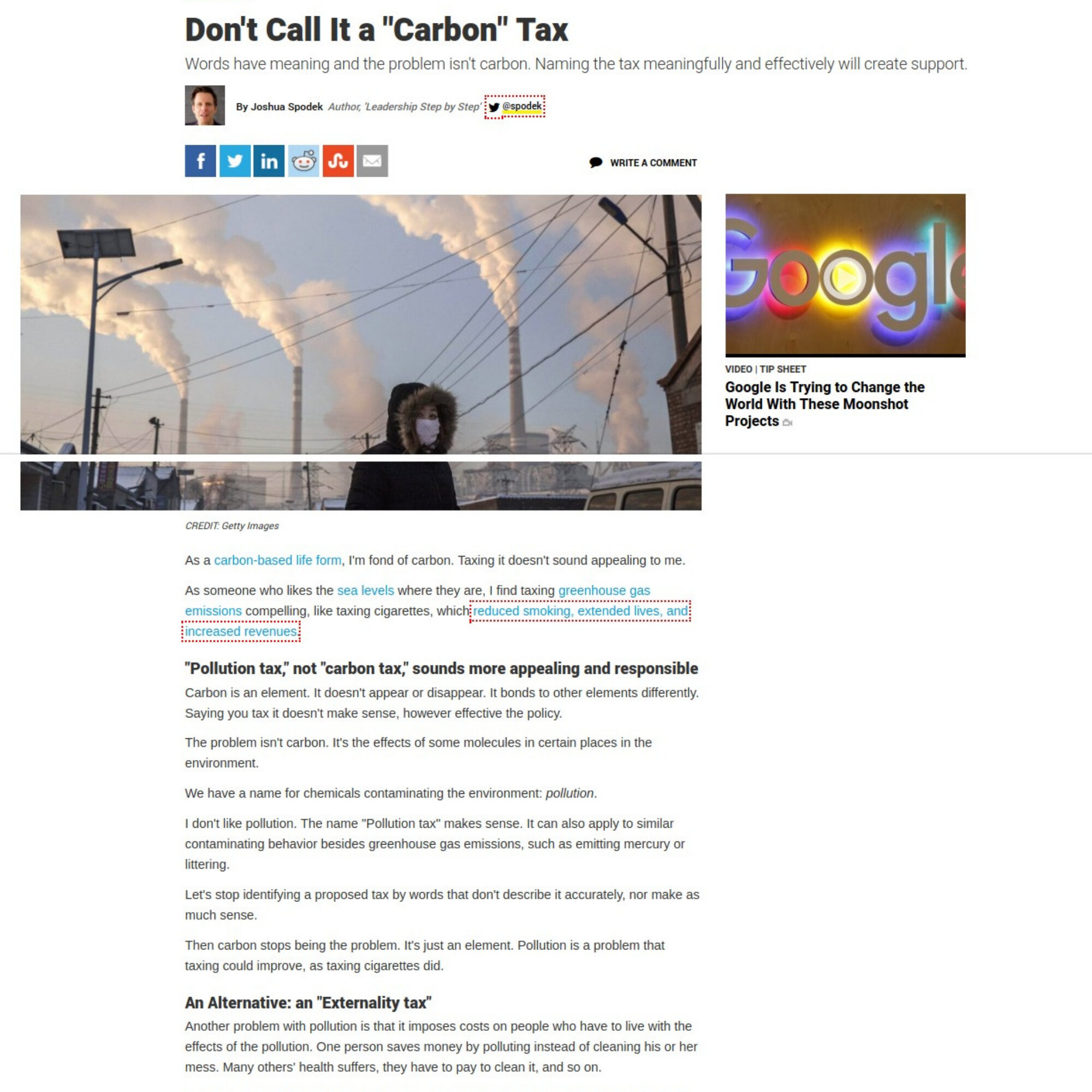
Joshua Spodek: Don't Call It a Carbon Tax

Don’t Call It a “Carbon” Tax

Don't Call It a "Carbon" Tax Words have meaning and the problem isn't carbon. Naming the tax meaningfully and effectively will create support. As a carbon-based life form, I'm fond of carbon. Taxing it doesn't sound appealing to me. As someone who likes the sea levels where they are, I find taxing greenhouse gas emissions compelling, like taxing cigarettes, which reduced smoking, extended lives, and increased revenues. "Pollution tax," not "carbon tax," sounds more appealing and responsible Carbon is an element. It doesn't appear or disappear. It bonds to other elements differently. Saying you tax it doesn't make sense, however effective the policy. The problem isn't carbon. It's the effects of some molecules in certain places in the environment. We have a name for chemicals…

0 Comments

Food and travel in the United States

I've been back four days since ten days traveling to Salt Lake City and back, my first time on the road that long in a while---in particular, since improving my home cooking and farmers market shopping. Nearly all the food I found on the road was yummy or comfort food. I could feel the skin on my abdomen getting softer as fat grew under it covering my abdominal muscle. Even when I went to a place touting all vegan, local, organic, and all the food buzzwords, it was still comfort food. The vegetables were minimal and covered with some rich sauce that covered the vegetables' flavor and texture with creaminess. Don't ask me how since I only know the result, not how they achieved it.…

0 Comments

Our first Leadership and the Environment Panel of Experts: April 3 at NYU

EDIT: We recorded the panel, which you can listen to: Here's the original announcement: Do you care about the environment? Do you care about leading? The Leadership and the Environment podcast NYU's School of Liberal Studies invite you to improve both at a Panel of Leadership and Environment Experts Tuesday, April 3, 6pm — 8pm NYU Silver Building, 100 Washington Sq E (at Washington Sq N), room 405 Free, register here Featuring  Vincent Stanley Vincent, co-author with Yvon Chouinard of The Responsible Company, has been with Patagonia since its beginning in 1973, including executive roles as head of sales or marketing. Informally, he is Patagonia's chief storyteller. He helped develop the Footprint Chronicles, the company's interactive website that outlines the social and environmental impact of…

0 Comments

End of content

No more pages to load