The Model: adding emotions

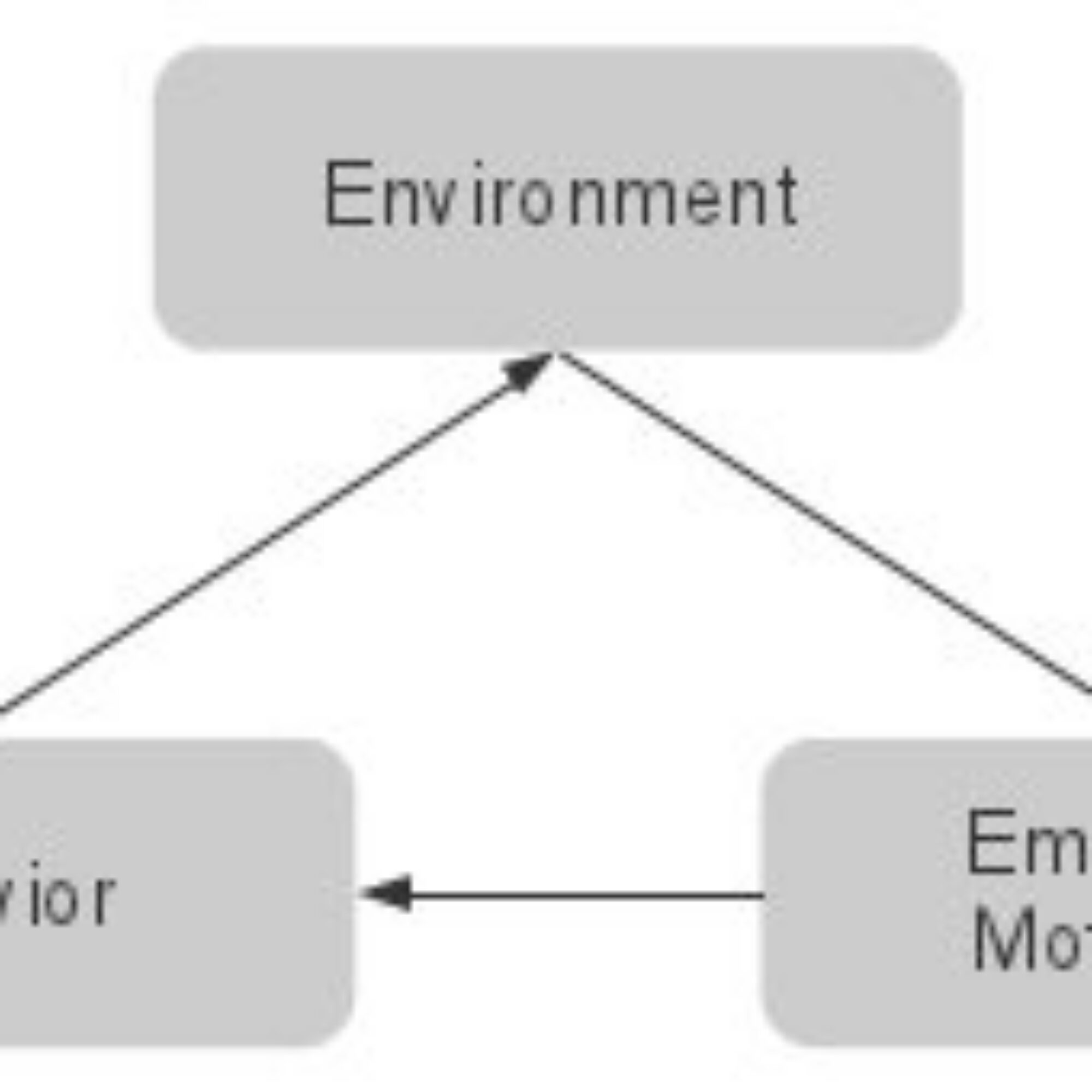
[This post is part of a series on The Model -- my model for the human emotional system designed for use in leadership, self-awareness, and general purpose professional and personal development -- which I find the most effective and valuable foundation for understanding yourself and others and improving your life. If you don't see a Table of Contents to the left, click here to view the series, where you'll get more value than reading just this post.] Yesterday began the Model with the foundation of understanding yourself as someone who exists in an environment and behaves within it. Unlike many simpler life forms, people don't merely react reflexively. I don't know how bugs and lizards live, but they don't seem to reflect much on their…
0 Comments

The Model: environment and behavior

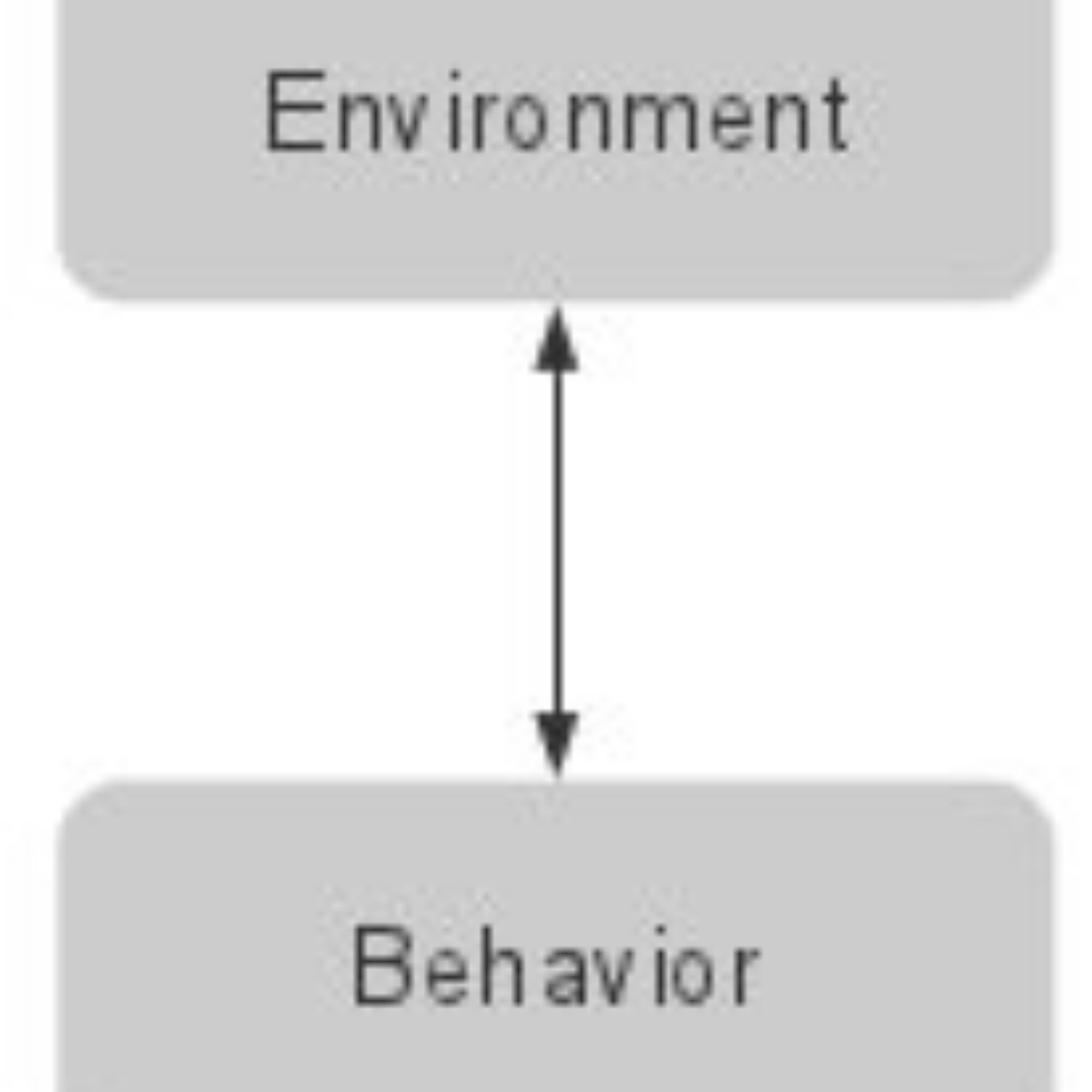
[This post is part of a series on The Model -- my model for the human emotional system designed for use in leadership, self-awareness, and general purpose professional and personal development -- which I find the most effective and valuable foundation for understanding yourself and others and improving your life. If you don't see a Table of Contents to the left, click here to view the series, where you'll get more value than reading just this post.] Today we'll see the first part of the Model. It comes from evolution in general and the burgeoning forefront scientific field of evolutionary psychology. Let's start with your behavior and environment. Like all life, you exist in an environment and you behave in certain ways within it. You…

0 Comments

The Model: why

[This post is part of a series on The Model -- my model for the human emotional system designed for use in leadership, self-awareness, and general purpose professional and personal development -- which I find the most effective and valuable foundation for understanding yourself and others and improving your life. If you don't see a Table of Contents to the left, click here to view the series, where you'll get more value than reading just this post.] Why create a model? To know yourself better despite your complexity. Every system of self-improvement, at least that I know of, has some concept of increasing your self-awareness, your knowledge of yourself. "Know thyself." Modeling the part of you that creates value, importance, and meaning helps you understand…

0 Comments

The Model: models in general

[This post is part of a series on The Model -- my model for the human emotional system designed for use in leadership, self-awareness, and general purpose professional and personal development -- which I find the most effective and valuable foundation for understanding yourself and others and improving your life. If you don't see a Table of Contents to the left, click here to view the series, where you'll get more value than reading just this post.] Before talking about the Model in particular, let's talk about models in general, a fundamental and incredibly useful concept in its own right. I've covered them before in this blog from several perspectives. Models are simplified representations of something for a purpose Models are simplified representations of something…

0 Comments

The Model

[This post is part of a series on The Model -- my model for the human emotional system designed for use in leadership, self-awareness, and general purpose professional and personal development -- which I find the most effective and valuable foundation for understanding yourself and others and improving your life. If you don't see a Table of Contents to the left, click here to view the series, where you'll get more value than reading just this post.] What goals do we have in life if not to understand what makes life good and how to make our own better? By good I mean by the values of the person living that life -- not by some abstract standard. I want to distinguish the following from…

0 Comments

The Model — introducing my model for the human emotional system

[This post is part of a series on The Model -- my model for the human emotional system designed for use in leadership, self-awareness, and general purpose professional and personal development -- which I find the most effective and valuable foundation for understanding yourself and others and improving your life. If you don't see a Table of Contents to the left, click here to view the series, where you'll get more value than reading just this post.] I will be posting an extended series on the Model -- my model of the human emotional system, which is at the foundation of most of my posts here on self-awareness, emotional intelligence, and improving your life. It will cover the most useful and valuable ideas you will…

0 Comments

People who say “Why do you care what other people think” are hypocritical, insensitive, self-important, and antagonistic

Many people imply not caring what others think to be a virtue. They ask "Why do you care what other people think?" or say "You care too much what other people think." People have said it to you. They've said it to everyone. You've said something like it. Well, just like suggesting to calm down or take it easy is usually a jerk move by an annoying person, pretending not to care what other people think and implying others care too much is hypocritical, insensitive, self-important, and antagonistic. Let's see why. They are hypocritical because humans are social. We all care what other people think. That person has friends and family they respect and listen to, they dress according to norms of their community, etc.…

5 Comments

Man Ray on values

Another quote from the Man Ray biography reminded me of a recent post of mine on values (exercise to the reader: which recent post?). Man Ray had a number of great quotes, especially on this page and this page, relevant to my focus on understanding values and meaning. As a surrealist and dadaist, movements whose "purpose was to ridicule what its participants considered to be the meaninglessness of the modern world," he questioned values and meaning, which can lead to a greater understanding of them. https://joshuaspodek.com/wp-content/uploads/2011/08/manray_cadeau.mp4 In a last minute attempt to provide a dada gift for his friends, Man Ray assembled one of his most famous objects. I passed by a hardware shop and I saw a flatiron in the window. I said, "Now…

0 Comments

The essence of creativity, as expressed by Man Ray

Why do we create and invent? Many people enjoy creating, but can't express why -- what they get out of it or what motivates them. The masters often express these things best -- mastery often requires understanding your motivations. A quote by Man Ray has stuck with me for years after first hearing it on an American Masters documentary on him. I believe it expresses a, or perhaps the, fundamental reason we create. He talks about fine art, but his answer is general. I'll let him say it best below. I'll say a bit on the matter in my words so you can see how much better he puts it. I believe we create art to express emotions words don't or can't. Any emotion is…

0 Comments

You don’t know your values until you test them, part II

Yesterday's post described how interacting with a former Austrian soldier, now friend's grandfather led me to examine my values. Such interactions lead you to expand your understanding of others and of humanity as well. Let's understand the situation. Comparing people to Nazis has become an internet joke (perhaps insightful) called Godwin's Law. This situation isn't that. This man was a Nazi foot soldier, proud of some aspects of it. I'm not comparing or judging, only using the real-life situation to examine values from a perspective beyond most people's every day experience. I posted this anecdote because it's been on my mind since posting this exercise in improving your empathy three weeks ago. That post got more response and feedback than most others. You can read…

0 Comments

You don’t know your values until you test them

You may think you know your values. Until you test them, you probably don't. Understanding their boundaries helps you understand them better. Testing them in controlled situations prepares you for surprises others aren't prepared for. Preparation like that makes for effective leadership of yourself and others. If you never plan to reach any boundaries, you may not expect to benefit from examining them. But then if you never examine them, you won't do well when you do things outside going to work, watching TV, and buying things in malls. I've thought about values -- my own and values in general -- a lot, I suspect more than average. I've come to many conclusions about them. The following anecdote presents a case whose meaning and applications…

0 Comments

How to turn lemons into lemonade, part IV

Wrapping up this series on how to make your life successful using Johnny Depp's example... Anyone can call any part of their life bad and feel sorry for themselves. Depp could have and he almost certainly would not have achieved the success he did nor gotten to do what he loves every day. Anyone can call something positive. Personally I don't buy just calling something positive. I'm not a fan of the power of positive thinking, though I'd choose it over negative thinking if I had to pick one, but that's a false dichotomy. You don't have to pick one and I don't find them different. Calling something positive means something else is relatively negative. What I find most helpful is evaluating things based on…

0 Comments

How to turn lemons into lemonade, part III

Here's a view I find helpful, relevant to how Johnny Depp made useful something others would lament. Whether Depp used it or not, I don't know. I don't view things in life -- jobs like telemarketing; tangible things like dogs, cats, and trees; intangible things like ideas; ... whatever -- as good, bad, positive, or negative. They just are what they are -- jobs, dogs, cats, etc. Any value they have comes from how they affect your life. If they don't affect your life at all, they have no value. If they change your life significantly, they have significant value. Even significance only determines the quantity of the value, not its quality. If something changes your life it changes your motivations -- meaning it affects…

0 Comments

How to turn lemons into lemonade, part II

Following up yesterday's example of how one person created success out of what others might consider disaster or failure: Johnny Depp used telemarketing to transform a floundering music passion into one the top trajectories in acting today. To people in the rat race, who blindly accept other people's values for themselves, resorting to telemarketing would suck. They'd probably say their lives were disasters and be depressed. People who didn't blindly accept other people's values but still don't understand their own might view resorting to telemarketing as terrible but necessary. They wouldn't like it, but since they had to do it they wouldn't let it get them down too much. People well out of the grind, who think about their values and don't accept those of…

0 Comments

Statements about time are statements about priorities and values

My father once said to me (paraphrasing) When someone says they have time for something or not, they aren't talking about time, they're talking about priorities. Everyone has time for what they want to do. If they say they don't have time, it means something else is more important. That observation has been one of the most valuable lessons I learned from him. Since then whenever someone (including myself) has told me what time they had or didn't for something, I've always translated their statement into a statement about priorities. The revision has always clarified the meaning better. My reaction has always been more effective and understanding. Not that I've kept track rigorously, but I don't believe I found a counterexample where thinking in priorities…

0 Comments

Independence Day

It's still July 4th in the States as I'm writing this even though it's July 5th in Shanghai. Of all our national holidays, I value and celebrate Independence Day perhaps the most. By value and celebrate I don't mean I go to the biggest barbeque I can, though a couple years ago I went to an amazing July 4th party only being an alumnus of an ivy league business school or something similar can get you. And this year I had to pass on an invitation to a monster event with some crazy and amazing people for this trip to Shanghai. Each July 4th I reread the Declaration of Independence and at least one other historical document. This year I was lazy and just read…

0 Comments

Travel and developing empathy

Yesterday's post on developing empathy started with me writing about traveling, which ended up being today's post. Nearly everyone tells me they love to travel. The top reason they give for it is to experience new people, places, and cultures. I get that appeal, but my goals are different. My main goal in life is to continue improving it. My travel goals are to contribute to that goal. Learning about differences doesn't serve that goal so well. My main goal in traveling is to see how similar people are despite their different environments, not to see how different they or their cultures are. I find that finding commonalities improves my life more. This goal comes from applying yesterday's exercise on people in new places. People…

0 Comments

Exercise: how to improve your empathy

Here is a mental exercise I like and find effective in learning to empathize and understand people better. It costs nothing and requires no preparation, but it can be personally challenging, but it develops you as a person. The exercise is to see how diverse behavior in others you can explain without relying on saying someone else has different motivations than you do. The more you can explain their behavior, the more you have in common with them, the more you understand them, the more connected you will feel, and the better your life. It can be difficult at first when trying it on people who behave differently than you ever would have but gets easier with practice. Eventually you internalize the skills and instead…

0 Comments
More changing your perspective
Perspective Change 1

More changing your perspective

I'll build on yesterday's post on changing your perspective to make it easier to change your perspective with a post I've been meaning to write for a while. Airports around the world are full of an ad campaign that provide another great exercise in enabling changing your perspective. Flexibility in changing your perspective is one of the most important tools in changing your world, creating freedom for yourself, and in building intelligence. The ad campaign illustrates what I call the passive view of models. It demonstrates that we simplify objects and concepts by modeling them. In the case of the ad campaign, usually a word or two represents a good deal of meaning of what's pictured. In practice we often represent things as complex as…

0 Comments

More thoughts on motions, values, children, and school

Yesterday I posted on making four-year-olds sing that they love something, accepting it was probably a tempest in a teacup. I also noted similar incidents may contribute to reinforcing what seems to me telling children what to think and feel. The incident reminded me of Woodie Guthrie's writing "This Land Is Your Land" as a response to hearing "God Bless America" over and over in the late 30s, implying these songs are political. I came across an August 2008 incident in which the Yankees and the New York Police Department were forced to pay restitution for kicking a man out of Yankee Stadium for not toeing the line on singing "God Bless America," apparently against the law. The Yankees had to state they had no…

0 Comments

Emotions, values, children, and school

At my niece's kindergarten graduation Friday the entire graduating class of four-and-five-year-olds sang a song with a chorus "I love America." The song was light-hearted and everyone seemed to enjoy themselves. As a thoughtful person, I couldn't help think about what having a whole class sing the song meant. I enjoy playing with ideas and what better time to ponder education than at a graduation? I'll be the first to say the following is a tempest in a teacup. The interaction wasn't that big a deal, but this blog is about values and emotions, with the guiding principle that the better we understand them, especially our own, the better our lives will be. Why not examine them in simple cases so that we know them…

0 Comments

Celebrating other people’s values

People confuse someone else's values being different from their own with being worse than their own. If other people's values were worse, then statements like the following two would portend the end of society. The children now love luxury; they have bad manners, contempt for authority; they show disrespect for elders and love chatter in place of exercise. Children are now tyrants, not the servants of their households. They no longer rise when elders enter the room. They contradict their parents, chatter before company, gobble up dainties at the table, cross their legs, and tyrannize their teachers. -- Commonly attributed to Socrates The world is passing through troublous times. The young people of today think of nothing but themselves. They have no reverence for parents…

0 Comments

I have low standards the first time

This post on doing things you love even if you're not good at it prompted discussion -- or at least people asking me about doing things that feel scary or are hard. For most people, the challenges are internal. Most people aren't risking health and safety doing something like climbing Everest -- they're thinking of trying out for that senior position, singing karaoke, going to a gym for the first time, or asking that guy or girl out. Their risking losing social standing -- aka embarrassing themselves. Why people don't try new things Their biggest fears are based on beliefs of imagined futures. People don't predict the future effectively, all the more when projecting fearfully, so they tend to project worst case scenarios. Even if…

0 Comments

A vegetarian entrepreneur’s take on test tube meat

This week's New Yorker has an article on test tube meat -- that is, meat produced outside a body. I've been talking about it for a while, as someone who doesn't eat meat and as an entrepreneur. I'm looking forward to reading the article. I first read about the idea on a nerdy site called Slashdot a couple years ago. Technology recently made it possible. I think most people's reaction is that it makes them queasy. It can't be that palatable, right? Then people think of the ethical issues -- is it cruel or not? Are we doing something we shouldn't? To me these issues are clear. Whether it's palatable or not now is merely an engineering question and a matter of time. If it…

0 Comments

End of content

No more pages to load