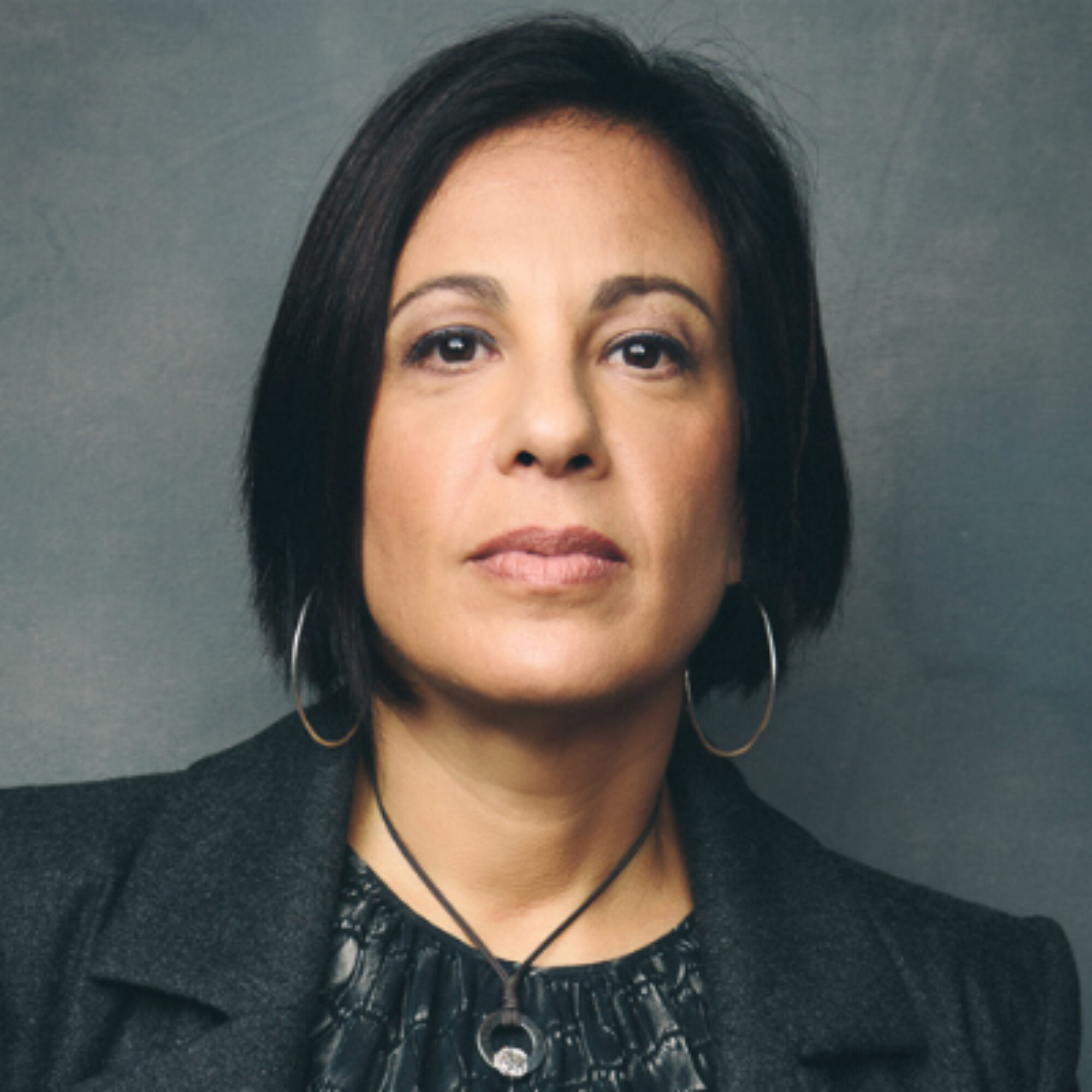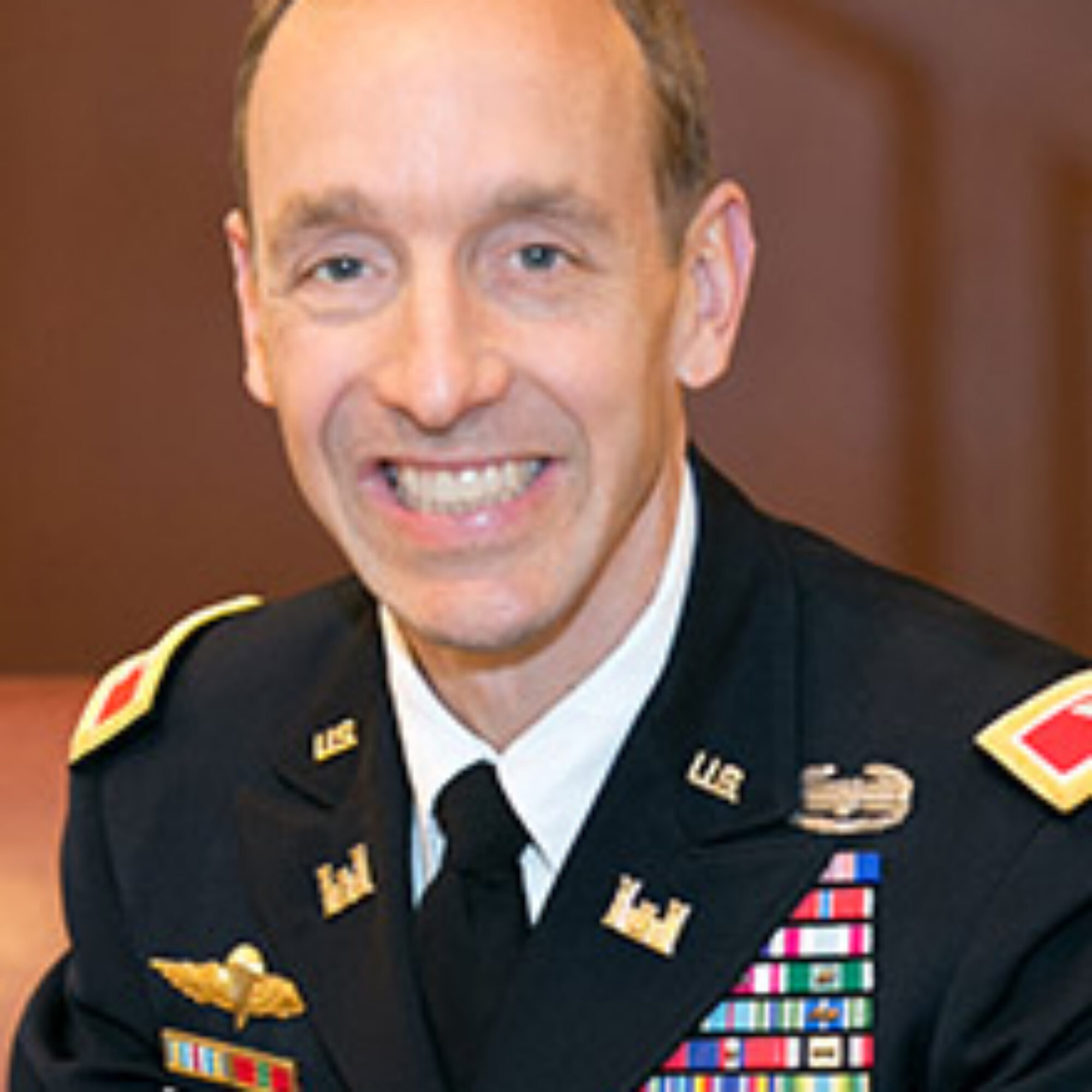
141: Dune Ives, part 1: Let’s Talk Ocean Plastic

If you've heard about avoiding straws -- if you're actively avoiding straws -- Dune Ives and the Lonely Whale, the organization she's the Executive Director of, have influenced you. If you've asked yourself, why straws or what the point was, that's what she wanted: for people actually to talk about things on a human scale. If you've taken the next step from straws, Lonely Whale has influenced you all the more. When Dune co-founded Lonely While, she didn't know the untapped demand. They just started and finding one change leading to another. Her approach helped change my views about straws and small changes. I no longer see them as just the one act any more than playing playing scales is too small to learn to…

0 Comments

Nutrition Rules

The following aren't all my nutrition rules, but they've served me well. I'll probably add to them over time. If food advice comes from an American, probably best to ignore it or do the opposite. Avoid talking about protein, carbohydrates, and other scientific concept that you can't sense. Talk about broccoli, cabbage, and spaghetti squash---things that you can hold in your hand or pick up with your fork and eat. A restaurant that asks, "what protein would you like?", thereby categorizing beans with chicken, will likely serve mostly unfit people. Ignore "latest findings" until they've endured five years without another latest finding contradicting it. (They never do.)

0 Comments

140: Joanne Wilson: Gotham Gal

If you're in entrepreneurship in New York City, you know Joanne Wilson, especially among the women entrepreneurs I talk to. She's prominent in the New York entrepreneurial world, as well as art, travel, food A lot of investors live stressful lives. Joanne doesn't. As you'll hear in our conversation, she also leads a rewarding life, which you'll also read in any of her blog posts or hear in any of her podcast episodes -- the happiness, fun, and emotional reward she describes her life with. I think it results from her focus on people, relationships, and community. Like any great leader, she focuses on people. The first thing she does after vetting people she invests in is to support them. Our conversation covers more personal…

0 Comments

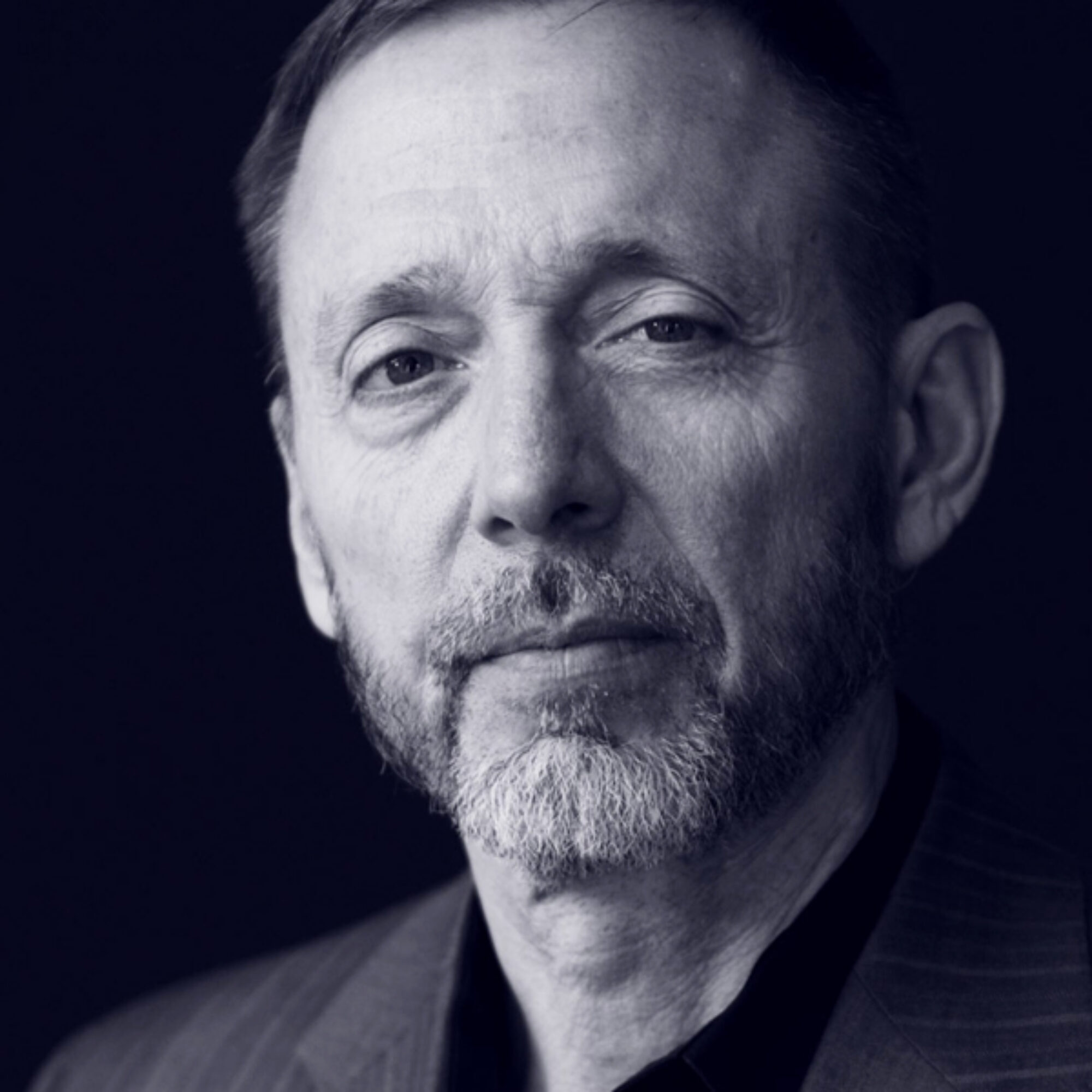
139: Chris Voss, part 1: FBI Hostage negotiation through honesty and fun

When you think of negotiating, do you think of honesty, fun, and openness. How about hostage negotiation with terrorists? Chris Voss brings the experience of negotiating in some of the world's most challenging situations to teaching you to negotiate and honesty, fun, and openness are some of the top things he brings. How would you like to look forward to your next negotiation that way? He also brings social and emotional skills to a field long dominated by abstract principles, which help, but develop your performance. His approach, beyond just book learning, is relevant to all negotiation, particularly relevant to environmental leadership. His book has several effective techniques that overlap with mine (compare with Leadership Step by Step's chapters 18 and 19) though he has…

0 Comments

The Ethicist: Was I Wrong to Tell a Friend’s Partner About His Infidelity?

My series answering the New York Times' Ethicist column with an active, leadership approach instead of an analytical, philosophical perspective continues with "Was I Wrong to Tell a Friend's Partner About His Infidelity?". I am of advanced years but still exercise my profession. Not long ago, after I gave a seminar in my field, a young professional approached me with some questions that I happily answered. We kept in touch, and I became his mentor. Over time, we became friends: the young man and his live-in partner would come to our house for dinner, and my wife and I would go to theirs. The relationship between this man and his partner was often bumpy, in large part because of his drinking problem, which also affected…

0 Comments

138: A National Civilian Service Academy

Today's post covers a dramatic proposal I see as a clear winner. It's big and bold but everyone benefits from it. Its challenges are in garnering support and implementation, but once started I see it sustaining itself as a national jewel. First some context. I've talked about my return from Shanghai a few years ago to a crumbling airport, creaky trains, and crumbling train stations. Anyone can see this nation's crumbling bridges, roads, and infrastructure. Same with my train trip across the country. Amtrak is a third-world train system. It measures its delays in hours. First-world train systems measure delays in minutes and seconds. As a New Yorker I see our subway, which carries billions of rides annually, has fallen to disrepair. Its slipshod weekend…

0 Comments

137: Why Famous Guests

This podcast has featured some world-renowned guests, with more renown to come. Popular downloads include Dan Pink, multiple #1 bestseller, 40+ million TED talk views, Beth Comstock, former Vice Chair and CMO of General Electric, Marshall Goldsmith, #1 ranked leadership guru and author, Frances Hesselbein, Presidential Medal of Freedom honoree, Elizabeth Kolbert, Pulitzer Prize-winning author, Ken Blanchard, author, The One Minute Manager, over 13 million sold, Jonathan Haidt, #1 bestselling author, 8+ million TED talk views, Vincent Stanley, Director, Patagonia, David Allen, author of Getting Things Done, over 1 million sold, Dorie Clark, bestselling author, Jordan Harbinger, top 5 podcast, 4+ million monthly downloads, Doug Rushkoff, #1 bestselling author, producer, media theorist, Dave Asprey, founder Bulletproof, NY Times bestseller, Bryan Braman, Super Bowl champion Philadelphia…

0 Comments

136: Nataly Kogan, part 2: Happiness Comes From Skills You Can Learn

Happiness comes from skills, which you can learn, which Nataly teaches. Environmental action does too. Happiness and living harmoniously with the environment and your values go well together, as would make sense given our environmental history. Many people think starting small isn't worth it. Watch Nataly's videos and read her book about improving happiness. Any skill you learn helps you learn other skills. Starting small works. I suspect her experience developing happiness-related skills enabled her to reduce her bottle use by 99%, improving family morale in the process. You tell me if you think she'll apply it more, since you'll hear how she made it meaningful. I suggest that if developing happiness skills helped her act on her environmental values, that acting on environmental skills…

0 Comments

135: Why We Want a World Without Growth

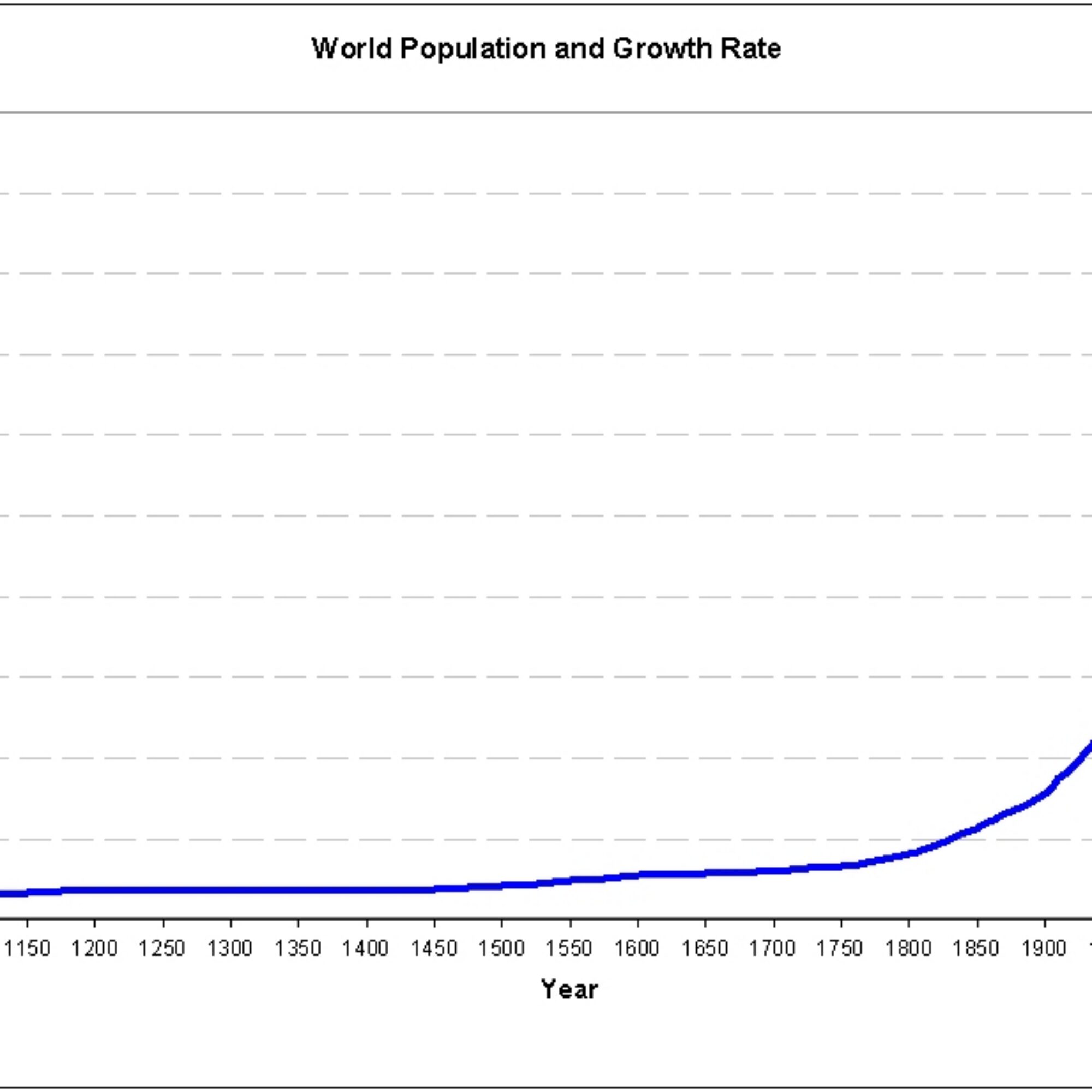
People seem to have a hard time imagining a world without growth, specifically economic growth or population growth. There's personal growth, but I'm talking about materially measurable growth. People seem to believe that economic growth is necessary. I've looked and haven't found any reasonable proof of its necessity. People say you need inflation to keep motivating people, but I don't see any founding for such a belief besides their unfounded, and apparently self-serving, idealism. We understand people and our motivations better than they used to when these economic theories started. Sadly, our financial and political systems keep operating on these flawed understandings. On the contrary, I've found societies that have lived for tens to hundreds of thousands of years, stably, which disproves that you need…

0 Comments

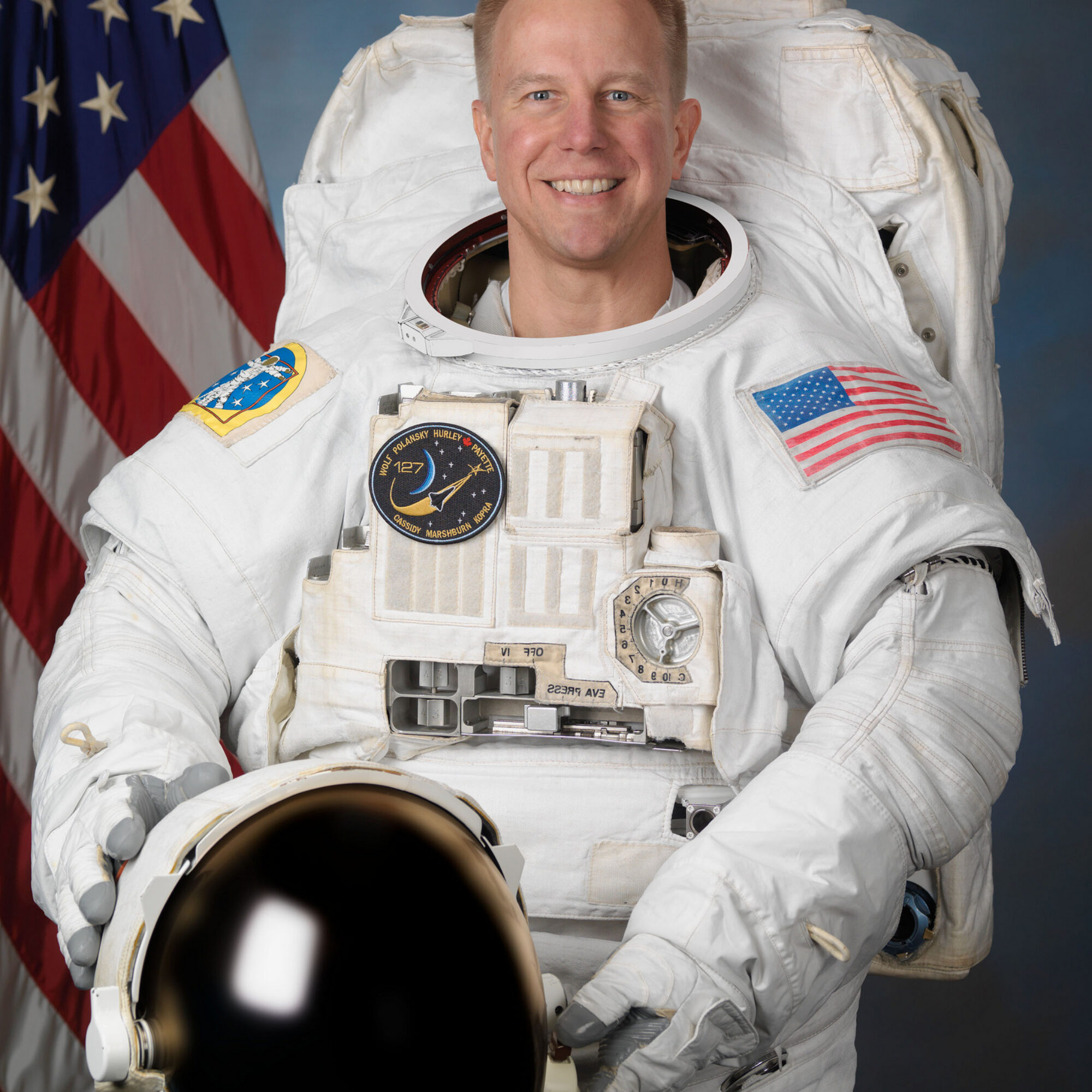
134: Tim Kopra, part 1: Seeing Earth from Space

Hearing an astronaut talk about space is unparalleled. I imagine anyone and everyone wants to hear about seeing Earth from space and what launch feels like. You have to listen to hear it from a man who experienced it. Having walked in space twice is a minor part of his achievements. He earned degrees from West Point, the U.S. Army War College, Columbia Business School, and London Business School, on top of his military and NASA careers. What gets you to space isn't just fitness and technical skill. It's knowing that you will succeed no matter what. That you can work with everyone. Like business, leadership, family, and most of life, success reaching space is about people. Tim talks about integrity, consistency, and followership, which…

0 Comments

133: At Least Try

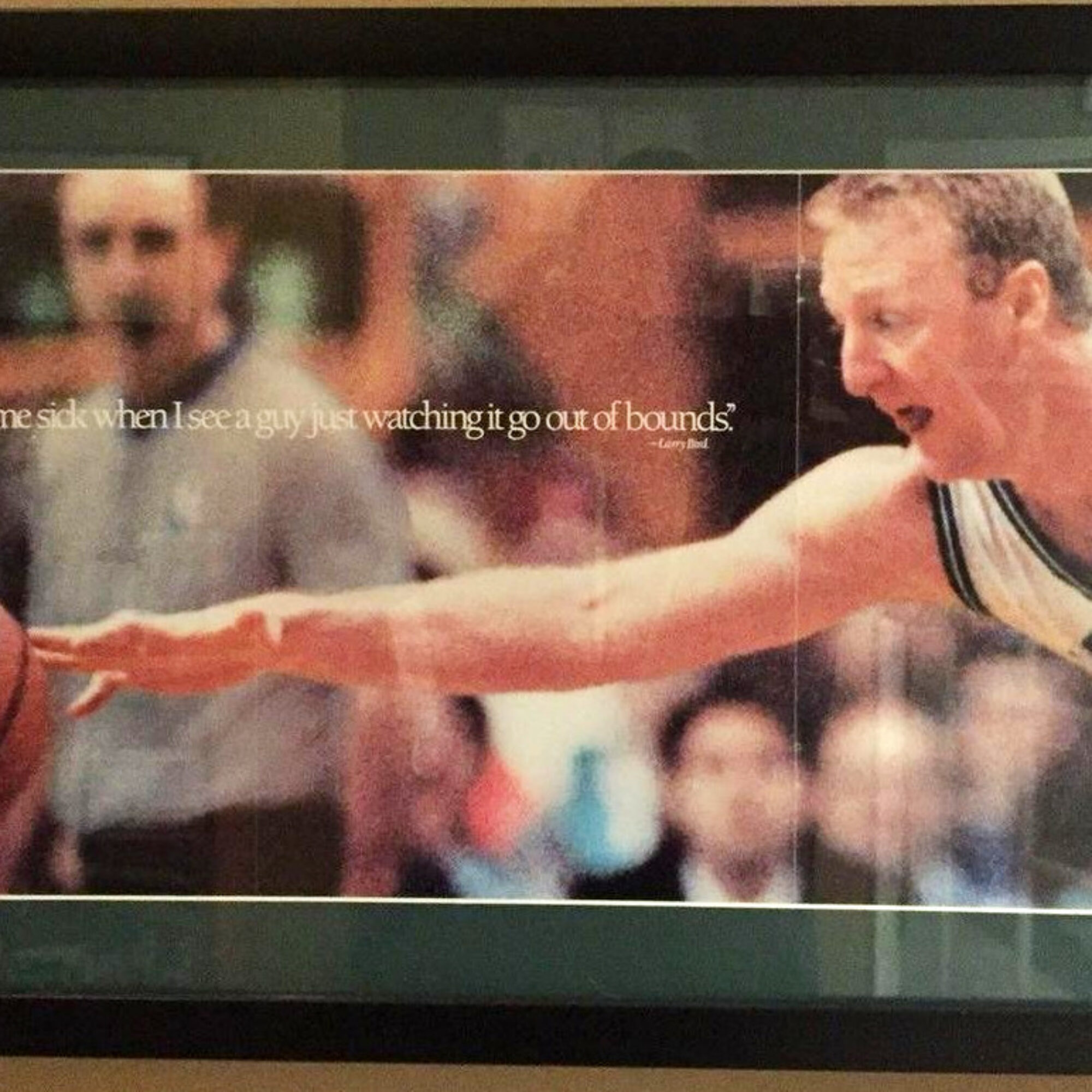
When I played sports competitively, I once watched a pass go by me without trying because I thought I couldn't make a play on it. A teammate asked why I just watched. I said, "Because I couldn't reach it." He said, "At least try!" Larry Bird said something similar: "It makes me sick when I see a guy just watching it go out of bounds." The view has stuck with me. I haven't gone for every pass I could, but I respect when an outfielder sprints to the wall even when he know the ball will carry over the fence. The difference between watching and trying is meaning and purpose. I try for as many passes as I can. The pervasive environmental view, "If I…

0 Comments

The Ethicist: Can a Doctor Refuse to Treat a Patient Who Takes Cannabis?

My series answering the New York Times' Ethicist column with an active, leadership approach instead of an analytical, philosophical perspective continues with "Can a Doctor Refuse to Treat a Patient Who Takes Cannabis?". A friend was recently diagnosed with multiple myeloma, a cancer of a type of white blood cell called plasma cells. There is often significant pain associated with this condition, and my friend has been treated with high doses of different opioid combinations, in addition to chemotherapy. My friend lives in Colorado, where he has easy access to medical marijuana, and he asked his oncologist if he could add this to his regimen in hopes of decreasing his dependence on opioids. The oncologist told him that he would refuse to treat my friend…

1 Comment

Double standards

When more men are in congress, STEM fields, and corporate board rooms, it's "Women can do what men can. Something must be holding them back." When more men commit crimes, it's "Men are more violent, they're just that way." When more men occupy leadership roles in acting on the environment, it's "The environmental movement has a problem recruiting women." When more men are in jail, it's "There are still too many women in jail." When more men are entrepreneurs, it's "We need to create programs to give women skills and opportunities." When it's about taking risks being vulnerable initiating relationships, it's "Men are hunters. You [women] shouldn't take that away from from. Let them initiate." When it's about abortion, it's "Can you name a law…

0 Comments

Poached: Inside the Dark World of Wildlife Trafficking, by Rachel Love Nuwer

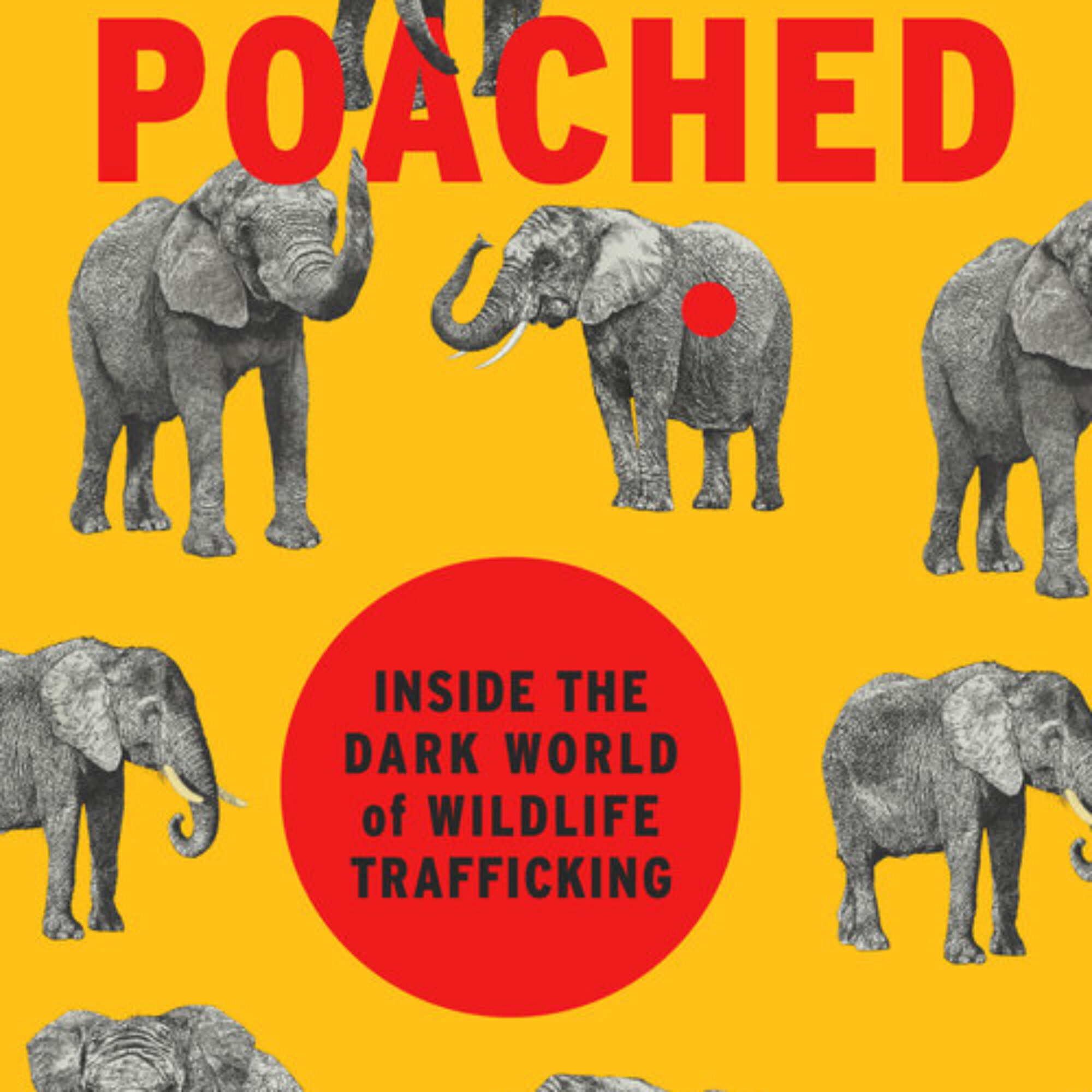
I put off reading Poached: Inside the Dark World of Wildlife Trafficking for a long time and I didn't have to. I should have read it earlier. A book on animal trade by a New York Times and National Geographic writer who went undercover and traveled the world to visited prisons, secret breeding facilities, poachers, and every corner of the trafficking trade might make me cringe with reports of cruelty and gore. Out of fear, I waited but didn't need to. While trafficking is cruel and seems near hopeless, we care. Most of the world supports and honors laws protecting species from extinction, pain, and violence. We don't want needless suffering whether by humans or not. If it happens, though, we want to know, to…

0 Comments

132: Lorna Davis, part 1: C-suites and B-corps

This episode is longer, but full of inside views at a leverage point of leadership and the environment. Consulting firms and business schools wish they had access to global corporate leaders at the frontier of change like Lorna. We spoke in-person about multinationals she's led across the globe. And she takes on one of the longest personal challenges of any guest so far. Lest you think the conversation was all about mega-corporations, we also talked about vegetables and leaders reduced to tears on seeing what environmental values they could have acted on but had put off too long and felt the consequences. Lorna has influenced big, global business, helping shift Danone USA to become a B-corp, working directly with the CEO of the company that…

0 Comments

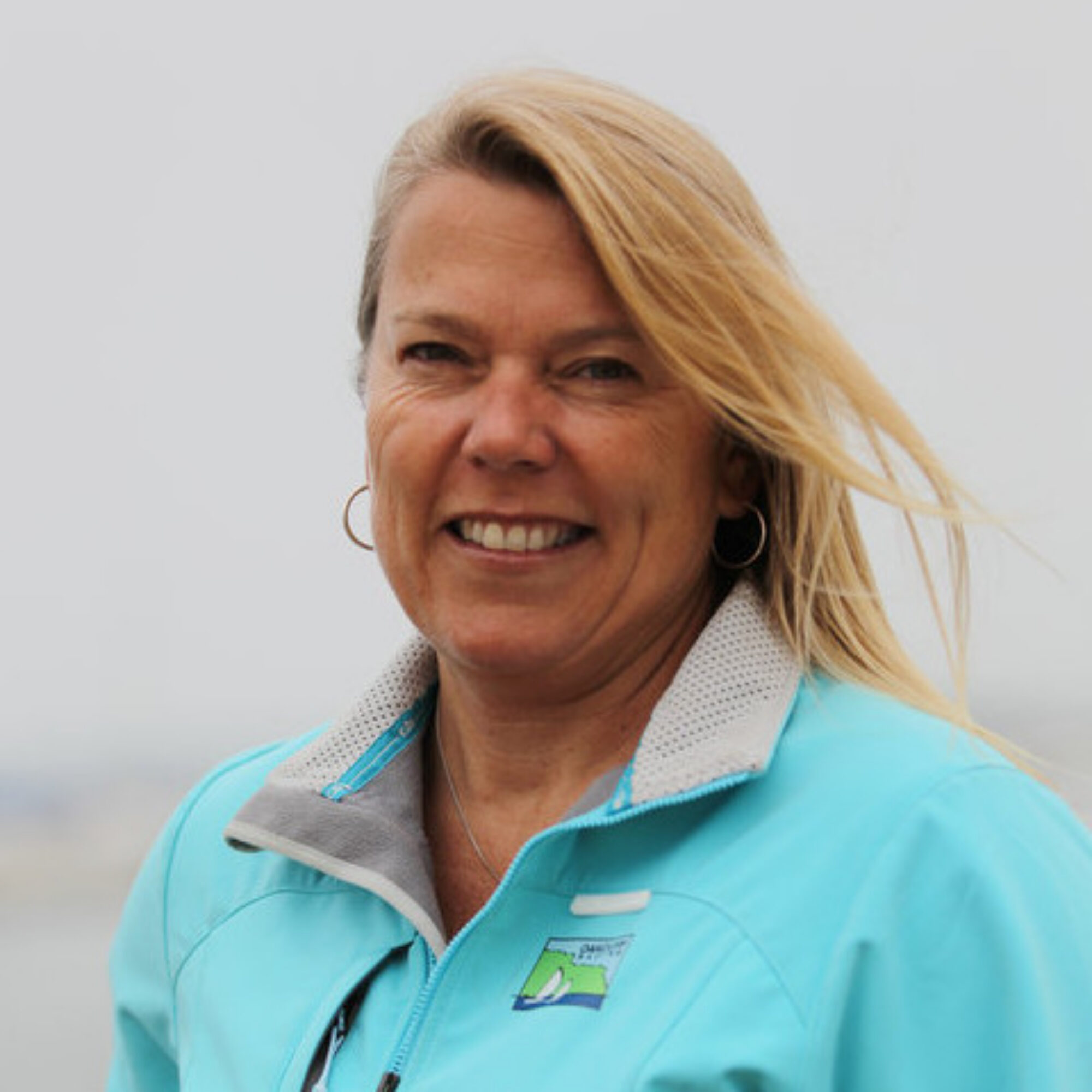
131: Dawn Riley, part 1: After winning the Americas Cup, revitalizing sailing

Dawn Riley has sailed in 3 Americas cups, won around the world races, and led other teams. I wish you could see the context for our conversation. We're at the sailing center she runs to restart the elite level of American sailing. Before this conversation she sent me out to see Olympic medalists competing on the Long Island sound. Shortly after, they all came in for a barbecue -- Olympic medalists, a gold medalist, a Crossfit Games champion, and more. You'll hear these world-class athletes, trainers, organizers, and so one talking in the background over the course of the conversation. My top measure of leadership is who follows them. Dawn is surrounded by people who are themselves global leaders, and she is taking them to…

0 Comments

My first rowing half-marathon

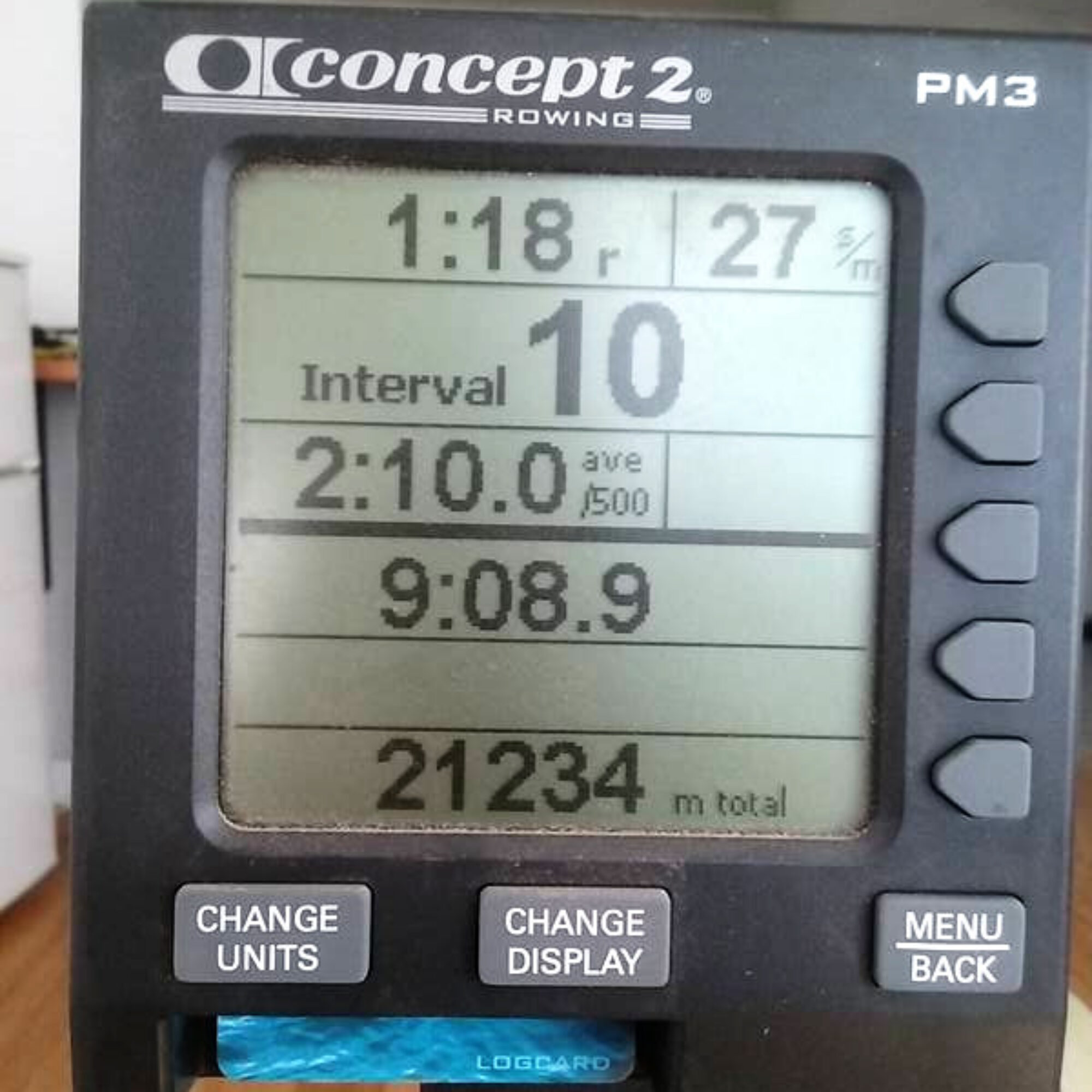
I recently interviewed Olympic gold medalist and Crossfit Games champion Anna Tunnicliffe Tobias, whom I met through America's Cup winner and podcast guest Dawn Riley. Given Anna's achievements, she's remarkably down to Earth (as is Dawn). In researching her, I found that last year's Crossfit Games included a rowing marathon---that is, rowing 42,195 meters. The athletes learn what events they'll do only hours before competing, so they just had to do it. Why not? I figured if they can, I can. I decided to try rowing a marathon. I made a couple concessions. I'd never rowed more than 45 minutes or about 7,500 meters at once before, which may have been five years ago. For a 47-year-old, five years means meaningful aging. So I decided…

2 Comments

130: John Lee Dumas, part 3: One year picking up beach garbage

I'm trying something new for my third conversation with John: releasing the conversation unedited. While no editing means the sound is raw, you also hear everything. Why? Because you can hear how our relationship is developing into a friendship. in contrast to most conversations about the environment that I hear. They're about facts, doom, gloom, what the government should do, how nothing matters, and other analytic, academic, abstract, philosophical stuff. Anything but saying, "I'm going to act and do something new." John acted. He led me back to act. We both enjoyed our new actions though neither of us would have loved picking up garbage for no compensation for no reason. When connected to our values and our little race to the top, we both…

0 Comments

The Ethicist: I Quit Watching Football Because It Harms Players. Can I Still Keep Up With My Team?

My series answering the New York Times' Ethicist column with an active, leadership approach instead of an analytical, philosophical perspective continues with "I Quit Watching Football Because It Harms Players. Can I Still Keep Up With My Team?". I have decided to stop watching football given the recent findings about the frequency with which concussions occur and the long-term effects of those concussions on the players. I am not trying to take a stand and change any of my family's or friends' opinions, but I do want to feel like I'm doing my part. Can I still follow my team in some way, though? I'm a Jets fan (O.K., maybe I'm not giving up much by not watching), and I really like keeping up with…

0 Comments

Sheepship: the opposite of leadership

I met another NYU professor and talked to her about leadership. I told her how many people tell me they want to lead, but when opportunities arrive, they see risk, not opportunity, and fold. Leadership opportunities almost always mean doing what hasn't been done before, or what people don't know how to do. If they did, they wouldn't need a leader. In the abstract, people want to lead. They want to take charge. They want admiration and trust. In practice, they cave. They choose what they think will pay the bills. They jettison their passion. They follow There are a few related terms: leadership, followership, and teamwork, for example. Schools say they teach leadership, but when they assign reading papers, writing papers, discussing case studies,…

0 Comments

129: Dave Gardner, part 2: “Came to relieve the burden, stayed for the joy”

David and I could have talked about growth and how many people think growth is sustainable and non-growth isn't, which seems based on a system hurtling toward collapse, whereas a steady-state economy and population can be sustainable. Instead we just talked about the fun of riding more and getting outside. He lives in Colorado with hills. What looked like a challenge before starting became part of the joy. The natural environment is like that. I see it over and over with guests. We talk about how one joyful thing leads to another when you shift from making excuses to avoid acting to acting. David's stronger than before, finding things about his neighborhood and himself. One of my life's great experiences was riding my bike from…

0 Comments

128: Sally Singer: Fashion and the Environment

Sally plays a big role leading an iconic brand, with her team taking it in directions no onehas taken media before. She's also played major roles in the New York Times and other major media outlets. In this first part of my conversation with her you'll hear Sally's passion about the art of storytelling, what evolves and what stays the same as media evolve, and how she leads people and teams. Sally shares about caring and passion, which are integral to success in business, at least how she does it. I think you'll appreciate her take on fashion's reputation regarding the environment. The conversation went long enough -- I think we both enjoyed it that much -- that I couldn't fit it all into one episode. This episode is more about leadership, journalism,…

0 Comments

127: Douglas Rushkoff, part 1: Team Human

You've heard that with social media, Google, and most free services, you're the product. The idea probably provoked thought when you heard it. Now it probably feels old, an ending point. What if you considered it a starting point? Where does it lead? What does it tell you about yourself, society, the internet, markets, humanity? Doug Rushkoff follows dozens of ideas like it and weaves them together into a tapestry of a new way of looking at media, individuality, advertising, algorithms, and more. For example: the internet began as a medium to unite people. Over and over its innovations with the most promise to bring people together instead came to separate us -- Google and Facebook being the biggest examples. They are now the greatest…

0 Comments

Year 9, day 1 of daily posts

I began posting daily to this blog on January 29, 2011, so today marks day 1 of year 9. Now That's 3,328 posts over 2,922 days (I double posted on many days, plus transcripts for the podcast get their own posts). Daily posting led to the development of the sidcha concept, which I consider (possibly) my greatest discovery so far, as well as my burpee, cold shower, picking up trash, and other sidchas. Screen capture from Archive.org, November 16, 2012 Several times in the past eight years, I've had no internet access, including two 2-week North Korea trips and several 10-day meditation retreats with no reading, writing, or internet access. I scheduled posts ahead of time to deliver. I can't begin to describe the value…

0 Comments

126: Col. Everett Spain, part 2: West Point’s Head of Behavioral Sciences and Leadership

Would you expect the army to change sooner or later than other institutions---say business, traditional education, or non-profits? Col. Spain committed to using less plastic bottled water for 30 days. He reduced his typical use from 40 bottles to 1. At what cost? It sounds to me like the "cost" was of practicing discipline and selflessness, which sounds positive to me, what leads to long-term change. I suggest listening for the emotional timbre of his change. Would you say he considers his life better or worse? He practiced personal leadership. He affected his family in a way I think he'd call positive. I heard him sounding satisfied for leaving the world better for his new behavior. I heard him want to continue. For those looking…

0 Comments

End of content

No more pages to load