507: Behind the Mic: Teamwork Versus Leadership

Today's episode explores a subtle but potentially meaningful and large shift, considering focusing on sustainability teamwork more than sustainability leadership. The main difference is that I think people feel taking a leadership role makes them vulnerable and means lots of work. Joining a team is fun. If enough people join it feels natural and odd not to. You're hearing me develop an idea in real time. Here are the notes I read from: Switch to team? Leadership stick neck outSports, business, military, music, drama, family, indigenous tribes, small communitiesPlaying Beethoven: no one but everyoneEveryone matters, bench player, fans, home court advantageImprov exerciseEveryone can join team. Not to messes it up for everyone. Imagine fan blocking. Some can lead, many leadership roles: coach, outstanding player, biggest…


0 Comments

Teamwork will elevate us to victory

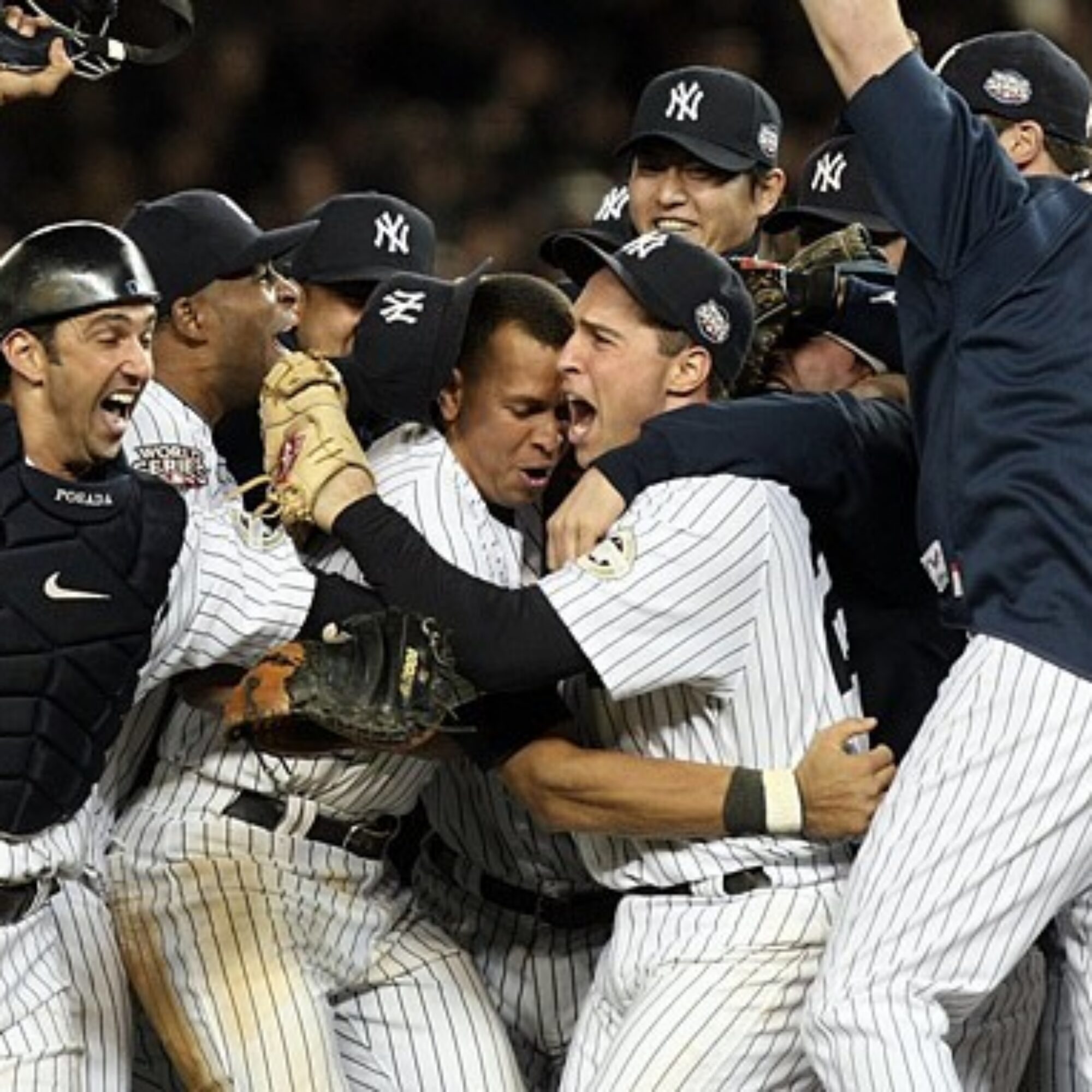
Can anyone imagine a sports or business team suggesting the way to success is to ignore teamwork and only focus on individual action? Here is what winning as a team looks like. You can imagine how it feels. When I hear someone say, "one person's actions don't matter", "only governments and corporations can make a difference," and the like, I want to let them in on how a come-from-behind victory can feel. When everyone on the team delivers for everyone else, not for him- or herself, the each benefits individually. I've been on teams that have won great victories. I've been on teams that fell apart and pointed fingers. I'll take the team victory any day. Everyone contributes, even from the bench, even from the…

0 Comments

506: I lost $10 million on September 11, 2001. Here is what I learned from those who sacrificed and served.

Sorry for the slow pace of this episode, but just before recording I looked at the firehouse across the street from my apartment, the small plaque naming the firemen who died trying to help others, and the flowers people put there for them, which led me to lose it as I started recording. I've never considered the changes to my life meaningful in comparison, despite my losses being greater than anyone I know who didn't die or was related to someone who died for the obvious reason that no material loss compares. Not even close. But twenty years later, it occurs to me that not communicating about the loss and what I learned from it doesn't help either, because when faced with a huge material…

0 Comments

#4 of the Top 15 Leadership Blogs You Should Be Reading in 2021: This One.

peopleHum is an AI-enabled human capital management platform that enhances the employee experience as well as supports all your needs from an HR perspective. HR develops leadership so peopleHum ranked the Top 15 Leadership Blogs You Should Read in 2021. Guess whose blog sits at #4? Of course, you already knew the value of the blog you're reading. I'm honored that they wrote: 4. Joshua Spodek ‍ Experience: Joshua Spodek has spoken for 3 TEDx talks and is the author of both Initiative and Leadership Step by Step. He also hosts a well regarded podcast, This Sustainable Life.  Blog Content: His personal blog is focused on "intentional leadership" helping leaders leverage their influence. The main topics revolve around personal development, leadership, productivity, and publishing. You…

0 Comments

505: Michael Carlino, part 1: From the Southern Baptist Theological Seminary

Michael begins by describing himself as a Protestant evangelical conservative PhD candidate at one of the largest and oldest Baptist seminaries, what that description means, and what experience and choices brought him there. These experiences were meaningful and his choices deliberate and considered. We talk about scripture, family, faith, hope, the environment, modern culture, sin, gluttony, and more. In my experience people who work on the environment disengage or oppose conservative religious views. My experience in engaging with them keeps making me want to learn more about their views. Some I expect and know, others surprise me. Michael also asks about my views and why I choose as I do around sustainability and stewardship. His question are basic ones I think people would like to…

0 Comments

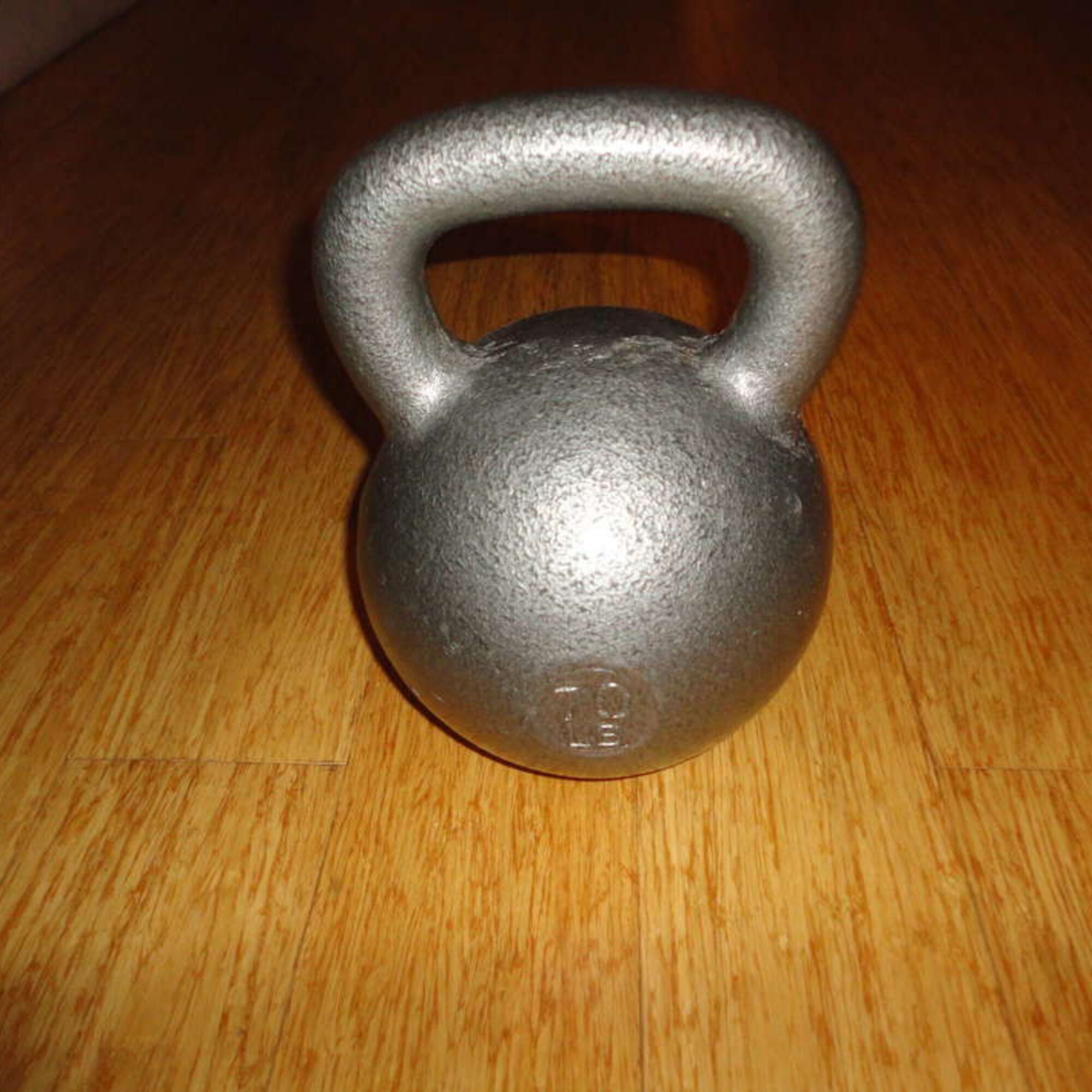
Graduated to a new kettlebell: 70 pounds (31.8kg)

Normally I avoid quick and dirty posts, but I'm tired from carrying home a used 70-pound kettlebell I bought from Queens by subway. That's many blocks of farmer's walks and carrying that thing down stairs into the subway, back up to the surface, and up the stairs to my apartment. Maybe half a mile walking plus six or seven flights of stairs. It's almost midnight and I want to post and go to bed soon. I avoid buying things new, so I checked Craigslist for months. I won't lie that I feel pride at how many kettlebells people are selling up to 28 kilograms (63 pounds) and less and how rarely heavier ones appear. Years ago, I bought a 24 kilogram kettlebell that I walked…

0 Comments

Welcome to the newest member of the This Sustainable Life podcast family, TSL: Biodiversity & Conservation by Michèle Watson

A sixth branch of the This Sustainable Life family tree has started. Michèle Watson started This Sustainable Life: Biodiversity & Conservation. Congratulations and welcome aboard, Michèle! She posted the first two episodes. As usual, the first episode featured me, as first episodes emerge from the podcast host training I provide. The second episode features an impressive Tony Frost. Among more conservation work, he served as a member of the Minister of Environment Affairs Advisory Forum, the South African Biodiversity Institute, the JSE Sustainability Index Advisory Committee, the NBI Sustainable Futures Advisory Board. For 5 years until February 2007 he was Chief Executive of the WWF in South Africa and served on several the WWF International Strategic Global Committees, the Percy Fitzpatrick Advisory Board and others.…

0 Comments

504: Dar-Lon Chang, part 2: Activists on Exxon’s Board (and fighting a real estate developer who lied about sustainability)

Reading front-page headlines about activist investors gaining some control of Exxon's Board of Directors reminded me of past guest Dar-Lon Chang, who worked at Exxon for sixteen years. I asked if he had inside information on it. He told me he did, which he shared. He also shared his personal experience living in a community striving to live sustainably in Colorado. Living more sustainably is why he left Exxon. Now a real estate developer is undoing their work after apparently lying about his intent to honor the community's interests. You'll feel outrage, though also, I hope, motivation, that he and his neighbors aren't just accepting gas lines being fed to houses in this community. They're fighting back.

0 Comments

Why does almost no one pick up litter?

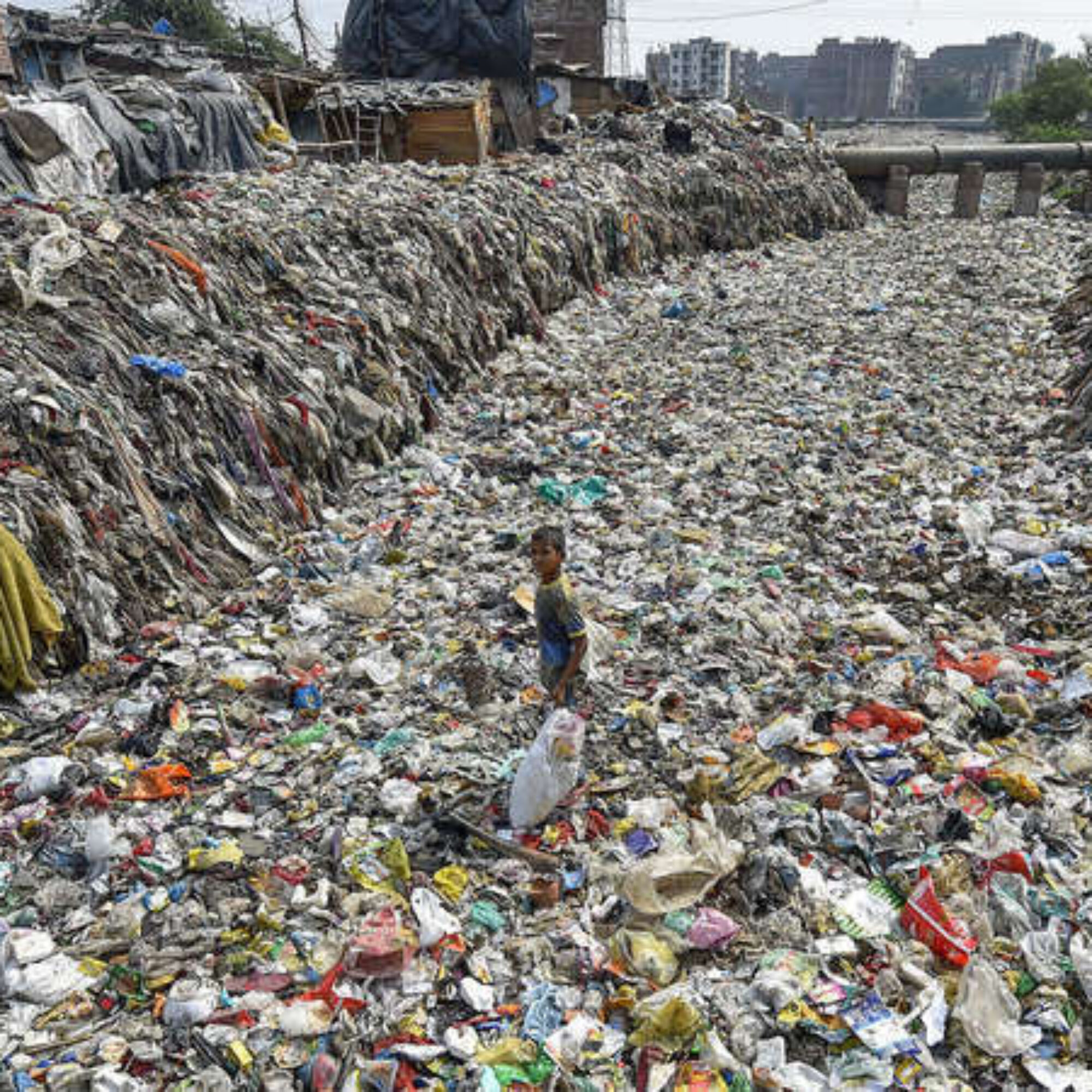
I can't understand why I never see anyone picking up litter except people joining me. Do I sound like I focus too much on this issue? Look at this picture: Almost within living memory, plastic didn't exist. That scene may be in the third world, but we in the overdeveloped world are catching up. The issue isn't waste management, as the producers say, lying through their teeth. It's overproduction. As bad as that scene looks, we're increasing plastic production. That place used to be verdant and fertile, which is why people settled there. If you think that outcome can't happening where you are, you're lying to yourself as much as the producers. Can you not see your community is part of the way there? I…

2 Comments

Why you shouldn’t live sustainably (not really): Coming clean about my shameful sponge

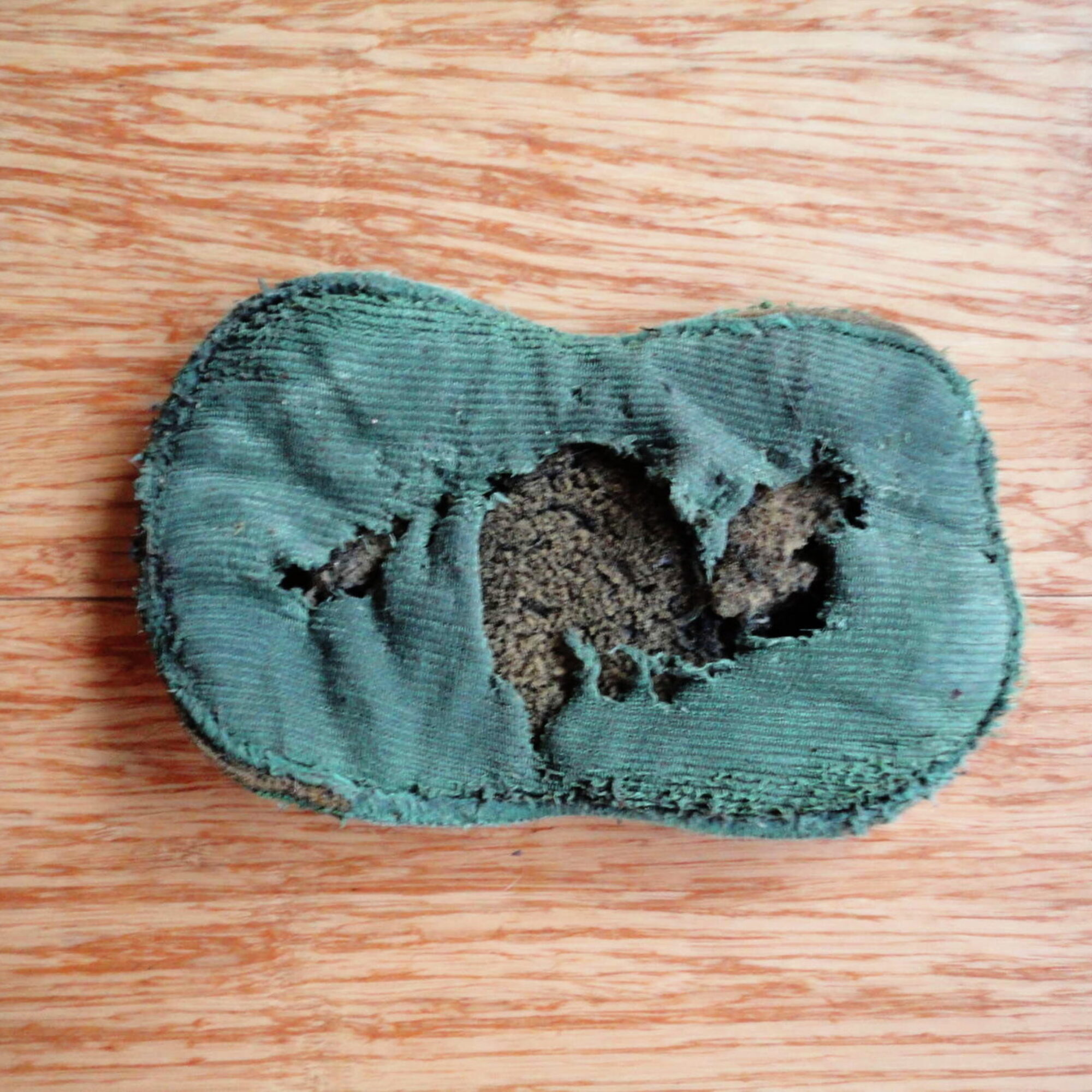
Every time I look at my floor sponge I think, "it's beyond the end of its life. Time to get rid of it." Below are pictures of the front and back. It's in tatters. But look at the third picture. It still cleans the floor. Why get rid of something that works? I've cleaned my floor every fifth day without fail for about five years, maybe more. I do it before my weight lifting routine to warm me up and start the process. It's more than a routine, almost a ritual. I used to mop, but my apartment isn't even five hundred square feet (less than fifty square meters). It's easier and more effective to get down on my hands and knees and sponge it…

0 Comments

Want to live more sustainably: The measure that matters

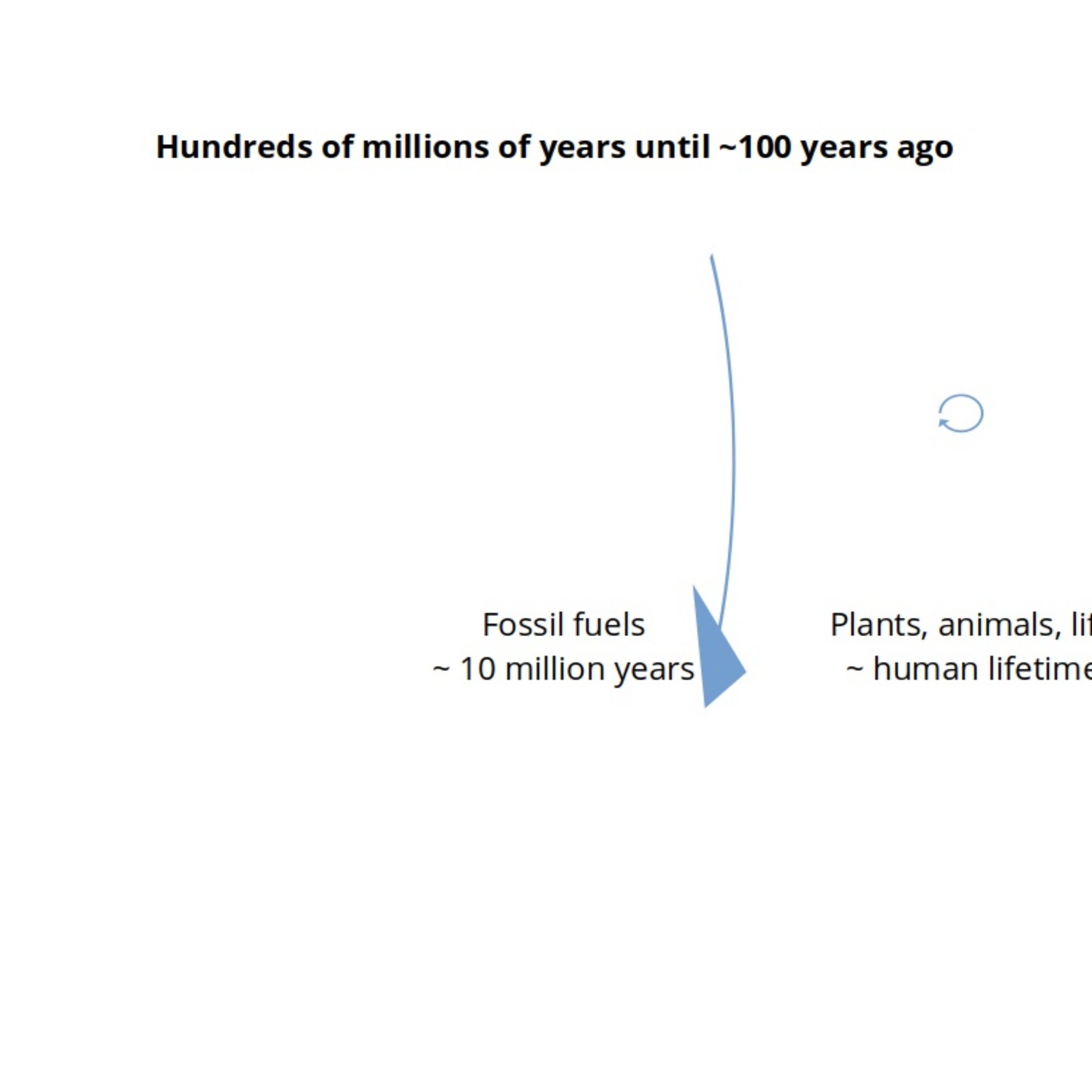
If you're considering changing practices to live more sustainably, how can you tell among different practices suggested by different groups, often self-serving, which are more effective or even effective at all? Does recycling work for paper, metal, glass or plastic? Does changing your diet help? How about carbon offsets for flying? One measure matters more than almost any other, I contend: How much fossil fuel does the change keep underground? For example, if you buy carbon offsets for a flight, you may fund some project, but you still paid for oil to be pumped out of the ground for the jet fuel. Few projects offsets pay for keep oil in the ground. If you find yourself contorting to explain how planting trees or whatever activity…

0 Comments

503: Jonathan Hardesty, part 5: Facing and overcoming gluttony

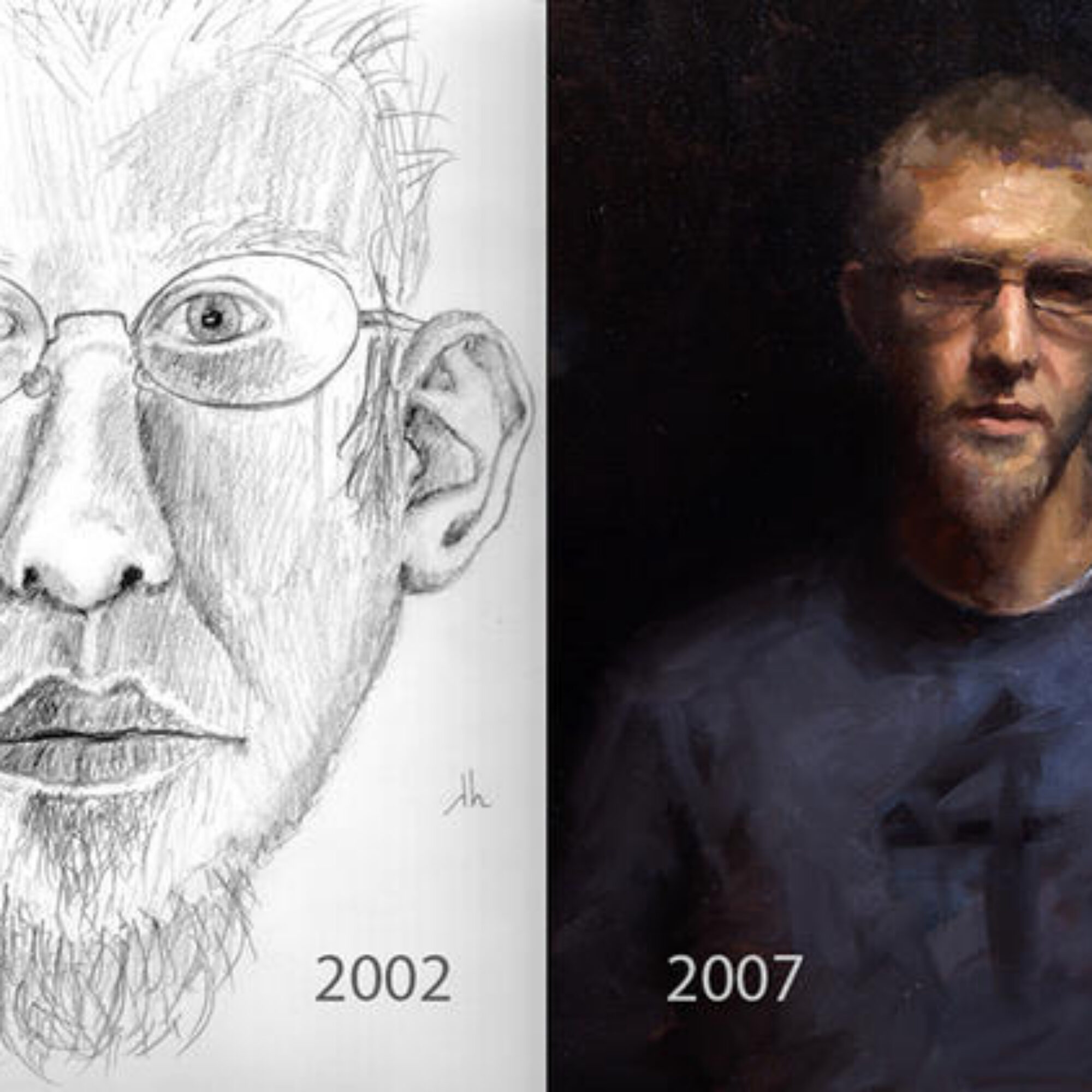
I hope you hear Jonathan and I sharing a great rapport---on art, stewardship, Christianity, and enjoying life. If you've reached this conversation, you know what we're covering in this episode: his results doing the Spodek Method, partly doing it, partly learning how to do it. He's an artist and family man. He started picking up trash, which naturally became a family activity and point of personal growth. He then did more. Why? Because he enjoys acting on his values. We all do. I also describe the Spodek Method for you, the listener, so you can do it too, and bring joy or other rewarding, intrinsic motivations to people in your life.

0 Comments

Notes from biking from New York City to Philadelphia over the weekend

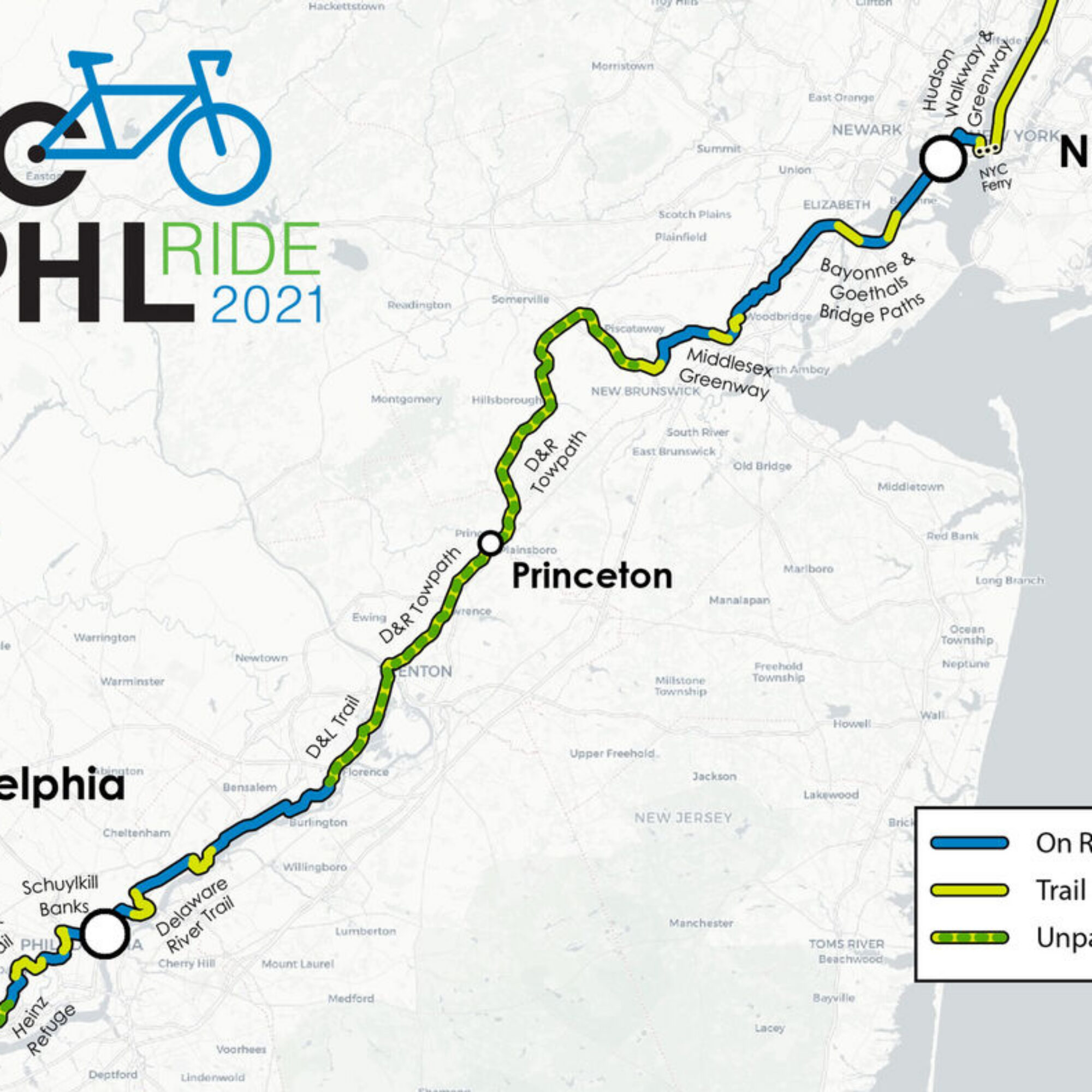
Saturday and Sunday I rode over 100 miles from New York to Philadelphia, sleeping overnight in Princeton as a fundraiser for an organization creating a bike route from Maine to Florida called the East Coast Greenway. Technically we started in Jersey City, just across the Hudson River. I took the subway instead of swimming. Saturday we rode about 65 to 70 miles, Sunday 40. I rode an extra 10 or 15 to my dad's house in Philadelphia, where I stayed overnight before taking the train home. Actually, I rode from his house to the Philadelphia train station and from the New York train station to my home. Reflections I liked Several hours of the ride went along an unused canal that was stunningly beautiful. At…

2 Comments

My 1-minute video on a counterintuitive concept in science and technology

I saw a science/technology video, Risking My Life To Settle A Physics Debate, by Derek Muller, that prompted a science communication contest for people to make videos: We are looking for videos that clearly and creatively explain complex or counterintuitive concepts in the fields of Science, Technology, Engineering, and Mathematics. There are cash prizes for this competition—with first place receiving $5,000, second place receiving $3,000, and third place receiving $2,000. I've been annoyed that most of the world looks to science and technology to solve our environmental problems so decided to make a video for the contest on the topic. It seems counterintuitive to many. Here's their video followed by mine, at 60 seconds.. Their video https://youtu.be/jyQwgBAaBag My video My video suggests that STEM fields aren't…

0 Comments

502: Cassiano Laureano, part 1: The world record for most burpees in an hour

When I read about Cassiano setting the world record for most burpees in an hour--951---I knew I had to meet him. Though I've maxed out at a mere 370 in a day, I did most of them in under three hours. Still dramatically slower than Cassiano, but I've kept my streak unbroken for about ten years. I had to learn his motivation, his obstacles, how he overcame the obstacles, his training, how the event felt, and all of what goes into setting that record. He wasn't doing it for the money and even the motivation to raise funds for his niece's health wouldn't necessarily keep him motivated. He shares his motivation, perspective, beliefs, and how he handled injury. Anyone can challenge themselves as much to…

0 Comments

We know less about nature and science than ever

When I talk about living sustainably, one of people's main objections is that we need to keep developing and pushing the envelope on research on nature and science. Without pushing science and technology: How will we cure disease? Won't children and mothers die in childbirth? What about getting off this planet if an asteroid comes? Don't you value computers, airplanes, and other discoveries that came from science? What about learning about the universe? What about all the progress from moving away from superstition and myth? Do you want to return to the Stone Age? I have a PhD in physics and work on nature so I know a bit of what humans know about nature, but as it turns out the forefront of science is…

0 Comments

501: Big City Andrew, part 2: Cleaning small towns and big cities

Sorry the audio doesn't show the big Trump flag behind Andrew, because in this episode, I hear a regular guy who sees America's small towns and big cities becoming polluted and acts. Not that Trump supporters aren't regular people, but that I see the mainstream environmental view of Trump supporters as the enemy, people who don't get it, or won't. I think it takes two to tango in cases like this. If you paint people as enemies who can't get it, I don't see how you can expect them to listen to you. If you only speak in terms of your values, I don't think people with different values will feel understood or want to listen to you. Meanwhile, I find that all people have…

0 Comments

500: This Podcast’s Next Milestone

For the 500th episode, I share the outcome I expect to make happen from all this podcast experience as part of my mission to change culture to embrace, not refrain from or fear, sustainability and stewardship. I describe how I will lead people at leverage points of systems to share their intrinsic motivation, act on it, and lead their organizations to huge changes for their intrinsic motivations. When our culture changes, we will act because we want to, not because we have to. Then we will be off to the races to change. Episode 000

0 Comments

Even when governments pay them to have more kids, families want fewer

I came across this revealing graph in a peer-reviewed paper and had to share it. It shows that over fifty years, societies that intentionally instituted family planning (as I understand, not China's One Child policy) saw birth rates lower. But note that every society's birth rate dropped. Governments that tried to increase birth rates saw decreases nearly identical to those that did nothing. They spent money for nothing except working against their citizens' interests. I guess you could argue that they would have dropped faster otherwise. People want smaller families. Or course exceptions exist, but for nearly all of human existence, we didn't grow our population. If you think larger-than-replacement birth rates are normal, the past couple centuries are an anomaly. Here's the graph, followed…

0 Comments

How much litter should you pick up?

There's litter everywhere. I pass maybe thousands of pieces daily. You may live in a place with a lower population density, but probably as much litter per person. I pick up a dozen or so pieces each day, leaving most of it. That means I pass most without picking it up. I'm not doing it for my health or to solve the problem. I do it because it feels right. Maybe it would feel right to you. I don't know. I feel good about picking up what litter I do and bad about what litter I pass without picking it up. Sometimes I mentally justify why I don't pick up some pieces. I generally think, "I don't have to pick up any." What's the right…

0 Comments

499: What sets limits on pollution, part 2: some answers

The notes I read from for this episode: I asked many questions on the last episode. The core ones were "why aren't we switching to renewables and not polluting faster?" I know we can't switch overnight, but what sets the pace? Do we know if the limits will go away, like we just need to build more factories, or maybe they won't, like what led us to retract from supersonic flight? It worked in some ways, but not enough. A mix of social, business, engineering, and physics issues pulled us back. How much farther can advances go? Can we expect as great advances as the 747 compared to the Wright brothers' first plane? How much of the solar power hitting the Earth can we effectively…

0 Comments

498: What sets the limits on pollution? Why don’t we pollute less or decrease faster?

My notes I read from: Why do we still pollute, part 1: the questions Does the following sound familiar? We use a lot of energy, but we'll electrify everything and power them with wind and solar.Yes, we need to build a lot, but prices are cheaper than ever for renewable power and batteries. They fell faster than anyone expected and will keep falling. More solar energy hits the Earth daily than we need in a year.There are some problems, like that the sun doesn't always shine, the wind doesn't always blow, and we haven't electrified some things, like heavy loaded trucks, airplanes, and container ships, but they're just engineering issues that we'll resolve.Nobody at the time of the Wright brothers could have predicted the 747.…

0 Comments

How will a sustainable world look?

Some parts of a world I predict we'll see as we grow more sustainable: We'll live closer to our close families. We'll feel less craving. Marketers won't try to sell us stuff all the time. Billboards will disappear. We'll play sports in person more than watching them on TV, without athletes flying all over. We'll write, paint, and participate in civic activities more. We'll eat to full every meal from going back to eating how our ancestors did, much more vegetables. They're delicious and low in calories. so we get to enjoy eating more. We'll know our farmers from buying from people closer to us. We'll bike a lot more. Now Americas say biking is hard and depends on the weather, but whatever weather we…

0 Comments

497: Don’t let judgment and criticism kill action: Gernot Wagner’s personal example.

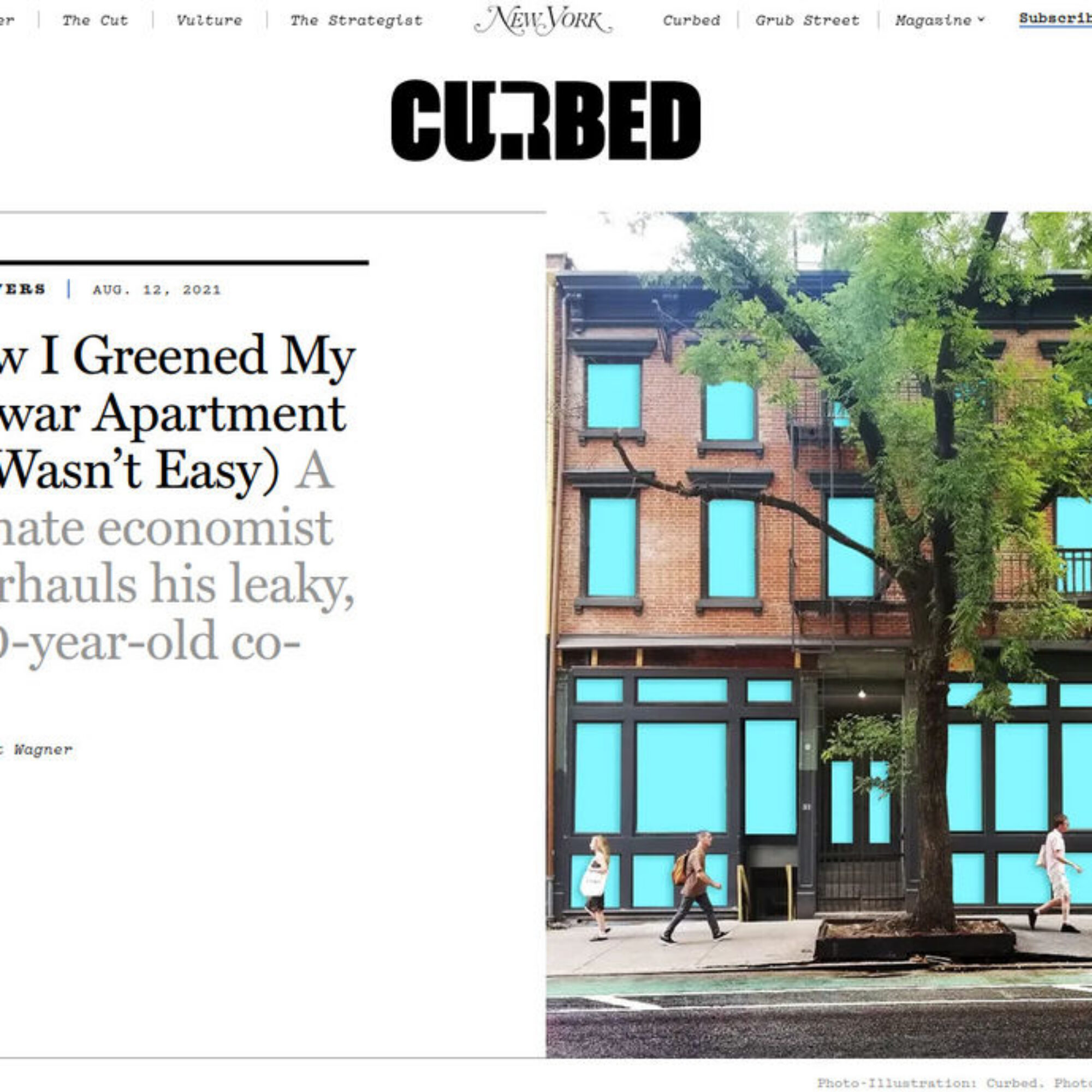
Gernot Wagner posted a story in New York Magazine about personally acting in a big way on his living situation. People criticized his sharing something vulnerable. Sadly, people acting in stewardship, in everyone's interest, still today have to suffer criticism. I describe in this episode his article, the criticism he faced (as did I), and the systemic effect of this criticism. Quoting from my book, I'll show how strongly blind criticism exacerbates inaction and accelerates polluting. Beyond annoying, it augments the problems. Gernot's article: How I Greened My Prewar Apartment (It Wasn't Easy): A climate economist overhauls his leaky, 200-year-old co-op.His home pageThe video of Dennis Meadows' hula hoop demonstration

0 Comments

They’re creating a bike route from Maine to Florida. Sponsor me in a fundraising ride!

Imagine a Green I-95 Imagine you could ride a bike the length of the United States east coast. Would it fix all the worlds problems? Not by itself, but it would open possibilities to travel enjoying nature instead of polluting it. How many people might ride and camp instead of drive? What signal might it send to increase biking in the U.S.? I am riding in the East Coast Greenway Alliance's inaugural New York City-to-Philadelphia Greenway Ride, a 2-day, 130-mile fundraising ride Saturday and Sunday, August 28-29, 2021---next weekend. My ride supports creating a green bike route between New York City and Philadelphia. Roughly 1,000 miles of the Maine to Florida route is on protected greenways, and the East Coast Greenway Alliance is working to…

0 Comments

End of content

No more pages to load