496: Reverend Doctor Ambrose Carroll, Sr., part 1: Greening the Church

I met Ambrose through recent guest Scott Hardin-Nieri. Regular listeners likely noticed how I've been hosting more guests leading religious communities. I'm drawn by a few things. One of the main reasons is that I find many who want to speak and act more on sustainability. Another is that I find that when they act, they do so out of motivations and emotions that feel closer to mine than mainstream environmentalists. I admit my perception may be biased, but from religious actors, I feel joy, glory, duty, and passion. From environmentalists, I feel less rewarding emotions. I find Thomas Clarkson and William Wilberforce more inspiring than hugging trees. Ambrose is taking on leading the intersection of two demographic groups many wrote off or consider uninterested,…

0 Comments

Inspired to my first run in almost a year: 9 miles. Still plogging.

I finished six marathons and my exercise habit began by joining the cross country team in high school in 1986. Ultimate had a lot of running in it. Practice led me to love running. I didn't at first, when I struggled. I've had my share of running injuries. Last year I started running barefoot, inspired by podcast guest Nir Eyal. Over the winter I tend to row inside on the rowing machine more since it's cold outside. This spring I didn't start running how I normally do. Why not? I got a plantar's wart---that is, a wart on the sole of my foot. For some reason, I felt ashamed to mention it, which was counterproductive because when I told another runner, he told me he's…

0 Comments

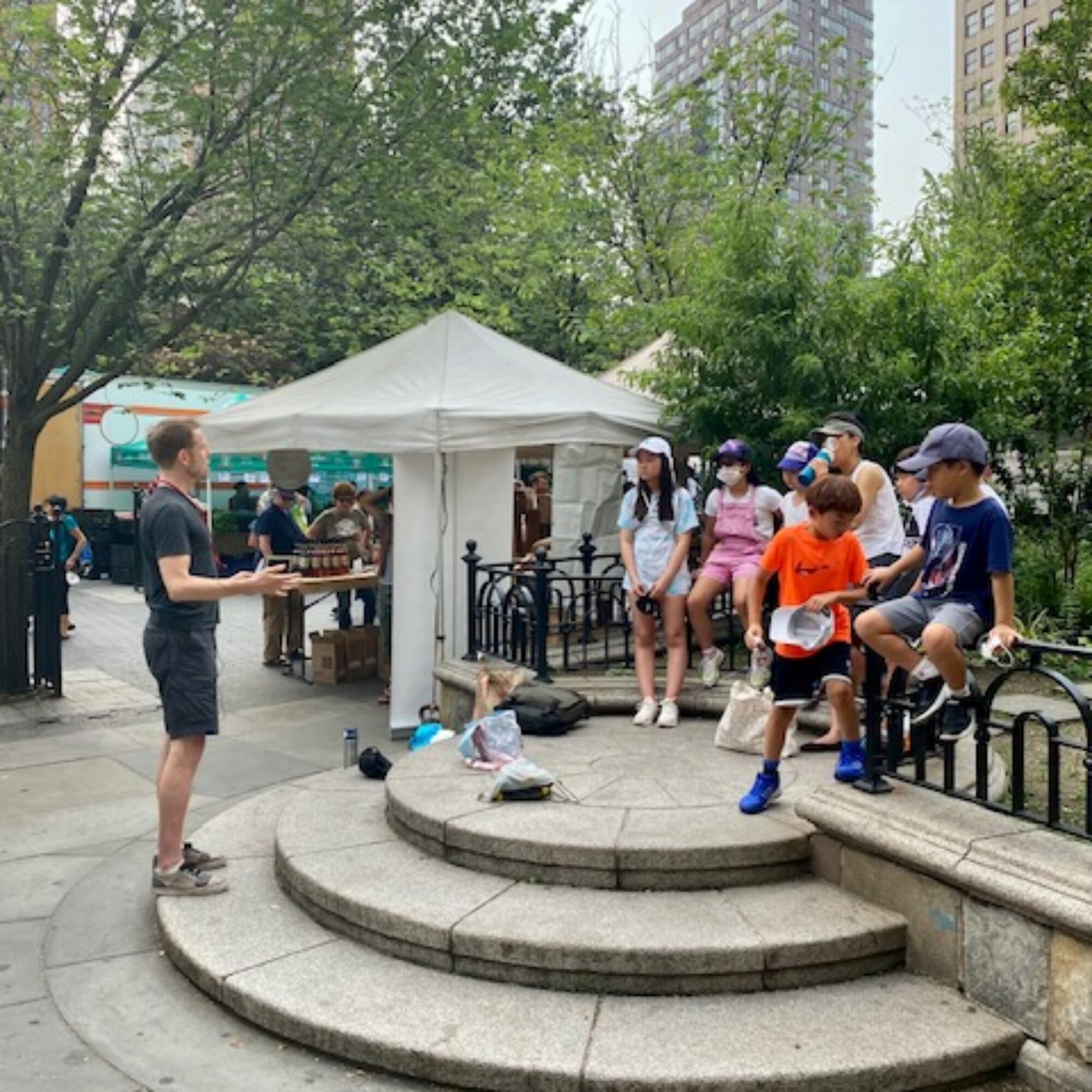
Leading a children’s workshop on picking up litter in Union Square

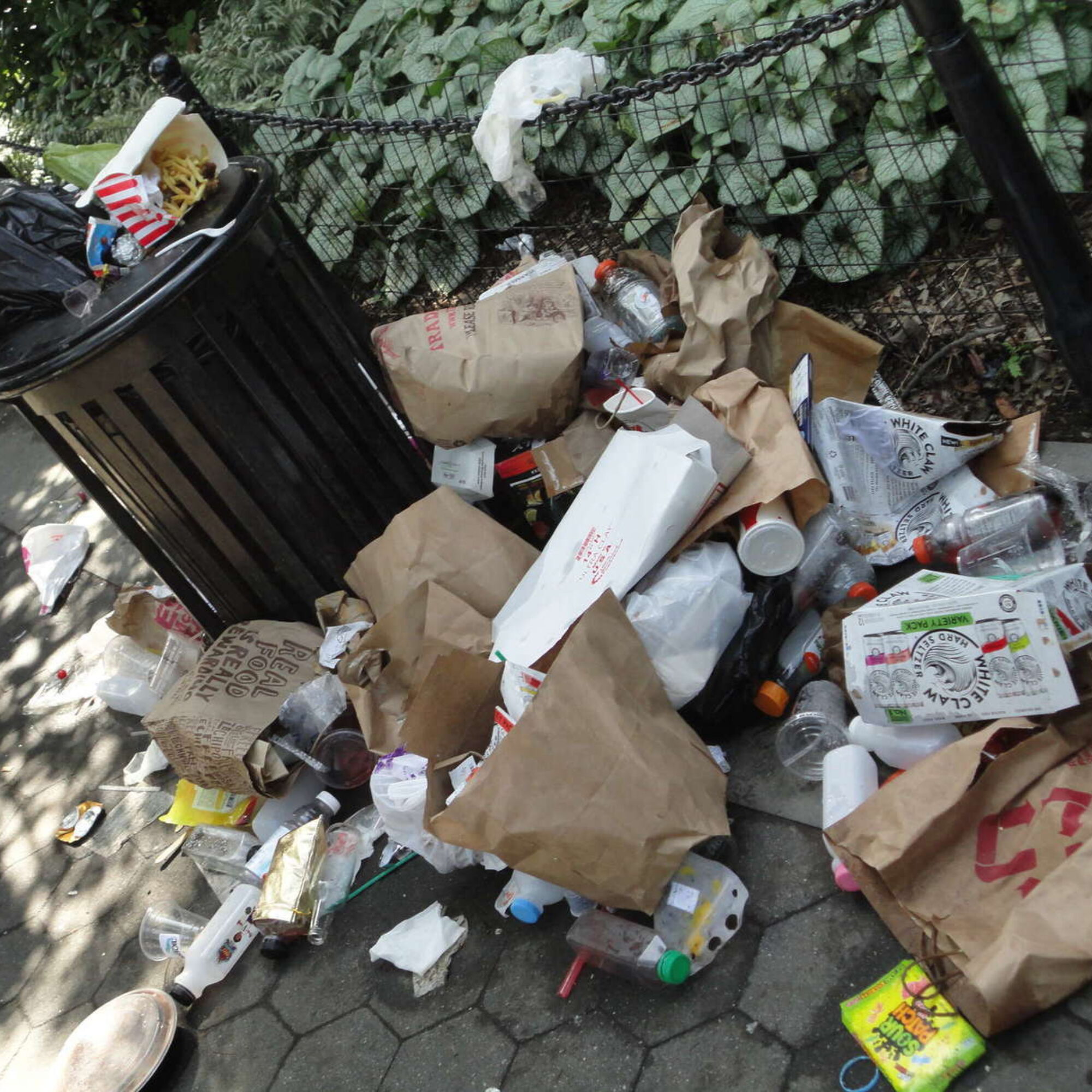
I pick up litter every day. My old yoga teacher, Eunnye, invited me to introduce her children's group to the practice. Her group is Critical Learning Club: Essential Education for Sustainable Living. We met by the Gandhi statue in Union Square, NYC, to pick up litter together. We had fun picking up litter together, though sad at how much litter we found. Here's the a video of it: https://youtu.be/am418Hs92iU We hope watching us will lead you to pick up litter daily too. We hope it leads you to buy less packaging so retailers tell manufacturers to stop making it, and everyone tells the extractors to leave the oil in the ground. The more you pick up the more you want to pick up more. I'm…

0 Comments

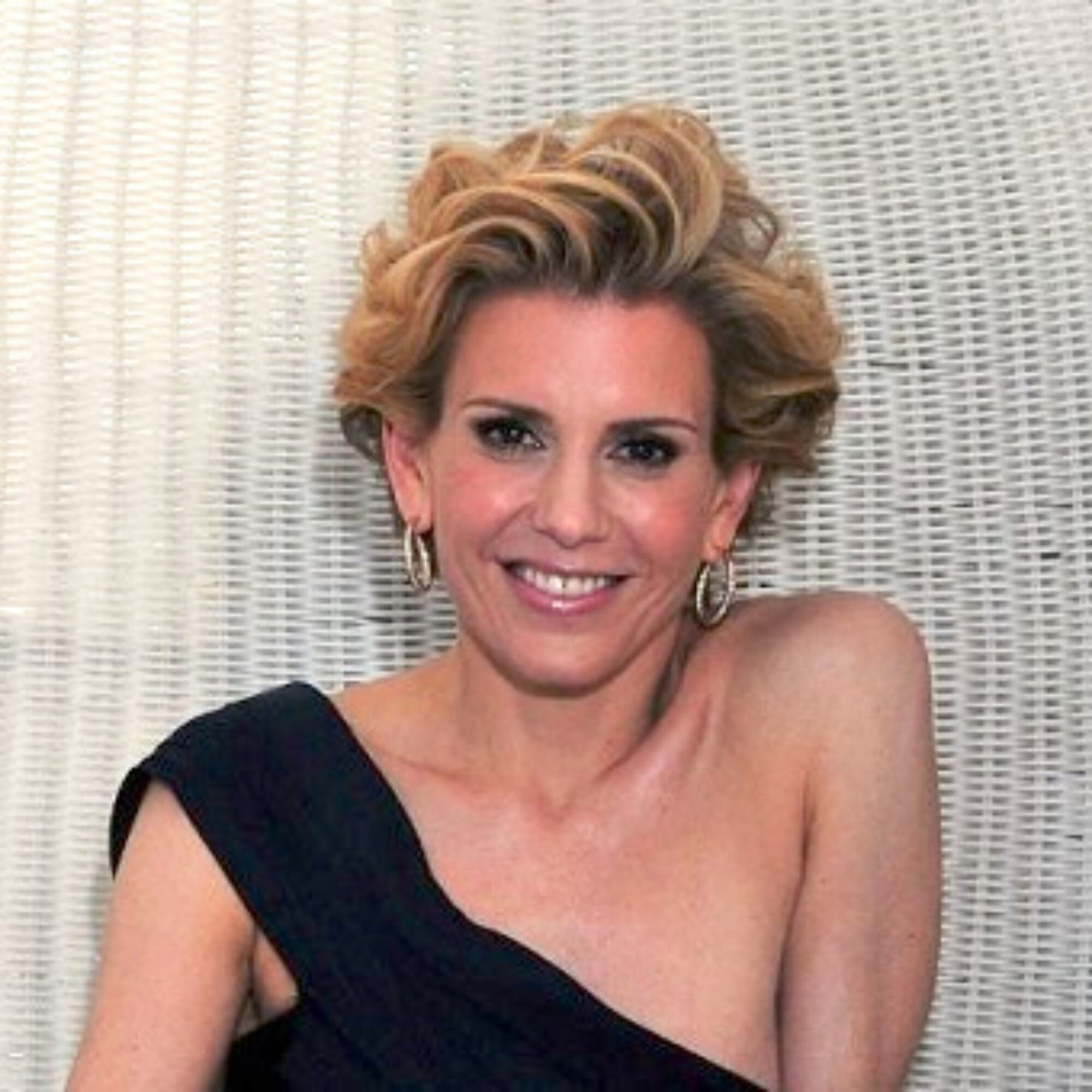
495: Alexis Stewart, part 1: Martha’s daughter’s passion for picking up litter

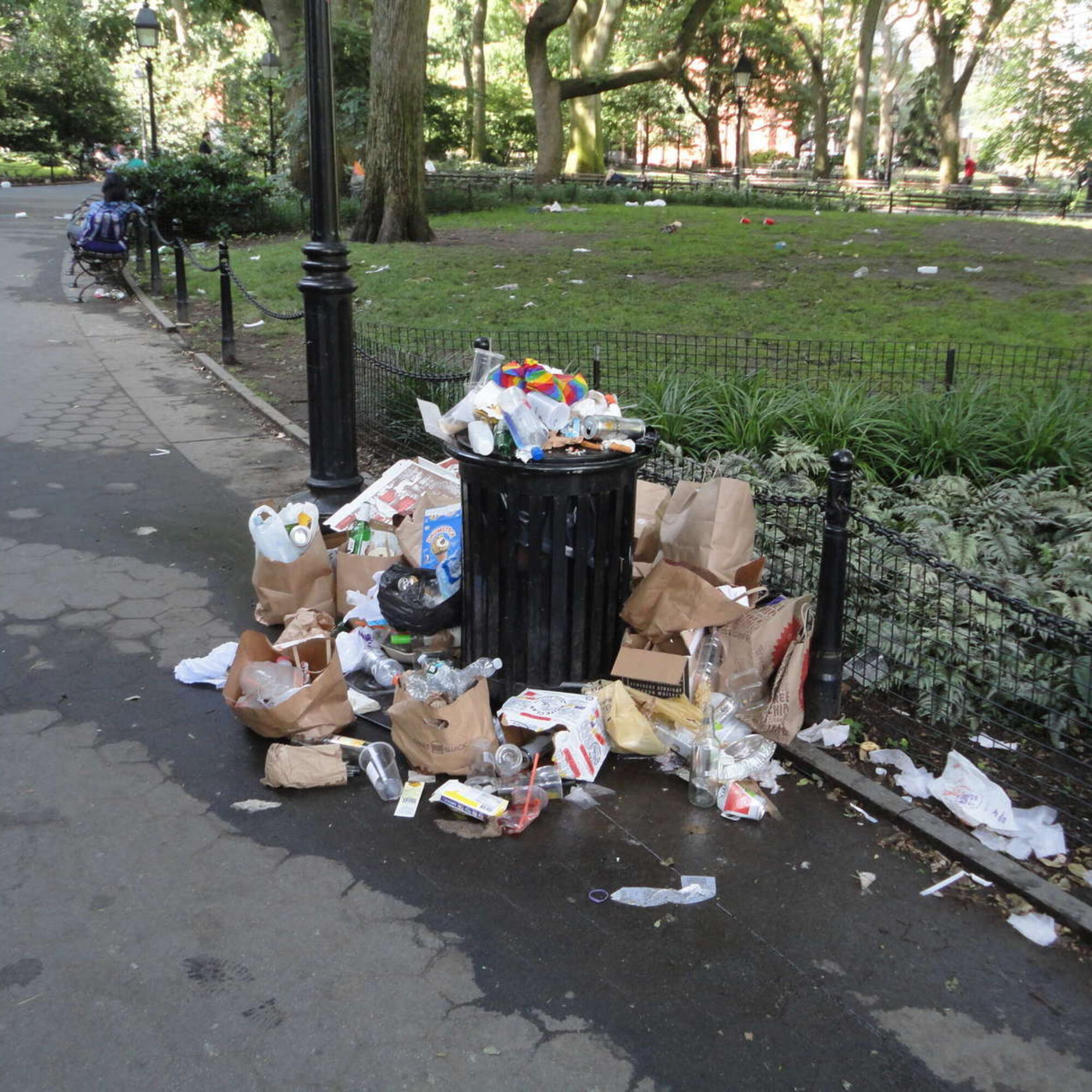
For my first time in years of picking up litter, I saw a woman picking some up methodically, like she does it regularly. I told her I did too and we had a great conversation. Someone who does something enough knows the ins and outs. We talk differently than people who don't do it. We had a wonderful conversation that day, shortly after parade-goers wrecked Washington Square Park. We lamented the state of human culture that we pollute so much. We also appreciated each other's passion for picking up litter methodically, consistently, and finding reward in it. She turned out to be Martha Stewart's daughter, which seems like American royalty, but we just riffed on our common passion. Whether her humor, our common passion, or…

0 Comments

494: How Is Addiction to Fossil Fuels Different From Addiction to Heroin and Crack?

Here are the notes I introduced this episode with: You'll hear me talking about my local park, one of the most drug-ridden in New York CityBecause it's my back yard and I refuse to retreat from the degradation, you'll hear my passion. This was all extemporaneous, so you can tell the time I spend in my neighborhood, talking to neighbors and politicians to help.But please translate in your mind the addicts giving up and trashing common land to all of us as addicts to a/c, flying, twenty-minute showers, SUVs, meat, big families, and so on. At 80 percent overweight and obese, we're addicted to refined sugar and fat.I mention in the recording how the crack and heroin's pollution is small compared to rich people's, but…

0 Comments

The point of individual action when you want to change systems

Part of why I act and try to lead is to develop more effective ways to communicate and motivate. People have developed tremendous skills to dance around sustainability issues. They'll ask for ideas of what they can do. Then they'll respond, "but systems have to change." Then when you talk systemic change, they ask, "But what do I do?". In practice, they dance around five or ten issues where their answers bounce around, dodging answers more than leading to action. "But individual actions don't make a difference . . ." One of the most common topics people dodge personal responsibility with is to say individual actions don't make a difference. I'm sure they have many motivations to say it, but I think mainly because they…

0 Comments

Space: The Final Frontier, hear me on America Out Loud on space, space travel, and astrophysics

With the recent civilian billionaires heading to space, Rob and Andrew invited me as a guest on their show After Dark on America Out Loud to speak about space, humans going there, and my helping build satellites with NASA and ESA (the European Space Agency). I haven't gotten to nerd out on my rocket-based work in years, even decades. I don't remember the hard equations since I'm out of practice, but I'll never lose the passion for discovering about nature and understanding mind-bending perspectives the frontiers of physics creates. Here's the episode: In it I shared one of my favorite passages from my upcoming book. I had a little trouble speaking about my misgivings of space tourism, but we got to talk about a lot.…

0 Comments

Another million dollar business idea: Goodwill Food

I haven't posted a great business idea in a while, but I got one. Context: you probably heard how supermarket chains in the U.S. discard produce that doesn't fall within their constraints of size, color, not being bruised, and so on. After shopping at farmers markets enough, grocery store produce looks plastic and fake. It lacks flavor. You've probably also heard of companies that buy the rejected produce and use it where appearance doesn't matter, like in smoothies, or ship it to people at a discount. I hope they've changed their operations, but last I checked they delivered the produce in too much packaging. Many people like to choose their produce and buy it while buying other food. My idea: Create a food equivalent of…

0 Comments

Young people don’t want kids out of fear. What does it take to wake up and fix our culture?

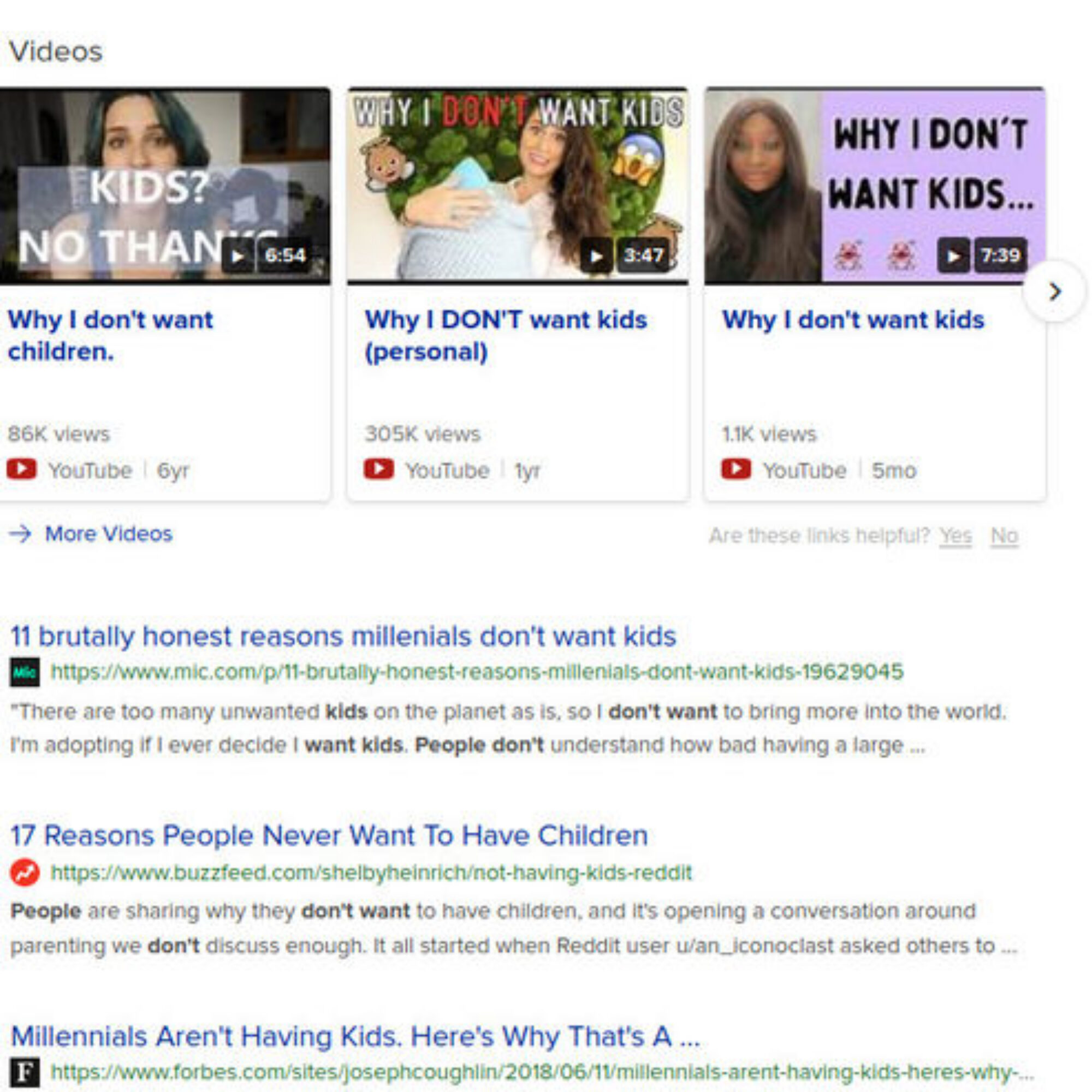
Look at these results from searching "young people don't want kids": 9 Brutally real reasons why millennials refuse to have kids11 brutally honest reasons millenials don't want kids17 Reasons People Never Want To Have ChildrenMillennials Aren't Having Kids. Here's Why That's A ...10 Reasons Why People Want Kids (and 10 Reasons They Don't ...Americans Are Having Fewer Babies. They Told Us Why. - The ... The list goes on. The articles list many reasons, but overpopulation, the environment, and degrading hopes for a better life rank highly. It wasn't always this way. I doubt it was ever this way except in war, and maybe even not then, or at least it changed when the war ended. The environment won't improve for thousands of years. How…

0 Comments

How to transform my famous no-packaging vegan stew into restaurant food

Do you love restaurant food? I figured out how to make restaurant-quality food based on mine. It's easy and works every time. Start by making my famous no-packaging vegan stew, which I describe in How to make my famous no-packaging vegetable stew and showed on video in Vegan Seitan Stew, 4 minutes prep time (video). Then follow these four easy steps. How to make my stew restaurant quality in four easy steps Step1: Add a stick of butter. Step 2: Make four times as much rice as stew. Step 3: Add salt. Step 4: Add a $7 bottle of wine and charge $50 for it. There, that's it. Add the butter and salt to the stew. Put a small amount of stew over a bed…

0 Comments

493: Sarah Wilson: Living Joyfully Sustainably (more fun than excuses)

Strolling, not scrolling! Sarah acts sustainably and loves it. She shares that love. I loved this conversation, a relief from everyone making stewardship a burden and chore. She knows the science but leads with emotion based on experience. The conversation was half love-fest of common experience, half sharing our frustration at people not acting for reasons we don't get anymore since they don't realize how fun living in harmony with nature and people is. We shared about being called extreme, which feels crazy to two people who are just having fun. Who ever heard of someone enjoying life, nature, and people too much? We lamented feeling misunderstood of not having fun. We shared our confusion about people not acting since for us it's fun. We…

0 Comments

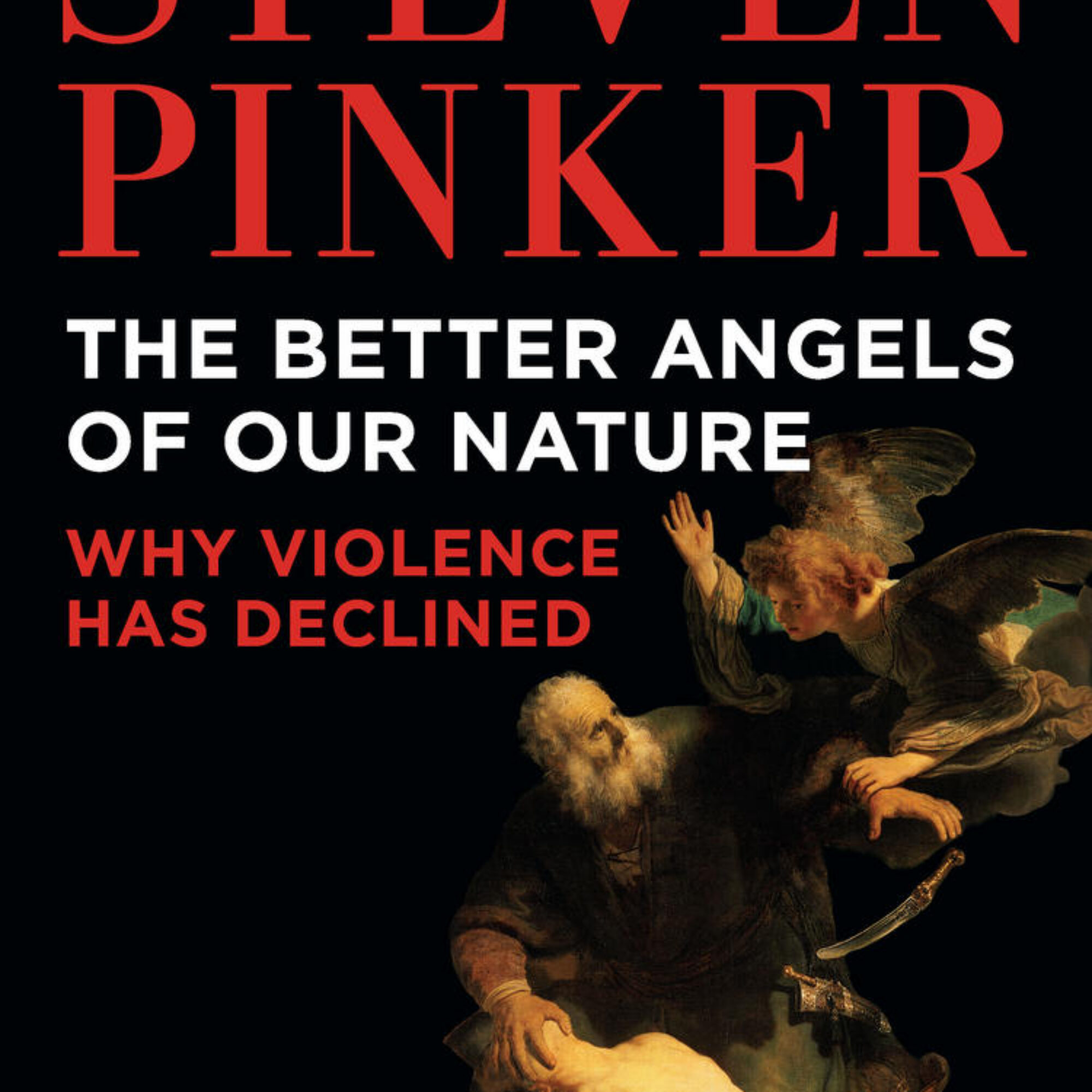
492: Did Steven Pinker’s Better Angels of our Nature miss why we’re less violent?

Here are the notes I read from: Comments on Better Angels of Our Nature I finally finished Steven Pinker's Better Angels of Our Nature. I started it more than skeptical of its main thesis. The book is 800 pages long, so I'm sure I'll oversimplify and not do it justice, but I recommend it so you can get his full message. He says that we are living in the least violent time in history and it was due to enlightenment values of classical liberalism. I was sure he'd missed some important issue or discounted the risk of nuclear war or pandemic. I'd find some flaw in his analysis. On the contrary, the more I read, or listened to to be precise, the more compelling I…

0 Comments

The distraction of reporting more wind and solar

Headlines keep reporting how much more wind and solar power we're producing, how much batteries are improving, and how fast their costs are dropping. Providing new sources of energy is important, but history has shown that when we find new sources of energy, we use them and keep using the old ones. As great as the problem that fossil fuels will run out, burning them poisons our planet, lowering its ability to sustain life. So does turning them into plastics, artificial fertilizers, poisonous chemicals, and more. If we don't stop using them, they will kill us. Did that sound too blunt? Nearly ten million people die each year from breathing air. Fossil fuels kill us in other ways too, on top of global warming. In…

0 Comments

When pollution happens

If I talk about not flying, someone is bound to tell me how their spouse lives overseas so they have to fly to visit family or their mother lives on the other coast so they have to fly to see her on holidays and if she's sick. People walking with disposable containers claim the store cashier gave them the bags and packaging. What could they do? We claim we're helpless victims of others imposition. "I don't want packaged food or to pollute with flying, but what else could I do?" These are questions of accounting. To whom and to what time do we assign responsibility for the pollution? Simply accepting people's abdication of their responsibility would be like a business believing each department claiming it…

0 Comments

Bullshit Cargo

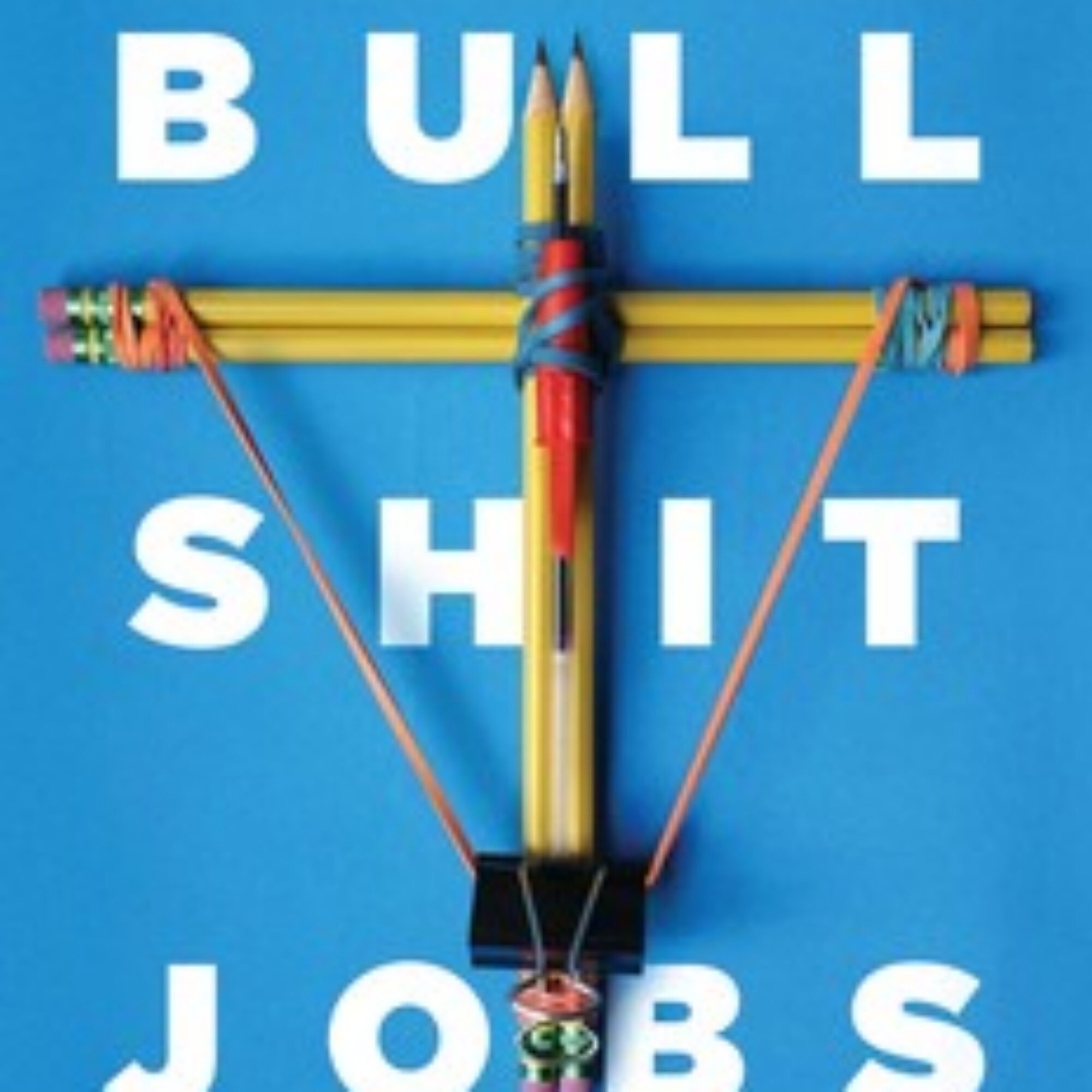
If you haven't heard of the book Bullshit Jobs, here's Wikipedia's description: Bullshit Jobs: A Theory is a 2018 book by anthropologist David Graeber that postulates the existence of meaningless jobs and analyzes their societal harm. He contends that over half of societal work is pointless, and becomes psychologically destructive when paired with a work ethic that associates work with self-worth. Graeber describes five types of meaningless jobs, in which workers pretend their role is not as pointless or harmful as they know it to be: flunkies, goons, duct tapers, box tickers, and taskmasters. He argues that the association of labor with virtuous suffering is recent in human history. You probably know a lot of people with bullshit jobs. A while ago I saw a…

0 Comments

Food poisoning and burpees nearly as hard as after a marathon

Meeting myself as I did yesterday and today happens once every couple of years. It turns out the wild blueberries I thought I was picking were black nightshade. Black nightshade apparently comes in edible and toxic varieties and I seem to have eaten the toxic kind. First things first. If you see these adorable looking berries, I recommend thinking twice. It was hard for me to type the word adorable to describe them because of what they did to my gastrointestinal tract over the past twenty-four hours. That's even considering that this picture came from a page showing the edible kind, which I can't distinguish from the toxic kind. I'm sure we've all had the experience of our GI tract not working, not processing food…

0 Comments

491: Nevcan Gungor, part 1: Surviving Myanmar’s military coup

Myanmar's military coup beginning February 1, 2021 made front-page news around the globe and remains there six months later. In Yangon, As Chief Investment Officer of one of the nation's largest conglomerates, Nevcan witnessed firsthand and lived through the events. She shares what happened, how citizens and foreigners responded, the issues from an insider view, and the scant hope of near-term resolution. Hearing how hours before the coup began, nobody outside the military knew it would happen, combined with the resulting deadlock and violence, one can't help but wonder how close any society is to slipping into chaos without a way out. I've known Nevcan since meeting her in business school a decade ago, so we speak openly. We also talk about her starting her…

0 Comments

More recursion after last week’s recursive map post

Last week I posted The most amazing "You Are Here" map you've ever seen, which featured a map that referred to itself. In the closing paragraph I referred to a book---Godel, Escher, Bach---on recursion. I'd read and reread the book in the 1980s and it stuck with me. Not sure if anything would come of it, I wrote the author, Douglas Hofstadter, with a link. Beyond writing back that he appreciated the reference to self-reference, he noted the pattern in sending him a reference to him. Beyond that note, he included a diagram of the email noting the location of a red star in the email where the red star was. I hope he doesn't mind my quoting his email to me, in which I…

0 Comments

I helped get bikes allowed on New York City subways

Once in college my bike got a flat tire, so I took the subway home. It was probably before my year off, so likely 1989-90, but I forget. Back then I rode everywhere. I'd ride from campus to practice up at Baker Field at the north tip of Manhattan. I'd ride it to Prospect Park to play pick up. In both cases, each ride was a decent workout, but I'd play a whole practice, then ride home. Ah, lost youth. This time with the flat, I didn't make it home, though. A cop told me bikes weren't allowed and forced me off. I don't remember how I got home. One of the bikes I used to ride around New York, that I bought it in…

0 Comments
On sustainability, technology is not the solution. It’s more part of the problem.
Japanese train

On sustainability, technology is not the solution. It’s more part of the problem.

How many times have you heard people suggest the answer to our environmental problems is more technology? Have you heard of carcinogens or other toxic chemicals coming from places other than our technology? I guess some things like animal venom or naturally occurring heavy metals, but there aren't too many of them. Volcanoes may emit carbon dioxide, but not enough to raise Earth's temperature by a degree per decade. For context, remember I conceived of and wrote multiple patents, founded businesses based on them valued in the tens of millions of dollars, helped build an x-ray observational satellite still orbiting the Earth taking date, and earned a PhD in physics. I think you can only achieve this things by loving technology, understanding it, and understanding…

0 Comments

There’s no such thing as a superfood

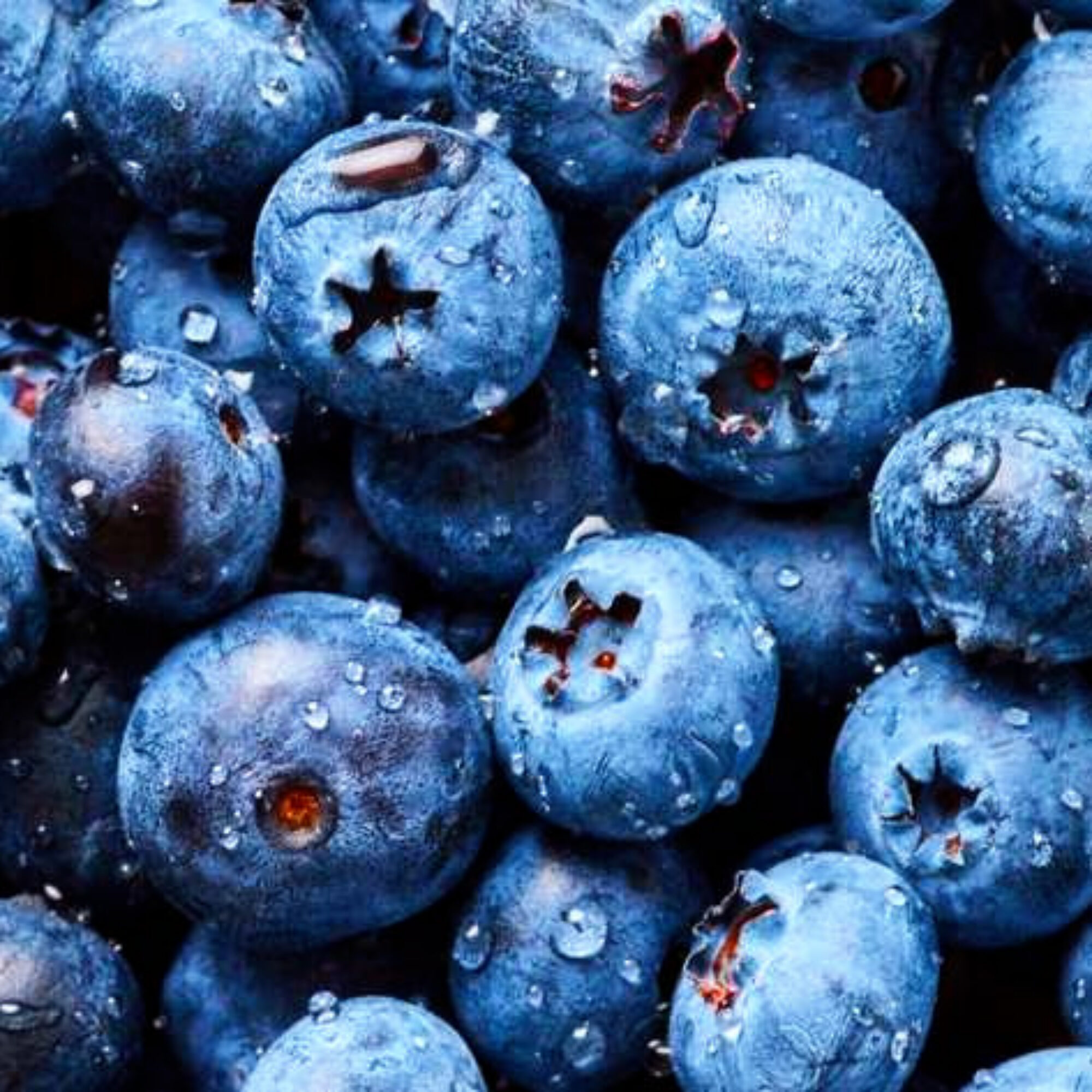
I wish marketers had more integrity. They can't let you be. They jam up your anxieties, fears, craving, and emotional intensity to override your thoughtful reflection. Not that it's new or the biggest problem in the world, but they try to call everything they can a superfood. You probably know the term has no definition. Blueberries and amla are nice, but they're just plants. Nothing super about them. The problem is food-like products at the other end of the spectrum. The problem The problem with calling regular foods superfoods is that it implies you're eating healthier than you are. It's like vanity sizing, where clothing companies call clothing a smaller size so people trying them on think they're more fit than they are. Blueberries are…

2 Comments

490: Karen Shragg, part 2: Lowering birth rate and raising tomato rate

Don't you feel gypped that some of the most amazing potential parts of our lives were stripped away by people overindulging in polluting behavior? Or by automation that removed working the land from consideration as noble action? Karen and I talk about overpopulation---talk that will soon return to mainstream and the values of wholesomeness of activities connected to the cycles of life. Besides sharing observations from a life of conservation, she shares her success growing tomatoes as her podcast commitment, spending quality time with her family. Here are some early results of her planting tomatoes, which she's since reported have grown beyond her expectations, leading her to see things she had been mission, connecting with family, and otherwise engaging with the world. Stewardship isn't deprivation…

0 Comments

The most amazing “You Are Here” map you’ve ever seen

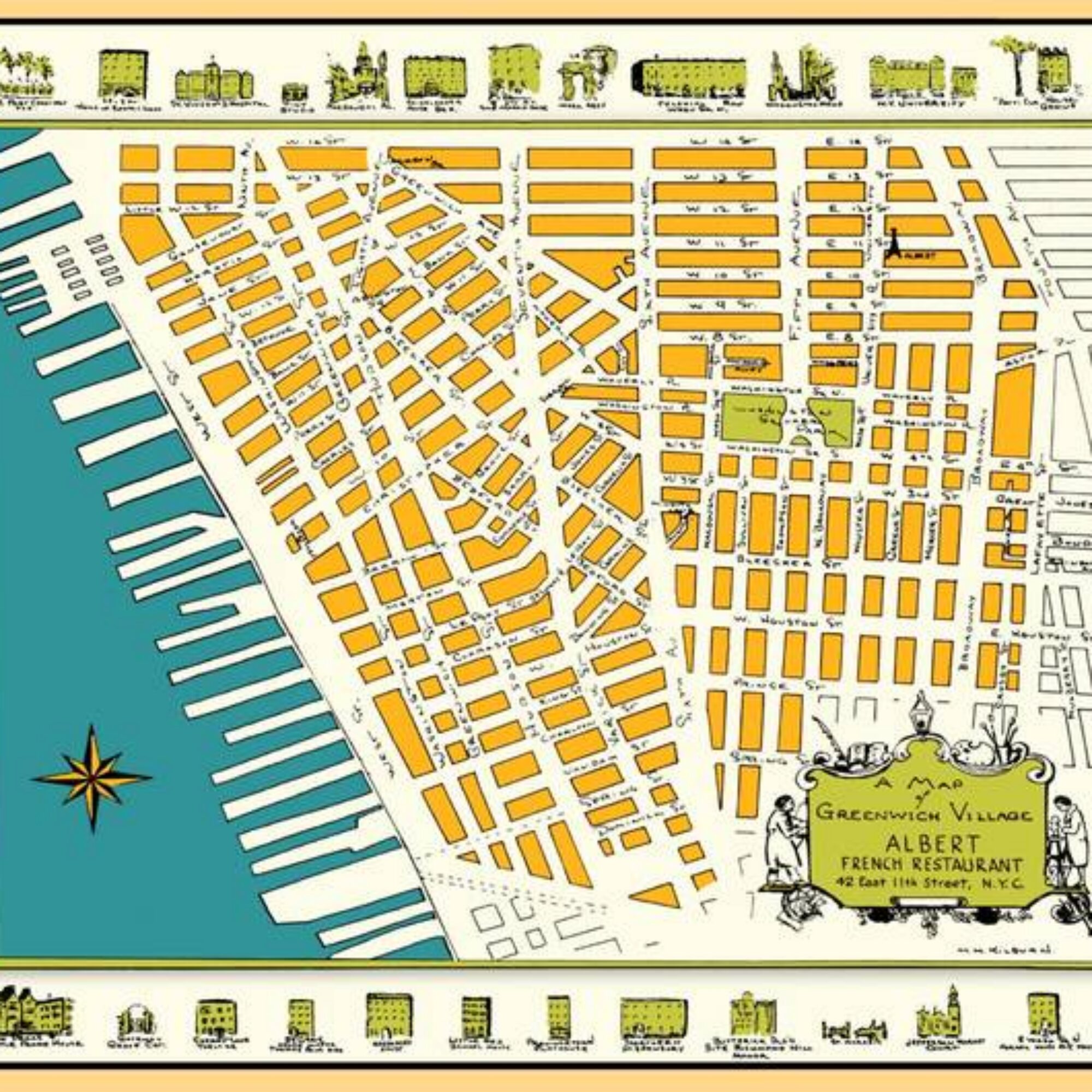
I live in Greenwich Village. Here's an old map of the neighborhood: It's a tall building. From the roof, I can see across the street to a playground for a school between a couple brick buildings: You probably see marked on the ground the two basketball half-courts on the left and the blue track that curves beside them. You'll also see a colorful block pattern inside the track. Let's look a little closer: Since I started this post with a map, you might recognize the blocks are street blocks. It's a map of Greenwich Village. If you don't know the school, you wouldn't know where it fits on the map, but it's in the middle. I'll zoom in more. See the yellow shape in the…

0 Comments

What would you say to a slave trader in 1806 England or 1860 U.S. who feared for his or her profession?

Go back and listen to my conversations with the writers who wrote on slavery: Adam Hoschschild and his book Bury the Chains: Prophets and Rebels in the Fight to Free an Empire's SlavesEric Metaxas and his book Amazing Grace: William Wilberforce and the Heroic Campaign to End SlaveryManisha Sinha and her book The Slave's Cause: A History of AbolitionAndrés Reséndez and his book The Other Slavery: The Uncovered Story of Indian Enslavement in America England banned the slave trade in 1807. The U.S. started our Civil War in 1861. People who made their living from slavery must have seen the ends of their professions coming. According to those books, slavery had existed by then for thousands of years, as far as they knew in every…

0 Comments

The twisted, non-thinking of economists thinking economies must grow or they’ll collapse

Growth-based economics is so twisted, it acts as if degrowth is hard. Imagine the case of an island with enough resources to sustain, say, five thousand people with five thousand people living on it. Should they grow the population? Might deliberately choosing to limit birthrate to bring the population to, say, four thousand make them more resilient in case of a natural disaster that limited food production one year? If there's a population too high for a territory to support, I would think reducing that number would help, not hurt. When Captain Cook found the Hawaiian islands, about 300,000 people lived there. Now more nearly 1.5 million live there, supported by fossil fuels. If we stop using fossil fuels, the islands don't have the resources…

0 Comments

End of content

No more pages to load