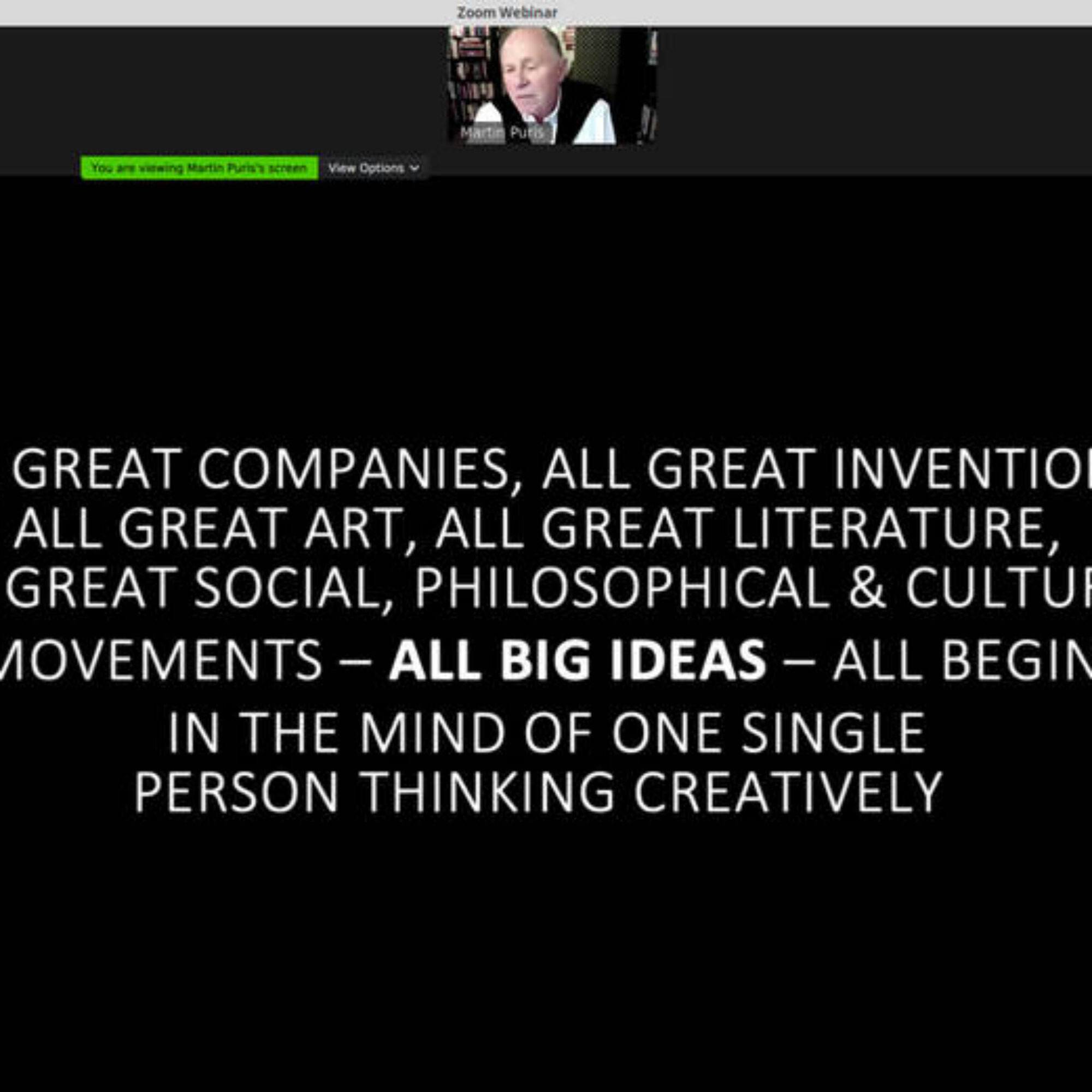
489: Martin Puris, part 2: All big ideas begin in the mind of one person thinking creatively

Martin and I continued our conversation about America, its problems, and what we can do about it. I misread him that he had a specific plan, but that didn't stop him from clarifying and continuing more of what we spoke about last time. We talked about education, arts, voting, government, the future, the past, competition, and more. Listen for reflections from a master communicator who has worked with people at the forefront of American business for decades. I mentioned before that I was prompted to reconnect with Martin after almost two decades while seeing him give a webinar online. I took the liberty of capturing the screen when he showed this slide. I hope you can tell why it made me connect. Creativity is up…

0 Comments

Know the 2 carbon cycles and don’t confuse them.

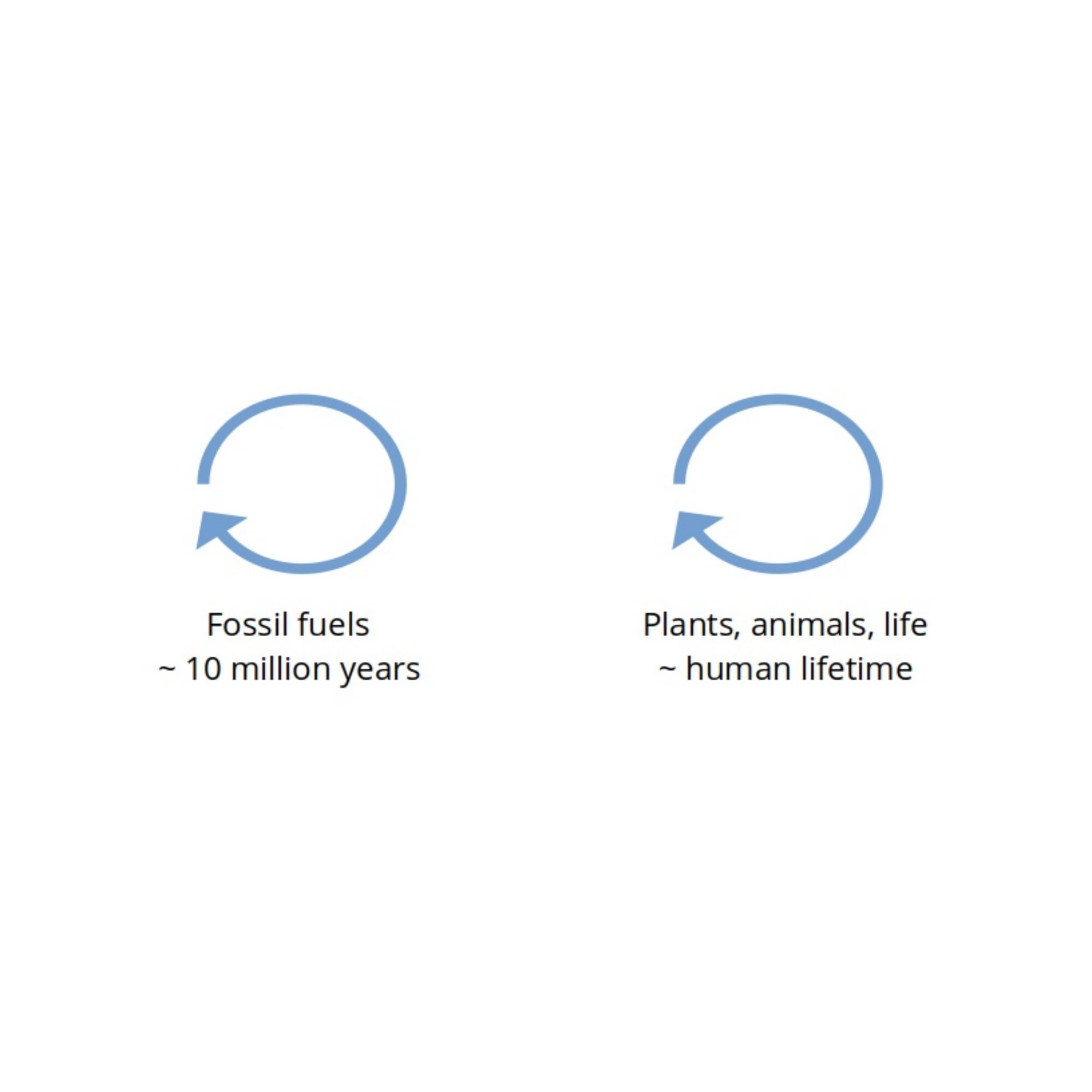
Can we grow enough forests and use enough regenerative agriculture to sequester enough carbon to undo global warming? To answer this question you have to understand the two carbon cycles. I'm simplifying, but you can think of two different cycles of carbon. One is the regular life cycle of carbon-based life forms. When something lives, it contains carbon, including trees, humans, and everything living in dirt and the oceans. When a plant or animal dies, it decomposes and its carbon returns to the rest of the environment. If you've read about the Amazon rain forest becoming a source of atmospheric carbon, that result illustrates this effect. The other is the Earth's pressure pushing life underground and turning it to oil. I'll illustrate the two cycles.…

0 Comments

A pile of ten syringes outside a luxury building by Washington Square Park. Where is Mayor De Blasio?

I've posted about finding used syringes in Washington Square Park and Penn Station. Besides the syringes, I described my unexpected wincing at seeing someone inject in broad daylight. Today I sat in the park working on my computer in the area where people use openly. One woman sat on the bench I did, over six feet away, just on the other side of the metal arm rest, got out a crack pipe and smoked it. It's an open air drug den with no serious attempt to hide. People walked in, would ask to buy dope, bought it, and used it. They complained about losing bags or whatever. A couple police officers came by and spoke for a few minutes to one guy. I don't know…

0 Comments

Communicating with tech geeks on sustainability

Regular readers know I work to communicate effectively with groups that don't know or act much on sustainability. My goal is to lead them to where they want to act for their own reasons, expecting success. I've succeeded with conservatives and evangelicals. Other groups are more challenging. Geeky communities like Slashdot and Hacker News tend to like nuclear, escaping to Mars, and other tech-based solutions. They seem to miss unintended side effects and systemic effects. They love efficiency but don't see that you can make part of a system more efficient, lower pollution in one part of the system, but increase it overall. They treat colonizing Mars as inevitable and easy, but lowering consumption as impossible. Space is paradise to them while fresh fruits and…

0 Comments

Olympic devastation that could be local fun instead

I love sports and believe they bring people together. They can help bridge cultural divides. Having played ultimate in North Korea, I've seen it in action. Here's Jordan Harbinger with a kid throwing a Frisbee we brought to the first International tournament in Pyongyang, North Korea. Sports also help us find our potentials and reach them. They help keep us healthy by promoting fitness. I read that the Olympics involves over 10,000 athletes, many flying from all over the world. I couldn't find how many support staff and fans fly in and from how far. They look like they fill stadiums. Plus all the construction and planning before the games start. I think it's fair to estimate at least 100,000 people flying per Olympic games,…

0 Comments

We will soon see plastic the way we see asbestos, leaded gasoline, and marketing cigarettes to children

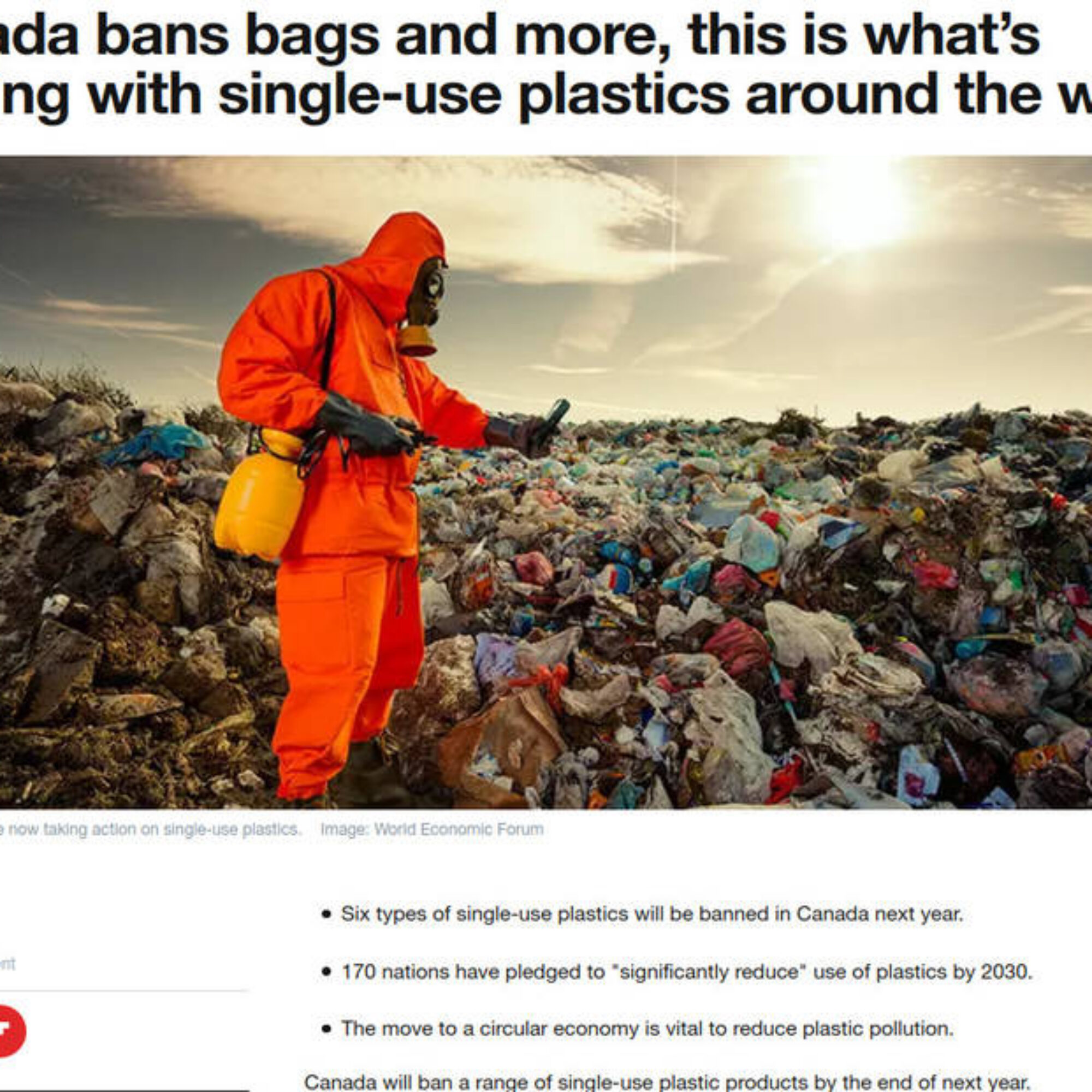
Asbestos, leaded gasoline, and marketing cigarettes to children made a lot of money. If you believe profitable sales mean a fair trade of money for products or services, therefore improving the world, they were good. Whatever their benefits, they also killed people. I don't know anyone who argues we should let markets alone regulate selling cigarettes to children. Nearly everyone agrees on laws regulating putting lead in gas. Your IQ is probably lower as a result of all the lead leaded gas put into the air. Today people say, "Plastic has its problems but its so useful we can't do without it." Future generations will recoil in horror at the time we're taking to ban at least the single-use stuff. We've effectively filled the ocean…

0 Comments

488: Maxine Bédat, part 1: Everything You’ve Always Wanted to Know About Fashion’s Sustainability (or lack thereof)

Maxine's book, Unraveled: The Life and Death of a Garment, traces how a pair of jeans comes into existence from it's raw beginnings and where it ends up at the end of its life. The book has been covered in the top levels of fashion media, for example Elle: Maxine Bédat Unravels The Lies of GreenwashingVogue: Maxine Bédat Urges the Fashion Industry to Make a Change Now, Not in 2030Financial Times: Unraveled by Maxine Bédat—cutting the cloth In our conversation, she shares the story behind the book: her history and motivation to write it, the story of her visiting people and places actually doing the work, the shocking sights the industry doesn't want us to know about. As she puts it, "the chemical industry is…

0 Comments

Personal action: Nobody said act once and stop. Act, learn, act more, lead others.

People who don't want to act on the environment will create and believe any rationalization to justify not acting. A common one is to say what they do doesn't matter. Or that their results wouldn't make a difference. I kept myself from acting for years for "reasons" like these. Nobody said to act once and stop. Any one individual action divided by the results of billions of others rounds to zero. But you don't have to stop with one act. If you find yourself judging someone's first actions by what he or she did at first, you're off the mark. In fact, you're likely discouraging themselves and yourself. Want someone not to try something new? Tell them you'll watch and judge how they do it.…

0 Comments

Hear me speak on Initiative on Moving Mountains with Sasha Laghonh

Sasha hosted me before, speaking on my first book, Leadership Step by Step. This time we spoke about my second, Initiative, and unearthing our passions. If you want more passion or love in your life, for projects or people, I don't recommend just waiting for it to strike. Working on it creates it. The book gives you a structured way to do it. Our conversation covers how it came to be. Here's the episode: Here is the link to her site. From Sasha's about page: Sasha Laghonh brings over fifteen years of experience to the commercial and spiritual realm by working with private and commercial clients hosting diverse backgrounds and life endeavors. As a seasoned MBA professional she also specializes in Organizational & Human Behavior which grants…

0 Comments

175,000 burpees

My spreadsheet said I hit 175,000 burpees yesterday. I don't record each one. I programmed in how many I do each day. I update the date and it tells me how many I've done. So I've done more, since occasionally I do extra without telling the spreadsheet. A decade ago, I'd record what felt like big milestones like my first six months of doing them daily or the first ten thousand. Now milestones come less often. I hit 150,000 over a year ago, so my next round number, 200,000, will come around fall 2022. I'll finish ten years this December. Not much to say. It's just part of what I do. If you want to know what it brings my life, this collection of past…

0 Comments

Eugenics, anti-miscegenation, and ecofascism, especially in the United States

Hitler was vegetarian. If you want to work on sustainability, you will face people pointing out this history. They don't point out that he also promoted larger families, but many feel like it checkmates all cases for changing diet. Beyond diet, I've talked a lot about population since reading podcast guest Alan Weisman's Countdown and learning of guest Mechai Viravaidya's lowering Thailand's birth rate through purely voluntary, often fun, means. I knew human population affected all our environmental problems since reading Limits to Growth, but declined to talk about it because I thought controlling population could only result in One Child policy-like disasters. What about eugenics and ecofascism? I thought ecofascism was a slur at people who hug trees. It turns out many fascists and…

0 Comments

487: Karen Shragg E.D.D., part 1: At last, simple, reasonably talk on (over)population

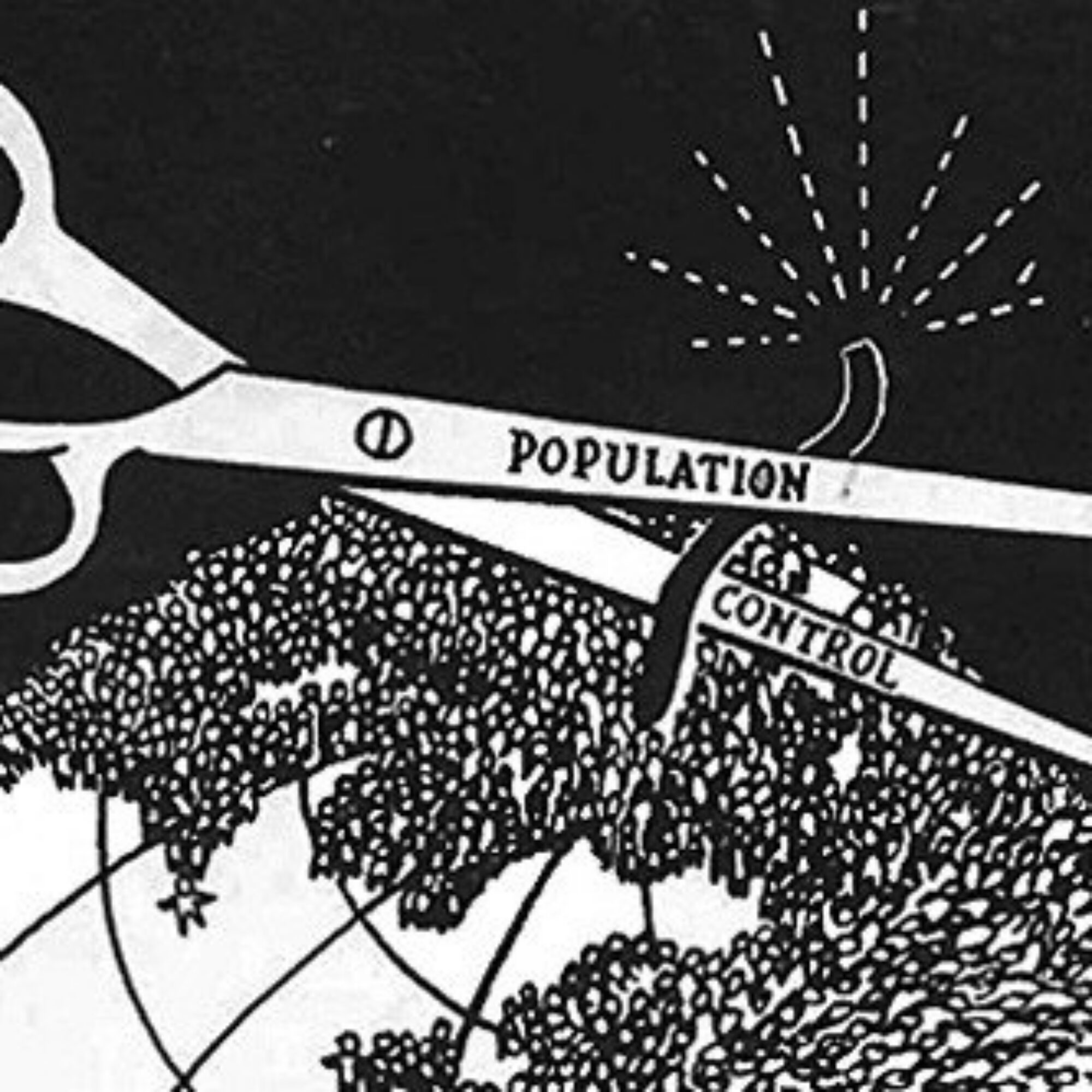
We can dance around our environmental problems all we want. Understand them enough and we eventually reach overconsumption and overpopulation. These overshoots contribute to everything. We at least talk about overconsumption, even if few are acting. Decades ago, the public talked about population, but didn't act. Today we don't talk about it. All the numbers I see suggest the Earth can sustain two or three billion people with roughly western European consumption levels. I'd love to live in a world with two billion people, like what produced Mozart and Einstein. Karen has been working on helping society face our problem of too many people being alive at once longer than I have. I've only been able to talk about it since learning from (TSL guest)…

0 Comments

The best presentation on population I’ve seen, by TV and movie star Alexandra Paul

Alexandra Paul has risen to the top of my list of the few people who live in the intersection of experience necessary to lead effectively on the environment. She has experience leading, she knows the science, and she lives the values she suggests for others: She was a recent guest on my podcast, This Sustainable Life. She mentioned a presentation she has since given at Sand Diego State University. I consider it among the best resources on population I've seen. I recommend it as much as I can recommend videos, especially if you are considering having more kids or know anyone who might. She's considered the issue from many angles and speaks from experience, research, and compassion. It's the future. Here it is: https://youtu.be/FPHcKaOPxxM I'd…

0 Comments

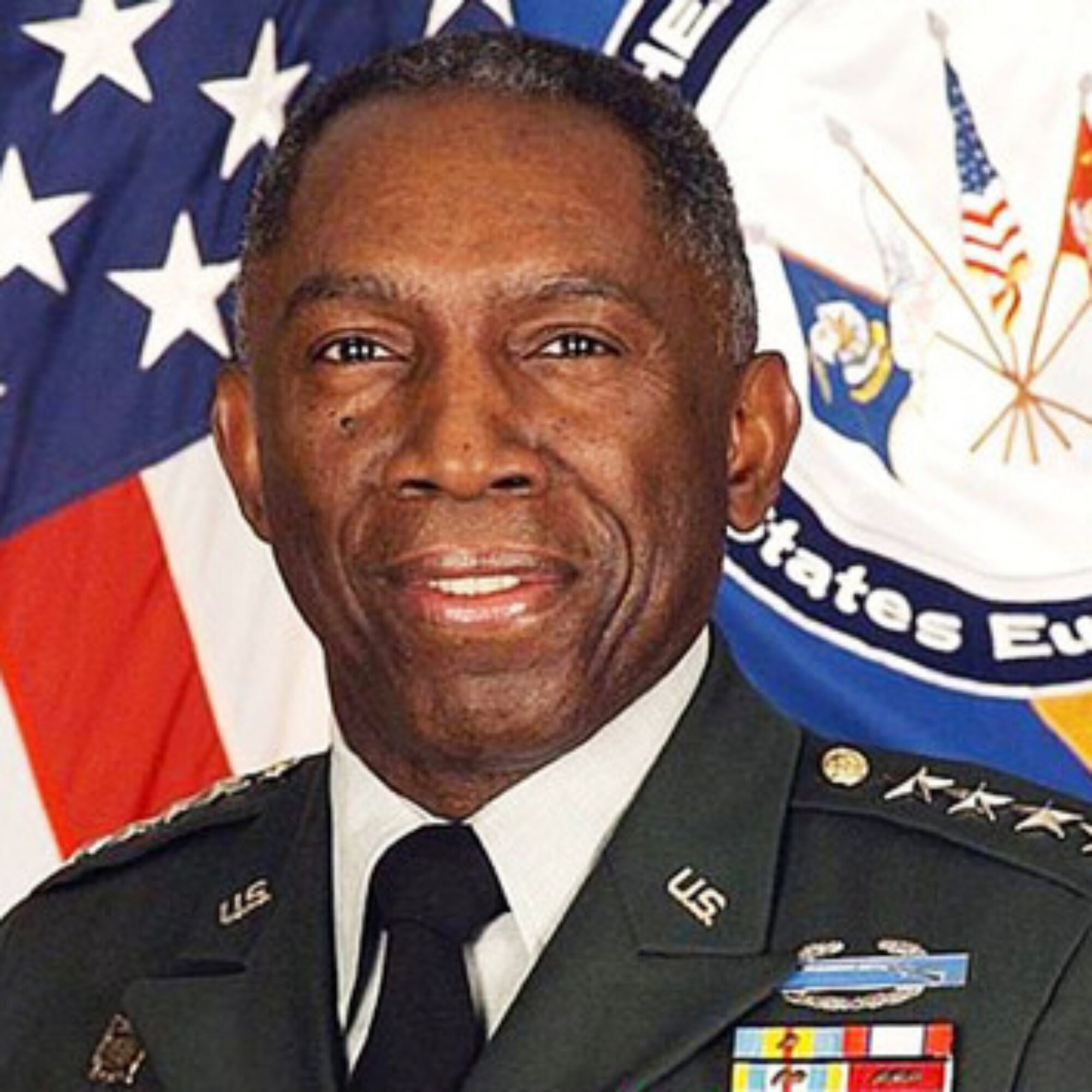
486: General Kip Ward, part 2: Not flying by choice, and smiling about it

A retired General doesn't have to do anything he doesn't want to. What he does, he's going to do for his reasons, not for trends or as a dilettante. Kip committed to a challenge many consider unreasonable and impossible (I know because they tell me): avoiding flying. As a General, he's held the fates of a nation and hundreds of thousands of troops in his hands. When he speaks about his experience, I hear him speaking at a life level. He spoke about his many opportunities to fly for business and pleasure, but not taking them. He could have. Besides his choice based on his motivation, he could have flown. He didn't. Yet he shares the opposite of complaints or feeling left out. How is…

0 Comments
I don’t pick up litter because I care about the environment. I care about the environment because I pick up litter.
Two arrows cycle business plan infographic design diagram EPS 10 vector illustration isolated on white background.

I don’t pick up litter because I care about the environment. I care about the environment because I pick up litter.

Today, picking up litter, it occurred to me that the more I act, the more I care about what I do. The less I act, the more indifferent, apathetic, and complacent I become. It could apply to picking up litter, avoiding packaged food, or many things I learned to do after childhood. I care (second) because I act (first). If you want to get technical, caring and acting are parts of a system and drive each other. But I think the action is more likely to start the cycle. Like love, you have to spend time together and do things for each other before falling in love, at least in my experience. It's like thinking Arnold Schwarzenegger went to the gym because he was strong…

0 Comments

How a Nation With No Racists Can Appear Half-Racist to Everyone in It

Recent New York Times stories, Harvard Victory Pushes Admissions Case Toward a More Conservative Supreme Court and Affirmative Action Cases May Reach Supreme Court Even Without Trump, both by Anemona Hartocollis, lay bare a national divide. [Note: You may notice the "recent" stories are from last year. I wrote this post soon after the articles but held back on posting it. I keep reading about well-meaning people apparently deliberately misunderstood and attacked for talking about race. In the end, I decided not to be imprisoned by my fears. I can't see how the following could be misunderstood to sound anything but helpful, but others felt that way about their communications. I think you'll like it.] Many on the left, supporting "race-based admissions policies that have…

3 Comments

Reinterpreting the Marshmallow Experiment

Many of you know about the famous Marshmallow Experiment. I wrote an extended series on it and willpower. I think it's worth revisiting. I'm concluding different results on further reflection. Here's a cute video on it: https://youtu.be/QX_oy9614HQ First, let's review it. According to Wikipedia: The Stanford marshmallow experiment was a study on deferred gratification conducted in 1972 by psychologist Walter Mischel of Stanford University. A marshmallow was offered to each child. If the child could resist eating the marshmallow, he was promised two instead of one. The scientists analyzed how long each child resisted the temptation of eating the marshmallow, and whether or not doing so had an effect on their future success. Although the experiment has been repeated many times since, the original study…

4 Comments

Doing something nonpolluting doesn’t offset something polluting

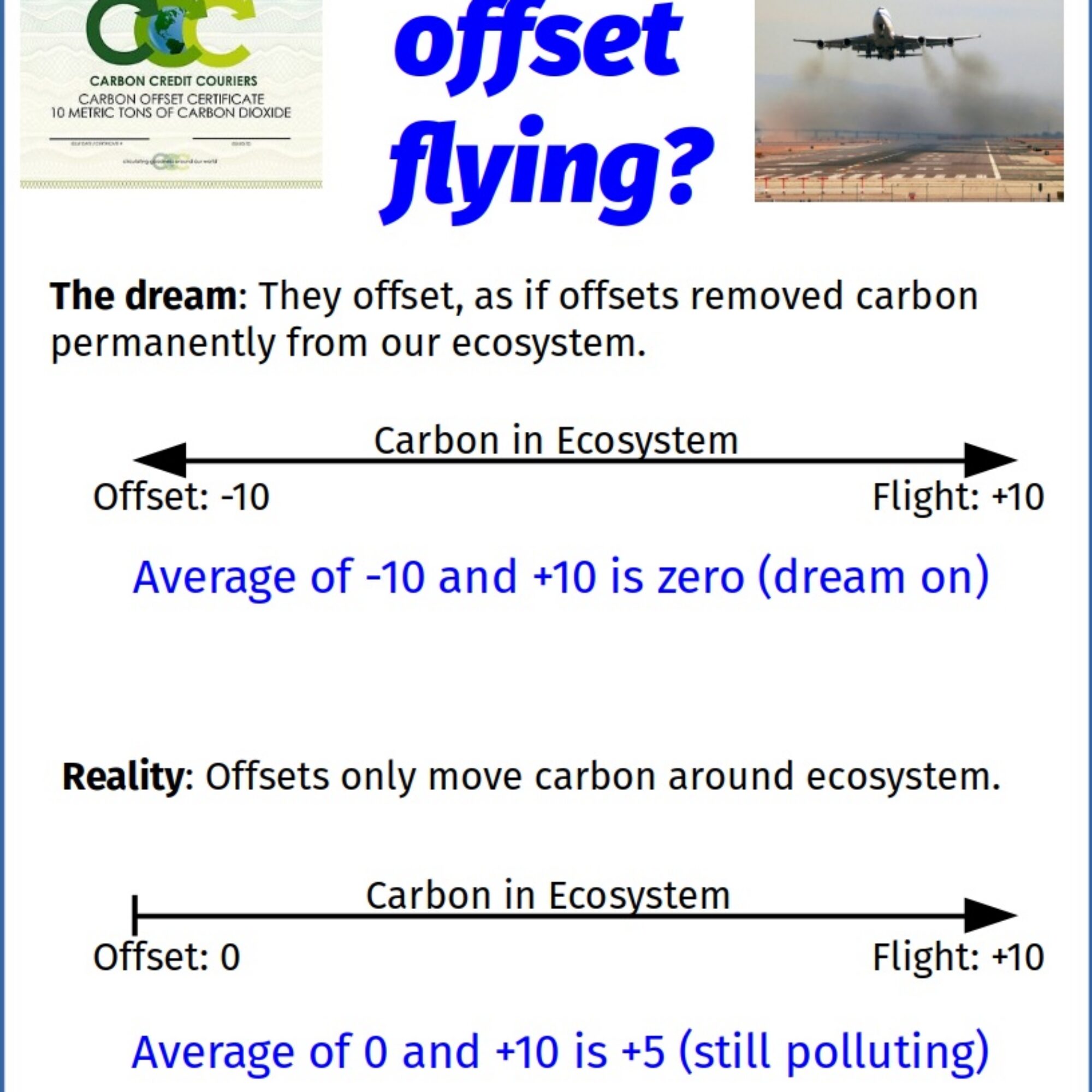
Posting yesterday that Eating something healthy doesn't offset something unhealthy suggested a parallel with polluting. People dream that if they do polluting things, they can do something nonpolluting to average it out, as if carbon offsets or recycling had negative pollution that averaged with flying's positive pollution to zero pollution. Offsets don't negative pollute. They're nice, but they don't put pollution we took from underground back underground permanently. You can't undo drilling fossil fuels from underground. Maybe one day we'll be able to sequester carbon permanently, but we have no such ability today. Potential ways of doing it are far from economical or able to work on the scale we need. I edited yesterday's graphic to illustrate and clarify. It doesn't work exactly as much…

0 Comments

Eating something healthy doesn’t offset something unhealthy

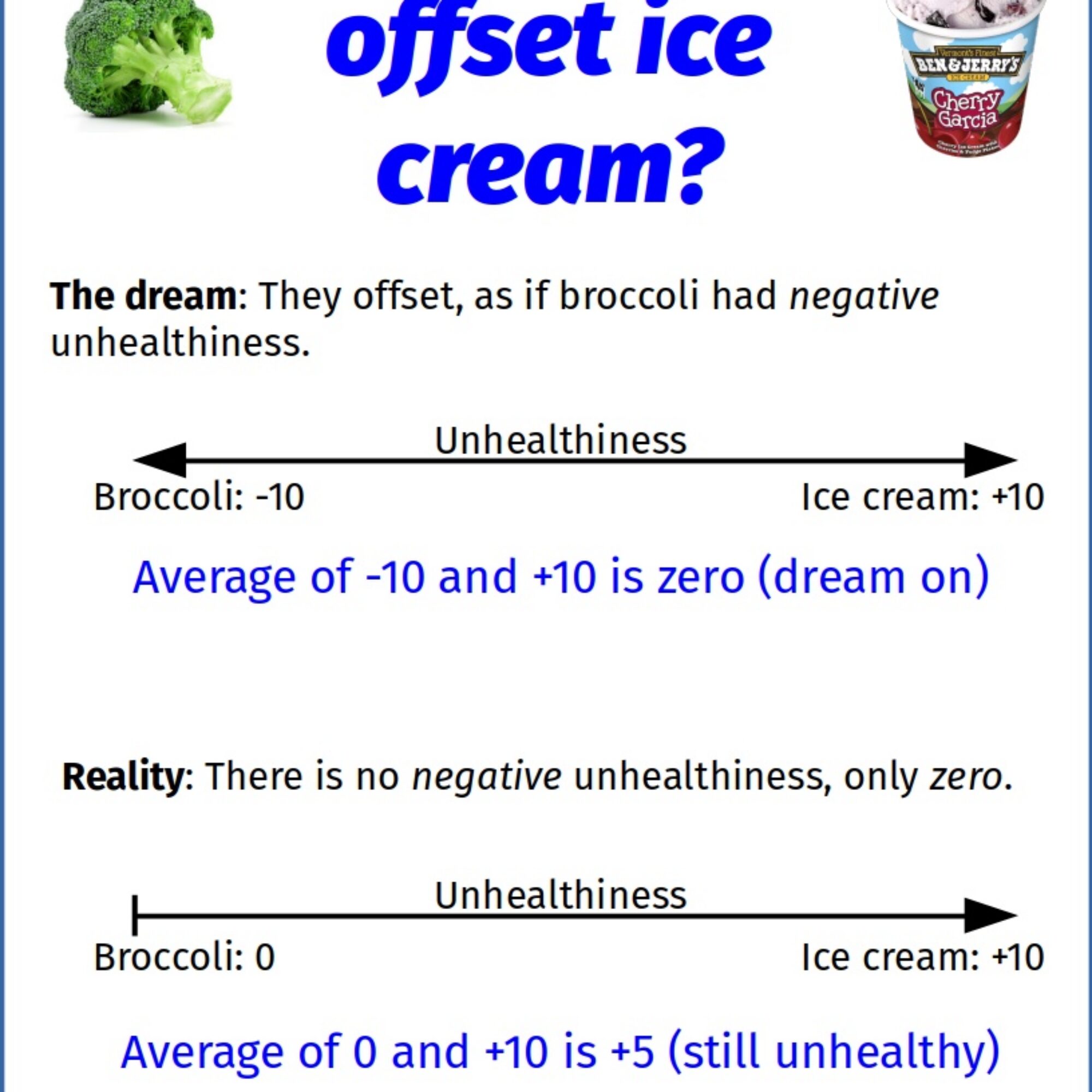
People dream that if they eat unhealthy things, they can eat something healthy to average it out, as if broccoli had negative unhealthiness that averaged with ice cream's unhealthiness to zero unhealthiness. Broccoli isn't negative unhealthy. It's normal. There is no negative unhealthiness. You can't undo eating something unhealthy. If you're just worried about empty calories, you can exercise, but it won't undo all the unhealthiness of the ice cream. I made a graphic to illustrate and clarify:

0 Comments

485: Jonathan Hardesty, part 4: How to Lead Someone to Stewardship: The Spodek Method

Jonathan and I continue practicing how to lead oneself and others to love acting in stewardship. Everyone thinks sustainability means deprivation and sacrifice. We started this conversation for him to review how his first time doing The Spodek Method with his kids. You'll hear that he did it slightly differently and didn't get the results. Very educational! Few people master challenging things the first time. We switched to restarting The Spodek Method with him and the value of practicing by the book before improvising. This episode will teach you how to lead someone to love and enjoy acting in stewardship.

0 Comments

484: John Sargent, part 2: Fun Transforming MacMillan, a Big 5 Publisher

Everyone treat changing corporate culture like a horror show, but John did it. How? Through making it fun. The way most people talk about it, only dictators can change cultures, I'll trust his experience over their speculation. This episode begins with his reviewing some of how he implemented that change. My biggest takeaway was his focus on people before technology, what they want, and what makes them tick. The result is their engaged participation. He also shares the result of his commitment. As usual with experienced leaders, if things don't go perfectly, they don't pretend. They share what didn't work too, I believe from experience finding that exposing vulnerabilities doesn't make them weak. It connects people. If you want to change yourself and your organization,…

0 Comments

A New Reason I Pick Up Trash Every Day

I've held back on sharing this because it felt too presumptuous. To remind you the context, I've found that to lead on sustainability, you need experience in three areas: LeadingScienceLiving the values you promote I know of almost no one with experience in all three. Not Gore, DiCaprio, Thunberg, or any of the big names people associate with sustainability. Previous guest Alexandra Paul fits the bill. For a while, I've contended that picking up litter gives me experience both leading and living the values I promote. Of course, it reduces the garbage immediately reaching the oceans too. Several other minor reasons. The Reason I'm Sharing for the First Time Another reason I hadn't consciously realized myself yet. I meant to post it on July 4,…

0 Comments

Hear me on ExecuPeaks on leadership and sustainability with Sasha Laghonh

Sasha Laghonh has hosted me on her podcast Sasha Talks. She started a short-form podcast featuring leaders and leadership called ExecuPeaks. It's fifteen minutes about what makes a leader. Here's the episode: Meet Joshua Spodek, PhD MBA - Host of Award Winning 'This Sustainable Life' Podcast More about Sasha: Profiles: Wix | Yola Blog: Sasha Talks

0 Comments

“Olympic Swimmer Caeleb Dressel Says the Key to Success Is Making Your Bed”

Everyone who knows me knows every morning I make my bed, cross the room, and turn off the alarm before it turns off, meaning within sixty seconds. I have other sidchas, like picking up litter daily, which I've done without fail since 2017. People ask why, which seems obvious. Doing something with a measure of quality and a time limit gives a sense of purpose. For a cash cost of zero, I start every day with purpose, and a time gain of over thirty minutes compared to how long I took to get out of bed before starting this habit five years ago or so. If you don't do it, I recommend it. I couldn't imagine doing it before. I lacked discipline. It helped develop…

0 Comments

483: Jane O’Sullivan: Debunking the “Aging Problem” Scam

What happens when populations age? Can you envision a world with a sustainable population, well below Earth's capacity, therefore living resiliently in abundance per person? I can. Governments and media are petrified at populations shrinking and aging. It turns out they are motivated by reasons that sound plausible. Jane looked at the numbers and found the fears unfounded. She also found industries seeding and promoting the fears, making them scams. Allowing the scams to affect us exacerbates the risk of a collapse in Earth's ability to sustain life and society. She treats more unfounded fears about population size that lead people to baselessly fear what seems to me one of the top elements of retaining Earth's ability to sustain life---lowering our birth rate through the…

0 Comments

End of content

No more pages to load