Models


Believing our population or economy can grow forever is like believing the Earth is flat

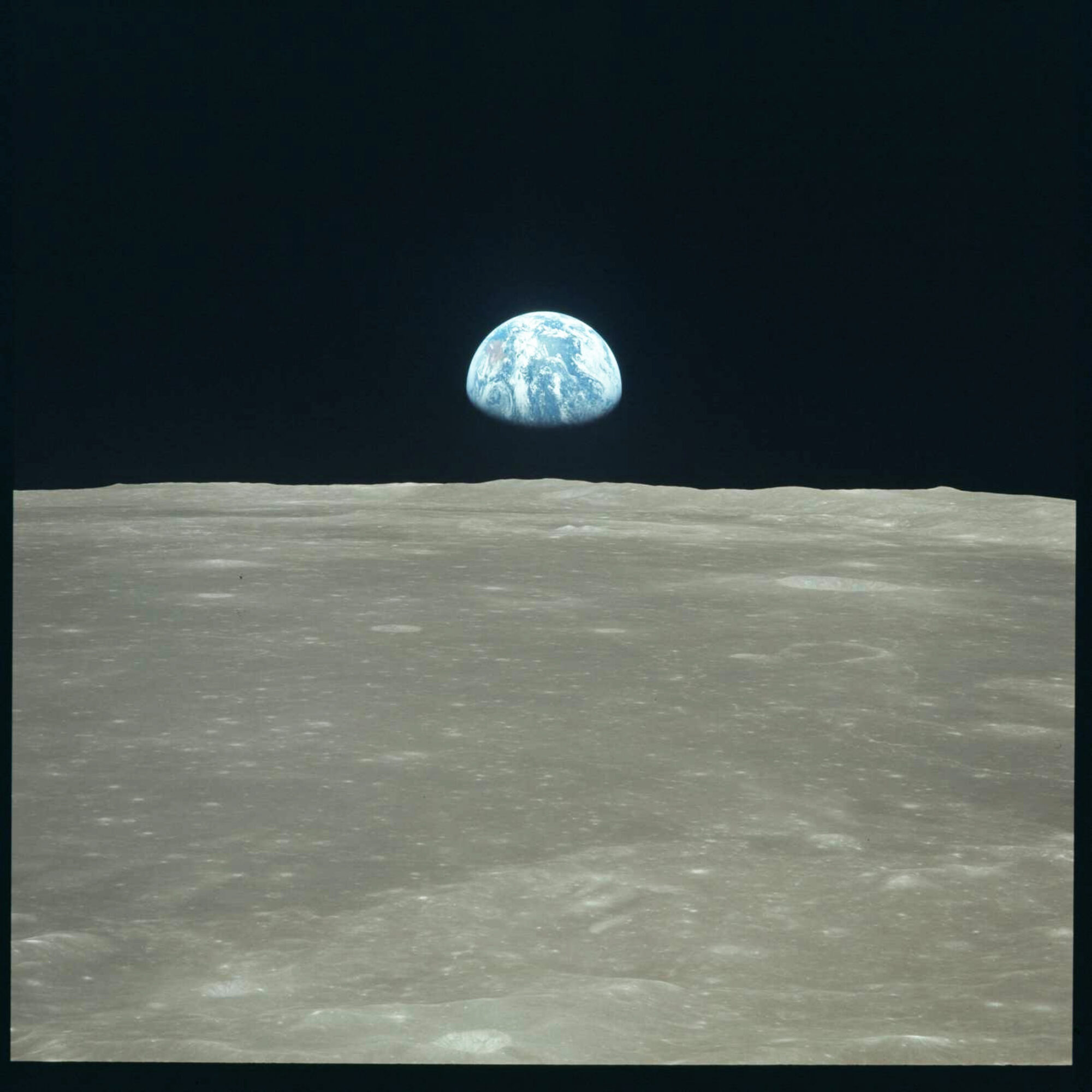
Following up on my noticing that the "logic" that concludes Malthus was wrong would also conclude Columbus was wrong about being able to sail west from Europe to reach Asia. That he missed two continents and an ocean doesn't change that you can sail west from Europe to reach Asia. It's just farther than he expected, and you have to go around the tip of South America. Likewise, Malthus missing that fossil fuels could enable creating more food doesn't change that we can overshoot Earth's carrying capacity. To say that because we haven't yet means we won't or can't is like driving only looking in the rear view mirror. I've read Julian Simon, Milton Friedman, and their peers and believe I understand their arguments. To…

0 Comments
No, they aren’t living in the stone age
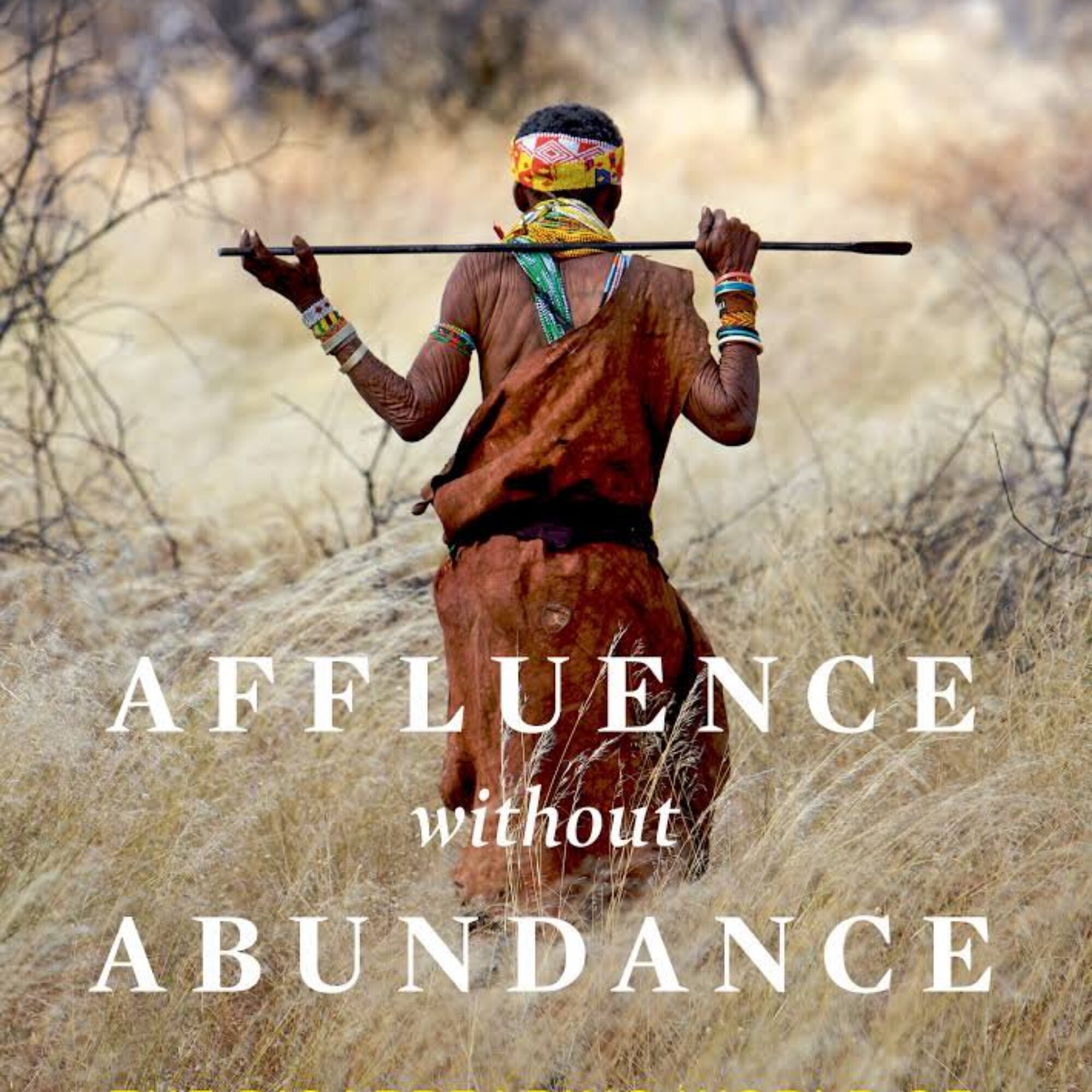
Affluence Without Abundance, by James Suzman

No, they aren’t living in the stone age

I'm no expert on indigenous cultures, but I'm learning more about them all the time. I've had guests on the podcast who lived years and in cases decades with the San in Southern Africa, the Hadza in Tanzania, the Tsimane in Bolivia, the Kogi in Colombia, and the Matses in Peru. I've also had Native American guests. I've attended workshops in New York by Native Americans. Besides learning from others, by unplugging my fridge and apartment and avoiding packaged food and flying, I'm moving in their direction, though far from them. But with each step I learn more. More than learning, I uncover the lies our culture tells us, like that using more energy improves life. I'm speaking loosely for brevity. Before learning what I…

0 Comments

The Spodek Method Mindset Shift: Before and After. A World of Difference.

People interviewing me consistently ask "what can one person do?" If people are in the mainstream mindset, giving them instruction will more likely reinforce their current state. That is, if they think stopping polluting activities will make no difference or risk reverting to the Stone Age, then suggesting they plant more trees or avoid straws will seem pointless and make you look foolish in their eyes. I suggest starting with the Spodek Method because it shifts their mindset, which primes them for a process of continual improvement. Then they want to change. Before and after the mindset shift is a world of difference. Like the Continental Divide, where on one side a drop of water will reach the Atlantic, on the other the Pacific, acting…

0 Comments

Flawed By Design: UN Population Predictions Are Based on Faulty Models

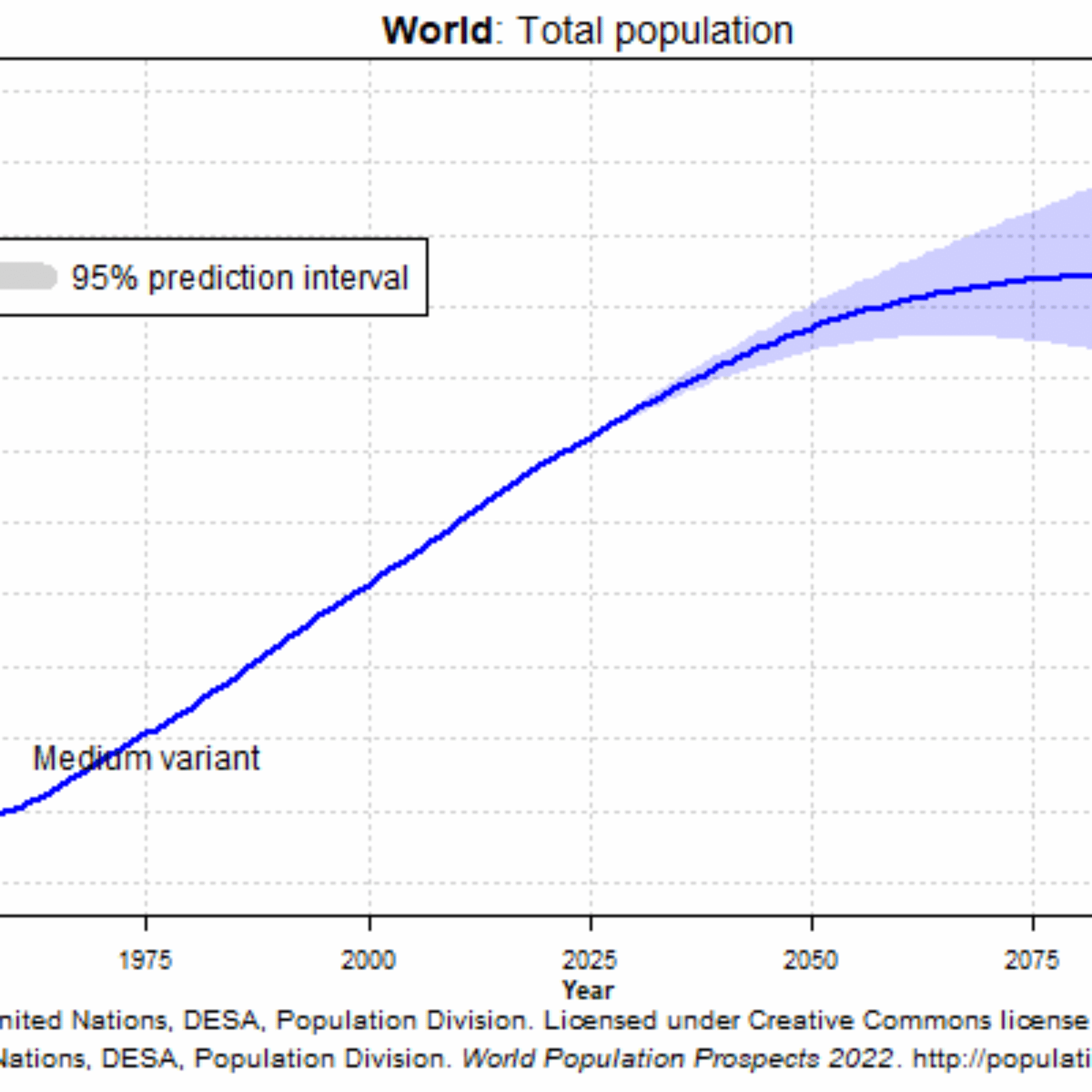
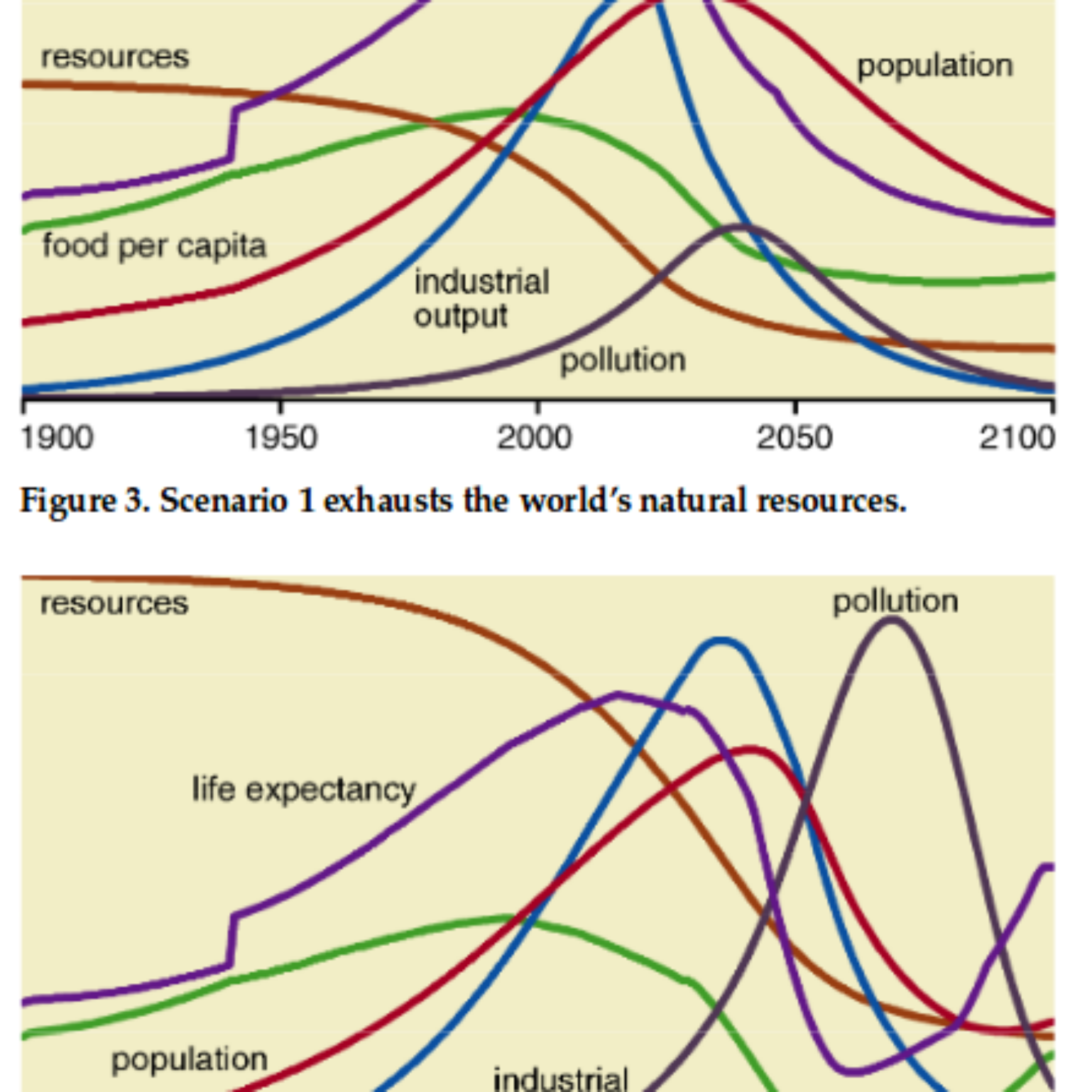
Perhaps you've seen the headlines about tomorrow: World population to reach 8 billion on 15 November 2022, according to United Nations predictions. Are we overpopulated? You've seen graphs of population projections from the UN showing the population leveling off or possibly decreasing by 2100 like this one. Does the graph reassure you and make you feel good that the population problem is working itself out with no big collapse likely, nor that we keep growing forever. Whew! The United Nations shows we're safe. Right? Wrong. They were designed to look this way no matter what we do to the Earth. They only depend on past human demographics and nearly ignore the environment. That is, they are based on trends in birth rates, death rates, and…

0 Comments
How old is our culture? Could it be only about 200 years?
Affluence Without Abundance, by James Suzman

How old is our culture? Could it be only about 200 years?

An interesting anthropological question is how old our culture is. It’s tempting to trace its roots to ancient Greece or even the Code of Hammurabi almost four thousand years ago. I’m not an anthropologist, but I contend that our polluting culture adopted many of its top values since the Industrial Revolution. Since then, we've abandoned and replaced, at least regarding how we interact with each other through the environment, once bedrock values such as Do Unto Others As You Would Have Them Do Unto You (the Golden Rule), Leave It Better Than You Found It (Stewardship), and Live and Let Live (Common Decency) in favor of profit and market growth. Recently we've replaced them with abdication, resignation, and capitulation. If we haven't as a culture…

0 Comments

How polluters see nature versus how non-polluters do

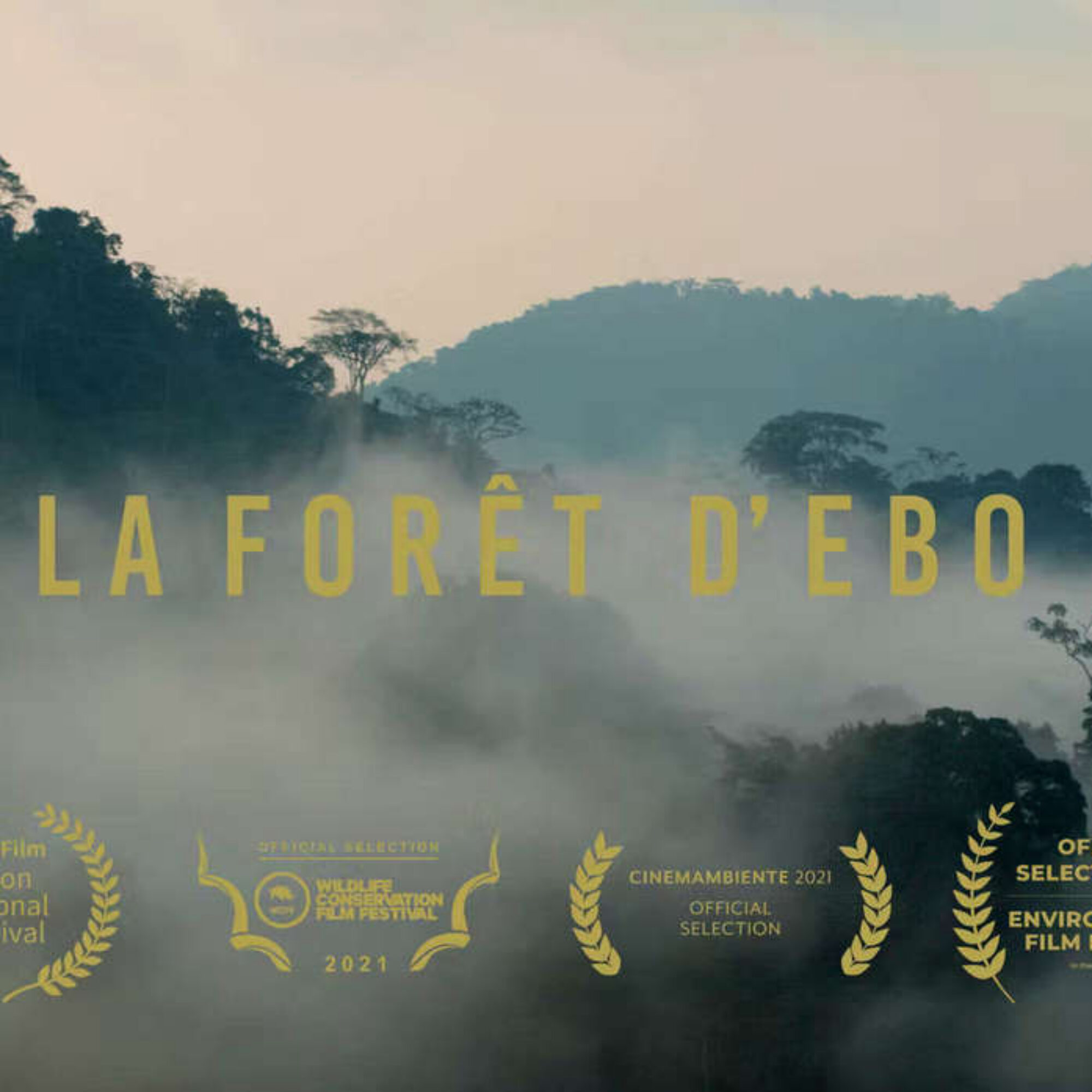
I just watched a documentary, La Foret d’Ebo. One of the people who lives in the Ebo forest in Cameroon says: “The Ebo forest requires strong protection, for us and for generations to come. I never would have thought that one day someone would try to sell the Ebo forest. Ever since I found out I have been wondering why. If we are alive today, it is only because of the forest.” Repeating for emphasis: "If we are alive today, it is only because of the forest." Compare Alex Epstein's The Moral Case for Fossil Fuels. He wrote, "One crucial truth is that climate is naturally volatile and dangerous. Absent a modern, developed civilization, any climate will frequently overwhelm human beings with climate-related risks—extreme heat,…

0 Comments

Fossil fuels and slavery from a systems perspective (new diagrams)

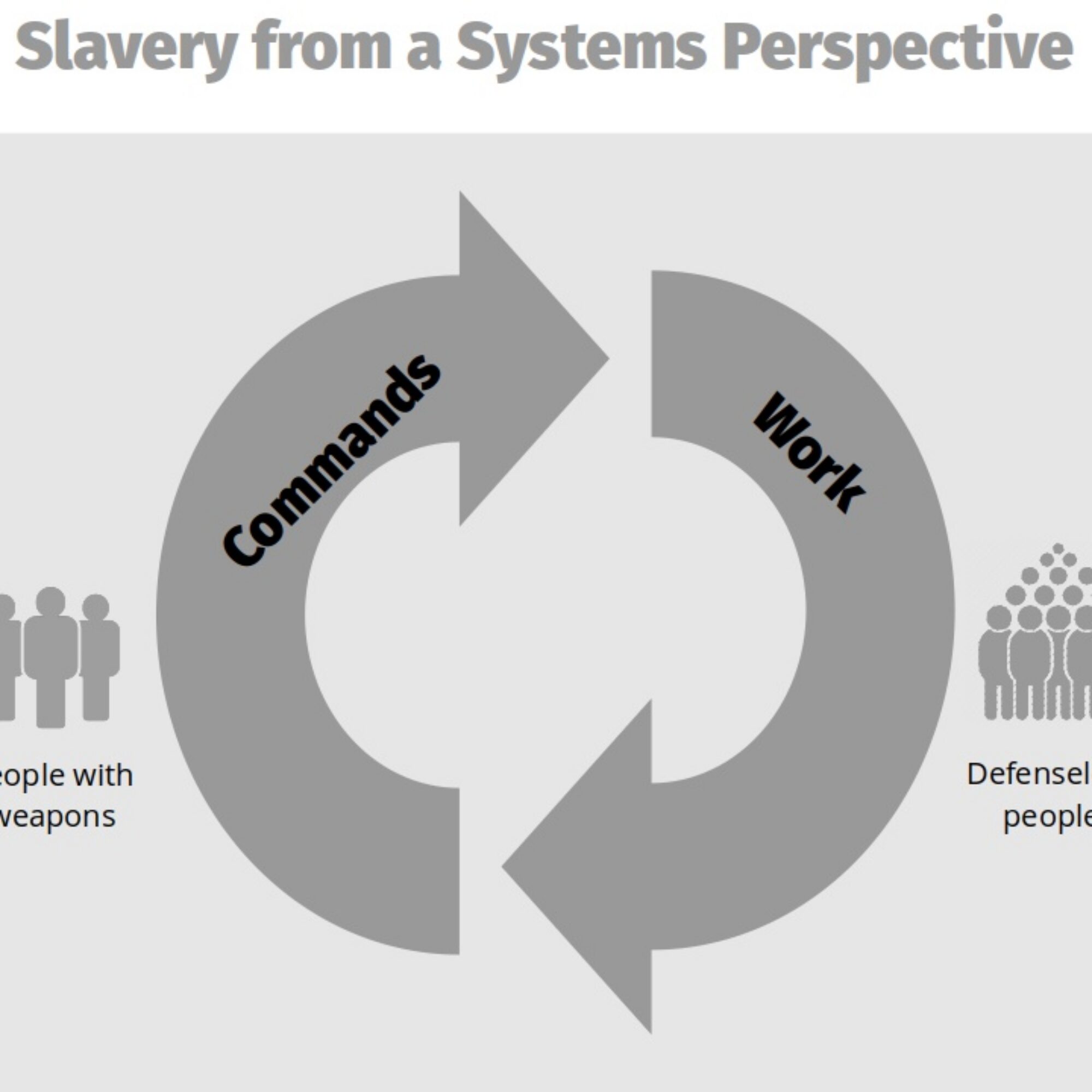
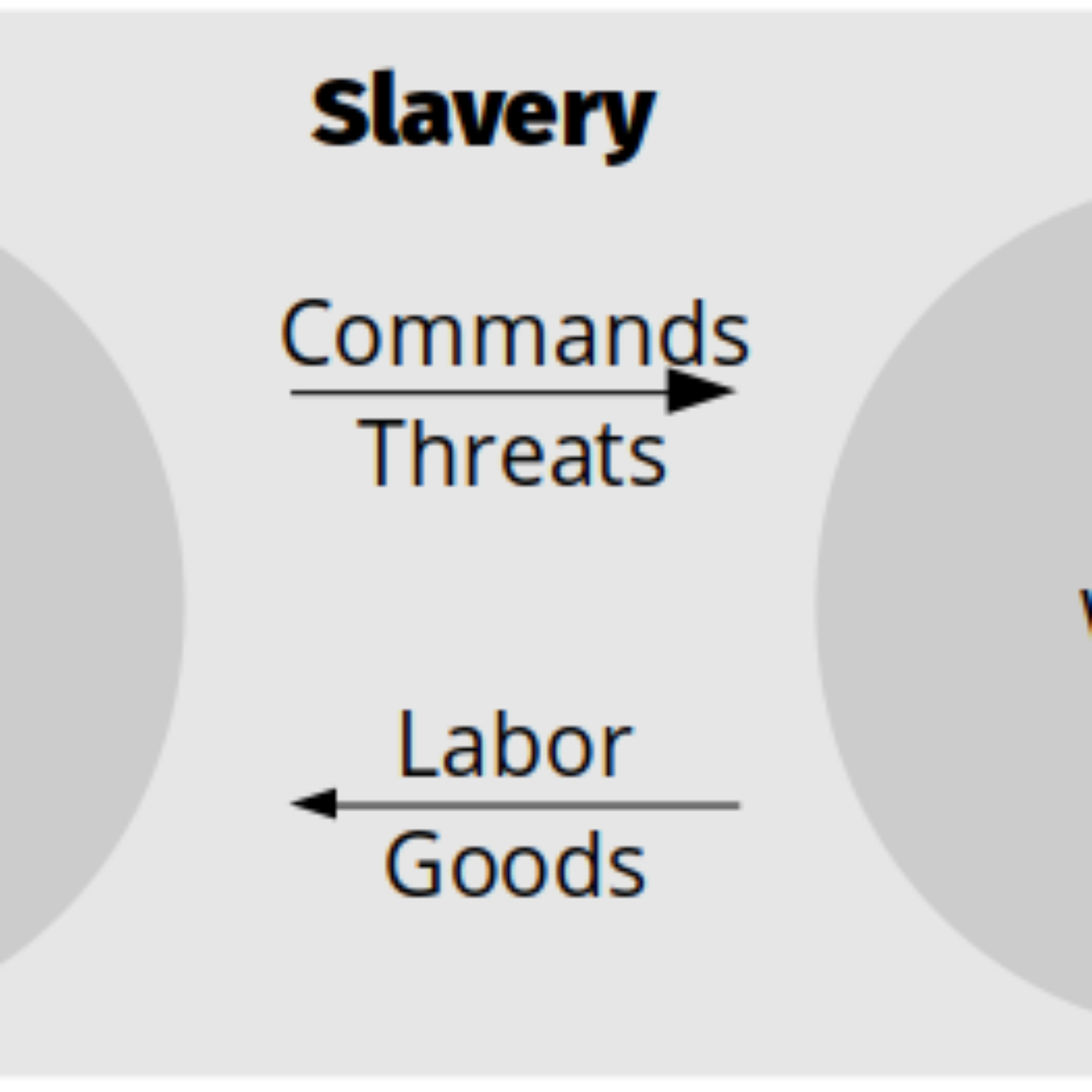
You've heard my conversations with award-winning authors, scholars, and other experts on slavery. With a couple I've talked about the connection between that system and ours. Most of the time, I've thought of the connection as an analogy. For a while, I've seen the connection as closer. Andrew Hoffman, University of Michigan professor in its business school and its School of Natural Resources and Environment, wrote of his discovering the historical connection between slavery and fossil fuels: The first time these two concepts were linked for me was seven years ago, when a senior oil industry executive in London asked me a rhetorical question: "If it wasn’t for oil, where would we get our energy?” His answer, to my astonishment, was “slavery” The book Industrial…

0 Comments

The three top ways liberals and environmentalists stop themselves from thinking and acting

Conservatives have their ways of stopping themselves from thinking too. I'll cover them in another post. Actually, everyone stops themselves from thinking and acting. For example, people of all backgrounds parrot some version of I care about the environment and act as much as I can, but I can't do everything. I have to balance it with other real-life concerns, like safety for my children and how much time I have. Since I do as much as I can, I'm really one of the good guys. Liberal and environmental ways to stop thinking 1. They say: You probably didn't know it, but BP publicized the concept of the personal carbon footprint to shift the blame to individuals and distract from themselves. You're playing into their…

0 Comments

The causes inside you of our environmental problems

Think of something you do that pollutes, but you do it anyway. You've justified why it's okay. You're balancing you desire to do good or whatever on one side with something on the other. Actually, think of all the things you do that pollute, if you can. You've justified all of them. At least you do in the moment you do them. Maybe you fly to visit relatives, buy takeout, fly for work, buy more clothes than you need, use straws, use a clothes dryer, leave the air conditioner on when, . . . whatever. Think of your thoughts when you know you're polluting but do it anyway. Do you think something like, "I know this pollutes, but"? What you think next, after "I know…

0 Comments

Lies, damned lies, and excuses to keep polluting

The biggest challenge to sustainability isn't a lack of solar panels or carbon taxes. They result from our behavior, which results from our beliefs and culture. Among the biggest challenges is changing those beliefs. To change them, we have to identify them. I think we know they aren't supposed to be true, just satisfy our consciences enough to let us sleep at night, that I can call them lies. We know we're lying to ourselves. It helps to see them in print. Lies we tell ourselves so we can sleep at night while knowingly polluting In medieval times serfs worked dawn to dusk in misery, dying at 30, and stone age man lived worse. We may be polluting, but we live better than ever and…

0 Comments

Our culture destroyed theirs, but which had better health, mental health, meaning, and purpose?

In a podcast post last week where I shared how history, anthropology, and archaeology contradict many of our views that we are living in the best times. This view leads us to think, "we may have pollution, but at least we live better than any time before," which leads us to fear reducing our consumption, which leads nearly everyone to focus on increasing solar, wind, and nuclear first, reducing fossil fuels second. Here's that episode: This view and strategy are catastrophic. For one thing, solar, wind, and nuclear aren't sustainable. They require fossil fuels at every stage from manufacture to installation, maintenance, and disposal. The bigger issue is that given new energy sources, we use the new ones and the old ones. We aren't reducing.…

0 Comments

Would you have opposed atrocities in the past? Do you oppose them today?

We look up to historical figures who opposed great atrocities of the past, especially helping people who couldn't help themselves, which we consider on a different level than just helping ourselves, or at least I do. For example: Oskar SchindlerDietrich BonhoefferFrederick DouglassThomas ClarksonWilliam WilberforceWilliam Lloyd Garrison History shows that most people don't help others in difficult times. For every one Oskar Schindler, maybe millions of Germans in the 1930s and 40s figured what they did wouldn't matter and went with the flow. For every one Thomas Clarkson, maybe millions of others kept buying sugar, rum, and other slave-produced good. We are lowering Earth's ability to sustain life. What are you doing? Today we face billions of lives at risk in our lifetimes. Who are your…

0 Comments

Efficiency and democratization backfiring

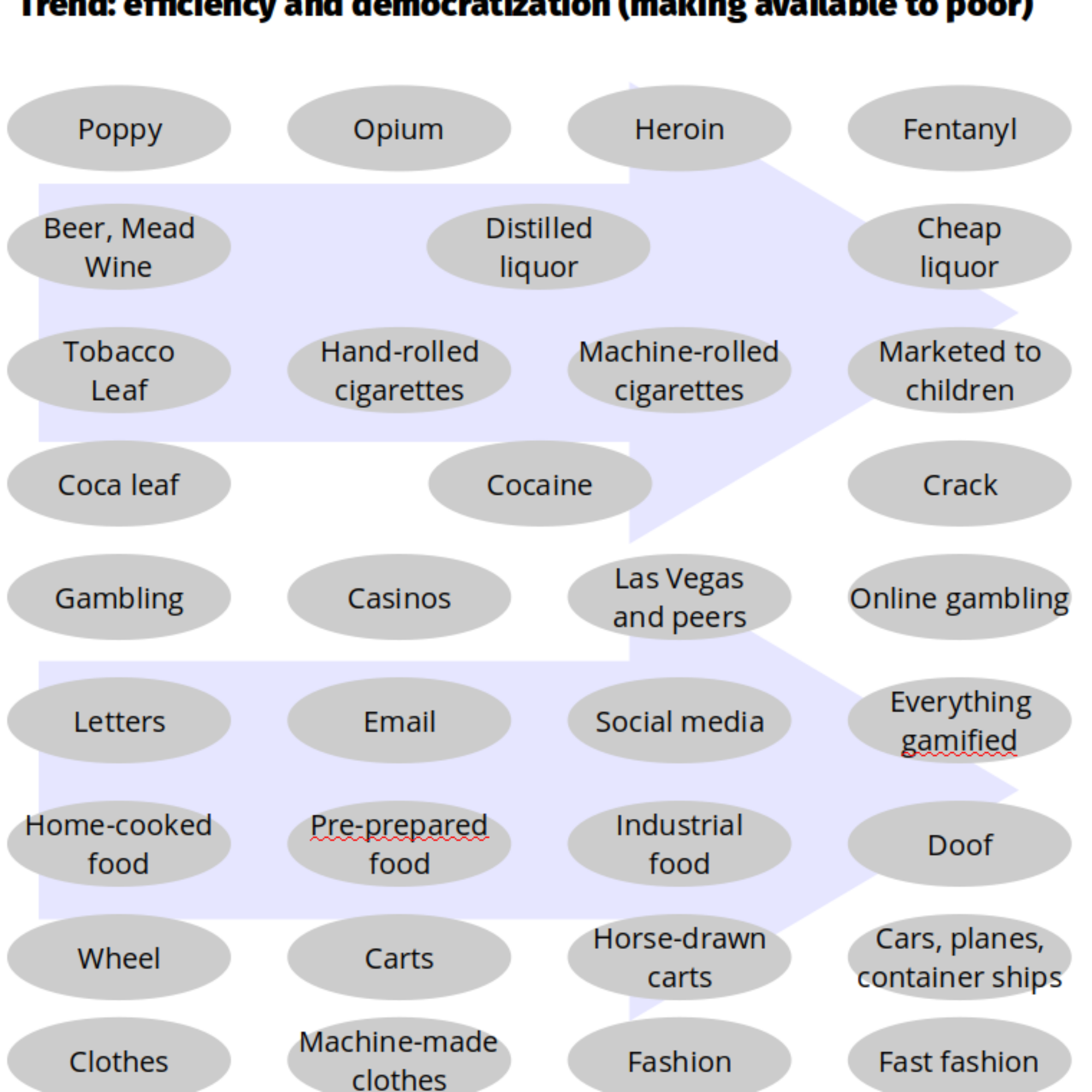
People who don't understand systems love small efficiency gains. They say how it benefits all to make technology available to everyone. When your system produces outcomes you don't want, improving and growing it get you more unwanted outcomes. You may then try that strategy again, accelerating creating unwanted outcomes. We're making things available to the poor that impoverish them. Then we do it more. The diagram below is an early version that needs work, but illustrates many examples of how our economic system making things efficient and more available got the results we should have expected but are likely the opposite of what people wanted. I offer it as a way to wake up to what we're doing, what I call "stepping on the gas,…

0 Comments

Fossil fuels and slavery from a systems perspective

You've heard my conversations with award-winning authors, scholars, and other experts on slavery. With a couple I've talked about the connection between that system and ours. Most of the time, I've thought of the connection as an analogy. For a while, I've seen the connection as closer. Andrew Hoffman, University of Michigan professor in its business school and its School of Natural Resources and Environment, wrote of his discovering the historical connection between slavery and fossil fuels: The first time these two concepts were linked for me was seven years ago, when a senior oil industry executive in London asked me a rhetorical question: "If it wasn’t for oil, where would we get our energy?” His answer, to my astonishment, was “slavery” The book Industrial…

0 Comments

Liberals: get your stories straight, part 1: individual ability and responsibility.

I'll start with a liberal inconsistency relevant to sustainability, not that they monopolize them or are the most egregious, but I have to start somewhere. Mention anything related to my environmental footprint or personal action to many liberals and I'd better prepare for them to lecture me on how BP publicized the concept to deflect blame from them to individuals, or some similar reason why their or my actions don't matter. I think they partly want to show off how smart they are knowing about BP's nefarious plots, or think they are, but mostly I think they want to rationalize that they don't want to sacrifice their creature comforts, like flying, takeout, and such. Their intended message: "You can't change the system through individual action.…

0 Comments

Rhythmic beauty about the stars, Sun, Moon, and Earth I bet you’ve never noticed

You probably learned that the Earth wasn't flat, nor at the center of the universe, and figured you knew the right answers for why everything seemed to rotate around it: the stars, sun, and moon. If Earth was at the center and the stars, sun, and moon rotated around it, it would like like it does. That model explains what we see simply. So why do they look that way? Did you realize there are different reasons for each? The stars look like they rotate around the Earth because the Earth rotates on its axis. The sun looks like it rotates around the Earth partly because the Earth rotates on its axis, but also because the Earth orbits the sun, so we see it rotate…

0 Comments

Why bother with individual action if it doesn’t change systems and similar, ignorant questions

Why bother with individual action if it alone doesn't change systems? The ignorance behind that question astounds me. I'll put the question in parallel, equally ignorant forms: Why bother changing your baby's diaper if it doesn't solve infant mortality? Why take the first step of a marathon if it doesn't take you across the finish line? Why eat healthy or exercise if it doesn't solve obesity, diabetes, and heart disease? Why obey the law if it doesn't stop crime? You might point out that changing a baby's diaper is different than solving infant mortality. Exactly. Each is worth doing on its own, just like individual action and systemic change. Why live by your values? Why live by your values? If you value polluting for your…

0 Comments

Coach John Wooden on sustainability

I just finished reading Wooden: A Lifetime of Observations and Reflections On and Off the Court. His coaching tells more how to live sustainably as individuals and a culture than anything else I remember reading or hearing. For those who don't know, from Wikipedia: John Wooden (1910 — 2010) was an American basketball coach and player. He won ten NCAA national championships in a 12-year period as head coach for the UCLA Bruins, including a record seven in a row. No other team has won more than four in a row. His teams won a record 88 consecutive games. Wooden won National Coach of the Year a record seven times and the AP award five times. They had four perfect 30—0 seasons, won 38 straight…

0 Comments

What God meant by fruitful and dominion.

Major cultural touchstones and motivators for many people to growing material production, sales, and population are the words "be fruitful and multiply" and "have dominion over the fish of the sea, and over the fowl of the air, and over every living thing that moveth upon the earth." People nearly universally misunderstand both parts. You can be fruitful by living a sweet life and you can multiply by multiplying happiness. To live a sweet life and multiply happiness sounds divine. Even if you interpret the first part to mean to have offspring, which isn't a given, the second part would limit that growth. For one thing, you can't have dominion over something extinct. Human overpopulation and overconsumption are causing millions of species to go extinct.…

0 Comments
Four reasons the explanation why we crave sugar and fat and store fat seems wrong
Enjoy Coca-cola!

Four reasons the explanation why we crave sugar and fat and store fat seems wrong

You've probably read things like Until the last century, people were at more risk from malnutrition or starvation than they were from obesity. This lopsided pressure may have shaped humans to be more prone to store fat than to lose it. The ability to store extra calories as fat during times of plenty could help someone stay healthy and fertile when food was scarce. I'm no anthropologist, but I've concluded the reasoning must be wrong, for several reasons. If any seem wrong, I'm happy to change my view back. So far, the mainstream view I believed for a long time seems wrong. First, if our ancestors lived like hunter-gatherers today, they ate more predictably and healthily than we do, not less. The Hadza and San…

0 Comments

Do examples of societies deliberately and successfully lowering their population or economy exist?

If you believe that nonstop growth of the economy and population is impossible on a finite planet, you expect that either we have to stop growing deliberately or nature will cause both to collapse. If you further believe we have have overshot what Earth can sustain, you expect that even if we stop now, nature will cause both to collapse. Growing onto other planets doesn't help because even if we can grow there, we'd still either have to stop growing here or collapse here. So if you believe we've overshot Earth's limits, our only path is to degrow, or decrease the size of our economy and, in peaceful, voluntary, noncoercive ways, population. I think it's reasonable to ask if it's possible. To me, it seems…

0 Comments

How personal action on the environment is like practicing to reach Carnegie Hall

People who suggest individual action doesn't matter on the scale we need to restore Earth's ability to sustain life don't know what they're talking about. I don't mean that figuratively. What they're saying is like telling someone there's no point in playing scales on the piano to reach Carnegie Hall when no one goes there to see someone play scales and that, besides, you'll just have to practice more anyway. We practice scales (or other exercises for other instruments or to play sports, lead people, or other active, social, emotional, expressive, performance-based fields) to help us improve, to master ourselves and our art. We consider it a part of life. It brings us reward, even if it keeps us from doing other things. We know…

0 Comments

How personal action on the environment is like changing your baby’s diaper

People who suggest individual action doesn't matter on the scale we need to restore Earth's ability to sustain life don't know what they're talking about. I don't mean that figuratively. What they're saying is like telling someone there's no point in changing their baby's diaper when it won't solve infant mortality and that, besides, the baby will need its next diaper changed too. We change our baby's diapers to help the vulnerable, helpless baby. We consider it our duty. It brings us reward, even if it keeps us from doing other things. We know we value our babies' health. Yes, keeping our babies healthy helps reduce infant mortality, for which we're glad, but we don't really do it for the rest of the world. We…

0 Comments

Is Capitalism Driving Our Environmental Problems?

I see a strong sentiment, especially among youth, of capitalism being the source of our environmental problems. I'm not sure if everyone agrees on what capitalism means. On the scale of the myriad ways thousands of human cultures have lived over hundreds of thousands of years, communism and socialism are pretty close to capitalism, compared to say, how hunting and gathering societies lived. I think most Americans can't imagine an alternative. I don't think the people criticizing it know of many alternatives. The more I read about other cultures, especially outside written history, the more alternatives I see. I view capitalism or any other economic set of ideologies like a technology. I don't see technologies as good or bad. They augment the values of the…

0 Comments

Why do so many people lecture me on what it’s like to be a straight white male?

Why do so many people lecture me on what it's like to be a straight white male, and why is what they say invariably unlike my life? Do they tell other people what they should be like due to their sexuality, skin color, and sex? Why do they presume to know so much about me and what motivates them to tell me about my life? Why do they tell me so much more than they ask me? Why do they imply a homogeneity among straight white males? Why do they seem to want me to agree with them that my life was how they said, not how I lived it than for them to broaden their views? Why not treat me as a unique person?…

2 Comments

End of content

No more pages to load