Models


Everyone should change except me.

I see the statement Everyone should change except me. as one that defines our time. We recognize the problems. Like traffic, we all contribute to them, but also like traffic, we feel like they---other people---cause it and we're caught in a mess of their making. Of course we cause traffic as much as anyone. We cause our cultural and environmental problems too. We could change.

0 Comments

Being Dick Fosbury and Debbie Brill

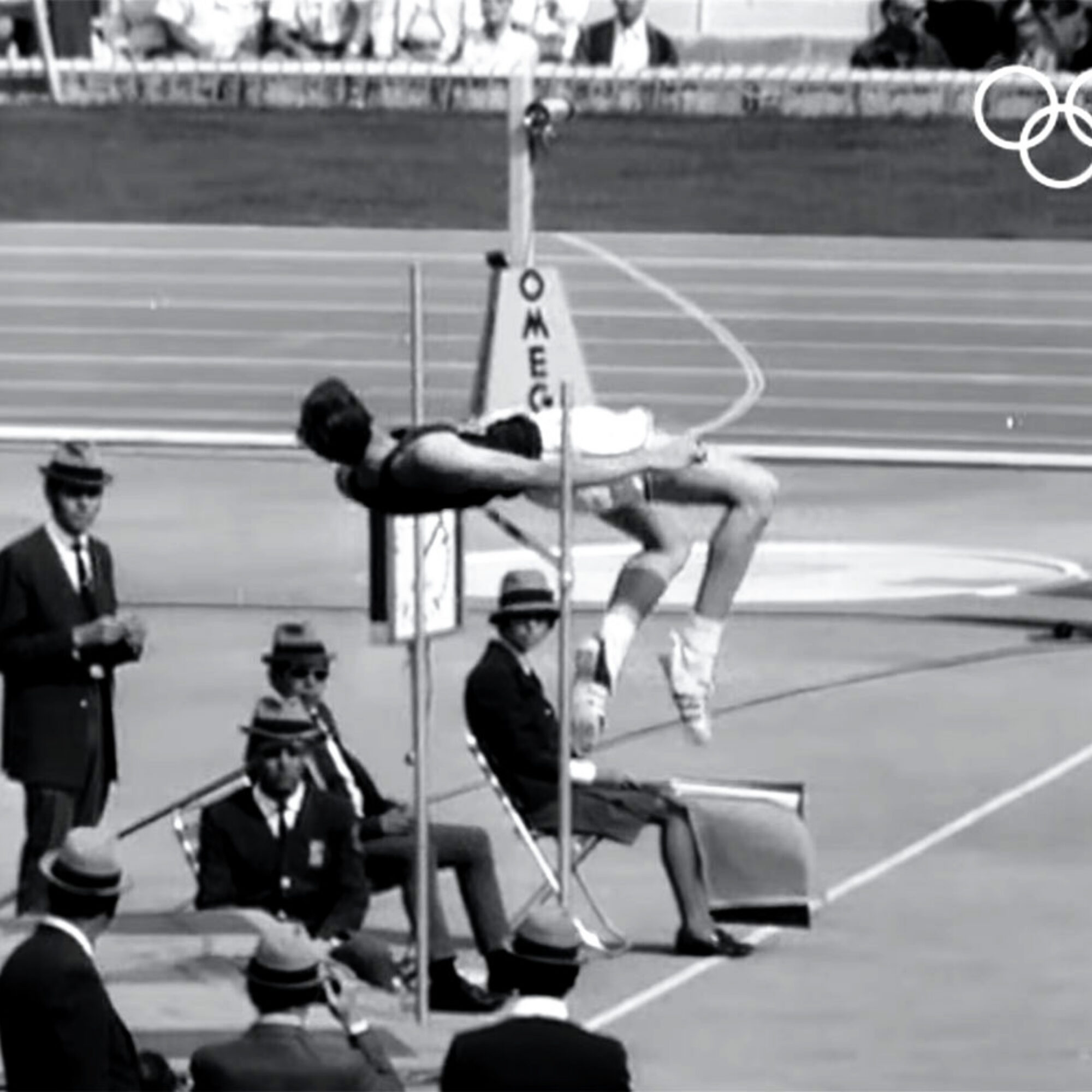
I've described what I'm doing practicing sustainability as being an explorer, the Wright brothers, and Roger Bannister. Each comparison had sense, but I think I found a better one: Being like Richard Fosbury creating the Fosbury Flop. He invented a better way to do the high jump. The videos below show how people did it before him and how he developed a new way. Compared to old ways, it looked backward. Nobody did it that way. He wasn't a great athlete, but he figured out how to do it better. He won Olympic gold. Now everyone does it how he developed. People do what he developed better. He's happy they do. Everyone seems to value sustainability, but I know almost no one who actually tries…

0 Comments

I’m pointing to a brighter future. They keep looking at my hand.

I finally found how to describe how the New Yorker and other outlets covered me: I'm pointing to a brighter future. They keep looking at my hand. The New Yorker wrote how I have dirt under my fingernails, which you get when you dig deep. I can't blame anyone. It's no one else's responsibility for me to be understood. My book should help change this outcome, where I can clarify and state more comprehensively what I'm trying to communicate. I didn't make up the analogy. I think I heard it from Buddhism. Some quote Gautama as saying "I am a finger pointing to the moon. Don't look at me; look at the moon." Some Buddhist teachers say "The teachings are like a finger pointing to…

0 Comments

What we can learn from Dietrich Bonhoeffer: “these difficult years have forged an even closer bond between us than ever before.”

Dietrich Bonhoeffer lived in a culture whose values he disagreed with. He could have dropped his values. It would be easier and more comfortable not to have to push against resistance. He didn't. He chose to live by his values, even when it was hard. One result was that he couldn't spend time with his family in person. Did that separation mean they loved each other less? Did it deprive him of expressing his love for them or receiving their love for him? Did it deprive them of expressing their love for him or receiving his love? No on all counts. On the contrary, he wrote to them, regarding the separation: "these difficult years have forged an even closer bond between us than ever before."…

0 Comments

Thoughts watching Bonhoeffer (2003)

I wrote the notes below while watching the documentary Bonhoeffer (2003) directed by Martin Doblmaier. I want to learn from history to apply what people did to now. I don't want to sleepwalk into disaster that everyone can see happening. https://www.youtube.com/watch?v=_9vqxljH6Ok The tens of millions of people dying today annually from pollution and being displaced from their homes to get the fuel and minerals under their land are being killed not by my actions and yours, but by those of generations of people before us accumulating all that time. Two big difference between them and us: we are polluting more and we are aware of the effects. Our actions will kill and cause more people to suffer than past people and we're doing it with…

0 Comments

Some People Value the Invisible Hand and Devalue a Helping Hand

I think there are a lot of people who consider it virtuous to help people through Adam Smith's invisible hand but crippling to give them a helping hand. That is, I think they consider it magnanimous to act selfishly and mean or debilitating to help people directly. I can see how they get there. I think in their minds they think they're concluding what they should do from first principles, but I suspect they're actually rationalizing and justifying what they wanted to do in the first place. I'm not them, so I could be wrong. I'll have to ask one of them about it.

0 Comments

Focusing only on climate change or carbon today is like Kodak only focusing on film when digital started. Let’s not be Kodak.

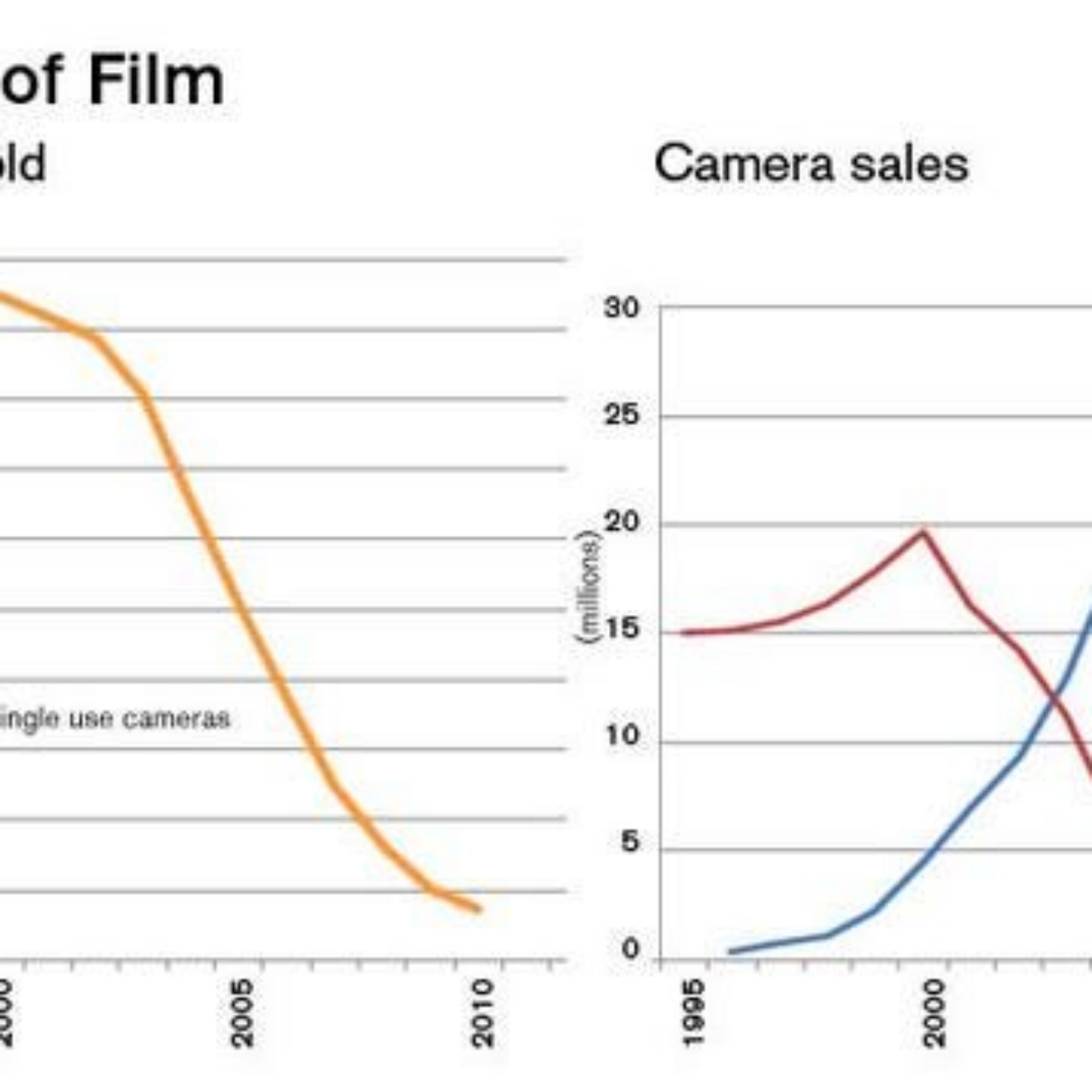
I've written that Only specify fixing climate and carbon if you want to wreck everything else (forests, biodiversity, rivers, etc) because that happens when you do. Our environmental problems transcend "just" climate change. I thought of a useful comparison: Kodak only focusing on film in the 1990s. Kodak dominated its market. Then than market collapsed. Kodak understood about digital and could have moved there. It didn't. It looked elsewhere. You could see climate change as a big problem, but it's a symptom. The problem causing that symptom among many others is our behavior, based in our culture. Kodak had a culture of dominance, not curiosity or change. It could have changed its culture. We can change ours in principle to restore stewardship and get out…

0 Comments

Do you think like a nineteenth century anthropologist?

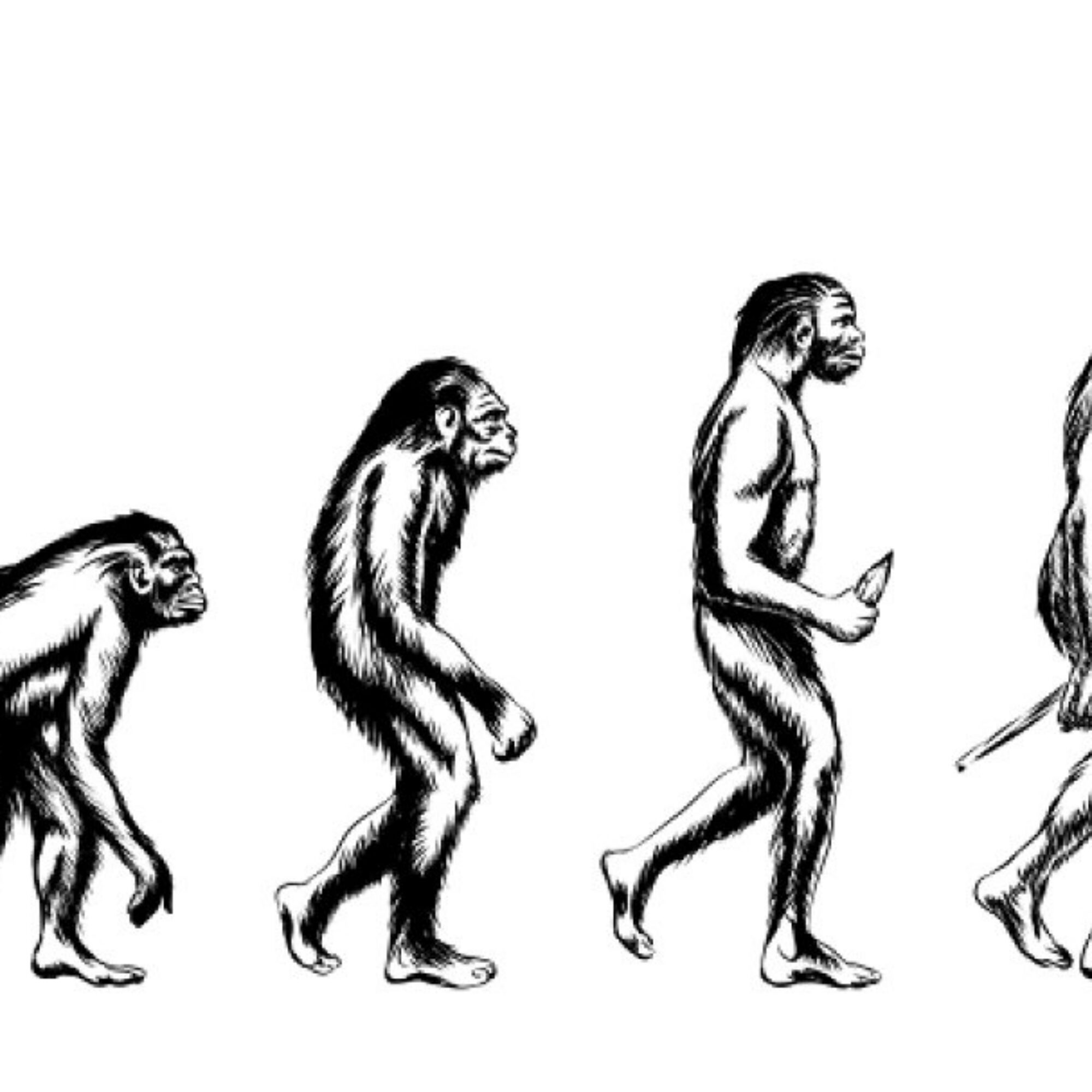
Sorry, today is a half-finished post. I'm not sure if anyone will read it all, but my main pursuit in it is the persistent myth people knee-jerk fall back on that if we don't pursue technological progress and market growth then we risk reverting to the Stone Age. After reading Atlas Shrugged and trying to learn what her fans like about her philosophy so much, I found an essay she wrote on ecologists. She bought this myth and let out all the stops attacking it. I'm no anthropologist, but her views and this myth seem founded on old imperial and colonial stories more designed to sustain a power structure and make people feel better about hurting other people than based on observation. I start the…

0 Comments

The selfishness and self-centeredness of flying

When I talk about not flying, people talk about themselves and what they want, never about the people and wildlife displaced from their land for the minerals, fuel, and airports, nor the people and wildlife who suffer from the pollution. When I talk about drunk driving, they don't talk about what the driver wants, they talk about people they might hurt. When I talk about smoking indoors, they don't talk about what the smokers want, they talk about people they might hurt. When I talk about racism, they don't talk about what the racists want, they talk about people they hurt. When I talk about sexism, they don't talk about what the sexists want, they talk about people they hurt. When I talk about slavery,…

0 Comments

Hawaii: Microcosm of Earth

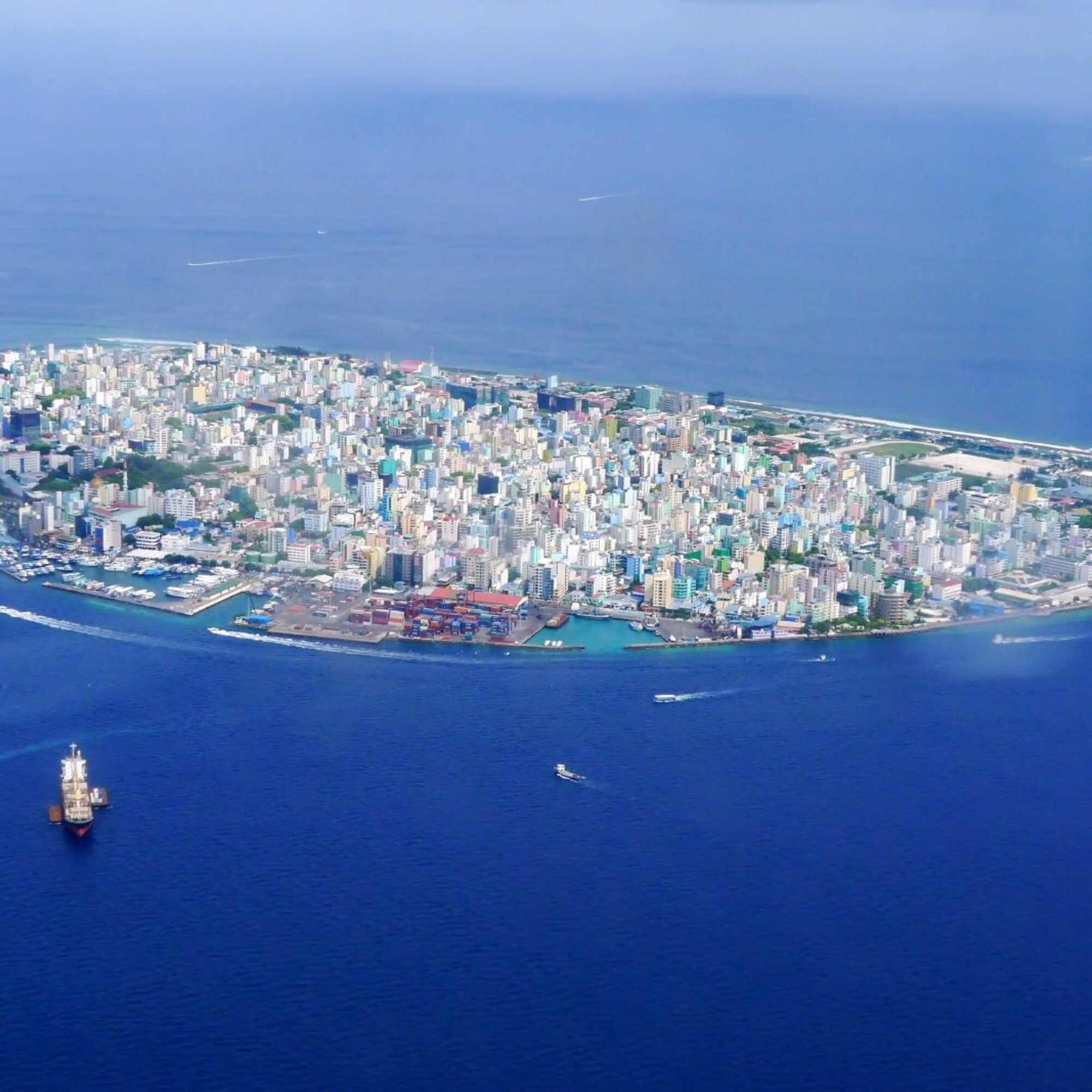
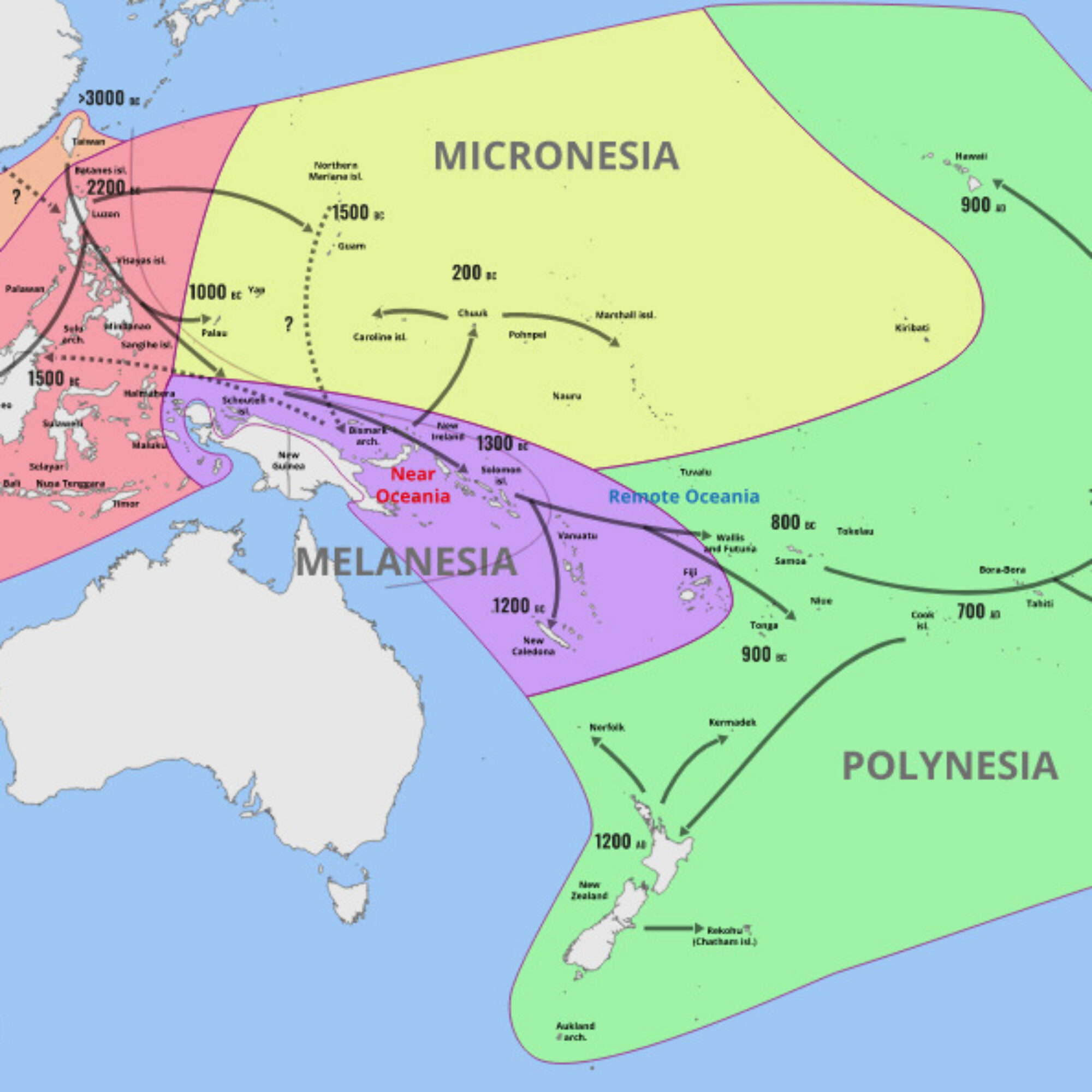
Longtime readers who Eugene Bible, who hosts This Sustainable Life: Solve for Nature, a sibling podcast to mine. He lives in Hawaii. A while ago he shared a view that helps me simplify and clarify how we affect nature. He suggested viewing Hawaii as a microcosm of Earth. Do you have a proposal you think would help Earth? Ask if it would work with Hawaii. [EDIT: I had planned to write this post for months. I didn't know that historic wildfires were beginning to ravage Hawaii as I was writing. The day after I posted, President Biden issued a federal major disaster declaration as 53 people have died from the Maui wildfires, governor says, and historic Lahaina has burned down. We can reverse this trend,…

0 Comments

Why we’ll prefer sustainability

Why people mistakenly think sustainability means deprivation and sacrifice and think not polluting is extreme: I used to party with world famous DJs. Manhattan dance clubs gave me tables and an unlimited guest list back when I made art that a few clubs put in their VIP lounges. Sometimes amid an amazing party, someone would leave early to walk their dog or relieve their baby sitter. From my partying perspective, they looked crazy. Here was a world famous DJ, we're behind the booth, the party would continue all weekend, sometimes free booze, drugs, the works. Instead they're choosing to pick up an animal's poop, maybe get a baby's poop on their hands. Crazy! From their perspective, though, there was no comparison. A party isn't in…

0 Comments

The UN’s three-pronged attack on sustainability

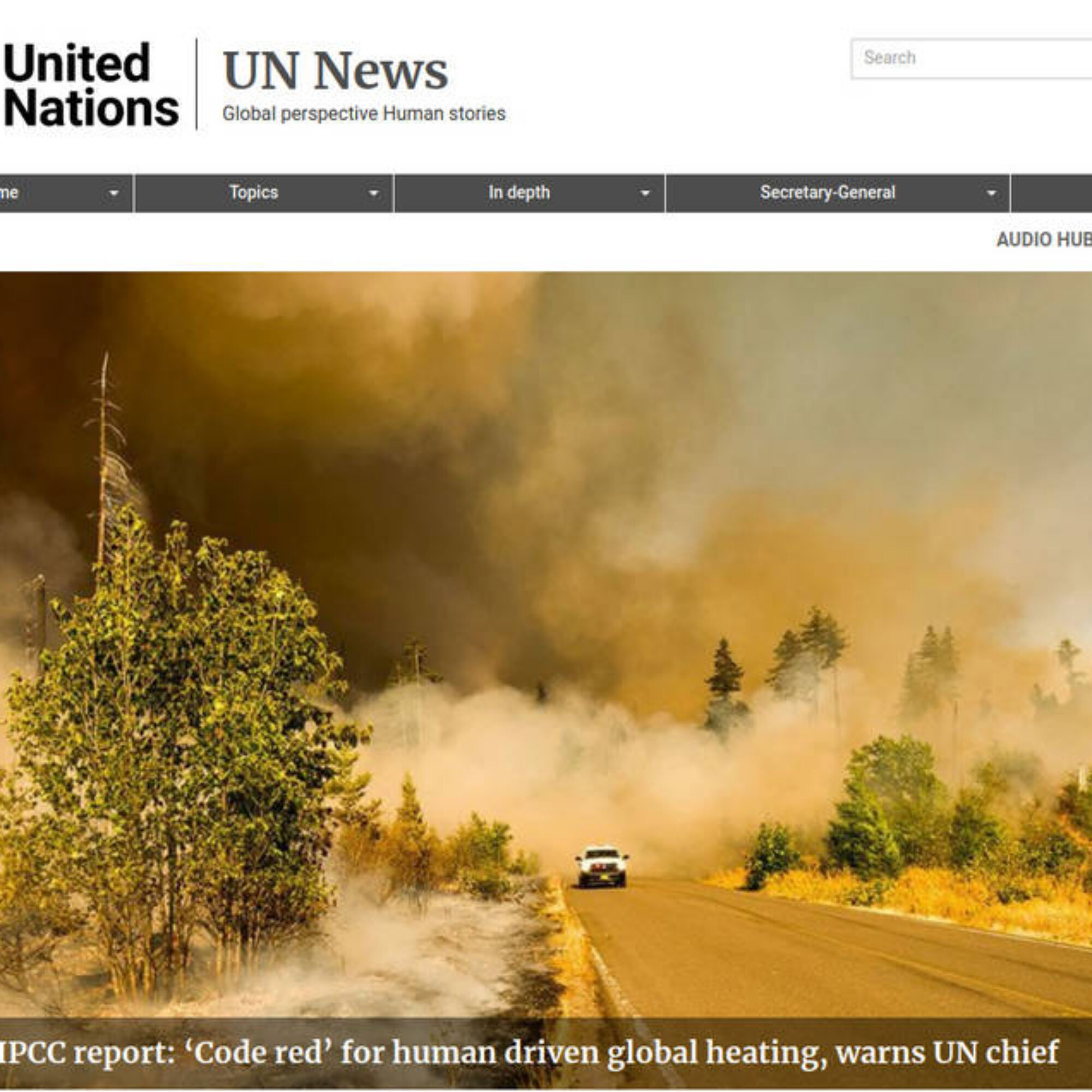
The United Nations may be delivering the most effective attack against sustainability of all. I can only see its three messages below leading people not to change or, if anything, to accelerate business as usual. Message 1: "CODE RED" The United Nations created the IPCC (Intergovernmental Panel on Climate Change). I see two predominant messages from the UN and IPCC. The first is DANGER DANGER DANGER, or in the words of António Guterres, UN Secretary-General: CODE RED and The evidence is irrefutable: greenhouse gas emissions are choking our planet & placing billions of people in danger. Global heating is affecting every region on Earth, with many of the changes becoming irreversible.We must act decisively now to avert a climate catastrophe. and The era of global…

0 Comments

The stages of environmentalism leading to counterproductive work or capitulation (and how to avoid them)

People who work on our environmental problems seem to go through stages. I'll describe them, if you don't mind I haven't studied them in detail, just painting broad strokes. We start with ignorance, generally gaining knowledge and ideas of what they can do. We move from ignorance to basic knowledge. Some drop off there. Others continue to more knowledge. Some of them move to realizing they can act. The details of each stage aren't my main point. The last stage is, or what would be the last stage except that everyone turns back from it. Those who keep going reach where they realize we have to change our culture. Few reach that realization, since most stop at some point to focus on developing a technology,…

0 Comments

A Role Model for Our Times: Aristides de Sousa Mendes, fired for saving thousands of refugees from Nazis

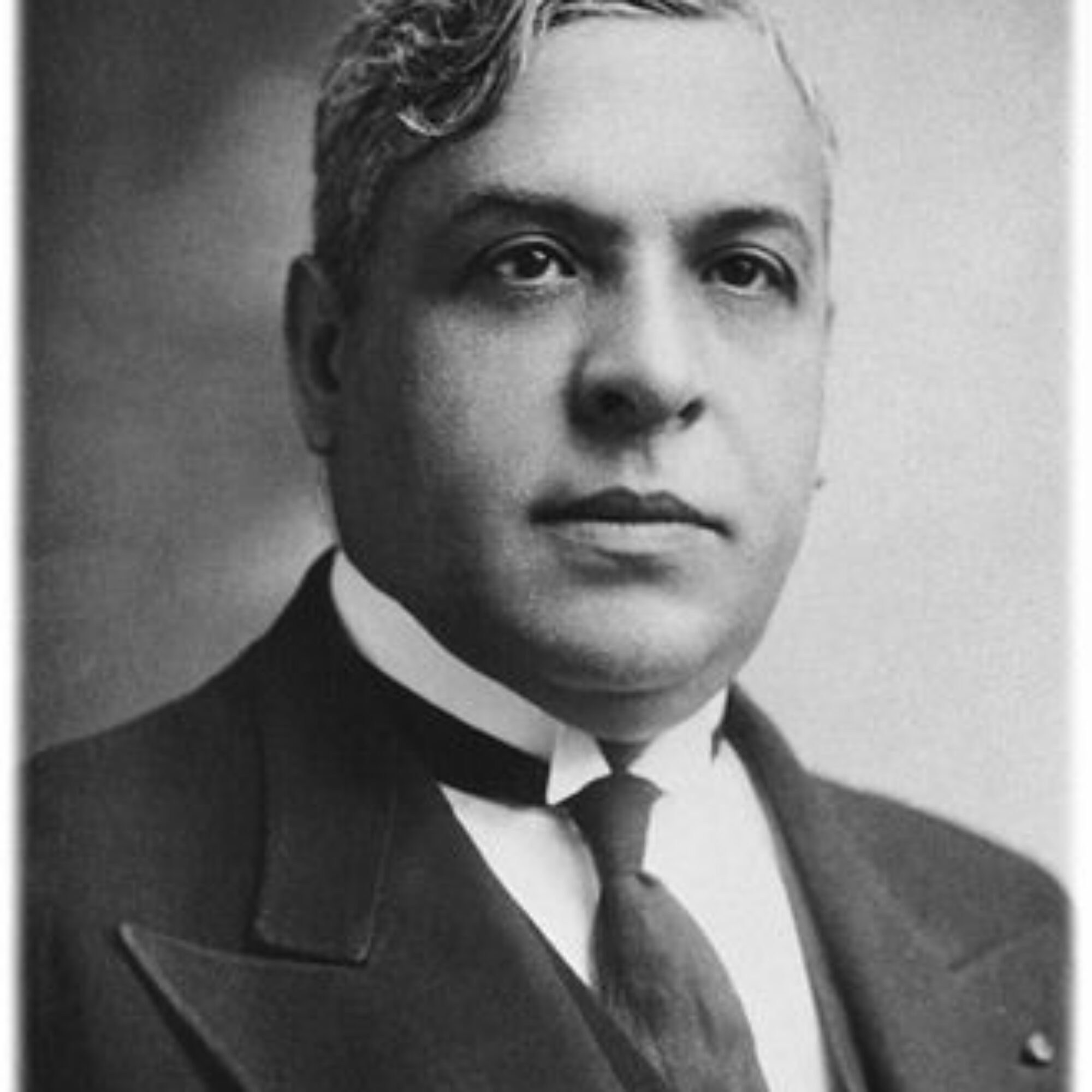
Failures of imagination and leadership in sustainability are the hallmarks of our time. They mean that when even sustainably-minded people try to imagine people with political or business authority acting for sustainability, they can't think past how to make sustainability profitable or get votes. I'm going to lead CEOs to see themselves as humans first, CEOs second---politicians, journalists, celebrities, and so on too. Oskar Schindler didn't save those Jews from the Nazis because it was good for business. Robert Carter III didn't free the most slaves in America before the Civil War "to do well by doing good." They weren't used by their businesses to do what the businesses wanted, like more profit by local practices of Nazism and slavery; they used their businesses to…

0 Comments

Reading Limits to Growth and learning to sail

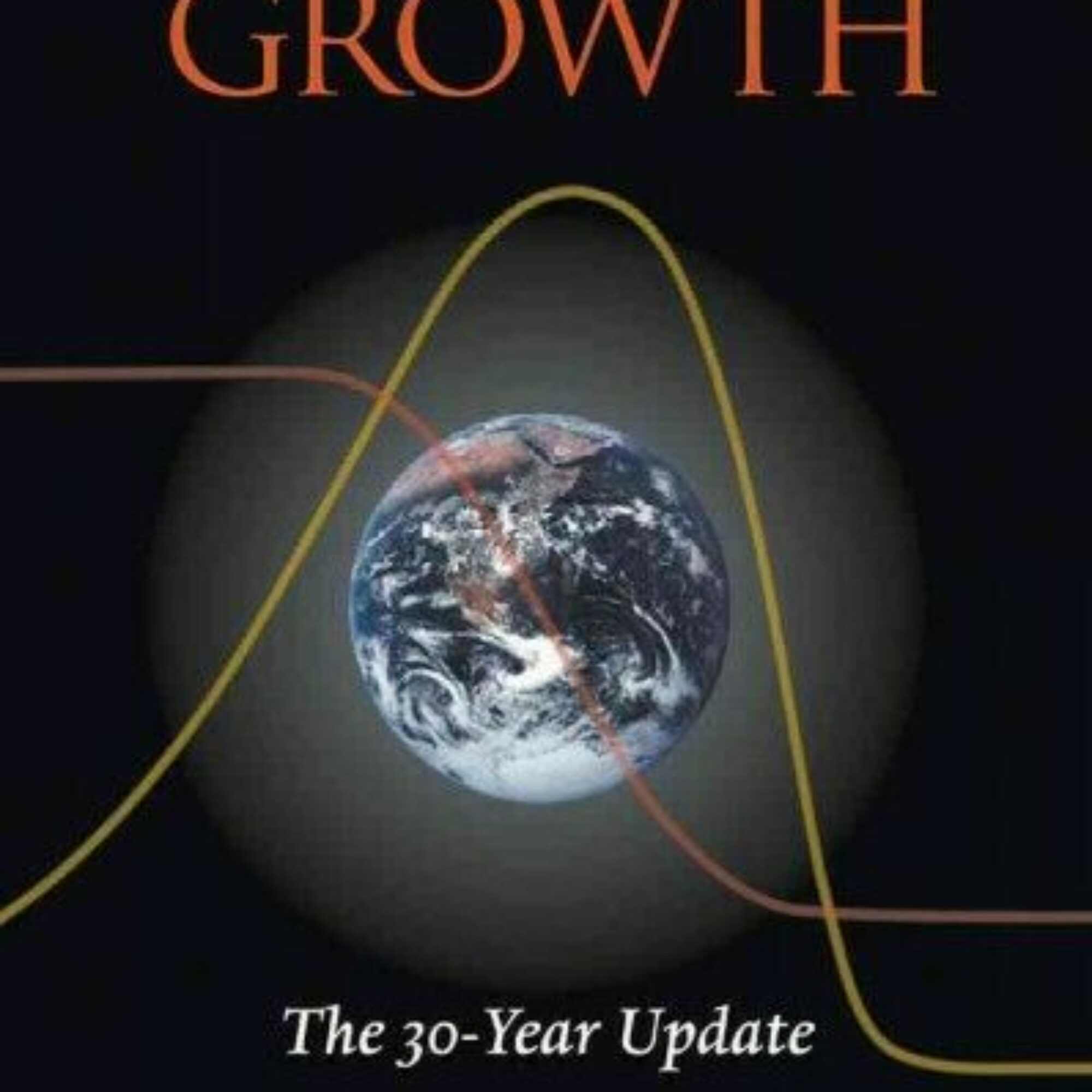
The book Limits to Growth doesn't answer everything about the environment and sustainability, but I find it gives the best high-level, systemic understanding of the patterns of humanity's overall interaction with nature. The authors created a model and ran simulations. It could have happened that none corresponded with observation, but after 50 years, there is remarkable correspondence, as researched by podcast guest Gaya Herrington. I recommend reading her results after reading the book. My comparison Reading Limits to Growth is like learning to sail. Their results teach you generally what we can do, but many things are beyond our control. In sailing we can't control the wind or currents, but we can still have a great time. In humanity's interactions with nature, we can't control…

0 Comments

Analects of Sustainability Leadership (words to live by)

Analects are selected miscellaneous written passages, often words to live by. Here are ones on sustainability leadership, many I created. I'll keep update the following as I develop new ones. You can't lead others to live by values you live the opposite of Systemic change begins with personal change To cross the finish line of the marathon of changing a system, you first have to cross the starting line of changing yourself. Otherwise you aren't in the race. If you make a polluting system more efficient, you pollute more efficiently, even if you lower it in one area. If you do something that kills people and you don't want to kill people, you have to stop doing that thing. Imagine you coached a sports team…

0 Comments

Love and marriage don’t cause pollution. Stop using them as excuses.

How many times have I heard about polluting and depleting less, "You can do those things because you're single."? I know when people rationalize and justify their inaction, say by saying it's easier for me or particularly harder for them, they aren't speaking rationally. They're protecting their vulnerabilities, suppressing and denying that they are hurting others, acting against their deepest values. Still, it seems worth it to list a few challenges of acting alone. Acting alone means No economies of scale No division of labor No person to support you I have to do everything: all the shopping, cleaning, and cooking I can't leave food out when it's hot and things go bad quickly, so am limited in what I can cook Have to work…

0 Comments

The alternative to what we call progress isn’t what you think

I see American culture moving toward increasing isolation. Compared to any time in human existence, we spend more time alone. Our paltry amount of skin-to-skin contact between parents and infants might be considered child abuse in other cultures. We talk about visiting other cultures, but even when in-person, we generally look at them from the outside through curated experiences like going to zoos. All that visiting is homogenizing culture more than learning. When I pollute someone’s environment, plunder their resources, impose my values on them, and run roughshod over their culture, I don’t want to connect with them. It would make me feel shame. Despite our medical advances, returning longevity to ancestral levels, and such, that isolation leads to anxiety, depression, and suicide. The pollutionist…

0 Comments

Is this your view of sustainability versus progress?

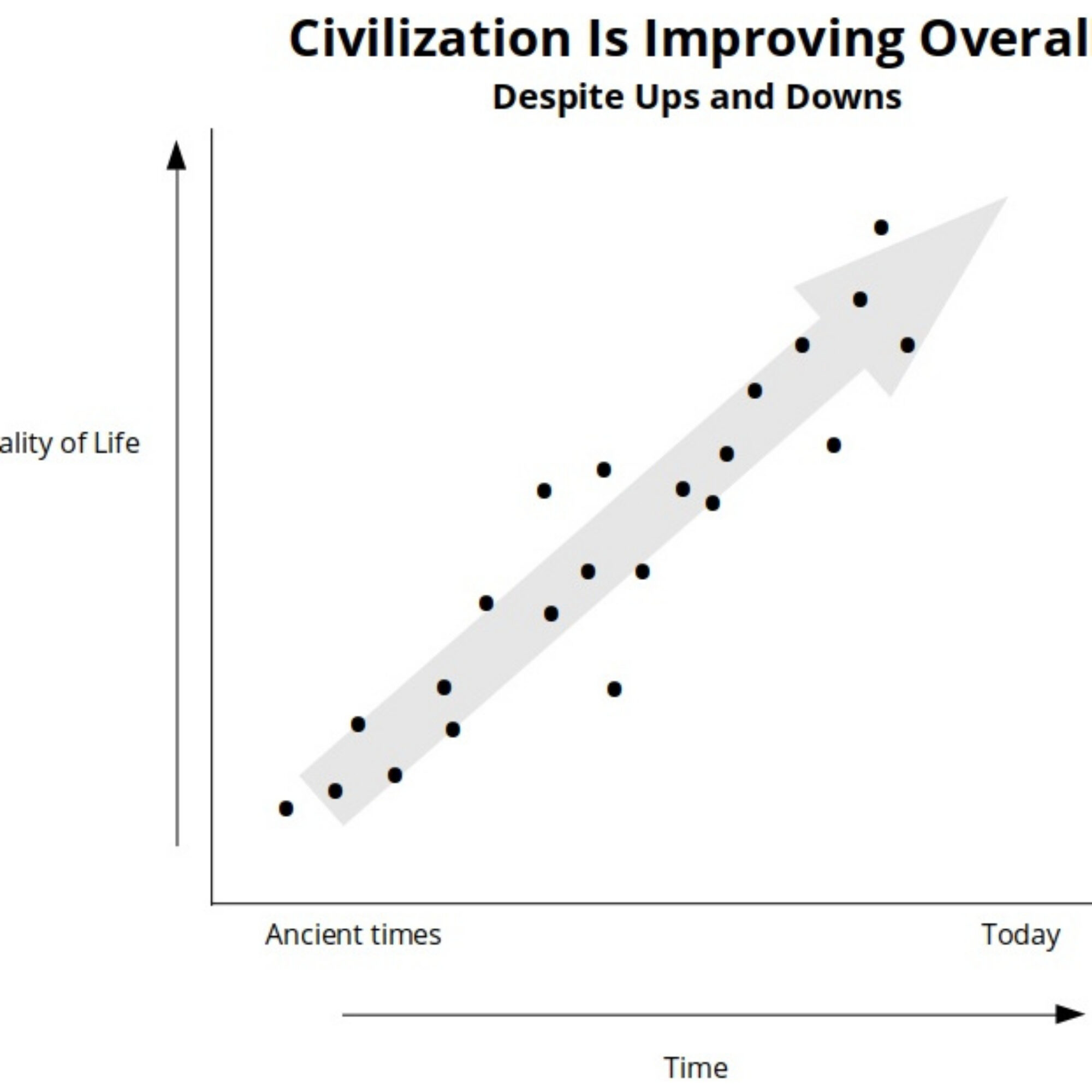
“But why did everyone work so hard except to improve our lives,” asked a woman I spoke to about my having reduced my pollution. In her view, civilization may have had its ups and downs, but overall it’s led to progress. We’re living in the best times ever. The only better times will be the future, as long as we keep progressing. I believe she and most people view civilization like this graph: Some of the low points include the World Wars, the Atlantic Slave Trade, and the Great Depression. High points include discovering penicillin, painting the Mona Lisa, writing the Declaration of Independence, and landing on the Moon. Since we’re progressing as fast as we can, any deviation, including sustainability, means losing that progress.…

0 Comments

Us from their perspective

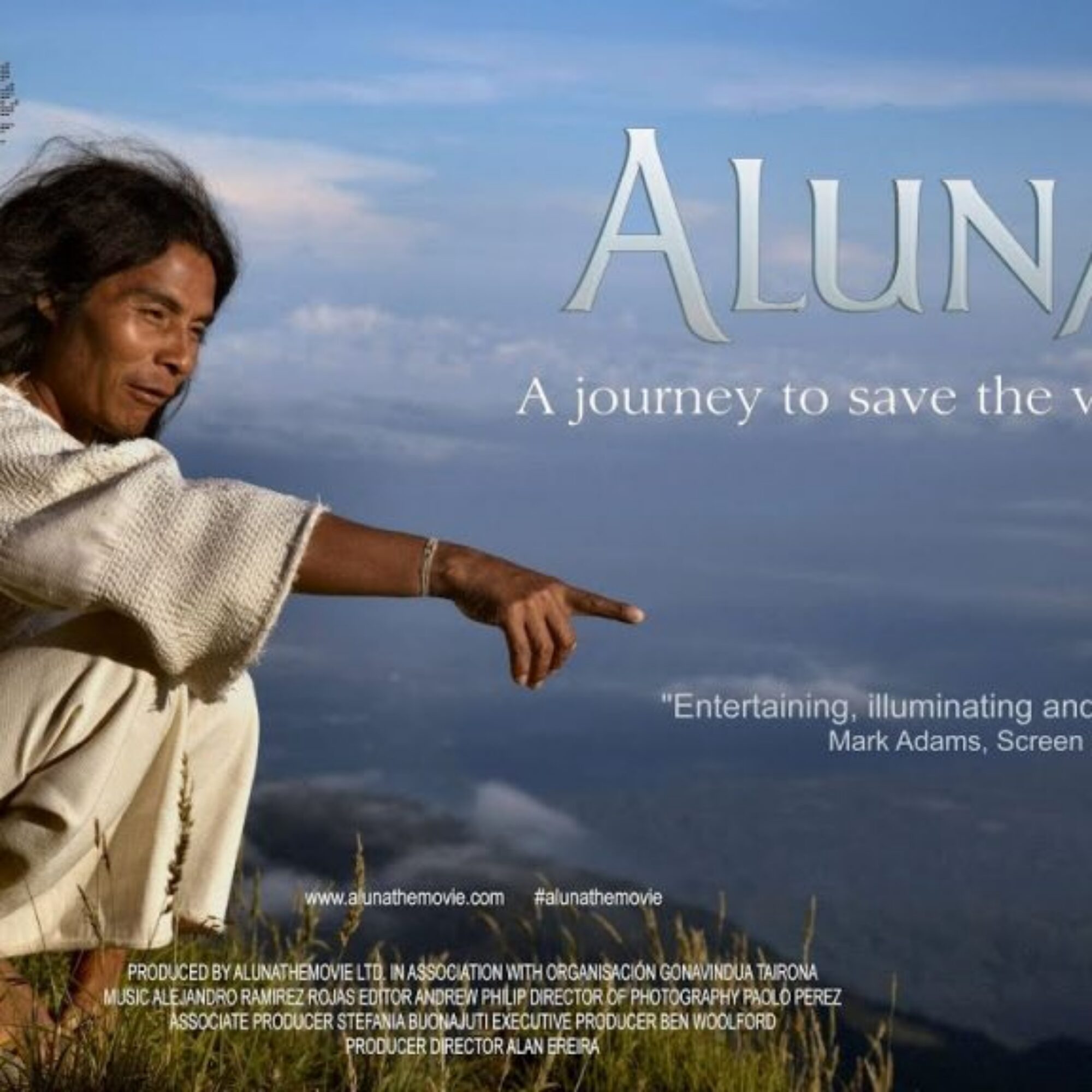
We invented washing machines and things like it to remove the need for backbreaking labor every day just to survive. We created vaccines to cure and anesthesia to remove pain. Why would anyone consider reverting to the Stone Age, risk it, or even move in that direction? Moving backward is the last thing we should do. Why give up on what we worked so hard for? Yet cultures remain that resist joining the modern world that we call indigenous. Why don't they get with the program? Some do, but some see our culture with its airplanes, longevity, and cell phones and choose their own, out of knowledge and experience, not ignorance or stupidity. Recording my third podcast episode with Alan Ereira, who has lived among…

0 Comments

What I’m doing when I act to help others

The scene: We're walking along and see a bunch of helpless children drowning. Instead of helping them, scientists study the situation, educators teach about what the scientists learn, journalists write stories about tragedy, politicians seek funding to solve, CEOs see all the activity and find ways to sell products about the situation, and activists protest that something like this shouldn't happen. But none help. As they study, teach, write, raise funds, market products, and chant, more children appear drowning. The tragedy worsens. It appears they've build a highway that leads cars off a cliff into the water. Everyone says, "governments and corporations caused this problem! They should fix it, not us!", even while the children are drowning and more cars are driving off the cliff.…

0 Comments

GDP Growth versus Hawaii

Everyone says GDP has to grow or everything will fall apart, based on economic theory. When Captain Cook found Hawaii in 1778, people had lived there for at least 500 years. Settling Hawaii 500 years before now, the human population was 450 million, suggesting that 500 years was enough for Hawaiians to overrun the islands and cause them to collapse. They didn't, meaning they must have stopped growing, for centuries. Yet they survived and apparently thrived. If a theory says something is necessary but a society survives without it, how can we not conclude that theory is wrong, or at least doesn't always apply? In physics, we hold that if a theory predicts something and observing nature shows something else, the theory is wrong, not…

0 Comments

My orchestra model of sustainability leadership

We're in an orchestra with a command performance impending. No one knows how to play even a scale. Instead of practicing their instruments, they're saying learning to play their own instruments would distract from the orchestra playing together. We have to practice as an orchestra without knowing how to play ourselves. They keep pointing at the musical score and reciting musical theory, but not putting their fingers on their instruments. They steadfastly refuse. They're saying someone will create better instruments and insist further on not practicing. They say they don't have time or money to practice, that it means deprivation and sacrifice. When someone tries to practice they say there's no point. They say it will distract from playing as an orchestra so they keep…

0 Comments

Fixing Peter Singer’s drowning child analogy for sustainability

Peter Singer is one of the best known philosophers. He's won many awards. As a vegetarian since 1990 and vegan about a decade (I didn't note the date I stopped eating cheese, the last animal product I still ate for a long time; also I ate less animal product than anyone I met who called themselves vegan for much of the time I was still vegetarian), I've known about his 1975 book Animal Liberation for a long time. Peter Singer I'm writing now because I recently re-heard his drowning child analogy and saw a new take on it relevant to sustainability. I'll describe the analogy very briefly since you can look it up, then describe my take. The analogy suggests you consider if while wearing…

0 Comments

Sustainability actions that end up the opposite you expect. Systems don’t work linearly.

Systems work different than you expect if you don't understand them. People who don't understand systems often push them in ways that produce the opposite outcome they want. Alternatively, people who understand systems see how to achieve intended results through counterintuitive ways. Some examples: Less sugar, more sweet: I used to eat ice cream almost daily. In those days apples tasted bland. Having avoided doof for years, now apples taste sweeter than ice cream did. Vegetables today taste sweeter than fruit used to. I used to consider cauliflower dry and bland. Now it tastes sweet and juicy. At events with food spreads including cauliflower, common for NYU, I often find myself the only one eating the cauliflower. Similar: Less salt, more salt flavor and less…

0 Comments

End of content

No more pages to load