Models


Corollaries to my recent post: Replacing “sustainability” with “not hurting people” and “polluting” with “hurting people”

I want to clarify some consequences of realizing that polluting means hurting people, as I wrote in my post Replacing “sustainability” with “not hurting people” and “polluting” with “hurting people”. People often say that some people can't worry about sustainability because they're working three jobs to take care of three kids and having to worry about the next meal means they don't have the luxury of worrying about the environment. They don't know what they're talking about. I suspect they lack hands-on practical experience. I recognize they aren't speaking out of logic or effective leadership, but the emotions that their own internal conflict creates. We live in a culture where it's difficult to avoid doing things that hurt innocent people. It's uncomfortable to face the…

0 Comments

Playing on a tilted field isn’t fair. How to fix it and how not to fix it.

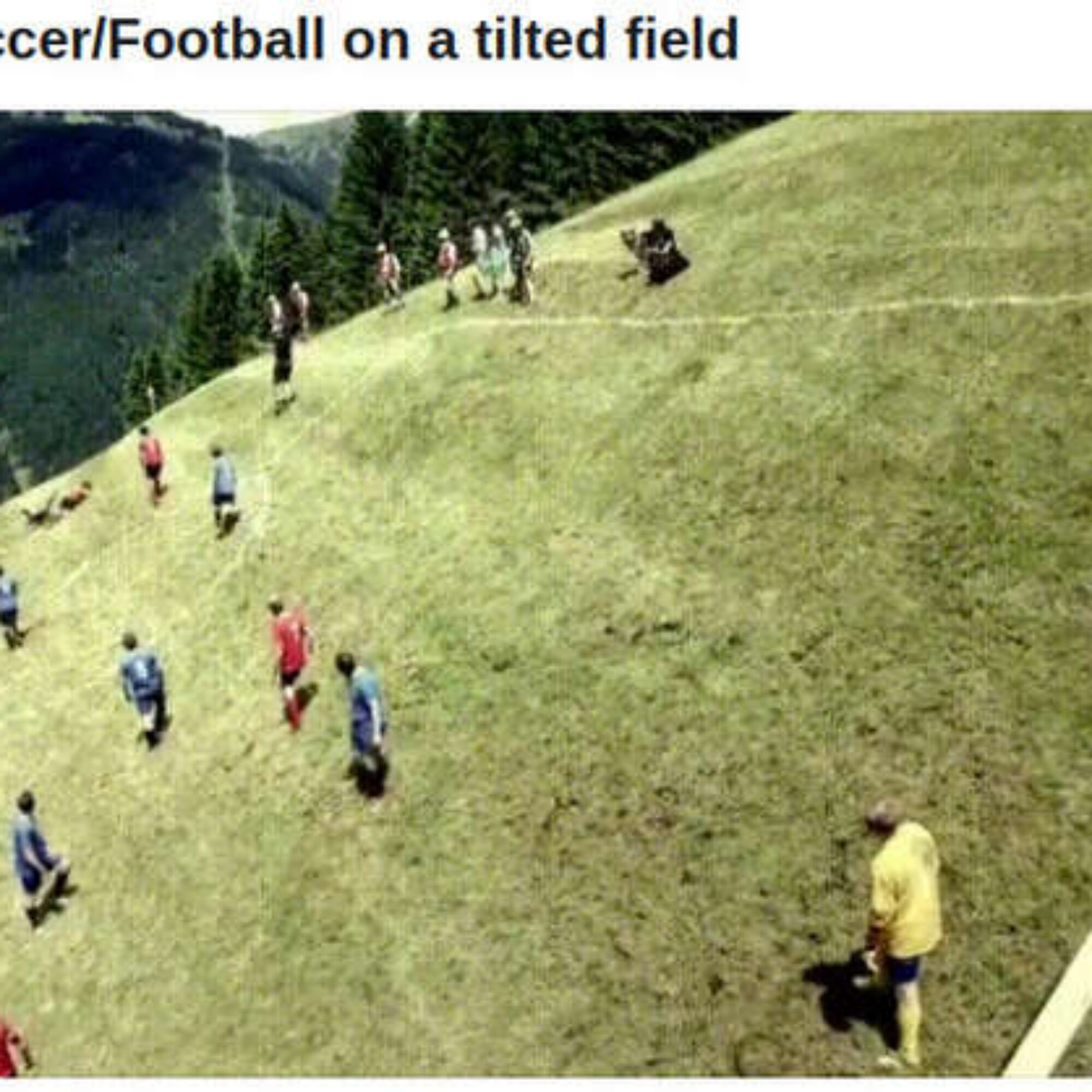
This post is about how to think about fixing historical wrongs, like reparations for past injustices. Imagine playing soccer on a tilted field. Amazingly, I found an image of such a thing online, but it shows a field tilted sideways. I mean tilted so one team has to run uphill on offense. Almost surely one team will have an advantage, though my soccer-playing friends can't tell which. [Edit: I since thought of a simpler, clearer way to advantage a team: make the goal one team have to defend six inches wider or taller. I already wrote this post and found the picture below, so I won't edit it completely, but just imagine instead of a tilted field, a field with one goal larger than the…

0 Comments

“I solve problems. I’m not putting band-aids on symptoms”

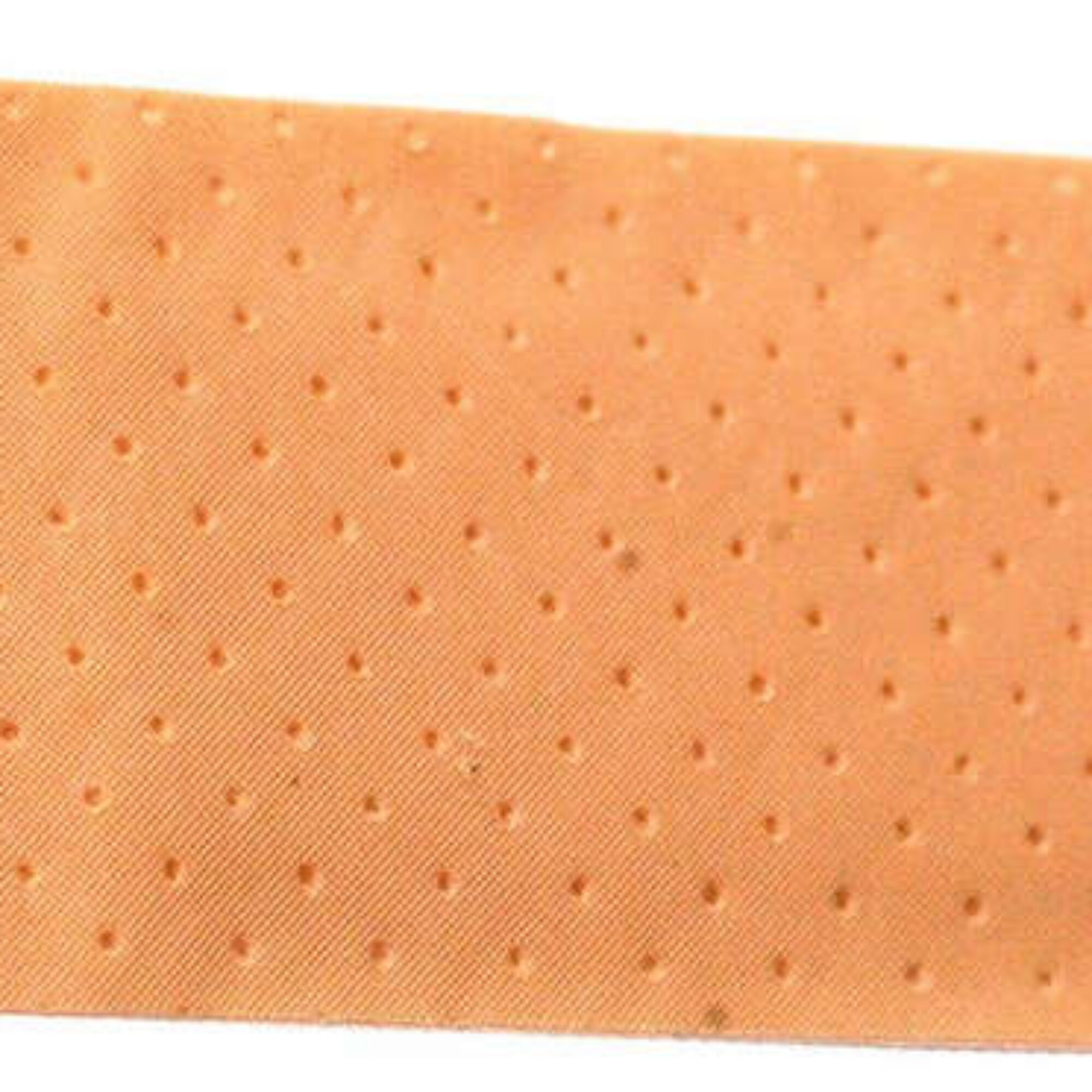
I spoke this post title in conversation. As I said them, I realized I had to post them to my blog: "I solve problems. I'm not putting band-aids on symptoms" Most purported solution I see proposed for the environment put band-aids on symptoms. I don't oppose helping the poor, conservation efforts for the Amazon or other nature being encroached on, avoiding straws, eating less meat, turning off lights when not in use, protests, and so on. Nearly all these efforts achieve what I call "stepping on the gas, thinking it's the brake, wanting congratulations." In Sustainability Simplified I call them "pulling an Eli Whitney," after the guy whose cotton gin designed to reduce labor helped grow American cotton into the greatest slave culture in history.…

0 Comments

The average of zero and a negative number is still negative so we all have to live sustainably, not just some of us.

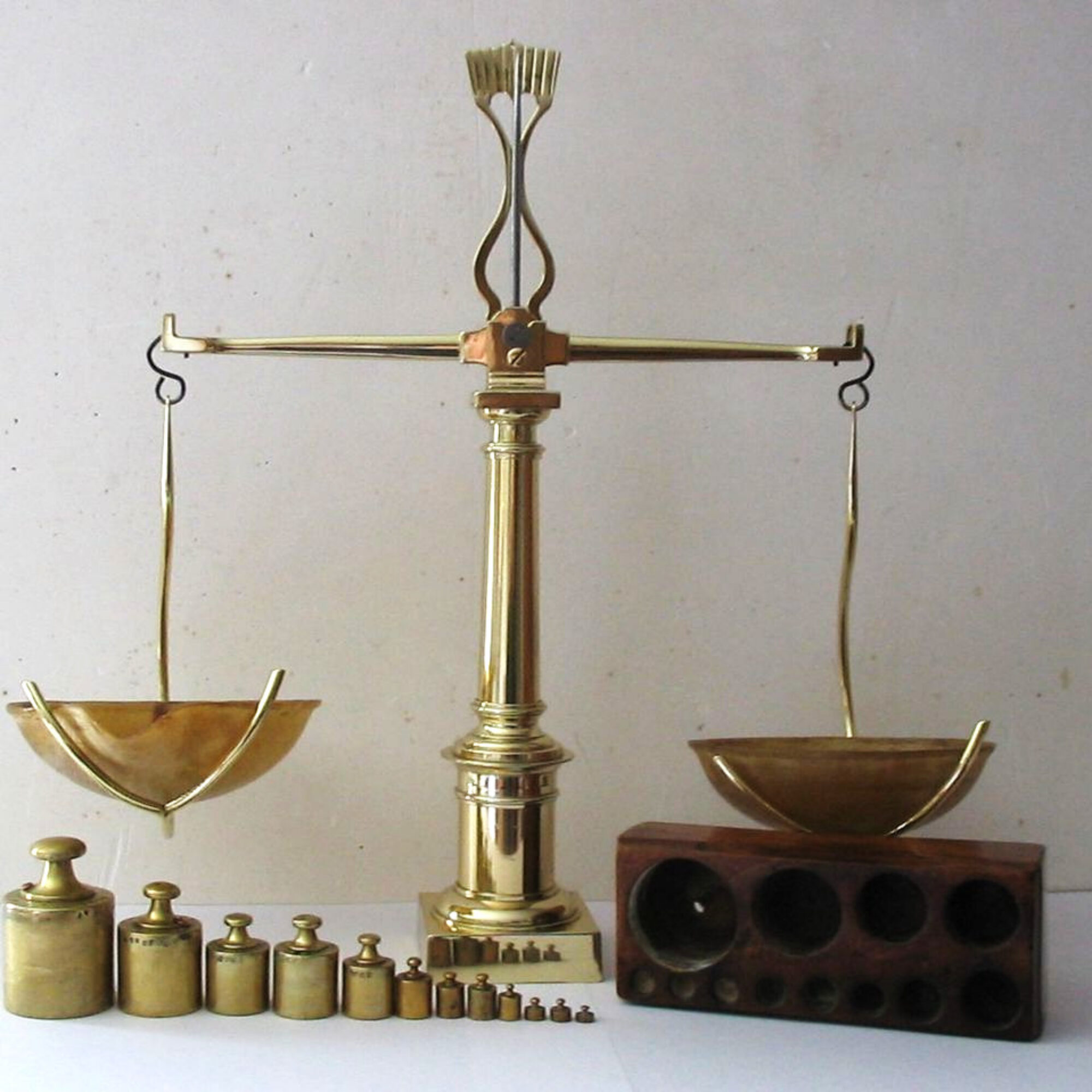
I generally define sustainability as not lowering the amount of multicellular life earth can sustain. Single-celled life turns out to comprise a lot of life and our behavior may not affect it, but I'm partial to humans and the life we depend on, like other animals, plants, and fungi. Humans have decreased the amount of life. If sustainability keeps the number unchanged, it's like a zero net affect. Unsustainability means a negative number. Regenerative means a positive number. We can only regenerate for so long based on energy from the sun, which powers photosynthesis. Nothing else has been shown to work in the long term, so regenerative doesn't last long term. What remains is living sustainably and unsustainably. Today, nearly everyone lives unsustainably. That is,…

0 Comments

Our environmental symptoms aren’t like a mosquito. They’re like a flat tire while riding a bike: you have to stop and face them to solve them.

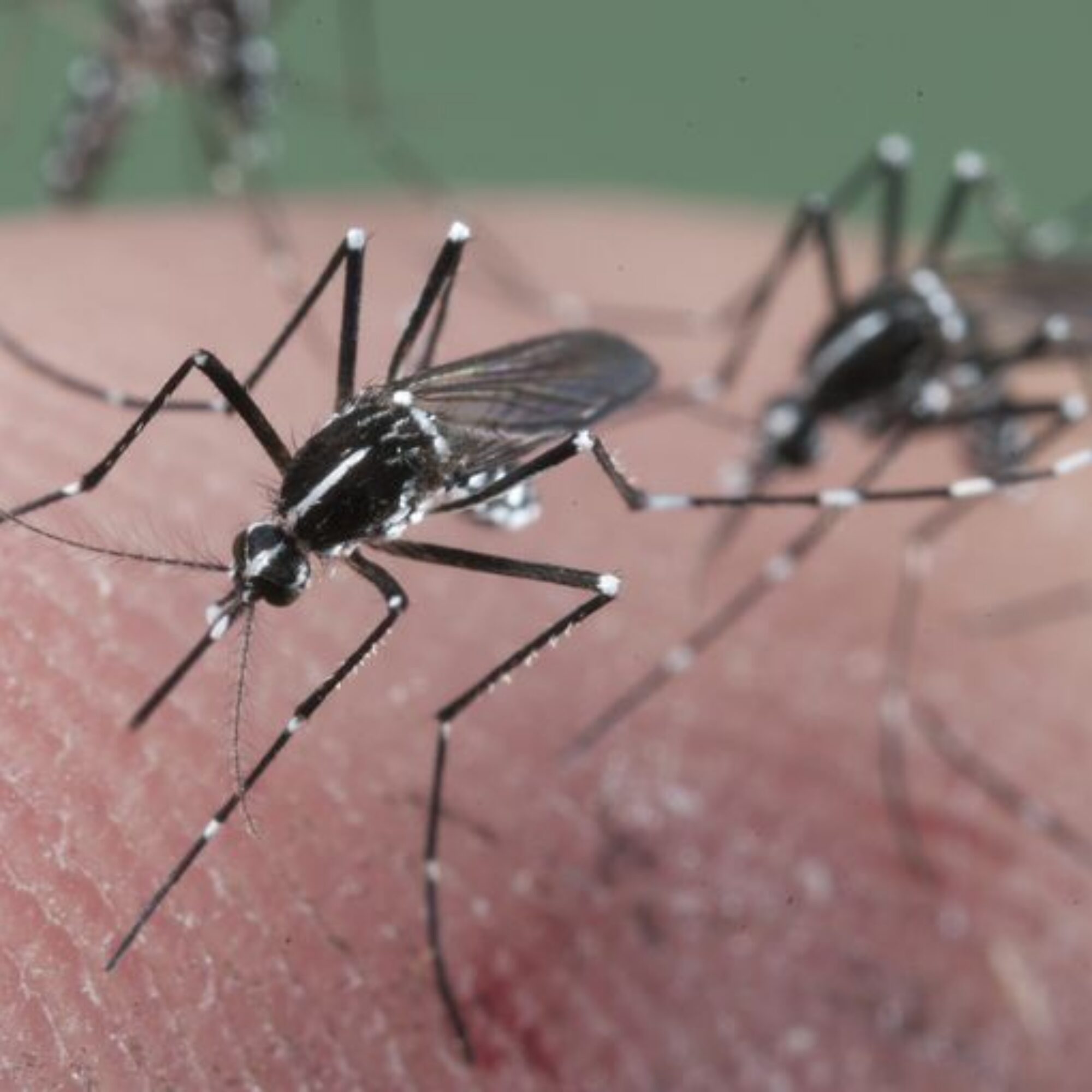
Some problems are like a mosquito. It may bother and annoy you, but usually not enough to keep you from what you're doing. Say you're walking and a mosquito bothers you. You may swat at it and try to kill it, but you can generally keep doing what you were doing. Many people see our environmental symptoms as mosquito problems. They see them as bothersome, but not enough to turn away from living the life they wanted in their culture. Other problems are like a flat tire when riding a bike. These problems won't go away. They increase if unsolved: if you try to keep riding, you'll break the bike. If you keep going, you'll likely fall and injure yourself. A flat-tire-on-a-bike problem you have…

0 Comments

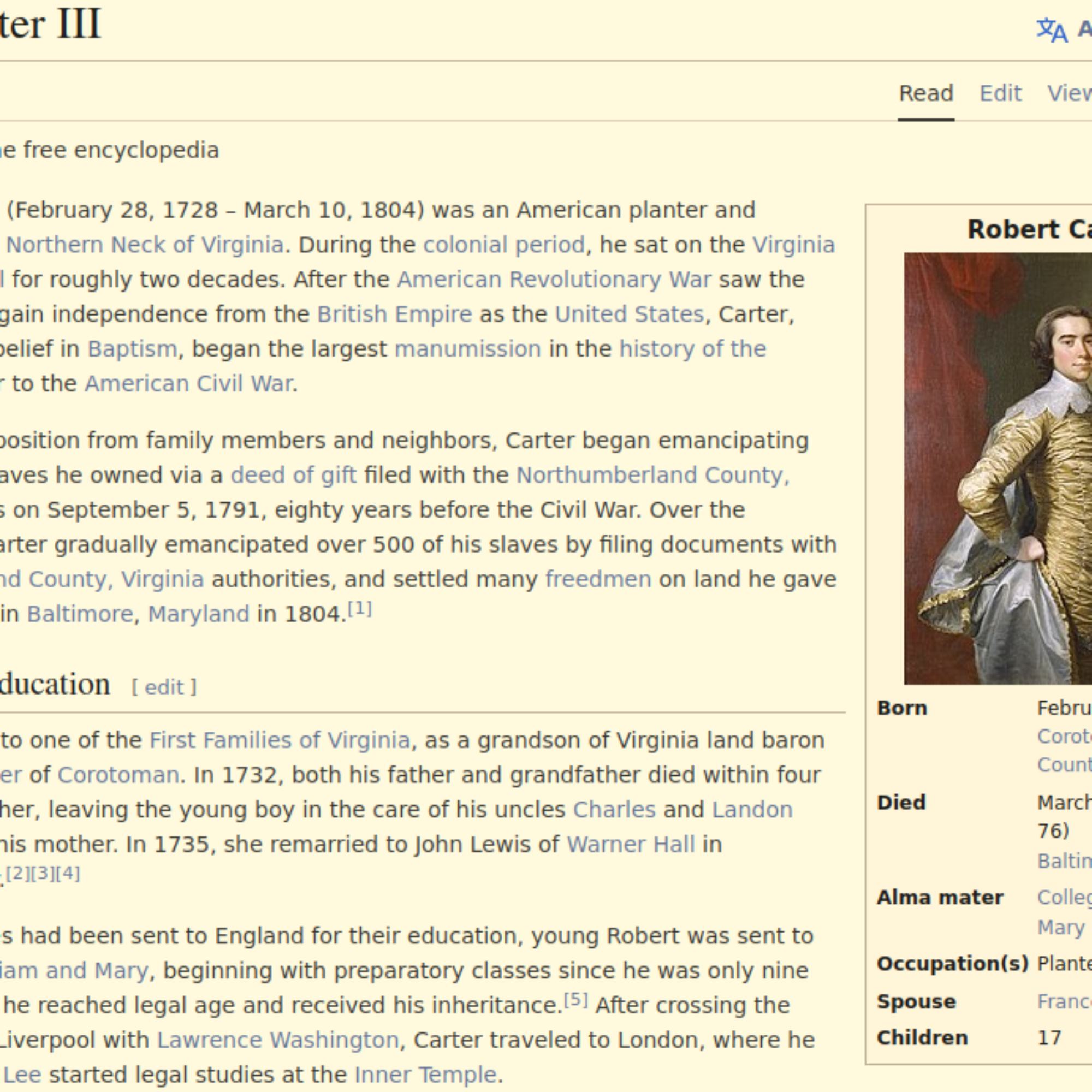
Extreme like Thomas Jefferson or like Robert Carter III?

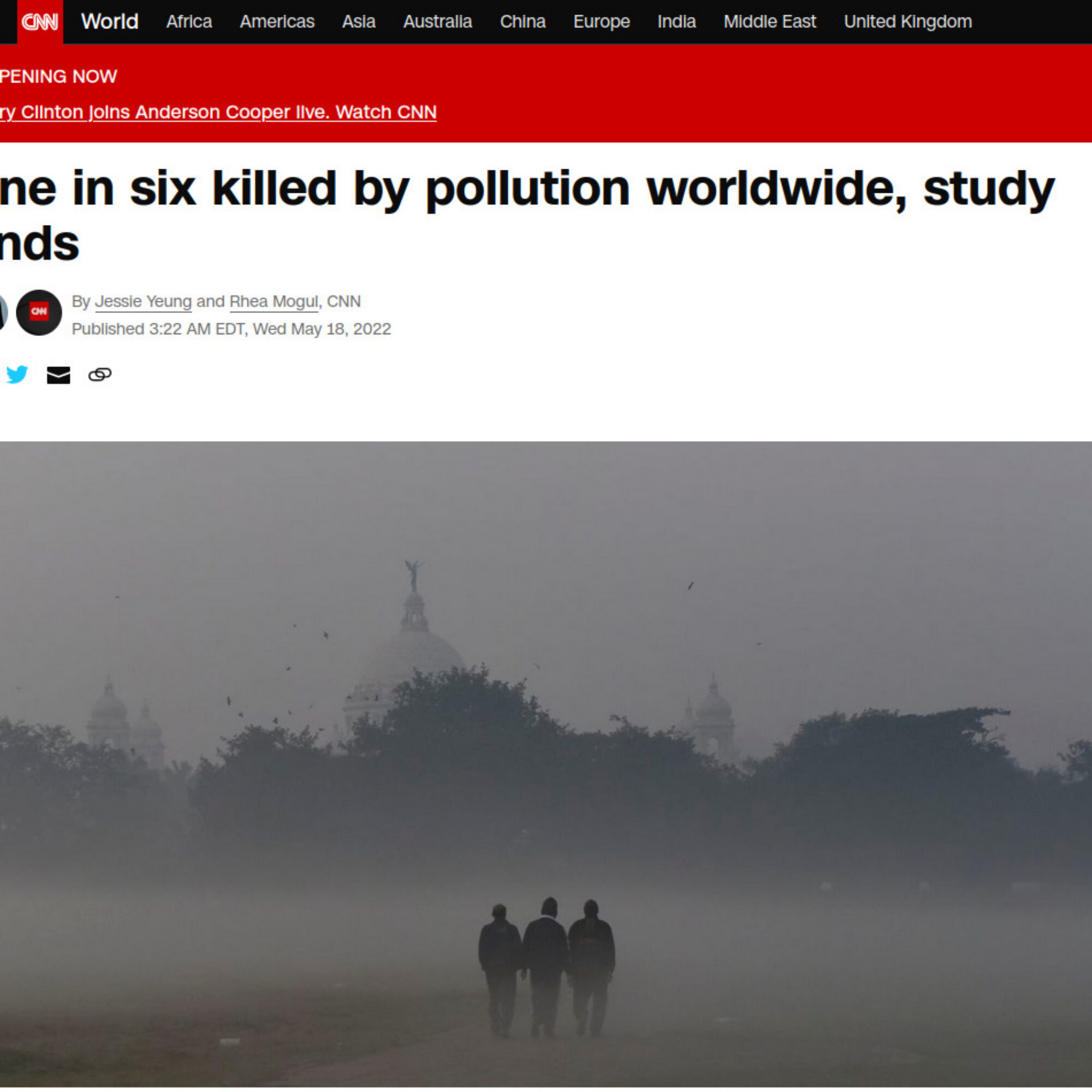
Since people describe me as "extreme" so often, I experiment with how to respond since I don't use the measure they do. They compare me with people around them---that is, with culture. I consider how my behavior affects others. I don't want to hurt innocent people. My book treats the relationship between our culture and slavery, with the main difference that the cruelty of today's culture is much greater than slavery in the US. As one measure of many, the peer-reviewed journal The Lancet reports nine million people dying per year from polluted air. That number is about the total number of slaves in the US total, over centuries. Thomas Jefferson spoke of freedom, equality, and liberty, but owned slaves. He didn't free them. In…

0 Comments

Why do liberals consider political views they disagree with “wrong” but different skin colors and sexual preferences “diverse”?

People are going to read their preconceptions into what I'm asking, so if my question of this post seems provocative or you think it implies I'm promoting or espousing views, you're misreading. There's a pattern I see often. One example was last weekend at an alumni event at Columbia University. Former US Attorney General Eric Holder spoke. He's a Democrat and liberal. As best I can tell, so were most members of the audience. Between his talk and the questions from the audience, everyone valued diversity. When they promoted diversity, they talked about people with different skin colors, women in positions of authority, people from different countries, and people with different sexual preferences. I inferred from them that people's different identities along these lines were…

0 Comments

Advanced discoveries in sustainability

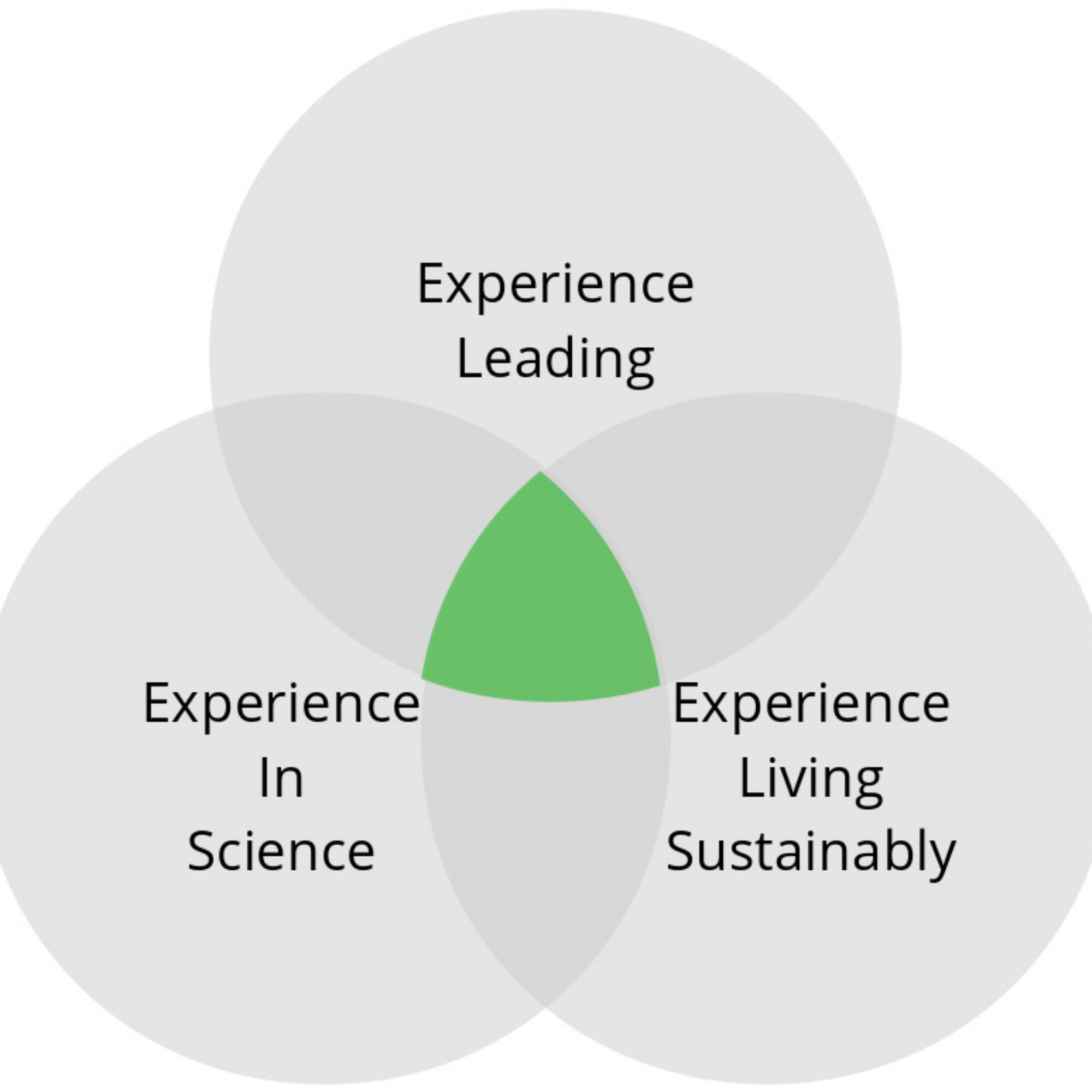
I recently hit on the following observations. I shared them with a few people with experience in the overlap of experience in leading, science, and living more sustainably. They understood the concepts after some explanation, but suggested they wouldn't be accessible to many people outside that zone. I'm not sure how many people they'll make sense to, but I consider them big discoveries. Some day I'll write essays on each. I hope they make sense and explain why our culture is having the effect on the world and our qualities of life that it is. I mean, I think these points explain a lot. Efficiency displaces Love Growth displaces Nature Pollution displaces Life Depletion displaces Hope Money displaces Trust Finance displaces Community Competing displaces Nurturing…

0 Comments

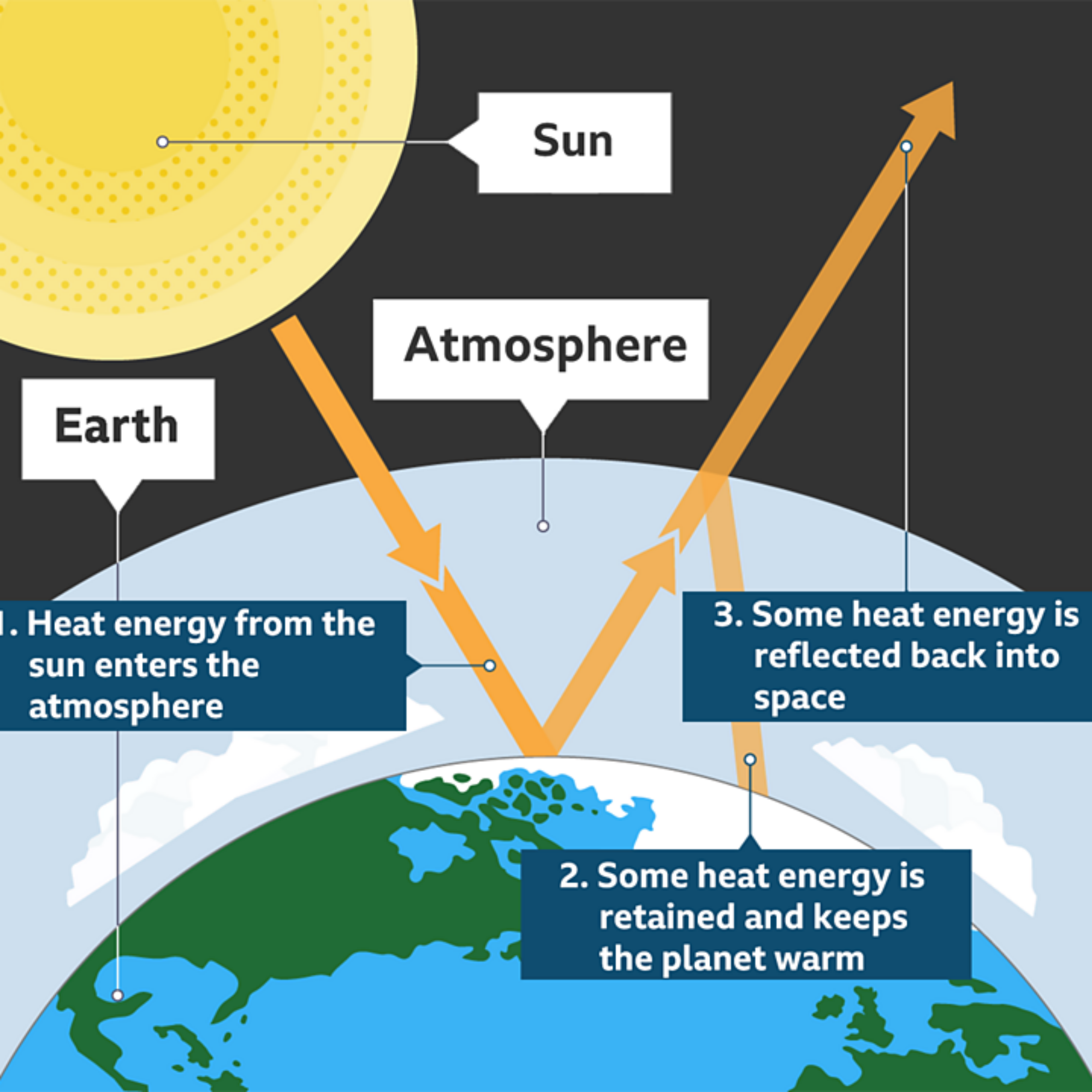
How and why to fix the standard greenhouse effect diagram

You know the usual schematic diagram of the greenhouse effect. Here are a couple for reference: and What's missing? Humans creating power for ourselves creates heat. It happens if we create it through burning fossil fuels, using nuclear power, and even fusion. Using solar panels absorbs extra heat. I hope you respond that whatever heat we produce is negligible. Today it is, but since industry and our current lifestyles require energy, the amount of heat we produce will scale with the economy. If our economy grows two or three percent per year, that's exponential, meaning the heat we produce will increase exponentially. This paper in Nature Physics by podcast guest Tom Murphy, and author of what I consider the science book of the decade, does…

0 Comments
Characterizing my sustainability journey in the language of presidents
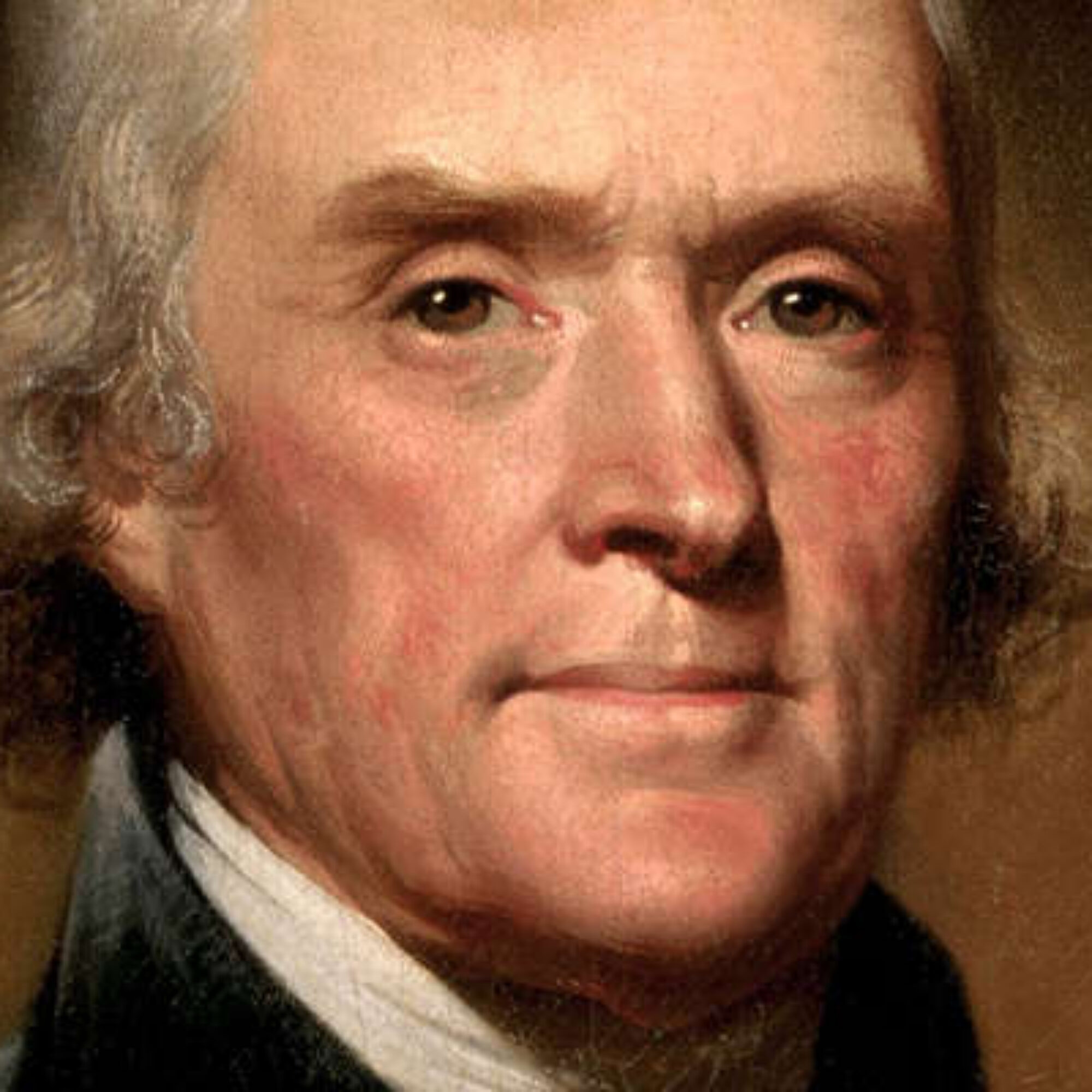
Thomas Jefferson

Characterizing my sustainability journey in the language of presidents

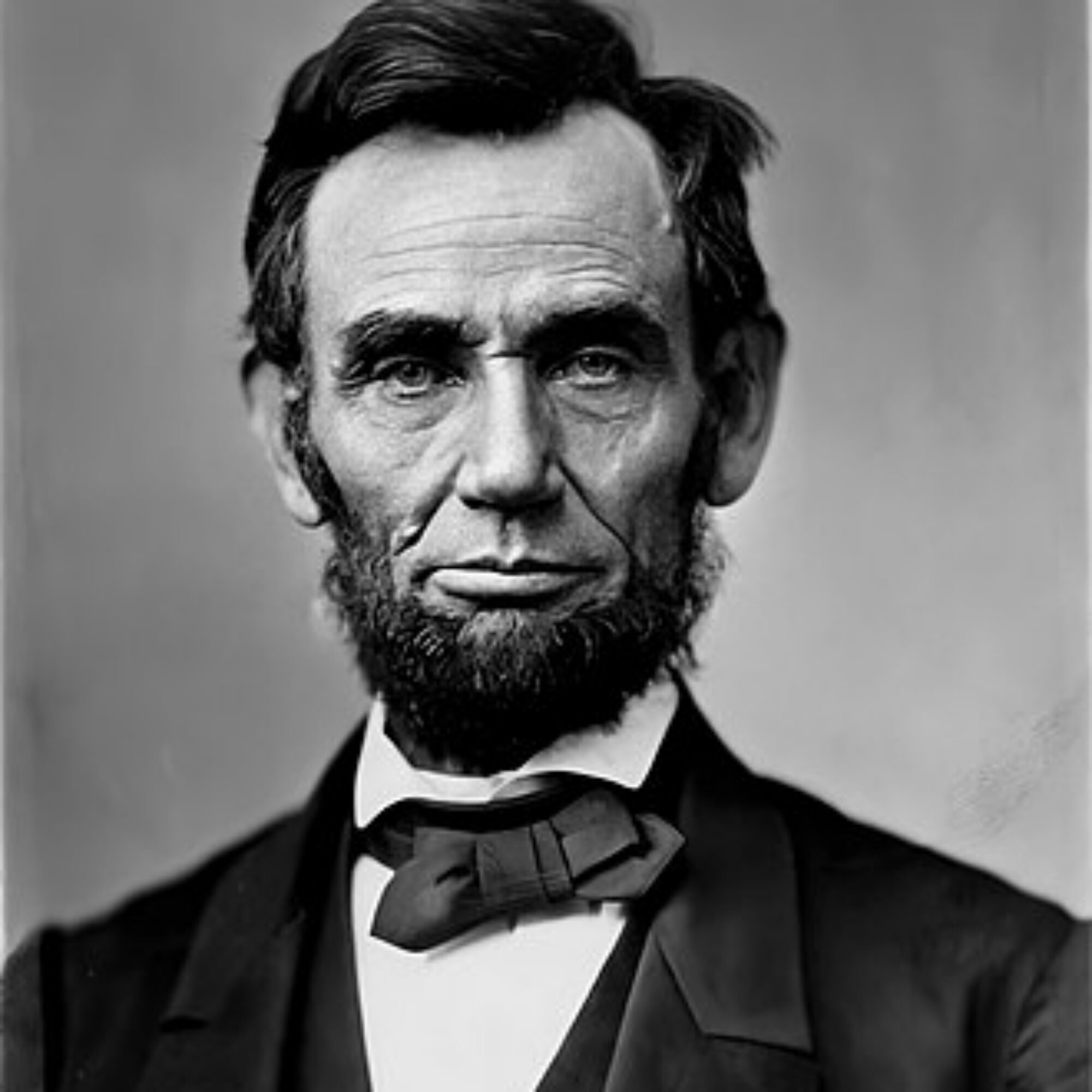
Since I've been studying so much American history and seeing American presidents as role models, I couldn't help stumbling on a characterization of my development. Before I acted, when I knew the problems with pollution and depletion but contributed to them as much as everyone around me, I was like Thomas Jefferson speaking about freedom while owning slaves. Today I still pollute and deplete, but far less than before. I'm more like Abraham Lincoln if he wore cotton clothes with cotton from the South---that is, still contributing to the problem but orders of magnitude less than Jefferson. He didn't fuel his opponent's rhetoric, as Jefferson did. They could say, "if he meant all men were created equal, he wouldn't own slaves, but he does, so…

0 Comments

Who are we in the Star Wars universe?

What role in the Star Wars universe best describes you, your nation, or your culture? I think most people would like to think of themselves as Luke, Leia, or someone in the rebellion against the empire. Or someone outside that conflict, maybe just living on their own. Let's see. Context: A culture living unsustainably means it will run out of at least one necessary resource. If it can trade for its depleting resources with another culture mutually voluntarily so neither runs out, I would call them both sustainable. An unsustainable culture running out of any necessary resource that can't trade for them mutually voluntarily can Return to sustainability and not run out Collapse Take the resource from another culture Humans lived sustainably for hundreds of…

0 Comments

We living sustainably today, helping others live more sustainably are like Americas founders in 1774 and more.

Did America's founders know they'd win in 1774, say, at the time of the Intolerable Acts? Did the other colonists? Did people think independence was possible? Nobody knew. Probably most would bet against their fighting the greatest empire in history. We who work on changing culture to sustainability are like America's founders in 1774. Obviously I'm not saying exactly. There are many differences, but in that we are taking on big challenges others don't try, yet they succeeded and we expect to also. Likewise these others: We are like Abraham Lincoln when he ran for president in 1859. Did anyone think he'd help pass an amendment ending (mostly) slavery? We are like Martin Luther King when meeting Rosa Parks before she said "no" to moving…

0 Comments

We study Lincoln to see who we could be, but should also study Calhoun to see who we are

I've been reading podcast guest Manisha Sinha's book The Counterrevolution of Slavery, which recounts how slaveholders spoke and acted to justify and advance their institution of slavery. I know to expect it from having seen it before in podcast guest James Oakes's The Ruling Race and Jenkins' Proslavery Thought in the Old South, but I'm still shocked at how relevant their thinking is today. They treat a different institution, but the thought processes leading to their conclusions comes from the same place: resolving internal conflict, knowing they are doing something against their values that is clear to anyone outside that system. We study Abraham Lincoln and abolitionists so we can learn what we could do and how we could think and act in difficult situations.…

0 Comments
I started in sustainability trying to restore nature. Now I see we have to restore humanity.
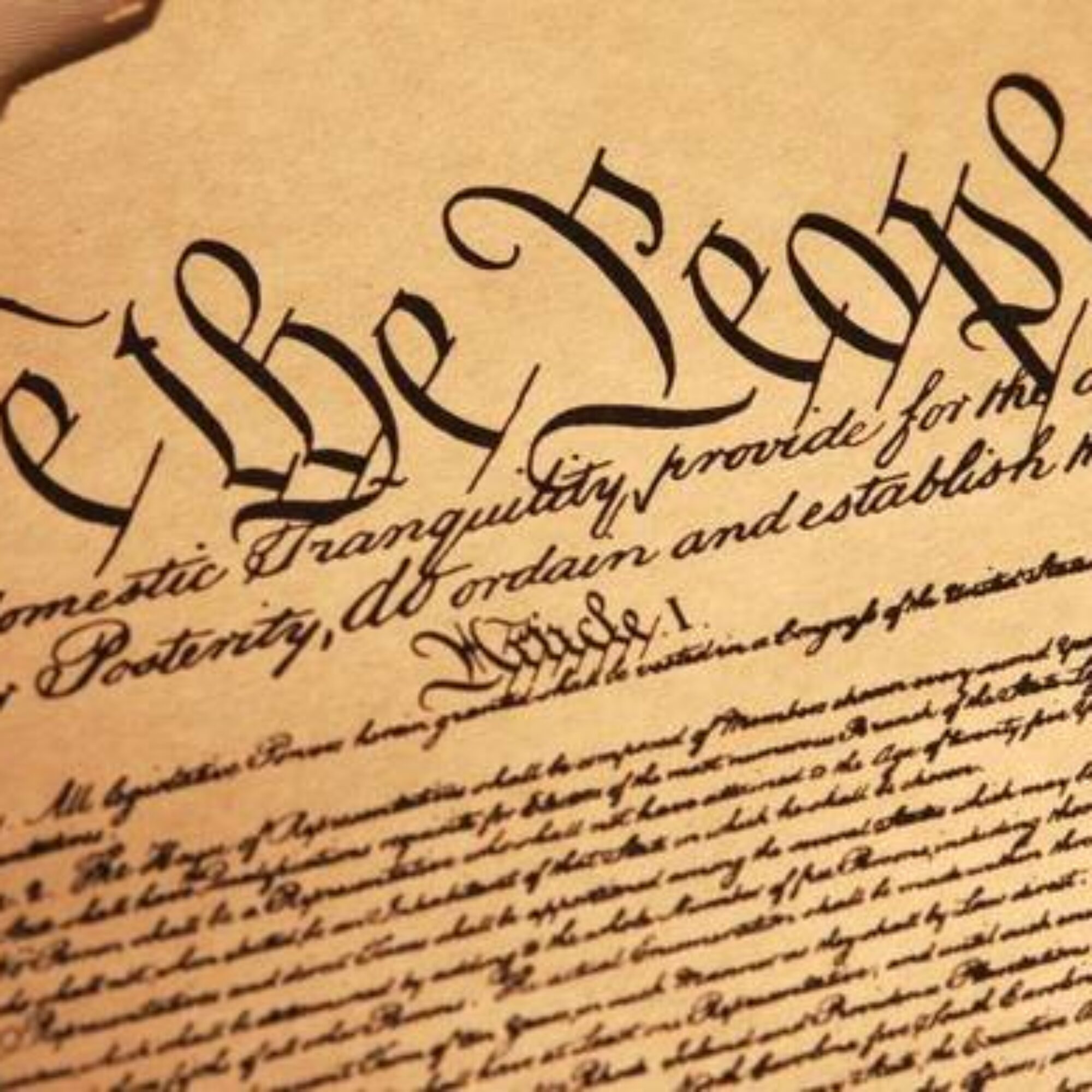
The United States Constitution

I started in sustainability trying to restore nature. Now I see we have to restore humanity.

When I started working on sustainability instead of hoping someone else would fix our problem, I saw my goal as restoring nature, also conserving and protecting it. Learning that our environmental problems result from our behavior, which results from our culture, has taught me that we have to work on ourselves. I see how much our culture promotes addiction, pollution, depletion, and plunder. I see that we are abandoning or have abandoned values and practices of stewardship, doing unto others as we would have them do unto us, leaving it better than we found it. Since pollution, depletion, and plunder destroy life, liberty, and property, I see we no longer promote a government protecting life, liberty, and property. My goals have shifted from restoring nature…

0 Comments

How I don’t need willpower by learning to feel disgust for what once tempted me. You can too.

Maybe you've heard me share how from when I had my own kitchen, I always had ice cream in my freezer and pretzels and Doritos in my cupboard. I struggled to pace my consuming them, but nearly always ate more than I meant to, but kept buying more. Now I say there isn't enough money in the world for me to eat that stuff. I also talk about my relationship with doof as an addiction. Many people who kick addictions describe themselves as "in recovery" for the rest of their lives. What changed? Why is it beyond easy for me not to consume Ben and Jerry's, bordering on inconceivable? The transformation began with hydrogenated oil, now also known as trans fat. The roots of my…

0 Comments

How what I’m doing feels, subway version

Sometimes I feel like I'm responding to someone who fell on the subway tracks. No one else acts. I jump down onto the tracks to help the person to safety, but the person is morbidly obese and struggles just to lift themselves from the ground. They've decided to stop trying. "It's too hard. It's not worth it." They resign themselves to the train hitting them. "As long as I can't do anything, I might as well enjoy the time I have left," they say, and get out some Twinkies. I'm trying to help the person to safety, or even just to try to move. I'm trying to lead them to see that if they free themselves, they'll be glad they did. But they suggest they'll…

0 Comments

Magnitude of suffering and death then and now

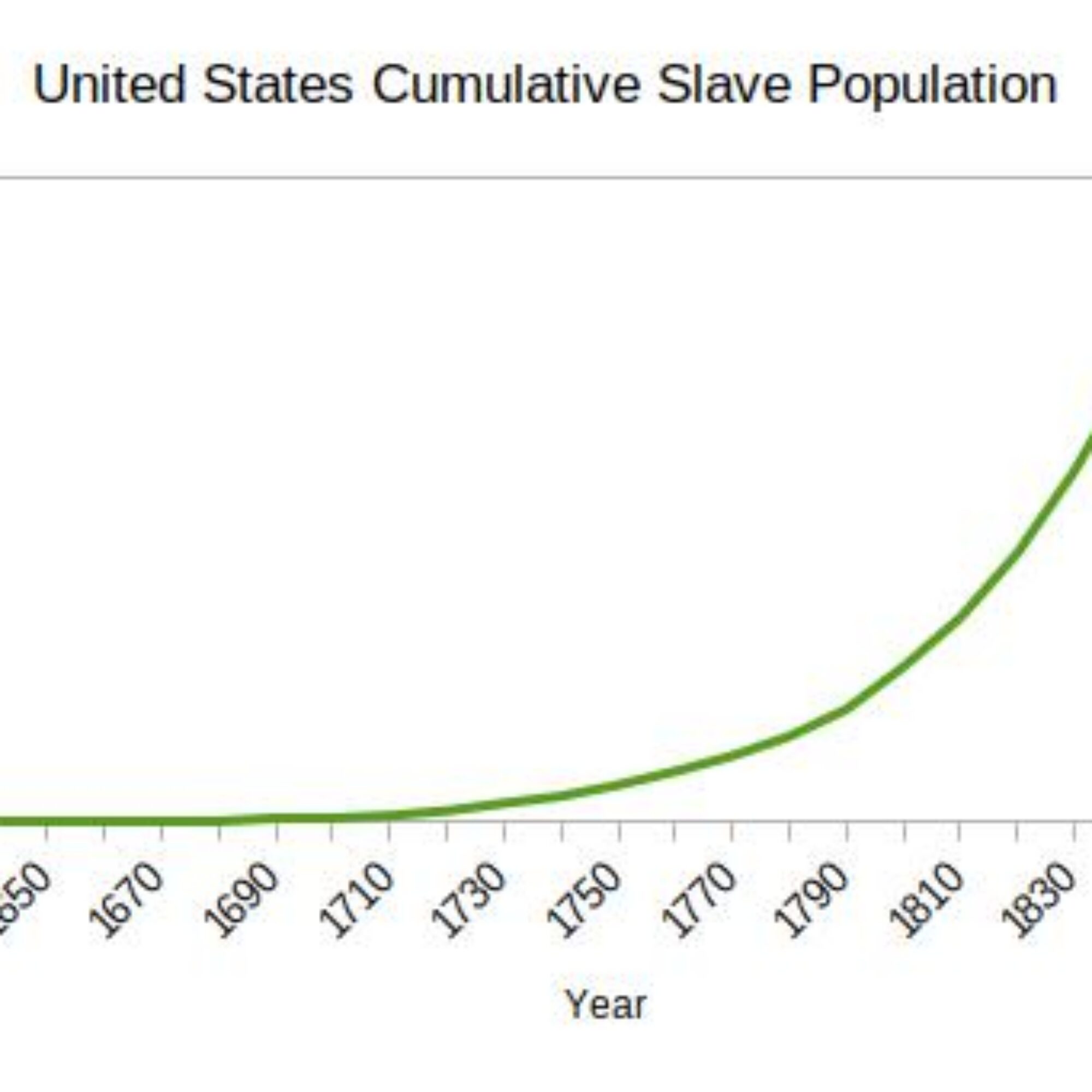
I wrote recently in When changing fast is easier than slow about the growth in number of slaves in the United States based on a peer-reviewed paper From ‘20 and odd’ to 10 million: The growth of the slave population in the United States, by J. David Hacker in the journal Slavery & Abolition. That paper also reported the cumulative number of slaves in the United States. Before looking at the graph, consider that The Lancet, one of the most respected medical journals, reports that nine million people have died per year from breathing polluted air since 2015. That's nine millions per year every year since 2015 at least. National Geographic reports. Air pollution kills millions every year, like a 'pandemic in slow motion': Globally,…

0 Comments

Another lie we tell ourselves: “Human life requires polluting and depleting”

Rationalizations and justifications no matter how specious and self-serving sound legitimate and true to the person using them. I hear a lot of rationalizations and justifications on why people pollute and deplete. To the person saying them, they sound legitimate and true. Rarely are they. The other day someone repeated one I've heard before but didn't realize how insidious and powerful it is. The person saying it stuck with it with all he had. When I asked to justify it or say where he learned it, he couldn't answer. A big part of a culture is beliefs people in it don't question. This one was that life requires polluting and depleting. Many people say it. It serves people who pollute and deplete well because it…

0 Comments

Milton Friedman: Free Markets Don’t Have to Mean Growth and Governments Ought to Regulate Pollution

Researching more for my upcoming book and planning to write opinion pieces, I'm learning more limited government, free market thought and practice relevant to sustainability and the environment. It's relevant beyond anything I expected. If only people asked questions of people they disagreed with and listened to their answers in 2024 as much as they tried to convince and defeat, we'd have solved a lot of problems where we mutually benefit from the solutions. I guess it will have to fall on me to help everyone see that mutual benefit and collaborate for it. Here is Milton Friedman on the case for government regulating behavior that affects a third party without consent, including pollution: Question to Milton Friedman: You're not going to condemn regulations regarding…

0 Comments

What made sustainability politically polarized: my hypothesis

Our environmental problems have become a politically polarized issue. Why? I don't know values of any political tradition that oppose clean air, land, water, and food, while all seem consistent with stewardship. Meanwhile, the main political tribes seem to see their opponents as obvious enemies, blatantly exacerbating the problems. Liberals say conservatives and libertarians don't care and are greedy. They say they prefer profit over helping other people or wildlife. Conservatives and libertarians say liberals are virtue signalling, behaving hypocritically, trying to seize power by fear mongering, and too stupid to realize that even if they genuinely care that they're waltzing into growing government into what will evolve into a totalitarian Stalinist regime, whether they intend it or not. How did this situation arise? I'm…

0 Comments

What do you call a market where people can profit from depriving others of life, liberty, and property with impunity?

I like the idea that if I create something, you and I agree on a price, and we exchange your cash for my product then we mutually benefit. The more I sell to people voluntarily choosing to buy what I made, the more mutual benefit I create. What if to make my product, I harm someone? For example, if in my manufacturing process, I save money by dumping mercury in water that supplies a city, would you call a market where I sell that product a free market? No one in that city consented to drinking mercury. I contend it was not a free market. Pollution destroys life, liberty, and property. Some things that can be cleaned up you could call an externality that new…

0 Comments
The problems of sustainability as more social than scientific
The United States Constitution

The problems of sustainability as more social than scientific

People jump to treating our environmental problems as rooted in science, therefore they look for solutions from scientists. I'm seeing the problem more as social than scientific in the following way. First, I want to clarify that understanding the mechanisms by which Earth's ecosystems are changed depend on science. I'm not challenging that we understand the mechanisms through observation, experiment, debate, and the other tools of science. When I pollute and deplete, I hurt other people. That I do it through polluting with plastic, drain aquifers faster than they replenish, or whatever doesn't change that the problem is I'm hurting people without their consent (wildlife too, though I'm partial to caring more for humans than animals). People have hurt others since before humans were human.…

0 Comments

Hear me on America Out Loud’s After Dark: How Pollution Destroys Life, Liberty, and Property

On my seventh appearance on After Dark with Rob and Andrew, I share how I've been diving into conservative history, thought, philosophy, and community. Both hosts have been on my podcast and I meet Rob periodically in person in Manhattan, where he lives too. About the hosts: Rob is the founder of The Multicultural Conservative Foundation, whose mission is to promote the political diversity of conservatism through social media. He has been interviewed by many independent news organizations regarding his views on black conservatism. In addition to writing and blogging, he is the author of a self-help book, “That Job Just Isn’t Into You: Starting Over When It’s Over.” Andrew is a social media pundit, writer, and podcast host. He believes in traditional Conservative values,…

0 Comments

Everyone should change except me.

I see the statement Everyone should change except me. as one that defines our time. We recognize the problems. Like traffic, we all contribute to them, but also like traffic, we feel like they---other people---cause it and we're caught in a mess of their making. Of course we cause traffic as much as anyone. We cause our cultural and environmental problems too. We could change.

0 Comments

Being Dick Fosbury and Debbie Brill

I've described what I'm doing practicing sustainability as being an explorer, the Wright brothers, and Roger Bannister. Each comparison had sense, but I think I found a better one: Being like Richard Fosbury creating the Fosbury Flop. He invented a better way to do the high jump. The videos below show how people did it before him and how he developed a new way. Compared to old ways, it looked backward. Nobody did it that way. He wasn't a great athlete, but he figured out how to do it better. He won Olympic gold. Now everyone does it how he developed. People do what he developed better. He's happy they do. Everyone seems to value sustainability, but I know almost no one who actually tries…

0 Comments

End of content

No more pages to load