“Sin” is a made-up concept.

I grew up in an environment that took the concept of sins for granted. People called certain behaviors wrong by labeling them as "sins." As a kid I never considered the sources of the classification or even if they corresponded to anything other than opinion. As a result, accepting someone calling a behavior as a sin seemed as natural as them saying something was green or wet or upside-down. As an adult I came to question the concept. It hit me that the concept of sin was just something that people made up. No objective way to determine something's sinfulness exists. As best I can tell, people created the concept to control other people with fear and shame, and possibly to make themselves feel better.…

2 Comments

Hidden assumptions in “Jobs Americans won’t do” and systems thinking

I keep reading the phrase "jobs Americans wont' do," as in "illegal immigrants do work in jobs Americans won't do." Search on the phrases in quotes and you'll find plenty of articles on the topic. Economists, politicians, and pundits use the tools they use to analyze jobs -- labor supply and demand, wages, competition, and so on -- to understand the situation. These articles never seem to question the existence of some jobs. They seem to take for granted that some work just has to be done and that it has to be done in just that way. Of course we need people to gut pigs and work in the sun all day in huge agricultural fields, they suggest...  of course we need people to…

0 Comments

What are your beliefs and models?

My series on beliefs got me more page views and emails from readers than average. Did it get you to examine your beliefs? Did you do the exercise that started it for me? It costs nothing and takes only a few minutes. I ask not just because I'm curious, I ask for a reason we could all benefit from. As much as I like how my beliefs work for me, many people have beliefs that could work yet better for me and everyone else. I invite you to share your beliefs here. You might help me. You might help others. More importantly, you'll help yourself. Writing them out will force you to examine them more deeply, which will likely help them help you. Giving others…

0 Comments

Daily models and beliefs that work

[Today's post is an alternative introduction to my series on beliefs and how to change them. It gives a different, more team-oriented approach.] A major tool of leadership is setting the common beliefs and models of your team. Some examples: The head of a corporation may decide that the company's highest priority is product quality when it used to be customer service. Or may decide it is a consumer electronics company instead of a business-to-business company. The coach of a sports team may decide the team is a defensive team where it used to be offensive and before that it fed the ball to its star player. A person in a relationship may decide love means understanding and supporting their significant other where they used…

0 Comments

Who or what is a Cathedral-builder and why should I care?

[This post is part of a series on "Mental models and beliefs: an exercise to identify yours." If you don’t see a Table of Contents to the left, click here to view the series, where you’ll get more value than reading just this post.] The great business guru Peter Drucker illustrated how different people find different value and meaning from their work (and lives) through the parable of the three stonecutters. An old story tells of three stonecutters asked what they were doing. The first looked unhappy. He said, “I'm making a living cutting stones.” The second looked happier and proud. He kept on hammering while he said, “I'm doing the best job of stone-cutting in the entire country.” The third one looked up with…

0 Comments

How failure creates success

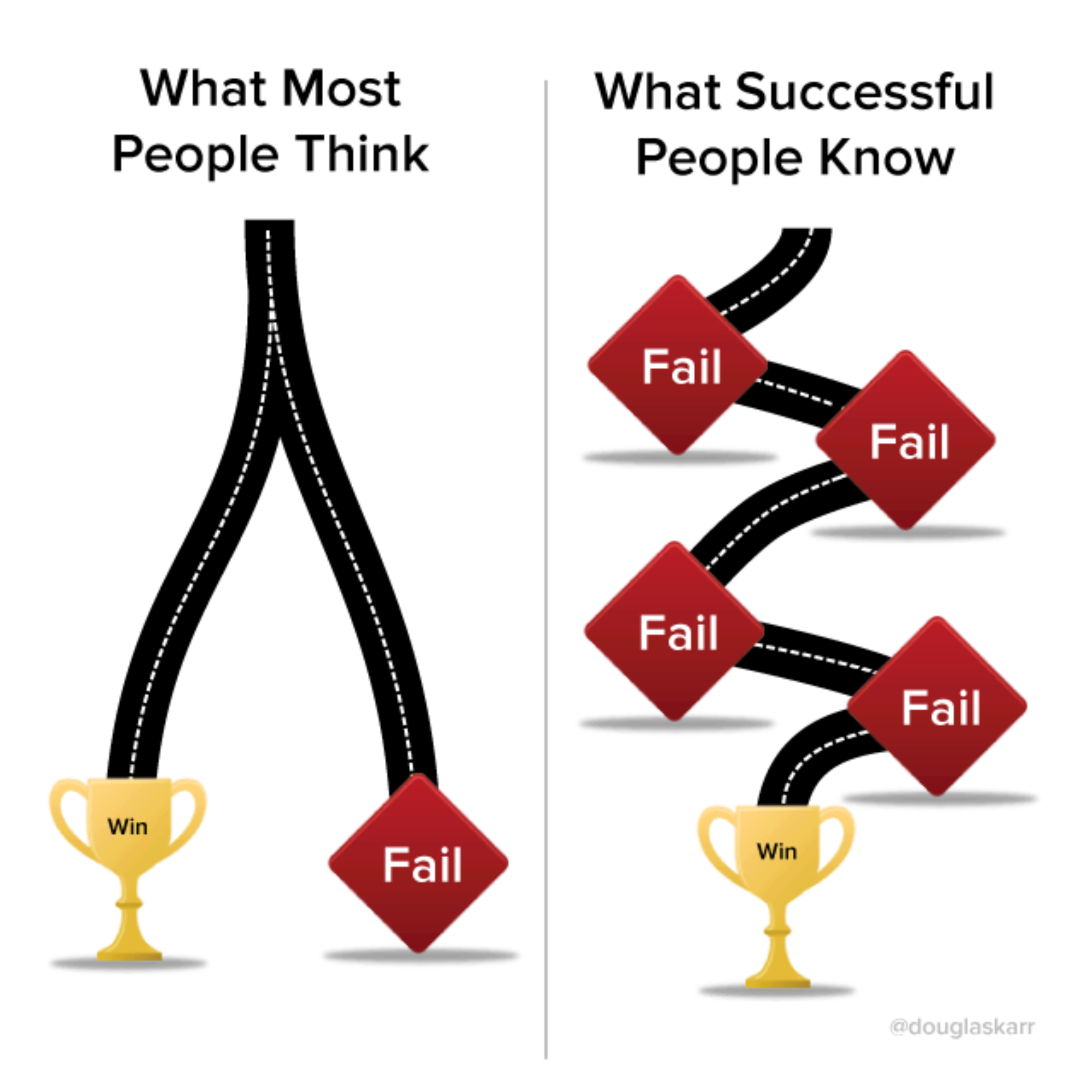
Normally I don't like just posting someone else's work, but I saw this image the other day and found the model it suggests so simple and useful I couldn't help posting it. I've found and often say the people who succeed use the word "failure" like other people do, but it doesn't mean the same thing to them. It means something positive. Not even a necessary evil, but part of a learning process... a desirable outcome.

0 Comments

What is morality?

The concept of morality is for many people a complex topic. I like to simplify complex things, as long as the simplification works. If the simplification doesn't work I drop it, but sometimes the simplification works well. Longtime readers of this blog know I avoid using terms like right, wrong, good, bad, and evil and have an exercise to avoid them that taught me a lot, decreased how many arguments I got into, and benefited me in other ways. So the less I communicated judgment, the more I questioned the value of anyone communicating judgment and the more I started paying attention to how people used the word and concept of morality. I came to substitute the model that morality just meant someone telling someone…

0 Comments

A model for one of the most valuable skills related to beliefs

[This post is part of a series on “Mental models and beliefs: an exercise to identify yours.” If you don’t see a Table of Contents to the left, click here to view the series, where you’ll get more value than reading just this post.] This series covered a lot about flexibility with your beliefs -- the ability to try out believing something new and letting the new belief crowd out the old one. Doing so is hard because believing means believing something is right. If you don't get it, changing beliefs is hard because you'll think it means believing what you thought was wrong is right and vice versa. I made a point of undermining beliefs being absolutely right or wrong -- it's impossible for…

0 Comments

A model for learning potentially painful, embarrassing, challenging skills

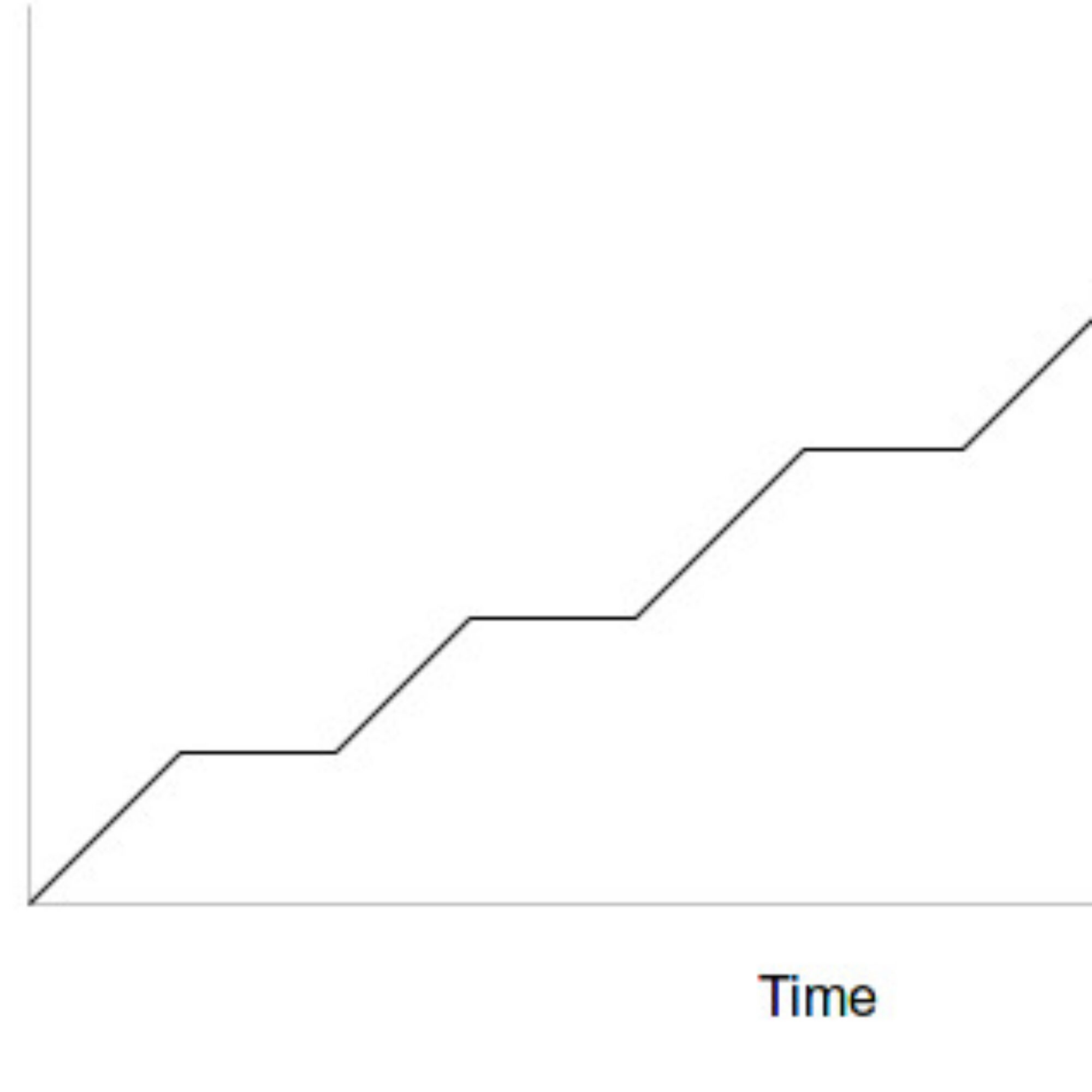
[This post is part of a series on “Mental models and beliefs: an exercise to identify yours.” If you don’t see a Table of Contents to the left, click here to view the series, where you’ll get more value than reading just this post.] Do you ever hold back from trying to learn something because you know you'll have to try several times to get it right? Are you afraid of falling, failing, getting hurt, and getting laughed at? Today's model addresses that, giving you a model for trying new things. It gives a great visualization for people who master a difficult task, as difficult, painful, publicly viewable, and challenging as any project you'll take on. You've likely done this harder challenge yourself. A model…

0 Comments

How do you know the Earth is round?

One of the most important skills to have about beliefs and models is being flexible. Flexibility is one of the hardest skills for my clients to develop... until they get it. Then they realize the value of the skill and get good at it quickly. Today I want to share a way I've found useful to undermine people's rigidity in their beliefs -- to point out how an incredibly strong belief can be based more on just agreeing with everyone else without questioning them than direct observation. One of the most basic facts we all know about our world is that the Earth is round. To say otherwise puts you in a category of kook or loon. Someone who believes the Earth is flat will…

4 Comments

A model that all models are flawed but inevitable

[This post is part of a series on “Mental models and beliefs: an exercise to identify yours.” If you don’t see a Table of Contents to the left, click here to view the series, where you’ll get more value than reading just this post.] Though this series covers models and their importance, one of their most important properties is that they inherently have flaws and inconsistencies. Flawed as they are, we can't avoid using models -- we can't avoid believing things beyond what our experience allows. The universe is larger and more complex than we can observe or comprehend so we have to make do with flawed and inconsistent simplifications. You might say you can never be completely right about anything -- not you nor…

0 Comments

A model for intuition, especially in complicated times

[This post is part of a series on “Mental models and beliefs: an exercise to identify yours.” If you don’t see a Table of Contents to the left, click here to view the series, where you’ll get more value than reading just this post.] Leading in complicated times can be challenging. Many people prefer not to lead because of the risk of visible failure. Others thrive under pressure. They don't have better odds of success than others. If you can become like that, people will want you around. Even if all you can do is stay calm beyond where others lose their cool, people will want you on their team or leading it. How do you learn to stay calm and perform effectively under pressure…

0 Comments

A model for balancing pushing myself with enjoying life

[This post is part of a series on “Mental models and beliefs: an exercise to identify yours.” If you don’t see a Table of Contents to the left, click here to view the series, where you’ll get more value than reading just this post.] Do you work hard to improve your life -- studying hard, working long hours, being patient with a significant other, etc? If you're always pushing, when do you get to enjoy life? But if you're always enjoying, do you ever improve? Do you wonder if you're slacking too much or working too hard? Do you wonder how to balance both aspects of your life? Today's model shows how I think about how I balance pushing, trying, and improving with enjoying, relaxing…

0 Comments

A model for what improves life the most

[This post is part of a series on “Mental models and beliefs: an exercise to identify yours.” If you don’t see a Table of Contents to the left, click here to view the series, where you’ll get more value than reading just this post.] What can you do to improve your life the most? Exercise more? Eat more healthily? Save or earn more money? Improve your social skills? Buy a house? I've found success in many areas of life. I think I could safely say I've performed in the top few percent of performers (to the extent you can quantify these things) in fitness, earning, academic success, business success, relationship success, and various other important things. Today's belief is about what, of all things I've…

0 Comments

A model for a great lifestyle

[This post is part of a series on “Mental models and beliefs: an exercise to identify yours.” If you don’t see a Table of Contents to the left, click here to view the series, where you’ll get more value than reading just this post.] You want to do well in life. What areas are most important for you? Do you want fame? Fortune? Power? Family? My explorations into meaning, value, importance, and purpose (MVIP) led me to consider what I wanted. Since I've found MVIP are grounded in emotions, I found I could refine my understanding of what brought me MVIP by refining my understanding of my emotional system and my emotions. I found that emotions stood at the foundation of all of MVIP. Not…

0 Comments

Four models on entrepreneurship that counter discouraging myths

[This post is part of a series on “Mental models and beliefs: an exercise to identify yours.” If you don’t see a Table of Contents to the left, click here to view the series, where you’ll get more value than reading just this post.] Do you think about starting a company? Or something else entrepreneurial, like starting and leading a project where you work, a community-based project, or the like? Do you also hold yourself back? Do you fear it might not go well? Or worry you're not doing it right? Or feel like you should prepare more for it? Today I'll cover four discouraging myths about entrepreneurship and four encouraging beliefs that counter them. Having started a business out of school, presenting on entrepreneurship…

0 Comments

A model for the mechanics of how you change your beliefs

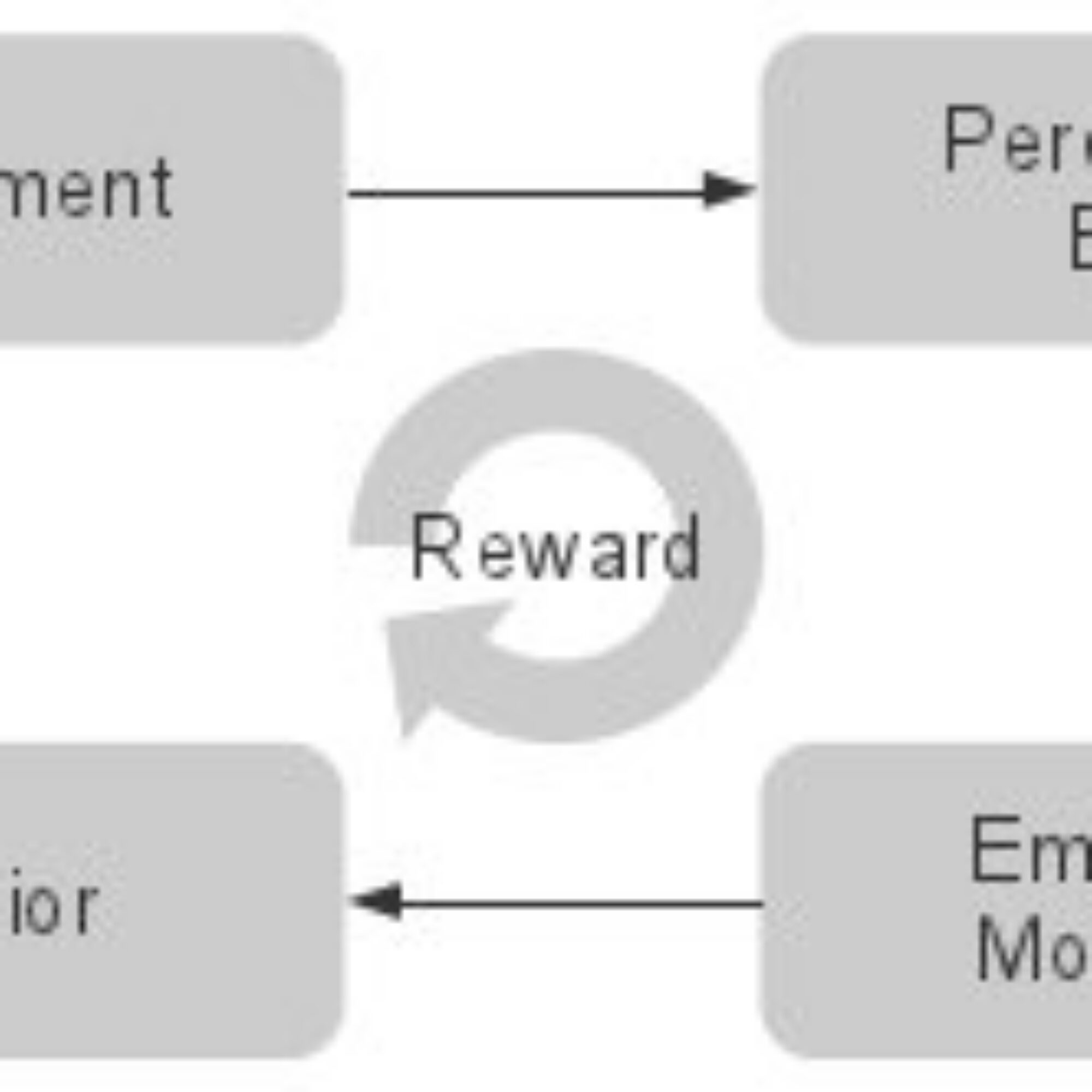
[This post is part of a series on “Mental models and beliefs: an exercise to identify yours.” If you don’t see a Table of Contents to the left, click here to view the series, where you’ll get more value than reading just this post.] After reading a lot of this series, you probably found some beliefs you'd like to try. You might wonder "how do I change my beliefs?" If you haven't intentionally changed your beliefs before and you don't get how beliefs work, you might not realize how easily you can change or how easily you can learn that skill. Today's model will show how you store and change beliefs. A model for the mechanics of how you change your beliefs: Your self-talk voices…

0 Comments

A model for strategy

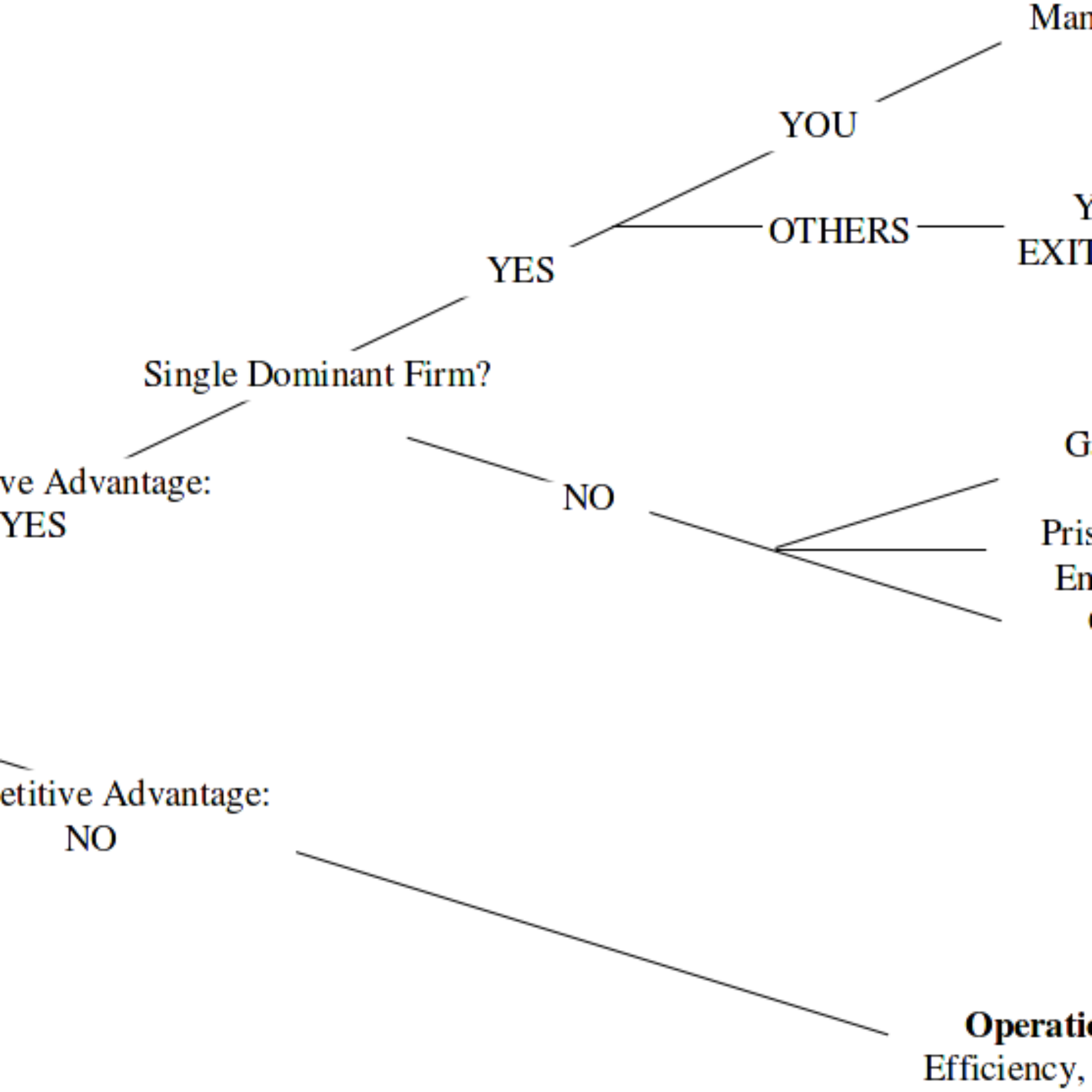
[This post is part of a series on "Mental models and beliefs: an exercise to identify yours." If you don't see a Table of Contents to the left, click here to view the series, where you'll get more value than reading just this post.] Strategy is a fundamental study for many fields, including leadership, military, games, and plenty areas of business. If you're reading this page, you don't need motivation to understand its value. I've read a bunch on strategy, taken classes, written a book on strategy and North Korea, and lived through my share of strategic situations. I play chess decently too. Of all the resources I know, one stands above, the book Competition Demystified: A Radically Simplified Approach to Business Strategy, by Bruce…

0 Comments

A model to make sense of complexity

[This post is part of a series on “Mental models and beliefs: an exercise to identify yours.” If you don’t see a Table of Contents to the left, click here to view the series, where you’ll get more value than reading just this post.] If you believe everything that happens has a cause, when something happens you want to change you look for the cause and change it. You might have to dig deep for the "root" cause, but once you find the cause of something you can influence the thing by influencing the cause. For example, if your project is late because your boss isn't giving you the resources you need, you can try to get your boss to give you more of the…

0 Comments

A model to tolerate when people pre-judge me

[This post is part of a series on “Mental models and beliefs: an exercise to identify yours.” If you don’t see a Table of Contents to the left, click here to view the series, where you’ll get more value than reading just this post.] Doesn't it bother you when someone treats you like a preconceived notion instead of the person you are? Doesn't it feel dehumanizing? Today's belief came from an experience I had riding a bike as a kid and helps me visualize what happens and resolve the problem. I was riding near some trolley tracks. When I crossed them at a slight angle my front wheel fell into the track, making it impossible to steer. The bike and I fell down. If I…

0 Comments

A model to help live and let live

[This post is part of a series on “Mental models and beliefs: an exercise to identify yours.” If you don’t see a Table of Contents to the left, click here to view the series, where you’ll get more value than reading just this post.] One of the things I love most about where I live, the West Village, is its diversity. And not just in the things people most talk about, like skin color, where they're from, gender, sexual orientation, age, religion, and a few others. As the neighborhood continues to gentrify that diversity seems to decrease. I feel like here people support or at least tolerate what others do as long as you aren't hurting anyone. That diversity seems intact. I like that mutual…

0 Comments

A model to identify the parts of your life most ripe for improvement

[This post is part of a series on “Mental models and beliefs: an exercise to identify yours.” If you don’t see a Table of Contents to the left, click here to view the series, where you’ll get more value than reading just this post.] Today's model has special meaning to me because realizing it set me to learning about anxiety, the first emotion I started to learn analyzing to understanding emotional intelligence and self-awareness. I hope it inspires you as much as it did me. Context It started with performing on stage for the class play in business school. Months before the performance I wrote a sketch for Follies, the business school class play. It's mostly inside jokes for business school students, not high art,…

0 Comments

A model and strategy to lead people so they appreciate and thank you for being led

[This post is part of a series on “Mental models and beliefs: an exercise to identify yours.” If you don’t see a Table of Contents to the left, click here to view the series, where you’ll get more value than reading just this post.] Want to know a great way to lead people so they appreciate that you led them? Today's model and strategy show how. Often they'll thank you and look forward to being led again by you later. Note that it works when you and they both care about the goal. It may not work on projects that they have no internal motivation to work on. The first few times you do it, it may seem mechanical, but if you pay attention, you'll…

0 Comments

A model of emotional intelligence and self-awareness

[This post is part of a series on “Mental models and beliefs: an exercise to identify yours.” If you don’t see a Table of Contents to the left, click here to view the series, where you’ll get more value than reading just this post.] What is self-awareness? What is emotional intelligence? Everybody I know agrees that improving them improves your life and ability to lead yourself and others. "Know thyself," a basic instruction for improving yourself that has stood the test of thousands of years, means improving self-awareness. Yet few people can define either of these terms effectively. Today's model explains them both. A model for emotional intelligence and self-awareness First, some basics I'll take for granted. You have a head and body. You breathe.…

0 Comments

A model to cover life’s basics

[This post is part of a series on “Mental models and beliefs: an exercise to identify yours.” If you don’t see a Table of Contents to the left, click here to view the series, where you’ll get more value than reading just this post.] Do you ever feel overwhelmed with obligations? So much that you find yourself losing sense of your priorities? Today's simple model reminds me of my basics. If you're reading this at some regular, calm time, it may seem too basic to think about. Its value comes when you're stressed or overwhelmed. Then it can shift your perspective and simplify things. A model to cover the basics: You can't improve anything until you've covered sleep, food, and exercise. However you want to…

0 Comments

End of content

No more pages to load